

The DOI matches its Crossref record; 113 of the 113 references it cites were found in a registry or an index.
Intermittent fasting interventions for treatment of overweight and obesity in adults: a systematic review and meta-analysis
Open accessAbstract
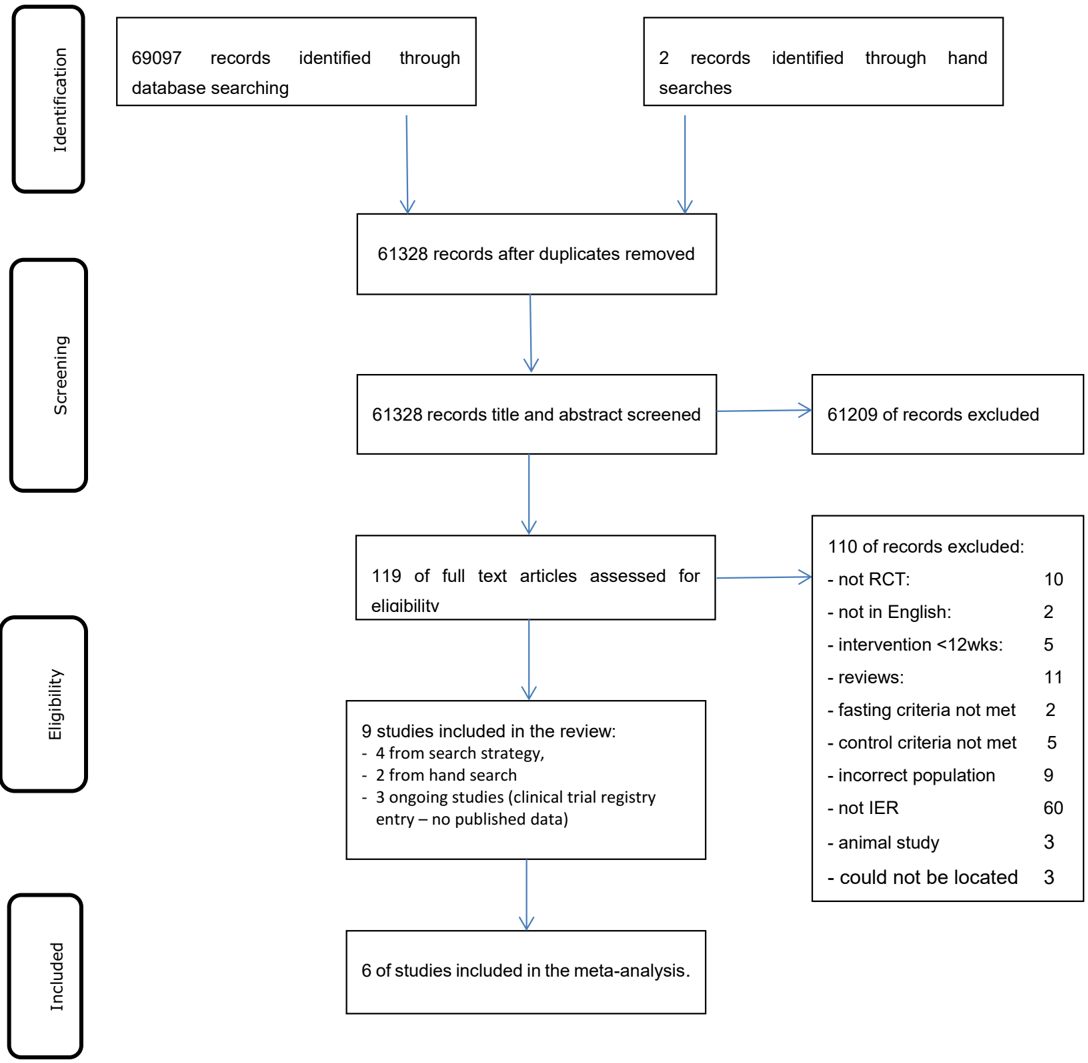
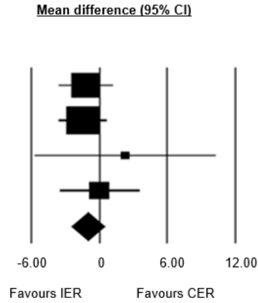
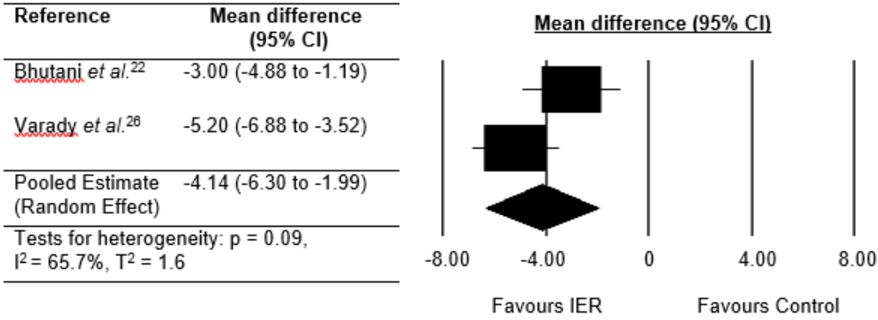
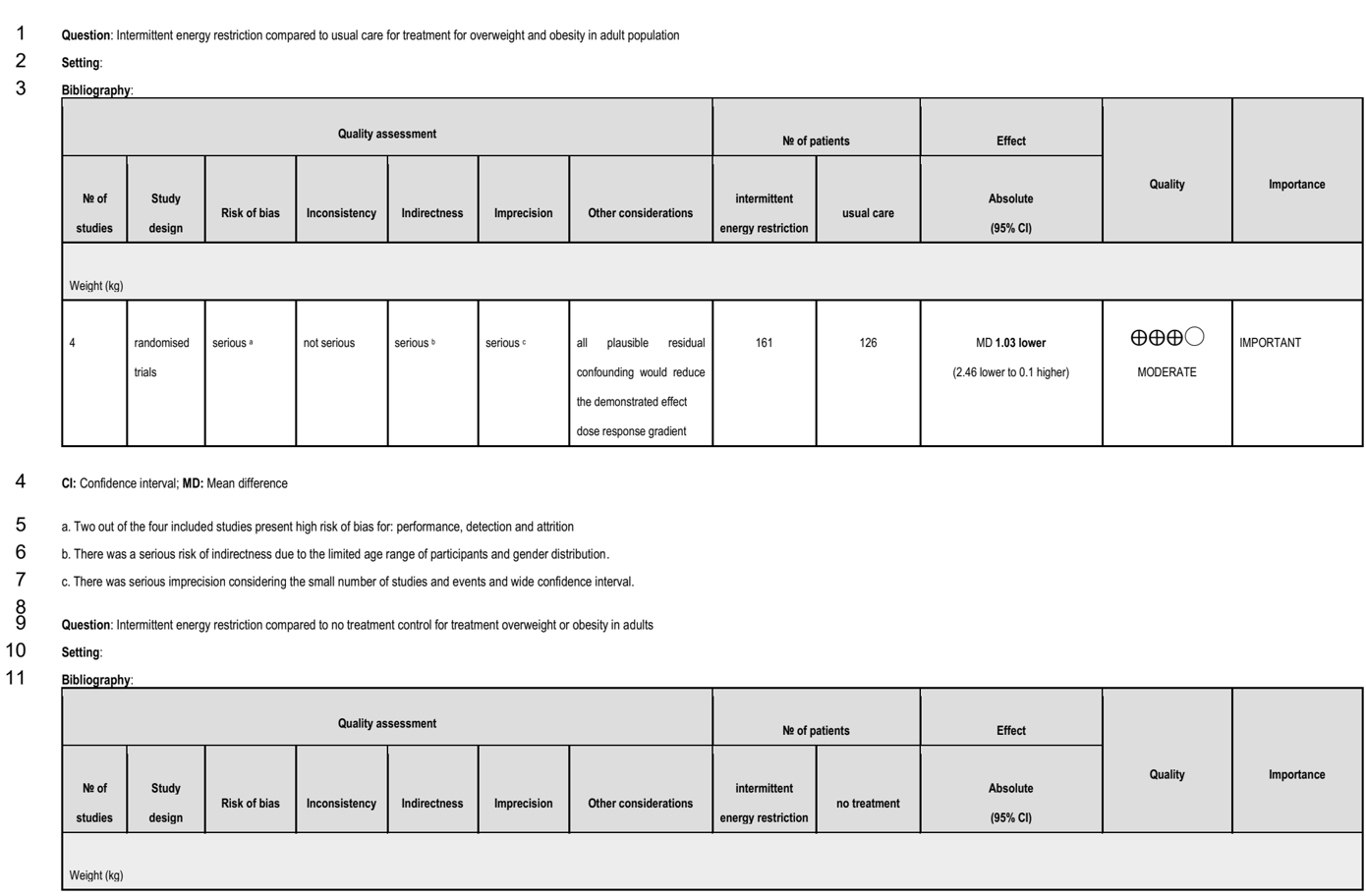
Objective: To examine the effectiveness of intermittent energy restriction in the treatment for overweight and obesity in adults, when compared to usual care treatment or no treatment. Introduction: Intermittent energy restriction encompasses dietary approaches including intermittent fasting, alternate day fasting, and fasting for two days per week. Despite the recent popularity of intermittent energy restriction and associated weight loss claims, the supporting evidence base is limited. Inclusion criteria: This review included overweight or obese (BMI ≥25 kg/m 2 ) adults (≥18 years). Intermittent energy restriction was defined as consumption of ≤800 kcal on at least one day, but no more than six days per week. Intermittent energy restriction interventions were compared to no treatment ( ad libitum diet) or usual care (continuous energy restriction ∼25% of recommended energy intake). Included interventions had a minimum duration of 12 weeks from baseline to post outcome measurements. The types of studies included were randomized and pseudo-randomized controlled trials. The primary outcome of this review was change in body weight. Secondary outcomes included: i) anthropometric outcomes (change in BMI, waist circumference, fat mass, fat free mass); ii) cardio-metabolic outcomes (change in blood glucose and insulin, lipoprotein profiles and blood pressure); and iii) lifestyle outcomes: diet, physical activity, quality of life and adverse events. Methods: A systematic search was conducted from database inception to November 2015. The following electronic databases were searched: MEDLINE, Embase, CINAHL, Cochrane Library, ClinicalTrials.gov, ISRCTN registry, and anzctr.org.au for English language published studies, protocols and trials. Two independent reviewers evaluated the methodological quality of included studies using the standardized critical appraisal instruments from the Joanna Briggs Institute. Data were extracted from papers included in the review by two independent reviewers using the standardized data extraction tool from the Joanna Briggs Institute. Effect sizes were expressed as weighted mean differences and their 95% confidence intervals were calculated for meta-analyses. Results: Six studies were included in this review. The intermittent energy restriction regimens varied across studies and included alternate day fasting, fasting for two days, and up to four days per week. The duration of studies ranged from three to 12 months. Four studies included continuous energy restriction as a comparator intervention and two studies included a no treatment control intervention. Meta-analyses showed that intermittent energy restriction was more effective than no treatment for weight loss (−4.14 kg; 95% CI −6.30 kg to −1.99 kg; p ≤ 0.001). Although both treatment interventions achieved similar changes in body weight (approximately 7 kg), the pooled estimate for studies that investigated the effect of intermittent energy restriction in comparison to continuous energy restriction revealed no significant difference in weight loss (−1.03 kg; 95% CI −2.46 kg to 0.40 kg; p = 0.156). Conclusions: Intermittent energy restriction may be an effective strategy for the treatment of overweight and obesity. Intermittent energy restriction was comparable to continuous energy restriction for short term weight loss in overweight and obese adults. Intermittent energy restriction was shown to be more effective than no treatment, however, this should be interpreted cautiously due to the small number of studies and future research is warranted to confirm the findings of this review.
Overview
The claims and statistics of this paper haven’t been checked yet.
Run the check — free, no account needed. It reads the open-access text and checks the sources it cites.
Integrity signals
Registry
Cites
Statistics
Figures
Verification
Claims the paper makes
The claims and statistics of this paper haven’t been checked yet.
Run the check — free, no account needed. It reads the open-access text and checks the sources it cites.
Claims other papers make about this one
Each is checked against this paper’s own text: does it say what the citing paper says it does?
The source backs part of the claim, not all of it — or backs it for a different population, condition or comparison.
In the citing paper
“In 3 systematic reviews and meta-analyses conducted to evaluate the effects of time-restricted eating and/or intermittent fasting (vs control) on weight loss and cardiometabolic risk factors, weight loss ranged from 1 to 4 kg and triglycerides decreased by 6 to 12 mg/dL (70-72).”
From 2021 ACC Expert Consensus Decision Pathway on the Management of ASCVD Risk Reduction in Patients With Persistent Hypertriglyceridemia (2021) · cites this paper as [70]
Experimental — accuracy not yet measuredThe source backs part of the claim, not all of it — or backs it for a different population, condition or comparison.
In the citing paper
“Triglycerides are reduced with intermittent fasting in proportion to weight loss.”
From 2021 ACC Expert Consensus Decision Pathway on the Management of ASCVD Risk Reduction in Patients With Persistent Hypertriglyceridemia (2021) · cites this paper as [70]
Experimental — accuracy not yet measured
Self-check
Percentages, sums and reported differences re-computed from the paper’s own numbers.
The self-check needs the paper’s full text.
Citations
Cites
Preferred reporting items for systematic reviews and meta-analyses: The PRISMA statement
Moher, D., Liberati, A., Tetzlaff, J., Altman, D. G., & the PRISMA Group* (2009) · Annals of Internal Medicine · doi:10.7326/0003-4819-151-4-200908180-00135 · Cited by 37,554
GRADE: an emerging consensus on rating quality of evidence and strength of recommendations
Guyatt, G. H., Oxman, A. D., Vist, G. E., Kunz, R., Falck-Ytter, Y., Alonso-Coello, P., & Schünemann, H. J. (2008) · BMJ · doi:10.1136/bmj.39489.470347.ad · Cited by 23,305
Process evaluation of complex interventions: Medical Research Council guidance
Moore, G. F., Audrey, S., Barker, M., Bond, L., Bonell, C., Hardeman, W., Moore, L., O'Cathain, A., Tinati, T., Wight, D., et al. (2015) · BMJ · doi:10.1136/bmj.h1258 · Cited by 6,204 · cited 1×
“Indeed, process evaluation has been highlighted as being of increasing importance in advancing the understanding of complex interventions.(49) Process evaluations provide opportunities to identify the successful and unsuccessful components of an intervention and are often”
BackgroundEuropean Guidelines for Obesity Management in Adults
Yumuk, V., Tsigos, C., Fried, M., Schindler, K., Busetto, L., Micic, D., & Toplak, H. (2015) · Obesity Facts · doi:10.1159/000442721 · Cited by 3,432 · cited 2×
“However, currently international clinical guidance on the treatment of adult obesity does not recommend the routine use of VLCD (defined as a hypocaloric diet of 800 or less kcal/day) for the treatment of adult obesity.(4,5,14,15) Instead, continuous energy restriction (CER) involving a daily energy deficit of 600 kca…”
BackgroundAnnual Medical Spending Attributable To Obesity: Payer-And Service-Specific Estimates
Finkelstein, E. A., Trogdon, J. G., Cohen, J. W., & Dietz, W. H. (2009) · Health Affairs · doi:10.1377/hlthaff.28.5.w822 · Cited by 2,956 · cited 1×
“Medical expenditure in the United States of America (USA) has shown to be even greater with associated costs at US$147 billion.(7) Furthermore, if trends in obesity continue to increase, it is predicted that by 2050, 50% of the population in the UK could be obese and the total costs in managing obesity could escalate…”
BackgroundSaunders, R. P., Evans, M. H., & Joshi, P. (2005) · Health Promotion Practice · doi:10.1177/1524839904273387 · Cited by 1,031
Han, T. S., Leer, E. M. V., Seidell, J. C., & Lean, M. E. J. (1995) · BMJ · doi:10.1136/bmj.311.7017.1401 · Cited by 974 · cited 2×
“These results are promising as reductions in waist circumference or central fat distribution reduce cardiovascular risk.(30) The reduction in waist circumference may partially explain the decrease in fasting insulin, although this is also likely to be associated with the periods of acute energy restriction, particular…”
BackgroundResultSelf-citationSystematic Review: An Evaluation of Major Commercial Weight Loss Programs in the United States
Tsai, A. G., & Wadden, T. A. (2005) · Annals of Internal Medicine · doi:10.7326/0003-4819-142-1-200501040-00012 · Cited by 815
Harvie, M. N., Pegington, M., Mattson, M. P., Frystyk, J., Dillon, B., Evans, G., Cuzick, J., Jebb, S. A., Martin, B., Cutler, R. G., et al. (2011) · International Journal of Obesity · doi:10.1038/ijo.2010.171 · Cited by 804 · cited 11×
“The majority of studies were in general conducted in the USA (n¼4), with the exception of two studies by Harvie et al. which were conducted in the UK.19,20 Four studies investigated the efficacy of IER interventions in comparison to CER19-21,25 and two studies included a no treatment control intervention (ad libitum d…”
BackgroundMethodInfluentialLong term pharmacotherapy for obesity and overweight: updated meta-analysis
Rucker, D., Padwal, R., Li, S. K., Curioni, C., & Lau, D. C. W. (2007) · BMJ · doi:10.1136/bmj.39385.413113.25 · Cited by 801
Cited by
Sorted by citations
Items 201–300 of 317
Health Benefits of Exercise and Fasting
Zouhal, H., Salhi, A., Laher, I., Essop, M. F., & Abderrahman, A. B. (2021) · Springer eBooks · doi:10.1007/978-3-030-36811-1_189 · Cited by 2
Bazı Popüler Diyetlerin İmmünite Üzerine Etkileri
Adıgüzel, E., KILIÇ, Ş. N., YILMAZ, A., YURDAKUL, G., BİLEN, Ü. D., TENİL, A., & YILMAZ, İ. (2022) · Black Sea Journal of Health Science · doi:10.19127/bshealthscience.1194776 · Cited by 4
Empfehlungen zur Ernährung von Personen mit Typ-2-Diabetes mellitus
Skurk, T., Bosy‐Westphal, A., Grünerbel, A., Kabisch, S., Keuthage, W., Kronsbein, P., Müssig, K., Nussbaumer, H., Pfeiffer, A. F. H., Simon, M., et al. (2023) · Diabetologie und Stoffwechsel · doi:10.1055/a-1997-7924 · Cited by 2
Editora, P. (2020) · Jornal de Investigação Médica · doi:10.29073/jim.v1i2.304 · Cited by 2
Oliveira, L. D. C. (2022) · Digital Library of Theses and Dissertations (Universidade de São Paulo) · doi:10.11606/t.17.2022.tde-06022023-105659 · Cited by 2
Makaronidis, J., & Batterham, R. L. (2024) · Wiley eBooks · doi:10.1002/9781119697473.ch11 · Cited by 2
Llanes, E. J. B., Gonzales, E. M., Reyes, D. R., Gubat, M. J. G., Estipona-Villaraza, M. E., Bautista, J. T., Santos, L. E. G., Rey, N., Guzman-Quizon, O. Q. D., Saret, J., et al. (2020) · Philippine Journal of Internal Medicine · doi:10.65564/pjim.3d944b84ce · Cited by 1
Metabolic correction of neurodegenerative pathologies: the role of macronutrients and timing
Zilberter, Y., & Zilberter, T. (2023) · Exploration of neuroscience · doi:10.37349/en.2023.00013 · Cited by 1
Intermittent Fasting: A Promising Tool for Controlling Diabetes
Krishna, A. V., Gandodi, V. S., Dev, A., Chakravarthy, A., Vidyadhara, S., & Begum, S. S. (2024) · Indian Journal of Pharmacy Practice · doi:10.5530/ijopp.17.2.21 · Cited by 1
Rabiei, S. (2025) · International Journal of Preventive Medicine · doi:10.4103/ijpvm.ijpvm_312_24 · Cited by 1
“[11,12] There are different protocols for IF, including alternate‑day fasting (ADF, consuming no calories on fasting days), alternate‑day modified fasting (ADMF, consuming less than 25% of baseline energy needs on fasting days), time‑restricted fasting (TRF, restricting food intake to specific time…”
Bee bread (Perga) modulates serum thiol/disulfide homeostasis and oxidative stress in obese mice
Servi, N. N., Dağ, A., Taşkın, A., & Taşkın, S. (2025) · Clinical Science of Nutrition · doi:10.62210/clinscinutr.2025.106 · Cited by 1
Aolymat, I., Abumweis, S., Al-Momani, H., Abu-Hassan, D. W., AlBarakat, M. M., Alzoubi, A., saleh, M. A., Oleimat, A. K., Amin, S. N., Gazzar, W. B. E., et al. (2025) · Metabolites · doi:10.3390/metabo15100654 · Cited by 1
“For example, a previous meta-analysis of six studies conducted by Harris et al. showed that IF was effective in the treatment of over-weight and obesity in adults [21].”
Barrionuevo-Burgos, E., García-García, R. M., Muñoz, L., & Arreguín, A. (2026) · Nutrition and Health · doi:10.1177/02601060261446178 · Cited by 1
Xing, K., Liu, R., Peng, S., Zi, X., Lian, L., Yang, B., Cen, Y., Li, Y., Zhao, Y. S., & Zhang, Y. (2026) · Nutrients · doi:10.3390/nu18111799 · Cited by 1
TOMKIN, G. H. (2018) · Archives of Diabetes & Obesity · doi:10.32474/ado.2018.01.000105 · Cited by 1
“The authors conclude that there should be careful consideration of the medical complications of surgery in their decision making [11].”
BackgroundWinterman, B., López, E. R., & Guerrero, A. B. M. (2021) · RESPYN Revista de Salud Pública y Nutrición · doi:10.29105/respyn20.1-4 · Cited by 1
TOPICAL ISSUES OF DIET THERAPY IN THE TREATMENT OF NON-ALCOHOLIC FATTY LIVER DISEASE
Стаценко, М. Е., Туркина, С. В., Ustinova, M. N., & Тумаренко, А. В. (2022) · Journal of Volgograd State Medical University · doi:10.19163/1994-9480-2022-19-1-3-8 · Cited by 1
Singh, B., Olds, T., Curtis, R., Ferguson, T., Matricciani, L., Brown, W. J., Dumuid, D., Esterman, A., & Maher, C. A. (2023) · BMC Public Health · doi:10.1186/s12889-023-16277-4 · Cited by 1
“This observation might be due to ongoing public health effects promoting the benefits of physical activity for health [29], and a growing interest in fasting practices, such as intermittent fasting [30], in more recent times.”
BackgroundHafizi, N. A. M., Azhari, N. S., Ali, A., Zakaria, N. S., & Yusof, H. M. (2023) · Journal of Applied Pharmaceutical Science · doi:10.7324/japs.2023.109827 · Cited by 1
Different Types of Intermittent Fasting for Glucosa Index Control in Diabetics: A Systematic Review
Asbath, & Said, F. M. (2024) · Journal Of Nursing Practice · doi:10.30994/jnp.v7i2.504 · Cited by 1
“Intermittent fasting is currently a popular approach considered for weight management and has received significant media attention and hence popularity in the community (Harris et al., 2018).”
BackgroundTantirasmee, A. (2024) · International Journal of Current Science Research and Review · doi:10.47191/ijcsrr/v7-i8-77
“More long-term, well-powered research is required, nevertheless, to validate these conclusions and grasp the fundamental processes (61).”
Intermittent Fasting for Weight Loss: Pros and Cons for People With Diabetes
Taft, R. (2019) · AADE in Practice · doi:10.1177/2325160319853769 · Cited by 1
Chronotypes, Eating Habits, and Food Preferences
Muñoz, J. S. G., & Morante, J. J. H. (2020) · Elsevier eBooks · doi:10.1016/b978-0-12-816658-1.00021-1 · Cited by 1
Weight loss: Lifestyle interventions and pharmacotherapy
Poku, C. A., Tahsin, B., & Fogelfeld, L. A. (2020) · Elsevier eBooks · doi:10.1016/b978-0-12-815290-4.00016-6 · Cited by 2
Efeitos fisiológicos decorrentes do jejum intermitente
Bicalho, E., Alves, L., & Gomes, D. (2020) · Jornal de Investigação Médica · doi:10.29073/jim.v1i2.290 · Cited by 1
Effects of cupping therapy for obesity: A protocol for systematic review and meta-analysis
Kim, H. (2021) · PubMed Central · doi:10.17605/osf.io/p8jvm · Cited by 1
DeBlauw, J. A., Churchill, A., Yunda, B. C., Kotarsky, C. J., Caldwell, A., & Ives, S. J. (2023) · Preprints.org · doi:10.20944/preprints202303.0257.v1
RUOLO DEL DIGIUNO E DELLA RESTRIZIONE CALORICA NELLA TERAPIA DEL DIABETE TIPO 2
Cioffi, I., Ponzo, V., & Bo, S. (2018) · il Diabete · doi:10.30682/ildia1804b
Efeitos de doze semanas de jejum intermitente em ratas Wistar recém-desmamadas.
Bonassa, A. C. M. (2019) · Digital Library of Theses and Dissertations (Universidade de São Paulo) · doi:10.11606/t.42.2019.tde-25032019-101605
Is intermittent energy restriction effective for weight loss in obese patients?
Tamura, K., & Pigott, C. (2020) · Evidence-Based Practice · doi:10.1097/ebp.0000000000000701
“N5400) examined the efficacy of intermittent energy restriction (IER) compared with continuous energy restriction (CER), and IER compared with no treatment with the primary outcome of change in body weight.(1) Pseudorandomized studies did not clearly define the process of random allocation of participants.”
MethodPopular Diets: Intermittent Fasting
Yavelow, M., Rivero‐Mendoza, D., & Dahl, W. J. (2020) · EDIS · doi:10.32473/edis-fs409-2020
Dietas populares: Ayuno intermitente
Yavelow, M., Rivero‐Mendoza, D., & Dahl, W. J. (2020) · EDIS · doi:10.32473/edis-fs417-2020
Biological Responses to the Consumption of Non-Nutritional Sweeteners
Arbor, S. (2020) · IntechOpen eBooks · doi:10.5772/intechopen.94003
Health Benefits of Exercise and Fasting
Zouhal, H., Salhi, A., Laher, I., Essop, M. F., & Abderrahman, A. B. (2020) · Springer eBooks · doi:10.1007/978-3-319-74365-3_189-1
Martins, N. (2020) · White Rose eTheses Online (University of Leeds, The University of Sheffield, University of York)
Effects of cupping therapy for obesity: A protocol for systematic review and meta-analysis
Kim, H., Kim, K., & Chung, W. (2021) · Europe PMC (PubMed Central) · doi:10.1097/md.0000000000027701
Arciero, P. J., Arciero, K. M., Poe, M., Mohr, A. E., Ives, S. J., Arciero, A., Boyce, M., Zhang, J., Haas, M., Valdez, E., et al. (2022) · Research Square · doi:10.21203/rs.3.rs-1269302/v1
JPEN Journal Club 69. Umbrella reviews
Koretz, R. L. (2022) · Journal of Parenteral and Enteral Nutrition · doi:10.1002/jpen.2359
Weight management: Weight maintenance
Griffiths, L. A., Jackson, A. M., Steeves, E. A., & Raynor, H. A. (2022) · Elsevier eBooks · doi:10.1016/b978-0-12-821848-8.00056-1
Panahi, S., Drapeau, V., Jacob, R., & Tremblay, A. (2019) · Elsevier eBooks · doi:10.1016/b978-0-12-801238-3.66043-9
Ayuno intermitente como opción terapéutica para pacientes con sobrepeso y obesidad
Latife, N. Y. C., Antacle, A. A., & Cabeza, M. A. (2022) · Evidencia actualizacion en la práctica ambulatoria · doi:10.51987/evidencia.v25i2.6991
de Araújo, F. J. S., de Araújo, N. D. S., da Silva, T. S., de Oliveira, T. C. D. S., & Castro, N. S. (2022) · Brazilian Journal of Health Review · doi:10.34119/bjhrv5n4-063
Valinskas, S., Nakrys, M., Aleknavičius, K., Jonusas, J., & Lileikienė, A. (2022) · doi:10.2196/preprints.42266
Obesity in Primary Care: A Case of Endocrine-Associated Conditions
Hobbs, J., & Wilson, K. E. (2022) · The Journal for Nurse Practitioners · doi:10.1016/j.nurpra.2022.10.018
Combined lifestyle interventions
Tronieri, J. S., Nadolsky, K. Z., & Agarwal, M. (2023) · Elsevier eBooks · doi:10.1016/b978-0-12-822186-0.00021-3
Kanserin Önlenmesi ve Tedavisinde Aralıklı Açlığın Etkisi
Şeref, B., & Akbulut, G. (2023) · Adnan Menderes Üniversitesi Sağlık Bilimleri Fakültesi Dergisi · doi:10.46237/amusbfd.1167351 · Cited by 5
Medina, V. T., Ramírez, D. D., & Martín-Moya, R. (2023) · SPORT TK-Revista EuroAmericana de Ciencias del Deporte · doi:10.6018/sportk.568341 · Cited by 2
“Estudios recientes consideran el AI como un medio para promover la pérdida de peso (Cho et al., 2019; Harris et al., 2018; Welton et al., 2020), incluyendo una gran variedad de patrones diferentes, siendo algunos de los más comunes, los que se describen a continuación en la Tabla 1.”
BackgroundESTRATÉGIAS DE PROMOÇÃO DE SAÚDE BUCAL EM GESTANTES: REVISÃO DE LITERATURA
Duarte, A. V. M., de Carvalho, H. M. A., Alves, I. P. D. C., Borges, J. M. D. S., Lopes, K. F. D. S., de Freitas, K. N., Honorato, L. B., da Silva, L. D. C. P., Cavalcante, M. R. D. S., & Vieira, F. C. R. (2023) · Paulo Sérgio da Paz Silva Filho eBooks · doi:10.56161/sci.ed.20230527c13
CUIDADO FARMACÊUTICO RELACIONADO A SUPLEMENTOS ALIMENTARES
Mouzinho, C. P. B., Santos, C. A., Lemos, M. F. R. P., & de Queiroz, M. D. S. R. (2023) · Paulo Sérgio da Paz Silva Filho eBooks · doi:10.56161/sci.ed.20230527c11
CUIDADO FARMACÊUTICO NO ATENDIMENTO DA PESSOA COM OBESIDADE
Lima, A. H., Guimarães, A. M. P. L., Pereira, C. S., Silva, J. A. D. S., Carvalho, L. S., Andrade, M., de Azevedo, T. M., dos Santos, V. M., & de Queiroz, M. D. S. R. (2023) · Paulo Sérgio da Paz Silva Filho eBooks · doi:10.56161/sci.ed.20230527c10
AGRESSÕES NA INFÂNCIA E OS POSSÍVEIS IMPACTOS PSICOLÓGICOS: UMA REVISÃO INTEGRATIVA
Neto, I. B., Pereira, A. V., de Medeiros, A. L. G., de Souza, C. W. N., & Reinaldo, M. L. (2023) · Paulo Sérgio da Paz Silva Filho eBooks · doi:10.56161/sci.ed.20230527c4
ALEITAMENTO MATERNO NA UNIDADE DE TERAPIA INTENSIVA NEONATAL: REVISÃO DE LITERATURA
do Nascimento, B. T. S., Frese, B., Ferreira, G. S., Rabelo, N. N. D. F., Domingos, T. M. R., Rodrigues, R. D. D. S., da Silva, M. H. N., Ferreira, L. F., da Silva, J. M., & do Nascimento, I. T. S. (2023) · Paulo Sérgio da Paz Silva Filho eBooks · doi:10.56161/sci.ed.20230527c5
ATUAÇÃO DO BIOMÉDICO NO REJUVENESCIMENTO FACIAL COM FIOS DE SUSTENTAÇÃO
Araújo, P. R. C., & de Alencar, K. A. C. A. (2023) · Paulo Sérgio da Paz Silva Filho eBooks · doi:10.56161/sci.ed.20230527c7
JEJUM INTERMITENTE NA REDUÇÃO DO PESO EM PESSOAS COM SOBREPESO OU OBESIDADE: UMA REVISÃO INTEGRATIVA
Santos, E. D. J., Silva, R. P. D. C., Marques, D. S., Ribeiro, J. A. D. C., de Paula, L. R., Raulino, J. M. D. H., Silva, A. M. B. S., de Jesus, F. C. S., & Correia, P. H. B. T. (2023) · Paulo Sérgio da Paz Silva Filho eBooks · doi:10.56161/sci.ed.20230527c14
A EFICÁCIA DA AURICULOTERAPIA NA REDUÇÃO DOS SINTOMAS ANSIOSOS
Alves, S. P. L. B., da Silva, F. A., Silva, I. V. D. F., Souza, A. B. P. E., do Nascimento, D. G., de Oliveira, G. J. S., de Pinho, L. A., Juntolli, A. C. V., Loiola, I. F., & Libanio, V. M. (2023) · Paulo Sérgio da Paz Silva Filho eBooks · doi:10.56161/sci.ed.20230527c1
Cordeiro, N. O., Malta, L. F., Cardoso, M. S., Silva, N. A. N., & Munhoz, F. C. (2023) · Paulo Sérgio da Paz Silva Filho eBooks · doi:10.56161/sci.ed.20230527c2
França, L. C. R. D. S., Dantas, J. P. G., Torres, A. G., Silva, M. M. S., de Lima, P. C., & Oliveira, V. P. (2023) · Paulo Sérgio da Paz Silva Filho eBooks · doi:10.56161/sci.ed.20230527c15
ANÁLISE BIOMECÂNICA DO BALLET CLÁSSICO E SUAS IMPLICAÇÕES NOS TORNOZELOS: REVISÃO DE LITERATURA
de Fontes-Junior, A. A. (2023) · Paulo Sérgio da Paz Silva Filho eBooks · doi:10.56161/sci.ed.20230527c6
PROGNÓSTICO DO CÂNCER DE PULMÃO: UMA ABORDAGEM VIA MODELOS DA ANÁLISE DE SOBREVIVÊNCIA
Neto, D. A. D. S., & dos Santos, P. C. (2023) · Paulo Sérgio da Paz Silva Filho eBooks · doi:10.56161/sci.ed.20230527c16
A IMPORTÂNCIA DO ENCERAMENTO DIAGNÓSTICO NA REABILITAÇÃO BUCAL: REVISÃO DE LITERATURA
Mendes, G. N., Santos, G. A. S., Nava, J. R. B., & Trento, C. L. (2023) · Paulo Sérgio da Paz Silva Filho eBooks · doi:10.56161/sci.ed.20230527c3
ESCLEROSE LATERAL AMIOTRÓFICA E SUAS REPERCUSSÕES NA MECÂNICA VENTILATÓRIA
de Carvalho, R. D., Parente, K. M. T., Grecco, L., Ribeiro, A. L. F., Silva, R. T. N., Braga, R. D. C. C. D., Vida, L. M., Amorim, G. T. R. P., & Barbosa, S. M. V. (2023) · Paulo Sérgio da Paz Silva Filho eBooks · doi:10.56161/sci.ed.20230527c12
CONTRACEPÇÃO DE EMERGÊNCIA: USO E CONHECIMENTO POR ACADÊMICAS EM UMA FACULDADE NO PARÁ
Silva, V. S. E., da Silva, G. K. R., Cruz, K. S. S., Mesquita, H. T. D. S., & da Silva, A. S. B. (2023) · Paulo Sérgio da Paz Silva Filho eBooks · doi:10.56161/sci.ed.20230527c9
ESTÁGIO EM FISIOTERAPIA AQUÁTICA NA CLÍNICA - ESCOLA DA UFDPAR: RELATO DE EXPERIÊNCIA
Wandscher, B., Rocha, V. D. S., de Araújo, V. P., Teles, R. D. A., Araújo, A. C. M., Maximiano, H. R. L., Oliveira, V. S., Santos, T. E. S., Sousa, L. I. D. O., & Pereira, B. G. (2023) · Paulo Sérgio da Paz Silva Filho eBooks · doi:10.56161/sci.ed.20230527c17
CLIMA ORGANIZACIONAL E BEM ESTAR: CONTRIBUIÇÕES DA PSICOLOGIA
Vicente, L. Í., da Costa, L. N. X., Araújo, R. S. D. S., Ferreira, M. E. C., Albuquerque, F. B. D. C., de Sousa, F. M. A., de Sousa, K. A., Barbosa, M. E., Lopes, A. R., & Soares, S. M. M. (2023) · Paulo Sérgio da Paz Silva Filho eBooks · doi:10.56161/sci.ed.20230527c8
La dieta del ayuno intermitente y la salud
Morales‐Suárez‐Varela, M., & Llopis-Morales, J. (2023) · Medicina Clínica · doi:10.1016/j.medcli.2023.06.012
YETİŞKİN KADINLARDA ARALIKLI AÇLIK DİYETİNİN ANTROPOMETRİK PARAMETRELERE ETKİSİ
SÖZER, H., & Avuk, H. S. (2023) · Karya Journal of Health Science · doi:10.52831/kjhs.1307033
Intermittent fasting diet and health
Morales‐Suárez‐Varela, M., & Llopis-Morales, J. (2023) · Medicina Clínica (English Edition) · doi:10.1016/j.medcle.2023.06.008
Current innovative treatments of obesity
Wach, D., Głaz, A., Wiśniewska, J., & Radziejowska, Z. (2023) · Journal of Education Health and Sport · doi:10.12775/jehs.2023.21.01.020
“Intermittent fasting yielded weight loss results analogous to continuous energy restriction and parallel improvements in cardio-metabolic parameters [27,28,29].”
ResultCuriosities of Weight Loss Diets of the Last 60 Years
Zarzo, I., Boselli, P. M., Onofre, N. S., & Soriano, J. M. (2023) · Recent Progress in Nutrition · doi:10.21926/rpn.2304022
Intermittent fasting: effects in diverse clinical settings
Laviada‐Molina, H., Espinosa, A., Rubio-Blancas, A., Camacho-Zamora, A., Salcedo-Grajales, I., Bravo-García, A. P., Rodríguez-Vega, S., Barrera-Flores, R., Molina-Seguí, F., May-Hau, A., et al. (2023) · Nutrición Hospitalaria · doi:10.20960/nh.04790 · Cited by 5
Effects of Intermittent Fasting on Gastrointestinal Health: A Mini Review Article
Khayyat, Y. M., Aljahdali, S. M., Alzahrani, S. S., Jaha, R. K., Kalifih, O., & Malayoo, B. O. (2024) · Current Traditional Medicine · doi:10.2174/0122150838250827231025094519
Othmane, E., & Fahoume, M. (2024) · Research Square · doi:10.21203/rs.3.rs-4066118/v1
Intermittent Fasting: A Potential Bridge for Metabolic Health and Quality of Life
(2023) · Obesity and Diabetes Research · doi:10.47275/2692-0964-124
Empfehlungen zur Ernährung von Personen mit Typ-2-Diabetes mellitus
Skurk, T., Bosy‐Westphal, A., Grünerbel, A., Kabisch, S., Keuthage, W., Kronsbein, P., Müssig, K., Nussbaumer, H., Pfeiffer, A. F. H., Simon, M., et al. (2024) · Die Diabetologie · doi:10.1007/s11428-024-01174-0
Lal, T., Arulkumar, S. J. A., & Roopa, S. (2024) · Acta Medica International · doi:10.4103/amit.amit_14_24
Esmaili, H., Hooshiar, S. H., Yazdani, A., & Jafarnejad, S. (2024) · Research Square · doi:10.21203/rs.3.rs-3925313/v1
Manzour, A., Boulos, D. N. K., Din, W. S. E., & Allam, M. F. (2024) · Ain Shams Medical Journal · doi:10.21608/asmj.2024.271314.1226
“Later, more protocols came out, most of which focused on the 5:2 diet, which is defined as designating two days per week as "fasting" days and implementing alternate-day caloric restriction on days that are designated as "feed" (5) .”
BackgroundResultGuerrero‐Magaña, D. E., Haby, M. M., Martínez-Contreras, T. D. J., Plata, M. D. C. C., Pineda, A. L. M., Esparza‐Romero, J., Valencia, M. E., Villegas‐Valle, R. C., & Díaz-Zavala, R. G. (2024) · BIOtecnia · doi:10.18633/biotecnia.v26.2134
Kılıç-Erkek, Ö., & Gündoğdu, G. (2024) · Pamukkale Medical Journal · doi:10.31362/patd.1487708 · Cited by 1
Dietvorst, C. A. W., Kroon, J., Slebe, R., Serlie, M. J. M., Berk, K. A., & Rutters, F. (2024) · Journal of Clinical Medicine · doi:10.3390/jcm13144091
Types of Intermittent Fasting and Their Effects on Obesity and Type II Diabetes Mellitus
Gan, S. X., Karissa, P., Sou, Y. L., Low, H. C., Low, T. Y., Simpson, T., Tan, P., Lee, P. Y., Zain, S. M., Ratnam, W., et al. (2024) · Malaysian Applied Biology · doi:10.55230/mabjournal.v53i3.2766
“Intermittent fasting refers to an eating pattern that restricts calorie intake by regularly interspacing one’s eating period with a prolonged fasting period (Mattson et al ., 2017; Harris et al ., 2018).”
BackgroundEffects of intermittent fasting and sports performance: a narrative review
Matas, S., Pejenaute-Larráyoz, D., & Corbi, F. (2024) · Nutrición Hospitalaria · doi:10.20960/nh.05415
Wojtczak, M., Pniak, M., Miklis, P., Mawlichanów, M., Ciesielska, A., Sieradzka, A., Szerej, K., Kot, A., Myśliwiec, N., & Różycki, A. (2025) · Quality in Sport · doi:10.12775/qs.2025.37.57195
TAN, M. K., Öngel, M. E., Yılmaz, B., & Özilgen, M. (2025) · Elsevier eBooks · doi:10.1016/b978-0-44-313219-3.00061-7
Shared Decision-making Model for Solid Organ Transplant Recipients during Ramadan Fasting
Mahmood, I., Vellanki, V. S., Kute, V. B., & Malik, S. (2025) · Indian Journal of Transplantation · doi:10.4103/ijot.ijot_34_24
The importance of performing intermittent fasting under the supervision of a nutrition professional
Roco-Videla, Á., Aguilera-Eguía, R. A., Olguín-Barraza, M., & Flores, S. (2025) · Nutrición Hospitalaria · doi:10.20960/nh.05904
TAN, M. K., Öngel, M. E., Yılmaz, B., & Özilgen, M. (2025) · Elsevier eBooks · doi:10.1016/b978-0-44-313219-3.00173-8
Empfehlungen zur Ernährung von Personen mit Typ-2-Diabetes mellitus
Skurk, T., Bosy‐Westphal, A., Grünerbel, A., Kabisch, S., Keuthage, W., Kronsbein, P., Müssig, K., Nussbaumer, H., Pfeiffer, A. F. H., Simon, M., et al. (2025) · Die Diabetologie · doi:10.1007/s11428-025-01341-x
“[90] Harris L, Hamilton S, Azevedo LB et al.”
Intermittent fasting as complementary therapy in aging-linked diseases
Jaiswal, S., Singh, A., & Rizvi, S. I. (2025) · Elsevier eBooks · doi:10.1016/b978-0-443-30060-8.00020-0
Neurological aging: neuroprotective effects of intermittent fasting
Swaraj, J. C. S., Sinha, J. K., Singh, D. K. K., & Ghosh, S. (2025) · Elsevier eBooks · doi:10.1016/b978-0-443-30060-8.00005-4
The Relationship Between Autoimmune Disease and Intermittent Fasting: A Narrative Review
Yasuda, K., & Ryznar, R. J. (2025) · Immuno · doi:10.3390/immuno5040060
“Another systematic review discussed some of the specific adverse events individuals may experience during a fasting diet, including headaches, reduced energy levels, feeling cold, constipation, light-headedness, reduced concentration, pre-occupation with food, and mood swings [109].”
Health effects of intermittent fasting: A brief overview
Jindal, D. (2025) · Adesh University Journal of Medical Sciences & Research · doi:10.25259/aujmsr_35_2025
Weight Management Through a Woman’s Life Stages: A Practical Evidence-Based Guide
Scholcoff, C., Yecies, E. B., Worthington, R. O., & Farkas, A. H. (2025) · Journal of Women s Health · doi:10.1177/15409996251405062
“21 – Optimization of minimally processed foods: There are no speci fi c diets that are optimal for weight loss.”
Zhong, F., Zhu, T., Jin, X., Chen, X., Wu, R., Shao, L., & Wang, S. (2024) · Figshare · doi:10.6084/m9.figshare.26747594
Zhong, F., Zhu, T., Jin, X., Chen, X., Wu, R., Shao, L., & Wang, S. (2024) · Figshare · doi:10.6084/m9.figshare.26747597
Zhong, F., Zhu, T., Jin, X., Chen, X., Wu, R., Shao, L., & Wang, S. (2024) · Figshare · doi:10.6084/m9.figshare.26747585
Li, C., Xing, C., Zhang, J., Zhao, H., Shi, W., & He, B. (2021) · Figshare · doi:10.6084/m9.figshare.14411251
Lu, C.-F., Cang, X.-M., Liu, W.-S., Wang, L.-H., Huang, H.-Y., Wang, X.-Q., Zhao, L.-H., & Xu, F. (2024) · Figshare · doi:10.6084/m9.figshare.25464943
Arciero, P. J., Arciero, K. M., Poe, M., Mohr, A. E., Ives, S. J., Arciero, A., Boyce, M., Zhang, J., Haas, M., Valdez, E., et al. (2022) · Figshare · doi:10.6084/m9.figshare.20001248
Metadata
- Authors
- Harris, L., Hamilton, S., Azevedo, L. B., Olajide, J., De Brún, C., Waller, G., Whittaker, V., Sharp, T., Lean, M., Hankey, C., & Ells, L.
- Affiliations
- University of Glasgow (GB)
- Teesside University (GB)
- Health and Social Care Institute, Teesside University, Middlesbrough, United Kingdom
- Independent Public Health Consultant, United Kingdom
- College of Medical, Veterinary and Life Sciences, University of Glasgow, Glasgow, United Kingdom
- Corresponding author
- Hankey, Catherine
- Ells, Louisa
- Venue
- JBI Database of Systematic Reviews and Implementation Reports
- Published
- 2018-02
- Volume
- 16
- Issue
- 2
- Pages
- 507-547
- ISSN
- 2202-4433 (ISSN-L)
- OpenAlex
- W2915213530
- Cited by
- 319
- References
- 37
- Citations by year
- 2026: 14 · 2025: 27 · 2024: 54 · 2023: 54 · 2022: 47 · 2021: 50 · 2020: 43 · 2019: 20 · 2018: 9
- FWCI
- 4.01
- Type
- journal article
- Language
- en
- Open access
- green
- eprints.gla.ac.uk
- Licence
- cc-by-sa
- Locations
- The JBI Database of Systematic Reviews and Implementation Reports (publishedVersion)
- PubMed (publishedVersion)
- ENLIGHTEN (Jurnal Bimbingan dan Konseling Islam) (submittedVersion, cc-by-sa)
- TeesRep (Teesside University) (submittedVersion, cc-by-nc-nd)
- Teesside University Research Portal (Teesside University) (submittedVersion, cc-by-nc-nd)
- International Journal of Evidence-Based Healthcare
- Funders
- Medical Research Council (MR/K02325X/1)
- Topics
- Health Sciences › Medicine › Physiology (medical) › Dietary Effects on Health
- Health Sciences › Medicine › Physiology (medical) › Diet and metabolism studies
- Health Sciences › Medicine › Public Health, Environmental and Occupational Health › Obesity, Physical Activity, Diet
- Keywords
- intermittent fasting, intermittent energy restriction, alternate-day fasting, obesity treatment, overweight, weight loss, body weight, body mass index, waist circumference, fat mass, cardiometabolic outcomes, blood glucose, insulin, lipoprotein profile, blood pressure, continuous energy restriction, lifestyle intervention, adverse events, quality of life, physical activity, dietary adherence, adults, usual care
- MeSH terms
- Adult, Diet, Reducing, Fasting, Female, Humans, Male, Obesity, Weight Loss, Treatment Outcome, Overweight
About these checks
Registry, retraction, Cites and statistics results are computed, not judged, with one exception: a printed reference that no index lists is read once by a model before it counts as a citation error. Claims are extracted by a model and kept only when their quote appears verbatim in the text; each cited source is then checked, with a model’s help, for whether it says what the claim relies on. Those verdicts can be wrong — read the claim’s quote and the cited source before relying on one.
Statistics and arithmetic are recomputed, not judged.
Confidence bands are shown only for fields calibrated on our annotated test set. None is calibrated yet, so no band is shown.
What counts as a claim ›How we measure confidence ›How we check this ›
Are you an author, or do you see a problem with this page? Request a review
