

The DOI matches its Crossref record; 113 of the 113 references it cites were found in a registry or an index.
Intermittent fasting interventions for treatment of overweight and obesity in adults: a systematic review and meta-analysis
Open accessAbstract
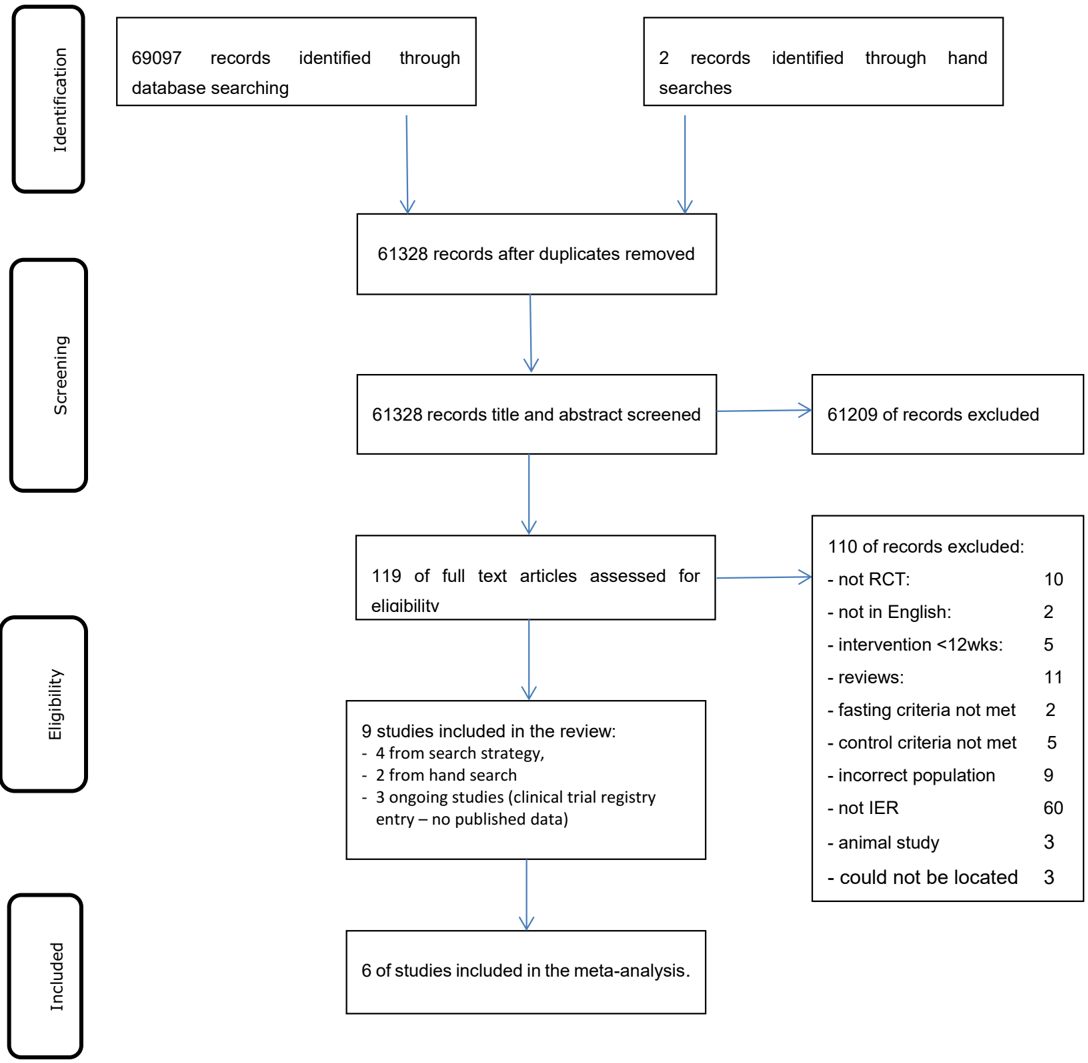
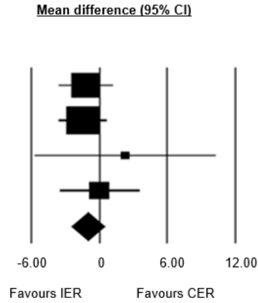
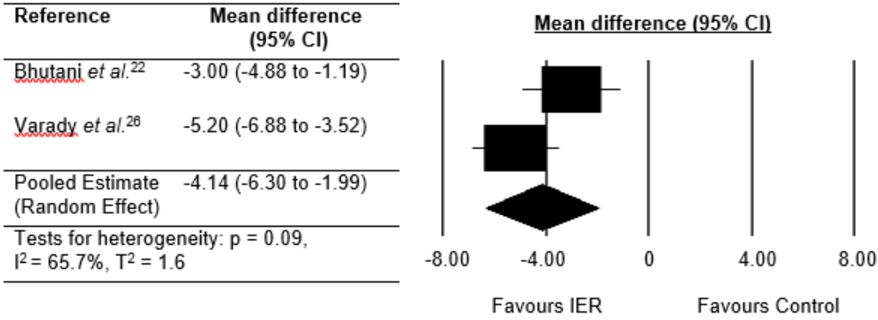
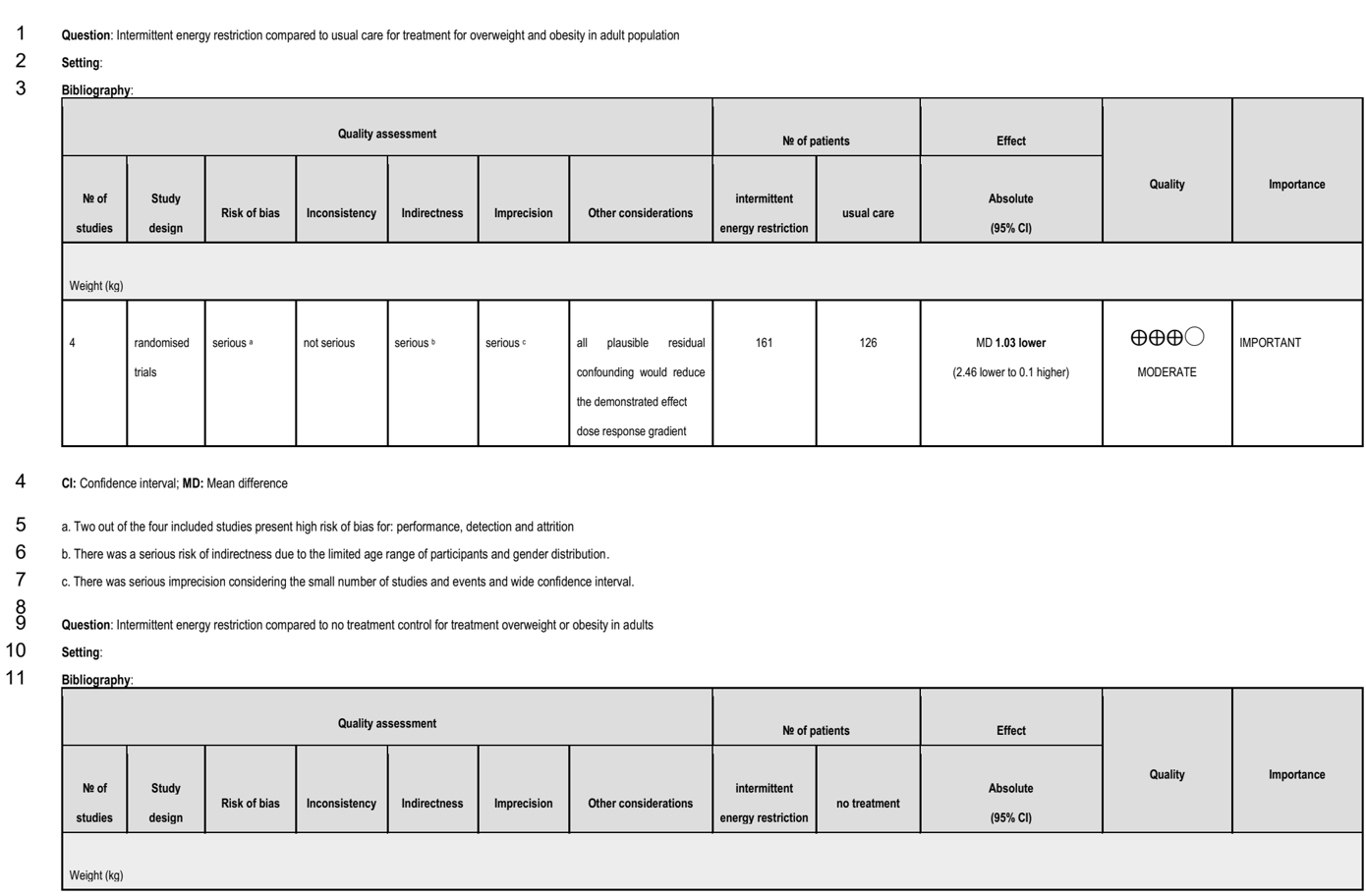
Objective: To examine the effectiveness of intermittent energy restriction in the treatment for overweight and obesity in adults, when compared to usual care treatment or no treatment. Introduction: Intermittent energy restriction encompasses dietary approaches including intermittent fasting, alternate day fasting, and fasting for two days per week. Despite the recent popularity of intermittent energy restriction and associated weight loss claims, the supporting evidence base is limited. Inclusion criteria: This review included overweight or obese (BMI ≥25 kg/m 2 ) adults (≥18 years). Intermittent energy restriction was defined as consumption of ≤800 kcal on at least one day, but no more than six days per week. Intermittent energy restriction interventions were compared to no treatment ( ad libitum diet) or usual care (continuous energy restriction ∼25% of recommended energy intake). Included interventions had a minimum duration of 12 weeks from baseline to post outcome measurements. The types of studies included were randomized and pseudo-randomized controlled trials. The primary outcome of this review was change in body weight. Secondary outcomes included: i) anthropometric outcomes (change in BMI, waist circumference, fat mass, fat free mass); ii) cardio-metabolic outcomes (change in blood glucose and insulin, lipoprotein profiles and blood pressure); and iii) lifestyle outcomes: diet, physical activity, quality of life and adverse events. Methods: A systematic search was conducted from database inception to November 2015. The following electronic databases were searched: MEDLINE, Embase, CINAHL, Cochrane Library, ClinicalTrials.gov, ISRCTN registry, and anzctr.org.au for English language published studies, protocols and trials. Two independent reviewers evaluated the methodological quality of included studies using the standardized critical appraisal instruments from the Joanna Briggs Institute. Data were extracted from papers included in the review by two independent reviewers using the standardized data extraction tool from the Joanna Briggs Institute. Effect sizes were expressed as weighted mean differences and their 95% confidence intervals were calculated for meta-analyses. Results: Six studies were included in this review. The intermittent energy restriction regimens varied across studies and included alternate day fasting, fasting for two days, and up to four days per week. The duration of studies ranged from three to 12 months. Four studies included continuous energy restriction as a comparator intervention and two studies included a no treatment control intervention. Meta-analyses showed that intermittent energy restriction was more effective than no treatment for weight loss (−4.14 kg; 95% CI −6.30 kg to −1.99 kg; p ≤ 0.001). Although both treatment interventions achieved similar changes in body weight (approximately 7 kg), the pooled estimate for studies that investigated the effect of intermittent energy restriction in comparison to continuous energy restriction revealed no significant difference in weight loss (−1.03 kg; 95% CI −2.46 kg to 0.40 kg; p = 0.156). Conclusions: Intermittent energy restriction may be an effective strategy for the treatment of overweight and obesity. Intermittent energy restriction was comparable to continuous energy restriction for short term weight loss in overweight and obese adults. Intermittent energy restriction was shown to be more effective than no treatment, however, this should be interpreted cautiously due to the small number of studies and future research is warranted to confirm the findings of this review.
Overview
The claims and statistics of this paper haven’t been checked yet.
Run the check — free, no account needed. It reads the open-access text and checks the sources it cites.
Integrity signals
Registry
Cites
Statistics
Figures
Verification
Claims the paper makes
The claims and statistics of this paper haven’t been checked yet.
Run the check — free, no account needed. It reads the open-access text and checks the sources it cites.
Claims other papers make about this one
Each is checked against this paper’s own text: does it say what the citing paper says it does?
The source backs part of the claim, not all of it — or backs it for a different population, condition or comparison.
In the citing paper
“In 3 systematic reviews and meta-analyses conducted to evaluate the effects of time-restricted eating and/or intermittent fasting (vs control) on weight loss and cardiometabolic risk factors, weight loss ranged from 1 to 4 kg and triglycerides decreased by 6 to 12 mg/dL (70-72).”
From 2021 ACC Expert Consensus Decision Pathway on the Management of ASCVD Risk Reduction in Patients With Persistent Hypertriglyceridemia (2021) · cites this paper as [70]
Experimental — accuracy not yet measuredThe source backs part of the claim, not all of it — or backs it for a different population, condition or comparison.
In the citing paper
“Triglycerides are reduced with intermittent fasting in proportion to weight loss.”
From 2021 ACC Expert Consensus Decision Pathway on the Management of ASCVD Risk Reduction in Patients With Persistent Hypertriglyceridemia (2021) · cites this paper as [70]
Experimental — accuracy not yet measured
Self-check
Percentages, sums and reported differences re-computed from the paper’s own numbers.
The self-check needs the paper’s full text.
Citations
Cites
Preferred reporting items for systematic reviews and meta-analyses: The PRISMA statement
Moher, D., Liberati, A., Tetzlaff, J., Altman, D. G., & the PRISMA Group* (2009) · Annals of Internal Medicine · doi:10.7326/0003-4819-151-4-200908180-00135 · Cited by 37,554
GRADE: an emerging consensus on rating quality of evidence and strength of recommendations
Guyatt, G. H., Oxman, A. D., Vist, G. E., Kunz, R., Falck-Ytter, Y., Alonso-Coello, P., & Schünemann, H. J. (2008) · BMJ · doi:10.1136/bmj.39489.470347.ad · Cited by 23,305
Process evaluation of complex interventions: Medical Research Council guidance
Moore, G. F., Audrey, S., Barker, M., Bond, L., Bonell, C., Hardeman, W., Moore, L., O'Cathain, A., Tinati, T., Wight, D., et al. (2015) · BMJ · doi:10.1136/bmj.h1258 · Cited by 6,204 · cited 1×
“Indeed, process evaluation has been highlighted as being of increasing importance in advancing the understanding of complex interventions.(49) Process evaluations provide opportunities to identify the successful and unsuccessful components of an intervention and are often”
BackgroundEuropean Guidelines for Obesity Management in Adults
Yumuk, V., Tsigos, C., Fried, M., Schindler, K., Busetto, L., Micic, D., & Toplak, H. (2015) · Obesity Facts · doi:10.1159/000442721 · Cited by 3,432 · cited 2×
“However, currently international clinical guidance on the treatment of adult obesity does not recommend the routine use of VLCD (defined as a hypocaloric diet of 800 or less kcal/day) for the treatment of adult obesity.(4,5,14,15) Instead, continuous energy restriction (CER) involving a daily energy deficit of 600 kca…”
BackgroundAnnual Medical Spending Attributable To Obesity: Payer-And Service-Specific Estimates
Finkelstein, E. A., Trogdon, J. G., Cohen, J. W., & Dietz, W. H. (2009) · Health Affairs · doi:10.1377/hlthaff.28.5.w822 · Cited by 2,956 · cited 1×
“Medical expenditure in the United States of America (USA) has shown to be even greater with associated costs at US$147 billion.(7) Furthermore, if trends in obesity continue to increase, it is predicted that by 2050, 50% of the population in the UK could be obese and the total costs in managing obesity could escalate…”
BackgroundSaunders, R. P., Evans, M. H., & Joshi, P. (2005) · Health Promotion Practice · doi:10.1177/1524839904273387 · Cited by 1,031
Han, T. S., Leer, E. M. V., Seidell, J. C., & Lean, M. E. J. (1995) · BMJ · doi:10.1136/bmj.311.7017.1401 · Cited by 974 · cited 2×
“These results are promising as reductions in waist circumference or central fat distribution reduce cardiovascular risk.(30) The reduction in waist circumference may partially explain the decrease in fasting insulin, although this is also likely to be associated with the periods of acute energy restriction, particular…”
BackgroundResultSelf-citationSystematic Review: An Evaluation of Major Commercial Weight Loss Programs in the United States
Tsai, A. G., & Wadden, T. A. (2005) · Annals of Internal Medicine · doi:10.7326/0003-4819-142-1-200501040-00012 · Cited by 815
Harvie, M. N., Pegington, M., Mattson, M. P., Frystyk, J., Dillon, B., Evans, G., Cuzick, J., Jebb, S. A., Martin, B., Cutler, R. G., et al. (2011) · International Journal of Obesity · doi:10.1038/ijo.2010.171 · Cited by 804 · cited 11×
“The majority of studies were in general conducted in the USA (n¼4), with the exception of two studies by Harvie et al. which were conducted in the UK.19,20 Four studies investigated the efficacy of IER interventions in comparison to CER19-21,25 and two studies included a no treatment control intervention (ad libitum d…”
BackgroundMethodInfluentialLong term pharmacotherapy for obesity and overweight: updated meta-analysis
Rucker, D., Padwal, R., Li, S. K., Curioni, C., & Lau, D. C. W. (2007) · BMJ · doi:10.1136/bmj.39385.413113.25 · Cited by 801
Longitudinal physical activity and sedentary behavior trends
Gordon-Larsen, P., Nelson, M. C., & Popkin, B. M. (2004) · American Journal of Preventive Medicine · doi:10.1016/j.amepre.2004.07.006 · Cited by 708 · cited 1×
“This is important as young adults aged 18–24 years have been shown to be at an increased risk of weight gain as they transition from adolescence to adulthood.(44) There is also a trend demonstrating increased onset of obesity in later life,(45) yet despite the absence of an no upper age limit for inclusion of particip…”
BackgroundDouketis, J. D., Macie, C., Thabane, L., & Williamson, D. F. (2005) · International Journal of Obesity · doi:10.1038/sj.ijo.0802982 · Cited by 665
Hróbjartsson, A., Thomsen, A. S. S., Emanuelsson, F., Tendal, B., Hilden, J., Boutron, I., Ravaud, P., & Brorson, S. (2012) · BMJ · doi:10.1136/bmj.e1119 · Cited by 505
Harvie, M., Wright, C., Pegington, M., McMullan, D., Mitchell, E., Martin, B., Cutler, R. G., Evans, G., Whiteside, S., Maudsley, S., et al. (2013) · British Journal Of Nutrition · doi:10.1017/s0007114513000792 · Cited by 431 · cited 13×
“Harvie et al.(20) IER CER/Control IER CER/Control IER CER”
BackgroundMethodInfluentialVarady, K. A., Bhutani, S., Klempel, M. C., Kroeger, C. M., Trepanowski, J. F., Haus, J. M., Hoddy, K. K., & Calvo, Y. (2013) · Nutrition Journal · doi:10.1186/1475-2891-12-146 · Cited by 412 · cited 13×
“Varady et al.(26) IER CER/Control IER CER/Control IER CER”
BackgroundMethodInfluentialINTERMITTENT FASTING AND HUMAN METABOLIC HEALTH
Patterson, R. E., Laughlin, G. A., LaCroix, A. Z., Hartman, S. J., Natarajan, L., Senger, C. M., Martínez, M. E., Villaseñor, A., Sears, D. D., Marinac, C. R., et al. (2015) · Journal of the Academy of Nutrition and Dietetics · doi:10.1016/j.jand.2015.02.018 · Cited by 390
Rutishauser, I. H. (2005) · Public Health Nutrition · doi:10.1079/phn2005798 · Cited by 307
Truby, H., Baic, S., deLooy, A., Fox, K. R., Livingstone, M. B. E., Logan, C. M., Macdonald, I. A., Morgan, L. M., Taylor, M. A., & Millward, D. J. (2006) · BMJ · doi:10.1136/bmj.38833.411204.80 · Cited by 284
Health effects of intermittent fasting: hormesis or harm? A systematic review
Horne, B. D., Muhlestein, J. B., & Anderson, J. L. (2015) · American Journal of Clinical Nutrition · doi:10.3945/ajcn.115.109553 · Cited by 242 · cited 1×
“It has been hypothesized that the mechanism for the possible additional benefits were through fat utilization and nutritional stress.(13) Intermittent energy restriction is achieved predominantly through intermittent periods of dietary intake based on a very low calorie diet (VLCD).”
BackgroundRobertson, C., Archibald, D., Avenell, A., Douglas, F., Hoddinott, P., van Teijlingen, E., Boyers, D., Stewart, F. J., Boachie, C., Fioratou, E., et al. (2014) · Health Technology Assessment · doi:10.3310/hta18350 · Cited by 233
Klempel, M. C., Kroeger, C. M., Bhutani, S., Trepanowski, J. F., & Varady, K. A. (2012) · Nutrition Journal · doi:10.1186/1475-2891-11-98 · Cited by 226
Gillen, J. B., Percival, M. E., Ludzki, A., Tarnopolsky, M. A., & Gibala, M. J. (2013) · Obesity · doi:10.1002/oby.20379 · Cited by 222
Caloric restriction alone and with exercise improves CVD risk in healthy non-obese individuals
Lefevre, M., Redman, L. M., Heilbronn, L. K., Smith, J. V., Martin, C. K., Rood, J. C., Greenway, F. L., Williamson, D. A., Smith, S. R., & Ravussin, E. (2009) · Atherosclerosis · doi:10.1016/j.atherosclerosis.2008.05.036 · Cited by 217
Diet and physical exercise in psoriasis: a randomized controlled trial
Naldi, L., Conti, A., Cazzaniga, S., Patrizi, A., Pazzaglia, M., Lanzoni, A., Veneziano, L. S. N., Pellacani, G., & the Psoriasis Emilia Romagna Study Group (2013) · British Journal of Dermatology · doi:10.1111/bjd.12735 · Cited by 208
Avenell, A., Brown, T. J., McGee, M. A., Campbell, M., GRANT, A. M., Broom, J. I., Jung, R. T., & Smith, W. C. (2004) · Journal of Human Nutrition and Dietetics · doi:10.1111/j.1365-277x.2004.00531.x · Cited by 180 · cited 1×
“However, many approaches only achieve small changes in body weight insufficient to have a clinical impact on health.(9) Furthermore, there are a number of diet and weight management books published, with book sales sufficient to reach a best seller list, however, many of these lack comprehensive evaluation and robust…”
BackgroundFasting for weight loss: an effective strategy or latest dieting trend?
Johnstone, A. M. (2014) · International Journal of Obesity · doi:10.1038/ijo.2014.214 · Cited by 173 · cited 1×
“The potential health benefits and biological processes of IER are not well establised.(11,12) There is some evidence, predominantly from animal studies, to demonstrate beneficial effects from weight loss and additional improvements on cardio-metabolic risk factors.”
BackgroundKlempel, M. C., Kroeger, C. M., & Varady, K. A. (2012) · Metabolism · doi:10.1016/j.metabol.2012.07.002 · Cited by 172
Castan‐Laurell, I., Šiklová, M., Daviaud, D., Dray, C., Kováčiková, M., Kováčová, Z., Hejnová, J., Štich, V., & Valet, P. (2008) · European Journal of Endocrinology · doi:10.1530/eje-08-0039 · Cited by 161
Eshghinia, S., & Mohammadzadeh, F. (2013) · Journal of Diabetes & Metabolic Disorders · doi:10.1186/2251-6581-12-4 · Cited by 146
Wegman, M. P., Guo, M. H., Bennion, D. M., Shankar, M. N., Chrzanowski, S. M., Goldberg, L. A., Xu, J., Williams, T. A., Lu, X., Hsu, S. I., et al. (2014) · Rejuvenation Research · doi:10.1089/rej.2014.1624 · Cited by 135
Ünalacak, M., Kara, İ. H., Baltacı, D., Erdem, Ö., & Bucaktepe, P. G. E. (2011) · Metabolic Syndrome and Related Disorders · doi:10.1089/met.2010.0084 · Cited by 125
Cheng, V., Slomka, P. J., Ahlen, M., Thomson, L., Waxman, A. D., & Berman, D. S. (2009) · Journal of Nuclear Cardiology · doi:10.1007/s12350-009-9179-5 · Cited by 118
Morgan, L., Griffin, B., Millward, D., DeLooy, A., Fox, K., Baic, S., Bonham, M., Wallace, J., MacDonald, I., Taylor, M., et al. (2009) · Public Health Nutrition · doi:10.1017/s1368980008003236 · Cited by 115
Greenlee, H. A., Crew, K. D., Mata, J. M., McKinley, P. S., Rundle, A. G., Zhang, W., Liao, Y., Tsai, W. Y., & Hershman, D. L. (2013) · Obesity · doi:10.1002/oby.20245 · Cited by 111
Racette, S. B., Das, S. K., Bhapkar, M. V., Hadley, E. C., Roberts, S. B., Ravussin, É., Pieper, C. F., DeLany, J. P., Kraus, W. E., Rochon, J., et al. (2011) · American Journal of Physiology-Endocrinology and Metabolism · doi:10.1152/ajpendo.00290.2011 · Cited by 109
A Review of Evidence‐Based Strategies to Treat Obesity in Adults
Laddu, D., Dow, C. A., Hingle, M. D., Thomson, C. A., & Going, S. B. (2011) · Nutrition in Clinical Practice · doi:10.1177/0884533611418335 · Cited by 107 · cited 1×
“Furthermore, there are a number of diet and weight management books published, with book sales sufficient to reach a best seller list, however, many of these lack comprehensive evaluation and robust evidence to support their effectiveness.(10) Therefore, it is vitally important that new approaches to weight management…”
BackgroundEfficacy of Fasting and Calorie Restriction (FCR) on mood and depression among ageing men
Hussin, N. M., Shahar, S., Teng, N. I. M. F., Ngah, W. Z. W., & Das, S. K. (2013) · The journal of nutrition health & aging · doi:10.1007/s12603-013-0344-9 · Cited by 107
Han, T., Leer, E. M. V., Seidell, J. C., & Lean, M. E. J. (1996) · Obesity Research · doi:10.1002/j.1550-8528.1996.tb00267.x · Cited by 105 · cited 1×
“Raised waist circumference was the best anthropometric predictor of visceral fat, and signals both high BMI and central fat distribution.(29) These results are promising as reductions in waist circumference or central fat distribution reduce cardiovascular risk.”
BackgroundSelf-citationIntermittent energy restriction and weight loss: a systematic review
Davis, C., Clarke, R., Coulter, S. N., Rounsefell, K., Walker, R., Rauch, C., Huggins, C. E., & Ryan, L. (2015) · European Journal of Clinical Nutrition · doi:10.1038/ejcn.2015.195 · Cited by 105
van Gemert, W. A., Schuit, A. J., van der Palen, J. A. M., May, A. M., Iestra, J. A., Wittink, H. M., Peeters, P. H. M., & Monninkhof, E. M. (2015) · Breast Cancer Research · doi:10.1186/s13058-015-0633-9 · Cited by 104
Alhamdan, B. A., García-Álvarez, A., Alzahrnai, A. H., Karanxha, J., Stretchberry, D. R., Contrera, K. J., Utria, A. F., & Cheskin, L. J. (2016) · Obesity Science & Practice · doi:10.1002/osp4.52 · Cited by 101
Intermittent fasting does not affect whole-body glucose, lipid, or protein metabolism
Soeters, M. R., Lammers, N. M., Dubbelhuis, P. F., Ackermans, M. T., Jonkers‐Schuitema, C. F., Fliers, E., Sauerwein, H. P., Aerts, J. M. F. G., & Serlie, M. J. M. (2009) · American Journal of Clinical Nutrition · doi:10.3945/ajcn.2008.27327 · Cited by 100
Danielsen, K. K., Svendsen, M., Mæhlum, S., & Sundgot‐Borgen, J. (2013) · Journal of Obesity · doi:10.1155/2013/325464 · Cited by 100
Klempel, M. C., Bhutani, S., Fitzgibbon, M., Freels, S. A., & Varady, K. A. (2010) · Nutrition Journal · doi:10.1186/1475-2891-9-35 · Cited by 96
Evaluation of an alternating-calorie diet with and without exercise in the treatment of obesity
Hill, J. O., Schlundt, D. G., Sbrocco, T., Sharp, T., Pope-Cordle, J., Stetson, B., Kaler, M., & Heim, C. (1989) · The American Journal of Clinical Nutrition · doi:10.1093/ajcn/50.2.248 · Cited by 93 · cited 10×
“Differences in baseline characteristics between the treatment groups did not appear to be considerably different in the study by Hill et al.(21) However, as no statistical test of differences in baseline characteristics was described, this”
BackgroundResultInfluentialSelf-citationGilbert, J., Joanisse, D. R., Chaput, J., Miegueu, P., Cianflone, K., Alméras, N., & Tremblay, A. (2010) · British Journal Of Nutrition · doi:10.1017/s0007114510003119 · Cited by 88
The Intensive Diet and Exercise for Arthritis (IDEA) trial: 18-month radiographic and MRI outcomes
Hunter, D. J., Beavers, D. P., Eckstein, F., Guermazi, A., Loeser, R. F., Nicklas, B. J., Mihalko, S. L., Miller, G. D., Lyles, M. F., DeVita, P., et al. (2015) · Osteoarthritis and Cartilage · doi:10.1016/j.joca.2015.03.034 · Cited by 86
Safety of alternate day fasting and effect on disordered eating behaviors
Hoddy, K. K., Kroeger, C. M., Trepanowski, J. F., Barnosky, A., Bhutani, S., & Varady, K. A. (2015) · Nutrition Journal · doi:10.1186/s12937-015-0029-9 · Cited by 85
Anton, S. D., Manini, T. M., Milsom, V. A., Dubyak, P. J., Cesari, M., Cheng, J., Daniels, M. J., Marsiske, M., Pahor, M., Leeuwenburgh, C., et al. (2011) · Clinical Interventions in Aging · doi:10.2147/cia.s17001 · Cited by 83
Ryan, A. S., Ortmeyer, H. K., & Sorkin, J. D. (2011) · American Journal of Physiology-Endocrinology and Metabolism · doi:10.1152/ajpendo.00618.2010 · Cited by 77
Martin, C. K., Das, S. K., Lindblad, L., Racette, S. B., McCrory, M. A., Weiss, E. P., DeLany, J. P., Kraus, W. E., & for the CALERIE Study Team (2011) · Journal of Applied Physiology · doi:10.1152/japplphysiol.00846.2009 · Cited by 77
Marzouk, T. M., & Sayed Ahmed, W. A. (2015) · Journal of Pediatric and Adolescent Gynecology · doi:10.1016/j.jpag.2015.01.002 · Cited by 73
Miyaki, A., Maeda, S., Yoshizawa, M., Misono, M., Saito, Y., Sasai, H., Endo, T., Nakata, Y., Tanaka, K., & Ajisaka, R. (2008) · Angiology · doi:10.1177/0003319708325449 · Cited by 72
Keogh, J. B., Pedersen, E., Petersen, K. S., & Clifton, P. M. (2014) · Clinical Obesity · doi:10.1111/cob.12052 · Cited by 70
Henriksen, M., Christensen, R., Danneskiold‐Samsøe, B., & Bliddal, H. (2011) · Arthritis & Rheumatism · doi:10.1002/art.33394 · Cited by 70
Torgerson, J. S., Lissner, L., Lindroos, A. K., Kruijer, H., & Sjöström, L. (1997) · International Journal of Obesity · doi:10.1038/sj.ijo.0800507 · Cited by 70
Anderlová, K., Křemen, J., Doležalová, R., Housova, J., Haluzíková, D., Kunešová, M., & Haluzı́k, M. (2006) · Physiological Research · doi:10.33549/physiolres.930779 · Cited by 69
Shea, M. K., Nicklas, B. J., Houston, D. K., Miller, M. E., Davis, C., Kitzman, D. W., Espeland, M. A., Appel, L. J., & Kritchevsky, S. B. (2011) · American Journal of Clinical Nutrition · doi:10.3945/ajcn.110.006379 · Cited by 69
Teng, N. I. M. F., Shahar, S., Rajab, N. F., Manaf, Z. A., Johari, M. H., & Ngah, W. Z. W. (2013) · The Aging Male · doi:10.3109/13685538.2013.832191 · Cited by 67
Efficacy of fasting calorie restriction on quality of life among aging men
Teng, N. I. M. F., Shahar, S., Manaf, Z. A., Das, S. K., Taha, C. S. C., & Ngah, W. Z. W. (2011) · Physiology & Behavior · doi:10.1016/j.physbeh.2011.07.007 · Cited by 67
Huseinovic, E., Bertz, F., Agelii, M. L., Johanson, E. H., Winkvist, A., & Brekke, H. K. (2016) · American Journal of Clinical Nutrition · doi:10.3945/ajcn.116.135673 · Cited by 66
Riordan, M. M., Weiss, E. P., Meyer, T. E., Ehsani, A. A., Racette, S. B., Villareal, D. T., Fontana, L., Holloszy, J. O., & Kovács, S. J. (2007) · American Journal of Physiology-Heart and Circulatory Physiology · doi:10.1152/ajpheart.01236.2007 · Cited by 66
Klempel, M. C., Kroeger, C. M., & Varady, K. A. (2013) · European Journal of Clinical Nutrition · doi:10.1038/ejcn.2013.83 · Cited by 62
Varady, K. A., Dam, V. T., Klempel, M. C., Horne, M., Cruz, R., Kroeger, C. M., & Santosa, S. (2015) · Scientific Reports · doi:10.1038/srep07561 · Cited by 62
Arguin, H., Dionne, I. J., Sénéchal, M., Bouchard, D. R., Carpentier, A. C., Ardilouze, J.-L., Tremblay, A., Leblanc, C., & Brochu, M. (2012) · Menopause · doi:10.1097/gme.0b013e318250a287 · Cited by 61
Handjieva‐Darlenska, T., Handjiev, S., Larsen, T. M., van Baak, M. A., Jebb, S. A., Papadaki, A., Pfeiffer, A. F. H., Martínez, J. A., Kunešová, M., Holst, J. J., et al. (2010) · European Journal of Clinical Nutrition · doi:10.1038/ejcn.2010.110 · Cited by 60
Johnson, J. B. ‘., Laub, D. R., & John, S. (2006) · Medical Hypotheses · doi:10.1016/j.mehy.2006.01.030 · Cited by 57
Effect of calorie restriction on subjective ratings of appetite
Anton, S. D., Han, H., York, E., Martin, C. K., Ravussin, É., & Williamson, D. A. (2009) · Journal of Human Nutrition and Dietetics · doi:10.1111/j.1365-277x.2008.00943.x · Cited by 56
Major, G. C., Doucet, É., Jacqmain, M., St-Onge, M., Bouchard, C., & Tremblay, A. (2007) · British Journal Of Nutrition · doi:10.1017/s0007114507853335 · Cited by 55
Madero, M., Castellanos, F., Jalal, D. I., Villalobos-Martín, M., Salazar, J., Vázquez-Rangel, A., Johnson, R. J., & Sánchez‐Lozada, L. G. (2015) · Journal of the American Society of Hypertension · doi:10.1016/j.jash.2015.07.008 · Cited by 54
Haftenberger, M., Mensink, G., Herzog, B., Kluttig, A., Greiser, K. H., Merz, B., Nöthlings, U., Schlesinger, S., Vogt, S., Thorand, B., et al. (2015) · European Journal of Clinical Nutrition · doi:10.1038/ejcn.2015.179 · Cited by 52
Abete, I., Parra, D., Crujeiras, A. B., Goyenechea, E., & Martínez, J. A. (2008) · Journal of Human Nutrition and Dietetics · doi:10.1111/j.1365-277x.2008.00902.x · Cited by 52
Effects of Whole Body Vibration Plus Diet on Insulin-Resistance in Middle-Aged Obese Subjects
Bellia, A., Sallì, M., Lombardo, M., D’Adamo, M., Guglielmi, V., Tirabasso, C., Giordani, L., Federici, M., Lauro, D., Foti, C., et al. (2013) · International Journal of Sports Medicine · doi:10.1055/s-0033-1354358 · Cited by 51
Mason, C. E., Xiao, L., Imayama, I., Duggan, C. R., Campbell, K. L., Kong, A., Wang, C., Alfano, C. M., Blackburn, G. L., Foster‐Schubert, K. E., et al. (2014) · Clinical Endocrinology · doi:10.1111/cen.12483 · Cited by 50
Description of Clinical Risk Factor Changes During Naturopathic Care for Type 2 Diabetes
Bradley, R. D., Kozura, E., Buckle, H., Kaltunas, J., Tais, S., & Standish, L. J. (2009) · The Journal of Alternative and Complementary Medicine · doi:10.1089/acm.2008.0249 · Cited by 47
Tapsell, L. C., Batterham, M. J., Huang, X., Tan, S., Teuss, G., Charlton, K. E., OShea, J., & Warensjö, E. (2009) · Nutrition Metabolism and Cardiovascular Diseases · doi:10.1016/j.numecd.2009.04.007 · Cited by 47
Management: Part I—Behaviour change, diet, and activity
Avenell, A., Sattar, N. A., & Lean, M. E. J. (2006) · BMJ · doi:10.1136/bmj.333.7571.740 · Cited by 46 · cited 1×
“These results are consistent with the majority of weight management interventions.(31)”
ResultSelf-citationIntermittent fasting: a dietary intervention for prevention of diabetes and cardiovascular disease?
Brown, J. E. P., Mosley, M., & Aldred, S. (2013) · The British Journal of Diabetes · doi:10.1177/1474651413486496 · Cited by 46 · cited 1×
“Two studies in particular were carried out on a specific group of women, who were at primary risk of developing breast cancer.(16,17) The increased health risk in these women may have elevated their motivation, and thus may have achieved greater weight loss results than a less homogeneous group.”
Backgroundvan Gemert, W. A., van der Palen, J. A. M., Monninkhof, E. M., Rozeboom, A., Peters, R., Wittink, H. M., Schuit, A. J., & Peeters, P. H. M. (2015) · PLoS ONE · doi:10.1371/journal.pone.0127520 · Cited by 45
Idoate, F., Ibañez, J., Gorostiaga, E. M., García‐Unciti, M., Martínez‐Labari, C., & Izquierdo, M. (2010) · International Journal of Obesity · doi:10.1038/ijo.2010.190 · Cited by 44
Cooper, J. N., Columbus, M. L., Shields, K. J., Asubonteng, J. O., Meyer, M. L., Sutton‐Tyrrell, K., Goodpaster, B. H., DeLany, J. P., Jakicic, J. M., & Barinas‐Mitchell, E. (2012) · Metabolism · doi:10.1016/j.metabol.2012.04.012 · Cited by 42
Joseph, L. J., Prigeon, R. L., Blumenthal, J. B., Ryan, A. S., & Goldberg, A. P. (2011) · The Journals of Gerontology Series A · doi:10.1093/gerona/glr093 · Cited by 42
Perez‐Cornago, A., Lopez‐Legarrea, P., de la Iglesia, R., Lahortiga‐Ramos, F., Martínez, J. A., & Zulet, M. Á. (2013) · Clinical Nutrition · doi:10.1016/j.clnu.2013.11.011 · Cited by 40
Metzner, C., Folberth-Vögele, A., Bitterlich, N., Lemperle, M., Schäfer, S., Alteheld, B., Stehle, P., & Siener, R. (2011) · Nutrition and Metabolism · doi:10.1186/1743-7075-8-64 · Cited by 40
Bhutani, S., Klempel, M. C., Kroeger, C. M., Trepanowski, J. F., Phillips, S. A., Norkeviciute, E., & Varady, K. A. (2013) · e-SPEN Journal · doi:10.1016/j.clnme.2013.07.005 · Cited by 39 · cited 10×
“Dietary intake on fast days was restricted to 25%– 40% in four studies.(19,20,22,25,26) Daily energy restriction in the study by Hill et al.”
BackgroundMethodResultInfluentialWright, J. L., Plymate, S. R., D'Oria‐Cameron, A., Bain, C. E., Haugk, K. H., Xiao, L., Lin, D. W., Stanford, J. L., & McTiernan, A. (2013) · The Prostate · doi:10.1002/pros.22682 · Cited by 37
Ells, L. J., Atkinson, G., Jaime, V., Hamilton, S., Waller, G., & Harrison, S. (2015) · The JBI Database of Systematic Reviews and Implementation Reports · doi:10.11124/jbisrir-2015-2363 · Cited by 34 · cited 5×
“Unauthorize fat and 15–20% protein.(18,19,22) Two studies limited energy intake on fasting days solely to protein(19,20) and one study only provided recommendations on restricting dietary intake of fat to less than 15% on energy restriction days.”
BackgroundMethodInfluentialSelf-citationLuci, S., Hirche, F., & Eder, K. (2008) · Annals of Nutrition and Metabolism · doi:10.1159/000118872 · Cited by 34
Masuo, K., Rakugi, H., Ogihara, T., & Lambert, G. W. (2011) · Hypertension Research · doi:10.1038/hr.2011.134 · Cited by 33
Lowe, M. R., Butryn, M. L., Thomas, J. G., & Coletta, M. C. (2013) · Obesity · doi:10.1002/oby.20582 · Cited by 33
Circulating cytokines as determinants of weight loss-induced improvements in insulin sensitivity
Weiss, E. P., Reeds, D. N., Ezekiel, U. R., Albert, S. G., & Villareal, D. T. (2016) · Endocrine · doi:10.1007/s12020-016-1093-4 · Cited by 31 · cited 1×
“Therefore, there is insufficient evidence to determine the acute mechanistic effects of fasting, though the mediator for these changes is moderate weight loss.(33) There was no significant difference in treatment approach on lipoprotein profiles or plasma glucose.”
BackgroundKönig, D., Kookhan, S., Schaffner, D., Deibert, P., & Berg, A. (2014) · Nutrition · doi:10.1016/j.nut.2014.03.014 · Cited by 29
The effect of a lifestyle intervention on metabolic health in young women
Dunn, S. L., Boutcher, S. H., Freund, J., & Siu, W. (2014) · Diabetes Metabolic Syndrome and Obesity · doi:10.2147/dmso.s67845 · Cited by 28
Betts, J. A., Thompson, D., Richardson, J. D., Chowdhury, E. A., Jeans, M., Holman, G. D., & Tsintzas, K. (2011) · Trials · doi:10.1186/1745-6215-12-172 · Cited by 27
Kaikkonen, J., Mikkilä, V., Juonala, M., Keltikangas‐Järvinen, L., Hintsanen, M., Pulkki-Råbäck, L., Viikari, J. S. A., Kähönen, M. A. P., Lehtimäki, T. J., Telama, R., et al. (2015) · Scandinavian Journal of Clinical and Laboratory Investigation · doi:10.3109/00365513.2014.992945 · Cited by 26
Massive obesity treated by intermittent fasting
Stewart, W. K., Fleming, L. W., & Robertson, P. C. (1966) · The American Journal of Medicine · doi:10.1016/0002-9343(66)90209-9 · Cited by 26
Effects of an intermittent, low-fat, low-calorie diet in the behavioral treatment of obesity
Viegener, B. J., Renjilian, D. A., McKelvey, W. F., Schein, R. L., Perri, M. G., & Nezu, A. M. (1990) · Behavior Therapy · doi:10.1016/s0005-7894(05)80361-2 · Cited by 24 · cited 13×
“One study did not meet the criteria for question 6 (were the control and treatment groups comparable at entry?) and one study did not fulfil question 9 (were outcomes measured in a reliable way?).(21,25) Differences in baseline characteristics between the treatment groups did not appear to be considerably different in…”
BackgroundMethodInfluentialDuijzer, G., Haveman‐Nies, A., Jansen, S. C., ter Beek, J., Hiddink, G. J., & Feskens, E. J. M. (2014) · BMC Public Health · doi:10.1186/1471-2458-14-602 · Cited by 23
Referral sources to a weight management program
Binks, M., & O'Neil, P. M. (2002) · Journal of General Internal Medicine · doi:10.1046/j.1525-1497.2002.11028.x · Cited by 23
Rodríguez-Cano, A. M., Mier‐Cabrera, J., Balas-Nakash, M., Muñoz‐Manrique, C., Legorreta-Legorreta, J., & Perichart‐Perera, O. (2015) · Menopause The Journal of The North American Menopause Society · doi:10.1097/gme.0000000000000400 · Cited by 21
Macleod, M., Craigie, A. M., Barton, K., Treweek, S. P., Anderson, A. S., & on behalf of the WeighWell team (2012) · Maternal and Child Nutrition · doi:10.1111/j.1740-8709.2011.00393.x · Cited by 20 · cited 1×
“Examining potential health inequalities is paramount in any weight management program given the established links between low SES and poor uptake and high attrition.(46) However, the studies included in this review provided very limited socioeconomic data for their participants.”
BackgroundSénéchal, M., Arguin, H., B̀ouchard, D. R., Carpentier, A. C., Ardilouze, J., Dionne, I. J., & Brochu, M. (2012) · Appetite · doi:10.1016/j.appet.2012.01.014 · Cited by 20
Prolonged refeeding improves weight maintenance after weight loss with very-low-energy diets
Gripeteg, L., Torgerson, J., Karlsson, J., & Lindroos, A. K. (2009) · British Journal Of Nutrition · doi:10.1017/s0007114509991474 · Cited by 19
Aslam, M. N., Eckhauser, A. W., Dorminy, C. A., Dossett, C. M., Choi, L., & Buchowski, M. S. (2009) · Obesity Research & Clinical Practice · doi:10.1016/j.orcp.2009.03.005 · Cited by 15
Golan, R., Tirosh, A., Schwarzfuchs, D., Harman‐Boehm, I., Thiery, J., Fiedler, M., Blüher, M., Stümvoll, M., & Shai, I. (2011) · Nutrition · doi:10.1016/j.nut.2011.04.001 · Cited by 14
An investigation of weight suppression in a population‐based sample of female twins
Mitchell, K. S., Neale, M. C., Bulik, C. M., Lowe, M. R., MAES, H. H. M., Kendler, K. S., & Mazzeo, S. E. (2010) · International Journal of Eating Disorders · doi:10.1002/eat.20780 · Cited by 14
The Effects of Intermittent Energy Restriction on Indices of Cardiometabolic Health
Antoni, R., Johnston, K. L., Collins, A. L., & Robertson, M. D. (2014) · Research in Endocrinology · doi:10.5171/2014.459119 · Cited by 12
Bailey, B. W., JACOBSEN, D. J., & Donnelly, J. E. (2008) · Disease Management · doi:10.1089/dis.2007.0002 · Cited by 11
Langendonk, J. G., Kok, P., Frölich, M., Pijl, H., & Meinders, A. E. (2006) · European Journal of Internal Medicine · doi:10.1016/j.ejim.2006.04.011 · Cited by 11
Teng, N. I. M. F., Shahar, S., Manaf, Z. A., Haron, H., & Ngah, W. Z. W. (2013) · Pakistan Journal of Nutrition · doi:10.3923/pjn.2013.607.614 · Cited by 5
A Randomized Trial on the Effect of Razavi's Dietary Pattern on the Components of Metabolic Syndrome
Esmaeili, S. S., Fallahi, F., Fesharaki, M. G., & Noormohammadi, G. (2014) · Iranian Red Crescent Medical Journal · doi:10.5812/ircmj.14601 · Cited by 3
Wright, G., DAWSON, B. T., Jalleh, G., & Couch, M. H. (2007) · Obesity Research & Clinical Practice · doi:10.1016/j.orcp.2007.10.005 · Cited by 1
Results from a randomized controlled trial comparing two low-calorie diet formulae
Neovius, M., & Rössner, S. (2007) · Obesity Research & Clinical Practice · doi:10.1016/j.orcp.2007.04.001 · Cited by 1
Cited by
Sorted by citations
Lopez-Jimenez, F., Almahmeed, W., Bays, H., Cuevas, A., Di Angelantonio, E., le Roux, C. W., Sattar, N., Sun, M. C., Wittert, G., Pinto, F. J., et al. (2022) · European Journal of Preventive Cardiology · doi:10.1093/eurjpc/zwac187 · Cited by 362
Rynders, C. A., Thomas, E. A., Zaman, A., Pan, Z., Catenacci, V. A., & Melanson, E. L. (2019) · Nutrients · doi:10.3390/nu11102442 · Cited by 339
“[51] that included four studies comparing IMF to CER published through November 2015.”
BackgroundVirani, S. S., Morris, P. B., Agarwala, A., Ballantyne, C. M., Birtcher, K. K., Kris-Etherton, P. M., Ladden-Stirling, A. B., Miller, M., Orringer, C. E., & Stone, N. J. (2021) · Journal of the American College of Cardiology · doi:10.1016/j.jacc.2021.06.011 · Cited by 341
Patikorn, C., Roubal, K., Veettil, S. K., Chandran, V., Pham, T., Lee, Y. Y., Giovannucci, E. L., Varady, K. A., & Chaiyakunapruk, N. (2021) · JAMA Network Open · doi:10.1001/jamanetworkopen.2021.39558 · Cited by 298
Hall, M. E., Cohen, J. B., Ard, J. D., Egan, B. M., Hall, J. E., Lavie, C. J., Ma, J., Ndumele, C. E., Schauer, P. R., & Shimbo, D. (2021) · Hypertension · doi:10.1161/hyp.0000000000000202 · Cited by 259
Metadata
- Authors
- Harris, L., Hamilton, S., Azevedo, L. B., Olajide, J., De Brún, C., Waller, G., Whittaker, V., Sharp, T., Lean, M., Hankey, C., & Ells, L.
- Affiliations
- University of Glasgow (GB)
- Teesside University (GB)
- Health and Social Care Institute, Teesside University, Middlesbrough, United Kingdom
- Independent Public Health Consultant, United Kingdom
- College of Medical, Veterinary and Life Sciences, University of Glasgow, Glasgow, United Kingdom
- Corresponding author
- Hankey, Catherine
- Ells, Louisa
- Venue
- JBI Database of Systematic Reviews and Implementation Reports
- Published
- 2018-02
- Volume
- 16
- Issue
- 2
- Pages
- 507-547
- ISSN
- 2202-4433 (ISSN-L)
- OpenAlex
- W2915213530
- Cited by
- 319
- References
- 37
- Citations by year
- 2026: 14 · 2025: 27 · 2024: 54 · 2023: 54 · 2022: 47 · 2021: 50 · 2020: 43 · 2019: 20 · 2018: 9
- FWCI
- 4.01
- Type
- journal article
- Language
- en
- Open access
- green
- eprints.gla.ac.uk
- Licence
- cc-by-sa
- Locations
- The JBI Database of Systematic Reviews and Implementation Reports (publishedVersion)
- PubMed (publishedVersion)
- ENLIGHTEN (Jurnal Bimbingan dan Konseling Islam) (submittedVersion, cc-by-sa)
- TeesRep (Teesside University) (submittedVersion, cc-by-nc-nd)
- Teesside University Research Portal (Teesside University) (submittedVersion, cc-by-nc-nd)
- International Journal of Evidence-Based Healthcare
- Funders
- Medical Research Council (MR/K02325X/1)
- Topics
- Health Sciences › Medicine › Physiology (medical) › Dietary Effects on Health
- Health Sciences › Medicine › Physiology (medical) › Diet and metabolism studies
- Health Sciences › Medicine › Public Health, Environmental and Occupational Health › Obesity, Physical Activity, Diet
- Keywords
- intermittent fasting, intermittent energy restriction, alternate-day fasting, obesity treatment, overweight, weight loss, body weight, body mass index, waist circumference, fat mass, cardiometabolic outcomes, blood glucose, insulin, lipoprotein profile, blood pressure, continuous energy restriction, lifestyle intervention, adverse events, quality of life, physical activity, dietary adherence, adults, usual care
- MeSH terms
- Adult, Diet, Reducing, Fasting, Female, Humans, Male, Obesity, Weight Loss, Treatment Outcome, Overweight
About these checks
Registry, retraction, Cites and statistics results are computed, not judged, with one exception: a printed reference that no index lists is read once by a model before it counts as a citation error. Claims are extracted by a model and kept only when their quote appears verbatim in the text; each cited source is then checked, with a model’s help, for whether it says what the claim relies on. Those verdicts can be wrong — read the claim’s quote and the cited source before relying on one.
Statistics and arithmetic are recomputed, not judged.
Confidence bands are shown only for fields calibrated on our annotated test set. None is calibrated yet, so no band is shown.
What counts as a claim ›How we measure confidence ›How we check this ›
Are you an author, or do you see a problem with this page? Request a review
