

The DOI matches its Crossref record; 113 of the 113 references it cites were found in a registry or an index.
Intermittent fasting interventions for treatment of overweight and obesity in adults: a systematic review and meta-analysis
Open accessAbstract
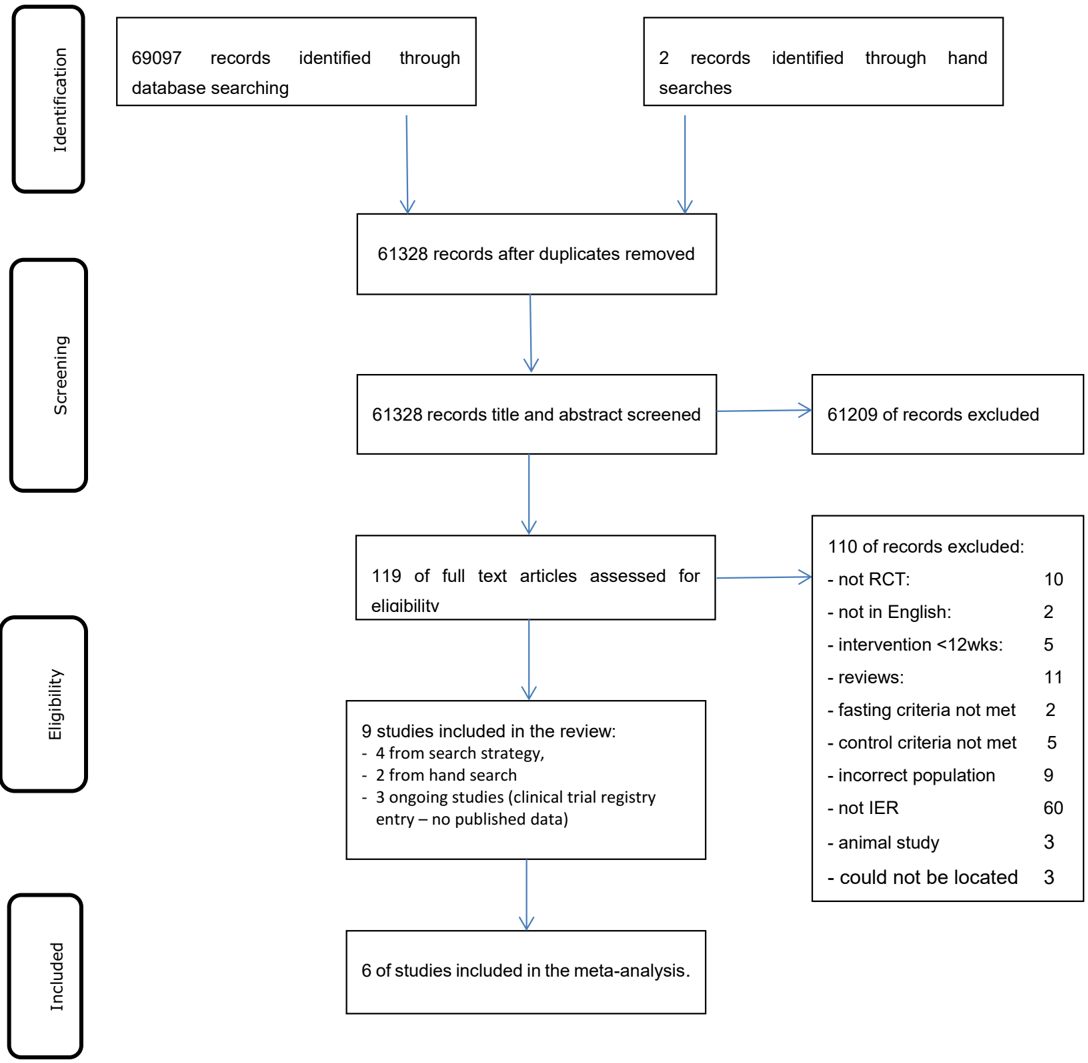
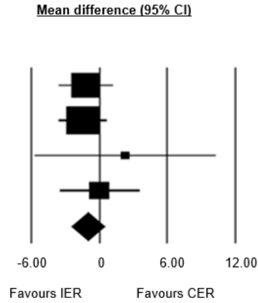
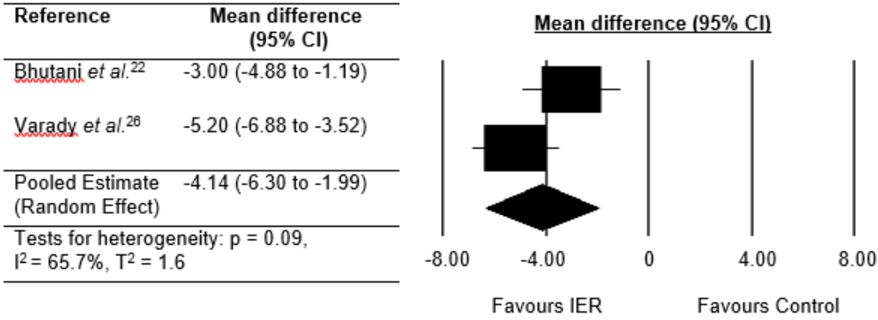
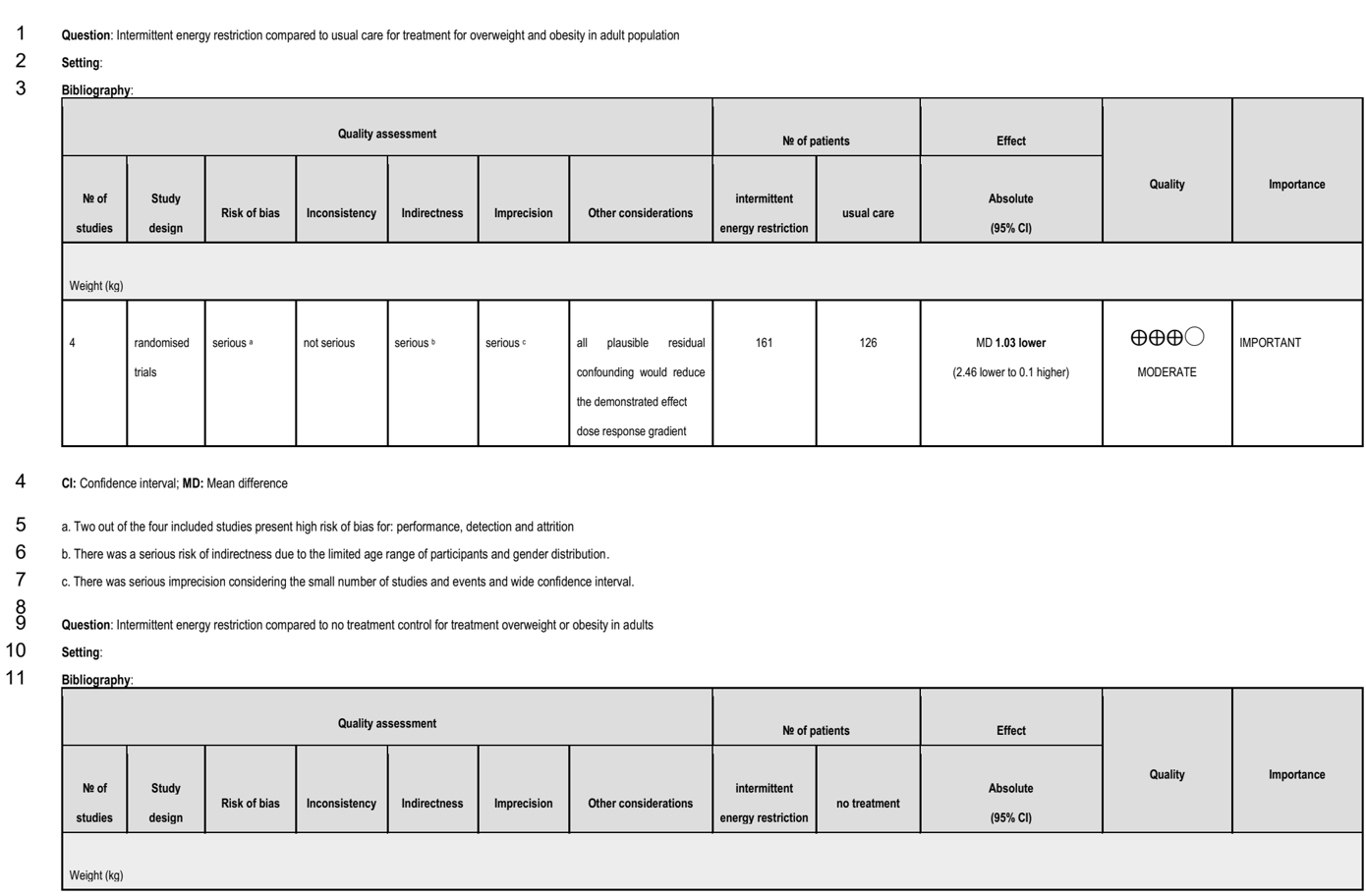
Objective: To examine the effectiveness of intermittent energy restriction in the treatment for overweight and obesity in adults, when compared to usual care treatment or no treatment. Introduction: Intermittent energy restriction encompasses dietary approaches including intermittent fasting, alternate day fasting, and fasting for two days per week. Despite the recent popularity of intermittent energy restriction and associated weight loss claims, the supporting evidence base is limited. Inclusion criteria: This review included overweight or obese (BMI ≥25 kg/m 2 ) adults (≥18 years). Intermittent energy restriction was defined as consumption of ≤800 kcal on at least one day, but no more than six days per week. Intermittent energy restriction interventions were compared to no treatment ( ad libitum diet) or usual care (continuous energy restriction ∼25% of recommended energy intake). Included interventions had a minimum duration of 12 weeks from baseline to post outcome measurements. The types of studies included were randomized and pseudo-randomized controlled trials. The primary outcome of this review was change in body weight. Secondary outcomes included: i) anthropometric outcomes (change in BMI, waist circumference, fat mass, fat free mass); ii) cardio-metabolic outcomes (change in blood glucose and insulin, lipoprotein profiles and blood pressure); and iii) lifestyle outcomes: diet, physical activity, quality of life and adverse events. Methods: A systematic search was conducted from database inception to November 2015. The following electronic databases were searched: MEDLINE, Embase, CINAHL, Cochrane Library, ClinicalTrials.gov, ISRCTN registry, and anzctr.org.au for English language published studies, protocols and trials. Two independent reviewers evaluated the methodological quality of included studies using the standardized critical appraisal instruments from the Joanna Briggs Institute. Data were extracted from papers included in the review by two independent reviewers using the standardized data extraction tool from the Joanna Briggs Institute. Effect sizes were expressed as weighted mean differences and their 95% confidence intervals were calculated for meta-analyses. Results: Six studies were included in this review. The intermittent energy restriction regimens varied across studies and included alternate day fasting, fasting for two days, and up to four days per week. The duration of studies ranged from three to 12 months. Four studies included continuous energy restriction as a comparator intervention and two studies included a no treatment control intervention. Meta-analyses showed that intermittent energy restriction was more effective than no treatment for weight loss (−4.14 kg; 95% CI −6.30 kg to −1.99 kg; p ≤ 0.001). Although both treatment interventions achieved similar changes in body weight (approximately 7 kg), the pooled estimate for studies that investigated the effect of intermittent energy restriction in comparison to continuous energy restriction revealed no significant difference in weight loss (−1.03 kg; 95% CI −2.46 kg to 0.40 kg; p = 0.156). Conclusions: Intermittent energy restriction may be an effective strategy for the treatment of overweight and obesity. Intermittent energy restriction was comparable to continuous energy restriction for short term weight loss in overweight and obese adults. Intermittent energy restriction was shown to be more effective than no treatment, however, this should be interpreted cautiously due to the small number of studies and future research is warranted to confirm the findings of this review.
Overview
The claims and statistics of this paper haven’t been checked yet.
Run the check — free, no account needed. It reads the open-access text and checks the sources it cites.
Integrity signals
Registry
Cites
Statistics
Figures
Verification
Claims the paper makes
The claims and statistics of this paper haven’t been checked yet.
Run the check — free, no account needed. It reads the open-access text and checks the sources it cites.
Claims other papers make about this one
Each is checked against this paper’s own text: does it say what the citing paper says it does?
The source backs part of the claim, not all of it — or backs it for a different population, condition or comparison.
In the citing paper
“In 3 systematic reviews and meta-analyses conducted to evaluate the effects of time-restricted eating and/or intermittent fasting (vs control) on weight loss and cardiometabolic risk factors, weight loss ranged from 1 to 4 kg and triglycerides decreased by 6 to 12 mg/dL (70-72).”
From 2021 ACC Expert Consensus Decision Pathway on the Management of ASCVD Risk Reduction in Patients With Persistent Hypertriglyceridemia (2021) · cites this paper as [70]
Experimental — accuracy not yet measuredThe source backs part of the claim, not all of it — or backs it for a different population, condition or comparison.
In the citing paper
“Triglycerides are reduced with intermittent fasting in proportion to weight loss.”
From 2021 ACC Expert Consensus Decision Pathway on the Management of ASCVD Risk Reduction in Patients With Persistent Hypertriglyceridemia (2021) · cites this paper as [70]
Experimental — accuracy not yet measured
Self-check
Percentages, sums and reported differences re-computed from the paper’s own numbers.
The self-check needs the paper’s full text.
Citations
Cites
Preferred reporting items for systematic reviews and meta-analyses: The PRISMA statement
Moher, D., Liberati, A., Tetzlaff, J., Altman, D. G., & the PRISMA Group* (2009) · Annals of Internal Medicine · doi:10.7326/0003-4819-151-4-200908180-00135 · Cited by 37,554
GRADE: an emerging consensus on rating quality of evidence and strength of recommendations
Guyatt, G. H., Oxman, A. D., Vist, G. E., Kunz, R., Falck-Ytter, Y., Alonso-Coello, P., & Schünemann, H. J. (2008) · BMJ · doi:10.1136/bmj.39489.470347.ad · Cited by 23,305
Process evaluation of complex interventions: Medical Research Council guidance
Moore, G. F., Audrey, S., Barker, M., Bond, L., Bonell, C., Hardeman, W., Moore, L., O'Cathain, A., Tinati, T., Wight, D., et al. (2015) · BMJ · doi:10.1136/bmj.h1258 · Cited by 6,204 · cited 1×
“Indeed, process evaluation has been highlighted as being of increasing importance in advancing the understanding of complex interventions.(49) Process evaluations provide opportunities to identify the successful and unsuccessful components of an intervention and are often”
BackgroundEuropean Guidelines for Obesity Management in Adults
Yumuk, V., Tsigos, C., Fried, M., Schindler, K., Busetto, L., Micic, D., & Toplak, H. (2015) · Obesity Facts · doi:10.1159/000442721 · Cited by 3,432 · cited 2×
“However, currently international clinical guidance on the treatment of adult obesity does not recommend the routine use of VLCD (defined as a hypocaloric diet of 800 or less kcal/day) for the treatment of adult obesity.(4,5,14,15) Instead, continuous energy restriction (CER) involving a daily energy deficit of 600 kca…”
BackgroundAnnual Medical Spending Attributable To Obesity: Payer-And Service-Specific Estimates
Finkelstein, E. A., Trogdon, J. G., Cohen, J. W., & Dietz, W. H. (2009) · Health Affairs · doi:10.1377/hlthaff.28.5.w822 · Cited by 2,956 · cited 1×
“Medical expenditure in the United States of America (USA) has shown to be even greater with associated costs at US$147 billion.(7) Furthermore, if trends in obesity continue to increase, it is predicted that by 2050, 50% of the population in the UK could be obese and the total costs in managing obesity could escalate…”
BackgroundSaunders, R. P., Evans, M. H., & Joshi, P. (2005) · Health Promotion Practice · doi:10.1177/1524839904273387 · Cited by 1,031
Han, T. S., Leer, E. M. V., Seidell, J. C., & Lean, M. E. J. (1995) · BMJ · doi:10.1136/bmj.311.7017.1401 · Cited by 974 · cited 2×
“These results are promising as reductions in waist circumference or central fat distribution reduce cardiovascular risk.(30) The reduction in waist circumference may partially explain the decrease in fasting insulin, although this is also likely to be associated with the periods of acute energy restriction, particular…”
BackgroundResultSelf-citationSystematic Review: An Evaluation of Major Commercial Weight Loss Programs in the United States
Tsai, A. G., & Wadden, T. A. (2005) · Annals of Internal Medicine · doi:10.7326/0003-4819-142-1-200501040-00012 · Cited by 815
Harvie, M. N., Pegington, M., Mattson, M. P., Frystyk, J., Dillon, B., Evans, G., Cuzick, J., Jebb, S. A., Martin, B., Cutler, R. G., et al. (2011) · International Journal of Obesity · doi:10.1038/ijo.2010.171 · Cited by 804 · cited 11×
“The majority of studies were in general conducted in the USA (n¼4), with the exception of two studies by Harvie et al. which were conducted in the UK.19,20 Four studies investigated the efficacy of IER interventions in comparison to CER19-21,25 and two studies included a no treatment control intervention (ad libitum d…”
BackgroundMethodInfluentialLong term pharmacotherapy for obesity and overweight: updated meta-analysis
Rucker, D., Padwal, R., Li, S. K., Curioni, C., & Lau, D. C. W. (2007) · BMJ · doi:10.1136/bmj.39385.413113.25 · Cited by 801
Cited by
Sorted by citations
Lopez-Jimenez, F., Almahmeed, W., Bays, H., Cuevas, A., Di Angelantonio, E., le Roux, C. W., Sattar, N., Sun, M. C., Wittert, G., Pinto, F. J., et al. (2022) · European Journal of Preventive Cardiology · doi:10.1093/eurjpc/zwac187 · Cited by 362
Rynders, C. A., Thomas, E. A., Zaman, A., Pan, Z., Catenacci, V. A., & Melanson, E. L. (2019) · Nutrients · doi:10.3390/nu11102442 · Cited by 339
“[51] that included four studies comparing IMF to CER published through November 2015.”
BackgroundVirani, S. S., Morris, P. B., Agarwala, A., Ballantyne, C. M., Birtcher, K. K., Kris-Etherton, P. M., Ladden-Stirling, A. B., Miller, M., Orringer, C. E., & Stone, N. J. (2021) · Journal of the American College of Cardiology · doi:10.1016/j.jacc.2021.06.011 · Cited by 341
Patikorn, C., Roubal, K., Veettil, S. K., Chandran, V., Pham, T., Lee, Y. Y., Giovannucci, E. L., Varady, K. A., & Chaiyakunapruk, N. (2021) · JAMA Network Open · doi:10.1001/jamanetworkopen.2021.39558 · Cited by 298
Hall, M. E., Cohen, J. B., Ard, J. D., Egan, B. M., Hall, J. E., Lavie, C. J., Ma, J., Ndumele, C. E., Schauer, P. R., & Shimbo, D. (2021) · Hypertension · doi:10.1161/hyp.0000000000000202 · Cited by 259
Time-restricted feeding plus resistance training in active females: a randomized trial
Tinsley, G. M., Moore, M. L., Graybeal, A. J., Paoli, A., Kim, Y., Gonzales, J. U., Harry, J. R., VanDusseldorp, T. A., Kennedy, D. N., & Cruz, M. R. (2019) · The American Journal of Clinical Nutrition · doi:10.1093/ajcn/nqz126 · Cited by 221
Lujan, P. V., Esmel, E. V., & Sacanella, E. (2021) · Nutrients · doi:10.3390/nu13051442 · Cited by 225
“A recent systematic review and meta-analysis that included interventional trials concluded that IF was comparable to continuous energy restriction for short-term weight loss in individuals with overweight and obesity [166].”
BackgroundCho, Y., Hong, N., Kim, K.-W., Cho, S., Lee, M., Lee, Y.-H., Lee, Y.-H., Kang, E., Cha, B.-S., & Lee, B.-W. (2019) · Journal of Clinical Medicine · doi:10.3390/jcm8101645 · Cited by 202
“Furthermore, several previous meta-analysis studies on the glucometabolic effect of an IFD have also shown conflicting results [22,23], which is important for establishing diet recommendations for the general population including the population with obesity or prediabetes.”
ResultYanai, H., Adachi, H., Hakoshima, M., Iida, S., & Katsuyama, H. (2023) · International Journal of Molecular Sciences · doi:10.3390/ijms242015473 · Cited by 209
“Intermittent fasting, which includes alternate-day fasting, and other forms of periodic caloric restriction have already received attention from animal research scientists [62,63].”
BackgroundCioffi, I., Evangelista, A., Ponzo, V., Ciccone, G., Soldati, L., Santarpia, L., Contaldo, F., Pasanisi, F., Ghigo, E., & Bo, S. (2018) · Journal of Translational Medicine · doi:10.1186/s12967-018-1748-4 · Cited by 190
The Effects of Intermittent Fasting on Brain and Cognitive Function
Gudden, J., Vásquez, A. A., & Bloemendaal, M. (2021) · Nutrients · doi:10.3390/nu13093166 · Cited by 212
Li, C., Xing, C., Zhang, J., Zhao, H., Shi, W., & He, B. (2021) · Journal of Translational Medicine · doi:10.1186/s12967-021-02817-2 · Cited by 180
“Emerging evidence has suggested that TRF was bene cial for losing body weight, ameliorating IR, regulating metabolism, and improving cardiometabolic health [16-17].”
BackgroundDinu, M., Pagliai, G., Angelino, D., Rosi, A., Dall'Asta, M., Bresciani, L., Ferraris, C., Guglielmetti, M., Godos, J., Del Bo', C., et al. (2020) · Advances in Nutrition · doi:10.1093/advances/nmaa006 · Cited by 164
Kotarsky, C. J., Johnson, N., Mahoney, S. J., Mitchell, S. L., Schimek, R. L., Stastny, S., & Hackney, K. J. (2021) · Physiological Reports · doi:10.14814/phy2.14868 · Cited by 155
“With that said, many of the cardiometabolic effects observed in STF remained relatively unaffected by TRE in this study (Harris et al., 2018; Mattson et al., 2017; Rothschild et al., 2014; Rynders et al., 2019).”
BackgroundClinical Management of Intermittent Fasting in Patients with Diabetes Mellitus
Grajower, M. M., & Horne, B. D. (2019) · Nutrients · doi:10.3390/nu11040873 · Cited by 170
“Some authors use it when a patient withholds caloric intake for several consecutive hours during the day (often 16 h with all energy intake during the other 8 h of the day) [5], others for a full day once or twice a week [6], and others three or four days per week [7].”
BackgroundResultGut Microbiota during Dietary Restrictions: New Insights in Non-Communicable Diseases
Rinninella, E., Cintoni, M., Raoul, P. C., Ianiro, G., Laterza, L., Lopetuso, L. R., Ponziani, F. R., Gasbarrini, A., & Mele, M. C. (2020) · Microorganisms · doi:10.3390/microorganisms8081140 · Cited by 153
“Moreover, various short-term studies showed that IF could also be as effective as daily CR in producing weight loss [69].”
BackgroundElortegui Pascual, P., Rolands, M. R., Eldridge, A. L., Kassis, A., Mainardi, F., Lê, K., Karagounis, L. G., Gut, P., & Varady, K. A. (2023) · Obesity · doi:10.1002/oby.23568 · Cited by 133
“These results are consistent with previous meta-analyses, which examined body weight outcomes in response to IF regimens compared with CER [1,2,9,38,39].”
ResultIntermittent Fasting and Metabolic Health: From Religious Fast to Time‐Restricted Feeding
Hoddy, K. K., Marlatt, K. L., Çetinkaya, H., & Ravussin, É. (2020) · Obesity · doi:10.1002/oby.22829 · Cited by 140
“There are a variety of IF regimens with regards to feed-and-fast cycles, meal timing, and energy intake (9,10).”
BackgroundResultIntermittent fasting: from calories to time restriction
Duregon, E., Pomatto, L. C. D., Bernier, M., Price, N. L., & de Cabo, R. (2021) · GeroScience · doi:10.1007/s11357-021-00335-z · Cited by 134
Charlot, A., Hutt, F., Sabatier, E., & Zoll, J. (2021) · Nutrients · doi:10.3390/nu13051405 · Cited by 125
Mild suppression of hyperinsulinemia to treat obesity and insulin resistance
Page, M. M., & Johnson, J. D. (2018) · Trends in Endocrinology & Metabolism · doi:10.1016/j.tem.2018.03.018 · Cited by 99
Intermittent fasting for the prevention of cardiovascular disease
Allaf, M., Elghazaly, H., Mohamed, O. G., Fareen, M. F. K., Zaman, S., Salmasi, A.-M., Tsilidis, K., & Dehghan, A. (2021) · Cochrane Database of Systematic Reviews · doi:10.1002/14651858.cd013496.pub2 · Cited by 98
Sun, M., Yao, W., Wang, X., Gao, S., Varady, K. A., Forslund, S. K., Zhang, M., Shi, Z.-Y., Cao, F., Zou, B.-J., et al. (2024) · EClinicalMedicine · doi:10.1016/j.eclinm.2024.102519 · Cited by 113
“52,53 Habitual diet describes the long-standing eating habits that individuals consistently follow over time.”
BackgroundPark, J., Seo, Y.-G., Paek, Y.-J., Song, H. J., Park, K. H., & Noh, H.-M. (2020) · Metabolism · doi:10.1016/j.metabol.2020.154336 · Cited by 93
Hammer, S. S., Vieira, C. P., McFarland, D., Sandler, M., Levitsky, Y., Dorweiler, T. F., Lydic, T. A., Asare‐Bediako, B., Adu-Agyeiwaah, Y., Sielski, M. S., et al. (2021) · Diabetologia · doi:10.1007/s00125-021-05431-5 · Cited by 94
Nutrition Concepts for the Treatment of Obesity in Adults
Wiechert, M., & Holzapfel, C. (2021) · Nutrients · doi:10.3390/nu14010169 · Cited by 107
Berthelot, E., Etchecopar‐Etchart, D., Thellier, D., Lançon, C., Boyer, L., & Fond, G. B. (2021) · Nutrients · doi:10.3390/nu13113947 · Cited by 87
Morales‐Suárez‐Varela, M., Sánchez, E. C., Peraita‐Costa, I., González, A. L., & Soriano, J. M. (2021) · Nutrients · doi:10.3390/nu13093179 · Cited by 97
“waist circumference and central fat distribution, both of which are beneficial since these parameters are important in reducing cardiovascular risk [13,14,17,19,22,25,26,29].”
BackgroundMethodBowen, J., Brindal, E., James‐Martin, G., & Noakes, M. (2018) · Nutrients · doi:10.3390/nu10091145 · Cited by 89
“[12] showed both treatment interventions achieved similar changes in body weight of approximately 7 kg and that ADF approaches in study durations of more than 12 weeks were more effective than no treatment for weight loss (−4.”
ResultLucyk, K., Simmonds, K., Lorenzetti, D., Drews, S. J., Svenson, L. W., & Russell, M. L. (2019) · BMC Medical Research Methodology · doi:10.1186/s12874-019-0801-1 · Cited by 80
Enríquez Guerrero, A., San Mauro Martín, I., Garicano Vilar, E., & Camina Martín, M. A. (2021) · European Journal of Clinical Nutrition · doi:10.1038/s41430-020-00821-1 · Cited by 75
Marinho, T. D. S., Ornellas, F., Barbosa‐da‐Silva, S., Mandarim‐de‐Lacerda, C. A., & Águila, M. B. (2019) · Nutrition · doi:10.1016/j.nut.2019.02.020 · Cited by 81
Yin, C., Li, Z., Xiang, Y., Peng, H., Yang, P. C., Yuan, S., Zhang, X., Wu, Y., Huang, M., & Li, J. (2021) · Frontiers in Nutrition · doi:10.3389/fnut.2021.709683 · Cited by 74
Chair, S. Y., Cai, H. “., Cao, X., Qin, Y., Cheng, H. Y., & Ng, M. T. (2022) · Journal of Nursing Research · doi:10.1097/jnr.0000000000000469 · Cited by 80
Correia, J. M., Santos, I., Pezarat‐Correia, P., Minderico, C. S., & Mendonça, G. V. (2020) · Nutrients · doi:10.3390/nu12051390 · Cited by 70
“In fact, systematic reviews and meta-analyses specifically designed to test the effect of IF on body composition have consistently shown that IF represents an effective intervention for weight loss [58,59].”
BackgroundHarris, L., McGarty, A. M., Hutchison, L., Ells, L. J., & Hankey, C. R. (2017) · Obesity Reviews · doi:10.1111/obr.12593 · Cited by 70
Self-citationIntermittent Fasting: The Choice for a Healthier Lifestyle
Ganesan, K., Habboush, Y. Y., & Sultan, S. (2018) · Cureus · doi:10.7759/cureus.2947 · Cited by 68
Beneficial Effects of Intermittent Fasting: A Narrative Review
Song, D.-K., & Kim, Y.-W. (2023) · Journal of Yeungnam Medical Science · doi:10.12701/jyms.2022.00010 · Cited by 69
“and insulin were reduced with IF [47,66] and that the insulin-lowering effect was greater with IF than with CR [67,68].”
BackgroundSemnani‐Azad, Z., Khan, T. A., Chiavaroli, L., Chen, V., Bhatt, H. A., Chen, A., Chiang, N., Oguntala, J. O., Kabisch, S., Lau, D. C. W., et al. (2025) · BMJ · doi:10.1136/bmj-2024-082007 · Cited by 93
Self-citationDietary Management of Obesity: A Review of the Evidence
Hwalla, N., & Jaafar, Z. (2020) · Diagnostics · doi:10.3390/diagnostics11010024 · Cited by 66
“, time-restricted fasting, alternate day fasting) while allowing ad libitum intake at all other times [121].”
BackgroundParra-Vargas, M., Rodriguez‐Echevarría, R., & Jiménez‐Chillarón, J. C. (2020) · Nutrients · doi:10.3390/nu12123860 · Cited by 64
“In fact, a systematic review and meta-analysis that included six interventional trials concluded that IF had comparable effects with continuous energy restriction for short-term weight loss in adults with overweight and obesity [87].”
BackgroundAlexander, L., Christensen, S. M., Richardson, L., Ingersoll, A. B., Burridge, K., Golden, A., Karjoo, S., Cortez, D., Shelver, M., & Bays, H. E. (2022) · Obesity Pillars · doi:10.1016/j.obpill.2021.100005 · Cited by 61
“…drug treatments (e.g., insulin, sulfonylurea) [108]. o Unclear if sustainable on a lifetime basis for a lifelong disease (i.e., obesity) [99]. o Most long-term evidence of ef fi cacy, health bene fi ts and safety are derived from animal studies [104]. o Prolonged fasting (weeks or more)…”
BackgroundInfluentialXie, F., Fu, R., Hong, J., Ni, H., Yu, K., & Gu, L. (2022) · Frontiers in Nutrition · doi:10.3389/fnut.2022.871682 · Cited by 76
Schroor, M. M., Joris, P. J., Plat, J., & Mensink, R. P. (2024) · Advances in Nutrition · doi:10.1016/j.advnut.2023.10.003 · Cited by 61
“Similar to Harris et al. [53], the present study suggests that the IER diet reduced WC more than the CER diet.”
MethodResultRemodelling of the translatome controls diet and its impact on tumorigenesis
Yang, H., Zingaro, V. A., Lincoff, J., Tom, H. J., Oikawa, S., Osés-Prieto, J. A., Edmondson, Q. D., Seiple, I. B., Shah, H., Kajimura, S., et al. (2024) · Nature · doi:10.1038/s41586-024-07781-7 · Cited by 63
Health effects of alternate-day fasting in adults: a systematic review and meta-analysis
Cui, Y., Cai, T., Zhou, Z., Mu, Y., Lu, Y., Gao, Z., Wu, J., & Zhang, Y. (2020) · Frontiers in Nutrition · doi:10.3389/fnut.2020.586036 · Cited by 60
He, S., Wang, J., Zhang, J., & Xu, J. (2021) · Obesity · doi:10.1002/oby.23023 · Cited by 60
“The result was in line with those of the previous meta-analyses (13,14).”
BackgroundResultInfluentialDietary modifications for weight loss and weight loss maintenance
Yannakoulia, M., Poulimeneas, D., Mamalaki, E., & Anastasiou, C. A. (2019) · Metabolism · doi:10.1016/j.metabol.2019.01.001 · Cited by 65
Nutrition and Nonalcoholic Fatty Liver Disease
Chakravarthy, M. V., Waddell, T. K., Banerjee, R., & Guess, N. D. (2019) · Gastroenterology Clinics of North America · doi:10.1016/j.gtc.2019.09.003 · Cited by 67
Umphonsathien, M., Rattanasian, P., Lokattachariya, S., Suansawang, W., Boonyasuppayakorn, K., & Khovidhunkit, W. (2021) · Journal of Diabetes Investigation · doi:10.1111/jdi.13619 · Cited by 64
Panizza, C. E., Lim, U., Yonemori, K., Cassel, K., Wilkens, L. R., Harvie, M., Maskarinec, G., Delp, E. J., Lampe, J. W., Shepherd, J., et al. (2019) · Nutrients · doi:10.3390/nu11061386 · Cited by 56
Daas, M. C., & de Roos, N. M. (2021) · Beneficial Microbes · doi:10.3920/bm2020.0149 · Cited by 58
Obesity and malnutrition in children and adults: A clinical review
Bradley, M., Melchor, J., Carr, R., & Karjoo, S. (2023) · Obesity Pillars · doi:10.1016/j.obpill.2023.100087 · Cited by 63
Schwingshackl, L., Zähringer, J., Nitschke, K., Torbahn, G., Lohner, S., Kühn, T., Fontana, L., Veronese, N., Schmucker, C., & Meerpohl, J. J. (2021) · Critical Reviews in Food Science and Nutrition · doi:10.1080/10408398.2020.1757616 · Cited by 53
Yang, F., Liu, C., Liu, X., Pan, X., Li, X., Tian, L., Sun, J., Yang, S., Zhao, R., An, N., et al. (2021) · Frontiers in Nutrition · doi:10.3389/fnut.2021.669325 · Cited by 55
Ashtary-Larky, D., Bagheri, R., Tinsley, G. M., Asbaghi, O., Paoli, A., & Moro, T. (2021) · Physiology & Behavior · doi:10.1016/j.physbeh.2021.113453 · Cited by 47
Arciero, P. J., Arciero, K. M., Poe, M., Mohr, A. E., Ives, S. J., Arciero, A., Boyce, M. K., Zhang, J., Haas, M., Valdez, E., et al. (2022) · Nutrition Journal · doi:10.1186/s12937-022-00790-0 · Cited by 51
“Of the myriad types of IF, several are particularly common and have shown modest efficacy on WL and health improvement: a) “periodic” IF includes fasting one (IF1; < 36 h) to two (IF2; > 48 h) days/week and feeding ad libitum (eating freely) the remaining five or six days [7]; b) alternateday fasting (ADF), consisting…”
Gray, K. L., Clifton, P. M., & Keogh, J. B. (2021) · American Journal of Clinical Nutrition · doi:10.1093/ajcn/nqab058 · Cited by 49
Vitale, R., & Kim, Y. (2020) · Metabolic Syndrome and Related Disorders · doi:10.1089/met.2020.0048 · Cited by 43
“18, 19 Throughout the literature, intermittent fasting has been shown to induce weight loss and improve glucometabolic outcomes in overweight and obese adults.”
InfluentialKalam, F., James, D. L., Li, Y. R., Coleman, M. F., Kiesel, V. A., Feliciano, E. M. C., Hursting, S. D., Sears, D. D., & Kleckner, A. S. (2023) · JNCI Monographs · doi:10.1093/jncimonographs/lgad008 · Cited by 49
Caristia, S., Vito, M. D., Sarro, A., Leone, A., Pecere, A., Zibetti, A., Filigheddu, N., Zeppegno, P., Prodam, F., Faggiano, F., et al. (2020) · Nutrients · doi:10.3390/nu12082290 · Cited by 52
“Previous systematic reviews investigated the effect of CR on the development and progression of age-related chronic diseases in animal models [81–83] and humans, focusing on a limited number of health outcomes [84,85] or examining lifespan outcomes in cohorts not entirely representative of the general population [86].”
BackgroundNaous, E., Achkar, A., & Mitri, J. (2023) · Nutrients · doi:10.3390/nu15163661 · Cited by 45
“Three studies [17,44,45] showed a reduction of BMI and BW in the IF groups in comparison to baseline, whereas five other studies [14,15,18,46,47] showed a reduction in comparison to control groups.”
BackgroundResultInfluentialKhalafi, M., Maleki, A. H., Symonds, M. E., Rosenkranz, S. K., Rohani, H., & Ehsanifar, M. (2024) · Diabetes Obesity and Metabolism · doi:10.1111/dom.15730 · Cited by 44
Sainsbury, A., Wood, R. E., Seimon, R. V., Hills, A. P., King, N. A., Gibson, A. A., & Byrne, N. M. (2018) · Obesity Reviews · doi:10.1111/obr.12787 · Cited by 36
“Several reviews (6,7), including some systematic reviews with (8,9) or without (10–13) meta-analysis, concur that intermittent fasting in adults with overweight or obesity produces losses in body weight, fat mass and fat-free mass, as well as improvements in risk factors for cardio metabolic disease (such as circulati…”
BackgroundArciero, P. J., Poe, M., Mohr, A. E., Ives, S. J., Arciero, A., Sweazea, K. L., Gumpricht, E., & Arciero, K. M. (2023) · Obesity · doi:10.1002/oby.23660 · Cited by 35
Kang, J., Shi, X., Fu, J., Li, H., Ma, E., & Chen, W. (2022) · Nutrients · doi:10.3390/nu14224734 · Cited by 37
“As a common intensive nutrition and lifestyle intervention strategy for obesity, IF has been shown to achieve weight reduction and improve insulin resistance and metabolic health [6,22,23].”
BackgroundA randomised controlled trial of the 5:2 diet
Hájek, P., Przulj, D., Pesola, F., McRobbie, H. J., Peerbux, S., Phillips‐Waller, A., Bisal, N., & Smith, K. M. (2021) · PLoS ONE · doi:10.1371/journal.pone.0258853 · Cited by 36
Batitucci, G., Faria, E. V., Nogueira, J. E., Brandão, C., Abud, G. F., Ortiz, G. U., Marchini, J. S., & de Freitas, E. C. (2022) · Frontiers in Nutrition · doi:10.3389/fnut.2022.884305 · Cited by 42
Silverii, G. A., Cresci, B., Benvenuti, F., Santagiuliana, F., Rotella, F., & Mannucci, E. (2023) · Nutrition, Metabolism and Cardiovascular Diseases · doi:10.1016/j.numecd.2023.05.005 · Cited by 34
Chen, Y.-E., Tsai, H.-L., Tu, Y., & Chen, L. (2024) · BMC Medicine · doi:10.1186/s12916-024-03716-1 · Cited by 40
“We employed the AMSTAR2 tool [18, 19] to evaluate the methodological quality of all included meta-analyses [14, 15, 20–”
Munhoz, A. C., Vilas‐Boas, E. A., Panveloski-Costa, A. C., Leite, J. S. M., Lucena, C. F., Riva, P., Emilio, H. R. D. O., & Carpinelli, Â. R. (2020) · Nutrients · doi:10.3390/nu12041029 · Cited by 37
Santos, H. O., Genário, R., Macedo, R. C. O., Pareek, M., & Tinsley, G. M. (2020) · Critical Reviews in Food Science and Nutrition · doi:10.1080/10408398.2020.1819768 · Cited by 37
“Recent syntheses of IF research have indicated that, in the general population, these programs are viable but not necessarily superior alternatives to traditional dietary measures for weight loss and health improvement (Coutinho et al. 2018; Harris et al. 2018; Seimon et al. 2015).”
BackgroundTan, L. Y., Yeo, X. Y., Bae, H., Lee, D. P. S., Ho, R., Kim, J. E., Jo, D., & Jung, S. (2021) · Life · doi:10.3390/life11070698 · Cited by 35
Khalafi, M., Maleki, A. H., Ehsanifar, M., Symonds, M. E., & Rosenkranz, S. K. (2024) · Obesity Reviews · doi:10.1111/obr.13855 · Cited by 36
Kord‐Varkaneh, H., Nazary-Vannani, A., Mokhtari, Z., Salehi‐Sahlabadi, A., Rahmani, J., Clark, C. C. T., Fatahi, S., Zanghelini, F., Hekmatdoost, A., Okunade, K. S., et al. (2020) · High Blood Pressure & Cardiovascular Prevention · doi:10.1007/s40292-020-00391-0 · Cited by 36
Nonsurgical weight loss interventions: a systematic review of systematic reviews and meta-analyses
Twells, L. K., Harris Walsh, K., Blackmore, A., Adey, T., Donnan, J., Peddle, J., Ryan, D., Farrell, A., Nguyen, H., Gao, Z., et al. (2021) · Obesity Reviews · doi:10.1111/obr.13320 · Cited by 33
Pavlidou, E., Papadopoulou, S. Κ., Fasoulas, A., Papaliagkas, V. T., Alexatou, O., Chatzidimitriou, M., Mentzelou, M., & Giaginis, C. (2023) · Nutrients · doi:10.3390/nu16010034 · Cited by 38
“Intermittent fasting regimens, including time-restricted feeding and periodic fasting, have gained popularity as potential strategies to enhance insulin sensitivity and promote weight loss [102–104]. protein helps preserve lean body mass [99].”
BackgroundObesity in children and adolescents: Overview of the diagnosis and management
Tung, J. Y., Poon, G. W.-K., Du, J., & Wong, K. K. (2023) · Chronic Diseases and Translational Medicine · doi:10.1002/cdt3.58 · Cited by 36
“Intermittent energy‐restricted diets have gained recent popularity as a weight‐reduction approach in adults and it has been reported in a recent systematic review to be of comparable efficacy to continuous energy restriction for short‐term weight loss in obese adults.(40) However, there is no evidence of its efficacy…”
BackgroundIntermittent Dieting: Theoretical Considerations for the Athlete
Peos, J., Norton, L. E., Helms, E. R., Galpin, A. J., & Fournier, P. A. (2019) · Sports · doi:10.3390/sports7010022 · Cited by 37
Lister, N. B., Jebeile, H., Truby, H., Garnett, S. P., Varady, K. A., Cowell, C. T. C. T., Collins, C. E., Paxton, S. J., Gow, M. L., Brown, J. J., et al. (2019) · Obesity Research & Clinical Practice · doi:10.1016/j.orcp.2019.11.005 · Cited by 35
The Effect of Intermittent Fasting on Appetite: A Systematic Review and Meta-Analysis
Elsworth, R. L., Monge, A. M., Perry, R. E., Hinton, E. C., Flynn, A. N., Whitmarsh, A., Hamilton-Shield, J. P., Lawrence, N., & Brunstrom, J. M. (2023) · Nutrients · doi:10.3390/nu15112604 · Cited by 35
Hirsh, S. P., Pons, M., Joyal, S. V., & Swick, A. G. (2019) · Journal of Nutritional Science · doi:10.1017/jns.2019.8 · Cited by 28
Approach to Obesity in the Older Population
Buch, A., Marcus, Y., Shefer, G., Zimmet, P., & Stern, N. (2021) · The Journal of Clinical Endocrinology & Metabolism · doi:10.1210/clinem/dgab359 · Cited by 31
McCurley, J. L., Levy, D. E., Dashti, H. S., Gelsomin, E. D., Anderson, E. M., Sonnenblick, R. M., Rimm, E. B., & Thorndike, A. N. (2021) · Journal of the Academy of Nutrition and Dietetics · doi:10.1016/j.jand.2021.08.109 · Cited by 34
Sorochynska, O. M., Bayliak, M. M., Gospodaryov, D. V., Vasylyk, Y. V., Kuzniak, O. V., Pankiv, T. M., Garaschuk, O., Storey, K. B., & Lushchak, V. I. (2019) · Frontiers in Physiology · doi:10.3389/fphys.2019.01432 · Cited by 28
“Brain is known to rely mainly on carbohydrates to meet energy demands (Jha and Morrison, 2018; Welcome and Mastorakis, 2018).”
BackgroundD'Souza, M. S., Dong, T. A., Ragazzo, G., Dhindsa, D. S., Mehta, A., Sandesara, P. B., Freeman, A. M., Taub, P. R., & Sperling, L. S. (2020) · The American Journal of Medicine · doi:10.1016/j.amjmed.2020.05.017 · Cited by 28
Novel dietary interventions for adolescents with obesity: A narrative review
Hoare, J. K., Jebeile, H., Garnett, S. P., & Lister, N. B. (2021) · Pediatric Obesity · doi:10.1111/ijpo.12798 · Cited by 30
“Most IER studies to date have recruited adults, achieving a 5 to 10 kg weight loss over 3 to 12 months.(49) In these studies, when compared to continuous energy restriction, there is no difference between groups for weight-related and many cardiometabolic outcomes.”
BackgroundUmbrella review of time-restricted eating on weight loss, fasting blood glucose, and lipid profile
Chew, H. S. J., Ang, W. H. D., Tan, Z. Y. A., Ang, W. W., Chan, K. S., & Lau, Y. (2022) · Nutrition Reviews · doi:10.1093/nutrit/nuac103 · Cited by 28
Yao, K., Su, H., Cui, K., Gao, Y., Xu, D., Wang, Q., Ha, Z., Zhang, T., Chen, S., & Liu, T. (2024) · The Journal of nutrition, health and aging · doi:10.1016/j.jnha.2024.100165 · Cited by 25
Maroofi, M., & Nasrollahzadeh, J. (2020) · Lipids in Health and Disease · doi:10.1186/s12944-020-01399-0 · Cited by 29
Intermittent Energy Restriction for Adolescents With Obesity
Lister, N. B., Baur, L. A., House, E. T., Alexander, S., Brown, J. J., Collins, C. E., Cowell, C. T. C. T., Day, K., Garnett, S. P., Gow, M. L., et al. (2024) · Archives of Pediatrics and Adolescent Medicine · doi:10.1001/jamapediatrics.2024.2869 · Cited by 25
Lara, C., & Romero‐Gómez, M. (2024) · European Cardiology Review · doi:10.15420/ecr.2023.34 · Cited by 22
“48 In this regard, intermittent fasting could improve hepatic steatosis and metabolic markers.”
BackgroundDiet composition influences the metabolic benefits of short cycles of very low caloric intake
Díaz‐Ruiz, A., Rhinesmith, T., Pomatto, L. C. D., Price, N. L., Eshaghi, F., Ehrlich, M. R., Moats, J. M., Carpenter, M., Rudderow, A., Brandhorst, S., et al. (2021) · Nature Communications · doi:10.1038/s41467-021-26654-5 · Cited by 23
Intermittent fasting causes metabolic stress and leucopenia in young mice
Sorochynska, O. M., Bayliak, M. M., Vasylyk, Y. V., Kuzniak, O. V., Drohomyretska, I. Z., Klonovskyi, A. Y., Storey, J. M., Storey, K. B., & Lushchak, V. I. (2019) · The Ukrainian Biochemical Journal · doi:10.15407/ubj91.01.053 · Cited by 23
Physiological responses to acute fasting: implications for intermittent fasting programs
Stratton, M. T., Albracht‐Schulte, K., Harty, P. S., Siedler, M. R., Rodriguez, C., & Tinsley, G. M. (2021) · Nutrition Reviews · doi:10.1093/nutrit/nuab094 · Cited by 23
Kim, K. K., Kang, J., & Kim, E. M. (2022) · Journal of Obesity & Metabolic Syndrome · doi:10.7570/jomes22050 · Cited by 23
“Three studies 2,3,6 reported that IER produced weight loss and metabolic improvement comparable to that with continuous energy restriction (CER).”
Impact of Intermittent Fasting on the Gut Microbiota: A Systematic Review
Pérez‐Gerdel, T., Camargo, M., Alvarado, M., & Ramírez, J. D. (2023) · Advanced Biology · doi:10.1002/adbi.202200337 · Cited by 22
Pérez-Díaz-del-Campo, N., Castelnuovo, G., Caviglia, G. P., Armandi, A., Rosso, C., & Bugianesi, E. (2022) · Nutrients · doi:10.3390/nu14235053 · Cited by 22
“In fact, previous meta-analyses have shown that subjects following IF had greater reductions in both body weight and body mass index compared to the control group [119,120].”
Dietary Risk Factors and Eating Behaviors in Peripheral Arterial Disease (PAD)
Cecchini, A. L., Biscetti, F., Rando, M. M., Nardella, E., Pecorini, G., Eraso, L. H., DiMuzio, P. J., Gasbarrini, A., Massetti, M., & Flex, A. (2022) · International Journal of Molecular Sciences · doi:10.3390/ijms231810814 · Cited by 28
“However, growing evidence confirms the remarkable safety profile [55] of IF for the management of overweight and obesity [56,57].”
BackgroundUser Engagement and Weight Loss Facilitated by a Mobile App: Retrospective Review of Medical Records
Valinskas, S., Nakrys, M., Aleknavičius, K., Jonusas, J., & Lileikienė, A. (2023) · JMIR Formative Research · doi:10.2196/42266 · Cited by 21
“A meta-analysis by Harris et al [8] found that for short-term weight loss in adults with overweight or obesity, IF and CR regimes yield similar results.”
Result
Metadata
- Authors
- Harris, L., Hamilton, S., Azevedo, L. B., Olajide, J., De Brún, C., Waller, G., Whittaker, V., Sharp, T., Lean, M., Hankey, C., & Ells, L.
- Affiliations
- University of Glasgow (GB)
- Teesside University (GB)
- Health and Social Care Institute, Teesside University, Middlesbrough, United Kingdom
- Independent Public Health Consultant, United Kingdom
- College of Medical, Veterinary and Life Sciences, University of Glasgow, Glasgow, United Kingdom
- Corresponding author
- Hankey, Catherine
- Ells, Louisa
- Venue
- JBI Database of Systematic Reviews and Implementation Reports
- Published
- 2018-02
- Volume
- 16
- Issue
- 2
- Pages
- 507-547
- ISSN
- 2202-4433 (ISSN-L)
- OpenAlex
- W2915213530
- Cited by
- 319
- References
- 37
- Citations by year
- 2026: 14 · 2025: 27 · 2024: 54 · 2023: 54 · 2022: 47 · 2021: 50 · 2020: 43 · 2019: 20 · 2018: 9
- FWCI
- 4.01
- Type
- journal article
- Language
- en
- Open access
- green
- eprints.gla.ac.uk
- Licence
- cc-by-sa
- Locations
- The JBI Database of Systematic Reviews and Implementation Reports (publishedVersion)
- PubMed (publishedVersion)
- ENLIGHTEN (Jurnal Bimbingan dan Konseling Islam) (submittedVersion, cc-by-sa)
- TeesRep (Teesside University) (submittedVersion, cc-by-nc-nd)
- Teesside University Research Portal (Teesside University) (submittedVersion, cc-by-nc-nd)
- International Journal of Evidence-Based Healthcare
- Funders
- Medical Research Council (MR/K02325X/1)
- Topics
- Health Sciences › Medicine › Physiology (medical) › Dietary Effects on Health
- Health Sciences › Medicine › Physiology (medical) › Diet and metabolism studies
- Health Sciences › Medicine › Public Health, Environmental and Occupational Health › Obesity, Physical Activity, Diet
- Keywords
- intermittent fasting, intermittent energy restriction, alternate-day fasting, obesity treatment, overweight, weight loss, body weight, body mass index, waist circumference, fat mass, cardiometabolic outcomes, blood glucose, insulin, lipoprotein profile, blood pressure, continuous energy restriction, lifestyle intervention, adverse events, quality of life, physical activity, dietary adherence, adults, usual care
- MeSH terms
- Adult, Diet, Reducing, Fasting, Female, Humans, Male, Obesity, Weight Loss, Treatment Outcome, Overweight
About these checks
Registry, retraction, Cites and statistics results are computed, not judged, with one exception: a printed reference that no index lists is read once by a model before it counts as a citation error. Claims are extracted by a model and kept only when their quote appears verbatim in the text; each cited source is then checked, with a model’s help, for whether it says what the claim relies on. Those verdicts can be wrong — read the claim’s quote and the cited source before relying on one.
Statistics and arithmetic are recomputed, not judged.
Confidence bands are shown only for fields calibrated on our annotated test set. None is calibrated yet, so no band is shown.
What counts as a claim ›How we measure confidence ›How we check this ›
Are you an author, or do you see a problem with this page? Request a review
