

Lactate in contemporary biology: a phoenix risen
Open accessThe DOI matches its Crossref record, with a small difference in title or year; 217 of the 217 references it cites were found in a registry or an index.
Abstract
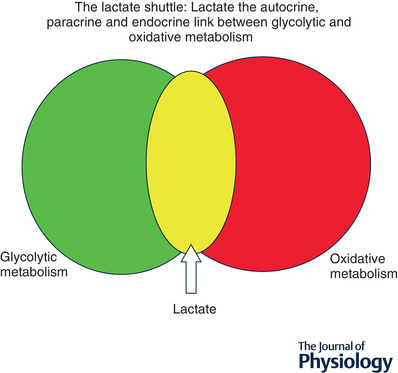
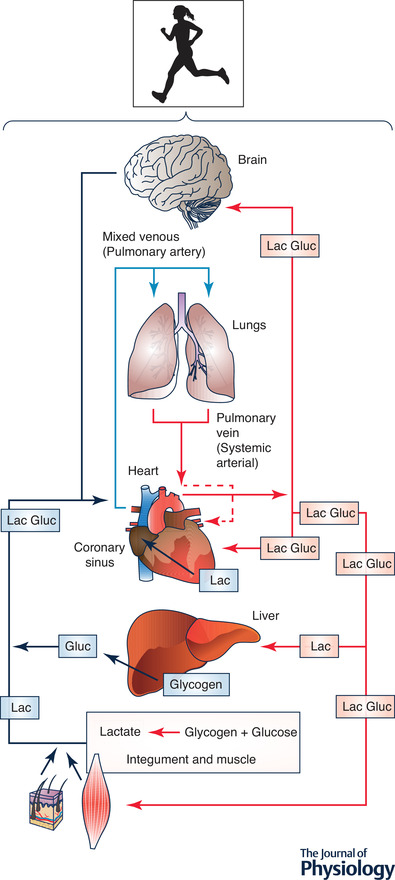
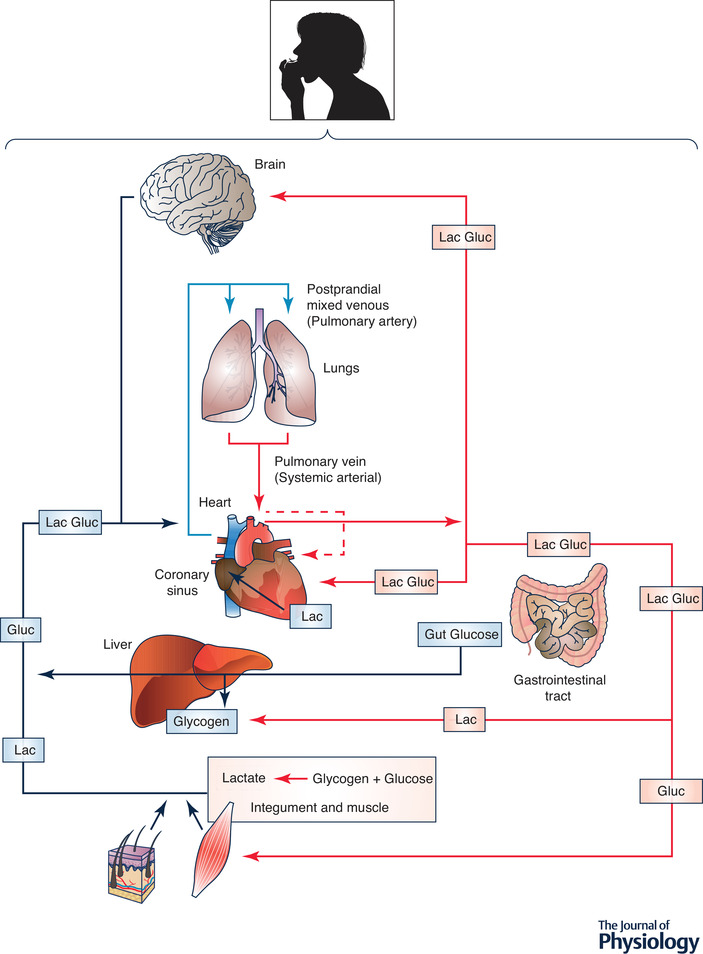
After a century, it's time to turn the page on understanding of lactate metabolism and appreciate that lactate shuttling is an important component of intermediary metabolism in vivo. Cell-cell and intracellular lactate shuttles fulfil purposes of energy substrate production and distribution, as well as cell signalling under fully aerobic conditions. Recognition of lactate shuttling came first in studies of physical exercise where the roles of driver (producer) and recipient (consumer) cells and tissues were obvious. Moreover, the presence of lactate shuttling as part of postprandial glucose disposal and satiety signalling has been recognized. Mitochondrial respiration creates the physiological sink for lactate disposal in vivo. Repeated lactate exposure from regular exercise results in adaptive processes such as mitochondrial biogenesis and other healthful circulatory and neurological characteristics such as improved physical work capacity, metabolic flexibility, learning, and memory. The importance of lactate and lactate shuttling in healthful living is further emphasized when lactate signalling and shuttling are dysregulated as occurs in particular illnesses and injuries. Like a phoenix, lactate has risen to major importance in 21st century biology.
Overview
The claims and statistics of this paper haven’t been checked yet.
Free: it reads the open-access text and checks the first 5 claims that cite a source we can check. Create a free account to check every claim.
Integrity signals
Registry
Cites
Statistics
Figures
Verification
Claims the paper makes
The claims and statistics of this paper haven’t been checked yet.
Free: it reads the open-access text and checks the first 5 claims that cite a source we can check. Create a free account to check every claim.
Claims other papers make about this one
Each is checked against this paper’s own text: does it say what the citing paper says it does?
The check wasn’t confident either way, so it gives no verdict — never disputed.
In the citing paper
“Such a curvilinear relationship between SmO2rate and BLa accumulation is akin to data from the long-head of the BF in other reports (Snyder and Parmenter, 2009; Brooks et al., 2022)”
From Monitoring skeletal muscle oxygen saturation kinetics during graded exercise testing in NCAA division I female rowers (2025) · cites this paper as Brooks et al., 2022
Experimental — accuracy not yet measured
Self-check
Percentages, sums and reported differences re-computed from the paper’s own numbers.
The self-check needs the paper’s full text.
Citations
Cites
Hill (2014) · doi:10.1038/nrgastro.2014.66 · Cited by 9,592 · cited 2×
“Also, from nutrition science we know that pre- and pro-biotic dietary components favourably affect gut fermentation and health (Hill et al. 2014) and data indicate relationships between microbiota and the prevalence of insulin resistance and metabolic syndrome (Vrieze et al.”
BackgroundThe metabolism of tumors in the body
Warburg, O., Wind, F., & Negelein, E. (1927) · Journal of General Physiology · doi:10.1085/jgp.8.6.519 · Cited by 4,416
Metabolic regulation of gene expression by histone lactylation
Zhang, D., Tang, Z., Huang, H., Zhou, G., Cui, C., Weng, Y., Liu, W., Kim, S., Lee, S., Perez-Neut, M., et al. (2019) · Nature · doi:10.1038/s41586-019-1678-1 · Cited by 4,371
Pellerin, L., & Magistretti, P. J. (1994) · Proceedings of the National Academy of Sciences · doi:10.1073/pnas.91.22.10625 · Cited by 2,927
Vrieze, A., Van Nood, E., Holleman, F., Salojärvi, J., Kootte, R. S., Bartelsman, J. F. W. M., Dallinga–Thie, G. M., Ackermans, M. T., Serlie, M. J., Oozeer, R., et al. (2012) · Gastroenterology · doi:10.1053/j.gastro.2012.06.031 · Cited by 2,913 · cited 1×
“2014) and data indicate relationships between microbiota and the prevalence of insulin resistance and metabolic syndrome (Vrieze et al. 2012).”
BackgroundGlucose feeds the TCA cycle via circulating lactate
Hui, S., Ghergurovich, J. M., Morscher, R. J., Jang, C., Teng, X., Lu, W., Esparza, L. A., Reya, T., Zhan, L., Yanxiang Guo, J., et al. (2017) · Nature · doi:10.1038/nature24057 · Cited by 1,721 · cited 1×
“Now, rather than regarded as an oddity of exercise metabolism (Gladden, 2004; Chen et al. 2016; Hui et al. 2017; Brooks, 2018; Ferguson et al. 2018), the presence of lactate shuttling is recognized in fields as diverse as wound healing (Hunt et al.”
BackgroundAstrocyte-Neuron Lactate Transport Is Required for Long-Term Memory Formation
Suzuki, A., Stern, S. A., Bozdagi, O., Huntley, G. W., Walker, R. H., Magistretti, P. J., & Alberini, C. M. (2011) · Cell · doi:10.1016/j.cell.2011.02.018 · Cited by 1,711 · cited 4×
“Hence, it is appropriate to recognize the importance of MCTs in cerebral lactate shuttling in cognition, learning, memory and other executive functions (Holloway et al. 2007; Suzuki et al. 2011; Steinman et al. 2016; Hashimoto et al. 2018; El Hayek et al. 2019).”
BackgroundInfluentialTargeting lactate-fueled respiration selectively kills hypoxic tumor cells in mice
Sonveaux, P., Végran, F., Schroeder, T., Wergin, M. C., Verrax, J., Rabbani, Z. N., De Saedeleer, C. J., Kennedy, K. M., Diepart, C., Jordan, B. F., et al. (2008) · Journal of Clinical Investigation · doi:10.1172/jci36843 · Cited by 1,624 · cited 2×
“2008), normal breast and transformed breast cancer cells (Hussien & Brooks, 2011), and tumours (Sonveaux et al. 2008).”
BackgroundThe Science and Translation of Lactate Shuttle Theory
Brooks, G. A. (2018) · Cell Metabolism · doi:10.1016/j.cmet.2018.03.008 · Cited by 1,486 · cited 30×
“…recognition of the presence of lactate shuttling within and among various cells, tissues and organs such as muscle, heart and liver (Brooks, 1984, 1985, 1986, 2002, 2018), the concept has been extended to include other cells, tissues and organs such as brain (Pellerin et al. 1998;…”
BackgroundInfluentialSelf-citationLactate metabolism: a new paradigm for the third millennium
Gladden, L. B. (2004) · The Journal of Physiology · doi:10.1113/jphysiol.2003.058701 · Cited by 1,277 · cited 10×
“The story of lactate and its role in physiology and medicine may be a century old, but has changed dramatically in the last three decades (Brooks, 1986, 2002, 2018; Gladden, 2004).”
BackgroundInfluential
Research works printed but not linked: 9
- Brooks GA, Brown MA, Butz CE, Sicurello JP & Dubouchaud H (1999b). Cardiac and skeletal muscle mitochondria have a monocarboxylate transporter MCT1. J Appl Physiol 87, 1713– 1718. 10562613 · DOI · Paper page
- Brooks GA, Brown MA, Butz CE, Sicurello JP & Dubouchaud H (1999c). Cardiac and skeletal muscle mitochondria have a monocarboxylate transporter MCT1. J Appl Physiol 87, 1713– 1718. 10562613 · DOI · Paper page
- Brooks GA, Fahey TD & Baldwin KM (2019). The why of pulmonary ventilation. Exercise Physiology: human bioenergetics and its applications, 5th edn., vol. 1, pp. 243– 256. Kindle Direct Publishing, Lexington, KY, USA.
- Donovan CM, Brooks GA, Donovan CM & Brooks GA (1983). Endurance training affects lactate clearance, not lactate production. Am J Physiol Endocrinol Metab 244, E83– E92. 6401405 · DOI · Paper page
- Estaki M, Morck DW, Quin C, Pither J, Barnett JA, Gill SK & Gibson DL (2020). Physical activity shapes the intestinal microbiome and immunity of healthy mice but has no protective effects against colitis in MUC2 −/− mice. mSystems 5. e00515‐ 20. PMC7542559 33024049
- Hill AV (1914). The oxidative removal of lactic acid. J Physiol 48, x‐ xi.
- Lehninger AL (1970). Biochemistry, p. 326. Worth, New York.
- Powell KE, King AC, Buchner DM, Campbell WW, DiPietro L, Erickson KI, Hillman CH, Jakicic JM, Janz KF, Katzmarzyk PT, Kraus WE, Macko RF, Marquez DX, McTiernan A, Pate RR, Pescatello LS & Whitt‐Glover MC (2018). The scientific foundation for the physical activity guidelines for Americans, 2nd edition. J Phys Act Health, 1– 11. 30558473
- Urry LA, Cain ML, Wasserman SL, Minorsky PV, & Orr R (2020). Campbell biology. In Campbell Biology, 12 edn, pp. 164– 170. Pearson.
Cited by
Items 101–200 of 303
Delayed and diminished postprandial lactate shuttling in healthy older men and women
Arevalo, J. A., Leija, R. G., Osmond, A. D., Curl, C. C., Duong, J. J., Huie, M. J., Masharani, U. B., & Brooks, G. A. (2024) · American Journal of Physiology-Endocrinology and Metabolism · doi:10.1152/ajpendo.00183.2024 · Cited by 12
Self-citationMessonnier, L. A., Chatel, B., Emhoff, C. W., Blervaque, L., & Oyono-Enguéllé, S. (2021) · Frontiers in Nutrition · doi:10.3389/fnut.2021.734152 · Cited by 11
Sendra-Pérez, C., Encarnación-Martínez, A., Oficial-Casado, F., Salvador-Palmer, R., & Priego-Quesada, J. I. (2023) · Physiological Measurement · doi:10.1088/1361-6579/ad1457 · Cited by 9
The Endothelium as a Central Mediator of Exercise-Induced Metabolism and Communication
Craige, S. M. (2025) · Exercise and Sport Sciences Reviews · doi:10.1249/jes.0000000000000376 · Cited by 9
“Once considered merely a byproduct of glycolysis, lactate is now recognized for its diverse roles in normal physiology, including cell signaling, tissue repair, and adaptation to stress (50).”
Reliability of the 15-s Maximal Lactate Accumulation Rate (VLamax) Test for Cycling
Harnish, C., Swensen, T. C., & King, D. L. (2023) · Physiologia · doi:10.3390/physiologia3040040 · Cited by 11
“In short, while lactate production maintains the NAD + necessary for aerobic glycolysis, it also creates additional ATP for the working muscle via the intramuscular lactate shuttle [11,12].”
BackgroundThe Physiological Requirements of and Nutritional Recommendations for Equestrian Riders
Best, R., Williams, J. M., & Pearce, J. (2023) · Nutrients · doi:10.3390/nu15234977 · Cited by 10
“…experienced during most riding gaits, HR values often exceed % ˙VO 2max matched endurance activity, but there is likely adequate oxygen supply to facilitate oxidative glycolytic processes and sufficient metabolism of lactate as a fuel source [32,33] during or in recovery from equestrian exercise.”
BackgroundHyperglycemia Suppresses Lactate Clearance During Exercise in Type 1 Diabetes
ROMERES, D., YADAV, Y. R., RUCHI, F., Carter, R. E., Cobelli, C., Basu, R., & Basu, A. (2024) · The Journal of Clinical Endocrinology & Metabolism · doi:10.1210/clinem/dgae005 · Cited by 10
Schierbauer, J., Wolf, A., Wachsmuth, N. B., Maassen, N., & Schmidt, W. (2023) · Metabolites · doi:10.3390/metabo13050632 · Cited by 11
“As mentioned before, the maximum systemic lactate concentration, e.g., when measured in the capillary blood, is always the result of lactate production, exchange, and utilisation [7,50] and the absolute amount of lactate in the blood depends on the interaction between the aforementioned factors.”
BackgroundEmerging Roles of High-mobility Group Box-1 in Liver Disease
Wang, L., Dong, Z., Zhang, Y., & Peng, L. (2024) · Journal of Clinical and Translational Hepatology · doi:10.14218/jcth.2024.00317 · Cited by 8
Gut lactate increases circulating l -Lac-Phe and key metabolites linked to GLP-1 and human health
Ghias, E., Pedersen, M. G. B., Nielsen, C. B., Bech, L. V., Modvig, I. M., Zubanovic, N. B., Seefeldt, J. M., Nielsen, R. R., Søndergaard, E., Frisch, K., et al. (2025) · American Journal of Physiology-Endocrinology and Metabolism · doi:10.1152/ajpendo.00037.2025 · Cited by 8
McCarthy, S. F., Bornath, D. P. D., Tucker, J. A. L., & Hazell, T. J. (2024) · Journal of Applied Physiology · doi:10.1152/japplphysiol.00536.2024 · Cited by 8
Cardiovascular effects of lactate in healthy adults: D-lactate, the forgotten enantiomer
Stevic, N., Argaud, L., & Cour, M. (2025) · Critical Care · doi:10.1186/s13054-025-05358-y · Cited by 8
“The molecule is catabolized via the L-lactate dehydrogenase (L-LDH) enzyme to fuel the Krebs or Cori cycle, leading to glucogenesis, ATP synthesis, and bicarbonate production, leading to alka-linization [3, 4].”
Messonnier, L. A., Oyono-Enguéllé, S., Vincent, L., Dubouchaud, H., Chatel, B., Sanchez, H., Malgoyre, A., Martin, C., Galactéros, F., Bartolucci, P., et al. (2022) · Nutrients · doi:10.3390/nu14030501 · Cited by 8
“Besides, because blood lactate accumulation limits lipolysis and free fatty acids oxidation [64], the greater lactate removal ability of SCT carriers may, by lowering blood lactate levels, provide them a different substrate partitioning and/or metabolic flexibility.”
BackgroundAcute effects of lactate infusion on metabolism, AD biomarkers, and cognition: The LEAN study
Kemna, R. E., Kueck, P. J., Blankenship, A. E., John, C. S., Johnson, C. N., Green, Z. D., Mayfield, H. D., Yoksh, L., Johnson, L. A., Thyfault, J. P., et al. (2025) · Alzheimer s & Dementia · doi:10.1002/alz.70984 · Cited by 8
“15 Lactate is a known ligand for GPR81, a G i -protein coupled receptor that is thought to have roles in metabolic sensing, energy metabolism, synaptic activity, and blood flow.”
Li, Y., Dong, X., Li, H., & Mi, L. (2025) · BMC Sports Science Medicine and Rehabilitation · doi:10.1186/s13102-024-01042-w · Cited by 11
“To assess the prognostic value of blood lactate (Lac) levels and lactate clearance rate (LCR) in athletes with heat illness of differing degrees following high-intensity exercise.”
Fiumelli, H., Herrera‐López, G., Lemtiri‐Chlieh, F., Mottier, L., Girgis, J., Benadiba, C., Jourdain, P., Carrano, N., Mahmood, H., Ooi, A., et al. (2026) · The Journal of Physiology · doi:10.1113/jp288960 · Cited by 8
Jiang, H., Ren, Y., Yu, J., Hu, S. C., & Zhang, J. (2023) · Frontiers in Genetics · doi:10.3389/fgene.2023.1223243 · Cited by 8
“In fact, in the progression of sepsis, blood lactate serves not only as a marker of organ perfusion and tissue hypoxia, but also participates in the progression of sepsis to shock and death through multiple signaling pathways, such as regulating energy metabolism and immune inflammatory responses (Brooks et al., 2022).”
BackgroundPost-exercise fatigue, lactate, and natural nutritional strategy
Ferrara, L., & D’Angelo, S. (2023) · Journal of Physical Education and Sport · doi:10.7752/jpes.2023.09261 · Cited by 14
Duan, J., Li, C., Zheng, Y., Huang, A., & Xie, Z. (2023) · Journal of Applied Microbiology · doi:10.1093/jambio/lxad259 · Cited by 7
Bordoli, C., Varley, I., Sharpe, G. R., Johnson, M. A., & Hennis, P. J. (2024) · Journal of Functional Morphology and Kinesiology · doi:10.3390/jfmk9030139 · Cited by 10
Prehabilitation- Do We Need Metabolic Flexibility
Tetlow, N., & Whittle, J. (2025) · Annals of Nutrition and Metabolism · doi:10.1159/000545266 · Cited by 6
“Glucose is preferentially converted into lactate even when oxygen is abundantly present [16].”
Chen, J., Zaidi, M., Chaudhary, J., Erfani, Z., Nemri, S. A., Plautz, E. J., Wen, X., Seeley, E. H., Bartnik‐Olson, B., Corbin, I. R., et al. (2025) · ACS Sensors · doi:10.1021/acssensors.5c03203 · Cited by 7
Liu, Y., Wang, F., Zhang, M., Shi, X., Li, L., Wang, T., Zhang, H., Cheng, Z., Li, X., Chen, J., et al. (2026) · Pharmacological Research · doi:10.1016/j.phrs.2026.108110 · Cited by 6
Zhang, Q., Bao, Y., Hu, L., Zhang, Q., Zhang, M., Chen, S., Zhang, P., Zhang, J., Ding, J., Jiang, B., et al. (2026) · International Immunopharmacology · doi:10.1016/j.intimp.2026.116676 · Cited by 181
Role of nitric oxide in convective and diffusive skeletal muscle microvascular oxygen kinetics
Poole, D. C., Ferguson, S. K., Musch, T. I., & Porcelli, S. (2022) · Nitric Oxide · doi:10.1016/j.niox.2022.01.005 · Cited by 8
Derous, D., Kebke, A. S., Fair, P. A., Styczynski, M. P., Bossart, G. D., Douglas, A., & Lusseau, D. (2022) · Comparative Biochemistry and Physiology Part D Genomics and Proteomics · doi:10.1016/j.cbd.2022.100991 · Cited by 6
“Lactic acid is produced during anaerobic metabolism but also plays a much larger role in cell signalling, metabolism, inflammation and shows a turnover in aerobic conditions in humans and mammalian model systems (Brooks et al., 2021).”
BackgroundLactate shuttling as an allostatic means of thermoregulation in the brain
Kane, D. A., Foo, A. C. Y., Noftall, E. B., Brebner, K., & Marangoni, D. G. (2023) · Frontiers in Neuroscience · doi:10.3389/fnins.2023.1144639 · Cited by 6
Harnish, C., & Miller, B. (2023) · Journal of Sports Science and Nutrition · doi:10.33545/27077012.2023.v4.i2b.193 · Cited by 6
Association of blood lactate accumulation with fat metabolism during exercise: method matters
Chávez-Guevara, I. A., Marini, C. F., Perić, R., Egan, B., Rubio-Valles, M., Duron-Borjas, M. C., & Ramos, A. (2025) · International Journal of Sports Medicine · doi:10.1055/a-2563-9203 · Cited by 5
“In this concern, Liu et al. [2] reported that binding of lactate to hydroxy-carboxylic acid receptor 1 downregulates the activity of hormone sensitive lipase, thereby suppressing the release and mobilization of free fatty acids from adipose tissues [3].”
Govus, A. D., Mitchell, L. J. G., Goldsmith, C., McGibbon, K. E., Pyne, D. B., Kozlovskaia, M., & Lawler, N. G. (2025) · Physiological Reports · doi:10.14814/phy2.70532 · Cited by 5
“…energy substrate both during and after exercise but also dictates the partitioning of energy substrate use during exercise by inhibiting lipolysis and mitochondrial FFA oxidation, with emerging roles in cell redox homeostasis, ROS production, and histone lactyla-tion (Brooks et al., 2022).”
Martins, R., Ludyga, S., Hanke, M., Herold, F., Crotti, M., Looser, V. N., Hill, M. W., & Duncan, M. J. (2025) · Behavioural Brain Research · doi:10.1016/j.bbr.2025.115887 · Cited by 6
Raun, S. H., Pham, T. C. P., Viggars, M. R., Ato, S., Takagaki, Y., Yan, Z., Bock, K. D., Hornberger, T. A., Richter, E. A., Auwerx, J. H., et al. (2026) · Cell Metabolism · doi:10.1016/j.cmet.2026.03.005 · Cited by 5
Zvyagina, V. I., & Belskikh, E. S. (2021) · Biomeditsinskaya Khimiya · doi:10.18097/pbmc20216704338 · Cited by 5
Silva, R. R., Rodrigues, M. A. M., Viana, R. B., Nakamoto, F. P., Vancini, R. L., Andrade, M. S., Rosemann, T. J., Weiss, K., Knechtle, B., & de Lira, C. A. B. (2024) · AJP Advances in Physiology Education · doi:10.1152/advan.00073.2024 · Cited by 5
Eserhaut, D. A., DeLeo, J. M., Provost, J. A., Ackerman, K. E., & Fry, A. C. (2025) · Frontiers in Physiology · doi:10.3389/fphys.2025.1538465 · Cited by 7
Glioma neuron symbiosis: a hypothesis
Schurr, A. (2025) · Frontiers in Neuroscience · doi:10.3389/fnins.2025.1646148 · Cited by 4
“…energy production over the glycolytic substrate glucose (Brooks, 1985; Schurr et al., 1988; Brooks, 2002; Brooks, 2007; Brooks et al., 2022; Brooks et al., 2022) brain energy metabolism is concerned, the ANLS hypothesis appears to play a significant role in support of this preference…”
Lan, Y., Wu, Y., Chen, J., Zhou, W., & Tian, S. (2025) · Scientific Reports · doi:10.1038/s41598-025-15774-3 · Cited by 5
Rethinking Human Energy Metabolism
Panov, A. V., Mayorov, V., Dikalov, S., Krasilnikova, A., & Yaguzhinsky, L. S. (2026) · Current Issues in Molecular Biology · doi:10.3390/cimb48020159 · Cited by 4
“A striking example of the difference between the in vitro and in vivo metabolic pathways is the fact that in the whole organism, glycolysis always ends in the formation of lactate, not pyruvate [22,30].”
InfluentialMolecular vehicles for therapeutic delivery of lactate in exercise and medicine
Brooks, G. A. (2026) · Sports Medicine and Health Science · doi:10.1016/j.smhs.2026.03.005 · Cited by 5
“16,111”
Self-citationMank, M. M., Zoller, K. A., Fastiggi, V. A., Ather, J. L., & Poynter, M. E. (2026) · The Journal of Immunology · doi:10.1093/jimmun/vkag085 · Cited by 6
Darwen, C., Bryan, A., Quraishi, T., & Moore, J. (2023) · BJA Open · doi:10.1016/j.bjao.2023.100124 · Cited by 4
McCarthy, S. F., Finch, M. S., MacPherson, R. E. K., & Hazell, T. J. (2024) · Neuropeptides · doi:10.1016/j.npep.2024.102473 · Cited by 4
“The role of lactate as a major energy source is well established (Brooks, 2018, 2020; Brooks et al., 2021) and multiple roles as a signaling molecule are continuing to be explored (Brooks et al., 2021).”
BackgroundMcCarthy, S. F., Bornath, D. P. D., Tucker, J. A. L., Cohen, T. R., Medeiros, P. J., & Hazell, T. J. (2024) · Journal of Applied Physiology · doi:10.1152/japplphysiol.00559.2024 · Cited by 5
Tsukamoto, H., Suga, T., Dora, K., Sugimoto, T., Tomoo, K., Isaka, T., & Hashimoto, T. (2023) · Scientific Reports · doi:10.1038/s41598-023-48670-9 · Cited by 6
“Given that lactate is one of the indicators of the positive impact of exercise on health 5, 10–14 , these observations may partly explain why the CE program is an easy way to improve health.”
BackgroundBurchert, H. H., Stringer, W. W., & Dash, R. K. (2025) · Pflügers Archiv - European Journal of Physiology · doi:10.1007/s00424-025-03100-9 · Cited by 3
“While this interpretation indicates compromised O 2 Hb dissociation, it seems compatible with the current lactate shuttle understanding, whereby lactate is not a consequence of an O 2 debt but a marker of physiological and metabolic strain [7, 8, 38].”
Wang, S., Zhang, X., Zhang, L., Zhuo, S., & Chen, Y. (2025) · American Journal of Physiology-Endocrinology and Metabolism · doi:10.1152/ajpendo.00096.2025 · Cited by 3
The Role of Lactate in Mitochondrial Metabolism of DOX‐Induced Senescent AC16 Cells
Militello, R., Luti, S., Gamberi, T., Leri, M., Santi, A., Becatti, M., Pellegrino, A., Modesti, P. A., & Modesti, A. (2025) · Cell Biochemistry and Function · doi:10.1002/cbf.70110 · Cited by 3
“Regular exercise induces continuous exposure to lactate that contribute to adaptive process through mitochondrial biogenesis via the activation of peroxisome proliferator ‐ activated receptor gamma coactivator ‐ 1 alpha (PGC ‐ 1 α ) and improve of metabolic process [19].”
Glial lactate metabolism and transport in Alzheimer’s disease
Wang, Y., Feng, B., Hong, R., Qiu, D., Zhao, J., & Zhao, L. (2026) · Frontiers in Aging Neuroscience · doi:10.3389/fnagi.2026.1731089 · Cited by 5
Rozier-Delgado, P., Vonderscher, M., Blervaque, L., Brivio, F., Buuveibaatar, B., Chamaillé‐Jammes, S., Ciuti, S., Christe, P., English, H. M., Eriksen, A., et al. (2026) · Journal of Experimental Biology · doi:10.1242/jeb.251129 · Cited by 4
Lin, Y., Song, G., Chen, Y., Liang, C., Ni, Z., Gong, L., & Yan, Y. (2026) · American Journal of Physiology-Endocrinology and Metabolism · doi:10.1152/ajpendo.00321.2025 · Cited by 3
Metabolic small talk during exercise: The role of metabokines and lipokines in interorgan signalling
Gad, S. A., Smith, H., & Roberts, L. D. (2024) · Current Opinion in Endocrine and Metabolic Research · doi:10.1016/j.coemr.2024.100525 · Cited by 4
Effects of post-exercise intake of exogenous lactate on energy substrate utilization at rest
Kim, T., Hwang, D., Kyun, S., Jang, I., Kim, S.-W., Park, H., Lim, K., Kim, C., & Kim, J. (2024) · Physical Activity and Nutrition · doi:10.20463/pan.2024.0001 · Cited by 3
“Notably, lactate produced in the body leads to decreased fatty acid oxidation and, conversely, increased carbohydrate oxidation 10 .”
BackgroundMethodModulation of fatty acid metabolism via lactate-HCA1 signaling: potential therapeutic implications
Chávez-Guevara, I. A., Fernández-Escabías, M., Hernández-Lepe, M. A., & Amaro‐Gahete, F. J. (2025) · American Journal of Physiology-Cell Physiology · doi:10.1152/ajpcell.00969.2024 · Cited by 3
Wang, J., Tian, S., Du, J., Du, S., Chen, W., & Liu, Y. (2025) · Lipids in Health and Disease · doi:10.1186/s12944-025-02533-6 · Cited by 3
“In recent years, the scientific community’s perspective on lactate has evolved from considering it a metabolic waste to recognizing it as the exerkine that mediates training adaptations [73].”
Fahlman, A., Schorr, G. S., Sweeney, D. A., Rone, B. K., Coates, S. N., Allen, A. S., López, L. M. M., Jarvis, S. M., & Falcone, E. A. (2025) · Experimental Physiology · doi:10.1113/ep093021 · Cited by 4
“The modelling suggests that Ziphius may use a hybrid metabolic state, combining aerobic and anaerobic pathways in a controlled and repeatable manner – consistent with recent work identifyinglactateasakeyintermediateinmusclemetabolism(Brooks, 2020; Brooks et al., 2022).”
Usategui‐Martín, R., Sánchez, D. Z., López‐Izquierdo, R., Benito, J. F. D., Vegas, C. D. P., Soberón, I. S., Martín‐Conty, J. L., García, A. S., & Rodríguez, F. M. (2023) · European Journal of Emergency Medicine · doi:10.1097/mej.0000000000001102 · Cited by 3
Sex Differences in Plasma Metabolites in a Guinea Pig Model of Allergic Asthma
Barošová, R., Baranovičová, E., Adamčáková, J., Pršo, K., Hanusrichterová, J., & Mokrá, D. (2023) · Physiological Research · doi:10.33549/physiolres.935218 · Cited by 4
How high can the lactate phoenix rise?
Langan, S. P., & Navarro, J. S. (2022) · The Journal of Physiology · doi:10.1113/jp283089 · Cited by 3
“…properties are well-documented, such as satiety regulation via ghrelin and lipolysis inhibition via hydroxycarboxylic acid receptor 1 (HCAR-1) and cAMP response element-binding protein (CREB) (Brooks et al., 2022), other signalling effects likely exist given the ubiquity of MCT expression.”
BackgroundInfluentialExploring the load–velocity profile with sprint swimming performance and sex differences
Ruiz-Navarro, J. J., Born, D., Febles‐Castro, A., Gay, A., López‐Belmonte, Ó., Morales-Ortíz, E., López-Contreras, G., & Arellano, R. (2025) · International Journal of Sports Medicine · doi:10.1055/a-2559-6956 · Cited by 2
Kobashi, R., Anabuki, D., Yano, H., Mukaihara, Y., Nishiyama, A., Wada, K., Nishimura, A., & Ishimaru, I. (2025) · Sensors · doi:10.3390/s25154537 · Cited by 2
“This process results in a gradual decrease in the blood glucose level but an increase in the blood lactate level [4,5].”
Muscle Fuel Utilization with Glycolysis Viewed Right Side Up
Brooks, G. A. (2025) · Advances in experimental medicine and biology · doi:10.1007/978-3-031-88361-3_1 · Cited by 3
Self-citationLee, S., Nam, W. S., An, K. S., Cho, E.-J., Choi, Y.-M., & Ryu, H. Y. (2025) · Nutrients · doi:10.3390/nu17203239 · Cited by 2
Tian, S., Han, J., Zhang, Z., Du, J., Chen, W., & Liu, Y. (2025) · European Journal of Applied Physiology · doi:10.1007/s00421-025-06097-2 · Cited by 3
“…determine its biological effects: acute infusion transiently suppresses lipolysis through GPR81-mediated inhibition of the cAMP-PKA pathway (Brooks et al. 2022 ), whereas chronic expo - sure (≥ 4 weeks) to HIIT or lactate administration induces adaptive remodeling in both peripheral…”
Troha, N., Zorec, T. M., Hošnjak, L., Smrdel, K. S., Šturm, A. C., Šalamun, V., Frković, S. G., Bokal, E. V., & Poljak, M. (2026) · Microbiology Spectrum · doi:10.1128/spectrum.02791-25 · Cited by 3
Lactate and cognition: a dual modulator
Yang, W., Xu, Y., & Wang, K. (2026) · Frontiers in Molecular Neuroscience · doi:10.3389/fnmol.2026.1742681 · Cited by 2
Rethinking Lactate in Cardiac Surgery and Intensive Care
Guzzi, J., Salter, R., Pettit, S., Kelting, T., Falter, F., & Perrino, A. C. (2026) · Journal of Cardiothoracic and Vascular Anesthesia · doi:10.1053/j.jvca.2026.03.010 · Cited by 2
Herold, F., Tari, B., Kujach, S., Dupuy, O., Green, C. S., Gronwald, T., & Heath, M. D. (2026) · Scandinavian Journal of Psychology · doi:10.1111/sjop.70101 · Cited by 2
Jaén‐Carrillo, D., Bruce, C. D., Gobbo, C., Howe, C. A., & Lawley, J. S. (2026) · International Journal of Sports Physiology and Performance · doi:10.1123/ijspp.2025-0607 · Cited by 3
Maximal glycolytic flux modulates metabolic thresholds independent of maximal oxygen uptake
Meixner, B. J., Leo, P. D., & Sperlich, B. (2026) · European Journal of Applied Physiology · doi:10.1007/s00421-026-06270-1 · Cited by 2
Hekmatikar, A. H. A., Santamaría, G., Miguel, A. M., Roche, E., Khodadadi, F., López-Llorente, Á., & Fernández‐Lázaro, D. (2026) · Muscles · doi:10.3390/muscles5030047 · Cited by 3
Pires, R. A., Correia, T. M. L., de Almeida, A. A., Coqueiro, R. D. S., Machado, M., Teles, M. F., Peixoto, Á. S., Queiroz, R. F., & Pereira, R. (2022) · Life · doi:10.3390/life12122113 · Cited by 2
“Lactate is recognized as an important metabolic intermediate, impacting the energy substrate utilization, cell signaling, and adaptation [17,18], especially mitochondrial and antioxidant adaptation [17,19,20].”
BackgroundLactate: Anaerobic Threshold and New Discoveries
Fusi, J., Scarfò, G., & Franzoni, F. (2023) · IntechOpen eBooks · doi:10.5772/intechopen.1003067 · Cited by 3
Botek, M., Krejčí, J., Sládečková, B., & McKune, A. J. (2024) · Advances in biochemistry in health and disease · doi:10.1007/978-3-031-47375-3_5 · Cited by 3
Rodríguez, S., Rodríguez-Jaime, M. F., & León-Prieto, C. (2024) · Critical Reviews in Physical and Rehabilitation Medicine · doi:10.1615/critrevphysrehabilmed.2024052624 · Cited by 3
Cupeiro, R., Benito, P. J., Amigo, T., & González‐Lamuño, D. (2025) · Applied Physiology, Nutrition, and Metabolism · doi:10.1139/apnm-2024-0246 · Cited by 2
Ma, J., Li, H., Fang, B., Zhao, Z., Mehmood, I., Arsalan, A., & Wang, L. (2025) · Ain Shams Engineering Journal · doi:10.1016/j.asej.2025.103484 · Cited by 2
Li, Y. H., Liao, X., Tang, S., Wang, Q., Lin, H., Yu, X., Xiao, Y., Tao, X., & Zhong, T. (2025) · Nutrients · doi:10.3390/nu17111892 · Cited by 20
“Lactic acid serves not only as a primary fuel for the tricarboxylic acid (TCA) cycle and a precursor for gluconeogenesis but can also be converted into short-chain fatty acids under various conditions [28,29], contributing to obesity.”
Amari, M., Brioschi, F. A., Cagnardi, P., Sala, G., Ferrari, F., Capasso, M., Elia, L., Venturelli, E., Cesare, F. D., Zinno, F., et al. (2025) · Veterinary Sciences · doi:10.3390/vetsci12090859 · Cited by 3
“Enhanced tissue perfusion facilitates lactate clearance from muscles [50], which could partially explain the transient elevation observed.”
Overlooked confounding in studies of metabolite salts
Lund, J. T., Clemmensen, C., & Gerhart‐Hines, Z. (2023) · Nature Metabolism · doi:10.1038/s42255-023-00787-x · Cited by 2
Reply to Bankir: the ever-expanding role of lactate in the kidney
Osis, G., & Agarwal, A. (2021) · American Journal of Physiology-Renal Physiology · doi:10.1152/ajprenal.00282.2021 · Cited by 2
Lactato: Una reflexión crítica a la terminología aeróbica y anaeróbica del ejercicio
Salazar, L. R. H., Méndez, O. A. N., Turriago, P. N. Q., & Rincón, E. H. P. (2023) · Revista Internacional de Pedagogía e Innovación Educativa · doi:10.51660/ripie.v3i2.130 · Cited by 2
Changes in roller skiing economy among Nordic combined athletes leading up to the competition season
Yanaka, T., Nakamura, M., Yamanobe, K., & Ishige, Y. (2024) · Frontiers in Sports and Active Living · doi:10.3389/fspor.2024.1320698 · Cited by 1
Cutting through dogma: a novel tool to dissect lactate biology
Rausch, N., McIntyre, R. L., Finger, F., & Lund, J. T. (2024) · The Journal of Physiology · doi:10.1113/jp286653 · Cited by 1
“…tissues and cells is mediated by bidirectional monocarboxylate transporters (MCTs), a group of proton-linked plasma membrane co-transporters, which allow lactate produced in skeletal muscle to act as an exerkine via autocrine, paracrine and possibly also endocrine mechanisms (Brooks et al., 2022).”
O’Brien, B. J., Evans, S., Worn, R. L., Lavender, A. P., Bell, L. R., & Cover, T. (2025) · Medical Hypotheses · doi:10.1016/j.mehy.2025.111725 · Cited by 1
Baird, A. J., White, S. A., Bisgaard, E., Wentz, R. K., Sims, E. M., & Hananel, D. (2025) · PLoS Computational Biology · doi:10.1371/journal.pcbi.1012820 · Cited by 1
“…such as lactate metabolism in animals with a focus on experimental support [19], exploring lactate kinetics under trauma-relevant inflammatory conditions using a systems biology approach [20], and lactate shuttling and metabolic flux relevant to both exercise and injury physiology [21,22].”
Wang, P.-F., Guan, C.-J., Chen, Q., Ma, H., Su, S., Xiao, B., & Chen, Y.-L. (2025) · European Journal of Pharmacology · doi:10.1016/j.ejphar.2025.178225 · Cited by 1
Zuo, Y., Zhu, Y., Ding, X., Wang, L., Zheng, J., Huang, Q., Xu, H., & Liu, C. (2025) · Nanomedicine Nanotechnology Biology and Medicine · doi:10.1016/j.nano.2025.102868 · Cited by 1
Deru, L. S., Hales, K. E., Gipson, E. Z., Chan, H., & Bailey, B. W. (2025) · European Journal of Sport Science · doi:10.1002/ejsc.70075 · Cited by 1
Effects of Lactate Administration on Postcardiac Arrest Myocardial Dysfunction: An Ex Vivo Study
Stevic, N., Ferrera, R., Baetz, D., Argaud, L., & Cour, M. (2025) · Shock · doi:10.1097/shk.0000000000002770 · Cited by 1
Fu, Y., Zhang, Y., Shen, L., & Huang, Y. (2025) · Langenbeck s Archives of Surgery · doi:10.1007/s00423-025-03958-4 · Cited by 1
Agudo-Ortega, A., Gomez-Castro, M., Olivares-Llorente, R., Martín-Castellanos, A., Barba-Ruíz, M., & Hermosilla-Perona, F. (2026) · Scientific Reports · doi:10.1038/s41598-025-34940-1 · Cited by 2
Ren, D., Wang, S., Xu, S., Wang, H., Zhai, S., Qiu, Y., Qiu, Z., & Duan, J. (2026) · BMC Infectious Diseases · doi:10.1186/s12879-026-12871-0 · Cited by 1
“As a biomarker, it may help clinicians in risk stratification, as well as in identifying and treating sepsis [17, 18].”
Luqmani, Y. A. (2026) · Medical Principles and Practice · doi:10.1159/000552146 · Cited by 1
“Previously relegated to the status of metabolic waste, lactate is increasingly recognized as a central integrator of metabolic flux, redox balance, signaling, epigenetic regulation, and intercellular communication [6, 7].”
Li, L., Zhu, L., Wang, L., Kang, J., Zheng, M., Geng, Z., Yu, T., & Xu, B. (2026) · Journal of Biological Chemistry · doi:10.1016/j.jbc.2026.113207 · Cited by 1
Lactate Biology: Subcellular Routing and Chemical Form Define Function
Offei, N. A., & Cluntun, A. A. (2026) · Biochemistry · doi:10.1021/acs.biochem.6c00251 · Cited by 1
Wang, X., Lin, Y., Xiong, R., Liu, J., Liu, Y., Li, Z., Chen, Y., Xia, Y., Li, Z., Mou, L., et al. (2026) · Analytica Chimica Acta · doi:10.1016/j.aca.2026.346006 · Cited by 1
Zvyagina, V. I., & Belskikh, E. S. (2021) · Biochemistry (Moscow) Supplement Series B Biomedical Chemistry · doi:10.1134/s1990750821040119 · Cited by 1
Regulation of Gene Expression by the MYC Transcription Factor Network During Exercise
Astratenkova, I. V., Golberg, N. D., & Rogozkin, V. A. (2023) · Human Physiology · doi:10.1134/s036211972360011x · Cited by 1
“It is believed that lactate is formed and oxidized continuously in muscle and heart tissue and integrates intracellular metabolism [19].”
BackgroundUnderfeeding Alters Brain Tissue Synthesis Rate in a Rat Brain Injury Model
Curl, C. C., Leija, R. G., Arevalo, J. A., Osmond, A. D., Duong, J. J., Kaufer, D., Horning, M. A., & Brooks, G. A. (2023) · International Journal of Molecular Sciences · doi:10.3390/ijms241713195 · Cited by 1
Self-citationBonet, J., Barbieri, E., Santoro, N., & Man, C. D. (2024) · Journal of Diabetes Science and Technology · doi:10.1177/19322968241266825 · Cited by 2
“This theory, which accounts for both into intracellular and cell-cell lactate shuttle, 6-8 claims that lactate enters the mitochondria, in which it is reconverted into pyruvate and then oxidized.”
Metadata
- Authors
- Brooks, G. A., Arevalo, J. A., Osmond, A. D., Leija, R. G., Curl, C. C., & Tovar, A. P.
- Affiliations
- University of California, Berkeley (US)
- Corresponding author
- Brooks, George A.
- ORCID
- Brooks, George A.
- Venue
- The Journal of Physiology
- Publisher
- Wiley
- Published
- 2021-02-25
- Volume
- 600
- Issue
- 5
- Pages
- 1229-1251
- ISSN
- 0022-3751 (ISSN-L)
- 1469-7793
- PMC
- PMC9188361
- OpenAlex
- W3127360834
- Semantic Scholar
- fb9b5d6a05e3c617676f32645534129e30dcdc7b
- Cited by
- 269
- References
- 217
- Citations by year
- 2026: 62 · 2025: 69 · 2024: 53 · 2023: 49 · 2022: 25 · 2021: 11
- FWCI
- 13.73
- Type
- journal article
- Language
- en
- Open access
- hybrid
- doi.org
- Licence
- Locations
- The Journal of Physiology (publishedVersion, cc-by)
- PubMed Central (publishedVersion, cc-by)
- PubMed (publishedVersion)
- eScholarship (California Digital Library) (submittedVersion)
- Funders
- National Institutes of Health (1 R01 AG059715‐01)
- Topics
- Life Sciences › Biochemistry, Genetics and Molecular Biology › Cancer Research › Cancer, Hypoxia, and Metabolism
- Life Sciences › Biochemistry, Genetics and Molecular Biology › Molecular Biology › Metabolism, Diabetes, and Cancer
- Health Sciences › Medicine › Physiology (medical) › Adipose Tissue and Metabolism
- Keywords
- lactate, lactate metabolism, signal transduction, physical activity, mitochondrial respiration, mitochondrial biogenesis, metabolic flexibility, physical work capacity, learning and memory
- MeSH terms
- Biology, Glycolysis, Mitochondria, Exercise, Lactic Acid
About these checks
Registry, retraction, Cites and statistics results are computed, not judged, with one exception: a printed reference that no index lists is read once by a model before it counts as a citation error. Claims are extracted by a model and kept only when their quote appears verbatim in the text; each cited source is then checked, with a model’s help, for whether it says what the claim relies on. Those verdicts can be wrong — read the claim’s quote and the cited source before relying on one.
Statistics and arithmetic are recomputed, not judged.
Confidence bands are shown only for fields calibrated on our annotated test set. None is calibrated yet, so no band is shown.
What counts as a claim ›How we measure confidence ›How we check this ›
Are you an author, or do you see a problem with this page? Request a review
Data sources
Bibliographic data: Semantic Scholar, OpenAlex, Crossref.
Contains information from the Semantic Scholar Academic Graph Datasets, made available under the ODC Attribution License (ODC-BY 1.0).
Semantic Scholar’s data is described in: Kinney, R., et al. (2023). The Semantic Scholar Open Data Platform. arXiv:2301.10140.
