

Lactate in contemporary biology: a phoenix risen
Open accessThe DOI matches its Crossref record, with a small difference in title or year; 217 of the 217 references it cites were found in a registry or an index.
Abstract
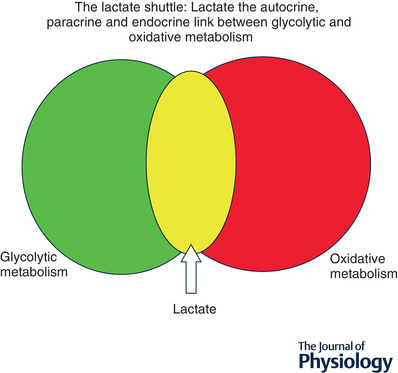
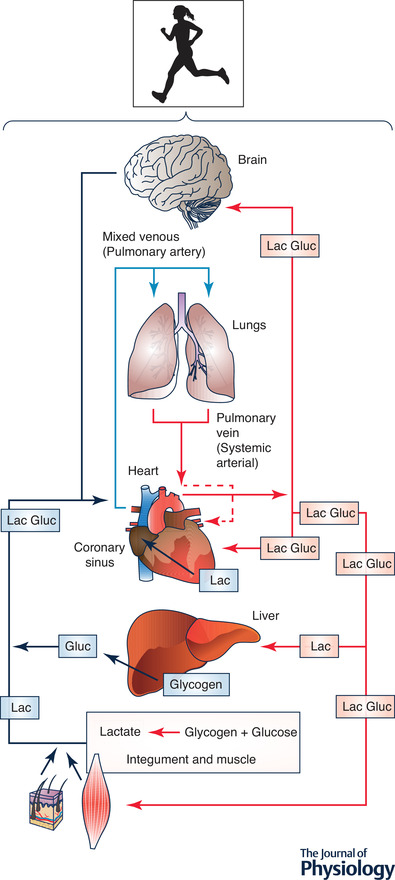
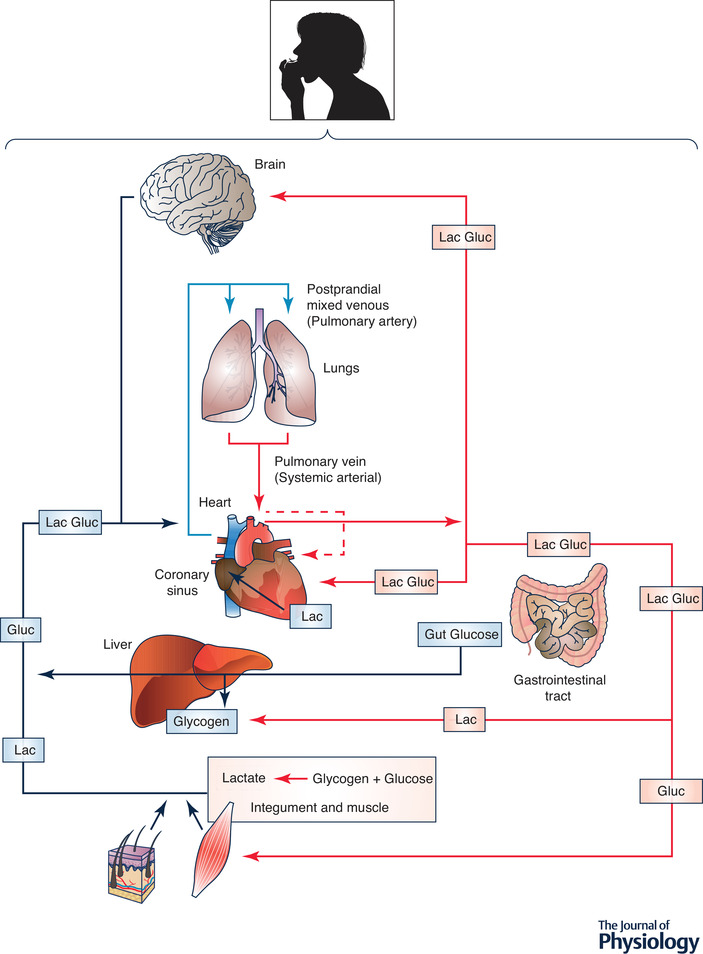
After a century, it's time to turn the page on understanding of lactate metabolism and appreciate that lactate shuttling is an important component of intermediary metabolism in vivo. Cell-cell and intracellular lactate shuttles fulfil purposes of energy substrate production and distribution, as well as cell signalling under fully aerobic conditions. Recognition of lactate shuttling came first in studies of physical exercise where the roles of driver (producer) and recipient (consumer) cells and tissues were obvious. Moreover, the presence of lactate shuttling as part of postprandial glucose disposal and satiety signalling has been recognized. Mitochondrial respiration creates the physiological sink for lactate disposal in vivo. Repeated lactate exposure from regular exercise results in adaptive processes such as mitochondrial biogenesis and other healthful circulatory and neurological characteristics such as improved physical work capacity, metabolic flexibility, learning, and memory. The importance of lactate and lactate shuttling in healthful living is further emphasized when lactate signalling and shuttling are dysregulated as occurs in particular illnesses and injuries. Like a phoenix, lactate has risen to major importance in 21st century biology.
Overview
The claims and statistics of this paper haven’t been checked yet.
Free: it reads the open-access text and checks the first 5 claims that cite a source we can check. Create a free account to check every claim.
Integrity signals
Registry
Cites
Statistics
Figures
Verification
Claims the paper makes
The claims and statistics of this paper haven’t been checked yet.
Free: it reads the open-access text and checks the first 5 claims that cite a source we can check. Create a free account to check every claim.
Claims other papers make about this one
Each is checked against this paper’s own text: does it say what the citing paper says it does?
The check wasn’t confident either way, so it gives no verdict — never disputed.
In the citing paper
“Such a curvilinear relationship between SmO2rate and BLa accumulation is akin to data from the long-head of the BF in other reports (Snyder and Parmenter, 2009; Brooks et al., 2022)”
From Monitoring skeletal muscle oxygen saturation kinetics during graded exercise testing in NCAA division I female rowers (2025) · cites this paper as Brooks et al., 2022
Experimental — accuracy not yet measured
Self-check
Percentages, sums and reported differences re-computed from the paper’s own numbers.
The self-check needs the paper’s full text.
Citations
Cites
Hill (2014) · doi:10.1038/nrgastro.2014.66 · Cited by 9,592 · cited 2×
“Also, from nutrition science we know that pre- and pro-biotic dietary components favourably affect gut fermentation and health (Hill et al. 2014) and data indicate relationships between microbiota and the prevalence of insulin resistance and metabolic syndrome (Vrieze et al.”
BackgroundThe metabolism of tumors in the body
Warburg, O., Wind, F., & Negelein, E. (1927) · Journal of General Physiology · doi:10.1085/jgp.8.6.519 · Cited by 4,416
Metabolic regulation of gene expression by histone lactylation
Zhang, D., Tang, Z., Huang, H., Zhou, G., Cui, C., Weng, Y., Liu, W., Kim, S., Lee, S., Perez-Neut, M., et al. (2019) · Nature · doi:10.1038/s41586-019-1678-1 · Cited by 4,371
Pellerin, L., & Magistretti, P. J. (1994) · Proceedings of the National Academy of Sciences · doi:10.1073/pnas.91.22.10625 · Cited by 2,927
Vrieze, A., Van Nood, E., Holleman, F., Salojärvi, J., Kootte, R. S., Bartelsman, J. F. W. M., Dallinga–Thie, G. M., Ackermans, M. T., Serlie, M. J., Oozeer, R., et al. (2012) · Gastroenterology · doi:10.1053/j.gastro.2012.06.031 · Cited by 2,913 · cited 1×
“2014) and data indicate relationships between microbiota and the prevalence of insulin resistance and metabolic syndrome (Vrieze et al. 2012).”
BackgroundGlucose feeds the TCA cycle via circulating lactate
Hui, S., Ghergurovich, J. M., Morscher, R. J., Jang, C., Teng, X., Lu, W., Esparza, L. A., Reya, T., Zhan, L., Yanxiang Guo, J., et al. (2017) · Nature · doi:10.1038/nature24057 · Cited by 1,721 · cited 1×
“Now, rather than regarded as an oddity of exercise metabolism (Gladden, 2004; Chen et al. 2016; Hui et al. 2017; Brooks, 2018; Ferguson et al. 2018), the presence of lactate shuttling is recognized in fields as diverse as wound healing (Hunt et al.”
BackgroundAstrocyte-Neuron Lactate Transport Is Required for Long-Term Memory Formation
Suzuki, A., Stern, S. A., Bozdagi, O., Huntley, G. W., Walker, R. H., Magistretti, P. J., & Alberini, C. M. (2011) · Cell · doi:10.1016/j.cell.2011.02.018 · Cited by 1,711 · cited 4×
“Hence, it is appropriate to recognize the importance of MCTs in cerebral lactate shuttling in cognition, learning, memory and other executive functions (Holloway et al. 2007; Suzuki et al. 2011; Steinman et al. 2016; Hashimoto et al. 2018; El Hayek et al. 2019).”
BackgroundInfluentialTargeting lactate-fueled respiration selectively kills hypoxic tumor cells in mice
Sonveaux, P., Végran, F., Schroeder, T., Wergin, M. C., Verrax, J., Rabbani, Z. N., De Saedeleer, C. J., Kennedy, K. M., Diepart, C., Jordan, B. F., et al. (2008) · Journal of Clinical Investigation · doi:10.1172/jci36843 · Cited by 1,624 · cited 2×
“2008), normal breast and transformed breast cancer cells (Hussien & Brooks, 2011), and tumours (Sonveaux et al. 2008).”
BackgroundThe Science and Translation of Lactate Shuttle Theory
Brooks, G. A. (2018) · Cell Metabolism · doi:10.1016/j.cmet.2018.03.008 · Cited by 1,486 · cited 30×
“…recognition of the presence of lactate shuttling within and among various cells, tissues and organs such as muscle, heart and liver (Brooks, 1984, 1985, 1986, 2002, 2018), the concept has been extended to include other cells, tissues and organs such as brain (Pellerin et al. 1998;…”
BackgroundInfluentialSelf-citationLactate metabolism: a new paradigm for the third millennium
Gladden, L. B. (2004) · The Journal of Physiology · doi:10.1113/jphysiol.2003.058701 · Cited by 1,277 · cited 10×
“The story of lactate and its role in physiology and medicine may be a century old, but has changed dramatically in the last three decades (Brooks, 1986, 2002, 2018; Gladden, 2004).”
BackgroundInfluential
Research works printed but not linked: 9
- Brooks GA, Brown MA, Butz CE, Sicurello JP & Dubouchaud H (1999b). Cardiac and skeletal muscle mitochondria have a monocarboxylate transporter MCT1. J Appl Physiol 87, 1713– 1718. 10562613 · DOI · Paper page
- Brooks GA, Brown MA, Butz CE, Sicurello JP & Dubouchaud H (1999c). Cardiac and skeletal muscle mitochondria have a monocarboxylate transporter MCT1. J Appl Physiol 87, 1713– 1718. 10562613 · DOI · Paper page
- Brooks GA, Fahey TD & Baldwin KM (2019). The why of pulmonary ventilation. Exercise Physiology: human bioenergetics and its applications, 5th edn., vol. 1, pp. 243– 256. Kindle Direct Publishing, Lexington, KY, USA.
- Donovan CM, Brooks GA, Donovan CM & Brooks GA (1983). Endurance training affects lactate clearance, not lactate production. Am J Physiol Endocrinol Metab 244, E83– E92. 6401405 · DOI · Paper page
- Estaki M, Morck DW, Quin C, Pither J, Barnett JA, Gill SK & Gibson DL (2020). Physical activity shapes the intestinal microbiome and immunity of healthy mice but has no protective effects against colitis in MUC2 −/− mice. mSystems 5. e00515‐ 20. PMC7542559 33024049
- Hill AV (1914). The oxidative removal of lactic acid. J Physiol 48, x‐ xi.
- Lehninger AL (1970). Biochemistry, p. 326. Worth, New York.
- Powell KE, King AC, Buchner DM, Campbell WW, DiPietro L, Erickson KI, Hillman CH, Jakicic JM, Janz KF, Katzmarzyk PT, Kraus WE, Macko RF, Marquez DX, McTiernan A, Pate RR, Pescatello LS & Whitt‐Glover MC (2018). The scientific foundation for the physical activity guidelines for Americans, 2nd edition. J Phys Act Health, 1– 11. 30558473
- Urry LA, Cain ML, Wasserman SL, Minorsky PV, & Orr R (2020). Campbell biology. In Campbell Biology, 12 edn, pp. 164– 170. Pearson.
Cited by
Lactate as a myokine and exerkine: drivers and signals of physiology and metabolism
Brooks, G. A., Osmond, A. D., Arevalo, J. A., Duong, J. J., Curl, C. C., Moreno-Santillan, D. D., & Leija, R. G. (2023) · Journal of Applied Physiology · doi:10.1152/japplphysiol.00497.2022 · Cited by 171
“Lactate is formed under fully aerobic conditions during postprandial rest and exercise (4, 10, 14).”
BackgroundInfluentialSelf-citationThe emerging role of protein l-lactylation in metabolic regulation and cell signalling
Ren, H., Tang, Y., & Zhang, D. (2025) · Nature Metabolism · doi:10.1038/s42255-025-01259-0 · Cited by 175
“Additionally, lactate is shuttled bet-ween different organs and cell types, and even between subcellular compartments, highlighting its pivotal role in metabolism 4 .”
Lactylation, an emerging hallmark of metabolic reprogramming: Current progress and open challenges
Liu, X., Zhang, Y., Li, W., & Zhou, X. (2022) · Frontiers in Cell and Developmental Biology · doi:10.3389/fcell.2022.972020 · Cited by 137
“Lactate, originally thought to be a metabolic waste product of glycolysis, has recently been reconceptualized to play a pleiotropic role in shaping cell identities through metabolic rewiring and epigenetic modifications (Ferguson et al., 2018; Magistretti and Allaman, 2018; Ippolito et al., 2019; Brooks, 2020; Rabinow…”
BackgroundRevisiting the Warburg Effect with Focus on Lactate
Kocianova, E., Piatrikova, V., & Golias, T. (2022) · Cancers · doi:10.3390/cancers14246028 · Cited by 141
“From the pioneers of exercise physiology [102], lactate significance is currently recognized also in the field of cancer metabolism.”
BackgroundTracing the lactate shuttle to the mitochondrial reticulum
Brooks, G. A., Curl, C. C., Leija, R. G., Osmond, A. D., Duong, J. J., & Arevalo, J. A. (2022) · Experimental & Molecular Medicine · doi:10.1038/s12276-022-00802-3 · Cited by 130
Self-citationZhang, L., Xin, C., Wang, S., Zhuo, S., Zhu, J., Li, Z., Liu, Y., Yang, L., & Chen, Y. (2024) · Science Advances · doi:10.1126/sciadv.adn4508 · Cited by 132
Hou, X., Ouyang, J., Tang, L. M., Wu, P., Deng, X., Yan, Q., Shi, L., Fan, S., Fan, C., Guo, C. J., et al. (2024) · PLoS Biology · doi:10.1371/journal.pbio.3002666 · Cited by 117
“Lactate, a product of cellular glycolysis, is the major contributor to the acidic microenvironment in cancer cells [28–31].”
BackgroundMa, X. M., Geng, K., Wang, P., Jiang, Z., Law, B. Y. K., & Xu, Y. (2024) · Cardiovascular Diabetology · doi:10.1186/s12933-024-02178-2 · Cited by 114
“Lactic acid exhibits cellular mobility, facilitating the distribution of energy substrates and the transmission of cellular signals, thereby exerting a crucial influence on the development of numerous diseases, including cancer and obesity [4, 5].”
BackgroundLin, Y., Bai, M., Wang, S., Chen, L., Li, Z., Li, C., Cao, P., & Chen, Y. (2022) · Diabetes · doi:10.2337/db21-0535 · Cited by 99
Cai, M., Wang, H., Song, H., Yang, R., Wang, L., Xue, X., Sun, W., & Hu, J. (2022) · Frontiers in Nutrition · doi:10.3389/fnut.2022.800901 · Cited by 93
Li, S., Kempe, M., Brink, M. S., & LEMMINK, K. A. P. M. (2024) · Sports Medicine - Open · doi:10.1186/s40798-024-00724-6 · Cited by 101
Beyond the Lactate Paradox: How Lactate and Acidity Impact T Cell Therapies against Cancer
Tu, V. Y., Ayari, A., & O’Connor, R. S. (2021) · Antibodies · doi:10.3390/antib10030025 · Cited by 86
“As a fuel, lactate oxidation supports ATP replenishment in neurons [9], skeletal myofibers [10] and some tumor cells [11].”
BackgroundCapturing electron-driven chiral dynamics in UV-excited molecules
Wanie, V., Bloch, É., Månsson, E. P., Colaizzi, L., Ryabchuk, S., Saraswathula, K., Ordóñez-Lasso, A. F., Ayuso, D., Smirnova, O. V., Trabattoni, A., et al. (2024) · Nature · doi:10.1038/s41586-024-07415-y · Cited by 87
“Their main direction of ejection reverses again at t = 17 fs. Higher-energy electrons ( ε > 100 meV) are more likely emitted forward than backward for t ≥ 11 fs, but the magnitude of their asymmetry depends on t .”
BackgroundLactate biosensors for spectrally and spatially multiplexed fluorescence imaging
Nasu, Y., Aggarwal, A., Le, G. N. T., Vo, C. T., Kambe, Y., Wang, X., Beinlich, F. R. M., Lee, A. B., Ram, T. R., Wang, F., et al. (2023) · Nature Communications · doi:10.1038/s41467-023-42230-5 · Cited by 77
Fukushima, C. T., Dancil, I.-S., Clary, H., Shah, N., Nadtochiy, S. M., & Brookes, P. S. (2024) · Redox Biology · doi:10.1016/j.redox.2024.103047 · Cited by 81
“The metabolite lactate is well-known to accumulate in ischemic tissues as a result of anaerobic glycolysis, and could be a potential substrate for mitochondrial respiration [24,25].”
BackgroundDynamic investigation of hypoxia-induced L-lactylation
Gao, J., Liu, R., Huang, K., Li, Z., Sheng, X., Chakraborty, K., Han, C., Zhang, D., Becker, L., & Zhao, Y. (2025) · Proceedings of the National Academy of Sciences · doi:10.1073/pnas.2404899122 · Cited by 78
“L - lactate, traditionally considered a waste byproduct of metabolism, is elevated via enhanced glycolysis when oxygen is low ( 1 , 2 ).”
Marsigliante, S., López, M. G., & Muscella, A. (2023) · International Journal of Environmental Research and Public Health · doi:10.3390/ijerph20031927 · Cited by 84
“For example, some current hypotheses consider that the lactate produced by the muscles, crossing the blood–brain barrier, is oxidized to provide energy for cognitive processes [64].”
BackgroundArciero, P. J., Ives, S. J., Mohr, A. E., Robinson, N., Escudero, D., Robinson, J., Rose, K., Minicucci, O., O’Brien, G., Curran, K., et al. (2022) · Frontiers in Physiology · doi:10.3389/fphys.2022.893783 · Cited by 71
“, 2017) and increase bioenergetic capacity (Brooks et al., 2021).”
The Multiple Roles of Lactate in the Skeletal Muscle
Bartoloni, B., Mannelli, M., Gamberi, T., & Fiaschi, T. (2024) · Cells · doi:10.3390/cells13141177 · Cited by 81
“…aerobic glycolysis represents a critical point known as the Warburg Effect in cancer [9], scientific evidence shows that aerobic glycolysis leading to lactate production also occurs under high-stress conditions, such as high-altitude exposure, trauma, sepsis, pancreatitis, and heart failure [10].”
BackgroundRole of Fatty Acids β-Oxidation in the Metabolic Interactions Between Organs
Panov, A. V., Mayorov, V., & Dikalov, S. (2024) · International Journal of Molecular Sciences · doi:10.3390/ijms252312740 · Cited by 77
“Brooks compared the metabolic role of lactate with the rise of Phoenix [95].”
InfluentialDikalov, S., Panov, A. V., & Dikalova, A. (2024) · International Journal of Molecular Sciences · doi:10.3390/ijms25126498 · Cited by 65
“…of as a dead-end metabolite, a fatigue agent, or metabolic poison, lactate is seen in contemporary physiology as a major metabolic intermediate that has wide-ranging impacts on energy substrate utilization, cell signaling, and adaptation; it is at the fulcrum of metabolic integration [78].”
BackgroundRole of the Heart in Lactate Shuttling
Brooks, G. A. (2021) · Frontiers in Nutrition · doi:10.3389/fnut.2021.663560 · Cited by 58
Self-citationLactate metabolism and acute kidney injury
Li, H., Ren, Q., Shi, M., Ma, L., & Fu, P. (2024) · Chinese Medical Journal · doi:10.1097/cm9.0000000000003142 · Cited by 64
“[9] The intracellular lactate shuttles mediated by mLOC makes lactate an important energy source in cells.”
InfluentialDarragh, I. A. J., O’Driscoll, L., & Egan, B. (2021) · Frontiers in Physiology · doi:10.3389/fphys.2021.738333 · Cited by 55
Lund, J. T., Breum, A. W., Gil, C., Falk, S., Sass, F., Isidor, M. S., Dmytriyeva, O., Ranea‐Robles, P., Mathiesen, C. V., Basse, A. L., et al. (2023) · Nature Metabolism · doi:10.1038/s42255-023-00780-4 · Cited by 52
Leija, R. G., Curl, C. C., Arevalo, J. A., Osmond, A. D., Duong, J. J., Huie, M. J., Masharani, U. B., & Brooks, G. A. (2024) · Nature Metabolism · doi:10.1038/s42255-024-00993-1 · Cited by 54
“Previously, based on rodent experimentation we posited the presence of a PLS 5 , but little experimental support was available in humans.”
BackgroundSelf-citationMottale, R., Dupuis, C., Szklarzewska, S., & Preiser, J. (2025) · Annals of Intensive Care · doi:10.1186/s13613-025-01588-z · Cited by 57
“Furthermore, lactate regulates neutrophil activity by promoting NETosis and can suppress pro-inflammatory cytokine production in other immune cells [65, 67] .”
Modern Perspective of Lactate Metabolism
Vavricka, J., Brož, P., Follprecht, D., Novák, J., & Kroužecký, A. (2024) · Physiological Research · doi:10.33549/physiolres.935331 · Cited by 58
Sendra-Pérez, C., Sanchez-Jimenez, J. L., Marzano-Felisatti, J. M., Encarnación-Martínez, A., Salvador-Palmer, R., & Priego-Quesada, J. I. (2023) · Scientific Reports · doi:10.1038/s41598-023-39651-z · Cited by 52
Colucci, A. C. M., Tassinari, I. D., Loss, E. D. S., & de Fraga, L. S. (2023) · Neuroscience · doi:10.1016/j.neuroscience.2023.06.022 · Cited by 48
Neuro-Vulnerability in Energy Metabolism Regulation: A Comprehensive Narrative Review
Clemente‐Suárez, V. J., Beltrán-Velasco, A. I., Redondo-Flórez, L., Martín-Rodríguez, A., Sepulveda, R. A. Y., & Tornero-Aguilera, J. F. (2023) · Nutrients · doi:10.3390/nu15143106 · Cited by 50
“During exercise, when arterial lactate levels rise, the brain exhibits enhanced lactate uptake, particularly when a favorable H+ gradient is present [45].”
BackgroundLactate modulates iron metabolism by binding soluble adenylyl cyclase
Liu, W., Zhang, S., Li, Q., Wu, Y. X., Jia, X., Feng, W., Li, Z. A., Shi, Y., Hou, Q., Ma, J., et al. (2023) · Cell Metabolism · doi:10.1016/j.cmet.2023.06.017 · Cited by 47
Brown adipose tissue-derived metabolites and their role in regulating metabolism
Ziqubu, K., Dludla, P. V., Mabhida, S. E., Jack, B. U., Keipert, S., Jastroch, M., & Mazibuko-Mbeje, S. E. (2023) · Metabolism · doi:10.1016/j.metabol.2023.155709 · Cited by 48
Lawson, D., Vann, C. G., Schoenfeld, B. J., & Haun, C. T. (2022) · Journal of Functional Morphology and Kinesiology · doi:10.3390/jfmk7040081 · Cited by 49
“Brooks et al. (2021) [29] brilliantly termed La− “a phoenix risen” in the research.”
BackgroundInfluentialExercise, exerkines, and cardiometabolic health: from individual players to a team sport
Robbins, J., & Gerszten, R. E. (2023) · Journal of Clinical Investigation · doi:10.1172/jci168121 · Cited by 46
“While lactate suppresses adipose tissue lipolysis and subsequent release of plasma free fatty acids during exercise through its binding to hydroxycarboxylic acid receptor 1 (HCAR-1) (65), it may enhance myocardial fatty oxidation (66, 67).”
BackgroundConcepts of Lactate Metabolic Clearance Rate and Lactate Clamp for Metabolic Inquiry: A Mini-Review
Emhoff, C. W., & Messonnier, L. A. (2023) · Nutrients · doi:10.3390/nu15143213 · Cited by 51
“The future possibilities for integrated approaches to study the roles of lactate are truly vast [12], and the clamp technique may offer a unique insight particularly at lower exercise intensities that elicit a steady lactatemia of less than 4 mM.”
BackgroundDeng, H., Zhao, L., Ge, H., Gao, Y., Fu, Y., Lin, Y., Masoodi, M., Losmanová, T., Medová, M., Ott, J. G., et al. (2025) · Nature Communications · doi:10.1038/s41467-025-57906-3 · Cited by 45
Herold, F., Zou, L., Theobald, P., Manser, P., Falck, R. S., Yu, Q., Liu-Ambrose, T. Y. L., Hillman, C. H., Kramer, A. F., Erickson, K. I., et al. (2025) · European Journal of Applied Physiology · doi:10.1007/s00421-025-05858-3 · Cited by 44
“…assumption supported by evidence that peripheral blood lactate can cross the blood–brain barrier via monocarboxylate transporters and be utilized as “fuel” for cognitive processes (Brooks 2018, 2020a, b; Brooks et al. 2021, 2022, 2023; Quistorff et al. 2008; Riske et al. 2017; Taher et al. 2016).”
Jacob, N., So, I., Sharma, B., Marzolini, S., Tartaglia, M. C., OH, P. I., & Green, R. (2023) · Sports Medicine · doi:10.1007/s40279-023-01815-2 · Cited by 44
“The primary purpose of this review was to characterise a HIIT protocol that would elicit peak peripheral lactate levels because of this molecule’s many benefits on the nervous system, and on cognition [59].”
BackgroundIntelligent Delivery Systems in Tumor Metabolism Regulation: Exploring the Path Ahead
Li, X., Sun, T., & Jiang, C. (2023) · Advanced Materials · doi:10.1002/adma.202309582 · Cited by 46
García‐Giménez, J. L., Cánovas‐Cervera, I., Nácher-Sendra, E., Dolz-Andrés, E., Sánchez-Bernabéu, Á., Agúndez, A. B., Hernández‐Gil, J., Mena, S., & Pallardó, F. V. (2025) · Free Radical Biology and Medicine · doi:10.1016/j.freeradbiomed.2025.04.004 · Cited by 38
Loenneke, J. P., Hammert, W. B., Kataoka, R., Yamada, Y., & Abe, T. (2025) · Journal of Sports Sciences · doi:10.1080/02640414.2025.2474329 · Cited by 42
“This improvement is often observed with aerobic-type exercise, and some have hypothesized that this improvement in cognitive function is fueled, in part, by the lactate produced from the working muscle (Brooks et al., 2022; Hashimoto et al., 2018).”
García‐Guzmán, J. J., Sierra-Padilla, A., Santander, J. M. P., Alba, J. J. F., Macías, C. G., & Aguilera, L. C. (2022) · Biosensors · doi:10.3390/bios12110919 · Cited by 36
“This is why real lactate monitoring is frequently pursued in sport medicine [1,2].”
BackgroundWang, Z., Hao, D., Zhao, S., Zhang, Z., Zeng, Z., & Wang, X. Q. (2023) · Molecular & Cellular Proteomics · doi:10.1016/j.mcpro.2023.100641 · Cited by 35
“diverse physiopathological processes (1, 100).”
Enhancing mitochondrial pyruvate metabolism ameliorates ischemic reperfusion injury in the heart
Visker, J. R., Cluntun, A. A., Velasco‐Silva, J. N., Eberhardt, D., Cedeño-Rosario, L., Shankar, T. S., Hamouche, R., Jing, L., Kwak, H., Hillas, J. Y., et al. (2024) · JCI Insight · doi:10.1172/jci.insight.180906 · Cited by 38
“Lactate is exported from cardiomyocytes by the activity of monocarboxylate transporter 4 ( SLC16A3 or MCT4) (20, 21, 26).”
Astrocyte-derived lactate in stress disorders
Chamaa, F., Magistretti, P. J., & Fiumelli, H. (2024) · Neurobiology of Disease · doi:10.1016/j.nbd.2024.106417 · Cited by 32
“The role of lactate in the brain extends beyond its traditional metabolic function, emerging as a dynamic signaling molecule that is continually being discovered to facilitate an expanding array of neuronal functions by various mechanisms (Brooks et al., 2022; Chir-umbolo et al., 2023).”
BackgroundContinuous and Non-Invasive Lactate Monitoring Techniques in Critical Care Patients
Lafuente, J. L., González, S., Aibar, C., Rivera, D., Avilés, E., & Beunza, J. J. (2024) · Biosensors · doi:10.3390/bios14030148 · Cited by 32
Critical Power and Maximal Lactate Steady State in Cycling: “Watts” the Difference?
Caen, K., Poole, D. C., Vanhatalo, A., & JONES, A. M. (2024) · Sports Medicine · doi:10.1007/s40279-024-02075-4 · Cited by 35
“…single measurement of one blood metabolite (i.e., [La − ]) is able to adequately reflect the whole-body metabolic response during exercise, especially when considering the integrated complexity of processes involved in La − regulation across a myriad of compartments within the human body [26, 58].”
The Influence of Acute Sprint Interval Training on Cognitive Performance of Healthy Younger Adults
Herold, F., Behrendt, T., Meißner, C., Müller, N. G., & Schega, L. (2022) · International Journal of Environmental Research and Public Health · doi:10.3390/ijerph19010613 · Cited by 35
The lactylation-macrophage interplay: implications for gastrointestinal disease therapeutics
Che, X., Zhang, Y., Chen, X., Xie, G., Li, J., Xu, C., Zhang, C., Zhu, Y., & Yang, X. (2025) · Frontiers in Immunology · doi:10.3389/fimmu.2025.1608115 · Cited by 34
“Lactate homeostasis is maintained by the lactate shuttle system, comprising: ① Monocarboxylate Transporters (MCT) isoforms (MCT1 for uptake, MCT4 for ef fl ux); ② Proton gradient-dependent cotransport (41, 42).”
Exploring monocarboxylate transporter inhibition for cancer treatment
Koltai, T., & Fliegel, L. (2024) · Exploration of Targeted Anti-tumor Therapy · doi:10.37349/etat.2024.00210 · Cited by 30
The Roles of Lactate and Lactylation in Diseases Related to Mitochondrial Dysfunction
Ma, F., & Yu, W. (2025) · International Journal of Molecular Sciences · doi:10.3390/ijms26157149 · Cited by 32
“Research demonstrates that astrocyte-derived lactate can diffuse through the extracellular fluid into neurons [88].”
Exercise and the organ-brain axis: Regulation of neurological disorders by emerging exerkines
Dai, Y., Dou, X., Nie, B., Sun, Y., Chen, P., Fu, C., Zhang, X., Chu, Y., Gao, Q., Ge, Y., et al. (2025) · Pharmacological Research · doi:10.1016/j.phrs.2025.107913 · Cited by 29
Metabolic flux between organs measured by arteriovenous metabolite gradients
Bae, H., Lam, K., & Jang, C. (2022) · Experimental & Molecular Medicine · doi:10.1038/s12276-022-00803-2 · Cited by 27
Blume, G. R., & Royes, L. F. F. (2024) · Life Sciences · doi:10.1016/j.lfs.2024.122799 · Cited by 27
Xie, H., Mao, X., & Wang, Z. (2024) · Frontiers in Physiology · doi:10.3389/fphys.2024.1451464 · Cited by 33
Metabokines in the regulation of systemic energy metabolism
MacCannell, A. D. V., & Roberts, L. D. (2022) · Current Opinion in Pharmacology · doi:10.1016/j.coph.2022.102286 · Cited by 26
Mitochondrial Biomarkers and Metabolic Syndrome in Bipolar Disorder
Zachos, K. A., Choi, J., Godin, O., Chernega, T., Kwak, H. A., Jung, J. H., Aouizerate, B., Aubin, V., Bellivier, F., Belzeaux-R, R., et al. (2024) · Psychiatry Research · doi:10.1016/j.psychres.2024.116063 · Cited by 30
Endothelial Reactive Oxygen Species: Key Players in Cardiovascular Health and Disease
Craige, S. M., Kaur, G., Bond, J. M., Caliz, A. D., Kant, S., & Keaney, J. F. (2025) · Antioxidants and Redox Signaling · doi:10.1089/ars.2024.0706 · Cited by 27
“The interplay between lactate and ROS suggests that lactate production can be triggered by EC ROS, in fl uencing paracrine signaling particularly in conditions of energetic or metabolic stress (Brooks et al., 2022; Huang et al., 2023; Lin et al., 2022) (Fig.”
Čurović, I. (2025) · Frontiers in Physiology · doi:10.3389/fphys.2025.1549609 · Cited by 26
Davis, L., Higgs, M., Snaith, A., Lodge, T., Strong, J., Espejo, J., Kujawski, S., Zalewski, P., Pretorius, E., Hoerger, M. P., et al. (2025) · Frontiers in Neuroscience · doi:10.3389/fnins.2025.1498981 · Cited by 24
From energy metabolism to mood regulation: The rise of lactate as a therapeutic target
Zhang, S., Xia, J., He, W., Zou, Y., Liu, W., Li, L., Huang, Z., Li, Q., Li, Q. X., & Liu, W. (2025) · Journal of Advanced Research · doi:10.1016/j.jare.2025.04.018 · Cited by 32
“Like a phoenix rising from the ashes, lactate has emerged as a molecule with multiple physiological roles in the brain and may contribute to the amelioration of mood disorders [21].”
Joseph, G. U., Oyovwi, M. O., Jeroh, E., Esuku, D. T., & Ben‐Azu, B. (2025) · Journal of Molecular Pathology · doi:10.3390/jmp6020012 · Cited by 24
Lactate: a pearl dropped in the ocean—an overlooked signal molecule in physiology and pathology
Wu, Y. X., Ma, W., Liu, W., & Zhang, S. (2022) · Cell Biology International · doi:10.1002/cbin.11975 · Cited by 23
“WU ET AL. balance, such as the ratio of NAD+/NADH and GSH/GSSG, leading to subsequent changes in metabolic and regulatory effects in driver and recipient cells (Brooks et al., 2021).”
BackgroundFatigue assessment of construction equipment operators using a sweat lactate biosensor
Ma, J., Li, H., Huang, X., Fang, B., Zhao, Z., Mehmood, I., Liu, Y., Guo, Z., Fang, X., Arashpour, M., et al. (2023) · International Journal of Industrial Ergonomics · doi:10.1016/j.ergon.2023.103472 · Cited by 24
Increasing the health span: unique role for exercise
Gaesser, G. A., Hall, S. E., Angadi, S. S., Poole, D. C., & Racette, S. B. (2025) · Journal of Applied Physiology · doi:10.1152/japplphysiol.00049.2025 · Cited by 26
Fernández, F. A. C., Sereno, D., Turner, A. P., González‐Mohíno, F., & González‐Ravé, J. M. (2022) · Frontiers in Physiology · doi:10.3389/fphys.2022.964144 · Cited by 23
“concomitant progressive acidification is associated with peripherical fatigue in these muscles (Brooks et al., 2022); thus, after a maximal apnoea, PO2 may be reduced to as low as 17–22 mmHgwhile PCO2may be increased to 55–80 mmHg if breath-hold occurs during physical exercise (Schagatay, 2010; Bain et al.”
BackgroundFrame, A. K., Robinson, J. W., Mahmoudzadeh, N. H., Tennessen, J. M., Simon, A. F., & Cumming, R. C. (2023) · Aging · doi:10.18632/aging.204565 · Cited by 33
“product of glycolysis, serves many functions, including acting as a source of energy, a signaling molecule, 55 and even as an epigenetic regulator [5].”
BackgroundWhat the Lactate Shuttle Means for Sports Nutrition
Brooks, G. A. (2023) · Nutrients · doi:10.3390/nu15092178 · Cited by 24
“The three main roles of lactate in physiology include oxidative energy source, gluconeogenic precursor, and signaling molecule [1,3,4,7,13].”
BackgroundSelf-citationThe blood lactate/pyruvate equilibrium affair
Brooks, G. A., Osmond, A. D., Leija, R. G., Curl, C. C., Arevalo, J. A., Duong, J. J., & Horning, M. A. (2021) · American Journal of Physiology-Endocrinology and Metabolism · doi:10.1152/ajpendo.00270.2021 · Cited by 22
Self-citationSweat Analysis-Based Fatigue Monitoring during Construction Rebar Bending Tasks
Ma, J., Li, H., Yu, X., Fang, X., Fang, B., Zhao, Z., Huang, X., Anwer, S., & Xing, X. (2023) · Journal of Construction Engineering and Management · doi:10.1061/jcemd4.coeng-13233 · Cited by 21
Шегай, П. В., Zabolotneva, A. A., Shatova, O. P., Shestopalov, A. V., & Каприн, А. Д. (2022) · Cancers · doi:10.3390/cancers14194552 · Cited by 20
“Using positron emission tomography (PET) imaging or the 13C-glucose tracer [10], it was demonstrated that lactate moving between producers (drivers) and consumers (recipients) performs at least three key functions: 1) it is the main source of energy for mitochondrial respiration; 2) it is the main precursor for glucon…”
BackgroundDurand, R., Galli, M., Chenavard, M., Bandiera, D., FREUND, H., & Messonnier, L. A. (2021) · Frontiers in Physiology · doi:10.3389/fphys.2021.702252 · Cited by 22
“Actually, this is not so surprising, previous studies have shown that γ1 and γ2 values decrease with exercise duration and intensity (Freund et al., 1986, 1989). Consistent with the decrease of γ1 as the exercise progresses, Juel et al. (1990) observed that during ∼3-min maximal exercises, the net lactate release rate…”
ResultAged mice exhibit widespread metabolic changes but preserved major fluxes
Jankowski, C. S. R., Samarah, L. Z., MacArthur, M. R., Mitchell, S. J., Weilandt, D. R., Hunter, C. J., Zeng, X., McReynolds, M. R., & Rabinowitz, J. D. (2025) · Cell Metabolism · doi:10.1016/j.cmet.2025.09.009 · Cited by 19
Remondelli, M. H., Rhee, J., Barzanji, N. K., Wang, J., Green, J. T., Do, W. S., Bozzay, J. D., Walker, P. F., & Bradley, M. J. (2025) · Current Trauma Reports · doi:10.1007/s40719-025-00284-4 · Cited by 19
“Additionally, metabolic therapies that utilize alternative energy substrates, like lactate or ketones, could fuel cells when oxygen is limited [96].”
Benítez‐Muñoz, J. A., & Cupeiro, R. (2025) · Acta Physiologica · doi:10.1111/apha.70131 · Cited by 22
Rajendran, J., Pei, X. M., Chakoma, S. M., Ghandehari, A., Negrete, J. A. T., Najafikhoshnoo, S., & Esfandyarpour, R. (2026) · Nature Biomedical Engineering · doi:10.1038/s41551-026-01670-2 · Cited by 25
External and Internal Loads in Sports Science: Time to Rethink?
Ide, B. N., Silvatti, A. P., Staunton, C. A., Marocolo, M., Oranchuk, D. J., & da Mota, G. R. (2023) · International Journal of Strength and Conditioning · doi:10.47206/ijsc.v3i1.234 · Cited by 23
The mitochondrial lactate oxidation complex: endpoint for carbohydrate carbon disposal
Leija, R. G., Arevalo, J. A., Xing, D., Vázquez‐Medina, J. P., & Brooks, G. A. (2024) · American Journal of Physiology-Endocrinology and Metabolism · doi:10.1152/ajpendo.00306.2024 · Cited by 18
“In this way, the intracellular lactate shuttle (ILS) not only affects glycolytic carbon flux, but all oxidative carbon disposal (14, 38, 39).”
Self-citationBennett, S. E., Brocherie, F., Phelan, M. M., Tiollier, E., Guibert, E., Morales‐Artacho, A. J., Lalire, P., Morton, J. P., Louis, J. B., & Owens, D. J. (2023) · Experimental Physiology · doi:10.1113/ep090911 · Cited by 19
Ogurlu, B., Hamelink, T. L., Tricht, I. M. V., Leuvenink, H. G. D., de Borst, M. H., Moers, C., & Pool, M. B. F. (2024) · American Journal of Transplantation · doi:10.1016/j.ajt.2024.01.001 · Cited by 18
Altered glucose kinetics occurs with aging: a new outlook on metabolic flexibility
Curl, C. C., Leija, R. G., Arevalo, J. A., Osmond, A. D., Duong, J. J., Huie, M. J., Masharani, U. B., Horning, M. A., & Brooks, G. A. (2024) · American Journal of Physiology-Endocrinology and Metabolism · doi:10.1152/ajpendo.00091.2024 · Cited by 20
Self-citationSzrejder, M., Typiak, M. J., Pikuł, P., Audzeyenka, I., Rachubik, P., Rogacka, D., Narajczyk, M., & Piwkowska, A. (2023) · European Journal of Cell Biology · doi:10.1016/j.ejcb.2023.151298 · Cited by 17
Vieira‐Lara, M. A., & Bakker, B. M. (2024) · Biochimica et Biophysica Acta (BBA) - Molecular Basis of Disease · doi:10.1016/j.bbadis.2024.167172 · Cited by 20
Čurović, I., Rhodes, D., Alexander, J., & Harper, D. J. (2024) · Sports Medicine · doi:10.1007/s40279-024-02039-8 · Cited by 17
“Lactates have the ability to impact distant tissues as signalling molecules [91, 98, 99, 117], stimulate reactive oxygen species production [118], increase type II fibre recruitment [119, 120], and elevate anabolic hormone levels [113, 121, 122], promoting hypertrophic effects [113, 123].”
BackgroundCardiovascular effects of lactate in healthy adults
Hansen, K. B., Gopalasingam, N., Pedersen, M. G. B., Nyvad, J. T., Rittig, N. F., Søndergaard, E., Wiggers, H., Møller, N., & Nielsen, R. R. (2025) · Critical Care · doi:10.1186/s13054-025-05259-0 · Cited by 16
Quittmann, O. J. (2025) · European Journal of Applied Physiology · doi:10.1007/s00421-025-06022-7 · Cited by 16
“…contribution can only roughly be approximated (Hirvonen et al. 1987; Gastin 2001) and lactate accumulation starts immediately after starting exercise (Gastin 2001; Brooks et al. 2021), future research should consider to refrain from t PCr and simply divide ΔLa by t test in empirical settings.”
InfluentialMultimodal fusion for monitoring worker fatigue in elevated work environments
Ma, J., Li, H., Wang, L., Yu, X., & Huang, X. (2025) · Advanced Engineering Informatics · doi:10.1016/j.aei.2025.103565 · Cited by 16
Investigation of Brain Function-Related Myokine Secretion by Using Contractile 3D-Engineered Muscle
Sugimoto, T., Nakamura, T., YOKOYAMA, S., Fujisato, T., Konishi, S., & Hashimoto, T. (2022) · International Journal of Molecular Sciences · doi:10.3390/ijms23105723 · Cited by 17
“Specifically, lactate is secreted from skeletal muscle by mechanical muscle contractile stimulation in both in vitro [12,13] and in vivo [8,14] studies.”
BackgroundZhang, L., Li, Q., Deng, Y., Zou, Y., Wang, L., & Li, J. (2025) · Molecular Medicine Reports · doi:10.3892/mmr.2025.13655 · Cited by 16
“The lactate shuttle theory has redefined lactate as a key metabolic intermediary, with its transport between cells, tissues and organs enabled through monocarboxylate transporters (MCTs) (5,6).”
InfluentialEffects of Lactate Administration on Mitochondrial Respiratory Function in Mouse Skeletal Muscle
Takahashi, K., Tamura, Y., Kitaoka, Y., Matsunaga, Y., & Hatta, H. (2022) · Frontiers in Physiology · doi:10.3389/fphys.2022.920034 · Cited by 14
“In recent years, lactate has attracted considerable attention as a potential signaling molecule that induces physiological adaptations (Brooks, 2020; Brooks et al., 2021).”
BackgroundMCT1-dependent mitochondrial lactate import sustains cardiac metabolism
Cluntun, A. A., Visker, J. R., Velasco‐Silva, J. N., Carrington, J., Cedeño-Rosario, L., Napoli, G. C., Kim, J. E., Shankar, T. S., Lang, M. J., Hamouche, R., et al. (2026) · Nature · doi:10.1101/2024.10.07.617073 · Cited by 12
Li, X., Geng, S., Chen, Q., Su, B., Song, H., Zhou, J., Jia, R., Fan, H., Li, C., Wang, Y., et al. (2025) · ACS Nano · doi:10.1021/acsnano.5c03545 · Cited by 14
Morrice, N., Vainio, S., Mikkola, K., van Aalten, L., Gallagher, J. R., Ashford, M. L. J., McNeilly, A. D., McCrimmon, R. J., Grosfeld, A., Serradas, P., et al. (2023) · Molecular Metabolism · doi:10.1016/j.molmet.2023.101807 · Cited by 16
“While we did not measure lactate in our studies the metformin modification of lactate shuttling could impact the metformin regulation of glucose transport in the gut [39].”
BackgroundLactate: A Theranostic Biomarker for Metabolic Psychiatry?
Caddye, E., Pineau, J., Reyniers, J., Ronen, I., & Colasanti, A. (2023) · Antioxidants · doi:10.3390/antiox12091656 · Cited by 18
“More recently, lactate has also been purported to have antidepressant properties [42], and the field has received much attention with lactate going from ‘from rags to riches’ [43], once ‘the ugly duckling of metabolism’ [44], now ‘a phoenix risen’ [45].”
Lactate signaling and fuel selection in rainbow trout: mobilization of energy reserves
Talarico, G. G. M., Thoral, E., Farhat, E., Teulier, L., Mennigen, J. A., & Weber, J. (2023) · American Journal of Physiology-Regulatory, Integrative and Comparative Physiology · doi:10.1152/ajpregu.00033.2023 · Cited by 11
The role of lactate on arthritis-associated cells: physiology, pathology, and therapeutic strategies
Chen, J., Wang, Y., Song, R., Chen, S., Chen, Q., & Wu, Z. (2026) · Cellular and Molecular Life Sciences · doi:10.1007/s00018-025-06073-1 · Cited by 13
“Lactate, a dead-end metabolite of glycolysis, is a significant intermediate in metabolism that plays a crucial role in cell signaling and energy substrate utilization [ 7 ].”
InfluentialCai, M., Li, S., Cai, K., Du, X., Han, J., & Hu, J. (2024) · Metabolism · doi:10.1016/j.metabol.2024.155787 · Cited by 12
Ottosen, R. N., Seefeldt, J. M., Hansen, J., Nielsen, R. R., Møller, N., Johannsen, M., & Poulsen, T. B. (2024) · Journal of Agricultural and Food Chemistry · doi:10.1021/acs.jafc.4c04849 · Cited by 11
McCarthy, S. F., Bornath, D. P. D., Grisebach, D., Tucker, J. A. L., Jarosz, C., Ormond, S. C., Medeiros, P. J., & Hazell, T. J. (2024) · Appetite · doi:10.1016/j.appet.2024.107286 · Cited by 12
“Our data continue to support the renewed interest in lactate ’ s diverse roles in biology (Brooks et al., 2021) as we have demonstrated a potential correlative relationship with aerobic exercise (Islam et al., 2017; McCarthy et al., 2023; Vanderheyden et al., 2020) and now resistance training…”
Metadata
- Authors
- Brooks, G. A., Arevalo, J. A., Osmond, A. D., Leija, R. G., Curl, C. C., & Tovar, A. P.
- Affiliations
- University of California, Berkeley (US)
- Corresponding author
- Brooks, George A.
- ORCID
- Brooks, George A.
- Venue
- The Journal of Physiology
- Publisher
- Wiley
- Published
- 2021-02-25
- Volume
- 600
- Issue
- 5
- Pages
- 1229-1251
- ISSN
- 0022-3751 (ISSN-L)
- 1469-7793
- PMC
- PMC9188361
- OpenAlex
- W3127360834
- Cited by
- 269
- References
- 217
- Citations by year
- 2026: 62 · 2025: 69 · 2024: 53 · 2023: 49 · 2022: 25 · 2021: 11
- FWCI
- 13.73
- Type
- journal article
- Language
- en
- Open access
- hybrid
- doi.org
- Licence
- Locations
- The Journal of Physiology (publishedVersion, cc-by)
- PubMed Central (publishedVersion, cc-by)
- PubMed (publishedVersion)
- eScholarship (California Digital Library) (submittedVersion)
- Funders
- National Institutes of Health (1 R01 AG059715‐01)
- Topics
- Life Sciences › Biochemistry, Genetics and Molecular Biology › Cancer Research › Cancer, Hypoxia, and Metabolism
- Life Sciences › Biochemistry, Genetics and Molecular Biology › Molecular Biology › Metabolism, Diabetes, and Cancer
- Health Sciences › Medicine › Physiology (medical) › Adipose Tissue and Metabolism
- Keywords
- lactate, lactate metabolism, signal transduction, physical activity, mitochondrial respiration, mitochondrial biogenesis, metabolic flexibility, physical work capacity, learning and memory
- MeSH terms
- Biology, Glycolysis, Mitochondria, Exercise, Lactic Acid
About these checks
Registry, retraction, Cites and statistics results are computed, not judged, with one exception: a printed reference that no index lists is read once by a model before it counts as a citation error. Claims are extracted by a model and kept only when their quote appears verbatim in the text; each cited source is then checked, with a model’s help, for whether it says what the claim relies on. Those verdicts can be wrong — read the claim’s quote and the cited source before relying on one.
Statistics and arithmetic are recomputed, not judged.
Confidence bands are shown only for fields calibrated on our annotated test set. None is calibrated yet, so no band is shown.
What counts as a claim ›How we measure confidence ›How we check this ›
Are you an author, or do you see a problem with this page? Request a review
Data sources
Bibliographic data: Semantic Scholar, OpenAlex, Crossref.
Contains information from the Semantic Scholar Academic Graph Datasets, made available under the ODC Attribution License (ODC-BY 1.0).
Semantic Scholar’s data is described in: Kinney, R., et al. (2023). The Semantic Scholar Open Data Platform. arXiv:2301.10140.
