

Lactate in contemporary biology: a phoenix risen
Open accessThe DOI matches its Crossref record, with a small difference in title or year; 217 of the 217 references it cites were found in a registry or an index.
Abstract
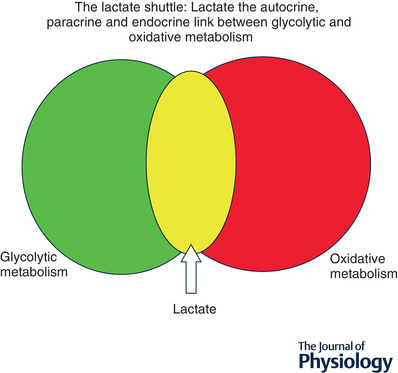
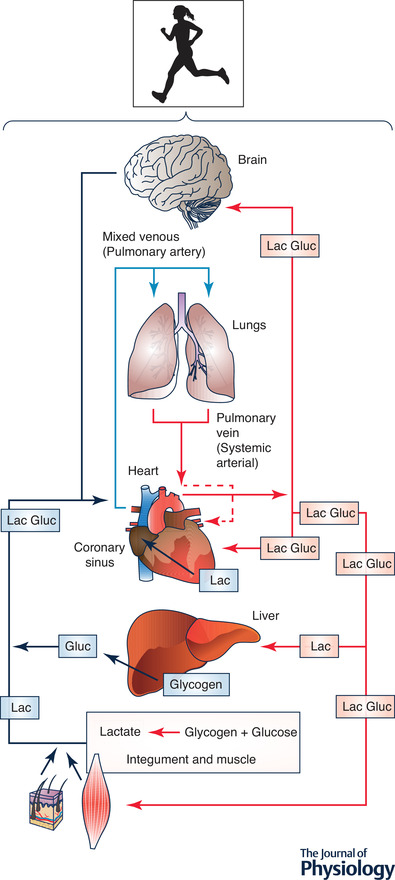
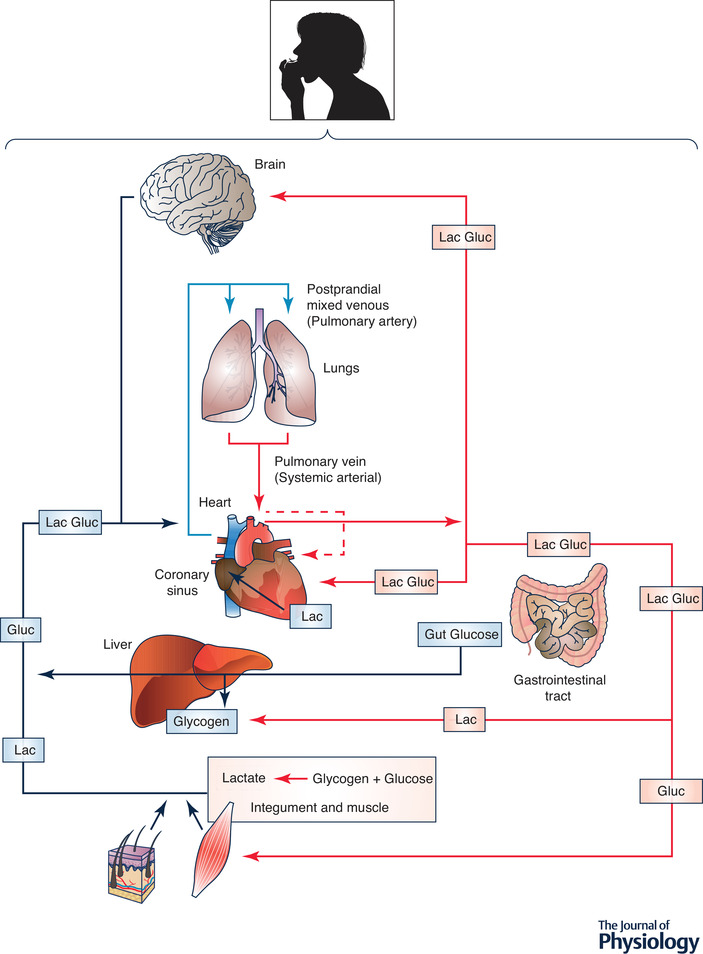
After a century, it's time to turn the page on understanding of lactate metabolism and appreciate that lactate shuttling is an important component of intermediary metabolism in vivo. Cell-cell and intracellular lactate shuttles fulfil purposes of energy substrate production and distribution, as well as cell signalling under fully aerobic conditions. Recognition of lactate shuttling came first in studies of physical exercise where the roles of driver (producer) and recipient (consumer) cells and tissues were obvious. Moreover, the presence of lactate shuttling as part of postprandial glucose disposal and satiety signalling has been recognized. Mitochondrial respiration creates the physiological sink for lactate disposal in vivo. Repeated lactate exposure from regular exercise results in adaptive processes such as mitochondrial biogenesis and other healthful circulatory and neurological characteristics such as improved physical work capacity, metabolic flexibility, learning, and memory. The importance of lactate and lactate shuttling in healthful living is further emphasized when lactate signalling and shuttling are dysregulated as occurs in particular illnesses and injuries. Like a phoenix, lactate has risen to major importance in 21st century biology.
Overview
The claims and statistics of this paper haven’t been checked yet.
Free: it reads the open-access text and checks the first 5 claims that cite a source we can check. Create a free account to check every claim.
Integrity signals
Registry
Cites
Statistics
Figures
Verification
Claims the paper makes
The claims and statistics of this paper haven’t been checked yet.
Free: it reads the open-access text and checks the first 5 claims that cite a source we can check. Create a free account to check every claim.
Claims other papers make about this one
Each is checked against this paper’s own text: does it say what the citing paper says it does?
The check wasn’t confident either way, so it gives no verdict — never disputed.
In the citing paper
“Such a curvilinear relationship between SmO2rate and BLa accumulation is akin to data from the long-head of the BF in other reports (Snyder and Parmenter, 2009; Brooks et al., 2022)”
From Monitoring skeletal muscle oxygen saturation kinetics during graded exercise testing in NCAA division I female rowers (2025) · cites this paper as Brooks et al., 2022
Experimental — accuracy not yet measured
Self-check
Percentages, sums and reported differences re-computed from the paper’s own numbers.
The self-check needs the paper’s full text.
Citations
Cites
Hill (2014) · doi:10.1038/nrgastro.2014.66 · Cited by 9,592 · cited 2×
“Also, from nutrition science we know that pre- and pro-biotic dietary components favourably affect gut fermentation and health (Hill et al. 2014) and data indicate relationships between microbiota and the prevalence of insulin resistance and metabolic syndrome (Vrieze et al.”
BackgroundThe metabolism of tumors in the body
Warburg, O., Wind, F., & Negelein, E. (1927) · Journal of General Physiology · doi:10.1085/jgp.8.6.519 · Cited by 4,416
Metabolic regulation of gene expression by histone lactylation
Zhang, D., Tang, Z., Huang, H., Zhou, G., Cui, C., Weng, Y., Liu, W., Kim, S., Lee, S., Perez-Neut, M., et al. (2019) · Nature · doi:10.1038/s41586-019-1678-1 · Cited by 4,371
Pellerin, L., & Magistretti, P. J. (1994) · Proceedings of the National Academy of Sciences · doi:10.1073/pnas.91.22.10625 · Cited by 2,927
Vrieze, A., Van Nood, E., Holleman, F., Salojärvi, J., Kootte, R. S., Bartelsman, J. F. W. M., Dallinga–Thie, G. M., Ackermans, M. T., Serlie, M. J., Oozeer, R., et al. (2012) · Gastroenterology · doi:10.1053/j.gastro.2012.06.031 · Cited by 2,913 · cited 1×
“2014) and data indicate relationships between microbiota and the prevalence of insulin resistance and metabolic syndrome (Vrieze et al. 2012).”
BackgroundGlucose feeds the TCA cycle via circulating lactate
Hui, S., Ghergurovich, J. M., Morscher, R. J., Jang, C., Teng, X., Lu, W., Esparza, L. A., Reya, T., Zhan, L., Yanxiang Guo, J., et al. (2017) · Nature · doi:10.1038/nature24057 · Cited by 1,721 · cited 1×
“Now, rather than regarded as an oddity of exercise metabolism (Gladden, 2004; Chen et al. 2016; Hui et al. 2017; Brooks, 2018; Ferguson et al. 2018), the presence of lactate shuttling is recognized in fields as diverse as wound healing (Hunt et al.”
BackgroundAstrocyte-Neuron Lactate Transport Is Required for Long-Term Memory Formation
Suzuki, A., Stern, S. A., Bozdagi, O., Huntley, G. W., Walker, R. H., Magistretti, P. J., & Alberini, C. M. (2011) · Cell · doi:10.1016/j.cell.2011.02.018 · Cited by 1,711 · cited 4×
“Hence, it is appropriate to recognize the importance of MCTs in cerebral lactate shuttling in cognition, learning, memory and other executive functions (Holloway et al. 2007; Suzuki et al. 2011; Steinman et al. 2016; Hashimoto et al. 2018; El Hayek et al. 2019).”
BackgroundInfluentialTargeting lactate-fueled respiration selectively kills hypoxic tumor cells in mice
Sonveaux, P., Végran, F., Schroeder, T., Wergin, M. C., Verrax, J., Rabbani, Z. N., De Saedeleer, C. J., Kennedy, K. M., Diepart, C., Jordan, B. F., et al. (2008) · Journal of Clinical Investigation · doi:10.1172/jci36843 · Cited by 1,624 · cited 2×
“2008), normal breast and transformed breast cancer cells (Hussien & Brooks, 2011), and tumours (Sonveaux et al. 2008).”
BackgroundThe Science and Translation of Lactate Shuttle Theory
Brooks, G. A. (2018) · Cell Metabolism · doi:10.1016/j.cmet.2018.03.008 · Cited by 1,486 · cited 30×
“…recognition of the presence of lactate shuttling within and among various cells, tissues and organs such as muscle, heart and liver (Brooks, 1984, 1985, 1986, 2002, 2018), the concept has been extended to include other cells, tissues and organs such as brain (Pellerin et al. 1998;…”
BackgroundInfluentialSelf-citationLactate metabolism: a new paradigm for the third millennium
Gladden, L. B. (2004) · The Journal of Physiology · doi:10.1113/jphysiol.2003.058701 · Cited by 1,277 · cited 10×
“The story of lactate and its role in physiology and medicine may be a century old, but has changed dramatically in the last three decades (Brooks, 1986, 2002, 2018; Gladden, 2004).”
BackgroundInfluential
Research works printed but not linked: 9
- Brooks GA, Brown MA, Butz CE, Sicurello JP & Dubouchaud H (1999b). Cardiac and skeletal muscle mitochondria have a monocarboxylate transporter MCT1. J Appl Physiol 87, 1713– 1718. 10562613 · DOI · Paper page
- Brooks GA, Brown MA, Butz CE, Sicurello JP & Dubouchaud H (1999c). Cardiac and skeletal muscle mitochondria have a monocarboxylate transporter MCT1. J Appl Physiol 87, 1713– 1718. 10562613 · DOI · Paper page
- Brooks GA, Fahey TD & Baldwin KM (2019). The why of pulmonary ventilation. Exercise Physiology: human bioenergetics and its applications, 5th edn., vol. 1, pp. 243– 256. Kindle Direct Publishing, Lexington, KY, USA.
- Donovan CM, Brooks GA, Donovan CM & Brooks GA (1983). Endurance training affects lactate clearance, not lactate production. Am J Physiol Endocrinol Metab 244, E83– E92. 6401405 · DOI · Paper page
- Estaki M, Morck DW, Quin C, Pither J, Barnett JA, Gill SK & Gibson DL (2020). Physical activity shapes the intestinal microbiome and immunity of healthy mice but has no protective effects against colitis in MUC2 −/− mice. mSystems 5. e00515‐ 20. PMC7542559 33024049
- Hill AV (1914). The oxidative removal of lactic acid. J Physiol 48, x‐ xi.
- Lehninger AL (1970). Biochemistry, p. 326. Worth, New York.
- Powell KE, King AC, Buchner DM, Campbell WW, DiPietro L, Erickson KI, Hillman CH, Jakicic JM, Janz KF, Katzmarzyk PT, Kraus WE, Macko RF, Marquez DX, McTiernan A, Pate RR, Pescatello LS & Whitt‐Glover MC (2018). The scientific foundation for the physical activity guidelines for Americans, 2nd edition. J Phys Act Health, 1– 11. 30558473
- Urry LA, Cain ML, Wasserman SL, Minorsky PV, & Orr R (2020). Campbell biology. In Campbell Biology, 12 edn, pp. 164– 170. Pearson.
Cited by
Items 201–300 of 303
Hepato‐splanchnic fluxes during exercise in patients with cirrhosis—a pilot study
Volianitis, S., Secher, N. H., Clemmesen, O., Ott, P., & Nielsen, H. B. (2024) · Physiological Reports · doi:10.14814/phy2.16162 · Cited by 1
“Considering that other tissues including muscle, heart, brain, and kidneys are involved in lactate metabolism (Brooks et al., 2022), the specific contribution of hepatic lactate uptake to lactacidemia during exercise in cirrhotic patients remains to be elucidated.”
BackgroundLoomba, R. S., Villarreal, E. G., Klein, A., Farias, J. S., Flores, S., & Censoplano, N. M. (2024) · Cardiology in the Young · doi:10.1017/s1047951124026805 · Cited by 1
Efectos del ejercicio sobre la glucosa y el lactato en triatletas amateurs
Galan, J., Comas, A. V., García, M. S., Méndez, O. A. N., Tavera, J. C. M., Segade, A. S., & Oviedo, G. R. (2024) · Retos · doi:10.47197/retos.v62.106123 · Cited by 1
Bertomeu, J. B., Fioravanço, L. P., Ramis, T. R., Godinho, D. B., Nascimento, A. S., Lima, G. C., Furian, A. F., Oliveira, M. S., Fighera, M. R., & Royes, L. F. F. (2024) · Molecular Neurobiology · doi:10.1007/s12035-024-04613-7 · Cited by 1
Mind the Gap: Wearable Lactate and Glucose Monitors for Hospitalized Patients
Guzzi, J., Falter, F., Kumar, A. B., & Perrino, A. C. (2025) · Cureus · doi:10.7759/cureus.78536 · Cited by 3
“However, emerging data from contemporary physiology challenges this dichotomy between hypoxic and non-hypoxic lactate accumulation and suggests that the truth is not so simple [14].”
The physiology of obesity; from mechanisms to medicine. Part two
Aldiss, P., & Lewis, J. E. (2022) · The Journal of Physiology · doi:10.1113/jp282466 · Cited by 1
“Cienfuegos et al. (2022) then discuss how time restricted feeding can impact body weight and metabolic health.”
BackgroundInfluentialShielding Burn Patients from Oxidative Stress: The Therapeutic Potential of Antioxidant MembranesPreprint
Haller, H. L., Sander, F., Nischwitz, S. P., Luze, H., Bandke, D., Rapp, M., Rapp, S., Hartmann, B. R., Demircan, M., & Kamolz, L. (2023) · Preprints.org · doi:10.20944/preprints202306.1065.v1 · Cited by 1
Are the swimming velocities at the lactate and glucose thresholds similar and well-related?
Colantonio, E., Figueiredo, L. M., Garcia, G. T., Castro, F. A. D. S., & Fernandes, R. J. (2021) · Revista Portuguesa de Ciências do Desporto · doi:10.5628/rpcd.21.03.12 · Cited by 1
Brooks, G. A. (2022) · The Journal of Physiology · doi:10.1113/jp283189
“Langan and Navarro are thanked for providing commentary on our paper, ‘Lactate in contemporary biology: a phoenix risen’ (Brooks et al., 2022).”
BackgroundSelf-citationLactate: a New Look at the Role of an Evolutionarily Ancient Metabolite
Shatova, O. P., Shegay, P., Zabolotneva, A. A., Shestopalov, A. V., & Каприн, А. Д. (2022) · Journal of Evolutionary Biochemistry and Physiology · doi:10.1134/s002209302206028x
Local Metabolic Factors and Vasoactivity
Gao, Y. (2022) · Springer eBooks · doi:10.1007/978-981-19-7122-8_9
Khalil, S. M., Eltaramsy, A., Hegazi, M. M., Mohamed, T. M., Alwasel, S. H., & Salem, M. L. (2023) · International Immunopharmacology · doi:10.1016/j.intimp.2023.110622
Technology in Sports - Recent Advances, New Perspectives and Application
Wojda, T. (2023) · IntechOpen eBooks · doi:10.5772/intechopen.111268 · Cited by 2
Development of fluorescent imaging sensors based on proteins
Hario, S., Takeuchi, S., Campbell, R. E., & Terai, T. (2023) · Folia Pharmacologica Japonica · doi:10.1254/fpj.23036
Regulation of Gene Expression by the MYC Transcription Factor Network during Exercise
Astratenkova, I. V., Golberg, N. D., & Rogozkin, V. A. (2023) · Human Physiology · doi:10.31857/s0131164622601014
Altered Glucose Kinetics Occurs With Aging
Curl, C. C., Leija, R. G., Arevalo, J., Osmond, A. D., Duong, J. J., Huie, M. J., & Masharani, U. B. (2024) · Physiology · doi:10.1152/physiol.2024.39.s1.361
Self-citationReviejo, M., Lozano, E., & Marín, J. J. G. (2024) · Journal of Hepatology · doi:10.1016/j.jhep.2024.05.030
Delayed Enteral Postprandial Lactate Shuttling In Older Healthy Men And Women
Arevalo, J. A., Leija, R. G., Osmond, A. D., Curl, C. C., Duong, J. J., & Brooks, G. A. (2024) · Medicine & Science in Sports & Exercise · doi:10.1249/01.mss.0001053616.35843.8a · Cited by 1
Self-citationMcCarthy, S. F., Moberg, I., Bellaflor, S., Finch, M. S., Hazell, T. J., & MacPherson, R. E. K. (2024) · The Journal of Physiology · doi:10.1113/jp287909
Metabolic response of students' organisms after maximum-power physical activity
Bocharin, I., Hassoon, A., Arsenina, Y., Guryanova, A., Usonuulu, Z., Martirosova, T., Vorozheikin, A., Balashkevich, N., Rib, Y., Meiramova, A., et al. (2025) · Journal of Physical Education and Sport · doi:10.7752/jpes.2025.04092
Lactate in Anaphylaxis: 100 Years On
Borzova, E. Y., & Gibbs, B. F. (2025) · Sports Medicine · doi:10.1007/s40279-025-02273-8
“The tissue crosstalk between the skin and exercising muscles mediated by lactate, as proposed by Brooks [143], indicates that lactate may mediate tissue-to-tissue communication during exercise in health and in MC-dependent conditions.”
Vilarem, C., Piou, V., Bouly, L., Julien, F., Fourdin, R., Vialaneix, N., Zytnicki, M., & Vétillard, A. (2025) · Ecotoxicology and Environmental Safety · doi:10.1016/j.ecoenv.2025.118807
Wilkins, D. L., Taylor, J. E., Pettitt, R. W., & Kramer, M. (2025) · International journal of exercise science · doi:10.70252/nefw5464
The Dual Role of Lactate in the Exercising Brain: Fueling Energy and Signaling Fatigue
Matsui, T., & Soya, H. (2025) · Advances in neurobiology · doi:10.1007/978-981-95-0066-6_11
Laktat-Leistungsdiagnostik - Durchführung und Interpretation
Hofmann, P., Wonisch, M., & Pokan, R. (2025) · Springer eBooks · doi:10.1007/978-3-662-68883-0_12
Ponnusamy, T., Mehta, J., Waseem, H., Assogba, M., Mohamed, A. P. S., Kudchadkar, S. M., Herold, P. B., Natarajaseenivasan, K., & Shanmughapriya, S. (2025) · Biochimica et Biophysica Acta (BBA) - Molecular Basis of Disease · doi:10.1016/j.bbadis.2025.168130
McCarthy, S. F., Tucker, J. A. L., & Hazell, T. J. (2025) · Medicine & Science in Sports & Exercise · doi:10.1249/mss.0000000000003921
Benítez‐Muñoz, J. A., Fleitas‐Paniagua, P. R., Murias, J. M., & Cupeiro, R. (2025) · The Journal of Strength and Conditioning Research · doi:10.1519/jsc.0000000000005316
Ma, X. M., Geng, K., Wang, P., Jiang, Z., Law, B. Y.-K., & Xu, Y. (2024) · Figshare · doi:10.6084/m9.figshare.25415036
Ma, X. M., Geng, K., Wang, P., Jiang, Z., Law, B. Y.-K., & Xu, Y. (2024) · Figshare · doi:10.6084/m9.figshare.25414911
Study of the local oxygen saturation in cycling and differences between sexes
Sendra‐Pérez, C. (2025) · Repository of Digital Objects for Teaching Research and Culture (University of Valencia)
Forsman, J. (2025) · Theseus (Ammattikorkeakoulujen)
Holm, A., & Åkeborg, A. (2025) · Hogskolan Ihalmstad (Halmstad University)
Tapio, J. (2024) · Theseus (Ammattikorkeakoulujen)
Značilnosti disciplin dirkališčnega kolesarstva
Roth, T. (2023) · Repository of the University of Ljubljana (University of Ljubljana)
Skeletal Muscle Mitochondrial Function and Lactate Metabolism with Age Progression
Arevalo, J. A. (2024) · eScholarship (California Digital Library)
Self-citationQuantitative Assessment of Glycolytic Energy Contribution to Sprint Performance
Meixner, B. J. (2025) · Online Publication Service of Würzburg University (Würzburg University) · doi:10.25972/opus-41920
Využití fNIRS pro hodnocení míry svalové únavy
Gorný, D. (2025) · DSpace VŠB-TUO (VŠB-TUO)
Exercise in glycogen storage disease: exploring functional decline, physical activity, and nutrition
Bordoli, C. (2025) · Nottingham Trent University's Institutional Repository (Nottingham Trent Repository)
Ocobock, C. J., Niclou, A. M., Stenbäck, V., & McElreavy, D. (2025) · Lipids in Health and Disease · doi:10.1186/s12944-025-02838-6
“However, it is also important to note that lactate production does not only occur via anaerobic processes but can also come about aerobically as we discuss in greater detail below [42].”
Croyances populaires versus réalités physiologiques : le lactate réhabilité
Hobbs, T., Dargaud, M., Gallot, Y. S., Biondi, O., Malgoyre, A., & Thomas, C. (2025) · Biologie Aujourd hui · doi:10.1051/jbio/2025010
Tracing lactate and its functions in adipose thermogenesis
Christensen, J. W., Tandio, D., Mattanovich, M., & Lund, J. (2026) · The Journal of Physiology · doi:10.1113/jp290249
“Given the pleiotropic functions of lactate across different cell types and tissues (Brooks et al., 2022), one might speculate whether lactate has additional and yet-to-be-discovered functions in adipose thermogenesis.”
InfluentialPetrenko, O. V., & Lytvynenko, T. V. (2025) · Archive of Ukrainian Ophthalmology · doi:10.22141/2309-8147.13.3.2025.420
Сергеевич, С. Т., Kozlov, A. V., & Молокеев, М. С. (2025) · Human Physiology · doi:10.1134/s0362119725700720
“Presumably, the physiological resistance indicator (analogous to electrical resistance R ) may depend on the amount of accumulated metabolysm products and the quality of the interaction between aerobic and anaerobic energy supply mechanisms [19].”
Jacob, N. (2022) · TSpace (University of Toronto) · Cited by 1
Brain Dysfunction and Cannabis Use in Individuals with Social Anxiety Disorder (SAD)
Elsaid, S. (2024) · TSpace (University of Toronto)
Shu, H., Sia, C. S., Tiang, S. S. L., Goh, B.-H., Low, Y. J., Tey, B. T., & Low, L. E. (2026) · Journal of Drug Delivery Science and Technology · doi:10.1016/j.jddst.2026.108211
Effect of 10-day heat acclimatization on maximal oxygen uptake and maximal aerobic power in women
Hočevar, K. (2026) · Repository of the University of Ljubljana (University of Ljubljana)
Percepción subjetiva del esfuerzo y lactacidemia. Estudio en jóvenes universitarios.
Ospina, D. A., Peréz, J. F. B., & Osório, J. H. (2025) · Archivos de Medicina (Manizales) · doi:10.30554/archmed.25.2.5461.2025
Exercise-induced protein lactylation: From molecular mechanisms to precision health applications
Chen, W., Meng, Y., Zhong, Q., & Shi, R. (2026) · iScience · doi:10.1016/j.isci.2026.115661
LncRNA LELE enhances lactate efflux and reduces lipid deposition via upregulating MCT1
Xiao, K., Zhou, Y., Qiu, Q., Zhu, C., Shen, X., Chang, L., Qiang, W., Liu, H., Jiang, G., Li, X., et al. (2026) · Aquaculture · doi:10.1016/j.aquaculture.2026.744043
Marôco, J. L., Scangas, J., Borges, M., Bracken, E., Pecha, A., Baynard, T., & Fernhall, B. (2026) · Physiological Reports · doi:10.14814/phy2.70871
“In fact, lactate, once considered a dead-end fatiguing metabolite, is now viewed as a major metabolic intermediate with actions on substrate utilization, cell signaling, and vasomotor tonus (Brooks et al., 2022).”
Wu, Y., Gao, Y., Fan, J., Dong, Y., Zhou, Y., Cao, L., Zhu, J., Fang, S., & Gu, S. (2026) · Journal of Functional Foods · doi:10.1016/j.jff.2026.107296
Lactate as an inducer of wasting in skeletal muscle
Bartoloni, B. (2026) · Florence Research (University of Florence)
Exercise benefits in metabolism on cardiovascular disease
Guo, Y., Zheng, Q., Wang, X., Zhang, B. X., & Yan, T. (2026) · Frontiers in Cardiovascular Medicine · doi:10.3389/fcvm.2026.1781202
“From animal models, consistent with human findings, rodent studies confirm that lactate, via binding to hydroxycarboxylic acid receptor 1 (HCAR-1) (86, 87), and NEFAs, are the major cardiac fuel substrates during exercise of varying intensities (30, 76, 77).”
Measurement of glycolysis with heavy water labeling
Ziari, N., & Hellerstein, M. K. (2026) · Journal of Biological Chemistry · doi:10.1016/j.jbc.2026.113082
Frigid but not fragile: Hypoxia performance and tolerance of polar fishes
Zhang, Y., & O’Brien, K. M. (2026) · Journal of Fish Biology · doi:10.1111/jfb.70475
Effects of Six-Week Circuit Training on Lactate Kinetics and Recovery In Male Field Hockey Players
Yadav, S., Yadav, A., Pandey, S., Kumar, V., & Mehrotra, A. (2026) · International Journal of Drug Delivery Technology · doi:10.25258/ijddt.16.43s.122
Comparison of cycling FTP test settings
Kadlec, T. (2026) · Brno University of Technology Digital Library (Brno University of Technology)
Single-O 2 ligation of hemoglobin links aerobic and anaerobic metabolism
Burchert, H. H., Stringer, W. W., & Dash, R. K. (2026) · Journal of Applied Physiology · doi:10.1152/japplphysiol.00454.2026
Wei, M., Cao, Y., Wei, L., Li, A., Zhang, H., Cui, J., Kang, Y., Yang, Z., Shi, G., Fan, L., et al. (2026) · iScience · doi:10.1016/j.isci.2026.115848
“38,39 Renal gluconeogenesis primarily occurs within proximal tubule epithelial cells.”
García, A. R., Oliveira, J. A. P., & Pérez-Arana, G.-M. (2026) · RODIN (Universidad de Cádiz)
Özkaya, Ö., As, H., Peker, A., Burnley, M., & JONES, A. M. (2026) · European Journal of Applied Physiology · doi:10.1007/s00421-026-06290-x
“…(Quittmann 2026 ), given that phosphagen contribution can only be estimated with limited precision (Hirvonen et al. 1987 ; Gastin 2001; Quittmann 2026 ) and that accelerated glycolysis and lactate accumulation begin immediately at exercise onset (Gastin 2001; Brooks et al. 2022; Quittmann 2026 ).”
Lactate as a Cardiovascular Exerkine: Mechanisms, Signaling Pathways, and Clinical Implications
Vari, F., Serra, I., Bisconti, E., Vergara, D., & Giudetti, A. M. (2026) · Biomolecules · doi:10.3390/biom16070943
“The resulting lactate is shuttled out of muscle fibers through monocarboxylate transporters (MCT): MCT4 exports it from fast-twitch fibers into the bloodstream, while MCT1 facilitates its uptake into metabolically active tissues such as the heart, slow-twitch muscle, and liver [3].”
InfluentialWang, M., Huang, H., Lan, X., Yin, A., Deng, Q., Zhong, Y., & Wang, M. (2026) · Neurological Sciences · doi:10.1007/s10072-026-09199-7
“Microglia can switch metabolic pathways depending on energy substrate availability [125].”
Gao, J., Wang, Y., Zuo, H., Liu, X., Zhang, T., Choi, N., Wang, C., Guo, T., Wen, X., Xia, W., et al. (2026) · Research Square · doi:10.21203/rs.3.rs-10191139/v1
Kozlov, A. V., Anshakov, N. I., Sergeev, A. S., Хайретдинова, Г. А., & Сонькин, В. Д. (2026) · Human Physiology · doi:10.1134/s0362119726700349
Rai, M., Shefali, S. A., Tourigny, J. P., Kim, M., Nemkov, T. G., D’Alessandro, A., & Tennessen, J. M. (2026) · bioRxiv (Cold Spring Harbor Laboratory) · doi:10.64898/2026.07.09.736989
“Lactate dehydrogenase (LDH) plays a central role in cellular metabolism by coupling glycolytic flux to redox balance (Brooks, 2009, Brooks et al., 2022, Gladden, 2004, Van Voorhies, 2009, Li et al., 2019, Rai et al., 2025), yet the physiological consequences of disrupting this activity at the…”
Beyond Acidification: Microbial Lactate in the Oral Microbiome–Host Axis
Takahashi, N. (2026) · Journal of Dental Research · doi:10.1177/00220345261462879
“This redox shift affects multiple metabolic pathways, including glycolysis, mitochondrial respiration, and antioxidant defense systems, resulting in changes in cellular physiological properties (Brooks et al 2022).”
Gonçalves, E. V., Carrageta, D. F., Guerra‐Carvalho, B., Sousa, M., & Bernardino, R. L. (2026) · Frontiers in Endocrinology · doi:10.3389/fendo.2026.1882458
“In fact, some authors argue that the anaerobic conversion of pyruvate, the traditional glycolytic endpoint, into lactate is the actual physiological endpoint of glycolysis (54, 55).”
Exercise initiated in early life promotes cognitive resilience and prevents neurodegeneration
Hall, S. E. (2026) · Sports Medicine and Health Science · doi:10.1016/j.smhs.2026.07.007
Lin, Q., Lin, X., Yang, X., Wang, M., Zhang, Q., & Xu, G. (2026) · Science Progress · doi:10.1177/00368504261472723
“24,25 A moderate-decline pattern may represent early stress with prompt reversal of hypoperfusion and improved microcirculatory flow under effective resuscitation, leading to falling lactate as oxygen delivery/uptake and organ function recover.”
Zhuang, X., Virta, J., Samani, N. A., Airenne, T. T., Miner, M. W. G., Liljenbäck, H., Latva‐Rasku, A., Gerami, M., Ponkamo, J., Läpinen, N., et al. (2026) · Molecular Pharmaceutics · doi:10.1021/acs.molpharmaceut.6c00236
Lactylation modifications in human cancer: From molecular mechanisms to cancer therapy
王姿颖, Qin, X., Wang, J., Wan, X., Wang, H., Wang, Y., Ju, Y., Yuan, L., Qian, X., Wang, J., et al. (2026) · Tissue and Cell · doi:10.1016/j.tice.2026.103815
Zhou, E., Song, F., Li, X., Zhang, J., Zhou, T., Huang, W., & Yi, H. (2026) · BMC Pulmonary Medicine · doi:10.1186/s12890-026-04537-z
“Traditionally viewed as a metabolic waste product, L -lactate accumulates during hypoxia-induced glycolysis [30].”
A peripheral perspective on brain health: vascular and skeletal muscle contributions
Keller, J. L., Pennartz, K. J., Sprick, J. D., Hein, E. J., Irving, B. A., Vann, C. G., Butlig, E.-A. R., Al-Masri, S., & Nelson, A. R. (2026) · American Journal of Physiology-Heart and Circulatory Physiology · doi:10.1152/ajpheart.00462.2026 · Cited by 1
Myokines and Resistance Training: A Narrative Review
Zunner, B. E. M. (2026) · doi:10.25593/open-fau-3366
Rauhala, E. (2026) · Jyväskylä University Digital Archive (University of Jyväskylä)
How astrocytes utilize l-lactate to promote exercise-enhanced neuroplasticity in Parkinson's disease
Foreman, R. P., Gupta, G., Jakowec, N. A., Petzinger, G. M., & Jakowec, M. W. (2026) · Elsevier eBooks · doi:10.1016/b978-0-443-45068-6.00012-3
Yksilöllisen ensimmäisen laktaattikynnyksen määrittely ravihevoselle
Hellevuo, J. (2026) · Jyväskylä University Digital Archive (University of Jyväskylä)
Tagaya, M., Okano, S., Murataka, T., Handa, H., Ichikawa, S., & Takahashi, S. (2026) · Asian Cardiovascular and Thoracic Annals · doi:10.1177/02184923261485742
Lactylation Remodels Tumorigenesis, Immune Microenvironment, and Therapeutic Response
Liu, Y., Zhou, Y., Xue, H., Xu, R., & Liu, Y. (2026) · Current Issues in Molecular Biology · doi:10.3390/cimb48090926
Canet‐Vintró, M., Oviedo, G. R., López-de–Celis, C., Beltrame, T., Muñiz-Pardos, B., Mengual, I., & Rodríguez‐Sanz, J. (2026) · European Journal of Sport Science · doi:10.1002/ejsc.70246
Pacitti, L. J., Aube, J. J., & Gurd, B. J. (2026) · Applied Physiology, Nutrition, and Metabolism · doi:10.1139/apnm-2026-0084
Mackay, H. G. (2026) · QSpace (Queen's University Library)
Jang, I., Kim, N., Hwang, D., Kyun, S., 김태호, Lee, J., Park, H., Lim, K., & Kim, J. (2026) · Physical Activity and Nutrition · doi:10.20463/pan.2026.0048
“Among the metabolites whose turnover increases markedly during exercise, lactate has emerged as an important link between energy metab - olism and cellular signaling 13,14 .”
Monocarboxylate transporters in physiology and cancer: from fundamentals to clinical translation
Afonso, J., Pereira-Vieira, J., Miranda‐Gonçalves, V., Granja, S., Pinheiro, C. M., & Baltazar, F. (2026) · Physiological Reviews · doi:10.1152/physrev.00004.2026
Teaching contemporary lactate physiology: why it is time to retire “lactic acid”
Barnes, K. R. (2026) · AJP Advances in Physiology Education · doi:10.1152/advan.90063.2026
Silent-region SERS detection of fatigue biomarkers based on Au@PB core-shell nanoprobes
Liu, C., Xu, G., Fan, J., Chen, B., & Zhao, L. (2026) · Microchemical Journal · doi:10.1016/j.microc.2026.119975
Aussieker, T., Burke, L. M., Haudum, J., Hawley, J. A., Larson‐Meyer, D. E., Manore, M. M., Siegler, J. C., Stellingwerff, T., Vanhatalo, A., Zupančič, Ž., et al. (2026) · International Journal of Sport Nutrition and Exercise Metabolism · doi:10.1123/ijsnem.2026-0168
Sondermann, Y. M., Quittmann, O. J., Nolte, S., Fuchs, M., Gehlert, G., Foitschik, T., & Abel, T. (2026) · Frontiers in Physiology · doi:10.3389/fphys.2026.1912310
Is It Possible to Bypass the Block in Cerebral Glucose Uptake Following TBI with Exogenous Lactate?
Brooks, G. A. (2026) · Metabolites · doi:10.3390/metabo16100800
“Despite a century of bias [27,28,120], inevitably, it was recognized that lactate played a major role in postprandial carbon flux [70–72].”
Self-citationLactate and panic across infusion and exercise contexts: an interoceptive context-gating hypothesis
Li, X., Wang, S., & Chen, W. (2026) · Frontiers in Psychiatry · doi:10.3389/fpsyt.2026.1975318
Ribeiro, F. A. H., Forbes, S. C., Candow, D. G., Caperuto, É. C., Kerksick, C. M., Lira, F. S., Lancha, A. H., & Neto, J. C. R. (2026) · Translational Sports Medicine · doi:10.1155/tsm2/8504414
“These physiological determinants depend on the interaction of training-induced adaptations of multiple organ systems, as endurance performance refects the integrated function of energy metabolism, neuromuscular efciency, acid– base balance, and fatigue resistance [7].”
Colombi, S., Thakur, N., Ramírez-Alba, M. D., Borràs, N., Macovez, R., Morgado, J., García‐Torres, J., Alemán, C., Paez, J. I., & Pérez‐Madrigal, M. M. (2026) · European Polymer Journal · doi:10.1016/j.eurpolymj.2026.115183
Mitochondrial Lactate Signaling and Protein Lactylation in Neurological Diseases
Gu, Y., Zhang, P., Lei, C., Xu, W., & Cui, Y. (2026) · Molecular Neurobiology · doi:10.1007/s12035-026-06291-z
Metadata
- Authors
- Brooks, G. A., Arevalo, J. A., Osmond, A. D., Leija, R. G., Curl, C. C., & Tovar, A. P.
- Affiliations
- University of California, Berkeley (US)
- Corresponding author
- Brooks, George A.
- ORCID
- Brooks, George A.
- Venue
- The Journal of Physiology
- Publisher
- Wiley
- Published
- 2021-02-25
- Volume
- 600
- Issue
- 5
- Pages
- 1229-1251
- ISSN
- 0022-3751 (ISSN-L)
- 1469-7793
- PMC
- PMC9188361
- OpenAlex
- W3127360834
- Cited by
- 269
- References
- 217
- Citations by year
- 2026: 62 · 2025: 69 · 2024: 53 · 2023: 49 · 2022: 25 · 2021: 11
- FWCI
- 13.73
- Type
- journal article
- Language
- en
- Open access
- hybrid
- doi.org
- Licence
- Locations
- The Journal of Physiology (publishedVersion, cc-by)
- PubMed Central (publishedVersion, cc-by)
- PubMed (publishedVersion)
- eScholarship (California Digital Library) (submittedVersion)
- Funders
- National Institutes of Health (1 R01 AG059715‐01)
- Topics
- Life Sciences › Biochemistry, Genetics and Molecular Biology › Cancer Research › Cancer, Hypoxia, and Metabolism
- Life Sciences › Biochemistry, Genetics and Molecular Biology › Molecular Biology › Metabolism, Diabetes, and Cancer
- Health Sciences › Medicine › Physiology (medical) › Adipose Tissue and Metabolism
- Keywords
- lactate, lactate metabolism, signal transduction, physical activity, mitochondrial respiration, mitochondrial biogenesis, metabolic flexibility, physical work capacity, learning and memory
- MeSH terms
- Biology, Glycolysis, Mitochondria, Exercise, Lactic Acid
About these checks
Registry, retraction, Cites and statistics results are computed, not judged, with one exception: a printed reference that no index lists is read once by a model before it counts as a citation error. Claims are extracted by a model and kept only when their quote appears verbatim in the text; each cited source is then checked, with a model’s help, for whether it says what the claim relies on. Those verdicts can be wrong — read the claim’s quote and the cited source before relying on one.
Statistics and arithmetic are recomputed, not judged.
Confidence bands are shown only for fields calibrated on our annotated test set. None is calibrated yet, so no band is shown.
What counts as a claim ›How we measure confidence ›How we check this ›
Are you an author, or do you see a problem with this page? Request a review
Data sources
Bibliographic data: Semantic Scholar, OpenAlex, Crossref.
Contains information from the Semantic Scholar Academic Graph Datasets, made available under the ODC Attribution License (ODC-BY 1.0).
Semantic Scholar’s data is described in: Kinney, R., et al. (2023). The Semantic Scholar Open Data Platform. arXiv:2301.10140.
