

Nanomaterials and nanoparticles: Sources and toxicity
Open accessThe DOI matches its Crossref record; 309 of the 310 references it cites were found in a registry or an index, and 1 are not checked yet.
Abstract
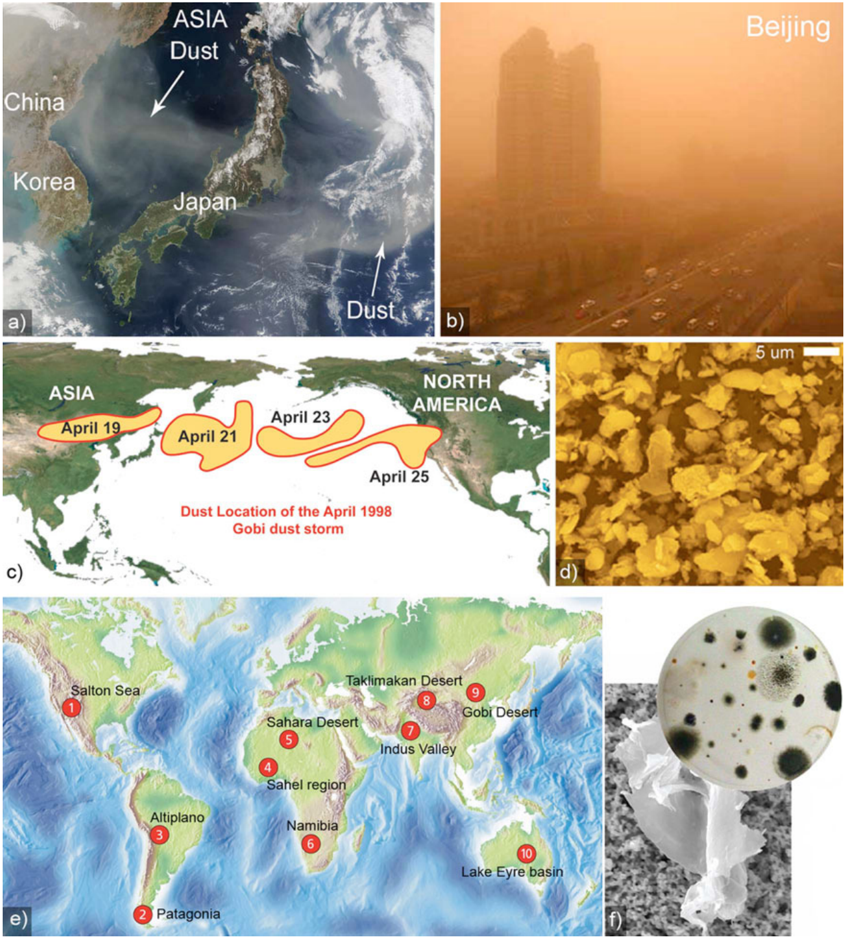
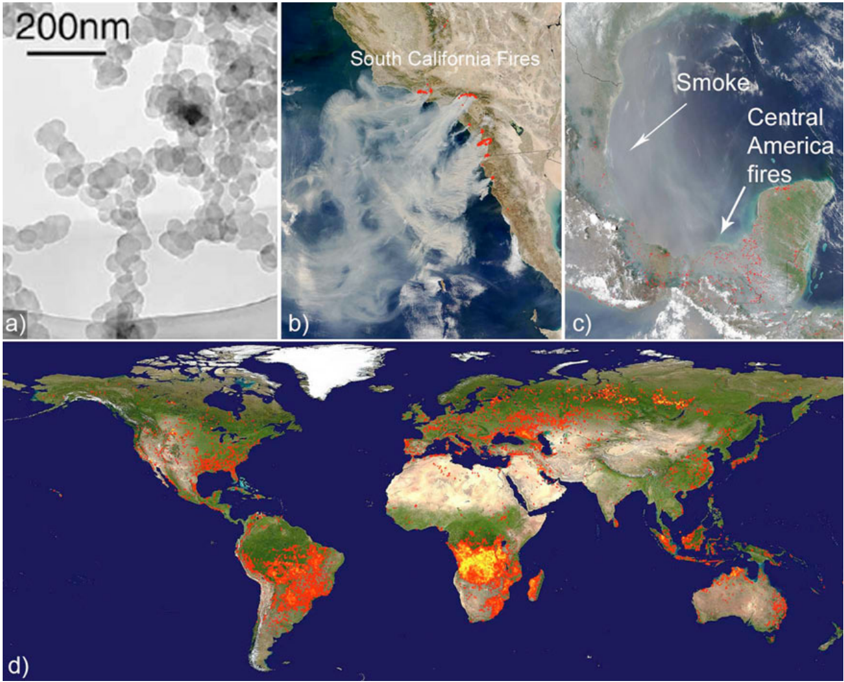
This review is presented as a common foundation for scientists interested in nanoparticles, their origin, activity, and biological toxicity. It is written with the goal of rationalizing and informing public health concerns related to this sometimes-strange new science of “nano,” while raising awareness of nanomaterials’ toxicity among scientists and manufacturers handling them. We show that humans have always been exposed to tiny particles via dust storms, volcanic ash, and other natural processes, and that our bodily systems are well adapted to protect us from these potentially harmful intruders. The reticuloendothelial system, in particular, actively neutralizes and eliminates foreign matter in the body, including viruses and nonbiological particles. Particles originating from human activities have existed for millennia, e.g., smoke from combustion and lint from garments, but the recent development of industry and combustion-based engine transportation has profoundly increased anthropogenic particulate pollution. Significantly, technological advancement has also changed the character of particulate pollution, increasing the proportion of nanometer-sized particles-“nanoparticles”-and expanding the variety of chemical compositions. Recent epidemiological studies have shown a strong correlation between particulate air pollution levels, respiratory and cardiovascular diseases, various cancers, and mortality. Adverse effects of nanoparticles on human health depend on individual factors such as genetics and existing disease, as well as exposure, and nanoparticle chemistry, size, shape, agglomeration state, and electromagnetic properties. Animal and human studies show that inhaled nanoparticles are less efficiently removed than larger particles by the macrophage clearance mechanisms in the lungs, causing lung damage, and that nanoparticles can translocate through the circulatory, lymphatic, and nervous systems to many tissues and organs, including the brain. The key to understanding the toxicity of nanoparticles is that their minute size, smaller than cells and cellular organelles, allows them to penetrate these basic biological structures, disrupting their normal function. Examples of toxic effects include tissue inflammation, and altered cellular redox balance toward oxidation, causing abnormal function or cell death. The manipulation of matter at the scale of atoms, “nanotechnology,” is creating many new materials with characteristics not always easily predicted from current knowledge. Within the nearly limitless diversity of these materials, some happen to be toxic to biological systems, others are relatively benign, while others confer health benefits. Some of these materials have desirable characteristics for industrial applications, as nanostructured materials often exhibit beneficial properties, from UV absorbance in sunscreen to oil-less lubrication of motors. A rational science-based approach is needed to minimize harm caused by these materials, while supporting continued study and appropriate industrial development. As current knowledge of the toxicology of “bulk” materials may not suffice in reliably predicting toxic forms of nanoparticles, ongoing and expanded study of “nanotoxicity” will be necessary. For nanotechnologies with clearly associated health risks, intelligent design of materials and devices is needed to derive the benefits of these new technologies while limiting adverse health impacts. Human exposure to toxic nanoparticles can be reduced through identifying creation-exposure pathways of toxins, a study that may someday soon unravel the mysteries of diseases such as Parkinson’s and Alzheimer’s. Reduction in fossil fuel combustion would have a large impact on global human exposure to nanoparticles, as would limiting deforestation and desertification. While nanotoxicity is a relatively new concept to science, this review reveals the result of life’s long history of evolution in the presence of nanoparticles, and how the human body, in particular, has adapted to defend itself against nanoparticulate intruders.
Overview
The claims and statistics of this paper haven’t been checked yet.
Free: it reads the open-access text and checks the first 5 claims that cite a source we can check. Create a free account to check every claim.
Integrity signals
Registry
Cites
Statistics
Figures

Verification
Claims the paper makes
The claims and statistics of this paper haven’t been checked yet.
Free: it reads the open-access text and checks the first 5 claims that cite a source we can check. Create a free account to check every claim.
Claims other papers make about this one
Each is checked against this paper’s own text: does it say what the citing paper says it does?
The source backs part of the claim, not all of it — or backs it for a different population, condition or comparison.
In the citing paper
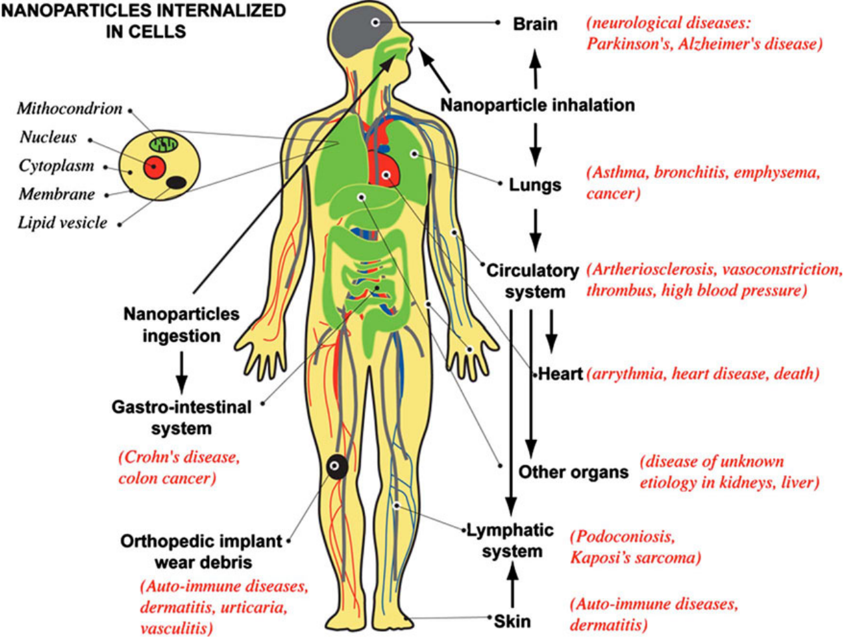
“Terrestrially, ingestion of nanoparticles and subsequent deposition of chemical components into the cellular cytoplasm has already been tied to the development of conditions such as Crohn’s disease and colon cancer51, though the precise mechanisms in play remain unclear.”
From Overview of lunar dust toxicity risk (2022) · cites this paper as [51]
Experimental — accuracy not yet measured
Self-check
Percentages, sums and reported differences re-computed from the paper’s own numbers.
The self-check needs the paper’s full text.
Citations
Cites
Toxic potential of materials at the nanolevel
Nel, A., Xia, T., Mädler, L., & Li, N. (2006) · Science · doi:10.1126/science.1114397 · Cited by 9,324 · cited 2×
“Several are comparatively general [18], [20], [30-32], while others address selected aspects of nanoparticles toxicology, such as: health effects of air pollution [33]; epidemiological reviews of exposure to particles [34]; epidemiological studies of cardiovascular effects of airborne particles [35]; occupational aspe…”
BackgroundLung cancer, cardiopulmonary mortality, and long-term exposure to fine particulate air pollution
Pope III, C. A. (2002) · JAMA · doi:10.1001/jama.287.9.1132 · Cited by 8,447
Nanotoxicology: An Emerging Discipline Evolving from Studies of Ultrafine Particles
Oberdörster, G., Oberdörster, E., & Oberdörster, J. (2005) · Environmental Health Perspectives · doi:10.1289/ehp.7339 · Cited by 7,891
Nanostructures in Biodiagnostics
Rosi, N. L., & Mirkin, C. A. (2005) · Chemical Reviews · doi:10.1021/cr030067f · Cited by 4,603
Probing the Cytotoxicity of Semiconductor Quantum Dots
Derfus, A. M., Chan, W. C. W., & Bhatia, S. N. (2004) · Nano Letters · doi:10.1021/nl0347334 · Cited by 3,391
Mechanisms of phagocytosis in macrophages
Aderem, A., & Underhill, D. M. (1999) · Annual Review of Immunology · doi:10.1146/annurev.immunol.17.1.593 · Cited by 2,854
Polymeric systems for controlled drug release
Uhrich, K. E., Cannizzaro, S. M., Langer, R. S., & Shakesheff, K. M. (1999) · Chemical Reviews · doi:10.1021/cr940351u · Cited by 2,633
Translocation of inhaled ultrafine particles to the brain
Oberdörster, G., Sharp, Z., Atudorei, V., Elder, A., Gelein, R., Kreyling, W., & Cox, C. (2004) · Inhalation Toxicology · doi:10.1080/08958370490439597 · Cited by 2,606
Pathogenesis of Helicobacter pylori Infection
Kusters, J. G., van Vliet, A. H. M., & Kuipers, E. J. (2006) · Clinical Microbiology Reviews · doi:10.1128/cmr.00054-05 · Cited by 2,526
Gold Nanoparticles Are Taken Up by Human Cells but Do Not Cause Acute Cytotoxicity
Connor, E. E., Mwamuka, J., Gole, A., Murphy, C. J., & Wyatt, M. D. (2005) · Small · doi:10.1002/smll.200400093 · Cited by 2,406
Research works printed but not linked: 32
- 2006, Curr. Opin. Pediatr., 18, 42
- 2004, Ital. Heart J, 5, 350
- 2006, Ir Med. J., 100, 155
- 2005, Schweiz Med. Wochenschr, 135, 697
- 2003, Ann. Ist Super Sanita, 39, 405
- 1988, Med. Clin. (Barc), 91, 97
- 1988, Trop. Geogr Med., 40, 359
- 1997, Epidemiol. Prev., 21, 114
- 2003, Anatomy and Physiology
- 2006, Lett. Appl. Microbiol., 42, 549
- 1993, Br. J. Ind. Med., 50, 586
- 2004, J. Proteome Res., 3, 12996
- 2003, Epidemiology, 14, 333
- 2001, Environ. Health Perspect, 109, 547
- 1997, J. Vac. Sci. Technol., 15, 1460
- 2004, Rev. Prat, 54, 1660
- 1988, Br. J. Ind. Med., 45, 777
- 2006, Inhalation Toxicol, 222, 195
- 2005, Int. J. Tuberc. Lung Dis., 9, 362
- 1994, Environ. Health Perspect, 102, 85
- 2003, Anatomy & Physiology
- 1994, Environ. Health Perspect, 102, 173
- 2004, Eur. Cytokine Netw., 15, 339
- 1992, Environ. Health Perspect, 97, 193
- 2006, J. Bone Jt. Surg., Am., 88, 1173, 10.2106/jbjs.e.00604 · doi:10.2106/jbjs.e.00604 · Paper page
- 1998, Am. J. Physiol., 274, L81
- 2005, Semicond. Sci. Technol., 18, R1
- 2006, Nanotechnol, 6, 1
- 2005, Reg. Anesth. Pain Med., 30, 380
- 2003, Reg. Anesth. Pain Med., 28, 198, 10.1097/00115550-200305000-00005 · doi:10.1097/00115550-200305000-00005 · Paper page
- 2002, Mater. World, 10, 20
- Bose, 1996, Proceedings of the Third International Confernece on Tungsten Refractory Metals, 229
Cited by
Items 101–200 of 1,009
Malachite green “a cationic dye” and its removal from aqueous solution by adsorption
Raval, N. P., Shah, P. U., & Shah, N. K. (2017) · Applied Water Science · doi:10.1007/s13201-016-0512-2 · Cited by 308
Functional Fiber Materials to Smart Fiber Devices
Chen, C., Feng, J., Li, J., Guo, Y., Shi, X., & Peng, H. (2023) · Chemical Reviews · doi:10.1021/acs.chemrev.2c00192 · Cited by 308
A perspective on the potential risks of emerging contaminants to human and environmental health
Pereira, L. C., de Souza, A. O., Bernardes, M. F. F., Pazin, M., Tasso, M. J., Pereira, P. H., & Dorta, D. J. (2015) · Environmental Science and Pollution Research · doi:10.1007/s11356-015-4896-6 · Cited by 298
Application of Nanotechnology in Cosmetics
Mu, L., & Sprando, R. L. (2010) · Pharmaceutical Research · doi:10.1007/s11095-010-0139-1 · Cited by 297
Hong, J., Rico, C. M., Zhao, L., Adeleye, A. S., Keller, A. A., Peralta-Videa, J. R., & Gardea-Torresdey, J. L. (2015) · Environmental Science: Processes & Impacts · doi:10.1039/c4em00551a · Cited by 296
Burlec, A. F., Corciova, A., Boev, M., Batir-Marin, D., Mircea, C., Cioanca, O., Danila, G., Danila, M., Bucur, A. F., & Hancianu, M. (2023) · Pharmaceuticals · doi:10.3390/ph16101410 · Cited by 295
Zhuang, X., Teng, Y., Samykutty, A., Mu, J., Deng, Z., Zhang, L., Cao, P., Rong, Y., Yan, J., Miller, D., et al. (2016) · Molecular Therapy · doi:10.1038/mt.2015.188 · Cited by 294
“All rights reserved binding of oligonucleotides[7, 8].”
Manufacturing nanomaterials: from research to industry
Charitidis, C. A., Georgiou, P., Koklioti, M. A., Trompeta, A.-F., & Markakis, V. (2014) · Manufacturing Review · doi:10.1051/mfreview/2014009 · Cited by 290
Auría-Soro, C., Nesma, T., Juanes-Velasco, P., Landeira-Viñuela, A., Fidalgo-Gomez, H., Acebes-Fernandez, V., Gongora, R., Almendral Parra, M. J., Manzano-Roman, R., & Fuentes, M. (2019) · Nanomaterials · doi:10.3390/nano9101365 · Cited by 289
Melegari, S. P., Perreault, F., Costa, R. H. R., Popovic, R., & Matias, W. G. (2013) · Aquatic Toxicology · doi:10.1016/j.aquatox.2013.09.015 · Cited by 288
Nanoparticles and Nanomaterials as Plant Biostimulants
Juárez-Maldonado, A., Ortega-Ortíz, H., Morales-Díaz, A. B., González-Morales, S., Morelos-Moreno, Á., Cabrera-De la Fuente, M., Sandoval-Rangel, A., Cadenas-Pliego, G., & Benavides-Mendoza, A. (2019) · International Journal of Molecular Sciences · doi:10.3390/ijms20010162 · Cited by 285
Plant Responses to Nanoparticle Stress
Hossain, Z., Mustafa, G., & Komatsu, S. (2015) · International Journal of Molecular Sciences · doi:10.3390/ijms161125980 · Cited by 284
Prospects and applications of nanobiotechnology: a medical perspective
Fakruddin, M., Hossain, Z., & Afroz, H. (2012) · Journal of Nanobiotechnology · doi:10.1186/1477-3155-10-31 · Cited by 284
RetractedNanotechnologies in water and air pollution treatment
Yunus, I. S., Harwin, H., Kurniawan, A., Adityawarman, D., & Indarto, A. (2012) · Environmental Technology Reviews · doi:10.1080/21622515.2012.733966 · Cited by 282
Lefatshe, K., Muiva, C. M., & Kebaabetswe, L. P. (2017) · Carbohydrate Polymers · doi:10.1016/j.carbpol.2017.02.020 · Cited by 280
Magnetic Functionalized Nanoparticles for Biomedical, Drug Delivery and Imaging Applications
Anderson, S. D., Gwenin, V. V., & Gwenin, C. D. (2019) · Nanoscale Research Letters · doi:10.1186/s11671-019-3019-6 · Cited by 276
A review on the use of nanometals as catalysts for the thermal decomposition of ammonium perchlorate
Chaturvedi, S., & Dave, P. N. (2013) · Journal of Saudi Chemical Society · doi:10.1016/j.jscs.2011.05.009 · Cited by 275
Effect of nanoparticles on crops and soil microbial communities
Rajput, V. D., Minkina, T., Sushkova, S., Tsitsuashvili, V., Mandzhieva, S., Gorovtsov, A., Nevidomskyaya, D., & Gromakova, N. (2018) · Journal of Soils and Sediments · doi:10.1007/s11368-017-1793-2 · Cited by 274
A review on nanotechnological application of magnetic iron oxides for heavy metal removal
Bhateria, R., & Singh, R. (2019) · Journal of Water Process Engineering · doi:10.1016/j.jwpe.2019.100845 · Cited by 274
Sources, characteristics, toxicity, and control of ultrafine particles: An overview
Moreno-Ríos, A. L., Tejeda-Benítez, L. P., & Bustillo-Lecompte, C. F. (2022) · Geoscience Frontiers · doi:10.1016/j.gsf.2021.101147 · Cited by 272
Hetherington, A. C., Borrion, A. L., Griffiths, O. G., & McManus, M. C. (2014) · The International Journal of Life Cycle Assessment · doi:10.1007/s11367-013-0627-8 · Cited by 271
A review on carbon nanotubes in biosensor devices and their applications in medicine
Sireesha, M., Jagadeesh Babu, V., Kranthi Kiran, A. S., & Ramakrishna, S. (2018) · Nanocomposites · doi:10.1080/20550324.2018.1478765 · Cited by 271
Zhu, L., Zhou, Z., Mao, H., & Yang, L. (2017) · Nanomedicine · doi:10.2217/nnm-2016-0316 · Cited by 267
Green synthesis of cobalt oxide nanoparticles for potential biological applications
Hafeez, M., Shaheen, R., Akram, B., Ul-Abdin, Z., Haq, S., Mahsud, S., Ali, S., & Khan, R. T. (2020) · Materials Research Express · doi:10.1088/2053-1591/ab70dd · Cited by 264
Engineered Nanomaterials in Food: Implications for Food Safety and Consumer Health
Martirosyan, A., & Schneider, Y.-J. (2014) · International Journal of Environmental Research and Public Health · doi:10.3390/ijerph110605720 · Cited by 263
Nanocatalyst‐Mediated Chemodynamic Tumor Therapy
Zhang, L., Li, C., Wan, S., & Zhang, X. (2022) · Advanced Healthcare Materials · doi:10.1002/adhm.202101971 · Cited by 263
Ramsperger, A. F. R. M., Bergamaschi, E., Panizzolo, M., Fenoglio, I., Barbero, F., Peters, R., Undas, A., Purker, S., Giese, B., Lalyer, C. R., et al. (2023) · NanoImpact · doi:10.1016/j.impact.2022.100441 · Cited by 259
Toxicity of Nanoparticles on the Reproductive System in Animal Models: A Review
Brohi, R. D., Wang, L., Talpur, H. S., Wu, D., Khan, F. A., Bhattarai, D., Rehman, Z.-U., Farmanullah, F., & Huo, L.-J. (2017) · Frontiers in Pharmacology · doi:10.3389/fphar.2017.00606 · Cited by 259
Feng, Z. V., Gunsolus, I. L., Qiu, T. A., Hurley, K. R., Nyberg, L. H., Frew, H., Johnson, K. P., Vartanian, A. M., Jacob, L. M., Lohse, S. E., et al. (2015) · Chemical Science · doi:10.1039/c5sc00792e · Cited by 258
Nanotechnology in sustainable agriculture: studies from seed priming to post-harvest management
Shukla, P., Chaurasia, P., Younis, K., Qadri, O. S., Faridi, S. A., & Srivastava, G. K. (2019) · Nanotechnology for Environmental Engineering · doi:10.1007/s41204-019-0058-2 · Cited by 258
Attarilar, S., Yang, J., Ebrahimi, M., Wang, Q., Liu, J., Tang, Y., & Yang, J. (2020) · Frontiers in Bioengineering and Biotechnology · doi:10.3389/fbioe.2020.00822 · Cited by 257
Nanomaterials for latent fingerprint detection: a review
Prabakaran, E., & Pillay, K. (2021) · Journal of Materials Research and Technology · doi:10.1016/j.jmrt.2021.03.110 · Cited by 257
Cobalt oxide-based nanoarchitectures for electrochemical energy applications
Mei, J., Liao, T., Ayoko, G. A., Bell, J., & Sun, Z. (2019) · Progress in Materials Science · doi:10.1016/j.pmatsci.2019.03.001 · Cited by 256
Nano-Enhanced Polymer Composite Materials: A Review of Current Advancements and Challenges
Musa, A. A., Bello, A., Adams, S. M., Onwualu, A. P., Anye, V. C., Bello, K. A., & Obianyo, I. I. (2025) · Polymers · doi:10.3390/polym17070893 · Cited by 256
Review on gold nanoparticles and their applications
Das, M., Shim, K. H., An, S. S. A., & Yi, D. K. (2011) · Toxicology and Environmental Health Sciences · doi:10.1007/s13530-011-0109-y · Cited by 253
Nanomaterials for Healthcare Biosensing Applications
Pirzada, M., & Altintas, Z. (2019) · Sensors · doi:10.3390/s19235311 · Cited by 253
Review of the effects of manufactured nanoparticles on mammalian target organs
Wu, T., & Tang, M. (2018) · Journal of Applied Toxicology · doi:10.1002/jat.3499 · Cited by 253
Potential adverse effects of nanoparticles on the reproductive system
Wang, R., Song, B., Wu, J., Zhang, Y., Chen, A., & Shao, L. (2018) · International Journal of Nanomedicine · doi:10.2147/ijn.s170723 · Cited by 251
“Animal and human studies have shown that macrophage clearance is the main reason NPs can translocate through the circulatory and lymphatic system to many tissues and organs.(25) After translocation through circulation, NPs can permeate some biological membranes and accumulate in reproductive organs.”
Algae as crucial organisms in advancing nanotechnology: a systematic review
Sharma, A., Sharma, S., Sharma, K., Chetri, S. P. K., Vashishtha, A., Singh, P., Kumar, R., Rathi, B., & Agrawal, V. (2016) · Journal of Applied Phycology · doi:10.1007/s10811-015-0715-1 · Cited by 250
Alkharabsheh, H. M., Seleiman, M. F., Hewedy, O. A., Battaglia, M. L., Jalal, R. S., Alhammad, B. A., Schillaci, C., Ali, N., & Al-Doss, A. (2021) · Agronomy · doi:10.3390/agronomy11112299 · Cited by 249
Moghaddam, A. B., Moniri, M., Azizi, S., Rahim, R. A., Ariff, A. B., Saad, W. Z., Namvar, F., Navaderi, M., & Mohamad, R. (2017) · Molecules · doi:10.3390/molecules22060872 · Cited by 247
“These results are in agreement with the previous studies which have shown that the antibacterial activity of ZnO nanoparticles is dependent upon the nanoparticle concentrations [63].”
ResultZoroddu, M., Medici, S., Ledda, A., Nurchi, V., Lachowicz, J., & Peana, M. (2014) · Current Medicinal Chemistry · doi:10.2174/0929867321666140601162314 · Cited by 247
Nanomaterials in consumer products: a challenging analytical problem
Contado, C. (2015) · Frontiers in Chemistry · doi:10.3389/fchem.2015.00048 · Cited by 246
Influences of nano-particles on dynamic strength of ultra-high performance concrete
Su, Y., Li, J., Wu, C., Wu, P., & Li, Z.-X. (2016) · Composites Part B: Engineering · doi:10.1016/j.compositesb.2016.01.044 · Cited by 245
The future of semiconductors nanoparticles: Synthesis, properties and applications
Terna, A. D., Elemike, E. E., Mbonu, J. I., Osafile, O. E., & Ezeani, R. O. (2021) · Materials Science and Engineering: B · doi:10.1016/j.mseb.2021.115363 · Cited by 244
Toxicity of heavy metals and metal-containing nanoparticles on plants
Mustafa, G., & Komatsu, S. (2016) · Biochimica et Biophysica Acta (BBA) - Proteins and Proteomics · doi:10.1016/j.bbapap.2016.02.020 · Cited by 243
Shvedova, A. A., Kagan, V. E., & Fadeel, B. (2010) · Annual Review of Pharmacology and Toxicology · doi:10.1146/annurev.pharmtox.010909.105819 · Cited by 242
Two-dimensional non-carbonaceous materials-enabled efficient photothermal cancer therapy
Chen, Y., Wang, L., & Shi, J. (2016) · Nano Today · doi:10.1016/j.nantod.2016.05.009 · Cited by 241
Assays for alkaline phosphatase activity: Progress and prospects
Tang, Z., Chen, H., He, H., & Ma, C. (2019) · TrAC Trends in Analytical Chemistry · doi:10.1016/j.trac.2019.01.019 · Cited by 241
A review on radiation-induced nucleation and growth of colloidal metallic nanoparticles
Abedini, A., Daud, A. R., Abdul Hamid, M. A., Kamil Othman, N., & Saion, E. (2013) · Nanoscale Research Letters · doi:10.1186/1556-276x-8-474 · Cited by 240
“In the past few decades, revolutionary developments of science and engineering have moved at a very fast pace towards synthesis of materials in the nanosize region in order to achieve unique properties that are significantly different from those of the individual atoms and their bulk counterparts [1-3].”
BackgroundBilal, M., & Iqbal, H. M. N. (2019) · Coordination Chemistry Reviews · doi:10.1016/j.ccr.2019.02.024 · Cited by 240
Metal Oxide Nanoparticles: Review of Synthesis, Characterization and Biological Effects
Negrescu, A. M., Killian, M. S., Raghu, S. N. V., Schmuki, P., Mazare, A., & Cimpean, A. (2022) · Journal of Functional Biomaterials · doi:10.3390/jfb13040274 · Cited by 238
A concise review of carbon nanotube's toxicology
Madani, S. Y., Mandel, A., & Seifalian, A. M. (2013) · Nano Reviews · doi:10.3402/nano.v4i0.21521 · Cited by 237
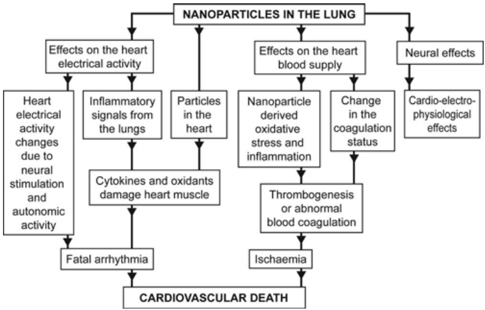
“Furthermore, it has been discovered that the nanoparticles exposure to the circulatory system may result in blood clotting and heart disease (11) (Fig.”
BackgroundInfluentialMicrobial synthesis of nanoparticles and their potential applications in biomedicine
Fariq, A., Khan, T., & Yasmin, A. (2017) · Journal of Applied Biomedicine · doi:10.1016/j.jab.2017.03.004 · Cited by 234
Semiconductor based photocatalytic degradation of pesticides: An overview
Vaya, D., & Surolia, P. K. (2020) · Environmental Technology & Innovation · doi:10.1016/j.eti.2020.101128 · Cited by 229
The potential for nanoparticle-based drug delivery to the brain: overcoming the blood–brain barrier
Barbu, E., Molnàr, É., Tsibouklis, J., & Górecki, D. C. (2009) · Expert Opinion on Drug Delivery · doi:10.1517/17425240902939143 · Cited by 229
Graphene Materials in Antimicrobial Nanomedicine: Current Status and Future Perspectives
Karahan, H. E., Wiraja, C., Xu, C., Wei, J., Wang, Y., Wang, L., Liu, F., & Chen, Y. (2018) · Advanced Healthcare Materials · doi:10.1002/adhm.201701406 · Cited by 228
Gao, G., Ze, Y., Li, B., Zhao, X., Zhang, T., Sheng, L., Hu, R., Gui, S., Sang, X., Sun, Q., et al. (2012) · Journal of Hazardous Materials · doi:10.1016/j.jhazmat.2012.08.049 · Cited by 224
Klein, S. G., Serchi, T., Hoffmann, L., Blömeke, B., & Gutleb, A. C. (2013) · Particle and Fibre Toxicology · doi:10.1186/1743-8977-10-31 · Cited by 223
“NPs are supposed to have adverse effects on human health leading to an aggravation of pre-existing diseases, like asthma [5] and some reports suggest that the toxicity of PM10 is actually mainly linked to the ultrafine fraction [6].”
Boswell, B., Islam, M. N., Davies, I. J., Ginting, Y. R., & Ong, A. K. (2017) · The International Journal of Advanced Manufacturing Technology · doi:10.1007/s00170-017-0142-3 · Cited by 222
Shafabakhsh, G., & Ani, O. J. (2015) · Construction and Building Materials · doi:10.1016/j.conbuildmat.2015.08.083 · Cited by 222
Wahid, F., Zhong, C., Wang, H.-S., Hu, X.-H., & Chu, L.-Q. (2017) · Polymers · doi:10.3390/polym9120636 · Cited by 220
“Small nanoparticles reveal the strongest bactericidal effect [44,49,50].”
BackgroundKhan, M., Naqvi, A. H., & Ahmad, M. (2015) · Toxicology Reports · doi:10.1016/j.toxrep.2015.02.004 · Cited by 218
Nanomaterials and Their Impact on the Immune System
Aljabali, A. A., Obeid, M. A., Bashatwah, R. M., Serrano-Aroca, Á., Mishra, V., Mishra, Y., El-Tanani, M., Hromić-Jahjefendić, A., Kapoor, D. N., Goyal, R., et al. (2023) · International Journal of Molecular Sciences · doi:10.3390/ijms24032008 · Cited by 218
“Several NPs, such as titanium dioxide (TiO2), zinc oxide (ZnO), cerium oxide (CeO2) and silver NP, have been documented to deposit on the cellular surface or even inside intracellular organelles and trigger oxidative stress signaling cascades, resulting in oxidative damage to the cell [21].”
BackgroundSudhasree, S., Shakila Banu, A., Brindha, P., & Kurian, G. A. (2014) · Toxicological & Environmental Chemistry · doi:10.1080/02772248.2014.923148 · Cited by 218
Nano-hydroxyapatite use in dentistry: a systematic review
Bordea, I. R., Candrea, S., Alexescu, G. T., Bran, S., Băciuț, M., Băciuț, G., Lucaciu, O., Dinu, C. M., & Todea, D. A. (2020) · Drug Metabolism Reviews · doi:10.1080/03602532.2020.1758713 · Cited by 217
“Various are considered to be nontoxic and some of them have certain beneficial health response (Buzea et al. 2007).”
BackgroundNanomaterials: A comprehensive review of applications, toxicity, impact, and fate to environment
El-Kady, M. M., Ansari, I., Arora, C., Rai, N., Soni, S., Verma, D. K., Singh, P., & Mahmoud, A. E. D. (2023) · Journal of Molecular Liquids · doi:10.1016/j.molliq.2022.121046 · Cited by 216
Influence of nano-priming on seed germination and plant growth of forage and medicinal plants
Abbasi Khalaki, M., Moameri, M., Asgari Lajayer, B., & Astatkie, T. (2021) · Plant Growth Regulation · doi:10.1007/s10725-020-00670-9 · Cited by 216
Metal nanoparticles in dermatology and cosmetology: Interactions with human skin cells
Niska, K., Zielinska, E., Radomski, M. W., & Inkielewicz-Stepniak, I. (2018) · Chemico-Biological Interactions · doi:10.1016/j.cbi.2017.06.018 · Cited by 215
Vale, G., Mehennaoui, K., Cambier, S., Libralato, G., Jomini, S., & Domingos, R. F. (2016) · Aquatic Toxicology · doi:10.1016/j.aquatox.2015.11.019 · Cited by 214
Plasma nanoscience: setting directions, tackling grand challenges
Ostrikov, K. (., Cvelbar, U., & Murphy, A. B. (2011) · Journal of Physics D: Applied Physics · doi:10.1088/0022-3727/44/17/174001 · Cited by 214
Size-Dependent Antimicrobial Effects of Novel Palladium Nanoparticles
Adams, C. P., Walker, K. A., Obare, S. O., & Docherty, K. M. (2014) · PLoS ONE · doi:10.1371/journal.pone.0085981 · Cited by 213
“[22] In order to conscientiously”
Genotoxicity and carcinogenicity of cobalt-, nickel- and copper-based nanoparticles
MAGAYE, R., ZHAO, J., BOWMAN, L., & DING, M. (2012) · Experimental and Therapeutic Medicine · doi:10.3892/etm.2012.656 · Cited by 213
You, T., Liu, D., Chen, J., Yang, Z., Dou, R., Gao, X., & Wang, L. (2018) · Journal of Soils and Sediments · doi:10.1007/s11368-017-1716-2 · Cited by 213
Usage of nanoparticles as adsorbents for waste water treatment: An emerging trend
Kumari, P., Alam, M., & Siddiqi, W. A. (2019) · Sustainable Materials and Technologies · doi:10.1016/j.susmat.2019.e00128 · Cited by 212
Mesoporous Silica Nanoparticles for Bio-Applications
Niculescu, V.-C. (2020) · Frontiers in Materials · doi:10.3389/fmats.2020.00036 · Cited by 211
Molecular Communication and Nanonetwork for Targeted Drug Delivery: A Survey
Chude-Okonkwo, U. A. K., Malekian, R., Maharaj, B. T., & Vasilakos, A. V. (2017) · IEEE Communications Surveys & Tutorials · doi:10.1109/comst.2017.2705740 · Cited by 208
“While there is some evidence that exposure to certain nanoparticles can cause adverse health effect [371], [375], [378], it is important to keep in mind that not all nanoparticles produce adverse effects, and that in vitro results may differ significantly from in vivo results [370].”
Impact of Pesticides on Environmental and Human Health
Bernardes, M. F. F., Pazin, M., Pereira, L. C., & Dorta, D. J. (2015) · Toxicology Studies - Cells, Drugs and Environment · doi:10.5772/59710 · Cited by 208
“In the majority of the cases, the key to understanding the toxicity of nanomaterials is that their smaller size as compared with cells and cellular organelles allows them to penetrate these basic biological structures and disrupt their normal function [63].”
BackgroundWohlleben, W., Brill, S., Meier, M. W., Mertler, M., Cox, G., Hirth, S., von Vacano, B., Strauss, V., Treumann, S., Wiench, K., et al. (2011) · Small · doi:10.1002/smll.201002054 · Cited by 208
Malik, A. Q., Mir, T. U. G., Kumar, D., Mir, I. A., Rashid, A., Ayoub, M., & Shukla, S. (2023) · Environmental Science and Pollution Research · doi:10.1007/s11356-023-27437-9 · Cited by 208
“NanoBRIDGES” software: Open access tools to perform QSAR and nano-QSAR modeling
Ambure, P., Aher, R. B., Gajewicz, A., Puzyn, T., & Roy, K. (2015) · Chemometrics and Intelligent Laboratory Systems · doi:10.1016/j.chemolab.2015.07.007 · Cited by 208
Nanoparticles in the environment: assessment using the causal diagram approach
Smita, S., Gupta, S. K., Bartonova, A., Dusinska, M., Gutleb, A. C., & Rahman, Q. (2012) · Environmental Health · doi:10.1186/1476-069x-11-s1-s13 · Cited by 207
“No clear guidelines exist on how to evaluate and quantify these effects, the provision of systematic information following NPs from releases to effects was requested [7] and furthermore it was argued to apply an integrated approach [8].”
BackgroundOptimisation and enhancement of biohydrogen production using nickel nanoparticles – A novel approach
Mullai, P., Yogeswari, M. K., & Sridevi, K. (2013) · Bioresource Technology · doi:10.1016/j.biortech.2013.03.082 · Cited by 207
Gadhe, A., Sonawane, S. S., & Varma, M. N. (2015) · International Journal of Hydrogen Energy · doi:10.1016/j.ijhydene.2015.02.046 · Cited by 206
Antimicrobial properties and applications of metal nanoparticles biosynthesized by green methods
Maťátková, O., Michailidu, J., Miškovská, A., Kolouchová, I., Masák, J., & Čejková, A. (2022) · Biotechnology Advances · doi:10.1016/j.biotechadv.2022.107905 · Cited by 206
Recent trends in nanomaterials immobilised enzymes for biofuel production
Verma, M. L., Puri, M., & Barrow, C. J. (2016) · Critical Reviews in Biotechnology · doi:10.3109/07388551.2014.928811 · Cited by 205
“For example, carbon nanotubes are toxic in their pure powder state (Buzea et al., 2007).”
BackgroundInsights into the proteomic response of soybean towards Al 2 O 3 , ZnO, and Ag nanoparticles stress
Hossain, Z., Mustafa, G., Sakata, K., & Komatsu, S. (2015) · Journal of Hazardous Materials · doi:10.1016/j.jhazmat.2015.10.071 · Cited by 205
Adsorptive amputation of hazardous azo dye Congo red from wastewater: a critical review
Raval, N. P., Shah, P. U., & Shah, N. K. (2016) · Environmental Science and Pollution Research · doi:10.1007/s11356-016-6970-0 · Cited by 202
“Nanoparticles can have amorphous or crystalline form (Buzea et al. 2007).”
BackgroundBugnicourt, L., & Ladavière, C. (2016) · Progress in Polymer Science · doi:10.1016/j.progpolymsci.2016.06.002 · Cited by 202
Khan, S., Naushad, M., Al-Gheethi, A., & Iqbal, J. (2021) · Journal of Environmental Chemical Engineering · doi:10.1016/j.jece.2021.106160 · Cited by 201
Antimicrobial metal-based nanoparticles: a review on their synthesis, types and antimicrobial action
Guerrero Correa, M., Martínez, F. B., Vidal, C. P., Streitt, C., Escrig, J., & de Dicastillo, C. L. (2020) · Beilstein Journal of Nanotechnology · doi:10.3762/bjnano.11.129 · Cited by 200
Mikolajczyk, A., Gajewicz, A., Rasulev, B., Schaeublin, N., Maurer-Gardner, E., Hussain, S., Leszczynski, J., & Puzyn, T. (2015) · Chemistry of Materials · doi:10.1021/cm504406a · Cited by 198
Manuja, A., Kumar, B., Kumar, R., Chhabra, D., Ghosh, M., Manuja, M., Brar, B., Pal, Y., Tripathi, B. N., & Prasad, M. (2021) · Toxicology Reports · doi:10.1016/j.toxrep.2021.11.020 · Cited by 197
Recent advances in processing food powders by using superfine grinding techniques: A review
Gao, W., Chen, F., Wang, X., & Meng, Q. (2020) · Comprehensive Reviews in Food Science and Food Safety · doi:10.1111/1541-4337.12580 · Cited by 196
Performance of a novel ZrO2/PES membrane for wastewater filtration
Maximous, N. N., Nakhla, G., Wan, W., & Wong, K. (2010) · Journal of Membrane Science · doi:10.1016/j.memsci.2010.02.021 · Cited by 196
Gelatin nanoparticles: a potential candidate for medical applications
Yasmin, R., Shah, M., Khan, S. A., & Ali, R. (2017) · Nanotechnology Reviews · doi:10.1515/ntrev-2016-0009 · Cited by 195
Hlongwane, G. N., Sekoai, P. T., Meyyappan, M., & Moothi, K. (2019) · Science of The Total Environment · doi:10.1016/j.scitotenv.2018.11.257 · Cited by 194
An overview of nanomaterials for industrial wastewater treatment
Abdelbasir, S. M., & Shalan, A. E. (2019) · Korean Journal of Chemical Engineering · doi:10.1007/s11814-019-0306-y · Cited by 194
Toxicological status of nanoparticles: What we know and what we don't know
Missaoui, W. N., Arnold, R. D., & Cummings, B. S. (2018) · Chemico-Biological Interactions · doi:10.1016/j.cbi.2018.07.015 · Cited by 191
“This is why more studies are needed on how the biophysical properties of NPs mediate the mechanisms of toxicity [190].”
BackgroundRaszewska-Famielec, M., & Flieger, J. (2022) · International Journal of Molecular Sciences · doi:10.3390/ijms232415980 · Cited by 191
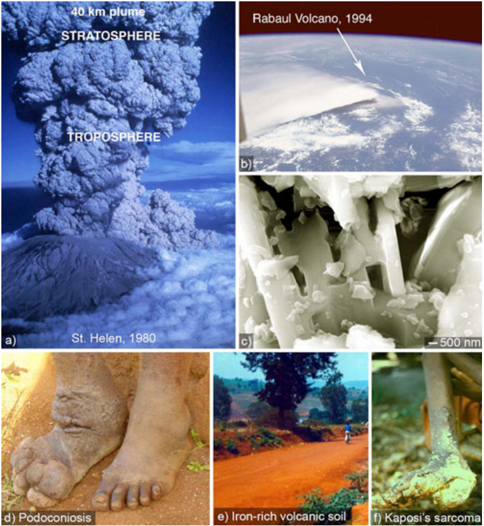
“, viruses and bacteria [8,9], but also NPs formed during volcanic eruptions [10].”
Background
Metadata
- Authors
- Buzea, C., Pacheco, I. I., & Robbie, K.
- Affiliations
- Queen's University (CA)
- ORCID
- Buzea, Cristina
- Venue
- Biointerphases
- Publisher
- American Vacuum Society
- Published
- 2007-12-01
- Volume
- 2
- Issue
- 4
- Pages
- MR17-MR71
- ISSN
- 1559-4106 (ISSN-L)
- 1934-8630
- OpenAlex
- W1987202454
- Cited by
- 3,789
- References
- 310
- Citations by year
- 2026: 107 · 2025: 226 · 2024: 309 · 2023: 281 · 2022: 291 · 2021: 332 · 2020: 297 · 2019: 298 · 2018: 271 · 2017: 237 · 2016: 252 · 2015: 218 · 2014: 219 · 2013: 155 · 2012: 126
- FWCI
- 15.66
- Type
- journal article
- Language
- en
- Open access
- hybrid
- doi.org
- Licence
- cc-by
- creativecommons.org/licenses/by/3.0/ (vor, 27 d)
- creativecommons.org/licenses/by/3.0/ (tdm, 27 d)
- Locations
- Biointerphases (publishedVersion, cc-by)
- PubMed (publishedVersion)
- arXiv (Cornell University) (submittedVersion)
- arXiv (Cornell University)
- Funders
- Canada Research Chairs
- Natural Sciences and Engineering Research Council of Canada
- Topics
- Physical Sciences › Materials Science › Materials Chemistry › Nanoparticles: synthesis and applications
- Physical Sciences › Environmental Science › Health, Toxicology and Mutagenesis › Air Quality and Health Impacts
- Life Sciences › Immunology and Microbiology › Immunology › Immunotoxicology and immune responses
- Keywords
- nanoparticles, nanomaterial toxicity, oxidative stress, inflammation, respiratory and cardiovascular disease, cancer, nanotechnology, nanoparticle size and shape effects
About these checks
Registry, retraction, Cites and statistics results are computed, not judged, with one exception: a printed reference that no index lists is read once by a model before it counts as a citation error. Claims are extracted by a model and kept only when their quote appears verbatim in the text; each cited source is then checked, with a model’s help, for whether it says what the claim relies on. Those verdicts can be wrong — read the claim’s quote and the cited source before relying on one.
Statistics and arithmetic are recomputed, not judged.
Confidence bands are shown only for fields calibrated on our annotated test set. None is calibrated yet, so no band is shown.
What counts as a claim ›How we measure confidence ›How we check this ›
Are you an author, or do you see a problem with this page? Request a review
Data sources
Bibliographic data: Semantic Scholar, OpenAlex, Crossref.
Contains information from the Semantic Scholar Academic Graph Datasets, made available under the ODC Attribution License (ODC-BY 1.0).
Semantic Scholar’s data is described in: Kinney, R., et al. (2023). The Semantic Scholar Open Data Platform. arXiv:2301.10140.
