

Toward an Understanding of Changes in Diversity Associated with Fecal Microbiome Transplantation Based on 16S rRNA Gene Deep Sequencing
Open accessThe DOI matches its Crossref record; 52 of the 53 references it cites were found in a registry or an index, and 1 are not checked yet.
Abstract
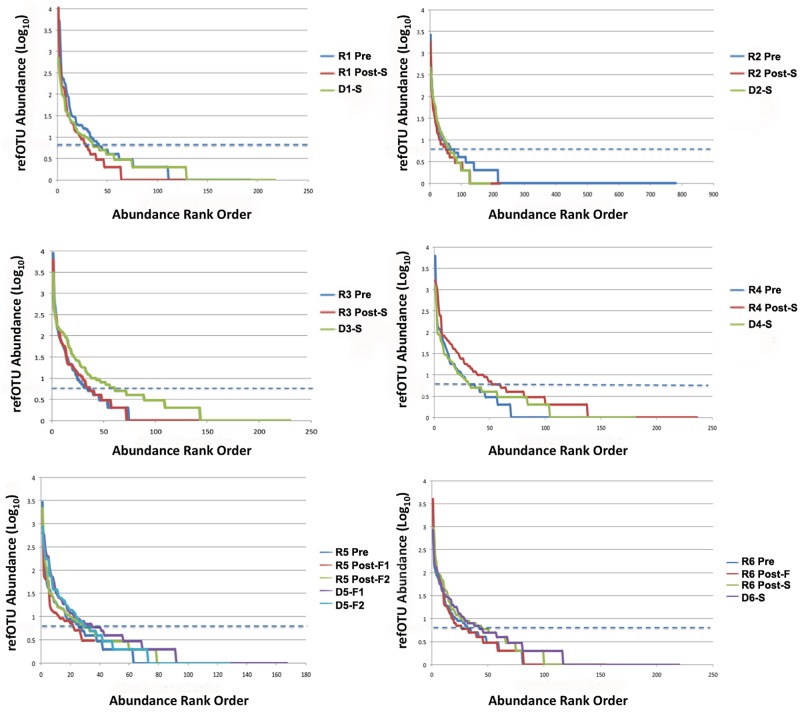
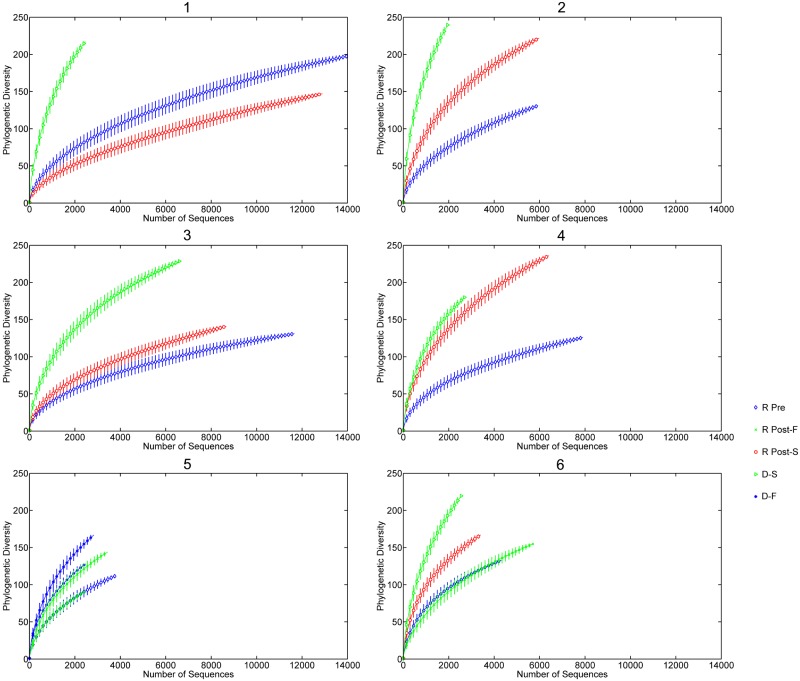
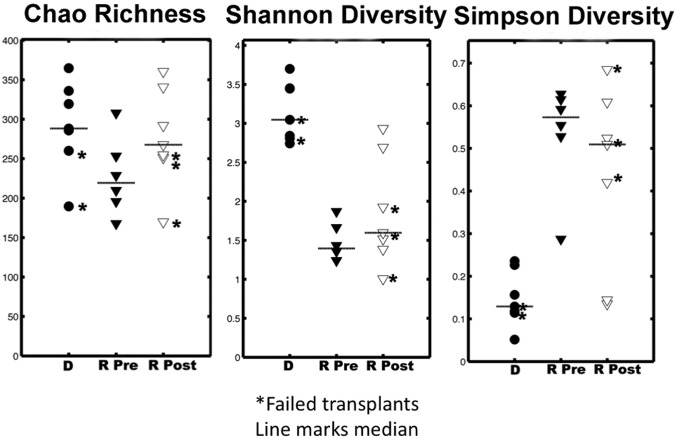
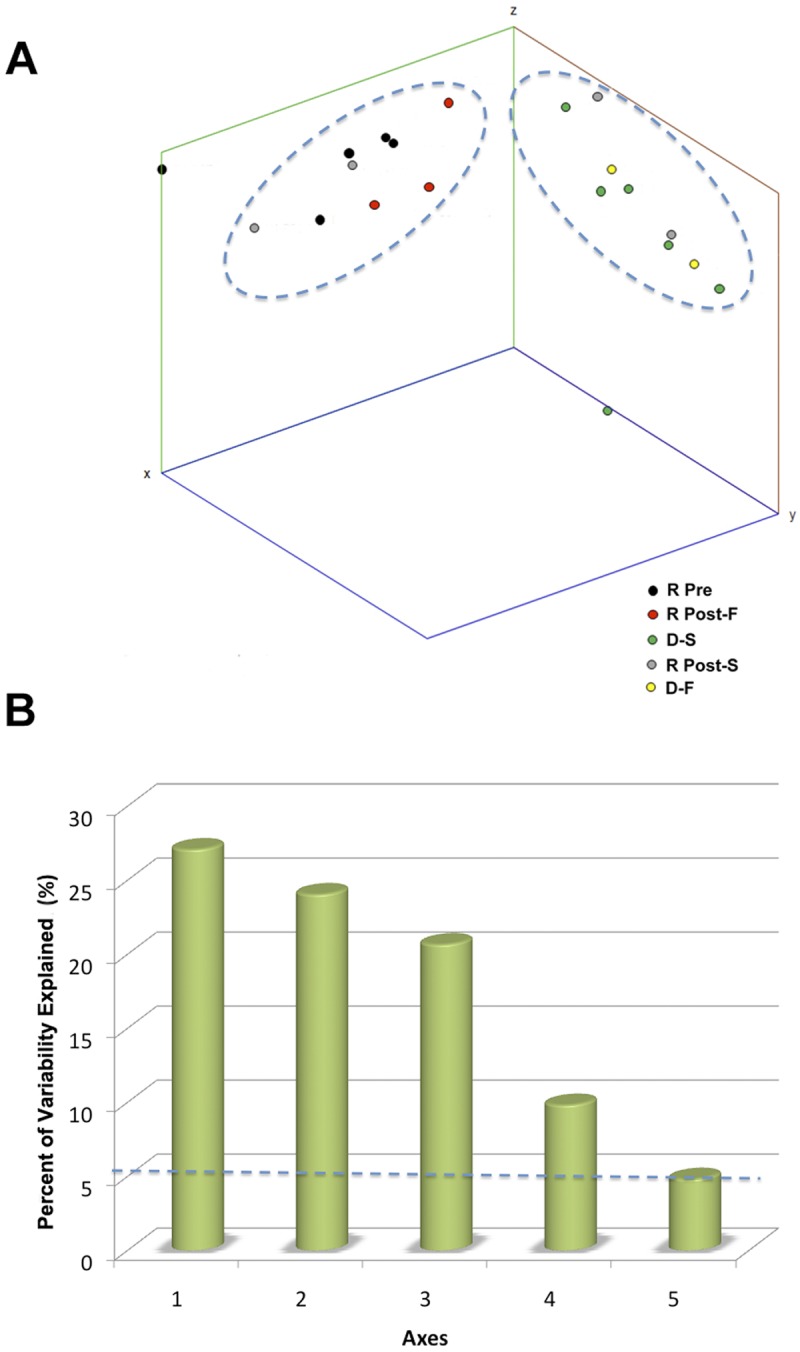
Fecal microbiome transplantation by low-volume enema is an effective, safe, and inexpensive alternative to antibiotic therapy for patients with chronic relapsing Clostridium difficile infection (CDI). We explored the microbial diversity of pre- and posttransplant stool specimens from CDI patients (n = 6) using deep sequencing of the 16S rRNA gene. While interindividual variability in microbiota change occurs with fecal transplantation and vancomycin exposure, in this pilot study we note that clinical cure of CDI is associated with an increase in diversity and richness. Genus- and species-level analysis may reveal a cocktail of microorganisms or products thereof that will ultimately be used as a probiotic to treat CDI. IMPORTANCE Antibiotic-associated diarrhea (AAD) due to Clostridium difficile is a widespread phenomenon in hospitals today. Despite the use of antibiotics, up to 30% of patients are unable to clear the infection and suffer recurrent bouts of diarrheal disease. As a result, clinicians have resorted to fecal microbiome transplantation (FT). Donor stool for this type of therapy is typically obtained from a spouse or close relative and thoroughly tested for various pathogenic microorganisms prior to infusion. Anecdotal reports suggest a very high success rate of FT in patients who fail antibiotic treatment (>90%). We used deep-sequencing technology to explore the human microbial diversity in patients with Clostridium difficile infection (CDI) disease after FT. Genus- and species-level analysis revealed a cocktail of microorganisms in the Bacteroidetes and Firmicutes phyla that may ultimately be used as a probiotic to treat CDI.
Overview
The claims and statistics of this paper haven’t been checked yet.
Free: it reads the open-access text and checks the first 5 claims that cite a source we can check. Create a free account to check every claim.
Integrity signals
Registry
Cites
Statistics
Figures
Verification
Claims the paper makes
The claims and statistics of this paper haven’t been checked yet.
Free: it reads the open-access text and checks the first 5 claims that cite a source we can check. Create a free account to check every claim.
Claims other papers make about this one
Each is checked against this paper’s own text: does it say what the citing paper says it does?
The source backs part of the claim, not all of it — or backs it for a different population, condition or comparison.
In the citing paper
“While antibiotics are a major risk factor for CDI, community acquired CDI is becoming increasingly common in the absence of antibiotic use.49”
From Update on Fecal Microbiota Transplantation 2015: Indications, Methodologies, Mechanisms, and Outlook (2015) · cites this paper as [49]
Experimental — accuracy not yet measured
Self-check
Percentages, sums and reported differences re-computed from the paper’s own numbers.
The self-check needs the paper’s full text.
Citations
Cites
Schloss, P. D., Westcott, S. L., Ryabin, T., Hall, J. R., Hartmann, M., Hollister, E. B., Lesniewski, R. A., Oakley, B. B., Parks, D. H., Robinson, C. J., et al. (2009) · Applied and Environmental Microbiology · doi:10.1128/aem.01541-09 · Cited by 19,549
Diversity of the Human Intestinal Microbial Flora
Eckburg, P. B., Bik, E. M., Bernstein, C. N., Purdom, E., Dethlefsen, L., Sargent, M., Gill, S. R., Nelson, K. E., & Relman, D. A. (2005) · Science · doi:10.1126/science.1110591 · Cited by 7,913
A core gut microbiome in obese and lean twins
Turnbaugh, P. J., Hamady, M., Yatsunenko, T., Cantarel, B. L., Duncan, A., Ley, R. E., Sogin, M. L., Jones, W. J., Roe, B. A., Affourtit, J. P., et al. (2009) · Nature · doi:10.1038/nature07540 · Cited by 7,823
Pruesse, E., Quast, C., Knittel, K., Fuchs, B. M., Ludwig, W., Peplies, J., & Glockner, F. O. (2007) · Nucleic Acids Research · doi:10.1093/nar/gkm864 · Cited by 6,668
The gut microbiota as an environmental factor that regulates fat storage
Bäckhed, F., Ding, H., Wang, T., Hooper, L. V., Koh, G. Y., Nagy, A., Semenkovich, C. F., & Gordon, J. I. (2004) · Proceedings of the National Academy of Sciences · doi:10.1073/pnas.0407076101 · Cited by 6,245 · cited 2×
“For example, perturbations of the distal gut microbiota and childhood antibiotic use have been previously implicated in chronic conditions such as asthma, life-threatening pseudomembranous colitis, cancer, and obesity (44, 45).”
BackgroundObesity alters gut microbial ecology
Ley, R. E., Bäckhed, F., Turnbaugh, P., Lozupone, C. A., Knight, R. D., & Gordon, J. I. (2005) · Proceedings of the National Academy of Sciences · doi:10.1073/pnas.0504978102 · Cited by 6,176 · cited 2×
“For example, perturbations of the distal gut microbiota and childhood antibiotic use have been previously implicated in chronic conditions such as asthma, life-threatening pseudomembranous colitis, cancer, and obesity (44, 45).”
BackgroundHost-Bacterial Mutualism in the Human Intestine
Bäckhed, F., Ley, R. E., Sonnenburg, J. L., Peterson, D. A., & Gordon, J. I. (2005) · Science · doi:10.1126/science.1104816 · Cited by 5,277 · cited 1×
“the highest taxonomic level available (44, 45, 50, 51).”
BackgroundThe Ribosomal Database Project: improved alignments and new tools for rRNA analysis
Cole, J. R., Wang, Q., Cardenas, E., Fish, J., Chai, B., Farris, R. J., Kulam-Syed-Mohideen, A. S., McGarrell, D. M., Marsh, T., Garrity, G. M., et al. (2009) · Nucleic Acids Research · doi:10.1093/nar/gkn879 · Cited by 4,762
Microbial diversity in the deep sea and the underexplored “rare biosphere”
Sogin, M. L., Morrison, H. G., Huber, J. A., Welch, D. M., Huse, S. M., Neal, P. R., Arrieta, J. M., & Herndl, G. J. (2006) · Proceedings of the National Academy of Sciences · doi:10.1073/pnas.0605127103 · Cited by 3,701
Meyer, F., Paarmann, D., D'Souza, M., Olson, R., Glass, E., Kubal, M., Paczian, T., Rodriguez, A., Stevens, R., Wilke, A., et al. (2008) · BMC Bioinformatics · doi:10.1186/1471-2105-9-386 · Cited by 3,565
Cited by
The Microbiome in Inflammatory Bowel Disease: Current Status and the Future Ahead
Kostic, A. D., Xavier, R. J., & Gevers, D. (2014) · Gastroenterology · doi:10.1053/j.gastro.2014.02.009 · Cited by 1,789
Kao, D., Roach, B., Silva, M., Beck, P., Rioux, K., Kaplan, G. G., Chang, H.-J., Coward, S., Goodman, K. J., Xu, H., et al. (2017) · JAMA · doi:10.1001/jama.2017.17077 · Cited by 615
Interaction of gut microbiota with bile acid metabolism and its influence on disease states
Staley, C., Weingarden, A. R., Khoruts, A., & Sadowsky, M. J. (2017) · Applied Microbiology and Biotechnology · doi:10.1007/s00253-016-8006-6 · Cited by 581
Update on Fecal Microbiota Transplantation 2015: Indications, Methodologies, Mechanisms, and Outlook
Kelly, C. R., Kahn, S., Kashyap, P., Laine, L., Rubin, D., Atreja, A., Moore, T., & Wu, G. (2015) · Gastroenterology · doi:10.1053/j.gastro.2015.05.008 · Cited by 572
“difficile.(50) Bacillus thuringensis secretes a bacteriocin, thuricin CD, with narrow spectrum activity against gram positive bacteria including C.”
Antharam, V. C., Li, E. C., Ishmael, A., Sharma, A., Mai, V., Rand, K. H., & Wang, G. P. (2013) · Journal of Clinical Microbiology · doi:10.1128/jcm.00845-13 · Cited by 485
“Consistent with previous studies (17, 19, 20, 32), our FIG 5 Bacteria genera most depleted or enriched in CDI and CDN.”
ResultFecal microbiota transplantation: in perspective
Gupta, S., Allen-Vercoe, E., & Petrof, E. O. (2016) · Therapeutic Advances in Gastroenterology · doi:10.1177/1756283x15607414 · Cited by 481
Cammarota, G., Ianiro, G., & Gasbarrini, A. (2014) · Journal of Clinical Gastroenterology · doi:10.1097/mcg.0000000000000046 · Cited by 428
“Rubin et al31 USA 74 63 (6-94) Recurrent (2 or more) Stomach/ nasogastric tube 64) Percutaneous gastrostomy tube (4) Upper endoscopy (7) 30/50-70 59/57 12wk O: M-V”
BackgroundInfluentialWeingarden, A. R., Chen, C., Bobr, A., Yao, D., Lu, Y., Nelson, V. M., Sadowsky, M. J., & Khoruts, A. (2014) · American Journal of Physiology-Gastrointestinal and Liver Physiology · doi:10.1152/ajpgi.00282.2013 · Cited by 423
“Previous work by our group and others has demonstrated dramatic changes in the fecal microbiota of patients undergoing FMT, with fecal microbial communities becoming more similar to that of the donor, including an increased abundance of Bacteroidetes and Firmicutes, a decreased abundance of Proteobacteria, and an incr…”
ResultSmillie, C. S., Sauk, J., Gevers, D., Friedman, J., Sung, J., Youngster, I., Hohmann, E. L., Staley, C., Khoruts, A., Sadowsky, M. J., et al. (2018) · Cell Host & Microbe · doi:10.1016/j.chom.2018.01.003 · Cited by 411
Kakihana, K., Fujioka, Y., Suda, W., Najima, Y., Kuwata, G., Sasajima, S., Mimura, I., Morita, H., Sugiyama, D., Nishikawa, H., et al. (2016) · Blood · doi:10.1182/blood-2016-05-717652 · Cited by 367
Craven, L., Rahman, A., Nair Parvathy, S., Beaton, M., Silverman, J., Qumosani, K., Hramiak, I., Hegele, R., Joy, T., Meddings, J., et al. (2020) · American Journal of Gastroenterology · doi:10.14309/ajg.0000000000000661 · Cited by 342
Halkjær, S. I., Christensen, A. H., Lo, B. Z. S., Browne, P. D., Günther, S., Hansen, L. H., & Petersen, A. M. (2018) · Gut · doi:10.1136/gutjnl-2018-316434 · Cited by 338
Antimicrobial peptides and gut microbiota in homeostasis and pathology
Ostaff, M. J., Stange, E. F., & Wehkamp, J. (2013) · EMBO Molecular Medicine · doi:10.1002/emmm.201201773 · Cited by 329
Immune homeostasis, dysbiosis and therapeutic modulation of the gut microbiota
Peterson, C. T., Sharma, V, Elmén, L., & Peterson, S. N. (2015) · Clinical and Experimental Immunology · doi:10.1111/cei.12474 · Cited by 318
Synthetic microbial ecosystems: an exciting tool to understand and apply microbial communities
De Roy, K., Marzorati, M., Van den Abbeele, P., Van de Wiele, T., & Boon, N. (2014) · Environmental Microbiology · doi:10.1111/1462-2920.12343 · Cited by 313
Weingarden, A., González, A., Vázquez-Baeza, Y., Weiss, S., Humphry, G., Berg-Lyons, D., Knights, D., Unno, T., Bobr, A., Kang, J., et al. (2015) · Microbiome · doi:10.1186/s40168-015-0070-0 · Cited by 248
Staley, C., Hamilton, M. J., Vaughn, B. P., Graiziger, C. T., Newman, K. M., Kabage, A. J., Sadowsky, M. J., & Khoruts, A. (2017) · American Journal of Gastroenterology · doi:10.1038/ajg.2017.6 · Cited by 244
Kump, P. K., Gröchenig, H.-P., Lackner, S., Trajanoski, S., Reicht, G., Hoffmann, K. M., Deutschmann, A., Wenzl, H. H., Petritsch, W., Krejs, G. J., et al. (2013) · Inflammatory Bowel Diseases · doi:10.1097/mib.0b013e31829ea325 · Cited by 235
“Changes of the intestinal microbiota after FMT have so far been studied only in recurrent CDI.(13,43) Successful FMT in CDI was associated with an increase in bacterial diversity and richness,(13,43) an increase of Bacteroidetes, Firmicutes, and butyrate-producing bacteria such as Lachnospiraceae, and a decrease in Pr…”
BackgroundResultInfluentialOverview and systematic review of studies of microbiome in schizophrenia and bipolar disorder
Nguyen, T. T., Kosciolek, T., Eyler, L. T., Knight, R., & Jeste, D. V. (2018) · Journal of Psychiatric Research · doi:10.1016/j.jpsychires.2018.01.013 · Cited by 205
“…a complete, complex microbiota from a healthy donor through fecal microbiota transplantation (Bakken et al., 2011; Kassam et al., 2013; Weingarden et al., 2015), which has been successful in the treatment of relapsing Clostridium difficile infection (Shahinas et al., 2012; van Nood et al., 2013).”
Adverse events in faecal microbiota transplant: a review of the literature
Baxter, M., & Colville, A. (2016) · Journal of Hospital Infection · doi:10.1016/j.jhin.2015.10.024 · Cited by 185
Links Between Inflammatory Bowel Disease and Chronic Obstructive Pulmonary Disease
Raftery, A. L., Tsantikos, E., Harris, N. L., & Hibbs, M. L. (2020) · Frontiers in Immunology · doi:10.3389/fimmu.2020.02144 · Cited by 176
Fuentes, S., van Nood, E., Tims, S., Heikamp-de Jong, I., ter Braak, C. J. F., Keller, J. J., Zoetendal, E. G., & de Vos, W. M. (2014) · The ISME Journal · doi:10.1038/ismej.2014.13 · Cited by 175
Song, Y., Garg, S., Girotra, M., Maddox, C., von Rosenvinge, E. C., Dutta, A., Dutta, S., & Fricke, W. F. (2013) · PLoS ONE · doi:10.1371/journal.pone.0081330 · Cited by 172
Ling, Z., Liu, X., Jia, X., Cheng, Y., Luo, Y., Yuan, L., Wang, Y., Zhao, C., Guo, S., Li, L., et al. (2014) · Scientific Reports · doi:10.1038/srep07485 · Cited by 158
Weingarden, A. R., Dosa, P. I., DeWinter, E., Steer, C. J., Shaughnessy, M. K., Johnson, J. R., Khoruts, A., & Sadowsky, M. J. (2016) · PLOS ONE · doi:10.1371/journal.pone.0147210 · Cited by 153
Involvement of Reduced Microbial Diversity in Inflammatory Bowel Disease
Gong, D., Gong, X., Wang, L., Yu, X., & Dong, Q. (2016) · Gastroenterology Research and Practice · doi:10.1155/2016/6951091 · Cited by 142
Zhang, L., Dong, D., Jiang, C., Li, Z., Wang, X., & Peng, Y. (2015) · Anaerobe · doi:10.1016/j.anaerobe.2015.03.008 · Cited by 158
Goyal, A., Yeh, A., Bush, B. R., Firek, B. A., Siebold, L. M., Rogers, M. B., Kufen, A. D., & Morowitz, M. J. (2018) · Inflammatory Bowel Diseases · doi:10.1093/ibd/izx035 · Cited by 135
Sha, S., Liang, J., Chen, M., Xu, B., Liang, C., Wei, N., & Wu, K. (2014) · Alimentary Pharmacology & Therapeutics · doi:10.1111/apt.12699 · Cited by 134
Gut microbiome health and dysbiosis: A clinical primer
Bidell, M. R., Hobbs, A. L. V., & Lodise, T. P. (2022) · Pharmacotherapy The Journal of Human Pharmacology and Drug Therapy · doi:10.1002/phar.2731 · Cited by 163
Shankar, V., Hamilton, M. J., Khoruts, A., Kilburn, A., Unno, T., Paliy, O., & Sadowsky, M. J. (2014) · Microbiome · doi:10.1186/2049-2618-2-13 · Cited by 106
“While several previous reports have evaluated microbiota alterations following FMT therapy in human patients [7-9,23,24], the genus and species level changes were explored only in few studies [25].”
Rodriguez, C., Taminiau, B., Brévers, B., Avesani, V., Broeck, J. V., Leroux, A., Gallot, M., Bruwier, A., Amory, H., Delmée, M., et al. (2015) · BMC Microbiology · doi:10.1186/s12866-015-0514-5 · Cited by 124
Metabolic independence drives gut microbial colonization and resilience in health and disease
Watson, A. R., Füssel, J., Veseli, I., DeLongchamp, J. Z., Silva, M., Trigodet, F., Lolans, K., Shaiber, A., Fogarty, E., Runde, J. M., et al. (2023) · Genome Biology · doi:10.1186/s13059-023-02924-x · Cited by 92
“After FMT, we observed a dramatic shift in recipient taxonomic profiles (Supplementary Table 2, Supplementary Figure 2, Supplementary Figure 3), a widely documented hallmark of this procedure (Khoruts et al. 2010; Grehan et al. 2010; Shahinas et al. 2012).”
BackgroundLee, S. T. M., Kahn, S. A., Delmont, T. O., Shaiber, A., Esen, Ö. C., Hubert, N. A., Morrison, H. G., Antonopoulos, D. A., Rubin, D. T., & Eren, A. M. (2017) · Microbiome · doi:10.1186/s40168-017-0270-x · Cited by 102
Hourigan, S. K., Chen, L. A., Grigoryan, Z., Laroche, G., Weidner, M., Sears, C. L., & Oliva‐Hemker, M. (2015) · Alimentary Pharmacology & Therapeutics · doi:10.1111/apt.13326 · Cited by 101
Influence of fermented milk products, prebiotics and probiotics on microbiota composition and health
Ceapa, C., Wopereis, H., Rezaïki, L., Kleerebezem, M., Knol, J., & Oozeer, R. (2013) · Best Practice & Research Clinical Gastroenterology · doi:10.1016/j.bpg.2013.04.004 · Cited by 98
Mechanisms of Microbe–Host Interaction in Crohn’s Disease: Dysbiosis vs. Pathobiont Selection
Buttó, L. F., Schaubeck, M., & Haller, D. (2015) · Frontiers in Immunology · doi:10.3389/fimmu.2015.00555 · Cited by 93
Mefferd, C. C., Bhute, S. S., Phan, J. R., Villarama, J. V., Do, D. M., Alarcia, S., Abel‐Santos, E., & Hedlund, B. P. (2020) · mSystems · doi:10.1128/msystems.00765-19 · Cited by 95
Markey, L., Shaban, L., Green, E. R., Lemon, K. P., Mecsas, J. C., & Kumamoto, C. A. (2018) · Gut Microbes · doi:10.1080/19490976.2018.1465158 · Cited by 106
Functional Restoration of Bacteriomes and Viromes by Fecal Microbiota Transplantation
Fujimoto, K., Kimura, Y., Allegretti, J. R., Yamamoto, M., Zhang, Y., Katayama, K., Tremmel, G., Kawaguchi, Y., Shimohigoshi, M., Hayashi, T., et al. (2021) · Gastroenterology · doi:10.1053/j.gastro.2021.02.013 · Cited by 89
Muñoz, R. R. S., Mantz, S., Martínez, I., Li, F., Schmaltz, R. J., Pudlo, N. A., Urs, K., Martens, E. C., Walter, J., & Ramer‐Tait, A. E. (2022) · The ISME Journal · doi:10.1038/s41396-022-01208-9 · Cited by 96
Stewart, H. L., Southwood, L. L., Indugu, N., Vecchiarelli, B., Engiles, J. B., & Pitta, D. (2018) · Equine Veterinary Journal · doi:10.1111/evj.13010 · Cited by 91
Advances in Fecal Microbiota Transplantation for Gut Dysbiosis‐Related Diseases
Hou, S., Yu, J., Li, Y., Zhao, D., & Zhang, Z. (2025) · Advanced Science · doi:10.1002/advs.202413197 · Cited by 117
Long-term impact of fecal transplantation in healthy volunteers
Goloshchapov, O. V., Olekhnovich, E. I., Sv, S., Moiseev, I., Kucher, М. A., Fedorov, D. E., Pavlenko, A. V., Manolov, A. I., Валерьевич, Г. В., Veselovsky, V. A., et al. (2019) · BMC Microbiology · doi:10.1186/s12866-019-1689-y · Cited by 94
Dutta, S., Girotra, M., Garg, S., Dutta, A., von Rosenvinge, E. C., Maddox, C., Song, Y., Bartlett, J. G., Vinayek, R., & Fricke, W. F. (2014) · Clinical Gastroenterology and Hepatology · doi:10.1016/j.cgh.2013.12.032 · Cited by 88
de Vos, W. M. (2013) · Microbial Biotechnology · doi:10.1111/1751-7915.12047 · Cited by 80
Ecological Therapeutic Opportunities for Oral Diseases
Hoare, A., Marsh, P. D., & Diaz, P. I. (2017) · Microbiology Spectrum · doi:10.1128/microbiolspec.bad-0006-2016 · Cited by 89
Carlucci, C., Petrof, E. O., & Allen-Vercoe, E. (2016) · EBioMedicine · doi:10.1016/j.ebiom.2016.09.029 · Cited by 77
Self-citationRoss, C. L., Spinler, J. K., & Savidge, T. (2016) · Anaerobe · doi:10.1016/j.anaerobe.2016.05.006 · Cited by 87
Hudson, L. E., Anderson, S. E., Corbett, A. H., & Lamb, T. J. (2016) · Clinical Microbiology Reviews · doi:10.1128/cmr.00049-16 · Cited by 88
Bella, S. D., Gouliouris, T., & Petrosillo, N. (2015) · Journal of Infection and Chemotherapy · doi:10.1016/j.jiac.2015.01.011 · Cited by 77
Kumar, R., Yi, N., Zhi, D., Eipers, P., Goldsmith, K. T., Dixon, P., Crossman, D. K., Crowley, M. R., Lefkowitz, E. J., Rodriguez, J. M., et al. (2017) · npj Biofilms and Microbiomes · doi:10.1038/s41522-017-0020-7 · Cited by 72
Antimicrobial Use, Human Gut Microbiota and Clostridium difficile Colonization and Infection
Vincent, C., & Manges, A. R. (2015) · Antibiotics · doi:10.3390/antibiotics4030230 · Cited by 82
Implications of the human microbiome in inflammatory bowel diseases
Bakhtiar, S. M., LeBlanc, J. G., Salvucci, E., Ali, A., Martin, R., Langella, P., Chatel, J.-M., Miyoshi, A., Bermúdez-Humarán, L. G., & Azevedo, V. (2013) · FEMS Microbiology Letters · doi:10.1111/1574-6968.12111 · Cited by 72
Clostridium difficile Infection and Fecal Microbiota Transplant
Liubakka, A., & Vaughn, B. P. (2016) · AACN Advanced Critical Care · doi:10.4037/aacnacc2016703 · Cited by 71
Moss, E. L., Falconer, S. B., Tkachenko, E., Wang, M., Systrom, H., Mahabamunuge, J., Relman, D. A., Hohmann, E. L., & Bhatt, A. S. (2017) · PLOS ONE · doi:10.1371/journal.pone.0182585 · Cited by 63
Cui, F., Shi, C., Zhou, X., Wen, W., Gao, X., Wang, L., He, B., Yin, M., & Zhao, J. (2020) · Journal of Medicinal Food · doi:10.1089/jmf.2019.4544 · Cited by 61
Gut Microbiota and Clostridium difficile: What We Know and the New Frontiers
Piccioni, A., Rosa, F., Manca, F., Pignataro, G., Zanza, C., Savioli, G., Covino, M., Ojetti, V., Gasbarrini, A., Franceschi, F., et al. (2022) · International Journal of Molecular Sciences · doi:10.3390/ijms232113323 · Cited by 70
Cheng, W., Lam, K., Li, X., Kong, A. P. S., & Cheung, P. C. K. (2021) · Carbohydrate Polymers · doi:10.1016/j.carbpol.2021.118216 · Cited by 65
DeFilipp, Z. M., Hohmann, E. L., Jenq, R. R., & Chen, Y. (2018) · Transplantation and Cellular Therapy · doi:10.1016/j.bbmt.2018.10.022 · Cited by 63
Fecal microbiota transplantation as a promising treatment option for osteoporosis
Zhang, Y., Cao, M., Li, Y., Zhang, R., Wu, M., Yu, Q., & Rui, Y. (2022) · Journal of Bone and Mineral Metabolism · doi:10.1007/s00774-022-01375-x · Cited by 63
Recent insights into Clostridium difficile pathogenesis
Peniche, A. G., Savidge, T., & Dann, S. M. (2013) · Current Opinion in Infectious Diseases · doi:10.1097/01.qco.0000433318.82618.c6 · Cited by 70
Development of Fecal Microbiota Transplantation Suitable for Mainstream Medicine
Khoruts, A., Sadowsky, M. J., & Hamilton, M. J. (2014) · Clinical Gastroenterology and Hepatology · doi:10.1016/j.cgh.2014.11.014 · Cited by 59
Khanna, S., Sims, M. D., Louie, T., Fischer, M., LaPlante, K. L., Allegretti, J. R., Hasson, B. R., Fonte, A. T., McChalicher, C. W. J., Ege, D. S., et al. (2022) · Antibiotics · doi:10.3390/antibiotics11091234 · Cited by 61
Fecal microbiota transplantation in children: a brief review
Hourigan, S. K., & Oliva‐Hemker, M. M. (2016) · Pediatric Research · doi:10.1038/pr.2016.48 · Cited by 56
Girotra, M., Garg, S., Anand, R., Song, Y., & Dutta, S. (2016) · Digestive Diseases and Sciences · doi:10.1007/s10620-016-4229-8 · Cited by 57
Breaking down the gut microbiome composition in multiple sclerosis
Budhram, A., Parvathy, S., Kremenchutzky, M., & Silverman, M. (2017) · Multiple Sclerosis Journal · doi:10.1177/1352458516682105 · Cited by 51
Self-citationTaur, Y., & Pamer, E. G. (2014) · Nature Medicine · doi:10.1038/nm.3492 · Cited by 56
Yoon, S., Yu, J., McDowell, A., Kim, S. H., You, H. J., & Ko, G. (2017) · Journal of Microbiology · doi:10.1007/s12275-017-7340-4 · Cited by 49
den Abbeele, P. V., Verstraete, W., Aidy, S. E., Geirnaert, A., & de Wiele, T. V. (2013) · Microbial Biotechnology · doi:10.1111/1751-7915.12049 · Cited by 60
Khoruts, A., & Weingarden, A. R. (2014) · Immunology Letters · doi:10.1016/j.imlet.2014.07.016 · Cited by 47
Ojima, M. N., Gotoh, A., Takada, H., Odamaki, T., Xiao, J., Katoh, T., & Katayama, T. (2020) · Frontiers in Microbiology · doi:10.3389/fmicb.2020.01349 · Cited by 48
Clostridium difficile infection: Early history, diagnosis and molecular strain typing methods
Rodriguez, C., Broeck, J. V., Taminiau, B., Delmée, M., & Daube, G. (2016) · Microbial Pathogenesis · doi:10.1016/j.micpath.2016.05.018 · Cited by 64
Broecker, F., Klumpp, J., & Moelling, K. (2016) · Annals of the New York Academy of Sciences · doi:10.1111/nyas.13100 · Cited by 48
Kellingray, L., Gall, G. L., Defernez, M., Beales, I. L. P., Franslem-Elumogo, N., & Narbad, A. (2018) · Journal of Infection · doi:10.1016/j.jinf.2018.04.012 · Cited by 43
Clostridioides difficile Infection
Stewart, D. B. (2020) · Clinics in Colon and Rectal Surgery · doi:10.1055/s-0040-1701228 · Cited by 43
Clostridium difficile Infection
Gerding, D. N., & Young, V. B. (2015) · Elsevier eBooks · doi:10.1016/b978-1-4557-4801-3.00245-9 · Cited by 45
Broecker, F., Kube, M., Klumpp, J., Schuppler, M., Biedermann, L., Hecht, J., Hombach, M., Keller, P. M., Rogler, G., & Moelling, K. (2013) · Digestion · doi:10.1159/000355955 · Cited by 41
The potential for emerging therapeutic options forClostridium difficileinfection
Mathur, H., Rea, M. C., Cotter, P. D., Ross, R. P., & Hill, C. (2014) · Gut Microbes · doi:10.4161/19490976.2014.983768 · Cited by 43
Gastrointestinal Microbiome – What We Need to Know in Clinical Practice
Ortigão, R., Pimentel‐Nunes, P., Dinis-Ribeiro, M. J., & Libânio, D. (2020) · GE Portuguese Journal of Gastroenterology · doi:10.1159/000505036 · Cited by 46
Bacteriotherapy for the treatment of intestinal dysbiosis caused by Clostridium difficile infection
Adamu, B. O., & Lawley, T. D. (2013) · Current Opinion in Microbiology · doi:10.1016/j.mib.2013.06.009 · Cited by 48
Transmission of Clostridium difficile in Foods
Hoover, D. G., & Rodriguez‐Palacios, A. (2013) · Infectious Disease Clinics of North America · doi:10.1016/j.idc.2013.05.004 · Cited by 38
Mooyottu, S., Flock, G. H., Upadhyay, A., Upadhyaya, I., Maas, K. R., & Venkitanarayanan, K. (2017) · Frontiers in Microbiology · doi:10.3389/fmicb.2017.00625 · Cited by 39
The intestinal microbiome and surgical disease
Krezalek, M. A., Skowron, K. B., Guyton, K. L., Shakhsheer, B. A., Hyoju, S. K., & Alverdy, J. C. (2016) · Current Problems in Surgery · doi:10.1067/j.cpsurg.2016.06.001 · Cited by 39
Flannigan, K. L., Rajbar, T., Moffat, A., McKenzie, L., Dicke, F., Rioux, K. P., Workentine, M. L., Louie, T., Hirota, S. A., & Greenway, S. C. (2017) · Frontiers in Cardiovascular Medicine · doi:10.3389/fcvm.2017.00017 · Cited by 37
Metabolic independence drives gut microbial colonization and resilience in health and disease
Watson, A. R., Füssel, J., Veseli, I., DeLongchamp, J. Z., Silva, M., Trigodet, F., Lolans, K., Shaiber, A., Fogarty, E., Runde, J. M., et al. (2021) · bioRxiv (Cold Spring Harbor Laboratory) · doi:10.1101/2021.03.02.433653 · Cited by 33
Probiotic strategies for treatment of respiratory diseases
Nagalingam, N. A., Cope, E. K., & Lynch, S. V. (2013) · Trends in Microbiology · doi:10.1016/j.tim.2013.04.008 · Cited by 34
Microbiota biodiversity in inflammatory bowel disease
Comito, D., Cascio, A., & Romano, C. (2014) · The Italian Journal of Pediatrics/Italian journal of pediatrics · doi:10.1186/1824-7288-40-32 · Cited by 38
Chemostat culture systems support diverse bacteriophage communities from human feces
Santiago-Rodríguez, T. M., Ly, M., Daigneault, M. C., Brown, I. H., McDonald, J. A. K., Bonilla, N., Allen‐Vercoe, E., & Pride, D. T. (2015) · Microbiome · doi:10.1186/s40168-015-0124-3 · Cited by 36
Brüssow, H. (2016) · Microbial Biotechnology · doi:10.1111/1751-7915.12391 · Cited by 33
Clostridium difficile infection and intestinal microbiota interactions
Rodriguez, C., Taminiau, B., Broeck, J. V., Delmée, M., & Daube, G. (2015) · Microbial Pathogenesis · doi:10.1016/j.micpath.2015.10.018 · Cited by 34
Faecal microbiota transplantation for Clostridium difficile infection
Dodin, M., & Katz, D. E. (2013) · International Journal of Clinical Practice · doi:10.1111/ijcp.12320 · Cited by 31
Kousgaard, S. J., Michaelsen, T. Y., Nielsen, H. L., Kirk, K. F., Brandt, J., Albertsen, M., & Thorlacius‐Ussing, O. (2020) · Scandinavian Journal of Gastroenterology · doi:10.1080/00365521.2020.1748221 · Cited by 31
Amedei, A., Capasso, C., Nannini, G., & Supuran, C. T. (2021) · Mediators of Inflammation · doi:10.1155/2021/6926082 · Cited by 29
Han, S. S., Shannahan, S. E., & Pellish, R. S. (2016) · Journal of Intensive Care Medicine · doi:10.1177/0885066615594344 · Cited by 34
Persistent diarrhea: a persistent infection with enteropathogens or a gut commensal dysbiosis?
Sarker, S. A., Ahmed, T., & Brüssow, H. (2017) · Environmental Microbiology · doi:10.1111/1462-2920.13873 · Cited by 31
Consortium of Probiotics Attenuates Colonization of Clostridioides difficile
Li, X., Chu, Q., Huang, Y., Xiao, Y., Song, L., Zhu, S., Kang, Y., Lu, S., Xu, J., & Ren, Z. (2019) · Frontiers in Microbiology · doi:10.3389/fmicb.2019.02871 · Cited by 30
Mahmoudi, H., & Hossainpour, H. (2022) · Saudi Journal of Gastroenterology · doi:10.4103/sjg.sjg_131_22 · Cited by 28
Invasions of Host-Associated Microbiome Networks
Murall, C. L., Abbate, J. L., Touzel, M. P., Allen‐Vercoe, E., Alizon, S., Froissart, R., & McCann, K. S. (2017) · Advances in ecological research/Advances in Ecological Research · doi:10.1016/bs.aecr.2016.11.002 · Cited by 29
Metadata
- Authors
- Shahinas, D., Silverman, M., Sittler, T., Chiu, C., Kim, P., Allen-Vercoe, E., Weese, S., Wong, A., Low, D. E., & Pillai, D. R.
- Affiliations
- University of Toronto (CA)
- Lakeridge Health (CA)
- University of California, San Francisco (US)
- University of Guelph (CA)
- Department of Molecular and Cell Biology, University of Guelph, Guelph, Ontario, Canada
- Department of Pathobiology, Ontario Veterinary College, University of Guelph, Guelph, Ontario, Canada
- Queen's University (CA)
- Mount Sinai Hospital (CA)
- University of Calgary (CA)
- Venue
- mBio
- Publisher
- American Society for Microbiology
- Published
- 2012-11
- Volume
- 3
- Issue
- 5
- ISSN
- 2150-7511 (ISSN-L)
- 2161-2129
- PMC
- PMC3482503
- OpenAlex
- W2148389200
- Cited by
- 191
- References
- 52
- Citations by year
- 2026: 2 · 2025: 7 · 2024: 7 · 2023: 5 · 2022: 11 · 2021: 10 · 2020: 13 · 2019: 12 · 2018: 17 · 2017: 17 · 2016: 25 · 2015: 18 · 2014: 22 · 2013: 24 · 2012: 1
- FWCI
- 14.35
- Type
- journal article
- Language
- en
- Open access
- gold
- doi.org
- Licence
- cc-by-nc-sa
- creativecommons.org/licenses/by-nc-sa/3.0/ (vor)
- journals.asm.org/non-commercial-tdm-license (tdm)
- Locations
- mBio (publishedVersion, cc-by-nc-sa)
- Europe PMC (PubMed Central) (publishedVersion, cc-by-nc-sa)
- PubMed Central (publishedVersion, cc-by-nc-sa)
- PubMed (publishedVersion)
- DOAJ (DOAJ: Directory of Open Access Journals) (submittedVersion, cc-by-sa)
- Funders
- University of Michigan
- Topics
- Health Sciences › Medicine › Infectious Diseases › Clostridium difficile and Clostridium perfringens research
- Life Sciences › Biochemistry, Genetics and Molecular Biology › Molecular Biology › Gut microbiota and health
- Health Sciences › Medicine › Microbiology (medical) › Bacterial Identification and Susceptibility Testing
- Keywords
- Clostridium difficile infection, microbial diversity, 16S rRNA gene sequencing, vancomycin, antibiotic-associated diarrhea, probiotics, Bacteroidetes, Firmicutes, interindividual variability
- MeSH terms
- Clostridium Infections, Feces, Humans, Clostridioides difficile, Genes, rRNA, Metagenome, High-Throughput Nucleotide Sequencing
About these checks
Registry, retraction, Cites and statistics results are computed, not judged, with one exception: a printed reference that no index lists is read once by a model before it counts as a citation error. Claims are extracted by a model and kept only when their quote appears verbatim in the text; each cited source is then checked, with a model’s help, for whether it says what the claim relies on. Those verdicts can be wrong — read the claim’s quote and the cited source before relying on one.
Statistics and arithmetic are recomputed, not judged.
Confidence bands are shown only for fields calibrated on our annotated test set. None is calibrated yet, so no band is shown.
What counts as a claim ›How we measure confidence ›How we check this ›
Are you an author, or do you see a problem with this page? Request a review
Data sources
Bibliographic data: Semantic Scholar, OpenAlex, Crossref.
Contains information from the Semantic Scholar Academic Graph Datasets, made available under the ODC Attribution License (ODC-BY 1.0).
Semantic Scholar’s data is described in: Kinney, R., et al. (2023). The Semantic Scholar Open Data Platform. arXiv:2301.10140.
