

Corynebacterium accolens Releases Antipneumococcal Free Fatty Acids from Human Nostril and Skin Surface Triacylglycerols
Open accessThe DOI matches its Crossref record; 101 of the 102 references it cites were found in a registry or an index.
Abstract
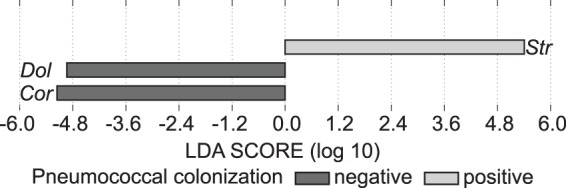
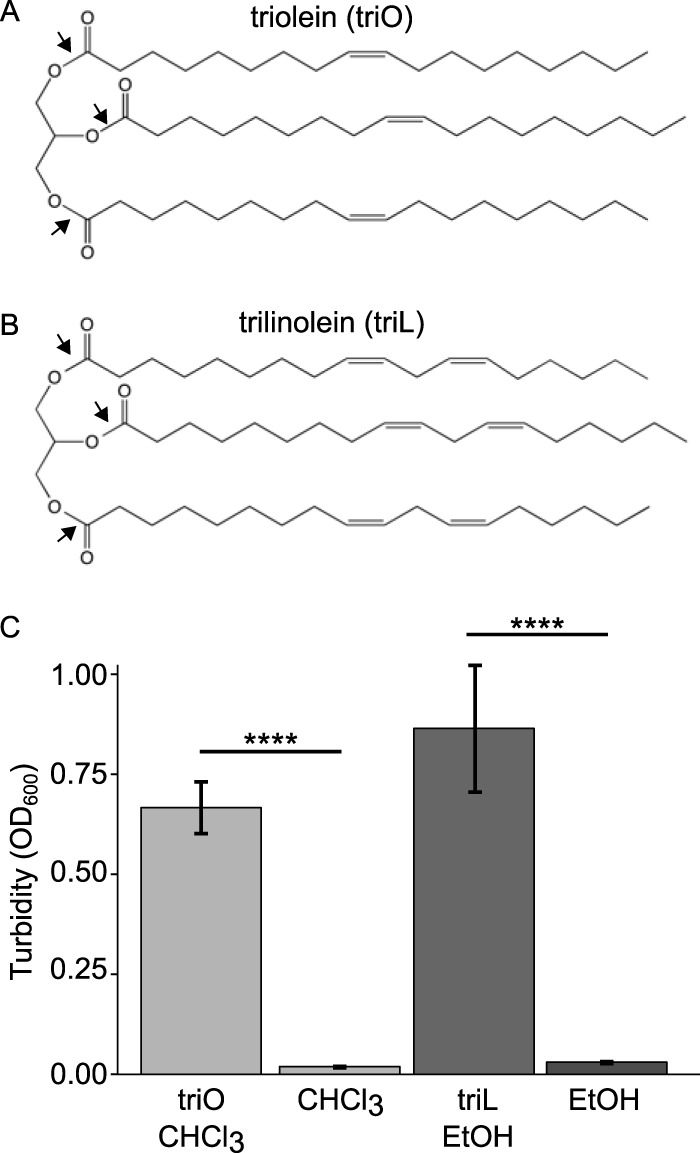
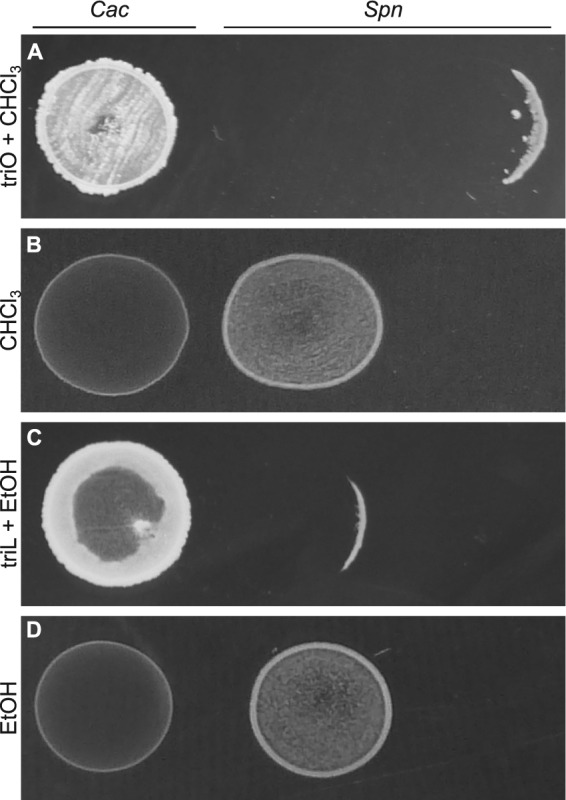
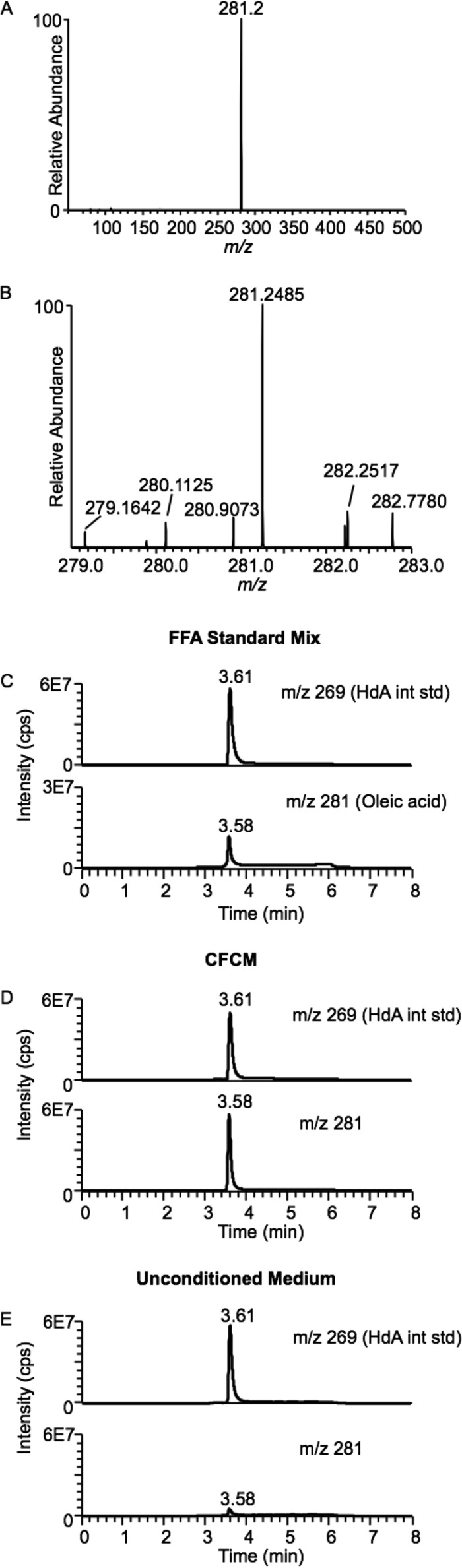
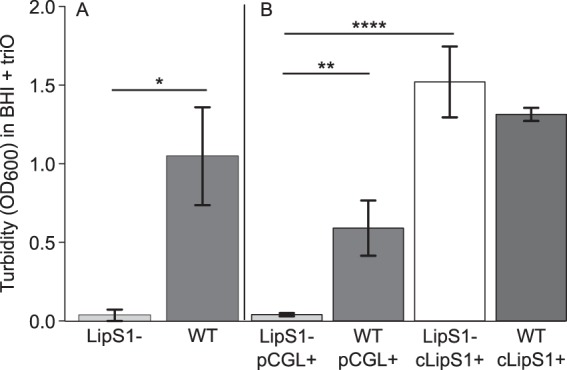
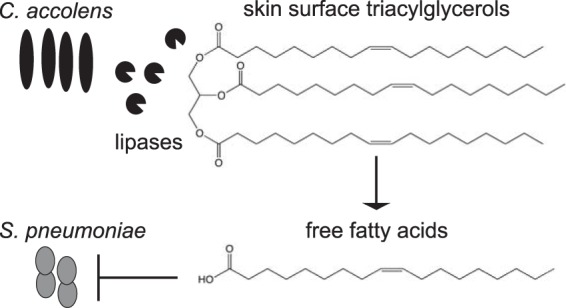
Bacterial interspecies interactions play clinically important roles in shaping microbial community composition. We observed that Corynebacterium spp. are overrepresented in children free of Streptococcus pneumoniae (pneumococcus), a common pediatric nasal colonizer and an important infectious agent. Corynebacterium accolens , a benign lipid-requiring species, inhibits pneumococcal growth during in vitro cocultivation on medium supplemented with human skin surface triacylglycerols (TAGs) that are likely present in the nostrils. This inhibition depends on LipS1, a TAG lipase necessary for C. accolens growth on TAGs such as triolein. We determined that C. accolens hydrolysis of triolein releases oleic acid, which inhibits pneumococcus, as do other free fatty acids (FFAs) that might be released by LipS1 from human skin surface TAGs. Our results support a model in which C. accolens hydrolyzes skin surface TAGS in vivo releasing antipneumococcal FFAs. These data indicate that C. accolens may play a beneficial role in sculpting the human microbiome. IMPORTANCE Little is known about how harmless Corynebacterium species that colonize the human nose and skin might impact pathogen colonization and proliferation at these sites . We show that Corynebacterium accolens , a common benign nasal bacterium, modifies its local habitat in vitro as it inhibits growth of Streptococcus pneumoniae by releasing antibacterial free fatty acids from host skin surface triacylglycerols. We further identify the primary C. accolens lipase required for this activity. We postulate a model in which higher numbers of C. accolens cells deter/limit S. pneumoniae nostril colonization, which might partly explain why children without S. pneumoniae colonization have higher levels of nasal Corynebacterium . This work narrows the gap between descriptive studies and the needed in-depth understanding of the molecular mechanisms of microbe-microbe interactions that help shape the human microbiome. It also lays the foundation for future in vivo studies to determine whether habitat modification by C. accolens could be promoted to control pathogen colonization.
Overview
The claims and statistics of this paper haven’t been checked yet.
Free: it reads the open-access text and checks the first 5 claims that cite a source we can check. Create a free account to check every claim.
Integrity signals
Registry
Cites
Statistics
Figures
Verification
Claims the paper makes
The claims and statistics of this paper haven’t been checked yet.
Free: it reads the open-access text and checks the first 5 claims that cite a source we can check. Create a free account to check every claim.
Claims other papers make about this one
Each is checked against this paper’s own text: does it say what the citing paper says it does?
The source backs part of the claim, not all of it — or backs it for a different population, condition or comparison.
In the citing paper
“Potential keystone species in the URT microbiota are Dolosigranulum spp. and Corynebacterium spp., as they have been strongly associated with respiratory health and the exclusion of potential pathogens, most notably Streptococcus pneumoniae, in several epidemiological and mechanistic studies21,29,68,69.”
From The microbiota of the respiratory tract: gatekeeper to respiratory health (2017) · cites this paper as [68]
Experimental — accuracy not yet measuredThe cited source says what the claim attributes to it.
In the citing paper
“C. accolens, which converts host triacylglycerols into free fatty acids (FFAs) that, in turn, limit pneumococcal growth68.”
From The microbiota of the respiratory tract: gatekeeper to respiratory health (2017) · cites this paper as [68]
Self-check
Percentages, sums and reported differences re-computed from the paper’s own numbers.
The self-check needs the paper’s full text.
Citations
Cites
Basic local alignment search tool
Altschul, S. F., Gish, W., Miller, W., Myers, E. W., & Lipman, D. J. (1990) · Journal of Molecular Biology · doi:10.1006/jmbi.1990.9999 · Cited by 98,669
QIIME allows analysis of high-throughput community sequencing data
Caporaso, J. G., Kuczynski, J., Stombaugh, J., Bittinger, K., Bushman, F. D., Costello, E. K., Fierer, N., Peña, A. G., Goodrich, J. K., Gordon, J. I., et al. (2010) · Nature Methods · doi:10.1038/nmeth.f.303 · Cited by 34,887 · cited 3×
“After filtering in QIIME (93) (using the MacQIIME 1.4 package), first to remove samples with 1,000 sequences and second, to remove OTU sequences that were not present more than once in one sample, sequences were subsampled to the minimum of 1,503 reads/sample.”
MethodInfluentialMetagenomic biomarker discovery and explanation
Segata, N., Izard, J., Waldron, L., Gevers, D., Miropolsky, L., Garrett, W. S., & Huttenhower, C. (2011) · Genome Biology · doi:10.1186/gb-2011-12-6-r60 · Cited by 16,192 · cited 2×
“Data were analyzed using linear discriminant analysis effect size (LEfSe) (40) to compare the microbiota composition of children positive and negative for culture-proven S.”
BackgroundMethodStructure, function and diversity of the healthy human microbiome
The Human Microbiome Project Consortium (2012) · Nature · doi:10.1038/nature11234 · Cited by 11,726
Enzymatic assembly of DNA molecules up to several hundred kilobases
Gibson, D. G., Young, L., Chuang, R.-Y., Venter, J. C., Hutchison, C. A., & Smith, H. O. (2009) · Nature Methods · doi:10.1038/nmeth.1318 · Cited by 9,996 · cited 1×
“assembly (95), and then transformed into NEB 5-alpha competent E.”
BackgroundSignalP 4.0: discriminating signal peptides from transmembrane regions
Petersen, T. N., Brunak, S., von Heijne, G., & Nielsen, H. (2011) · Nature Methods · doi:10.1038/nmeth.1701 · Cited by 8,847 · cited 1×
“1) (71) of the two protein sequences predicted that only WP_03 is secreted via the general secretion pathway, similar to other skin-associated bacterial TAG lipases (66–68).”
BackgroundBacterial Community Variation in Human Body Habitats Across Space and Time
Costello, E. K., Lauber, C. L., Hamady, M., Fierer, N., Gordon, J. I., & Knight, R. (2009) · Science · doi:10.1126/science.1177486 · Cited by 3,231
CDD: a Conserved Domain Database for the functional annotation of proteins
Marchler-Bauer, A., Lu, S., Anderson, J. B., Chitsaz, F., Derbyshire, M. K., DeWeese-Scott, C., Fong, J. H., Geer, L. Y., Geer, R. C., Gonzales, N. R., et al. (2011) · Nucleic Acids Research · doi:10.1093/nar/gkq1189 · Cited by 3,159 · cited 4×
“accolens KPL1818 (RefSeq accession NZ_AXMA00000000) against the Conserved Domain Database (CDD) of NCBI (65).”
BackgroundInfluentialTopographical and Temporal Diversity of the Human Skin Microbiome
Grice, E. A., Kong, H. H., Conlan, S., Deming, C. B., Davis, J., Young, A. C., Program, N. C. S., Bouffard, G. G., Blakesley, R. W., Murray, P. R., et al. (2009) · Science · doi:10.1126/science.1171700 · Cited by 2,953
A microbial symbiosis factor prevents intestinal inflammatory disease
Mazmanian, S. K., Round, J. L., & Kasper, D. L. (2008) · Nature · doi:10.1038/nature07008 · Cited by 2,340 · cited 1×
“pneumoniae can be part of the healthy microbiota without causing disease, it is considered a pathobiont—a commensal bacterium that is also a pathogen (7).”
BackgroundPurification and Characterization
(2006) · Biomacromolecules · doi:10.1002/0470080124.ch3 · Cited by 2,309
Whitney, C. G., Farley, M. M., Hadler, J., Harrison, L. H., Bennett, N. M., Lynfield, R., Reingold, A., Cieslak, P. R., Pilishvili, T., Jackson, D., et al. (2003) · New England Journal of Medicine · doi:10.1056/nejmoa022823 · Cited by 2,228
Streptococcus pneumoniae colonisation: the key to pneumococcal disease
Bogaert, D., de Groot, R., & Hermans, P. (2004) · The Lancet Infectious Diseases · doi:10.1016/s1473-3099(04)00938-7 · Cited by 1,929 · cited 1×
“pneumoniae leads to more than 1 million deaths, the majority of which occur in developing countries and are of children under the age of 5 years (1, 2).”
BackgroundSchweiger, D., Baufeld, C., Drescher, P., Oltrogge, B., Höpfner, S., Mess, A., Lüttke, J., Rippke, F., Filbry, A., & Max, H. (2013) · Skin Pharmacology and Physiology · doi:10.1159/000348473 · Cited by 1,346
Topographical Continuity of Bacterial Populations in the Healthy Human Respiratory Tract
Charlson, E. S., Bittinger, K., Haas, A. R., Fitzgerald, A. S., Frank, I., Yadav, A., Bushman, F. D., & Collman, R. G. (2011) · American Journal of Respiratory and Critical Care Medicine · doi:10.1164/rccm.201104-0655oc · Cited by 1,144 · cited 1×
“This composition appears to carry over into the mucosal surfaces of the nasal cavity and nasopharynx (29, 83, 84), although the mucosal surface of the nasal cavity seems to host a greater diversity of bacterial genera than the nostrils (29).”
BackgroundIwase, T., Uehara, Y., Shinji, H., Tajima, A., Seo, H., Takada, K., Agata, T., & Mizunoe, Y. (2010) · Nature · doi:10.1038/nature09074 · Cited by 991
Hausdorff, W. P., Bryant, J., Paradiso, P. R., & Siber, G. R. (2000) · Clinical Infectious Diseases · doi:10.1086/313608 · Cited by 866
Fisher, M. M., & Triplett, E. W. (1999) · Applied and Environmental Microbiology · doi:10.1128/aem.65.10.4630-4636.1999 · Cited by 846
Jaeger, K. (1994) · FEMS Microbiology Reviews · doi:10.1016/0168-6445(94)90025-6 · Cited by 840 · cited 3×
“This growth on Tw80 is likely due to esterase activity, since some esterases can hydrolyze the ester of oleic acid (C18:1) in Tw80 but not in a TAG (33); in TAGs, esterases preferentially hydrolyze ester bonds linking water-soluble fatty acids of chain lengths less than 10 carbon atoms ( C10) to the glycerol backbone…”
BackgroundInfluentialFatty Acids and Derivatives as Antimicrobial Agents
Kabara, J. J., Swieczkowski, D. M., Conley, A. J., & Truant, J. P. (1972) · Antimicrobial Agents and Chemotherapy · doi:10.1128/aac.2.1.23 · Cited by 791
Handbook of Corynebacterium glutamicum
(2005) · CRC Press eBooks · doi:10.1201/9781420039696 · Cited by 780 · cited 1×
“described (96), except that the growth temperature was 37°C and all me-”
BackgroundMolecular analysis of human forearm superficial skin bacterial biota
Gao, Z., Tseng, C.-H., Pei, Z., & Blaser, M. J. (2007) · Proceedings of the National Academy of Sciences · doi:10.1073/pnas.0607077104 · Cited by 657
Nicolaides, N. (1974) · Science · doi:10.1126/science.186.4158.19 · Cited by 609 · cited 3×
“We also showed that FFAs present on skin and in nasal secretions (36, 37, 43, 44, 61) inhibit pneumococcus (Table 2).”
BackgroundEffectiveness of Pneumococcal Polysaccharide Vaccine in Older Adults
Jackson, L. A., Neuzil, K. M., Yu, O., Benson, P., Barlow, W. E., Adams, A. L., Hanson, C. A., Mahoney, L. D., Shay, D. K., & Thompson, W. W. (2003) · New England Journal of Medicine · doi:10.1056/nejmoa022678 · Cited by 608
Epidemiological differences among pneumococcal serotypes
Hausdorff, W. P., Feikin, D. R., & Klugman, K. P. (2005) · The Lancet Infectious Diseases · doi:10.1016/s1473-3099(05)01280-6 · Cited by 606
Variability and Diversity of Nasopharyngeal Microbiota in Children: A Metagenomic Analysis
Bogaert, D., Keijser, B., Huse, S., Rossen, J., Veenhoven, R., van Gils, E., Bruin, J., Montijn, R., Bonten, M., & Sanders, E. (2011) · PLoS ONE · doi:10.1371/journal.pone.0017035 · Cited by 454
Disordered Microbial Communities in the Upper Respiratory Tract of Cigarette Smokers
Charlson, E. S., Chen, J., Custers-Allen, R., Bittinger, K., Li, H., Sinha, R., Hwang, J., Bushman, F. D., & Collman, R. G. (2010) · PLoS ONE · doi:10.1371/journal.pone.0015216 · Cited by 437 · cited 1×
“This composition appears to carry over into the mucosal surfaces of the nasal cavity and nasopharynx (29, 83, 84), although the mucosal surface of the nasal cavity seems to host a greater diversity of bacterial genera than the nostrils (29).”
BackgroundThe Human Nasal Microbiota and Staphylococcus aureus Carriage
Frank, D. N., Feazel, L. M., Bessesen, M. T., Price, C. S., Janoff, E. N., & Pace, N. R. (2010) · PLoS ONE · doi:10.1371/journal.pone.0010598 · Cited by 422
The Genus Corynebacterium and Other Medically Relevant Coryneform-Like Bacteria
Bernard, K. (2012) · Journal of Clinical Microbiology · doi:10.1128/jcm.00796-12 · Cited by 410
Dynamics of nasopharyngeal colonization by potential respiratory pathogens
García-Rodríguez, J. Á., & Fresnadillo Martínez, M. J. (2002) · Journal of Antimicrobial Chemotherapy · doi:10.1093/jac/dkf506 · Cited by 404
Pneumococcal infection in adults: burden of disease
Drijkoningen, J. J. C., & Rohde, G. G. U. (2014) · Clinical Microbiology and Infection · doi:10.1111/1469-0691.12461 · Cited by 384
Nakatsuji, T., Kao, M. C., Fang, J.-Y., Zouboulis, C. C., Zhang, L., Gallo, R. L., & Huang, C.-M. (2009) · Journal of Investigative Dermatology · doi:10.1038/jid.2009.93 · Cited by 378
Pericone, C. D., Overweg, K., Hermans, P. W. M., & Weiser, J. N. (2000) · Infection and Immunity · doi:10.1128/iai.68.7.3990-3997.2000 · Cited by 374 · cited 1×
“pneumoniae in a nasopharyngeal colonization mouse model (55, 56).”
BackgroundShifts in human skin and nares microbiota of healthy children and adults
Oh, J., Conlan, S., Polley, E. C., Segre, J. A., & Kong, H. H. (2012) · Genome Medicine · doi:10.1186/gm378 · Cited by 367
Establishment and Characterization of an Immortalized Human Sebaceous Gland Cell Line (SZ95)1
Zouboulis, C. C., Seltmann, H., Orfanos, C. E., & Neitzel, H. (1999) · Journal of Investigative Dermatology · doi:10.1046/j.1523-1747.1999.00771.x · Cited by 363
Yan, M., Pamp, S. J., Fukuyama, J., Hwang, P. H., Cho, D.-Y., Holmes, S., & Relman, D. A. (2013) · Cell Host & Microbe · doi:10.1016/j.chom.2013.11.005 · Cited by 351
Morrow, A. L., Lagomarcino, A. J., Schibler, K. R., Taft, D. H., Yu, Z., Wang, B., Altaye, M., Wagner, M., Gevers, D., Ward, D. V., et al. (2013) · Microbiome · doi:10.1186/2049-2618-1-13 · Cited by 343
Comparative analyses of the bacterial microbiota of the human nostril and oropharynx
Lemon, K. P., Klepac-Ceraj, V., Schiffer, H. K., Brodie, E. L., Lynch, S. V., & Kolter, R. (2010) · mBio · doi:10.1128/mbio.00129-10 · Cited by 322
Self-citationShu, M., Wang, Y., Yu, J., Kuo, S., Coda, A., Jiang, Y., Gallo, R. L., & Huang, C.-M. (2013) · PLoS ONE · doi:10.1371/journal.pone.0055380 · Cited by 317
Pneumococcal Capsular Polysaccharide Structure Predicts Serotype Prevalence
Weinberger, D. M., Trzciński, K., Lu, Y.-J., Bogaert, D., Brandes, A., Galagan, J., Anderson, P. W., Malley, R., & Lipsitch, M. (2009) · PLoS Pathogens · doi:10.1371/journal.ppat.1000476 · Cited by 314
Thematic Review Series: Skin Lipids. Antimicrobial lipids at the skin surface
Drake, D. R., Brogden, K. A., Dawson, D. V., & Wertz, P. W. (2008) · Journal of Lipid Research · doi:10.1194/jlr.r700016-jlr200 · Cited by 305
Healthcare utilization and cost of pneumococcal disease in the United States
Huang, S. S., Johnson, K. M., Ray, G. T., Wroe, P., Lieu, T. A., Moore, M. R., Zell, E. R., Linder, J. A., Grijalva, C. G., Metlay, J. P., et al. (2011) · Vaccine · doi:10.1016/j.vaccine.2011.02.088 · Cited by 296
Microbiota-Targeted Therapies: An Ecological Perspective
Lemon, K. P., Armitage, G. C., Relman, D. A., & Fischbach, M. A. (2012) · Science Translational Medicine · doi:10.1126/scitranslmed.3004183 · Cited by 286 · cited 2×
“Treating the surfaces of human body sites as individual ecosystems implies the existence of a complex network of both microbemicrobe and microbe-host interactions (42).”
BackgroundSelf-citationCharacterization of the differentiated antioxidant profile of human saliva
Nagler, R. M., Klein, I., Zarzhevsky, N., Drigues, N., & Reznick, A. Z. (2002) · Free Radical Biology and Medicine · doi:10.1016/s0891-5849(01)00806-1 · Cited by 266
The Impact of Breastfeeding on Nasopharyngeal Microbial Communities in Infants
Biesbroek, G., Bosch, A. A. T. M., Wang, X., Keijser, B. J. F., Veenhoven, R. H., Sanders, E. A. M., & Bogaert, D. (2014) · American Journal of Respiratory and Critical Care Medicine · doi:10.1164/rccm.201401-0073oc · Cited by 241 · cited 4×
“accolens, since this species is commonly isolated from/detected in adult noses (nostrils, nasal mucosa, and nasopharynx) (28–30), is present in the nasopharynx of young infants (41), and is rarely reported in association with infection (e.”
BackgroundResultInfluentialFischer, C. L., Drake, D. R., Dawson, D. V., Blanchette, D. R., Brogden, K. A., & Wertz, P. W. (2012) · Antimicrobial Agents and Chemotherapy · doi:10.1128/aac.05151-11 · Cited by 237 · cited 1×
“Several of the observed antipneumococcal FFAs (Table 2) have been reported to inhibit other microbes (58, 61), including S.”
BackgroundControl of Free Fatty Acids in Human Surface Lipids by Corynebacterium Acnes
Marples, R. R., Downing, D. T., & Kligman, A. M. (1971) · Journal of Investigative Dermatology · doi:10.1111/1523-1747.ep12260695 · Cited by 237 · cited 1×
“acnes (formerly known as Corynebacterium acnes) plays a significant role in regulating FFA content on human skin (79).”
BackgroundParsons, J. B., Yao, J., Frank, M. W., Jackson, P., & Rock, C. O. (2012) · Journal of Bacteriology · doi:10.1128/jb.00743-12 · Cited by 231 · cited 1×
“(Both are reported to kill the unencapsulated mutant strain R6 [59].”
BackgroundNakatsuji, T., Kao, M. C., Zhang, L., Zouboulis, C. C., Gallo, R. L., & Huang, C.-M. (2010) · Journal of Investigative Dermatology · doi:10.1038/jid.2009.384 · Cited by 230
Uehara, Y., Nakama, H., Agematsu, K., Uchida, M., Kawakami, Y., Abdul Fattah, A. S. M., & Maruchi, N. (2000) · Journal of Hospital Infection · doi:10.1053/jhin.1999.0680 · Cited by 229
Pneumococcal vaccines WHO position paper – 2012 – Recommendations
Publication, W. (2012) · Vaccine · doi:10.1016/j.vaccine.2012.04.093 · Cited by 225
Microbial Communities of the Upper Respiratory Tract and Otitis Media in Children
Laufer, A. S., Metlay, J. P., Gent, J. F., Fennie, K. P., Kong, Y., & Pettigrew, M. M. (2011) · mBio · doi:10.1128/mbio.00245-10 · Cited by 224
Lipids in pharmaceutical and cosmetic preparations
Rabasco Alvarez, A. M., & González Rodríguez, M. L. (2000) · Grasas y Aceites · doi:10.3989/gya.2000.v51.i1-2.409 · Cited by 221
Lysenko, E. S., Ratner, A. J., Nelson, A. L., & Weiser, J. N. (2005) · PLoS Pathogens · doi:10.1371/journal.ppat.0010001 · Cited by 210
Pettigrew, M. M., Laufer, A. S., Gent, J. F., Kong, Y., Fennie, K. P., & Metlay, J. P. (2012) · Applied and Environmental Microbiology · doi:10.1128/aem.01051-12 · Cited by 183 · cited 3×
“We and others (18, 19) have hypothesized that pneumococcal interactions with commensal bacteria impact the ability of pneumococcus to colonize, proliferate, and persist.”
InfluentialCamera, E., Ludovici, M., Galante, M., Sinagra, J.-L., & Picardo, M. (2010) · Journal of Lipid Research · doi:10.1194/jlr.d008391 · Cited by 180 · cited 7×
“This included sapienic acid, which is the most abundantly detected FFA in sebum and SSLs (36, 37).”
BackgroundInfluentialNicolaides, N., Fu, H. C., & Rice, G. R. (1968) · Journal of Investigative Dermatology · doi:10.1038/jid.1968.96 · Cited by 171
Lee, H.-Y., Andalibi, A., Webster, P. C., Moon, S. K., Teufert, K. B., Kang, S. H., Li, J., Nagura, M., Ganz, T., & LIM, D. J. (2004) · BMC Infectious Diseases · doi:10.1186/1471-2334-4-12 · Cited by 159 · cited 1×
“The hBD-2 antimicrobial peptide (AMP) is found on skin (86) and is antibacterial toward pneumococcus (87), suggesting an additional indirect mechanism by which release of FFAs might contribute to protection against S.”
Converse, S. E., & Cox, J. S. (2005) · Journal of Bacteriology · doi:10.1128/jb.187.4.1238-1245.2005 · Cited by 155 · cited 1×
“(94), which replicates in Escherichia coli and not in Corynebacterium spp.”
BackgroundInteraction of Propionibacterium acnes with skin lipids in vitro
Gribbon, E. M., Cunliffe, W. J., & Holland, K. T. (1993) · Journal of General Microbiology · doi:10.1099/00221287-139-8-1745 · Cited by 155
Capsule Type of Streptococcus pneumoniae Determines Growth Phenotype
Hathaway, L. J., Brugger, S. D., Morand, B., Bangert, M., Rotzetter, J. U., Hauser, C., Graber, W. A., Gore, S., Kadioglu, A., & Mühlemann, K. (2012) · PLoS Pathogens · doi:10.1371/journal.ppat.1002574 · Cited by 151
Self-citationSerotype specific invasive capacity and persistent reduction in invasive pneumococcal disease
Yildirim, I., Hanage, W. P., Lipsitch, M., Shea, K. M., Stevenson, A., Finkelstein, J., Huang, S. S., Lee, G. M., Kleinman, K., & Pelton, S. I. (2010) · Vaccine · doi:10.1016/j.vaccine.2010.10.032 · Cited by 138
Behavior of Adult Human Skin in Organ Culture
REAVEN, E. P., & Cox, A. J. (1968) · Journal of Investigative Dermatology · doi:10.1038/jid.1968.14 · Cited by 137
Clinical and economic burden of pneumococcal disease in older US adults
Weycker, D. A., Strutton, D. R., Edelsberg, J., Sato, R., & Jackson, L. A. (2010) · Vaccine · doi:10.1016/j.vaccine.2010.05.030 · Cited by 128 · cited 2×
“603 (6B) TIGR4 (4) DBL5 (5) WU2 (3) DSM 24048 (19F) DSM 11868 (23F)”
InfluentialWollenberg, M. S., Claesen, J., Escapa, I. F., Aldridge, K. L., Fischbach, M. A., & Lemon, K. P. (2014) · mBio · doi:10.1128/mbio.01286-14 · Cited by 127 · cited 2×
“accolens primary nostril isolate KPL1855 (73) and in ATCC 49726, suggesting that these strains likely possess the ability to hydrolyze TAGs to release antipneumococcal FFAs.”
BackgroundSelf-citationA poke into the diversity and associations within human anterior nare microbial communities
Wos-Oxley, M. L., Plumeier, I., von Eiff, C., Taudien, S., Platzer, M., Vilchez-Vargas, R., Becker, K., & Pieper, D. H. (2010) · The ISME Journal · doi:10.1038/ismej.2010.15 · Cited by 123
On the Biogenesis of the Free Fatty Acids in Human Skin Surface Fat*
Nicolaides, N. C., & Wells, G. (1957) · Journal of Investigative Dermatology · doi:10.1038/jid.1957.118 · Cited by 117 · cited 1×
“Historically, FFA release from skin surface TAGs is attributed to both human-produced and bacteriaproduced lipases (77).”
BackgroundDo, T. Q., Moshkani, S., Castillo, P., Anunta, S., Pogosyan, A., Cheung, A., Marbois, B. N., Faull, K. F., Ernst, W. A., Chiang, S. M., et al. (2008) · The Journal of Immunology · doi:10.4049/jimmunol.181.6.4177 · Cited by 109 · cited 3×
“We also showed that FFAs present on skin and in nasal secretions (36, 37, 43, 44, 61) inhibit pneumococcus (Table 2).”
BackgroundPruitt, K. M., Kamau, D. N., Miller, K., Månsson-Rahemtulla, B., & Rahemtulla, F. G. (1990) · Analytical Biochemistry · doi:10.1016/0003-2697(90)90220-4 · Cited by 108
AGE AND SEX VARIATION IN SKIN SURFACE LIPID COMPOSITION AND SEBUM EXCRETION RATE
COTTERILL, J. A., CUNLIFFE, W. J., WILLIAMSON, B., & BULUSU, L. (1972) · British Journal of Dermatology · doi:10.1111/j.1365-2133.1972.tb07419.x · Cited by 106
Resident aerobic microbiota of the adult human nasal cavity
Rasmussen, T. T., Kirkeby, L. P., Poulsen, K., Reinholdt, J., & Kilian, M. (2000) · APMIS · doi:10.1034/j.1600-0463.2000.d01-13.x · Cited by 100
Longshaw, C. M., Farrell, A. M., Wright, J. D., & Holland, K. T. (2000) · Microbiology · doi:10.1099/00221287-146-6-1419 · Cited by 97
Lee, G. M., Kleinman, K., Pelton, S. I., Hanage, W. P., Huang, S. S., Lakoma, M. D., Dutta-Linn, M. M., Croucher, N. J., Stevenson, A. E., & Finkelstein, J. A. (2013) · Journal of the Pediatric Infectious Diseases Society · doi:10.1093/jpids/pit057 · Cited by 97
Chen, C.-H., Wang, Y., Nakatsuji, T., Liu, Y.-T., Zouboulis, C. C., Gallo, R. L., Zhang, L., Hsieh, M.-F., & Huang, C.-M. (2011) · Journal of Microbiology and Biotechnology · doi:10.4014/jmb.1011.11014 · Cited by 94
Pneumococcal Carriage and Antibiotic Resistance in Young Children Before 13-valent Conjugate Vaccine
Wroe, P. C., Lee, G. M., Finkelstein, J. A., Pelton, S. I., Hanage, W. P., Lipsitch, M., Stevenson, A. E., Rifas‐Shiman, S. L., Kleinman, K., Dutta-Linn, M. M., et al. (2011) · The Pediatric Infectious Disease Journal · doi:10.1097/inf.0b013e31824214ac · Cited by 93
Cadieux, B., Vijayakumaran, V., Bernards, M. A., Mcgavin, M. J., & Heinrichs, D. E. (2014) · Journal of Bacteriology · doi:10.1128/jb.02044-14 · Cited by 89
Miskin, J. E., Farrell, A. M., Cunliffe, W. J., & Holland, K. T. (1997) · Microbiology · doi:10.1099/00221287-143-5-1745 · Cited by 86
Lo, C.-W., Lai, Y.-K., Liu, Y.-T., Gallo, R. L., & Huang, C.-M. (2011) · Journal of Investigative Dermatology · doi:10.1038/jid.2010.319 · Cited by 76
Schröder, J., Maus, I., Trost, E., & Tauch, A. (2011) · BMC Genomics · doi:10.1186/1471-2164-12-545 · Cited by 76 · cited 2×
“These results indicated that WP_03 is required for hydrolysis of the TAG triolein; therefore, we named this gene lipS1, in adherence with existing nomenclature for Corynebacterium TAG lipases predicted to be members of the LIP family (69, 70).”
BackgroundMethodMolecular analysis and expression of the lipase of Staphylococcus epidermidis
Farrell, A. M., Foster, T. J., & Holland, K. T. (1993) · Journal of General Microbiology · doi:10.1099/00221287-139-2-267 · Cited by 75
High-temperature gas chromatography-mass spectrometry for skin surface lipids profiling
Michael-Jubeli, R., Bleton, J., & Baillet-Guffroy, A. (2011) · Journal of Lipid Research · doi:10.1194/jlr.d008094 · Cited by 75
Bactericidal Effect of Oleic Acid on Group A Streptococci: Mechanism of Action
Speert, D. P., Wannamaker, L. W., Gray, E. D., & Clawson, C. C. (1979) · Infection and Immunity · doi:10.1128/iai.26.3.1202-1210.1979 · Cited by 74 · cited 1×
“pneumoniae and Streptococcus pyogenes (60).”
Schröder, J., Maus, I., Meyer, K., Wördemann, S., Blom, J., Jaenicke, S., Schneider, J., Trost, E., & Tauch, A. (2012) · BMC Genomics · doi:10.1186/1471-2164-13-141 · Cited by 72
Hanage, W. P., Bishop, C., Huang, S. S., Stevenson, A. E., Pelton, S. I., Lipsitch, M., & Finkelstein, J. A. (2010) · The Pediatric Infectious Disease Journal · doi:10.1097/inf.0b013e318201a154 · Cited by 66
Partial Purification and Characterization of Lipase (EC 3.1.1.3) from Propionibacterium acnes
INGHAM, E., HOLLAND, K. T., GOWLAND, G., & CUNLIFFE, W. J. (1981) · Microbiology · doi:10.1099/00221287-124-2-393 · Cited by 65
Arsic, B., Zhu, Y. L., Heinrichs, D. E., & Mcgavin, M. J. (2012) · PLoS ONE · doi:10.1371/journal.pone.0045952 · Cited by 64 · cited 1×
“aureus, which leads us to speculate that these might not inhibit encapsulated pneumococcus (62).”
BackgroundBek-Thomsen, M., Lomholt, H. B., Scavenius, C., Enghild, J. J., & Brüggemann, H. (2014) · PLoS ONE · doi:10.1371/journal.pone.0107908 · Cited by 64
Kiryukhina, N. V., Melnikov, V. G., Suvorov, A. V., Morozova, Y. А., & Ilyin, V. K. (2013) · Probiotics and Antimicrobial Proteins · doi:10.1007/s12602-013-9147-x · Cited by 62
Formulation and stability of a novel artificial sebum under conditions of storage and use
Stefaniak, A. B., Harvey, C. J., & Wertz, P. W. (2010) · International Journal of Cosmetic Science · doi:10.1111/j.1468-2494.2010.00561.x · Cited by 61
Kobayashi, T. (2002) · Journal of Antimicrobial Chemotherapy · doi:10.1093/jac/dkf048 · Cited by 61
Co-infection subverts mucosal immunity in the upper respiratory tract
Lijek, R. S., & Weiser, J. N. (2012) · Current Opinion in Immunology · doi:10.1016/j.coi.2012.05.005 · Cited by 59
Reyes, O., Guyonvarch, A., Bonainy, C., Salti, V., David, F., & Leblon, G. (1991) · Gene · doi:10.1016/0378-1119(91)90297-o · Cited by 54 · cited 1×
“pCGL0243 (97) as detailed in Text S1 in the supplemental material.”
Webster, G. F., Ruggieri, M. R., & McGinley, K. J. (1981) · Applied and Environmental Microbiology · doi:10.1128/aem.41.5.1269-1270.1981 · Cited by 52
Regev‐Yochay, G., Lipsitch, M., Basset, A., Rubinstein, E., Dagan, R., Raz, M., & Malley, R. (2009) · Clinical Infectious Diseases · doi:10.1086/597040 · Cited by 51
Babl, F. E., Pelton, S. I., Theodore, S., & Klein, J. O. (2001) · Clinical Infectious Diseases · doi:10.1086/319750 · Cited by 50
Melles∗, D. C., Bogaert, D., Gorkink, R. F. J., Peeters, J. K., Moorhouse, M. J., Ott, A., van Leeuwen, W. B., Simons, G., Verbrugh, H. A., Hermans, P. W. M., et al. (2007) · Microbiology · doi:10.1099/mic.0.2006/002279-0 · Cited by 38
Margolis, E. (2009) · Journal of Bacteriology · doi:10.1128/jb.00950-08 · Cited by 35
Uehara, Y., Agematsu, K., Kikuchi, K., Matsuzaki, S., Imai, S., Takamoto, M., Sugane, K., Sugiura, T., Konishi, Y., Yoshino, N., et al. (2006) · The Journal of Infectious Diseases · doi:10.1086/504439 · Cited by 29
Clementi, E. A., Wilhelm, K., Schleucher, J., Morozova‐Roche, L. A., & Håkansson, A. (2013) · PLoS ONE · doi:10.1371/journal.pone.0080649 · Cited by 25 · cited 1×
“The antibacterial activity of FFAs is well documented, and oleic acid inhibits pneumococcal growth through membrane depolarization and cell rupture (57).”
BackgroundAkao, T., KUSAKA, T., & KOBASIII, K. (1981) · The Journal of Biochemistry · doi:10.1093/oxfordjournals.jbchem.a133641 · Cited by 10
Cited by
Gibson, G. R., Hutkins, R., Sanders, M. E., Prescott, S. L., Reimer, R. A., Salminen, S. J., Scott, K., Stanton, C., Swanson, K. S., Cani, P. D., et al. (2017) · Nature Reviews Gastroenterology & Hepatology · doi:10.1038/nrgastro.2017.75 · Cited by 5,634
“In the nose and upper respiratory tract, bac terial species can be manipulated by prebiotics to influ ence health through immune reactions 79 or competition with aetiological agents of disease 80 .”
Byrd, A. L., Belkaid, Y., & Segre, J. A. (2018) · Nature Reviews Microbiology · doi:10.1038/nrmicro.2017.157 · Cited by 2,806
The microbiota of the respiratory tract: gatekeeper to respiratory health
Man, W. H., de Steenhuijsen Piters, W. A. A., & Bogaert, D. (2017) · Nature Reviews Microbiology · doi:10.1038/nrmicro.2017.14 · Cited by 1,384
Skin microbiota–host interactions
Chen, Y. E., Fischbach, M. A., & Belkaid, Y. (2018) · Nature · doi:10.1038/nature25177 · Cited by 786
Microbiota and maintenance of skin barrier function
Harris-Tryon, T. A., & Grice, E. A. (2022) · Science · doi:10.1126/science.abo0693 · Cited by 651
Metadata
- Authors
- Bomar, L., Brugger, S. D., Yost, B. H., Davies, S. S., & Lemon, K. P.
- Affiliations
- Harvard University (US)
- The Forsyth Institute (US)
- Vanderbilt University (US)
- Boston Children's Hospital (US)
- Corresponding author
- Lemon, Katherine P.
- Venue
- mBio
- Publisher
- American Society for Microbiology
- Published
- 2016-03-02
- Volume
- 7
- Issue
- 1
- Pages
- e01725-15
- ISSN
- 2150-7511 (ISSN-L)
- 2161-2129
- PMC
- PMC4725001
- OpenAlex
- W2223503000
- Cited by
- 332
- References
- 102
- Citations by year
- 2026: 22 · 2025: 49 · 2024: 50 · 2023: 34 · 2022: 36 · 2021: 36 · 2020: 32 · 2019: 28 · 2018: 17 · 2017: 20 · 2016: 8
- FWCI
- 24.87
- Type
- journal article
- Language
- en
- Open access
- gold
- doi.org
- Licence
- cc-by-nc-sa
- creativecommons.org/licenses/by-nc-sa/3.0/ (vor)
- journals.asm.org/non-commercial-tdm-license (tdm)
- Locations
- mBio (publishedVersion, cc-by-nc-sa)
- PubMed Central (publishedVersion, cc-by-nc-sa)
- PubMed (publishedVersion)
- Digital Access to Scholarship at Harvard (DASH) (Harvard University) (submittedVersion, cc-by)
- DOAJ (DOAJ: Directory of Open Access Journals) (submittedVersion, cc-by-sa)
- DOAJ (DOAJ: Directory of Open Access Journals) (submittedVersion)
- Funders
- Swiss Society for Microbiology Encouragement Award
- The Swiss National Science Foundation and Swiss Foundation for Grants in Biology and Medicine (P3SMP3_155315)
- Boston Children's Hospital Career Development Grant
- HHS | NIH | National Institute of Allergy and Infectious Diseases (AI101018)
- HHS | NIH | National Institute of Dental and Craniofacial Research (DE007327, DE020751)
- HHS | NIH | National Center for Complementary and Integrative Health (AT007830)
- Topics
- Life Sciences › Immunology and Microbiology › Microbiology › Microbial infections and disease research
- Life Sciences › Biochemistry, Genetics and Molecular Biology › Molecular Biology › Bacterial biofilms and quorum sensing
- Life Sciences › Immunology and Microbiology › Microbiology › Bacterial Infections and Vaccines
- Keywords
- Corynebacterium accolens, Streptococcus pneumoniae, free fatty acids, oleic acid, triacylglycerol lipase, triolein hydrolysis, nasal microbiota, skin surface lipids, host-pathogen interaction, human microbiome
- MeSH terms
- Antibiosis, Anti-Bacterial Agents, Carrier State, Child, Child, Preschool, Corynebacterium, Fatty Acids, Nonesterified, Humans, Hydrolysis, Infant, Nasal Cavity, Pneumococcal Infections, Skin, Streptococcus pneumoniae, Triglycerides, Triolein, Microbiota
About these checks
Registry, retraction, Cites and statistics results are computed, not judged, with one exception: a printed reference that no index lists is read once by a model before it counts as a citation error. Claims are extracted by a model and kept only when their quote appears verbatim in the text; each cited source is then checked, with a model’s help, for whether it says what the claim relies on. Those verdicts can be wrong — read the claim’s quote and the cited source before relying on one.
Statistics and arithmetic are recomputed, not judged.
Confidence bands are shown only for fields calibrated on our annotated test set. None is calibrated yet, so no band is shown.
What counts as a claim ›How we measure confidence ›How we check this ›
Are you an author, or do you see a problem with this page? Request a review
Data sources
Bibliographic data: Semantic Scholar, OpenAlex, Crossref.
Contains information from the Semantic Scholar Academic Graph Datasets, made available under the ODC Attribution License (ODC-BY 1.0).
Semantic Scholar’s data is described in: Kinney, R., et al. (2023). The Semantic Scholar Open Data Platform. arXiv:2301.10140.
