

Corynebacterium accolens Releases Antipneumococcal Free Fatty Acids from Human Nostril and Skin Surface Triacylglycerols
Open accessThe DOI matches its Crossref record; 101 of the 102 references it cites were found in a registry or an index.
Abstract
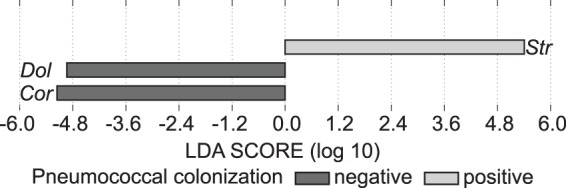
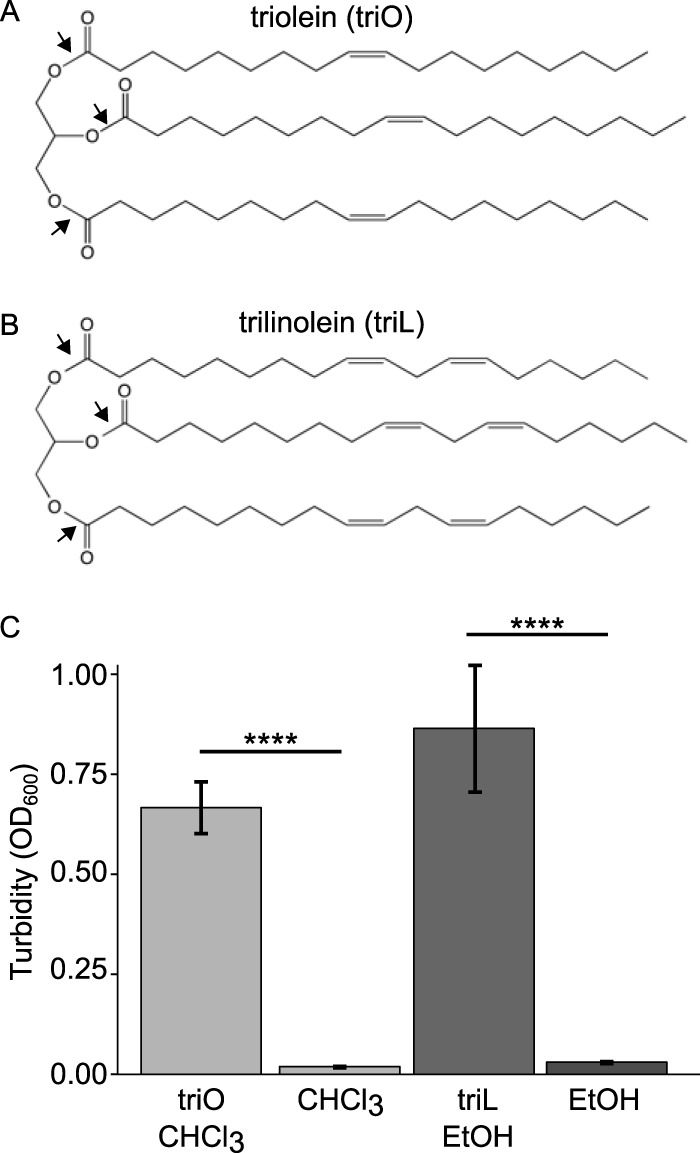
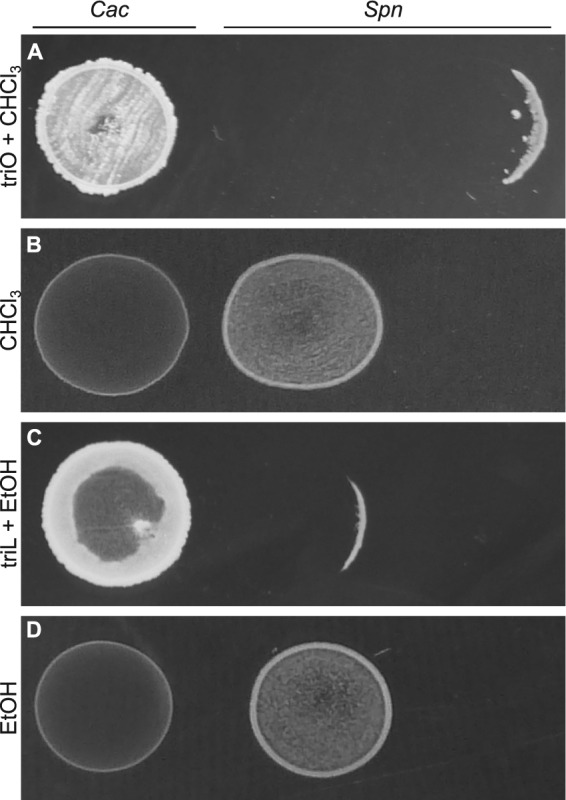
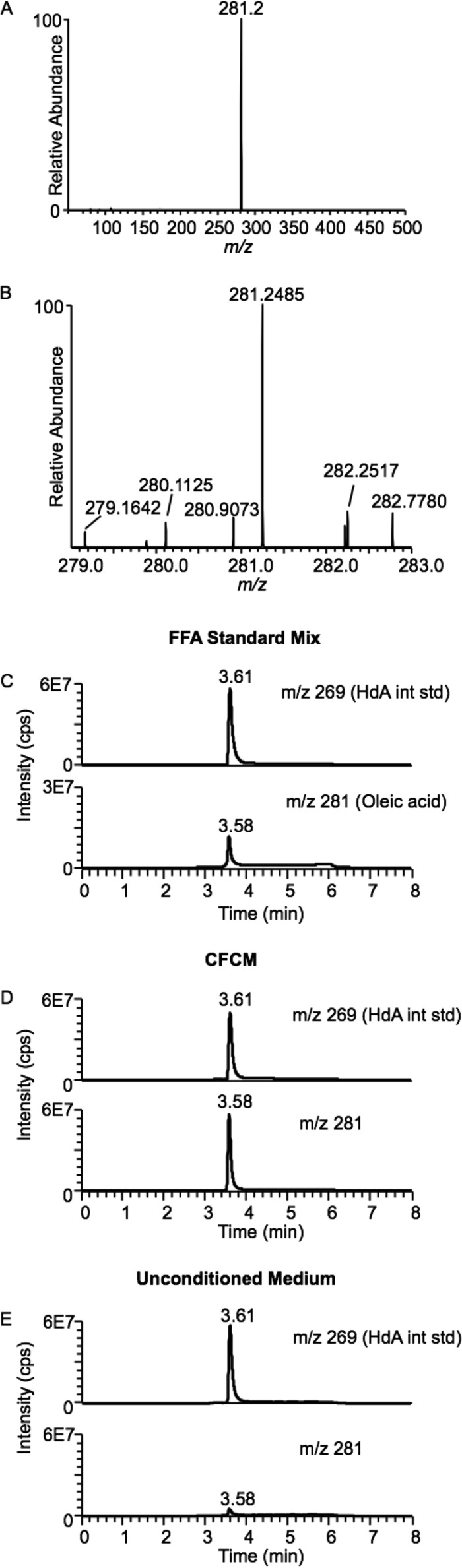
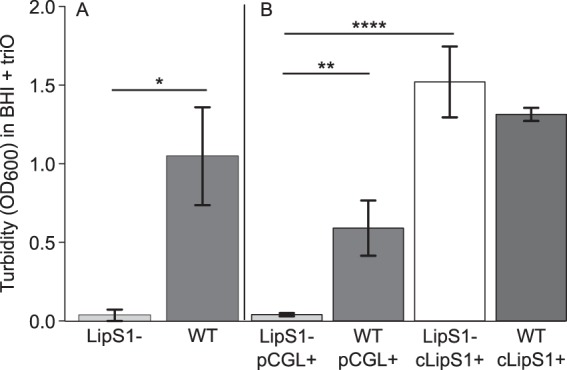
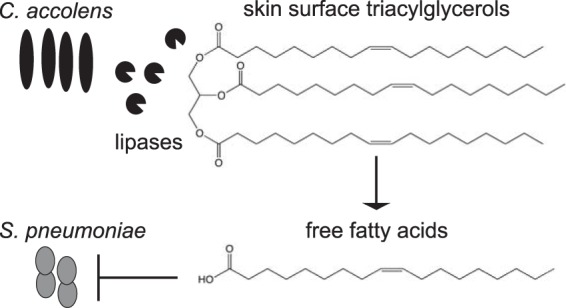
Bacterial interspecies interactions play clinically important roles in shaping microbial community composition. We observed that Corynebacterium spp. are overrepresented in children free of Streptococcus pneumoniae (pneumococcus), a common pediatric nasal colonizer and an important infectious agent. Corynebacterium accolens , a benign lipid-requiring species, inhibits pneumococcal growth during in vitro cocultivation on medium supplemented with human skin surface triacylglycerols (TAGs) that are likely present in the nostrils. This inhibition depends on LipS1, a TAG lipase necessary for C. accolens growth on TAGs such as triolein. We determined that C. accolens hydrolysis of triolein releases oleic acid, which inhibits pneumococcus, as do other free fatty acids (FFAs) that might be released by LipS1 from human skin surface TAGs. Our results support a model in which C. accolens hydrolyzes skin surface TAGS in vivo releasing antipneumococcal FFAs. These data indicate that C. accolens may play a beneficial role in sculpting the human microbiome. IMPORTANCE Little is known about how harmless Corynebacterium species that colonize the human nose and skin might impact pathogen colonization and proliferation at these sites . We show that Corynebacterium accolens , a common benign nasal bacterium, modifies its local habitat in vitro as it inhibits growth of Streptococcus pneumoniae by releasing antibacterial free fatty acids from host skin surface triacylglycerols. We further identify the primary C. accolens lipase required for this activity. We postulate a model in which higher numbers of C. accolens cells deter/limit S. pneumoniae nostril colonization, which might partly explain why children without S. pneumoniae colonization have higher levels of nasal Corynebacterium . This work narrows the gap between descriptive studies and the needed in-depth understanding of the molecular mechanisms of microbe-microbe interactions that help shape the human microbiome. It also lays the foundation for future in vivo studies to determine whether habitat modification by C. accolens could be promoted to control pathogen colonization.
Overview
The claims and statistics of this paper haven’t been checked yet.
Free: it reads the open-access text and checks the first 5 claims that cite a source we can check. Create a free account to check every claim.
Integrity signals
Registry
Cites
Statistics
Figures
Verification
Claims the paper makes
The claims and statistics of this paper haven’t been checked yet.
Free: it reads the open-access text and checks the first 5 claims that cite a source we can check. Create a free account to check every claim.
Claims other papers make about this one
Each is checked against this paper’s own text: does it say what the citing paper says it does?
The source backs part of the claim, not all of it — or backs it for a different population, condition or comparison.
In the citing paper
“Potential keystone species in the URT microbiota are Dolosigranulum spp. and Corynebacterium spp., as they have been strongly associated with respiratory health and the exclusion of potential pathogens, most notably Streptococcus pneumoniae, in several epidemiological and mechanistic studies21,29,68,69.”
From The microbiota of the respiratory tract: gatekeeper to respiratory health (2017) · cites this paper as [68]
Experimental — accuracy not yet measuredThe cited source says what the claim attributes to it.
In the citing paper
“C. accolens, which converts host triacylglycerols into free fatty acids (FFAs) that, in turn, limit pneumococcal growth68.”
From The microbiota of the respiratory tract: gatekeeper to respiratory health (2017) · cites this paper as [68]
Self-check
Percentages, sums and reported differences re-computed from the paper’s own numbers.
The self-check needs the paper’s full text.
Citations
Cites
Basic local alignment search tool
Altschul, S. F., Gish, W., Miller, W., Myers, E. W., & Lipman, D. J. (1990) · Journal of Molecular Biology · doi:10.1006/jmbi.1990.9999 · Cited by 98,669
QIIME allows analysis of high-throughput community sequencing data
Caporaso, J. G., Kuczynski, J., Stombaugh, J., Bittinger, K., Bushman, F. D., Costello, E. K., Fierer, N., Peña, A. G., Goodrich, J. K., Gordon, J. I., et al. (2010) · Nature Methods · doi:10.1038/nmeth.f.303 · Cited by 34,887 · cited 3×
“After filtering in QIIME (93) (using the MacQIIME 1.4 package), first to remove samples with 1,000 sequences and second, to remove OTU sequences that were not present more than once in one sample, sequences were subsampled to the minimum of 1,503 reads/sample.”
MethodInfluentialMetagenomic biomarker discovery and explanation
Segata, N., Izard, J., Waldron, L., Gevers, D., Miropolsky, L., Garrett, W. S., & Huttenhower, C. (2011) · Genome Biology · doi:10.1186/gb-2011-12-6-r60 · Cited by 16,192 · cited 2×
“Data were analyzed using linear discriminant analysis effect size (LEfSe) (40) to compare the microbiota composition of children positive and negative for culture-proven S.”
BackgroundMethodStructure, function and diversity of the healthy human microbiome
The Human Microbiome Project Consortium (2012) · Nature · doi:10.1038/nature11234 · Cited by 11,726
Enzymatic assembly of DNA molecules up to several hundred kilobases
Gibson, D. G., Young, L., Chuang, R.-Y., Venter, J. C., Hutchison, C. A., & Smith, H. O. (2009) · Nature Methods · doi:10.1038/nmeth.1318 · Cited by 9,996 · cited 1×
“assembly (95), and then transformed into NEB 5-alpha competent E.”
BackgroundSignalP 4.0: discriminating signal peptides from transmembrane regions
Petersen, T. N., Brunak, S., von Heijne, G., & Nielsen, H. (2011) · Nature Methods · doi:10.1038/nmeth.1701 · Cited by 8,847 · cited 1×
“1) (71) of the two protein sequences predicted that only WP_03 is secreted via the general secretion pathway, similar to other skin-associated bacterial TAG lipases (66–68).”
BackgroundBacterial Community Variation in Human Body Habitats Across Space and Time
Costello, E. K., Lauber, C. L., Hamady, M., Fierer, N., Gordon, J. I., & Knight, R. (2009) · Science · doi:10.1126/science.1177486 · Cited by 3,231
CDD: a Conserved Domain Database for the functional annotation of proteins
Marchler-Bauer, A., Lu, S., Anderson, J. B., Chitsaz, F., Derbyshire, M. K., DeWeese-Scott, C., Fong, J. H., Geer, L. Y., Geer, R. C., Gonzales, N. R., et al. (2011) · Nucleic Acids Research · doi:10.1093/nar/gkq1189 · Cited by 3,159 · cited 4×
“accolens KPL1818 (RefSeq accession NZ_AXMA00000000) against the Conserved Domain Database (CDD) of NCBI (65).”
BackgroundInfluentialTopographical and Temporal Diversity of the Human Skin Microbiome
Grice, E. A., Kong, H. H., Conlan, S., Deming, C. B., Davis, J., Young, A. C., Program, N. C. S., Bouffard, G. G., Blakesley, R. W., Murray, P. R., et al. (2009) · Science · doi:10.1126/science.1171700 · Cited by 2,953
A microbial symbiosis factor prevents intestinal inflammatory disease
Mazmanian, S. K., Round, J. L., & Kasper, D. L. (2008) · Nature · doi:10.1038/nature07008 · Cited by 2,340 · cited 1×
“pneumoniae can be part of the healthy microbiota without causing disease, it is considered a pathobiont—a commensal bacterium that is also a pathogen (7).”
Background
Cited by
Gibson, G. R., Hutkins, R., Sanders, M. E., Prescott, S. L., Reimer, R. A., Salminen, S. J., Scott, K., Stanton, C., Swanson, K. S., Cani, P. D., et al. (2017) · Nature Reviews Gastroenterology & Hepatology · doi:10.1038/nrgastro.2017.75 · Cited by 5,634
“In the nose and upper respiratory tract, bac terial species can be manipulated by prebiotics to influ ence health through immune reactions 79 or competition with aetiological agents of disease 80 .”
Byrd, A. L., Belkaid, Y., & Segre, J. A. (2018) · Nature Reviews Microbiology · doi:10.1038/nrmicro.2017.157 · Cited by 2,806
The microbiota of the respiratory tract: gatekeeper to respiratory health
Man, W. H., de Steenhuijsen Piters, W. A. A., & Bogaert, D. (2017) · Nature Reviews Microbiology · doi:10.1038/nrmicro.2017.14 · Cited by 1,384
Skin microbiota–host interactions
Chen, Y. E., Fischbach, M. A., & Belkaid, Y. (2018) · Nature · doi:10.1038/nature25177 · Cited by 786
Microbiota and maintenance of skin barrier function
Harris-Tryon, T. A., & Grice, E. A. (2022) · Science · doi:10.1126/science.abo0693 · Cited by 651
The Role of Lung and Gut Microbiota in the Pathology of Asthma
Barcik, W., Boutin, R. C. T., Sokolowska, M., & Finlay, B. B. (2020) · Immunity · doi:10.1016/j.immuni.2020.01.007 · Cited by 613
Microbiota-mediated colonization resistance: mechanisms and regulation
Caballero-Flores, G., Pickard, J. M., & Núñez, G. (2023) · Nature Reviews Microbiology · doi:10.1038/s41579-022-00833-7 · Cited by 474
The microbiome of the upper respiratory tract in health and disease
Kumpitsch, C., Koskinen, K., Schöpf, V., & Moissl-Eichinger, C. (2019) · BMC Biology · doi:10.1186/s12915-019-0703-z · Cited by 465
Bosch, A. A. T. M., Piters, W. A. A. D. S., van Houten, M. A., Chu, M. L. J. N., Biesbroek, G., Kool, J., Pernet, P., de Groot, P.-K. C. M., Eijkemans, M. J. C., Keijser, B. J. F., et al. (2017) · American Journal of Respiratory and Critical Care Medicine · doi:10.1164/rccm.201703-0554oc · Cited by 325
“Antagonism between Corynebacterium spp. and Streptococcus pneumoniae , a known respiratory pathogen, may, at least in part, explain their association with respiratory health (17, 26, 28).”
Skin Barrier Function and the Microbiome
Lee, H.-J., & Kim, M. (2022) · International Journal of Molecular Sciences · doi:10.3390/ijms232113071 · Cited by 317
“Corynebacterium, enriched in sebaceous regions, secrete lipases that hydrolyze free fatty acids from triglycerides in sebum [15,16].”
BackgroundThe Skin Microbiota: Balancing Risk and Reward
Flowers, L., & Grice, E. A. (2020) · Cell Host & Microbe · doi:10.1016/j.chom.2020.06.017 · Cited by 276
“The observation that children with high relative abundances of nasal Corynebacterium were free of Streptococcus pneumoniae (pneumococcus) informed further mechanistic investigations of microbial antagonism (Bomar et al., 2016).”
BackgroundMultifaceted Interfaces of Bacterial Competition
Stubbendieck, R. M., & Straight, P. D. (2016) · Journal of Bacteriology · doi:10.1128/jb.00275-16 · Cited by 248
“LipS1 is a triacylglycerol lipase that produces oleic acid from the hydrolysis of a human-produced triglyceride, triolein (59).”
BackgroundMan, W. H., van Houten, M. A., Mérelle, M. E., Vlieger, A. M., Chu, M. L. J. N., Jansen, N. J. G., Sanders, E. A. M., & Bogaert, D. (2019) · The Lancet Respiratory Medicine · doi:10.1016/s2213-2600(18)30449-1 · Cited by 214
The Landscape Ecology and Microbiota of the Human Nose, Mouth, and Throat
Proctor, D. M., & Relman, D. A. (2017) · Cell Host & Microbe · doi:10.1016/j.chom.2017.03.011 · Cited by 199
“Yet, with few exceptions (Bouslimani et al., 2015; Mark Welch et al., 2016; Swidsinski et al., 2007), most molecular studies of the host-associated microbiota continue to discuss biogeography not as a function of geography per se, but as variation Ce across gross anatomic sites and treat these…”
BackgroundBaurecht, H., Rühlemann, M. C., Rodríguez, E., Thielking, F., Harder, I., Erkens, A.-S., Stölzl, D., Ellinghaus, E., Hotze, M., Lieb, W., et al. (2018) · Journal of Allergy and Clinical Immunology · doi:10.1016/j.jaci.2018.01.019 · Cited by 192
“Higher levels of long-chain unsaturated fatty acids were associated significantly with increased abundance of the lipophilic Propionibacteria and Corynebacteria, which lack a fatty acid synthase(39) and require an exogenic source of FFAs.(35,39,40) Furthermore, S aureus abundance was associated with higher levels of t…”
BackgroundThe upper-airway microbiota and loss of asthma control among asthmatic children
Zhou, Y., Jackson, D. J., Bacharier, L. B., Mauger, D. T., Boushey, H. A., Castro, M., Durack, J., Huang, Y. J., Lemanske, R. F., Storch, G. A., et al. (2019) · Nature Communications · doi:10.1038/s41467-019-13698-x · Cited by 183
Living in Your Skin: Microbes, Molecules, and Mechanisms
Swaney, M. H., & Kalan, L. R. (2021) · Infection and Immunity · doi:10.1128/iai.00695-20 · Cited by 178
“to inhibit the growth of the pathogen Streptococcus pneumoniae (97), demonstrating that in addition to reducing skin pH, commensal-derived FFAs may have direct antimicrobial activity (Fig.”
BackgroundA Cutibacterium acnes antibiotic modulates human skin microbiota composition in hair follicles
Claesen, J., Spagnolo, J. B., Ramos, S. F., Kurita, K. L., Byrd, A. L., Aksenov, A. A., Melnik, A. V., Wong, W. R., Wang, S., Hernandez, R. D., et al. (2020) · Science Translational Medicine · doi:10.1126/scitranslmed.aay5445 · Cited by 170
“Other mechanisms of bacterial competition on skin and in the nostrils include protease activity (9), disruption of Staphylococcus quorum sensing (10, 11), competition for iron (12), bacterial release of antimicrobial free fatty acids from host triacylglycerols (13), and niche competition mediated by the host (14).”
BackgroundSelf-citationEarly Life Microbiota and Respiratory Tract Infections
Piters, W. A. A. D. S., Binkowska, J. M., & Bogaert, D. (2020) · Cell Host & Microbe · doi:10.1016/j.chom.2020.07.004 · Cited by 171
A longitudinal study of the diabetic skin and wound microbiome
Gardiner, M., Vicaretti, M., Sparks, J., Bansal, S., Bush, S., Liu, M., Darling, A., Harry, E., & Burke, C. M. (2017) · PeerJ · doi:10.7717/peerj.3543 · Cited by 144
“As in the gut, the skin microbiome is thought to protect against infection via both competitive exclusion and direct inhibition (Bomar et al., 2016; Cogen et al., 2010b; Iwase et al., 2010; Shu et al., 2013), and have the potential to regulate skin immune function and wound healing (Kanno et al.”
BackgroundMethodCommensal Cutibacterium acnes induce epidermal lipid synthesis important for skin barrier function
Almoughrabie, S., Cau, L., Cavagnero, K. J., O’Neill, A. M., Li, F., Mares, A. R., Mainzer, C., Closs, B., Kolar, M. J., Williams, K. J., et al. (2023) · Science Advances · doi:10.1126/sciadv.adg6262 · Cited by 167
“Furthermore, other commensal bacteria such as Corynebacterium accolens, a benign lipid-requiring species present in nostrils, can inhibit pneumococcal growth when supplemented with human skin surface TAGs thanks to a TAG lipase, LipS1, that hydrolyzes triolein into oleic acid (38).”
BackgroundMostafa, H. H., Fissel, J. A., Fanelli, B., Bergman, Y., Gniazdowski, V., Dadlani, M., Carroll, K. C., Colwell, R. R., & Simner, P. J. (2020) · mBio · doi:10.1128/mbio.01969-20 · Cited by 164
Cope, E. K., Goldberg, A. N., Pletcher, S. D., & Lynch, S. V. (2017) · Microbiome · doi:10.1186/s40168-017-0266-6 · Cited by 163
“Lemon and colleagues recently demonstrated that Corynebacterium accolens, a common skin commensal, metabolizes triacylglycerols in nasal secretions to oleic and linoleic acid, which inhibits Streptococcus pneumoniae growth [48].”
BackgroundLappan, R., Imbrogno, K., Sikazwe, C., Anderson, D., Mok, D., Coates, H., Vijayasekaran, S., Bumbak, P., Blyth, C. C., Jamieson, S. E., et al. (2018) · BMC Microbiology · doi:10.1186/s12866-018-1154-3 · Cited by 162
“pneumoniae in vitro [74], indicating the potential for pathogen inhibition by these bacteria in vivo.”
BackgroundCommensal Bacteria: An Emerging Player in Defense Against Respiratory Pathogens
Khan, R., Petersen, F. C., & Shekhar, S. (2019) · Frontiers in Immunology · doi:10.3389/fimmu.2019.01203 · Cited by 159
Gibson, G. R., Hutkins, R. W., Sanders, M. E., Prescott, S. L., Reimer, R. A., Salminen, S. J., Scott, K. P., Stanton, C., Swanson, K. S., Cani, P. D., et al. (2017) · Lincoln (University of Nebraska) · Cited by 166
Dolosigranulum pigrum Cooperation and Competition in Human Nasal Microbiota
Brugger, S. D., Eslami, S. M., Pettigrew, M. M., Escapa, I. F., Henke, M. T., Kong, Y., & Lemon, K. P. (2020) · mSphere · doi:10.1128/msphere.00852-20 · Cited by 154
Self-citationBacterial microbiota of the nasal passages across the span of human life
Bomar, L., Brugger, S. D., & Lemon, K. P. (2017) · Current Opinion in Microbiology · doi:10.1016/j.mib.2017.10.023 · Cited by 148
“In post-PCV7 era studies, children with pneumococcal colonization have lower relative abundances of Corynebacterium and Dolosigranulum than children without [4,39]; Lactococcus is also negatively correlated with Bomar et al.”
Self-citationCommensal–Pathogen Interactions along the Human Nasal Passages
Brugger, S. D., Bomar, L., & Lemon, K. P. (2016) · PLoS Pathogens · doi:10.1371/journal.ppat.1005633 · Cited by 146
Self-citationThe mechanism of skin lipids influencing skin status
Jia, Y., Gan, Y., He, C., Chen, Z., & Zhou, C. (2017) · Journal of Dermatological Science · doi:10.1016/j.jdermsci.2017.11.006 · Cited by 147
Bacterial-Host Interactions: Physiology and Pathophysiology of Respiratory Infection
Håkansson, A., Orihuela, C. J., & Bogaert, D. (2018) · Physiological Reviews · doi:10.1152/physrev.00040.2016 · Cited by 142
Hoggard, M., Wagner Mackenzie, B., Jain, R., Taylor, M. W., Biswas, K., & Douglas, R. G. (2017) · Clinical Microbiology Reviews · doi:10.1128/cmr.00060-16 · Cited by 117
“accolens metabolism of human skin surface triacylglycerols led to the release of the free fatty acid oleic acid, inhibiting the growth of pneumococcus (78).”
BackgroundBacterial biogeography of adult airways in atopic asthma
Durack, J., Huang, Y. J., Nariya, S., Christian, L. S., Ansel, K. M., Beigelman, A., Castro, M., Dyer, A., Israel, E., Kraft, M., et al. (2018) · Microbiome · doi:10.1186/s40168-018-0487-3 · Cited by 130
“pneumoniae growth in- vitro [38], but much more work is needed to explore these relationships and their subsequent associations with host immune function.”
BackgroundComposition and immunological significance of the upper respiratory tract microbiota
Schenck, L. P., Surette, M. G., & Bowdish, D. M. E. (2016) · FEBS Letters · doi:10.1002/1873-3468.12455 · Cited by 118
The microbiota in pneumonia: From protection to predisposition
Thibeault, C., Suttorp, N., & Opitz, B. (2021) · Science Translational Medicine · doi:10.1126/scitranslmed.aba0501 · Cited by 114
“, for example, release anti-pneumococcal metabolites such as free fatty acids (43).”
BackgroundHardy, B. L., Dickey, S. W., Plaut, R. D., Riggins, D. P., Stibitz, S., Otto, M. J., & Merrell, D. S. (2019) · mBio · doi:10.1128/mbio.02491-18 · Cited by 108
“This finding supports the growing body of literature that indicates that the interactions between normal flora and opportunistic pathogens are highly species specific (32, 48, 51).”
ResultColonizing microbiota is associated with clinical outcomes in diabetic wound healing
Wang, G., Lin, Z., Li, Y., Chen, L., Reddy, S., Hu, Z., & Garza, L. A. (2023) · Advanced Drug Delivery Reviews · doi:10.1016/j.addr.2023.114727 · Cited by 108
Horn, K. J., Schopper, M. A., Drigot, Z., & Clark, S. E. (2022) · Nature Communications · doi:10.1038/s41467-022-31074-0 · Cited by 105
Paramasivan, S., Bassiouni, A., Shiffer, A., Dillon, M. R., Cope, E. K., Cooksley, C. M., Ramezanpour, M., Moraitis, S., Ali, M. J., Bleier, B. S., et al. (2020) · Allergy · doi:10.1111/all.14276 · Cited by 102
Ta, L. D. H., Yap, G. C., Tay, C. J. X., Lim, A. S. M., Huang, C., Chu, C. W., de Sessions, P. F., Shek, L. P., Goh, A. E. N., Bever, H. P. S. V., et al. (2018) · Journal of Allergy and Clinical Immunology · doi:10.1016/j.jaci.2018.01.032 · Cited by 96
“Of interest is the finding that Corynebacterium accolens from the human nasal mucosa releases antibacterial free fatty acid from human triacylglycerols [28].”
BackgroundA review of fatty acids influencing skin condition
Yang, M., Zhou, M., & Song, L. (2020) · Journal of Cosmetic Dermatology · doi:10.1111/jocd.13616 · Cited by 96
Commensal bacteria in the upper respiratory tract regulate susceptibility to infection
Clark, S. E. (2020) · Current Opinion in Immunology · doi:10.1016/j.coi.2020.03.010 · Cited by 94
Stubbendieck, R. M., May, D. S., Chevrette, M. G., Temkin, M. I., Wendt-Pienkowski, E., Cagnazzo, J., Carlson, C. M., Gern, J. E., & Currie, C. R. (2019) · Applied and Environmental Microbiology · doi:10.1128/aem.02406-18 · Cited by 93
Nasopharyngeal Microbial Communities of Patients Infected With SARS-CoV-2 That Developed COVID-19
Ventero, M. P., Cuadrat, R. R. C., Vidal, I., Andrade, B. G. N., Molina-Pardines, C., Haro-Moreno, J. M., Coutinho, F. H., Merino, E., Regitano, L. C. D. A., Silveira, C. B., et al. (2021) · Frontiers in Microbiology · doi:10.3389/fmicb.2021.637430 · Cited by 91
Man, W. H., Clerc, M., de Steenhuijsen Piters, W. A. A., van Houten, M. A., Chu, M. L. J. N., Kool, J., Keijser, B. J. F., Sanders, E. A. M., & Bogaert, D. (2019) · American Journal of Respiratory and Critical Care Medicine · doi:10.1164/rccm.201810-1993oc · Cited by 89
Porcellato, D., Meisal, R., Bombelli, A., & Narvhus, J. (2020) · Scientific Reports · doi:10.1038/s41598-020-77054-6 · Cited by 89
The impact of interactions on invasion and colonization resistance in microbial communities
Kurkjian, H. M., Akbari, M. J., & Momeni, B. (2021) · PLoS Computational Biology · doi:10.1371/journal.pcbi.1008643 · Cited by 88
Menberu, M. A., Liu, S., Cooksley, C. M., Hayes, A. J., Psaltis, A. J., Wormald, P., & Vreugde, S. (2021) · Pathogens · doi:10.3390/pathogens10020207 · Cited by 84
“Together with the notion that Corynebacterium species can interfere with the growth of pathogens [12,13,17], these findings support the probiotic potential of Corynebacterium species.”
BackgroundResultPiters, W. A. A. D. S., Jochems, S. P., Mitsi, E., Rylance, J., Pojar, S., Nikolaou, E., German, E. L., Holloway, M., Carniel, B. F., Chu, M. L. J. N., et al. (2019) · Nature Communications · doi:10.1038/s41467-019-10814-9 · Cited by 85
Skin Microbiome, Metabolome and Skin Phenome, from the Perspectives of Skin as an Ecosystem
Chen, H., Zhao, Q., Zhong, Q., Duan, C., Krutmann, J., Wang, J., & Xia, J. (2022) · Phenomics · doi:10.1007/s43657-022-00073-y · Cited by 79
The dynamic balance of the skin microbiome across the lifespan
Townsend, E. C., & Kalan, L. (2023) · Biochemical Society Transactions · doi:10.1042/bst20220216 · Cited by 81
Salter, S. J., Turner, C. L., Watthanaworawit, W., de Goffau, M. C., Wagner, J., Parkhill, J., Bentley, S. D., Goldblatt, D., Nosten, F. H., & Turner, P. (2017) · PLoS neglected tropical diseases · doi:10.1371/journal.pntd.0005975 · Cited by 74
Prasso, J. E., & Deng, J. C. (2016) · Clinics in Chest Medicine · doi:10.1016/j.ccm.2016.11.006 · Cited by 74
Unraveling the role of the microbiome in chronic rhinosinusitis
Psaltis, A. J., Mackenzie, B. W., Cope, E. K., & Ramakrishnan, V. R. (2022) · Journal of Allergy and Clinical Immunology · doi:10.1016/j.jaci.2022.02.022 · Cited by 69
Staphylococcal (phospho)lipases promote biofilm formation and host cell invasion
Nguyen, M., Luqman, A., Bitschar, K., Hertlein, T., Dick, J., Ohlsen, K., Bröker, B. M., Schittek, B., & Götz, F. (2017) · International Journal of Medical Microbiology · doi:10.1016/j.ijmm.2017.11.013 · Cited by 67
Hurst, J. H., McCumber, A. W., Aquino, J. N., Rodriguez, J., Heston, S. M., Lugo, D. J., Rotta, A. T., Turner, N., Pfeiffer, T. S., Gurley, T. C., et al. (2022) · Clinical Infectious Diseases · doi:10.1093/cid/ciac184 · Cited by 66
Controlling skin microbiome as a new bacteriotherapy for inflammatory skin diseases
Ito, Y., & Amagai, M. (2022) · Inflammation and Regeneration · doi:10.1186/s41232-022-00212-y · Cited by 65
“accolens inhibit the growth of Streptococcus pneumoniae, a potentially pathogenic bacterium that causes pneumonia, septicemia, and meningitis [122].”
BackgroundHuman skin bacterial microbiota homeostasis: A delicate balance between health and disease
Zhu, Y., Yu, X., & Cheng, G. (2023) · mLife · doi:10.1002/mlf2.12064 · Cited by 65
“Both Cuti-bacterium acnes and Corynebacterium species secrete li-pases that degrade triglycerides in sebum to produce free fatty acids 58,59 .”
BackgroundAssociation between Microbiota and Nasal Mucosal Diseases in terms of Immunity
Tai, J., Han, M. S., Kwak, J., & Kim, T. H. (2021) · International Journal of Molecular Sciences · doi:10.3390/ijms22094744 · Cited by 64
“triacylglycerol on the skin surface of the host [44].”
BackgroundExploring the Hospital Microbiome by High-Resolution 16S rRNA Profiling
Rampelotto, P. H., Sereia, A. F. R., de Oliveira, L. F. V., & Margis, R. (2019) · International Journal of Molecular Sciences · doi:10.3390/ijms20123099 · Cited by 64
“In another interesting case, a recent in vitro study provided the first evidence that the harmless bacteria Corynebacterium accolens, which commonly colonizes the nose, can help inhibit Streptococcus pneumoniae through a direct antagonistic interaction between these species [36].”
BackgroundThe human microbiome in sickness and in health
Requena, T., & Velasco, M. (2020) · Revista Clínica Española (English Edition) · doi:10.1016/j.rceng.2019.07.018 · Cited by 63
Bacterial adaptation strategies to host-derived fatty acids
Tchoupa, A. K., Eijkelkamp, B. A., & Peschel, A. (2021) · Trends in Microbiology · doi:10.1016/j.tim.2021.06.002 · Cited by 64
The microbiome and chronic rhinosinusitis
Sivasubramaniam, R., & Douglas, R. G. (2018) · World Journal of Otorhinolaryngology - Head and Neck Surgery · doi:10.1016/j.wjorl.2018.08.004 · Cited by 61
“Dolosigranulum spp and Corynebacterium spp are two such examples in the URT microbiota.(14,15)”
Ding, T., Song, T., Zhou, B., Geber, A. B., Ma, Y., Zhang, L., Volk, M., Kapadia, S. N., Jenkins, S. G., Salvatore, M., et al. (2019) · mBio · doi:10.1128/mbio.01296-19 · Cited by 61
“Corynebacterium has been found to commonly colonize the human nose and skin and was shown to be overrepresented in children free of Streptococcus pneumoniae (27).”
BackgroundA guide to polarized airway epithelial models for studies of host–pathogen interactions
Hasan, S., Šebo, P., & Osička, R. (2018) · FEBS Journal · doi:10.1111/febs.14582 · Cited by 60
Sputum microbiome profiling in COPD: beyond singular pathogen detection
Ditz, B., Christenson, S. A., Rossen, J. W. A., Brightling, C. E., Kerstjens, H. A. M., van den Berge, M., & Faiz, A. (2020) · Thorax · doi:10.1136/thoraxjnl-2019-214168 · Cited by 61
Treerat, P., Redanz, U., Redanz, S., Giacaman, R. A., Merritt, J. L., & Kreth, J. (2020) · The ISME Journal · doi:10.1038/s41396-020-0598-2 · Cited by 61
Severe COVID-19 Is Associated With an Altered Upper Respiratory Tract Microbiome
Shilts, M. H., Rosas‐Salazar, C., Strickland, B. A., Kimura, K. S., Asad, M., Sehanobish, E., Freeman, M. H., Wessinger, B. C., Gupta, V., Brown, H. M., et al. (2022) · Frontiers in Cellular and Infection Microbiology · doi:10.3389/fcimb.2021.781968 · Cited by 60
Microbial Interplay in Skin and Chronic Wounds
Sachdeva, C., Satyamoorthy, K., & Murali, T. S. (2022) · Current Clinical Microbiology Reports · doi:10.1007/s40588-022-00180-4 · Cited by 59
Marazzato, M., Zicari, A. M., Aleandri, M., Conte, A. L., Longhi, C., Vitanza, L., Bolognino, V., Zagaglia, C., Castro, G. D., Brindisi, G., et al. (2020) · Frontiers in Cellular and Infection Microbiology · doi:10.3389/fcimb.2020.00458 · Cited by 59
“pneumoniae (Bomar et al., 2016) and associated to a lower frequency of upper respiratory tract infections (Santee et al.”
BackgroundHorn, K. J., Vivar, A. C. J., Arenas, V., Andani, S., Janoff, E. N., & Clark, S. E. (2022) · Frontiers in Microbiology · doi:10.3389/fmicb.2021.804935 · Cited by 58
The epidermal lipid barrier in microbiome–skin interaction
Tchoupa, A. K., Kretschmer, D., Schittek, B., & Peschel, A. (2023) · Trends in Microbiology · doi:10.1016/j.tim.2023.01.009 · Cited by 58
Recent advances in therapeutic probiotics: insights from human trials
Cho, M.-Y., Eom, J.-H., Choi, E.-M., Yang, S., Lee, D., Kim, Y.-Y., Kim, H.-S., & Hwang, I. (2025) · Clinical Microbiology Reviews · doi:10.1128/cmr.00240-24 · Cited by 59
Camelo-Castillo, A. J., Henares, D., Brotons, P., Galiana, A., Rodríguez, J. C., Mira, Á., & Muñoz‐Almagro, C. (2019) · Frontiers in Microbiology · doi:10.3389/fmicb.2019.00011 · Cited by 58
“For instance, the nasal passage inhabitant Corynebacterium accolens appears to be over-represented in children without Streptococcus pneumoniae nasal colonization and has been shown to release antipneumococcal free fatty acids from human skin surface triacylglycerols (Bomar et al., 2016).”
BackgroundInsights into the role of the respiratory tract microbiome in defense against bacterial pneumonia
Drigot, Z., & Clark, S. E. (2024) · Current Opinion in Microbiology · doi:10.1016/j.mib.2024.102428 · Cited by 55
Microbioma humano en la salud y la enfermedad
Requena, T., & Velasco, M. (2019) · Revista Clínica Española · doi:10.1016/j.rce.2019.07.004 · Cited by 54
Lee, S.-J., Kim, S.-E., Shin, K.-O., Park, K., & Lee, S. E. (2021) · Allergy, Asthma & Immunology Research · doi:10.4168/aair.2021.13.5.762 · Cited by 47
Microbiota in viral infection and disease in humans and farm animals
Yuan, L., Hensley, C., Mahsoub, H. M., Ramesh, A. K., & Zhou, P. (2020) · Progress in molecular biology and translational science · doi:10.1016/bs.pmbts.2020.04.005 · Cited by 51
“),Corynebacterium (Bomar et al.(9); Ding et al.”
Arachidonic Acid Stress Impacts Pneumococcal Fatty Acid Homeostasis
Eijkelkamp, B. A., Neville, S. L., Pederick, V. G., Trappetti, C., Gregory, M. K., Whittall, J. J., Paton, J. C., & McDevitt, C. A. (2018) · Frontiers in Microbiology · doi:10.3389/fmicb.2018.00813 · Cited by 51
“A recent study of Corynebacterium accolens showed that the bacterial triacylglycerol (TAG) lipase could cleave host TAGs generating antimicrobial free fatty acids that impacted pneumococcal colonization (Bomar et al., 2016).”
BackgroundAntimicrobial Activity of Clinically Isolated Bacterial Species Against Staphylococcus aureus
Hardy, B. L., Bansal, G., Hewlett, K. H., Arora, A., Schaffer, S. D., Kamau, E. T., Bennett, J. W., & Merrell, D. S. (2020) · Frontiers in Microbiology · doi:10.3389/fmicb.2019.02977 · Cited by 48
Friend or Foe: Interbacterial Competition in the Nasal Cavity
Hardy, B. L., & Merrell, D. S. (2020) · Journal of Bacteriology · doi:10.1128/jb.00480-20 · Cited by 46
The Upper Airway Microbiota, Environmental Exposures, Inflammation, and Disease
Elgamal, Z., Singh, P., & Geraghty, P. M. (2021) · Medicina · doi:10.3390/medicina57080823 · Cited by 47
“Such interactions are mostly beneficial; however, when niches overlap nutrients, there is increased competition, driving adverse interbacterial interactions [51,52].”
BackgroundLiu, B., Beck, E. M., & Fisher, M. A. (2021) · Journal of Clinical Microbiology · doi:10.1128/jcm.00137-21 · Cited by 45
“Interestingly, it has been proposed to antagonize colonization by Streptococcus pneumoniae in this setting due to the release of antipneumococcal free fatty acids from host lipids through the action of an extracellular lipase, which is likely involved in acquisition of the fatty acids it requires for growth (6, 7).”
BackgroundSymbiotic bacteria mediate volatile chemical signal synthesis in a large solitary mammal species
Zhou, W., Qi, D., Swaisgood, R. R., Wang, L., Jin, Y., Wu, Q., Wei, F., & Nie, Y. (2021) · The ISME Journal · doi:10.1038/s41396-021-00905-1 · Cited by 44
Tewari, N., & Dey, P. (2024) · Microbiological Research · doi:10.1016/j.micres.2024.127832 · Cited by 44
Clinical Relevance of Type II Fatty Acid Synthesis Bypass in Staphylococcus aureus
Gloux, K., Guillemet, M., Soler, C., Morvan, C., Halpern, D., Pourcel, C., Vu-Thien, H., Lamberet, G., & Gruss, A. (2017) · Antimicrobial Agents and Chemotherapy · doi:10.1128/aac.02515-16 · Cited by 43
Nesbitt, H., Burke, C., & Haghi, M. (2021) · Frontiers in Microbiology · doi:10.3389/fmicb.2021.713703 · Cited by 42
The upper respiratory tract microbiome of indigenous Orang Asli in north-eastern Peninsular Malaysia
Cleary, D. W., Morris, D. E., Anderson, R. A., Jones, J., Alattraqchi, A. G., Rahman, N. I. A., Ismail, S. B., Razali, M. S., Amin, R. M., Aziz, A. A., et al. (2021) · npj Biofilms and Microbiomes · doi:10.1038/s41522-020-00173-5 · Cited by 42
Genome insight and probiotic potential of three novel species of the genus Corynebacterium
Shamsuzzaman, M., Dahal, R. H., Kim, S., & Kim, J. (2023) · Frontiers in Microbiology · doi:10.3389/fmicb.2023.1225282 · Cited by 41
“accolens produces enzymes that inhibit the growth of Cutibacterium acne, which causes acne (Bomar et al., 2016).”
BackgroundMarsh, R. L., Aho, C., Beissbarth, J., Bialasiewicz, S., Binks, M., Cervin, A., Kirkham, L. S., Lemon, K. P., Slack, M., & Smith‐Vaughan, H. (2019) · International Journal of Pediatric Otorhinolaryngology · doi:10.1016/j.ijporl.2019.109836 · Cited by 42
Self-citationKelly, M. S., Plunkett, C. H., Yu, Y., Aquino, J. N., Patel, S. M., Hurst, J. H., Young, R. R., Smieja, M., Steenhoff, A. P., Arscott‐Mills, T., et al. (2021) · The ISME Journal · doi:10.1038/s41396-021-01108-4 · Cited by 41
Bioprospecting the Skin Microbiome: Advances in Therapeutics and Personal Care Products
Nicholas-Haizelden, K., Murphy, B., Hoptroff, M., & Horsburgh, M. J. (2023) · Microorganisms · doi:10.3390/microorganisms11081899 · Cited by 40
Ho, H.-H., Chen, C., Yi, T.-H., Huang, Y., Kuo, Y., Lin, J., Chen, J., Tsai, S., Chan, L., & Liang, C. (2022) · Journal of Cosmetic Dermatology · doi:10.1111/jocd.15228 · Cited by 40
Paulo, A. C., Lança, J., Almeida, S. T., Hilty, M., & Sá‐Leão, R. (2023) · Microbiome · doi:10.1186/s40168-023-01640-9 · Cited by 39
“For example, it has been shown that C. accolens is able to produce lipases and modify triacylglycerols present in the human skin, including the human nos-trils, into free fatty acids, thus inhibiting the growth of S. pneumoniae [38].”
BackgroundMenberu, M. A., Cooksley, C. M., Ramezanpour, M., Bouras, G. S., Wormald, P., Psaltis, A. J., & Vreugde, S. (2021) · Microbiological Research · doi:10.1016/j.micres.2021.126927 · Cited by 38
Ramos, S. F., Brugger, S. D., Escapa, I. F., Skeete, C. A., Cotton, S. L., Eslami, S. M., Gao, W., Bomar, L., Tran, T. H., Jones, D. S., et al. (2021) · mSystems · doi:10.1128/msystems.00425-21 · Cited by 38
“present in pediatric nasal microbiota when Streptococcus pneumoniae is absent (1, 8).”
Self-citationTracheal microbial populations in horses with moderate asthma
Manguin, E., Pépin, E., Boivin, R., & Leclère, M. (2020) · Journal of Veterinary Internal Medicine · doi:10.1111/jvim.15707 · Cited by 37
“is considered normal in healthy young children,(22) and in vitro, Corynebacterium accolens shows antagonistic interactions with Streptococcus pneumoniae, a common pathogen in humans.(23) Thus, it is suggested that commensal bacteria could act against potential pathogens and help maintain a normal airway environment.”
BackgroundCorynebacterium accolens inhibits Staphylococcus aureus induced mucosal barrier disruption
Huang, S., Hon, K., Bennett, C. A., Hu, H., Menberu, M. A., Wormald, P., Zhao, Y., Vreugde, S., & Liu, S. (2022) · Frontiers in Microbiology · doi:10.3389/fmicb.2022.984741 · Cited by 37
“aureus, though no mechanistic link has been established (Bomar et al., 2016).”
BackgroundStubbendieck, R. M., Dissanayake, E., Burnham, P. M., Zelasko, S. E., Temkin, M. I., Wisdorf, S. S., Vrtis, R. F., Gern, J. E., & Currie, C. R. (2023) · mBio · doi:10.1128/mbio.00464-23 · Cited by 37
“For example, in the nasal cavity, Corynebacterium accolens secretes a lipase that cleaves human triacylglycerides to release short-chain fatty acids with activity against S. pneumoniae (42).”
Lipase-mediated detoxification of host-derived antimicrobial fatty acids by Staphylococcus aureus
Tchoupa, A. K., Elsherbini, A. M. A., Camus, J., Fu, X., Hu, X., Ghaneme, O., Seibert, L., Lebtig, M., Böcker, M. A., Horlbeck, A., et al. (2024) · Communications Biology · doi:10.1038/s42003-024-06278-3 · Cited by 36
“Bacteria-mediatedlipidhydrolysisreleaseslong-chainfattyacids, whichcanbetoxictomicrobes 12,23,45 .”
Influential
Metadata
- Authors
- Bomar, L., Brugger, S. D., Yost, B. H., Davies, S. S., & Lemon, K. P.
- Affiliations
- Harvard University (US)
- The Forsyth Institute (US)
- Vanderbilt University (US)
- Boston Children's Hospital (US)
- Corresponding author
- Lemon, Katherine P.
- Venue
- mBio
- Publisher
- American Society for Microbiology
- Published
- 2016-03-02
- Volume
- 7
- Issue
- 1
- Pages
- e01725-15
- ISSN
- 2150-7511 (ISSN-L)
- 2161-2129
- PMC
- PMC4725001
- OpenAlex
- W2223503000
- Cited by
- 332
- References
- 102
- Citations by year
- 2026: 22 · 2025: 49 · 2024: 50 · 2023: 34 · 2022: 36 · 2021: 36 · 2020: 32 · 2019: 28 · 2018: 17 · 2017: 20 · 2016: 8
- FWCI
- 24.87
- Type
- journal article
- Language
- en
- Open access
- gold
- doi.org
- Licence
- cc-by-nc-sa
- creativecommons.org/licenses/by-nc-sa/3.0/ (vor)
- journals.asm.org/non-commercial-tdm-license (tdm)
- Locations
- mBio (publishedVersion, cc-by-nc-sa)
- PubMed Central (publishedVersion, cc-by-nc-sa)
- PubMed (publishedVersion)
- Digital Access to Scholarship at Harvard (DASH) (Harvard University) (submittedVersion, cc-by)
- DOAJ (DOAJ: Directory of Open Access Journals) (submittedVersion, cc-by-sa)
- DOAJ (DOAJ: Directory of Open Access Journals) (submittedVersion)
- Funders
- Swiss Society for Microbiology Encouragement Award
- The Swiss National Science Foundation and Swiss Foundation for Grants in Biology and Medicine (P3SMP3_155315)
- Boston Children's Hospital Career Development Grant
- HHS | NIH | National Institute of Allergy and Infectious Diseases (AI101018)
- HHS | NIH | National Institute of Dental and Craniofacial Research (DE007327, DE020751)
- HHS | NIH | National Center for Complementary and Integrative Health (AT007830)
- Topics
- Life Sciences › Immunology and Microbiology › Microbiology › Microbial infections and disease research
- Life Sciences › Biochemistry, Genetics and Molecular Biology › Molecular Biology › Bacterial biofilms and quorum sensing
- Life Sciences › Immunology and Microbiology › Microbiology › Bacterial Infections and Vaccines
- Keywords
- Corynebacterium accolens, Streptococcus pneumoniae, free fatty acids, oleic acid, triacylglycerol lipase, triolein hydrolysis, nasal microbiota, skin surface lipids, host-pathogen interaction, human microbiome
- MeSH terms
- Antibiosis, Anti-Bacterial Agents, Carrier State, Child, Child, Preschool, Corynebacterium, Fatty Acids, Nonesterified, Humans, Hydrolysis, Infant, Nasal Cavity, Pneumococcal Infections, Skin, Streptococcus pneumoniae, Triglycerides, Triolein, Microbiota
About these checks
Registry, retraction, Cites and statistics results are computed, not judged, with one exception: a printed reference that no index lists is read once by a model before it counts as a citation error. Claims are extracted by a model and kept only when their quote appears verbatim in the text; each cited source is then checked, with a model’s help, for whether it says what the claim relies on. Those verdicts can be wrong — read the claim’s quote and the cited source before relying on one.
Statistics and arithmetic are recomputed, not judged.
Confidence bands are shown only for fields calibrated on our annotated test set. None is calibrated yet, so no band is shown.
What counts as a claim ›How we measure confidence ›How we check this ›
Are you an author, or do you see a problem with this page? Request a review
Data sources
Bibliographic data: Semantic Scholar, OpenAlex, Crossref.
Contains information from the Semantic Scholar Academic Graph Datasets, made available under the ODC Attribution License (ODC-BY 1.0).
Semantic Scholar’s data is described in: Kinney, R., et al. (2023). The Semantic Scholar Open Data Platform. arXiv:2301.10140.
