

Trojan Horse Transit Contributes to Blood-Brain Barrier Crossing of a Eukaryotic Pathogen
Open accessThe DOI matches its Crossref record; 66 of the 66 references it cites were found in a registry or an index.
Abstract
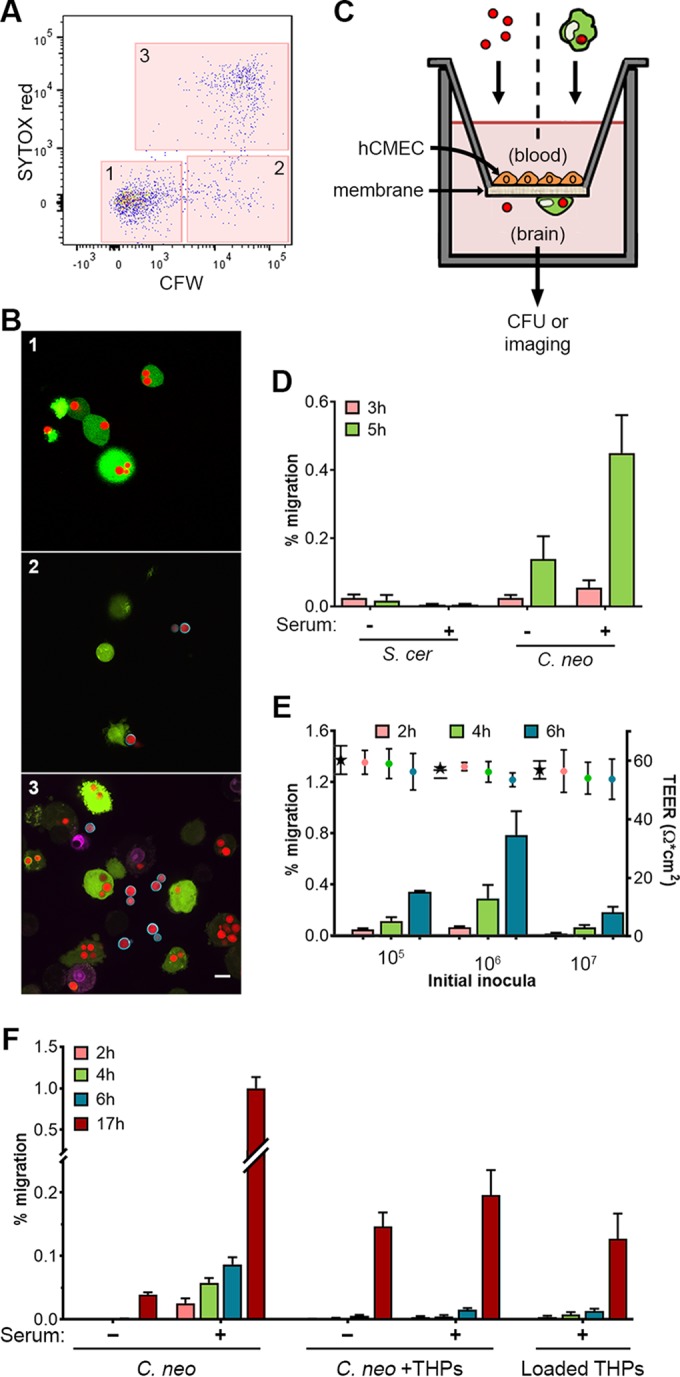
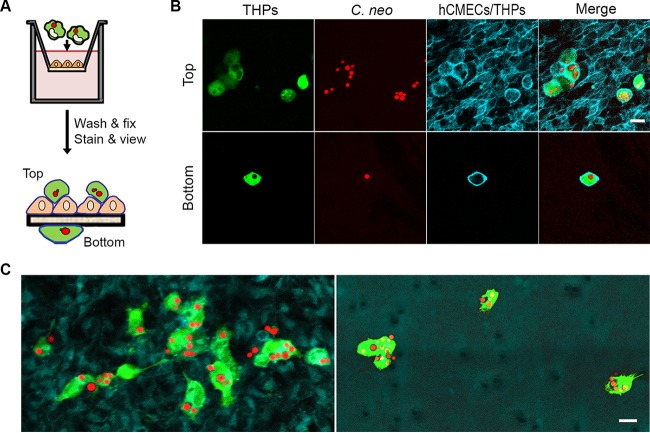
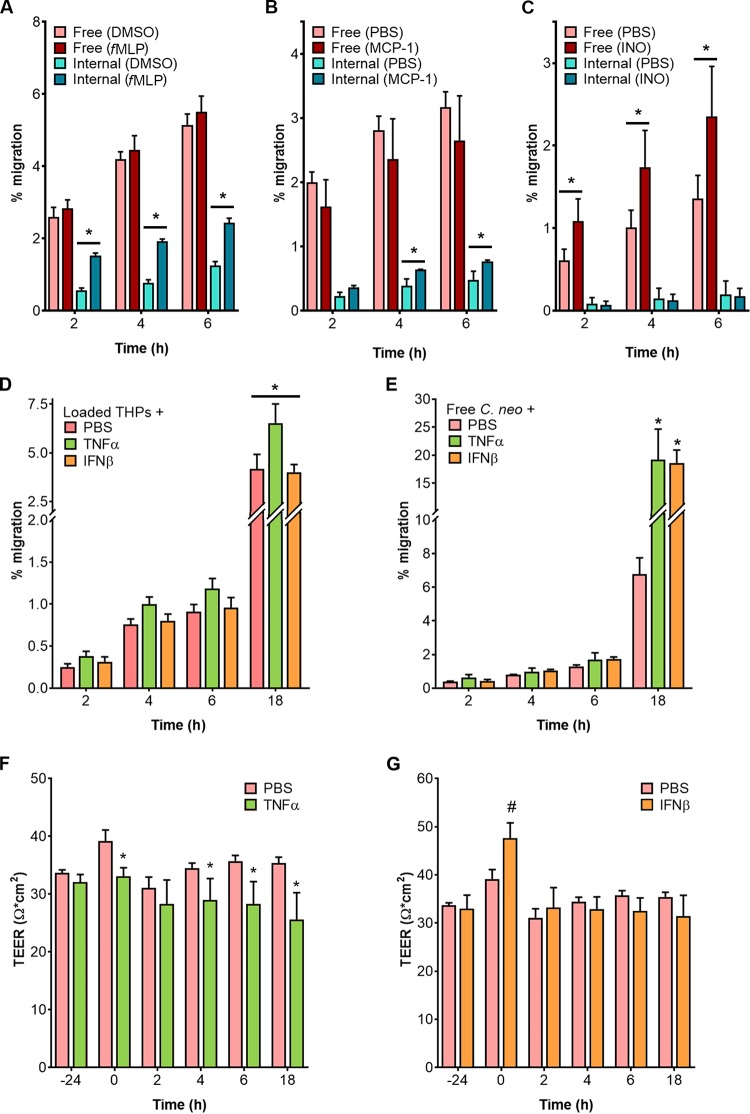
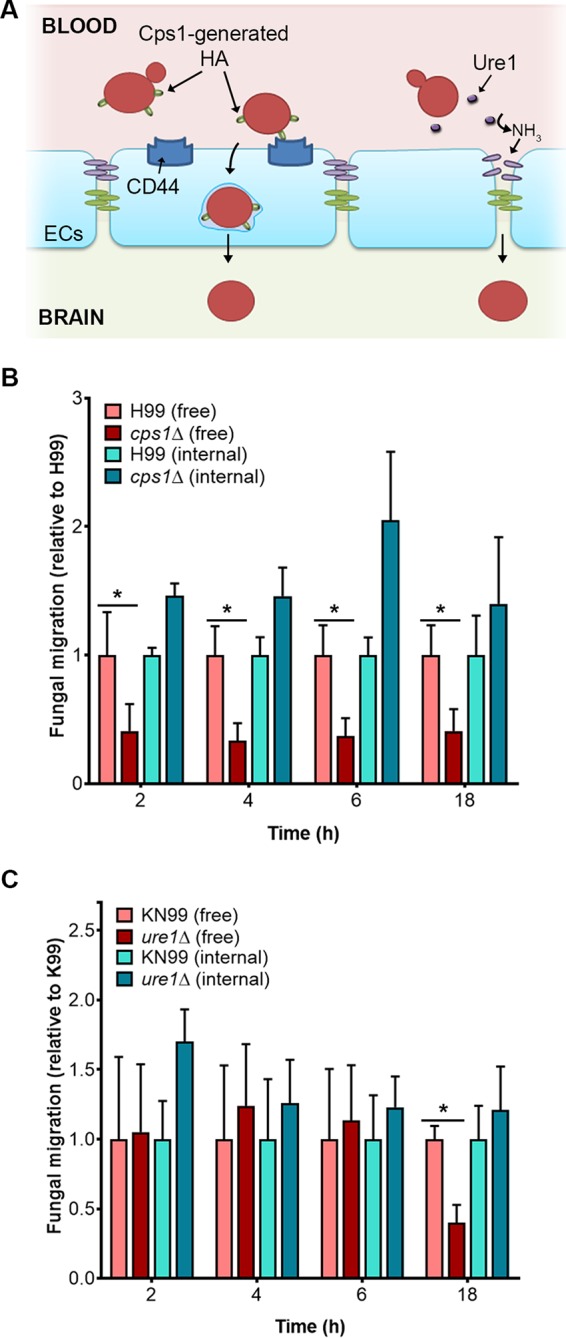
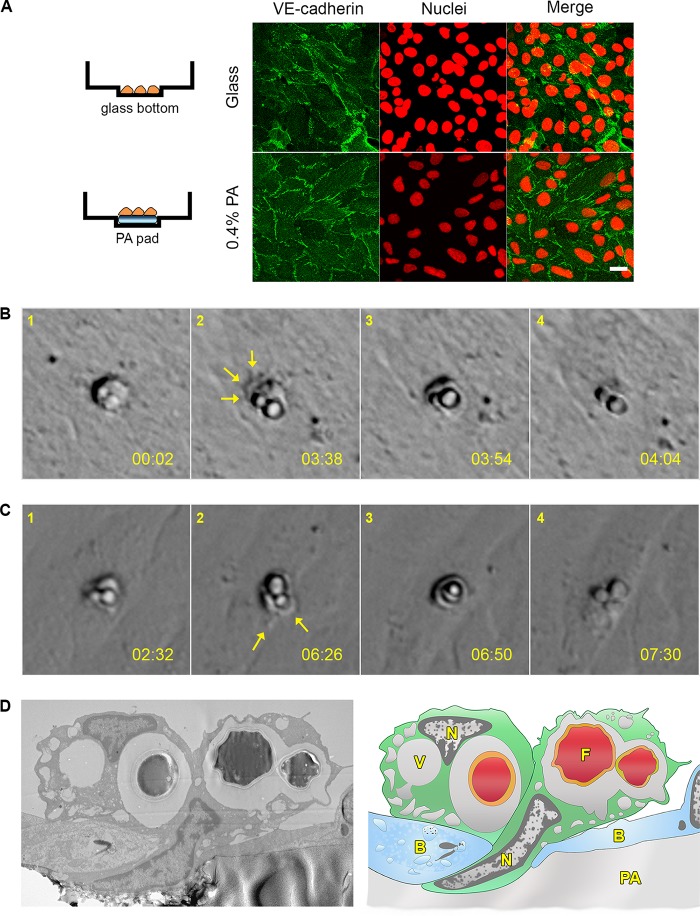
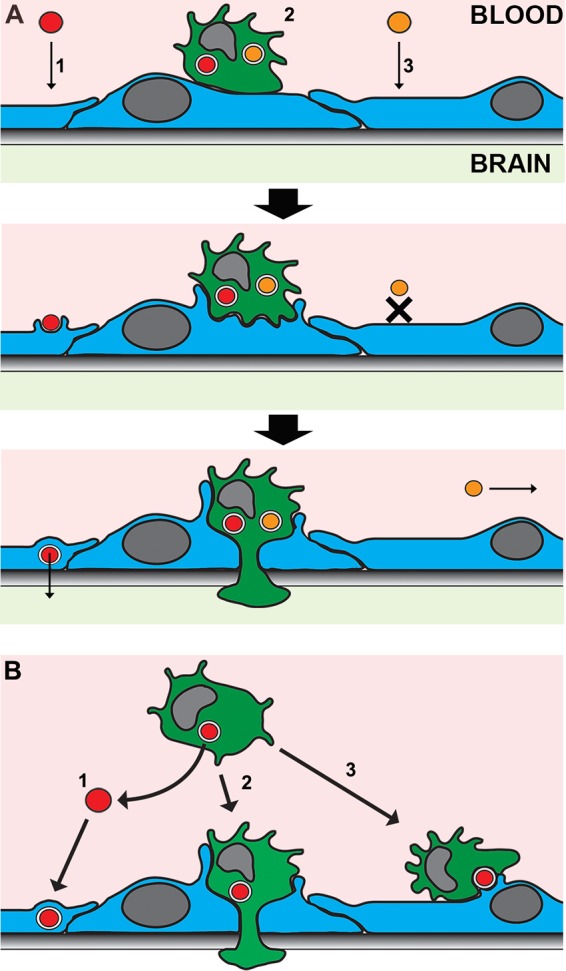
The blood-brain barrier (BBB) protects the central nervous system (CNS) by restricting the passage of molecules and microorganisms. Despite this barrier, however, the fungal pathogen Cryptococcus neoformans invades the brain, causing a meningoencephalitis that is estimated to kill over 600,000 people annually. Cryptococcal infection begins in the lung, and experimental evidence suggests that host phagocytes play a role in subsequent dissemination, although this role remains ill defined. Additionally, the disparate experimental approaches that have been used to probe various potential routes of BBB transit make it impossible to assess their relative contributions, confounding any integrated understanding of cryptococcal brain entry. Here we used an in vitro model BBB to show that a “Trojan horse” mechanism contributes significantly to fungal barrier crossing and that host factors regulate this process independently of free fungal transit. We also, for the first time, directly imaged C. neoformans -containing phagocytes crossing the BBB, showing that they do so via transendothelial pores. Finally, we found that Trojan horse crossing enables CNS entry of fungal mutants that cannot otherwise traverse the BBB, and we demonstrate additional intercellular interactions that may contribute to brain entry. Our work elucidates the mechanism of cryptococcal brain invasion and offers approaches to study other neuropathogens. IMPORTANCE The fungal pathogen Cryptococcus neoformans invades the brain, causing a meningoencephalitis that kills hundreds of thousands of people each year. One route that has been proposed for this brain entry is a Trojan horse mechanism, whereby the fungus crosses the blood-brain barrier (BBB) as a passenger inside host phagocytes. Although indirect experimental evidence supports this intriguing mechanism, it has never been directly visualized. Here we directly image Trojan horse transit and show that it is regulated independently of free fungal entry, contributes to cryptococcal BBB crossing, and allows mutant fungi that cannot enter alone to invade the brain.
Overview
The claims and statistics of this paper haven’t been checked yet.
Free: it reads the open-access text and checks the first 5 claims that cite a source we can check. Create a free account to check every claim.
Integrity signals
Registry
Cites
Statistics
Figures
Verification
Claims the paper makes
The claims and statistics of this paper haven’t been checked yet.
Free: it reads the open-access text and checks the first 5 claims that cite a source we can check. Create a free account to check every claim.
Claims other papers make about this one
Each is checked against this paper’s own text: does it say what the citing paper says it does?
The source backs part of the claim, not all of it — or backs it for a different population, condition or comparison.
In the citing paper
“These pathways involves the entry of free yeast through a damaged or weakened BBB, and are supported by reports that accumulation of C. neoformans in the brain results in severe damage to endothelial cells as well as tight junction alterations [60, 121, 136].”
From Mechanisms of fungal dissemination (2021) · cites this paper as [121]
Experimental — accuracy not yet measuredThe cited source says what the claim attributes to it.
In the citing paper
“In contrast, paracellular transmigration (between endothelial cells) likely represents a small percentage of Trojan horse crossing as transendothelial electrical resistance (TEER) values remained stable during in vitro assays, indicating little to no disruption of endothelial tight junctions [121].”
From Mechanisms of fungal dissemination (2021) · cites this paper as [121]
In the citing paper
“Interestingly, transcellular transmigration (through endothelial cells) of monocytes harboring C. neoformans, is the major pathway for Trojan horse crossing [121].”
From Mechanisms of fungal dissemination (2021) · cites this paper as [121]
Self-check
Percentages, sums and reported differences re-computed from the paper’s own numbers.
The self-check needs the paper’s full text.
Citations
Cites
Hidden Killers: Human Fungal Infections
Brown, G. D., Denning, D. W., Gow, N. A. R., Levitz, S. M., Netea, M. G., & White, T. C. (2012) · Science Translational Medicine · doi:10.1126/scitranslmed.3004404 · Cited by 4,284 · cited 3×
“Phagocytes can bring the fungus to the CNS internally and then exit the phagocyte by nonlytic exocytosis and cross the BBB as free yeast by transcytosis (1).”
BackgroundSystematic Genetic Analysis with Ordered Arrays of Yeast Deletion Mutants
Tong, A. H. Y., Evangelista, M., Parsons, A. B., Xu, H., Bader, G. D., Pagé, N., Robinson, M., Raghibizadeh, S., Hogue, C. W. V., Bussey, H., et al. (2001) · Science · doi:10.1126/science.1065810 · Cited by 2,138 · cited 2×
“cerevisiae strain BY4741 (64), provided by Michael Brent, was transformed with an integrative plasmid expressing cytoplasmic mCherry (from Addgene).”
MethodPark, B. J., Wannemuehler, K. A., Marston, B. J., Govender, N., Pappas, P. G., & Chiller, T. M. (2009) · AIDS · doi:10.1097/qad.0b013e328322ffac · Cited by 2,014 · cited 3×
“(B) Loaded phagocytes potentially contribute to brain invasion by pathways that do not involve true Trojan horse transit (2).”
BackgroundPreparation of Hydrogel Substrates with Tunable Mechanical Properties
Tse, J. R., & Engler, A. J. (2010) · Current Protocols in Cell Biology · doi:10.1002/0471143030.cb1016s47 · Cited by 1,070 · cited 2×
“ties of in vivo tissues (46), and monitored the monolayers by phase-contrast microscopy”
MethodThe hCMEC/D3 cell line as a model of the human blood brain barrier
Weksler, B., Romero, I. A., & Couraud, P.-O. (2013) · Fluids and Barriers of the CNS · doi:10.1186/2045-8118-10-16 · Cited by 753 · cited 2×
“endocytosis (22), and professional phagocytes (THPs).”
MethodSystematic Genetic Analysis of Virulence in the Human Fungal Pathogen Cryptococcus neoformans
Liu, O. W., Chun, C. D., Chow, E. D., Chen, C., Madhani, H. D., & Noble, S. M. (2008) · Cell · doi:10.1016/j.cell.2008.07.046 · Cited by 443
Anatomy and physiology of the blood-brain barrier
Serlin, Y., Shelef, I., Knyazer, B., & Friedman, A. (2015) · Seminars in Cell & Developmental Biology · doi:10.1016/j.semcdb.2015.01.002 · Cited by 397 · cited 1×
“barrier (BBB), which protects the CNS from chemical and infectious damage (5).”
BackgroundSexual Cycle of Cryptococcus neoformans var. grubii and Virulence of Congenic a and α Isolates
Nielsen, K., Cox, G. M., Wang, P., Toffaletti, D. L., Perfect, J. R., & Heitman, J. (2003) · Infection and Immunity · doi:10.1128/iai.71.9.4831-4841.2003 · Cited by 382
Evidence of a Role for Monocytes in Dissemination and Brain Invasion by Cryptococcus neoformans
Charlier, C., Nielsen, K., Daou, S., Brigitte, M., Chretien, F., & Dromer, F. (2009) · Infection and Immunity · doi:10.1128/iai.01065-08 · Cited by 362 · cited 2×
“neoformans uses a Trojan horse mechanism to traverse the BBB is primarily derived from indirect studies in vivo, including histological observation of fungi within phagocytes in brain microvasculature and parenchyma (18) and adoptive transfer experiments using infected macrophages (14, 16).”
BackgroundOlszewski, M. A., Noverr, M. C., Chen, G.-H., Toews, G. B., Cox, G. M., Perfect, J. R., & Huffnagle, G. B. (2004) · The American Journal of Pathology · doi:10.1016/s0002-9440(10)63734-0 · Cited by 289 · cited 1×
“neoformans brain invasion in vivo (11, 12).”
Cited by
Items 101–200 of 238
Hansakon, A., Ngamphiw, C., Tongsima, S., & Angkasekwinai, P. (2022) · The Journal of Immunology · doi:10.4049/jimmunol.2200592 · Cited by 17
Synthetic Glycans Reveal Determinants of Antibody Functional Efficacy against a Fungal Pathogen
Crawford, C. J., Guazzelli, L., McConnell, S. A., McCabe, O., d’Errico, C., Greengo, S. D., Wear, M. P., Jedlicka, A., Casadevall, A., & Oscarson, S. (2023) · ACS Infectious Diseases · doi:10.1021/acsinfecdis.3c00447 · Cited by 14
LaRocque-de-Freitas, I. F., da Silva-Júnior, E. B., Gemieski, L. P., Lima, B. D. S. D., Diniz-Lima, I., Vivarini, Á. D. C., Lopes, U. G., Freire‐de‐Lima, L., Morrot, A., Previato, J. O., et al. (2024) · Journal of Fungi · doi:10.3390/jof10050339 · Cited by 15
“…cells, macrophages stand Furthermore, it has been demonstrated that macrophages could be used by C. neoformans as a Trojan horse to transport yeast to strategic points in the body, such as the CNS [7,33]. out for their importance in innate and macrophages, as reported by several authors [30–32].”
BackgroundCdk8 and Ssn801 Regulate Oxidative Stress Resistance and Virulence in Cryptococcus neoformans
Chang, A. L., Kang, Y., & Doering, T. L. (2019) · mBio · doi:10.1128/mbio.02818-18 · Cited by 17
Self-citationWhat fungal CNS infections can teach us about neuroimmunology and CNS-specific immunity
Drummond, R. A. (2023) · Seminars in Immunology · doi:10.1016/j.smim.2023.101751 · Cited by 16
RELATe enables genome-scale engineering in fungal genomics
Li, Z., & Kim, K. S. (2020) · Science Advances · doi:10.1126/sciadv.abb8783 · Cited by 16
“Ure1 was reported to contribute bloodbrain barrier penetration in vivo, but it is not involved in penetration of the HBMEC monolayer in vitro within 4 to 6 hours of incubation (38).”
Luckowitsch, M., Rudolph, H., Bochennek, K., Porto, L., & Lehrnbecher, T. (2021) · Journal of Fungi · doi:10.3390/jof7030168 · Cited by 18
Infection metallomics for critical care in the post‐COVID era
Patil, R. H., Luptáková, D., & Havlíček, V. (2021) · Mass Spectrometry Reviews · doi:10.1002/mas.21755 · Cited by 15
Nelson, B. N., Daugherty, C. S., Sharp, R. R., Booth, J. L., Patel, V. I., Metcalf, J. P., Jones, K. L., & Wozniak, K. L. (2022) · Frontiers in Immunology · doi:10.3389/fimmu.2022.1054477 · Cited by 15
Alanazi, A. H., Adil, M. S., Lin, X., Chastain, D. B., Henao‐Martínez, A. F., Franco‐Paredes, C., & Somanath, P. R. (2022) · Pathogens · doi:10.3390/pathogens11070783 · Cited by 17
“for entry into the CNS is a “Trojan horse”, whereby Cryptococcus enters hidden inside mononuclear cells [10].”
Background“We've got to get out”—Strategies of human pathogenic fungi to escape from phagocytes
Sonnberger, J., Kasper, L., Lange, T., Brunke, S., & Hube, B. (2023) · Molecular Microbiology · doi:10.1111/mmi.15149 · Cited by 17
Gutierrez‐Gongora, D., Woods, M., Prosser, R. S., & Geddes‐McAlister, J. (2024) · Microbiology Spectrum · doi:10.1128/spectrum.02841-23 · Cited by 15
“Once C. neoformans enters the lungs, the fungus faces primary lines of defense, including alveolar macrophages; however, C. neoformans can resist macrophage immune actions (52), such as high acidic conditions inside the phagolysosome (85).”
BackgroundThe Diverse Roles of Monocytes in Cryptococcosis
Fu, M. S., & Drummond, R. A. (2020) · Journal of Fungi · doi:10.3390/jof6030111 · Cited by 18
“neoformans across a monolayer of human brain endothelial cells cultured in vitro [36].”
BackgroundLee, S., Mota, C., Thak, E. J., Kim, J., Son, Y. J., Oh, D., & Kang, H. A. (2023) · Scientific Reports · doi:10.1038/s41598-023-27422-9 · Cited by 16
Thiazole derivatives act on virulence factors of Cryptococcus spp.
de Sá, N. P., de Barros, P. P., Junqueira, J. C., Vaz, J. A., de Oliveira, R. B., Rosa, C. A., Santos, D. A., & Johann, S. (2019) · Medical Mycology · doi:10.1093/mmy/myx158 · Cited by 13
Bowring, B. G., Sethiya, P., Desmarini, D., Lev, S., Le, L. T., Bahn, Y., Lee, S., Toh‐e, A., Proschogo, N. W., Savage, T., et al. (2023) · mBio · doi:10.1128/mbio.03551-22 · Cited by 16
Li, H., Han, X., Du, W., Meng, Y., Li, Y., Sun, T., Liang, Q., Li, C., Suo, C., Gao, X., et al. (2022) · Emerging Microbes & Infections · doi:10.1080/22221751.2022.2081619 · Cited by 13
“01065-08 [14] Santiago-Tirado FH, Onken MD, Cooper JA, et al.”
Neuro-Immune Mechanisms of Anti-Cryptococcal Protection
Drummond, R. A. (2017) · Journal of Fungi · doi:10.3390/jof4010004 · Cited by 17
“, urease-deficient and hyaluronic acid-deficient strains) [61].”
Vomocytosis: Too Much Booze, Base, or Calcium?
Cruz‐Acuña, M., Pacifici, N. J., & Lewis, J. S. (2019) · mBio · doi:10.1128/mbio.02526-19 · Cited by 14
“neoformans is carried in the bloodstream and disseminated to the brain (16).”
BackgroundMohamed, S. H., Vanhoffelen, E., Fu, M. S., Lau, P. H., Hain, S., Seldeslachts, L., Cosway, E. J., Anderson, G., McCulloch, L. J., Velde, G. V., et al. (2024) · Mucosal Immunology · doi:10.1016/j.mucimm.2024.08.007 · Cited by 10
Shi, M., Li, C., Tian, X., Chu, F., & Zhu, J. (2021) · Frontiers in Aging Neuroscience · doi:10.3389/fnagi.2021.685863 · Cited by 13
de Jesus, D. F. F., de Freitas, A. L. D., de Oliveira, I. M., de Almeida, L. C., Bastos, R. W., Spadari, C. D. C., Melo, A. S. D. A., Santos, D. A., Costa-Lotufo, L. V., Reis, F. C. G., et al. (2023) · Antimicrobial Agents and Chemotherapy · doi:10.1128/aac.00759-22 · Cited by 14
Are macrophages the heroes or villains during cryptococcosis?
Rudman, J., Evans, R. J., & Johnston, S. A. (2019) · Fungal Genetics and Biology · doi:10.1016/j.fgb.2019.103261 · Cited by 13
CNS Macrophages and Infant Infections
Oschwald, A., Petry, P., Kierdorf, K., & Erny, D. (2020) · Frontiers in Immunology · doi:10.3389/fimmu.2020.02123 · Cited by 11
Santiago-Burgos, E. J., Stuckey, P. V., & Santiago-Tirado, F. H. (2022) · Frontiers in Cellular and Infection Microbiology · doi:10.3389/fcimb.2022.967486 · Cited by 12
“Coincubation of opsonized, pHrodo-stained cells with differentiated THP-1 cells was done in 35mm 123 glass-bottom dishes (MatTek Corporation) as described (22).”
BackgroundMethodSelf-citationVomocytosis of Cryptococcus neoformans cells from murine, bone marrow-derived dendritic cells
Pacifici, N. J., Cruz‐Acuña, M., Diener, A., Tu, A. B., Senthil, N., Han, H., & Lewis, J. S. (2023) · PLoS ONE · doi:10.1371/journal.pone.0280692 · Cited by 12
Damera, S. K., Panigrahi, R. K., Mitra, S., & Basu, S. (2021) · Pathogens · doi:10.3390/pathogens10030333 · Cited by 11
“Intracellular organisms such as mycobacteria or cryptococci are known to rely primarily on professional phagocytic cells such as macrophages and dendritic cells for traversal of vascular endothelial barriers such as the BBB or the BRB [12,14,18].”
BackgroundBlood–brain barrier disruption in dementia: Nano‐solutions as new treatment options
Cooper, C. G., Kafetzis, K. N., Patabendige, A., & Tagalakis, A. D. (2023) · European Journal of Neuroscience · doi:10.1111/ejn.16229 · Cited by 11
Differential In Vitro Cytokine Induction by the Species of Cryptococcus gattii Complex
Herkert, P. F., dos Santos, J. C., Hagen, F., Ribeiro‐Dias, F., Queiroz‐Telles, F., Netea, M. G., Meis, J. F. G. M., & Joosten, L. A. B. (2018) · Infection and Immunity · doi:10.1128/iai.00958-17 · Cited by 12
Chen, Y., Li, C., Sun, D., Strickland, A. B., Liu, G., & Shi, M. (2021) · Cellular Microbiology · doi:10.1111/cmi.13330 · Cited by 12
“, 2004) and the Trojan horse mechanism (Santiago-Tirado et al., 2017; Sorrell et al., 2016).”
BackgroundMethodInfluentialCOVID-19 Associated with Cryptococcosis: A New Challenge during the Pandemic
Chan, K., Lai, C., Yu, W., & Chao, C. (2022) · Journal of Fungi · doi:10.3390/jof8101111 · Cited by 13
Marina, C. L., de Castro, R. J. A., Bellozi, P. M. Q., Cruz, A. M., Bürgel, P. H., Potter, P. G. W., Beall, C., Tavares, A. H., Bem, A. F. D., Alanio, A., et al. (2024) · Infection and Immunity · doi:10.1128/iai.00487-24 · Cited by 11
Enriquez, V., Munzen, M. E., Porras, L. M., Niño, C. L. C., Yu, F., Alviña, K., Ramos, R. L., Dores, M. R., Giusti‐Rodríguez, P., & Martinez, L. R. (2025) · Journal of Neuroinflammation · doi:10.1186/s12974-025-03384-9 · Cited by 8
“Cn crosses the blood-brain barrier (BBB) [5] via multiple mechanisms: transcytosis [6], paracellular transit [7], or as “Trojan horse” cargo within host phagocytes [8, 9].”
Experimental Evolution of Antifungal Resistance in Cryptococcus neoformans
Bermas, A., Shapiro, R. S., & Geddes‐McAlister, J. (2020) · Current Protocols in Microbiology · doi:10.1002/cpmc.116 · Cited by 9
Araújo, G. R. D. S., Alves, V., Martins-de-Souza, P. H., Guimaraes, A. J., Honorato, L., Nimrichter, L., Takiya, C. M., Pontes, B., & Frasés, S. (2021) · Frontiers in Fungal Biology · doi:10.3389/ffunb.2021.643537 · Cited by 9
Roosen, L., Maes, D., Musetta, L., & Himmelreich, U. (2024) · Journal of Fungi · doi:10.3390/jof10020146 · Cited by 12
The role of lipids in regulating macrophage antifungal immunity
Rouvray, S., & Drummond, R. A. (2024) · mBio · doi:10.1128/mbio.03057-23 · Cited by 12
“In addition, C. neoformans residence within myeloid cells has been shown to promote dissemination from the lungs within infected monocytes (Trojan Horse method) (35), which has been observed using macrophages, primarily MSR1 (unopsonized yeast) and FcγR (opsonized yeast).”
BackgroundInnate Pulmonary Phagocytes and Their Interactions with Pathogenic Cryptococcus Species
Conn, B. N., & Wozniak, K. L. (2023) · Journal of Fungi · doi:10.3390/jof9060617 · Cited by 9
Korshoj, L. E., Shi, W., Duan, B., & Kielian, T. (2021) · Frontiers in Immunology · doi:10.3389/fimmu.2021.670931 · Cited by 8
“Another notable entry route to the CNS for pathogens is via a “Trojan-horse” mechanism, whereby microbes are transported across the BBB within phagocytic leukocytes (36, 37).”
BackgroundMacropinocytosis as a potential mechanism driving neurotropism of Cryptococcus neoformans
Lanser, D. M., Bennett, A. B., Vu, K., & Gelli, A. (2023) · Frontiers in Cellular and Infection Microbiology · doi:10.3389/fcimb.2023.1331429 · Cited by 8
Santiago-Tirado, F. H., Klein, R. S., & Doering, T. L. (2019) · Current Protocols in Microbiology · doi:10.1002/cpmc.78 · Cited by 10
“…PROTOCOL 3 PREPARATION OF C. neoformans CELLS FOR TRANSMIGRATION ASSAY Opsonization of the fungi is required to obtain significant transmigration of free C. neoformans (tested for the KN99 lineage) across the brain endothelium (Chang et al., 2004; Chen et al., 2003; Santiago-Tirado et al., 2017).”
BackgroundMethodSelf-citationPrével, R., Guillotin, V., Imbert, S., Blanco, P., Delhaès, L., & Duffau, P. (2022) · Frontiers in Medicine · doi:10.3389/fmed.2022.836886 · Cited by 9
“Alveolar macrophages could even be involved in the cryptococcal dissemination outside the lungs (67, 68).”
BackgroundZhao, H., Sun, S., Ding, X., Zhang, Y., Li, B., Wang, S., Guo, G., & Zhang, J. (2025) · Journal of Medicinal Chemistry · doi:10.1021/acs.jmedchem.4c02917 · Cited by 6
Hazra, I., Sk, O. F., Datta, A., Mondal, S., Moitra, S., Singh, M. K., Chaudhuri, S., Das, P. K., Basu, A. K., Dhar, I., et al. (2018) · Scandinavian Journal of Immunology · doi:10.1111/sji.12733 · Cited by 7
“Several in vivo studies have depicted that the fungus crosses the blood‐brain barrier either (a) disrupting the BBB endothelial cell junctions, allowing paracellular passage of free fungi, (b) directly interacting with brain endothelial cells, leading to endocytosis and subsequent transcytosis of free fungi, or (c) as…”
BackgroundCerebrospinal fluid: a target of some fungi and an overview
Corrêa-Moreira, D., Castro, R., da Costa, G. L., de Lima-Neto, R. G., & Oliveira, M. M. E. (2023) · Memórias do Instituto Oswaldo Cruz · doi:10.1590/0074-02760220251 · Cited by 7
Hain, S., & Drummond, R. A. (2021) · Elsevier eBooks · doi:10.1016/b978-0-12-818731-9.00102-6 · Cited by 8
Peri-implantitis with a potential axis to brain inflammation: an inferential review
Tessarin, G. W. L., Toro, L. F., Pereira, R. F., dos Santos, R. M., & Azevedo, R. G. (2024) · Odontology · doi:10.1007/s10266-024-00936-y · Cited by 8
“In this line of thought, it is possible to infer that Porphyromonas gingivalis may avoid the phagosome and lysosome fusion in host cells, remaining alive and going through an intra-cell migration via the Trojan horse mechanism or intracellular vesicle traffic [13, 96].”
Kordi, R., Andrews, T. J., & Hicar, M. D. (2025) · Virology · doi:10.1016/j.virol.2025.110523 · Cited by 7
What came first, the virus or the egg: Innate immunity during viral coinfections
Rippee‐Brooks, M. D., Marcinczyk, R. N., & Lupfer, C. R. (2020) · Immunological Reviews · doi:10.1111/imr.12911 · Cited by 7
Li, Y., Li, H., Sun, T., & Ding, C. (2021) · Frontiers in Cellular and Infection Microbiology · doi:10.3389/fcimb.2021.774340 · Cited by 6
“Many studies show that phagosomes have a fundamental and distinct role in fungal infections (Sorrell et al., 2016; Santiago-Tirado and Doering, 2017; Santiago-Tirado et al., 2017; Li H. L. et al., 2019; Giusiano, 2020; Scherer et al., 2020), with phagocytosis regulated by both protein and PTM levels.”
BackgroundHaleva, L., Lopes, W., Barcellos, V. A., Schrank, A., & Vainstein, M. H. (2020) · Fungal Biology · doi:10.1016/j.funbio.2020.03.004 · Cited by 7
Kalem, M. C., Humby, M. S., Wohlfert, E. A., Jacobs, A., & Panepinto, J. C. (2021) · mSphere · doi:10.1128/msphere.00213-21 · Cited by 6
“neoformans to the central nervous system (9, 10), where HIV-1 causes neurode-”
BackgroundDangarembizi, R. (2021) · Brain Behavior & Immunity - Health · doi:10.1016/j.bbih.2021.100388 · Cited by 6
Chang, Y.-L., Lin, G., Lin, S., Huang, R., Kuo, P., Chang, N. N.-S., & Tsai, K. (2025) · World Journal of Clinical Cases · doi:10.12998/wjcc.v13.i23.105762 · Cited by 6
Zhu, F., Zhou, Z., Ma, S., Xu, Y., Tan, C., Yang, H., Zhang, P., Qin, R., Luo, Y., Pinhua, P., et al. (2024) · International Immunopharmacology · doi:10.1016/j.intimp.2024.112242 · Cited by 6
Roles of TLR9: Gatekeeper to fungal infections
da Silva-Júnior, E. B., Freire‐de‐Lima, L., Covre, L. P., Morrot, A., Guedes, H. L. D. M., Decotè-Ricardo, D., & Freire-de-Lima, C. G. (2025) · PLoS Pathogens · doi:10.1371/journal.ppat.1013185 · Cited by 5
“Additionally, several studies have demonstrated that the “Trojan horse” mechanism is a key strategy for C. neoformans dissemination to the brain, highlighting the controversial role of phagocytosis in cryptococcosis [42,43] Similarly, TLR9 plays a crucial role during Cryptococcus gattii infection.”
Neuroinflammation in fungal infections: from pathogen recognition to pathological manifestations
Dangarembizi, R., Awala, A. N., & de Lange, A. (2025) · Disease Models & Mechanisms · doi:10.1242/dmm.052344 · Cited by 6
Peixoto-Rodrigues, M. C., da Costa, G. L., Pinto, T. N., Adesse, D., Oliveira, M. M. E., & Hauser‐Davis, R. A. (2023) · BMC Microbiology · doi:10.1186/s12866-023-03128-w · Cited by 5
“In vitro experiments, for example, have demonstrated that phagocytes containing viable C. neoformans can cross a layer of brain endothelial cells, indicating that Cryptococcus spp. can employ a “Trojan horse” strategy to infiltrate the brain [68].”
BackgroundOkurut, S., Boulware, D. R., Manabe, Y. C., Tugume, L., Skipper, C. P., Ssebambulidde, K., Rhein, J., Musubire, A. K., Akampurira, A., Okafor, E. C., et al. (2025) · PLoS neglected tropical diseases · doi:10.1371/journal.pntd.0012873 · Cited by 6
B Cells Protect T Cell-deficient mice from Cryptococcal Brain Invasion
Davis, M. J., & Lionakis, M. S. (2017) · Virulence · doi:10.1080/21505594.2017.1393601 · Cited by 5
Challenges posed by fungi to host immunity: Mechanisms of immune evasion
Gu, Y., Wang, H., Wang, Y.-S., Wang, L., & Jia, X.-M. (2026) · hLife · doi:10.1016/j.hlife.2025.12.008 · Cited by 5
“These findings highlight the complex and multifaceted interactions between fungal pathogens and phagocytic cells, ranging from direct cell lysis to exploitation of host cellular processes for dissemination [124].”
Immunomodulation by Leishmania parasites: Potential for controlling other diseases
Goto, Y. (2024) · Parasitology International · doi:10.1016/j.parint.2024.102987 · Cited by 7
Advancing cryptococcal treatment: The role of nanoparticles in mitigating antifungal resistance
Lathakumari, R. H., Vajravelu, L. K., Satheesan, A., & Thulukanam, J. (2024) · Current Research in Microbial Sciences · doi:10.1016/j.crmicr.2024.100323 · Cited by 4
Huang, J., Ge, A., Lei, J., Zhou, Q., Gong, S., Xin, C., & Song, Z. (2025) · Virulence · doi:10.1080/21505594.2025.2543064 · Cited by 4
“RF exhibits anti-inflammatory activities [61] by effectively reducing release of pro-inflammatory cytokines, thereby alleviating the inflammatory response of tissues and inhibiting migration of fungi across the blood–brain barrier [62].”
Reconsidering the blood-brain barrier: histopathology and microanatomy of cryptococcal CNS infection
Sorrell, T. C., & Davis, J. M. (2025) · Microbiology and Molecular Biology Reviews · doi:10.1128/mmbr.00078-25 · Cited by 4
“Sufficient evidence exists for each crossing mechanism, so we and others have proposed that the mechanisms are redundant and that targeting a single one of these will not prevent CNS infection (15, 16).”
InfluentialLi, X., Xu, J., Lin, X., Lin, X., Yu, T., Chen, L., Chen, L., Huang, X., Zhang, X., Chen, G., et al. (2023) · Cytokine · doi:10.1016/j.cyto.2023.156441 · Cited by 5
Okurut, S., Boulware, D. R., Okafor, E. C., Rhein, J., Kajumbula, H., Bagaya, B. S., Bwanga, F., Olobo, J. O., Manabe, Y. C., Meya, D. B., et al. (2023) · Frontiers in Immunology · doi:10.3389/fimmu.2023.1275443 · Cited by 5
Narayanan, A., Shaji, A. A., Pullepu, D., Bhattacharya, J., & Sanyal, K. (2025) · ACS Infectious Diseases · doi:10.1021/acsinfecdis.5c00081 · Cited by 3
Pruksaphon, K., Khamto, N., Amsri, A., Pereira, M. D. L., Nosanchuk, J. D., & Youngchim, S. (2026) · Virulence · doi:10.1080/21505594.2026.2732345 · Cited by 3
“The process of infection can be conceptualized as a sequence of analogous events to a “Trojan horse” hypothesis [8,9].”
Yang, C., Shen, W., Wang, L., Zang, X., Huang, Y., Deng, H., Zhou, Y., Xie, M., Xue, X., & Shen, D. (2023) · Acta Biochimica et Biophysica Sinica · doi:10.3724/abbs.2023250 · Cited by 3
“Macrophages are also involved in transporting Cryptococ-custhrough the blood-brain barrier via the Trojan mechanism [12].”
BackgroundLiu, Z., Wang, Y., Dong, Y., Wang, H., Liang, Z., Yue, R., & Zhou, X. (2025) · Microbiological Research · doi:10.1016/j.micres.2025.128172 · Cited by 3
Evaluation the efficacy of some culture media in melanin production by Cryptococcus neoformans
AL-Zubaidy, I. M. K., & Shabaa, R. A. H. (2021) · Materials Today Proceedings · doi:10.1016/j.matpr.2021.07.184 · Cited by 5
Combining natural language processing and metabarcoding to reveal pathogen-environment associations
Molik, D. C., Tomlinson, D., Davitt, S., Morgan, E. L., Sisk, M. L., Roche, B., Meyers, N., & Pfrender, M. E. (2021) · PLoS neglected tropical diseases · doi:10.1371/journal.pntd.0008755 · Cited by 5
Cryptococcus neoformans mutant screening: a genome-scale's worth of function discovery
Motaung, T. E. (2018) · Fungal Biology Reviews · doi:10.1016/j.fbr.2018.01.001 · Cited by 3
Loza, L., & Doering, T. L. (2021) · Elsevier eBooks · doi:10.1016/b978-0-12-819475-1.00079-1 · Cited by 5
Self-citationFungal Infections of the Central Nervous System
de Oliveira, H. C., Castelli, R. F., Kuczera, D., de Souza, T. N., Marcos, C. M., Scorzoni, L., Nimrichter, L., & Rodrigues, M. L. (2020) · Elsevier eBooks · doi:10.1016/b978-0-12-809633-8.21019-4 · Cited by 5
Microglia protect fungi against copper starvation and promote brain infectionPreprint
Mohamed, S. H., Fu, M. S., Hain, S., Alselami, A., Vanhoffelen, E., Li, Y., Bojang, E., Lukande, R. L., Ballou, E. R., May, R. C., et al. (2022) · bioRxiv (Cold Spring Harbor Laboratory) · doi:10.1101/2022.09.07.506901 · Cited by 3
Bacterial infection hypothesis-based therapies for Alzheimer's disease
Teng, M., Ma, R., Liu, S., Zhang, G., Zou, J., & Fu, Q. (2025) · Chemical Engineering Journal · doi:10.1016/j.cej.2025.169535 · Cited by 3
Wang, G., Feng, C., Ma, Z., Zhao, L., Yosri, M., Wang, Y., Gao, X., Zhu, W., Li, H., Song, H., et al. (2025) · Cell Reports · doi:10.1016/j.celrep.2025.116658 · Cited by 2
Julian, J., Adawıyah, R., & Wahdini, S. (2023) · African Journal of Infectious Diseases · doi:10.21010/ajidv18i1.3 · Cited by 5
Cryptococcus neoformans: life cycle, morphogenesis, and virulence
He, G., Zhang, L., Ma, S., Ding, H., Xu, X., Yang, Y., Liao, G., Chen, M., Zhao, Y., Liu, T., et al. (2024) · Elsevier eBooks · doi:10.1016/b978-0-12-818619-0.00003-4 · Cited by 3
Microbial Translocation of the Blood-Brain Barrier
Spencer, C. T., & Muniz, M. G. R. (2018) · Neuromethods · doi:10.1007/978-1-4939-8946-1_8 · Cited by 2
Natarajan, S., Govender, K., Shobo, A., Baijnath, S., Arvidsson, P. I., Govender, T., Lin, J., Maguire, G. E. M., Naicker, T., & Kruger, H. G. (2021) · Brain Research · doi:10.1016/j.brainres.2021.147524 · Cited by 3
Benmimoun, B., Papastefanaki, F., Périchon, B., Segklia, K., Roby, N., Miriagou, V., Schmitt, C., Dramsi, S., Matsas, R., & Spéder, P. (2020) · bioRxiv (Cold Spring Harbor Laboratory) · doi:10.1101/2020.02.28.970376 · Cited by 2
Takashima, Y. (2023) · Journal of Veterinary Medical Science · doi:10.1292/jvms.23-0272 · Cited by 1
“Studies using in vitro blood-brain barrier models have favored the “Trojan Horse Hypothesis” for the mechanism by which the fungal pathogen Cryptococcus neoformans crosses the blood-brain barrier [19].”
BackgroundYang, C., Zhou, Y., Zhong, Y., Wang, L., Zang, X., Chen, H., Shen, D., Cheng, Y. Z., Gu, J., & Xue, X. (2025) · Annals of the New York Academy of Sciences · doi:10.1111/nyas.15328 · Cited by 1
“7,8,9 Several studies have focused on Cryptococcus phagocytosis andproliferationwithinmacrophages,andtheinteractionbetweenthe two (fungus and macrophage) is regarded as an important event that can determine virulence of the fungus.”
Recent advances in antifungal immunity
Drummond, R. A. (2025) · Advances in immunology · doi:10.1016/bs.ai.2025.04.003 · Cited by 1
Vomocytosis of Cryptococcus neoformans from Macrophages: from discovery to current understanding
Onyishi, C. U. (2025) · Biomedical Journal · doi:10.1016/j.bj.2025.100891 · Cited by 1
Bennett, A. B., Lanser, D. M., Vu, K., Sahoo, A. R., Buck, M., & Gelli, A. (2026) · Communications Biology · doi:10.1038/s42003-026-10597-y · Cited by 1
“SeverallinesofevidencesupportmultipleroutesofCNSinvasion,including: (i) “ Trojan Horse, ” in which Cn in fi ltrates the BBB via infected phagocytes 6 – 12 , (ii) paracellular crossing of free Cn via the disruption of the BBB endothelial cell junction proteins 12 – 15 , and (iii) direct fungal…”
Mechanisms of chronic infection: The multificated strategy of Cryptococcus
Qian, S., Fang, D., Fu, H., Wu, W., & Du, W. (2025) · Fungal Biology Reviews · doi:10.1016/j.fbr.2025.100469 · Cited by 1
Guo, T., Wen, F., Feng, Y., Huang, W., Tao, Y., Kong, C., Wang, W., Zhou, W., Fu, Z., & Liao, G. (2026) · Analytical Chemistry · doi:10.1021/acs.analchem.5c07912 · Cited by 2
Gong, Y., Wang, T., Chen, X., Li, Y., Ye, S., Liu, S., Sun, C., Zhang, X., Yang, C., Yang, Y., et al. (2026) · PLoS Pathogens · doi:10.1371/journal.ppat.1014040 · Cited by 1
“Additionally, we designed a Transwell experiment to simulate the in vitro blood ‒ brain barrier (BBB) (Fig 5D) [7].”
Ball, B., Chan, N., West, H., Sukumaran, A., Carruthers‐Lay, D., Woods, M., Silva, M., Pozniak, A., Pundir, P., & Geddes‐McAlister, J. (2026) · iScience · doi:10.1016/j.isci.2026.116263 · Cited by 3
“100 Furthermore, our experimental infectome setup (i.e., MOI inoculum and co-culture time) is a narrow perspective of cryptococcal infection and does not fully encompass this exhaustive interaction.”
Zahera, M., Nayyar, A., Anand, S., Masood, S., Sharad, P., Banerjee, M., Mahdi, F., Alnajjar, L. I., Saeed, M., Alshammari, N., et al. (2026) · Frontiers in Pharmacology · doi:10.3389/fphar.2026.1809089 · Cited by 1
Dutta, O., Masso-Silva, J. A., Wang, K., & Rivera, A. (2017) · Current Pharmacology Reports · doi:10.1007/s40495-017-0111-4 · Cited by 2
Central Nervous System Fungal Infections in Paediatric Patients
Palacios-Reyes, D., Michuy, M. D. L. Á. C., Vargas-Vázquez, T. M., Astudillo, M. V. M., Vásquez, R. O. S., Aguilar-Gómez, N. E., Soto, A. A. H., Gutiérrez, S. F., Reyes-Gutierrez, D., Padilla, D. J. J., et al. (2022) · Current Fungal Infection Reports · doi:10.1007/s12281-021-00427-5 · Cited by 1
Exploring the Blood Brain Barrier: Structure, Function, and Medical Implications
Roberts, J., & Huang, J. V. (2021) · Journal of Student Research · doi:10.47611/jsrhs.v10i4.2271 · Cited by 1
Kwon, S., Choi, Y., Kim, E.-S., Lee, K.-T., Bahn, Y., & Jung, K. (2024) · Frontiers in Cellular and Infection Microbiology · doi:10.3389/fcimb.2024.1369301 · Cited by 1
An overview on the fungal infections of the nervous system
Khona, D. K., & Biswas, A. (2024) · Elsevier eBooks · doi:10.1016/b978-0-323-95735-9.00036-x · Cited by 1
Wong, S. S. W., Dellière, S., Lepas, M., & Aimanianda, V. (2025) · Advances in experimental medicine and biology · doi:10.1007/978-3-031-85340-1_9 · Cited by 2
Metadata
- Authors
- Santiago-Tirado, F. H., Onken, M. D., Cooper, J. A., Klein, R. S., & Doering, T. L.
- Affiliations
- Washington University in St. Louis (US)
- Corresponding author
- Doering, Tamara L.
- Venue
- mBio
- Publisher
- American Society for Microbiology
- Published
- 2017-03-08
- Volume
- 8
- Issue
- 1
- ISSN
- 2150-7511 (ISSN-L)
- 2161-2129
- PMC
- PMC5285505
- OpenAlex
- W2584228215
- Cited by
- 238
- References
- 66
- Citations by year
- 2026: 18 · 2025: 27 · 2024: 29 · 2023: 34 · 2022: 24 · 2021: 26 · 2020: 29 · 2019: 16 · 2018: 19 · 2017: 16
- FWCI
- 17.13
- Type
- journal article
- Language
- en
- Open access
- gold
- doi.org
- Licence
- cc-by
- creativecommons.org/licenses/by/4.0/ (vor)
- journals.asm.org/non-commercial-tdm-license (tdm)
- Locations
- mBio (publishedVersion, cc-by)
- PubMed Central (publishedVersion, cc-by)
- PubMed (publishedVersion)
- Digital Commons@Becker (Washington University School of Medicine) (submittedVersion)
- DOAJ (DOAJ: Directory of Open Access Journals) (submittedVersion, cc-by-sa)
- DOAJ (DOAJ: Directory of Open Access Journals) (submittedVersion)
- Funders
- Barnes Jewish Hospital Foundation (WUCCI Clinical Investigator Award)
- HHS | National Institutes of Health (GM118171, GM38542, AI114549, AI078795, AI102882, AI007172)
- Burroughs Wellcome Fund (Postdoctoral Enrichment Program Award)
- Topics
- Health Sciences › Medicine › Infectious Diseases › Fungal Infections and Studies
- Life Sciences › Neuroscience › Neurology › Barrier Structure and Function Studies
- Life Sciences › Immunology and Microbiology › Microbiology › Bacterial Infections and Vaccines
- Keywords
- Cryptococcus neoformans, blood-brain barrier, Trojan horse mechanism, phagocytes, meningoencephalitis, in vitro blood-brain barrier model, fungal dispersal, central nervous system infection
- MeSH terms
- Blood-Brain Barrier, Cryptococcus neoformans, Humans, Models, Biological, Models, Theoretical, Phagocytes, Immune Evasion
About these checks
Registry, retraction, Cites and statistics results are computed, not judged, with one exception: a printed reference that no index lists is read once by a model before it counts as a citation error. Claims are extracted by a model and kept only when their quote appears verbatim in the text; each cited source is then checked, with a model’s help, for whether it says what the claim relies on. Those verdicts can be wrong — read the claim’s quote and the cited source before relying on one.
Statistics and arithmetic are recomputed, not judged.
Confidence bands are shown only for fields calibrated on our annotated test set. None is calibrated yet, so no band is shown.
What counts as a claim ›How we measure confidence ›How we check this ›
Are you an author, or do you see a problem with this page? Request a review
Data sources
Bibliographic data: Semantic Scholar, OpenAlex, Crossref.
Contains information from the Semantic Scholar Academic Graph Datasets, made available under the ODC Attribution License (ODC-BY 1.0).
Semantic Scholar’s data is described in: Kinney, R., et al. (2023). The Semantic Scholar Open Data Platform. arXiv:2301.10140.
