

Trojan Horse Transit Contributes to Blood-Brain Barrier Crossing of a Eukaryotic Pathogen
Open accessThe DOI matches its Crossref record; 66 of the 66 references it cites were found in a registry or an index.
Abstract
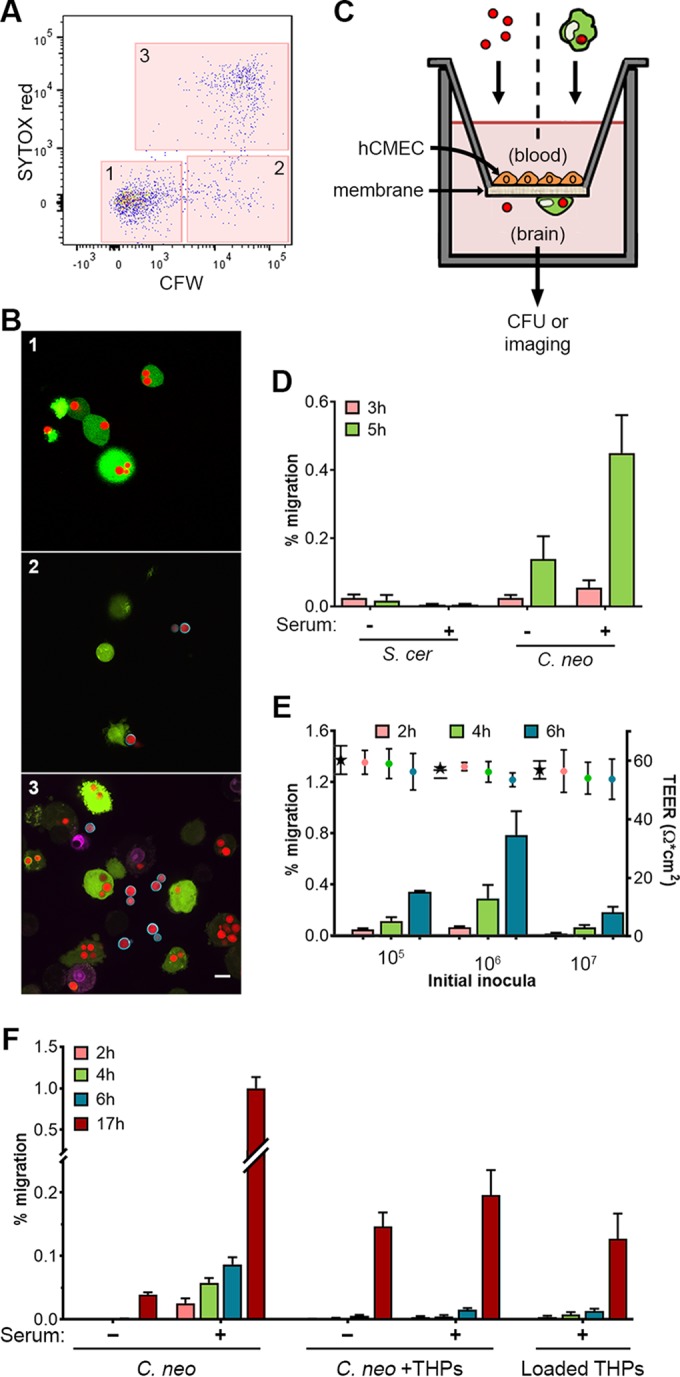
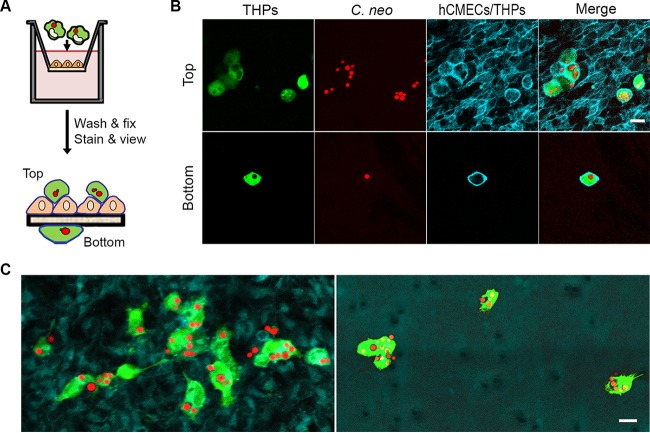
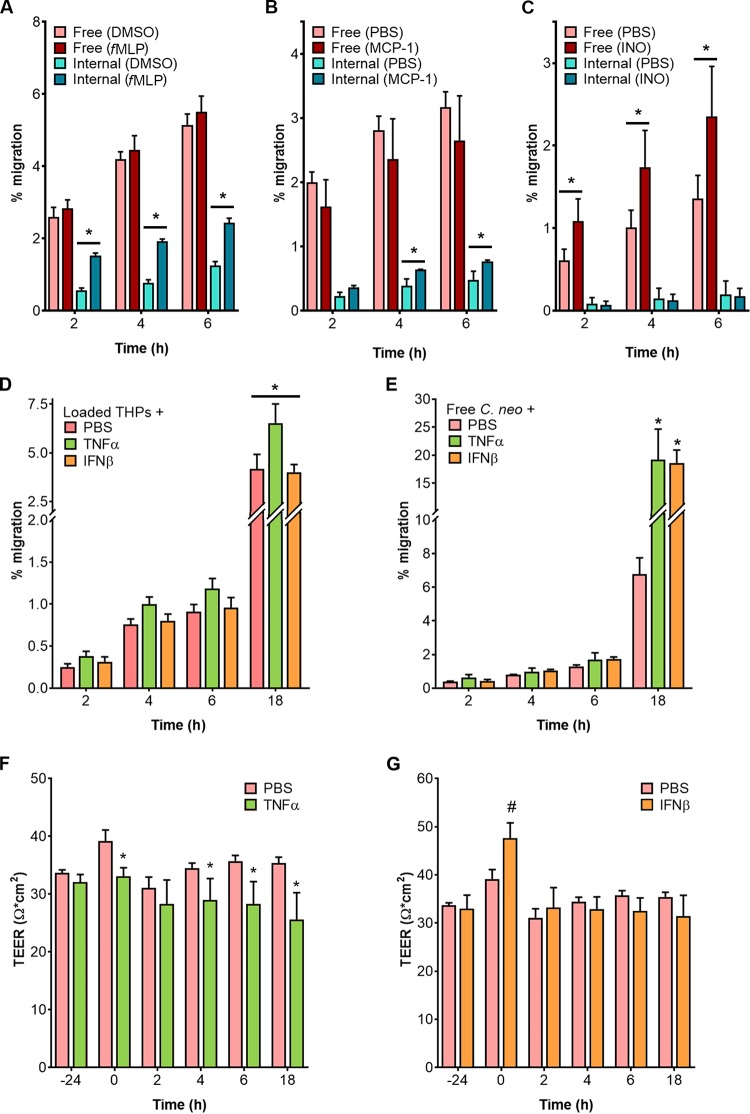
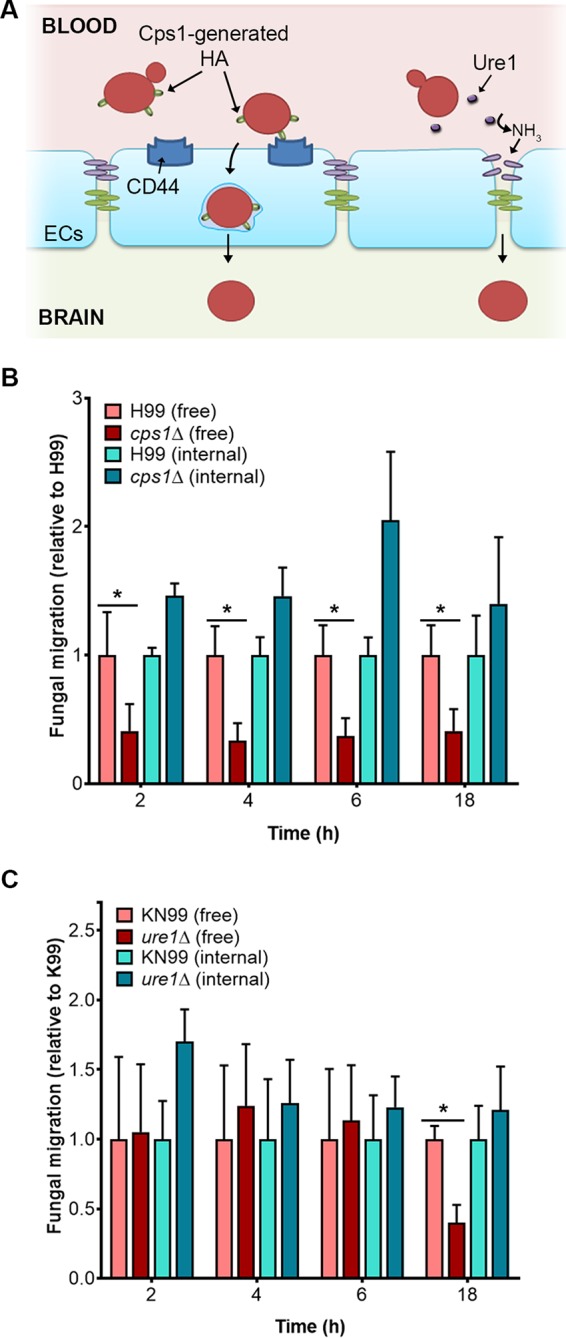
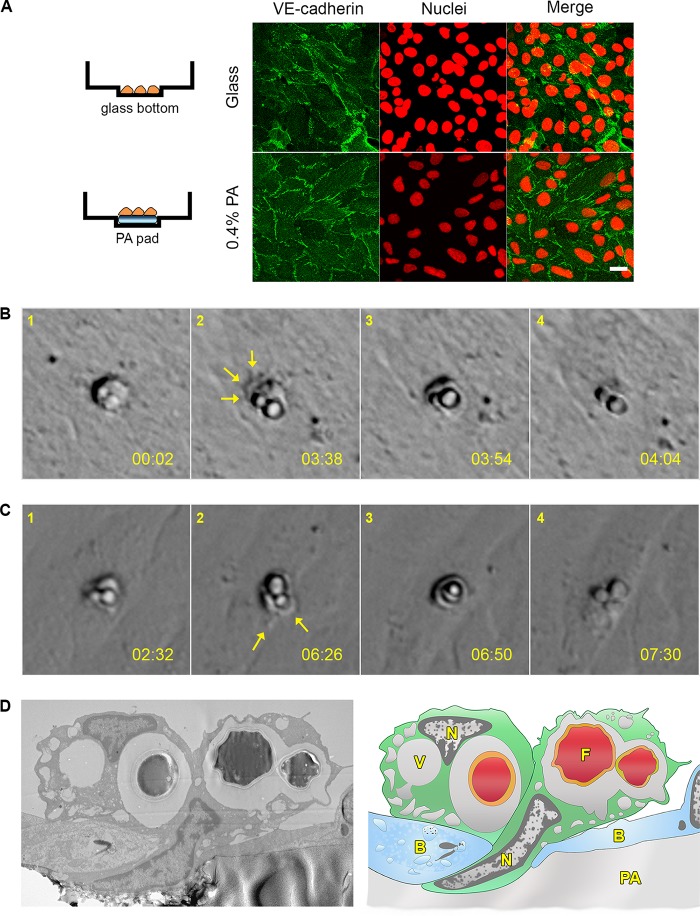
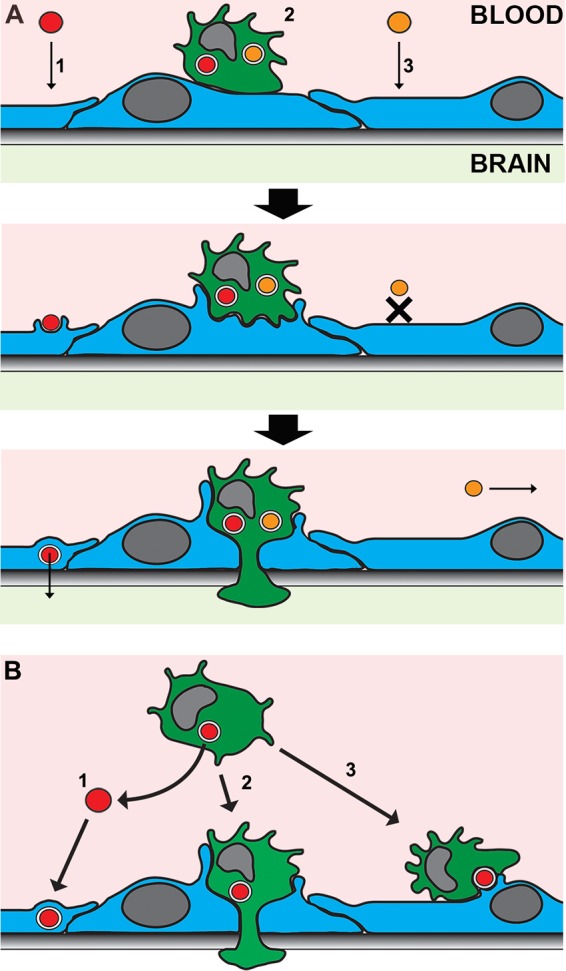
The blood-brain barrier (BBB) protects the central nervous system (CNS) by restricting the passage of molecules and microorganisms. Despite this barrier, however, the fungal pathogen Cryptococcus neoformans invades the brain, causing a meningoencephalitis that is estimated to kill over 600,000 people annually. Cryptococcal infection begins in the lung, and experimental evidence suggests that host phagocytes play a role in subsequent dissemination, although this role remains ill defined. Additionally, the disparate experimental approaches that have been used to probe various potential routes of BBB transit make it impossible to assess their relative contributions, confounding any integrated understanding of cryptococcal brain entry. Here we used an in vitro model BBB to show that a “Trojan horse” mechanism contributes significantly to fungal barrier crossing and that host factors regulate this process independently of free fungal transit. We also, for the first time, directly imaged C. neoformans -containing phagocytes crossing the BBB, showing that they do so via transendothelial pores. Finally, we found that Trojan horse crossing enables CNS entry of fungal mutants that cannot otherwise traverse the BBB, and we demonstrate additional intercellular interactions that may contribute to brain entry. Our work elucidates the mechanism of cryptococcal brain invasion and offers approaches to study other neuropathogens. IMPORTANCE The fungal pathogen Cryptococcus neoformans invades the brain, causing a meningoencephalitis that kills hundreds of thousands of people each year. One route that has been proposed for this brain entry is a Trojan horse mechanism, whereby the fungus crosses the blood-brain barrier (BBB) as a passenger inside host phagocytes. Although indirect experimental evidence supports this intriguing mechanism, it has never been directly visualized. Here we directly image Trojan horse transit and show that it is regulated independently of free fungal entry, contributes to cryptococcal BBB crossing, and allows mutant fungi that cannot enter alone to invade the brain.
Overview
The claims and statistics of this paper haven’t been checked yet.
Free: it reads the open-access text and checks the first 5 claims that cite a source we can check. Create a free account to check every claim.
Integrity signals
Registry
Cites
Statistics
Figures
Verification
Claims the paper makes
The claims and statistics of this paper haven’t been checked yet.
Free: it reads the open-access text and checks the first 5 claims that cite a source we can check. Create a free account to check every claim.
Claims other papers make about this one
Each is checked against this paper’s own text: does it say what the citing paper says it does?
The source backs part of the claim, not all of it — or backs it for a different population, condition or comparison.
In the citing paper
“These pathways involves the entry of free yeast through a damaged or weakened BBB, and are supported by reports that accumulation of C. neoformans in the brain results in severe damage to endothelial cells as well as tight junction alterations [60, 121, 136].”
From Mechanisms of fungal dissemination (2021) · cites this paper as [121]
Experimental — accuracy not yet measuredThe cited source says what the claim attributes to it.
In the citing paper
“In contrast, paracellular transmigration (between endothelial cells) likely represents a small percentage of Trojan horse crossing as transendothelial electrical resistance (TEER) values remained stable during in vitro assays, indicating little to no disruption of endothelial tight junctions [121].”
From Mechanisms of fungal dissemination (2021) · cites this paper as [121]
In the citing paper
“Interestingly, transcellular transmigration (through endothelial cells) of monocytes harboring C. neoformans, is the major pathway for Trojan horse crossing [121].”
From Mechanisms of fungal dissemination (2021) · cites this paper as [121]
Self-check
Percentages, sums and reported differences re-computed from the paper’s own numbers.
The self-check needs the paper’s full text.
Citations
Cites
Hidden Killers: Human Fungal Infections
Brown, G. D., Denning, D. W., Gow, N. A. R., Levitz, S. M., Netea, M. G., & White, T. C. (2012) · Science Translational Medicine · doi:10.1126/scitranslmed.3004404 · Cited by 4,284 · cited 3×
“Phagocytes can bring the fungus to the CNS internally and then exit the phagocyte by nonlytic exocytosis and cross the BBB as free yeast by transcytosis (1).”
BackgroundSystematic Genetic Analysis with Ordered Arrays of Yeast Deletion Mutants
Tong, A. H. Y., Evangelista, M., Parsons, A. B., Xu, H., Bader, G. D., Pagé, N., Robinson, M., Raghibizadeh, S., Hogue, C. W. V., Bussey, H., et al. (2001) · Science · doi:10.1126/science.1065810 · Cited by 2,138 · cited 2×
“cerevisiae strain BY4741 (64), provided by Michael Brent, was transformed with an integrative plasmid expressing cytoplasmic mCherry (from Addgene).”
MethodPark, B. J., Wannemuehler, K. A., Marston, B. J., Govender, N., Pappas, P. G., & Chiller, T. M. (2009) · AIDS · doi:10.1097/qad.0b013e328322ffac · Cited by 2,014 · cited 3×
“(B) Loaded phagocytes potentially contribute to brain invasion by pathways that do not involve true Trojan horse transit (2).”
BackgroundPreparation of Hydrogel Substrates with Tunable Mechanical Properties
Tse, J. R., & Engler, A. J. (2010) · Current Protocols in Cell Biology · doi:10.1002/0471143030.cb1016s47 · Cited by 1,070 · cited 2×
“ties of in vivo tissues (46), and monitored the monolayers by phase-contrast microscopy”
MethodThe hCMEC/D3 cell line as a model of the human blood brain barrier
Weksler, B., Romero, I. A., & Couraud, P.-O. (2013) · Fluids and Barriers of the CNS · doi:10.1186/2045-8118-10-16 · Cited by 753 · cited 2×
“endocytosis (22), and professional phagocytes (THPs).”
MethodSystematic Genetic Analysis of Virulence in the Human Fungal Pathogen Cryptococcus neoformans
Liu, O. W., Chun, C. D., Chow, E. D., Chen, C., Madhani, H. D., & Noble, S. M. (2008) · Cell · doi:10.1016/j.cell.2008.07.046 · Cited by 443
Anatomy and physiology of the blood-brain barrier
Serlin, Y., Shelef, I., Knyazer, B., & Friedman, A. (2015) · Seminars in Cell & Developmental Biology · doi:10.1016/j.semcdb.2015.01.002 · Cited by 397 · cited 1×
“barrier (BBB), which protects the CNS from chemical and infectious damage (5).”
BackgroundSexual Cycle of Cryptococcus neoformans var. grubii and Virulence of Congenic a and α Isolates
Nielsen, K., Cox, G. M., Wang, P., Toffaletti, D. L., Perfect, J. R., & Heitman, J. (2003) · Infection and Immunity · doi:10.1128/iai.71.9.4831-4841.2003 · Cited by 382
Evidence of a Role for Monocytes in Dissemination and Brain Invasion by Cryptococcus neoformans
Charlier, C., Nielsen, K., Daou, S., Brigitte, M., Chretien, F., & Dromer, F. (2009) · Infection and Immunity · doi:10.1128/iai.01065-08 · Cited by 362 · cited 2×
“neoformans uses a Trojan horse mechanism to traverse the BBB is primarily derived from indirect studies in vivo, including histological observation of fungi within phagocytes in brain microvasculature and parenchyma (18) and adoptive transfer experiments using infected macrophages (14, 16).”
BackgroundOlszewski, M. A., Noverr, M. C., Chen, G.-H., Toews, G. B., Cox, G. M., Perfect, J. R., & Huffnagle, G. B. (2004) · The American Journal of Pathology · doi:10.1016/s0002-9440(10)63734-0 · Cited by 289 · cited 1×
“neoformans brain invasion in vivo (11, 12).”
Cited by
CNS Infection and Immune Privilege
Forrester, J. V., McMenamin, P. G., & Dando, S. J. (2018) · Nature Reviews Neuroscience · doi:10.1038/s41583-018-0070-8 · Cited by 313
Basic principles of the virulence of Cryptococcus
Zaragoza, O. (2019) · Virulence · doi:10.1080/21505594.2019.1614383 · Cited by 249
“type strains, supporting the role of the Trojan Horse mechanism in cryptococcal dissemination [174].”
BackgroundMethodProtective and Pathological Immunity during Central Nervous System Infections
Klein, R. S., & Hunter, C. A. (2017) · Immunity · doi:10.1016/j.immuni.2017.06.012 · Cited by 175
“(C) Para-cellular route whereby the breakdown of the tight junctions allows access of infected cells or extracellular pathogens to access the peri-vascular unit (Santiago-Tirado et al., 2017; Shi et al., 2010; Vu et al., 2013).”
BackgroundSelf-citationKim, J., Lee, K.-T., Lee, J. S., Shin, J., Cui, B., Yang, K., Choi, Y. S., Choi, N., Lee, S. H., Lee, J.-H., et al. (2021) · Nature Biomedical Engineering · doi:10.1038/s41551-021-00743-8 · Cited by 172
Fu, M. S., Coelho, C., De Leon-Rodriguez, C. M., Rossi, D. C. P., Camacho, E., Jung, E. H., Kulkarni, M., & Casadevall, A. (2018) · PLOS Pathogens · doi:10.1371/journal.ppat.1007144 · Cited by 138
Combatting the evolution of antifungal resistance in Cryptococcus neoformans
Bermas, A., & Geddes‐McAlister, J. (2020) · Molecular Microbiology · doi:10.1111/mmi.14565 · Cited by 155
Mechanisms of Pathogen Invasion into the Central Nervous System
Cain, M. D., Salimi, H., Diamond, M., & Klein, R. S. (2019) · Neuron · doi:10.1016/j.neuron.2019.07.015 · Cited by 146
Self-citationMechanisms of fungal dissemination
Strickland, A. B., & Shi, M. (2021) · Cellular and Molecular Life Sciences · doi:10.1007/s00018-020-03736-z · Cited by 127
Gushiken, A. C., Saharia, K., & Baddley, J. W. (2021) · Infectious Disease Clinics of North America · doi:10.1016/j.idc.2021.03.012 · Cited by 144
Central Nervous System Cryptococcal Infections in Non-HIV Infected Patients
Beardsley, J., Sorrell, T. C., & Chen, S. C. ‐. (2019) · Journal of Fungi · doi:10.3390/jof5030071 · Cited by 122
Immunology of Cryptococcal Infections: Developing a Rational Approach to Patient Therapy
Elsegeiny, W. A. W., Marr, K. A., & Williamson, P. R. (2018) · Frontiers in Immunology · doi:10.3389/fimmu.2018.00651 · Cited by 117
“Both microbial and host factors have been identified to be involved in CNS invasion, including cryptococcal matrix metalloprotease, production of a urease enzyme (88), and increases in host brain inositol levels (89, 90).”
BackgroundCryptococcal pathogenic mechanisms: a dangerous trip from the environment to the brain
Esher, S. K., Zaragoza, Ó., & Alspaugh, J. A. (2018) · Memórias do Instituto Oswaldo Cruz · doi:10.1590/0074-02760180057 · Cited by 126
“In these experiments, C. neoformans can transmigrate across an in vitro-generated BBB via transcellular pores when transported inside macrophages (Sorrell et al. 2016, Santiago-Tirado et al. 2017).”
BackgroundImmunomodulatory Role of Capsular Polysaccharides Constituents of Cryptococcus neoformans
Decotè-Ricardo, D., LaRocque-de-Freitas, I. F., da Rocha, J. D. B., Nascimento, D. O., Nunes, M. P., Morrot, A., Freire‐de‐Lima, L., Previato, J. O., Mendonça‐Previato, L., & Freire-de-Lima, C. G. (2019) · Frontiers in Medicine · doi:10.3389/fmed.2019.00129 · Cited by 109
Sansores‐España, L. D., Melgar‐Rodríguez, S., Sagredo-Olivares, K., Cafferata, E. A., Martínez-Aguilar, V. M., Vernal, R., Paula-Lima, A. C., & Díaz‐Zúñiga, J. (2021) · Frontiers in Aging · doi:10.3389/fragi.2021.781582 · Cited by 120
Lee, S. J., Jeong, W., & Atala, A. (2024) · Advanced Materials · doi:10.1002/adma.202408032 · Cited by 120
Mechanisms of Cryptococcus neoformans-Mediated Host Damage
Casadevall, A., Coelho, C., & Alanio, A. (2018) · Frontiers in Immunology · doi:10.3389/fimmu.2018.00855 · Cited by 90
Banks, W. A., Rhea, E. M., Reed, M. J., & Erickson, M. A. (2024) · Cell Reports Medicine · doi:10.1016/j.xcrm.2024.101760 · Cited by 127
The Role of Melanin in Fungal Pathogenesis for Animal Hosts
Smith, D. F. Q., & Casadevall, A. (2019) · Current topics in microbiology and immunology · doi:10.1007/82_2019_173 · Cited by 109
Chen, Y., Shi, Z. W., Strickland, A. B., & Shi, M. (2022) · Journal of Fungi · doi:10.3390/jof8101069 · Cited by 123
“neoformans were directly seen to cross brain endothelial cells [44,45], demonstrating that these cells can facilitate neuroinvasion.”
BackgroundPathways of host cell exit by intracellular pathogens
Flieger, A., Frischknecht, F., Haecker, G., Hornef, M. W., & Pradel, G. (2018) · Microbial Cell · doi:10.15698/mic2018.12.659 · Cited by 95
“Non-lytic egress of the fungus Cryptococcus neoformans is debated as an important factor determining systemic dissemination of the pathogen [221, 222].”
BackgroundA dissemination-prone morphotype enhances extrapulmonary organ entry by Cryptococcus neoformans
Denham, S. T., Brammer, B., Chung, K. Y., Wambaugh, M. A., Bednarek, J. M., Guo, L., Moreau, C. T., & Brown, J. C. S. (2022) · Cell Host & Microbe · doi:10.1016/j.chom.2022.08.017 · Cited by 80
Pathogens infecting the central nervous system
Govic, Y. L., Demey, B., Cassereau, J., Bahn, Y., & Papon, N. (2022) · PLoS Pathogens · doi:10.1371/journal.ppat.1010234 · Cited by 82
“neoformans can cross the BBB via Trojan horse mechanism [29].”
BackgroundFungal kinases and transcription factors regulating brain infection in Cryptococcus neoformans
Lee, K.-T., Hong, J., Lee, D.-G., Lee, M., Cha, S., Lim, Y.-G., Jung, K.-W., Hwangbo, A., Lee, Y., Yu, S.-J., et al. (2020) · Nature Communications · doi:10.1038/s41467-020-15329-2 · Cited by 74
Upadhya, R., Lam, W. C., Maybruck, B. T., Donlin, M. J., Chang, A. L., Kayode, S., Ormerod, K. L., Fraser, J. A., Doering, T. L., & Lodge, J. K. (2017) · Fungal Genetics and Biology · doi:10.1016/j.fgb.2017.08.008 · Cited by 75
Self-citationThe blood-brain barrier internalises Cryptococcus neoformans via the EphA2-tyrosine kinase receptor
Aaron, P. A., Jamklang, M., Uhrig, J. P., & Gelli, A. (2018) · Cellular Microbiology · doi:10.1111/cmi.12811 · Cited by 70
“…move freely within the bloodstream, lodge within the lumen of the capillaries, and cross the BBB directly via a transcellular mechanism (Chang et al., 2004; Chen et al., 2003; Chretien et al., 2002; Jong, Wu, Prasadarao, et al., 2008; Shi et al., 2010; Vu, Weksler, Romero, Couraud, & Gelli, 2009).”
BackgroundCarter, C. J. (2017) · Journal of Alzheimer's Disease Reports · doi:10.3233/adr-170017 · Cited by 69
“The fungal pathogen C. neoformans uses a Trojan horse strategy where infected phagocytes cross brain microendothelial barriers [30] .”
BackgroundMechanisms of Pulmonary Escape and Dissemination by Cryptococcus neoformans
Denham, S., & Brown, J. (2018) · Journal of Fungi · doi:10.3390/jof4010025 · Cited by 67
“neoformans dissemination from the lungs and even transversal of the blood–brain barrier [22,27].”
BackgroundFalse friends: Phagocytes as Trojan horses in microbial brain infections
Santiago-Tirado, F. H., & Doering, T. L. (2017) · PLOS Pathogens · doi:10.1371/journal.ppat.1006680 · Cited by 61
Self-citationPeeling the onion: the outer layers of Cryptococcus neoformans
Agustinho, D. P., Miller, L., Li, L. X., & Doering, T. L. (2018) · Memórias do Instituto Oswaldo Cruz · doi:10.1590/0074-02760180040 · Cited by 76
“In severely immunocompromised individuals, however, C. neoformans can disseminate from the lungs and cross the blood-brain barrier (Santiago-Tirado et al. 2017), causing an often-lethal meningoencephalitis.”
BackgroundSelf-citationWalsh, N. M., Botts, M. R., McDermott, A. J., Ortiz, S. C., Wüthrich, M., Klein, B., & Hull, C. M. (2019) · PLOS Pathogens · doi:10.1371/journal.ppat.1007777 · Cited by 60
Chang, A. L., & Doering, T. L. (2018) · mBio · doi:10.1128/mbio.01375-18 · Cited by 59
“If the infected individual is or becomes immunocompromised, however, the cryptococcal cells may disseminate throughout the body, showing a tropism for the brain (21).”
Self-citationGenome-wide functional analysis of phosphatases in the pathogenic fungus Cryptococcus neoformans
Jin, J., Lee, K.-T., Hong, J., Lee, D., Jang, E.-H., Kim, J. Y., Lee, Y., Lee, S., So, Y.-S., Jung, K., et al. (2020) · Nature Communications · doi:10.1038/s41467-020-18028-0 · Cited by 59
Na Pombejra, S., Salemi, M., Phinney, B. S., & Gelli, A. (2017) · Frontiers in Cellular and Infection Microbiology · doi:10.3389/fcimb.2017.00296 · Cited by 47
“Cn can cross the BBB by a transcellular pathway and a Trojan horse (i.e., monocyte-assisted)-mediated mechanism (Charlier et al., 2009; Shi et al., 2010; Huang et al., 2011; Liu et al., 2013; Vu et al., 2013, 2014; Santiago-Tirado et al., 2017).”
BackgroundPulmonary Macrophage and Dendritic Cell Responses to Cryptococcus neoformans
Nelson, B. N., Hawkins, A. N., & Wozniak, K. L. (2020) · Frontiers in Cellular and Infection Microbiology · doi:10.3389/fcimb.2020.00037 · Cited by 53
“…inside of phagocytic cells allows the pathogen to exhibit a trojan horse mechanism (Charlier et al., 2009) that enables the fungal pathogen to successfully cross the blood brain barrier through transendothelial pores contributing to cryptococcal brain invasion (Santiago-Tirado et al., 2017).”
BackgroundKaufman-Francis, K., Djordjevic, J. T., Juillard, P.-G., Lev, S., Desmarini, D., Grau, G. E. R., & Sorrell, T. C. (2018) · The American Journal of Pathology · doi:10.1016/j.ajpath.2018.03.015 · Cited by 46
“4,31,32 Cn penetration of the glia limitans may be facilitated by local release of cryptococcal enzymes because the metalloprotease, Mpr1, 33 urease, 15,30 phospholipase B1 (PLB1), 2 and enzymes in secreted microvesicles 34,35 have been implicated in cryptococcal penetration of cerebral…”
BackgroundIn vitroinfection models to study fungal–host interactions
Last, A., Maurer, M., Mosig, A. S., Gresnigt, M. S., & Hube, B. (2021) · FEMS Microbiology Reviews · doi:10.1093/femsre/fuab005 · Cited by 49
Lavrin, T., Konte, T., Kostanjšek, R., Sitar, S., Sepčić, K., Mihevc, S. P., Žagar, E., Župunski, V., Lenassi, M., Rogelj, B., et al. (2020) · Cells · doi:10.3390/cells9040963 · Cited by 46
“Despite this, traversal pathways of fungal species or metabolites are mostly unknown, although some aspects of crossing the blood–brain barrier [103,104] and enhancement of brain infection via cell-derived vesicles [69] are well established.”
Coelho, C., Camacho, E., Salas, A., Alanio, A., & Casadevall, A. (2019) · mSphere · doi:10.1128/msphere.00483-19 · Cited by 45
“Depletion of mononuclear phagocytes decreases the number of yeasts detected in the brain since it prevents Trojan-horse transport (18, 21, 30, 31).”
BackgroundThe cause and effect of Cryptococcus interactions with the host
Ballou, E. R., & Johnston, S. A. (2017) · Current Opinion in Microbiology · doi:10.1016/j.mib.2017.10.012 · Cited by 44
Genome‐wide analysis of the regulation of Cu metabolism in Cryptococcus neoformans
García‐Santamarina, S., Festa, R. A., Smith, A. D., Yu, C.-H. A., Probst, C., Ding, C., Homer, C. M., Yin, J., Noonan, J. P., Madhani, H. D., et al. (2018) · Molecular Microbiology · doi:10.1111/mmi.13960 · Cited by 41
“…yeast, successful colonization of the lungs allows C. neoformans to disseminate to the brain, likely via macrophage-mediated transmission (Santiago-Tirado and Doering, 2017; Santiago-Tirado et al., 2017), caus- ing lethal cryptococcal meningitis primarily in immuno- compromised individuals.”
Cryptococcal Meningitis and Anti-virulence Therapeutic Strategies
Vu, K., Garcia, J. A., & Gelli, A. (2019) · Frontiers in Microbiology · doi:10.3389/fmicb.2019.00353 · Cited by 44
Dragotakes, Q., Fu, M. S., & Casadevall, A. (2019) · The Journal of Immunology · doi:10.4049/jimmunol.1801118 · Cited by 39
“neoformans was described in blood-brain barrier models (16).”
BackgroundCryptococcus escapes host immunity: What do we know?
Yang, C., Huang, Y., Zhou, Y., Zang, X., Deng, H., Liu, Y., Shen, D., & Xue, X. (2022) · Frontiers in Cellular and Infection Microbiology · doi:10.3389/fcimb.2022.1041036 · Cited by 45
“found that macrophages provide an ecological niche for Cryptococcus to replicate intracellularly, which limits the effect of extracellular antifungal drugs, as well as the fact that Cryptococcus crosses the blood-brain barrier to enter the brain via macrophages as a Trojan horse transmission (Santiago-Tirado et al., 2…”
BackgroundBenmimoun, B., Papastefanaki, F., Périchon, B., Segklia, K., Roby, N., Miriagou, V., Schmitt, C., Dramsi, S., Matsas, R., & Spéder, P. (2020) · Nature Communications · doi:10.1038/s41467-020-19826-2 · Cited by 45
Microglia are not protective against cryptococcal meningitis
Mohamed, S. H., Fu, M. S., Hain, S., Alselami, A., Vanhoffelen, E., Li, Y., Bojang, E., Lukande, R. L., Ballou, E. R., May, R. C., et al. (2023) · Nature Communications · doi:10.1038/s41467-023-43061-0 · Cited by 35
“C. neoformans is thought to invade the CNS using a variety of routes, including transcellular invasion of the BBB as free yeast or within host immune cells (e.g. monocytes) 33 .”
Microbiome Medicine: This Changes Everything
Alverdy, J. C. (2018) · Journal of the American College of Surgeons · doi:10.1016/j.jamcollsurg.2018.02.004 · Cited by 38
Reuwsaat, J. C. V., Agustinho, D. P., Motta, H., Brown, H., Chang, A. L., Brent, M. R., Kmetzsch, L., & Doering, T. L. (2021) · mBio · doi:10.1128/mbio.03457-20 · Cited by 41
Self-citationInfluenza A Virus as a Predisposing Factor for Cryptococcosis
Oliveira, L. V. N., da Costa, M. C., Magalhães, T. F. F., Bastos, R. W., Santos, P. C., Carneiro, H. C. S., Ribeiro, N. Q., Ferreira, G. F., Ribeiro, L. S., Gonçalves, A. P., et al. (2017) · Frontiers in Cellular and Infection Microbiology · doi:10.3389/fcimb.2017.00419 · Cited by 36
“We speculate that Cg uses the macrophage, since its fungicidal activity is reduced, to evade the inflammatory response and enters the CNS by the well-established “Trojan horse”mechanism (Sorrell et al., 2016; Santiago-Tirado et al., 2017), leading to the poor prognosis of the disease.”
BackgroundChadwick, B. J., Pham, T., Xie, X., Ristow, L. C., Krysan, D. J., & Lin, X. (2022) · eLife · doi:10.7554/elife.82563 · Cited by 36
Fungal factors involved in host immune evasion, modulation and exploitation during infection
König, A., Müller, R., Mogavero, S., & Hube, B. (2020) · Cellular Microbiology · doi:10.1111/cmi.13272 · Cited by 40
Dangerous Liaisons: Interactions of Cryptococcus neoformans with Host Phagocytes
Gaylord, E. A., Choy, H. L., & Doering, T. L. (2020) · Pathogens · doi:10.3390/pathogens9110891 · Cited by 33
“The Trojan horse mechanism is supported by recent studies that used trans-well models and live imaging to directly demonstrate the ability of engulfed cryptococci to cross an endothelial cell monolayer [100,101].”
BackgroundSelf-citationProal, A. D., & VanElzakker, M. B. (2020) · Immunometabolism · doi:10.20900/immunometab20210003 · Cited by 39
“Active transport of macrophage from the periphery into the brain may additionally allow intracellular pathogens to enter the brain parenchyma in a Trojan-horse-like fashion [140,141].”
BackgroundSun, D., Zhang, M., Sun, P., Liu, G., Strickland, A. B., Chen, Y., Fu, Y., Yosri, M., & Shi, M. (2020) · PLOS Pathogens · doi:10.1371/journal.ppat.1008361 · Cited by 34
“neoformans have been directly seen to cross a monolayer of brain endothelial cells cultured in vitro [30, 31].”
BackgroundA viral journey to the brain: Current considerations and future developments
Ayala‐Nunez, V., & Gaudin, R. (2020) · PLoS Pathogens · doi:10.1371/journal.ppat.1008434 · Cited by 37
Okurut, S., Boulware, D. R., Olobo, J. O., & Meya, D. B. (2020) · Mycoses · doi:10.1111/myc.13122 · Cited by 40
Fungal CNS Infections in Africa: The Neuroimmunology of Cryptococcal Meningitis
Mohamed, S. H., Nyazika, T. K., Ssebambulidde, K., Lionakis, M. S., Meya, D. B., & Drummond, R. A. (2022) · Frontiers in Immunology · doi:10.3389/fimmu.2022.804674 · Cited by 39
“Mutant strains that were unable to make hyaluronic acid (cps1D) had a profound defect in cellular transmigration (discussed below), but could be transported within macrophages indicating that Trojan Horse mediated entry can enable transport of yeast that would otherwise be restricted from the CNS (93).”
BackgroundFrancis, V. I., Liddle, C., Camacho, E., Kulkarni, M., Santos, S. R. D., Harvey, J. A., Ballou, E. R., Thomson, D. D., Brown, G. D., Hardwick, J. M., et al. (2024) · mBio · doi:10.1128/mbio.03078-23 · Cited by 36
“However, other works showed that free cryptococci can adhere and traverse human brain endothelial cells (26), become internalized by mouse brain endothelial cells, without the presence of phagocytes (27), and adhere to human lung epithelial-derived A549 cells (9, 28) and other airway immortalized…”
BackgroundIt’s all in your head: antifungal immunity in the brain
Snarr, B. D., Drummond, R. A., & Lionakis, M. S. (2020) · Current Opinion in Microbiology · doi:10.1016/j.mib.2020.07.011 · Cited by 36
The roles of fungus in CNS autoimmune and neurodegeneration disorders
Wu, C., Jiang, M., Jiang, R., Pang, T., & Zhang, C. (2023) · Frontiers in Immunology · doi:10.3389/fimmu.2022.1077335 · Cited by 34
“neoformans to pass the endothelial cell layer of the brain (7, 8).”
BackgroundLipids Affect the Cryptococcus neoformans-Macrophage Interaction and Promote Nonlytic Exocytosis
Nolan, S. J., Fu, M. S., Coppens, I., & Casadevall, A. (2017) · Infection and Immunity · doi:10.1128/iai.00564-17 · Cited by 35
Scherer, A. K., Blair, B. A., Park, J., Seman, B. G., Kelley, J. B., & Wheeler, R. T. (2020) · PLOS Pathogens · doi:10.1371/journal.ppat.1008414 · Cited by 30
“dissemination into the bloodstream [12, 28, 36].”
Background“Under Pressure” – How fungi evade, exploit, and modulate cells of the innate immune system
Lange, T., Kasper, L., Gresnigt, M. S., Brunke, S., & Hube, B. (2023) · Seminars in Immunology · doi:10.1016/j.smim.2023.101738 · Cited by 36
Blood–brain barrier microfluidic chips and their applications
Li, M., Zhu, M., Huang, R., Wang, K., Zeng, Z., Xiao, L. X., Lin, Y., & Liu, D. (2023) · Organs-on-a-Chip · doi:10.1016/j.ooc.2023.100027 · Cited by 35
Al-Huthaifi, A. M., Radman, B. A., Al-Alawi, A. A., Mahmood, F., & Liu, T. (2024) · Journal of Fungi · doi:10.3390/jof10080586 · Cited by 46
Ding, H., Caza, M., Dong, Y., Arif, A. A., Horianopoulos, L. C., Hu, G., Johnson, P., & Kronstad, J. W. (2018) · Infection and Immunity · doi:10.1128/iai.00069-18 · Cited by 34
Naik, B., Sasikumar, J., & Das, S. P. (2024) · Molecular Neurobiology · doi:10.1007/s12035-024-04270-w · Cited by 34
“Malassezia might use a “Trojan horse” approach in which phagocytes holding viable yeast cells pass the endothelial cell layer of the brain [246, 290] and affect the endothelial cell tight junctions or forming pores in the layer of endothelial cells [236].”
Aaron, P. A., Vu, K., & Gelli, A. (2020) · mBio · doi:10.1128/mbio.01249-20 · Cited by 28
The Trojan Horse Model in Paracoccidioides: A Fantastic Pathway to Survive Infecting Human Cells
Giusiano, G. (2021) · Frontiers in Cellular and Infection Microbiology · doi:10.3389/fcimb.2020.605679 · Cited by 25
Gibson, J. F., Bojarczuk, A., Evans, R. J., Kamuyango, A. A., Hotham, R., Lagendijk, A. K., Hogan, B. M., Ingham, P. W., Renshaw, S. A., & Johnston, S. A. (2022) · PLoS Pathogens · doi:10.1371/journal.ppat.1010389 · Cited by 27
Squizani, E. D., Oliveira, N. K., Reuwsaat, J. C. V., Marques, B. M., Lopes, W., Gerber, A. L., de Vasconcelos, A. T. R., Lev, S., Djordjevic, J. T., Schrank, A., et al. (2017) · Cellular Microbiology · doi:10.1111/cmi.12803 · Cited by 33
Lee, H. H., Carmichael, D. J., Ríbeiro, V., Parisi, D. N., Munzen, M. E., Niño, C. L. C., Hamed, M. F., Kaur, E., Mishra, A., Patel, J., et al. (2023) · PLoS Pathogens · doi:10.1371/journal.ppat.1010941 · Cited by 25
Pombejra, S. N., Jamklang, M., Uhrig, J. P., Vu, K., & Gelli, A. (2018) · PLoS ONE · doi:10.1371/journal.pone.0203020 · Cited by 25
Woo, Y. H., & Martinez, L. R. (2021) · Critical Reviews in Microbiology · doi:10.1080/1040841x.2020.1869178 · Cited by 29
“…crosses the blood–brain barrier (BBB) (Chretien et al. 2002) through multiple mechanisms including transcytosis, paracellular transit, or as “Trojan horse” cargo within alveolar macrophages (Chang et al. 2004; Charlier et al. 2009; Eugenin et al. 2013; Santiago-Tirado et al. 2017) (Figure 1).”
BackgroundLiu, N., Liang, X., Yang, C., Hu, S., Luo, Q., & Luo, H. (2022) · Theranostics · doi:10.7150/thno.76574 · Cited by 21
“Thus, the reorganization of the cerebrovascular endothelial cytoskeleton and the formation of pseudopodia are triggered to exert their phagocytic function into the brain [40-42].”
BackgroundHost immune responses in the central nervous system during fungal infections
Reyes, E. Y., & Shinohara, M. L. (2022) · Immunological Reviews · doi:10.1111/imr.13101 · Cited by 23
“The capsule enables C. neoformans to survive within the phagosome of human and mouse mononuclear phagocytes 55–57 .”
Hamed, M. F., Enriquez, V., Munzen, M. E., Niño, C. L. C., Mihu, M. R., Khoshbouei, H., Alviña, K., & Martinez, L. R. (2023) · PLoS neglected tropical diseases · doi:10.1371/journal.pntd.0011068 · Cited by 22
“horse” cargo within host inflammatory cells (11-14).”
Zhu, J., Jiang, Z., Yu, F., Gao, L., Wang, X., & Wang, Q. (2025) · Frontiers in Cellular and Infection Microbiology · doi:10.3389/fcimb.2025.1641816 · Cited by 27
Septin and actin contributions to endothelial cell–cell junctions and monolayer integrity
Kim, J., Mooren, O. L., Onken, M. D., & Cooper, J. A. (2022) · Cytoskeleton · doi:10.1002/cm.21732 · Cited by 21
“, 2013) and in a long-term live-cell imaging format (Santiago-Tirado et al., 2017).”
InfluentialSelf-citationFusobacterium nucleatum dissemination by neutrophils
Ellett, F. E., Kacamak, N. I., Álvarez, C., OLIVEIRA, E. H. D. S., Hastürk, H., Paster, B. J., Kantarcı, A., & Irimia, D. (2023) · Journal of Oral Microbiology · doi:10.1080/20002297.2023.2217067 · Cited by 20
The pathways and the mechanisms by which Cryptococcus enters the brain
Zhou, Y., Huang, Y., Yang, C., Zang, X., Deng, H., Liu, J., Zhao, E., Tian, T., Pan, L., & Xue, X. (2024) · Mycology: An International Journal on Fungal Biology · doi:10.1080/21501203.2023.2295409 · Cited by 23
“The first possibility seems to have been verified by Santiago-Tirado et al. (2017), who directly observed phagocytes containing crypto-cocci crossing the BBB via live-cell microscopy, providing evidence of the Trojan horse mechanism.”
ResultElalouf, A., Elalouf, H., & Rosenfeld, A. (2023) · Frontiers in Immunology · doi:10.3389/fimmu.2023.1292625 · Cited by 24
Diverse species in the genus Cryptococcus: Pathogens and their non‐pathogenic ancestors
Gupta, S., Paul, K., & Kaur, S. (2020) · IUBMB Life · doi:10.1002/iub.2377 · Cited by 23
“Once it enters the brain, it may lead to inflammation in meninges followed by swelling in brain parenchyma culminating in conditions like meningitis and encephalitis.(26,27) Cryptococcus is also known to cause skin infections.”
BackgroundPeptidases: promising antifungal targets of the human fungal pathogen, Cryptococcus neoformans
Gutierrez‐Gongora, D., & Geddes‐McAlister, J. (2022) · FACETS · doi:10.1139/facets-2021-0157 · Cited by 28
Cryptococcus neoformans Genotypic Diversity and Disease Outcome among HIV Patients in Africa
Kassaza, K., Wasswa, F. B., Nielsen, K., & Bazira, J. (2022) · Journal of Fungi · doi:10.3390/jof8070734 · Cited by 26
de Castro, R. J. A., Marina, C. L., Sturny-Leclère, A., Hoffmann, C., Bürgel, P. H., Wong, S. S. W., Aimanianda, V., Varet, H., Agrawal, R., Bocca, A. L., et al. (2023) · PLoS Pathogens · doi:10.1371/journal.ppat.1011841 · Cited by 22
Li, X., Deng, J., Long, Y., Ma, Y., Wu, Y., Wu, Y., Hu, Y. H., Yu, S., Li, D., Li, N., et al. (2024) · Neurochemistry International · doi:10.1016/j.neuint.2024.105768 · Cited by 21
Elements of dissemination in cryptococcosis
Bednarek, J. M., & Brown, J. C. S. (2024) · mBio · doi:10.1128/mbio.02155-23 · Cited by 22
“Similarly, H. capsulatum granulomas are populated with pro-inflammatory, IFN-γ-producing CD4 + T cells and TNFα-producing macrophages (34).”
New Insights Into Cryptococcus Spp. Biology and Cryptococcal Meningitis
Temfack, E., Boyer‐Chammard, T., Lawrence, D. S., Dellière, S., Loyse, A., Lanternier, F., Alanio, A., & Lortholary, O. (2019) · Current Neurology and Neuroscience Reports · doi:10.1007/s11910-019-0993-0 · Cited by 24
A fungal protein organizes both glycogen and cell wall glucans
Loza, L., & Doering, T. L. (2024) · Proceedings of the National Academy of Sciences · doi:10.1073/pnas.2319707121 · Cited by 16
Self-citationEmerging and re‐emerging fungal threats in Africa
Dangarembizi, R., Wasserman, S. A., & Hoving, J. C. (2022) · Parasite Immunology · doi:10.1111/pim.12953 · Cited by 23
Sato, K., Matsumoto, I., Suzuki, K., Tamura, A., Shiraishi, A., Kiyonari, H., Kasamatsu, J., Yamamoto, H., Miyasaka, T., Tanno, D., et al. (2021) · Scientific Reports · doi:10.1038/s41598-021-00708-6 · Cited by 17
Liu, Y., Zhang, Y., Zhao, X., Lu, W., Zhong, Y., & Fu, Y. V. (2023) · Microbiology Spectrum · doi:10.1128/spectrum.04562-22 · Cited by 20
“neoformans then breaks through the bloodbrain barrier to reach the brain, causing fatal meningitis (20).”
BackgroundFungal mechanisms of intracellular survival: what can we learn from bacterial pathogens?
Stuckey, P. V., & Santiago-Tirado, F. H. (2023) · Infection and Immunity · doi:10.1128/iai.00434-22 · Cited by 22
“While the mechanisms that drive cell-to-cell transfer may be the same as those involved in NLE, these processes are not well understood but may be critical in cryptococcal disease as a mechanism for disseminating to the central nervous system (173).”
BackgroundSelf-citationFungal primary and opportunistic pathogens: an ecological perspective
de Hoog, S., Tang, C., Zhou, X., Lima, B. J. F. D. S., Lustosa, B. P. R., Song, Y., Kandemir, H., Ahmed, S. A., Zhou, S., Belmonte-Lopes, R., et al. (2024) · FEMS Microbiology Reviews · doi:10.1093/femsre/fuae022 · Cited by 24
“The latter mechanism is related to brain infection and the crossing of the blood–brain barrier, as the fungus can utilize macr opha as “Trojan horses,” allo wing y east cells to migrate into brain tissue (Kronstad et al. 2011 , Santiago-Tirado et al. 2017 ).”
BackgroundToplis, B., Kenyon, C. R., Schwartz, I. S., Kroukamp, H., de Witt, R. N., Govender, N. P., de Hoog, S., & Botha, A. (2017) · FEMS Yeast Research · doi:10.1093/femsyr/fox069 · Cited by 19
“A further two studies demonstrated that ureImutants of C. neoformanswere unable to cross the BBB as effectively as wild-type strains (Singh et al. 2013; Santiago-Tirado et al. 2017).”
BackgroundResultPioglitazone as an adjuvant of amphotericin B for the treatment of cryptococcosis
Ribeiro, N. Q., Santos, A. P. N., Emídio, E. C. P., da Costa, M. C., de Freitas, G. J. C., do Carmo, P. H. F., Silva, M. F., de Brito, C. B., de Souza, D. G., da Paixão, T. A., et al. (2019) · International Journal of Antimicrobial Agents · doi:10.1016/j.ijantimicag.2019.06.020 · Cited by 19
da Costa, M. C., Fernandes, H. D. B., Gonçalves, G. K. N., Santos, A. P. N., Ferreira, G. F., de Freitas, G. J. C., do Carmo, P. H. F., Hubner, J., Emídio, E. C. P., dos Santos, J. R. A., et al. (2020) · Cellular Microbiology · doi:10.1111/cmi.13179 · Cited by 19
Bairwa, G., Sánchez‐León, E., Do, E., Jung, W. H., & Kronstad, J. W. (2020) · mBio · doi:10.1128/mbio.00986-20 · Cited by 20
“neoformans can avoid phagocytic killing and exploit macrophages to promote dissemination and movement across the blood brain barrier in a Trojan Horse strategy (79).”
BackgroundEto, S. F., Fernandes, D. C., de Moraes, A. C., Alecrim, J. V. D. C., de Souza, P. G., Carvalho, F. C. A., Charlie‐Silva, I., Belo, M. A. D. A., & Pizauro, J. M. (2020) · Animals · doi:10.3390/ani10112166 · Cited by 18
“This mechanism is called a “Trojan horse” and is used by other Streptococcus strains belonging to Lancefield group B to infect mammals [31] and humans [32].”
BackgroundRoles for Microglia in Cryptococcal Brain Dissemination in the Zebrafish Larva
Nielson, J. A., & Davis, J. M. (2023) · Microbiology Spectrum · doi:10.1128/spectrum.04315-22 · Cited by 15
“If these yeast dwell long enough, they begin to interact with the endothelium in a process that can lead to transcytosis, as seen in vitro (6, 7, 9).”
Background
Metadata
- Authors
- Santiago-Tirado, F. H., Onken, M. D., Cooper, J. A., Klein, R. S., & Doering, T. L.
- Affiliations
- Washington University in St. Louis (US)
- Corresponding author
- Doering, Tamara L.
- Venue
- mBio
- Publisher
- American Society for Microbiology
- Published
- 2017-03-08
- Volume
- 8
- Issue
- 1
- ISSN
- 2150-7511 (ISSN-L)
- 2161-2129
- PMC
- PMC5285505
- OpenAlex
- W2584228215
- Cited by
- 238
- References
- 66
- Citations by year
- 2026: 18 · 2025: 27 · 2024: 29 · 2023: 34 · 2022: 24 · 2021: 26 · 2020: 29 · 2019: 16 · 2018: 19 · 2017: 16
- FWCI
- 17.13
- Type
- journal article
- Language
- en
- Open access
- gold
- doi.org
- Licence
- cc-by
- creativecommons.org/licenses/by/4.0/ (vor)
- journals.asm.org/non-commercial-tdm-license (tdm)
- Locations
- mBio (publishedVersion, cc-by)
- PubMed Central (publishedVersion, cc-by)
- PubMed (publishedVersion)
- Digital Commons@Becker (Washington University School of Medicine) (submittedVersion)
- DOAJ (DOAJ: Directory of Open Access Journals) (submittedVersion, cc-by-sa)
- DOAJ (DOAJ: Directory of Open Access Journals) (submittedVersion)
- Funders
- Barnes Jewish Hospital Foundation (WUCCI Clinical Investigator Award)
- HHS | National Institutes of Health (GM118171, GM38542, AI114549, AI078795, AI102882, AI007172)
- Burroughs Wellcome Fund (Postdoctoral Enrichment Program Award)
- Topics
- Health Sciences › Medicine › Infectious Diseases › Fungal Infections and Studies
- Life Sciences › Neuroscience › Neurology › Barrier Structure and Function Studies
- Life Sciences › Immunology and Microbiology › Microbiology › Bacterial Infections and Vaccines
- Keywords
- Cryptococcus neoformans, blood-brain barrier, Trojan horse mechanism, phagocytes, meningoencephalitis, in vitro blood-brain barrier model, fungal dispersal, central nervous system infection
- MeSH terms
- Blood-Brain Barrier, Cryptococcus neoformans, Humans, Models, Biological, Models, Theoretical, Phagocytes, Immune Evasion
About these checks
Registry, retraction, Cites and statistics results are computed, not judged, with one exception: a printed reference that no index lists is read once by a model before it counts as a citation error. Claims are extracted by a model and kept only when their quote appears verbatim in the text; each cited source is then checked, with a model’s help, for whether it says what the claim relies on. Those verdicts can be wrong — read the claim’s quote and the cited source before relying on one.
Statistics and arithmetic are recomputed, not judged.
Confidence bands are shown only for fields calibrated on our annotated test set. None is calibrated yet, so no band is shown.
What counts as a claim ›How we measure confidence ›How we check this ›
Are you an author, or do you see a problem with this page? Request a review
Data sources
Bibliographic data: Semantic Scholar, OpenAlex, Crossref.
Contains information from the Semantic Scholar Academic Graph Datasets, made available under the ODC Attribution License (ODC-BY 1.0).
Semantic Scholar’s data is described in: Kinney, R., et al. (2023). The Semantic Scholar Open Data Platform. arXiv:2301.10140.
