

A Modified R-Type Bacteriocin Specifically Targeting Clostridium difficile Prevents Colonization of Mice without Affecting Gut Microbiota Diversity
Open accessThe DOI matches its Crossref record; 64 of the 64 references it cites were found in a registry or an index.
Abstract
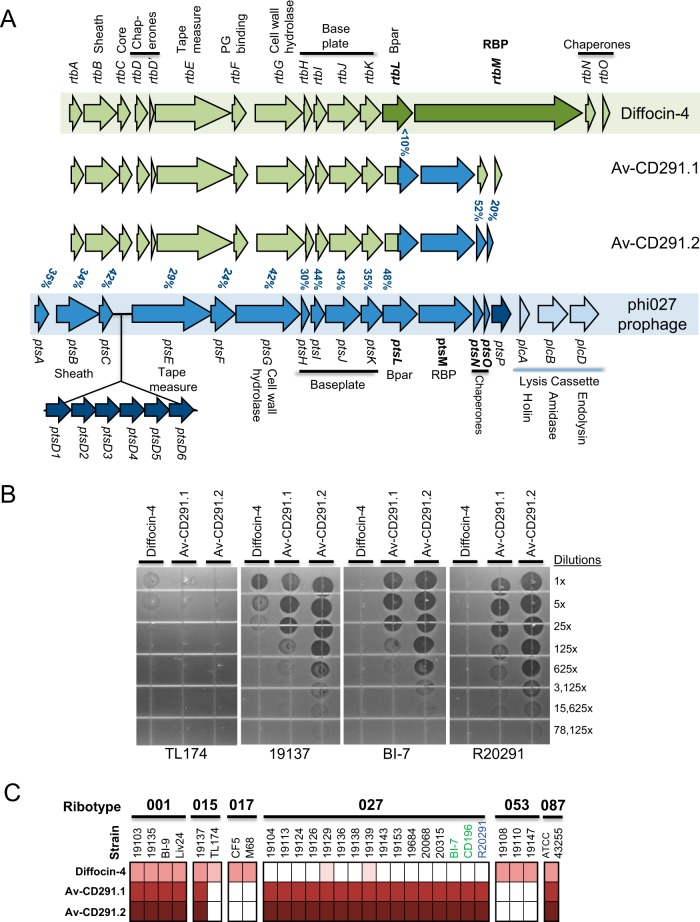
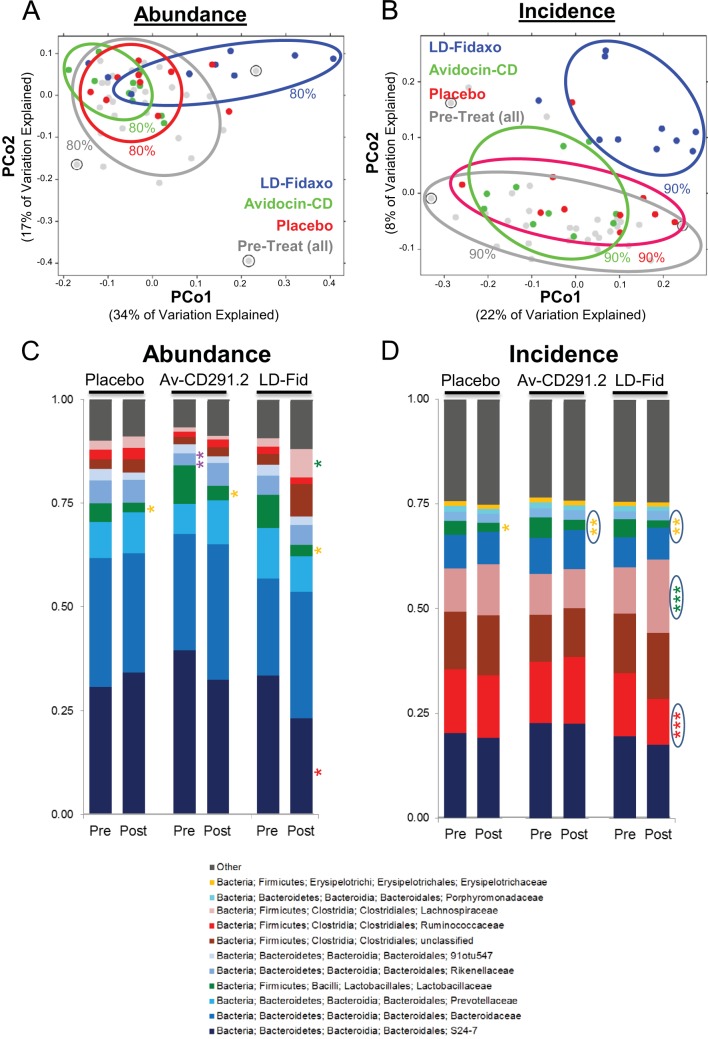
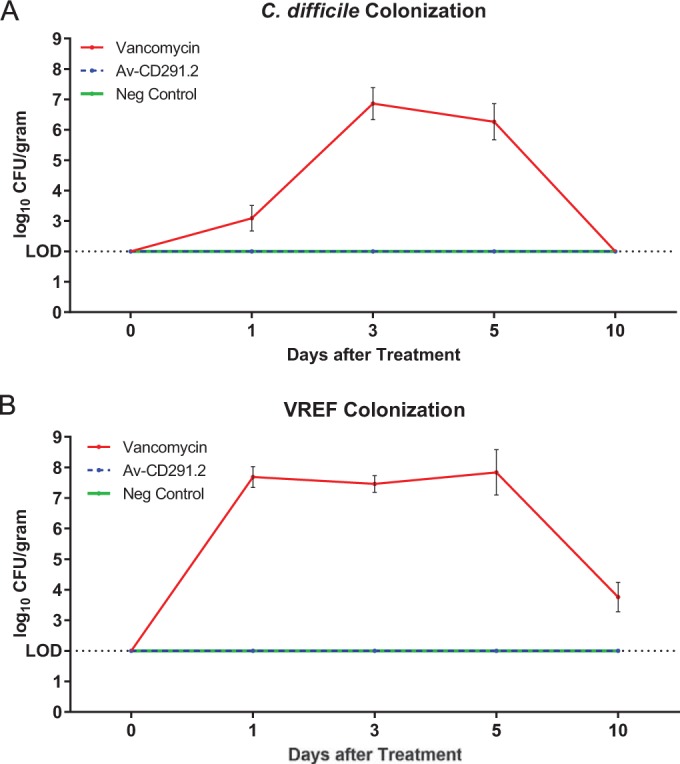
UNLABELLED: Clostridium difficile is a leading cause of nosocomial infections worldwide and has become an urgent public health threat requiring immediate attention. Epidemic lineages of the BI/NAP1/027 strain type have emerged and spread through health care systems across the globe over the past decade. Limiting person-to-person transmission and eradicating C. difficile, especially the BI/NAP1/027 strain type, from health care facilities are difficult due to the abundant shedding of spores that are impervious to most interventions. Effective prophylaxis for C. difficile infection (CDI) is lacking. We have genetically modified a contractile R-type bacteriocin ("diffocin") from C. difficile strain CD4 to kill BI/NAP1/027-type strains for this purpose. The natural receptor binding protein (RBP) responsible for diffocin targeting was replaced with a newly discovered RBP identified within a prophage of a BI/NAP1/027-type target strain by genome mining. The resulting modified diffocins (a.k.a. Avidocin-CDs), Av-CD291.1 and Av-CD291.2, were stable and killed all 16 tested BI/NAP1/027-type strains. Av-CD291.2 administered in drinking water survived passage through the mouse gastrointestinal (GI) tract, did not detectably alter the mouse gut microbiota or disrupt natural colonization resistance to C. difficile or the vancomycin-resistant Enterococcus faecium (VREF), and prevented antibiotic-induced colonization of mice inoculated with BI/NAP1/027-type spores. Given the high incidence and virulence of the pathogen, preventing colonization by BI/NAP1/027-type strains and limiting their transmission could significantly reduce the occurrence of the most severe CDIs. This modified diffocin represents a prototype of an Avidocin-CD platform capable of producing targetable, precision anti-C. difficile agents that can prevent and potentially treat CDIs without disrupting protective indigenous microbiota. IMPORTANCE: Treatment and prevention strategies for bacterial diseases rely heavily on traditional antibiotics, which impose strong selection for resistance and disrupt protective microbiota. One consequence has been an upsurge of opportunistic pathogens, such as Clostridium difficile, that exploit antibiotic-induced disruptions in gut microbiota to proliferate and cause life-threatening diseases. We have developed alternative agents that utilize contractile bactericidal protein complexes (R-type bacteriocins) to kill specific C. difficile pathogens. Efficacy in a preclinical animal study indicates these molecules warrant further development as potential prophylactic agents to prevent C. difficile infections in humans. Since these agents do not detectably alter the indigenous gut microbiota or colonization resistance in mice, we believe they will be safe to administer as a prophylactic to block transmission in high-risk environments without rendering patients susceptible to enteric infection after cessation of treatment.
Overview
The claims and statistics of this paper haven’t been checked yet.
Free: it reads the open-access text and checks the first 5 claims that cite a source we can check. Create a free account to check every claim.
Integrity signals
Registry
Cites
Statistics
Figures
Verification
Claims the paper makes
The claims and statistics of this paper haven’t been checked yet.
Free: it reads the open-access text and checks the first 5 claims that cite a source we can check. Create a free account to check every claim.
Claims other papers make about this one
Each is checked against this paper’s own text: does it say what the citing paper says it does?
The source backs part of the claim, not all of it — or backs it for a different population, condition or comparison.
In the citing paper
“the bacteriocin Avidocin-CDs, engineered to selectively target the clinically relevant C. difficile strain BI/NAP1/027, has been reported to promote pathogen clearance in mice upon oral administration.”
From Antibiotic-Induced Changes in the Intestinal Microbiota and Disease (2016) · cites this paper as [125]
Experimental — accuracy not yet measuredThe cited source says what the claim attributes to it.
In the citing paper
“Avidocin-CDs, unlike antibiotics, was not found to interfere with the ability of the microbiota to provide colonization resistance [125].”
From Antibiotic-Induced Changes in the Intestinal Microbiota and Disease (2016) · cites this paper as [125]
Self-check
Percentages, sums and reported differences re-computed from the paper’s own numbers.
The self-check needs the paper’s full text.
Citations
Cites
QIIME allows analysis of high-throughput community sequencing data
Caporaso, J. G., Kuczynski, J., Stombaugh, J., Bittinger, K., Bushman, F. D., Costello, E. K., Fierer, N., Peña, A. G., Goodrich, J. K., Gordon, J. I., et al. (2010) · Nature Methods · doi:10.1038/nmeth.f.303 · Cited by 34,887 · cited 1×
“QIIME and custom scripts were used to quality filter and demultiplex the sequencing reads (60).”
Enzymatic assembly of DNA molecules up to several hundred kilobases
Gibson, D. G., Young, L., Chuang, R.-Y., Venter, J. C., Hutchison, C. A., & Smith, H. O. (2009) · Nature Methods · doi:10.1038/nmeth.1318 · Cited by 9,996 · cited 1×
“Due to the ~20-kb size, the diffocin gene cluster was cloned into the integration vector using multiple DNA fragments via the Gibson assembly method (57).”
UniFrac: a New Phylogenetic Method for Comparing Microbial Communities
Lozupone, C., & Knight, R. (2005) · Applied and Environmental Microbiology · doi:10.1128/aem.71.12.8228-8235.2005 · Cited by 8,227 · cited 1×
“The unweighted UniFrac score considers only the presence or absence (incidence) of taxa (62, 63).”
Antibiotic resistance threats in the United States, 2019
(U.S.), C. F. D. C. A. P. (2019) · doi:10.15620/cdc:82532 · Cited by 5,782
Antibiotic resistance-the need for global solutions
Laxminarayan, R., Duse, A., Wattal, C., Zaidi, A. K. M., Wertheim, H. F. L., Sumpradit, N., Vlieghe, E., Hara, G. L., Gould, I. M., Goossens, H., et al. (2013) · The Lancet Infectious Diseases · doi:10.1016/s1473-3099(13)70318-9 · Cited by 4,439
The Treatment-Naive Microbiome in New-Onset Crohn’s Disease
Gevers, D., Kugathasan, S., Denson, L. A., Vázquez-Baeza, Y., Van Treuren, W., Ren, B., Schwager, E., Knights, D., Song, S. J., Yassour, M., et al. (2014) · Cell Host & Microbe · doi:10.1016/j.chom.2014.02.005 · Cited by 3,220
Lozupone, C. A., Hamady, M., Kelley, S. T., & Knight, R. (2007) · Applied and Environmental Microbiology · doi:10.1128/aem.01996-06 · Cited by 2,656
Cox, L. M., Yamanishi, S., Sohn, J., Alekseyenko, A. V., Leung, J. M., Cho, I., Kim, S. G., Li, H., Gao, Z., Mahana, D., et al. (2014) · Cell · doi:10.1016/j.cell.2014.05.052 · Cited by 1,859 · cited 1×
“In spite of the extraordinary benefits of traditional antibiotics, the negative consequences of continuing to treat and mistreat bacterial diseases with antibiotics rife with off-target effects are beginning to look dire (9, 51).”
An ecological and evolutionary perspective on human–microbe mutualism and disease
Dethlefsen, L., McFall-Ngai, M., & Relman, D. A. (2007) · Nature · doi:10.1038/nature06245 · Cited by 1,660
Fidaxomicin versus Vancomycin for Clostridium difficile Infection
Louie, T. J., Miller, M. A., Mullane, K. M., Weiss, K., Lentnek, A., Golan, Y., Gorbach, S., Sears, P., & Shue, Y.-K. (2011) · New England Journal of Medicine · doi:10.1056/nejmoa0910812 · Cited by 1,585
Cited by
Clostridium difficile infection
Smits, W. K., Lyras, D., Lacy, D. B., Wilcox, M. H., & Kuijper, E. J. (2016) · Nature Reviews Disease Primers · doi:10.1038/nrdp.2016.20 · Cited by 853
Antibiotic-Induced Changes in the Intestinal Microbiota and Disease
Becattini, S., Taur, Y., & Pamer, E. G. (2016) · Trends in Molecular Medicine · doi:10.1016/j.molmed.2016.04.003 · Cited by 901
“Furthermore, avidocinCDs, unlike antibiotics, was not found to interfere with the ability of the microbiota to provide colonization resistance [125].”
BackgroundMechanisms and consequences of intestinal dysbiosis
Weiss, G. A., & Hennet, T. (2017) · Cellular and Molecular Life Sciences · doi:10.1007/s00018-017-2509-x · Cited by 775
“difficile [187] and methicillin-resistant Staphylococcus aureus [188].”
BackgroundTargeting mechanisms of tailed bacteriophages
Nobrega, F. L., Vlot, M., de Jonge, P. A., Dreesens, L. L., Beaumont, H. J. E., Lavigne, R., Dutilh, B. E., & Brouns, S. J. J. (2018) · Nature Reviews Microbiology · doi:10.1038/s41579-018-0070-8 · Cited by 594
Eleraky, N. E., Allam, A., Hassan, S. B., & Omar, M. M. (2020) · Pharmaceutics · doi:10.3390/pharmaceutics12020142 · Cited by 342
“Avidocin and purocin [223] Gm+ve and Gm−ve bacteria Preclinical Modified R-type bacteriocin Novacta biosystems (NVB-302) [224] C.”
BackgroundAdvances in Development of Antimicrobial Peptidomimetics as Potential Drugs
Molchanova, N., Hansen, P., & Franzyk, H. (2017) · Molecules · doi:10.3390/molecules22091430 · Cited by 257
“Avidocin and purocin Modified R-type bacteriocin G + and G− bacteria PC AvidBiotics Oral [97,98]”
BackgroundScholl, D. (2017) · Annual Review of Virology · doi:10.1146/annurev-virology-101416-041632 · Cited by 183
Self-citationThe Tailocin Tale: Peeling off Phage Tails
Ghequire, M. G. K., & De Mot, R. (2015) · Trends in Microbiology · doi:10.1016/j.tim.2015.07.011 · Cited by 175
Bacteriocins in the Era of Antibiotic Resistance: Rising to the Challenge
Pîrcălăbioru, G. G., Popa, L. I., Marutescu, L. G., Gheorghe, I., Popa, M., Barbu, I. C., Cristescu, R., & Chifiriuc, M. C. (2021) · Pharmaceutics · doi:10.3390/pharmaceutics13020196 · Cited by 179
“Importantly, since these agents maintain the indigenous microbiome unaltered, they could be safe for administration as prophylactic agents without making patients susceptible to enteric infection after the treatment [62].”
BackgroundAntibacterial Weapons: Targeted Destruction in the Microbiota
Chassaing, B., & Cascales, E. (2018) · Trends in Microbiology · doi:10.1016/j.tim.2018.01.006 · Cited by 160
Tools for the Microbiome: Nano and Beyond
Biteen, J. S., Blainey, P. C., Cardon, Z. G., Chun, M., Church, G. M., Dorrestein, P. C., Fraser, S. E., Gilbert, J. A., Jansson, J. K., Knight, R., et al. (2016) · ACS Nano · doi:10.1021/acsnano.5b07826 · Cited by 144
Pathogenicity and virulence of Clostridioides difficile
Buddle, J. E., & Fagan, R. P. (2022) · Virulence · doi:10.1080/21505594.2022.2150452 · Cited by 169
Bacteriocins: Potential for Human Health
Huang, F., Teng, K., Liu, Y., Cao, Y., Wang, T., Ma, C., Zhang, J., & Zhong, J. (2021) · Oxidative Medicine and Cellular Longevity · doi:10.1155/2021/5518825 · Cited by 147
“difficile without infecting gut flora by oral administration in mice [102].”
BackgroundAction of a minimal contractile bactericidal nanomachine
Ge, P., Scholl, D., Prokhorov, N. S., Avaylon, J., Shneider, M. M., Browning, C., Buth, S. A., Plattner, M., Chakraborty, U., Ding, K., et al. (2020) · Nature · doi:10.1038/s41586-020-2186-z · Cited by 124
Self-citationBacteriocins and bacteriophage; a narrow-minded approach to food and gut microbiology
Mills, S., Ross, R. P., & Hill, C. (2017) · FEMS Microbiology Reviews · doi:10.1093/femsre/fux022 · Cited by 128
Koh, E., Hwang, I. Y., Lee, H. L., Sotto, R. D., Lee, J. W. J., Lee, Y. S., March, J. C., & Chang, M. W. (2022) · Nature Communications · doi:10.1038/s41467-022-31334-z · Cited by 118
In vivo commensal control of Clostridioides difficile virulence
Girinathan, B. P., DiBenedetto, N., Worley, J. N., Peltier, J., Arrieta-Ortiz, M. L., Immanuel, S. R. C., Lavin, R., Delaney, M. L., Cummins, C. K., Hoffman, M., et al. (2021) · Cell Host & Microbe · doi:10.1016/j.chom.2021.09.007 · Cited by 114
Using Force to Punch Holes: Mechanics of Contractile Nanomachines
Brackmann, M., Nazarov, S., Wang, J., & Basler, M. (2017) · Trends in Cell Biology · doi:10.1016/j.tcb.2017.05.003 · Cited by 118
Kirk, J. A., Gebhart, D., Buckley, A. M., Lok, S., Scholl, D., Douce, G. R., Govoni, G. R., & Fagan, R. P. (2017) · Science Translational Medicine · doi:10.1126/scitranslmed.aah6813 · Cited by 93
“2, was highly specific for BI/NAP1/RT027-type strains and did not detectably alter the resident gutmicrobiota inmice (12).”
InfluentialSelf-citationPhage-Derived Antibacterials: Harnessing the Simplicity, Plasticity, and Diversity of Phages
Kim, B.-O., Kim, E. S., Yoo, Y.-J., Bae, H., Chung, I.-Y., & Cho, Y. (2019) · Viruses · doi:10.3390/v11030268 · Cited by 110
“Recently, R-pyocin engineering has also been applied to control Clostridium difficile [85].”
BackgroundAntimicrobial Peptides as Potential Therapeutic Agents: A Review
Datta, S., & Roy, A. (2020) · International Journal of Peptide Research and Therapeutics · doi:10.1007/s10989-020-10110-x · Cited by 98
Bacteriocins: potentials and prospects in health and agrifood systems
Reuben, R. C., & Torres, C. (2024) · Archives of Microbiology · doi:10.1007/s00203-024-03948-y · Cited by 100
Engineering of receptor-binding proteins in bacteriophages and phage tail-like bacteriocins
Dams, D., Brøndsted, L., Drulis-Kawa, Z., & Briers, Y. (2019) · Biochemical Society Transactions · doi:10.1042/bst20180172 · Cited by 83
Valdés-Varela, L., Hernández‐Barranco, A. M., Ruas‐Madiedo, P., & Gueimonde, M. (2016) · Frontiers in Microbiology · doi:10.3389/fmicb.2016.00738 · Cited by 97
A Broad-Host-Range Tailocin from Burkholderia cenocepacia
Yao, G. W., Duarte, I., Le, T., Carmody, L. A., LiPuma, J. J., Young, R., & Gonzalez, C. F. (2017) · Applied and Environmental Microbiology · doi:10.1128/aem.03414-16 · Cited by 80
“Tailocins have previously been recognized as potential antibacterial agents (7, 45).”
Carlucci, C., Petrof, E. O., & Allen-Vercoe, E. (2016) · EBioMedicine · doi:10.1016/j.ebiom.2016.09.029 · Cited by 77
Clostridioides difficile phage biology and application
Heuler, J., Fortier, L., & Sun, X. (2021) · FEMS Microbiology Reviews · doi:10.1093/femsre/fuab012 · Cited by 79
Characteristics of the Clostridium difficile cell envelope and its importance in therapeutics
Kirk, J. A., Banerji, O., & Fagan, R. P. (2017) · Microbial Biotechnology · doi:10.1111/1751-7915.12372 · Cited by 65
“Importantly, killing is highly specific and these bacteriocins do not perturb the gut microbiota (Gebhart et al., 2015).”
BackgroundStatus of vaccine research and development for Clostridium difficile
Riley, T. V., Lyras, D., & Douce, G. R. (2019) · Vaccine · doi:10.1016/j.vaccine.2019.02.052 · Cited by 69
“These protein antibiotics are effective in mouse models at reducing the number of organisms persisting in the gut [92].”
BackgroundWayah, S. B., & Philip, K. (2018) · Microbial Cell Factories · doi:10.1186/s12934-018-0972-1 · Cited by 65
Valdés-Varela, L., Alonso‐Guervós, M., García‐Suárez, O., Gueimonde, M., & Ruas‐Madiedo, P. (2016) · Frontiers in Microbiology · doi:10.3389/fmicb.2016.00577 · Cited by 65
Hitting with a BAM: Selective Killing by Lectin-Like Bacteriocins
Ghequire, M. G. K., Swings, T., Michiels, J. J., Buchanan, S. K., & Mot, R. D. (2018) · mBio · doi:10.1128/mbio.02138-17 · Cited by 62
Cesa-Luna, C., Alatorre-Cruz, J. M., Carreño-López, R., Quintero‐Hernández, V., & Baez, A. (2021) · Polish Journal of Microbiology · doi:10.33073/pjm-2021-020 · Cited by 62
Lee, G., Chakraborty, U., Gebhart, D., Govoni, G. R., Zhou, Z. H., & Scholl, D. (2016) · Journal of Bacteriology · doi:10.1128/jb.00489-16 · Cited by 57
Self-citationBacteriophages Contribute to Shaping Clostridioides (Clostridium) difficile Species
Fortier, L. (2018) · Frontiers in Microbiology · doi:10.3389/fmicb.2018.02033 · Cited by 57
“, phage tail-like bacteriocins that resemble Myoviridae phage tails and that kill their host by puncturing the cell, point to a central role of the surface layer protein A (SlpA) as a general phage receptor used by Diffocins and Myoviridae phages (Gebhart et al., 2015; Kirk et al., 2017).”
BackgroundA phage tail–like bacteriocin suppresses competitors in metapopulations of pathogenic bacteria
Backman, T., Latorre, S. M., Symeonidi, E., Muszyński, A., Bleak, E., Eads, L., Martinez-Koury, P. I., Som, S., Hawks, A., Gloss, A. D., et al. (2024) · Science · doi:10.1126/science.ado0713 · Cited by 54
“To ascertain the tailocin variants encoded in the historical genomes and to assess whether the gene colinearity and the insertion location in the bacterial genome are conserved in the historical genomes, we performed de novo as-semblyofhistorical Pseudomonas -derivedreads.”
Crosstalk between microbiota, pathogens and the innate immune responses
Günther, C., Josenhans, C., & Wehkamp, J. (2016) · International Journal of Medical Microbiology · doi:10.1016/j.ijmm.2016.03.003 · Cited by 54
A Bacterial Phage Tail-like Structure Kills Eukaryotic Cells by Injecting a Nuclease Effector
Rocchi, I., Ericson, C. F., Malter, K. E., Zargar, S., Eisenstein, F., Pilhofer, M., Beyhan, S., & Shikuma, N. J. (2019) · Cell Reports · doi:10.1016/j.celrep.2019.06.019 · Cited by 51
Bratkovič, T., Zahirović, A., Bizjak, M., Rupnik, M., Štrukelj, B., & Berlec, A. (2024) · Gut Microbes · doi:10.1080/19490976.2024.2337312 · Cited by 50
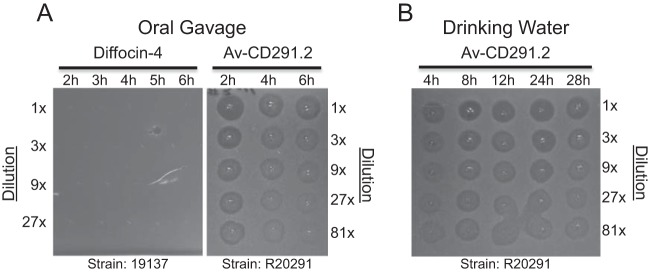
“113 The modified tailocins administered orally in a sodium bicarbonate solution (as a buffer against gastric acid) retained their bactericidal activity following transit through the mouse GIT.”
BackgroundMethodMicrobiota-Based Therapies for Clostridium difficile and Antibiotic-Resistant Enteric Infections
Lewis, B. B., & Pamer, E. G. (2017) · Annual Review of Microbiology · doi:10.1146/annurev-micro-090816-093549 · Cited by 51
Probiotics: insights and new opportunities for Clostridioides difficile intervention
Pal, R., Athamneh, A. I. M., Deshpande, R., Ramirez, J. A. R., Adu, K. T., Muthuirulan, P., Pawar, S., Biazzo, M., Apidianakis, Y., Sundekilde, U. K., et al. (2022) · Critical Reviews in Microbiology · doi:10.1080/1040841x.2022.2072705 · Cited by 51
“difficile without harming the beneficial microbiota (Gebhart et al. 2015).”
BackgroundTian, S., Kim, M. S., Zhao, J., Heber, K., Hao, F., Koslicki, D., Tian, S., Singh, V., Patterson, A. D., & Bisanz, J. E. (2025) · Cell Host & Microbe · doi:10.1016/j.chom.2025.02.007 · Cited by 50
Xu, Q., Gu, S., Chen, Y., Quan, J., Lv, L., Chen, D., Zheng, B., Xu, L., & Li, L. (2018) · Frontiers in Microbiology · doi:10.3389/fmicb.2018.02396 · Cited by 48
“Several antagonistic mechanisms have been proposed to explain the beneficial effects of probiotics including the production of antimicrobial molecules and modulation of intestinal inflammation (Boonma et al., 2014; Gebhart et al., 2015).”
BackgroundGebhart, D., Williams, S. R., & Scholl, D. (2017) · Virology · doi:10.1016/j.virol.2017.02.025 · Cited by 39
Self-citationMirski, T., Mizak, L., Nakonieczna, A., & Gryko, R. (2019) · Annals of Agricultural and Environmental Medicine · doi:10.26444/aaem/105390 · Cited by 45
“A large number of phage tail proteins have been expressed [64, 65, 66], and for some of them there are reports regarding their antimicrobial properties [67, 68, 69].”
BackgroundDevelopment of an Assay for the Identification of Receptor Binding Proteins from Bacteriophages
Simpson, D. J. W., Sacher, J., & Szymanski, C. M. (2016) · Viruses · doi:10.3390/v8010017 · Cited by 46
“These machines are currently being exploited as antibacterial agents and have had their target range altered by substituting different RBPs with their host recognition moieties, giving known pyocins novel target ranges [16].”
BackgroundTodorov, S. D., Kang, H., Иванова, И., & Holzapfel, W. H. (2020) · Frontiers in Bioengineering and Biotechnology · doi:10.3389/fbioe.2020.581778 · Cited by 44
Gut microbiota and the human gut physiological changes
Bajinka, O., Darboe, A., Tan, Y., Abdelhalim, K. A., & Cham, L. B. (2020) · Annals of Microbiology · doi:10.1186/s13213-020-01608-2 · Cited by 42
Bu, Y., Liu, Y., Liu, Y., Cao, J., Zhang, Z., & Yi, H. (2023) · Nutrients · doi:10.3390/nu15163518 · Cited by 45
Exploring the interactions between bacteriophage-encoded glycan binding proteins and carbohydrates
Simpson, D. J., Sacher, J. C., & Szymanski, C. M. (2015) · Current Opinion in Structural Biology · doi:10.1016/j.sbi.2015.07.006 · Cited by 36
F-Type Pyocins Are Diverse Noncontractile Phage Tail-Like Weapons for Killing Pseudomonas aeruginosa
Saha, S., Ojobor, C. D., Li, A. S. C., Mackinnon, E., North, O. I., Bondy‐Denomy, J., Lam, J. S., Ensminger, A. W., Maxwell, K. L., & Davidson, A. R. (2023) · Journal of Bacteriology · doi:10.1128/jb.00029-23 · Cited by 38
Antibiotic Degradation by Commensal Microbes Shields Pathogens
Gjonbalaj, M., Keith, J. W., Do, M. H., Hohl, T. M., Pamer, E. G., & Becattini, S. (2020) · Infection and Immunity · doi:10.1128/iai.00012-20 · Cited by 36
Advances in the Microbiome: Applications to Clostridium difficile Infection
Culligan, E. P., & Sleator, R. D. (2016) · Journal of Clinical Medicine · doi:10.3390/jcm5090083 · Cited by 40
“In addition, treatment with the modified diffocins did not alter the commensal gut microbiota [136].”
BackgroundBacteriocins: antibiotics in the age of the microbiome
Egan, K. M., Ross, R. P., & Hill, C. (2017) · Emerging Topics in Life Sciences · doi:10.1042/etls20160015 · Cited by 42
Whittle, M. J., Bilverstone, T. W., van Esveld, R. J., Lücke, A.-C., Lister, M. M., Kuehne, S. A., & Minton, N. P. (2022) · Microbiology Spectrum · doi:10.1128/spectrum.02295-21 · Cited by 34
“The genome of the Avidocin was modified to include the gene encoding a predicted RBP mined from RT 027 myovirus prophage genomes and, as such, was capable of broad RT 027 killing (21).”
MethodBlasco, L., de Aledo, M. G., Ortiz-Cartagena, C., Bleriot, I., Pacios, O., López, M. C., Fernández-García, L., Barrio-Pujante, A., Hernández-García, M., Cantón, R., et al. (2023) · Scientific Reports · doi:10.1038/s41598-022-27341-1 · Cited by 36
Heiman, C. M., Vacheron, J., & Keel, C. (2023) · Frontiers in Microbiology · doi:10.3389/fmicb.2023.1264877 · Cited by 35
Mei, M., Thomas, J. F., & Diggle, S. P. (2021) · mBio · doi:10.1128/mbio.00458-21 · Cited by 30
The alteration of gut microbiota by bioactive peptides: a review
Guo, Z., Yi, D., Hu, B., Shi, Y., Xin, Y., Gu, Z., Liu, H., & Zhang, L. (2021) · Systems Microbiology and Biomanufacturing · doi:10.1007/s43393-021-00035-x · Cited by 31
Localized recombination drives diversification of killing spectra for phage-derived syringacins
Baltrus, D. A., Clark, M., Smith, C., & Hockett, K. L. (2018) · The ISME Journal · doi:10.1038/s41396-018-0261-3 · Cited by 29
Clostridioides difficile S-Layer Protein A (SlpA) Serves as a General Phage Receptor
Royer, A. L. M., Umansky, A. A., Allen, M.-M., Garneau, J. R., Ospina-Bedoya, M., Kirk, J. A., Govoni, G. R., Fagan, R. P., Soutourina, O. A., & Fortier, L. (2023) · Microbiology Spectrum · doi:10.1128/spectrum.03894-22 · Cited by 31
“Genetic engineering of these Avidocin-CDs by replacement of their RBP with a predicted prophage RBP conferred the prophage’s host range on the Avidocin-CD, which led the authors to suggest that SlpA is likely the receptor used by phages as well (35, 36).”
Self-citationDrider, D. (2021) · Probiotics and Antimicrobial Proteins · doi:10.1007/s12602-021-09843-y · Cited by 29
“faecium, and prevented antibioticinduced colonization of mice inoculated by BI/NAP1/027type spores [51].”
BackgroundRamírez-Vargas, G., Goh, S., & Rodríguez, C. (2018) · Frontiers in Microbiology · doi:10.3389/fmicb.2018.00026 · Cited by 26
“A number of R-type bacteriocins that kill C. difficile have been described (Gebhart et al., 2012, 2015).”
BackgroundTradeoffs and constraints on the evolution of tailocins
Backman, T., Burbano, H. A., & Karasov, T. L. (2024) · Trends in Microbiology · doi:10.1016/j.tim.2024.04.001 · Cited by 27
“We first provide an overview of tailocin mechanisms of specificity and killing”
Valdés, L., Gueimonde, M., & Ruas‐Madiedo, P. (2015) · Journal of Microbiological Methods · doi:10.1016/j.mimet.2015.09.022 · Cited by 26
Atomic structures of a bacteriocin targeting Gram-positive bacteria
Cai, X., He, Y., Yu, I., Imani, A., Scholl, D., Miller, J. F., & Zhou, Z. H. (2024) · Nature Communications · doi:10.1038/s41467-024-51038-w · Cited by 24
“The diffocin construct we imaged has a modi fi ed receptor-binding domain that speci fi cally targets the C. dif fi cile S-layer protein so that it kills epidemic lineages of the bacteria in the gastrointestinal tract 4,5 .”
Self-citationInfection therapy: the problem of drug resistance – and possible solutions
Brüssow, H. (2017) · Microbial Biotechnology · doi:10.1111/1751-7915.12777 · Cited by 27
“Subsequently, pyocins have been engineered that prevented colonization of mice with C. difficile (Gebhart et al., 2015).”
BackgroundFrontiers in antibiotic alternatives for Clostridioides difficile infection
Phanchana, M., Harnvoravongchai, P., Wongkuna, S., Phetruen, T., Phothichaisri, W., Panturat, S., Pipatthana, M., Charoensutthivarakul, S., Chankhamhaengdecha, S., & Janvilisri, T. (2021) · World Journal of Gastroenterology · doi:10.3748/wjg.v27.i42.7210 · Cited by 25
Phage-tail-like bacteriocins as a biomedical platform to counter anti-microbial resistant pathogens
Bhattacharjee, R., Nandi, A., Sinha, A., Kumar, H., Mitra, D., Mojumdar, A., Patel, P., Jha, E., Mishra, S., Rout, P. K., et al. (2022) · Biomedicine & Pharmacotherapy · doi:10.1016/j.biopha.2022.113720 · Cited by 24
“When they bind to the bacterium of the cell surface the sheath contracts and injects the needle through the cell membrane, thereby killing the bacterium [56].”
InfluentialThe long and sinuous road to phage-based therapy of Clostridioides difficile infections
Umansky, A. A., & Fortier, L. (2023) · Frontiers in Medicine · doi:10.3389/fmed.2023.1259427 · Cited by 24
“difficile and do not disturb the microbiota (28, 29).”
BackgroundInfluentialA Review of Experimental and Off-Label Therapies for Clostridium difficile Infection
Fehér, C., Soriano, À., & Mensa, J. (2016) · Infectious Diseases and Therapy · doi:10.1007/s40121-016-0140-z · Cited by 24
“difficile colonization in mice without interfering with the normal colonic flora [108].”
BackgroundClostridioides difficile Infection in the Stem Cell Transplant and Hematologic Malignancy Population
Misch, E. A., & Safdar, N. (2019) · Infectious Disease Clinics of North America · doi:10.1016/j.idc.2019.02.010 · Cited by 25
Schwemmlein, N., Pippel, J., Gazdag, E. M., & Blankenfeldt, W. (2018) · Frontiers in Microbiology · doi:10.3389/fmicb.2018.01750 · Cited by 22
Mechanisms of intestinal dysbiosis: new insights into tuft cell functions
Coutry, N., Gasmi, I., Herbert, F., & Jay, P. (2024) · Gut Microbes · doi:10.1080/19490976.2024.2379624 · Cited by 23
“56 61–63 Notably, although bacteriocins display abilities to improve gut barrier function and host immune responses, oxidative stress can induce the expression of bacteriocins which participates to microbial composition shifts in the context of inflammation-induced oxidative stress.”
BackgroundTargeting friend and foe: Emerging therapeutics in the age of gut microbiome and disease
Cho, J. A., & Chinnapen, D. J. F. (2018) · Journal of Microbiology · doi:10.1007/s12275-018-8037-z · Cited by 19
Phage therapy in gut microbiome
Chen, X., Mendes, B. G., Alves, B. S., & Duan, Y. (2023) · Progress in molecular biology and translational science · doi:10.1016/bs.pmbts.2023.04.005 · Cited by 21
LsbB Bacteriocin Interacts with the Third Transmembrane Domain of the YvjB Receptor
Miljković, M., Uzelac, G., Mirković, N., Devescovi, G., Diep, D. B., Venturi, V., & Kojić, M. (2016) · Applied and Environmental Microbiology · doi:10.1128/aem.01293-16 · Cited by 20
Peng, Z., Wang, D., He, Y., Wei, Z., Xie, M., & Xiong, T. (2024) · Probiotics and Antimicrobial Proteins · doi:10.1007/s12602-024-10222-6 · Cited by 21
“Alternatively, identified bacteriocins can be reconstructed with minor transformation of amino acid, devoting to better antibacterial performance [99, 100].”
Strategies for developing phages into novel antimicrobial tailocins
Woudstra, C., Sørensen, A. N., Sørensen, M. C. H., & Brøndsted, L. (2024) · Trends in Microbiology · doi:10.1016/j.tim.2024.03.003 · Cited by 19
Clostridium difficile control measures: current and future methods for prevention
Mejía-Chew, C., & Dubberke, E. R. (2018) · Expert Review of Anti-infective Therapy · doi:10.1080/14787210.2018.1429911 · Cited by 17
“difficile and development of CDI, while preserving the microbiome [86].”
BackgroundSoft rot pathogen Dickeya dadantii 3937 produces tailocins resembling the tails of Peduovirus P2
Borowicz, M., Krzyżanowska, D. M., Narajczyk, M., Sobolewska, M., Rajewska, M., Czaplewska, P., Wegrzyn, K. E., & Czajkowski, R. (2023) · Frontiers in Microbiology · doi:10.3389/fmicb.2023.1307349 · Cited by 17
Enzybiotics: Endolysins and Bacteriocins
Heselpoth, R. D., Swift, S. M., Linden, S. B., Mitchell, M. S., & Nelson, D. C. (2017) · Springer eBooks · doi:10.1007/978-3-319-40598-8_34-1 · Cited by 21
Enzybiotics: Endolysins and Bacteriocins
Heselpoth, R. D., Swift, S. M., Linden, S. B., Mitchell, M. S., & Nelson, D. C. (2021) · Springer eBooks · doi:10.1007/978-3-319-41986-2_34 · Cited by 18
Phetruen, T., Chanarat, S., Janvilisri, T., Phanchana, M., Charoensutthivarakul, S., Phothichaisri, W., & Chankhamhaengdecha, S. (2022) · Frontiers in Microbiology · doi:10.3389/fmicb.2022.998215 · Cited by 17
A Flagellar Glycan-Specific Protein Encoded by Campylobacter Phages Inhibits Host Cell Growth
Javed, M., Sacher, J., van Alphen, L. B., Patry, R. T., & Szymanski, C. M. (2015) · Viruses · doi:10.3390/v7122964 · Cited by 18
“In addition, phage RBPs have been used to effectively target bacterial killing molecules to specific bacterial cells, such as Escherichia coli O157:H7 [9] and Clostridium difficile [10].”
Antimicrobial Weapons of Pseudomonas aeruginosa
Nolan, L. M., & Allsopp, L. P. (2022) · Advances in experimental medicine and biology · doi:10.1007/978-3-031-08491-1_8 · Cited by 17
Thomas, S., Suryaletha, K., Savithri, A. V., Nayar, S. A., Asokan, S., & Rajeswary, D. (2022) · Current Protein and Peptide Science · doi:10.2174/1389203724666221019111515 · Cited by 15
Schenck, L. P., Beck, P. L., & MacDonald, J. A. (2015) · World Journal of Gastrointestinal Pathophysiology · doi:10.4291/wjgp.v6.i4.169 · Cited by 22
Bacteriocins: Recent Advances in its Application as an Antimicrobial Alternative
Fathizadeh, H., Pakdel, F., Saffari, M., Esmaeili, D., Heravi, M. M., Dao, S., Ganbarov, K., & Kafil, H. S. (2021) · Current Pharmaceutical Biotechnology · doi:10.2174/1389201022666210907121254 · Cited by 14
Multiplexed bacteriocin synthesis to combat and prevent antimicrobial resistance
Quintero‐Yanes, A., Petit, K., Rodriguez‐Villalobos, H., Capelle, H. V., Veirman, O. D., Gerstmans, H., Masschelein, J., Borrero, J., Hols, P., & Gabant, P. (2025) · Communications Biology · doi:10.1038/s42003-025-08639-y · Cited by 15
“Bacteriocin-basedtherapiesthereforehavethepotentialto speci fi cally target pathogenic bacteria while minimizing disruptions to the microbiota 2 – 5 .”
Hargreaves, K. R., Thanki, A. M., Jose, B. R., Oggioni, M. R., & Clokie, M. R. J. (2016) · BMC Genomics · doi:10.1186/s12864-016-3346-2 · Cited by 11
Liu, Y., Bu, Y., Cao, J., Liu, Y., Zhang, T., Hao, L., & Yi, H. (2024) · Nutrients · doi:10.3390/nu16050680 · Cited by 10
“This was inconsistent with the statement of Gebhart et al. [8].”
BackgroundResultMolecular mechanism of bacteriophage contraction structure of an S-layer–penetrating bacteriophage
Wilson, J. S., Fortier, L.-C., Fagan, R. P., & Bullough, P. A. (2025) · Life Science Alliance · doi:10.26508/lsa.202403088 · Cited by 9
Surface-displayed glycopolymers of Clostridioides difficile
Anwar, F., & Vedantam, G. (2022) · Current Opinion in Microbiology · doi:10.1016/j.mib.2022.01.007 · Cited by 9
Dams, D., Pas, C., Łątka, A., Drulis‐Kawa, Z., Fieseler, L., & Briers, Y. (2025) · Antibiotics · doi:10.3390/antibiotics14010104 · Cited by 9
Colombo, N. S. R., Ross, R. P., & Hill, C. (2025) · Gut Microbes · doi:10.1080/19490976.2025.2451081 · Cited by 8
“57 However, the therapeutic application of bacteriocins in human medicine is a relatively new area of research.”
In vivo commensal control of Clostridioides difficile virulencePreprint
Girinathan, B. P., DiBenedetto, N., Worley, J. N., Johann, P., Arrieta-Ortiz, M. L., Immanuel, R., Lavin, R., Delaney, M. L., Cummins, C., Hoffmann, M., et al. (2020) · bioRxiv (Cold Spring Harbor Laboratory) · doi:10.1101/2020.01.04.894915 · Cited by 9
Zhou, Q., Lou, Y., Shan, C., Ye, Z., Wu, D., Li, P., Breukink, E. J., & Gu, Q. (2025) · Food Bioscience · doi:10.1016/j.fbio.2025.106136 · Cited by 6
The world of phage tail-like bacteriocins: State of the art and biotechnological perspectives
Ibarguren-Quiles, C., Bleriot, I., Blasco, L., Fernández-García, L., Ortiz-Cartagena, C., Armán, L., Barrio-Pujante, A., Menéndez, O., García‐Contreras, R., Wood, T. K., et al. (2025) · Microbiological Research · doi:10.1016/j.micres.2025.128121 · Cited by 6
R-Type Fonticins Produced by Pragia fontium Form Large Pores with High Conductance
Látrová, K., Dolejšová, T., Motlova, L., Mikušová, G., Bosák, J., Snopková, K., Šmajs, D., Konopásek, I., & Fišer, R. (2022) · Journal of Bacteriology · doi:10.1128/jb.00315-22 · Cited by 6
“As the emergence of antibiotic-resistant bacterial pathogens is a persistent worldwide problem and because wide-spectrum antibiotics are no longer an effective solution, phage tail-like bacteriocins are now the subject of research as possible new antimicrobial substances (25, 26) because of their potency, single-hit m…”
Background
Metadata
- Authors
- Gebhart, D., Lok, S., Clare, S., Tomas, M., Stares, M., Scholl, D., Donskey, C. J., Lawley, T. D., & Govoni, G. R.
- Affiliations
- AvidBiotics (United States) (US)
- Wellcome Sanger Institute (GB)
- Louis Stokes Cleveland VA Medical Center (US)
- Corresponding author
- Govoni, Gregory R.
- Venue
- mBio
- Publisher
- American Society for Microbiology
- Published
- 2015-05
- Volume
- 6
- Issue
- 2
- ISSN
- 2150-7511 (ISSN-L)
- 2161-2129
- PMC
- PMC4453579
- OpenAlex
- W2147684011
- Cited by
- 127
- References
- 64
- Citations by year
- 2026: 7 · 2025: 11 · 2024: 10 · 2023: 11 · 2022: 12 · 2021: 12 · 2020: 9 · 2019: 6 · 2018: 14 · 2017: 12 · 2016: 16 · 2015: 7
- FWCI
- 12.72
- Type
- journal article
- Language
- en
- Open access
- gold
- doi.org
- Licence
- cc-by
- creativecommons.org/licenses/by/3.0/ (vor)
- journals.asm.org/non-commercial-tdm-license (tdm)
- Locations
- mBio (publishedVersion, cc-by)
- Europe PMC (PubMed Central) (publishedVersion, cc-by)
- PubMed Central (publishedVersion, cc-by)
- PubMed (publishedVersion)
- DOAJ (DOAJ: Directory of Open Access Journals) (submittedVersion, cc-by-sa)
- Funders
- Wellcome Trust (WT 098051)
- National Institutes of Health (1r43ai098186-01)
- National Institute of Allergy and Infectious Diseases (1R43 AI098186, R43 AI098186)
- Topics
- Health Sciences › Medicine › Infectious Diseases › Clostridium difficile and Clostridium perfringens research
- Life Sciences › Immunology and Microbiology › Virology › Bacteriophages and microbial interactions
- Life Sciences › Agricultural and Biological Sciences › Food Science › Probiotics and Fermented Foods
- Keywords
- Clostridium difficile, colonization resistance, gut microbiota, vancomycin-resistant Enterococcus faecium, antibiotic-induced dysbiosis, nosocomial infections
- MeSH terms
- Administration, Oral, Animals, Anti-Bacterial Agents, Bacteriocins, Clostridium Infections, Female, Male, Mice, Inbred C57BL, Clostridioides difficile, Gastrointestinal Tract
About these checks
Registry, retraction, Cites and statistics results are computed, not judged, with one exception: a printed reference that no index lists is read once by a model before it counts as a citation error. Claims are extracted by a model and kept only when their quote appears verbatim in the text; each cited source is then checked, with a model’s help, for whether it says what the claim relies on. Those verdicts can be wrong — read the claim’s quote and the cited source before relying on one.
Statistics and arithmetic are recomputed, not judged.
Confidence bands are shown only for fields calibrated on our annotated test set. None is calibrated yet, so no band is shown.
What counts as a claim ›How we measure confidence ›How we check this ›
Are you an author, or do you see a problem with this page? Request a review
Data sources
Bibliographic data: Semantic Scholar, OpenAlex, Crossref.
Contains information from the Semantic Scholar Academic Graph Datasets, made available under the ODC Attribution License (ODC-BY 1.0).
Semantic Scholar’s data is described in: Kinney, R., et al. (2023). The Semantic Scholar Open Data Platform. arXiv:2301.10140.
