

Systematic review and meta-analysis of dietary carbohydrate restriction in patients with type 2 diabetes
Open accessThe DOI matches its Crossref record; 30 of the 30 references it cites were found in a registry or an index.
Abstract
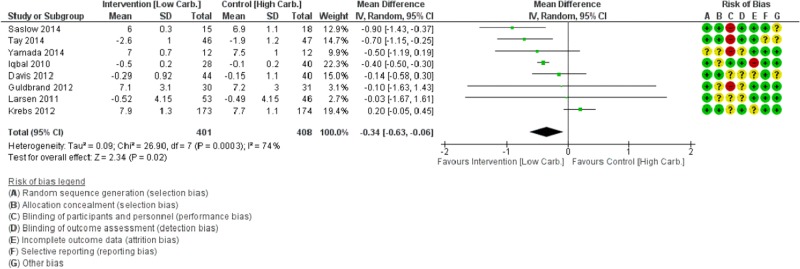
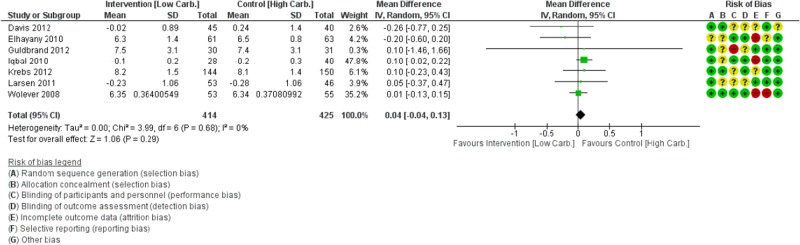
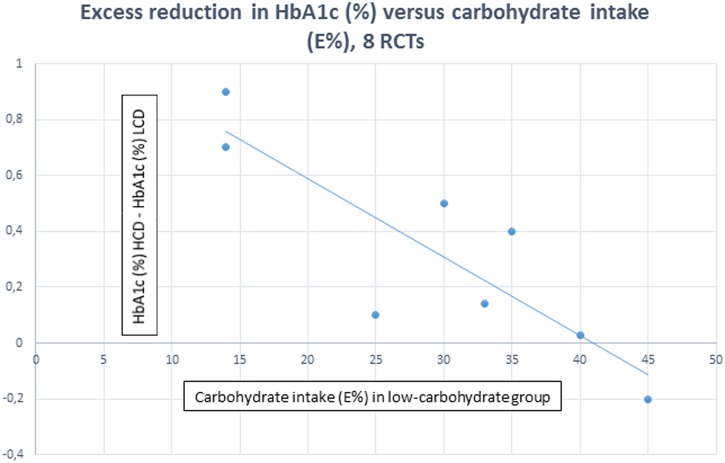
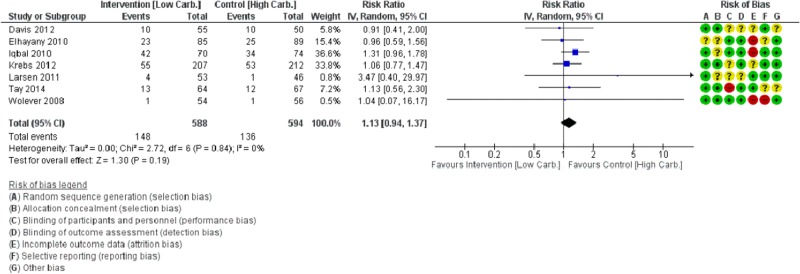
Objective: Nutrition therapy is an integral part of self-management education in patients with type 2 diabetes. Carbohydrates with a low glycemic index are recommended, but the ideal amount of carbohydrate in the diet is unclear. We performed a meta-analysis comparing diets containing low to moderate amounts of carbohydrate (LCD) (energy percentage below 45%) to diets containing high amounts of carbohydrate (HCD) in subjects with type 2 diabetes. Research design and methods: We systematically reviewed Cochrane library databases, EMBASE, and MEDLINE in the period 2004–2014 for guidelines, meta-analyses, and randomized trials assessing the outcomes HbA1c, BMI, weight, LDL cholesterol, quality of life (QoL), and attrition. Results: We identified 10 randomized trials comprising 1376 participants in total. In the first year of intervention, LCD was followed by a 0.34% lower HbA1c (3.7 mmol/mol) compared with HCD (95% CI 0.06 (0.7 mmol/mol), 0.63 (6.9 mmol/mol)). The greater the carbohydrate restriction, the greater the glucose-lowering effect (R=−0.85, p<0.01). At 1 year or later, however, HbA1c was similar in the 2 diet groups. The effect of the 2 types of diet on BMI/body weight, LDL cholesterol, QoL, and attrition rate was similar throughout interventions. Limitations: Glucose-lowering medication, the nutrition therapy, the amount of carbohydrate in the diet, glycemic index, fat and protein intake, baseline HbA1c, and adherence to the prescribed diets could all have affected the outcomes. Conclusions: Low to moderate carbohydrate diets have greater effect on glycemic control in type 2 diabetes compared with high-carbohydrate diets in the first year of intervention. The greater the carbohydrate restriction, the greater glucose lowering, a relationship that has not been demonstrated earlier. Apart from this lowering of HbA1c over the short term, there is no superiority of low-carbohydrate diets in terms of glycemic control, weight, or LDL cholesterol.
Overview
The claims and statistics of this paper haven’t been checked yet.
Free: it reads the open-access text and checks the first 5 claims that cite a source we can check. Create a free account to check every claim.
Integrity signals
Registry
Cites
Statistics
Figures
Verification
Claims the paper makes
The claims and statistics of this paper haven’t been checked yet.
Free: it reads the open-access text and checks the first 5 claims that cite a source we can check. Create a free account to check every claim.
Claims other papers make about this one
Each is checked against this paper’s own text: does it say what the citing paper says it does?
The source backs part of the claim, not all of it — or backs it for a different population, condition or comparison.
In the citing paper
“A net energy de fi cit that can be maintained is important for weight loss (5,6,22,72 -74).”
From Management of Hyperglycemia in Type 2 Diabetes, 2022. A Consensus Report by the American Diabetes Association (ADA) and the European Association for the Study of Diabetes (EASD) (2022) · cites this paper as [73]
Experimental — accuracy not yet measuredThe source backs part of the claim, not all of it — or backs it for a different population, condition or comparison.
In the citing paper
“For individuals with type 2 diabetes not meeting glycemic targets or for whom reducing glucose-lowering drugs is a priority, reducing overall carbohydrate intake with a low-or verylow-carbohydrate eating pattern is a viable option (137-139).”
From 5. Facilitating Positive Health Behaviors and Well-being to Improve Health Outcomes:Standards of Care in Diabetes—2023 (2023) · cites this paper as [139]
Experimental — accuracy not yet measuredThe source backs part of the claim, not all of it — or backs it for a different population, condition or comparison.
In the citing paper
“Low carbohydrate diets (LCD) have shown efficacy in managing clinical outcomes in type 2 diabetes (T2D).”
From mHealth low carbohydrate dietary intervention ameliorates glycaemic profile, blood pressure and weight status in people with type 2 diabetes (2025) · cites this paper as [5]
Experimental — accuracy not yet measuredThe source backs part of the claim, not all of it — or backs it for a different population, condition or comparison.
In the citing paper
“Research evidence shows that the prescription of a low carbohydrate diet (LCD) for management of T2D improves glycaemic control, reduces the need for medications, assists with weight loss, and may improve blood lipid concentrations5–9.”
From mHealth low carbohydrate dietary intervention ameliorates glycaemic profile, blood pressure and weight status in people with type 2 diabetes (2025) · cites this paper as [5]
Experimental — accuracy not yet measured
11 more claims about this paper
Create a free account to see every claim other papers make about this one.
Self-check
Percentages, sums and reported differences re-computed from the paper’s own numbers.
The self-check needs the paper’s full text.
Citations
Cites
Development of AMSTAR: A measurement tool to assess the methodological quality of systematic reviews
Shea, B. J., Grimshaw, J. M., Wells, G. A., Boers, M., Andersson, N., Hamel, C., Porter, A. C., Tugwell, P., Moher, D., & Bouter, L. M. (2007) · BMC Medical Research Methodology · doi:10.1186/1471-2288-7-10 · Cited by 4,374
AGREE II: advancing guideline development, reporting and evaluation in health care
Brouwers, M. C., Kho, M. E., Browman, G. P., Burgers, J. S., Cluzeau, F., Feder, G., Fervers, B., Graham, I. D., Grimshaw, J., Hanna, S. E., et al. (2010) · Canadian Medical Association Journal · doi:10.1503/cmaj.090449 · Cited by 3,790
Human gut microbes impact host serum metabolome and insulin sensitivity
Pedersen, H. K., Gudmundsdottir, V., Nielsen, H. B., Hyotylainen, T., Nielsen, T., Jensen, B. A. H., Forslund, K., Hildebrand, F., Prifti, E., Falony, G., et al. (2016) · Nature · doi:10.1038/nature18646 · Cited by 2,116 · cited 1×
“16 22 Apart from a lowering of the daily glycemic challenge, an initial hypoglycemic effect of LCD followed by an attenuation of the efficacy could also be due to changes in gut microbiota as a consequence of the altered carbohydrate intake followed by gradual adaptive mechanisms.(28) Our findings and recent trials su…”
BackgroundNutrition therapy recommendations for the management of adults with diabetes
Evert, A. B., Boucher, J. L., Cypress, M., Dunbar, S. A., Franz, M. J., Mayer-Davis, E. J., Neumiller, J. J., Nwankwo, R., Verdi, C. L., Urbanski, P., et al. (2013) · Diabetes Care · doi:10.2337/dc13-2042 · Cited by 1,129 · cited 1×
“▪ The greater the carbohydrate restriction, the greater glucose lowering.”
BackgroundFeinman, R. D., Pogozelski, W. K., Astrup, A., Bernstein, R. K., Fine, E. J., Westman, E. C., Accurso, A., Frassetto, L., Gower, B. A., McFarlane, S. I., et al. (2015) · Nutrition · doi:10.1016/j.nut.2014.06.011 · Cited by 912 · cited 2×
“▪ Apart from improvements in HbA1c over the short term, there is no superiority of low-carbohydrate diets in terms of glycemic control, weight, or LDL cholesterol.”
BackgroundSelf-citationAjala, O., English, P., & Pinkney, J. (2013) · The American Journal of Clinical Nutrition · doi:10.3945/ajcn.112.042457 · Cited by 821 · cited 2×
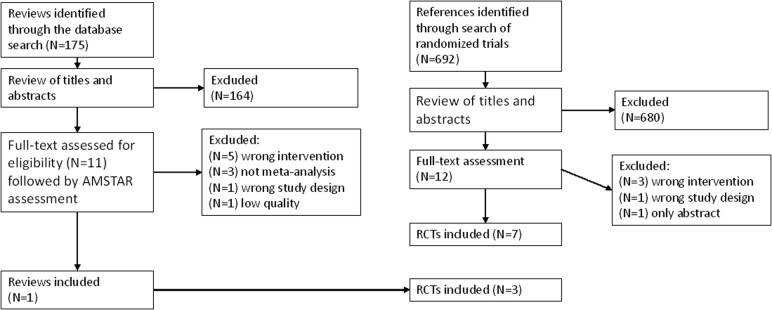
“The predefined criteria for entering the analysis and the issues we address were fulfilled in only one high-quality review.(6) Furthermore, only part of this review was relevant for the present analysis, so we entered data from individual studies rather than using estimates from the review.”
MethodBueno, N. B., de Melo, I. S. V., de Oliveira, S. L., & da Rocha Ataide, T. (2013) · British Journal of Nutrition · doi:10.1017/s0007114513000548 · Cited by 778
Nutrition therapy recommendations for the management of adults with diabetes
Evert, A. B., Boucher, J. L., Cypress, M., Dunbar, S. A., Franz, M. J., Mayer-Davis, E. J., Neumiller, J. J., Nwankwo, R., Verdi, C. L., Urbanski, P., et al. (2014) · Diabetes Care · doi:10.2337/dc14-s120 · Cited by 766
Westman, E. C., Yancy, W. S., Mavropoulos, J. C., Marquart, M., & McDuffie, J. R. (2008) · Nutrition & Metabolism · doi:10.1186/1743-7075-5-36 · Cited by 475 · cited 2×
“Dropout rates at longest follow-up were similar in the two groups ( fi gure 5).”
BackgroundComparison of low- and high-carbohydrate diets for type 2 diabetes management: a randomized trial
Tay, J., Luscombe-Marsh, N. D., Thompson, C. H., Noakes, M., Buckley, J. D., Wittert, G. A., Yancy, W. S., & Brinkworth, G. D. (2015) · The American Journal of Clinical Nutrition · doi:10.3945/ajcn.115.112581 · Cited by 341 · cited 1×
“However, this problem cannot be solved.”
Research works printed but not linked: 1
- Covidence. Covidence systematic review software, Veritas Health Innovation. Melbourne, Australia http://www.covidence.org
Cited by
Items 201–300 of 391
Efek Diet Ketogenik Pada Diabetes Mellitus Tipe 2: Scoping Review
Putri, M. N. H., Dewi, M. A., & Handayani, D. (2022) · Amerta Nutrition · doi:10.20473/amnt.v6i3.2022.326-341 · Cited by 7
Govers, E., Otten, A., Schuiling, B., Bouwman, W. H., Lourens, A., & Tls, V. (2019) · International Journal of Endocrinology and Metabolic Disorders · doi:10.16966/2380-548x.158 · Cited by 6
“Reduction of HbA1c is a well known phenomenon in low carb diets for DMT2 with ≤ 26 en%, which equals <100 grams per day, compared to high carbohydrate diets [27], and confirms our findings that there is a direct relationship between the carbohydrate content of the diet and the HbA1c.”
BackgroundIs the Ketogenic Diet an Effective and Safe Approach to Type 2 Diabetes Management and Weight Loss?
Dutta, D., Ghosh, S., Kalra, S., Maisnam, I., & Sharma, M. (2020) · US Endocrinology · doi:10.17925/use.2020.16.1.15 · Cited by 6
“Systematic reviews of multiple studies show that reducing carbohydrates is a more effective means of achieving weight loss than reducing fat or increasing protein (Table 3).(64,66)”
BackgroundLi, Y., Yu, L., Liu, Z., Jia, S., Man, Q., Zhu, Q., Li, C., Yang, Y., Liu, B., & Zhang, J. (2022) · Nutrients · doi:10.3390/nu15010056 · Cited by 6
Jeong, M., McColl, T. J., & Clarke, D. C. (2025) · Applied Physiology, Nutrition, and Metabolism · doi:10.1139/apnm-2025-0017 · Cited by 5
Wang, C., & Pei, A. (2025) · Frontiers in Nutrition · doi:10.3389/fnut.2025.1670022 · Cited by 180
Ahmed, I. S., Tapponi, S. L., Manaa, H. M., Soltani, A., Hussein, E. S., Parvaresh, F. A., & Hussain, Z. (2026) · Journal of Obesity · doi:10.1155/jobe/6556057 · Cited by 5
Park, Y. H., Lee, H. S., Yang, J., Lim, L. R., Kwon, Y., & Lee, J. (2024) · Clinical Nutrition · doi:10.1016/j.clnu.2024.03.024 · Cited by 5
Guía para el tratamiento de la diabetes mellitus tipo 2 en el adulto
Commendatore, V., Dios, A. D., Elbert, A. E., Faingold, M. C., Frechtel, G. D., Fuente, G. V., Lapertosa, S., Litwak, L., Musso, C., Rodríguez, M., et al. (2025) · Revista de la Sociedad Argentina de Diabetes · doi:10.47196/diab.v59i1.1167 · Cited by 5
Comer-HaGans, D., Austin, S., Ramamonjiarivelo, Z. H., & Sherman, L. D. (2021) · Journal of Affective Disorders · doi:10.1016/j.jad.2021.11.020 · Cited by 5
Remission of type 2 diabetes: opportunities of different nutrition styles
Олеговна, Е. С., Павловна, М. А., & Drapkina, O. M. (2024) · Diabetes Mellitus · doi:10.14341/dm13050 · Cited by 5
Brinkworth, G. D., Wycherley, T. P., Taylor, P. J., & Thompson, C. H. (2022) · Nutrients · doi:10.3390/nu14204406 · Cited by 5
“A systematic review and meta-analysis of 10 RCTs conducted in adults with T2D reported greater HbA1c reductions following a LC diet compared to traditional high carbohydrate diet, and that a greater glucose-lowering effect was related to a lower carbohydrate intake [8].”
BackgroundMonnier, L., & Schlienger, J.-L. (2019) · Médecine des Maladies Métaboliques · doi:10.1016/s1957-2557(19)30046-x · Cited by 5
Monnier, L., & Colette, C. (2019) · Médecine des Maladies Métaboliques · doi:10.1016/s1957-2557(19)30170-1 · Cited by 5
Lee, C. J., Kim, M.-J., & An, S. J. (2019) · Daehan imsang geon-gang jeungjin hakoeji/Daehan imsang geon'gang jeungjin haghoeji · doi:10.15384/kjhp.2019.19.4.171 · Cited by 5
KOBAYASHI, M., Miura, T., MIURA, K., HIROYAMA, N., & AKASHI, K. (2020) · Journal of Nutritional Science and Vitaminology · doi:10.3177/jnsv.66.114 · Cited by 5
Turton, J. L., Struik, N. A., Riley, M. D., & Brinkworth, G. D. (2020) · Nutrition Research · doi:10.1016/j.nutres.2020.09.009 · Cited by 5
Evans, E., Zengul, A. G., Hall, A. G., Qu, H., Willig, A. L., Cherrington, A., & Thirumalai, M. (2021) · JMIR Research Protocols · doi:10.2196/31689 · Cited by 5
“Recent meta-analyses have indicated that diabetes prevention and management programs emphasizing community engagement and tracking of food consumption, especially in the context of a low-carbohydrate diet, were more successful than medications in effective diabetes management [16,17].”
Integrated strategies for type 2 diabetes prevention: The role of diet and exercise
Tecce, N., Proganò, M., Menafra, D., Docimo, A., Zarrilli, S., Scairati, R., Pelosi, A. L., Pivonello, R., & Colao, A. (2025) · AIMS Public Health · doi:10.3934/publichealth.2025024 · Cited by 4
“A meta-analysis corroborated these findings, demonstrating that LCDs were more efficacious than high-carbohydrate diets in reducing HbA1c levels by approximately 0.34 percentage points or 3.7 mmol/mol after a period of 3–6 months (p = 0.02) [33].”
InfluentialKindlovits, R., Sousa, A., Viana, J. L., Milheiro, J., Marques, F., & Teixeira, V. H. (2023) · Nutrition and Health · doi:10.1177/02601060231190663 · Cited by 4
“Several authors have shown bene fi cial effects on T2DM in people who following a LCD, mainly in the short-term intervention (Sainsbury et al., 2018; Snorgaard et al., 2017).”
Backgroundda Silva, F. L. D. M. R., Fernandes, A. C., Kraemer, M. V. D. S., Padovan, M., Bernardo, G. L., Uggioni, P. L., Rafacho, A., & Proença, R. P. D. C. (2025) · Nutrients · doi:10.3390/nu17061061 · Cited by 5
Homeostasis Model Assessment (HOMA) and M Value in Daily Profile of Glucose
Ebe, K., Bando, H., Muneta, T., Bando, M., & Yonei, Y. (2018) · POJ Clinical Case Reports · doi:10.32648/2639-3298/1/1/004 · Cited by 4
“In clinical setting, the discussion has continued about the comparison with Low Carbohydrate Diet (LCD) and Calorie restriction (CR) [6-8].”
BackgroundImprovement in age-related cognitive functions and life expectancy by ketogenic diets
Astrup, A. V., & Hjorth, M. F. (2017) · Nature Reviews Endocrinology · doi:10.1038/nrendo.2017.142 · Cited by 4
Self-citationEl-Deen, A. E.-S. N., Mansour, A. E.-M., & Taha, A. (2018) · Food and Nutrition Sciences · doi:10.4236/fns.2018.910085 · Cited by 4
“The use of high-protein (HP) diets is gaining in popularity among the general population [3].”
BackgroundHjorth, M. F., Corella, D., Astrup, A. V., Ruiz‐Canela, M., Salas‐Salvadó, J., Fitó, M., Martínez-González, J., Romaguera, D., Lapetra, J., Estruch, R., et al. (2020) · Obesity Medicine · doi:10.1016/j.obmed.2020.100210 · Cited by 4
Self-citationDiyabetli Bireylere Hangi Beslenme Modeli Önerilmeli?
İdiz, C. (2019) · Journal of Nutrition and Dietetics · doi:10.33076/2019.bdd.1314 · Cited by 6
Haimoto, H., Watanabe, S., Maeda, K., Murase, T., & Wakai, K. (2020) · Diabetes & Metabolism Journal · doi:10.4093/dmj.2020.0033 · Cited by 4
“Meanwhile, a large number of interventional studies have revealed that low-carbohydrate diets had beneficial effects on glycemic control in patients with T2DM compared to low-fat diets [7,8].”
BackgroundInoue, Y., Kitani, Y., Osakabe, S., Yamamoto, Y., Murata, I., & Kanamoto, I. (2021) · Nutrients · doi:10.3390/nu13062103 · Cited by 4
“Diabetes etiology is strongly associated with lifestyle and dietary changes [3], and there is emerging interest in carbohydrate restriction to control the dietary blood glucose elevation [4,5] and promotion of low glycemic index (GI) foods [6].”
BackgroundJuca, C. F. J., Cho, Y., Ham, D., & Joung, H. (2021) · Nutrients · doi:10.3390/nu13061834 · Cited by 4
“In addition, several RCTs have reported that the greater the carbohydrate restriction, the greater the glucose-lowering effect [46], which is in accordance with our findings.”
ResultMaruyama, K., Shimada, K., Makino, A., Hisamune, R., Shirota, T., & Gomi, K. (2021) · International Journal of Surgery Case Reports · doi:10.1016/j.ijscr.2021.106026 · Cited by 4
“Our approach of FD replacement is based on the recommendations for diets in type 2 diabetes, as well as on the previously published reviews and meta-analysis [16,17].”
MethodReynolds, A. N. (2018) · Journal of Medical Internet Research · doi:10.2196/jmir.7672 · Cited by 4
Pescari, D., Mihuta, S., Bena, A., Pui, R., Paul, C., & Stoian, D. L. (2026) · Frontiers in Clinical Diabetes and Healthcare · doi:10.3389/fcdhc.2026.1792614 · Cited by 3
“However, inter-individual variability in adherence and metabolic response often confounds direct comparisons between dietary strategies in clinical trials (19).”
Principles of Diabetes Care and Lifestyle Modification
Moon, M. K. (2021) · Stroke revisited · doi:10.1007/978-981-16-5123-6_8 · Cited by 3
MEDICINE AND PSYCHOLOGY: MODERN PROBLEMS, NEW TECHNOLOGIES AND WAYS OF DEVELOPING OUTDATED THEORIES
Vladlenov, D., Mezhiievska, I. A., Maslovskyi, V., Pavlov, S. V., Razmadze, M., Samkharadze, R., Gachechiladze, L., Razmadze, D., Тащук, В. К., Khrebtii, H. I., et al. (2024) · Іnternational Science Group eBooks · doi:10.46299/isg.2024.mono.med.1 · Cited by 3
Cheng, Z., Luo, Y., Zhu, Q.-Y., Wang, Y., Ren, W.-Y., Deng, F., Bo, L., Jiang, X., Lei, S., & Wu, L. (2025) · Nutrition and Diabetes · doi:10.1038/s41387-025-00369-8 · Cited by 3
“Low-carbohydrate diets have been linked to improved metabolic pro fi les in patients with type 2 diabetes [46, 47].”
Wang, C. C. L., Estacio, R., Coronel-Mockler, S., Flattery, N., Hanson, P. D., Adams, R. N., McKenzie, A. L., Harrison, D., & Bonaca, M. P. (2025) · Endocrine Practice · doi:10.1016/j.eprac.2025.03.013 · Cited by 3
Gao, Q., Li, Y., & Wang, L. (2026) · Food Reviews International · doi:10.1080/87559129.2026.2642794 · Cited by 3
“[176] Others express concern about potential reductions in fiber intake, which could negatively affect gut microbiota diversity and SCFA production.”
Less Carbohydrate Intake Increases Serum Ketone Bodies in Low Carbohydrate Diet
Bando, H., Ebe, K., Manabe, T., Bando, M., & Yonei, Y. (2018) · Institutional Repositories DataBase (IRDB) · Cited by 3
Klein, P., Tyrlíková, I., Pirolli, N. H., Barber, A., Tyrlík, M., & Goldman, L. (2019) · Journal of Obesity and Chronic Diseases · doi:10.17756/jocd.2019-024 · Cited by 3
Fatati, G. (2020) · Recenti Progressi in Medicina · doi:10.1701/3421.34062 · Cited by 3
Prävention, Remission oder Verzögerung der Typ-2-Diabetes-Manifestation – Teil 1
Landgraf, R. (2020) · Diabetologie und Stoffwechsel · doi:10.1055/a-0872-6365 · Cited by 3
“Adipositas und Gewichtsreduktion Adipositas [21, 22] ist mit einer verkürzten Lebenserwartung, einer reduzierten Lebensqualität sowie mit T2D, kardiovaskulären Erkrankungen, Osteoarthropathie, obstruktivem Schlafapnoe-Syndrom, bestimmten Krebserkrankungen und neurodegenerativen Erkrankungen assoziiert.”
BackgroundInfluentialParadigmenwechsel in den Empfehlungen zur Ernährung bei Typ-2-Diabetes
Lechner, K., McKenzie, A. L., & Worm, N. (2021) · Info Diabetologie · doi:10.1007/s15034-020-3646-0 · Cited by 3
“In verschiedenen Metaanalysen wur den sie zusammenfassend bewertet und diese zeigen, dass LowCarb im Vergleich zu LowFatDiäten für die Blutzuckerkontrolle signifikant besser geeignet sind [39, 40, 41, 42].”
BackgroundAdvances in Exercise and Nutrition as Therapy in Diabetes
Riddell, M. C., Davis, E. A., Mayer‐Davis, E. J., Kahkoska, A. R., & Zaharieva, D. P. (2021) · Diabetes Technology & Therapeutics · doi:10.1089/dia.2021.2509 · Cited by 3
“This recommendation is sometimes hard to follow for active patients living with type 1 diabetes who engage in forms of exercise (or competition) for which it is best to take the pump off (like mixed martial arts, swimming, most contact sports, etc.).”
Limitations in the “homeoviscous adaptation to dietary lipids” model
Laila, A. (2021) · American Journal of Clinical Nutrition · doi:10.1093/ajcn/nqab230 · Cited by 3
A review of the uses of the ketogenic diet
Ahmed, Q. A., Abdullah, K., & Mutar, W. M. (2022) · Kirkuk University Journal-Scientific Studies · doi:10.32894/kujss.2022.132824.1058 · Cited by 3
Ernährungsempfehlungen für Menschen mit Diabetes (Update 2023)
Klammer, C., Schindler, K., Bugl, R., Plazek, D., Vötter, M., Kirchner, T., Martino, C., Klammer-Martin, J., Brix, J. M., Dämon, S., et al. (2023) · Wiener klinische Wochenschrift · doi:10.1007/s00508-023-02170-y · Cited by 3
“Langfristig ist sie einer Diät mit einem höheren Kohlenhydratanteil nicht überlegen [4, 118].”
BackgroundMagkos, F., Ataran, A., Javaheri, A., & Mittendorfer, B. (2023) · Current Opinion in Clinical Nutrition & Metabolic Care · doi:10.1097/mco.0000000000000946 · Cited by 3
Pavić, E., Rahelić, V., Reiner, Ž., Bender, D. V., Vrdoljak, I., Martinis, I., Mesarić, N., Majanović, S. K., Baretić, M., Canecki-Varžić, S., et al. (2023) · Liječnički vjesnik · doi:10.26800/lv-145-3-4-1 · Cited by 3
Zinn, C., Campbell, J. L., Fraser, L., Davies, G., Hawkins, M., Currie, O., Cannons, J., Unwin, D., Crofts, C., Stewart, T., et al. (2025) · Nutrients · doi:10.3390/nu17243953 · Cited by 2
Unpacking ketogenic diet impact on diabetes: a systematic review
Gupta, B., Goel, R., Patel, J. S., Gupta, K., & Mittal, A. (2025) · International Journal of Research in Medical Sciences · doi:10.18203/2320-6012.ijrms20251424 · Cited by 2
Banaszak, M., Kosewski, G., Górna, I., & Drzymała-Czyż, S. (2025) · Current Issues in Molecular Biology · doi:10.3390/cimb47121017 · Cited by 2
“T2DMG had the lowest intake of carbohydrates and simple sugars and the highest intake of fibre, which aligns with recommendations for individuals with T2DM [58].”
Mohammadpour, S., Hadaegh, F., Zayeri, F., Hosseinpour-Niazi, S., Badrooj, N., Shab-bidar, S., & Mirmiran, P. (2026) · Diabetology & Metabolic Syndrome · doi:10.1186/s13098-026-02107-1 · Cited by 1
“Among them, low-carbohydrate diets have been extensively investigated and shown to improve glycemic control, insulin sensitivity, and weight management in patients with T2D, with some evidence suggesting favorable effects on mood and treatment satisfaction as well [7].”
Papandreou, D., Alsuwaidi, A., Taha, Z., Giaginis, C., Vasios, G. K., & Andreou, E. P. (2026) · Nutrients · doi:10.3390/nu18071040 · Cited by 3
“At 12 months or beyond, differences in glycemic outcomes between low-carbohydrate diets and comparator approaches are largely diminished, with most meta-analyses showing convergence in HbA1c and fasting glucose across dietary patterns [29,31,32].”
Dietary Patterns and Cardiovascular Disease Prevention among Patients with Diabetes
Ishikawa, Y., & Sattler, E. L. P. (2017) · Current Nutrition Reports · doi:10.1007/s13668-017-0220-z · Cited by 2
“Finally, studies were limited to CVD risk factors as outcome variables and failed to assess the relationship of LF dietary patterns and CVD morbidity and mortality, including death from cardiovascular causes, nonfatal myocardial infarction, and nonfatal stroke among Table 1 Summary of identified studies of 5 dietary p…”
InfluentialParikh, R., Nau, C., Tan, T. C., Tucher, E. L., Vallejo, J. D., Jimenez, J., Horiuchi, K. M., Allen, A., Stehr, P., Alexeeff, S., et al. (2024) · Contemporary Clinical Trials · doi:10.1016/j.cct.2024.107601 · Cited by 2
Krizan, I. M., Sai, K. K. S., Damuka, N., Macauley, S. L., Thurman, B. M., Long, M., & Kavanagh, K. (2024) · Bioorganic & Medicinal Chemistry Letters · doi:10.1016/j.bmcl.2024.129906 · Cited by 2
Glycemic Index Trends and Clinical Implications: Where Are We Going?
Angarita, L., Contreras, M. C. E., Durán‐Agüero, S., Nava, V. C., Guerrero, M. I., Costa, J. D. A., & Bermúdez, V. (2018) · Revista Latinoamericana de Hipertensión/Revista Latinoamericana de Hipertensiòn · Cited by 3
Açıkgöz, A. (2019) · Journal of Nutrition and Dietetics · doi:10.33076/2019.bdd.1312 · Cited by 2
“Meta-analiz sonuçlarına göre; düşük karbonhidrat içerikli diyetler kısa dönemde olumlu etkiler gösterse de, uzun dönemde istatistiksel olarak anlamlı farklılık yaratmamaktadır (13-16).”
Efficacy of a low-carbohydrate or ketogenic diet in preventing patient morbidity and mortality.
Fuentes, R. W. C., Broszko, C., Pietralcyzk, E. S., & Nashelsky, J. (2020) · PubMed · Cited by 2
Guo, H. P., Zhao, A., Xue, Y., Ma, L. K., Zhang, Y. M., & Wang, P. Y. (2021) · PubMed · doi:10.19723/j.issn.1671-167x.2021.03.005 · Cited by 2
Perspective of Nutrition Therapy for Diabetes
Utsunomiya, K. (2022) · Journal of Nutritional Science and Vitaminology · doi:10.3177/jnsv.68.s64 · Cited by 2
Useful meal tolerance test (MTT) for carbohydrate amount and post-prandial blood glucose
Bando, H., Urasaki, H., Urasaki, H., Ogawa, H., Bando, M., & Nagahiro, S. (2022) · International Journal of Complementary & Alternative Medicine · doi:10.15406/ijcam.2022.15.00589 · Cited by 2
Najafi, M., Hariri, Z., Nikpayam, O., Sarvi, A. H., Pasand, M., Noura, P., & Nejad, F. F. (2025) · Diabetes & Metabolic Syndrome Clinical Research & Reviews · doi:10.1016/j.dsx.2025.103352 · Cited by 2
Remarkable Weight Reduction for Low Carbohydrate Diet (LCD): Case Report
Bando, H., Ebe, K., Sakamoto, K., Ogawa, T., Bando, M., & Yonei, Y. (2017) · Diabetes Case Reports · doi:10.4172/2572-5629.1000130 · Cited by 2
“Furthermore, the ratio of carbohydrate in LCD showed correlation with the degree of weight reduction [20].”
BackgroundSind Low-Carb-Diäten lebensgefährlich?
Worm, N., & Lechner, K. (2019) · Aktuelle Ernährungsmedizin · doi:10.1055/a-0855-2545 · Cited by 2
One size does not fit all: Nutrition strategies for people with diabetes
Kloss, K. A., Funnell, M. M., Piatt, G., & Nwankwo, R. B. (2020) · Nursing · doi:10.1097/01.nurse.0000684176.14404.ff · Cited by 2
Bém, R. (2022) · Vnitřní lékařství · doi:10.36290/vnl.2022.030 · Cited by 2
“výživových intervencí (26) nebo zvýšené fyzické aktivity (27) a některých farmakologických léčebných postupů (pokles HbA1C o 0,5–1,25 %) (28).”
Nutrition and Disease: Type 2 Diabetes Mellitus
García-Fernández, E., & León-Sanz, M. (2018) · Elsevier eBooks · doi:10.1016/b978-0-08-100596-5.21909-4 · Cited by 3
Saslow, L. R., Mason, A. E., Kim, S., Goldman, V. M., Ploutz-Snyder, R. J., Bayandorian, H., Daubenmier, J. J., Hecht, F. M., & Moskowitz, J. T. (2018) · Journal of Medical Internet Research · doi:10.2196/jmir.8776 · Cited by 2
Ketogenic Diets for Diabetes and Obesity—Reply
Joshi, S., Ostfeld, R. J., & McMacken, M. M. (2019) · JAMA Internal Medicine · doi:10.1001/jamainternmed.2019.5111 · Cited by 2
Effects of Evening-Only Low-Carbohydrate Meal on Healthy Volunteers
Yaegashi, A., & Suzuki, J. S. (2020) · Journal of Nutritional Science and Vitaminology · doi:10.3177/jnsv.66.229 · Cited by 1
Dietary Patterns and Whole Plant Foods in Type 2 Diabetes Prevention and Management
Dreher, M. L. (2018) · Springer eBooks · doi:10.1007/978-3-319-59180-3_9 · Cited by 1
Current Evidence Regarding Low-carb Diets for The Metabolic Control of Type-2 Diabetes
de Sousa, A. A., Renke, G., Leal, A., Rassi, M. M. B., Feuser, C. S., Cunha, H., Silva, F. M., & Arbex, A. K. (2020) · Current Diabetes Reviews · doi:10.2174/1573399816666201123104358 · Cited by 1
Taylor, P. J., Thompson, C. H., Wycherley, T. P., & Brinkworth, G. D. (2023) · Contemporary Clinical Trials Communications · doi:10.1016/j.conctc.2023.101152 · Cited by 1
Achievement of ABC Goals in Type 2 Diabetes in Real-life
Chandalia, H. B., Jain, J. D., & Chandalia, S. H. (2024) · Journal of the Association of Physicians of India · doi:10.59556/japi.72.0730 · Cited by 1
“33 In an earlier study published in the year 2015, we of diabetes was significantly longer [median, IQR 8 (4, 13) years] in SGLT2i-treated group as compared to non-SGLT2i group [median IQR 6 (1.5, 12) years, p < 0.002].”
InfluentialImpact of Lifestyle Intervention among Prediabetic Individuals
Ann, R. G. J. M., & Karthiga, K. (2023) · Current Science · doi:10.18520/cs/v124/i3/313-318 · Cited by 1
Manzoor, M., Dawra, Hanif, T., & Sami, M. (2025) · Social Sciences & Humanity Research Review · doi:10.63468/sshrr.044 · Cited by 1
Almarhabi, A. S., Alkhari, A. E., Binmahfoz, A., Tawhari, A. O., & Almehwari, S. A. (2025) · Cureus · doi:10.7759/cureus.95899 · Cited by 1
“Snorgaard et al. was a “systematic review and meta-analysis of dietary carbohydrate restriction in patients with type 2 diabetes” [26].”
Kolivas, D., Fraser, L., Schweitzer, R., Brukner, P. D., & Moschonis, G. (2026) · International Journal of Behavioral Medicine · doi:10.1007/s12529-026-10447-5 · Cited by 1
“In addition, research evidence shows that therapeutic carbohydrate reduction (TCR) for management of T2D improves glycaemic control, reduces the need for medications, assists with weight loss, and aids improvement in blood lipid profiles [4–8].”
Sun, R., Li, X., Liu, X., Guo, D., Chen, Y., Zhao, Y., Yin, Y., & Zhai, X. (2026) · Diabetes Metabolic Syndrome and Obesity · doi:10.2147/dmso.s602342 · Cited by 1
“92,93 More encouragingly, preclinical studies suggest an emerging neuroprotective potential.”
Rasmussen, J. L. P., Gram-Kampmann, E.-M., Stidsen, J. V., Hansen, C. D., Krag, A. A., Olsen, M. H., Beck‐Nielsen, H., Handberg, A., & Højlund, K. (2026) · American Journal of Clinical Nutrition · doi:10.1016/j.ajcnut.2026.101400 · Cited by 1
Griffiths, B., Mehar, S., Blangiardo, M., Bottle, A., Misra, S., Morganstein, D. L., Silverstein, A., Willis, T., & Gregg, E. W. (2026) · Diabetes Obesity and Metabolism · doi:10.1111/dom.71364 · Cited by 1
Margaret McCartney: Promising miracle diet fixes isn’t fair on anyone
McCartney, M. (2017) · BMJ · doi:10.1136/bmj.j4226 · Cited by 1
Lifestyle Intervention and Weight Reduction for Obese Elderly as to Flailty and Sarcopenia
Bando, H. (2018) · Journal of Novel Physiotherapies · doi:10.4172/2165-7025.1000e152 · Cited by 1
“Furthermore, LCD were more effective in HbA1c and body weight reduction in the short-term compared to other diets, whereas no superiority was observed in the long-term [11,12].”
BackgroundA Review of Type 1 Diabetes (T1D): To Assist Patients' and Carers' Understanding of This Condition
O’Donnell, E., & O’Donnell, L. (2018) · International Journal of User-Driven Healthcare · doi:10.4018/ijudh.2018070102 · Cited by 1
ASUPAN GIZI MAKRO GURU PREDIABETES MELALUI PEMBERIAN LABU SIAM DAN EDUKASI GIZI
Sakung, J. M., & Sirajuddin, S. (2019) · Jurnal Publikasi Kesehatan Masyarakat Indonesia · doi:10.20527/jpkmi.v6i1.6870 · Cited by 1
Wright, N. (2020) · Royal Society of Chemistry eBooks · doi:10.1039/9781839160608-00048 · Cited by 1
Effects of a low-carbohydrate diet in adults with type 1 diabetes: an interventional study protocol
Turton, J. L., Brinkworth, G. D., Parker, H. M., Lee, K., Lim, D. M., Rush, A., Johnson, R., & Rooney, K. B. (2021) · International Journal of Clinical Trials · doi:10.18203/2349-3259.ijct20212846 · Cited by 1
Ernährungsempfehlungen bei Typ-2-Diabetes: Grundlegendes Umdenken
Worm, N., McKenzie, A. L., & Lechner, K. (2021) · Deutsches Ärzteblatt · doi:10.3238/persdia.2021.11.05.06 · Cited by 1
Moschonis, G., Livingstone, K. M., & Biesiekierski, J. R. (2019) · MDPI eBooks · doi:10.3390/books978-3-03921-446-4 · Cited by 1
Advances in Exercise and Nutrition as Therapy in Diabetes
Zaharieva, D. P., & Riddell, M. C. (2022) · Diabetes Technology & Therapeutics · doi:10.1089/dia.2022.2508 · Cited by 1
How strong is the evidence base for carbohydrate restriction in the management of type 2 diabetes?
Frost, G. S. (2022) · American Journal of Clinical Nutrition · doi:10.1093/ajcn/nqac096 · Cited by 1
“[In contrast, previous studies have tended to grade carbohydrate intake more coarsely, such as moderate (≤45% to 26%) (8) (≤25% to 11%) (8), and very 68 low (≤10%) (8) intake.”
Dietary Intake and Type 2 Diabetes
Ojo, O. (2019) · MDPI eBooks · doi:10.3390/books978-3-03921-705-2 · Cited by 1
Alternative dietter: Tro, håp og vitenskap
Arnesen, E., & Meltzer, H. M. (2021) · Norsk tidsskrift for ernæring · doi:10.18261/ntfe.19.2.4 · Cited by 1
Estratégias alimentares com redução de carboidratos para o tratamento de Diabetes Mellitus tipo 2.
Santos, J. D. A., & Hessel, L. C. M. L. (2021) · Nutrivisa Revista de Nutrição e Vigilância em Saúde · doi:10.59171/nutrivisa-2021v8e9931 · Cited by 1
Adequação das empresas que atuam no setor alimentício durante a pandemia da covid-19
Oliveira, F. P., Gonçalves, J. S., de Souza, K. L., & Orsine, J. V. C. (2021) · Nutrivisa Revista de Nutrição e Vigilância em Saúde · doi:10.59171/nutrivisa-2021v8e9983 · Cited by 1
Actualisation des recommandations nutritionnelles dans le traitement du diabète de type 2
Esser, N., & Paquot, N. (2023) · JMIG · doi:10.53738/revmed.2023.19.838.1486 · Cited by 1
Nutrición y diabetes: dietética práctica
Rigalleau, V., Foussard, N., Larroumet, A., Monlun, M., Blanco, L., & Mohammedi, K. (2024) · EMC - Tratado de Medicina · doi:10.1016/s1636-5410(24)49088-0 · Cited by 1
Nutrient quality in dietary therapy for diabetes and diabetic kidney disease
Tsuruta, H., Sugahara, S., & Kume, S. (2024) · Journal of Diabetes Investigation · doi:10.1111/jdi.14208 · Cited by 1
Hooper, L., Brown, T. J., Brainard, J. S., Abdelhamid, A. S., Wang, X., & Song, F. (2019) · BMJ · doi:10.1136/bmj.l5703 · Cited by 1
Metadata
- Authors
- Snorgaard, O., Poulsen, G. M., Andersen, H. K., & Astrup, A.
- Affiliations
- Hvidovre Hospital (DK)
- University of Copenhagen (DK)
- Bispebjerg Hospital (DK)
- Corresponding author
- Snorgaard, Ole
- ORCID
- Astrup, Arne
- Venue
- BMJ Open Diabetes Research & Care
- Publisher
- BMJ
- Published
- 2017-02
- Volume
- 5
- Issue
- 1
- Pages
- e000354
- ISSN
- 2052-4897 (ISSN-L)
- PMC
- PMC5337734
- OpenAlex
- W2589779601
- Semantic Scholar
- 9bb5ebd233cc8d34068bcecf8eed799f002961a8
- Cited by
- 351
- References
- 30
- Citations by year
- 2026: 17 · 2025: 26 · 2024: 28 · 2023: 32 · 2022: 46 · 2021: 45 · 2020: 46 · 2019: 55 · 2018: 41 · 2017: 14
- FWCI
- 5.24
- Type
- journal article
- Language
- en
- Open access
- gold
- doi.org
- Licence
- cc-by-nc
- Locations
- BMJ Open Diabetes Research & Care (publishedVersion, cc-by-nc)
- Europe PMC (PubMed Central) (publishedVersion, cc-by-nc)
- PubMed Central (publishedVersion, cc-by-nc)
- PubMed (publishedVersion)
- Research at the University of Copenhagen (University of Copenhagen) (publishedVersion, cc-by-nc)
- Topics
- Health Sciences › Medicine › Physiology (medical) › Diet and metabolism studies
- Health Sciences › Medicine › Physiology (medical) › Dietary Effects on Health
- Health Sciences › Medicine › Endocrinology, Diabetes and Metabolism › Diabetes Management and Research
- Keywords
- type 2 diabetes, carbohydrate restriction, low-carbohydrate diet, high-carbohydrate diet, glycemic control, HbA1c, weight, LDL cholesterol, quality of life, attrition, nutritional therapy
About these checks
Registry, retraction, Cites and statistics results are computed, not judged, with one exception: a printed reference that no index lists is read once by a model before it counts as a citation error. Claims are extracted by a model and kept only when their quote appears verbatim in the text; each cited source is then checked, with a model’s help, for whether it says what the claim relies on. Those verdicts can be wrong — read the claim’s quote and the cited source before relying on one.
Statistics and arithmetic are recomputed, not judged.
Confidence bands are shown only for fields calibrated on our annotated test set. None is calibrated yet, so no band is shown.
What counts as a claim ›How we measure confidence ›How we check this ›
Are you an author, or do you see a problem with this page? Request a review
Data sources
Bibliographic data: Semantic Scholar, OpenAlex, Crossref.
Contains information from the Semantic Scholar Academic Graph Datasets, made available under the ODC Attribution License (ODC-BY 1.0).
Semantic Scholar’s data is described in: Kinney, R., et al. (2023). The Semantic Scholar Open Data Platform. arXiv:2301.10140.
