

Recommendations for management of diabetes during Ramadan: update 2020, applying the principles of the ADA/EASD consensus
Open accessThe DOI matches its Crossref record; 120 of the 120 references it cites were found in a registry or an index.
Abstract
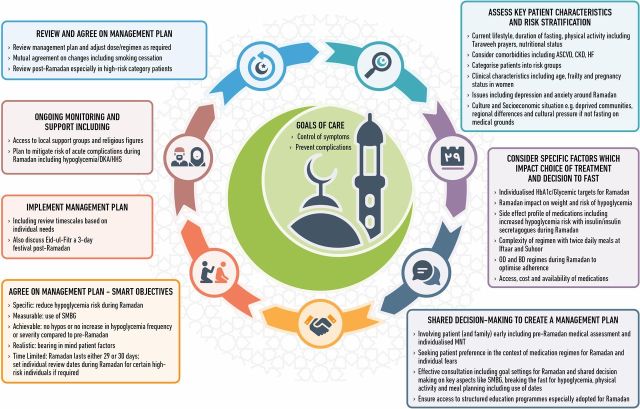
Fasting the Holy month of Ramadan constitutes one of the five pillars of the Muslim faith. Although there is some evidence that intermittent fasting during Ramadan may be of benefit in losing weight and cardiometabolic risk factors, there is no strong evidence these benefits apply to people with diabetes. The American Diabetes Association/European Association for the Study of Diabetes consensus recommendations emphasize the importance of patient factors and comorbidities when choosing diabetes medications including the presence of comorbidities, atherosclerotic cardiovascular disease, heart failure, chronic kidney disease, hypoglycemia risk, weight issues and costs. Structured education and pre-Ramadan counseing are key components to successful management of patients with diabetes. These should cover important aspects like glycemic targets, self-monitoring of blood glucose, diet, physical activity including Taraweeh prayers, medication and dose adjustment, side effects and when to break the fast. The decision cycle adapted for the specific situation of Ramadan provides an aid for such an assessment. Children with type 1 diabetes should strongly be advised not to fast due to the high risk of acute complications such as hypoglycemia and probably diabetic ketoacidosis (DKA), although there is very little evidence that DKA is increased in Ramadan. Pregnant women with diabetes or gestational diabetes should be advised to avoid fasting because of possible negative maternal and fetal outcomes. Hypoglycemia is a common concern during Ramadan fasting. To prevent hypoglycemic and hyperglycemic events, we recommend the adoption of diabetes self-management education and support principles. The use of the emerging technology and continuous glucose monitoring during Ramadan could help to recognize hypoglycemic and hyperglycemic complications related to omission and/or medication adjustment during fasting; however, the cost represents a significant barrier.
Overview
The claims and statistics of this paper haven’t been checked yet.
Free: it reads the open-access text and checks the first 5 claims that cite a source we can check. Create a free account to check every claim.
Integrity signals
Registry
Cites
Statistics
Figures
Verification
Claims the paper makes
The claims and statistics of this paper haven’t been checked yet.
Free: it reads the open-access text and checks the first 5 claims that cite a source we can check. Create a free account to check every claim.
Claims other papers make about this one
Each is checked against this paper’s own text: does it say what the citing paper says it does?
The cited source says what the claim attributes to it.
In the citing paper
“Fasting may increase the risk for hypoglycemia among individuals treated with insulin or insulin secretagogues if not properly planned for, so clinicians need to engage these individuals to codevelop a diabetes treatment plan that is safe and respectful of their traditions (123).”
From 6. Glycemic Goals, Hypoglycemia, and Hyperglycemic Crises: Standards of Care in Diabetes-2026. (2026) · cites this paper as [123]
Self-check
Percentages, sums and reported differences re-computed from the paper’s own numbers.
The self-check needs the paper’s full text.
Citations
Cites
International Diabetes Federation 2017
Carracher, A. M., Marathe, P. H., & Close, K. L. (2018) · Journal of Diabetes · doi:10.1111/1753-0407.12644 · Cited by 13,418
Empagliflozin, Cardiovascular Outcomes, and Mortality in Type 2 Diabetes
Zinman, B., Wanner, C., Lachin, J. M., Fitchett, D., Bluhmki, E., Hantel, S., Mattheus, M., Devins, T., Johansen, O. E., Woerle, H. J., et al. (2015) · New England Journal of Medicine · doi:10.1056/nejmoa1504720 · Cited by 12,315
Liraglutide and Cardiovascular Outcomes in Type 2 Diabetes
Marso, S. P., Daniels, G. H., Brown-Frandsen, K., Kristensen, P., Mann, J. F. E., Nauck, M. A., Nissen, S. E., Pocock, S., Poulter, N. R., Ravn, L. S., et al. (2016) · New England Journal of Medicine · doi:10.1056/nejmoa1603827 · Cited by 7,629
Dapagliflozin in Patients with Heart Failure and Reduced Ejection Fraction
McMurray, J. J. V., Solomon, S. D., Inzucchi, S. E., Køber, L., Kosiborod, M. N., Martinez, F. A., Ponikowski, P., Sabatine, M. S., Anand, I. S., Bělohlávek, J., et al. (2019) · New England Journal of Medicine · doi:10.1056/nejmoa1911303 · Cited by 7,140
Semaglutide and Cardiovascular Outcomes in Patients with Type 2 Diabetes
Marso, S. P., Bain, S. C., Consoli, A., Eliaschewitz, F. G., Jódar, E., Leiter, L. A., Lingvay, I., Rosenstock, J., Seufert, J., Warren, M. L., et al. (2016) · New England Journal of Medicine · doi:10.1056/nejmoa1607141 · Cited by 6,900
Dapagliflozin and Cardiovascular Outcomes in Type 2 Diabetes
Wiviott, S. D., Raz, I., Bonaca, M. P., Mosenzon, O., Kato, E. T., Cahn, A., Silverman, M. G., Zelniker, T. A., Kuder, J. F., Murphy, S. A., et al. (2019) · New England Journal of Medicine · doi:10.1056/nejmoa1812389 · Cited by 6,382
Canagliflozin and Renal Outcomes in Type 2 Diabetes and Nephropathy
Perkovic, V., Jardine, M. J., Neal, B., Bompoint, S., Heerspink, H. J. L., Charytan, D. M., Edwards, R., Agarwal, R., Bakris, G., Bull, S., et al. (2019) · New England Journal of Medicine · doi:10.1056/nejmoa1811744 · Cited by 6,189
Davies, M. J., D’Alessio, D. A., Fradkin, J., Kernan, W. N., Mathieu, C., Mingrone, G., Rossing, P., Tsapas, A., Wexler, D. J., & Buse, J. B. (2018) · Diabetes Care · doi:10.2337/dci18-0033 · Cited by 3,518
Self-citationGerstein, H. C., Colhoun, H. M., Dagenais, G. R., Diaz, R., Lakshmanan, M., Pais, P., Probstfield, J., Riesmeyer, J. S., Riddle, M. C., Rydén, L., et al. (2019) · The Lancet · doi:10.1016/s0140-6736(19)31149-3 · Cited by 3,163
Effects of once-weekly exenatide on cardiovascular outcomes in type 2 diabetes
Holman, R. R., Bethel, M. A., Mentz, R. J., Thompson, V. P., Lokhnygina, Y., Buse, J. B., Chan, J. C., Choi, J., Gustavson, S. M., Iqbal, N., et al. (2017) · New England Journal of Medicine · doi:10.1056/nejmoa1612917 · Cited by 2,162
Oral Semaglutide and Cardiovascular Outcomes in Patients with Type 2 Diabetes
Husain, M., Birkenfeld, A. L., Donsmark, M., Dungan, K., Eliaschewitz, F. G., Franco, D. R., Jeppesen, O. K., Lingvay, I., Mosenzon, O., Pedersen, S. D., et al. (2019) · New England Journal of Medicine · doi:10.1056/nejmoa1901118 · Cited by 1,997
Clinical review of antidiabetic drugs: implications for type 2 diabetes mellitus management
Chaudhury, A., Duvoor, C., Reddy Dendi, V. S., Kraleti, S., Chada, A., Ravilla, R., Marco, A., Shekhawat, N. S., Montales, M. T., Kuriakose, K., et al. (2017) · Frontiers in Endocrinology · doi:10.3389/fendo.2017.00006 · Cited by 1,500
Davies, M. J., D’Alessio, D. A., Fradkin, J., Kernan, W. N., Mathieu, C., Mingrone, G., Rossing, P., Tsapas, A., Wexler, D. J., & Buse, J. B. (2018) · Diabetologia · doi:10.1007/s00125-018-4729-5 · Cited by 1,455
Self-citationChrvala, C. A., Sherr, D., & Lipman, R. D. (2016) · Patient Education and Counseling · doi:10.1016/j.pec.2015.11.003 · Cited by 914
Seckl, J. R., & Holmes, M. C. (2007) · Nature Clinical Practice Endocrinology & Metabolism · doi:10.1038/ncpendmet0515 · Cited by 754
Salti, I., Bénard, E., Detournay, B., Bianchi-Biscay, M., Le Brigand, C., Voinet, C., Jabbar, A., & on behalf of the EPIDIAR Study Group (2004) · Diabetes Care · doi:10.2337/diacare.27.10.2306 · Cited by 742
Steinsbekk, A., Rygg, L., Lisulo, M., Rise, M. B., & Fretheim, A. (2012) · BMC Health Services Research · doi:10.1186/1472-6963-12-213 · Cited by 660
Rosenstock, J., Kahn, S. E., Johansen, O. E., Zinman, B., Espeland, M. A., Woerle, H. J., Pfarr, E., Keller, A., Mattheus, M., Baanstra, D., et al. (2019) · JAMA · doi:10.1001/jama.2019.13772 · Cited by 612 · cited 1×
“67 We recommend either substituting or stopping or reducing the dose of SU in patients at high risk of hypoglycemia.”
MethodFetal programming of hypothalamo‐pituitary‐adrenal function: prenatal stress and glucocorticoids
Kapoor, A., Dunn, E., Kostaki, A., Andrews, M. H., & Matthews, S. G. (2006) · The Journal of Physiology · doi:10.1113/jphysiol.2006.105254 · Cited by 598
Efficacy and safety of degludec versus glargine in type 2 diabetes.
Marso, S. P., McGuire, D. K., Zinman, B., Poulter, N. R., Emerson, S. S., Pieber, T. R., Pratley, R. E., Haahr, P.-M., Lange, M., Brown-Frandsen, K., et al. (2017) · New England Journal of Medicine · doi:10.1056/nejmoa1615692 · Cited by 574
Effect of dapagliflozin on heart failure and mortality in type 2 diabetes mellitus
Kato, E. T., Silverman, M. G., Mosenzon, O., Zelniker, T. A., Cahn, A., Furtado, R. H. M., Kuder, J., Murphy, S. A., Bhatt, D. L., Leiter, L. A., et al. (2019) · Circulation · doi:10.1161/circulationaha.119.040130 · Cited by 557
Powers, M. A., Bardsley, J., Cypress, M., Duker, P., Funnell, M. M., Hess Fischl, A., Maryniuk, M. D., Siminerio, L., & Vivian, E. (2015) · Diabetes Care · doi:10.2337/dc15-0730 · Cited by 492
Hyperglycemia and Adverse Pregnancy Outcomes: The HAPO Study Cooperative Research Group
(2008) · Obstetrical & Gynecological Survey · doi:10.1097/ogx.0b013e318187b7a2 · Cited by 488
Buse, J. B., Wexler, D. J., Tsapas, A., Rossing, P., Mingrone, G., Mathieu, C., D’Alessio, D. A., & Davies, M. J. (2020) · Diabetologia · doi:10.1007/s00125-019-05039-w · Cited by 487
Self-citationRecommendations for Management of Diabetes During Ramadan
Al-Arouj, M., Assaad-Khalil, S., Buse, J., Fahdil, I., Fahmy, M., Hafez, S., Hassanein, M., Ibrahim, M. A., Kendall, D., Kishawi, S., et al. (2010) · Diabetes Care · doi:10.2337/dc10-0896 · Cited by 411
Self-citationPowers, M. A., Bardsley, J., Cypress, M., Duker, P., Funnell, M. M., Fischl, A. H., Maryniuk, M. D., Siminerio, L., & Vivian, E. (2015) · The Diabetes Educator · doi:10.1177/0145721715588904 · Cited by 404
Eng, C., Kramer, C. K., Zinman, B., & Retnakaran, R. (2014) · The Lancet · doi:10.1016/s0140-6736(14)61335-0 · Cited by 383
Diabetes structured self-management education programmes: a narrative review and current innovations
Chatterjee, S., Davies, M. J., Heller, S., Speight, J., Snoek, F. J., & Khunti, K. (2018) · The Lancet Diabetes & Endocrinology · doi:10.1016/s2213-8587(17)30239-5 · Cited by 372
Self-citationMatthews, D. R., Paldánius, P. M., Proot, P., Chiang, Y., Stumvoll, M., & Del Prato, S. (2019) · The Lancet · doi:10.1016/s0140-6736(19)32131-2 · Cited by 364
Rosenstock, J., Jelaska, A., Frappin, G., Salsali, A., Kim, G., Woerle, H. J., & Broedl, U. C. (2014) · Diabetes Care · doi:10.2337/dc13-3055 · Cited by 363 · cited 1×
“77 However, the use of insulin in combination with SGLT2i may increase the risk of hypoglycemia during fasting.”
BackgroundDiabetes and Ramadan: Practical guidelines
Hassanein, M., Al-Arouj, M., Hamdy, O., Bebakar, W. M. W., Jabbar, A., Al-Madani, A., Hanif, W., Lessan, N., Basit, A., Tayeb, K., et al. (2017) · Diabetes Research and Clinical Practice · doi:10.1016/j.diabres.2017.03.003 · Cited by 351
2017 national standards for diabetes self-management education and support
Beck, J., Greenwood, D. A., Blanton, L., Bollinger, S. T., Butcher, M. K., Condon, J. E., Cypress, M., Faulkner, P., Fischl, A. H., Francis, T., et al. (2017) · Diabetes Care · doi:10.2337/dci17-0025 · Cited by 348
Alpha-glucosidase inhibitors for type 2 diabetes mellitus
Van de Laar, F. A., Lucassen, P. L., Akkermans, R. P., Van de Lisdonk, E. H., Rutten, G. E., & Van Weel, C. (2005) · Cochrane Database of Systematic Reviews · doi:10.1002/14651858.cd003639.pub2 · Cited by 335
HAEMOLYTIC ANAEMIA AND ACUTE RENAL DISEASE.
Braimbridge, M. V. (1965) · PubMed · Cited by 309
Recommendations for Management of Diabetes During Ramadan
Al-Arouj, M., Bouguerra, R., Buse, J., Hafez, S., Hassanein, M., Ibrahim, M. A., Ismail-Beigi, F., El-Kebbi, I., Khatib, O., Kishawi, S., et al. (2005) · Diabetes Care · doi:10.2337/diacare.28.9.2305 · Cited by 291
Self-citation2017 National Standards for Diabetes Self-Management Education and Support
Beck, J., Greenwood, D. A., Blanton, L., Bollinger, S. T., Butcher, M. K., Condon, J. E., Cypress, M., Faulkner, P., Fischl, A. H., Francis, T., et al. (2018) · The Diabetes Educator · doi:10.1177/0145721718754797 · Cited by 288
’Accelerated starvation’ and the skipped breakfast in late normal pregnancy
Metzger, B., Vileisis, R., Ravnikar, V., & Freinkel, N. (1982) · The Lancet · doi:10.1016/s0140-6736(82)91750-0 · Cited by 256
Rosenstock, J., Jelaska, A., Zeller, C., Kim, G., Broedl, U. C., Woerle, H. J., & on behalf of the EMPA‐REG BASAL trial investigators (2015) · Diabetes, Obesity and Metabolism · doi:10.1111/dom.12503 · Cited by 252
He, X., Li, J., Wang, B., Yao, Q., Li, L., Song, R., Shi, X., & Zhang, J.-A. (2017) · Endocrine · doi:10.1007/s12020-016-1168-2 · Cited by 250
Bravis, V., Hui, E., Salih, S., Mehar, S., Hassanein, M., & Devendra, D. (2010) · Diabetic Medicine · doi:10.1111/j.1464-5491.2010.02948.x · Cited by 225 · cited 2×
“26 It is important that the structured education is implemented and ideally it should incorporate community awareness package, HCP training and patient self-management course like ‘A Safer Ramadan’.”
BackgroundOdgers‐Jewell, K., Ball, L. E., Kelly, J. T., Isenring, E. A., Reidlinger, D. P., & Thomas, R. (2017) · Diabetic Medicine · doi:10.1111/dme.13340 · Cited by 224 · cited 1×
“11”
Hypoglycemia in Pregnant Women With Type 1 Diabetes
Nielsen, L. R., Pedersen-Bjergaard, U., Thorsteinsson, B., Johansen, M., Damm, P., & Mathiesen, E. R. (2008) · Diabetes Care · doi:10.2337/dc07-1066 · Cited by 204
Recommendations for management of diabetes during Ramadan: update 2015
Ibrahim, M., Abu Al Magd, M., Annabi, F. A., Assaad-Khalil, S., Ba-Essa, E. M., Fahdil, I., Karadeniz, S., Meriden, T., Misha'l, A. A., Pozzilli, P., et al. (2015) · BMJ Open Diabetes Research & Care · doi:10.1136/bmjdrc-2015-000108 · Cited by 180
Self-citationFigtree, G. A., Rådholm, K., Barrett, T. D., Perkovic, V., Mahaffey, K. W., de Zeeuw, D., Fulcher, G., Matthews, D. R., Shaw, W., & Neal, B. (2019) · Circulation · doi:10.1161/circulationaha.119.040057 · Cited by 164
Hyperglycemia and Adverse Pregnancy Outcome (HAPO) study: preeclampsia
(2010) · American Journal of Obstetrics and Gynecology · doi:10.1016/j.ajog.2010.01.024 · Cited by 155
Clinical Management of Intermittent Fasting in Patients with Diabetes Mellitus
Grajower, M. M., & Horne, B. D. (2019) · Nutrients · doi:10.3390/nu11040873 · Cited by 148
Glycemic indices of five varieties of dates in healthy and diabetic subjects
Alkaabi, J., Al-Dabbagh, B., Ahmad, S., Saadi, H., Gariballa, S., & Ghazali, M. A. (2011) · Nutrition Journal · doi:10.1186/1475-2891-10-59 · Cited by 125
Zhao, F., Suhonen, R., Koskinen, S., & Leino‐Kilpi, H. (2017) · Journal of Advanced Nursing · doi:10.1111/jan.13163 · Cited by 125
Maiorino, M. I., Chiodini, P., Bellastella, G., Capuano, A., Esposito, K., & Giugliano, D. (2017) · Diabetes Care · doi:10.2337/dc16-1957 · Cited by 125
Do sulphonylureas still have a place in clinical practice?
Khunti, K., Chatterjee, S., Gerstein, H. C., Zoungas, S., & Davies, M. J. (2018) · The Lancet Diabetes & Endocrinology · doi:10.1016/s2213-8587(18)30025-1 · Cited by 116
Self-citationAhmedani, M. Y., Haque, M. S., Basit, A., Fawwad, A., & Alvi, S. F. D. (2012) · Diabetic Medicine · doi:10.1111/j.1464-5491.2011.03563.x · Cited by 112
Guidelines for managing diabetes in Ramadan
Ali, S., Davies, M. J., Brady, E. M., Gray, L. J., Khunti, K., Beshyah, S., & Hanif, W. (2016) · Diabetic Medicine · doi:10.1111/dme.13080 · Cited by 101
Self-citationLessan, N. G., Hannoun, Z., Hasan, H. A., & Barakat, M. T. (2014) · Diabetes & Metabolism · doi:10.1016/j.diabet.2014.11.004 · Cited by 99
Salvo, F., Moore, N., Arnaud, M., Robinson, P., Raschi, E., De Ponti, F., Bégaud, B., & Pariente, A. (2016) · BMJ · doi:10.1136/bmj.i2231 · Cited by 99
Metabolic changes in Asian Muslim pregnant mothers observing the Ramadan fast in Britain
Malhotra, A. K., Scott, P., Scott, J. S., Gee, H., & Wharton, B. A. (1989) · British Journal Of Nutrition · doi:10.1079/bjn19890153 · Cited by 96
Glazier, J. D., Hayes, D. J. L., Hussain, S., D'Souza, S. W., Whitcombe, J., Heazell, A. E. P., & Ashton, N. (2018) · BMC Pregnancy and Childbirth · doi:10.1186/s12884-018-2048-y · Cited by 96
Aravind, S. R., Tayeb, K. A., Ismail, S. B., Shehadeh, N., KADDAHA, G., Liu, R., Balshaw, R. F., Lesnikova, N., Heisel, O., Girman, C. J., et al. (2011) · Current Medical Research and Opinion · doi:10.1185/03007995.2011.578245 · Cited by 93
Self-citationMetabolic consequences of fasting during Ramadan in pregnant and lactating women.
Prentice, A. M., Prentice, A., Wh, L., Pg, L., & Austin, S. (1983) · PubMed · Cited by 92
Hassanein, M., Hanif, W., Malik, W., Kamal, A. D., Geransar, P., Lister, N., Andrews, C., & Barnett, A. H. (2011) · Current Medical Research and Opinion · doi:10.1185/03007995.2011.579951 · Cited by 80
Impact of an individualized type 2 diabetes education program on clinical outcomes during Ramadan
McEwen, L. N., Ibrahim, M. A., Ali, N. M., Assaad-Khalil, S. H., Tantawi, H. R., Nasr, G. M., Mohammadmoradi, S., Misha'l, A. A., Annabi, F. A., Ba-Essa, E. M., et al. (2015) · BMJ Open Diabetes Research & Care · doi:10.1136/bmjdrc-2015-000111 · Cited by 77
Self-citationAjabnoor, G. M., Bahijri, S., Borai, A., Abdulkhaliq, A. A., Al-Aama, J. Y., & Chrousos, G. P. (2014) · PLoS ONE · doi:10.1371/journal.pone.0096500 · Cited by 77
Tang, H., Cui, W., Li, D., Wang, T., Zhang, J., Zhai, S., & Song, Y. (2017) · Diabetes, Obesity and Metabolism · doi:10.1111/dom.12785 · Cited by 76
Schweizer, A., Hassanein, M. M., & Abdallah, K. (2014) · Vascular Health and Risk Management · doi:10.2147/vhrm.s64038 · Cited by 73
Patients' management of type 2 diabetes in Middle Eastern countries: review of studies
Alsairafi, Z. K., Taylor, K. M. G., Smith, F. J., & Alattar, A. (2016) · Patient Preference and Adherence · doi:10.2147/ppa.s104335 · Cited by 72
Seman, W. J. W., Kori, N., Rajoo, S., Othman, Z., Noor, N. M., Wahab, N. A. A., Sukor, N., Mustafa, N., & Kamaruddin, N. A. (2016) · Diabetes Obesity and Metabolism · doi:10.1111/dom.12649 · Cited by 70
Alarouj, M., Hassoun, A. A. K., Medlej, R., Pathan, M. F., Shaltout, I., Chawla, M. S., Hristoskova, S., diTommaso, S., & Kadwa, M. (2013) · International Journal of Clinical Practice · doi:10.1111/ijcp.12243 · Cited by 67
Ramadan fasting and newborn's birth weight in pregnant Muslim women in The Netherlands
Savitri, A. I., Yadegari, N., Bakker, J., van Ewijk, R. J. G., Grobbee, D. E., Painter, R. C., Uiterwaal, C. S. P. M., & Roseboom, T. J. (2014) · British Journal Of Nutrition · doi:10.1017/s0007114514002219 · Cited by 67
Brady, E. M., Davies, M. J., Gray, L. J., Saeed, M. A., Smith, D., Hanif, W., & Khunti, K. (2014) · Diabetes, Obesity and Metabolism · doi:10.1111/dom.12249 · Cited by 66
Self-citationDiabetes and Ramadan: A multicenter study in Algerian population
Malek, R., Hannat, S., Nechadi, A., Mekideche, F. Z., & Kaabeche, M. (2019) · Diabetes Research and Clinical Practice · doi:10.1016/j.diabres.2019.02.008 · Cited by 62 · cited 1×
“120 As in other Muslim countries, severe hypoglycemia is the main reason for hospitalization in Algeria during the Holy month.”
BackgroundDiabetes Research in Children Network (DirecNet) Study Group (2009) · Diabetes Care · doi:10.2337/dc08-2298 · Cited by 61
Ajabnoor, G. M. A., Bahijri, S., Shaik, N. A., Borai, A., Alamoudi, A. A., Al-Aama, J. Y., & Chrousos, G. P. (2017) · PLOS ONE · doi:10.1371/journal.pone.0174342 · Cited by 56
Hassanein, M. M., Echtay, A. S., Hassoun, A. A. K., Alarouj, M., Afandi, B. O., Poladian, R., Bennakhi, A., Nazar, M., Bergmans, P., Keim, S., et al. (2017) · International Journal of Clinical Practice · doi:10.1111/ijcp.12991 · Cited by 56
Azar, S. T., Echtay, A. S., Bebakar, W. M. W., araj, S., BERRAH, A., Omar, M. A. K., Mutha, A., Tornøe, K., Kaltoft, M. S., & Shehadeh, N. (2016) · Diabetes Obesity and Metabolism · doi:10.1111/dom.12733 · Cited by 55
Shao, Y., Lim, G. J., Chua, C. L., Wong, Y. F., Yeoh, E. C. K., Low, S. K. M., & Sum, C. F. (2018) · Diabetes Research and Clinical Practice · doi:10.1016/j.diabres.2018.05.022 · Cited by 53 · cited 1×
“57 However, careful pre-Ramadan assessment and education is important including advice on hydration and potential risk of volume contraction and postural hypotension, especially in warm climates with long fasting hours and risk of diabetic ketoacidosis (DKA).”
BackgroundAl-Agha, A. E., Kafi, S. E., Aldeen, A. M. Z., & Khadwardi, R. H. (2017) · Saudi Medical Journal · doi:10.15537/smj.2017.4.18750 · Cited by 52
Bashier, A. M., Khalifa, A. A., Abdelgadir, E., Alsaeed, M., Qaysi, A. A. A., Bayati, M. B. A., Alemadi, B., Bachet, F., Alawadi, F., & Hassanein, M. (2018) · Oman Medical Journal · doi:10.5001/omj.2018.21 · Cited by 52
Secular increase in placental weight in Saudi Arabia
Alwasel, S. H., Abotalib, Z., Aljarallah, J. S., Osmond, C., Alkharaz, S. M., Alhazza, I. M., Harrath, A., Thornburg, K., & Barker, D. J. P. (2011) · Placenta · doi:10.1016/j.placenta.2011.02.007 · Cited by 50
Date Palm Status and Perspective in Saudi Arabia
Aleid, S. M., Al-Khayri, J. M., & Al-Bahrany, A. M. (2015) · Date Palm Genetic Resources and Utilization · doi:10.1007/978-94-017-9707-8_3 · Cited by 45
The Effect of Maternal Diet Restriction on Pregnancy Outcome
Mirghani, H. M., & Hamud, O. A. (2006) · American Journal of Perinatology · doi:10.1055/s-2005-923435 · Cited by 43
Loh, H. H., Lim, L., Loh, H. S., & Yee, A. H. A. (2019) · Journal of Diabetes Investigation · doi:10.1111/jdi.13054 · Cited by 43
Date consumption and dietary significance in the United Arab Emirates
Ismail, B., Henry, C. J., Haffar, I., & Baalbaki, R. Z. (2006) · Journal of the Science of Food and Agriculture · doi:10.1002/jsfa.2467 · Cited by 42 · cited 1×
“The highest consumption of dates was found among Arab Gulf populations, 37–40 with a daily date intake in these countries between 68 and 164 g. 40 It is actually recommended to break the fast on dates, as Prophet Mohammad (peace and blessings be on him) used to do.”
BackgroundHassanein, M. M., Echtay, A. S., Malek, R., Omar, M. A. K., Shaikh, S. S., Ekelund, M., Kaplan, K., & Kamaruddin, N. A. (2017) · Diabetes Research and Clinical Practice · doi:10.1016/j.diabres.2017.11.027 · Cited by 41
Risk of diabetic ketoacidosis during Ramadan fasting: A critical reappraisal
Beshyah, S., Chowdhury, T. A., Ghouri, N., & Lakhdar, A. (2019) · Diabetes Research and Clinical Practice · doi:10.1016/j.diabres.2019.02.027 · Cited by 38
Assessment of Ramadan Education and Knowledge Among Diabetic Patients
Almalki, M., Hussen, I., Khan, S. A., Almaghamsi, A. M., & Alshahrani, F. (2018) · Clinical Medicine Insights Endocrinology and Diabetes · doi:10.1177/1179551417751611 · Cited by 37
Anwar, A. S., Azmi, K. N., Bb, H., & Khalid, B. A. (2006) · PubMed · Cited by 36
Aroda, V. R., Bailey, T. S., Cariou, B., Kumar, S., Leiter, L. A., Raskin, P., Zacho, J., Andersen, T. H., & Philis‐Tsimikas, A. (2016) · Diabetes, Obesity and Metabolism · doi:10.1111/dom.12661 · Cited by 33
Aldawi, N., Darwiche, G., Abusnana, S., Elbagir, M. N., & Elgzyri, T. (2018) · Libyan Journal of Medicine · doi:10.1080/19932820.2018.1535747 · Cited by 32 · cited 3×
“81 82 This information can be a valuable tool, whether used intermittently or continuously, to aid in adjusting medications as well as composition of meals for optimal blood glucose control.”
BackgroundMethodDiet restriction in Ramadan and the effect of fasting on glucose levels in pregnancy
AlKetbi, L. B., Niglekerke, N. J., Deen, S. M. Z. A., & Mirghani, H. M. (2014) · BMC Research Notes · doi:10.1186/1756-0500-7-392 · Cited by 30
Yorke, E., & Atiase, Y. (2018) · Ghana Medical Journal · doi:10.4314/gmj.v52i1.8 · Cited by 30
Khazneh, E., Qaddumi, J. A. S., Hamdan, Z. I., Qudaimat, F., Sbitany, A., Jebrin, K., Sawalmeh, O., Abuiram, Y., & Shraim, M. (2019) · PLoS ONE · doi:10.1371/journal.pone.0218745 · Cited by 29
“Ramadan challenges: Fasting against medical advice
Afandi, B. O., Kaplan, W., Kuwaiti, F. A., Dahmani, K. A., & Nagelkerke, N. J. D. (2017) · DOAJ (DOAJ: Directory of Open Access Journals) · doi:10.22038/jfh.2018.27312.1100 · Cited by 28
Hassanein, M. M., Sahay, R. K., Hafidh, K., Djaballah, K., Li, H., Azar, S. T., Shehadeh, N., & Hanif, W. (2019) · Diabetes Research and Clinical Practice · doi:10.1016/j.diabres.2019.01.035 · Cited by 28
Wysham, C. H., Lin, J., & Kuritzky, L. (2017) · Postgraduate Medicine · doi:10.1080/00325481.2017.1297669 · Cited by 26
Mohamed, K., Al‐Abdulrazzaq, D., Fayed, A. A., Busairi, E. E., Al-Shawaf, F., Abdul-Rasoul, M. M., & Shaltout, A. (2019) · Journal of Pediatric Endocrinology and Metabolism · doi:10.1515/jpem-2019-0009 · Cited by 23
Afandi, B. O., Kaplan, W., Majd, L. M., & Roubi, S. (2018) · Ibnosina Journal of Medicine and Biomedical Sciences · doi:10.4103/ijmbs.ijmbs_73_17 · Cited by 22 · cited 1×
“83 84 A clinical observational study in Ajman (UAE) examined glucose variability using CGM during Ramadan fasting in patients with type 2 diabetes without insulin treatment.”
BackgroundAhmedani, M. Y., Hashmi, B. Z., & Ulhaque, M. S. (2016) · Pakistan Journal of Medical Sciences · doi:10.12669/pjms.324.9904 · Cited by 20
Role of Ramadan specific diabetes education (RSDE); A prospective study
Ahmedani, M. Y., Ahsan, S., & Ulhaque, M. S. (2017) · Pakistan Journal of Medical Sciences · doi:10.12669/pjms.333.12345 · Cited by 20
Diabetes mellitus and Ramadan in Algeria
Chentli, F., Azzoug, S., Amani, M. A., & Gradechi, A. E. (2013) · Indian Journal of Endocrinology and Metabolism · doi:10.4103/2230-8210.119622 · Cited by 19 · cited 1×
“121 122 In Tunisia, the majority of people with type 1 and type 2 diabetes fast during Ramadan while receiving insulin.”
BackgroundManagement of Type 2 diabetes in Ramadan: Low-ratio premix insulin working group practical advice
Hassanein, M. M., Belhadj, M., Abdallah, K., Bhattacharya, A., Singh, A. K., Tayeb, K. A., Alarouj, M., Elghweiry, A., Iraqi, H., Nazeer, M., et al. (2014) · Indian Journal of Endocrinology and Metabolism · doi:10.4103/2230-8210.140242 · Cited by 18 · cited 1×
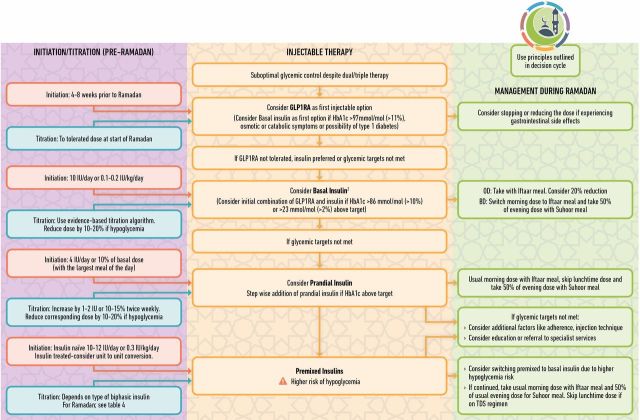
“Hassanein et al 78 advocate dose adjustment to premixed insulin dose depending on the blood glucose and we recommend following algorithm for self-titration of premixed insulin during Ramadan (table 3).”
MethodSelf-citationBeliefs of People With Diabetes About Skin Prick During Ramadan Fasting
Masood, S. N., Sheikh, M. A., Masood, Y., Hakeem, R., & Shera, A. S. (2014) · Diabetes Care · doi:10.2337/dc13-2277 · Cited by 17
Self-citationKhalifa, A. A., & MK, A. O. E. R. A. (2015) · Journal of Diabetes & Metabolism · doi:10.4172/2155-6156.1000590 · Cited by 17
Metabolic effects of Ramadan fasting in patients at high risk of cardiovascular diseases
Beltaïef, K., Bouida, W., Trabelsi, I., Baccouche, H., Sassi, M., Dridi, Z., Chakroun, T., Hellara, I., Boukef, R., Hassine, M., et al. (2019) · International Journal of General Medicine · doi:10.2147/ijgm.s172341 · Cited by 17 · cited 1×
“124 There was a significant decrease in HbA1c after Ramadan (75 mmol/mol (9.0”
BackgroundInfluentialSelf-citationBeano, A. M., Zmaili, M. A., Gheith, Z., Naser, A. M., Momani, M. S., Yousef, A., & Zayed, A. A. (2017) · Endocrinology and Metabolism · doi:10.3803/enm.2017.32.2.265 · Cited by 15
Elbarbary, N. S., Deeb, A., Habeb, A. M., & Beshyah, S. (2019) · Diabetes Research and Clinical Practice · doi:10.1016/j.diabres.2018.12.014 · Cited by 12 · cited 1×
“81 CHILDREN WITH TYPE 1 DIABETES Management of children and adolescents with type 1 diabetes during Ramadan is highly variable in Arab countries 85 and hypoglycemia during daytime fasting remains a major concern.”
BackgroundNutritional Education Needs in Relation to Ramadan Fasting and Its Complications in Tehran, Iran
Shadman, Z., Akhoundan, M., Poorsoltan, N., Nikoo, M. K., Larijani, B. A., Zhand, C. A., Soleymanzadeh, M., Rohani, Z. A. S., & Jamshidi, Z. (2016) · Iranian Red Crescent Medical Journal · doi:10.5812/ircmj.26130 · Cited by 11
Survey on diabetic patients treated with insulin during the fasting month of Ramadan
Abid, M., Hsaïri, M., Elleuch, M., & Emna, B. A. (2018) · International Journal of General Medicine · doi:10.2147/ijgm.s131308 · Cited by 11 · cited 1×
“123 In this study population, 72% reported having fasted without insulin interruption during the month of Ramadan.”
BackgroundThe benefit of early treatment without rescreening in women with a history of gestational diabetes
Maher, N., McAuliffe, F. M., & Foley, M. (2012) · The Journal of Maternal-Fetal & Neonatal Medicine · doi:10.3109/14767058.2012.733772 · Cited by 10
Mohamed, O. M. I., Syeed, A., & Khan, F. B. (2019) · World Family Medicine Journal/Middle East Journal of Family Medicine · doi:10.5742/mewfm.2019.93594 · Cited by 10
Hassoun, A. A. K., Pathan, M. F., Medlej, R., Alarouj, M., Shaltout, I., Chawla, M. S., Knap, D., & Vaz, J. A. (2016) · Diabetes Metabolic Syndrome and Obesity · doi:10.2147/dmso.s103692 · Cited by 9
Daly, H., Byrne, J. L., Martin-Stacey, L., Mandalia, P., Carey, M., Hadjiconstantinou, M., Hassanein, M., Mehar, S., Khunti, K., & Davies, M. J. (2014) · Practical Diabetes · doi:10.1002/pdi.1889 · Cited by 8
Self-citationQazaq, H. S., & Adeeb, N. Z. A. (2010) · Acta Horticulturae · doi:10.17660/actahortic.2010.882.125 · Cited by 8
Masood, S. N., Saeed, S., Lakho, N., Masood, Y., Ahmedani, M. Y., & Shera, A. S. (2018) · Pakistan Journal of Medical Sciences · doi:10.12669/pjms.346.15883 · Cited by 7 · cited 2×
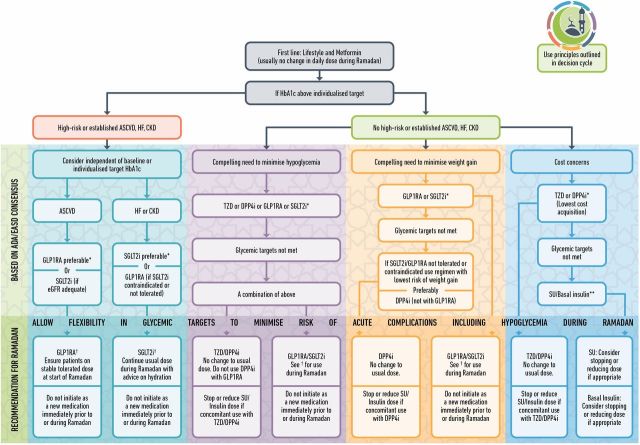
“The ADA/EASD 2018 consensus 12 13 and its recent update 14 recognize presence or absence of ASCVD, HF and CKD an important early step in treatment selection (figure 2).”
BackgroundSelf-citationCirculatory responses to hypoglycaemia in diabetic and non-diabetic children
Bjørgaas, M. R., & Aasarød, K. (2003) · Scandinavian Journal of Clinical and Laboratory Investigation · doi:10.1080/00365510310001302 · Cited by 5
Fredheim, S., Foli-Andersen, P. J., Lærkholm, G., Svensson, J., Juhl, C. B., Olsen, B. S., Pilgaard, K. A., & Johannesen, J. (2018) · Acta Paediatrica · doi:10.1111/apa.14310 · Cited by 4
Al Hejji, R. (2019) · Biomedical Journal of Scientific & Technical Research · doi:10.26717/bjstr.2019.18.003173 · Cited by 3
The Effect of Fasting on Emotional Intelligence
Nikfarjam, M., Noormohammadi, M.-R., & Mardanpour-Shahrekordi, E. (2015) · DOAJ (DOAJ: Directory of Open Access Journals) · doi:10.7860/njlm/2015/15569:2081 · Cited by 3
Contribution of liver to whole body protein synthesis in septic rats
Breuillé, D., Rosé, F., Arnal, M., Obled, C., & Melin, C. (1991) · Clinical Nutrition · doi:10.1016/0261-5614(91)90296-o · Cited by 2
Beshyah, S., & Haddad, M. (2016) · Ibnosina Journal of Medicine and Biomedical Sciences · doi:10.4103/1947-489x.210223 · Cited by 2
Bencharif, M., Sersar, I., Bentaleb, M., Boutata, F. Z., & Benabbas, Y. (2019) · Romanian Journal of Diabetes Nutrition and Metabolic Diseases · doi:10.2478/rjdnmd-2019-0023 · Cited by 2 · cited 1×
“121 122 In Tunisia, the majority of people with type 1 and type 2 diabetes fast during Ramadan while receiving insulin.”
BackgroundImpact of structured education on diabetes management during Ramadan
Hossein, J. M. (2017) · doi:10.26226/morressier.59d5184dd462b80296ca2a8f · Cited by 1
Research works printed but not linked: 4
- International Diabetes Federation IDF diabetes atlas. 9th edition Brussels, 2019 http://www.diabetesatlas.org
- Handy O, Yusof BNM, Reda WH, et al Chapter 7: the Ramadan nutrition plan (RNP) for patients with diabetes, 2016 Available: http://www.daralliance.org/daralliance/
- Al-Mssallem MQ Consumption of dates among Saudi adults and its association with the prevalence of type 2 diabetes. Asian J. Clin. Nutr 2018; 10: 58– 64.
- Bencharif M, Fenaghra A, Boudaoud C, et al Impact of Ramadan fasting on energy intake and anthropometry of type 2 diabetics – study in 2 regions of the central highlands and southeastern Algeria. Journal of nutrition fasting & health 2017; 5: 31– 7.
Cited by
Ahmad, E., Lim, S., Lamptey, R., Webb, D. R., & Davies, M. J. (2022) · The Lancet · doi:10.1016/s0140-6736(22)01655-5 · Cited by 1,120
Self-citation6. Glycemic Goals and Hypoglycemia: Standards of Care in Diabetes—2024
American Diabetes Association Professional Practice Committee, ElSayed, N. A., Aleppo, G., Bannuru, R. R., Bruemmer, D., Collins, B. S., Ekhlaspour, L., Hilliard, M. E., Johnson, E. L., Khunti, K., et al. (2024) · Diabetes Care · doi:10.2337/dc24-s006 · Cited by 486
Self-citation6. Glycemic Goals and Hypoglycemia: Standards of Care in Diabetes—2025
American Diabetes Association Professional Practice Committee, ElSayed, N. A., McCoy, R. G., Aleppo, G., Balapattabi, K., Beverly, E. A., Briggs Early, K., Bruemmer, D., Echouffo-Tcheugui, J. B., Ekhlaspour, L., et al. (2025) · Diabetes Care · doi:10.2337/dc25-s006 · Cited by 440
Self-citation6. Glycemic Goals, Hypoglycemia, and Hyperglycemic Crises: Standards of Care in Diabetes-2026.
American Diabetes Association Professional Practice Committee for Diabetes*, Bajaj, M., McCoy, R. G., Balapattabi, K., Bannuru, R. R., Bellini, N. J., Bennett, A. K., Beverly, E. A., Briggs Early, K., ChallaSivaKanaka, S., et al. (2026) · Diabetes Care · doi:10.2337/dc26-s006 · Cited by 172
Self-citationRamadan and Diabetes: A Narrative Review and Practice Update
Ahmed, S. H., Chowdhury, T. A., Hussain, S., Syed, A., Karamat, A., Helmy, A., Waqar, S., Ali, S., Dabhad, A., Seal, S. T., et al. (2020) · Diabetes Therapy · doi:10.1007/s13300-020-00886-y · Cited by 92
“More recent updates from CREED have impacted on recent guidance [47, 48].”
Background
Metadata
- Authors
- Ibrahim, M., Davies, M. J., Ahmad, E., Annabi, F. A., Eckel, R. H., Ba-Essa, E. M., El Sayed, N. A., Hess Fischl, A., Houeiss, P., Iraqi, H., Khochtali, I., Khunti, K., Masood, S. N., Mimouni-Zerguini, S., Shera, S., Tuomilehto, J., & Umpierrez, G. E.
- Affiliations
- EDC Center for Diabetes Education, McDonough, Georgia, USA
- University of Leicester (GB)
- Islamic Hospital (JO)
- University of Colorado Anschutz (US)
- Dammam Medical Complex, Dammam, Saudi Arabia
- Adult Diabetes, Joslin Diabetes Center, Boston, Massachusetts, USA
- Section of Adult and Pediatric Endocrinology, Diabetes and Metabolism, University of Chicago Medicine, Chicago, Illinois, USA
- American University of Beirut (LB)
- Mohammed V University (MA)
- Tunis University (TN)
- Obstetrics & Gynecology, ISRA Medical University, Karachi, Sindh, Pakistan
- Pierre & Marie Curie Center, University of Algiers, Algiers, Algeria
- Diabetic Association of Pakistan, Karachi, Pakistan
- Finnish Institute for Health and Welfare (FI)
- Emory University (US)
- Corresponding author
- Ibrahim, Mahmoud
- ORCID
- Venue
- BMJ Open Diabetes Research & Care
- Publisher
- BMJ
- Published
- 2020-05
- Volume
- 8
- Issue
- 1
- Pages
- e001248
- ISSN
- 2052-4897 (ISSN-L)
- PMC
- PMC7223028
- OpenAlex
- W3021583569
- Cited by
- 124
- References
- 120
- Citations by year
- 2026: 6 · 2025: 26 · 2024: 19 · 2023: 23 · 2022: 27 · 2021: 18 · 2020: 5
- FWCI
- 2.33
- Type
- journal article
- Language
- en
- Open access
- gold
- doi.org
- Licence
- Locations
- BMJ Open Diabetes Research & Care (publishedVersion, cc-by-nc)
- PubMed Central (publishedVersion, cc-by-nc)
- PubMed (publishedVersion)
- DOAJ (DOAJ: Directory of Open Access Journals) (submittedVersion, cc-by-sa)
- Figshare (submittedVersion, cc-by-nc)
- Minerva Access (University of Melbourne) (submittedVersion, cc-by-nc)
- STM:n Hallinnonalan avoin julkaisuarkisto (Julkari) (submittedVersion)
- Funders
- National Institute for Health and Care Research
- Department of Health and Social Care
- NIHR Leicester Biomedical Research Centre
- NIHR Leicester Clinical Research Facility
- Topics
- Health Sciences › Medicine › Physiology (medical) › Dietary Effects on Health
- Health Sciences › Medicine › Endocrinology, Diabetes and Metabolism › Diabetes Management and Research
- Health Sciences › Medicine › Endocrinology, Diabetes and Metabolism › Diabetes Treatment and Management
- Keywords
- Ramadan fasting, diabetes management, intermittent fasting, hypoglycemia, diabetes self-management education, continuous glucose monitoring, type 1 diabetes in children, gestational diabetes mellitus, medication dose adjustment, glycemic targets, self-monitoring of blood glucose, diabetic ketoacidosis, financial barriers to care
- MeSH terms
- Blood Glucose, Child, Consensus Statements as Topic, Diabetes Mellitus, Fasting, Female, Humans, Hypoglycemia, Pregnancy, Blood Glucose Self-Monitoring, Consensus
About these checks
Registry, retraction, Cites and statistics results are computed, not judged, with one exception: a printed reference that no index lists is read once by a model before it counts as a citation error. Claims are extracted by a model and kept only when their quote appears verbatim in the text; each cited source is then checked, with a model’s help, for whether it says what the claim relies on. Those verdicts can be wrong — read the claim’s quote and the cited source before relying on one.
Statistics and arithmetic are recomputed, not judged.
Confidence bands are shown only for fields calibrated on our annotated test set. None is calibrated yet, so no band is shown.
What counts as a claim ›How we measure confidence ›How we check this ›
Are you an author, or do you see a problem with this page? Request a review
Data sources
Bibliographic data: Semantic Scholar, OpenAlex, Crossref.
Contains information from the Semantic Scholar Academic Graph Datasets, made available under the ODC Attribution License (ODC-BY 1.0).
Semantic Scholar’s data is described in: Kinney, R., et al. (2023). The Semantic Scholar Open Data Platform. arXiv:2301.10140.
