

Assessing the burden of COVID-19 in developing countries: systematic review, meta-analysis and public policy implications
Open accessPublished version of a preprint
The DOI matches its Crossref record; 143 of the 144 references it cites were found in a registry or an index.
Abstract
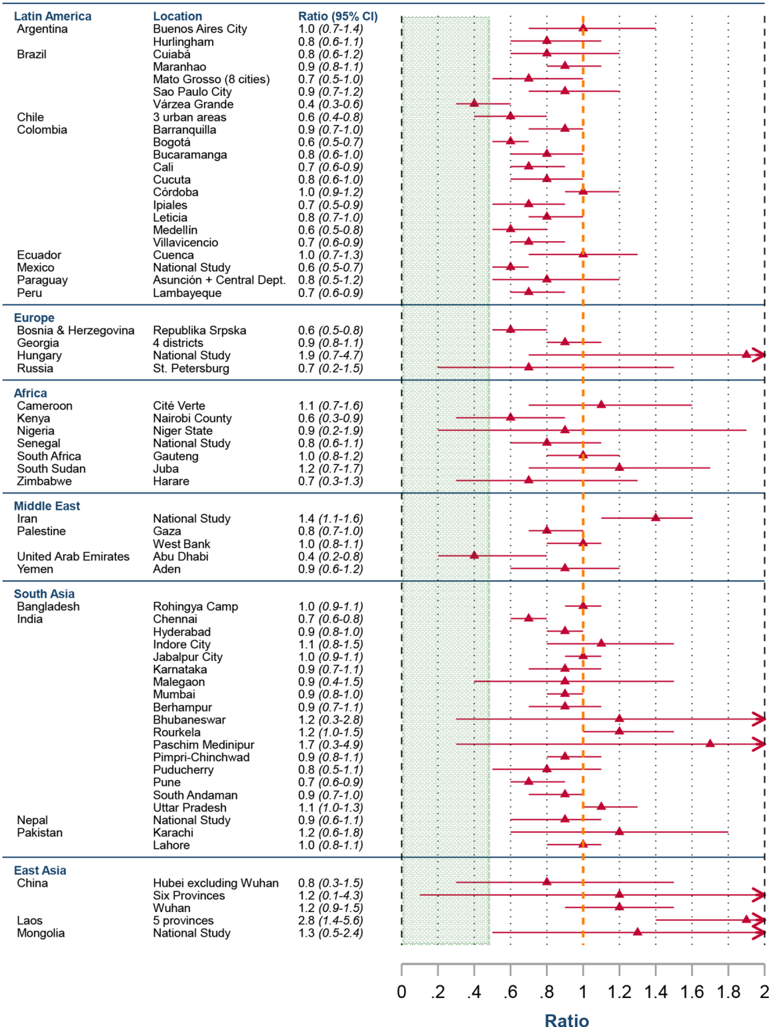
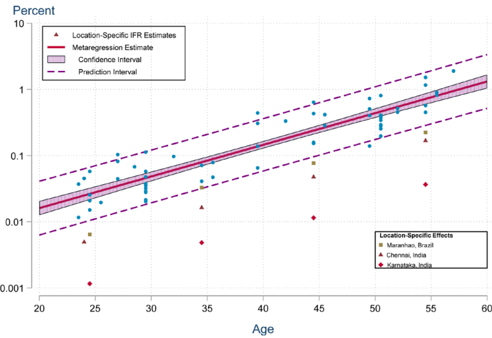
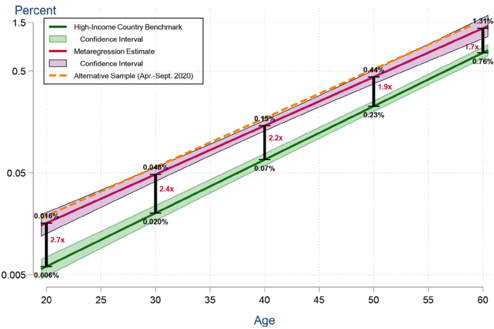
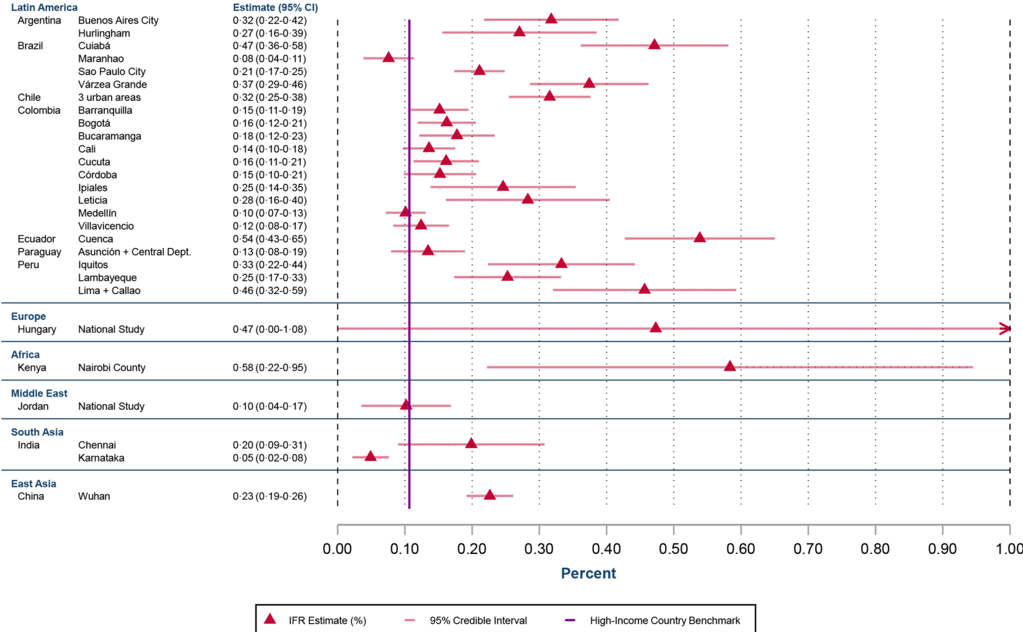
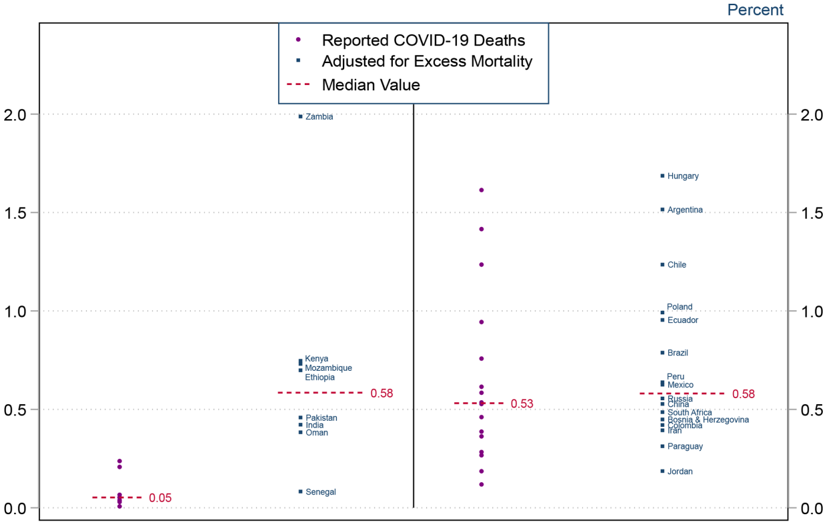
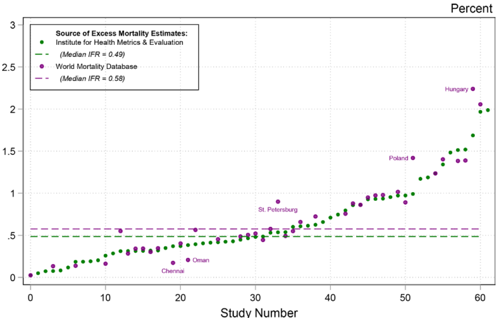
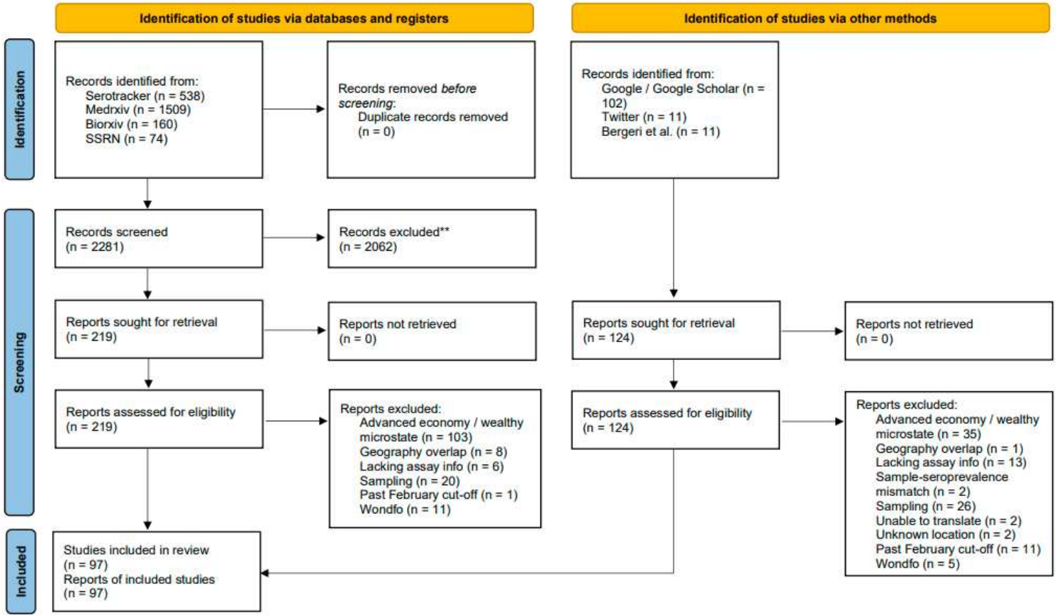
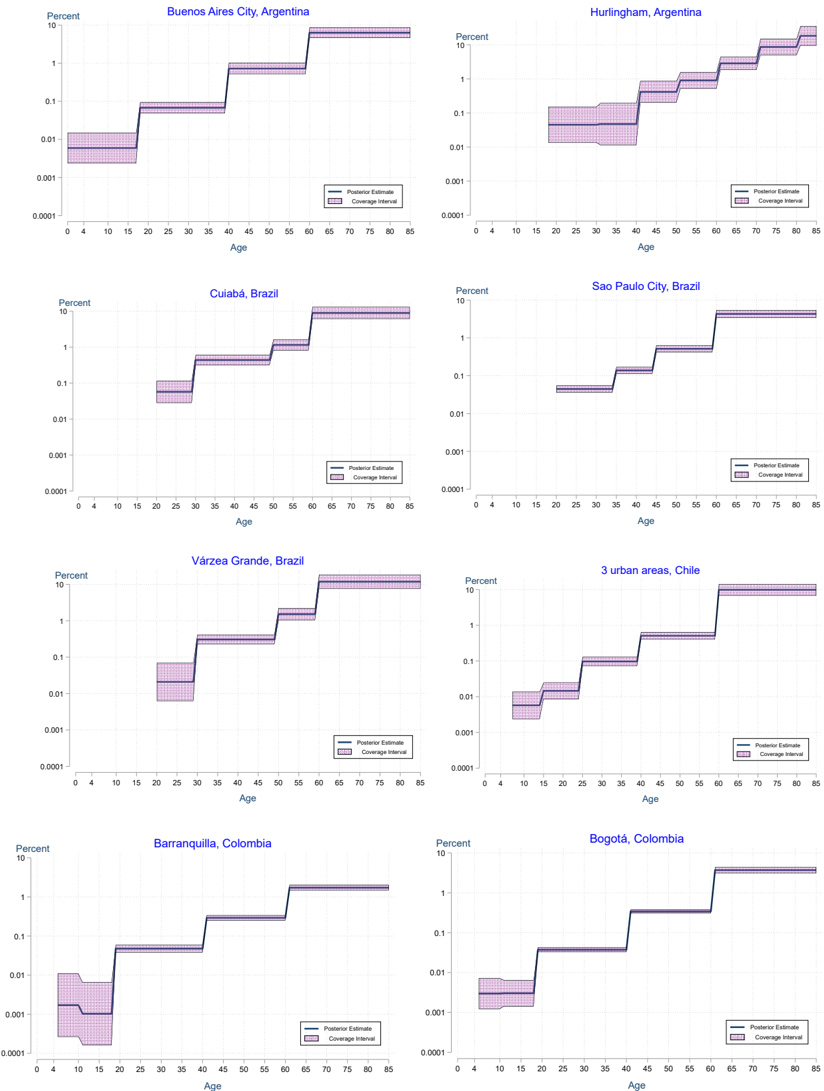
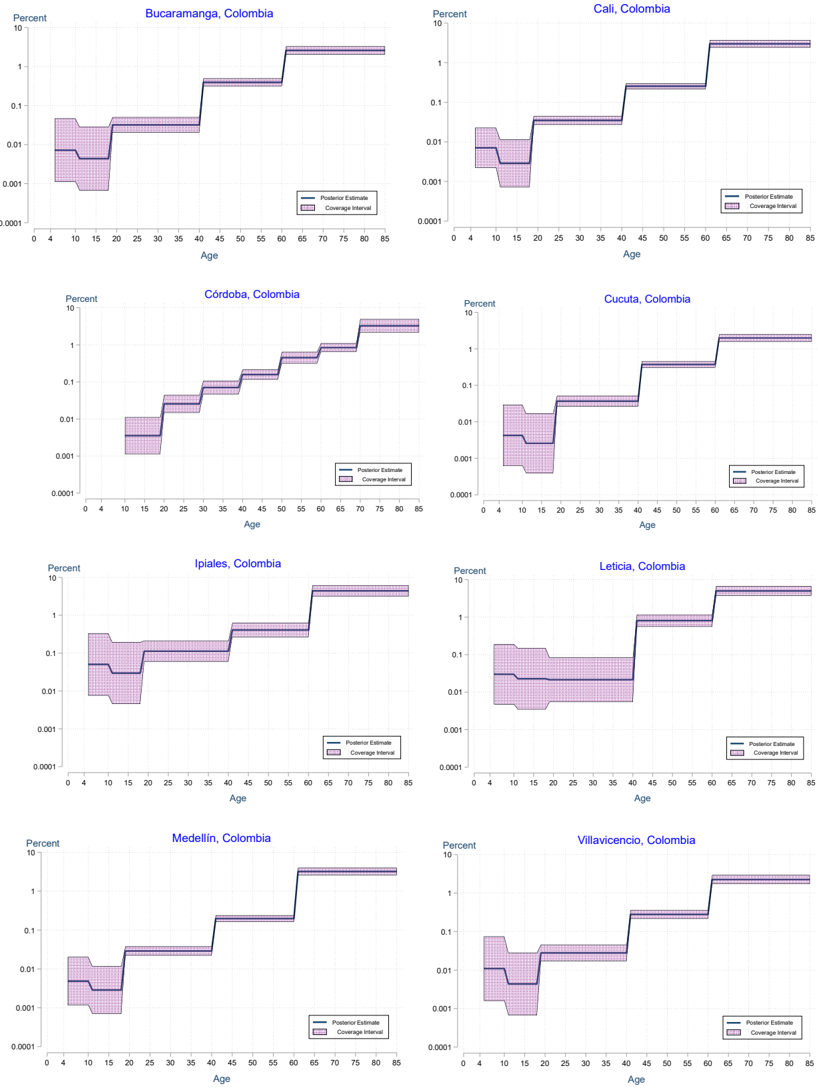
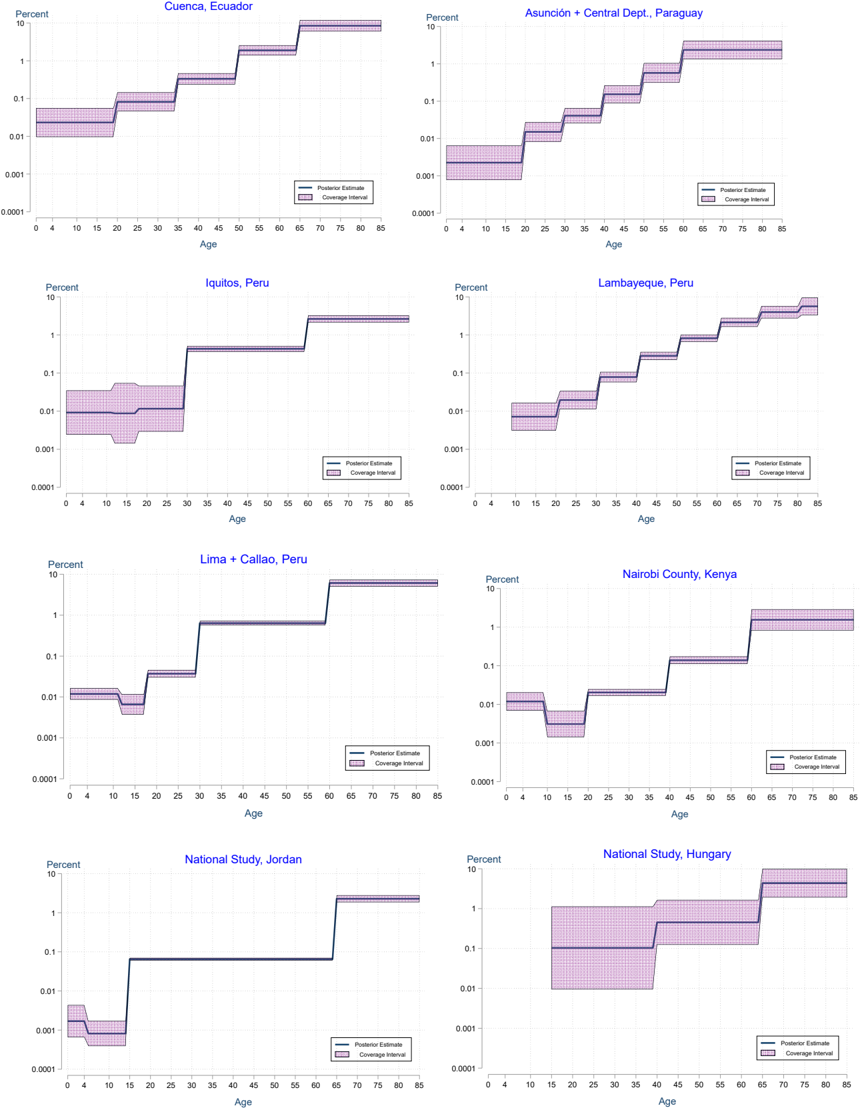
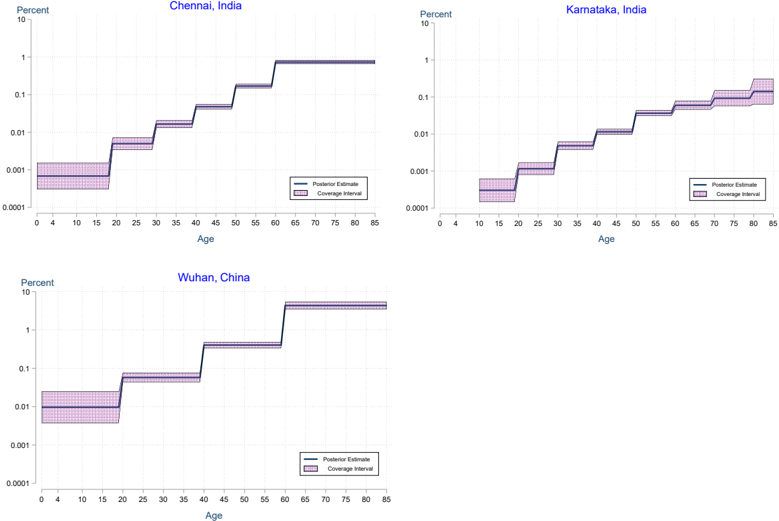
Introduction: The infection fatality rate (IFR) of COVID-19 has been carefully measured and analysed in high-income countries, whereas there has been no systematic analysis of age-specific seroprevalence or IFR for developing countries. Methods: We systematically reviewed the literature to identify all COVID-19 serology studies in developing countries that were conducted using representative samples collected by February 2021. For each of the antibody assays used in these serology studies, we identified data on assay characteristics, including the extent of seroreversion over time. We analysed the serology data using a Bayesian model that incorporates conventional sampling uncertainty as well as uncertainties about assay sensitivity and specificity. We then calculated IFRs using individual case reports or aggregated public health updates, including age-specific estimates whenever feasible. Results: In most locations in developing countries, seroprevalence among older adults was similar to that of younger age cohorts, underscoring the limited capacity that these nations have to protect older age groups. Age-specific IFRs were roughly 2 times higher than in high-income countries. The median value of the population IFR was about 0.5%, similar to that of high-income countries, because disparities in healthcare access were roughly offset by differences in population age structure. Conclusion: The burden of COVID-19 is far higher in developing countries than in high-income countries, reflecting a combination of elevated transmission to middle-aged and older adults as well as limited access to adequate healthcare. These results underscore the critical need to ensure medical equity to populations in developing countries through provision of vaccine doses and effective medications.
Overview
The claims and statistics of this paper haven’t been checked yet.
Free: it reads the open-access text and checks the first 5 claims that cite a source we can check. Create a free account to check every claim.
Integrity signals
Registry
Cites
Statistics
Figures
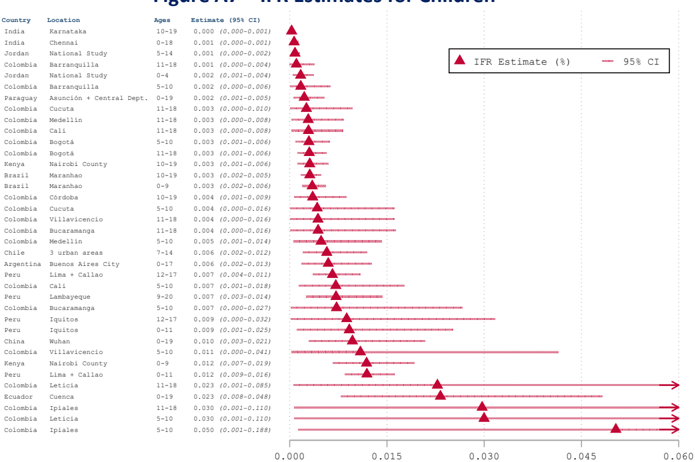
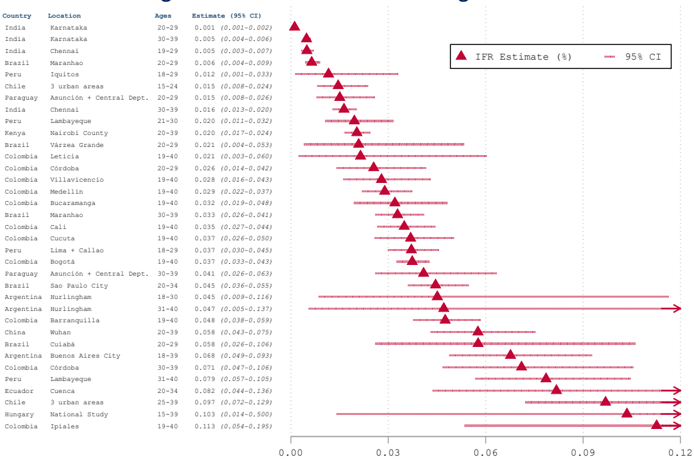
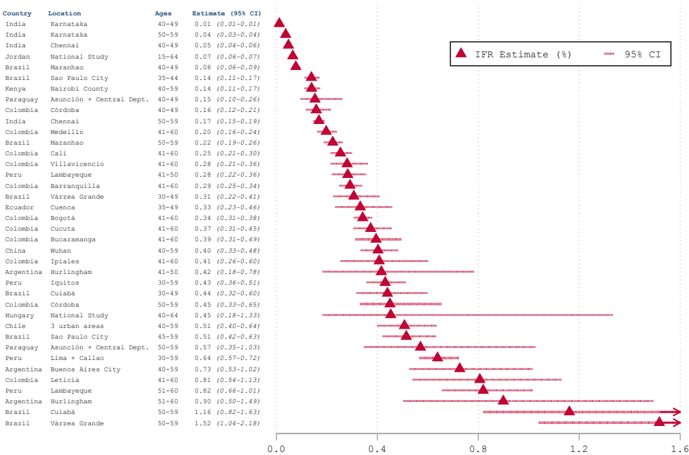
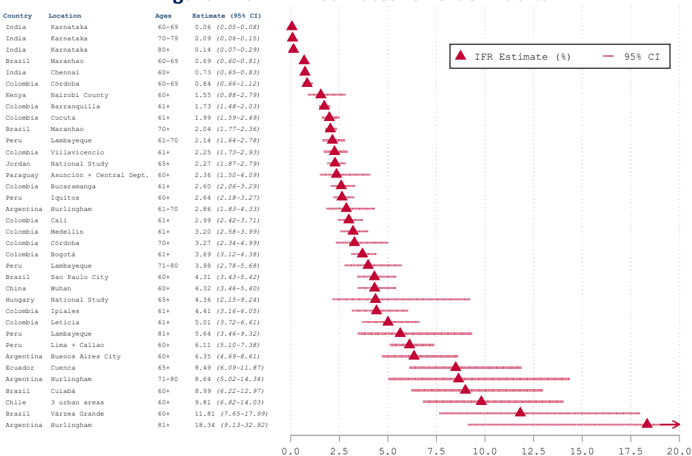
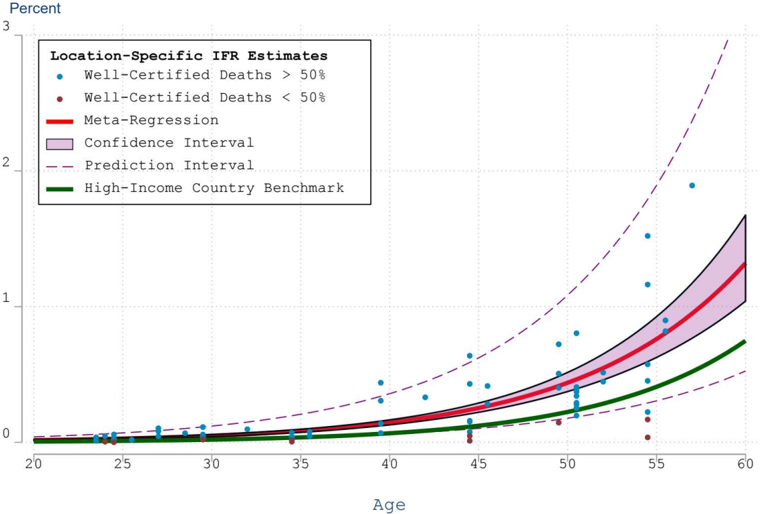
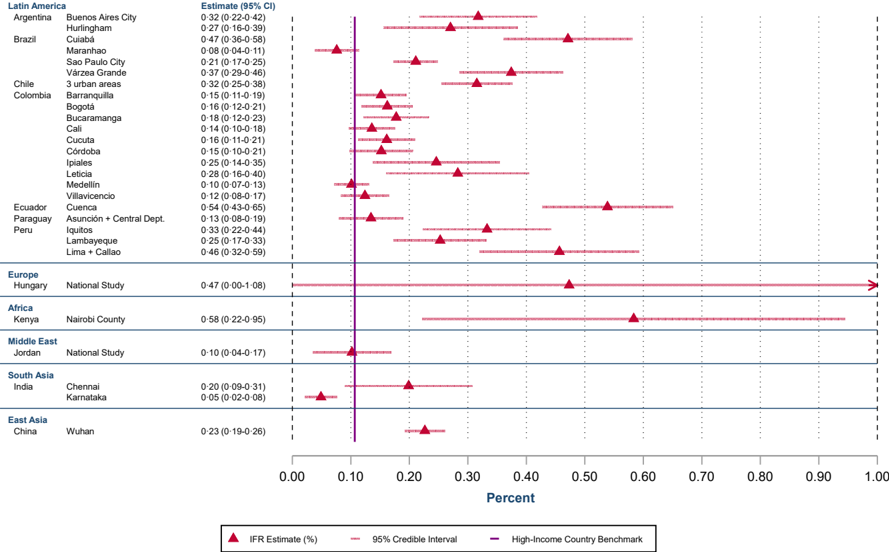
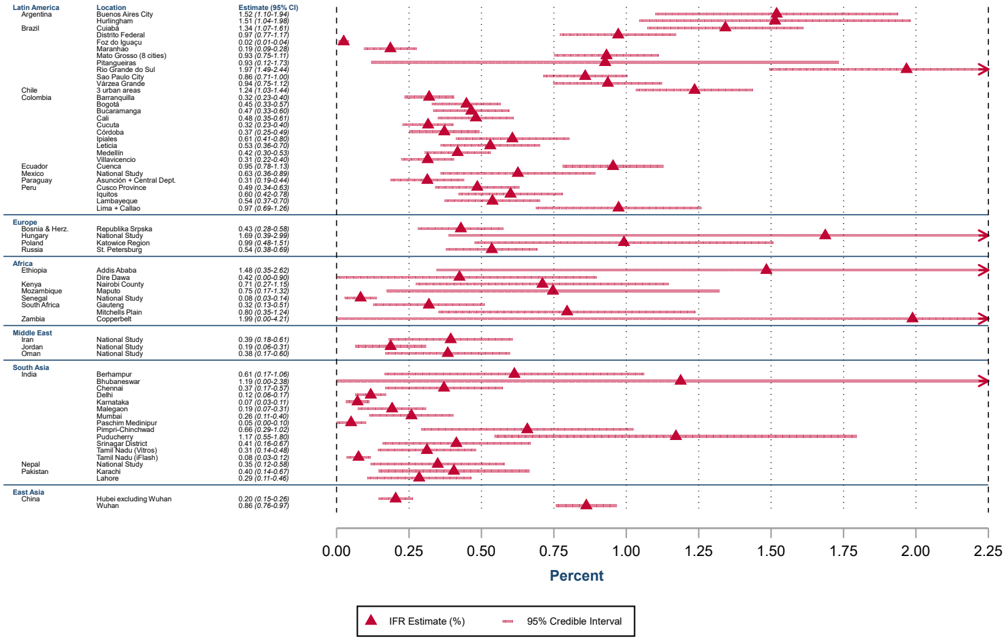
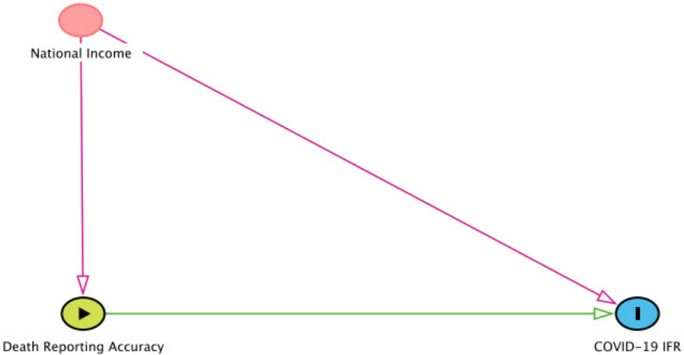
Verification
Claims the paper makes
The claims and statistics of this paper haven’t been checked yet.
Free: it reads the open-access text and checks the first 5 claims that cite a source we can check. Create a free account to check every claim.
Claims other papers make about this one
Each is checked against this paper’s own text: does it say what the citing paper says it does?
The cited source says what the claim attributes to it.
In the citing paper
“These impacts are less well understood in low- and middle-income countries [1–4], where routine mortality surveillance before the pandemic was patchy [5–7].”
From Estimates of pandemic excess mortality in India based on civil registration data (2022) · cites this paper as [3]
The check wasn’t confident either way, so it gives no verdict — never disputed.
In the citing paper
“Many causes have exhibited a reduced geographical reach—a reflection of dedicated and persistent mitigation efforts to reduce the burden of certain causes, as well as potential changes to risk-factor exposure.15”
From Global burden of 288 causes of death and life expectancy decomposition in 204 countries and territories and 811 subnational locations, 1990–2021: a systematic analysis for the Global Burden of Disease Study 2021 (2024) · cites this paper as [15]
Experimental — accuracy not yet measured
Self-check
Percentages, sums and reported differences re-computed from the paper’s own numbers.
The self-check needs the paper’s full text.
Citations
Cites
Vos, T., Lim, S. S., Abbafati, C., Abbas, K. M., Abbasi, M., Abbasifard, M., Abbasi-Kangevari, M., Abbastabar, H., Abd-Allah, F., Abdelalim, A., et al. (2020) · The Lancet · doi:10.1016/s0140-6736(20)30925-9 · Cited by 19,358
Factors associated with COVID-19-related death using OpenSAFELY
Williamson, E. J., Walker, A. J., Bhaskaran, K., Bacon, S., Bates, C., Morton, C. E., Curtis, H. J., Mehrkar, A., Evans, D., Inglesby, P., et al. (2020) · Nature · doi:10.1038/s41586-020-2521-4 · Cited by 6,674 · cited 1×
“This contrasts with evidence concerning the influence of comorbidities, which while significant do not appear to have as great an impact on the COVID-19 IFR as the age of those infected (5).”
Estimates of the severity of coronavirus disease 2019: a model-based analysis
Verity, R., Okell, L. C., Dorigatti, I., Winskill, P., Whittaker, C., Imai, N., Cuomo-Dannenburg, G., Thompson, H., Walker, P. G. T., Fu, H., et al. (2020) · The Lancet Infectious Diseases · doi:10.1016/s1473-3099(20)30243-7 · Cited by 3,660
Pollán, M., Pérez-Gómez, B., Pastor-Barriuso, R., Oteo, J., Hernán, M. A., Pérez-Olmeda, M., Sanmartín, J. L., Fernández-García, A., Cruz, I., Fernández de Larrea, N., et al. (2020) · The Lancet · doi:10.1016/s0140-6736(20)31483-5 · Cited by 1,639
Spread of SARS-CoV-2 in the Icelandic population
Gudbjartsson, D. F., Helgason, A., Jonsson, H., Magnusson, O. T., Melsted, P., Norddahl, G. L., Saemundsdottir, J., Sigurdsson, A., Sulem, P., Agustsdottir, A. B., et al. (2020) · New England Journal of Medicine · doi:10.1056/nejmoa2006100 · Cited by 1,248
Age-specific mortality and immunity patterns of SARS-CoV-2
O’Driscoll, M., Ribeiro Dos Santos, G., Wang, L., Cummings, D. A. T., Azman, A. S., Paireau, J., Fontanet, A., Cauchemez, S., & Salje, H. (2021) · Nature · doi:10.1038/s41586-020-2918-0 · Cited by 1,210
ESTIMATING PREVALENCE FROM THE RESULTS OF A SCREENING TEST
ROGAN, W. J., & GLADEN, B. (1978) · American Journal of Epidemiology · doi:10.1093/oxfordjournals.aje.a112510 · Cited by 1,001
Stringhini, S., Wisniak, A., Piumatti, G., Azman, A. S., Lauer, S. A., Baysson, H., De Ridder, D., Petrovic, D., Schrempft, S., Marcus, K., et al. (2020) · The Lancet · doi:10.1016/s0140-6736(20)31304-0 · Cited by 990
Levin, A. T., Hanage, W. P., Owusu-Boaitey, N., Cochran, K. B., Walsh, S. P., & Meyerowitz-Katz, G. (2020) · European Journal of Epidemiology · doi:10.1007/s10654-020-00698-1 · Cited by 844
Self-citationKarlinsky, A., & Kobak, D. (2021) · eLife · doi:10.7554/elife.69336 · Cited by 772 · cited 7×
“More recently, however, it has become clear that the perceived differences in mortality may have been illusory, reflecting poor vital statistics systems leading to underreporting of COVID-19 deaths (4, 5).”
InfluentialGlobal epidemiology of tuberculosis
Dye, C. (2006) · The Lancet · doi:10.1016/s0140-6736(06)68384-0 · Cited by 716
The WHO public-health approach to antiretroviral treatment against HIV in resource-limited settings
Gilks, C. F., Crowley, S., Ekpini, R., Gove, S., Perriens, J., Souteyrand, Y., Sutherland, D., Vitoria, M., Guerma, T., & De Cock, K. (2006) · The Lancet · doi:10.1016/s0140-6736(06)69158-7 · Cited by 689
Infection fatality rate of COVID-19 inferred from seroprevalence data
Ioannidis, J. P. A. (2021) · Bulletin of the World Health Organization · doi:10.2471/blt.20.265892 · Cited by 684
Meyerowitz-Katz, G., & Merone, L. (2020) · International Journal of Infectious Diseases · doi:10.1016/j.ijid.2020.09.1464 · Cited by 566
Self-citationLozano, R., Fullman, N., Abate, D., Abay, S. M., Abbafati, C., Abbasi, N., Abbastabar, H., Abd-Allah, F., Abdela, J., Abdelalim, A., et al. (2018) · The Lancet · doi:10.1016/s0140-6736(18)32281-5 · Cited by 538
The Global Prevalence of Strongyloides stercoralis Infection
Buonfrate, D., Bisanzio, D., Giorli, G., Odermatt, P., Fürst, T., Greenaway, C., French, M., Reithinger, R., Gobbi, F., Montresor, A., et al. (2020) · Pathogens · doi:10.3390/pathogens9060468 · Cited by 439
BCG vaccine protection from severe coronavirus disease 2019 (COVID-19)
Escobar, L. E., Molina-Cruz, A., & Barillas-Mury, C. (2020) · Proceedings of the National Academy of Sciences · doi:10.1073/pnas.2008410117 · Cited by 437
Socioeconomic status determines COVID-19 incidence and related mortality in Santiago, Chile
Mena, G. E., Martinez, P. P., Mahmud, A. S., Marquet, P. A., Buckee, C. O., & Santillana, M. (2021) · Science · doi:10.1126/science.abg5298 · Cited by 431
Fullman, N., Barber, R. M., Abajobir, A. A., Abate, K. H., Abbafati, C., Abbas, K. M., Abd-Allah, F., Abdulkader, R. S., Abdulle, A. M., Abera, S. F., et al. (2017) · The Lancet · doi:10.1016/s0140-6736(17)32336-x · Cited by 377
Bergeri, I., Whelan, M. G., Ware, H., Subissi, L., Nardone, A., Lewis, H. C., Li, Z., Ma, X., Valenciano, M., Cheng, B., et al. (2022) · PLOS Medicine · doi:10.1371/journal.pmed.1004107 · Cited by 310
Muecksch, F., Wise, H., Batchelor, B., Squires, M., Semple, E., Richardson, C., McGuire, J., Clearly, S., Furrie, E., Greig, N., et al. (2021) · The Journal of Infectious Diseases · doi:10.1093/infdis/jiaa659 · Cited by 308
Byambasuren, O., Dobler, C. C., Bell, K., Rojas, D. P., Clark, J., McLaws, M.-L., & Glasziou, P. (2021) · PLOS ONE · doi:10.1371/journal.pone.0248946 · Cited by 250
Serological evidence of human infection with SARS-CoV-2: a systematic review and meta-analysis
Chen, X., Chen, Z., Azman, A. S., Deng, X., Sun, R., Zhao, Z., Zheng, N., Chen, X., Lu, W., Zhuang, T., et al. (2021) · The Lancet Global Health · doi:10.1016/s2214-109x(21)00026-7 · Cited by 239
He, Z., Ren, L., Yang, J., Guo, L., Feng, L., Ma, C., Wang, X., Leng, Z., Tong, X., Zhou, W., et al. (2021) · The Lancet · doi:10.1016/s0140-6736(21)00238-5 · Cited by 213
Impact of COVID-19 lockdown policy on homicide, suicide, and motor vehicle deaths in Peru.
Calderon-Anyosa, R. J., & Kaufman, J. S. (2020) · doi:10.1101/2020.07.11.20150193 · Cited by 212 · cited 1×
“On the one hand, non-pharmaceutical interventions may reduce mortality from causes such as vehicle accidents (37).”
COVID-19 deaths in Africa: prospective systematic postmortem surveillance study
Mwananyanda, L., Gill, C. J., MacLeod, W., Kwenda, G., Pieciak, R., Mupila, Z., Lapidot, R., Mupeta, F., Forman, L., Ziko, L., et al. (2021) · BMJ · doi:10.1136/bmj.n334 · Cited by 211
Lewis, H., Ware, H., Whelan, M., Subissi, L., Li, Z., Ma, X., Nardone, A., Valenciano, M., Cheng, B., Noel, K., et al. (2022) · doi:10.1101/2022.02.14.22270934 · Cited by 177
Lewis, H. C., Ware, H., Whelan, M., Subissi, L., Li, Z., Ma, X., Nardone, A., Valenciano, M., Cheng, B., Noel, K., et al. (2022) · BMJ Global Health · doi:10.1136/bmjgh-2022-008793 · Cited by 173
Poustchi, H., Darvishian, M., Mohammadi, Z., Shayanrad, A., Delavari, A., Bahadorimonfared, A., Eslami, S., Javanmard, S. H., Shakiba, E., Somi, M. H., et al. (2021) · The Lancet Infectious Diseases · doi:10.1016/s1473-3099(20)30858-6 · Cited by 164
Meyerowitz‐Katz, G., & Merone, L. (2020) · medRxiv · doi:10.1101/2020.05.03.20089854 · Cited by 154
Self-citationMulenga, L. B., Hines, J. Z., Fwoloshi, S., Chirwa, L., Siwingwa, M., Yingst, S., Wolkon, A., Barradas, D. T., Favaloro, J., Zulu, J. E., et al. (2021) · The Lancet Global Health · doi:10.1016/s2214-109x(21)00053-x · Cited by 149
Seroprevalence of SARS-CoV-2 in slums versus non-slums in Mumbai, India
Malani, A., Shah, D., Kang, G., Lobo, G. N., Shastri, J., Mohanan, M., Jain, R., Agrawal, S., Juneja, S., Imad, S., et al. (2021) · The Lancet Global Health · doi:10.1016/s2214-109x(20)30467-8 · Cited by 148
Self-citationThe puzzle of the COVID-19 pandemic in Africa
Maeda, J. M., & Nkengasong, J. N. (2021) · Science · doi:10.1126/science.abf8832 · Cited by 135
Bayesian Analysis of Tests with Unknown Specificity and Sensitivity
(2020) · doi:10.1111/rssc.12435 · Cited by 129
Wolday, D., Gebrecherkos, T., Arefaine, Z. G., Kiros, Y. K., Gebreegzabher, A., Tasew, G., Abdulkader, M., Abraha, H. E., Desta, A. A., Atsbaha, A. H., et al. (2021) · EClinicalMedicine · doi:10.1016/j.eclinm.2021.101054 · Cited by 128
Weathering COVID-19 storm: Successful control measures of five Asian countries
Lu, N., Cheng, K.-W., Qamar, N., Huang, K.-C., & Johnson, J. A. (2020) · American Journal of Infection Control · doi:10.1016/j.ajic.2020.04.021 · Cited by 122
Is the cure really worse than the disease? The health impacts of lockdowns during COVID-19
Meyerowitz‐Katz, G., Bhatt, S., Ratmann, O., Brauner, J., Flaxman, S. R., Mishra, S., Sharma, M., Mindermann, S., Bradley, V. C., Vollmer, M., et al. (2021) · BMJ Global Health · doi:10.1136/bmjgh-2021-006653 · Cited by 118
Self-citationAntibody Responses 8 Months after Asymptomatic or Mild SARS-CoV-2 Infection
Choe, P. G., Kim, K., Kang, C. K., Suh, H. J., Kang, E., Lee, S. Y., Kim, N. J., Yi, J., Park, W. B., & Oh, M. (2020) · Emerging infectious diseases · doi:10.3201/eid2703.204543 · Cited by 111
Ghosh, A. K., Venkatraman, S., Soroka, O., Reshetnyak, E., Rajan, M., An, A., Chae, J. K., Gonzalez, C. J., Prince, J. D., DiMaggio, C. J., et al. (2021) · Public Health · doi:10.1016/j.puhe.2021.07.039 · Cited by 97
Merkely, B., Szabó, A. J., Kosztin, A., Berényi, E., Sebestyén, A., Lengyel, C., Merkely, G., Karády, J., Várkonyi, I., Papp, C., et al. (2020) · GeroScience · doi:10.1007/s11357-020-00226-9 · Cited by 90
Okonji, E. F., Okonji, O. C., Mukumbang, F. C., & van Wyk, B. E. (2021) · Tropical Medicine & International Health · doi:10.1111/tmi.13575 · Cited by 89
Álvarez-Antonio, C., Meza-Sánchez, G., Calampa, C., Casanova, W., Carey, C., Alava, F., Rodríguez-Ferrucci, H., & Quispe, A. M. (2021) · The Lancet Global Health · doi:10.1016/s2214-109x(21)00173-x · Cited by 88
Herrera, D., & Campos, G. D. L. (2022) · BMC Infectious Diseases · doi:10.1186/s12879-022-07262-0 · Cited by 88
Report 34: COVID-19 infection fatality ratio: estimates from seroprevalence
Brazeau, N., Verity, R., Jenks, S. J., Fu, H. J., Whittaker, C., Winskill, P., Dorigatti, I., Walker, P. G. T., Riley, S., Schnekenberg, R. P., et al. (2020) · Spiral (Imperial College London) · doi:10.25561/83545 · Cited by 86
Seroprevalence of Severe Acute Respiratory Syndrome Coronavirus 2 IgG in Juba, South Sudan, 20201
Wiens, K. E., Mawien, P. N., Rumunu, J. P., Slater, D., Jones, F. K., Moheed, S., Caflisch, A. C., Bior, B. K., Jacob, I. A., Lako, R. L. L., et al. (2021) · Emerging infectious diseases · doi:10.3201/eid2706.210568 · Cited by 81
Have deaths from COVID-19 in Europe plateaued due to herd immunity?
Okell, L., Verity, R., Watson, O. J., Mishra, S., Walker, P. G. T., Whittaker, C., Katzourakis, A., Donnelly, C. A., Riley, S., Ghani, A. C., et al. (2020) · The Lancet · doi:10.1016/s0140-6736(20)31357-x · Cited by 77
Reyes-Vega, M. F., Soto-Cabezas, M. G., Cárdenas, F., Martel, K. S., Valle, A., Valverde, J., Vidal-Anzardo, M., Falcón, M. E., & Munayco, C. V. (2021) · EClinicalMedicine · doi:10.1016/j.eclinm.2021.100801 · Cited by 73
Repeated seroprevalence of anti-SARS-CoV-2 IgG antibodies in a population-based samplePreprint
Stringhini, S., Wisniak, A., Piumatti, G., et al. (2020) · medRxiv · doi:10.1101/2020.05.02.20088898 · Cited by 72
Emmerich, P., Murawski, C., Ehmen, C., von Possel, R., Pekarek, N., Oestereich, L., Duraffour, S., Pahlmann, M., Struck, N. S., Eibach, D., et al. (2021) · Tropical Medicine & International Health · doi:10.1111/tmi.13569 · Cited by 72
COVID-19 Age-Mortality Curves are Flatter in Developing Countries
Demombynes, G. (2020) · World Bank, Washington, DC eBooks · doi:10.1596/1813-9450-9313 · Cited by 70
High Seroprevalence of SARS-CoV-2 Eight Months After Introduction in Nairobi, Kenya
Ngere, I., Dawa, J., Hunsperger, E., Otieno, N. A., Masika, M., Amoth, P., Makayotto, L., Nasimiyu, C., Gunn, B. M., Nyawanda, B. O., et al. (2021) · International Journal of Infectious Diseases · doi:10.1016/j.ijid.2021.08.062 · Cited by 67
Socioeconomic status determines COVID-19 incidence and related mortality in Santiago, Chile
Mena, G., Martinez, P. P., Mahmud, A. S., Marquet, P. A., Buckee, C. O., & Santillana, M. (2021) · doi:10.1101/2021.01.12.21249682 · Cited by 64
Cuéllar, L., Torres, I., Romero-Severson, E. O., Mahesh, R., Ortega, N., Pungitore, S. A., Hengartner, N., & Ke, R. (2021) · International Journal of Epidemiology · doi:10.1093/ije/dyab163 · Cited by 62
Watson, O. J., Alhaffar, M., Mehchy, Z., Whittaker, C., Akil, Z., Brazeau, N. F., Cuomo-Dannenburg, G., Hamlet, A., Thompson, H. A., Baguelin, M., et al. (2021) · Nature Communications · doi:10.1038/s41467-021-22474-9 · Cited by 61
Modi, C., Böhm, V., Ferraro, S., Stein, G., & Seljak, U. (2020) · medRxiv · doi:10.1101/2020.04.15.20067074 · Cited by 59
Sharma, N., Sharma, P., Basu, S., Saxena, S., Chawla, R., Dushyant, K., Mundeja, N., Marak, Z., Singh, S. S., Singh, G., et al. (2021) · Transactions of the Royal Society of Tropical Medicine and Hygiene · doi:10.1093/trstmh/trab109 · Cited by 56
Cross-Reactivity of Two SARS-CoV-2 Serological Assays in a Setting Where Malaria Is Endemic
Steinhardt, L. C., Ige, F. A., Iriemenam, N. C., Greby, S. M., Hamada, Y., Uwandu, M., Aniedobe, M., Stafford, K. A., Abimiku, A., Mba, N., et al. (2021) · Journal of Clinical Microbiology · doi:10.1128/jcm.00514-21 · Cited by 55
Evaluation of Serological SARS-CoV-2 Lateral Flow Assays for Rapid Point-of-Care Testing
Conklin, S. E., Martin, K., Manabe, Y. C., Schmidt, H. A., Miller, J., Keruly, M., Klock, E., Kirby, C. S., Baker, O. R., Fernández, R. E., et al. (2020) · Journal of Clinical Microbiology · doi:10.1128/jcm.02020-20 · Cited by 55
Differences between blood donors and a population sample: implications for case–control studies
Golding, J., Northstone, K., Miller, L. L., Smith, G. D., & Pembrey, M. E. (2013) · International Journal of Epidemiology · doi:10.1093/ije/dyt095 · Cited by 55
SARS-CoV-2 seroprevalence study in Lambayeque, Peru. June–July 2020
Díaz-Vélez, C., Failoc‐Rojas, V. E., Valladares-Garrido, M. J., Colchado, J., Carrera-Acosta, L., Becerra, M., Paico, D. M., & Ocampo-Salazar, E. (2021) · PeerJ · doi:10.7717/peerj.11210 · Cited by 53
Khalagi, K., Gharibzadeh, S., Khalili, D., Mansournia, M. A., Samiee, S. M., Aghamohamadi, S., Roodaki, M. M.-M.-A., Hashemi, S. M., Tayeri, K., Tabar, H. N., et al. (2021) · Clinical Microbiology and Infection · doi:10.1016/j.cmi.2021.06.002 · Cited by 53
Ayoub, H. H., Mumtaz, G. R., Seedat, S., Makhoul, M., Chemaitelly, H. S., & Abu-Raddad, L. J. (2021) · Global Epidemiology · doi:10.1016/j.gloepi.2021.100068 · Cited by 53
Serology-informed estimates of SARS-COV-2 infection fatality risk in Geneva, SwitzerlandPreprint
Perez‐Saez, J., Lauer, S. A., Kaiser, L., et al. (2020) · medRxiv · doi:10.1101/2020.06.10.20127423 · Cited by 53
Nkuba, A. N., Makiala, S. M., Guichet, E., Tshiminyi, P. M., Bazitama, Y. M., Yambayamba, M. K., Kazenza, B. M., Kabeya, T. M., Matungulu, E. B., Baketana, L. K., et al. (2022) · Clinical Infectious Diseases · doi:10.1093/cid/ciab515 · Cited by 51
Li, Z., Guan, X., Mao, N., Luo, H., Qin, Y., He, N., Zhu, Z. H., Yu, J., Li, Y., Liu, J., et al. (2021) · The Lancet Regional Health - Western Pacific · doi:10.1016/j.lanwpc.2021.100094 · Cited by 50
Lessons from a rapid systematic review of early SARS-CoV-2 serosurveys
Bobrovitz, N., Arora, R. K., Yan, T., Rahim, H., Duarte, N., Boucher, E., Van Wyk, J., & Evans, T. G. (2020) · medRxiv · doi:10.1101/2020.05.10.20097451 · Cited by 49
Dorigatti, I., Lavezzo, E., Manuto, L., Ciavarella, C., Pacenti, M., Boldrin, C., Cattai, M., Saluzzo, F., Franchin, E., Vecchio, C. D., et al. (2021) · Nature Communications · doi:10.1038/s41467-021-24622-7 · Cited by 48
Mutevedzi, P. C., Kawonga, M., Kwatra, G., Moultrie, A., Baillie, V. L., Mabena, N., Mathibe, M. N., Rafuma, M. M., Maposa, I., Abbott, G., et al. (2021) · International Journal of Epidemiology · doi:10.1093/ije/dyab217 · Cited by 47
Perez-Saez, J., Zaballa, M.-E., Yerly, S., Andrey, D. O., Meyer, B., Eckerle, I., Balavoine, J.-F., Chappuis, F., Pittet, D., Trono, D., et al. (2021) · Clinical Microbiology and Infection · doi:10.1016/j.cmi.2021.06.040 · Cited by 46
Seroprevalence of anti-SARS-CoV-2 antibodies in Colombia, 2020: A population-based study
Mercado, M., Malagón-Rojas, J., Rodríguez-Barraquer, I., Zapata-Bedoya, S., Wiesner, M., Cucunubá, Z. M., Toloza-Pérez, Y. G., Hernandez-Ortiz, J. P., Acosta-Reyes, J. L., Parra-Barrera, E. L., et al. (2022) · The Lancet Regional Health - Americas · doi:10.1016/j.lana.2022.100195 · Cited by 44
Bayesian analysis of tests with unknown specificity and sensitivityPreprint
Gelman, A., & Carpenter, B. (2020) · medRxiv · doi:10.1101/2020.05.22.20108944 · Cited by 43
Abdella, S., Riou, S., Tessema, M., Assefa, A., Seifu, A., Blachman, A., Abera, A., Moreno, N., Irarrazaval, F., Tollera, G., et al. (2021) · EClinicalMedicine · doi:10.1016/j.eclinm.2021.100880 · Cited by 37
Shook‐Sa, B. E., Boyce, R. M., & Aiello, A. E. (2020) · The Journal of Infectious Diseases · doi:10.1093/infdis/jiaa429 · Cited by 36
Do not neglect SARS-CoV-2 hospitalization and fatality risks in the middle-aged adult population
Lapidus, N., Paireau, J., Lévy-Bruhl, D., de Lamballerie, X. N., Severi, G., Touvier, M., Zins, M., Cauchemez, S., Carrat, F., & the SAPRIS-SERO study group (2020) · Infectious Diseases Now · doi:10.1016/j.idnow.2020.12.007 · Cited by 32
Vial, P., González, C., Icaza, G., Ramirez-Santana, M., Quezada-Gaete, R., Núñez-Franz, L., Apablaza, M., Vial, C., Rubilar, P., Correa, J., et al. (2022) · BMC Infectious Diseases · doi:10.1186/s12879-022-07045-7 · Cited by 31
Selvaraju, S., Kumar, M. S., Thangaraj, J. W. V., Bhatnagar, T., Velusamy, S., Kumar, C. P. G., Sekar, K., Ilayaperumal, E., Sabarinathan, R., Jagadeesan, M., et al. (2021) · Emerging infectious diseases · doi:10.3201/eid2702.203938 · Cited by 30
Parrott, J. C., Annibale, A. M., Vassor, V. E., Osahan, S., Hsin, Y., Sanderson, M., Fernandez, S., Seligson, A. L., Hughes, S., Wu, J., et al. (2021) · The Journal of Infectious Diseases · doi:10.1093/infdis/jiab296 · Cited by 30
Seroprevalence of SARS-CoV-2 in Bhubaneswar, India: findings from three rounds of community surveys
Kshatri, J. S., Bhattacharya, D., Praharaj, I., Mansingh, A., Parai, D., Kanungo, S., Palo, S. K., Giri, S., Pattnaik, M., Barik, S. R., et al. (2021) · Epidemiology and Infection · doi:10.1017/s0950268821000972 · Cited by 29
Zejda, J. E., Brożek, G. M., Kowalska, M., Barański, K., Kaleta-Pilarska, A. P., Nowakowski, A., Xia, Y., & Buszman, P. E. (2021) · International Journal of Environmental Research and Public Health · doi:10.3390/ijerph18063188 · Cited by 28
International completeness of death registration
Karlinsky, A. (2024) · Demographic Research · doi:10.4054/demres.2024.50.38 · Cited by 28
SARS-CoV-2 Seroprevalence in Tamil Nadu in October-November 2020Preprint
Malani, A., Ramachandran, S., Tandel, V., Parasa, R., Imad, S., Sudharshini, S., Prakash, V., Yogananth, Y., Raju, S., & Selvavinayagam, T. S. (2021) · medRxiv · doi:10.1101/2021.02.03.21250949 · Cited by 27
Self-citationTess, B. H., Granato, C. F. H., Alves, M. C. G. P., Pintão, M. C. T., Rizzatti, E. G., Nunes, M. C., & Reinach, F. C. (2020) · medRxiv · doi:10.1101/2020.06.29.20142331 · Cited by 27
Bellizzi, S., Alsawalha, L., Ali, S. S., Sharkas, G. F., Muthu, N., Ghazo, M., Aly, E., Rashidian, A., Ariqi, L. A., Hayajneh, W. A., et al. (2021) · One Health · doi:10.1016/j.onehlt.2021.100292 · Cited by 27
Second Wave of the COVID-19 Pandemic in Delhi, India: High Seroprevalence Not a Deterrent?
Sharma, N., Sharma, P., Basu, S., Bakshi, R., Gupta, E., Agarwal, R., Dushyant, K., Mundeja, N., Marak, Z., Singh, S. S., et al. (2021) · Cureus · doi:10.7759/cureus.19000 · Cited by 25
The unexpected dynamics of COVID-19 in Manaus, Brazil: Was herd immunity achieved?Preprint
He, D., Artzy‐Randrup, Y. A., Musa, S. S., Gräf, T., Naveca, F. G., & Stone, L. (2021) · medRxiv · doi:10.1101/2021.02.18.21251809 · Cited by 24
Malani, A., & Ramachandran, S. (2022) · Journal of Development Economics · doi:10.1016/j.jdeveco.2022.102988 · Cited by 24
Self-citationPetersen, M. S., Hansen, C. B., Fríðheim Kristiansen, M., Fjallsbak, J. P., Larsen, S., Hansen, J. L., Jarlhelt, I., Pérez-Alós, L., á Steig, B., Christiansen, D. H., et al. (2021) · doi:10.1101/2021.04.19.21255720 · Cited by 23
Campbell, H., de Valpine, P., Maxwell, L., de Jong, V. M. T., Debray, T. P. A., Jaenisch, T., & Gustafson, P. (2022) · The Annals of Applied Statistics · doi:10.1214/21-aoas1499 · Cited by 21
Sero-prevalence of anti-SARS-CoV-2 Antibodies in Addis Ababa, EthiopiaPreprint
Alemu, B. N., Addissie, A., Mamo, G. M., Deyessa, N., Abebe, T., Abagero, A., Ayele, W., Abebe, W., Haile, T., Argaw, R., et al. (2020) · bioRxiv (Cold Spring Harbor Laboratory) · doi:10.1101/2020.10.13.337287 · Cited by 21
Al-Abri, S., Wahaibi, A. S. A., Al-Kindi, H., Kurup, P. J., Al-Maqbali, A., Almayahi, Z. K., Al-Tobi, M. H., Al-Katheri, S. H., Albusaidi, S., Al-Sukaiti, M. H., et al. (2021) · International Journal of Infectious Diseases · doi:10.1016/j.ijid.2021.09.062 · Cited by 21
Cai, R., Novosad, P. M., Tandel, V., Asher, S., & Malani, A. (2021) · BMJ Open · doi:10.1136/bmjopen-2021-050920 · Cited by 21
Self-citationShaweno, T., Abdulhamid, I., Bezabih, L., Teshome, D., Derese, B., Tafesse, H., & Shaweno, D. (2021) · Tropical Medicine and Health · doi:10.1186/s41182-021-00347-7 · Cited by 20
Talla, C., Loucoubar, C., Roka, J. L., Barry, M. A., Ndiaye, S., Diarra, M., Thiam, M. S., Faye, O., Dia, M., Diop, M. M., et al. (2021) · IJID Regions · doi:10.1016/j.ijregi.2022.02.007 · Cited by 20
Sustained Neutralizing Antibodies 6 Months Following Infection in 376 Japanese COVID-19 Survivors
Goto, A., Go, H., Miyakawa, K., Yamaoka, Y., Ohtake, N., Kubo, S., Jeremiah, S. S., Mihara, T., Senuki, K., Miyazaki, T., et al. (2021) · Frontiers in Microbiology · doi:10.3389/fmicb.2021.661187 · Cited by 20
Mohanan, M., Malani, A., Krishnan, K., & Acharya, A. (2020) · medRxiv · doi:10.1101/2020.11.02.20224782 · Cited by 19
Self-citationPáez, F. D. A., Vega, B., Orellana, D., Charry, R., Gómez, A., Obimpeh, M., Verhoeven, V., & Colebunders, R. (2021) · International Journal of Environmental Research and Public Health · doi:10.3390/ijerph18094657 · Cited by 19
Барчук, А. А., Shirokov, D., Sergeeva, M. V., Турсун-заде, Р. Т., Dudkina, O., Tychkova, V., Barabanova, L., Skougarevskiy, D. A., & Danilenko, D. (2021) · Journal of Medical Virology · doi:10.1002/jmv.27126 · Cited by 19
Seroprevalence of Anti-Sars-Cov-2 Antibodies in Colombia, 2020: A Population-Based StudyPreprint
Mercado, M., Malagón-Rojas, J., Zapata, S., et al. (2021) · SSRN Electronic Journal · doi:10.2139/ssrn.3890833 · Cited by 18
Population-Based Seroprevalence of SARS-CoV-2 Antibodies in a High-Altitude Setting in Peru
Huamaní, C., Velásquez, L., Montes, S., Mayanga-Herrera, A., & Bernabé‐Ortiz, A. (2021) · PeerJ · doi:10.7717/peerj.12149 · Cited by 17
SARS-CoV-2: big seroprevalence data from Pakistan—is herd immunity at hand?
Haq, M., Rehman, A., Aḥmad, J., Zafar, U., Ahmed, S., Khan, M. A., Naveed, A., Rajab, H., Fawad, M., Naushad, W., et al. (2021) · Infection · doi:10.1007/s15010-021-01629-2 · Cited by 17
Gajda, M., Kowalska, M., & Zejda, J. E. (2021) · International Journal of Environmental Research and Public Health · doi:10.3390/ijerph18189928 · Cited by 17
African clinical trial denied access to key COVID drug Paxlovid
Ledford, H. K., & Maxmen, A. (2022) · Nature · doi:10.1038/d41586-022-00919-5 · Cited by 17
Health and Public Health Implications of COVID ‐19 in Asian Countries
Miyawaki, A., & Tsugawa, Y. (2021) · Asian Economic Policy Review · doi:10.1111/aepr.12358 · Cited by 17
Deshmukh, Y., Suraweera, W., Tumbe, C., Bhowmick, A., Sharma, S., Novosad, P. M., Fu, S. H., Newcombe, L., Gelband, H., Brown, P., et al. (2021) · medRxiv · doi:10.1101/2021.07.20.21260872 · Cited by 16
Prevalence and Time Trend of SARS-CoV-2 Infection in Puducherry, India, August–October 2020
Kar, S. S., Sarkar, S., Murali, S., Dhodapkar, R., Joseph, N. M., & Aggarwal, R. (2021) · Emerging infectious diseases · doi:10.3201/eid2702.204480 · Cited by 15
da Silveira, M. F., Mesenburg, M. A., Dellagostin, O. A., de Oliveira, N. R., Maia, M. A. C., Santos, F. D. S., Vale, A. M., Menezes, A. M. B., Victora, G. D., Victora, C. G., et al. (2021) · The Brazilian Journal of Infectious Diseases · doi:10.1016/j.bjid.2021.101601 · Cited by 14
From first to second wave: follow-up of the prospective Covid-19 cohort (KoCo19) in Munich (Germany)Preprint
Radon, K., Bakuli, A., Pütz, P., Gleut, R. L., Noller, J. M. G., Olbrich, L., Saathoff, E., Garí, M., Schälte, Y., Frahnow, T., et al. (2021) · medRxiv · doi:10.1101/2021.04.27.21256133 · Cited by 14
The COVID-19 herd immunity threshold is not low: A re-analysis of European data from spring of 2020Preprint
Fox, S. J., Potu, P., Lachmann, M., Srinivasan, R., & Ancel, L. W. (2020) · medRxiv · doi:10.1101/2020.12.01.20242289 · Cited by 14
International Completeness of Death Registration 2015-2019Preprint
Karlinsky, A. (2021) · medRxiv · doi:10.1101/2021.08.12.21261978 · Cited by 13
Campbell, H., & Gustafson, P. (2021) · Epidemiology and Infection · doi:10.1017/s0950268821002405 · Cited by 13
SARS-CoV-2 Antibody Prevalence and Population-Based Death Rates, Greater Omdurman, Sudan
Moser, W., Fahal, M. A. H., Abualas, E., Bedri, S. A., Elsir, M. T., Mohamed, M. F. E. R. O., Mahmoud, A. B., Ahmad, A. I. I., Adam, M., Altalib, S., et al. (2022) · Emerging infectious diseases · doi:10.3201/eid2805.211951 · Cited by 13
Cuéllar, L., Torres, I., Romero-Severson, E. O., et al. (2021) · medRxiv · doi:10.1101/2021.02.25.21252481 · Cited by 12
Covid-19: Russia admits to understating deaths by more than two thirds
Dyer, O. (2020) · BMJ · doi:10.1136/bmj.m4975 · Cited by 12
Seroprevalence of HTLV-1/2 Among Voluntary Blood Donors in Vietnam
Pham, D., Dũng, N. V., Nguyen, T. A., Tran, C. T. D., Tran, L., Devare, S. G., Tran, A., & Bhatnagar, S. (2018) · AIDS Research and Human Retroviruses · doi:10.1089/aid.2018.0240 · Cited by 12
Campbell, H., & Gustafson, P. (2021) · medRxiv · doi:10.1101/2021.05.12.21256975 · Cited by 10
Wolday, D., Gebrecherkos, T., Arefaine, Z. G., et al. (2021) · SSRN Electronic Journal · doi:10.2139/ssrn.3832647 · Cited by 10
Herrera, D., & Campos, G. D. L. (2021) · medRxiv · doi:10.1101/2021.07.29.21261282 · Cited by 10
Khan, M. S., Qurieshi, M. A., Haq, I., Majid, S., Ahmad, J., Ayub, T., Bhat, A. A., Fazili, A. B., Ganai, A. M., Jan, Y., et al. (2021) · BMJ Open · doi:10.1136/bmjopen-2021-053791 · Cited by 10
Satpati, P., Sarangi, S., Gantait, K., Endow, S., Mandal, N., Kundu, P., Subhadip, B., & Soham, S. (2020) · medRxiv · doi:10.1101/2020.09.12.20193219 · Cited by 9
Mariam, S. H. (2022) · Advances in Virology · doi:10.1155/2022/3387784 · Cited by 9
Boyce, R. M., Shook‐Sa, B. E., & Aiello, A. E. (2020) · Clinical Infectious Diseases · doi:10.1093/cid/ciaa1868 · Cited by 8
Khalagi, K., Gharibzadeh, S., Khalili, D., et al. (2021) · medRxiv · doi:10.1101/2021.03.12.21253442 · Cited by 7
Saple, P. P., Gosavi, S. V., Pawar, T. A., Chaudhari, G., Mahale, H. L., Deshmukh, P. R., Kurundkar, A., Pedgaonkar, S., & Thakare, S. (2021) · Journal of Family Medicine and Primary Care · doi:10.4103/jfmpc.jfmpc_2191_20 · Cited by 7
Ak, B., Gaikwad, B., Desale, A. V., Jadhav, S. L., Bhawalkar, J., Salve, P., Dange, V., & Raut, C. (2020) · Indian Journal of Public Health · doi:10.4103/ijph.ijph_122_21 · Cited by 7
Alvis‐Guzmán, N., de la Hoz, F., Coll, H. A. S., Gastelbondo, B., & Mattar, S., V (2021) · International Journal of Infectious Diseases · doi:10.1016/j.ijid.2021.06.018 · Cited by 6
Cabello, Á., Samudio, M., Sequera, G., Ocampos, S., Galeano, R. A., & Vázquez, C. (2022) · Revista chilena de infectología · doi:10.4067/s0716-10182022000200238 · Cited by 6
COVID-19 Excess Deaths in the United States, New York City, and Michigan During April 2020Preprint
Wetzler, H. P., & Wetzler, E. (2020) · medRxiv · doi:10.1101/2020.04.02.20051532 · Cited by 5
Cuéllar, L., Torres, I., Romero-Severson, E. O., et al. (2021) · SSRN Electronic Journal · doi:10.2139/ssrn.3785993 · Cited by 5
Covid-19: Mexico acknowledges 50 000 more deaths than official figures show
Dyer, O. (2020) · BMJ · doi:10.1136/bmj.m4182 · Cited by 5
Moser, W., Fahal, M. A. H., Abualas, E., et al. (2021) · medRxiv · doi:10.1101/2021.08.22.21262294 · Cited by 4
Vial, P., González, C., Icaza, G., Ramírez-Santana, M., Quezada-Gaete, R., Núñez, L., Apablaza, M., Vial, M. C., Rubilar, P. A., Correa, J., et al. (2021) · SSRN Electronic Journal · doi:10.2139/ssrn.3933650 · Cited by 4
Stefanelli, P., Bella, A., Fedele, G., Fiore, S., Pancheri, S., Benedetti, E., Fabiani, C., Leone, P., Vacca, P., Schiavoni, I., et al. (2020) · medRxiv · doi:10.1101/2020.11.11.20229062 · Cited by 3
Hartwig, F. P., Vidaletti, L. P., Barros, A. J. D., Victora, G. D., Menezes, A. M. B., Mesenburg, M. A., Horta, B. L., da Silveira, M. F., Victora, C. G., Hallal, P. C., et al. (2021) · medRxiv · doi:10.1101/2021.05.21.21257634 · Cited by 2
Ramachandran, S., & Malani, A. (2021) · SSRN Electronic Journal · doi:10.2139/ssrn.3894713 · Cited by 1
Self-citationSeroprevalence of SARS-CoV-2 antibodies in South Korea
Lee, K.-M., Jo, S., & Lee, J. (2021) · Journal of the Korean Statistical Society · doi:10.1007/s42952-021-00131-7 · Cited by 1
Beverland, A., Keogan, M. T., Connell, J., Gascun, C. F. D., & Igoe, D. (2021) · The Journal of Infectious Diseases · doi:10.1093/infdis/jiab346 · Cited by 1
Long-Term Duration of Antibody Response to SARS CoV-2 in One of the Largest Slums of Buenos AiresPreprint
Pagotto, V. L., Luna, L., Salto, J., Manslau, M. W., Figar, S., Mistchenko, A. S., Carciofi, G., Weinberger, N., COVIDAR Group, Saldaño, A. M. G., et al. (2021) · medRxiv · doi:10.1101/2021.03.05.21253010
Sim, M., Cockcroft, C., Darby, D., Ellis, C. R., Heaps, A. G., Scargill, J., & Garcez, T. P. (2021) · Annals of Clinical Biochemistry International Journal of Laboratory Medicine · doi:10.1177/00045632211030957
Corona-Monitoring lokal – Eckdaten für Berlin-Mitte
Koch-Institut, R. (2021) · Robert-Koch-Institut (RKI) · doi:10.25646/8986
Research works printed but not linked: 37
- 1. http://gh.bmj.com/ BMJ Glob Health: first published as 10.1136/bmjgh-2022-008477 on 26 May 2022. Downloaded from on August 30, 2023 at FVET. Protected by copyright. http://gh.bmj.com/ BMJ Glob Health: first published as 10.1136/bmjgh-2022-008477 on 26 May 2022. Downloaded from on August 30, 2023 at FVET. Protected by copyright. http://gh.bmj.com/ BMJ Glob Health: first published as 10.1136/bmjgh-2022-008477 on 26 May 2022. Downloaded from on August 30, 2023 at FVET. Protected by copyright. http://gh.bmj.com/ BMJ Glob Health: first published as 10.1136/bmjgh-2022-008477 on 26 May 2022. Downloaded from on August 30, 2023 at FVET. Protected by copyright. http://gh.bmj.com/ BMJ Glob Health: first published as 10.1136/bmjgh-2022-008477 on 26 May 2022. Downloaded from on August 30, 2023 at FVET. Protected by copyright. http://gh.bmj.com/ BMJ Glob Health: first published as 10.1136/bmjgh-2022-008477 on 26 May 2022. Downloaded from on August 30, 2023 at FVET. Protected by copyright. http://gh.bmj.com/ BMJ Glob Health: first published as 10.1136/bmjgh-2022-008477 on 26 May 2022. Downloaded from on August 30, 2023 at FVET. Protected by copyright. http://gh.bmj.com/ BMJ Glob Health: first published as 10.1136/bmjgh-2022-008477 on 26 May 2022. Downloaded from on August 30, 2023 at FVET. Protected by copyright. http://gh.bmj.com/ BMJ Glob Health: first published as 10.1136/bmjgh-2022-008477 on 26 May 2022. Downloaded from on August 30, 2023 at FVET. Protected by copyright. http://gh.bmj.com/ BMJ Glob Health: first published as 10.1136/bmjgh-2022-008477 on 26 May 2022. Downloaded from on August 30, 2023 at FVET. Protected by copyright. http://gh.bmj.com/ BMJ Glob Health: first published as 10.1136/bmjgh-2022-008477 on 26 May 2022. Downloaded from on August 30, 2023 at FVET. Protected by copyright. http://gh.bmj.com/ BMJ Glob Health: first published as 10.1136/bmjgh-2022-008477 on 26 May 2022. Downloaded from on August 30, 2023 at FVET. Protected by copyright. http://gh.bmj.com/ BMJ Glob Health: first published as 10.1136/bmjgh-2022-008477 on 26 May 2022. Downloaded from on August 30, 2023 at FVET. Protected by copyright. http://gh.bmj.com/ BMJ Glob Health: first published as 10.1136/bmjgh-2022-008477 on 26 May 2022. Downloaded from on August 30, 2023 at FVET. Protected by copyright. http://gh.bmj.com/ BMJ Glob Health: first published as 10.1136/bmjgh-2022-008477 on 26 May 2022. Downloaded from on August 30, 2023 at FVET. Protected by copyright. http://gh.bmj.com/ BMJ Glob Health: first published as 10.1136/bmjgh-2022-008477 on 26 May 2022. Downloaded from on August 30, 2023 at FVET. Protected by copyright. http://gh.bmj.com/ BMJ Glob Health: first published as 10.1136/bmjgh-2022-008477 on 26 May 2022. Downloaded from on August 30, 2023 at FVET. Protected by copyright. http://gh.bmj.com/ BMJ Glob Health: first published as 10.1136/bmjgh-2022-008477 on 26 May 2022. Downloaded from on August 30, 2023 at FVET. Protected by copyright. http://gh.bmj.com/ BMJ Glob Health: first published as 10.1136/bmjgh-2022-008477 on 26 May 2022. Downloaded from on August 30, 2023 at FVET. Protected by copyright. http://gh.bmj.com/ BMJ Glob Health: first published as 10.1136/bmjgh-2022-008477 on 26 May 2022. Downloaded from on August 30, 2023 at FVET. Protected by copyright. http://gh.bmj.com/ BMJ Glob Health: first published as 10.1136/bmjgh-2022-008477 on 26 May 2022. Downloaded from on August 30, 2023 at FVET. Protected by copyright. http://gh.bmj.com/ BMJ Glob Health: first published as 10.1136/bmjgh-2022-008477 on 26 May 2022. Downloaded from on August 30, 2023 at FVET. Protected by copyright. http://gh.bmj.com/ BMJ Glob Health: first published as 10.1136/bmjgh-2022-008477 on 26 May 2022. Downloaded from on August 30, 2023 at FVET. Protected by copyright. http://gh.bmj.com/ BMJ Glob Health: first published as 10.1136/bmjgh-2022-008477 on 26 May 2022. Downloaded from on August 30, 2023 at FVET. Protected by copyright. http://gh.bmj.com/ BMJ Glob Health: first published as 10.1136/bmjgh-2022-008477 on 26 May 2022. Downloaded from on August 30, 2023 at FVET. Protected by copyright. http://gh.bmj.com/ BMJ Glob Health: first published as 10.1136/bmjgh-2022-008477 on 26 May 2022. Downloaded from on August 30, 2023 at FVET. Protected by copyright. http://gh.bmj.com/ BMJ Glob Health: first published as 10.1136/bmjgh-2022-008477 on 26 May 2022. Downloaded from on August 30, 2023 at FVET. Protected by copyright. http://gh.bmj.com/ BMJ Glob Health: first published as 10.1136/bmjgh-2022-008477 on 26 May 2022. Downloaded from on August 30, 2023 at FVET. Protected by copyright. http://gh.bmj.com/ BMJ Glob Health: first published as 10.1136/bmjgh-2022-008477 on 26 May 2022. Downloaded from on August 30, 2023 at FVET. Protected by copyright. http://gh.bmj.com/ BMJ Glob Health: first published as 10.1136/bmjgh-2022-008477 on 26 May 2022. Downloaded from on August 30, 2023 at FVET. Protected by copyright. http://gh.bmj.com/ BMJ Glob Health: first published as 10.1136/bmjgh-2022-008477 on 26 May 2022. Downloaded from on August 30, 2023 at FVET. Protected by copyright. http://gh.bmj.com/ BMJ Glob Health: first published as 10.1136/bmjgh-2022-008477 on 26 May 2022. Downloaded from on August 30, 2023 at FVET. Protected by copyright. http://gh.bmj.com/ BMJ Glob Health: first published as 10.1136/bmjgh-2022-008477 on 26 May 2022. Downloaded from on August 30, 2023 at FVET. Protected by copyright. http://gh.bmj.com/ BMJ Glob Health: first published as 10.1136/bmjgh-2022-008477 on 26 May 2022. Downloaded from on August 30, 2023 at FVET. Protected by copyright. http://gh.bmj.com/ BMJ Glob Health: first published as 10.1136/bmjgh-2022-008477 on 26 May 2022. Downloaded from on August 30, 2023 at FVET. Protected by copyright. http://gh.bmj.com/ BMJ Glob Health: first published as 10.1136/bmjgh-2022-008477 on 26 May 2022. Downloaded from on August 30, 2023 at FVET. Protected by copyright. http://gh.bmj.com/ BMJ Glob Health: first published as 10.1136/bmjgh-2022-008477 on 26 May 2022. Downloaded from on August 30, 2023 at FVET. Protected by copyright. http://gh.bmj.com/ BMJ Glob Health: first published as 10.1136/bmjgh-2022-008477 on 26 May 2022. Downloaded from on August 30, 2023 at FVET. Protected by copyright. http://gh.bmj.com/ BMJ Glob Health: first published as 10.1136/bmjgh-2022-008477 on 26 May 2022. Downloaded from on August 30, 2023 at FVET. Protected by copyright. http://gh.bmj.com/ BMJ Glob Health: first published as 10.1136/bmjgh-2022-008477 on 26 May 2022. Downloaded from on August 30, 2023 at FVET. Protected by copyright. http://gh.bmj.com/ BMJ Glob Health: first published as 10.1136/bmjgh-2022-008477 on 26 May 2022. Downloaded from on August 30, 2023 at FVET. Protected by copyright. http://gh.bmj.com/ BMJ Glob Health: first published as 10.1136/bmjgh-2022-008477 on 26 May 2022. Downloaded from on August 30, 2023 at FVET. Protected by copyright. http://gh.bmj.com/ BMJ Glob Health: first published as 10.1136/bmjgh-2022-008477 on 26 May 2022. Downloaded from on August 30, 2023 at FVET. Protected by copyright. http://gh.bmj.com/ BMJ Glob Health: first published as 10.1136/bmjgh-2022-008477 on 26 May 2022. Downloaded from on August 30, 2023 at FVET. Protected by copyright. http://gh.bmj.com/ BMJ Glob Health: first published as 10.1136/bmjgh-2022-008477 on 26 May 2022. Downloaded from on August 30, 2023 at FVET. Protected by copyright. http://gh.bmj.com/ BMJ Glob Health: first published as 10.1136/bmjgh-2022-008477 on 26 May 2022. Downloaded from on August 30, 2023 at FVET. Protected by copyright. http://gh.bmj.com/ BMJ Glob Health: first published as 10.1136/bmjgh-2022-008477 on 26 May 2022. Downloaded from REFERENCES
- 2. Karlinsky A, Kobak D. Tracking excess mortality across countries during the COVID-19 pandemic with the world mortality dataset. Elife 2021;10:e69336.
- 10.7754/eLife.69336 · doi:10.7754/elife.69336
- 12. Gill CJ. Latest data from Lusaka morgue analysis shows spike in COVID-19 deaths. The Conversation 2021. · doi:10.64628/aaj.uryknwxwe
- 15. Chen X, Chen Z, Azman AS, et al. Serological evidence of human infection with SARS-CoV-2: a systematic review and meta-analysis. Lancet Glob Health 2021;9:e598-609.
- 16. Levin AT, Hanage WP, Owusu-Boaitey N, et al. Assessing the age specificity of infection fatality rates for COVID-19: systematic review, meta-analysis, and public policy implications. Eur J Epidemiol 2020;35:1123-38.
- 106. Bergeri I, Whelan M, Ware H, et al. Global epidemiology of SARS-CoV-2 infection: a systematic review and meta-analysis of standardized population-based seroprevalence studies, Jan 2020- Oct 2021. medRxiv. 2021:2021.12.14.21267791. doi:10.1101/2021.12.14.21267791 · DOI
- 107. Laurette M, Marion V, Eduard G, Alex W. Research Square. 2021. doi:10.21203/rs.3.rs- 707813/v2 · doi:10.21203/rs.3.rs-
- 115. Bobrovitz N, Noël K, Li Z, et al. SeroTracker-RoB: an approach to automating reproducible risk of bias assessment of seroprevalence studies. medRxiv. 2022:2021.11.17.21266471. doi:10.1101/2021.11.17.21266471 · DOI
- 118. Gajda M, Kowalska M, Zejda JE. Impact of Two Different Recruitment Procedures (Random vs. Volunteer Selection) on the Results of Seroepidemiological Study (SARS-CoV-2). International Journal of Environmental Research and Public Health. 2021;18(18):9928. BMJ Publishing Group Limited (BMJ) disclaims all liability and responsibility arising from any reliance Supplemental material placed on this supplemental material which has been supplied by the author(s) BMJ Global Health doi: 10.1136/bmjgh-2022-008477 :e008477. 7 2022; BMJ Global Health , et al. Levin AT 18. Knabl L, Mitra T, Kimpel J, et al. High SARS-CoV-2 seroprevalence in children and adults in the Austrian ski resort of Ischgl. Communications Medicine. 2021;1(1):4. doi:10.1038/s43856-021- 00007-1 · doi:10.1038/s43856-021-
- 163. Carreño JM, Mendu DR, Simon V, et al. Longitudinal analysis of SARS-CoV-2 seroprevalence using multiple serology platforms. medRxiv. 2021:2021.02.24.21252340. doi:10.1101/2021.02.24.21252340 · DOI
- 164. Kahre E, Galow L, Unrath M, et al. Kinetics and seroprevalence of SARS-CoV-2 antibodies -a comparison of 3 different assays. medRxiv. 2021:2021.03.10.21253273. doi:10.1101/2021.03.10.21253273 · DOI
- 165. Thiruvengadam R, Chattopadhyay S, Mehdi F, et al. Longitudinal serology in SARS-CoV-2 infected individuals in India -a prospective cohort study. medRxiv. 2021:2021.02.04.21251140. doi:10.1101/2021.02.04.21251140 · DOI
- 21. Barchuk A, Shirokov D, Sergeeva M, et al. Evaluation of the performance of SARS--CoV--2 antibody assays for a longitudinal population-based study of COVID--19 spread in St. Petersburg, Russia. J Med Virol 2021;93:5846-52. 22 COVID-19 estimate downloads. Seattle: Institute for health metrics and Evaluation 2021.
- 189. Fuller JA HA, Victory KR, et al. Mitigation Policies and COVID-19-Associated Mortality -37 European Countries, January 23-June 30, 2020. MMWR Morb Mortal Wkly Rep. 2020;70:58-62.
- 42. GBD 2016 SDG Collaborators. Measuring progress and projecting attainment on the basis of past trends of the health- related sustainable development goals in 188 countries: an analysis from the global burden of disease study 2016. Lancet 2017;390:1423-59.
- 125. Ramachandran S, Malani A. All-cause mortality during SARS-CoV-2 Pandemic in India: Nationally-representative estimates independent of official death registry. medRxiv. 2021:2021.07.20.21260577. doi:10.1101/2021.07.20.21260577 · DOI
- 55. Parrott JC, Maleki AN, Vassor VE, et al. Prevalence of SARS- CoV-2 antibodies in New York City adults, June-October 2020: a population-based survey. J Infect Dis 2021;224:188-95.
- 56. Campbell H, de Valpine P, Maxwell L. Bayesian adjustment for preferential testing in estimating infection fatality rates, as motivated by the COVID-19 pandemic. The Annals of Applied Statistics 2022;16:436-59.
- 61. Steinhardt LC, Ige F, Iriemenam NC. Cross-Reactivity of two SARS- CoV-2 serological assays in a setting where malaria is endemic. J Clin Microbiol. 2021;59:e00514-21. 66 Classification of omicron (B.1.1.529): SARS-CoV-2 variant of concern. Geneva: World health Organization. 2021.
- 64. AAMd S, Lima-Neto LG, CdMPeSd A. Population-Based seroprevalence of SARS-CoV-2 is more than halfway through the herd immunity threshold in the state of Maranhão, Brazil. medRxiv 2020.
- 66. Hartwig FP, Vidaletti LP, Barros AJD. Combining serological assays and official statistics to describe the trajectory of the COVID-19 pandemic: results from the EPICOVID19-RS study in Rio grande do Sul (southern Brazil). medRxiv 2021.
- 135. Lipsitch M, Grad YH, Sette A, Crotty S. Cross-reactive memory T cells and herd immunity to SARS-CoV-2. Nature Reviews Immunology. 2020;20(11):709-13. doi:10.1038/s41577-020- 00460-4 · doi:10.1038/s41577-020-
- 179. Domènech-Montoliu S, Puig-Barberà J, Pac-Sa MR, et al. Persistence of Anti-SARS-CoV-2 Antibodies Six Months after Infection in an Outbreak with Five Hundred COVID-19 Cases in Borriana (Spain): A Prospective Cohort Study. COVID. 2021;1(1):71-82.
- 182. Peluso MJ, Takahashi S, Hakim J, et al. SARS-CoV-2 antibody magnitude and detectability are driven by disease severity, timing, and assay. medRxiv. 2021:2021.03.03.21251639. doi:10.1101/2021.03.03.21251639 · DOI
- 75. Álvarez-Antonio C, Meza-Sánchez G, Calampa C, et al. Seroprevalence of anti-SARS-CoV-2 antibodies in Iquitos, Peru in July and August, 2020: a population-based study. Lancet Glob Health 2021;9:e925-31.
- 77. Alemu BN, Addissie A, Mamo G. Sero-Prevalence of anti-SARS- CoV-2 antibodies in Addis Ababa, Ethiopia. bioRxiv 2020.
- 159. Pérez-Olmeda M, Saugar JM, Fernández-García A, et al. Evolution of antibodies against SARS- CoV-2 over seven months: experience of the Nationwide Seroprevalence ENE-COVID Study in Spain. medRxiv. 2021:2021.03.11.21253142. doi:10.1101/2021.03.11.21253142 · DOI
- 86. Bellizzi S, Alsawalha L, Sheikh Ali S, et al. A three-phase population based sero-epidemiological study: assessing the trend in prevalence of SARS-CoV-2 during COVID-19 pandemic in Jordan. One Health 2021;13:100292.
- 90. Kshatri JS, Bhattacharya D, Praharaj I, et al. Seroprevalence of SARS-CoV-2 in Bhubaneswar, India: findings from three rounds of community surveys. Epidemiol Infect 2021;149:e139. 101
- 138. Laxmaiah A, Rao NM, Arlappa N, et al. SARS-CoV-2 seroprevalence in the city of Hyderabad, India in early 2021. medRxiv. 2021:2021.07.18.21260555. doi:10.1101/2021.07.18.21260555 · DOI
- 139. Wagner R, Peterhoff D, Beileke S, et al. Estimates and Determinants of SARS-Cov-2 Seroprevalence and Infection Fatality Ratio Using Latent Class Analysis: The Population-Based Tirschenreuth Study in the Hardest-Hit German County in Spring 2020. Viruses. 2021;13(6):1118.
- 141. Sharma N, Sharma P, Basu S, et al. Second wave of the Covid-19 pandemic in Delhi, India: high seroprevalence not a deterrent? medRxiv. 2021:2021.09.09.21263331. doi:10.1101/2021.09.09.21263331 · DOI
- 95. Satpati P, Sarangi S, Gantait K. Sero-surveillance (IgG) of SARS- CoV-2 among asymptomatic general population of Paschim Medinipur, West Bengal, India. medRxiv 2020. 106
- 170. Perez-Saez J, Zaballa M-E, Yerly S, et al. Persistence and detection of anti-SARS-CoV-2 antibodies: immunoassay heterogeneity and implications for serosurveillance. medRxiv. 2021:2021.03.16.21253710. doi:10.1101/2021.03.16.21253710 BMJ Publishing Group Limited (BMJ) disclaims all liability and responsibility arising from any reliance Supplemental material placed on this supplemental material which has been supplied by the author(s) BMJ Global Health doi: 10.1136/bmjgh-2022-008477 :e008477. 7 2022; BMJ Global Health , et al. Levin AT 74. Ladage D, Rösgen D, Schreiner C, et al. Persisting Antibody Response to SARS-CoV-2 in a Local Austrian Population. Frontiers in Medicine. 2021;8(881). doi:10.3389/fmed.2021.653630 · DOI
- 97. Kar SS, Sarkar S, Murali S, et al. Prevalence and time trend of SARS-CoV-2 infection in Puducherry, India, August-October 2020. Emerg Infect Dis 2021;27:666-9. 108
- 99. Malani A, Ramachandran S, Tandel V. SARS-CoV-2 seroprevalence in Tamil Nadu in October-November 2020. medRxiv 2021. 110 Enhanced surveillance on sero-prevalence of SARS-COV-2 in general population government of Nepal. 2020. 111
Cited by
Naghavi, M., Ong, K. L., Aali, A., Ababneh, H. S., Abate, Y. H., Abbafati, C., Abbasgholizadeh, R., Abbasian, M., Abbasi-Kangevari, M., Abbastabar, H., et al. (2024) · The Lancet · doi:10.1016/s0140-6736(24)00367-2 · Cited by 2,889
“6,16,17 Although heterogeneity in COVID-19 outcomes in 2020 and 2021 varied by the income status of a country or territory, outcomes were also directly related to age, government actions to close borders, and the implementation of transmission-reduction policies.”
BackgroundGlobal impact of the first year of COVID-19 vaccination: a mathematical modelling study
Watson, O. J., Barnsley, G., Toor, J., Hogan, A. B., Winskill, P., & Ghani, A. C. (2022) · The Lancet Infectious Diseases · doi:10.1016/s1473-3099(22)00320-6 · Cited by 1,769
Ahmed, N., Marriott, A., Dabi, N., Lowthers, M., Lawson, M., & Mugehera, L. (2022) · doi:10.21201/2022.8465 · Cited by 198
Age-stratified infection fatality rate of COVID-19 in the non-elderly population
Pezzullo, A. M., Axfors, C., Contopoulos‐Ioannidis, D. G., Apostolatos, A., & Ioannidis, J. P. A. (2022) · Environmental Research · doi:10.1016/j.envres.2022.114655 · Cited by 132
Herrera, D., & Campos, G. D. L. (2022) · BMC Infectious Diseases · doi:10.1186/s12879-022-07262-0 · Cited by 88
Metadata
- Authors
- Levin, A. T., Owusu-Boaitey, N., Pugh, S., Fosdick, B. K., Zwi, A. B., Malani, A., Soman, S., Besançon, L., Kashnitsky, I., Ganesh, S., McLaughlin, A., Song, G., Uhm, R., Herrera-Esposito, D., de los Campos, G., Peçanha Antonio, A. C., Tadese, E. B., & Meyerowitz-Katz, G.
- Affiliations
- Dartmouth College (US)
- School of Medicine, Case Western Reserve University, Cleveland, Ohio, USA
- Colorado State University (US)
- UNSW Sydney (AU)
- National Bureau of Economic Research (US)
- University of Chicago (US)
- Monash University (AU)
- University of Southern Denmark (DK)
- Laboratorio de Neurociencias, Universidad de la República, Montevideo, Uruguay
- Department of Epidemiology & Biostatistics, Michigan State University, East Lansing, Michigan, USA
- Adult Intensive Care Unit, Hospital de Clínicas de Porto Alegre, Porto Alegre, Brazil
- Ethiopian Public Health Institute (ET)
- Western Sydney Diabetes, Western Sydney Local Health District, Blacktown, New South Wales, Australia
- ORCID
- Venue
- BMJ Global Health
- Publisher
- BMJ
- Published
- 2022-05
- Volume
- 7
- Issue
- 5
- Pages
- e008477
- ISSN
- 2059-7908 (ISSN-L)
- OpenAlex
- W4281556556
- Cited by
- 208
- References
- 88
- Citations by year
- 2026: 20 · 2025: 25 · 2024: 59 · 2023: 61 · 2022: 41
- FWCI
- 4.96
- Type
- journal article
- Language
- en
- Open access
- gold
- doi.org
- Licence
- Locations
- BMJ Global Health (publishedVersion, cc-by-nc)
- medRxiv (acceptedVersion, cc-by-nd)
- PubMed (publishedVersion)
- PubMed Central (publishedVersion, cc-by-nc)
- UNSWorks (University of New South Wales, Sydney, Australia) (submittedVersion, cc-by-nc-nd)
- University of Southern Denmark Research Portal (University of Southern Denmark) (submittedVersion, cc-by-nc)
- Research Online (University of Wollongong) (submittedVersion)
- LA Referencia (Red Federada de Repositorios Institucionales de Publicaciones Científicas) (submittedVersion, cc-by-nc-nd)
- DOAJ (DOAJ: Directory of Open Access Journals) (submittedVersion, cc-by-sa)
- Topics
- Physical Sciences › Mathematics › Modeling and Simulation › COVID-19 epidemiological studies
- Health Sciences › Medicine › Infectious Diseases › SARS-CoV-2 and COVID-19 Research
- Health Sciences › Medicine › Infectious Diseases › COVID-19 Clinical Research Studies
- Keywords
- COVID-19 pandemic, infection fatality rate, seroprevalence, developing countries, seroreversion, antibody assays, health care access, age structure, health equity, vaccine equity, public health policy
- MeSH terms
- COVID-19, Aged, Bayes Theorem, Developing Countries, Health Services Accessibility, Humans, Middle Aged, Public Policy, Seroepidemiologic Studies
About these checks
Registry, retraction, Cites and statistics results are computed, not judged, with one exception: a printed reference that no index lists is read once by a model before it counts as a citation error. Claims are extracted by a model and kept only when their quote appears verbatim in the text; each cited source is then checked, with a model’s help, for whether it says what the claim relies on. Those verdicts can be wrong — read the claim’s quote and the cited source before relying on one.
Statistics and arithmetic are recomputed, not judged.
Confidence bands are shown only for fields calibrated on our annotated test set. None is calibrated yet, so no band is shown.
What counts as a claim ›How we measure confidence ›How we check this ›
Are you an author, or do you see a problem with this page? Request a review
Data sources
Bibliographic data: Semantic Scholar, OpenAlex, Crossref.
Contains information from the Semantic Scholar Academic Graph Datasets, made available under the ODC Attribution License (ODC-BY 1.0).
Semantic Scholar’s data is described in: Kinney, R., et al. (2023). The Semantic Scholar Open Data Platform. arXiv:2301.10140.
