

Polycystic ovary syndrome: pathophysiology and therapeutic opportunities
Open accessThe DOI matches its Crossref record; 155 of the 157 references it cites were found in a registry or an index.
Abstract
Polycystic ovary syndrome is characterised by excessive levels of androgens and ovulatory dysfunction, and is a common endocrine disorder in women of reproductive age. Polycystic ovary syndrome arises as a result of polygenic susceptibility in combination with environmental influences that might include epigenetic alterations and in utero programming. In addition to the well recognised clinical manifestations of hyperandrogenism and ovulatory dysfunction, women with polycystic ovary syndrome have an increased risk of adverse mental health outcomes, pregnancy complications, and cardiometabolic disease. Unlicensed treatments have limited efficacy, mostly because drug development has been hampered by an incomplete understanding of the underlying pathophysiological processes. Advances in genetics, metabolomics, and adipocyte biology have improved our understanding of key changes in neuroendocrine, enteroendocrine, and steroidogenic pathways, including increased gonadotrophin releasing hormone pulsatility, androgen excess, insulin resistance, and changes in the gut microbiome. Many patients with polycystic ovary syndrome have high levels of 11-oxygenated androgens, with high androgenic potency, that might mediate metabolic risk. These advances have prompted the development of new treatments, including those that target the neurokinin-kisspeptin axis upstream of gonadotrophin releasing hormone, with the potential to lessen adverse clinical sequelae and improve patient outcomes.
Overview
The claims and statistics of this paper haven’t been checked yet.
Free: it reads the open-access text and checks the first 5 claims that cite a source we can check. Create a free account to check every claim.
Integrity signals
Registry
Cites
Statistics
Figures
Verification
Claims the paper makes
The claims and statistics of this paper haven’t been checked yet.
Free: it reads the open-access text and checks the first 5 claims that cite a source we can check. Create a free account to check every claim.
Claims other papers make about this one
Each is checked against this paper’s own text: does it say what the citing paper says it does?
The cited source says what the claim attributes to it.
In the citing paper
“Although traditionally classified as a reproductive disorder, PCOS is now recognized as a metabolic disorder which is associated with obesity, and which increases risk for type 2 diabetes and cardiovascular disease [3].”
From Role of Omega-3 Fatty Acids in Improving Metabolic Dysfunctions in Polycystic Ovary Syndrome (2024) · cites this paper as [3]
Self-check
Percentages, sums and reported differences re-computed from the paper’s own numbers.
The self-check needs the paper’s full text.
Citations
Cites
Dapagliflozin in Patients with Heart Failure and Reduced Ejection Fraction
McMurray, J. J. V., Solomon, S. D., Inzucchi, S. E., Køber, L., Kosiborod, M. N., Martinez, F. A., Ponikowski, P., Sabatine, M. S., Anand, I. S., Bělohlávek, J., et al. (2019) · New England Journal of Medicine · doi:10.1056/nejmoa1911303 · Cited by 7,140 · cited 1×
“19 Circulating levels of kisspeptin are higher in patients with polycystic ovary syndrome than in controls 20 and although the origin of this excess is not entirely clear, a raised pulse frequency of kisspeptin in women with oligomenorrhoea and polycystic ovary syndrome suggests a hypothalamic…”
The Molecular Biology, Biochemistry, and Physiology of Human Steroidogenesis and Its Disorders
Miller, W. L., & Auchus, R. J. (2011) · Endocrine Reviews · doi:10.1210/er.2010-0013 · Cited by 2,458 · cited 1×
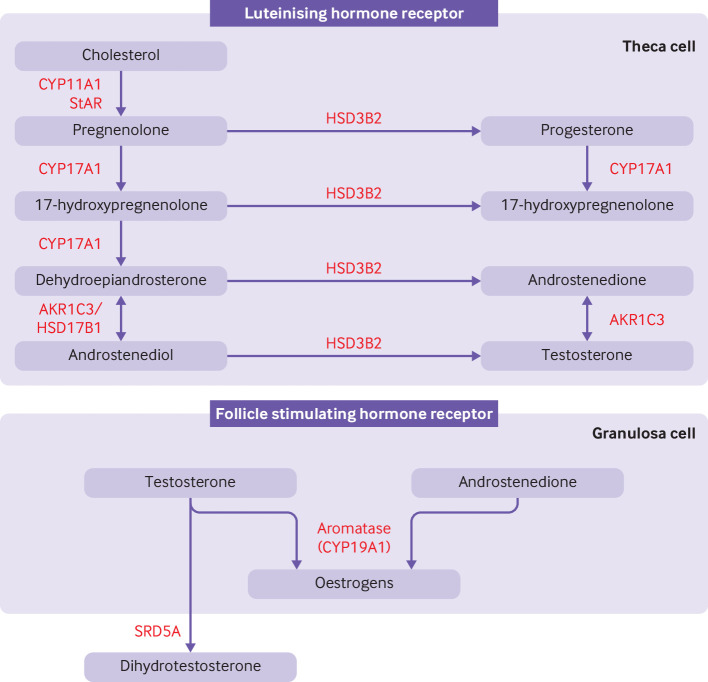
“33 36 Figure 2 summarises the classical pathway of steroidogenesis.”
Tirzepatide versus Semaglutide Once Weekly in Patients with Type 2 Diabetes
Frías, J. P., Davies, M. J., Rosenstock, J., Pérez Manghi, F. C., Fernández Landó, L., Bergman, B. K., Liu, B., Cui, X., & Brown, K. (2021) · New England Journal of Medicine · doi:10.1056/nejmoa2107519 · Cited by 2,096 · cited 1×
“…analogues, such as semaglutide or dulaglu-tide, 139 140 or dual GLP- 1-glucose dependent insuli-notropic polypeptide agonists, such as tirzepatide, 141 could provide more therapeutic opportunities, with the potential benefits of greater effects on weight loss, longer duration of action, and…”
Polycystic Ovary Syndrome: Definition, Aetiology, Diagnosis and Treatment
Escobar-Morreale, H. F. (2018) · Nature Reviews Endocrinology · doi:10.1038/nrendo.2018.24 · Cited by 2,083 · cited 2×
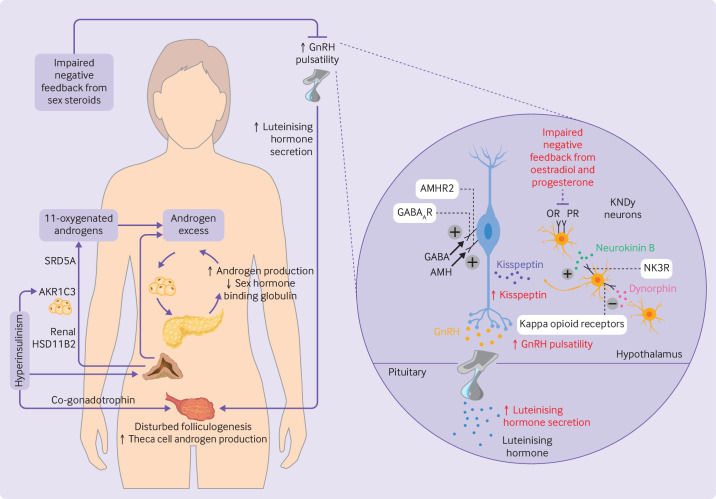
“7 54 Several studies have also implicated hyperandrogenism in the accumulation of abdominal and visceral adipose tissue in polycystic ovary syndrome 55 56 ; this hyperandrogenism further drives insulin resistance and consequent production of androgens (figure 1).”
Ehrmann, D. A. (2005) · New England Journal of Medicine · doi:10.1056/nejmra041536 · Cited by 1,881
Yki-Järvinen, H. (2004) · New England Journal of Medicine · doi:10.1056/nejmra041001 · Cited by 1,830
Rosenfield, R. L., & Ehrmann, D. A. (2016) · Endocrine Reviews · doi:10.1210/er.2015-1104 · Cited by 1,603
Teede, H., Deeks, A., & Moran, L. (2010) · BMC Medicine · doi:10.1186/1741-7015-8-41 · Cited by 1,565 · cited 1×
“81 Patients with polycystic ovary syndrome are at increased risk of mental health disorders, 82 83 endometrial cancer, 84 and ovarian hyperstimulation syndrome after induction of ovulation.”
Criteria, Prevalence, and Phenotypes of Polycystic Ovary Syndrome
Lizneva, D., Suturina, L., Walker, W., Brakta, S., Gavrilova-Jordan, L., & Azziz, R. (2016) · Fertility and Sterility · doi:10.1016/j.fertnstert.2016.05.003 · Cited by 1,358
Quorum sensing triggers the stochastic escape of individual cells from Pseudomonas putida biofilms
Cárcamo-Oyarce, G., Lumjiaktase, P., Kümmerli, R., & Eberl, L. (2015) · Nature Communications · doi:10.1038/ncomms6945 · Cited by 958
Research works printed but not linked: 2
- 10.1210/endocr/bqab087 · DOI
- 10.1038/ncomms6945 · DOI · Paper page
Cited by
Stener-Victorin, E., Teede, H., Norman, R. J., Legro, R., Goodarzi, M. O., Dokras, A., Laven, J., Hoeger, K., & Piltonen, T. T. (2024) · Nature Reviews Disease Primers · doi:10.1038/s41572-024-00511-3 · Cited by 495
“Exploration of GWAS combined with sophisticated cluster analyses in data sets has suggested grouping around core endocrine features across hyperandrogenaemia, hyperinsulinaemia, hypothalamic– pituitary abnormalities and BMI 19,94,224,228 .”
Unveiling Gestational Diabetes: An Overview of Pathophysiology and Management
Mittal, R., Prasad, K., Lemos, J. R. N., Arevalo, G., & Hirani, K. (2025) · International Journal of Molecular Sciences · doi:10.3390/ijms26052320 · Cited by 189
The last update on polycystic ovary syndrome(PCOS), diagnosis criteria, and novel treatment
Ghafari, A., Maftoohi, M., Samarin, M. E., Barani, S., Banimohammad, M., & Samie, R. (2025) · Endocrine and Metabolic Science · doi:10.1016/j.endmts.2025.100228 · Cited by 97
Emerging Frontiers in GLP-1 Therapeutics: A Comprehensive Evidence Base (2025)
Patel, S., & Niazi, S. K. (2025) · Pharmaceutics · doi:10.3390/pharmaceutics17081036 · Cited by 54
“GLP-1 RAs enhance insulin sensitivity by increasing signaling in skeletal muscle, liver, and adipose tissue, reduce hyperinsulinemia through improved pancreatic β -cell function, and facilitate weight loss by addressing adipose tissue dysfunction [125–127].”
Rambaran, N., & Islam, M. S. (2025) · World Journal of Diabetes · doi:10.4239/wjd.v16.i7.108789 · Cited by 49
Kalsekar, A. S., Abdelrahim, D. N., & Faris, M. E. (2024) · Frontiers in Nutrition · doi:10.3389/fnut.2024.1362226 · Cited by 21
Role of Omega-3 Fatty Acids in Improving Metabolic Dysfunctions in Polycystic Ovary Syndrome
Albardan, L., Platat, C., & Kalupahana, N. S. (2024) · Nutrients · doi:10.3390/nu16172961 · Cited by 18
Javidan, A., Azarboo, A., Jalali, S., Fallahtafti, P., Moayyed, S., Ghaemi, M., Tarafdari, A., & Hantoushzadeh, S. (2025) · Journal of Ovarian Research · doi:10.1186/s13048-025-01717-z · Cited by 20
Hu, R., Nong, W., Huo, P., Hu, L., Jiang, W., Yang, Z., Liao, A., Chen, X., Huang, Z., & Lei, X. (2024) · International Journal of Biological Macromolecules · doi:10.1016/j.ijbiomac.2024.134780 · Cited by 17
Samadi, F., Babei, H., Nayebzadeh, M., Sadati, E., Zahiri, Z., Esfidani, T., Forouzin, S., & Etezadi, A. (2025) · Tissue and Cell · doi:10.1016/j.tice.2025.103097 · Cited by 16
Iwasa, T., Noguchi, H., Tanano, R., Yamanaka, E., Takeda, A., Tamura, K., Aoki, H., Sugimoto, T., Sasada, H., Maeda, T., et al. (2023) · International Journal of Molecular Sciences · doi:10.3390/ijms242316567 · Cited by 14
Arabkermani, Z., Barzegari, S., Rouhani, A., Nahavandi, N., Gibreel, O., & Arpacı, İ. (2025) · Journal of Medical Internet Research · doi:10.2196/71118 · Cited by 11
TGF-β Signaling in the Pathophysiology of the Ovary: A Double-Edged Regulator
Bertani, N. N., Alteri, A., Cacciottola, L., D’Addato, G., Sala, G. L., Lozanoska‐Ochser, B., Massimiani, M., Parrella, E., Reggio, A., Russo, E., et al. (2026) · Biomolecules · doi:10.3390/biom16010130 · Cited by 11
“It is characterized by hyperandrogenism, ovulatory dys-https function, and polycystic ovarian morphology, often accompanied by insulin resistance, low-grade inflammation, and increased ovarian fibrosis [120].”
Bucheeri, S., Alcibahy, Y., Bucheeri, Y., Bucheeri, S., Alhermi, A., & Butler, A. E. (2025) · Cells · doi:10.3390/cells14221769 · Cited by 8
Harrath, A. H., Jalouli, M., Al-Zharani, M. M., & Rahaman (2026) · Biomolecules · doi:10.3390/biom16050626 · Cited by 9
Unraveling PCOS therapies: Pharmacotherapeutic strategies and emerging therapeutic targets
Shirasath, K. R., Ahmed, N. Z., Kumar, P., Alam, S., Karwasra, R., Goyal, S. N., & Agrawal, Y. O. (2025) · Pathology - Research and Practice · doi:10.1016/j.prp.2025.156245 · Cited by 7
Robert, A. L., Torres, E. O., & Baptista, C. J. (2025) · Environmental Toxicology and Pharmacology · doi:10.1016/j.etap.2025.104842 · Cited by 9
Renukadevi, J., Panneerselvam, S., Saravanan, M. D., Keerthivasan, N., & Valliappan, S. (2026) · Food Bioengineering · doi:10.1002/fbe2.70044 · Cited by 10
Sana, M., Arshad, M., Siddique, F., Irfan, H. M., Asim, M. H., Khalid, W., Mugabi, R., Alsulami, T. S., & Nayik, G. A. (2025) · Journal of Functional Foods · doi:10.1016/j.jff.2025.106743 · Cited by 6
Patni, M. A., Dube, R., Kar, S. S., George, B. T., Goud, M., Srinivasamurthy, S. K., & Elamin, A. A. E. (2025) · International Journal of Molecular Sciences · doi:10.3390/ijms26125575 · Cited by 9
“Excess androgens enlarge and prolong the growth phase of hair follicles and make them grow dark, thick hairs on the face, chest, and back [56,57].”
Akter, S., & Reno, S. (2025) · Engineering Reports · doi:10.1002/eng2.70395 · Cited by 6
Marais, A. D., Hoffman, A., Blackhurst, D. M., & van der Spuy, Z. M. (2024) · Journal of Neuroendocrinology · doi:10.1111/jne.13414 · Cited by 6
“5 6 – 8 Environmental factors and epigenetic alterations influence not only the pathophysiology of PCOS but also lipoprotein metabolism, which is also subject to much genetic variation.”
From root to Recovery: The role of herbs in polycystic ovary syndrome management
Zafar, N.-U.-A., Qureshi, R., Siddiqa, A., Naqvi, S. A. M., Waheed, F., Mashwani, Z., Ali, A., Ramírez, K. A. H., Medina‐Pérez, G., Peláez-Acero, A., et al. (2025) · Steroids · doi:10.1016/j.steroids.2025.109606 · Cited by 6
The impact of food and nutraceuticals on human fertility
Farina, M., Maugeri, A., Rapisarda, A., & Navarra, M. (2025) · Food Nutrition · doi:10.1016/j.fnutr.2025.100021 · Cited by 6
Kondamudi, S., Sadu, S., Deva, S., Yalamanchi, A., & Yalamanchi, A. (2025) · Food & Nutrition Research · doi:10.29219/fnr.v69.13244 · Cited by 4
Flavonoids and polycystic ovary syndrome
Shen, H., & Liu, Y. (2026) · Food & Function · doi:10.1039/d5fo04823k · Cited by 4
The Role of Antioxidants in the Management of Polycystic Ovary Syndrome
Sorić, T., Sarić, M. M., Romanić, S. H., Sarić, A., Jonjić, A., & Čoklo, M. (2026) · Antioxidants · doi:10.3390/antiox15040487 · Cited by 5
Hamsho, M., Bensaoua, M., Shkorfu, W., Ranneh, Y., & Kalam, F. (2026) · Nutrients · doi:10.3390/nu18132096 · Cited by 4
Danish, S., Gul, E., Chaudhry, S., & Minhas, M. (2025) · Cureus · doi:10.7759/cureus.86921 · Cited by 4
Tang, X., Ji, J., Zhu, L., Sun, F., Wang, L., & Xu, W. (2024) · Journal of Assisted Reproduction and Genetics · doi:10.1007/s10815-024-03286-4 · Cited by 4
“Polycystic ovary syndrome (PCOS) is a complex female reproductive dysfunction and metabolic disorder, and the main clinical manifestations are infertility, anovulation, or thin ovulation caused by menstrual disorders, hyperandro-genemia, and insulin resistance [1].”
A Complex Clinical Situation in Polycystic Ovary Syndrome: HAIR‐AN Syndrome ‘‘Case Report’’
Gheshlagh, R. A., & Topsakal, Ş. (2025) · Case Reports in Medicine · doi:10.1155/carm/5825601 · Cited by 4
The Association Between Vitamin D and Polycystic Ovary Syndrome (PCOS) in Women: A Systematic Review
Jaafar, B., Chami, N., Tlais, M., Matar, M., OBEID, N., Taha, N., Haddad, K. E., Chaaya, J. A., & Azar, S. T. (2026) · Nutrients · doi:10.3390/nu18060968 · Cited by 6
Ikrar, T., Siahaan, S. C., Hendarto, H., Mustika, A., Kurniawati, E. M., Jatipradresthya, W., Hadinata, E., Taslim, N. A., Harbuwono, D. S., Tjandrawinata, R. R., et al. (2026) · Nutrients · doi:10.3390/nu18081305 · Cited by 3
Castelo‐Branco, C., Vujović, S., Genazzani, A. D., Brincat, M., Meczekalski, B., Stute, P., Genazzani, A. R., Brichant, G., Orvieto, R., Vasaraudze, I., et al. (2026) · Gynecological Endocrinology · doi:10.1080/09513590.2026.2695512 · Cited by 3
Hyperandrogenism Decreases Seizure Threshold in a Rat Model of Polycystic Ovary Syndrome
Zhang, J., Lai, W., Tang, Y., Gao, J., Zhou, X., & Chen, L. (2024) · Neuroendocrinology · doi:10.1159/000540523 · Cited by 3
“Hyperandrogenism, a medical condition characterized by excessive androgen levels in PCOS, is a multifaceted disorder with profound implications for various physiological and neurological functions [13, 14].”
Carlson, J. (2025) · Frontiers in Psychiatry · doi:10.3389/fpsyt.2025.1644175 · Cited by 3
“…from Baez-Jurado and Rinco ́ n-Benavides (2019) and others reveal that ER-b activation reduces amyloidogenic processing, dampens microglial priming, and improves mitochondrial ef fi ciency — mechanisms that align with in fl ammation-associated treatment resistance in chronic mood disorders (77 – 79).”
Current perspectives on the metabolic aspects of polycystic ovary syndrome
Korchynska, O. O., Khashcha, I. I., & Shumilina, T. (2023) · Reproductive health of woman · doi:10.30841/2708-8731.8.2023.297796 · Cited by 3
Verma, P., Agarwal, R., Sharma, L. K., & Sindwani, N. (2025) · Reproduction Fertility and Development · doi:10.1071/rd25081 · Cited by 2
Suba, Z. (2025) · Cancers · doi:10.3390/cancers18010078 · Cited by 2
“In PCOS, impaired neuro-hormonal signaling along the hypothalamic–pituitary– gonadal axis dysregulates the entire hormonal system [97].”
Kondamudi, S., Sadu, S., Deva, S., Yalamanchi, A., & Yalamanchi, A. (2026) · Functional Foods in Health and Disease · doi:10.31989/ffhd.v16i2.1889 · Cited by 2
Circadian misalignment in PCOS: role of sleep and light
Samaddar, S., Ghosh, S., Kumar, A., Yadav, P., Yadav, M., & Dahiya, R. (2026) · Biological Rhythm Research · doi:10.1080/09291016.2026.2651558 · Cited by 3
Noroozzadeh, M., Naz, M. S. G., Mousavi, M. A., Farhadi‐Azar, M., Farahmand, M., Amirshekari, S., Azizi, F., & Tehrani, F. R. (2026) · Intern J Endocrinol Metab · doi:10.5812/ijem-167151 · Cited by 2
Khatun, M., Lundin, K., Tuuri, T., Piltonen, T., Tapanainen, J. S., & Salumets, A. (2026) · Stem Cell Reviews and Reports · doi:10.1007/s12015-026-11188-4 · Cited by 3
Forslund, M., Melin, J. M., Joham, A. E., Piltonen, T., Rees, A., & Teede, H. J. (2026) · Journal of Internal Medicine · doi:10.1111/joim.70156 · Cited by 2
“PMOS is highly heritable, accounting for ∼ 70% of the development of the disorder [44], yet known GWAS loci account for only around 10% of this heritability [31].”
Jamwal, S., & Soni, A. (2024) · Journal of Applied Pharmaceutical Research · doi:10.18231/j.joapr.2024.12.2.1.15 · Cited by 3
Analysis of polycystic ovary syndrome and infertility using PRISMA 2020 literature review
Nuñez-Arroba, S. D. P., López, L. K. S., & Cárdenas, G. A. Z. (2024) · Data & Metadata · doi:10.56294/dm2024.239 · Cited by 2
POLYCYSTIC OVARY SYNDROME (PCOS): DIAGNOSIS, PATHOPHYSIOLOGY AND CONTEMPORARY THERAPEUTIC APPROACHES
Początek, J., Pośpiech, S., Prosowski, J., Piotrowski, M., & Serwicki, P. (2024) · Archiv Euromedica · doi:10.35630/2024/14/6.606 · Cited by 1
Ibrahim, N. A. (2025) · Kirkuk journal of science · doi:10.32894/kujss.2025.155788.1187 · Cited by 1
Implications of Non-compliance in the Management of Chronic Polycystic Ovarian Syndrome
Willette, A., Nicely, T. M., & Cazes, E. (2025) · Cureus · doi:10.7759/cureus.79501 · Cited by 1
“Polycystic ovarian syndrome (PCOS) is a reproductive endocrine disorder affecting 5-20% of women worldwide [1].”
Peepal, P., Thakur, P., Patel, A., Sahoo, J., Pradhan, S., & Sahu, M. (2025) · Journal of Human Reproductive Sciences · doi:10.4103/jhrs.jhrs_72_25 · Cited by 2
“Baseline characteristics of 97 patients were documented and represented [Table 1].”
Natural Oil and Polycystic Ovary Syndrome: A Comprehensive Review of Therapeutic Benefits
Kumari, P., Barbhuiya, P. A., Warjri, I., & Pathak, M. P. (2025) · Current Topics in Medicinal Chemistry · doi:10.2174/0115680266370871250726131232 · Cited by 1
Dhumad, M. M., Hamdan, F. B., & Al-Mayah, Q. S. (2025) · Italian Journal of Medicine · doi:10.4081/itjm.2025.2085 · Cited by 1
Impact of substance abuse on polycystic ovarian syndrome
Ajayi, L. O., Onaolapo, M. C., Akanbi, G. B., Ayodele, A. H., Alabi, M. O., Gbenga, G. O., Akano, O. P., & Ajayi, A. F. (2025) · Discover Endocrinology and Metabolism · doi:10.1007/s44417-025-00004-1 · Cited by 1
Impact of dietary fiber on PCOS: a systematic review
Swanson, C. M., Barker, Y., & Patterson, R. (2025) · Food, Nutrition and Health. · doi:10.1007/s44403-025-00043-y · Cited by 1
Feng, Y., Wen, X., Li, X., & Luo, Y. (2025) · International Journal of Women s Health · doi:10.2147/ijwh.s555202 · Cited by 1
Chen, J., Lin, C., Peng, J., Xu, W., Azziz, R., Lin, M., & Zhao, X. (2025) · Journal of Ovarian Research · doi:10.1186/s13048-025-01900-2 · Cited by 1
Hussein, D. S. A., Kadhim, S. A. A., & Swadi, A. A. J. (2026) · Journal of Obstetrics Gynecology and Cancer Research · doi:10.24200/jogcr.11.1.39 · Cited by 1
Salama, R. A. A., Bhat, R., Wadid, N. A., Nayagam, V. E., Omar, Z. B. A., & Noureldin, N. A. (2025) · Dubai Medical Journal · doi:10.18502/dmj.v8i4.20489 · Cited by 1
“Regarding complications, the study highlights a reasonable awareness of increased androgen levels and diabetes as complications of PCOS, reflecting findings from other studies [20, 21].”
Pásztor, R., & Váradi, C. (2026) · International Journal of Molecular Sciences · doi:10.3390/ijms27031490 · Cited by 1
Ren, J., Chen, H., Zhang, L., Cui, C., Wang, L. N., He, Q., Feng, Y., & Liang, L. (2026) · Frontiers in Endocrinology · doi:10.3389/fendo.2026.1793912 · Cited by 1
Jamshaid, M., Sheikh, A. A., Jamshaid, W., Shafiq, H., & Ahmed, M. H. (2026) · Journal of Clinical Medicine · doi:10.3390/jcm15103577 · Cited by 1
Ovarian aging: maintenance and activation of the primordial follicle pool
Wang, Q., Zhao, G., & Zhou, J. (2026) · Journal of Ovarian Research · doi:10.1186/s13048-026-02116-8 · Cited by 1
Wangikar, P. P., Vinodkumar, K., Agarwal, K., Sunder, A. V., Sahasrabuddhe, D., Kulkarni, B., Kamath, M. S., Malhotra, N., & Kapoor, N. (2026) · Best Practice & Research Clinical Endocrinology & Metabolism · doi:10.1016/j.beem.2026.102129 · Cited by 3
Phung, T. M., Nguyen, H. C., Ho, D. N., Thach, T. M. H., Nguyen, T. P., Nguyen, V. N. T., Lâm, Đ. T., & Nguyen, T. H. (2026) · Middle East Fertility Society Journal · doi:10.1186/s43043-026-00340-2 · Cited by 1
Buhran, L. A., Almutairi, M. B., Farag, S., Mahmood, S. E., Alsamghan, A., & Ghazy, R. M. (2026) · Healthcare · doi:10.3390/healthcare14131826 · Cited by 2
The role of genetic and epigenetic factors in developing polycystic ovary syndrome
Koval, Y. E., Дмитриевна, К. Т., Игнатко, И. В., Bakhtiyarov, K. R., Gilmutdinova, I., & Владимировна, В. Е. (2026) · Obstetrics Gynecology and Reproduction · doi:10.17749/2313-7347/ob.gyn.rep.2026.766 · Cited by 1
ALbaldawy, M. T., Alqadoori, S. A., Al-Tameemi, H. K., & Ali, N. A. A.-Z. (2026) · Journal of Education and Health Promotion · doi:10.4103/jehp.jehp_2434_25 · Cited by 1
“[4,5] Pivotal to its endocrine pathology are the gonadotropins (luteinizing hormone [LH], FSH) and anti‑Müllerian hormone (AMH).”
Pharmacological treatment of polyendocrine metabolic ovarian syndrome in adults
Prentice, L., & Rassie, K. L. (2026) · Drug and Therapeutics Bulletin · doi:10.1136/dtb.2022.000065 · Cited by 1
Pirga, G., Chwajta, G., Kaczor, G., Cichocka, W., Cepielik, B., Antos, M., Chmielnicki, F., Paczosa, K., Ostolski, M., & Jędruszko, K. (2026) · Quality in Sport · doi:10.12775/qs.2026.62.73200 · Cited by 1
A Miswired Ovarian Ecosystem: LIF/JAK/STAT3 Distortion in PCOS
Sharma, A., Singh, S., Rajan, R. K., Bhattacharjee, A., & Chakraborty, M. (2026) · Reproductive Sciences · doi:10.1007/s43032-026-02155-y · Cited by 1
Arya, H., Singh, R. K., Gupta, S., Shah, K., Gupta, A., Chauhan, N. S., Komre, P., & Tuse, T. (2026) · Oriental Pharmacy and Experimental Medicine · doi:10.1007/s13596-026-00934-1 · Cited by 1
The Role of Reproduction for the Future of Women's Health
Rajuddin, R., & Maulida, N. F. (2024) · Indonesian Journal of Obstetrics and Gynecology · doi:10.32771/inajog.v12i1.2325
Ding, K., Li, X., Wei, Y., Zhang, M., Ling, X., & Zhao, C. L. (2024) · International Journal of Gynecology & Obstetrics · doi:10.1002/ijgo.15815
“29 Sigala et al. 30 conducted a prospective study indicating that, during intracytoplasmic sperm injection (ICSI) assisted fertility treatments, the clinical pregnancy rate among women with PCOS was comparable to that of the control group with normal ovarian function.”
Bayuningrat, I. G. N. M., Pradnyaningrat, I. G. N. A. M., & Kartha, I. B. B. D. (2024) · JOURNAL OF HEALTH SCIENCE (JURNAL ILMU KESEHATAN) · doi:10.24929/jik.v9i1.3400
“(Dong and Rees 2023; Lely Khulafa’ur Rosidah et al. 2023) Comprehensive women's health, including gynecology and obstetrics, is an essential aspect of women's wellbeing.”
InfluentialIrani, S., Najafi, A., Vesali, S., Mashayekhi, M., Niknejad, F., & Ahmadi, F. (2025) · Scientific Reports · doi:10.1038/s41598-025-91531-w
da Silva, L. F., & dos Santos, E. C. G. (2025) · Revista Saúde e Desenvolvimento · doi:10.22169/revsed.v19n30.1454
A novel link between KCNQ1 genetic variants and polycystic ovary syndrome susceptibility
Salem, A. B., Ezzidi, I., Abdennebi, H. B., Mtiraoui, N., & Sarray, S. (2025) · Biomedical Reports · doi:10.3892/br.2025.1982
Patel, N., Shaker, I. A., Patel, K., & Mangrola, N. Y. (2025) · National Journal of Community Medicine · doi:10.55489/njcm.160520255258
Síndrome de ovario poliquístico y riesgo cardiovascular
Flores, G. C., Escobedo, R. D. L., Flores, R. S., Salcedo, T. C., & Pérez, B. G. (2025) · South Florida Journal of Development · doi:10.46932/sfjdv6n5-013
Correlation between Pilomatrixoma and Polycystic Ovary Syndrome (PCOS)
Khursheed, K., Jawaid, S., Al-Abbasi, F. A., Firoz, F., Alqurashi, M. M., & Anwar, F. (2025) · Current Women s Health Reviews · doi:10.2174/0115734048353070250514075038
Tiongco, R. E., Catacata, M., Castro, E. J., Flores, J. A., Dayrit, S. A., Geonzon, K., Tongio, M. A., & Dominguez, M. J. (2025) · Journal of Diabetes & Metabolic Disorders · doi:10.1007/s40200-025-01671-z
“…is characterized by elevated levels of androgens (hyperandrogenism), insulin resistance, and ovulatory dysfunction, though not all symptoms are present in every patient diagnosed with the disease [4–6]. and PCOS, while others find no differences in allele fre - quencies between cases and controls.”
Endometrial Organoids in PCOS: A Translational Tool for Gynecologic Precision MedicinePreprint
Ibrahim, A. (2025) · Preprints.org · doi:10.20944/preprints202506.2488.v1
Akhter, N., Sana, S., Anjum, F., Tariq, M., Afzaal, M., Siddique, Z., & Sana, A. (2025) · Obstetrics and gynecology. · doi:10.5772/intechopen.1011282
Patel, K. J., Sheth, H. J., Mangrola, N. Y., & Patel, N. A. (2025) · National Journal of Medical Research · doi:10.55489/njmr.150420251183
de Tamaulipas, U. A., & Ávila, J. P. (2025) · doi:10.29059/luat.433
Hameed, Z. N., Rashied, R. M., & Kareem, S. M. (2025) · HAYATI Journal of Biosciences · doi:10.4308/hjb.32.6.1447-1452
Khmil, S. V., & Правак, Ю. Б. (2025) · Bulletin of Problems Biology and Medicine · doi:10.29254/2077-4214-2025-3-178-285-297
Singh, J., & Jain, A. (2025) · International Journal of Reproduction Contraception Obstetrics and Gynecology · doi:10.18203/2320-1770.ijrcog20253536
Ghani, I. A. A., Mohammed, N. H., Mshimesh, B. A. R., & Zayed, R. A. E. (2025) · Al Mustansiriyah Journal of Pharmaceutical Sciences · doi:10.32947/ajps.v25i4.1203
Nghiên cứu tác dụng của chế phẩm picositol trên mô hình hội chứng buồng trứng đa nang thực nghiệm
Tùng, T. T., Phương, P. C., & Hien, D. T. T. (2025) · Tạp chí Nghiên cứu Y học · doi:10.52852/tcncyh.v195i10.3927
Polycystic Ovary Syndrome: A Complex Interplay of Hormones and Metabolism
Akano, O. P., Obileke, O. I., Oladapo, J. O., Ezenwafor, J. C., Jacobs-Aje, A., Ademoye, K. A., Adeoye, B. O., Adeoye, A. D., Akinyo, A. S., & Adetunji, O. A. (2025) · Fertility Gynecology and Andrology · doi:10.5812/fga-156503
MicroRNA Crossroads in PCOS and Endometriosis
Sambath, G., Kalai, J., Usha Rani, G., Osborne, J. W., Sumitha, R., & Parvathi, V. D. (2025) · Reproductive Sciences · doi:10.1007/s43032-025-02037-9
Exploring the Potential of Yoga as a Complementary Therapy for Polycystic Ovarian Syndrome (PCOS)
Kumalasari, A. D. A., Faiza, A. H., Husodho, G. V. P., & Kesoema, T. A. (2025) · Journal of Biomedicine and Translational Research · doi:10.14710/jbtr.v11i3.29516
Klinikte Endometriozis ve Polikistik Over Sendromu Yönetimi
Adalı, A., Yıldırım, F., & Duman, N. B. (2025) · Hitit sağlık dergisi. · doi:10.69563/hititsaglikderg.1726835
Silencing Inflammation: Nano-Antioxidants and Immunomodulators in PCOS Management
Kumari, R., & Rani, P. (2025) · doi:10.70593/978-93-7185-087-2_4
Estimation of HOMA-IR and Triglyceride-Glucose Index in Single Females with PCOS
Taher, Z. M., Omer, B. Z., Younis, Z. T., & Asaad, D. A. (2026) · Cihan University-Erbil Scientific Journal · doi:10.24086/cuesj.v10n1y2026.pp18-23
Beyond Metformin: A Review of Non-pharmacological Treatments for Polycystic Ovary Syndrome
Lakshmi, P. I., Sujatha, K. J., & Shetty, P. (2026) · Cureus · doi:10.7759/cureus.103619 · Cited by 1
Distribution of indications for couples undergoing ivf treatment in türkiye
Karabulut, S., Korkmaz, O., Yilmaz, E., & Delikara, N. (2026) · ACTA Pharmaceutica Sciencia · doi:10.23893/1307-2080.aps6405
Ćwirko-Godycka, A., Murawska, N., Chodór, M., Tomaszewska, A., Karczewska, K., Mojzyk, S., Kokoszka, M., Mierniczek, A., Dymel, N., & Feret, R. (2026) · International Journal of Innovative Technologies in Social Science · doi:10.31435/ijitss.1(49).2026.4658
Ahn, H.-W., Kim, H.-G., Lee, J.-S., Kim, Y.-J., & Lee, J.-Y. (2026) · Journal of Ethnopharmacology · doi:10.1016/j.jep.2026.121605
Metadata
- Authors
- Dong, J., & Rees, D. A.
- Affiliations
- Cardiff University (GB)
- Neuroscience and Mental Health Innovation Institute, School of Medicine, Cardiff University, Cardiff, UK
- ORCID
- Dong, Jiawen
- Venue
- BMJ Medicine
- Publisher
- BMJ
- Published
- 2023-10
- Volume
- 2
- Issue
- 1
- Pages
- e000548
- ISSN
- 2754-0413 (ISSN-L)
- PMC
- PMC10583117
- OpenAlex
- W4387569535
- Semantic Scholar
- 728dbd11c295a2d8031b46e53a08d75c3a902c96
- Cited by
- 123
- References
- 157
- Citations by year
- 2026: 64 · 2025: 46 · 2024: 12 · 2023: 1
- FWCI
- 4.99
- Type
- journal article
- Language
- en
- Open access
- gold
- doi.org
- Licence
- Locations
- BMJ Medicine (publishedVersion, cc-by-nc)
- PubMed Central (publishedVersion, cc-by-nc)
- PubMed (publishedVersion)
- ORCA Online Research @Cardiff (Cardiff University) (acceptedVersion, cc-by-nc)
- DOAJ (DOAJ: Directory of Open Access Journals) (submittedVersion, cc-by-sa)
- Funders
- Anonymous benefactor grant to Cardiff University (521809)
- Topics
- Health Sciences › Medicine › Reproductive Medicine › Ovarian function and disorders
- Health Sciences › Medicine › Reproductive Medicine › Reproductive Biology and Fertility
- Life Sciences › Biochemistry, Genetics and Molecular Biology › Genetics › Genetic and Kidney Cyst Diseases
- Keywords
- polycystic ovary syndrome, pathophysiology, hyperandrogenism, ovulatory dysfunction, insulin resistance, 11-oxygenated androgens, kisspeptin, gut microbiota, steroidogenesis, epigenetic programming, cardiometabolic disease, pregnancy complications, mental health, polygenic predisposition, adipocyte biology, metabolomics, drug development
About these checks
Registry, retraction, Cites and statistics results are computed, not judged, with one exception: a printed reference that no index lists is read once by a model before it counts as a citation error. Claims are extracted by a model and kept only when their quote appears verbatim in the text; each cited source is then checked, with a model’s help, for whether it says what the claim relies on. Those verdicts can be wrong — read the claim’s quote and the cited source before relying on one.
Statistics and arithmetic are recomputed, not judged.
Confidence bands are shown only for fields calibrated on our annotated test set. None is calibrated yet, so no band is shown.
What counts as a claim ›How we measure confidence ›How we check this ›
Are you an author, or do you see a problem with this page? Request a review
Data sources
Bibliographic data: Semantic Scholar, OpenAlex, Crossref.
Contains information from the Semantic Scholar Academic Graph Datasets, made available under the ODC Attribution License (ODC-BY 1.0).
Semantic Scholar’s data is described in: Kinney, R., et al. (2023). The Semantic Scholar Open Data Platform. arXiv:2301.10140.
