

Polycystic ovary syndrome: pathophysiology and therapeutic opportunities
Open accessThe DOI matches its Crossref record; 155 of the 157 references it cites were found in a registry or an index.
Abstract
Polycystic ovary syndrome is characterised by excessive levels of androgens and ovulatory dysfunction, and is a common endocrine disorder in women of reproductive age. Polycystic ovary syndrome arises as a result of polygenic susceptibility in combination with environmental influences that might include epigenetic alterations and in utero programming. In addition to the well recognised clinical manifestations of hyperandrogenism and ovulatory dysfunction, women with polycystic ovary syndrome have an increased risk of adverse mental health outcomes, pregnancy complications, and cardiometabolic disease. Unlicensed treatments have limited efficacy, mostly because drug development has been hampered by an incomplete understanding of the underlying pathophysiological processes. Advances in genetics, metabolomics, and adipocyte biology have improved our understanding of key changes in neuroendocrine, enteroendocrine, and steroidogenic pathways, including increased gonadotrophin releasing hormone pulsatility, androgen excess, insulin resistance, and changes in the gut microbiome. Many patients with polycystic ovary syndrome have high levels of 11-oxygenated androgens, with high androgenic potency, that might mediate metabolic risk. These advances have prompted the development of new treatments, including those that target the neurokinin-kisspeptin axis upstream of gonadotrophin releasing hormone, with the potential to lessen adverse clinical sequelae and improve patient outcomes.
Overview
The claims and statistics of this paper haven’t been checked yet.
Free: it reads the open-access text and checks the first 5 claims that cite a source we can check. Create a free account to check every claim.
Integrity signals
Registry
Cites
Statistics
Figures
Verification
Claims the paper makes
The claims and statistics of this paper haven’t been checked yet.
Free: it reads the open-access text and checks the first 5 claims that cite a source we can check. Create a free account to check every claim.
Claims other papers make about this one
Each is checked against this paper’s own text: does it say what the citing paper says it does?
The cited source says what the claim attributes to it.
In the citing paper
“Although traditionally classified as a reproductive disorder, PCOS is now recognized as a metabolic disorder which is associated with obesity, and which increases risk for type 2 diabetes and cardiovascular disease [3].”
From Role of Omega-3 Fatty Acids in Improving Metabolic Dysfunctions in Polycystic Ovary Syndrome (2024) · cites this paper as [3]
Self-check
Percentages, sums and reported differences re-computed from the paper’s own numbers.
The self-check needs the paper’s full text.
Citations
Cites
Dapagliflozin in Patients with Heart Failure and Reduced Ejection Fraction
McMurray, J. J. V., Solomon, S. D., Inzucchi, S. E., Køber, L., Kosiborod, M. N., Martinez, F. A., Ponikowski, P., Sabatine, M. S., Anand, I. S., Bělohlávek, J., et al. (2019) · New England Journal of Medicine · doi:10.1056/nejmoa1911303 · Cited by 7,140 · cited 1×
“19 Circulating levels of kisspeptin are higher in patients with polycystic ovary syndrome than in controls 20 and although the origin of this excess is not entirely clear, a raised pulse frequency of kisspeptin in women with oligomenorrhoea and polycystic ovary syndrome suggests a hypothalamic…”
The Molecular Biology, Biochemistry, and Physiology of Human Steroidogenesis and Its Disorders
Miller, W. L., & Auchus, R. J. (2011) · Endocrine Reviews · doi:10.1210/er.2010-0013 · Cited by 2,458 · cited 1×
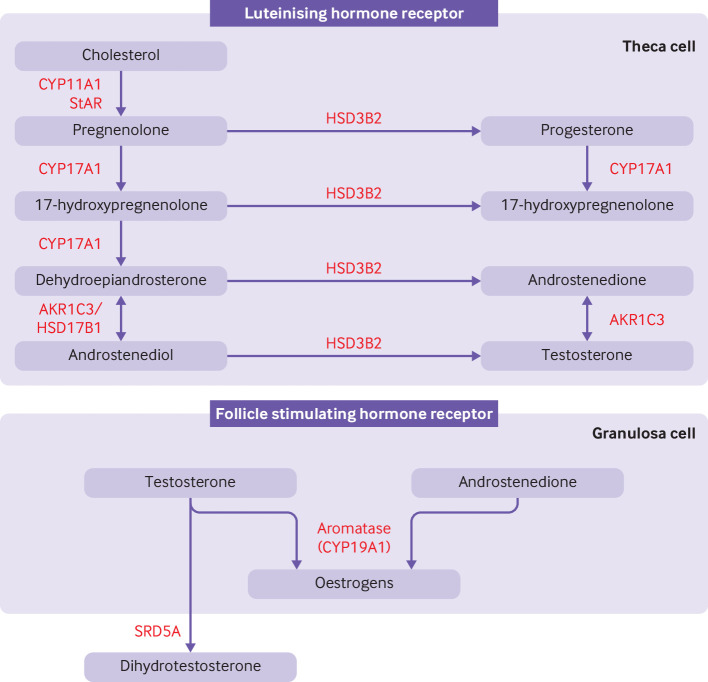
“33 36 Figure 2 summarises the classical pathway of steroidogenesis.”
Tirzepatide versus Semaglutide Once Weekly in Patients with Type 2 Diabetes
Frías, J. P., Davies, M. J., Rosenstock, J., Pérez Manghi, F. C., Fernández Landó, L., Bergman, B. K., Liu, B., Cui, X., & Brown, K. (2021) · New England Journal of Medicine · doi:10.1056/nejmoa2107519 · Cited by 2,096 · cited 1×
“…analogues, such as semaglutide or dulaglu-tide, 139 140 or dual GLP- 1-glucose dependent insuli-notropic polypeptide agonists, such as tirzepatide, 141 could provide more therapeutic opportunities, with the potential benefits of greater effects on weight loss, longer duration of action, and…”
Polycystic Ovary Syndrome: Definition, Aetiology, Diagnosis and Treatment
Escobar-Morreale, H. F. (2018) · Nature Reviews Endocrinology · doi:10.1038/nrendo.2018.24 · Cited by 2,083 · cited 2×
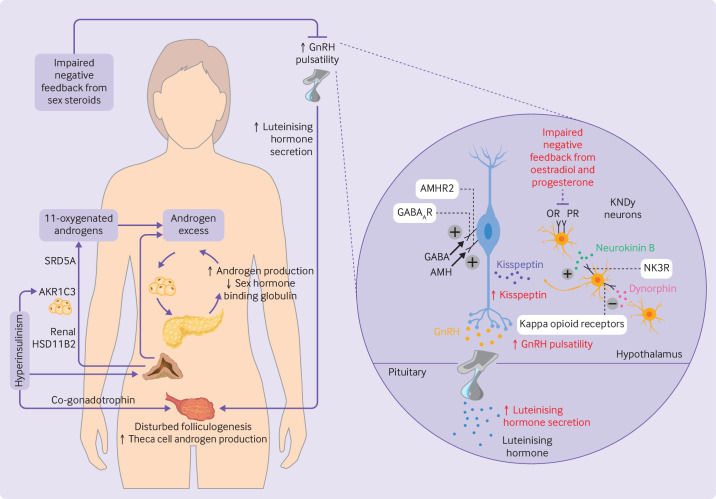
“7 54 Several studies have also implicated hyperandrogenism in the accumulation of abdominal and visceral adipose tissue in polycystic ovary syndrome 55 56 ; this hyperandrogenism further drives insulin resistance and consequent production of androgens (figure 1).”
Ehrmann, D. A. (2005) · New England Journal of Medicine · doi:10.1056/nejmra041536 · Cited by 1,881
Yki-Järvinen, H. (2004) · New England Journal of Medicine · doi:10.1056/nejmra041001 · Cited by 1,830
Rosenfield, R. L., & Ehrmann, D. A. (2016) · Endocrine Reviews · doi:10.1210/er.2015-1104 · Cited by 1,603
Teede, H., Deeks, A., & Moran, L. (2010) · BMC Medicine · doi:10.1186/1741-7015-8-41 · Cited by 1,565 · cited 1×
“81 Patients with polycystic ovary syndrome are at increased risk of mental health disorders, 82 83 endometrial cancer, 84 and ovarian hyperstimulation syndrome after induction of ovulation.”
Criteria, Prevalence, and Phenotypes of Polycystic Ovary Syndrome
Lizneva, D., Suturina, L., Walker, W., Brakta, S., Gavrilova-Jordan, L., & Azziz, R. (2016) · Fertility and Sterility · doi:10.1016/j.fertnstert.2016.05.003 · Cited by 1,358
Quorum sensing triggers the stochastic escape of individual cells from Pseudomonas putida biofilms
Cárcamo-Oyarce, G., Lumjiaktase, P., Kümmerli, R., & Eberl, L. (2015) · Nature Communications · doi:10.1038/ncomms6945 · Cited by 958
Teede, H. J., Tay, C. T., Laven, J. J. E., Dokras, A., Moran, L. J., Piltonen, T. T., Costello, M. F., Boivin, J., Redman, L. M., Boyle, J. A., et al. (2023) · The Journal of Clinical Endocrinology & Metabolism · doi:10.1210/clinem/dgad463 · Cited by 946
NESTLER, J. E., POWERS, L. P., MATT, D. W., STEINGOLD, K. A., PLYMATE, S. R., RITTMASTER, R. S., CLORE, J. N., & BLACKARD, W. G. (1991) · The Journal of Clinical Endocrinology & Metabolism · doi:10.1210/jcem-72-1-83 · Cited by 815 · cited 1×
“53 Excess production of androgens then stimulates hyperinsulinism, leading to a vicious cycle between androgen and insulin excess.”
Chen, Z.-J., Zhao, H., He, L., Shi, Y., Qin, Y., Shi, Y., Li, Z., You, L., Zhao, J., Liu, J., et al. (2011) · Nature Genetics · doi:10.1038/ng.732 · Cited by 782
Lifestyle changes in women with polycystic ovary syndrome
Lim, S. S., Hutchison, S. K., Van Ryswyk, E., Norman, R. J., Teede, H. J., & Moran, L. J. (2019) · Cochrane Database of Systematic Reviews · doi:10.1002/14651858.cd007506.pub4 · Cited by 725
Metformin: update on mechanisms of action and repurposing potential
Foretz, M., Guigas, B., & Viollet, B. (2023) · Nature Reviews Endocrinology · doi:10.1038/s41574-023-00833-4 · Cited by 699
Tang, T., Lord, J. M., Norman, R. J., Yasmin, E., & Balen, A. H. (2012) · Cochrane Database of Systematic Reviews · doi:10.1002/14651858.cd003053.pub5 · Cited by 698
Differential Regulation of KiSS-1 mRNA Expression by Sex Steroids in the Brain of the Male Mouse
Smith, J. T., Dungan, H. M., Stoll, E. A., Gottsch, M. L., Braun, R. E., Eacker, S. M., Clifton, D. K., & Steiner, R. A. (2005) · Endocrinology · doi:10.1210/en.2005-0323 · Cited by 696 · cited 1×
“17 18 KISS1 is also expressed in adipose tissue where it is regulated independently of hypothalamic KISS1 .”
Genome-wide association study identifies eight new risk loci for polycystic ovary syndrome
Shi, Y., Zhao, H., Shi, Y., Cao, Y., Yang, D., Li, Z., Zhang, B., Liang, X., Li, T., Chen, J., et al. (2012) · Nature Genetics · doi:10.1038/ng.2384 · Cited by 678
Heritability of polycystic ovary syndrome in a Dutch twin-family study
Vink, J. M., Sadrzadeh, S., Lambalk, C. B., & Boomsma, D. I. (2006) · The Journal of Clinical Endocrinology & Metabolism · doi:10.1210/jc.2005-1494 · Cited by 647 · cited 1×
“%) of polycystic ovary syndrome, 73 74 suggesting other influences on the pathogenesis of the disease.”
Day, F., Karaderi, T., Jones, M. R., Meun, C., He, C., Drong, A., Kraft, P., Lin, N., Huang, H., Broer, L., et al. (2018) · PLOS Genetics · doi:10.1371/journal.pgen.1007813 · Cited by 619 · cited 1×
“71 72 These observations indicate a shared ancestry for polycystic ovary syndrome and reinforce the importance of neuroendocrine and metabolic pathways in the pathogenesis of the disease.”
Nestler, J. E., Jakubowicz, D. J., Falcon de Vargas, A., Brik, C., Quintero, N., & Medina, F. (1998) · The Journal of Clinical Endocrinology & Metabolism · doi:10.1210/jcem.83.6.4886 · Cited by 617 · cited 2×
“Insulin acts as a co-gonadotrophin in the ovaries, 36 impairs progesterone mediated inhibition of the gonadotrophin releasing hormone pulse generator, 50 and facilitates synthesis of androgens in the adrenal glands by increasing adrenocorticotropic hormone stimulated steroidogenesis.”
Clarkson, J., d'Anglemont de Tassigny, X., Moreno, A. S., Colledge, W. H., & Herbison, A. E. (2008) · The Journal of Neuroscience · doi:10.1523/jneurosci.1775-08.2008 · Cited by 512 · cited 2×
“17 18 KISS1 is also expressed in adipose tissue where it is regulated independently of hypothalamic KISS1 .”
The kisspeptin-GnRH pathway in human reproductive health and disease
Skorupskaite, K., George, J. T., & Anderson, R. A. (2014) · Human Reproduction Update · doi:10.1093/humupd/dmu009 · Cited by 500
Hayes, M. G., Urbanek, M., Ehrmann, D. A., Armstrong, L. L., Lee, J. Y., Sisk, R., Karaderi, T., Barber, T. M., McCarthy, M. I., Franks, S., et al. (2015) · Nature Communications · doi:10.1038/ncomms8502 · Cited by 478
Day, F. R., Hinds, D. A., Tung, J. Y., Stolk, L., Styrkarsdottir, U., Saxena, R., Bjonnes, A., Broer, L., Dunger, D. B., Halldorsson, B. V., et al. (2015) · Nature Communications · doi:10.1038/ncomms9464 · Cited by 459
Tata, B., Mimouni, N. E. H., Barbotin, A.-L., Malone, S. A., Loyens, A., Pigny, P., Dewailly, D., Catteau-Jonard, S., Sundström-Poromaa, I., Piltonen, T. T., et al. (2018) · Nature Medicine · doi:10.1038/s41591-018-0035-5 · Cited by 434 · cited 1×
“79 Epigenetic mechanisms might also be involved in mediating susceptibility to polycystic ovary syndrome, with differential methylation patterns and microRNA expression detected in adipose tissue and ovarian tissue of patients with polycystic ovary syndrome compared with controls.”
Gibson-Helm, M., Teede, H., Dunaif, A., & Dokras, A. (2016) · The Journal of Clinical Endocrinology & Metabolism · doi:10.1210/jc.2016-2963 · Cited by 428
Cassar, S., Misso, M. L., Hopkins, W. G., Shaw, C. S., Teede, H. J., & Stepto, N. K. (2016) · Human Reproduction · doi:10.1093/humrep/dew243 · Cited by 415 · cited 1×
“57 Studies exploring steroid metabolomics in patients with polycystic ovary syndrome might give more information.”
Geographical Prevalence of Polycystic Ovary Syndrome as Determined by Region and Race/Ethnicity
Wolf, W. M., Wattick, R. A., Kinkade, O. N., & Olfert, M. D. (2018) · International Journal of Environmental Research and Public Health · doi:10.3390/ijerph15112589 · Cited by 413
Cimino, I., Casoni, F., Liu, X., Messina, A., Parkash, J., Jamin, S. P., Catteau-Jonard, S., Collier, F., Baroncini, M., Dewailly, D., et al. (2016) · Nature Communications · doi:10.1038/ncomms10055 · Cited by 404 · cited 1×
“…also have neuroendocrine effects: 50% of gonadotrophin releasing hormone neurons in mice and humans express anti-müllerian hormone receptor type 2, 31 with studies implicating anti-müllerian hormone in neuronal migration of gonadotrophin releasing hormone, 32 gonadotrophin releasing hormone…”
Definition of the hypothalamic GnRH pulse generator in mice
Clarkson, J., Han, S. Y., Piet, R., McLennan, T., Kane, G. M., Ng, J., Porteous, R. W., Kim, J. S., Colledge, W. H., Iremonger, K. J., et al. (2017) · Proceedings of the National Academy of Sciences · doi:10.1073/pnas.1713897114 · Cited by 392 · cited 1×
“14 Two discrete neuronal populations exist: KNDy neurons in the infundibular nucleus function as the gonadotrophin releasing hormone pulse generator 15 and mediate negative feedback from oestradiol, 16 whereas a separate kisspeptin population located in the preoptic area mediates oestradiol…”
Abdominal adiposity and the polycystic ovary syndrome
Escobar-Morreale, H. F., & Millán, J. L. S. (2007) · Trends in Endocrinology & Metabolism · doi:10.1016/j.tem.2007.07.003 · Cited by 386 · cited 1×
“7 54 Several studies have also implicated hyperandrogenism in the accumulation of abdominal and visceral adipose tissue in polycystic ovary syndrome 55 56 ; this hyperandrogenism further drives insulin resistance and consequent production of androgens (figure 1).”
A Phase 3 Trial of Difelikefalin in Hemodialysis Patients with Pruritus
Fishbane, S., Jamal, A., Munera, C., Wen, W., & Menzaghi, F. (2020) · New England Journal of Medicine · doi:10.1056/nejmoa1912770 · Cited by 381
Roseweir, A. K., Kauffman, A. S., Smith, J. T., Guerriero, K. A., Morgan, K., Pielecka-Fortuna, J., Pineda, R., Gottsch, M. L., Tena-Sempere, M., Moenter, S. M., et al. (2009) · The Journal of Neuroscience · doi:10.1523/jneurosci.5740-08.2009 · Cited by 379
Mannerås-Holm, L., Leonhardt, H., Kullberg, J., Jennische, E., Odén, A., Holm, G., Hellström, M., Lönn, L., Olivecrona, G., Stener-Victorin, E., et al. (2011) · The Journal of Clinical Endocrinology & Metabolism · doi:10.1210/jc.2010-1290 · Cited by 369 · cited 1×
“Changes in white adipose tissue morphology and function is seen in women with polycystic ovary syndrome, including enlarged adipocytes, reduced lipoprotein lipase activity, 59 and increased secretion of proinflammatory cytokines.”
Prenatal Androgen Exposure and Transgenerational Susceptibility to Polycystic Ovary Syndrome
Risal, S., Pei, Y., Lu, H., Manti, M., Fornes, R., Pui, H.-P., Zhao, Z., Massart, J., Ohlsson, C., Lindgren, E., et al. (2019) · Nature Medicine · doi:10.1038/s41591-019-0666-1 · Cited by 356 · cited 1×
“78 Cautious interpretation is needed, however, because these models might not accurately reflect the human phenotype.”
Emerging role of SGLT-2 inhibitors for the treatment of obesity
Pereira, M. J., & Eriksson, J. W. (2019) · Drugs · doi:10.1007/s40265-019-1057-0 · Cited by 342
Ding, T., Hardiman, P. J., Petersen, I., Wang, F.-F., Qu, F., & Baio, G. (2017) · Oncotarget · doi:10.18632/oncotarget.19180 · Cited by 336 · cited 1×
“8 A systematic review of 13 studies found a slightly higher estimate of the prevalence in black and Middle-Eastern than in Chinese and white populations, 9 although inconsistencies in diagnostic criteria and recruitment methods make comparisons between ethnic groups challenging.”
Morley, L. C., Tang, T., Yasmin, E., Norman, R. J., & Balen, A. H. (2017) · Cochrane Database of Systematic Reviews · doi:10.1002/14651858.cd003053.pub6 · Cited by 296
Elkind-Hirsch, K., Marrioneaux, O., Bhushan, M., Vernor, D., & Bhushan, R. (2008) · The Journal of Clinical Endocrinology & Metabolism · doi:10.1210/jc.2008-0115 · Cited by 276
11-Oxygenated C19 steroids are the predominant androgens in polycystic ovary syndrome
O’Reilly, M. W., Kempegowda, P., Jenkinson, C., Taylor, A. E., Quanson, J. L., Storbeck, K.-H., & Arlt, W. (2017) · The Journal of Clinical Endocrinology & Metabolism · doi:10.1210/jc.2016-3285 · Cited by 267
Pastor, C. L., Griffin-Korf, M. L., Aloi, J. A., Evans, W. S., & Marshall, J. C. (1998) · The Journal of Clinical Endocrinology & Metabolism · doi:10.1210/jcem.83.2.4604 · Cited by 263
Goodman, R. L., Coolen, L. M., Anderson, G. M., Hardy, S. L., Valent, M., Connors, J. M., Fitzgerald, M. E., & Lehman, M. N. (2004) · Endocrinology · doi:10.1210/en.2003-1305 · Cited by 251 · cited 1×
“4 Dynorphin, which activates kappa opioid receptors on KNDy neurons to inhibit secretion of gonado-trophin releasing hormone, 22 26 has been shown to mediate progesterone negative feedback on gonad-otrophin releasing hormone neurons in sheep 27 and humans.”
Psychiatric disorders in women with polycystic ovary syndrome: a systematic review and meta-analysis
Brutocao, C., Zaiem, F., Alsawas, M., Morrow, A. S., Murad, M. H., & Javed, A. (2018) · Endocrine · doi:10.1007/s12020-018-1692-3 · Cited by 251 · cited 1×
“81 Patients with polycystic ovary syndrome are at increased risk of mental health disorders, 82 83 endometrial cancer, 84 and ovarian hyperstimulation syndrome after induction of ovulation.”
Dumesic, D. A., & Lobo, R. A. (2013) · Steroids · doi:10.1016/j.steroids.2013.04.004 · Cited by 239 · cited 1×
“81 Patients with polycystic ovary syndrome are at increased risk of mental health disorders, 82 83 endometrial cancer, 84 and ovarian hyperstimulation syndrome after induction of ovulation.”
Dumesic, D. A., Akopians, A. L., Madrigal, V. K., Ramirez, E., Margolis, D. J., Sarma, M. K., Thomas, A. M., Grogan, T. R., Haykal, R., Schooler, T. A., et al. (2016) · The Journal of Clinical Endocrinology & Metabolism · doi:10.1210/jc.2016-2586 · Cited by 222 · cited 1×
“7 54 Several studies have also implicated hyperandrogenism in the accumulation of abdominal and visceral adipose tissue in polycystic ovary syndrome 55 56 ; this hyperandrogenism further drives insulin resistance and consequent production of androgens (figure 1).”
Endoh, A., Kristiansen, S. B., Casson, P. R., Buster, J. E., & Hornsby, P. J. (1996) · The Journal of Clinical Endocrinology & Metabolism · doi:10.1210/jcem.81.10.8855801 · Cited by 219 · cited 1×
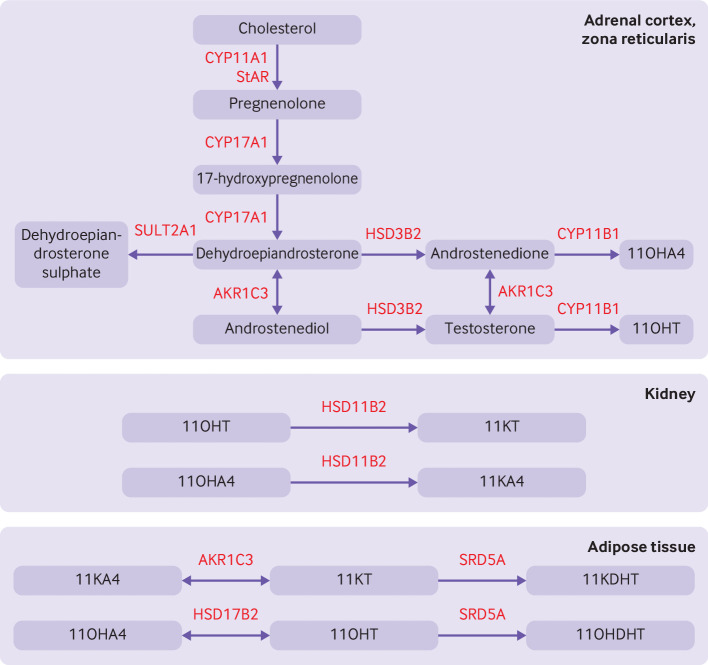
“Increased concentrations of dehydroepi-androsterone sulphate, an almost exclusive product of the adrenal cortex, 40 are apparent in 20-30% of patients with polycystic ovary syndrome.”
11-Oxygenated androgens in health and disease
Turcu, A. F., Rege, J., Auchus, R. J., & Rainey, W. E. (2020) · Nature Reviews Endocrinology · doi:10.1038/s41574-020-0336-x · Cited by 217
O’Reilly, M. W., Kempegowda, P., Walsh, M., Taylor, A. E., Manolopoulos, K. N., Allwood, J. W., Semple, R. K., Hebenstreit, D., Dunn, W. B., Tomlinson, J. W., et al. (2017) · The Journal of Clinical Endocrinology & Metabolism · doi:10.1210/jc.2017-00947 · Cited by 215 · cited 1×
“6 These observations suggest that inhibition of AKR1C3 might be an attractive therapeutic target in patients with polycystic ovary syndrome.”
Epigenetic inheritance of polycystic ovary syndrome — challenges and opportunities for treatment
Stener-Victorin, E., & Deng, Q. (2021) · Nature Reviews Endocrinology · doi:10.1038/s41574-021-00517-x · Cited by 212 · cited 1×
“80”
Prague, J. K., Roberts, R. E., Comninos, A. N., Clarke, S., Jayasena, C. N., Nash, Z., Doyle, C., Papadopoulou, D. A., Bloom, S. R., Mohideen, P., et al. (2017) · The Lancet · doi:10.1016/s0140-6736(17)30823-1 · Cited by 204
Jayasena, C. N., Nijher, G. M. K., Chaudhri, O. B., Murphy, K. G., Ranger, A., Lim, A., Patel, D., Mehta, A., Todd, C., Ramachandran, R., et al. (2009) · The Journal of Clinical Endocrinology & Metabolism · doi:10.1210/jc.2009-0406 · Cited by 203 · cited 1×
“105 Because KP54 preferentially stimulates secretion of luteinising hormone over follicle stimulating hormone, 106 concerns also exist that long term administration of kisspeptin might exacerbate pre-existing deficiency of follicle stimulating hormone in polycystic ovary syndrome.”
Basics of androgen synthesis and action
Naamneh Elzenaty, R., du Toit, T., & Flück, C. E. (2022) · Best Practice & Research Clinical Endocrinology & Metabolism · doi:10.1016/j.beem.2022.101665 · Cited by 199
Storbeck, K.-H., Bloem, L. M., Africander, D., Schloms, L., Swart, P., & Swart, A. C. (2013) · Molecular and Cellular Endocrinology · doi:10.1016/j.mce.2013.07.006 · Cited by 198
Moghetti, P. (1996) · Journal of Clinical Endocrinology & Metabolism · doi:10.1210/jc.81.3.881 · Cited by 196 · cited 1×
“51 AKR1C3 expression and activity in adipocytes is increased by insulin, contributing to increased synthesis of androgens in adipocytes in polycystic ovary syndrome.”
Miyata, S. (2015) · Frontiers in Neuroscience · doi:10.3389/fnins.2015.00390 · Cited by 183
Elkind-Hirsch, K. E., Chappell, N., Shaler, D., Storment, J., & Bellanger, D. (2022) · Fertility and Sterility · doi:10.1016/j.fertnstert.2022.04.027 · Cited by 182 · cited 1×
“133 134 GLP-1 receptor agonists have also been shown to lower levels of androgens 133 135 and improve markers of cardiovascular risk.”
GLP-1 receptor agonists versus metformin in PCOS: a systematic review and meta-analysis
Han, Y., Li, Y., & He, B. (2019) · Reproductive BioMedicine Online · doi:10.1016/j.rbmo.2019.04.017 · Cited by 159
Abbara, A., Jayasena, C. N., Christopoulos, G., Narayanaswamy, S., Izzi-Engbeaya, C., Nijher, G. M. K., Comninos, A. N., Peters, D., Buckley, A., Ratnasabapathy, R., et al. (2015) · The Journal of Clinical Endocrinology & Metabolism · doi:10.1210/jc.2015-2332 · Cited by 153 · cited 1×
“100 101 Administration of a subcutaneous bolus injection of native kisspeptin is safe and well tolerated 103 and also results in higher expression of gonadotrophin receptors (follicle stimulating hormone receptor and luteinising hormone receptor) and steroidogenic enzymes (including aromatase…”
The adrenal and polycystic ovary syndrome
Yıldız, B. O., & Azziz, R. (2007) · Reviews in Endocrine and Metabolic Disorders · doi:10.1007/s11154-007-9054-0 · Cited by 150 · cited 1×
“41 This finding seems to be the result of increased secretory activity of the adrenal cortex because no change in pituitary responsiveness to corticotrophin releasing hormone or reduction in the minimal stimulatory dose of adrenocorticotropic hormone required for Cholesterol is transported to the…”
Ruka, K. A., Burger, L. L., & Moenter, S. M. (2013) · Endocrinology · doi:10.1210/en.2013-1268 · Cited by 150
Azziz, R., Black, V., Hines, G. A., Fox, L. M., & Boots, L. R. (1998) · The Journal of Clinical Endocrinology & Metabolism · doi:10.1210/jcem.83.7.4948 · Cited by 149
Pretorius, E., Africander, D. J., Vlok, M., Perkins, M. S., Quanson, J., & Storbeck, K.-H. (2016) · PLOS ONE · doi:10.1371/journal.pone.0159867 · Cited by 148
New insights into the genetics of polycystic ovary syndrome
Azziz, R. (2016) · Nature Reviews Endocrinology · doi:10.1038/nrendo.2015.230 · Cited by 147
Berni, T. R., Morgan, C. L., & Rees, D. A. (2021) · The Journal of Clinical Endocrinology & Metabolism · doi:10.1210/clinem/dgab392 · Cited by 146 · cited 1×
“1 These health risks could be associated with an increased risk of cardiovascular events 86 and several adverse pregnancy outcomes.”
Transient prenatal androgen exposure produces metabolic syndrome in adult female rats
Demissie, M., Lazic, M., Foecking, E. M., Aird, F., Dunaif, A., & Levine, J. E. (2008) · American Journal of Physiology-Endocrinology and Metabolism · doi:10.1152/ajpendo.90208.2008 · Cited by 143
Robinson, S., Chan, S., Spacey, S., Anyaoku, V., Johnston, D. G., & Franks, S. (1992) · Clinical Endocrinology · doi:10.1111/j.1365-2265.1992.tb02262.x · Cited by 141 · cited 1×
“61 This defect could be driven by androgen excess, because prenatally androgenised sheep have reduced postprandial thermogenesis in adulthood, 62 accompanied by reduced adipose expression of thermogenic uncoupling proteins and sympathetic activity.”
KiSS-1 mRNA in adipose tissue is regulated by sex hormones and food intake
Brown, R. E., Imran, S. A., Ur, E., & Wilkinson, M. (2007) · Molecular and Cellular Endocrinology · doi:10.1016/j.mce.2007.10.011 · Cited by 140 · cited 1×
“19 Circulating levels of kisspeptin are higher in patients with polycystic ovary syndrome than in controls 20 and although the origin of this excess is not entirely clear, a raised pulse frequency of kisspeptin in women with oligomenorrhoea and polycystic ovary syndrome suggests a hypothalamic…”
Nylander, M., Frøssing, S., Clausen, H. V., Kistorp, C., Faber, J., & Skouby, S. O. (2017) · Reproductive BioMedicine Online · doi:10.1016/j.rbmo.2017.03.023 · Cited by 139 · cited 1×
“133 134 GLP-1 receptor agonists have also been shown to lower levels of androgens 133 135 and improve markers of cardiovascular risk.”
Safety of Fezolinetant for Vasomotor Symptoms Associated With Menopause
Neal-Perry, G. S., Cano, A., Lederman, S. N., Nappi, R. E., Santoro, N. F., Wolfman, W., English, M., Franklin, C., Valluri, U., & Ottery, F. D. (2023) · Obstetrics and Gynecology · doi:10.1097/aog.0000000000005114 · Cited by 137
George, J. T., Kakkar, R., Marshall, J., Scott, M. L., Finkelman, R. D., Ho, T. W., Veldhuis, J., Skorupskaite, K., Anderson, R. A., McIntosh, S., et al. (2016) · The Journal of Clinical Endocrinology & Metabolism · doi:10.1210/jc.2016-1202 · Cited by 131
Blank, S. K., McCartney, C. R., Chhabra, S., Helm, K. D., Eagleson, C. A., Chang, R. J., & Marshall, J. C. (2009) · The Journal of Clinical Endocrinology & Metabolism · doi:10.1210/jc.2008-2606 · Cited by 130 · cited 1×
“Insulin acts as a co-gonadotrophin in the ovaries, 36 impairs progesterone mediated inhibition of the gonadotrophin releasing hormone pulse generator, 50 and facilitates synthesis of androgens in the adrenal glands by increasing adrenocorticotropic hormone stimulated steroidogenesis.”
Cross-Ethnic Meta-Analysis of Genetic Variants for Polycystic Ovary Syndrome
Louwers, Y. V., Stolk, L., Uitterlinden, A. G., & Laven, J. S. E. (2013) · The Journal of Clinical Endocrinology & Metabolism · doi:10.1210/jc.2013-2495 · Cited by 128 · cited 1×
“71 72 These observations indicate a shared ancestry for polycystic ovary syndrome and reinforce the importance of neuroendocrine and metabolic pathways in the pathogenesis of the disease.”
Hiam, D., Moreno-Asso, A., Teede, H. J., Laven, J. S. E., Stepto, N. K., Moran, L. J., & Gibson-Helm, M. (2019) · Journal of Clinical Medicine · doi:10.3390/jcm8101606 · Cited by 126
Yang, J. J., Caligioni, C. S., Chan, Y.-M., & Seminara, S. B. (2012) · Endocrinology · doi:10.1210/en.2011-1949 · Cited by 123
Al Wattar, B. H., Fisher, M., Bevington, L., Talaulikar, V., Davies, M., Conway, G., & Yasmin, E. (2021) · The Journal of Clinical Endocrinology & Metabolism · doi:10.1210/clinem/dgab232 · Cited by 123
Manikkam, M., Steckler, T. L., Welch, K. B., Inskeep, E. K., & Padmanabhan, V. (2006) · Endocrinology · doi:10.1210/en.2005-1338 · Cited by 122 · cited 1×
“77 A programming effect might also persist transgenerationally, because pregnant mice treated with dihydrotestosterone produced female offspring with polycystic ovary syndrome-like phenotypes from the first to the third generations of offspring.”
Borruel, S., Fernández-Durán, E., Alpañés, M., Martí, D., Álvarez-Blasco, F., Luque-Ramírez, M., & Escobar-Morreale, H. F. (2013) · The Journal of Clinical Endocrinology & Metabolism · doi:10.1210/jc.2012-3698 · Cited by 122 · cited 1×
“7 54 Several studies have also implicated hyperandrogenism in the accumulation of abdominal and visceral adipose tissue in polycystic ovary syndrome 55 56 ; this hyperandrogenism further drives insulin resistance and consequent production of androgens (figure 1).”
Javed, Z., Papageorgiou, M., Deshmukh, H., Rigby, A. S., Qamar, U., Abbas, J., Khan, A. Y., Kilpatrick, E. S., Atkin, S. L., & Sathyapalan, T. (2019) · Clinical Endocrinology · doi:10.1111/cen.13968 · Cited by 121
Pundir, J., Psaroudakis, D., Savnur, P., Bhide, P., Sabatini, L., Teede, H., Coomarasamy, A., & Thangaratinam, S. (2018) · BJOG: An International Journal of Obstetrics & Gynaecology · doi:10.1111/1471-0528.14754 · Cited by 115 · cited 1×
“Preliminary studies suggest that the insulin sensitiser inositol might improve glycaemic control 99 and new international guidelines recommend shared decision making on using inositol for its potential metabolic benefits in polycystic ovary syndrome.”
A meta-analysis of polycystic ovary syndrome in women taking valproate for epilepsy
Hu, X., Wang, J., Dong, W., Fang, Q., Hu, L., & Liu, C. (2011) · Epilepsy Research · doi:10.1016/j.eplepsyres.2011.07.006 · Cited by 111 · cited 1×
“122 In contrast, peripheral levels of GABA are reduced in patients with polycystic ovary syndrome, 123 and enteral administration of GABA A reduced body mass index and levels of testosterone in a letrozole induced polycystic ovary syndrome model.”
Polycystic Ovary Syndrome Is Associated With Adverse Mental Health and Neurodevelopmental Outcomes
Berni, T. R., Morgan, C. L., Berni, E. R., & Rees, D. A. (2018) · The Journal of Clinical Endocrinology & Metabolism · doi:10.1210/jc.2017-02667 · Cited by 111
Neuroendocrine Impairments of Polycystic Ovary Syndrome
Ruddenklau, A., & Campbell, R. E. (2019) · Endocrinology · doi:10.1210/en.2019-00428 · Cited by 108 · cited 3×
“4 Dynorphin, which activates kappa opioid receptors on KNDy neurons to inhibit secretion of gonado-trophin releasing hormone, 22 26 has been shown to mediate progesterone negative feedback on gonad-otrophin releasing hormone neurons in sheep 27 and humans.”
Safiri, S., Noori, M., Nejadghaderi, S. A., Karamzad, N., Carson-Chahhoud, K., Sullman, M. J. M., Collins, G. S., Kolahi, A.-A., & Avery, J. (2022) · Human Reproduction · doi:10.1093/humrep/deac091 · Cited by 108
Role of Anti-Müllerian Hormone in the Pathogenesis of Polycystic Ovary Syndrome
Dewailly, D., Barbotin, A.-L., Dumont, A., Catteau-Jonard, S., & Robin, G. (2020) · Frontiers in Endocrinology · doi:10.3389/fendo.2020.00641 · Cited by 104 · cited 1×
“30”
Kisspeptin receptor agonist has therapeutic potential for female reproductive disorders
Abbara, A., Eng, P. C., Phylactou, M., Clarke, S. A., Richardson, R. E., Sykes, C. M., Phumsatitpong, C., Mills, E., Modi, M., Izzi‐Engbeaya, C. N., et al. (2020) · Journal of Clinical Investigation · doi:10.1172/jci139681 · Cited by 104
Genome-wide association study identified new susceptibility loci for polycystic ovary syndrome
Lee, H., Oh, J.-Y., Sung, Y.-A., Chung, H., Kim, H.-L., Kim, G. S., Cho, Y. S., & Kim, J. T. (2015) · Human Reproduction · doi:10.1093/humrep/deu352 · Cited by 97
Abbott, D. H., Bruns, C. R., Barnett, D. K., Dunaif, A., Goodfriend, T. L., Dumesic, D. A., & Tarantal, A. F. (2010) · American Journal of Physiology-Endocrinology and Metabolism · doi:10.1152/ajpendo.00058.2010 · Cited by 97
Elkind-Hirsch, K. E., Chappell, N., Seidemann, E., Storment, J., & Bellanger, D. (2021) · The Journal of Clinical Endocrinology & Metabolism · doi:10.1210/clinem/dgab408 · Cited by 96
Wang, F. ‐., Wu, Y., Zhu, Y. ‐., Ding, T., Batterham, R. L., Qu, F., & Hardiman, P. J. (2018) · Obesity Reviews · doi:10.1111/obr.12720 · Cited by 92
Aldo-Keto Reductase (AKR) 1C3 inhibitors: a patent review
Penning, T. M. (2017) · Expert Opinion on Therapeutic Patents · doi:10.1080/13543776.2017.1379503 · Cited by 89
Kisspeptin and LH pulsatile temporal coupling in PCOS patients
Katulski, K., Podfigurna, A., Czyzyk, A., Meczekalski, B., & Genazzani, A. D. (2018) · Endocrine · doi:10.1007/s12020-018-1609-1 · Cited by 88 · cited 4×
“Targeting expression of fibroblast growth factor 21 during an appropriate period in development might be a therapeutic option.”
InfluentialProgestins Increase Endogenous Opioid Peptide Activity in Postmenopausal Women*
Casper, R. F., & ALAPIN-RUBILLOVITZ, S. (1985) · The Journal of Clinical Endocrinology & Metabolism · doi:10.1210/jcem-60-1-34 · Cited by 87 · cited 1×
“22 28 Neuronal activity of gonadotrophin releasing hormone is also regulated by other substances, including γ -aminobutyric acid (GABA) and anti-müllerian hormone, both of which stimulate gonadotrophin releasing hormone neurons directly.”
Role of vascular endothelial growth factor in women with PCO and PCOS: a systematic review
Peitsidis, P., & Agrawal, R. (2010) · Reproductive BioMedicine Online · doi:10.1016/j.rbmo.2010.01.007 · Cited by 87
Wang, L., Li, S., Zhao, A., Tao, T., Mao, X., Zhang, P., & Liu, W. (2012) · The Journal of Steroid Biochemistry and Molecular Biology · doi:10.1016/j.jsbmb.2012.02.003 · Cited by 82
The Effects of Estrogens on Neural Circuits That Control Temperature
Zhang, Z., DiVittorio, J. R., Joseph, A., & Correa, S. M. (2021) · Endocrinology · doi:10.1210/endocr/bqab087 · Cited by 81
Kawwass, J. F., Sanders, K. M., Loucks, T. L., Rohan, L. C., & Berga, S. L. (2017) · Human Reproduction · doi:10.1093/humrep/dex086 · Cited by 79 · cited 1×
“29 Anti-müllerian hormone is secreted by ovarian granulosa cells, where raised levels in women with polycystic ovary syndrome disrupt folliculogenesis and ovulation.”
Malone, S. A., Papadakis, G. E., Messina, A., Mimouni, N. E. H., Trova, S., Imbernon, M., Allet, C., Cimino, I., Acierno, J., Cassatella, D., et al. (2019) · eLife · doi:10.7554/elife.47198 · Cited by 79 · cited 1×
“…releasing hormone neurons in mice and humans express anti-müllerian hormone receptor type 2, 31 with studies implicating anti-müllerian hormone in neuronal migration of gonadotrophin releasing hormone, 32 gonadotrophin releasing hormone pulsatility, and secretion of luteinising hormone.”
Rees, D. A., Jenkins-Jones, S., & Morgan, C. L. (2016) · The Journal of Clinical Endocrinology & Metabolism · doi:10.1210/jc.2015-2682 · Cited by 78
Morán, C., Reyna, R., BOOTS, L., & Azziz, R. (2004) · Fertility and Sterility · doi:10.1016/j.fertnstert.2003.07.008 · Cited by 77
Azziz, R. (1998) · The Journal of Clinical Endocrinology & Metabolism · doi:10.1210/jc.83.7.2317 · Cited by 77
Deeks, E. D. (2021) · Drugs · doi:10.1007/s40265-021-01619-6 · Cited by 76
Zhang, J., Xing, C., Cheng, X., & He, B. (2022) · Frontiers in Endocrinology · doi:10.3389/fendo.2022.1003238 · Cited by 76
Khanim, F. L., Hayden, R. E., Birtwistle, J., Lodi, A., Tiziani, S., Davies, N. J., Ride, J. P., Viant, M. R., Gunther, U. L., Mountford, J. C., et al. (2009) · PLoS ONE · doi:10.1371/journal.pone.0008147 · Cited by 74 · cited 1×
“125 128 Although steroidal based inhibitors of AKR1C3 are in development, the therapeutic potential in preclinical models of polycystic ovary syndrome has not been examined.”
Loriot, Y., Fizazi, K. S., Jones, R. J., den Brande, J. V., Molife, R., Omlin, A. G., James, N. D., Baskin-Bey, E. S., Heeringa, M. J., Baron, B., et al. (2014) · Investigational New Drugs · doi:10.1007/s10637-014-0101-x · Cited by 73
Abbara, A., Clarke, S. A., Islam, R., Prague, J., Comninos, A. N., Narayanaswamy, S., Papadopoulou, D., Roberts, R. E., Izzi‐Engbeaya, C. N., Ratnasabapathy, R., et al. (2017) · Human Reproduction · doi:10.1093/humrep/dex253 · Cited by 73
Treatments targeting neuroendocrine dysfunction in polycystic ovary syndrome (PCOS)
Garg, A., Patel, B., Abbara, A., & Dhillo, W. S. (2022) · Clinical Endocrinology · doi:10.1111/cen.14704 · Cited by 72 · cited 1×
“4 Nevertheless, KP54 effectively induced ovulation in neonatally androge-nised rats but not in prenatal androgenisation or post-weaning androgenisation models.”
Kisspeptin and the Hypothalamic Control of Reproduction: Lessons from the Human
George, J. T., & Seminara, S. B. (2012) · Endocrinology · doi:10.1210/en.2012-1429 · Cited by 70 · cited 1×
“105 Because KP54 preferentially stimulates secretion of luteinising hormone over follicle stimulating hormone, 106 concerns also exist that long term administration of kisspeptin might exacerbate pre-existing deficiency of follicle stimulating hormone in polycystic ovary syndrome.”
Fraser, G. L., Obermayer-Pietsch, B. M., Laven, J. S. E., Griesinger, G., Pintiaux, A., Timmerman, D., Fauser, B. C. J. M., Lademacher, C., Combalbert, J., Hoveyda, H. R., et al. (2021) · The Journal of Clinical Endocrinology & Metabolism · doi:10.1210/clinem/dgab320 · Cited by 69
Changes in clinical and biochemical characteristics of polycystic ovary syndrome with advancing age
de Medeiros, S. F., Yamamoto, M. M. W., de Medeiros, M. A. S., Barbosa, B. B., Soares, J. M., & Baracat, E. C. (2020) · Endocrine Connections · doi:10.1530/ec-19-0496 · Cited by 66
Forslund, M., Melin, J., Alesi, S., Piltonen, T., Romualdi, D., Tay, C. T., Witchel, S., Pena, A., Mousa, A., & Teede, H. (2023) · European Journal of Endocrinology · doi:10.1093/ejendo/lvad082 · Cited by 66
Romero‐Ruíz, A., Skorupskaite, K., Gaytán, F., Torres, E., Perdices-López, C., Mannaerts, B. M. J. L., Qi, S., León, S., Manfredi-Lozano, M., Lopez-Rodriguez, C., et al. (2019) · Human Reproduction · doi:10.1093/humrep/dez205 · Cited by 64
Mechanistic insights into the more potent effect of KP-54 compared to KP-10 in vivo
de Tassigny, X. D., Jayasena, C. N., Murphy, K. G., Dhillo, W. S., & Colledge, W. H. (2017) · PLoS ONE · doi:10.1371/journal.pone.0176821 · Cited by 63
Pundir, J., Charles, D., Sabatini, L., Hiam, D., Jitpiriyaroj, S., Teede, H., Coomarasamy, A., Moran, L., & Thangaratinam, S. (2019) · Human Reproduction Update · doi:10.1093/humupd/dmy045 · Cited by 63
Paulukinas, R. D., Mesaros, C. A., & Penning, T. M. (2022) · Endocrinology · doi:10.1210/endocr/bqac068 · Cited by 63
O’Reilly, M., Gathercole, L., Capper, F., Arlt, W., & Tomlinson, J. (2015) · The Lancet · doi:10.1016/s0140-6736(15)60331-2 · Cited by 62 · cited 1×
“52 Insulin also inhibits sex hormone binding globulin, facilitating hyper-androgenism by increasing the percentage of free biologically active androgens.”
Long‐term health outcomes in young women with polycystic ovary syndrome: A narrative review
Allen, L. A., Shrikrishnapalasuriyar, N., & Rees, D. A. (2022) · Clinical Endocrinology · doi:10.1111/cen.14609 · Cited by 62
Al Wattar, B. H., Teede, H., Garad, R., Franks, S., Balen, A., Bhide, P., Piltonen, T., Romualdi, D., Laven, J., Thondan, M., et al. (2020) · Human Reproduction · doi:10.1093/humrep/dez272 · Cited by 60
Abdalla, M. A., Deshmukh, H., Atkin, S., & Sathyapalan, T. (2021) · Therapeutic Advances in Endocrinology and Metabolism · doi:10.1177/2042018821989238 · Cited by 60 · cited 1×
“130 Although these properties might be therapeutically attractive in patients with polycystic ovary syndrome, previous randomised controlled trials were largely small, single centre, and of limited duration.”
Systemic hormonal contraception and risk of venous thromboembolism
Heikinheimo, O., Toffol, E., Partonen, T., But, A., Latvala, A., & Haukka, J. (2022) · Acta Obstetricia Et Gynecologica Scandinavica · doi:10.1111/aogs.14384 · Cited by 58
Tan, S., Ignatenko, S., Wagner, F., Dokras, A., Seufert, J., Zwanziger, D., Dunschen, K., Zakaria, M., Huseinovic, N., Basson, C. T., et al. (2021) · Diabetes, Obesity and Metabolism · doi:10.1111/dom.14495 · Cited by 57 · cited 1×
“143 148 Canagliflozin showed greater improvements in body mass index (P=0.006), basal metabolic rate (P=0.02), and fat mass (P=0.02) than metformin in women with polycystic ovary syndrome, but not in hormonal or metabolic parameters.”
InfluentialTestosterone, Dehydroepiandrosterone, and Dehydroepiandrosterone Sulfate in Hyperandrogenic Women
Steinberger, E., Smith, K. D., & Rodriguez‐Rigau, L. J. (1984) · The Journal of Clinical Endocrinology & Metabolism · doi:10.1210/jcem-59-3-471 · Cited by 56
The Role of Central Androgen Receptor Actions in Regulating the Hypothalamic-Pituitary-Ovarian Axis
Walters, K. A., Edwards, M. C., Tesic, D., Caldwell, A. S. L., Jimenez, M., Smith, J. T., & Handelsman, D. J. (2018) · Neuroendocrinology · doi:10.1159/000487762 · Cited by 55
Neurokinin 3 Receptor Antagonism: A Novel Treatment for Menopausal Hot Flushes
Modi, M., & Dhillo, W. S. (2019) · Neuroendocrinology · doi:10.1159/000495889 · Cited by 55
The direct and indirect effects of kisspeptin-54 on granulosa lutein cell function
Owens, L. A., Abbara, A., Lerner, A., O’floinn, S., Christopoulos, G., Khanjani, S., Islam, R., Hardy, K., Hanyaloglu, A. C., Lavery, S. A., et al. (2018) · Human Reproduction · doi:10.1093/humrep/dex357 · Cited by 54 · cited 1×
“104 Use of KP54 as an ovulation induction agent, however, might be limited by tachyphylaxis.”
Erratum: PCOS in 2015: New insights into the genetics of polycystic ovary syndrome
Azziz, R. (2016) · Nature Reviews Endocrinology · doi:10.1038/nrendo.2016.9 · Cited by 52
Advances in clinical applications of kisspeptin-GnRH pathway in female reproduction
Hu, K.-L., Chen, Z., Li, X., Cai, E., Yang, H., Chen, Y., Wang, C., Ju, L., Deng, W., & Mu, L. (2022) · Reproductive Biology and Endocrinology · doi:10.1186/s12958-022-00953-y · Cited by 52
Ullah, A., Jahan, S., Razak, S., Pirzada, M., Ullah, H., Almajwal, A. M., Rauf, N., & Afsar, T. (2017) · Journal of Ovarian Research · doi:10.1186/s13048-017-0359-7 · Cited by 51 · cited 1×
“124 Antagonism of the anti-müllerian hormone pathway might also be therapeutically useful; recent insights into the structural basis for binding of anti-müllerian hormone to anti-müllerian hormone receptor type 2 could facilitate the rational design of anti-müllerian hormone antagonists.”
Structure of AMH bound to AMHR2 provides insight into a unique signaling pair in the TGF-β family
Hart, K. N., Stocker, W. A., Nagykery, N. G., Walton, K. L., Harrison, C. A., Donahoe, P. K., Pépin, D., & Thompson, T. B. (2021) · Proceedings of the National Academy of Sciences · doi:10.1073/pnas.2104809118 · Cited by 51 · cited 1×
“125 128 Although steroidal based inhibitors of AKR1C3 are in development, the therapeutic potential in preclinical models of polycystic ovary syndrome has not been examined.”
Semaglutide reduces fat accumulation in the tongue: A randomized single-blind, pilot study
Jensterle, M., Ferjan, S., Vovk, A., Battelino, T., Rizzo, M., & Janež, A. (2021) · Diabetes Research and Clinical Practice · doi:10.1016/j.diabres.2021.108935 · Cited by 49 · cited 1×
“138 Newer longer acting GLP-1 analogues, such as semaglutide or dulaglu-tide, 139 140 or dual GLP- 1-glucose dependent insuli-notropic polypeptide agonists, such as tirzepatide, 141 could provide more therapeutic opportunities, with the potential benefits of greater effects on weight loss, longer…”
Kisspeptin-neuron control of LH pulsatility and ovulation
Stevenson, H., Bartram, S., Charalambides, M. M., Murthy, S., Petitt, T., Pradeep, A., Vineall, O., Abaraonye, I., Lancaster, A., Koysombat, K., et al. (2022) · Frontiers in Endocrinology · doi:10.3389/fendo.2022.951938 · Cited by 48 · cited 2×
“…in the infundibular nucleus function as the gonadotrophin releasing hormone pulse generator 15 and mediate negative feedback from oestradiol, 16 whereas a separate kisspeptin population located in the preoptic area mediates oestradiol positive feedback to produce the mid-cycle surge in…”
Du, Q., Yang, S., Wang, Y.-J., Wu, B., Zhao, Y.-Y., & Fan, B. (2012) · Advances in Therapy · doi:10.1007/s12325-012-0044-6 · Cited by 47
Zhang, Y., Qu, Z., Lu, T., Shao, X., Cai, M., Dilimulati, D., Gao, X., Mao, W., Hu, F., Su, L., et al. (2023) · Nutrients · doi:10.3390/nu15030556 · Cited by 45
Nylander, M., Frøssing, S., Kistorp, C., Faber, J., & Skouby, S. O. (2017) · Endocrine Connections · doi:10.1530/ec-16-0113 · Cited by 44 · cited 1×
“136 137 A meta-analysis of eight randomised controlled trials concluded that GLP-1 agonists were more effective than metformin in improving homeostasis model assessment-insulin resistance (standard mean difference −0.40, 95% confidence interval −0.74 to −0.06), abdominal circumference (−0.45, −0.89…”
InfluentialOberg, E., Gidlöf, S., Jakson, I., Mitsell, M., Tollet Egnell, P., & Hirschberg, A. L. (2019) · Clinical Endocrinology · doi:10.1111/cen.13919 · Cited by 43
Polycystic ovary syndrome and adipose tissue
Lemaître, M., Christin‐Maître, S., & Kerlan, V. (2023) · Annales d Endocrinologie · doi:10.1016/j.ando.2022.11.004 · Cited by 40 · cited 1×
“60 The function of brown adipose tissue might also be disrupted because women with polycystic ovary syndrome showed reduced postprandial thermogenesis compared with controls matched for body mass index.”
Yin, Y. D., Fu, M., Brooke, D. G., Heinrich, D. M., Denny, W. A., & Jamieson, S. M. F. (2014) · Frontiers in Oncology · doi:10.3389/fonc.2014.00159 · Cited by 38
McCarthy, E. A., Dischino, D., Maguire, C., Leon, S., Talbi, R., Cheung, E., Schteingart, C. D., Rivière, P. J. M., Reed, S. D., Steiner, R. A., et al. (2022) · The Journal of Clinical Endocrinology & Metabolism · doi:10.1210/clinem/dgab602 · Cited by 38 · cited 1×
“121 Centrally acting GABA A antagonists might also benefit patients with polycystic ovary syndrome.”
Kobayashi, T., Sasaki, S., Tomita, N., Fukui, S., Nakayama, M., Kiba, A., Kusaka, M., Matsumoto, S.-I., Yamaguchi, M., Itoh, F., et al. (2010) · Bioorganic & Medicinal Chemistry · doi:10.1016/j.bmc.2010.05.061 · Cited by 37
Current and emerging drug treatment strategies for polycystic ovary syndrome
Helvaci, N., & Yildiz, B. O. (2023) · Expert Opinion on Pharmacotherapy · doi:10.1080/14656566.2022.2108702 · Cited by 35 · cited 1×
“131 Nevertheless, in a network meta-analysis of 941 women with polycystic ovary syndrome and overweight or obesity, liraglutide was superior to metformin (mean difference −3.82, 95% confidence interval −4.44 to −3.20) and orlistat (−1.95, −3.74 to −0.16) in reducing body weight.”
InfluentialAlbers-Wolthers, C. H. J., de Gier, J., Walen, M., van Kooten, P. J. S., Lambalk, C. B., Leegwater, P. A. J., Roelen, B. A. J., Okkens, A. C., Rutten, V. P. M. G., Millar, R. P., et al. (2017) · PLoS ONE · doi:10.1371/journal.pone.0179156 · Cited by 33
The Effect of Exenatide on Cardiovascular Risk Markers in Women With Polycystic Ovary Syndrome
Dawson, A. J., Sathyapalan, T., Vince, R., Coady, A.-M., Ajjan, R. A., Kilpatrick, E. S., & Atkin, S. L. (2019) · Frontiers in Endocrinology · doi:10.3389/fendo.2019.00189 · Cited by 33 · cited 1×
“136 137 A meta-analysis of eight randomised controlled trials concluded that GLP-1 agonists were more effective than metformin in improving homeostasis model assessment-insulin resistance (standard mean difference −0.40, 95% confidence interval −0.74 to −0.06), abdominal circumference (−0.45, −0.89…”
InfluentialQi, X., Yun, C., Sun, L., Xia, J., Wu, Q., Wang, Y., Wang, L., Zhang, Y., Liang, X., Wang, L., et al. (2019) · Nature Medicine · doi:10.1038/s41591-019-0562-8 · Cited by 32
Gambineri, A., Fanelli, F., Tomassoni, F., Munarini, A., Pagotto, U., Andrew, R., Walker, B. R., & Pasquali, R. (2014) · European Journal of Endocrinology · doi:10.1530/eje-13-1030 · Cited by 30 · cited 1×
“38 Raised circulating levels and ovarian expression of vascular endothelial growth factor also contribute to the hypervascular, hyperplastic appearance of the ovarian stroma and theca interna in polycystic ovary syndrome, and might contribute to increased ovarian androgen synthesis.”
Sucquart, I. E., Nagarkar, R., Edwards, M. C., Paris, V. R., Aflatounian, A., Bertoldo, M. J., Campbell, R. E., Gilchrist, R. B., Begg, D. P., Handelsman, D. J., et al. (2021) · Endocrinology · doi:10.1210/endocr/bqab020 · Cited by 28
Li, X., Hu, S., Zhu, Q., Yao, G., Yao, J., Li, J., Wang, Y., Ding, Y., Qi, J., Xu, R., et al. (2021) · Metabolism · doi:10.1016/j.metabol.2021.154749 · Cited by 26 · cited 3×
“37 Although 11 β -HSD1 is widely expressed, dysregulation seems to be tissue specific, because hepatic 11 β -HSD1 activity is impaired and expression of 11 β -HSD1 in subcutaneous adipose tissue is increased in patients with polycystic ovary syndrome.”
InfluentialJaved, Z., Papageorgiou, M., Madden, L. A., Rigby, A. S., Kilpatrick, E. S., Atkin, S. L., & Sathyapalan, T. (2020) · Endocrine Connections · doi:10.1530/ec-20-0173 · Cited by 24
Wada, I., MATSON, P. L., Troup, S. A., & Lieberman, B. A. (1993) · BJOG An International Journal of Obstetrics & Gynaecology · doi:10.1111/j.1471-0528.1993.tb12981.x · Cited by 20 · cited 1×
“85 Consistent with our understanding of the pathogenesis, however, polycystic ovary syndrome is also recognised as a metabolic disorder, with long term health risks, including hypertension, type 2 diabetes, dyslipidaemia, insulin resistance, and obesity.”
Characterization of the Action of Tachykinin Signaling on Pulsatile LH Secretion in Male Mice
Talbi, R., Ferrari, K., Choi, J. H., Gerutshang, A., McCarthy, E. A., Dischino, D., León, S., & Navarro, V. M. (2021) · Endocrinology · doi:10.1210/endocr/bqab074 · Cited by 20
Keen, K. L., Petersen, A. J., Figueroa, A. G., Fordyce, B. I., Shin, J., Yadav, R., Erdin, S., Pearce, R. A., Talkowski, M. E., Bhattacharyya, A., et al. (2021) · Endocrinology · doi:10.1210/endocr/bqab120 · Cited by 20
Radwan, R. A., AbuelEzz, N. Z., Abdelraouf, S. M., Bakeer, E. M., & Rahman, A. A. A. E. (2019) · Journal of Medical Biochemistry · doi:10.2478/jomb-2018-0051 · Cited by 18 · cited 1×
“122 In contrast, peripheral levels of GABA are reduced in patients with polycystic ovary syndrome, 123 and enteral administration of GABA A reduced body mass index and levels of testosterone in a letrozole induced polycystic ovary syndrome model.”
Siemienowicz, K. J., Rae, M. T., Howells, F., Anderson, C., Nicol, L. M., Franks, S., & Duncan, W. C. (2020) · iScience · doi:10.1016/j.isci.2020.101164 · Cited by 16 · cited 1×
“61 This defect could be driven by androgen excess, because prenatally androgenised sheep have reduced postprandial thermogenesis in adulthood, 62 accompanied by reduced adipose expression of thermogenic uncoupling proteins and sympathetic activity.”
Siemienowicz, K. J., Furmanska, K., Filis, P., Talia, C., Thomas, J. L., Fowler, P., Rae, M. T., & Duncan, W. C. (2021) · Molecular and Cellular Endocrinology · doi:10.1016/j.mce.2021.111196 · Cited by 14 · cited 1×
“Adolescent prenatally androgenised sheep also showed reduced hepatic expression and circulating levels of fibroblast growth factor 21, 63 a hormone that regulates adipocyte function, insulin sensitivity, and energy balance.”
Mills, E., & Dhillo, W. S. (2022) · Journal of Neuroendocrinology · doi:10.1111/jne.13201 · Cited by 13 · cited 1×
“100 101 Administration of a subcutaneous bolus injection of native kisspeptin is safe and well tolerated 103 and also results in higher expression of gonadotrophin receptors (follicle stimulating hormone receptor and luteinising hormone receptor) and steroidogenic enzymes (including aromatase…”
Melson, E., Rocha, T. P., Veen, R. J., Abdi, L., McDonnell, T., Tandl, V., Hawley, J. M., Wittemans, L. B. L., Anthony, A. V., Gilligan, L. C., et al. (2023) · Endocrine Abstracts · doi:10.1530/endoabs.90.oc11.2 · Cited by 3 · cited 2×
“58 The adrenal derived androgen group had the highest rates of hirsutism, insulin resistance, and type 2 diabetes.”
Research works printed but not linked: 2
- 10.1210/endocr/bqab087 · DOI
- 10.1038/ncomms6945 · DOI · Paper page
Cited by
Stener-Victorin, E., Teede, H., Norman, R. J., Legro, R., Goodarzi, M. O., Dokras, A., Laven, J., Hoeger, K., & Piltonen, T. T. (2024) · Nature Reviews Disease Primers · doi:10.1038/s41572-024-00511-3 · Cited by 495
“Exploration of GWAS combined with sophisticated cluster analyses in data sets has suggested grouping around core endocrine features across hyperandrogenaemia, hyperinsulinaemia, hypothalamic– pituitary abnormalities and BMI 19,94,224,228 .”
Unveiling Gestational Diabetes: An Overview of Pathophysiology and Management
Mittal, R., Prasad, K., Lemos, J. R. N., Arevalo, G., & Hirani, K. (2025) · International Journal of Molecular Sciences · doi:10.3390/ijms26052320 · Cited by 189
The last update on polycystic ovary syndrome(PCOS), diagnosis criteria, and novel treatment
Ghafari, A., Maftoohi, M., Samarin, M. E., Barani, S., Banimohammad, M., & Samie, R. (2025) · Endocrine and Metabolic Science · doi:10.1016/j.endmts.2025.100228 · Cited by 97
Emerging Frontiers in GLP-1 Therapeutics: A Comprehensive Evidence Base (2025)
Patel, S., & Niazi, S. K. (2025) · Pharmaceutics · doi:10.3390/pharmaceutics17081036 · Cited by 54
“GLP-1 RAs enhance insulin sensitivity by increasing signaling in skeletal muscle, liver, and adipose tissue, reduce hyperinsulinemia through improved pancreatic β -cell function, and facilitate weight loss by addressing adipose tissue dysfunction [125–127].”
Rambaran, N., & Islam, M. S. (2025) · World Journal of Diabetes · doi:10.4239/wjd.v16.i7.108789 · Cited by 49
Metadata
- Authors
- Dong, J., & Rees, D. A.
- Affiliations
- Cardiff University (GB)
- Neuroscience and Mental Health Innovation Institute, School of Medicine, Cardiff University, Cardiff, UK
- ORCID
- Dong, Jiawen
- Venue
- BMJ Medicine
- Publisher
- BMJ
- Published
- 2023-10
- Volume
- 2
- Issue
- 1
- Pages
- e000548
- ISSN
- 2754-0413 (ISSN-L)
- PMC
- PMC10583117
- OpenAlex
- W4387569535
- Semantic Scholar
- 728dbd11c295a2d8031b46e53a08d75c3a902c96
- Cited by
- 123
- References
- 157
- Citations by year
- 2026: 64 · 2025: 46 · 2024: 12 · 2023: 1
- FWCI
- 4.99
- Type
- journal article
- Language
- en
- Open access
- gold
- doi.org
- Licence
- Locations
- BMJ Medicine (publishedVersion, cc-by-nc)
- PubMed Central (publishedVersion, cc-by-nc)
- PubMed (publishedVersion)
- ORCA Online Research @Cardiff (Cardiff University) (acceptedVersion, cc-by-nc)
- DOAJ (DOAJ: Directory of Open Access Journals) (submittedVersion, cc-by-sa)
- Funders
- Anonymous benefactor grant to Cardiff University (521809)
- Topics
- Health Sciences › Medicine › Reproductive Medicine › Ovarian function and disorders
- Health Sciences › Medicine › Reproductive Medicine › Reproductive Biology and Fertility
- Life Sciences › Biochemistry, Genetics and Molecular Biology › Genetics › Genetic and Kidney Cyst Diseases
- Keywords
- polycystic ovary syndrome, pathophysiology, hyperandrogenism, ovulatory dysfunction, insulin resistance, 11-oxygenated androgens, kisspeptin, gut microbiota, steroidogenesis, epigenetic programming, cardiometabolic disease, pregnancy complications, mental health, polygenic predisposition, adipocyte biology, metabolomics, drug development
About these checks
Registry, retraction, Cites and statistics results are computed, not judged, with one exception: a printed reference that no index lists is read once by a model before it counts as a citation error. Claims are extracted by a model and kept only when their quote appears verbatim in the text; each cited source is then checked, with a model’s help, for whether it says what the claim relies on. Those verdicts can be wrong — read the claim’s quote and the cited source before relying on one.
Statistics and arithmetic are recomputed, not judged.
Confidence bands are shown only for fields calibrated on our annotated test set. None is calibrated yet, so no band is shown.
What counts as a claim ›How we measure confidence ›How we check this ›
Are you an author, or do you see a problem with this page? Request a review
Data sources
Bibliographic data: Semantic Scholar, OpenAlex, Crossref.
Contains information from the Semantic Scholar Academic Graph Datasets, made available under the ODC Attribution License (ODC-BY 1.0).
Semantic Scholar’s data is described in: Kinney, R., et al. (2023). The Semantic Scholar Open Data Platform. arXiv:2301.10140.
