

Dysbiosis of maternal and neonatal microbiota associated with gestational diabetes mellitus
Open accessThe DOI matches its Crossref record; 42 of the 42 references it cites were found in a registry or an index.
Abstract
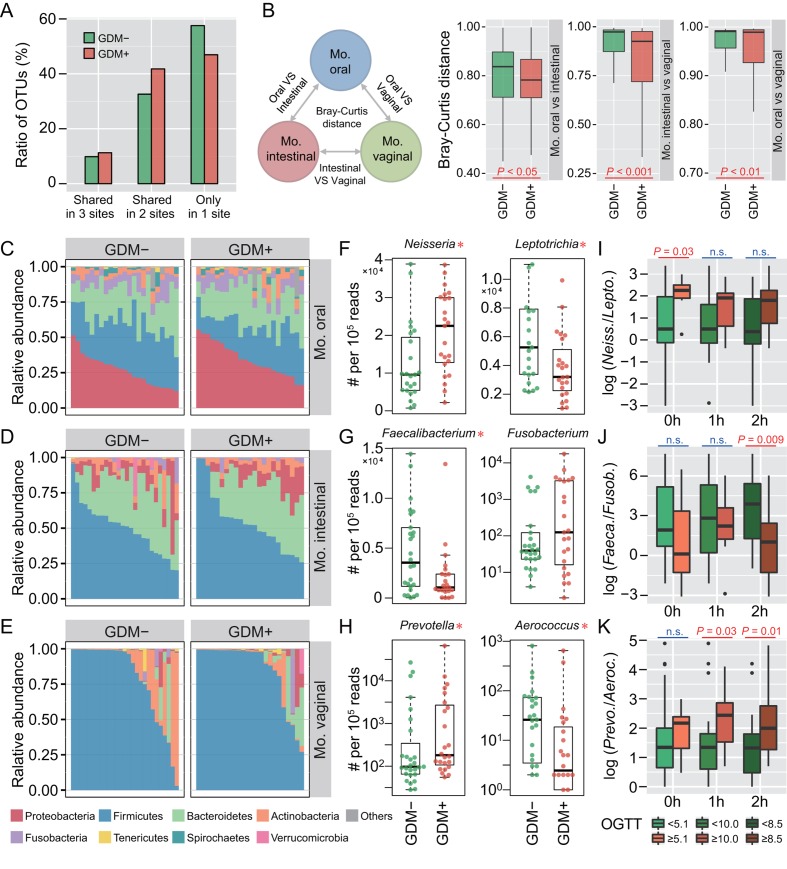
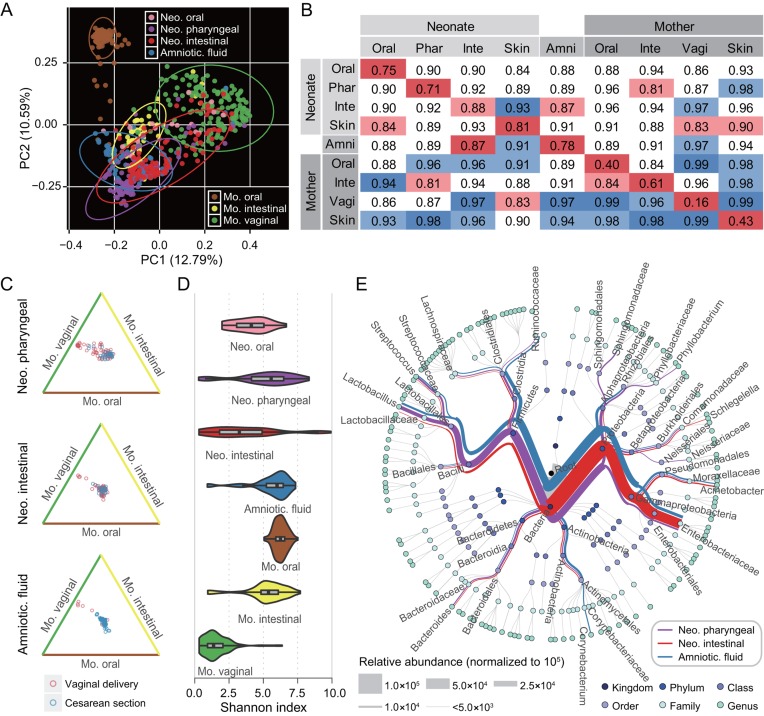
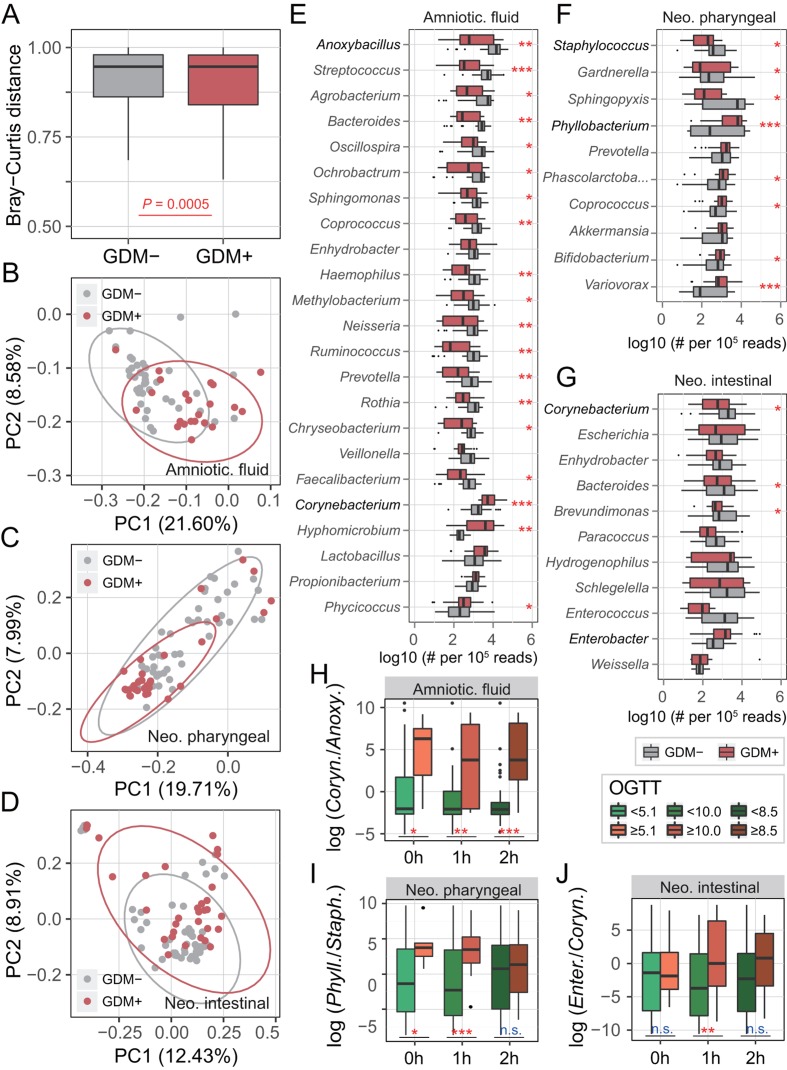
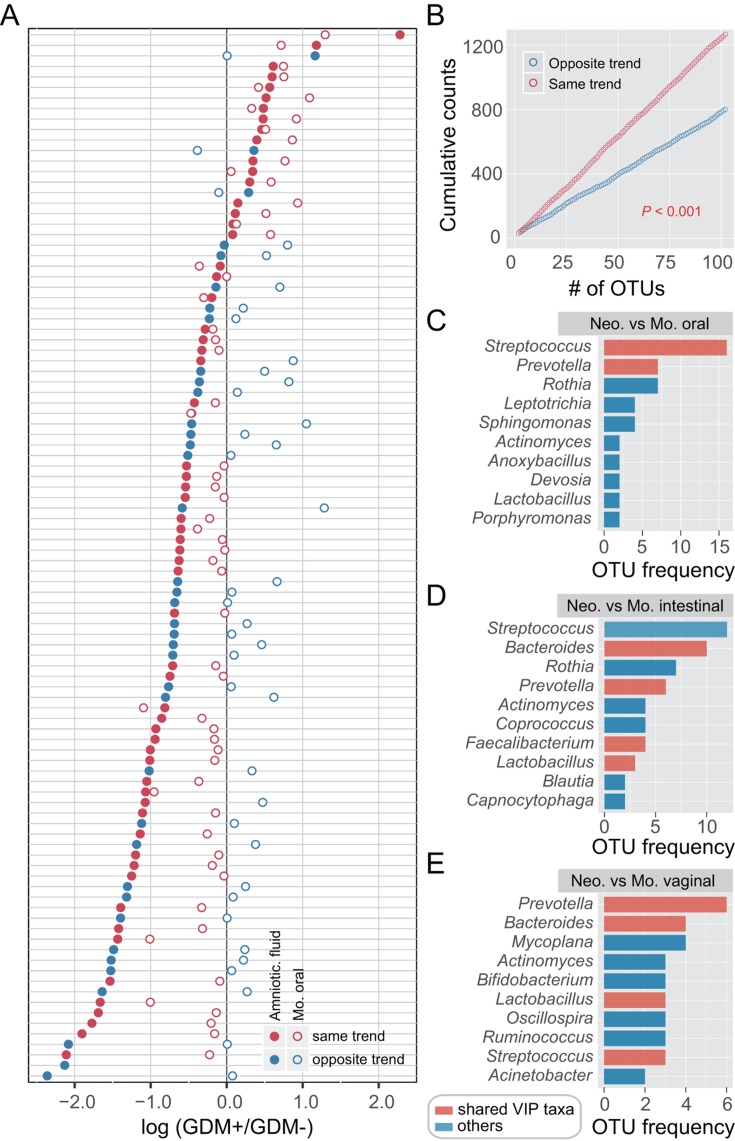
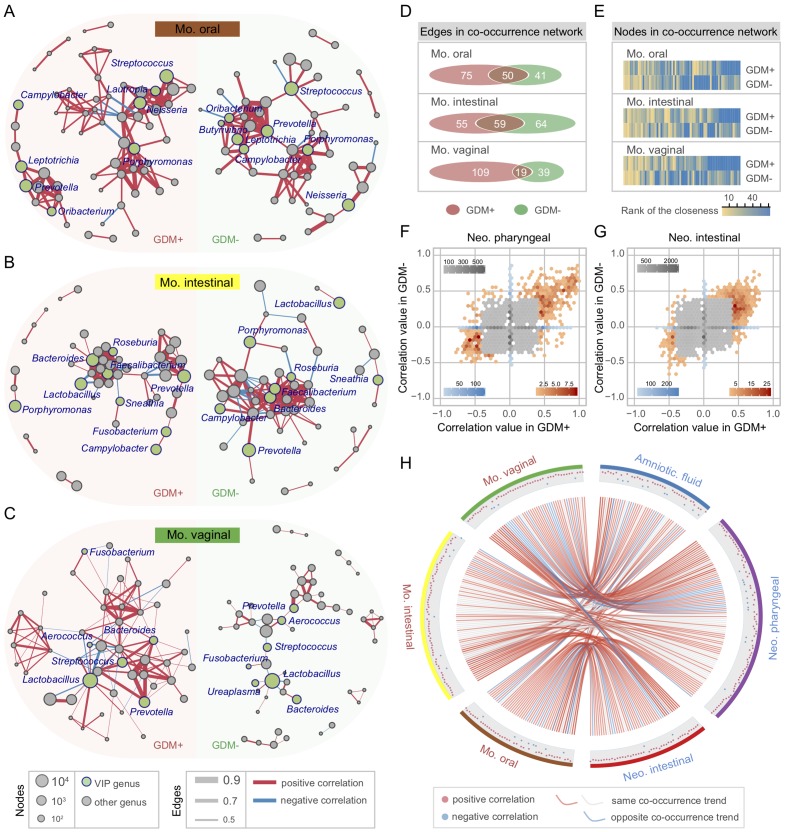
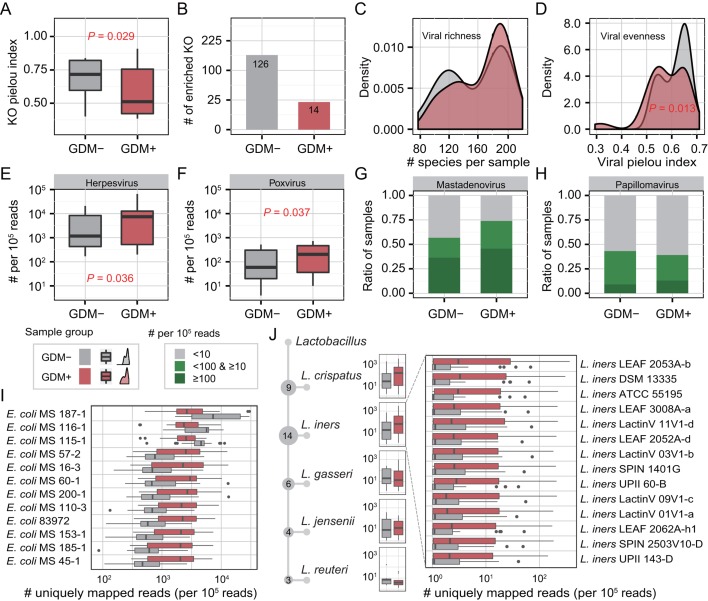
Objective: The initial colonisation of the human microbiota and the impact of maternal health on neonatal microbiota at birth remain largely unknown. The aim of our study is to investigate the possible dysbiosis of maternal and neonatal microbiota associated with gestational diabetes mellitus (GDM) and to estimate the potential risks of the microbial shift to neonates. Design: Pregnant women and neonates suffering from GDM were enrolled and 581 maternal (oral, intestinal and vaginal) and 248 neonatal (oral, pharyngeal, meconium and amniotic fluid) samples were collected. To avoid vaginal bacteria contaminations, the included neonates were predominantly delivered by C-section, with their samples collected within seconds of delivery. Results: Numerous and diverse bacterial taxa were identified from the neonatal samples, and the samples from different neonatal body sites were grouped into distinct clusters. The microbiota of pregnant women and neonates was remarkably altered in GDM, with a strong correlation between certain discriminatory bacteria and the oral glucose tolerance test. Microbes varying by the same trend across the maternal and neonatal microbiota were observed, revealing the intergenerational concordance of microbial variation associated with GDM. Furthermore, lower evenness but more depletion of KEGG orthologues and higher abundance of some viruses (eg, herpesvirus and mastadenovirus) were observed in the meconium microbiota of neonates associated with GDM. Conclusion: GDM can alter the microbiota of both pregnant women and neonates at birth, which sheds light on another form of inheritance and highlights the importance of understanding the formation of early-life microbiome.
Overview
The claims and statistics of this paper haven’t been checked yet.
Free: it reads the open-access text and checks the first 5 claims that cite a source we can check. Create a free account to check every claim.
Integrity signals
Registry
Cites
Statistics
Figures
Verification
Claims the paper makes
The claims and statistics of this paper haven’t been checked yet.
Free: it reads the open-access text and checks the first 5 claims that cite a source we can check. Create a free account to check every claim.
Claims other papers make about this one
Each is checked against this paper’s own text: does it say what the citing paper says it does?
In the citing paper
“Most studies to date have not noted a reproducible microbial colonization already occurring in utero,25”
From Interaction between microbiota and immunity in health and disease (2020) · cites this paper as [25]
Self-check
Percentages, sums and reported differences re-computed from the paper’s own numbers.
The self-check needs the paper’s full text.
Citations
Cites
Trimmomatic: a flexible trimmer for Illumina sequence data
Bolger, A. M., Lohse, M., & Usadel, B. (2014) · Bioinformatics · doi:10.1093/bioinformatics/btu170 · Cited by 65,548
Fast and accurate short read alignment with Burrows-Wheeler transform
Li, H., & Durbin, R. (2009) · Bioinformatics · doi:10.1093/bioinformatics/btp324 · Cited by 58,607
QIIME allows analysis of high-throughput community sequencing data
Caporaso, J. G., Kuczynski, J., Stombaugh, J., Bittinger, K., Bushman, F. D., Costello, E. K., Fierer, N., Peña, A. G., Goodrich, J. K., Gordon, J. I., et al. (2010) · Nature Methods · doi:10.1038/nmeth.f.303 · Cited by 34,887
Prokka: rapid prokaryotic genome annotation
Seemann, T. (2014) · Bioinformatics · doi:10.1093/bioinformatics/btu153 · Cited by 18,818
Metagenomic biomarker discovery and explanation
Segata, N., Izard, J., Waldron, L., Gevers, D., Miropolsky, L., Garrett, W. S., & Huttenhower, C. (2011) · Genome Biology · doi:10.1186/gb-2011-12-6-r60 · Cited by 16,192
Fast and sensitive protein alignment using DIAMOND
Buchfink, B., Xie, C., & Huson, D. H. (2015) · Nature Methods · doi:10.1038/nmeth.3176 · Cited by 14,201
Hyperglycemia and adverse pregnancy outcomes
(2008) · New England Journal of Medicine · doi:10.1056/nejmoa0707943 · Cited by 5,563
McDonald, D., Price, M. N., Goodrich, J., Nawrocki, E. P., DeSantis, T. Z., Probst, A., Andersen, G. L., Knight, R., & Hugenholtz, P. (2012) · The ISME Journal · doi:10.1038/ismej.2011.139 · Cited by 5,064
Host-gut microbiota metabolic interactions
Nicholson, J. K., Holmes, E., Kinross, J., Burcelin, R., Gibson, G., Jia, W., & Pettersson, S. (2012) · Science · doi:10.1126/science.1223813 · Cited by 4,760
metaSPAdes: a new versatile metagenomic assembler
Nurk, S., Meleshko, D., Korobeynikov, A., & Pevzner, P. A. (2017) · Genome Research · doi:10.1101/gr.213959.116 · Cited by 4,496
Cited by
Items 101–200 of 466
Peachey, L., Castro, C., Molena, R. A., Jenkins, T. P., Griffin, J. L., & Cantacessi, C. (2019) · Scientific Reports · doi:10.1038/s41598-019-47204-6 · Cited by 50
Galla, S., Chakraborty, S., Cheng, X., Yeo, J., Mell, B., Chiu, N., Wenceslau, C. F., Vijay–Kumar, M., & Joe, B. (2020) · Journal of the American Heart Association · doi:10.1161/jaha.119.014373 · Cited by 48
Zhao, S.-S., Chen, L., Yang, J., Wu, Z.-H., Wang, X., Zhang, Q., Liu, W., & Liu, H. (2022) · Microbiology Spectrum · doi:10.1128/spectrum.02612-22 · Cited by 46
“As a nonnegligible body component, microbes may directly or indirectly modulate cancer susceptibility and tumor progression (3, 4).”
BackgroundXiao, L., Zuo, Z., & Zhao, F. (2023) · Genomics Proteomics & Bioinformatics · doi:10.1093/gpbjnl/qzad005 · Cited by 51
“In addition, concordance of microbial dysbiosis was also found between mothers and their future babies [175], indicating the predictability of microbiome during pregnancy on the health of mothers and infants.”
BackgroundInfluentialSelf-citationWang, S., Liu, Y., Tam, W. H., Ching, J. Y. L., Xu, W., Yan, S., Qin, B., Lin, L., Peng, Y., Zhu, J., et al. (2024) · Cell Host & Microbe · doi:10.1016/j.chom.2024.06.005 · Cited by 46
Crusell, M. K. W., Brink, L. R., Nielsen, T., Allin, K. H., Hansen, T. F., Damm, P., Lauenborg, J., Hansen, T. H., & Pedersen, O. B. (2020) · BMC Pregnancy and Childbirth · doi:10.1186/s12884-020-2764-y · Cited by 49
Su, Y., Wang, H., Gan, X.-P., Chen, L., Cao, Y., Cheng, D., Zhang, D., Liu, W.-Y., Li, F., & Xu, X. (2021) · Journal of Translational Medicine · doi:10.1186/s12967-021-03040-9 · Cited by 48
“Some examinations indicated the relationship between the gut microbiome and the development of GDM [16, 17].”
BackgroundSelf-citationLi, J., Lu, H., Wu, H., Huang, S., Chen, L., Gui, Q., Zhou, W., Yang, Y., Wu, Y., Zhang, H., et al. (2020) · Aging · doi:10.18632/aging.202174 · Cited by 49
“The association of the Prevotella genus with diabetes has been observed across generations and body sites [18].”
BackgroundMethodSelf-citationGámez-Valdez, J. S., García-Mazcorro, J. F., Rincón, A. H. M., Rodríguez-Reyes, D. L., Blanco, G. J., Rodríguez, M. T. A., de Vaca, R. P., Alcorta-García, M. R., Brunck, M. E. G., Díaz, V. J. L., et al. (2021) · Scientific Reports · doi:10.1038/s41598-021-03779-7 · Cited by 44
Maternal microbiota and gestational diabetes: impact on infant health
Singh, P., Elhag, D. A., Ibrahim, I., Abdullahi, H., & Khodor, S. A. (2023) · Journal of Translational Medicine · doi:10.1186/s12967-023-04230-3 · Cited by 45
“multiple body sites, including the mouth, vagina, and gut [14].”
BackgroundMethodInfluentialFrom gut to placenta: understanding how the maternal microbiome models life-long conditions
Ruiz-Triviño, J., Álvarez, D., J., Á. P. C., & Álvarez, Á. M. (2023) · Frontiers in Endocrinology · doi:10.3389/fendo.2023.1304727 · Cited by 47
“…mothers with children from mothers with GDM, found marked changes in microbial diversity in the healthy group (33); on the other hand, a study reported a similarity between the microbiota pro fi les of mothers with GDM and their children, postulating a vertical transmission of the microbiota (34).”
ResultWang, S., Cui, Z., & Yang, H. (2024) · BMC Microbiology · doi:10.1186/s12866-024-03255-y · Cited by 46
“The β-diversity and flora constitution were more similar between mother and her own child varying by the same trend when compared with unrelated children, revealing the intergenerational concordance associated with GDM [106, 107].”
BackgroundVaginal Microbiome and Pregnancy Complications: A Review
Gerede, A., Nikolettos, K., Vavoulidis, Ε., Margioula‐Siarkou, C., Petousis, S., Giourga, M., Fotinopoulos, P., Salagianni, M. L., Stavros, S., Dinas, K. D., et al. (2024) · Journal of Clinical Medicine · doi:10.3390/jcm13133875 · Cited by 45
Feeding intolerance alters the gut microbiota of preterm infants
Yuan, Z., Yan, J., Wen, H., Deng, X., Li, X., & Su, S. (2019) · PLoS ONE · doi:10.1371/journal.pone.0210609 · Cited by 46
The oral microbiome of pregnant women facilitates gestational diabetes discrimination
Li, X., Zheng, J., Ma, X., Zhang, B., Zhang, J., Wang, W., Sun, C. M., Wang, Y., Zheng, J., Chen, H., et al. (2021) · Journal of genetics and genomics/Journal of Genetics and Genomics · doi:10.1016/j.jgg.2020.11.006 · Cited by 67
Self-citationNardi, G. M., Grassi, R., Ndokaj, A., Antonioni, M., Jedliński, M., Rumi, G., Grocholewicz, K., Duś‐Ilnicka, I., Grassi, F. R., Ottolenghi, L., et al. (2021) · International Journal of Environmental Research and Public Health · doi:10.3390/ijerph18115569 · Cited by 46
“The study by Wang et al. showed that GDM correlated to taxonomic homogeneity across several sample types, and concordant was the variation between mothers and newborns.”
BackgroundInfluentialMa, T., He, X., Chen, S., Li, Y., Huang, Q., Xue, C., & Shen, Q. (2022) · Frontiers in Microbiology · doi:10.3389/fmicb.2022.890712 · Cited by 59
Stinson, L. F., Hallingström, M., Barman, M., Viklund, F., Keelan, J. A., Kacerovský, M., Payne, M. S., & Jacobsson, B. (2020) · Frontiers in Microbiology · doi:10.3389/fmicb.2020.00415 · Cited by 42
Yong, W., Zhao, Y., Jiang, X., & Li, P. (2021) · Journal of Applied Microbiology · doi:10.1111/jam.15279 · Cited by 41
“Gut microbiota disorders play an essential role in the occurrence of metabolic syndrome, chronic inflammatory diseases and complicated pregnancy diseases (He et al., 2018; Wang et al., 2018).”
BackgroundZhu, Q., Xu, Y., Zhang, Y., Shan, C., & Shi, Z. (2022) · mSystems · doi:10.1128/msystems.00465-22 · Cited by 41
Self-citationMercado-Evans, V., Mejia, M. E., Zulk, J. J., Ottinger, S., Hameed, Z. A., Serchejian, C., Marunde, M. G., Robertson, C. M., Ballard, M. B., Ruano, S. H., et al. (2024) · Nature Communications · doi:10.1038/s41467-024-45336-6 · Cited by 40
“Furthermore, GDM is accompanied by altered maternal fecal and vaginal microbiome compositions which mayfurther aggravate mucosal dysfunction 37 – 39 .”
InfluentialVariation of the Vaginal Microbiome During and After Pregnancy in Chinese Women
Zhang, X., Zhai, Q., Wang, J., Ma, X., Xing, B., Fan, H., Gao, Z., Zhao, F., & Liu, W. Y. (2022) · Genomics Proteomics & Bioinformatics · doi:10.1016/j.gpb.2021.08.013 · Cited by 42
“Over recent years, evidence is accumulating that vaginal 71 microbiome is key to women’s health and a healthy pregnancy, and people gradually 72 realize that the health status largely depends on this microbial community harboring 73 more beneficial commensals or pathogens [4-9].”
BackgroundSelf-citationTurunen, J., Tejesvi, M. V., Paalanne, N., Pokka, T. M.-L., Amatya, S. B., Mishra, S., Kaisanlahti, A., Reunanen, J., & Tapiainen, T. (2023) · Pediatric Research · doi:10.1038/s41390-023-02783-z · Cited by 43
Infection‐mediated preterm birth: Bacterial origins and avenues for intervention
Stinson, L. F., & Payne, M. S. (2019) · Australian and New Zealand Journal of Obstetrics and Gynaecology · doi:10.1111/ajo.13078 · Cited by 43
Chu, S., Zhang, F., Wang, H., Xie, L., Chen, Z., Zeng, W., Zhou, Z., & Hu, F. (2022) · Frontiers in Pharmacology · doi:10.3389/fphar.2022.907702 · Cited by 43
Self-citationDietary Lysozyme Alters Sow’s Gut Microbiota, Serum Immunity and Milk Metabolite Profile
Zhou, J. W., Xiong, X., Lijun, Z., Yin, J., Wang, K., Shao, Y., & Yin, Y. (2019) · Frontiers in Microbiology · doi:10.3389/fmicb.2019.00177 · Cited by 40
Gut microbiota in early pregnancy among women with Hyperglycaemia vs. Normal blood glucose
Gao, B., Zhong, M., Shen, Q. “., Wu, Y., Cao, M., Ju, S., & Chen, L. (2020) · BMC Pregnancy and Childbirth · doi:10.1186/s12884-020-02961-5 · Cited by 42
“Our findings were consistent with previous research on polycystic ovary syndrome (PCOS) [31], GDM in the second trimester and GDM within 1–2 days before delivery [16, 17].”
ResultMaternal and infant factors that shape neonatal gut colonization by bacteria
O’Neill, I. J., Sánchez-Gallardo, R., Saldova, R., Murphy, E. F., Cotter, P. D., McAuliffe, F. M., & van Sinderen, D. (2020) · Expert Review of Gastroenterology & Hepatology · doi:10.1080/17474124.2020.1784725 · Cited by 41
Moumne, O., Hampe, M. E., Montoya‐Williams, D., Carson, T. L., Neu, J., Francois, M., Rhoton-Vlasak, A. S., & Lemas, D. J. (2021) · Journal of Perinatal Medicine · doi:10.1515/jpm-2020-0367 · Cited by 54
“Cross-sectional studies of the vaginal, oral, and stool microbiome show that there is a significant difference between women with and without GDM [26, 27].”
BackgroundLife History Recorded in the Vagino-Cervical Microbiome Along with Multi-Omes
Jie, Z., Chen, C., Hao, L., Li, F., Song, L., Zhang, X., Zhu, J., Tian, L., Tong, X., Cai, K., et al. (2021) · Genomics Proteomics & Bioinformatics · doi:10.1016/j.gpb.2021.01.005 · Cited by 43
“L. iners and other lactobacilli have been detected in the placenta [10,11,32,47,48], amniotic fluid, nasal, and pharyngeal sites [49,50].”
Self-citationInteraction between gut microbiota and immunity in health and intestinal disease
Wang, Q., Meng, Q., Chen, Y., Liu, Y., Li, X., Zhou, J., Ma, Y., Yu, Z., & Chen, X. (2025) · Frontiers in Immunology · doi:10.3389/fimmu.2025.1673852 · Cited by 52
Microbiome and Gestational Diabetes: Interactions with Pregnancy Outcome and Long-Term Infant Health
Neri, C., Serafino, E., Morlando, M., & Familiari, A. (2021) · Journal of Diabetes Research · doi:10.1155/2021/9994734 · Cited by 39
Cheema, A. S., Trevenen, M., Turlach, B. A., Fürst, A., Roman, A. S., Bode, L., Gridneva, Z., Lai, C. T., Stinson, L. F., Payne, M. S., et al. (2022) · International Journal of Molecular Sciences · doi:10.3390/ijms23052804 · Cited by 41
“Aberrant postpartum microbiota may have negative implications for both mother and infant health [58,59].”
BackgroundThe Maternal Microbiome and Gestational Diabetes Mellitus: Cause and Effect
Dias, S. C., Pheiffer, C., & Adam, S. (2023) · Microorganisms · doi:10.3390/microorganisms11092217 · Cited by 39
“Wang et al. (2018) reported a positive correlation between glucose levels and the Neisseria / Leptotrichia ratio in the oral microbiome of pregnant women [85], suggesting a role for these bacteria in the development of GDM.”
InfluentialJi, P., Wang, N., Yu, Y., Zhu, J., Zuo, Z., Zhang, B., & Zhao, F. (2025) · Cell Genomics · doi:10.1016/j.xgen.2025.100768 · Cited by 40
Self-citationWu, N., Zhou, J., Mo, H., Mu, Q., Su, H., Li, M., Yu, Y., Liu, A., Zhang, Q., Xu, J., et al. (2022) · Frontiers in Cellular and Infection Microbiology · doi:10.3389/fcimb.2021.800865 · Cited by 39
Vavrečková, M., Galanová, N., Kostovčík, M., Krystyník, O., Ivanovová, E., Roubalová, R., Zakostelska, Z. J., Friedecký, D., Friedecká, J., Haluzík, M., et al. (2022) · Frontiers in Endocrinology · doi:10.3389/fendo.2022.970825 · Cited by 41
Zhang, H., Liu, X., Zheng, Y., Zha, X., Elsabagh, M., Zhang, Y., Ma, Y., Loor, J. J., Wang, M., & Wang, H. (2022) · Ecotoxicology and Environmental Safety · doi:10.1016/j.ecoenv.2022.113550 · Cited by 35
Self-citationSpatiotemporal patterns of the pregnancy microbiome and links to reproductive disorders
Xiao, L., Tian, Z., Zuo, Z., Sun, N., & Zhao, F. (2024) · 中国科学通报:英文版 · doi:10.1016/j.scib.2024.02.001 · Cited by 54
Self-citationAlteration of the gut microbiota profile in children with autism spectrum disorder in China
Li, H., Guo, W., Li, S., Sun, B., Li, N., Xie, D., Dong, Z., Luo, D., Chen, W., Fu, W., et al. (2024) · Frontiers in Microbiology · doi:10.3389/fmicb.2023.1326870 · Cited by 39
Association between Gut Microbiota and Development of Gestational Diabetes Mellitus
Sililas, P., Huang, L., Thonusin, C., Luewan, S., Chattipakorn, N., Chattipakorn, S. C., & Tongsong, T. (2021) · Microorganisms · doi:10.3390/microorganisms9081686 · Cited by 37
The gut-cardiovascular connection: new era for cardiovascular therapy
Cheng, C. K., & Huang, Y. (2021) · Medical Review · doi:10.1515/mr-2021-0002 · Cited by 34
“mellitus [65], potentially implying a higher risk of type 2 diabetes mellitus, obesity and cardiovascular complications in offspring.”
BackgroundThe Association Between Gestational Diabetes and Microbiota in Placenta and Cord Blood
Tang, N., Luo, Z., Zhang, L., Zheng, T., Fan, P., Tao, Y., & Ouyang, F. (2020) · Frontiers in Endocrinology · doi:10.3389/fendo.2020.550319 · Cited by 33
“The association between GDM and microbiota has been studied in feces andmeconiummicrobiota in recent years (18, 19, 40, 41).”
BackgroundWan, J., & Ma, J. (2022) · Frontiers in Microbiology · doi:10.3389/fmicb.2022.927883 · Cited by 34
“Some studies indicate that gut microbiota participates in the pathogenesis of GDM (Kuang et al., 2017; Wang et al., 2018).”
BackgroundLi, X., Yu, D. Y., Wang, Y., Yuan, H., Ning, X., Rui, B., Lei, Z., Yuan, J., Yan, J., & Li, M. (2021) · Canadian Journal of Infectious Diseases and Medical Microbiology · doi:10.1155/2021/3044534 · Cited by 31
Self-citationLiu, Y., Chen, L., Liu, L., Zhao, S.-S., You, J.-Q., Zhao, X.-J., Liu, H., Xu, G., & Wen, D. (2022) · Clinical Nutrition · doi:10.1016/j.clnu.2022.10.009 · Cited by 30
Ordering taxa in image convolution networks improves microbiome-based machine learning accuracy
Shtossel, O., Isakov, H., Turjeman, S., Koren, O., & Louzoun, Y. (2023) · Gut Microbes · doi:10.1080/19490976.2023.2224474 · Cited by 33
“11 The sequences are then clustered to produce Amplicon Sequence Variants (ASVs), which in turn are associated with taxa.”
BackgroundQin, S., Liu, Y., Wang, S., Ma, J., & Yang, H. (2021) · The Journal of Maternal-Fetal & Neonatal Medicine · doi:10.1080/14767058.2020.1812571 · Cited by 32
Gestational diabetes mellitus: genetic factors, epigenetic alterations, and microbial composition
Lizárraga, D., Gómez‐Gil, B., García-Gasca, T., Ávalos-Soriano, A., Casarini, L., Salazar-Oroz, A., & García-Gasca, A. (2023) · Acta Diabetologica · doi:10.1007/s00592-023-02176-y · Cited by 32
“One study from Wang et al. [153] analysed the oral, vaginal, and intestinal microbial composition in Chinese women presenting GDM ( n = 581), observing that most alterations were found in the oral cavity, with a higher abundance of Proteobacteria and lower abundance of Firmicutes , and they also…”
Abu, Y. F., Tao, J., Dutta, R. K., Yan, Y., Vitari, N., Kolli, U., & Roy, S. (2021) · Journal of Neuroimmune Pharmacology · doi:10.1007/s11481-021-10019-2 · Cited by 29
Association of vaginal dysbiosis and gestational diabetes mellitus with adverse perinatal outcomes
Rafat, D., Singh, S. D., Nawab, T., Khan, F., Khan, A. U., & Khalid, S. (2021) · International Journal of Gynecology & Obstetrics · doi:10.1002/ijgo.13945 · Cited by 29
Liu, Y., Li, X., Zhu, B., Zhao, H., Ai, Q., Tong, Y., Qin, S., Ye, F., Wang, Y., Wang, S., et al. (2020) · American Journal of Obstetrics and Gynecology · doi:10.1016/j.ajog.2020.01.056 · Cited by 31
Self-citationCastellví, J. R., Morales‐Hidalgo, P., Voltas, N., Hernández‐Martínez, C., Riba, G. V. G., & Canals, J. (2020) · European Child & Adolescent Psychiatry · doi:10.1007/s00787-020-01519-2 · Cited by 31
Zhang, H., Qi, C., Zhao, Y., Lu, M., Li, X., Zhou, J., Dang, H., Cui, M., Miao, T., Sun, J., et al. (2021) · Food & Function · doi:10.1039/d1fo02517a · Cited by 29
Self-citationKunasegaran, T., Balasubramaniam, V. R. M. T., Arasoo, V. J. T., Palanisamy, U. D., & Ramadas, A. (2021) · Biology · doi:10.3390/biology10101027 · Cited by 32
“On the other hand, Sutterella, Bacteroides, the Fusobacteriaceae family, and the Fusobacterium genus were linked to inflammation markers such as hs-CRP and CRP levels [14,17,20,27].”
BackgroundMethodInfluentialEpigenetic Links between Microbiota and Gestational Diabetes
Mora-Janiszewska, O., Faryniak-Zuzak, A., & Darmochwał-Kolarz, D. (2022) · International Journal of Molecular Sciences · doi:10.3390/ijms23031831 · Cited by 28
“The development of screening tests would allow for earlier identification of GDM and IEM risk and to take preventive measures [84].”
BackgroundFarhat, S., Hemmatabadi, M., Ejtahed, H., Shirzad, N., & Larijani, B. A. (2022) · Frontiers in Endocrinology · doi:10.3389/fendo.2022.1060488 · Cited by 30
“The samples collected for the gut microbiome analysis in the women with GDM included fecal samples in all the studies included as shown in Supplementary Table 1, while different sources of samples were collected for the assessment of their oral microbiome, such as oral swabs (16), saliva samples (18, 20, 22), supragin…”
BackgroundMethodInfluentialMao, L., Gao, B., Chang, H., & Shen, H. (2024) · Metabolites · doi:10.3390/metabo14010043 · Cited by 27
Chen, H., Wang, S., Li, H., Zhou, X., Zhou, L.-W., Chen, C., Mansell, T., Novakovic, B., Saffery, R., Baker, P. N., et al. (2024) · The Journal of Nutritional Biochemistry · doi:10.1016/j.jnutbio.2024.109708 · Cited by 28
Self-citationRold, L. S., Bundgaard‐Nielsen, C., Holm-Jacobsen, J. N., Ovesen, P., Leutscher, P. D. C., Hagstrøm, S., & Sørensen, S. (2022) · PLoS ONE · doi:10.1371/journal.pone.0262618 · Cited by 33
Hasain, Z., Ali, R. A. R., Razak, S. A., Azizan, K. A., El-Omar, E. M., Razalli, N. H., & Mokhtar, N. M. (2021) · Frontiers in Microbiology · doi:10.3389/fmicb.2021.680622 · Cited by 28
“On the other hand, the amount of beneficial butyrate-producing bacteria, such as Bifidobacterium and Faecalibacterium, were found to be lower in women with GDM than in normoglycemic pregnant women (Kuang et al., 2017; Wang et al., 2018).”
BackgroundTeixeira, R. D. A., Silva, C., Ferreira, A. C., Martins, D., Leite-Moreira, A. F., Miranda, I. M., & Barros, A. S. (2023) · Microorganisms · doi:10.3390/microorganisms11071749 · Cited by 26
“[35] 2018 x 147 74 73 16S rRNA V3–V4 China 1–2 days postpartum, meconium”
The association of maternal factors with the neonatal microbiota and health
Zhu, B., Edwards, D., Spaine, K. M., Edupuganti, L., Matveyev, A. V., Serrano, M. G., & Buck, G. A. (2024) · Nature Communications · doi:10.1038/s41467-024-49160-w · Cited by 27
“C-section impacts the neonatal nasal, oral, and skin microbiomes at an early-life stage 3,11,13 – 17 , but this in fl uence seems to be lost by six (6) weeks after birth 13 .”
Zhou, J., Wang, Y., Fan, Q., Liu, Y., Liu, H., Yan, J., Li, M., Dong, W., & Li, W. (2020) · The FASEB Journal · doi:10.1096/fj.201901674r · Cited by 26
Self-citationButera, A., Maiorani, C., Morandini, A., Simonini, M., Colnaghi, A., Morittu, S., Barbieri, S., Ricci, M., Guerrisi, G., Piloni, D., et al. (2021) · Microorganisms · doi:10.3390/microorganisms9112385 · Cited by 26
“In addition, changes in the oral microbiome appear to be associated with glycemic control: More Proteobacteria and less Firmicutes and Leptotrichia have been found in women with gestational diabetes [11].”
BackgroundZhao, M., Yao, Z., Zhang, Y., Ma, L., Pang, W., Ma, S., Xu, Y., & Wei, L. S. (2025) · BMC Medical Informatics and Decision Making · doi:10.1186/s12911-024-02848-x · Cited by 32
“Gestational diabetes mellitus (GDM) is characterized by impaired glucose tolerance during pregnancy [1].”
Self-citationZhang, X., Wang, P., Ma, L., Guo, R., Zhang, Y., Wang, P., Zhao, J., & Liu, J. (2021) · Journal of Oral Microbiology · doi:10.1080/20002297.2021.1883382 · Cited by 27
“those without GDM, and the ratios of the OTUs shared by two or more sites were increased under GDM conditions [18].”
BackgroundSelf-citationWu, Y., Zhang, X., Pi, Y., Han, D., Feng, C., Zhao, J., Chen, L., Che, D., Bao, H., Xie, Z., et al. (2021) · Food & Function · doi:10.1039/d1fo00084e · Cited by 26
Self-citationWei, Q., Jiang, Z., Shi, H., Zou, J., Lu, W., Xiao, X., & Zhang, Y. (2022) · Psychoneuroendocrinology · doi:10.1016/j.psyneuen.2022.105787 · Cited by 26
Self-citationComposition of fecal microbiota in low-set rectal cancer patients treated with FOLFOX
Li, J., Li, J., Lyu, N., Ma, Y., Liu, F., Feng, Y., Li, Y., Hou, Z., Song, X., Zhao, H.-C., et al. (2020) · Therapeutic Advances in Chronic Disease · doi:10.1177/2040622320904293 · Cited by 26
Self-citationChen, J., Yang, Y., Yu, N., Sun, W., Yang, Y., & Zhao, M. (2022) · PLoS ONE · doi:10.1371/journal.pone.0267045 · Cited by 29
“Studies have shown that pregnant women with GDM have gut microbiome imbalance compare to normal pregnant women, with decreased numbers of Bifidobacterium[33,34].”
BackgroundInfluentialZheng, J., Zhang, L., Gao, Y., Wu, H., & Zhang, J. (2022) · Frontiers in Nutrition · doi:10.3389/fnut.2022.941969 · Cited by 24
“Microbiota dysbiosis induced by microbial shifts through GDM mothers caused alteration in neonatal intestinal microbiota and a higher abundance of some viruses in the meconium (12).”
BackgroundSelf-citationZhao, R., Symonds, J. E., Walker, S. P., Steiner, K., Carter, C. G., Bowman, J. P., & Nowak, B. F. (2023) · Frontiers in Microbiology · doi:10.3389/fmicb.2023.1065823 · Cited by 28
Li, M., Zhang, G., Cui, L., Zhang, L., Zhou, Q., Mu, C., Chi, R., Zhang, N., & Ma, G. (2023) · Frontiers in Microbiology · doi:10.3389/fmicb.2023.1114228 · Cited by 28
“Our results also implied that there were differences in the composition of and trends in changes between the GDM group and the non-GDM group as the pregnancy progressed; this was in accordance with various reports that indicated inordinate GM structures in pregnant women with GDM (Kuang et al., 2017; Crusell et al., 2…”
BackgroundResultHu, R., Liu, Z., Geng, Y., Huang, Y., Li, F., Dong, H., Ma, W., Song, K., Zhang, M., & Song, Y. (2023) · Microorganisms · doi:10.3390/microorganisms11071725 · Cited by 25
“Wang, 2018 [19] Cross-sectional study 581 maternal and 248 neonatal samples During the third trimester 16S rRNA gene sequencing The abundance of Faecalibacterium was reduced in GDM patients.”
BackgroundAlemu, B. K., Wu, L., Gedefaw, G. A., Lau, S. L., Wang, Y., & Wang, C. C. (2024) · Journal of Global Health · doi:10.7189/jogh.14.04177 · Cited by 26
Self-citationZhao, C., Ge, J., Li, X., Jiao, R., Li, Y., Quan, H., Li, J., Guo, Q., & Wang, W. (2020) · Scientific Reports · doi:10.1038/s41598-020-60540-2 · Cited by 27
Sokou, R., Moschari, E., Palioura, A. E., Palioura, A.-P., Mpakosi, A., Αδαμακίδου, Θ., Vlachou, E. D., Theodoraki, M., Iacovidou, N. M., & Tsartsalis, A. N. (2024) · Microorganisms · doi:10.3390/microorganisms12081564 · Cited by 23
“…of GDM, various criteria were used, such as Chinese diagnostic criteria, the Guidelines for the Prevention and Treatment of Type 2 Diabetes in China, international criteria, the criteria of the World Health Organization (WHO), hospital diagnostic criteria, the criteria of the National…”
InfluentialLin, H., Chen, J., Ma, S., An, R., Li, X., & Tan, H. (2022) · Nutrients · doi:10.3390/nu14214582 · Cited by 27
“At this time, the gut microbiome is more sensitive to external stimuli, and dysbiosis is prone to occur, leading to the development of pregnancy complications, including gestational diabetes and hyperemesis gravidarum [21,22].”
BackgroundZhang, K., Liu, G., Wu, Y., Zhang, T., Guo, M., Yu, L., Cao, X., Suo, L., Brügger, D., Wang, X., et al. (2023) · Microbiology Spectrum · doi:10.1128/spectrum.02955-22 · Cited by 26
“tion, which is consistent with earlier research in other mammals (7, 8, 30, 31).”
ResultLiu, L., Zhou, Q., Xu, T., Deng, Q., Sun, Y., Fu, J., Chen, M., Chen, X., Ma, Z., Dong, Q., et al. (2025) · iMeta · doi:10.1002/imt2.268 · Cited by 23
“…method, like co ‐ abundance analysis, to decipher microbial interactions has gradually gained traction in disease studies by us and others, including investigations into inflammatory bowel disease [25], colorectal cancer [26], gestational diabetes [27], and nonalcoholic fatty liver disease [28].”
Self-citationGao, S., & Wang, J. (2023) · Protein & Cell · doi:10.1093/procel/pwad029 · Cited by 22
“Intriguingly, depleted L. reuteri was also observed in the meconium of offspring born from GDM mothers (Wang et al., 2018), suggesting maternal microbiome with GDM during pregnancy may be instructive for new-born’s neurodevelopment after birth.”
BackgroundInfluentialSelf-citationThrough the Microbial Looking Glass: Premature Labor, Preeclampsia, and Gestational Diabetes
Amore, A. D., Hanson, L., VandeVusse, L., & Leslie, S. (2019) · The Journal of Perinatal & Neonatal Nursing · doi:10.1097/jpn.0000000000000375 · Cited by 23
“More pathogens were found in women with GDM, including more viruses and fungal species.(57) The relationships between dysbiosis and GDM need to be more fully elucidated.”
Dong, L., Han, L., Duan, T., Lin, S., Li, J., & Liu, X. (2020) · RSC Advances · doi:10.1039/c9ra07799e · Cited by 23
Intestinal dysbiosis during pregnancy and microbiota-associated impairments in offspring
Abu, Y. F., & Roy, S. (2025) · Frontiers in Microbiomes · doi:10.3389/frmbi.2025.1548650 · Cited by 24
He, Y., Li, Q., Sun, Q., Li, H., Yu, T., Chen, M., Zhang, G., Zhang, B., Wang, W., & Ju, S. (2025) · Journal of Nanobiotechnology · doi:10.1186/s12951-025-03650-1 · Cited by 23
“Changes in the gut micro-biome balance are closely associated with numerous pregnancy-associated diseases, including gestational hypertension and gestational diabetes mellitus [62, 63].”
The Gut Microbiome During Pregnancy
Jiang, G., Zhou, Z., Li, X., Qian, Y., & Wang, K. (2021) · Maternal-Fetal Medicine · doi:10.1097/fm9.0000000000000091 · Cited by 23
“The number of Proteobacteria and Actinobacteria in newborn of GDM pregnant women increased, but the Bacteroidetes obviously reduced.36 Wang et al.37 found that the uniformity of fecal flora of neonates associated with GDMwas decreased, and the abundance of herpesvirus, poxvirus, and mammary adenovirus were high.”
BackgroundNguyen, L. M., Omage, J. I., Noble, K. N., McNew, K. L., Moore, D. J., Aronoff, D. M., & Doster, R. S. (2021) · American Journal of Reproductive Immunology · doi:10.1111/aji.13501 · Cited by 24
Dynamic changes in the pregnancy microbiome and their role in preterm birth
Xie, Z., Chen, Z., & Ma, G. (2025) · Frontiers in Cellular and Infection Microbiology · doi:10.3389/fcimb.2025.1683610 · Cited by 21
Li, T., Xu, B., Chen, H., Shi, Y., Li, J., Yu, M., Xia, S., & Wu, S. (2023) · The Science of The Total Environment · doi:10.1016/j.scitotenv.2023.168254 · Cited by 22
Lü, Q., Lin, Y., Chen, T., Lv, H., Diao, F., Liu, C., Peng, M., Ling, X., Li, H., Wang, Y., et al. (2020) · Gut Microbes · doi:10.1080/19490976.2020.1794466 · Cited by 20
“…we integrated the data on the fi rst-pass meconium microbiome in our cohort with maternal microbiota data from a study published by Wang et al., 24 and calculated β -diversity (between-samples, Bray-Curtis dissimilarity) between the OTU pro fi les of neonates gut microbiota and those of…”
Self-citationde Cena, J. A., Reis, L. G., de Lima, A. K. A., Lima, C. P. V., Stefani, C. M., & Damé‐Teixeira, N. (2023) · Pathogens · doi:10.3390/pathogens12030404 · Cited by 24
Maternal Nutritional Status and the Microbiome across the Pregnancy and the Post-Partum Period
Strobel, K. M., Juul, S. E., & Hendrixson, D. T. (2023) · Microorganisms · doi:10.3390/microorganisms11061569 · Cited by 20
“Another study examining meconium from a similar population of mothers with gestational diabetes found that the genus level altered Prevotella [15], Streptococcus [15], Bacteroides [15], and Lactobacillus abundances [15].”
BackgroundInfluentialBiete, M., & Vasudevan, S. (2024) · Frontiers in Molecular Biosciences · doi:10.3389/fmolb.2024.1420664 · Cited by 23
“The dysbiosis of the fetal microbiome in GDM pregnancies has also been observed by Wang et al. (2018), which could affect the production of DHA and LC-PUFAs by the fetal intestines, further impacting neuronal development (Bernhard et al., 2014).”
Mercado-Evans, V., Zulk, J. J., Hameed, Z. A., & Patras, K. A. (2024) · BMC Pregnancy and Childbirth · doi:10.1186/s12884-024-06694-7 · Cited by 23
“GDM disrupts the vaginal microbiota with increased diversity and enrichment of nonoptimal members including Bacteroides , Klebsiella , Enterococcus , and Enterobacter and Staphylococcus [11, 12, 55], of which Staphylococcus has been positively associated with vaginal GBS colonization [56].”
BackgroundUnraveling the role of the gut microbiome in pregnancy disorders: insights and implications
Xie, Y., Chen, Q., Shan, D., Pan, X., & Hu, Y. (2025) · Frontiers in Cellular and Infection Microbiology · doi:10.3389/fcimb.2025.1521754 · Cited by 20
Pheiffer, C., Riedel, S., Dias, S. C., & Adam, S. (2024) · Microorganisms · doi:10.3390/microorganisms12040633 · Cited by 22
“Dysbiosis in gut microbiota may serve as a potential indicator for the development of T2DM post-pregnancy [130], suggesting that modifying the gut microbiota through dietary interventions could improve diabetes-related outcomes.”
BackgroundExploring the frontier of microbiome biomarker discovery with artificial intelligence
Xiao, L., & Zhao, F. (2024) · National Science Review · doi:10.1093/nsr/nwae325 · Cited by 18
Self-citationWomen's multisite microbial modulation during pregnancy
Sparvoli, L. G., Cortez, R. V., Daher, S., Padilha, M., Sun, S. Y., Nakamura, M. U., & Taddei, C. R. (2020) · Microbial Pathogenesis · doi:10.1016/j.micpath.2020.104230 · Cited by 20
Maternal gut microbiota displays minor changes in overweight and obese women with GDM
MULLINS, T. P., Tomsett, K. I., Gallo, L. A., Callaway, L. K., McIntyre, D. H., Nitert, M. D., & Barrett, H. L. (2021) · Nutrition Metabolism and Cardiovascular Diseases · doi:10.1016/j.numecd.2021.03.029 · Cited by 21
Metadata
- Authors
- Wang, J., Zheng, J., Shi, W., Du, N., Xu, X., Zhang, Y., Ji, P., Zhang, F., Jia, Z., Wang, Y., Zheng, Z., Zhang, H., & Zhao, F.
- Affiliations
- Chinese Academy of Sciences (CN)
- Wenzhou City People's Hospital (CN)
- Corresponding author
- Zhao, Fangqing
- ORCID
- Venue
- Gut
- Publisher
- BMJ
- Published
- 2018-05-14
- Volume
- 67
- Issue
- 9
- Pages
- 1614-1625
- ISSN
- 0017-5749 (ISSN-L)
- 1468-3288
- PMC
- PMC6109274
- OpenAlex
- W2801262515
- Cited by
- 452
- References
- 42
- Citations by year
- 2026: 36 · 2025: 53 · 2024: 59 · 2023: 63 · 2022: 77 · 2021: 73 · 2020: 54 · 2019: 33 · 2018: 4
- FWCI
- 15.39
- Type
- journal article
- Language
- en
- Open access
- hybrid
- doi.org
- Licence
- cc-by-nc
- Locations
- Gut (publishedVersion, cc-by-nc)
- Europe PMC (PubMed Central) (publishedVersion, cc-by-nc)
- PubMed Central (publishedVersion, cc-by-nc)
- PubMed (publishedVersion)
- HighWire Press Open Archive (submittedVersion)
- Funders
- the Key Research Program of the Chinese Academy of Sciences
- National Key R&D Program
- National Natural Science Foundation of China
- Topics
- Life Sciences › Biochemistry, Genetics and Molecular Biology › Molecular Biology › Gut microbiota and health
- Health Sciences › Medicine › Obstetrics and Gynecology › Gestational Diabetes Research and Management
- Health Sciences › Dentistry › Periodontics › Oral microbiology and periodontitis research
- Keywords
- gestational diabetes mellitus, maternal microbiota, neonatal microbiome, dysbiosis, oral microbiota, vaginal microbiota, early-life microbiota, oral glucose tolerance test, viral microbiome, cesarean section
- MeSH terms
- Adult, Blood Glucose, Cesarean Section, Female, Glucose Tolerance Test, Humans, Infant, Newborn, Pregnancy, Diabetes, Gestational, Microbiota, Dysbiosis
About these checks
Registry, retraction, Cites and statistics results are computed, not judged, with one exception: a printed reference that no index lists is read once by a model before it counts as a citation error. Claims are extracted by a model and kept only when their quote appears verbatim in the text; each cited source is then checked, with a model’s help, for whether it says what the claim relies on. Those verdicts can be wrong — read the claim’s quote and the cited source before relying on one.
Statistics and arithmetic are recomputed, not judged.
Confidence bands are shown only for fields calibrated on our annotated test set. None is calibrated yet, so no band is shown.
What counts as a claim ›How we measure confidence ›How we check this ›
Are you an author, or do you see a problem with this page? Request a review
Data sources
Bibliographic data: Semantic Scholar, OpenAlex, Crossref.
Contains information from the Semantic Scholar Academic Graph Datasets, made available under the ODC Attribution License (ODC-BY 1.0).
Semantic Scholar’s data is described in: Kinney, R., et al. (2023). The Semantic Scholar Open Data Platform. arXiv:2301.10140.
