

Dysbiosis of maternal and neonatal microbiota associated with gestational diabetes mellitus
Open accessThe DOI matches its Crossref record; 42 of the 42 references it cites were found in a registry or an index.
Abstract
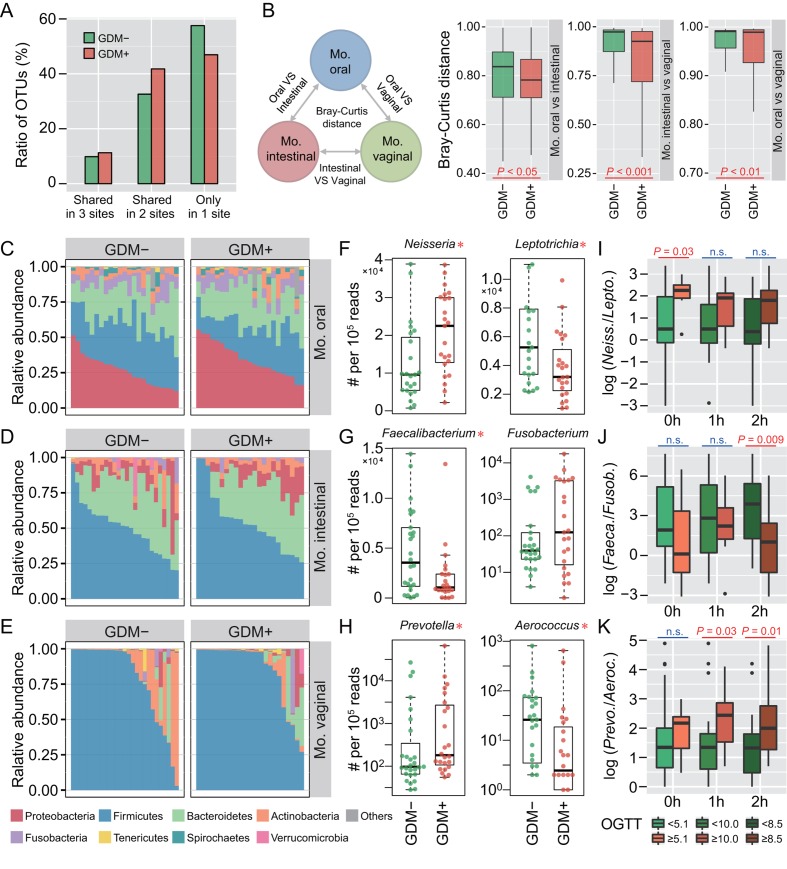
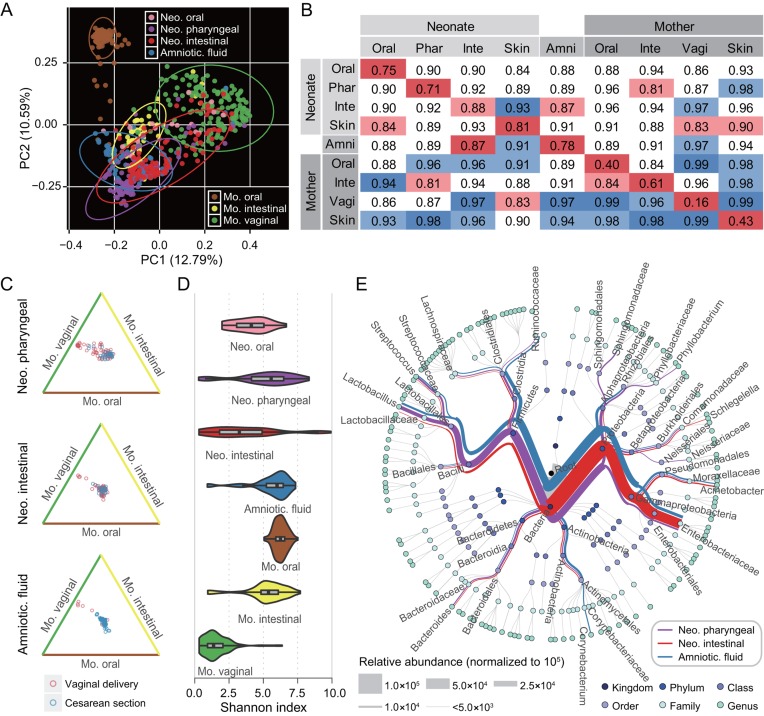
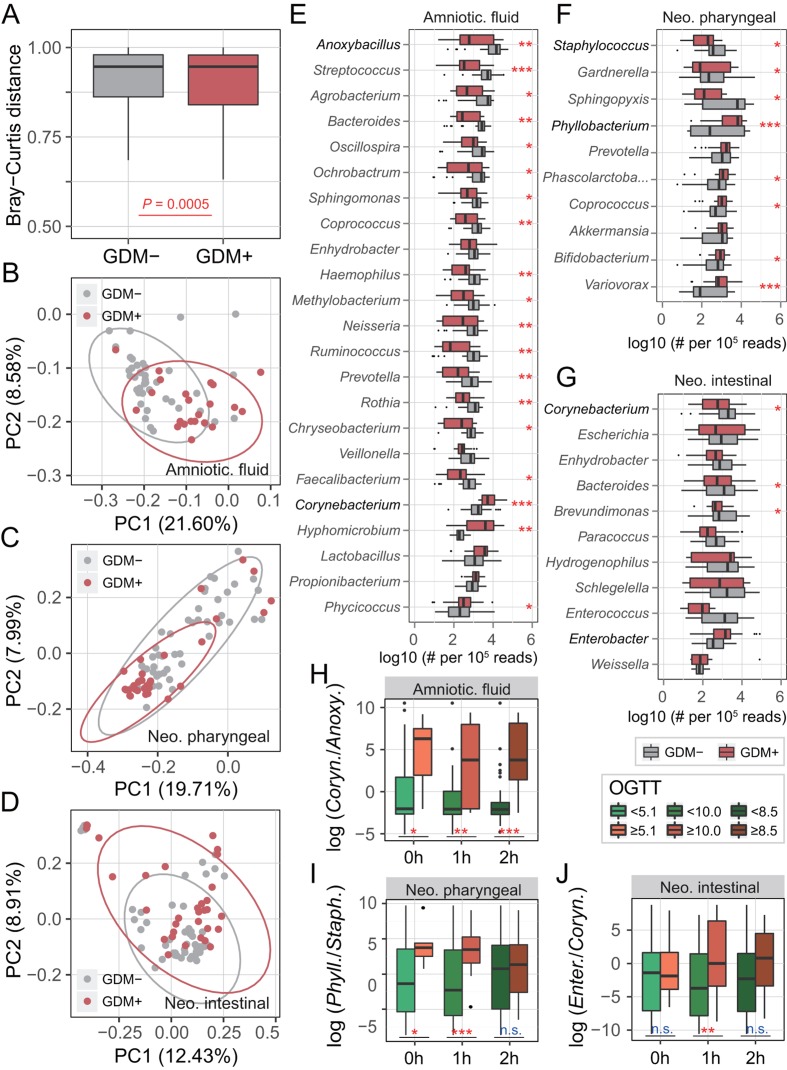
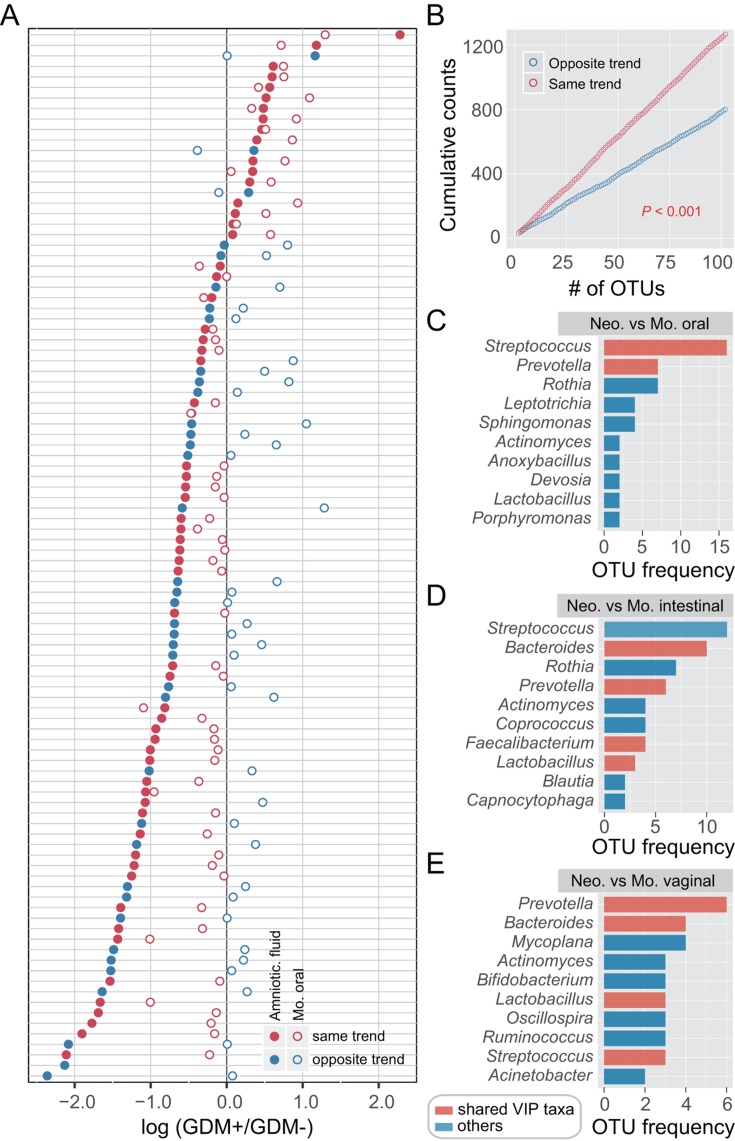
Objective: The initial colonisation of the human microbiota and the impact of maternal health on neonatal microbiota at birth remain largely unknown. The aim of our study is to investigate the possible dysbiosis of maternal and neonatal microbiota associated with gestational diabetes mellitus (GDM) and to estimate the potential risks of the microbial shift to neonates. Design: Pregnant women and neonates suffering from GDM were enrolled and 581 maternal (oral, intestinal and vaginal) and 248 neonatal (oral, pharyngeal, meconium and amniotic fluid) samples were collected. To avoid vaginal bacteria contaminations, the included neonates were predominantly delivered by C-section, with their samples collected within seconds of delivery. Results: Numerous and diverse bacterial taxa were identified from the neonatal samples, and the samples from different neonatal body sites were grouped into distinct clusters. The microbiota of pregnant women and neonates was remarkably altered in GDM, with a strong correlation between certain discriminatory bacteria and the oral glucose tolerance test. Microbes varying by the same trend across the maternal and neonatal microbiota were observed, revealing the intergenerational concordance of microbial variation associated with GDM. Furthermore, lower evenness but more depletion of KEGG orthologues and higher abundance of some viruses (eg, herpesvirus and mastadenovirus) were observed in the meconium microbiota of neonates associated with GDM. Conclusion: GDM can alter the microbiota of both pregnant women and neonates at birth, which sheds light on another form of inheritance and highlights the importance of understanding the formation of early-life microbiome.
Overview
The claims and statistics of this paper haven’t been checked yet.
Free: it reads the open-access text and checks the first 5 claims that cite a source we can check. Create a free account to check every claim.
Integrity signals
Registry
Cites
Statistics
Figures
Verification
Claims the paper makes
The claims and statistics of this paper haven’t been checked yet.
Free: it reads the open-access text and checks the first 5 claims that cite a source we can check. Create a free account to check every claim.
Claims other papers make about this one
Each is checked against this paper’s own text: does it say what the citing paper says it does?
In the citing paper
“Most studies to date have not noted a reproducible microbial colonization already occurring in utero,25”
From Interaction between microbiota and immunity in health and disease (2020) · cites this paper as [25]
Self-check
Percentages, sums and reported differences re-computed from the paper’s own numbers.
The self-check needs the paper’s full text.
Citations
Cites
Trimmomatic: a flexible trimmer for Illumina sequence data
Bolger, A. M., Lohse, M., & Usadel, B. (2014) · Bioinformatics · doi:10.1093/bioinformatics/btu170 · Cited by 65,548
Fast and accurate short read alignment with Burrows-Wheeler transform
Li, H., & Durbin, R. (2009) · Bioinformatics · doi:10.1093/bioinformatics/btp324 · Cited by 58,607
QIIME allows analysis of high-throughput community sequencing data
Caporaso, J. G., Kuczynski, J., Stombaugh, J., Bittinger, K., Bushman, F. D., Costello, E. K., Fierer, N., Peña, A. G., Goodrich, J. K., Gordon, J. I., et al. (2010) · Nature Methods · doi:10.1038/nmeth.f.303 · Cited by 34,887
Prokka: rapid prokaryotic genome annotation
Seemann, T. (2014) · Bioinformatics · doi:10.1093/bioinformatics/btu153 · Cited by 18,818
Metagenomic biomarker discovery and explanation
Segata, N., Izard, J., Waldron, L., Gevers, D., Miropolsky, L., Garrett, W. S., & Huttenhower, C. (2011) · Genome Biology · doi:10.1186/gb-2011-12-6-r60 · Cited by 16,192
Fast and sensitive protein alignment using DIAMOND
Buchfink, B., Xie, C., & Huson, D. H. (2015) · Nature Methods · doi:10.1038/nmeth.3176 · Cited by 14,201
Hyperglycemia and adverse pregnancy outcomes
(2008) · New England Journal of Medicine · doi:10.1056/nejmoa0707943 · Cited by 5,563
McDonald, D., Price, M. N., Goodrich, J., Nawrocki, E. P., DeSantis, T. Z., Probst, A., Andersen, G. L., Knight, R., & Hugenholtz, P. (2012) · The ISME Journal · doi:10.1038/ismej.2011.139 · Cited by 5,064
Host-gut microbiota metabolic interactions
Nicholson, J. K., Holmes, E., Kinross, J., Burcelin, R., Gibson, G., Jia, W., & Pettersson, S. (2012) · Science · doi:10.1126/science.1223813 · Cited by 4,760
metaSPAdes: a new versatile metagenomic assembler
Nurk, S., Meleshko, D., Korobeynikov, A., & Pevzner, P. A. (2017) · Genome Research · doi:10.1101/gr.213959.116 · Cited by 4,496
Cited by
Items 201–300 of 466
Westaway, J. A. F., Huerlimann, R., Kandasamy, Y., Miller, C., Norton, R. E., Watson, D., Villamil, S. I., & Rudd, D. (2022) · Frontiers in Pediatrics · doi:10.3389/fped.2022.838559 · Cited by 18
“The covariates included; maternal antibiotics (47), maternal diabetes (48, 49), chorioamnionitis (50), preeclampsia (51), maternal diabetes (48), mode of delivery (50, 52), infant diet (53, 54), gestational age, NEC (55, 56), infant sepsis (57, 58), neonatal antibiotics (59) and ROP (60).”
BackgroundPositive Effects of α-Lactalbumin in the Management of Symptoms of Polycystic Ovary Syndrome
Cardinale, V., Lepore, E., Basciani, S., Artale, S. A., Nordio, M., Bizzarri, M., & Unfer, V. (2022) · Nutrients · doi:10.3390/nu14153220 · Cited by 19
“to develop dysmetabolic diseases such as obesity or diabetes mellitus [83] compared with offspring of normoglycemic women [82,84,85].”
BackgroundGut Microbiota Associated with Gestational Health Conditions in a Sample of Mexican Women
Benítez-Guerrero, T., Vélez-Ixta, J. M., Juárez-Castelán, C. J., Corona-Cervantes, K., Piña-Escobedo, A., Martínez-Corona, H., Sales-Millán, A. D., Cruz‐Narváez, Y., Gómez-Cruz, C. Y., Ramírez-Lozada, T., et al. (2022) · Nutrients · doi:10.3390/nu14224818 · Cited by 19
“are harmful to host health, for instance, epithelial inflammation observed in weaned piglets may be correlated with Clostridium sensu stricto 1 enrichment in their intestinal mucosa [54].”
BackgroundFontaine, F., Turjeman, S., Haib, M., Collado, M. C., Callens, K., & Koren, O. (2026) · Molecular Nutrition & Food Research · doi:10.1002/mnfr.70385 · Cited by 19
The oral microbiota and gestational diabetes mellitus
Corrêa, J. D., Faria, G. A., & Fernandes, L. L. (2023) · Frontiers in Clinical Diabetes and Healthcare · doi:10.3389/fcdhc.2023.1120920 · Cited by 23
“The same results were also found for bacteria depleted in GDM: Streptococcus (2, 5, 13), Firmicutes (4, 5), and Leptotricia (4, 5, 7).”
ResultInfluentialLi, N., Liu, H., & Liu, S.-M. (2024) · International Journal of Molecular Sciences · doi:10.3390/ijms25179361 · Cited by 19
“Furthermore, alterations in maternal gut flora during GDM may potentially be passed on vertically to their offspring [109], suggesting a transgenerational impact on microbiota-related DNA methylation patterns and GDM risk.”
BackgroundBeldie, L.-A., Dica, C.-C., Moța, M., Pirvu, B.-F., Burticală, M.-A., Mitrea, A., Clenciu, D., Efrem, I. C., Vladu, B. E., Timofticiuc, D. C. P., et al. (2024) · Nutrients · doi:10.3390/nu16234131 · Cited by 17
“…Gammaproteobacteria [37], Desulfovibrio [35], Blautia [36] and Prevotella [38], and decreased concentrations of Bacterioides [38], Faecalibacterium [34], Parabacteroides [38], Marvinbryan-tia [35] and Akkermansia [38] (Figure 2). receptor (FXR), they in fl uence energy metabolism and insulin action…”
Wang, J., Xiao, L., Xiao, B., Zhang, B., Zuo, Z., Ji, P., Zheng, J., Li, X., & Zhao, F. (2022) · mLife · doi:10.1002/mlf2.12034 · Cited by 17
“…the mother and the parents or guardians of the newborn, we collected six sample types, including M.ora, M.gut, M.vag, and M.ski swabs from mothers before delivery, and N.ora and the N.mec from newborns at birth or after delivery using sterile tools and containers as described previously 15,31 .”
BackgroundMethodSelf-citationEffects of gestational diabetes mellitus on offspring: A literature review
Li, T., Ma, X., & Ma, L. (2025) · International Journal of Gynecology & Obstetrics · doi:10.1002/ijgo.70185 · Cited by 16
Standardized studies of the oral microbiome: From technology‐driven to hypothesis‐driven
Gao, C., Li, X., Zhao, X., Yang, P., Wang, X., Chen, X., Chen, N., & Chen, F. (2022) · iMeta · doi:10.1002/imt2.19 · Cited by 16
Gupta, A., Chan, S., Toh, R., Low, J. M., Liu, I., Lim, S. L., Lee, L. Y., & Swarup, S. (2024) · Scientific Reports · doi:10.1038/s41598-024-60386-y · Cited by 17
Liu, J., Chen, Y., Laurent, I., Yang, P. C., Xiao, X., & Li, X. (2024) · Nutrition and Diabetes · doi:10.1038/s41387-024-00346-7 · Cited by 17
Effects of Helicobacter pylori Infection on the Oral Microbiota of Reflux Esophagitis Patients
Liang, T., Liu, F., Liu, L., Zhang, Z., Dong, W., Bai, S., Ma, L., & Kang, L. (2021) · Frontiers in Cellular and Infection Microbiology · doi:10.3389/fcimb.2021.732613 · Cited by 17
Child type 1 diabetes associated with mother vaginal bacteriome and mycobiome
Ruotsalainen, A. L., Tejesvi, M. V., Vänni, P., Suokas, M., Tossavainen, P. H., Pirttilä, A. M., Talvensaari‐Mattila, A., & Nissi, R. (2022) · Medical Microbiology and Immunology · doi:10.1007/s00430-022-00741-w · Cited by 17
Beyond the Gut, Emerging Microbiome Areas of Research: A Focus on Early-Life Microbial Colonization
Vemuri, R., & Herath, M. P. (2023) · Microorganisms · doi:10.3390/microorganisms11020239 · Cited by 17
“Studies have found associations of gestational diabetes mellitus with concordant alterations in maternal and neonatal metabolic health and microbiotas [72,73].”
BackgroundThe fecal metabolome is associated with gestational diabetes mellitus
Liang, S., Hou, Z., Li, X., Wang, J., Cai, L., Zhang, R., & Li, J. (2019) · RSC Advances · doi:10.1039/c9ra05569j · Cited by 17
Self-citationShi, Y., Wang, P., Zhou, D., Huang, L., Zhang, L., Gao, X., Maitiabula, G., Wang, S., & Wang, X. (2022) · Frontiers in Microbiology · doi:10.3389/fmicb.2022.827071 · Cited by 15
Li, K., Jin, J., Liu, Z., Chen, C., Huang, L., & Sun, Y. (2025) · Gut Microbes · doi:10.1080/19490976.2025.2455789 · Cited by 16
“3,4 However, the underlying mechanism remains not fully understood.”
Liu, Y., Ma, J., Li, X., Zhao, H., Ai, Q., Zhang, L., Tong, Y., Meng, L., & Yang, H. (2025) · Microbiome · doi:10.1186/s40168-024-02024-3 · Cited by 16
“The traditional “sterile womb paradigm” has been challenged by recent studies that have detected unique bacterial communities in the amniotic fluid [2–4], placenta [5–7], meconium, and uterus [3, 8].”
Shen, L., Wang, W., Hou, W., Jiang, C., Yuan, Y., Hu, L., & Shang, A. (2023) · Frontiers in Cellular and Infection Microbiology · doi:10.3389/fcimb.2022.1025714 · Cited by 21
“Gestational diabetes mellitus (GDM) is characterized by hyperglycemia and carbohydrate intolerance throughout pregnancy.”
BackgroundInfluentialInterspecies Interactions within the Host: the Social Network of Group BStreptococcus
Mejia, M. E., Robertson, C. M., & Patras, K. A. (2023) · Infection and Immunity · doi:10.1128/iai.00440-22 · Cited by 16
“Vaginal microbiome studies, although rarer, report differences in pregnant diabetic individuals, including altered a and b diversity and differential abundance of taxa, but findings were not consistent between cohorts (271, 272).”
ResultStupak, A., & Kwaśniewski, W. M. (2023) · Biomolecules · doi:10.3390/biom13060911 · Cited by 16
Liu, S., Zhuang, Y., Chen, T., Gao, D., Xiao, J., Wang, J., Li, J., Zhao, X., Peng, R., Guo, W., et al. (2025) · iMeta · doi:10.1002/imt2.70047 · Cited by 14
Self-citationThe role of gut microbiome in prevention, diagnosis and treatment of gestational diabetes mellitus
Tsarna, E., & CHRISTOPOULOS, P. F. (2021) · Journal of Obstetrics and Gynaecology · doi:10.1080/01443615.2021.1959534 · Cited by 14
“…Faecalibacterium, Blautia, Eubacterium and Roseburia have been reported to be depleted in GDM cases and associated with glucose tolerance (Kuang et al. 2017; Crusell et al. 2018; Ferrocino et al. 2018; Wang et al. 2018; Cortez et al. 2019; Liu et al. 2019; Ye et al. 2019; Wu et al. 2020).”
BackgroundResultDualib, P. M., Fernandes, G. D. R., Taddei, C. R., Carvalho, C. R. D. S., Sparvoli, L. G., Bittencourt, C., da Silva, I. T., Mattar, R., Ferreira, S. R. G., Dib, S. A., et al. (2022) · Diabetology & Metabolic Syndrome · doi:10.1186/s13098-022-00954-2 · Cited by 17
Exploring Molecular Interactions between Human Milk Hormone Insulin and Bifidobacteria
Rizzo, S. M., Alessandri, G., Lugli, G. A., Fontana, F., Tarracchini, C., Mancabelli, L., Viappiani, A., Bianchi, M. G., Bussolati, O., van Sinderen, D., et al. (2023) · Microbiology Spectrum · doi:10.1128/spectrum.00665-23 · Cited by 15
Susic, D. F., Davis, G. K., Sullivan, A. J. O., McGovern, E., Harris, K., Roberts, L. M., Craig, M. E., Mangos, G., Hold, G. L., El-Omar, E. M., et al. (2020) · BMJ Open · doi:10.1136/bmjopen-2020-040189 · Cited by 15
Another piece of puzzle for the human microbiome: the gut virome under dietary modulation
Zhao, F., & Wang, J. (2024) · Journal of genetics and genomics/Journal of Genetics and Genomics · doi:10.1016/j.jgg.2024.04.013 · Cited by 13
Self-citationLiu, M., Zheng, J., Li, Q., Liang, F., Mu, X., Pei, D., Jia, H., & Wang, Z. (2024) · Agronomy · doi:10.3390/agronomy14061139 · Cited by 13
“In order to reduce the complexity of the database, only the average relative abundance > 0.1% (bacteria) and > 0.05% (fungi) were selected for microbial analysis [31].”
BackgroundMethodInfluentialSelf-citationHe, X., Li, Z., Li, X., Zhao, H., Hu, Y., Han, W., Wang, C., Yin, C., & Chen, Y. C. (2022) · Current Research in Translational Medicine · doi:10.1016/j.retram.2022.103354 · Cited by 16
Liang, T., Li, D., Zunong, J., Li, M., Amaerjiang, N., Xiao, H., Khattab, N. M., Vermund, S. H., & Hu, Y. (2022) · Nutrients · doi:10.3390/nu14214641 · Cited by 15
“The stable microbial network structure enables the network against the invasion of the undesirable external stimulation and contributes to the body maintaining normal homeostasis [52].”
BackgroundZhao, W., Li, C., & Deng, J. (2023) · International Journal of Rheumatic Diseases · doi:10.1111/1756-185x.14729 · Cited by 13
MAMI: a comprehensive database of mother–infant microbiome and probiotic resources
Tian, Z., Xiao, L., Zuo, Z., & Zhao, F. (2023) · Nucleic Acids Research · doi:10.1093/nar/gkad813 · Cited by 15
Self-citationShen, W., Qiu, W., Liu, Y., Liao, W., Ma, Y., He, Y., Wang, Z., & Zhou, H. (2021) · Translational Pediatrics · doi:10.21037/tp-21-367 · Cited by 13
“21037/tp-21-367 Introduction Overwhelming evidence suggests that the gut microbiome plays an integral role in both maternal and newborn health (1,2).”
BackgroundBenech, N., Rolhion, N., & Sokol, H. (2022) · Gastroenterology · doi:10.1053/j.gastro.2022.01.059 · Cited by 13
Olate, P., Martínez, A., Sans-Serramitjana, E., Cortés, M., Díaz, R., Hernández, G., Paz, E. A., Sepúlveda, N., & Quiñones, J. (2025) · International Journal of Molecular Sciences · doi:10.3390/ijms26167983 · Cited by 16
“Although most research has focused on the gut microbiota, these microbial changes may also affect other mucosal environments, including the oral cavity [48].”
Early-life gut microbiota development from maternal vertical transmission
Wang, J., & Li, L. (2021) · Gynecology and Obstetrics Clinical Medicine · doi:10.1016/j.gocm.2021.03.008 · Cited by 15
Self-citationGestational microbiome: metabolic perturbations and developmental programming
Han, S., Ellberg, C. C., Olomu, I. N., & Vyas, A. K. (2021) · Reproduction · doi:10.1530/rep-21-0241 · Cited by 13
Association Between Gut Microbiota and Insulin Therapy in Women With Gestational Diabetes Mellitus
Huang, L., Sililas, P., Thonusin, C., Tongsong, T., Luewan, S., Chattipakorn, N., & Chattipakorn, S. C. (2022) · Canadian Journal of Diabetes · doi:10.1016/j.jcjd.2022.05.009 · Cited by 12
Zhang, L., Zhang, S., Zou, W., Hu, Y., Gao, Y., Zhang, J., & Zheng, J. (2024) · Clinical Science · doi:10.1042/cs20240997 · Cited by 12
Self-citationPM2RA: A Framework for Detecting and Quantifying Relationship Alterations in Microbial Community
Liu, Z., Mi, K., Xu, Z. Z., Zhang, Q., & Liu, X. (2021) · Genomics Proteomics & Bioinformatics · doi:10.1016/j.gpb.2020.07.005 · Cited by 13
“Based on these co-occurrence networks, alignment-based [15–18] or alignment-free [19–21] methods have been proposed to visualize the RAs between different conditions, such as health vs. disease.”
The Microbiome as Part of the Contemporary View of Tuberculosis Disease
Barbosa-Amezcua, M., Galeana-Cadena, D., Alvarado-Peña, N., & Silva‐Herzog, E. (2022) · Pathogens · doi:10.3390/pathogens11050584 · Cited by 18
“It should be clarified that an infection is only one example of dysbiosis, since any significant change in the microbiome that affects its function is a dysbiotic state, including those due to metabolic alterations [57].”
BackgroundShifts in diversity and function of bacterial community during manufacture of rushan
Jiang, Y., Yu, P., Liu, X., Zhao, J., Zhang, H., & Chen, W. (2021) · Journal of Dairy Science · doi:10.3168/jds.2021-20654 · Cited by 11
Self-citationZhang, Q., Dong, Y., & Fan, J. (2023) · Hepatobiliary & pancreatic diseases international · doi:10.1016/j.hbpd.2023.12.007 · Cited by 11
Liu, J. Y., Zhai, X., Ding, L., Yu, M., Zhang, Q., Liu, J., Song, Y., Ma, L., & Xiao, X. (2024) · The Journal of Nutritional Biochemistry · doi:10.1016/j.jnutbio.2024.109716 · Cited by 11
Du, T., Lei, S., Huang, Z., Liu, X., Jiang, Z., Lu, M., Zhou, Y., Yuan, J., Song, W., Gu, H., et al. (2025) · Journal of Hazardous Materials · doi:10.1016/j.jhazmat.2025.137573 · Cited by 11
Chen, B., Chen, X., Li, J., Hu, R., Yang, L., Li, H., Liu, X., Cannon, R. D., Saffery, R., Novakovic, B., et al. (2025) · Cell Reports · doi:10.1016/j.celrep.2025.116505 · Cited by 13
Self-citationAdaptations and alterations of maternal microbiota: From physiology to pathology
Zhou, Y., Qi, H., & Yin, N. (2021) · Medicine in Microecology · doi:10.1016/j.medmic.2021.100045 · Cited by 12
Exploring the Diet-Gut Microbiota-Epigenetics Crosstalk Relevant to Neonatal Diabetes
Alsharairi, N. A. (2023) · Genes · doi:10.3390/genes14051017 · Cited by 12
Meloncelli, N. J. L., O'CONNOR, H. M., de Jersey, S., Rushton, A., Pateman, K., Gallaher, S., Kearney, L. N., & Wilkinson, S. A. (2024) · Journal of Human Nutrition and Dietetics · doi:10.1111/jhn.13355 · Cited by 11
Differential Effect of Vaginal Microbiota on Spontaneous Preterm Birth among Chinese Pregnant Women
Kan, H., He, Y., Li, Q., Mu, Y., Dong, Y., Fan, W. Q., Zhang, M., Wang, T., Li, Y., Liu, H., et al. (2022) · BioMed Research International · doi:10.1155/2022/3536108 · Cited by 13
“GDM and sPTB were diagnosed by specialized doctors according to the results of the oral 75 g glucose tolerance test and gestation weeks, respectively [2, 34].”
Composition of the maternal gastrointestinal microbiome as a predictor of neonatal birth weight
Dreisbach, C., Prescott, S. M., Siega‐Riz, A. M., McCulloch, J. A., Habermeyer, L., Dudley, D., Trinchieri, G., Kelsey, C. M., & Alhusen, J. L. (2023) · Pediatric Research · doi:10.1038/s41390-023-02584-4 · Cited by 12
“A diagnosis of GDM has been associated with dysbiosis of the maternal and neonatal microbiota.(23) All individuals who are pregnant are recommended to have universal glucose screening, often called the glucose challenge test (GCT), to test for GDM in the late second trimester of pregnancy.”
BackgroundParnell, L. A., Willsey, G. G., Joshi, C. S., Yin, Y., Wargo, M. J., & Mysorekar, I. U. (2019) · bioRxiv (Cold Spring Harbor Laboratory) · doi:10.1101/721977 · Cited by 12
The influence of early life exposures on the infant gut virome
Zhang, Y., Castro-Mejía, J. L., Deng, L., Shah, S. A., Thorsen, J., Rodríguez, C. L., Jessen, L. E., Dion, M. B., Chawes, B., Bønnelykke, K., et al. (2025) · Gut Microbes · doi:10.1080/19490976.2025.2501194 · Cited by 10
“30,52 Among the exposures significantly influencing the gut virome composition, the largest effect sizes were from residential location (rural vs. urban) and having older siblings (see Figure 2(c,d)).”
Self-citationDeep Learning for Integrated Analysis of Insulin Resistance with Multi-Omics Data
Huang, E., Kim, S., & Ahn, T. (2021) · Journal of Personalized Medicine · doi:10.3390/jpm11020128 · Cited by 10
Glucosamine Ameliorates Symptoms of High-Fat Diet-Fed Mice by Reversing Imbalanced Gut Microbiota
Yuan, X., Zheng, J., Ren, L., Jiao, S., Feng, C., Du, Y., & Liu, H. (2021) · Frontiers in Pharmacology · doi:10.3389/fphar.2021.694107 · Cited by 10
“In addition, a series of publications have demonstrated that gut microbiota is closely related to the occurrence and development of T2DM by direct (microorganisms themselves) or indirect (structural components or metabolites of microorganisms) interaction with the host (Wang et al., 2018; Herrema and Niess, 2020).”
BackgroundSelf-citationLatino, C., Gianatti, E. J., Mehta, S., Lo, J., Devine, A., & Christophersen, C. T. (2022) · BMC Pregnancy and Childbirth · doi:10.1186/s12884-021-04366-4 · Cited by 12
“Studies have characterised gut microbiome changes in the GDM population [21, 22, 35, 78, 79], assessed the effect of dietary manipulations on the maternal gut microbiome [35, 80, 81] or the relationship between the microbiome and glycaemic control in GDM [22, 23, 78, 79, 82].”
BackgroundXiao, Y., Shi, Y., Ni, Y., Ni, M., Yang, Y., & Zhang, X. (2024) · Frontiers in Cellular and Infection Microbiology · doi:10.3389/fcimb.2024.1496447 · Cited by 9
“Disruptions in gut microbiota can have signi fi cant short-term and long-term impacts (Mora-Janiszewska et al., 2022; Wang et al., 2018).”
Petitclerc, I., Perron, J., Dugas, C., Mayer, T., Raymond, F., Marzo, V. D., Veilleux, A., & Robitaille, J. (2025) · BMC Pregnancy and Childbirth · doi:10.1186/s12884-025-07584-2 · Cited by 11
The gut dysbiosis of mothers with gestational diabetes and its correlation with diet
Sohrabi, R., Mousavi, S. N., Shapouri, R., Nasiri, Z., Heidarzadeh, S., & Shokri, R. (2025) · Scientific Reports · doi:10.1038/s41598-025-03767-1 · Cited by 10
Michita, R. T., Jimenez, N. R., Herbst‐Kralovetz, M. M., & Mysorekar, I. U. (2026) · Infection and Immunity · doi:10.1128/iai.00608-25 · Cited by 10
The Oral Microbiome Throughout Pregnancy: A Scoping Review
Koerner, R., Prescott, S. M., Alman, A. C., Duffy, A., & Groer, M. E. (2023) · MCN The American Journal of Maternal/Child Nursing · doi:10.1097/nmc.0000000000000930 · Cited by 12
“Much of the research focused on the oral microbiome during pregnancy has a cross-sectional study design (Balan et al., 2021; Cortez et al., 2019; Paropkari et al., 2016; Sparvoli et al., 2020; Tuominen et al., 2018; Wang et al., 2020; Wang et al., 2018; Xu et al., 2020; Yang et al., 2020; Yang et al., 2019).”
BackgroundChen, B., Chen, X., Hu, R., Li, H., Wang, M., Zhou, L., Chen, H., Wang, J., Zhang, H., Zhou, X., et al. (2024) · Computational and Structural Biotechnology Journal · doi:10.1016/j.csbj.2024.03.013 · Cited by 9
“In China, the prevalence is notably high at 14%, with a continuous upward trend [3].”
Self-citationNovel investigations in retinoic-acid-induced cleft palate about the gut microbiome of pregnant mice
Wang, Y., Chen, J., Wang, X., Guo, C., Peng, X., Liu, Y., Li, T., & Du, J. (2022) · Frontiers in Cellular and Infection Microbiology · doi:10.3389/fcimb.2022.1042779 · Cited by 9
Self-citationWan, J., Zhu, J., Zeng, J., Zhou, H., & He, Y. T. (2023) · Probiotics and Antimicrobial Proteins · doi:10.1007/s12602-023-10186-z · Cited by 9
“The abundance of Firmicutes and Baceroi-detes is scarce among GDM women [53], which is similar with our findings.”
Valdez-Palomares, F., Aguilar‐Reyes, J., Pérez‐Campos, E., Mayoral, L. P.-C., Meraz‐Cruz, N., & Palacios‐González, B. (2024) · PLoS ONE · doi:10.1371/journal.pone.0302726 · Cited by 8
Zhong, S., Yang, B., Liu, Y., Dai, W., Li, G., Yang, J., Yang, A., Wang, Y., Wang, M., Xu, C., et al. (2024) · Frontiers in Microbiology · doi:10.3389/fmicb.2024.1467414 · Cited by 8
Self-citationLi, X., Niu, H., Huang, Z., Zhang, M., Xing, M., Chen, Z., Wu, L., & Xu, P. (2024) · Metabolites · doi:10.3390/metabo14020108 · Cited by 8
“…gestational diabetes mellitus and intestinal flora by recruiting pregnant women with gestational diabetes mellitus and studying the changes in their intestinal flora, and they found that the changes in certain intestinal bacteria were significantly correlated with the oral glucose tolerance test [10].”
BackgroundTemporal Investigation of the Maternal Origins of Fetal Gut Microbiota
Miller, C. B., Luu, K., Mikami, B. S., Riel, J. M., Qin, Y., Khadka, V. S., & Lee, M. (2024) · Microorganisms · doi:10.3390/microorganisms12091865 · Cited by 8
“Our results support that the intrauterine environment is populated by hematogenous spread, most likely from the gastrointestinal tract, as phyla and genera were most similar between these two communities.”
ResultChen, S., Gu, Z., Zhang, W., Jia, S., Zheng, P., Dai, Y., & Leng, J. (2021) · Gynecology and Obstetrics Clinical Medicine · doi:10.1016/j.gocm.2021.07.007 · Cited by 9
Yang, J., Chen, L., Shang, X., Chen, Y., Zhao, S.-S., Jin, S. K., Yang, J., Liu, H., & Jian, D. (2022) · Frontiers in Microbiology · doi:10.3389/fmicb.2022.1034839 · Cited by 9
“The OTU numbers of each sample were flattening, and the alpha diversity of fecal bacteria was calculated based on the normalized OTU table using the R package Vegan as described in previous methods (Sheng et al., 2017; Wang et al., 2018).”
MethodWoman’s microbiome and obstetrical and perinatal risks: what do they have in common?
Artyomenko, V., Mnikh, L. V., & Domakova, N. V. (2023) · Reproductive health of woman · doi:10.30841/2708-8731.6.2023.289995 · Cited by 11
Gestational weight gain and glycemic control in GDM patients with positive genital culture
Pykało-Gawińska, D., Zaręba-Szczudlik, J., Gawiński, C., Stępień, A., Dobrowolska-Redo, A., Malinowska-Polubiec, A., & Romejko-Wolniewicz, E. (2021) · Taiwanese Journal of Obstetrics and Gynecology · doi:10.1016/j.tjog.2021.01.005 · Cited by 8
Wang, D., Zhang, H., Zeng, M., Tang, X., Zhu, X., Guo, Y., Qi, L., Xie, Y., Zhang, M., & Chen, D. (2021) · Aging · doi:10.18632/aging.202787 · Cited by 9
Self-citationKaiser, T., Jahansouz, C., & Staley, C. M. (2022) · Future Microbiology · doi:10.2217/fmb-2021-0219 · Cited by 8
Perrone, M. R., Romano, S., Maria, G. D., Tundo, P., Bruno, A. R., Tagliaferro, L., Maffia, M., & Fragola, M. (2022) · International Journal of Environmental Research and Public Health · doi:10.3390/ijerph191610107 · Cited by 8
Singh, P., Rajora, P., Parihar, A. S., Kaur, P., Gandhi, P., & Gandhi, V. (2020) · Advanced Biomedical Research · doi:10.4103/abr.abr_179_20 · Cited by 10
“There is an occurrence of intestinal microflora in infants of mothers with GDM.[6] Oral microbiota plays an important role in shaping human health.”
BackgroundInfluentialBiomarkers of Gestational Diabetes Mellitus: Mechanisms, Advances, and Clinical Utility
Pramodkumar, T. A., Hannah, W., Anjana, R. M., Ram, U., Tiwaskar, M., Gokulakrishnan, K., Popova, P. V., & Mohan, V. (2025) · Journal of The Association of Physicians of India · doi:10.59556/japi.73.0849 · Cited by 7
Rabbani, S. A., El‐Tanani, M., Janić, M., Janež, A., Tanani, Y., Hajeer, E., Matalka, M., Rizzo, M., & Kumar, R. (2025) · Therapeutics and Clinical Risk Management · doi:10.2147/tcrm.s540144 · Cited by 8
“74 These findings suggest that the GM contributes to the progression of GDM and may also impact the microbiota composition in GDM offspring.”
Chieu, R. V., Hamilton, K., Ryan, P. M., Copeland, J. K., Wang, P. W., Retnakaran, R. R., Guttman, D. S., Parkinson, J., & Hamilton, J. K. (2024) · Gut Microbes · doi:10.1080/19490976.2024.2356277 · Cited by 7
FGF21-dependent alleviation of cholestasis-induced liver fibrosis by sodium butyrate
Yang, J., Chen, L., Zhao, S.-S., Du, C., Fan, Y.-Z., Liu, H., Li, Y., & Li, Y.-Z. (2024) · Frontiers in Pharmacology · doi:10.3389/fphar.2024.1422770 · Cited by 8
“The alpha and beta diversities were analyzed using the R package Vegan, as reported previously (Wang et al., 2018; Liu et al., 2022).”
MethodZhang, L., Zhang, J., Yan, Y., Duan, S., Wang, X., Szeto, I. M., Liu, J., Sun, Z., Feng, X., Hettinga, K. A., et al. (2024) · Food Bioscience · doi:10.1016/j.fbio.2024.104957 · Cited by 8
Xiao, Y., Li, M., Zheng, S., Pan, X., Peng, Y. F., Ning, P. L., Zhu, G., Wan, D., Hu, D., Yang, F., et al. (2024) · BMC Pregnancy and Childbirth · doi:10.1186/s12884-024-06930-0 · Cited by 8
Yao, L., Zhou, X., Jiang, X., Chen, H., Li, Y., Xiao, X., Tang, Y., Zhang, H., & Qiao, P. (2025) · Frontiers in Microbiology · doi:10.3389/fmicb.2024.1480446 · Cited by 7
“It was reported that diets high in carbohydrate, particularly fat, stimulated BAs secretion (Wang et al., 2018).”
Self-citationMetabolomic profiles and microbiota of GDM offspring: The key for future perspective?
Dessì, A., Tognazzi, C., Bosco, A., Pintus, R., & Fanos, V. (2022) · Frontiers in Pediatrics · doi:10.3389/fped.2022.941800 · Cited by 7
“(103), analyzed the intestinal microbiota both of pregnant women with GDM and of their offspring, highlighting a significant alteration of the substantial differences compared to controls.”
BackgroundLi, X., Tian, Z., Cui, R., Lv, J., Yang, X. L., Qin, L., Liu, Z., Zhang, C., Jin, C., Xu, Y., et al. (2023) · mSphere · doi:10.1128/msphere.00096-23 · Cited by 7
Tao, M., Lu, G., Zhang, S., & Pan, L. (2023) · Clinica Chimica Acta · doi:10.1016/j.cca.2023.117490 · Cited by 7
Meloncelli, N. J. L., O'CONNOR, H. M., Wilkinson, S. A., Nitert, M. D., Kearney, L. N., & de Jersey, S. (2023) · Nutrients · doi:10.3390/nu15214653 · Cited by 7
“Although not consistently demonstrated in all studies, recent evidence shows that women with GDM may have significantly different microbiota compositions to women without GDM [15] with similarities to the non-pregnant population with type 2 diabetes [14,16–19].”
ResultProbiotic therapy as a promising strategy for gestational diabetes mellitus management
Lemos, D. E. D. A., Alves, J. L. D. B., & de Souza, E. L. (2024) · Expert Opinion on Biological Therapy · doi:10.1080/14712598.2024.2409880 · Cited by 8
“Gut dysbiosis may contribute to GDM pathogenesis by promoting alterations in metabolic processes, such as insulin resistance, glucose intolerance, inflammation, oxidative stress, and deregulation of hormones, such as glucagon-like peptide-1 (GLP-1) [7,12].”
Chen, C.-C., Tang, P., Liang, J., Huang, D., Pan, D., Lin, M., Wu, L., Wei, H., Huang, H., Sheng, Y., et al. (2022) · The Tohoku Journal of Experimental Medicine · doi:10.1620/tjem.2022.j033 · Cited by 7
Potential Biotics for Nutritional Improvement of Health via Microbiome-Gut-Brain Axis
Niazi, M. K., & Hassan, F. (2022) · Advanced Gut & Microbiome Research · doi:10.1155/2022/9976555 · Cited by 7
“Other studies supported the result that the gut microbiota of the GDM infants included more proinflammatory bacteria than healthy controls [79].”
ResultImbalance of gut microbiota in gestational diabetes
Shen, W., Chen, Q., Lin, R., Hu, Z., Luo, M., Ren, Y., Huang, K., Wang, L., Chen, S., Wang, L., et al. (2024) · BMC Pregnancy and Childbirth · doi:10.1186/s12884-024-06423-0 · Cited by 8
“Previous studies have highlighted the considerable potential of the gut microbiota in the regulation of metabolic balance and identified certain differences in the gut microbiota composition between GD patients and healthy pregnant women [2, 3].”
BackgroundEffects of gestational diabetes mellitus on the intestinal microbiota of the offspring
Zhang, L., Tan, X. Y., Guo, Z., Liang, L., Yi, B., Liu, X., Li, F. R., Wang, Y., & Wang, Y. (2025) · Scientific Reports · doi:10.1038/s41598-025-23718-0 · Cited by 7
Self-citationKoerner, R., Prescott, S. M., McSkimming, D. I., Alman, A. C., Duffy, A., & Groer, M. E. (2023) · The Journal of Perinatal & Neonatal Nursing · doi:10.1097/jpn.0000000000000715 · Cited by 7
“…research groups have identified differences in the composition of the oral micro-biome and their associations with preeclampsia 17 and GDM. 16,26,27,29 Most research groups have not reported on multiple adverse pregnancy outcomes using a longitudinal study design or included sociodemographic…”
MethodLiao, Y., Liu, T., Zeng, X., Xiao, B., Xiao, M., Zhu, Y., & Song, Q. (2025) · BMC Pregnancy and Childbirth · doi:10.1186/s12884-025-07411-8 · Cited by 6
“A retrospective cohort study shows that more than 25% of GDM will develop into type 2 diabetes mellitus at 15 years post-diagnosis [4, 5].”
InfluentialSusic, D. F., Wang, L., Roberts, L. M., Bai, M., Gia, A., McGovern, E., Jiang, X., Davis, G. K., El-Omar, E. M., & Henry, A. (2022) · Frontiers in Cellular and Infection Microbiology · doi:10.3389/fcimb.2022.646165 · Cited by 6
“Data was visualized using principal coordinates analysis (PCoA) plots and alpha diversity plots generated within RStudio using ggplot2 (Wickham, 2016) and phyloseq (McMurdie and Holmes, 2013).”
MethodHick, E., Suárez, M., Rey-Mariño, A., Mantecón, L., Fernández, N., Sánchez, G. S., Gueimonde, M., & Arboleya, S. (2024) · Nutrients · doi:10.3390/nu16131976 · Cited by 8
Maternal and infant microbiome and birth anthropometry
Padiyar, S., Nandakumar, V., Kollikonda, S., Karnati, S., Sangwan, N., & Aly, H. Z. (2024) · iScience · doi:10.1016/j.isci.2024.110312 · Cited by 8
“39,40 Weobservedahigherabundanceof Streptococcus inthemotherswithinfectionandPPROM.”
Nanotherapeutics: Restoring Gut-Dysbiosis and Inducing Cancer Apoptosis
Kumar, A., Dhiman, C., Narayan, K. P., Kumar, M., & Sharma, M. (2024) · Advances in medical diagnosis, treatment, and care (AMDTC) book series · doi:10.4018/979-8-3693-7728-4.ch007 · Cited by 9
Effects of maternal type 1 diabetes and confounding factors on neonatal microbiomes
Gajęcka, M., Gutaj, P., Jaśkiewicz, K., Rydzanicz, M., Szczapa, T., Kamińska, D., Kosewski, G., Przysławski, J., Płoski, R., & Wender-Ożegowska, E. (2023) · Diabetologia · doi:10.1007/s00125-023-06047-7 · Cited by 6
“There are a growing number of reports suggesting that Caesarean delivery per se is not associated with any appreciable differences in neonatal microbiota compared with vaginal delivery [36, 41–45].”
Result
Metadata
- Authors
- Wang, J., Zheng, J., Shi, W., Du, N., Xu, X., Zhang, Y., Ji, P., Zhang, F., Jia, Z., Wang, Y., Zheng, Z., Zhang, H., & Zhao, F.
- Affiliations
- Chinese Academy of Sciences (CN)
- Wenzhou City People's Hospital (CN)
- Corresponding author
- Zhao, Fangqing
- ORCID
- Venue
- Gut
- Publisher
- BMJ
- Published
- 2018-05-14
- Volume
- 67
- Issue
- 9
- Pages
- 1614-1625
- ISSN
- 0017-5749 (ISSN-L)
- 1468-3288
- PMC
- PMC6109274
- OpenAlex
- W2801262515
- Cited by
- 452
- References
- 42
- Citations by year
- 2026: 36 · 2025: 53 · 2024: 59 · 2023: 63 · 2022: 77 · 2021: 73 · 2020: 54 · 2019: 33 · 2018: 4
- FWCI
- 15.39
- Type
- journal article
- Language
- en
- Open access
- hybrid
- doi.org
- Licence
- cc-by-nc
- Locations
- Gut (publishedVersion, cc-by-nc)
- Europe PMC (PubMed Central) (publishedVersion, cc-by-nc)
- PubMed Central (publishedVersion, cc-by-nc)
- PubMed (publishedVersion)
- HighWire Press Open Archive (submittedVersion)
- Funders
- the Key Research Program of the Chinese Academy of Sciences
- National Key R&D Program
- National Natural Science Foundation of China
- Topics
- Life Sciences › Biochemistry, Genetics and Molecular Biology › Molecular Biology › Gut microbiota and health
- Health Sciences › Medicine › Obstetrics and Gynecology › Gestational Diabetes Research and Management
- Health Sciences › Dentistry › Periodontics › Oral microbiology and periodontitis research
- Keywords
- gestational diabetes mellitus, maternal microbiota, neonatal microbiome, dysbiosis, oral microbiota, vaginal microbiota, early-life microbiota, oral glucose tolerance test, viral microbiome, cesarean section
- MeSH terms
- Adult, Blood Glucose, Cesarean Section, Female, Glucose Tolerance Test, Humans, Infant, Newborn, Pregnancy, Diabetes, Gestational, Microbiota, Dysbiosis
About these checks
Registry, retraction, Cites and statistics results are computed, not judged, with one exception: a printed reference that no index lists is read once by a model before it counts as a citation error. Claims are extracted by a model and kept only when their quote appears verbatim in the text; each cited source is then checked, with a model’s help, for whether it says what the claim relies on. Those verdicts can be wrong — read the claim’s quote and the cited source before relying on one.
Statistics and arithmetic are recomputed, not judged.
Confidence bands are shown only for fields calibrated on our annotated test set. None is calibrated yet, so no band is shown.
What counts as a claim ›How we measure confidence ›How we check this ›
Are you an author, or do you see a problem with this page? Request a review
Data sources
Bibliographic data: Semantic Scholar, OpenAlex, Crossref.
Contains information from the Semantic Scholar Academic Graph Datasets, made available under the ODC Attribution License (ODC-BY 1.0).
Semantic Scholar’s data is described in: Kinney, R., et al. (2023). The Semantic Scholar Open Data Platform. arXiv:2301.10140.
