

Dysbiosis of maternal and neonatal microbiota associated with gestational diabetes mellitus
Open accessThe DOI matches its Crossref record; 42 of the 42 references it cites were found in a registry or an index.
Abstract
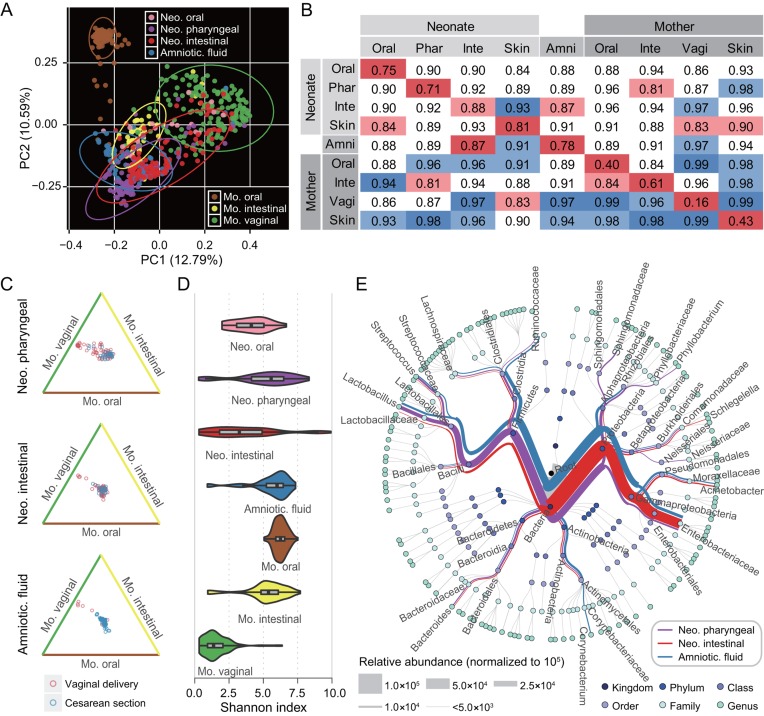
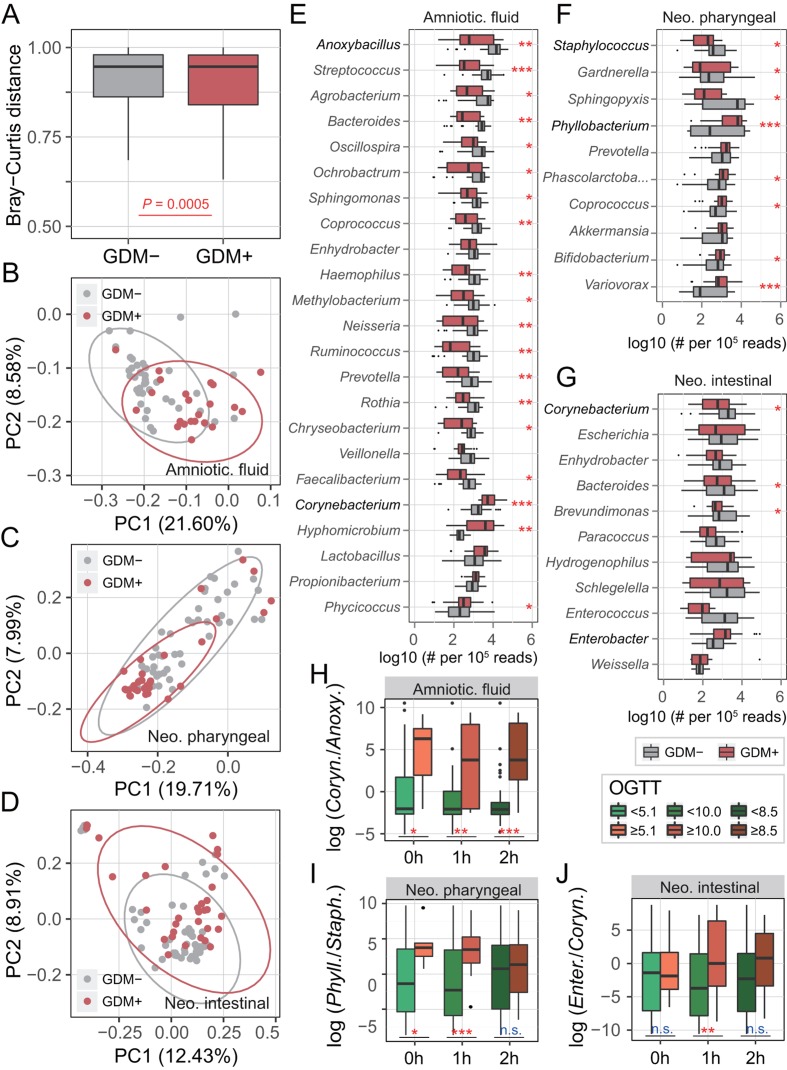
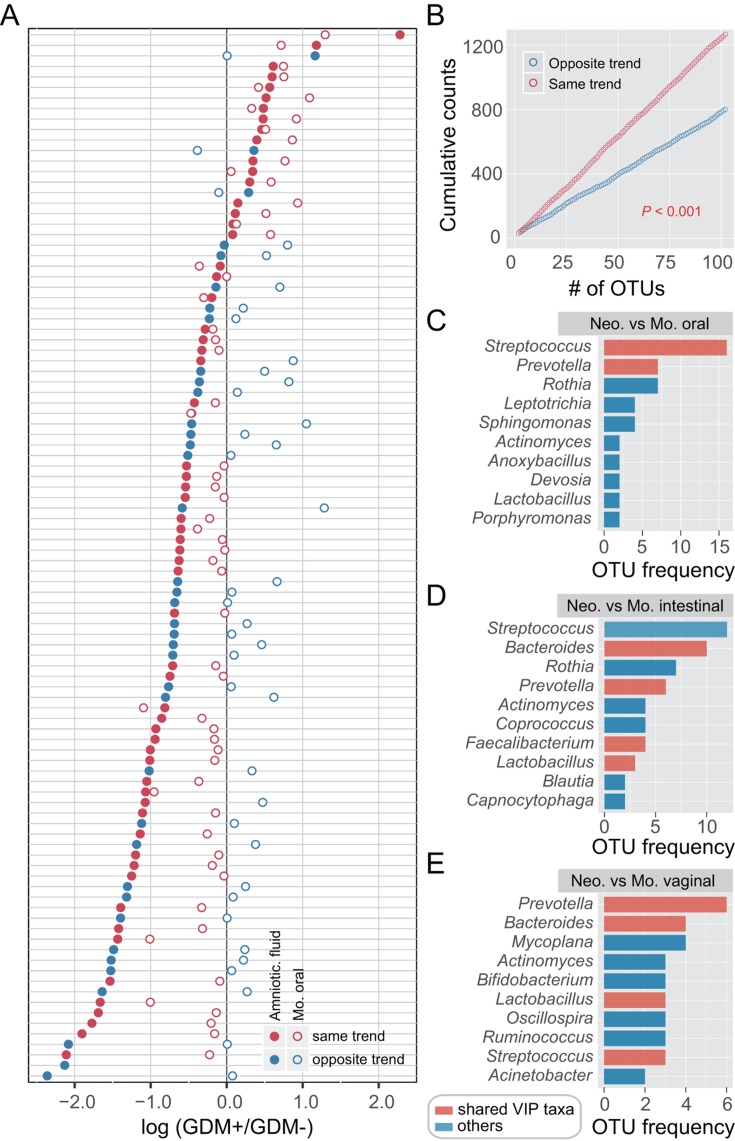
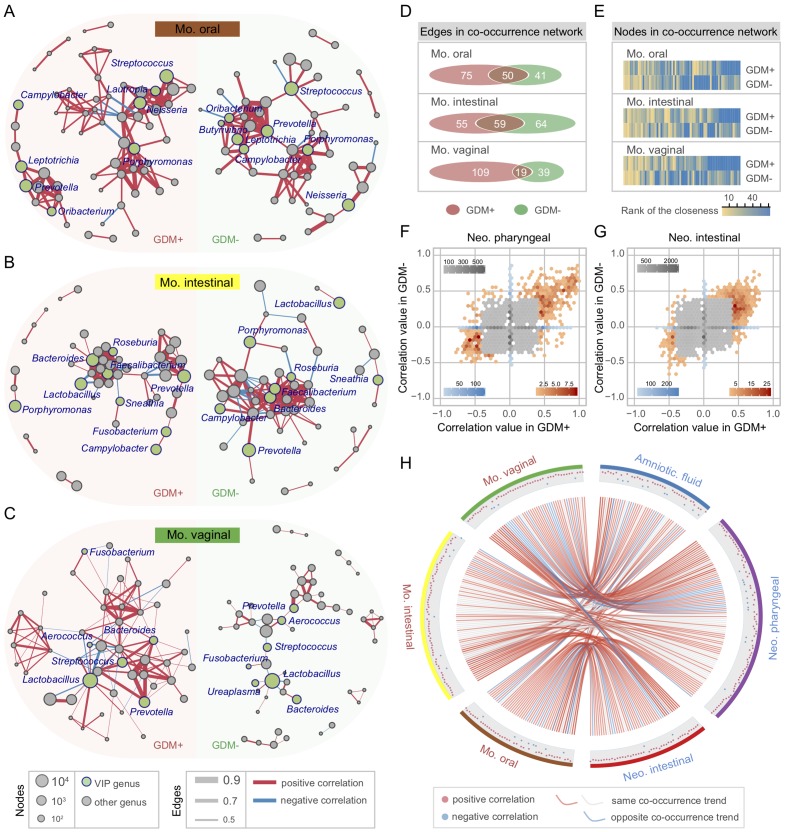
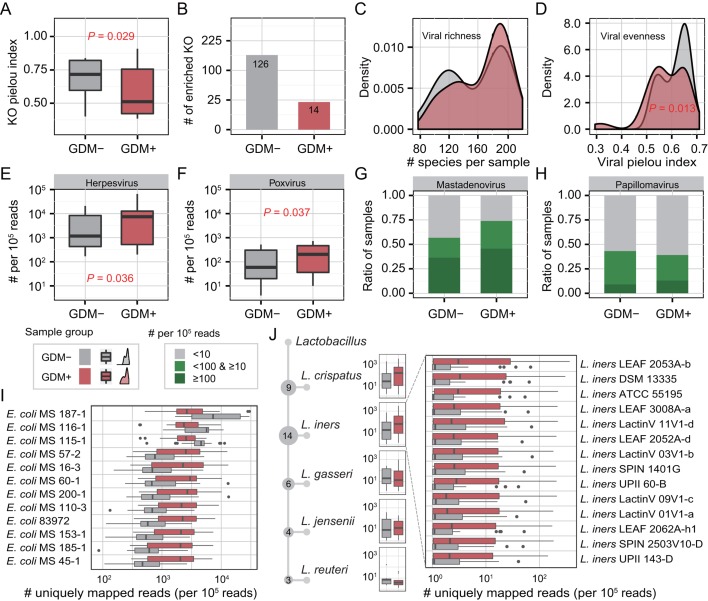
Objective: The initial colonisation of the human microbiota and the impact of maternal health on neonatal microbiota at birth remain largely unknown. The aim of our study is to investigate the possible dysbiosis of maternal and neonatal microbiota associated with gestational diabetes mellitus (GDM) and to estimate the potential risks of the microbial shift to neonates. Design: Pregnant women and neonates suffering from GDM were enrolled and 581 maternal (oral, intestinal and vaginal) and 248 neonatal (oral, pharyngeal, meconium and amniotic fluid) samples were collected. To avoid vaginal bacteria contaminations, the included neonates were predominantly delivered by C-section, with their samples collected within seconds of delivery. Results: Numerous and diverse bacterial taxa were identified from the neonatal samples, and the samples from different neonatal body sites were grouped into distinct clusters. The microbiota of pregnant women and neonates was remarkably altered in GDM, with a strong correlation between certain discriminatory bacteria and the oral glucose tolerance test. Microbes varying by the same trend across the maternal and neonatal microbiota were observed, revealing the intergenerational concordance of microbial variation associated with GDM. Furthermore, lower evenness but more depletion of KEGG orthologues and higher abundance of some viruses (eg, herpesvirus and mastadenovirus) were observed in the meconium microbiota of neonates associated with GDM. Conclusion: GDM can alter the microbiota of both pregnant women and neonates at birth, which sheds light on another form of inheritance and highlights the importance of understanding the formation of early-life microbiome.
Overview
The claims and statistics of this paper haven’t been checked yet.
Free: it reads the open-access text and checks the first 5 claims that cite a source we can check. Create a free account to check every claim.
Integrity signals
Registry
Cites
Statistics
Figures
Verification
Claims the paper makes
The claims and statistics of this paper haven’t been checked yet.
Free: it reads the open-access text and checks the first 5 claims that cite a source we can check. Create a free account to check every claim.
Claims other papers make about this one
Each is checked against this paper’s own text: does it say what the citing paper says it does?
In the citing paper
“Most studies to date have not noted a reproducible microbial colonization already occurring in utero,25”
From Interaction between microbiota and immunity in health and disease (2020) · cites this paper as [25]
Self-check
Percentages, sums and reported differences re-computed from the paper’s own numbers.
The self-check needs the paper’s full text.
Citations
Cites
Trimmomatic: a flexible trimmer for Illumina sequence data
Bolger, A. M., Lohse, M., & Usadel, B. (2014) · Bioinformatics · doi:10.1093/bioinformatics/btu170 · Cited by 65,548
Fast and accurate short read alignment with Burrows-Wheeler transform
Li, H., & Durbin, R. (2009) · Bioinformatics · doi:10.1093/bioinformatics/btp324 · Cited by 58,607
QIIME allows analysis of high-throughput community sequencing data
Caporaso, J. G., Kuczynski, J., Stombaugh, J., Bittinger, K., Bushman, F. D., Costello, E. K., Fierer, N., Peña, A. G., Goodrich, J. K., Gordon, J. I., et al. (2010) · Nature Methods · doi:10.1038/nmeth.f.303 · Cited by 34,887
Prokka: rapid prokaryotic genome annotation
Seemann, T. (2014) · Bioinformatics · doi:10.1093/bioinformatics/btu153 · Cited by 18,818
Metagenomic biomarker discovery and explanation
Segata, N., Izard, J., Waldron, L., Gevers, D., Miropolsky, L., Garrett, W. S., & Huttenhower, C. (2011) · Genome Biology · doi:10.1186/gb-2011-12-6-r60 · Cited by 16,192
Fast and sensitive protein alignment using DIAMOND
Buchfink, B., Xie, C., & Huson, D. H. (2015) · Nature Methods · doi:10.1038/nmeth.3176 · Cited by 14,201
Hyperglycemia and adverse pregnancy outcomes
(2008) · New England Journal of Medicine · doi:10.1056/nejmoa0707943 · Cited by 5,563
McDonald, D., Price, M. N., Goodrich, J., Nawrocki, E. P., DeSantis, T. Z., Probst, A., Andersen, G. L., Knight, R., & Hugenholtz, P. (2012) · The ISME Journal · doi:10.1038/ismej.2011.139 · Cited by 5,064
Host-gut microbiota metabolic interactions
Nicholson, J. K., Holmes, E., Kinross, J., Burcelin, R., Gibson, G., Jia, W., & Pettersson, S. (2012) · Science · doi:10.1126/science.1223813 · Cited by 4,760
metaSPAdes: a new versatile metagenomic assembler
Nurk, S., Meleshko, D., Korobeynikov, A., & Pevzner, P. A. (2017) · Genome Research · doi:10.1101/gr.213959.116 · Cited by 4,496
Cited by
Interaction between microbiota and immunity in health and disease
Zheng, D., Liwinski, T., & Elinav, E. (2020) · Cell Research · doi:10.1038/s41422-020-0332-7 · Cited by 3,947
Microbiota in health and diseases
Hou, K., Wu, Z.-X., Chen, X.-Y., Wang, J.-Q., Zhang, D., Xiao, C., Zhu, D., Koya, J. B., Wei, L., Li, J., et al. (2022) · Signal Transduction and Targeted Therapy · doi:10.1038/s41392-022-00974-4 · Cited by 3,171
“Other studies confirmed this finding that the GDM infants had lower α-diversity compared with the control group, and the abundance of certain lactic acid bacteria may be affected by maternal GDM status.(193) Therefore, gut microbiota may play a critical role in the development of GDM and may also affect GDM infants.”
ResultSelf-citationA practical guide to amplicon and metagenomic analysis of microbiome data
Liu, Y.-X., Qin, Y., Chen, T., Lu, M., Qian, X., Guo, X., & Bai, Y. (2021) · Protein & Cell · doi:10.1007/s13238-020-00724-8 · Cited by 864
“3F) and/or modules (Jiao et al., 2016) Colors highlight important features Highlighting important features and showing their positions and connections (Wang et al., 2018b)”
BackgroundThe Not-so-Sterile Womb: Evidence That the Human Fetus Is Exposed to Bacteria Prior to Birth
Stinson, L. F., Boyce, M. C., Payne, M. S., & Keelan, J. A. (2019) · Frontiers in Microbiology · doi:10.3389/fmicb.2019.01124 · Cited by 389
Gut dysbiosis induces the development of pre-eclampsia through bacterial translocation
Chen, X., Li, P., Liu, M., Zheng, H., He, Y., Chen, M.-X., Tang, W., Yue, X., Huang, Y., Zhuang, L., et al. (2020) · Gut · doi:10.1136/gutjnl-2019-319101 · Cited by 351
Dan, Z., Mao, X., Liu, Q., Guo, M., Zhuang, Y., Liu, Z., Chen, K., Chen, J., Xu, R., Tang, J., et al. (2020) · Gut Microbes · doi:10.1080/19490976.2020.1747329 · Cited by 350
“To understand the correlations among different genera or species, we constructed co-occurrence network based on the 16S rRNA or metagenomic data.(73) The bacterial correlations in the TD and ASD samples were analyzed, respectively, according to the relative abundance of each species/genus using Spearman’s correlation…”
MethodSelf-citationLiu, Y., Chen, L., Ma, T., Li, X., Zheng, M., Zhou, X., Chen, L., Qian, X., Xi, J., Lu, H., et al. (2023) · iMeta · doi:10.1002/imt2.83 · Cited by 273
“The scripts for correlation, network analysis [38, 39], random forest [40, 41], machine learning [42], deep learning [43], transfer learning [44], and source track [45 – 47] analyses are ongoing and will be included in the pipeline soon.”
BackgroundIssues and current standards of controls in microbiome research
Hornung, B. V. H., Zwittink, R. D., & Kuijper, E. J. (2019) · FEMS Microbiology Ecology · doi:10.1093/femsec/fiz045 · Cited by 248
“amniotic fluid (Wang et al. 2018) (despite being heavily discussed earlier (Lauder et al.”
BackgroundFactors affecting early-life intestinal microbiota development
Vandenplas, Y., Carnielli, V. P., Ksiazyk, J., Luna, M. S., Migacheva, N., Mosselmans, J. M., Picaud, J. C., Possner, M., Singhal, A., & Wabitsch, M. (2020) · Nutrition · doi:10.1016/j.nut.2020.110812 · Cited by 247
“and highlights the importance of understanding the formation of the early-life microbiome [20].”
BackgroundNutrigenetics, epigenetics and gestational diabetes: consequences in mother and child
Franzago, M., Fraticelli, F., Stuppia, L., & Vitacolonna, E. (2019) · Epigenetics · doi:10.1080/15592294.2019.1582277 · Cited by 234
“Both maternal and neonatal microbiome could be influenced by GDM [147]; therefore, further studies are required to understand possible remodelling of the gut microbiome composition during the infant stage.”
BackgroundHasain, Z., Mokhtar, N. M., Kamaruddin, N. A., Mohamed Ismail, N. A., Razalli, N. H., Gnanou, J. V., & Raja Ali, R. A. (2020) · Frontiers in Cellular and Infection Microbiology · doi:10.3389/fcimb.2020.00188 · Cited by 225
“At the genus level, the gut microbiota of women with GDM was dominated by Fusobacterium and the abundance of Faecalibacterium was significantly reduced compared to women without GDM (Wang et al., 2018).”
BackgroundTranslocation of vaginal microbiota is involved in impairment and protection of uterine health
Wang, J., Li, Z., Ma, X., Du, L., Jia, Z., Cui, X., Yu, L., Yang, J., Xiao, L., Zhang, B., et al. (2021) · Nature Communications · doi:10.1038/s41467-021-24516-8 · Cited by 190
Self-citationFetal meconium does not have a detectable microbiota before birth
Kennedy, K. M., Gerlach, M. J., Adam, T., Heimesaat, M. M., Rossi, L., Surette, M. G., Sloboda, D. M., & Braun, T. (2021) · Nature Microbiology · doi:10.1038/s41564-021-00904-0 · Cited by 188
Maternal exposures and the infant gut microbiome: a systematic review with meta-analysis
Grech, A., Collins, C. E., Holmes, A., Lal, R., Duncanson, K., Taylor, R., & Gordon, A. (2021) · Gut Microbes · doi:10.1080/19490976.2021.1897210 · Cited by 186
Microbial transmission, colonisation and succession: from pregnancy to infancy
Xiao, L., & Zhao, F. (2023) · Gut · doi:10.1136/gutjnl-2022-328970 · Cited by 173
Self-citationMicrobiome and its relation to gestational diabetes
Cortez, R. V., Taddei, C. R., Sparvoli, L. G., Ângelo, A. G. S., Padilha, M., Mattar, R., & Daher, S. (2019) · Endocrine · doi:10.1007/s12020-018-1813-z · Cited by 185
Gut microbial co-abundance networks show specificity in inflammatory bowel disease and obesity
Chen, L., Collij, V., Jaeger, M., van den Munckhof, I. C. L., Vich Vila, A., Kurilshikov, A., Gacesa, R., Sinha, T., Oosting, M., Joosten, L. A. B., et al. (2020) · Nature Communications · doi:10.1038/s41467-020-17840-y · Cited by 160
Diet-Gut Microbiota Interactions and Gestational Diabetes Mellitus (GDM)
Ponzo, V., Fedele, D., Goitre, I., Leone, F., Lezo, A., Monzeglio, C., Finocchiaro, C., Ghigo, E., & Bo, S. (2019) · Nutrients · doi:10.3390/nu11020330 · Cited by 155
“Moreover, inverse relationships between Blautia and insulin values; Faecalibacterium/Fusobacterium ratios and blood glucose; Odoribacter and arterial blood pressure; Ruminococcaceae and GIP, and Prevotellaceae and ghrelin have been reported [27,32,33].”
BackgroundXu, X., Gao, Z., Yang, F., Yang, Y., Chen, L., Han, L., Zhao, N., Xu, J., Wang, X., Ma, Y., et al. (2020) · Genomics, Proteomics & Bioinformatics · doi:10.1016/j.gpb.2019.09.007 · Cited by 156
“In recent years, new lines of evidence have also implied a vital role of gut microbiota in the pathophysiology of diabetes [10–12].”
Self-citationLv, L., Li, S., Li, S.-C., Zhong, Z.-C., Duan, H., Cheng, T., Li, H., He, W., Chen, M.-C., He, T., et al. (2019) · Frontiers in Cellular and Infection Microbiology · doi:10.3389/fcimb.2019.00224 · Cited by 162
“A similar phenomenon was also revealed in previous studies showing that the women’s gut microbial structure dramatically changed during delivery and sustained recovery after a long period of time (DiGiulio et al., 2015; Wang et al., 2018).”
ResultSelf-citationDeterministic transition of enterotypes shapes the infant gut microbiome at an early age
Xiao, L., Wang, J., Zheng, J., Li, X., & Zhao, F. (2021) · Genome Biology · doi:10.1186/s13059-021-02463-3 · Cited by 142
“DNA extraction from fecal samples was performed as per methods described previously [34].”
MethodSelf-citationA guide to human microbiome research: study design, sample collection, and bioinformatics analysis
Qian, X., Chen, T., Xu, Y., Chen, L., Fu-xiang, S., Lu, M., & Liu, Y. (2020) · Chinese Medical Journal · doi:10.1097/cm9.0000000000000871 · Cited by 166
“Amplicon sequencing is often used to gain an overview of a microbial community,([60]) and it is typically applicable to large-scale studies.”
BackgroundXu, L., Zhang, Y., Li, X., Li, C., Hu, H., Hu, J., Liu, M., Yang, Q. Z., Gu, P., Li, J., et al. (2025) · iMeta · doi:10.1002/imt2.270 · Cited by 154
Self-citationRecent Insights on the Maternal Microbiota: Impact on Pregnancy Outcomes
Di Simone, N., Santamaria Ortiz, A., Specchia, M., Tersigni, C., Villa, P., Gasbarrini, A., Scambia, G., & D’Ippolito, S. (2020) · Frontiers in Immunology · doi:10.3389/fimmu.2020.528202 · Cited by 146
Tang, B., Tang, L., Li, S., Liu, S., He, J., Li, P., Wang, S., Yang, M. J., Zhang, L., Lei, Y., et al. (2023) · Nature Communications · doi:10.1038/s41467-023-36981-4 · Cited by 152
He, Q., Kwok, L. Y., Xi, X., Zhong, Z., Ma, T., Xu, H., Meng, H., Zhao, F., & Zhang, H. (2020) · Gut Microbes · doi:10.1080/19490976.2020.1794266 · Cited by 160
“Gestational diabetes mellitus was associated with concordant alterations of maternal and neonatal microbiota.(10) A strain-resolved metagenomic analysis revealed that the infant microbiome was largely acquired and transmitted maternally.”
BackgroundSelf-citationEarly‐Life Gut Microbiome—The Importance of Maternal and Infant Factors in Its Establishment
Kapourchali, F. R., & Cresci, G. (2020) · Nutrition in Clinical Practice · doi:10.1002/ncp.10490 · Cited by 151
Wang, X., Liu, H., Li, Y., Huang, S., Zhang, L., Cao, C., Baker, P. N., Tong, C., Zheng, P., & Qi, H. (2020) · Gut Microbes · doi:10.1080/19490976.2020.1840765 · Cited by 132
“Interestingly, these disturbances of maternal gut microbiome in GDM individuals could be vertically transmitted to the next generation.(12) Ferrocino et al.”
BackgroundGuo, M., Wang, H., Xu, S., Zhuang, Y., An, J., Su, C., Xia, Y., Chen, J., Xu, Z. Z., Liu, Q., et al. (2020) · Gut Microbes · doi:10.1080/19490976.2020.1768644 · Cited by 128
“The similarities between any two network structures were measured by node closeness and shared correlations.(38) Closeness of the nodes was calculated by Cytoscape (v3.”
MethodSelf-citationMa, S., You, Y., Huang, L., Long, S., Zhang, J., Guo, C., Zhang, N., Wu, X., Xiao, Y., & Tan, H. (2020) · Frontiers in Cellular and Infection Microbiology · doi:10.3389/fcimb.2020.00058 · Cited by 140
Bacterial colonization reprograms the neonatal gut metabolome
Bittinger, K. L., Zhao, C., Li, Y., Ford, E., Friedman, E. S., Ni, J., Kulkarni, C. V., Cai, J., Tian, Y., Liu, Q., et al. (2020) · Nature Microbiology · doi:10.1038/s41564-020-0694-0 · Cited by 139
Gestational diabetes mellitus is associated with the neonatal gut microbiota and metabolome
Chen, T., Qin, Y., Chen, M., Zhang, Y., Wang, X., Dong, T., Chen, G., Sun, X. L., Lu, T., White, R. A., III, et al. (2021) · BMC Medicine · doi:10.1186/s12916-021-01991-w · Cited by 143
“showed that GDM altered the microbial community in meconium from neonates delivered by C-section, with a similar trend in maternal gut microbiota changes [13].”
BackgroundSelf-citationde Mendonça, E. L. S. S., Fragoso, M. B. T., de Oliveira, J. M., Xavier, J. A., Goulart, M. O. F., & de Oliveira, A. C. M. (2022) · Antioxidants · doi:10.3390/antiox11010129 · Cited by 126
“Corroborating this finding, through analyzes of the microbiota of the maternal (oral, intestinal and vaginal) and child (oral, pharyngeal, meconium and amniotic fluid) pairs, another study identified changes in the microbiota of the pairs belonging to the group with GDM, when compared with the control, namely lesser d…”
BackgroundResultInfluentialImmune-Microbiota Interplay and Colonization Resistance in Infection
Leshem, A., Liwinski, T., & Elinav, E. (2020) · Molecular Cell · doi:10.1016/j.molcel.2020.03.001 · Cited by 128
Liu, Y., Qin, S., Song, Y., Feng, Y., Lv, N., Xue, Y., Liu, F., Wang, S., Zhu, B., Ma, J., et al. (2019) · Frontiers in Microbiology · doi:10.3389/fmicb.2019.00598 · Cited by 103
“Conversely, breastfeeding is associated with a lower risk of allergic diseases (Wopereis et al., 2018) and obesity (Forbes et al., 2018; Mueller and Blaser, 2018) than formula feeding.”
BackgroundSaeb, A. T. M., Al-Rubeaan, K. A., Aldosary, K., Udaya Raja, G. K., Mani, B., Abouelhoda, M., & Tayeb, H. T. (2019) · Microbial Pathogenesis · doi:10.1016/j.micpath.2019.01.009 · Cited by 107
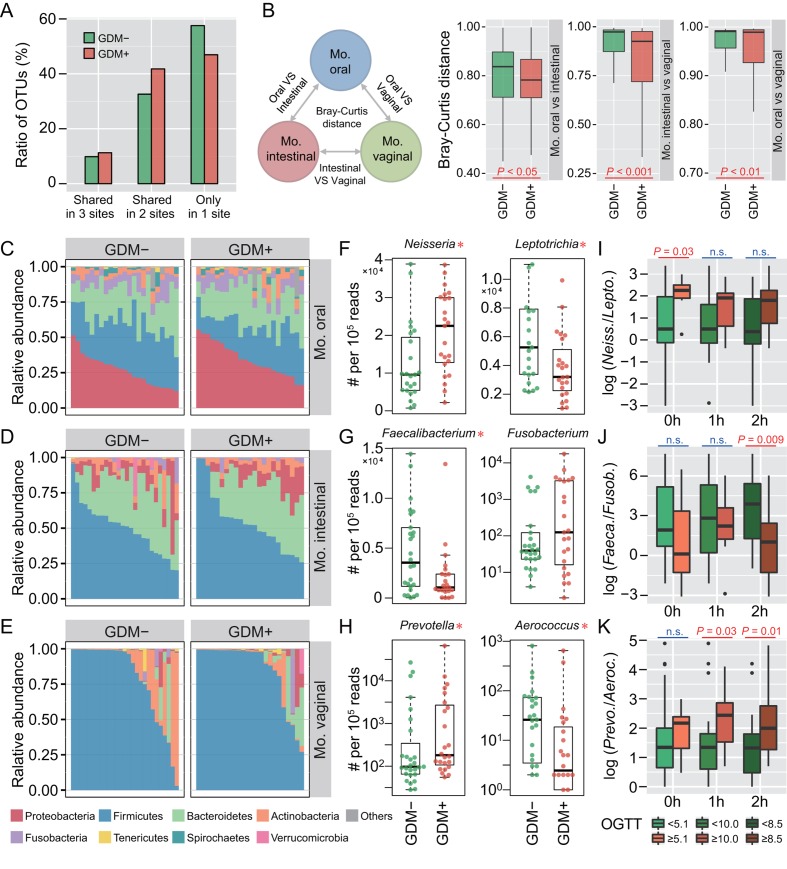
“The microbiota was remarkably altered with a sturdy correlation between bacteria and the oral glucose tolerance test [36].”
BackgroundMokkala, K., Paulin, N., Houttu, N., Koivuniemi, E., Pellonperä, O., Khan, S., Pietilä, S., Tertti, K., Elo, L. L., & Laitinen, K. (2020) · Gut · doi:10.1136/gutjnl-2020-321643 · Cited by 120
Zheng, W., Xu, Q., Huang, W., Yan, Q. J., Chen, Y., Zhang, L., Tian, Z., Liu, T., Yuan, X., Liu, C., et al. (2020) · mSystems · doi:10.1128/msystems.00109-20 · Cited by 112
“Wang et al. (13) reported a strong association between certain discriminatory bacteria and glucose levels in late pregnancy.”
Mikó, É., Csaszar, A., Bódis, J., & Kovács, K. A. (2022) · Life · doi:10.3390/life12030424 · Cited by 113
Maternal Microbiome and Metabolic Health Program Microbiome Development and Health of the Offspring
Calatayud, M., Koren, O., & Collado, M. C. (2019) · Trends in Endocrinology and Metabolism · doi:10.1016/j.tem.2019.07.021 · Cited by 109
Overall Dietary Quality Relates to Gut Microbiota Diversity and Abundance
Laitinen, K., & Mokkala, K. (2019) · International Journal of Molecular Sciences · doi:10.3390/ijms20081835 · Cited by 98
Large-scale microbiome data integration enables robust biomarker identification
Xiao, L., Zhang, F., & Zhao, F. (2022) · Nature Computational Science · doi:10.1038/s43588-022-00247-8 · Cited by 102
“In addition, several studies have reported strong associations between hepatitis B virus infection and Streptococcus or Bacteroides , which are also key bacteria in the occurrence of gestational diabetes mellitus 24–26 .”
BackgroundSelf-citationYe, D., Huang, J., Wu, J., Xie, K., Gao, X., Yan, K., Zhang, P., Tao, Y., Li, Y., Zang, S., et al. (2022) · Gut Microbes · doi:10.1080/19490976.2022.2154552 · Cited by 104
Shaping Microbiota During the First 1000 Days of Life
Selma‐Royo, M., Tarrazó, M., García‐Mantrana, I., Gómez-Gallego, C., Salminen, S., & Collado, M. C. (2019) · Advances in experimental medicine and biology · doi:10.1007/5584_2018_312 · Cited by 104
Han, D., Li, Z., Liu, T., Yang, N., Li, Y., He, J., Qian, M., Kuang, Z., Zhang, W., Ni, C., et al. (2020) · Aging and disease · doi:10.14336/ad.2020.0106 · Cited by 99
“Previous studies have shown that numerous diseases are related with intestinal dysbiosis, such as gastrointestinal diseases, metabolic diseases and neurodegenerative diseases [43-45].”
BackgroundHe, R., Li, P., Wang, J., Cui, B., Zhang, F., & Zhao, F. (2022) · Gut Microbes · doi:10.1080/19490976.2022.2100197 · Cited by 98
“) using standard Illumina sequencing protocols.(60,61) Only patients with complete preand post-transplant samples and donor samples were included in downstream analysis.”
Self-citationYe, C., & Kapila, Y. L. (2021) · Periodontology 2000 · doi:10.1111/prd.12386 · Cited by 110
Maternal gut microbiota in the health of mothers and offspring: from the perspective of immunology
Lu, X., Shi, Z., Jiang, L., & Zhang, S. (2024) · Frontiers in Immunology · doi:10.3389/fimmu.2024.1362784 · Cited by 114
Ye, G., Zhang, L., Wang, M., Chen, Y., Gu, S., Wang, K., Leng, J., Gu, Y., & Xie, X. (2019) · Journal of Diabetes Research · doi:10.1155/2019/6081248 · Cited by 103
“Additionally, some studies have addressed the relationship between the gut microbiota and the development of GDM [27 – 29].”
Factors influencing development of the infant microbiota: from prenatal period to early infancy
Jeong, S. (2021) · Korean Journal of Pediatrics · doi:10.3345/cep.2021.00955 · Cited by 101
Gu, F., Zhu, S., Hou, J., Tang, Y., Liu, J., Xu, Q., & Sun, H. (2023) · Microbiome · doi:10.1186/s40168-023-01535-9 · Cited by 93
“Co‐occurrence network analysis To understand microbial interactions in the gut, we constructed co-occurrence networks based on the relative abundance of genera in each group [28].”
MethodXu, Y., Zhang, M., Zhang, J., Sun, Z., Ran, L., Ban, Y., Wang, B., Hou, X., Zhai, S., Ren, L., et al. (2019) · American Journal of Physiology-Endocrinology and Metabolism · doi:10.1152/ajpendo.00266.2019 · Cited by 95
Gestational Diabetes Mellitus and Developmental Programming
Chu, A. H. Y., & Godfrey, K. M. (2020) · Annals of Nutrition and Metabolism · doi:10.1159/000509902 · Cited by 96
The microbiota composition of the offspring of patients with gestational diabetes mellitus (GDM)
Ponzo, V., Ferrocino, I., Zarovska, A., Amenta, M. B., Leone, F., Monzeglio, C., Rosato, R., Pellegrini, M., Gambino, R., Cassader, M., et al. (2019) · PLoS ONE · doi:10.1371/journal.pone.0226545 · Cited by 89
Gestational Diabetes Is Uniquely Associated With Altered Early Seeding of the Infant Gut Microbiota
Soderborg, T. K., Carpenter, C. M., Janssen, R. C., Weir, T. L., Robertson, C. E., Ir, D., Young, B. E., Krebs, N. F., Hernandez, T. L., Barbour, L. A., et al. (2020) · Frontiers in Endocrinology · doi:10.3389/fendo.2020.603021 · Cited by 85
Li, Z., Zhang, B., Wang, N., Zuo, Z., Hong Kui, W. E. I., & Zhao, F. (2022) · Gut · doi:10.1136/gutjnl-2022-328035 · Cited by 87
Self-citationEarly life gut microbiome and its impact on childhood health and chronic conditions
Núñez, H., Nieto, P. A., Mars, R. A. T., Ghavami, M., Hoy, C. S., & Sukhum, K. V. (2025) · Gut Microbes · doi:10.1080/19490976.2025.2463567 · Cited by 89
Maternal Microbiome and Infections in Pregnancy
Amir, M., Brown, J. A., Rager, S. L., Sanidad, K. Z., Ananthanarayanan, A., & Zeng, M. Y. (2020) · Microorganisms · doi:10.3390/microorganisms8121996 · Cited by 90
Impacts of gut microbiota on gestational diabetes mellitus: a comprehensive review
Huang, L., Thonusin, C., Chattipakorn, N., & Chattipakorn, S. C. (2021) · European Journal of Nutrition · doi:10.1007/s00394-021-02483-6 · Cited by 105
“After that, several studies also demonstrated the role of gut microbiota in pregnancy and its complications, including GDM [22, 23].”
BackgroundResultHow Ocular Surface Microbiota Debuts in Type 2 Diabetes Mellitus
Li, S., Yi, G., Peng, H., Li, Z., Chen, S., Zhong, H., Chen, Y., Wang, Z., Deng, Q., & Fu, M. (2019) · Frontiers in Cellular and Infection Microbiology · doi:10.3389/fcimb.2019.00202 · Cited by 78
“, 2011), vaginal canal, oral cavity, and amniotic fluid (Wang et al., 2018) by bacterial culture or 16S rRNA sequencing.”
BackgroundEstablishment of the early-life microbiome: a DOHaD perspective
Stinson, L. F. (2019) · Journal of Developmental Origins of Health and Disease · doi:10.1017/s2040174419000588 · Cited by 82
Alteration of gut microbiota-associated epitopes in children with autism spectrum disorders
Wang, M., Zhou, J., He, F., Cai, C., Wang, H., Wang, Y., Lin, Y., Rong, H., Cheng, G., Xu, R., et al. (2019) · Brain, Behavior, and Immunity · doi:10.1016/j.bbi.2018.10.006 · Cited by 77
Self-citationLi, B., Zhang, J., Chen, Y., Wang, Q., Li, Y., Wang, R., Wei, Y., You, Z., Li, Y., Miao, Q., et al. (2021) · Gut Microbes · doi:10.1080/19490976.2021.1946366 · Cited by 80
Sharma, P., Hajam, Y. A., Kumar, R., & Rai, S. (2021) · Phytomedicine Plus · doi:10.1016/j.phyplu.2021.100188 · Cited by 78
Impact of the mother's gut microbiota on infant microbiome and brain development
Mady, E. A., Doghish, A. S., El‐Dakroury, W. A., Elkhawaga, S. Y., Ismail, A., El‐Mahdy, H. A., Elsakka, E. G. E., & El‐Husseiny, H. M. (2023) · Neuroscience & Biobehavioral Reviews · doi:10.1016/j.neubiorev.2023.105195 · Cited by 75
Cao, Y., Sun, W. C., Wang, J., Sheng, G., Xiang, G., Zhang, T., Shi, W., Li, C., Wang, Y., Zhao, F., et al. (2019) · Cell Discovery · doi:10.1038/s41421-019-0105-y · Cited by 75
Self-citationVitamin D alleviates non-alcoholic fatty liver disease via restoring gut microbiota and metabolism
Zhang, X., Chen, L., Yang, J., Zhao, S.-S., Jin, S., Ao, N., Yang, J., Liu, H., & Du, J. (2023) · Frontiers in Microbiology · doi:10.3389/fmicb.2023.1117644 · Cited by 71
Gut Microbiome Changes in Gestational Diabetes
Ionescu, R. F., Enache, R. M., Creţoiu, S. M., & Gașpar, B. S. (2022) · International Journal of Molecular Sciences · doi:10.3390/ijms232112839 · Cited by 73
Wu, Y., Bible, P. W., Long, S., Ming, W., Ding, W., Long, Y., Wen, X., Li, X., Deng, X., Deng, Y., et al. (2019) · Acta Diabetologica · doi:10.1007/s00592-019-01434-2 · Cited by 75
Zhang, Y., Chen, T., Zhang, Y., Hu, Q., Wang, X., Chang, H., Mao, J., Snijders, A. M., & Xia, Y. (2021) · Environment International · doi:10.1016/j.envint.2021.106520 · Cited by 70
Self-citationGut microbiota changes in preeclampsia, abnormal placental growth and healthy pregnant women
Huang, L., Cai, M., Li, L., Zhang, X., Xu, Y., Xiao, J., Huang, Q., Luo, G., Zeng, Z., Jin, C., et al. (2021) · BMC Microbiology · doi:10.1186/s12866-021-02327-7 · Cited by 73
Gut microbiota and gestational Diabetes Mellitus: A systematic review
Dualib, P. M., Ogassavara, J., Mattar, R., da Silva, E. M. K., Dib, S. A., & de Almeida-Pititto, B. (2021) · Diabetes Research and Clinical Practice · doi:10.1016/j.diabres.2021.109078 · Cited by 73
Wang, J., Jia, Z., Zhang, B., Peng, L., & Zhao, F. (2019) · Gut · doi:10.1136/gutjnl-2019-318977 · Cited by 73
Self-citationMicrobiome Changes in Pregnancy Disorders
Giannella, L., Grelloni, C., Quintili, D., Fiorelli, A., Montironi, R., Alia, S., Carpini, G. D., Giuseppe, J. D., Vignini, A., & Ciavattini, A. (2023) · Antioxidants · doi:10.3390/antiox12020463 · Cited by 69
Wang, Z., Usyk, M., Vázquez‐Baeza, Y., Chen, G., Isasi, C. R., Williams-Nguyen, J. S., Hua, S., McDonald, D. T., Thyagarajan, B., Daviglus, M. L., et al. (2021) · Genome biology · doi:10.1186/s13059-021-02559-w · Cited by 67
“Coprococcus and Roseburia, both in the Lachnospiraceae family [34, 48].”
Zhang, H., Zha, X., Zhang, B., Zheng, Y., Elsabagh, M., Wang, H., & Wang, M. (2024) · Microbiome · doi:10.1186/s40168-024-01749-5 · Cited by 64
“Gut microbiota imbalance or dysbiosis is associated with chronic inflammatory disorders, metabolic syndrome, or even complicated pregnancy [18].”
BackgroundSelf-citationUnfavourable intrauterine environment contributes to abnormal gut microbiome and metabolome in twins
Yang, J., Hou, L., Wang, J., Xiao, L., Zhang, J., Yin, N., Yao, S., Cheng, K., Zhang, W., Shi, Z., et al. (2022) · Gut · doi:10.1136/gutjnl-2021-326482 · Cited by 65
Self-citationLi, T., Lu, M., Xu, B., Chen, H., Li, J., Zhu, Z., Yu, M., Zheng, J., Peng, P., & Wu, S. (2022) · The Science of The Total Environment · doi:10.1016/j.scitotenv.2022.156352 · Cited by 67
Self-citationSun, Z., Pan, X., Li, X., Jiang, L., Hu, P., Wang, Y., Ye, Y., Wu, P., Zhao, B., Xu, J., et al. (2023) · Advanced Science · doi:10.1002/advs.202205289 · Cited by 67
Self-citationThe association between lifestyle factors and the composition of the vaginal microbiota: a review
Morsli, M., Gimenez, É., Magnan, C., Salipante, F., Huberlant, S., Letouzey, V., & Lavigne, J. (2024) · European Journal of Clinical Microbiology & Infectious Diseases · doi:10.1007/s10096-024-04915-7 · Cited by 67
Microbiota dysbiosis in primary Sjögren’s syndrome and the ameliorative effect of hydroxychloroquine
Wang, X., Pang, K., Wang, J., Zhang, B., Liu, Z., Lu, S., Xu, X., Zhu, L., Zhou, Z., Niu, M., et al. (2022) · Cell Reports · doi:10.1016/j.celrep.2022.111352 · Cited by 61
Self-citationGut microbiota in children and altered profiles in juvenile idiopathic arthritis
Filippo, C. D., Paola, M. D., Giani, T., Tirelli, F., & Cimaz, R. (2019) · Journal of Autoimmunity · doi:10.1016/j.jaut.2019.01.001 · Cited by 63
Obuchowska, A., Gorczyca, K., Standyło, A., Obuchowska, K., Kimber-Trojnar, Ż., Wierzchowska-Opoka, M., & Leszczyńska‐Gorzelak, B. (2022) · International Journal of Molecular Sciences · doi:10.3390/ijms23158253 · Cited by 63
Yan, M., Guo, X., Ji, G., Huang, R., Huang, D., Li, Z., Zhang, D., Chen, S., Cao, R., Yang, X., et al. (2023) · Frontiers in Immunology · doi:10.3389/fimmu.2022.1097853 · Cited by 59
“The human gut microbiota is considered to have a profound influence on host metabolism (6), and alteration of the homeostasis of the intestinal microbiota can have far-reaching consequences.”
BackgroundMethodRelationships between gut microbiota, plasma glucose and gestational diabetes mellitus
Chen, T., Zhang, Y., Zhang, Y., Shan, C., Zhang, Y., Fang, K., Xia, Y., & Shi, Z. (2020) · Journal of Diabetes Investigation · doi:10.1111/jdi.13373 · Cited by 65
Self-citationProbiotic Supplementation During Human Pregnancy Affects the Gut Microbiota and Immune Status
Chen, Y., Li, Z., Tye, K. D., Luo, H., Tang, X., Liao, Y., Wang, D., Zhou, J., Yang, P., Li, Y., et al. (2019) · Frontiers in Cellular and Infection Microbiology · doi:10.3389/fcimb.2019.00254 · Cited by 54
“Gestational diabetes mellitus is also associated with dysbiosis of the maternal and neonatal microbiota (Crusell et al., 2018; Wang et al., 2018).”
BackgroundSiena, M. D., Laterza, L., Matteo, M. V., Mignini, I., Schepis, T., Rizzatti, G., Ianiro, G., Rinninella, E., Cintoni, M., & Gasbarrini, A. (2021) · Microorganisms · doi:10.3390/microorganisms9030473 · Cited by 60
“The oral Neisseria/Leptotrichia ratio positively correlates to fasting blood glucose values that reflect the daily secretory capacity of basal insulin [84]; a low intestinal Faecalibacterium/Fusobacterium ratio corresponds to high blood glucose values [85] and a high vaginal Prevotella/Aerococcus ratio correlates to h…”
BackgroundOrtega, V. A., Mercer, E. M., Giesbrecht, G. F., & Arrieta, M. (2021) · Frontiers in Microbiology · doi:10.3389/fmicb.2021.634539 · Cited by 59
Liu, Y., Qin, S., Feng, Y., Song, Y., Lv, N., Liu, F., Zhang, X., Wang, S., Wei, Y., Li, S., et al. (2020) · Journal of Developmental Origins of Health and Disease · doi:10.1017/s2040174420000768 · Cited by 57
The gut microbiome in pregnancy and pregnancy complications
Turjeman, S., Collado, M. C., & Koren, O. (2021) · Current Opinion in Endocrine and Metabolic Research · doi:10.1016/j.coemr.2021.03.004 · Cited by 56
Probiotics in the Prevention and Treatment of Gestational Diabetes Mellitus (GDM): A Review
Kamińska, K., Stenclik, D., Błażejewska, W., Bogdański, P., & Moszak, M. (2022) · Nutrients · doi:10.3390/nu14204303 · Cited by 63
The Response of the Gut Microbiota to Dietary Changes in the First Two Years of Life
Li, Y., Faden, H. S., & Zhu, L. (2020) · Frontiers in Pharmacology · doi:10.3389/fphar.2020.00334 · Cited by 59
“For example, gestational diabetes mellitus can alter the microbiota of pregnant women and neonates at birth (Wang et al., 2018).”
BackgroundFan, Y., Xu, C., Xie, L., Wang, Y., Zhu, S., An, J., Li, Y., Tian, Z., Yan, Y., Yu, S., et al. (2022) · Frontiers in Cellular and Infection Microbiology · doi:10.3389/fcimb.2022.956528 · Cited by 56
“In order to understand the correlations between different genera or species, a co-occurrence network was constructed based on the 16S rRNA data (Wang et al., 2018; Dan et al., 2020).”
MethodSelf-citationLi, X., Ning, X., Rui, B., Wang, Y., Lei, Z., Yu, D. Y., Liu, F., Deng, Y., Yuan, J., Li, W., et al. (2023) · Gut Microbes · doi:10.1080/19490976.2023.2256749 · Cited by 52
“The offspring of GDM mothers show significant differences in gut microbiota composition compared with controls, which is similar to the trend of maternal gut microbiota changes.(7) In particular, GDM neonates have lower gut microbiota richness,(10,11) higher relative abundances of proinflammatory bacteria, and signifi…”
BackgroundResultSelf-citationPreterm Birth Is Correlated With Increased Oral Originated Microbiome in the Gut
Yin, C., Chen, J., Wu, X., Liu, Y., He, Q., Cao, Y., Huang, Y., & Liu, S. (2021) · Frontiers in Cellular and Infection Microbiology · doi:10.3389/fcimb.2021.579766 · Cited by 54
Cerdó, T., Diéguez, E., & Campoy, C. (2019) · American Journal of Physiology-Endocrinology and Metabolism · doi:10.1152/ajpendo.00188.2019 · Cited by 58
Omics-based biomarkers in the diagnosis of diabetes
Gan, W., Ramachandran, V., Lim, C. S. Y., & Koh, R. Y. (2019) · Journal of Basic and Clinical Physiology and Pharmacology · doi:10.1515/jbcpp-2019-0120 · Cited by 54
Menafra, D., Proganò, M., Tecce, N., Pivonello, R., & Colao, A. A. L. (2024) · Human Nutrition & Metabolism · doi:10.1016/j.hnm.2024.200286 · Cited by 52
Effects of altitude on human oral microbes
Fang, L., Liang, T., Zhang, Z., Liu, L., Li, J., Dong, W., Zhang, H., Bai, S., Ma, L., & Kang, L. (2021) · AMB Express · doi:10.1186/s13568-021-01200-0 · Cited by 52
Self-citationDaele, E. V., Knol, J., & Belzer, C. (2019) · Critical Reviews in Microbiology · doi:10.1080/1040841x.2019.1680601 · Cited by 51
“These studies should focus especially on pregnancy because alterations to the stool composition were registered in the offspring of (gestational) diabetic patients (Hu et al. 2013; Wang et al. 2018) .”
Background
Metadata
- Authors
- Wang, J., Zheng, J., Shi, W., Du, N., Xu, X., Zhang, Y., Ji, P., Zhang, F., Jia, Z., Wang, Y., Zheng, Z., Zhang, H., & Zhao, F.
- Affiliations
- Chinese Academy of Sciences (CN)
- Wenzhou City People's Hospital (CN)
- Corresponding author
- Zhao, Fangqing
- ORCID
- Venue
- Gut
- Publisher
- BMJ
- Published
- 2018-05-14
- Volume
- 67
- Issue
- 9
- Pages
- 1614-1625
- ISSN
- 0017-5749 (ISSN-L)
- 1468-3288
- PMC
- PMC6109274
- OpenAlex
- W2801262515
- Cited by
- 452
- References
- 42
- Citations by year
- 2026: 36 · 2025: 53 · 2024: 59 · 2023: 63 · 2022: 77 · 2021: 73 · 2020: 54 · 2019: 33 · 2018: 4
- FWCI
- 15.39
- Type
- journal article
- Language
- en
- Open access
- hybrid
- doi.org
- Licence
- cc-by-nc
- Locations
- Gut (publishedVersion, cc-by-nc)
- Europe PMC (PubMed Central) (publishedVersion, cc-by-nc)
- PubMed Central (publishedVersion, cc-by-nc)
- PubMed (publishedVersion)
- HighWire Press Open Archive (submittedVersion)
- Funders
- the Key Research Program of the Chinese Academy of Sciences
- National Key R&D Program
- National Natural Science Foundation of China
- Topics
- Life Sciences › Biochemistry, Genetics and Molecular Biology › Molecular Biology › Gut microbiota and health
- Health Sciences › Medicine › Obstetrics and Gynecology › Gestational Diabetes Research and Management
- Health Sciences › Dentistry › Periodontics › Oral microbiology and periodontitis research
- Keywords
- gestational diabetes mellitus, maternal microbiota, neonatal microbiome, dysbiosis, oral microbiota, vaginal microbiota, early-life microbiota, oral glucose tolerance test, viral microbiome, cesarean section
- MeSH terms
- Adult, Blood Glucose, Cesarean Section, Female, Glucose Tolerance Test, Humans, Infant, Newborn, Pregnancy, Diabetes, Gestational, Microbiota, Dysbiosis
About these checks
Registry, retraction, Cites and statistics results are computed, not judged, with one exception: a printed reference that no index lists is read once by a model before it counts as a citation error. Claims are extracted by a model and kept only when their quote appears verbatim in the text; each cited source is then checked, with a model’s help, for whether it says what the claim relies on. Those verdicts can be wrong — read the claim’s quote and the cited source before relying on one.
Statistics and arithmetic are recomputed, not judged.
Confidence bands are shown only for fields calibrated on our annotated test set. None is calibrated yet, so no band is shown.
What counts as a claim ›How we measure confidence ›How we check this ›
Are you an author, or do you see a problem with this page? Request a review
Data sources
Bibliographic data: Semantic Scholar, OpenAlex, Crossref.
Contains information from the Semantic Scholar Academic Graph Datasets, made available under the ODC Attribution License (ODC-BY 1.0).
Semantic Scholar’s data is described in: Kinney, R., et al. (2023). The Semantic Scholar Open Data Platform. arXiv:2301.10140.
