

Questioning the regressivity of tobacco taxes: a distributional accounting impact model of increased tobacco taxation
Open accessThe DOI matches its Crossref record; 58 of the 58 references it cites were found in a registry or an index.
Abstract
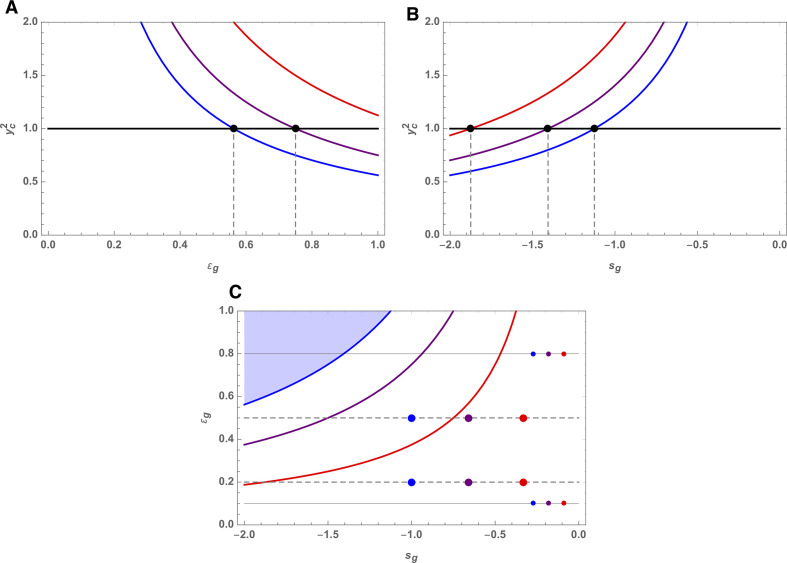
Background: Tobacco taxes, as with other ‘sin taxes’, are generally regarded as a highly cost-effective mechanism to reduce consumption but are often considered by policymakers to be regressive, undermining efforts to fully implement them at levels recommended by the WHO due to concerns of fairness. We aim to demonstrate whether there are circumstances in which the impacts of additional tobacco taxes are not regressive, using a standard income-share accounting definition of tax burden. Methods and findings: We apply mathematical modelling and explore the hypothetical distributions in the net change in tobacco taxes and cigarette expenditures by income group, following an increase in tobacco taxation. The hypothetical distribution per income group of additional taxes and cigarette expenditures borne by individuals following tobacco tax hikes was calculated with respect to a selection of parameters including: the change in the retail price of cigarettes, the price elasticity of demand for tobacco, smoking prevalence, cigarette consumption and individual income. We determine the range of hypothetical parameter values for which increased tobacco taxation should not be considered to penalise the poorest income groups when examining marginal cigarette consumption expenditures and using an accounting definition of tax burden. Conclusions: Our findings question the doctrine that tobacco taxes are uniformly regressive from a standard income-share accounting view and point to the importance of the specific features of tax policy to shape a progressive approach to tobacco taxation: tobacco tax increases are less likely to be regressive when accompanied by a broad framework of demand-side measures that enhance the capacity of low-income smokers to quit tobacco use.
Overview
The claims and statistics of this paper haven’t been checked yet.
Free: it reads the open-access text and checks the first 5 claims that cite a source we can check. Create a free account to check every claim.
Integrity signals
Registry
Cites
Statistics
Figures
Verification
Claims the paper makes
The claims and statistics of this paper haven’t been checked yet.
Free: it reads the open-access text and checks the first 5 claims that cite a source we can check. Create a free account to check every claim.
Claims other papers make about this one
Each is checked against this paper’s own text: does it say what the citing paper says it does?
The cited source says what the claim attributes to it.
In the citing paper
“With large price increases, the distribution in net cigarette expenditures relative to income could well be progressive.220,223”
From Global health 2050: the path to halving premature death by mid-century (2024) · cites this paper as [220]
Self-check
Percentages, sums and reported differences re-computed from the paper’s own numbers.
The self-check needs the paper’s full text.
Citations
Cites
Reitsma, M. B., Fullman, N., Ng, M., Salama, J. S., Abajobir, A., Abate, K. H., Abbafati, C., Abera, S. F., Abraham, B., Abyu, G. Y., et al. (2017) · The Lancet · doi:10.1016/s0140-6736(17)30819-x · Cited by 2,028
Economics of the Public Sector
Stiglitz, J. E. (1986) · Cited by 1,410
WHO Report on the Global Tobacco Epidemic, 2019
Alebshehy, R. (2019) · Cited by 1,331
Shibuya, K., Ciecierski, C., Guindon, E., Bettcher, D. W., Evans, D. B., & Murray, C. J. L. (2003) · BMJ · doi:10.1136/bmj.327.7407.154 · Cited by 1,239
A descriptive model of the cigarette epidemic in developed countries
Lopez, A. D., Collishaw, N. E., & Piha, T. (1994) · Tobacco Control · doi:10.1136/tc.3.3.242 · Cited by 1,173 · cited 1×
“For example, we did not consider the ‘stage’ of the cigarette epidemic on a per-country basis, 57 the prevalence of smoking or factors that are associated with future cessation, such as social acceptability of smoking, health communications and smoke-free laws.”
Global Effects of Smoking, of Quitting, and of Taxing Tobacco
Jha, P., & Peto, R. (2014) · New England Journal of Medicine · doi:10.1056/nejmra1308383 · Cited by 843 · cited 1×
“7 Fundamentally, our findings rest on the use of one (among many possible) definition of tax burden: the standard income-share accounting definition.”
Curbing the Epidemic Goverment s and the Economics of Tobacco Control
Jha, P., & Chaloupka, F. J. (1999) · Cited by 822
Tobacco control in developing countries
(2000) · doi:10.1093/oso/9780192632500.001.0001 · Cited by 759
Tobacco taxes as a tobacco control strategy
Chaloupka, F. J., Yurekli, A., & Fong, G. T. (2012) · Tobacco Control · doi:10.1136/tobaccocontrol-2011-050417 · Cited by 705
Townsend, J., Roderick, P., & Cooper, J. (1994) · BMJ · doi:10.1136/bmj.309.6959.923 · Cited by 468 · cited 3×
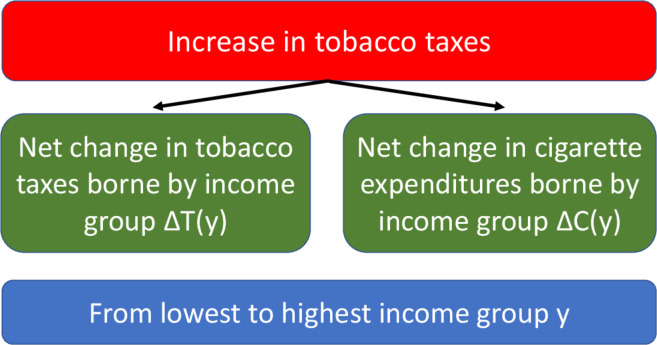
“6 22 28 29 32 33 36–44 In what follows, for simplicity, we group smoking prevalence and consumption in one variable S ( y ) ( S ( y ) = s ( y ) ∗ c ( y )) , which corresponds to total cigarette consumption (table 1).”
InfluentialHosseinpoor, A. R., Parker, L. A., Tursan d'Espaignet, E., & Chatterji, S. (2012) · PLoS ONE · doi:10.1371/journal.pone.0042843 · Cited by 445 · cited 1×
“48 Lastly, as we used an accounting definition of tax burden, our model would not capture welfare dimensions of taxation (willingness to pay for foregone cigarettes, time-inconsisent preferences and internal-ities), estimations of deadweight losses and losses of consumer surpluses among lower…”
Curbing the epidemic: governments and the economics of tobacco control
Bank, T. W. (1999) · Tobacco Control · doi:10.1136/tc.8.2.196 · Cited by 433
The Economics of Tobacco and Tobacco Control
Acharya, A. K., Angus, K., Asma, S., Bettcher, D. W., Blackman, K., Blecher, E., Borland, R., Ciecierski, C. C., Commar, A. A. L., Cui, M., et al. (2016) · Stirling Online Research Repository (University of Stirling) · Cited by 288
Gravely, S., Giovino, G. A., Craig, L., Commar, A., D'Espaignet, E. T., Schotte, K., & Fong, G. T. (2017) · The Lancet Public Health · doi:10.1016/s2468-2667(17)30045-2 · Cited by 260 · cited 1×
“58 Neither did we examine long-term net impacts of increased taxes (eg, reduction in future tobacco-related medical costs and associated catastrophic expenditures; use of new fiscal revenues to roll-out interventions promoting equity), which could further improve progressivity.”
Casetta, B., Videla, A. J., Bardach, A., Morello, P., Soto, N., Lee, K., Camacho, P. A., Hermoza Moquillaza, R. V., & Ciapponi, A. (2016) · Nicotine & Tobacco Research · doi:10.1093/ntr/ntw266 · Cited by 199 · cited 2×
“Often, though not always, lower income groups smoke more 29 47–49 and are more price sensitive than more affluent income groups.”
The economics of tobacco: myths and realities
Warner, K. E. (2000) · Tobacco Control · doi:10.1136/tc.9.1.78 · Cited by 185
Estimating price elasticities when there is smuggling: the sensitivity of smoking to price in Canada
Gruber, J., Sen, A., & Stabile, M. (2003) · Journal of Health Economics · doi:10.1016/s0167-6296(03)00058-4 · Cited by 159 · cited 2×
“14 29–35 Specifically, smokers of lower income have been shown to be more price sensitive to tobacco price increases than smokers of higher income.”
InfluentialThe taxation of tobacco products
Chaloupka, F. J., Hu, T.-W., Warner, K. E., Jacobs, R., & Yurekli, A. (2000) · Tobacco control in developing countries · doi:10.1093/oso/9780192632500.003.0010 · Cited by 146
Verguet, S., Gauvreau, C. L., Mishra, S., MacLennan, M., Murphy, S. M., Brouwer, E. D., Nugent, R. A., Zhao, K., Jha, P., & Jamison, D. T. (2015) · The Lancet Global Health · doi:10.1016/s2214-109x(15)70095-1 · Cited by 142 · cited 3×
“20 21–28 For example, tobacco taxation can reduce OOP health expenditures and the loss of income from smoking-related disease.”
Self-citationPrevalence, distribution, and social determinants of tobacco use in 30 sub-Saharan African countries
Sreeramareddy, C. T., Pradhan, P. M., & Sin, S. (2014) · BMC Medicine · doi:10.1186/s12916-014-0243-x · Cited by 136 · cited 2×
“Often, though not always, lower income groups smoke more 29 47–49 and are more price sensitive than more affluent income groups.”
Poor Smokers, Poor Quitters, and Cigarette Tax Regressivity
Remler, D. K. (2004) · American Journal of Public Health · doi:10.2105/ajph.94.2.225 · Cited by 131 · cited 7×
“14 33 However, while relaxing the inherent regressivity of tobacco taxes (from a standard accounting viewpoint), our analysis supports the importance of increased tobacco taxes in reducing demand for smoking, and thus comprising a critical strategy in curbing the predicted tobacco death toll for…”
Influential(1998) · PubMed · Cited by 117
Taxation Reduces Social Disparities in Adult Smoking Prevalence
Siahpush, M., Wakefield, M. A., Spittal, M. J., Durkin, S. J., & Scollo, M. (2009) · American Journal of Preventive Medicine · doi:10.1016/j.amepre.2008.11.013 · Cited by 113
Colman, G. J., & Remler, D. K. (2008) · Journal of Policy Analysis and Management · doi:10.1002/pam.20329 · Cited by 100 · cited 3×
“33 35 43 44 54 Lastly, young people are more responsive (two to three times 45 ) than older adults to changes in prices of tobacco products: demand estimates among young people could be as high (in absolute value) as −2.20 or −1.50.”
InfluentialPrice Elasticity Estimates for Tobacco Products in India
John, R. M. (2008) · Health Policy and Planning · doi:10.1093/heapol/czn007 · Cited by 97
Blakely, T. A., Cobiac, L. J., Cleghorn, C., Pearson, A. L., van der Deen, F. S., Kvizhinadze, G., Nghiem, N., McLeod, M., & Wilson, N. (2015) · PLoS Medicine · doi:10.1371/journal.pmed.1001856 · Cited by 91
The role of taxation in tobacco control and its potential economic impact in China
Hu, T., Mao, Z., Jian, S., & Chen, W. (2009) · Tobacco Control · doi:10.1136/tc.2009.031799 · Cited by 91
The Consequences of High Cigarette Excise Taxes for Low-Income Smokers
Farrelly, M. C., Nonnemaker, J. M., & Watson, K. A. (2012) · PLoS ONE · doi:10.1371/journal.pone.0043838 · Cited by 90
The Impact of Prices and Taxes on the Use of Tobacco Products in Latin America and the Caribbean
Guindon, G. E., Paraje, G. R., & Chaloupka, F. J. (2015) · American Journal of Public Health · doi:10.2105/ajph.2014.302396 · Cited by 87
Is youth smoking responsive to cigarette prices? Evidence from low- and middle-income countries
Kostova, D., Ross, H., Blecher, E., & Markowitz, S. (2011) · Tobacco Control · doi:10.1136/tc.2010.038786 · Cited by 84 · cited 2×
“45 46 That is, as price increases, decrease in demand for cigarettes may be disproprortionately greater among price-sensitive populations.”
InfluentialYeh, C.-Y., Schafferer, C., Lee, J.-M., Ho, L.-M., & Hsieh, C.-J. (2017) · BMC Public Health · doi:10.1186/s12889-017-4685-x · Cited by 67
The Effect of Prices on Cigarette Use Among Youths in the Global Youth Tobacco Survey
Nikaj, S., & Chaloupka, F. J. (2014) · Nicotine & Tobacco Research · doi:10.1093/ntr/ntt019 · Cited by 59 · cited 1×
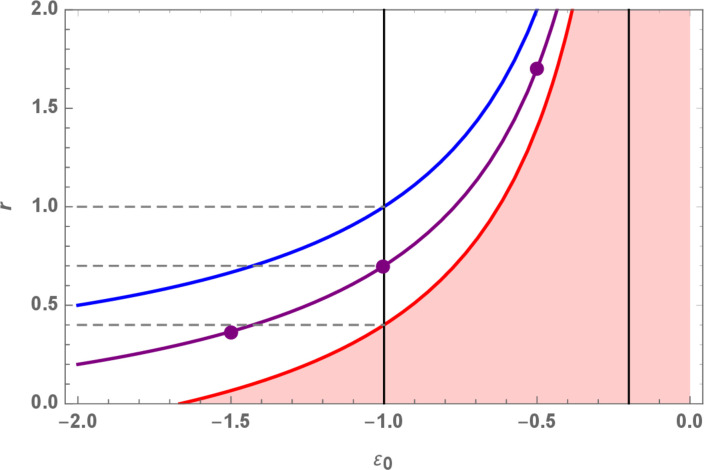
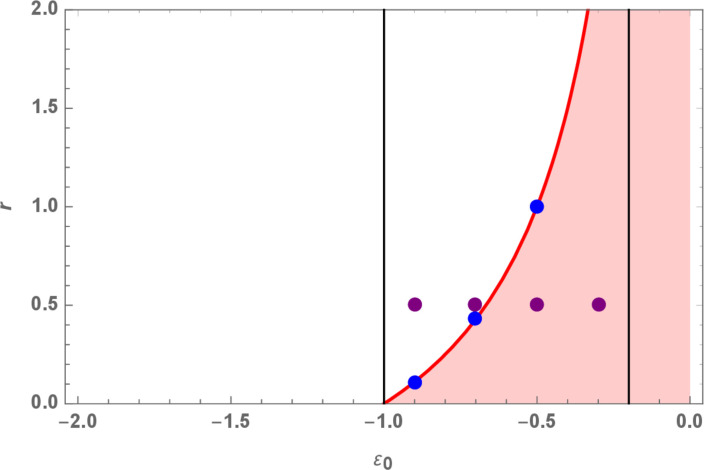
“46 55 In light of these empirical estimates (table 2), in our model, we conservatively assumed that price elasticity of demand for tobacco ( ε y ; ε 0 ) could vary within −1.00 to −0.20.”
InfluentialTabuchi, T., Fujiwara, T., & Shinozaki, T. (2016) · Tobacco Control · doi:10.1136/tobaccocontrol-2015-052804 · Cited by 56
Cigarette Consumption, Taxation, and Household Income : Indonesia Case Study
Adioetomo, S. M., Hendratno, & Djutaharta, T. (2005) · World Bank, Washington, DC eBooks · doi:10.1596/13737 · Cited by 53 · cited 1×
“33 35 43 44 54 Lastly, young people are more responsive (two to three times 45 ) than older adults to changes in prices of tobacco products: demand estimates among young people could be as high (in absolute value) as −2.20 or −1.50.”
InfluentialThe effect of excise tax increases on cigarette prices in South Africa
Linegar, D. J., & van Walbeek, C. (2018) · Tobacco Control · doi:10.1136/tobaccocontrol-2016-053340 · Cited by 52
Are lower income smokers more price sensitive?: the evidence from Korean cigarette tax increases
Choi, S. E. (2014) · Tobacco Control · doi:10.1136/tobaccocontrol-2014-051680 · Cited by 51 · cited 1×
“33 35 43 44 54 Lastly, young people are more responsive (two to three times 45 ) than older adults to changes in prices of tobacco products: demand estimates among young people could be as high (in absolute value) as −2.20 or −1.50.”
InfluentialEconomic policies for tobacco control in developing countries
Ross, H., & Chaloupka, F. (2006) · Salud Pública de México · doi:10.1590/s0036-36342006000700014 · Cited by 47
Salti, N., Brouwer, E., & Verguet, S. (2016) · Social Science & Medicine · doi:10.1016/j.socscimed.2016.10.020 · Cited by 45 · cited 3×
“…25 26 of tobacco taxes call into question the overall regressivity of tobacco taxation, and a number of extended cost-effectiveness analyses 21 23 27 28 have demonstrated an overall progressive distributional impact across income groups of increased tobacco taxes when accounting for the…”
Self-citationAre increases in cigarette taxation regressive?
Borren, P., & Sutton, M. (1992) · Health Economics · doi:10.1002/hec.4730010406 · Cited by 40 · cited 1×
“23 28 29 32 33 36–44 Likewise, adolescent and young adult smokers (aged 25 years and younger) are typically more price sensitive than adults to increased cigarette price.”
Are Tobacco Taxes Really Regressive? Evidence from Chile
Fuchs, A., & Meneses, F. (2017) · World Bank, Washington, DC eBooks · doi:10.1596/1813-9450-7988 · Cited by 39 · cited 2×
“Notably, analyses by the World Bank 24 including from Fuchs and Meneses 25 26 of tobacco taxes call into question the overall regressivity of tobacco taxation, and a number of extended cost-effectiveness analyses 21 23 27 28 have demonstrated an overall progressive distributional impact across income groups of increas…”
Response of the International Monetary Fund to its Critics
Gupta, S. (2010) · International Journal of Health Services · doi:10.2190/hs.40.2.l · Cited by 30
Tobacco Price Elasticity and Tax Progressivity in Moldova
Fuchs, A., & Meneses, F. (2018) · World Bank, Washington, DC eBooks · doi:10.1596/29329 · Cited by 29
James, E. K., Saxena, A., Franco Restrepo, C., Llorente, B., Vecino-Ortiz, A. I., Villar Uribe, M., Iunes, R. F., & Verguet, S. (2019) · Tobacco Control · doi:10.1136/tobaccocontrol-2018-054378 · Cited by 28 · cited 1×
“…25 26 of tobacco taxes call into question the overall regressivity of tobacco taxation, and a number of extended cost-effectiveness analyses 21 23 27 28 have demonstrated an overall progressive distributional impact across income groups of increased tobacco taxes when accounting for the…”
Self-citationFuchs, A., Marquez, P. V., Dutta, S., & Icaza, F. G. (2019) · World Bank, Washington, DC eBooks · doi:10.1596/31575 · Cited by 28 · cited 4×
“International agencies such as the WHO and the World Bank have nonetheless strongly supported tobacco taxation over the last three decades and pointed to the broader considerations of health benefits, mortality reduction, curbing out- of-pocket (OOP) health spending and reducing the economic burden of tobacco-related…”
InfluentialRegressive or Progressive? The Effect of Tobacco Taxes in Ukraine
Fuchs, A., & Meneses, F. (2017) · World Bank, Washington, DC eBooks · doi:10.1596/1813-9450-8227 · Cited by 27
Regressive or Progressive?The Effect of Tobacco Taxes in Ukraine
Fuchs, A., & Meneses, F. (2017) · doi:10.1596/28575 · Cited by 27
Cigarette Demand, Taxation, and the Poor : A Case Study of Bulgaria
Sayginsoy, Ö., Yürekli, A., & de Beyer, J. (2002) · World Bank, Washington, DC eBooks · doi:10.1596/13628 · Cited by 21
van Walbeek, C., & Filby, S. (2018) · Tobacco Control · doi:10.1136/tobaccocontrol-2018-054462 · Cited by 20
The Distributional Impact of Tobacco Excise Increases*(1)
van Walbeek, C. (2002) · South African Journal of Economics · doi:10.1111/j.1813-6982.2002.tb01304.x · Cited by 16
Who pays the most cigarette tax in Turkey
Önder, Z., & Yürekli, A. (2014) · Tobacco Control · doi:10.1136/tobaccocontrol-2014-051639 · Cited by 14 · cited 3×
“6 22 28 29 32 33 36–44 In what follows, for simplicity, we group smoking prevalence and consumption in one variable S ( y ) ( S ( y ) = s ( y ) ∗ c ( y )) , which corresponds to total cigarette consumption (table 1).”
InfluentialPostolovska, I., Lavado, R., Tarr, G., & Verguet, S. (2018) · Health Systems & Reform · doi:10.1080/23288604.2017.1413494 · Cited by 14 · cited 3×
“20 21–28 For example, tobacco taxation can reduce OOP health expenditures and the loss of income from smoking-related disease.”
Self-citationThe Economics of Tobacco and Tobacco Taxation in the Philippines
Miguel-Baquilod, M., Luz, S., Quimbo, A., Casorla, A. A., Medalla, F. M., Xu, X., & Chaloupka, F. J. (2012) · Cited by 13
Tobacco Price Elasticity and Tax Progressivity in Moldova
Fuchs, A., & Meneses, F. (2018) · World Bank, Washington, DC eBooks · doi:10.1596/1813-9450-8327 · Cited by 11
Are tobacco taxes really regressive ? evidence from ChilePreprint
Tarlovsky, A. F., & Meneses, F. (2017) · RePEc: Research Papers in Economics · Cited by 7
Blakely, T. A., Cobiac, L. J., Cleghorn, C., Pearson, A. L., van der Deen, F. S., Kvizhinadze, G., Nghiem, N., McLeod, M., & Wilson, N. (2016) · PLoS Medicine · doi:10.1371/journal.pmed.1002211 · Cited by 6
An Assessment of the Forward‐Looking Hypothesis of the Demand for Cigarettes
Kaestner, R. J., & Callison, K. (2018) · Southern Economic Journal · doi:10.1002/soej.12284 · Cited by 2
An Assessment of the Forward-Looking Hypothesis of the Demand for Cigarettes
Kaestner, R. J., & Callison, K. (2018) · National Bureau of Economic Research · doi:10.3386/w24620 · Cited by 1
Research works printed but not linked: 6
- International Agency for Research on Cancer (IARC), World Health Organization. Chapter 7: Tax, price and tobacco use among the poor..: IARC Handbook of cancer prevention, volume 14: effectiveness of Tax and price policies for tobacco control. Lyon, France: World Health organization, 2011. https://www.iarc.fr/en/publications/pdfs-online/prev/handbook14/handbook14.pdf
- Furman J. Six lessons from the U.S. experience with tobacco taxes. World Bank conference: “Winning the Tax Wars: Global Solutions for Developing Countries”, 2016. Available: https://obamawhitehouse.archives.gov/sites/default/files/page/files/20160524_cea_tobacco_tax_speech.pdf [Accessed 14 Jul 2018].
- Gruber J. Smoking’s internalities. Regulation 2002; 2003: 52– 7.
- International Agency for Research on Cancer (IARC), World Health Organization. IARC Handbook of cancer prevention, volume 14: effectiveness of tax and price policies for tobacco control, chapter 7: tax, price and tobacco use among the poor. Lyon: World Health Organization, 2011: pp.259– 296.
- International Agency for Research on Cancer (IARC), World Health Organization. IARC Handbook of cancer prevention, volume 14: effectiveness of Tax and price policies for tobacco control, chapter 6: Tax, price and tobacco use among young people. Lyon: World Health Organization, 2011: pp.201– 258.
- International Agency for Research on Cancer (IARC), World Health Organization. IARC Handbook of cancer prevention, volume 14: effectiveness of Tax and price policies for tobacco control, chapter 4: Tax, price and aggregate demand for tobacco products. Lyon: World Health Organization, 2011: 91– 136.
Cited by
Global health 2050: the path to halving premature death by mid-century
Jamison, D. T., Summers, L. H., Chang, A. Y., Karlsson, O., Mao, W., Norheim, O. F., Ogbuoji, O., Schäferhoff, M., Watkins, D., Adeyi, O., et al. (2024) · The Lancet · doi:10.1016/s0140-6736(24)01439-9 · Cited by 125
Self-citationRibisl, K. M., Golden, S. D., Huang, J., & Scollo, M. (2022) · Tobacco Control · doi:10.1136/tobaccocontrol-2021-056553 · Cited by 27
Real Food, Real Facts: Processed Food and the Politics of Knowledge
Biltekoff, C. (2024) · University of California Press eBooks · doi:10.1525/luminos.198 · Cited by 33
Differential price responses for tobacco consumption: implications for tax incidence
Cruces, G., Falcone, G., & Puig, J. (2022) · Tobacco Control · doi:10.1136/tobaccocontrol-2021-056846 · Cited by 26
“24 Based on different empirical studies, Verguet et al 4 support the idea that price elasticity could vary within −1.0 to −0.2 for poor and rich individuals, respec - tively.”
InfluentialLinking health and finance ministries to improve taxes on unhealthy products
Siu, E., & Thow, A. M. (2022) · Bulletin of the World Health Organization · doi:10.2471/blt.22.288104 · Cited by 14
Metadata
- Authors
- Verguet, S., Kearns, P. K. A., & Rees, V. W.
- Affiliations
- Harvard University (US)
- Corresponding author
- Verguet, Stéphane
- Venue
- Tobacco Control
- Publisher
- BMJ
- Published
- 2020-06-23
- Volume
- 30
- Issue
- 3
- Pages
- 245-257
- ISSN
- 0964-4563 (ISSN-L)
- 1468-3318
- PMC
- PMC8077213
- OpenAlex
- W3036183672
- Cited by
- 33
- References
- 58
- Citations by year
- 2026: 4 · 2025: 4 · 2024: 8 · 2023: 4 · 2022: 9 · 2021: 2 · 2020: 2
- FWCI
- 2.56
- Type
- journal article
- Language
- en
- Open access
- hybrid
- doi.org
- Licence
- Locations
- Tobacco Control (publishedVersion, cc-by-nc)
- PubMed Central (publishedVersion, cc-by-nc)
- PubMed (publishedVersion)
- HRB National Drugs Library (Health Research Board) (submittedVersion)
- Edinburgh Research Explorer (University of Edinburgh) (submittedVersion, cc-by-nc)
- Topics
- Health Sciences › Medicine › Public Health, Environmental and Occupational Health › Smoking Behavior and Cessation
- Social Sciences › Economics, Econometrics and Finance › Economics and Econometrics › Economic and Fiscal Studies
- Health Sciences › Medicine › Public Health, Environmental and Occupational Health › Global Public Health Policies and Epidemiology
- Keywords
- tobacco taxation, regressive taxation, sin taxes, tax burden, cigarette consumption, cigarette prices, price elasticity, smoking prevalence, low-income smokers, tobacco control, demand-side interventions
- MeSH terms
- Smoking Prevention, Commerce, Humans, Taxes, Nicotiana, Tobacco Products, Tobacco Use
About these checks
Registry, retraction, Cites and statistics results are computed, not judged, with one exception: a printed reference that no index lists is read once by a model before it counts as a citation error. Claims are extracted by a model and kept only when their quote appears verbatim in the text; each cited source is then checked, with a model’s help, for whether it says what the claim relies on. Those verdicts can be wrong — read the claim’s quote and the cited source before relying on one.
Statistics and arithmetic are recomputed, not judged.
Confidence bands are shown only for fields calibrated on our annotated test set. None is calibrated yet, so no band is shown.
What counts as a claim ›How we measure confidence ›How we check this ›
Are you an author, or do you see a problem with this page? Request a review
Data sources
Bibliographic data: Semantic Scholar, OpenAlex, Crossref.
Contains information from the Semantic Scholar Academic Graph Datasets, made available under the ODC Attribution License (ODC-BY 1.0).
Semantic Scholar’s data is described in: Kinney, R., et al. (2023). The Semantic Scholar Open Data Platform. arXiv:2301.10140.
