

Motor Control and Neural Plasticity through Interhemispheric Interactions
Open accessThe DOI matches its Crossref record; 135 of the 135 references it cites were found in a registry or an index.
Abstract
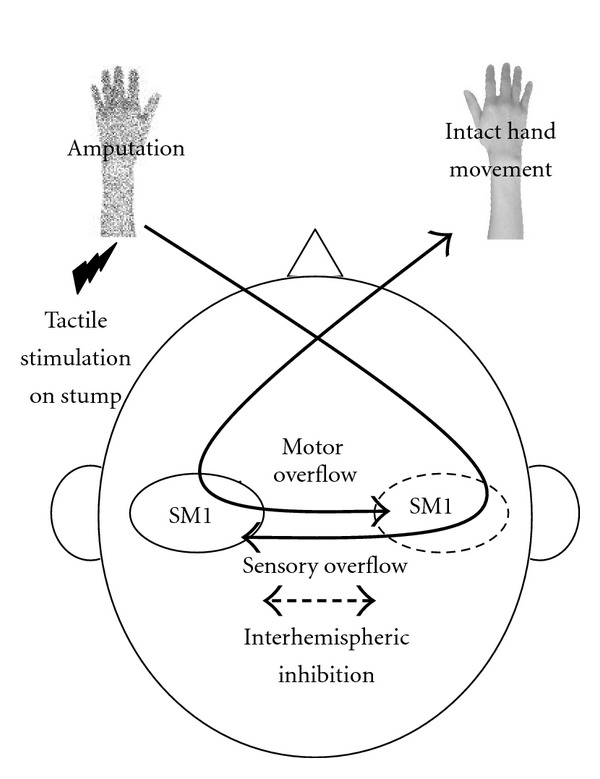
The corpus callosum, which is the largest white matter structure in the human brain, connects the 2 cerebral hemispheres. It plays a crucial role in maintaining the independent processing of the hemispheres and in integrating information between both hemispheres. The functional integrity of interhemispheric interactions can be tested electrophysiologically in humans by using transcranial magnetic stimulation, electroencephalography, and functional magnetic resonance imaging. As a brain structural imaging, diffusion tensor imaging has revealed the microstructural connectivity underlying interhemispheric interactions. Sex, age, and motor training in addition to the size of the corpus callosum influence interhemispheric interactions. Several neurological disorders change hemispheric asymmetry directly by impairing the corpus callosum. Moreover, stroke lesions and unilateral peripheral impairments such as amputation alter interhemispheric interactions indirectly. Noninvasive brain stimulation changes the interhemispheric interactions between both motor cortices. Recently, these brain stimulation techniques were applied in the clinical rehabilitation of patients with stroke by ameliorating the deteriorated modulation of interhemispheric interactions. Here, we review the interhemispheric interactions and mechanisms underlying the pathogenesis of these interactions and propose rehabilitative approaches for appropriate cortical reorganization.
Overview
The claims and statistics of this paper haven’t been checked yet.
Free: it reads the open-access text and checks the first 5 claims that cite a source we can check. Create a free account to check every claim.
Integrity signals
Registry
Cites
Statistics
Figures

Verification
Claims the paper makes
The claims and statistics of this paper haven’t been checked yet.
Free: it reads the open-access text and checks the first 5 claims that cite a source we can check. Create a free account to check every claim.
Claims other papers make about this one
Each is checked against this paper’s own text: does it say what the citing paper says it does?
The source backs part of the claim, not all of it — or backs it for a different population, condition or comparison.
In the citing paper
“This suggests that while the initiation of the reflex is slower in the elderly, the overall reflex duration stays comparable. Elderly individuals may rely on compensatory mechanisms, such as greater reliance on experience or adaptations to physiological changes.”
From Assessing neuromuscular system via patellar tendon reflex analysis using EMG in healthy individuals (2025) · cites this paper as [23]
Experimental — accuracy not yet measuredThe cited source says what the claim attributes to it.
In the citing paper
“Similarly, studies by Takeuchi et al. and Goble et al. highlighted how overactivation of specific brain regions, such as the prefrontal cortex and supplementary motor areas, may compensate for declines in motor control and cognitive tasks in older adults (23, 24).”
From Assessing neuromuscular system via patellar tendon reflex analysis using EMG in healthy individuals (2025) · cites this paper as [23]
Self-check
Percentages, sums and reported differences re-computed from the paper’s own numbers.
The self-check needs the paper’s full text.
Citations
Cites
Aging Gracefully: Compensatory Brain Activity in High-Performing Older Adults
Cabeza, R., Anderson, N. D., Locantore, J. K., & McIntosh, A. R. (2002) · NeuroImage · doi:10.1006/nimg.2002.1280 · Cited by 1,964 · cited 1×
“The results of previous studies supported the idea that overrecruitment of bilateral prefrontal activation compensates cognitive tasks in older adults [56, 57].”
ResultMemory and Executive Function in Aging and AD
Buckner, R. L. (2004) · Neuron · doi:10.1016/j.neuron.2004.09.006 · Cited by 1,508 · cited 2×
“As mentioned previously, it is thought that a reduction of hemispheric asymmetry may partly result from the failed inhibition of the contralateral hemisphere in older adults because of an age-related dysfunction of the corpus callosum [54, 55].”
BackgroundInterhemispheric inhibition of the human motor cortex.
Ferbert, A., Priori, A., Rothwell, J. C., Day, B. L., Colebatch, J. G., & Marsden, C. D. (1992) · The Journal of Physiology · doi:10.1113/jphysiol.1992.sp019243 · Cited by 1,486 · cited 2×
“Moreover, its effect is strongly dependent on the timing of the delivery of the stimulus pairs (8 ms), corresponding to the interval time between the double-pulse TMS that induces the interhemispheric inhibition [4].”
BackgroundInfluence of interhemispheric interactions on motor function in chronic stroke
Murase, N., Duque, J., Mazzocchio, R., & Cohen, L. G. (2004) · Annals of Neurology · doi:10.1002/ana.10848 · Cited by 1,472 · cited 7×
“TMS studies have showed that interhemispheric inhibition persisted from the unaffected to the affected hemisphere around the onset of the movement of the paretic hand in stroke patients, whereas the interhemispheric interaction in healthy controls changed from inhibitory to excitatory influence on the active motor cor…”
BackgroundResultInfluentialNeuroplasticity Subserving Motor Skill Learning
Dayan, E., & Cohen, L. G. (2011) · Neuron · doi:10.1016/j.neuron.2011.10.008 · Cited by 1,408 · cited 1×
“Therefore, it may be more efficient to use one hemisphere and inhibit the other hemisphere during simple tasks (e.g., physical identity and face-matching tasks); this promotes intrahemispheric processing and brain lateralization [2, 18, 19].”
BackgroundAge differences in the frontal lateralization of verbal and spatial working memory revealed by PET
Reuter-Lorenz, P. A., Jonides, J., Smith, E. E., Hartley, A., Miller, A., Marshuetz, C., & Koeppe, R. A. (2000) · Journal of Cognitive Neuroscience · doi:10.1162/089892900561814 · Cited by 998 · cited 1×
“The results of previous studies supported the idea that overrecruitment of bilateral prefrontal activation compensates cognitive tasks in older adults [56, 57].”
ResultNon-invasive brain stimulation: a new strategy to improve neurorehabilitation after stroke?
Hummel, F. C., & Cohen, L. G. (2006) · The Lancet Neurology · doi:10.1016/s1474-4422(06)70525-7 · Cited by 838 · cited 2×
“In fact, it has been reported that inhibitory NIBS over the unaffected hemisphere in patients with stroke decreases the interhemispheric inhibition from the unaffected hemisphere to the affected hemisphere and increases the excitability of the affected hemisphere, resulting in facilitated motor learning and motor reco…”
BackgroundEarly consolidation in human primary motor cortex
Muellbacher, W., Ziemann, U., Wissel, J., Dang, N., Kofler, M., Facchini, S., Boroojerdi, B., Poewe, W., & Hallett, M. (2002) · Nature · doi:10.1038/nature712 · Cited by 803 · cited 1×
“In addition, the increased motor cortical excitability induced by inhibitory NIBS enhances the effects of motor training on the ipsilateral side [120, 121], as the increase in excitability in the motor cortex appears to be a necessity for motor learning [122, 123].”
BackgroundGrefkes, C., & Fink, G. R. (2011) · Brain · doi:10.1093/brain/awr033 · Cited by 632 · cited 3×
“Therefore, longitudinal neuroimaging and electrophysiological studies must be performed to demonstrate the dynamic change in interhemispheric interaction between both hemispheres during the process of functional recovery [14, 103].”
BackgroundDynamic functional reorganization of the motor execution network after stroke
Wang, L., Yu, C., Chen, H., Qin, W., He, Y., Fan, F., Zhang, Y., Wang, M., Li, K., Zang, Y., et al. (2010) · Brain · doi:10.1093/brain/awq043 · Cited by 629 · cited 2×
“Moreover, functional magnetic resonance imaging (fMRI) studies have revealed interhemispheric interactions using resting-state functional and activity-dependent effective connectivity analyses [13, 14].”
BackgroundResult
Research works printed but not linked: 8
- 2008, Reviews in the Neurosciences, 19, 451
- 1995, Experimental Brain Research, 104, 527
- 1999, Electroencephalography and Clinical Neurophysiology. Supplement, 51, 243
- 2003, American Journal of Neuroradiology, 24, 410
- 2003, American Journal of Neuroradiology, 24, 1049
- 2013, Neuropharmacology, 64, 579
- 2007, Restorative Neurology and Neuroscience, 25, 461
- 2010, Clinical Neurophysiology, 121, s316
Cited by
Hartwigsen, G., & Saur, D. (2019) · NeuroImage · doi:10.1016/j.neuroimage.2017.11.056 · Cited by 272
“, 2011b), while others emphasize a potentially maladaptive influence of the contralesional motor cortex which may exert functionally relevant inhibition on the ipsilesional motor cortex and thereby cause deterioration of motor function of the paretic hand (Grefkes et al., 2010; Takeuchi et al., 2012).”
Motor learning in neurological rehabilitation
Levin, M. F., & Demers, M. (2021) · Disability and Rehabilitation · doi:10.1080/09638288.2020.1752317 · Cited by 198
Interactions between brain structure and behavior: The corpus callosum and bimanual coordination
Gooijers, J., & Swinnen, S. P. (2014) · Neuroscience & Biobehavioral Reviews · doi:10.1016/j.neubiorev.2014.03.008 · Cited by 175
Pisegna, J. M., Kaneoka, A., Pearson, W. G., Kumar, S., & Langmore, S. E. (2016) · Clinical Neurophysiology · doi:10.1016/j.clinph.2015.04.069 · Cited by 170
Morya, E., Monte-Silva, K., Bikson, M., Esmaeilpour, Z., Biazoli, C. E., Fonseca, A., Bocci, T., Farzan, F., Chatterjee, R., Hausdorff, J. M., et al. (2019) · Journal of NeuroEngineering and Rehabilitation · doi:10.1186/s12984-019-0581-1 · Cited by 166
Vourvopoulos, A., & Badia, S. B. I. (2016) · Journal of NeuroEngineering and Rehabilitation · doi:10.1186/s12984-016-0173-2 · Cited by 157
“In patient populations with affected hemispheric differences we could promote increased interhemispheric interaction by balancing the activation of motor-areas and influence motor performance [69].”
BackgroundPrimary Motor Cortex Excitability During Recovery After Stroke: Implications for Neuromodulation
Stinear, C. M., Petoe, M. A., & Byblow, W. D. (2015) · Brain stimulation · doi:10.1016/j.brs.2015.06.015 · Cited by 133
“This model posits that ipsilesional excitability is reduced relative to contralesional, and that this asymmetry is reinforced by the contralesional M1 exerting more interhemispheric inhibition on the ipsilesional M1, than vice versa [1,7].”
BackgroundHuman brain connectivity: Clinical applications for clinical neurophysiology
Hallett, M., de Haan, W., Deco, G., Dengler, R., Iorio, R. D., Galléa, C., Gerloff, C. P., Grefkes, C., Helmich, R. C. G., Kringelbach, M. L., et al. (2020) · Clinical Neurophysiology · doi:10.1016/j.clinph.2020.03.031 · Cited by 131
“, maladaptive influence of the contralesional hemisphere, specifically for the contralesional M1 which may deteriorate motor function of the paretic hand (Grefkes et al., 2010; Takeuchi et al., 2012).”
BackgroundCorticomuscular coherence in acute and chronic stroke
von Carlowitz-Ghori, K., Bayraktaroğlu, Z., Hohlefeld, F. U., Losch, F., Curio, G., & Nikulin, V. V. (2013) · Clinical Neurophysiology · doi:10.1016/j.clinph.2013.11.006 · Cited by 134
Emerging Treatments for Motor Rehabilitation After Stroke
Claflin, E. S., Krishnan, C., & Khot, S. P. (2014) · The Neurohospitalist · doi:10.1177/1941874414561023 · Cited by 112
Calabrò, R. S., Accorinti, M., Porcari, B., Carioti, L., Ciatto, L., Billeri, L., Andronaco, V. A., Galletti, F., Filoni, S., & Naro, A. (2019) · Clinical Neurophysiology · doi:10.1016/j.clinph.2019.02.013 · Cited by 102
Waters, S., Wiestler, T., & Diedrichsen, J. (2017) · Journal of Neuroscience · doi:10.1523/jneurosci.3414-16.2017 · Cited by 105
“This idea has shaped the thinking about how to improve motor learning through brain stimulation: it has been suggested that hand function can be improved not only through excitatory stimulation of contralateral motor cortex, but also through inhibition of ipsilateral cortex (4-7).”
BackgroundLee, S. H., Jung, H., Yun, S. J., Oh, B., & Seo, H. G. (2020) · PM&R · doi:10.1002/pmrj.12206 · Cited by 93
Primed Physical Therapy Enhances Recovery of Upper Limb Function in Chronic Stroke Patients
Ackerley, S., Byblow, W. D., Barber, P. A., MacDonald, H. J., McIntyre-Robinson, A., & Stinear, C. M. (2015) · Neurorehabilitation and neural repair · doi:10.1177/1545968315595285 · Cited by 95
“88 ARAT, mean (range) 31 (13-51) 30 (5-55) .”
Dowlati, A., Hummel, H.-D., Champiat, S., Olmedo, M. E., Boyer, M. J., He, K., Steeghs, N., Izumi, H., Johnson, M. L., Yoshida, T., et al. (2024) · Journal of Clinical Oncology · doi:10.1200/jco.24.00553 · Cited by 79
Brauchle, D., Vukelić, M., Bauer, R. H., & Gharabaghi, A. (2015) · Frontiers in Human Neuroscience · doi:10.3389/fnhum.2015.00564 · Cited by 74
The Role of the Cerebellum in Swallowing
Sasegbon, A., & Hamdy, S. (2021) · Dysphagia · doi:10.1007/s00455-021-10271-x · Cited by 73
Differential modulation of motor network connectivity during movements of the upper and lower limbs
Volz, L. J., Eickhoff, S. B., Pool, E., Fink, G. R., & Grefkes, C. (2015) · NeuroImage · doi:10.1016/j.neuroimage.2015.05.101 · Cited by 76
“Such effects have been interpreted to be caused by insufficient interhemispheric inhibition targeting the unaffectedM1hand (Takeuchi et al., 2012).”
Cory-Slechta, D. A., Allen, J. L., Conrad, K., Marvin, E., & Sobolewski, M. (2018) · NeuroToxicology · doi:10.1016/j.neuro.2017.12.003 · Cited by 63
“As is well known, reductions in myelination and decreased corpus callosum size, for example, signify hemispheric disconnectivity that can adversely impact learning (Bloom and Hynd, 2005; Kompus et al., 2011; Nowicka and Tacikowski, 2011; Takeuchi et al., 2012; Wessa et al., 2016).”
Vukelić, M., Bauer, R. H., Naros, G., Naros, I., Braun, C., & Gharabaghi, A. (2013) · NeuroImage · doi:10.1016/j.neuroimage.2013.10.003 · Cited by 66
“The involvement of the left parietal cortex in our study can be interpreted in different ways, indicating that the cortical integration of peripheral information takes place in the contralateral parietal cortex, or relating this phenomenon to interhemispheric rivalry (Takeuchi et al., 2012), with the ipsilateral right…”
Time-dependent functional role of the contralesional motor cortex after stroke
Volz, L. J., Vollmer, M., Michely, J., Fink, G. R., Rothwell, J. C., & Grefkes, C. (2017) · NeuroImage Clinical · doi:10.1016/j.nicl.2017.07.024 · Cited by 59
Berger, A., Pixa, N. H., Steinberg, F., & Doppelmayr, M. M. (2018) · Frontiers in Behavioral Neuroscience · doi:10.3389/fnbeh.2018.00067 · Cited by 57
“By connecting the left and right hemispheres it enables the transfer of information and the maintenance of independent processing of one hemisphere (Takeuchi et al., 2012).”
BackgroundNam, C., Zhang, B., Chow, T., Ye, F., Huang, Y., Guo, Z., Li, W., Rong, W., Hu, X., & Poon, W.-S. (2021) · Journal of NeuroEngineering and Rehabilitation · doi:10.1186/s12984-021-00930-3 · Cited by 54
Brogaard, B. “. (2013) · Frontiers in Human Neuroscience · doi:10.3389/fnhum.2013.00657 · Cited by 57
“…downregulation of the serotonergic system in one hemisphere may result in an upregulation of the serotonergic system in contralateral brain regions (DeLong, 1999; Takeuchi et al., 2012), which might explain the development of savant skill and synesthesia following brain injury (Treffert, 2009).”
BackgroundVukelić, M., & Gharabaghi, A. (2015) · Frontiers in Behavioral Neuroscience · doi:10.3389/fnbeh.2015.00181 · Cited by 51
“This is crucial for motor control and motor skill learning (Beaulé et al., 2012; Takeuchi et al., 2012).”
Efectos de la morfina en la plasticidad cerebral
Campos, V., Silva-Vera, M., García-Campos, M. L., & Díaz-Cintra, S. Y. (2014) · Neurología · doi:10.1016/j.nrl.2014.08.004 · Cited by 51
Huckabee, M., Gozdzikowska, K., & Jones, R. D. (2014) · Journal of the Neurological Sciences · doi:10.1016/j.jns.2014.05.064 · Cited by 53
Song, L., Zhang, T., & Hua, L. (2014) · Neural Regeneration Research · doi:10.4103/1673-5374.139465 · Cited by 47
“The corpus callosum plays a crucial role in maintaining independent processing in the hemispheres and in integrating information between hemispheres (Takeuchi et al., 2012).”
BackgroundGong, Y., Long, X., Xu, Y., Cai, X., & Ye, M. (2020) · Clinical Rehabilitation · doi:10.1177/0269215520972940 · Cited by 47
Effects of morphine on brain plasticity
Campos, V., Silva-Vera, M., García-Campos, M. L., & Díaz-Cintra, S. Y. (2015) · Neurología (English Edition) · doi:10.1016/j.nrleng.2014.08.001 · Cited by 45
Cortical Plasticity in Rehabilitation for Upper Extremity Peripheral Nerve Injury: A Scoping Review
Zink, P. J., & Philip, B. A. (2019) · American Journal of Occupational Therapy · doi:10.5014/ajot.2020.036665 · Cited by 44
“…Level II Two groups, nonrandomized • Bilateral map alteration NA Sun et al. (2014) Level V Narrative review • Axonal sprouting • Sensory reeducation (traditional) Takeuchi et al. (2012) Level V Narrative review • Bilateral map alteration NA Taylor et al. (2009) Level V Narrative review •…”
BackgroundDual-site TMS as a tool to probe effective interactions within the motor network: a review
Malderen, S. V., Hehl, M., Verstraelen, S., Swinnen, S. P., & Cuypers, K. (2022) · Reviews in the Neurosciences · doi:10.1515/revneuro-2022-0020 · Cited by 45
Network interactions underlying mirror feedback in stroke: A dynamic causal modeling study
Saleh, S., Yarossi, M. P., Manuweera, T., Adamovich, S., & Tunik, E. (2016) · NeuroImage Clinical · doi:10.1016/j.nicl.2016.11.012 · Cited by 46
“The above two hypotheses bear significant importance for stroke patients who have persistent undesirable increases in IHI from contralesional to ipsilesional M1 during hand movement (Murase et al., 2004) and weakened parietal-M1 interactions (Grefkes and Fink, 2011; Takeuchi et al., 2012).”
InfluentialKawano, T., Hattori, N., Uno, Y., Hatakenaka, M., Yagura, H., Fujimoto, H., Yoshioka, T., Nagasako, M., Otomune, H., Kitajo, K., et al. (2020) · Neurorehabilitation and neural repair · doi:10.1177/1545968320935820 · Cited by 43
“2 — — — FM-UE2 (66), (median [IQR]) (mean ± SD) 57 (4-66), 45.”
Jo, J. Y., Lee, A., Kim, M.-S., Park, E., Chang, W. H., Shin, Y., & Kim, Y. (2016) · Annals of Rehabilitation Medicine · doi:10.5535/arm.2016.40.5.806 · Cited by 39
“Furthermore, several studies postulated that the interhemispheric balance is disrupted in stroke patients and this caused suppression of ipsilesional cortical excitability by the contralesional hemisphere [27-29].”
BackgroundMeasuring ipsilateral silent period: Effects of muscle contraction levels and quantification methods
Kuo, Y., Dubuc, T., Boufadel, D. F., & Fisher, B. E. (2017) · Brain Research · doi:10.1016/j.brainres.2017.08.015 · Cited by 39
“The ability to precisely perform coordinated movements requires interhemispheric interaction to enable humans to complete both unimanual and bimanual tasks (Beaulé et al., 2012)(Wahl and Ziemann, 2008)(Takeuchi et al., 2012).”
Gerges, A. N. H., Hordacre, B. G., Pietro, F. D., Moseley, G. L., & Berryman, C. F. (2022) · Journal of Stroke and Cerebrovascular Diseases · doi:10.1016/j.jstrokecerebrovasdis.2022.106494 · Cited by 39
An, Y. W., Lobacz, A. D., Lehmann, T., Baumeister, J., Rose, W. C., Higginson, J. S., Rosen, J. B., & Swanik, C. B. (2018) · Scandinavian Journal of Medicine and Science in Sports · doi:10.1111/sms.13322 · Cited by 43
Araneda, R., Dricot, L., Ebner‐Karestinos, D., Paradis, J., Gordon, A. M., Friel, K. M., & Bleyenheuft, Y. (2021) · Annals of Physical and Rehabilitation Medicine · doi:10.1016/j.rehab.2021.101502 · Cited by 38
Neural Correlates of Motor Skill Learning Are Dependent on Both Age and Task Difficulty
Bootsma, J. M., Caljouw, S. R., Veldman, M. P., Maurits, N. M., Rothwell, J. C., & Hortobágyi, T. (2021) · Frontiers in Aging Neuroscience · doi:10.3389/fnagi.2021.643132 · Cited by 39
“, 2020), these results are consistent with the view that a more lateralized activity pattern is beneficial for motor performance (Takeuchi et al., 2012).”
ResultKim, R. K., & Kang, N. (2019) · Journal of Stroke and Cerebrovascular Diseases · doi:10.1016/j.jstrokecerebrovasdis.2019.104544 · Cited by 39
Dutra, T. G., Baltar, A., & Monte-Silva, K. K. (2016) · Research in Developmental Disabilities · doi:10.1016/j.ridd.2016.01.022 · Cited by 36
Training based on mirror visual feedback influences transcallosal communication
Avanzino, L., Ferrari, A. R. D., Pelosin, E., Ogliastro, C., Marchese, R., Ruggeri, P., & Abbruzzese, G. (2014) · European Journal of Neuroscience · doi:10.1111/ejn.12615 · Cited by 36
“(IHI) that weakens motor function in stroke patients (Takeuchi et al., 2012).”
BackgroundWillemse, R. B., Hillebrand, A., Ronner, H. E., Vandertop, W. P., & Stam, C. J. (2015) · NeuroImage Clinical · doi:10.1016/j.nicl.2015.11.002 · Cited by 32
“…with a history of stroke and TBI have also shown frequent ipsilateral responses, which could be explained by a disruption of inter-hemispheric inhibition as described in stroke patients using the recovered hand (Cao et al., 1998) or TBI patients with corpus callosum lesions (Takeuchi et al., 2012).”
BackgroundResultKwon, T. G., Park, E., Kang, C., Chang, W. H., & Kim, Y. (2016) · Restorative Neurology and Neuroscience · doi:10.3233/rnn-160654 · Cited by 34
“…interhemispheric competition theory, which hypothesizes that unilateral lesions in the brain cause an imbalance between dominant and non-dominant hemispheres, and that this may interfere with the nat-ural recovery process, especially in the injured brain (Nowak et al., 2009; Takeuchi et al., 2012).”
Decoding Hand Motor Imagery Tasks Within the Same Limb From EEG Signals Using Deep Learning
Achanccaray, D., & Hayashibe, M. (2020) · IEEE Transactions on Medical Robotics and Bionics · doi:10.1109/tmrb.2020.3025364 · Cited by 29
“It could relate to the hemispheric asymmetry (HA), which is increased during feed-back sessions [42], [43], and related to the performance of fine motor tasks, and motor learning [36], [44].”
BackgroundBinder, E., Leimbach, M., Pool, E., Volz, L. J., Eickhoff, S. B., Fink, G. R., & Grefkes, C. (2020) · Human Brain Mapping · doi:10.1002/hbm.25275 · Cited by 30
Chagas, A. P., Monteiro, M. G., Mazer, V. D. B. E. S., Baltar, A., Marques, D., Carneiro, M. I. S., de Araújo, M. D. G. R., Piscitelli, D., & Monte-Silva, K. K. (2018) · Journal of the Neurological Sciences · doi:10.1016/j.jns.2018.04.036 · Cited by 30
Yuan, X., Yang, Y., Cao, N., & Jiang, C. (2020) · Brain Sciences · doi:10.3390/brainsci10090648 · Cited by 28
Achanccaray, D., Izumi, S., & Hayashibe, M. (2021) · Computational Intelligence and Neuroscience · doi:10.1155/2021/8832686 · Cited by 29
Self-citationPeterson, D. S., Gera, G., Horak, F. B., & Fling, B. W. (2016) · Neurorehabilitation and neural repair · doi:10.1177/1545968316680487 · Cited by 30
“Considerable previous work suggests that learning (particularly bimanual learning) is reliant on the CC,(8,13-15) and an important function of the CC is mediating interhemispheric inhibition.(46) Furthermore, intracortical inhibition contributes to motor learning,(47-49) and PwMS demonstrate poor contralateral communi…”
BackgroundInvestigating functional connectivity related to stroke recovery: A systematic review
Ismail, U. N., Yahya, N. A., & Manan, H. A. (2024) · Brain Research · doi:10.1016/j.brainres.2024.149023 · Cited by 28
Physical Therapy for Neurological Conditions in Geriatric Populations
Carmeli, E. (2017) · Frontiers in Public Health · doi:10.3389/fpubh.2017.00333 · Cited by 31
“Int J Rehabil Res (2007) 30(4):339–42.”
BackgroundDual-mode noninvasive brain stimulation over the bilateral primary motor cortices in stroke patients
Choi, Y., Lee, A., Kim, M. S., Park, E., Chang, W. H., Shin, Y., & Kim, Y. (2017) · Restorative Neurology and Neuroscience · doi:10.3233/rnn-160669 · Cited by 27
“As a result of this interhemispheric interaction, neural plasticity could be induced to enhance motor function (Takeuchi et al., 2012).”
Mirdamadi, J. L., Xu, J., Arevalo-Alas, K. M., Kam, L. K., & Borich, M. R. (2023) · Clinical Neurophysiology · doi:10.1016/j.clinph.2023.02.177 · Cited by 26
Peters, H. T., Edwards, D. J., Wortman-Jutt, S., & Page, S. J. (2016) · Frontiers in Human Neuroscience · doi:10.3389/fnhum.2016.00394 · Cited by 24
“…corticospinal activity, due to damage to cortical tissue and descending corticospinal tract fibers, as well as hyper-inhibitory signals from the contralesional hemisphere (Alagona et al., 2003; Murase et al., 2004, 2007; Stinear et al., 2006; Talelli et al., 2006; Takeuchi et al., 2012).”
BackgroundPandian, S., Arya, K. N., & Kumar, D. (2015) · Topics in Stroke Rehabilitation · doi:10.1179/1074935714z.0000000022 · Cited by 25
Aberrant Interhemispheric Functional Organization in Children with Dyskinetic Cerebral Palsy
Qin, Y. F., Sun, B. C., Zhang, H., Li, Y., Zhang, T., Luo, C., Sun, C., & Yao, D. (2019) · BioMed Research International · doi:10.1155/2019/4362539 · Cited by 24
Neuroplasticity Modifications Following a Lower‐Limb Amputation: A Systematic Review
Rueda, F. M., Navarro‐Fernández, C., Cuesta‐Gómez, A., Diego, I. M. A., Molero‐Sánchez, A., & Carratalá‐Tejada, M. (2019) · PM&R · doi:10.1002/pmrj.12167 · Cited by 24
“This suggests that the reduction of somatosensorial information described in Ehrsson et al.24 Neuroplasticity in participants with upper-limb amputation Dhillon et al.25 Neuroplasticity in participants with upper-limb amputation Liu et al.26 Neuroplasticity in participants with upper-limb amputation Williams et al.27…”
BackgroundTraining-Induced Neuroplasticity in Children with Developmental Coordination Disorder
Izadi‐Najafabadi, S., Gill, K. K., & Zwicker, J. G. (2020) · Current Developmental Disorders Reports · doi:10.1007/s40474-020-00191-0 · Cited by 24
Nghiem, G. T., Nishijo, M., Pham, T. N., Ito, M., Pham, T. T., Tran, A. H., Nishimaru, H., Nishino, Y., & Nishijo, H. (2019) · The Science of The Total Environment · doi:10.1016/j.scitotenv.2019.02.395 · Cited by 24
Dyck, D. V., Deconinck, N., Aeby, A., Baijot, S., Coquelet, N., Trotta, N., Rovaï, A., Goldman, S., Urbain, C. M., Wens, V., et al. (2021) · NeuroImage · doi:10.1016/j.neuroimage.2021.118368 · Cited by 23
“…releant in children as inhibitory interhemispheric interaction, underlying nformation processing within one hemisphere or brain lateralization Takeuchi et al., 2012 ), and observed during unimanual motor perforance ( Gabitov et al., 2019 ), becomes mature only during late childood (with the…”
BackgroundInfluentialTerao, Y., Fukuda, H., Tokushuge, S., Nomura, Y., Hanajima, R., & Ugawa, Y. (2015) · Clinical Neurophysiology · doi:10.1016/j.clinph.2015.07.041 · Cited by 23
Izadi‐Najafabadi, S., & Zwicker, J. G. (2021) · Frontiers in Human Neuroscience · doi:10.3389/fnhum.2021.673003 · Cited by 24
Understanding individual variability in symptoms and recovery following mTBI: a role for TMS-EEG
Coyle, H. L., Ponsford, J., & Hoy, K. E. (2018) · Neuroscience & Biobehavioral Reviews · doi:10.1016/j.neubiorev.2018.05.027 · Cited by 21
“Interhemispheric interactions have been linked to neural plasticity, the ability of the brain to develop new neuronal connections and/or reorganise to compensate for impairments (Takeuchi et al., 2012).”
BackgroundTakeuchi, N., & Izumi, S. (2021) · Brain Sciences · doi:10.3390/brainsci11081095 · Cited by 28
Self-citationHayashi, M., Mizuguchi, N., Tsuchimoto, S., & Ushiba, J. (2020) · NeuroImage · doi:10.1016/j.neuroimage.2020.117298 · Cited by 22
the German AgeGain study group, Wolf, D. G. F., Tüscher, O., Teipel, S. J., Mierau, A., Strüder, H. K., Drzezga, A. E., Baier, B., Binder, H., & Fellgiebel, A. (2018) · Trials · doi:10.1186/s13063-018-2688-2 · Cited by 21
EEG-based functional connectivity to analyze motor recovery after stroke: A pilot study
Eldeeb, S. M., Akçakaya, M., Sybeldon, M., Foldes, S. T., Santarnecchi, E., Pascual‐Leone, Á., & Sethi, A. (2018) · Biomedical Signal Processing and Control · doi:10.1016/j.bspc.2018.12.022 · Cited by 20
Li, R., Hettinger, P., Machol, J. A., Liu, X., Stephenson, J. R., Pawela, C. P., Yan, J., Matloub, H. S., & Hyde, J. S. (2013) · Journal of Brachial Plexus and Peripheral Nerve Injury · doi:10.1186/1749-7221-8-4 · Cited by 20
“This study fills the gap the previous two studies left in which only inter-hemispheric plasticity was discussed [50,51].”
ResultLiu, H., & Au-Yeung, S. S. Y. (2017) · American Journal of Physical Medicine & Rehabilitation · doi:10.1097/phm.0000000000000748 · Cited by 20
“During voluntary tonic contraction of a hand muscle, interhemispheric inhibition has been shown to rise from the contralateral motor cortex to limit the coactivation of mirror neurons in the ipsilateral motor cortex.(30) After stroke, M1 of the lesioned hemisphere has been shown to reduce in interhemispheric inhibitio…”
BackgroundFunctional implications of age-related atrophy of the corpus callosum
Delvenne, J., & Malloy, E. (2024) · Neuroscience & Biobehavioral Reviews · doi:10.1016/j.neubiorev.2024.105982 · Cited by 19
“…for tasks that require bilateral coordination and precise coordinated movements such as walking, typing or playing a musical instrument, where sensory information about balance and proprioception must be synchronized be-tween both sides of the body (Takeuchi et al., 2012; Wahl and Ziemann, 2008).”
M1 large-scale network dynamics support human motor resonance and its plastic reshaping
Guidali, G., Arrigoni, E., Bolognini, N., & Pisoni, A. (2025) · NeuroImage · doi:10.1016/j.neuroimage.2025.121082 · Cited by 21
Hsu, H.-T., Lee, W., Shyu, K., Yeh, T., Chang, C.-Y., & Lee, P. (2018) · IEEE Transactions on Neural Systems and Rehabilitation Engineering · doi:10.1109/tnsre.2018.2855804 · Cited by 19
“The interaction of interhemispheric primary sensorimotor cortex has been validated not only in functional studies but also anatomical studies [44], so that our observation in the interhemispheric”
Spanakis, M., Xylouri, I., Patelarou, E., & Patelarou, A. E. (2022) · International Journal of Environmental Research and Public Health · doi:10.3390/ijerph19159233 · Cited by 61
“changes of the brain in the elderly are increasing [148].”
BackgroundLevin, M. F., Baniña, M. C., Frenkel‐Toledo, S., Berman, S., Soroker, N., Solomon, J. M., & Liebermann, D. G. (2018) · Trials · doi:10.1186/s13063-017-2377-6 · Cited by 18
“Unilateral hemispheric damage reduces activity in the affected hemisphere while activity in the unaffected hemisphere increases [12], becoming more dominant.”
BackgroundAmandola, M., Sinha, A., Amandola, M. J., & Leung, H. (2022) · npj Parkinson s Disease · doi:10.1038/s41531-022-00372-1 · Cited by 18
Glangetas, C., Guillaumin, A., Ladevèze, E., Braine, A., Gauthier, M., Bonamy, L., Doudnikoff, É., Dhellemmes, T., Landry, M., Bézard, E., et al. (2024) · Nature Communications · doi:10.1038/s41467-024-51389-4 · Cited by 18
Wilkerson, G. B., Nabhan, D. C., & Perry, T. S. (2021) · Frontiers in Sports and Active Living · doi:10.3389/fspor.2021.729729 · Cited by 17
Wang, Y., Zhu, H., Elangovan, N., Cappello, L., Sandini, G., Masia, L., & Konczak, J. (2021) · Scientific Reports · doi:10.1038/s41598-021-84767-9 · Cited by 17
Recent advances in treatment of spatial neglect: networks and neuropsychology
Carter, A. R., & Barrett, A. M. (2023) · Expert Review of Neurotherapeutics · doi:10.1080/14737175.2023.2221788 · Cited by 15
“The motor [114], language [115], and spatial systems [116] have each made significant contributions in advancing our understanding of interhemispheric interactions, even though it is not clear that lessons learned in one system necessarily translate to other systems.”
BackgroundThe Challenge of Defining Laterality in Horses: Is It Laterality or Just Asymmetry?
Haussler, K. K., le Jeune, S. S., MacKechnie‐Guire, R., Latif, S. N., & Clayton, H. M. (2025) · Animals · doi:10.3390/ani15030288 · Cited by 15
Harnessing Plasticity for the Treatment of Neurosurgical Disorders: An Overview
Chen, H. I., Attiah, M. A., Baltuch, G. H., Smith, D. H., Hamilton, R. H., & Lucas, T. H. (2014) · World Neurosurgery · doi:10.1016/j.wneu.2014.02.003 · Cited by 16
“1) the type of motor task being performed, 2) the specific time point during movement, and 3) the cortical areas involved (161).”
BackgroundA Systematic Review of Bimanual Motor Coordination in Brain-Computer Interface
Tantawanich, P., Phunruangsakao, C., Izumi, S., & Hayashibe, M. (2024) · IEEE Transactions on Neural Systems and Rehabilitation Engineering · doi:10.1109/tnsre.2024.3522168 · Cited by 18
Self-citationSun, J., Jia, T., Li, Z., Li, C., & Ji, L. (2023) · Journal of Neural Engineering · doi:10.1088/1741-2552/accd9b · Cited by 14
Pham, N. T., Nishijo, M., Nghiem, T. T. G., Pham, T. T., Tran, N. N., Lê, V. Q., Vu, T. H., Tran, H. A., Phan, H. A. V., Đỗ, Q., et al. (2020) · International Journal of Hygiene and Environmental Health · doi:10.1016/j.ijheh.2020.113661 · Cited by 14
Structural reserve-dependent cortical rerouting of motor control after stroke
Wiemer, V. M., Paul, T., Hensel, L., Cieslak, M., Tscherpel, C., Grefkes, C., Grafton, S. T., Fink, G. R., & Volz, L. J. (2025) · Brain · doi:10.1093/brain/awaf434 · Cited by 13
“1,14,15,17,21,55 In particular, previous opposing findings may be explained in the context of structural network constraints—a novel insight that complements the well-established role of the CST in motor reorganization after stroke.”
Guidali, G., & Bolognini, N. (2025) · Brain Sciences · doi:10.3390/brainsci15030257 · Cited by 13
“For this muscle, we found that the m-PAS CSE left-( β = − 0.15; 1,79 F 1,79 = 0.06; p = 0.803; R < 0.01; Figure 4b), highlighting the muscle-specificity of the relation previously found.”
InfluentialBaltar, A., Piscitelli, D., Marques, D., Shirahige, L., & Monte-Silva, K. K. (2020) · Neural Plasticity · doi:10.1155/2020/8859394 · Cited by 14
“Independent factors included in the model were variables that had previously been identified as associated with tDCS response: age and sex, time since stroke, brain lesion side, and baseline motor impairment [47, 48].”
BackgroundVidal, A. C., Banca, P., Pascoal, A. G., Santo, G. C., Sargento‐Freitas, J., Gouveia, A., & Castelo-Branco, M. S. (2016) · International Journal of Stroke · doi:10.1177/1747493016672087 · Cited by 13
Groeschel, S., Holmström, L., Northam, G. B., Tournier, J., Baldeweg, T., Latal, B., Caflisch, J., & Vollmer, B. (2019) · Frontiers in Neurology · doi:10.3389/fneur.2019.00367 · Cited by 15
“The connections are somatotopically organized (46) and the quality of these interhemispheric connections are strongly influenced by sex, age and motor training in addition to size of the CC (42, 47).”
BackgroundLack of evidence for interhemispheric inhibition in the lower face primary motor cortex
Ginatempo, F., Manzo, N., Rothwell, J. C., & Deriu, F. (2019) · Clinical Neurophysiology · doi:10.1016/j.clinph.2019.07.027 · Cited by 13
Levin, M. F., Berman, S., Weiss, N., Parmet, Y., Baniña, M. C., Frenkel‐Toledo, S., Soroker, N., Solomon, J. M., & Liebermann, D. G. (2023) · Scientific Reports · doi:10.1038/s41598-023-49974-6 · Cited by 13
Lin, Y., Potter–Baker, K. A., Sankarasubramanian, V., Cunningham, D. A., Li, M., O’Laughlin, K., Conforto, A. B., Wang, X., Sakaie, K., Knutson, J. S., et al. (2025) · Journal of the Neurological Sciences · doi:10.1016/j.jns.2025.123478 · Cited by 11
Clarke, M. A., Archer, D. B., Yoon, K., Oğuz, İ., Smith, S. A., Xu, J., Cutter, G., & Bagnato, F. R. (2021) · Multiple Sclerosis and Related Disorders · doi:10.1016/j.msard.2021.103430 · Cited by 11
Bharti, K., Conte, G., Tommasin, S., Giannì, C., Suppa, A., Mirabella, G., Cardona, F., & Pantano, P. (2022) · Frontiers in Neurology · doi:10.3389/fneur.2022.960979 · Cited by 12
Towards a common template for neural reinforcement of finger individuation
Kilmarx, J., Oblak, E. F., Sulzer, J. S., & Lewis‐Peacock, J. A. (2021) · Scientific Reports · doi:10.1038/s41598-020-80166-8 · Cited by 11
Aune, M. A., Lorås, H. W., Djuvsland, A., Ingvaldsen, R. P., & Aune, T. K. (2020) · Frontiers in Psychology · doi:10.3389/fpsyg.2020.544990 · Cited by 10
Babik, I. (2022) · Symmetry · doi:10.3390/sym14020345 · Cited by 12
Illman, M., Jaatela, J., Vallinoja, J., Nurmi, T., Mäenpää, H., & Piitulainen, H. (2023) · Clinical Neurophysiology · doi:10.1016/j.clinph.2023.10.016 · Cited by 10
Metadata
- Authors
- Takeuchi, N., Oouchida, Y., & Izumi, S.-I.
- Affiliations
- Tohoku University (JP)
- Corresponding author
- Takeuchi, Naoyuki
- Venue
- Neural Plasticity
- Publisher
- Wiley
- Published
- 2012
- Volume
- 2012
- Pages
- 1-13
- ISSN
- 1687-5443 (ISSN-L)
- 2090-5904
- PMC
- PMC3541646
- OpenAlex
- W1964353232
- Cited by
- 171
- References
- 134
- Citations by year
- 2026: 7 · 2025: 16 · 2024: 14 · 2023: 12 · 2022: 12 · 2021: 16 · 2020: 17 · 2019: 13 · 2018: 13 · 2017: 11 · 2016: 12 · 2015: 14 · 2014: 9 · 2013: 4
- FWCI
- 0.80
- Type
- journal article
- Language
- en
- Open access
- gold
- doi.org
- Locations
- Neural Plasticity (publishedVersion, cc-by)
- Europe PMC (PubMed Central) (publishedVersion, cc-by)
- PubMed Central (publishedVersion, cc-by)
- PubMed (publishedVersion)
- DOAJ (DOAJ: Directory of Open Access Journals) (submittedVersion, cc-by-sa)
- Funders
- Japan Society for the Promotion of Science (23650314)
- Topics
- Life Sciences › Neuroscience › Neurology › Transcranial Magnetic Stimulation Studies
- Life Sciences › Neuroscience › Cognitive Neuroscience › Hemispheric Asymmetry in Neuroscience
- Health Sciences › Medicine › Radiology, Nuclear Medicine and Imaging › Advanced Neuroimaging Techniques and Applications
- Keywords
- interhemispheric interaction, corpus callosum, motor control, hemispheric lateralization, motor cortex, stroke rehabilitation, diffusion tensor imaging, non-invasive brain stimulation, cortical reorganization, amputation, sex differences, motor training
- MeSH terms
- Aging, Brain Diseases, Corpus Callosum, Humans, Functional Laterality, Learning, Magnetic Resonance Imaging, Motor Skills, Neuronal Plasticity, Sex Factors, Stroke
About these checks
Registry, retraction, Cites and statistics results are computed, not judged, with one exception: a printed reference that no index lists is read once by a model before it counts as a citation error. Claims are extracted by a model and kept only when their quote appears verbatim in the text; each cited source is then checked, with a model’s help, for whether it says what the claim relies on. Those verdicts can be wrong — read the claim’s quote and the cited source before relying on one.
Statistics and arithmetic are recomputed, not judged.
Confidence bands are shown only for fields calibrated on our annotated test set. None is calibrated yet, so no band is shown.
What counts as a claim ›How we measure confidence ›How we check this ›
Are you an author, or do you see a problem with this page? Request a review
Data sources
Bibliographic data: Semantic Scholar, OpenAlex, Crossref.
Contains information from the Semantic Scholar Academic Graph Datasets, made available under the ODC Attribution License (ODC-BY 1.0).
Semantic Scholar’s data is described in: Kinney, R., et al. (2023). The Semantic Scholar Open Data Platform. arXiv:2301.10140.
