

The DOI matches its Crossref record; 117 of the 117 references it cites were found in a registry or an index.
Neuroprotective Function of DJ-1 in Parkinson’s Disease
Open accessAbstract
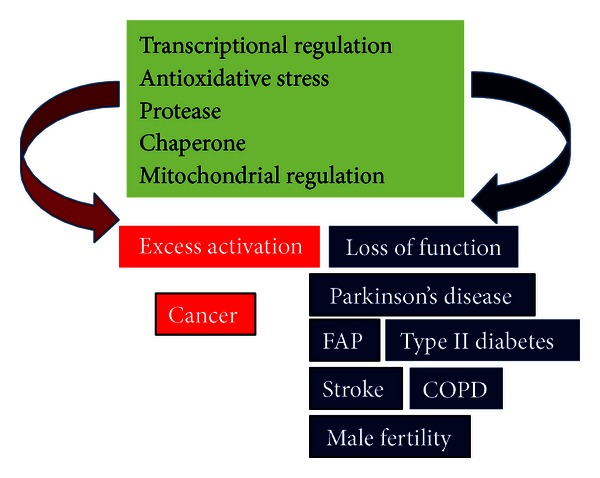
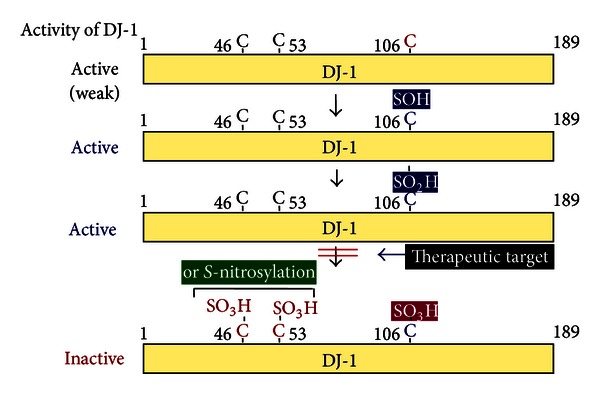
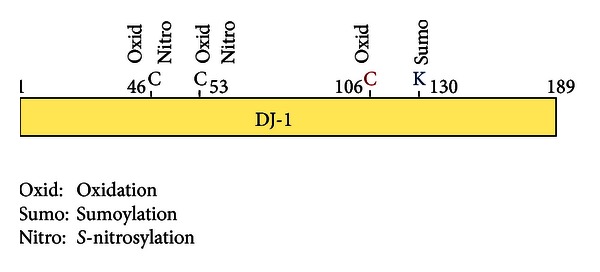
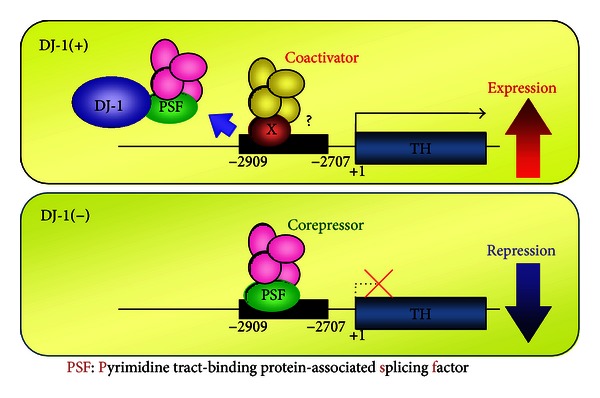
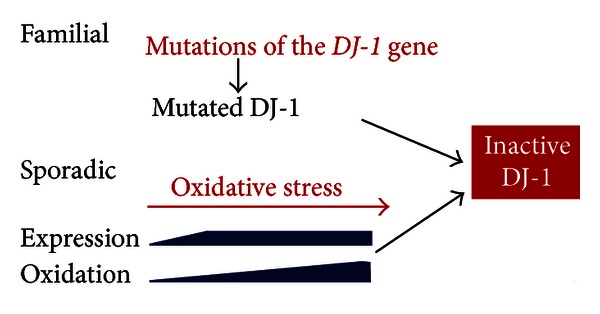
Parkinson’s disease (PD) is caused by dopaminergic neuronal death in the substantia nigra, resulting in a reduced level of dopamine in the striatum. Oxidative stress and mitochondrial dysfunction are thought to be major causes of neurodegeneration in PD. Although genetic and environmental factors are thought to affect the onset of PD, precise mechanisms at the molecular level have not been elucidated. The DJ-1 gene is a causative gene for familial PD ( park7 ) and also an oncogene. DJ-1 has various functions, including transcriptional regulation, antioxidative stress reaction, and chaperone, protease, and mitochondrial regulation, and its activity is regulated by its oxidative status, especially that of cysteine 106 (C106) of DJ-1. Excess oxidation of DJ-1, which renders DJ-1 inactive, has been observed in patients with sporadic PD and Alzheimer’s disease, suggesting that DJ-1 also participates in the onset and pathogenesis of sporadic PD as well as familial PD. DJ-1 is also a stress sensor and its expression is increased upon various stresses, including oxidative stress. In this review, we describe functions of DJ-1 against oxidative stress and possible roles of DJ-1 in the pathogenesis of PD.
Overview
The claims and statistics of this paper haven’t been checked yet.
Run the check — free, no account needed. It reads the open-access text and checks the sources it cites.
Integrity signals
Registry
Cites
Statistics
Figures
Verification
Claims the paper makes
The claims and statistics of this paper haven’t been checked yet.
Run the check — free, no account needed. It reads the open-access text and checks the sources it cites.
Claims other papers make about this one
Each is checked against this paper’s own text: does it say what the citing paper says it does?
The source backs part of the claim, not all of it — or backs it for a different population, condition or comparison.
In the citing paper
“PARK7 is reported to be involved in transcriptional regulation and complexes with processing bodies (P-bodies) suggesting that it may also play a central role in translational regulation as suggested by our PPI network (96,97).”
From Analysis of proteins that rapidly change upon mechanistic/mammalian target of rapamycin complex 1 (mTORC1) repression identifies parkinson protein 7 (PARK7) as a novel protein aberrantly expressed in tuberous sclerosis complex (TSC) (2016) · cites this paper as [96]
Experimental — accuracy not yet measured
Self-check
Percentages, sums and reported differences re-computed from the paper’s own numbers.
The self-check needs the paper’s full text.
Citations
Cites
1 retracted
Malhotra, D., Thimmulappa, R. K., Navas‐Acién, A., Sandford, A. J., Elliott, M., Singh, A., Chen, L., Zhuang, X., Hogg, J. C., Paré, P. D., et al. (2008) · American Journal of Respiratory and Critical Care Medicine · doi:10.1164/rccm.200803-380oc · Cited by 358
RetractedMutations in the DJ-1 Gene Associated with Autosomal Recessive Early-Onset Parkinsonism
Bonifati, V., Rizzu, P., van Baren, M. J., Schaap, O., Breedveld, G. J., Krieger, E., Dekker, M. C. J., Squitieri, F., Ibáñez, P., Joosse, M., et al. (2003) · Science · doi:10.1126/science.1077209 · Cited by 2,854
Mitochondrial Complex I Deficiency in Parkinson's Disease
Schapira, A. H. V., Cooper, J. M., Dexter, D., Clark, J. B., Jenner, P., & Marsden, C. D. (1990) · Journal of Neurochemistry · doi:10.1111/j.1471-4159.1990.tb02325.x · Cited by 2,283
Nishitoh, H., Matsuzawa, A., Tobiume, K., Saegusa, K., Takeda, K., Inoue, K., Hori, S., Kakizuka, A., & Ichijo, H. (2002) · Genes & Development · doi:10.1101/gad.992302 · Cited by 1,372
Canet-Aviles, R., Wilson, M. A., Miller, D. W., Ahmad, R., McLendon, C., Bandyopadhyay, S., Baptista, M. J., Ringe, D., Petsko, G. A., & Cookson, M. (2004) · Proceedings of the National Academy of Sciences · doi:10.1073/pnas.0402959101 · Cited by 1,115
Abnormalities of the electron transport chain in idiopathic parkinson's disease
Parker, W. D., Boyson, S. J., & Parks, J. K. (1989) · Annals of Neurology · doi:10.1002/ana.410260606 · Cited by 1,061
DJ‐1 has a role in antioxidative stress to prevent cell death
Taira, T., Saito, Y., Niki, T., Iguchi‐Ariga, S. M. M., Takahashi, K., & Ariga, H. (2004) · EMBO Reports · doi:10.1038/sj.embor.7400074 · Cited by 866
Self-citationClements, C. M., McNally, R. S., Conti, B. J., Mak, T. W., & Ting, J. P.-Y. (2006) · Proceedings of the National Academy of Sciences · doi:10.1073/pnas.0607260103 · Cited by 818
DJ-1, a Novel Oncogene Which Transforms Mouse NIH3T3 Cells in Cooperation withras
Nagakubo, D., Taira, T., Kitaura, H., Ikeda, M., Tamai, K., Iguchi‐Ariga, S. M. M., & Ariga, H. (1997) · Biochemical and Biophysical Research Communications · doi:10.1006/bbrc.1997.6132 · Cited by 760
Self-citationDeficiencies in Complex I subunits of the respiratory chain in Parkinson's disease
Mizuno, Y., Ohta, S., Tanaka, M., Takamiya, S., Suzuki, K., SATO, T. A., Oya, H., Ozawa, T., & Kagawa, Y. (1989) · Biochemical and Biophysical Research Communications · doi:10.1016/0006-291x(89)91141-8 · Cited by 735
Research works printed but not linked: 11
- 2003, Molecular Cancer Research, 1, 247
- 2005, International Journal of Oncology, 26, 641
- 2007, International Journal of Molecular Medicine, 19, 885
- 2012, PLoS One, 7
- 2001, Clinical Cancer Research, 7, 3328
- 2012, PLoS One, 7
- 2009, Anticancer Research, 29, 4879
- 10.3892/ijo-00000451 · DOI
- 1998, Annals of Neurology, 44, S99
- 2012, PLoS One, 7
- 2013, PLoS One, 8
Cited by
Sorted by citations
Items 101–200 of 373
Alpha synuclein post translational modifications: potential targets for Parkinson’s disease therapy?
Brembati, V., Faustini, G., Longhena, F., & Bellucci, A. (2023) · Frontiers in Molecular Neuroscience · doi:10.3389/fnmol.2023.1197853 · Cited by 43
Saito, Y., Ogawa, Y., Matsumura, A., Saigoh, K., Itoh, S., Sutou, K., Kobayashi, M., Mita, Y., Shichiri, M., Hisahara, S., et al. (2016) · Scientific Reports · doi:10.1038/srep30793 · Cited by 42
Yang, J., Kim, K. S., Iyirhiaro, G. O., Marcogliese, P. C., Callaghan, S. M., Qu, D., Kim, W. J., Slack, R. S., & Park, D. S. (2019) · Cell Death and Disease · doi:10.1038/s41419-019-1354-2 · Cited by 41
DJ-1 is indispensable for the S-nitrosylation of Parkin, which maintains function of mitochondria
Ozawa, K., Tsumoto, H., Miura, Y., Yamaguchi, J., Iguchi‐Ariga, S. M. M., Sakuma, T., Yamamoto, T., & Uchiyama, Y. (2020) · Scientific Reports · doi:10.1038/s41598-020-61287-6 · Cited by 43
Self-citationSanz, F., Solana‐Manrique, C., Muñoz, V. F. L., Calap-Quintana, P., Moltó, M. D., & Paricio, N. (2017) · Free Radical Biology and Medicine · doi:10.1016/j.freeradbiomed.2017.04.364 · Cited by 42
Lee, Y.-T. C., & Hsu, S. D. (2016) · Current Protein and Peptide Science · doi:10.2174/1389203717666160217143721 · Cited by 42
Kolísek, M., Montezano, A. C. I., Sponder, G., Anagnostopoulou, A., Vormann, J., Touyz, R. M., & Aschenbach, J. R. (2015) · Clinical Science · doi:10.1042/cs20150355 · Cited by 42
Sirtuins as modifiers of Parkinson's disease pathology
Tang, B. L. (2016) · Journal of Neuroscience Research · doi:10.1002/jnr.23806 · Cited by 41
Alsharif, I., Boukhzar, L., Lefranc, B., Godefroy, D., Aury‐Landas, J., do Rego, J. L., do-Rego, J.-C., Naudet, F., Arabo, A., Chagraoui, A., et al. (2020) · Redox Biology · doi:10.1016/j.redox.2020.101839 · Cited by 42
Martinez-Perez, D. A., Jiménez-Del-Río, M., & Velez‐Pardo, C. (2018) · Neurotoxicity Research · doi:10.1007/s12640-018-9899-x · Cited by 39
Xu, R., Xu, X.-W., Deng, Y., Ma, Z., Li, X., Zhao, L., Qiu, L.-J., Liu, H., & Chen, H. (2019) · Biochemical and Biophysical Research Communications · doi:10.1016/j.bbrc.2019.04.165 · Cited by 39
SUMOylation in α-Synuclein Homeostasis and Pathology
Savyon, M., & Engelender, S. (2020) · Frontiers in Aging Neuroscience · doi:10.3389/fnagi.2020.00167 · Cited by 39
Niere, F., Namjoshi, S., Song, E., Dilly, G. A., Schoenhard, G., Zemelman, B. V., Mechref, Y., & Raab-Graham, K. F. (2016) · Molecular & Cellular Proteomics · doi:10.1074/mcp.m115.055079 · Cited by 38
McCusker, C., Athippozhy, A., Díaz-Castillo, C., Fowlkes, C. C., Gardiner, D. M., & Voss, S. R. (2015) · BMC Developmental Biology · doi:10.1186/s12861-015-0095-4 · Cited by 38
Expression of DJ-1 in Neurodegenerative Disorders
Antipova, D., & Bandopadhyay, R. (2017) · Advances in experimental medicine and biology · doi:10.1007/978-981-10-6583-5_3 · Cited by 38
Henderson, Y. O., Bithi, N., Link, C., Yang, J., Schugar, R. C., Llarena, N. C., Brown, J. M., & Hine, C. (2021) · GeroScience · doi:10.1007/s11357-021-00330-4 · Cited by 39
Bortolozzi, A., Manashirov, S., Chen, A., & Artigas, F. (2021) · Pharmacology & Therapeutics · doi:10.1016/j.pharmthera.2021.107873 · Cited by 37
Prefoldin prevents aggregation of α-synuclein
Takano, M., Tashiro, E., Kitamura, A., Maita, H., Iguchi‐Ariga, S. M. M., Kinjo, M., & Ariga, H. (2013) · Brain Research · doi:10.1016/j.brainres.2013.10.034 · Cited by 37
Self-citationCommon Mechanisms of Onset of Cancer and Neurodegenerative Diseases
Ariga, H. (2015) · Biological and Pharmaceutical Bulletin · doi:10.1248/bpb.b15-00125 · Cited by 37
Self-citationPost-translational modifications in neurodegeneration
Didonna, A., & Benetti, F. (2015) · AIMS Biophysics · doi:10.3934/biophy.2016.1.27 · Cited by 36
Regulation of DJ-1 by Glutaredoxin 1 in Vivo: Implications for Parkinson’s Disease
Johnson, W. M., Golczak, M., Choe, K., Curran, P. L., Miller, O. G., Yao, C., Wang, W., Lin, J., Milkovic, N. M., Ray, A., et al. (2016) · Biochemistry · doi:10.1021/acs.biochem.5b01132 · Cited by 37
A novel homozygous DJ1 mutation causes parkinsonism and ALS in a Turkish family
Hanagasi, H. A., Giri, A., Kartal, E., Güven, G., Bılgıç, B., Hauser, A., Emre, M., Heutink, P., Basak, N. A., Gasser, T., et al. (2016) · Parkinsonism & Related Disorders · doi:10.1016/j.parkreldis.2016.03.001 · Cited by 37
DJ-1: A promising therapeutic candidate for ischemia-reperfusion injury
Lazzari, F. D., Prag, H. A., Gruszczyk, A. V., Whitworth, A. J., & Bisaglia, M. (2021) · Redox Biology · doi:10.1016/j.redox.2021.101884 · Cited by 36
Aranda‐Martínez, P., Fernández‐Martínez, J., Ramírez‐Casas, Y., Guerra‐Librero, A., Rodríguez-Santana, C., Escames, G., & Acuña-Castroviejo, D. (2022) · International Journal of Molecular Sciences · doi:10.3390/ijms23137438 · Cited by 36
Takahashi-Niki, K., Kato-Ose, I., Murata, H., Maita, H., Iguchi‐Ariga, S. M. M., & Ariga, H. (2015) · Journal of Biological Chemistry · doi:10.1074/jbc.m115.666271 · Cited by 36
Self-citationRole of DJ‐1 in Modulating Glycative Stress in Heart Failure
Shimizu, Y., Nicholson, C. K., Polavarapu, R., Pantner, Y., Husain, A., Naqvi, N., Chin, L., Li, L., & Calvert, J. W. (2020) · Journal of the American Heart Association · doi:10.1161/jaha.119.014691 · Cited by 34
Kumar, M. D., Karthikeyan, M., Sharma, N., Vadthya, R., Vatsalarani, J., Kalivendi, S. V., & Karunakaran, C. (2022) · Microchemical Journal · doi:10.1016/j.microc.2022.107959 · Cited by 35
Schumann, C., Chan, S., Khalimonchuk, O., Khal, S., Moskal, V., Shah, V. M., Alani, A. W. G., Taratula, O. R., & Taratula, O. (2016) · Molecular Pharmaceutics · doi:10.1021/acs.molpharmaceut.6b00205 · Cited by 36
Proteome analysis reveals roles of L-DOPA in response to oxidative stress in neurons
Jami, M., Pal, R., Hoedt, E., Neubert, T. A., Larsen, J. P., & Møller, S. G. (2014) · BMC Neuroscience · doi:10.1186/1471-2202-15-93 · Cited by 34
Tajiri, N., Borlongan, C. V., & Kaneko, Y. (2016) · CNS Neuroscience & Therapeutics · doi:10.1111/cns.12546 · Cited by 34
The role of hypernitrosylation in the pathogenesis and pathophysiology of neuroprogressive diseases
Morris, G., Walder, K. R., Carvalho, A. F., Tye, S. J., Lucas, K., Berk, M., & Maes, M. H. J. (2017) · Neuroscience & Biobehavioral Reviews · doi:10.1016/j.neubiorev.2017.07.017 · Cited by 33
GDNF/RET signaling in dopamine neurons in vivo
Conway, J. A., Ince, S., Black, S., & Kramer, E. R. (2020) · Cell and Tissue Research · doi:10.1007/s00441-020-03268-9 · Cited by 33
(De)Toxifying the Epigenetic Code
Zheng, Q., Prescott, N. A., Maksimovic, I., & David, Y. (2019) · Chemical Research in Toxicology · doi:10.1021/acs.chemrestox.9b00013 · Cited by 34
Lee, D., Kim, D.-H., Kim, S. T., Jeong, S., Kim, J. L., Shim, S. M., Heo, A. J., Song, X., Guo, Z. S., Bartlett, D. L., et al. (2018) · Autophagy · doi:10.1080/15548627.2018.1491212 · Cited by 33
Li, R., Wang, S., Li, T., Wu, L., Fang, Y., Yang, F., Zhang, L., Chen, J., & Wang, X. (2019) · Parkinson s Disease · doi:10.1155/2019/6073496 · Cited by 33
The effect of cysteine oxidation on DJ-1 cytoprotective function in human alveolar type II cells
Bahmed, K., Boukhenouna, S., Karim, L., Andrews, T., Lin, J., Powers, R., Wilson, M. A., Lin, C.-R., Messier, E. M., Reisdorph, N. A., et al. (2019) · Cell Death and Disease · doi:10.1038/s41419-019-1833-5 · Cited by 36
Small Substrate or Large? Debate Over the Mechanism of Glycation Adduct Repair by DJ-1
Jun, Y. W., & Kool, E. T. (2020) · Cell chemical biology · doi:10.1016/j.chembiol.2020.07.016 · Cited by 37
Buhrke, T., Voß, L., Briese, A., Stephanowitz, H., Krause, E., Braeuning, A., & Lampen, A. (2017) · Archives of Toxicology · doi:10.1007/s00204-017-2027-5 · Cited by 33
Zhang, Y., Li, X., Zhao, L., Duan, G., Xiao, L., & Chen, H. (2017) · Biomedicine & Pharmacotherapy · doi:10.1016/j.biopha.2017.12.094 · Cited by 33
Nakamura, T., Oh, C.-K., Zhang, X., Tannenbaum, S. R., & Lipton, S. A. (2021) · Antioxidants and Redox Signaling · doi:10.1089/ars.2021.0081 · Cited by 33
Intracellular metal binding and redox behavior of human DJ-1
Barbieri, L., Luchinat, E., & Banci, L. (2017) · JBIC Journal of Biological Inorganic Chemistry · doi:10.1007/s00775-017-1509-5 · Cited by 32
Astrocyte-to-neuron reprogramming and crosstalk in the treatment of Parkinson's disease
Wang, Y., Xia, Y. F., Kou, L., Yin, S., Chi, X., Li, J., Sun, Y., Wu, J., Zhou, Q., Zou, W., et al. (2023) · Neurobiology of Disease · doi:10.1016/j.nbd.2023.106224 · Cited by 33
Histamine and Receptors in Neuroinflammation: Their Roles on neurodegenerative diseases.
Zhou, Z., An, Q., Zhang, W., Li, Y.-X., Zhang, Q., & Yan, H.-J. (2024) · Behavioural Brain Research · doi:10.1016/j.bbr.2024.114964 · Cited by 32
Distinct Mechanisms of Pathogenic DJ-1 Mutations in Mitochondrial Quality Control
Strobbe, D., Robinson, A. A., Harvey, K., Rossi, L., Ferraina, C., de Biase, V., Rodolfo, C., Harvey, R. J., & Campanella, M. (2018) · Frontiers in Molecular Neuroscience · doi:10.3389/fnmol.2018.00068 · Cited by 31
Non-Coding RNAs as Sensors of Oxidative Stress in Neurodegenerative Diseases
Gámez‐Valero, A., Guisado-Corcoll, A., Herrero‐Lorenzo, M., Solaguren‐Beascoa, M., & Martí, E. (2020) · Antioxidants · doi:10.3390/antiox9111095 · Cited by 34
Sircar, E., Raj, S. R., Wilson, M. A., Schlossmacher, M. G., & Sengupta, R. (2021) · Archives of Biochemistry and Biophysics · doi:10.1016/j.abb.2021.108869 · Cited by 31
Critical Roles of Glutaredoxin in Brain Cells—Implications for Parkinson's Disease
Miller, O. G., & Mieyal, J. J. (2017) · Antioxidants and Redox Signaling · doi:10.1089/ars.2017.7411 · Cited by 30
Update of Immunosenescence in Cerebral Small Vessel Disease
Jian, B., Hu, M., Cai, W., Zhang, B., & Lu, Z. (2020) · Frontiers in Immunology · doi:10.3389/fimmu.2020.585655 · Cited by 33
Qin, L., Tan, J., Zhang, H., Kousar, R., Lu, J., Tang, J., Jiang, B., Shen, X., Guo, J., Tang, B., et al. (2017) · Oxidative Medicine and Cellular Longevity · doi:10.1155/2017/5094934 · Cited by 31
Głombik, K., Stachowicz, A., Trojan, E., Olszanecki, R., Ślusarczyk, J., Suski, M., Chamera, K., Budziszewska, B., Lasoń, W., & Basta‐Kaim, A. (2017) · Progress in Neuro-Psychopharmacology and Biological Psychiatry · doi:10.1016/j.pnpbp.2017.05.014 · Cited by 30
Cremer, J. N., Amunts, K., Schleicher, A., Palomero‐Gallagher, N., Piel, M., Rösch, F., & Zilles, K. (2015) · Neuroscience · doi:10.1016/j.neuroscience.2015.10.054 · Cited by 30
Froestl, W., Pfeifer, A., & Muhs, A. (2013) · Journal of Alzheimer s Disease · doi:10.3233/jad-121729 · Cited by 27
Kobeissy, F. H., Guingab-Cagmat, J. D., Zhang, Z., Moghieb, A. M., Glushakova, O. Y., Mondello, S., Boutté, A. M., Anagli, J. Y., Rubenstein, R., Bahmad, H. F., et al. (2016) · Frontiers in Neurology · doi:10.3389/fneur.2016.00198 · Cited by 29
PARK7/DJ-1 as a Therapeutic Target in Gut-Brain Axis Diseases
Pap, D., Veres-Székely, A., Szebeni, B., & Vannay, Á. (2022) · International Journal of Molecular Sciences · doi:10.3390/ijms23126626 · Cited by 30
The expanding impact of methylglyoxal on behavior-related disorders
de Almeida, G. R. L., Szczepanik, J. C., Selhorst, I., Cunha, M. P., & Dafré, A. L. (2022) · Progress in Neuro-Psychopharmacology and Biological Psychiatry · doi:10.1016/j.pnpbp.2022.110635 · Cited by 29
Rabs, Membrane Dynamics, and Parkinson's Disease
Tang, B. L. (2016) · Journal of Cellular Physiology · doi:10.1002/jcp.25713 · Cited by 29
Sian‐Hülsmann, J., & Riederer, P. F. (2024) · Journal of Neural Transmission · doi:10.1007/s00702-023-02723-5 · Cited by 30
Interrogating Parkinson's disease associated redox targets: Potential application of CRISPR editing
Artyukhova, M. A., Tyurina, Y. Y., Chu, C. T., Zharikova, T. M., Bayır, H., Kagan, V. E., & Timashev, P. S. (2019) · Free Radical Biology and Medicine · doi:10.1016/j.freeradbiomed.2019.06.007 · Cited by 26
The role of DJ-1 in human primary alveolar type II cell injury induced by e-cigarette aerosol
Bahmed, K., Lin, C.-R., Simborio, H. L. T., Karim, L., Aksoy, M. O., Kelsen, S. G., Tomar, D., Madesh, M., Elrod, J. W., Messier, E. M., et al. (2019) · American Journal of Physiology-Lung Cellular and Molecular Physiology · doi:10.1152/ajplung.00567.2018 · Cited by 27
Tracing the Evolution of Plant Glyoxalase III Enzymes for Structural and Functional Divergence
Kumar, B., Kaur, C., Pareek, A., Sopory, S. K., & Singla-Pareek, S. L. (2021) · Antioxidants · doi:10.3390/antiox10050648 · Cited by 27
Metabolic Alterations in a Drosophila Model of Parkinson’s Disease Based on DJ-1 Deficiency
Solana‐Manrique, C., Sanz, F., Torregrosa, I., Palomino‐Schätzlein, M., Hernández-Oliver, C., Pineda‐Lucena, A., & Paricio, N. (2022) · Cells · doi:10.3390/cells11030331 · Cited by 24
Gao, W., Shao, R., Zhang, X., Liu, D., Liu, Y., & Fa, X. (2017) · Experimental Cell Research · doi:10.1016/j.yexcr.2017.10.019 · Cited by 27
Afsheen, S., Rehman, A. S., Jamal, A., Khan, N. H., & Parvez, S. (2024) · Ageing Research Reviews · doi:10.1016/j.arr.2024.102340 · Cited by 28
Yin, L., Li, H., Liu, Z., Wu, W., Cai, J., Tang, C., & Dong, Z. (2021) · Frontiers in Immunology · doi:10.3389/fimmu.2021.690697 · Cited by 27
Cytoprotective Mechanisms of DJ-1: Implications in Cardiac Pathophysiology
Tsoporis, J. N., Drosatos, I.-A., Gupta, S., Amatullah, H., Izhar, S., dos Santos, C. C., Salpeas, V., Rigopoulos, A. G., Toumpoulis, I. K., Triantafyllis, A. S., et al. (2021) · Molecules · doi:10.3390/molecules26133795 · Cited by 26
Reymond, S., Vujić, T., Schvartz, D., & Sanchez, J. (2022) · Scientific Reports · doi:10.1038/s41598-022-08712-0 · Cited by 29
Autophagy and Redox Homeostasis in Parkinson’s: A Crucial Balancing Act
Jiménez-Moreno, N., & Lane, J. D. (2020) · Oxidative Medicine and Cellular Longevity · doi:10.1155/2020/8865611 · Cited by 26
Chaperones and Proteostasis: Role in Parkinson’s Disease
Joshi, N., Raveendran, A., & Nagotu, S. (2020) · Diseases · doi:10.3390/diseases8020024 · Cited by 25
Hosoki, S., Tanaka, T., & Ihara, M. (2021) · Neurochemistry International · doi:10.1016/j.neuint.2021.105015 · Cited by 25
Lu, J., Xu, Y. C., Quan, Z., Chen, Z., Sun, Z., & Qing, H. (2017) · Neuroscience · doi:10.1016/j.neuroscience.2017.09.033 · Cited by 24
DJ-1 Protein and Its Role in the Development of Parkinson’s Disease: Studies on Experimental Models
Бунеева, О. А., & Medvedev, A. E. (2021) · Biochemistry (Moscow) · doi:10.1134/s000629792106002x · Cited by 25
Sirtuins as Modifiers of Huntington's Disease (HD) Pathology
Neo, S. H., & Tang, B. L. (2017) · Progress in molecular biology and translational science · doi:10.1016/bs.pmbts.2017.11.013 · Cited by 25
Niki, T., Endo, J., Takahashi-Niki, K., Yasuda, T., Okamoto, A., Saito, Y., Ariga, H., & Iguchi‐Ariga, S. M. M. (2019) · Brain Research · doi:10.1016/j.brainres.2019.146641 · Cited by 24
Self-citationGiangrasso, D. M., Furlong, T. M., & Keefe, K. A. (2019) · Neurobiology of Disease · doi:10.1016/j.nbd.2019.104673 · Cited by 24
Hsp31, a member of the DJ-1 superfamily, is a multitasking stress responder with chaperone activity
Aslam, K., & Hazbun, T. R. (2016) · Prion · doi:10.1080/19336896.2016.1141858 · Cited by 24
Propagation of Parkinson's disease by extracellular vesicle production and secretion
Shippey, L. E., Campbell, S. G., Hill, A. F., & Smith, D. P. (2022) · Biochemical Society Transactions · doi:10.1042/bst20220204 · Cited by 24
Yamane, T., Suzui, S., Kitaura, H., Takahashi-Niki, K., Iguchi‐Ariga, S. M. M., & Ariga, H. (2013) · PLoS ONE · doi:10.1371/journal.pone.0078374 · Cited by 23
Self-citationWang, W. X., & Whitehead, S. N. (2020) · The Analyst · doi:10.1039/c9an02270h · Cited by 22
Zhou, T., Wang, X., Huang, J., Deng, Y., Qiu, L.-J., Liu, H., Xu, X.-W., Ma, Z., Tang, L., & Chen, H. (2020) · Journal of Cardiovascular Pharmacology · doi:10.1097/fjc.0000000000000805 · Cited by 23
High levels of DJ ‐1 protein and isoelectric point 6.3 isoform in sera of breast cancer patients
Kawate, T., Iwaya, K., Koshikawa, K., Moriya, T., Yamasaki, T., Hasegawa, S., Kaise, H., Fujita, T., Matsuo, H., Nakamura, T., et al. (2015) · Cancer Science · doi:10.1111/cas.12673 · Cited by 22
Self-citationDJ-1 can form β-sheet structured aggregates that co-localize with pathological amyloid deposits
Solti, K., Kuan, W., Fórizs, B., Kustos, G., Mihály, J., Varga, Z., Herberth, B., Moravcsik, É., Kiss, R., Kárpáti, M., et al. (2019) · Neurobiology of Disease · doi:10.1016/j.nbd.2019.104629 · Cited by 22
Astrocytic MicroRNA in Ageing, Inflammation, and Neurodegenerative Disease
Chu, A. J., & Williams, J. M. (2022) · Frontiers in Physiology · doi:10.3389/fphys.2021.826697 · Cited by 22
Generation of genome-edited dogs by somatic cell nuclear transfer
Kim, D. E., Lee, J., Ji, K., Park, K.-S., Kil, T.-Y., Koo, O. J., & Kim, M. K. (2022) · BMC Biotechnology · doi:10.1186/s12896-022-00749-3 · Cited by 22
Ayoobi, F., Shamsizadeh, A., Fatemi, I., Vakilian, A., Allahtavakoli, M., Hassanshahi, G., & Ahmadi, A. M. (2017) · PubMed Central · doi:10.22038/ijbms.2017.8827 · Cited by 22
The Role of the Antioxidant Protein DJ-1 in Type 2 Diabetes Mellitus
Eberhard, D., & Lammert, E. (2017) · Advances in experimental medicine and biology · doi:10.1007/978-981-10-6583-5_11 · Cited by 21
Yang, R., Lei, J., Wang, B., Feng, D., Huang, L. H., Li, Y., Li, T., Zhu, G., Li, C., Lu, F., et al. (2017) · Frontiers in Neurology · doi:10.3389/fneur.2017.00256 · Cited by 22
Siwach, A., Patel, H., Khairnar, A., & Parekh, P. (2025) · CNS Neuroscience & Therapeutics · doi:10.1111/cns.70192 · Cited by 21
Protective role of anticancer drugs in neurodegenerative disorders: A drug repurposing approach
Advani, D., Gupta, R. V., Tripathi, R. S., Sharma, S., Ambasta, R. K., & Kumar, P. (2020) · Neurochemistry International · doi:10.1016/j.neuint.2020.104841 · Cited by 24
Protein modification in neurodegenerative diseases
Ramazi, S., Dadzadi, M., Darvazi, M., Seddigh, N., & Allahverdi, A. (2024) · MedComm · doi:10.1002/mco2.674 · Cited by 25
Novel Redox-Dependent Esterase Activity (EC 3.1.1.2) for DJ-1: Implications for Parkinson’s Disease
Vazquez‐Mayorga, E., Díaz‐Sánchez, Á. G., Dagda, R. K., Domínguez-Solís, C., Dagda, R. Y., Coronado-Ramirez, C. K., & Martı́nez-Martı́nez, A. (2016) · International Journal of Molecular Sciences · doi:10.3390/ijms17081346 · Cited by 21
Puno, M. R., Patel, N. A., Møller, S. G., Robinson, C. V., Moody, P. C. E., & Odell, M. (2013) · Journal of the American Chemical Society · doi:10.1021/ja406010m · Cited by 20
Key, J., Kohli, A., Bárcena, C., López-Otı́n, C., Heidler, J., Wittig, I., & Auburger, G. W. J. (2019) · International Journal of Molecular Sciences · doi:10.3390/ijms20184523 · Cited by 19
Lee, Y., Choi, G., Jeon, H., Kim, D., Ryu, S., Koo, S., Ha, K., & Kim, S. (2017) · The Journal of Physiological Sciences · doi:10.1007/s12576-017-0547-7 · Cited by 19
Mitochondrial Dysfunction as a Key Event during Aging: From Synaptic Failure to Memory Loss
Jara, C., Torres, A. K., Olesen, M. A., & Tapia‐Rojas, C. (2019) · IntechOpen eBooks · doi:10.5772/intechopen.88445 · Cited by 20
DJ-1 attenuates the glycation of mitochondrial complex I and complex III in the post-ischemic heart
Pantner, Y., Polavarapu, R., Chin, L., Li, L., Shimizu, Y., & Calvert, J. W. (2021) · Scientific Reports · doi:10.1038/s41598-021-98722-1 · Cited by 19
Glat, M. J., Ben‐Zur, T., Barhum, Y., & Offen, D. (2016) · PLoS ONE · doi:10.1371/journal.pone.0148170 · Cited by 19
Identification of Altered Blood MicroRNAs and Plasma Proteins in a Rat Model of Parkinson’s Disease
Yadav, S. K., Pandey, A. K., Sarkar, S., Yadav, S., Parmar, D., & Yadav, S. (2022) · Molecular Neurobiology · doi:10.1007/s12035-021-02636-y · Cited by 18
DJ-1 inhibits ferroptosis in cerebral ischemia-reperfusion via ATF4/HSPA5 pathway
Li, Y., Chen, T., Xue, Y., Wang, Y., Peng, L. H., Wang, C., & Yu, S. (2023) · Neurochemistry International · doi:10.1016/j.neuint.2023.105628 · Cited by 18
N‐homocysteinylation of DJ‐1 promotes neurodegeneration in Parkinson's disease
Guo, T., Zhou, L., Xiong, M., Xiong, J., Huang, J., Li, Y., Zhang, G., Chen, G., Wang, Z., Xiao, T., et al. (2024) · Aging Cell · doi:10.1111/acel.14124 · Cited by 18
Parkinson’s disease research: adopting a more human perspective to accelerate advances
Marshall, L. J., & Willett, C. (2018) · Drug Discovery Today · doi:10.1016/j.drudis.2018.09.010 · Cited by 19
Metadata
- Authors
- Ariga, H., Takahashi-Niki, K., Kato, I., Maita, H., Niki, T., & Iguchi-Ariga, S. M. M.
- Affiliations
- Hokkaido University (JP)
- Graduate School of Agriculture, Hokkaido University, Kita-ku, Sapporo 060-8589, Japan
- Corresponding author
- Ariga, Hiroyoshi
- ORCID
- Maita, Hiroshi
- Venue
- Oxidative Medicine and Cellular Longevity
- Publisher
- Wiley
- Published
- 2013
- Volume
- 2013
- Pages
- 1-9
- ISSN
- 1942-0994 (ISSN-L)
- 1942-0900
- PMC
- PMC3671546
- OpenAlex
- W1974927898
- Cited by
- 373
- References
- 117
- Citations by year
- 2026: 12 · 2025: 22 · 2024: 24 · 2023: 22 · 2022: 36 · 2021: 30 · 2020: 45 · 2019: 37 · 2018: 27 · 2017: 44 · 2016: 33 · 2015: 21 · 2014: 12 · 2013: 8
- FWCI
- 3.22
- Type
- journal article
- Language
- en
- Open access
- hybrid
- doi.org
- Locations
- Oxidative Medicine and Cellular Longevity (publishedVersion, cc-by)
- Europe PMC (PubMed Central) (publishedVersion, cc-by)
- PubMed Central (publishedVersion, cc-by)
- PubMed (publishedVersion)
- Institutional Repositories DataBase (IRDB) (submittedVersion)
- Hokkaido University Collection of Scholarly and Academic Papers (Hokkaido University) (submittedVersion)
- Funders
- National Institute of Biomedical Innovation
- Japan Society for the Promotion of Science (25830071, 25430059, 24650191, 23790970)
- Topics
- Health Sciences › Medicine › Clinical Neurology › Parkinson's Disease Mechanisms and Treatments
- Life Sciences › Biochemistry, Genetics and Molecular Biology › Molecular Biology › Nuclear Receptors and Signaling
- Life Sciences › Biochemistry, Genetics and Molecular Biology › Molecular Biology › Coenzyme Q10 studies and effects
- Keywords
- DJ-1, Parkinson's disease, neuroprotection, oxidative stress, mitochondrial dysfunction, dopaminergic neuron loss, substantia nigra, familial parkinsonism, sporadic Parkinson's disease, stress sensors, chaperone activity, protease function, transcriptional regulation
- MeSH terms
- Animals, Dopamine, Humans, Mitochondria, Parkinson Disease, Oncogene Proteins, Oxidative Stress, Neuroprotective Agents
About these checks
Registry, retraction, Cites and statistics results are computed, not judged, with one exception: a printed reference that no index lists is read once by a model before it counts as a citation error. Claims are extracted by a model and kept only when their quote appears verbatim in the text; each cited source is then checked, with a model’s help, for whether it says what the claim relies on. Those verdicts can be wrong — read the claim’s quote and the cited source before relying on one.
Statistics and arithmetic are recomputed, not judged.
Confidence bands are shown only for fields calibrated on our annotated test set. None is calibrated yet, so no band is shown.
What counts as a claim ›How we measure confidence ›How we check this ›
Are you an author, or do you see a problem with this page? Request a review
