

Pomegranate Fruit as a Rich Source of Biologically Active Compounds
Open accessThe DOI matches its Crossref record; 105 of the 106 references it cites were found in a registry or an index.
Abstract
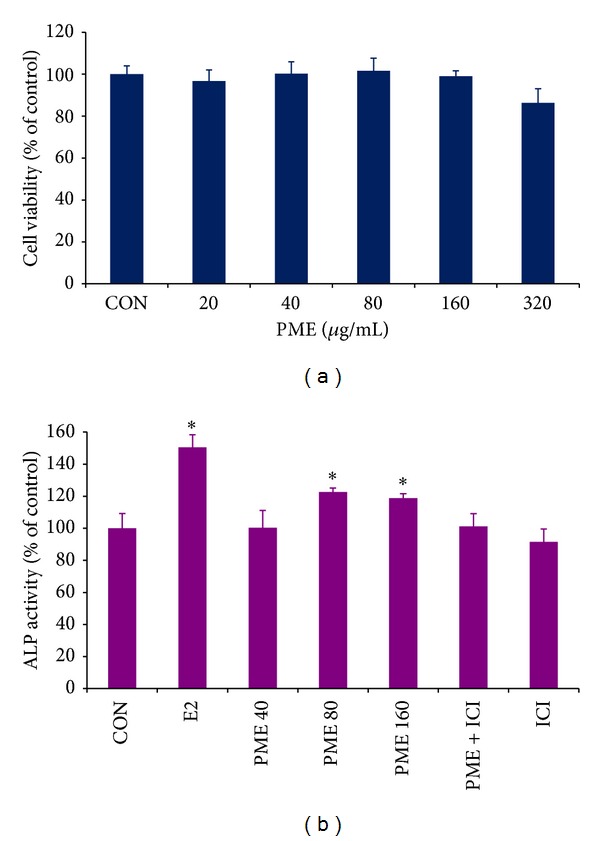
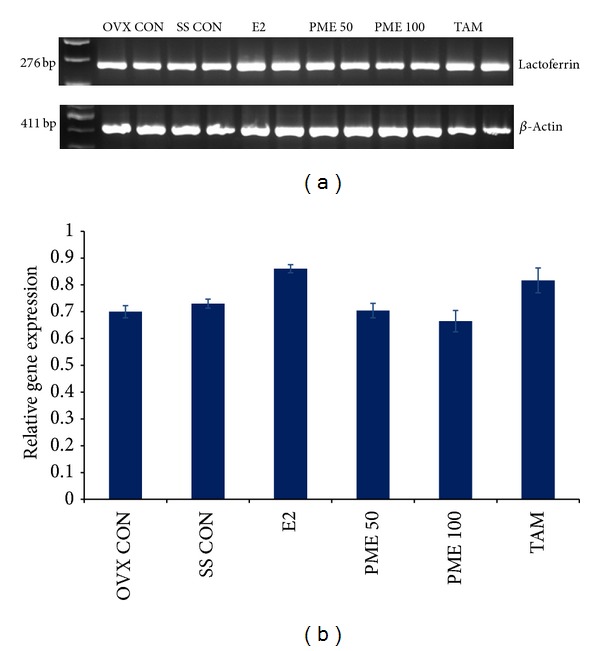
Pomegranate is a widely used plant having medicinal properties. In this review, we have mainly focused on the already published data from our laboratory pertaining to the effect of methanol extract of pericarp of pomegranate (PME) and have compared it with other relevant literatures on Punica . Earlier, we had shown its antiproliferative effect using human breast (MCF-7, MDA MB-231), and endometrial (HEC-1A), cervical (SiHa, HeLa), and ovarian (SKOV3) cancer cell lines, and normal breast fibroblasts (MCF-10A) at concentration of 20–320 μ g/mL. The expressions of selected estrogen responsive genes (PR, pS2, and C-Myc) were downregulated by PME. Unlike estradiol, PME did not increase the uterine weight and proliferation in bilaterally ovariectomized Swiss-Albino mice models and its cardioprotective effects were comparable to that of 17 β -estradiol. We had further assessed the protective role of PME on skeletal system, using MC3T3-E1 cells. The results indicated that PME (80 μ g/mL) significantly increased ALP (Alkaline Phosphatase) activity, supporting its suggested role in modulating osteoblastic cell differentiation. The antiosteoporotic potential of PME was also evaluated in ovariectomized (OVX) rodent model. The results from our studies and from various other studies support the fact that pomegranate fruit is indeed a source of biologically active compounds.
Overview
The claims and statistics of this paper haven’t been checked yet.
Free: it reads the open-access text and checks the first 5 claims that cite a source we can check. Create a free account to check every claim.
Integrity signals
Registry
Cites
Statistics
Figures
Verification
Claims the paper makes
The claims and statistics of this paper haven’t been checked yet.
Free: it reads the open-access text and checks the first 5 claims that cite a source we can check. Create a free account to check every claim.
Claims other papers make about this one
Each is checked against this paper’s own text: does it say what the citing paper says it does?
The cited source says what the claim attributes to it.
In the citing paper
“The pomegranate fruit consists of 50 % of the peel [45]”
From Tangerine, banana and pomegranate peels valorisation for sustainable environment: A review (2021) · cites this paper as [63]
The cited source says what the claim attributes to it.
In the citing paper
“composed of the peel, arils and seeds (Table 1)”
From Tangerine, banana and pomegranate peels valorisation for sustainable environment: A review (2021) · cites this paper as [63]
Self-check
Percentages, sums and reported differences re-computed from the paper’s own numbers.
The self-check needs the paper’s full text.
Citations
Cites
Gil, M. I., Tomás-Barberán, F. A., Hess-Pierce, B., Holcroft, D. M., & Kader, A. A. (2000) · Journal of Agricultural and Food Chemistry · doi:10.1021/jf000404a · Cited by 2,362 · cited 2×
“Anthocyanidins (delphinidin, cyanidin, and pelargonidin) and hydrolysable tannins (such as punicalagin, pedunculagin, punicalin, gallagic, and ellagic acid esters of glucose), account for the major antioxidant activity of whole fruit [22, 95].”
BackgroundLansky, E. P., & Newman, R. A. (2007) · Journal of Ethnopharmacology · doi:10.1016/j.jep.2006.09.006 · Cited by 1,290 · cited 3×
“Constituents of pomegranate minimize tumor cell invasion into normal tissue and metastasis to distant sites and these actions develop due to the inhibition of selected metalloproteinase activity, decreased focal adhesion kinase activity, and reduced VEGF expression [15].”
BackgroundMolecular Determinants for the Tissue Specificity of SERMs
Shang, Y., & Brown, M. (2002) · Science · doi:10.1126/science.1068537 · Cited by 1,146 · cited 1×
“The best move towards the avoidance and handling of estrogen-dependent breast cancer is to selectively hold estrogen activity in the affected tissues without compromising its beneficial effects [87].”
BackgroundPhytoestrogens: the biochemistry, physiology, and implications for human health of soy isoflavones
Kenneth, D. S. (1998) · The American Journal of Clinical Nutrition · doi:10.1093/ajcn/68.6.1333s · Cited by 1,128
Seeram, N. P., Adams, L. S., Henning, S. M., Niu, Y., Zhang, Y., Nair, M. G., & Heber, D. (2005) · The Journal of Nutritional Biochemistry · doi:10.1016/j.jnutbio.2005.01.006 · Cited by 1,112
Li, Y., Guo, C., Yang, J., Wei, J., Xu, J., & Cheng, S. (2006) · Food Chemistry · doi:10.1016/j.foodchem.2005.02.033 · Cited by 1,058 · cited 1×
“The peel, which is also a major part of the fruit, is an imperative source of bioactive compounds such as phenolics, flavonoids, ellagitannins, proanthocyanidin compounds [96], minerals, [97], and complex polysaccharides [98].”
BackgroundTherapeutic applications of pomegranate (Punica granatum L.): a review.
Jurenka, J. S. (2008) · PubMed · Cited by 933
Fisher, B., Dignam, J., Bryant, J., DeCillis, A., Wickerham, D. L., Wolmark, N., Costantino, J., Redmond, C., Fisher, E. R., Bowman, D. M., et al. (1996) · JNCI Journal of the National Cancer Institute · doi:10.1093/jnci/88.21.1529 · Cited by 861 · cited 1×
“Regrettably, at this time, available antiestrogen such as tamoxifen used in the treatment of ER-positive breast cancer has side effects and agonism in the uterine endometrium, leading to an uncertain connection to endometrial carcinoma [88–90].”
BackgroundPomegranate and its many functional components as related to human health: a review
Viuda‐Martos, M., Fernández‐López, J., & Pérez‐Álvarez, J. A. (2010) · Comprehensive Reviews in Food Science and Food Safety · doi:10.1111/j.1541-4337.2010.00131.x · Cited by 768
Seeram, N. P., Aviram, M., Zhang, Y., Henning, S. M., Feng, L., Dreher, M., & Heber, D. (2008) · Journal of Agricultural and Food Chemistry · doi:10.1021/jf073035s · Cited by 686 · cited 1×
“Pomegranate juice had the greatest antioxidant potency composite index among beverages like black cherry juice, cranberry juice, grape juice, apple juice, orange juice, red wines, blueberry juice, and iced tea; and the antioxidant activity was at least 20% superior to any of the other beverages tested [101–103].”
Result
Research works printed but not linked: 6
- Jain S Rai R Upadhyaya AR Malhotra G Punica granatum: a natural and recent approach towards dental problem International Journal of Pharmaceutical Sciences and Research 2014 2 1 1 6
- Artik N Ceremroglu B Murakami H Mori T Determination of phenolic compounds in pomegranate juice by using HPLC Fruit Processing 1998 8 492 499
- Abd El Wahab SM El Fiki NM Mostafa SF Hassan AEB Characterization of certain steroid hormones in Punica granatum L. seeds Bulletin of the Faculty of Pharmacy 1998 36 11 15
- Sreekumar S Selective estrogen receptor modulator (SERM) activity of Pomegranate (Punica granatum L.): implications for estrogen dependant breast cancer [dissertation] 2011 University of Kerala
- Malik A The potentials of nutraceuticals Pharmainfo.net 2008 6
- Jahfar M Vijayan KK Azadi P Studies on a polysaccharide from the fruit rind of Punica granatum Research Journal of Chemistry and Environment 2003 7 1 43 50
Cited by
Items 101–200 of 255
Husari, A. W., Hashem, Y., Zaatari, G. S., & El-Sabban, M. E. (2017) · Oxidative Medicine and Cellular Longevity · doi:10.1155/2017/6063201 · Cited by 17
Kumar, P., Lokesh, V., Doddaraju, P., Kumari, A., Singh, P., Meti, B. S., Sharma, J., Gupta, K. J., & Manjunatha, G. (2021) · Food and Energy Security · doi:10.1002/fes3.305 · Cited by 21
Adel-Mehraban, M. S., Tansaz, M., Mohammadi, M., & Yavari, M. (2022) · Complementary Therapies in Clinical Practice · doi:10.1016/j.ctcp.2022.101544 · Cited by 17
Fellah, B., Rocchetti, G., Senizza, B., Giuberti, G., Bannour, M., Ferchichi, A., & Lucini, L. (2019) · Food Research International · doi:10.1016/j.foodres.2019.108807 · Cited by 18
Meratan, A. A., Hassani, V., Mahdavi, A., & Nikfarjam, N. (2022) · RSC Advances · doi:10.1039/d1ra05820g · Cited by 16
Hybrid Assembly and Annotation of the Genome of the Indian Punica granatum, a Superfood
Usha, T., Middha, S. K., Babu, D., Goyal, A. K., Das, A. J., Saini, D., Sarangi, A., Krishnamurthy, V., Prasannakumar, M. K., Saini, D. K., et al. (2022) · Frontiers in Genetics · doi:10.3389/fgene.2022.786825 · Cited by 20
“There is ample evidence demonstrating the therapeutic effects of pomegranate and its derived products in arthritis, bacterial infections, diabetes, dental conditions, cardiac disorders, erectile dysfunction, hyperlipidemia, Alzheimer’s, infant brain ischemia, obesity (Jurenka, 2008), cancer (breast, skin, prostate, co…”
BackgroundEl-Hamid, M. I. A., Ibrahim, D., Abdelfattah‐Hassan, A., Mohammed, O. B., Peț, I., Khalil, S. S., El-Badry, S. M., Metwally, A. S., Azouz, A. A., Elnegiry, A. A., et al. (2024) · Frontiers in Cellular and Infection Microbiology · doi:10.3389/fcimb.2024.1469493 · Cited by 21
Rahmah, M. I., Saadoon, N. M., Mohasen, A. J., Kamel, R. I., Fayad, T. A., & Ibrahim, N. M. (2021) · Journal of the Mechanical Behavior of Materials · doi:10.1515/jmbm-2021-0021 · Cited by 18
“The Punicaceae plant extract contains many active compounds maybe acts as a reducing agent to formation NPs, such as ascorbic acid (C6H8O6), gallic acid (C7H6O5), and flavonoe (C15H10O2) [17, 18, 19].”
BackgroundAkbarian, M., Hosseini, M., Mirzavi, F., Amirahmadi, S., Arab, F. L., & Rajabian, A. (2022) · Food Science & Nutrition · doi:10.1002/fsn3.3049 · Cited by 22
“Various pharmacological effects including neuroprotective, anticancer, and anti- inflammatory are reported for pomegranate (Sreekumar et al., 2014).”
BackgroundSiol, M., Piasecka, I., Mańko-Jurkowska, D., Górska, A., & Bryś, J. (2025) · Molecules · doi:10.3390/molecules30081837 · Cited by 18
“However, scientific studies indicate that seeds, including those of pomegranates, contain essential nutrients and bioactive components that, when appropriately processed, can have diverse applications [6,7].”
Torshiz, A. O., Goldansaz, S. H., Motesharezadeh, B., Askari, M. A., & Zarei, A. (2020) · International Journal of Fruit Science · doi:10.1080/15538362.2020.1778602 · Cited by 15
“Besides its relatively low expectation, the fruit is highly nutritious and native consumers traditionally have been using it as a medicinal fruit, a fact which is confirmed by the recent pharmacological investigations (Sreekumar et al., 2014).”
BackgroundAntimicrobial activity of biosynthesized Cuo/Se nanocomposite against Helicobacter pylori
Baker, D. H. A., & Abbas, H. S. (2023) · Arabian Journal of Chemistry · doi:10.1016/j.arabjc.2023.105095 · Cited by 16
Alim, M. A., Karim, A., Shohan, M. A. R., Sarker, S. C., Khan, T., Mondal, S., Esrafil, M., Linkon, K. M. M. R., Rahman, M. N., Akther, F., et al. (2023) · Food and Humanity · doi:10.1016/j.foohum.2023.09.008 · Cited by 19
Oğurlu, F., Küçüker, E., Ağlar, E., Özcengiz, C. K., & Uyak, C. (2024) · Food Science & Nutrition · doi:10.1002/fsn3.4290 · Cited by 14
Mehra, A., Chauhan, S., Jain, V. K., & Nagpal, S. (2021) · Journal of Cluster Science · doi:10.1007/s10876-021-01979-9 · Cited by 15
Gao, S., Wang, F., Wang, S., Diao, J., Lan, S., Xu, Y., Lyu, X., Kang, H., & Yao, Y. (2025) · Horticulture Research · doi:10.1093/hr/uhaf061 · Cited by 14
“Approximately 30% of the total phenolics in grapes are stored in the seeds [2], making grape seeds an ideal tissue for studying phenolic compound metabolism.”
Mohamed, I. F., Ghani, B. A., & Fatalla, A. A. (2022) · International Journal of Biomaterials · doi:10.1155/2022/4266589 · Cited by 14
“*e most significant therapeutically active polyphenols from pomegranates are ellagic and punicic acids, ellagitannins, anthocyanins, anthocyanidins, and isoflavones [9].”
BackgroundRasheed, H. M., Khan, T., Wahid, F., Khan, R., & Shah, A. J. (2016) · Pharmaceutical Biology · doi:10.1080/13880209.2016.1178309 · Cited by 14
“Different fruits like apricot, apple, figs and pomegranate have been reported in the literature for gastrointestinal and cardiovascular diseases (Boyer & Liu 2004; Guarrera 2005; Sharma et al. 2014; Sreekumar et al. 2014).”
BackgroundUtilization of Pomegranate Peels Flour to Improve Sponge Cake Quality
Lotfy, L., & Barakat, E. H. (2018) · Journal of Food and Dairy Sciences · doi:10.21608/jfds.2018.77760 · Cited by 15
Izábal-Carvajal, A. L., Sepúlveda, L., Chávez‐González, M. L., Torres‐León, C., Aguilar, C. N., & Ascacio‐Valdés, J. A. (2023) · Waste · doi:10.3390/waste1030047 · Cited by 17
“PP represents approximately 50% of the total weight of the fruit and is an important source of bioactive compounds such as ellagitannins [9]—mainly punicalin, pedunculagin, and punicalagin [5].”
BackgroundMendes, P. M., Fontoura, G. M. G., Rodrigues, L. D. S., Souza, A. S., Viana, J. P. M., Pereira, A. L. F., Dutra, R. P., Ferreira, A. G. N., Neto, M. S., Reis, A. S., et al. (2023) · International Journal of Microbiology · doi:10.1155/2023/4026440 · Cited by 24
Dhaundiyal, A., Jamwal, V., Mittal, A., Pal, K., Jeevitha, G., Tripathi, R., Paul, N., Rameshpathy, M., & Guimarães, M. (2024) · Biomass Conversion and Biorefinery · doi:10.1007/s13399-024-06019-w · Cited by 16
“The pomegranate rinds which comprise approximately 50–60% of the total fruit mass, share similar richness in polyphenols, flavonoids, phenolic compounds and tannins as the edible parts of the fruit [16–18].”
Wu, W., Solval, K. M., & Chen, J. (2021) · LWT · doi:10.1016/j.lwt.2021.112934 · Cited by 15
Bahari, H., Ashtary‐Larky, D., Goudarzi, K., Mirmohammadali, S. N., Asbaghi, O., Kolbadi, K. S. H., Naderian, M., & Hosseini, A. (2024) · Diabetes & Metabolic Syndrome Clinical Research & Reviews · doi:10.1016/j.dsx.2024.102940 · Cited by 13
Singh, N. V., Sharma, J., Dongare, M. D., Gharate, R., Chinchure, S., Manjunatha, N., Parashuram, S., Patil, P. G., Babu, K. D., Mundewadikar, D. M., et al. (2022) · Microorganisms · doi:10.3390/microorganisms11010005 · Cited by 14
“This fruit crop has abundant health promoting properties and is one of the richest sources of phenolic compounds including ellagitannins (ETs), flavonols, and flavonoids with potential antioxidant, anticancer, and anti-atherosclerotic properties [5,6].”
BackgroundKüçüker, E., Ağlar, E., Gündoğdu, M., Tekin, O., Oğurlu, F., & Özcengiz, C. K. (2023) · Erwerbs-Obstbau · doi:10.1007/s10341-023-00958-w · Cited by 12
“Polyphenols are secondary metabolites that increase the quality and antioxidant properties of fruits and vegetables, such as firmness, flavor, bitterness, and color and contribute to the defense mechanism of the plant (Sreekumar et al. 2014).”
A review of pomegranate supplementation: A promising remedial avenue for Alzheimer's disease
Ullah, A., Khan, A., Ahmed, S., Irfan, H. M., Hafiz, A. A., Jabeen, K., Alruwaili, M., Alotaibi, M., Naeem, W. A., Khan, A., et al. (2023) · Heliyon · doi:10.1016/j.heliyon.2023.e22483 · Cited by 13
“In the last few decades, a number of studies have highlighted different biological activities like, antiobesity, anticancer [42,43], ROS [44], antidiabetic [45] and cardioprotective properties [46].”
BackgroundEffects of pomegranate on lipid profiles: A systematic review of randomised controlled trials
Aziz, Z., Huin, W. K., Hisham, M. D. B., & Ng, J. X. (2019) · Complementary Therapies in Medicine · doi:10.1016/j.ctim.2019.102236 · Cited by 13
Kumar, C. T. M., Mondal, S., Prasad, W., Rathod, G., Raghu, H. V., & Kokkiligadda, A. (2022) · Food Chemistry Advances · doi:10.1016/j.focha.2022.100088 · Cited by 11
Habchi, C., Badran, A., Srour, M., Daou, A., Baydoun, E., Hamade, K., & Hijazi, A. (2023) · Processes · doi:10.3390/pr11041111 · Cited by 15
Impact of pomegranate juice on blood pressure: A systematic review and meta‐analysis
Ghaemi, F., Emadzadeh, M., Atkin, S. L., Jamialahmadi, T., Zengin, G., & Sahebkar, A. (2023) · Phytotherapy Research · doi:10.1002/ptr.7952 · Cited by 11
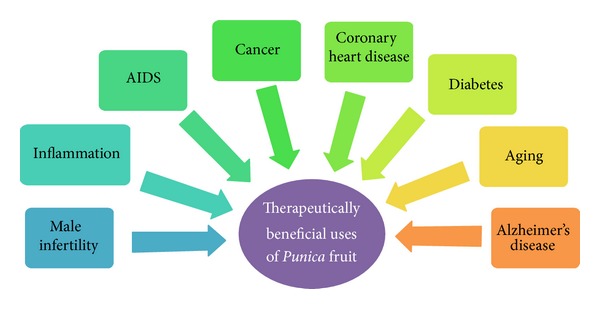
“…juice consumption lowers the risk of heart disease, diabetes, breast cancer, prostate cancer, colon cancer, and can target a variety of illnesses, such as acquired immunodeficiency syndrome (AIDS) and Alzheimer's disease (Neurath et al., 2004; Sreekumar et al., 2014; Wang & Martins-Green, 2014).”
BackgroundInfluentialKüçüker, E., Gündoğdu, M., Ağlar, E., Oğurlu, F., Arslan, T., Özcengiz, C. K., & Tekin, O. (2023) · Journal of Food Measurement & Characterization · doi:10.1007/s11694-023-02199-7 · Cited by 12
“Polyphenols are secondary metabolites that increase the quality and antioxidant properties of fruit and vegetables such as firmness, flavor, taste and color and contribute to the defense mechanism of the plant [57].”
Vini, R., Jaikumar, V. S., Remadevi, V., Ravindran, S., Azeez, J. M., Sasikumar, A., Sundaram, S., & Sreeja, S. (2023) · Phytotherapy Research · doi:10.1002/ptr.7919 · Cited by 12
“Pomegranates are rich in polyphenols (Sreekumar et al., 2014) and ellagitannins, which are broken down by intestinal microbiota to ellagic acid and urolithins inside the body (García-Villalba et al., 2019, Vini et al., 2016).”
BackgroundSelf-citationMenopause in Latin America: Symptoms, attitudes, treatments and future directions in Costa Rica
Locklear, T., Doyle, B. J., Pérez, A. L., Wicks, S. M., & Mahady, G. B. (2017) · Maturitas · doi:10.1016/j.maturitas.2017.07.008 · Cited by 14
Effects of Pomegranate on Wound Repair and Regeneration
Bahadoram, M., Hassanzadeh, S., Bahadoram, S., & Mowla, K. (2022) · WORLD JOURNAL OF PLASTIC SURGERY · doi:10.52547/wjps.11.1.157 · Cited by 10
Aboul-Enein, B. H. (2015) · Mediterranean Journal of Nutrition and Metabolism · doi:10.3233/mnm-150041 · Cited by 10
The Hypoglycemic and Hypolipidemic Effects of Polyphenol-Rich Strawberry Juice on Diabetic Rats
Gazwi, H. S. S., Hassan, M. S., Ismail, H. A., El-Naem, G. F. A., & Tony, S. K. (2023) · Plant Foods for Human Nutrition · doi:10.1007/s11130-023-01079-1 · Cited by 15
Bacha, W. A., Hamza, A., Khan, A. A., Aziz, T. A., Wu, J., Al‐Asmari, F., Sameeh, M. Y., Alamri, A. S., Alhomrani, M., Al-Ghamdi, A., et al. (2024) · Italian Journal of Food Science · doi:10.15586/ijfs.v36i1.2459 · Cited by 15
“Its peel is used to cure different diseases, including syphilis and bronchitis, as the peel is thought as one of the finest sources of bioactive compounds (Sreekumar et al ., 2014).”
BackgroundEfficacy of Samsarjanakrama in a patient with Agnimandya due to vyadhi sankar: A case study
Mukta, Rao, M. V., & Arora, J. K. (2021) · Journal of Ayurveda and Integrative Medicine · doi:10.1016/j.jaim.2021.01.004 · Cited by 9
“In Peya the amount of grains is more as compared to the Manda, but the amount of water was kept equal (14 parts), the food is also and brought about Raktavriddhi the fuel for Agni.”
BackgroundInfluentialAnti-cancer Effects of Pomegranate Seed Oil on Esophageal Cancer Cell Line (KYSE-30)
Zare, M., Shaverdi, H., & Ebrahimi, S. (2021) · Gene Cell and Tissue · doi:10.5812/gct.108995 · Cited by 11
“Pomegranate juice and pomegranate oil have antioxidant and anti-inflammatory properties (9, 11, 16, 44).”
BackgroundShah, P. (2020) · Elsevier eBooks · doi:10.1016/b978-0-12-816808-0.00018-4 · Cited by 15
Genetic structure, clonality and diversity in commercial pomegranate (Punica granatum L.) cultivars
Shahsavari, S., Noormohammadi, Z., Sheidai, M., Farahani, F., & Vazifeshenas, M. R. (2021) · Genetic Resources and Crop Evolution · doi:10.1007/s10722-021-01167-8 · Cited by 12
Hamin, N. S. M. N., Sahadan, M. Y. B., Rozman, N. A. S., Tan, W., Yenn, T. W., Zahan, K. A., Wahidin, S., & Ring, L. C. (2018) · Journal of Natural Fibers · doi:10.1080/15440478.2017.1423260 · Cited by 8
“Several previous studies have shown that its peels, flowers and juice contained different types of antioxidant including anthocyanins, cetechins, and elllagitannis (Sreekumar et al. 2014, Gil et al 2000).”
BackgroundDose, dosage regimen, and dose adjustment in organ failure
Choudhary, D., Goykar, H., Kalyane, D., Desai, N., & Tekade, R. K. (2021) · Elsevier eBooks · doi:10.1016/b978-0-12-814425-1.00004-8 · Cited by 13
Abohassan, M., Shahrani, M. M. A., Ahmad, I. S., Abullais, S. S., Srivastava, S., & Rajagopalan, P. (2022) · Journal of Food Biochemistry · doi:10.1111/jfbc.14178 · Cited by 6
Basak, S., Sikdar, S., Ali, S. A., Mondal, M., Roy, D., Dakua, V. K., & Roy, M. N. (2022) · New Journal of Chemistry · doi:10.1039/d2nj02720h · Cited by 7
Mohsen, S., Bakr, M. M., ElDegwy, M. A., Abouhussein, D. M. N., Fares, A. R., & ElMeshad, A. N. (2024) · Future Journal of Pharmaceutical Sciences · doi:10.1186/s43094-024-00647-9 · Cited by 8
“Among these parts, the pomegran-ate peel corresponds to around 50% of the fruit weight which is abundant in high molecular weight polyphenols including flavonoids, ellagic acids, gallotannins and ella-gitannins (ETs) [50, 55].”
BackgroundAntimicrobial activity of garlic and Pomegranate Peel extracts against some pathogenic bacteria
Al-Defiery, M. E., Al-Muttairi, A. K., Saeed, H. H., & Hadi, R. (2021) · IOP Conference Series Earth and Environmental Science · doi:10.1088/1755-1315/722/1/012017 · Cited by 7
Understanding Phenological Stages of Pomegranates vis-à-vis Flowering and Fruiting Regulation
Kumar, R., Krishna, H., Rajan, S., Alizadeh, M., & Barman, P. (2021) · Journal of Horticultural Research · doi:10.2478/johr-2021-0013 · Cited by 7
Thakur, N. S., Kashyap, S., Thakur, A., Sharma, A., Gautam, S., & Hamid, H. (2021) · Annals of Phytomedicine An International Journal · doi:10.21276/ap.2021.10.2.45 · Cited by 7
Punica granatum L. Constituents for Cancer Prevention, Chemosensitisation and Therapeutic Treatment
González, J. C. R., Delgado, R., & Berghe, W. V. (2020) · Springer eBooks · doi:10.1007/978-3-030-39855-2_13 · Cited by 7
Stawarska, A., Lepionka, T., Białek, A., Gawryjołek, M., & Bobrowska‐Korczak, B. (2020) · Molecules · doi:10.3390/molecules25225232 · Cited by 7
“, diabetes, cancer, hyperlipidemia [20].”
THE EFFECTIVENESS OF EXTRACT THE SEED OF POMEGRANATE IN HEALING THE WOUND INDUCED INRABBITS SKIN
Salim, F. D., Ibrahim, K. M., & Yousif, W. (2022) · IRAQI JOURNAL OF AGRICULTURAL SCIENCES · doi:10.36103/ijas.v53i2.1533 · Cited by 8
“Studies on pomegranate confirmed the presence of several secondary metabolites in different plant parts, mainly ellagic acid (ellagitannins including punicalagins), punicic acid, flavonoids, anthocyanidins, anthocyanins, and estrogenic flavonols and flavones (9, 30).”
BackgroundDas, A. J., Sarangi, A. N., Ravinath, R., Usha, T., Krishnareddy, P. M., Ramesh, N., & Middha, S. K. (2023) · Scientific Reports · doi:10.1038/s41598-023-35219-z · Cited by 7
Wu, W., Solval, K. M., & Chen, J. (2024) · Heliyon · doi:10.1016/j.heliyon.2024.e29700 · Cited by 6
“It was reported that the principal constituents of pomegranate peels are phenolic compounds with a substantial quantity of hydrolyzable tannins, more specifically ellagitannins, whereas the major compounds of pomegranate juice are sugars, flavonoids, and organic acids [24,25].”
BackgroundGeorgiadou, E. C., García, C. J., Taliadorou, A. M., Gedeon, S., Valanides, N., Varaldo, A., Gohari, G., Balsells‐Llauradó, M., Alcázar, R., Hertog, M., et al. (2025) · Current Plant Biology · doi:10.1016/j.cpb.2025.100515 · Cited by 6
“Secondary metabolites, particularly polyphenols are responsible for increased quality of vegetables and fruits, including color, flavor, firm-ness, and bitterness, contributing at the same time to the antioxidant capacity and plant defense mechanisms [61].”
Toward developing natural histologic stains using anthocyanins
Sachdev, S. S., Chettiankandy, T. J., Sonawane, S. G., Sardar, M. A., Kende, P. P., & Pakhmode, V. (2021) · Journal of Oral and Maxillofacial Pathology · doi:10.4103/jomfp.jomfp_228_20 · Cited by 6
“The extract of pomegranates comprises abundant amounts of anthocyanins, catechins and flavonols which are its core chromophores.[12] Anthocyanins have a red hue in acidic pH, shifting toward purple at neutral pH and bluish at higher pH.”
BackgroundSreeramaneni, P. G. A., Yalamanchi, A., Konda, M. R., Cherukuri, S. H. V., & Maroon, J. C. (2022) · Journal of Dietary Supplements · doi:10.1080/19390211.2022.2035037 · Cited by 7
“In traditional medicine, the juice of the fruit and its pericarp is considered beneficial for the treatment of colic, colitis, menorrhagia, headache, and other conditions (9, 10).”
BackgroundChen, L., Ren, Y., Zhao, J., Wang, Y., Liu, X., Zhao, X., & Yuan, Z. (2022) · Agronomy · doi:10.3390/agronomy13010126 · Cited by 6
In vitro studies for antiparasitic activities of Punica granatum extract
Al‐Shaebi, E. M., Al‐Quraishy, S., Maodaa, S. N., & Abdel‐Gaber, R. (2023) · Microscopy Research and Technique · doi:10.1002/jemt.24401 · Cited by 6
Ooi, T. C., Munawar, M. A., Rosli, N. H. M., Malek, S. N. A. A., Rosli, H., Ibrahim, F. W., Azmi, N., Haron, H., Sharif, R., Shahar, S., et al. (2020) · Evidence-based Complementary and Alternative Medicine · doi:10.1155/2020/5126457 · Cited by 7
Pomegranate, fruit of the desert, a functional food, and a healthy diet
Shahrajabian, M. H., Sun, W., & Cheng, Q. (2021) · Notulae Scientia Biologicae · doi:10.15835/nsb13311085 · Cited by 7
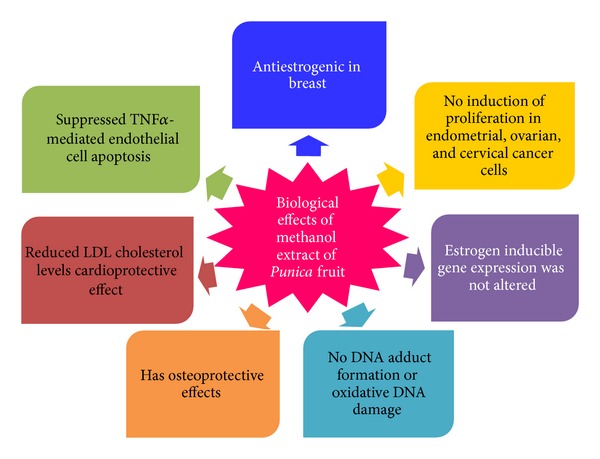
“…and cervical cancer cells, suppressed TNFαmediated endothelial cell apoptosis, estrogen inducible gene expression was not altered, reduced LDL cholesterol levels cardioprotective effect, no DNA adduct formation or oxidative DNA damage and has osteoprotective effects (Sreekumar et al., 2014).”
BackgroundAntitumor and Antimicrobial activities of pomegranate (Punica granatum) dried powder peel in vitro
(2019) · Current Science International · doi:10.36632/csi/2019.8.4.16 · Cited by 5
Roy, B., Singh, J., & Dewan, T. (2020) · Current Science · doi:10.18520/cs/v118/i2/300-304 · Cited by 5
Production of a mixed fruit juice powder using mixture analysis and a fuzzy model
Aryaee, H., Zare, D., Ariaii, P., Mirdamadi, S., & Raeisi, S. N. (2023) · International Food Research Journal · doi:10.47836/ifrj.30.4.21 · Cited by 5
“Po contains high phenolic compounds and antioxidant activity (Ghalegi Ghalenoe et al ., 2021), with various phenolic and anti-tumour compounds such as pelargonidin, cyanidin, delphinidin, and punicacortein (Sreekumar et al ., 2014; Noomsiri and Lorjaroenphon, 2018).”
BackgroundKüçüker, E., & Ağlar, E. (2024) · Uluslararası Tarım ve Yaban Hayatı Bilimleri Dergisi · doi:10.24180/ijaws.1385187 · Cited by 4
Polyamines in cold storage: impact of postharvest spermidine on strawberry quality
Orman, E., YAVİÇ, A., Gündoğdu, M., Ağlar, E., Çelik, K., & Kan, T. (2024) · Journal of Food Measurement & Characterization · doi:10.1007/s11694-024-02908-w · Cited by 7
“They play a role in augmenting attributes like texture, taste, bitterness, and color, while also participating in the plant’s defense mechanisms [52].”
Karwasra, R., Raj, R., Ahmad, S., Raza, K., & Singh, S. (2023) · Frontiers in Pharmacology · doi:10.3389/fphar.2023.1140706 · Cited by 4
“, 2016), antimalarial, and antiulcer properties (Sreekumar et al., 2014).”
Phytochemical Composition and Microscopic Characteristics of the Fruit Bark of Punica granatum L.
Begum, S., Muhammad, M., Haq, F., Gul, A., & Shah, G. M. (2024) · Asian Journal of Biological Sciences · doi:10.3923/ajbs.2024.192.201 · Cited by 6
Abu‐Lafi, S., Akkawi, M., Abu-Remeleh, Q., Qutob, M., & Lutgen, P. (2019) · Pharmacy & Pharmacology International Journal · doi:10.15406/ppij.2019.07.00251 · Cited by 4
Lahouel, M., & Belhadj, S. (2022) · BASE · doi:10.25518/1780-4507.19447 · Cited by 4
Goncharov, N. V., Kovalskaia, V. A., Romanishin, A. O., Shved, N. A., Belousov, A. S., Tiasto, V. S., Gulaia, V. S., Neergheen, V. S., Rummun, N., Liskovykh, M. A., et al. (2022) · Frontiers in Bioengineering and Biotechnology · doi:10.3389/fbioe.2022.989932 · Cited by 4
“In other studies, it was shown that PLE contains abundant polyphenols, mainly gallotannins, ellagitannins, and ellagic acid (Sreekumar et al., 2014; Alberto Coronado-Reyes et al., 2021), that was found to interfere with proliferation, cell cycle progression, and apoptosis in vitro and in vivo (Kiraz et al.”
BackgroundPanara, A., Gikas, E. E., Tzavellas, I. F., & Τhomaidis, Ν. S. (2023) · Molecules · doi:10.3390/molecules28134986 · Cited by 5
“Pomegranate (Punica granatum L.), classified as a berry, is a member of the Pinaceae family and has been cultivated in the Mediterranean region (Turkey, Egypt, Tunisia, and Spain), as well as in India and Iran [1].”
BackgroundInfluentialAnticancer Potential of Functional and Medicinal Beverages
Garg, V., KIRAN, K., Dhiman, A., & Dutt, R. (2019) · Elsevier eBooks · doi:10.1016/b978-0-12-816397-9.00006-6 · Cited by 7
Light interception under different training system and high density planting in fruit crops
Singh, J., Marboh, E. S., Singh, P., & Poojan, S. (2020) · Journal of Pharmacognosy and Phytochemistry · Cited by 4
Effect of Vacuum Packaging on Quality of Pomegranate Arils during Storage
Sujeetha, A. R. P., Meenatchi, R., Patricia, P. P., & Negi, A. (2020) · Current Journal of Applied Science and Technology · doi:10.9734/cjast/2020/v39i3831094 · Cited by 4
“Pomegranate is well known for its potential health benefits such as its high antioxidant, antimutagenic, anti-hypertension, anti-inflammatory and anti-atherosclerotic activity against osteoarthritis, prostate cancer, heart disease and HIV-1 [1,2].”
BackgroundEthnomedicinal Properties and Technological Challenges of Pomegranate Fruit as a Value‐Added Product
Arshad, M. T., Awlqadr, F. H., Maqsood, S., Al-Aoh, H. A. N., Hossain, M. S., & Ikram, A. (2026) · eFood · doi:10.1002/efd2.70163 · Cited by 4
Kayacık, A. D., Başkaya, Y. H., & Ilçioğlu, K. (2024) · Journal of Affective Disorders · doi:10.1016/j.jad.2024.09.079 · Cited by 3
Horzum, Ö. (2025) · Biological Agriculture & Horticulture · doi:10.1080/01448765.2025.2553075 · Cited by 3
“Phenolic compounds are key indicators of the activation of defence mechanisms in many horticultural crops (Sreekumar et al. 2014).”
A COMPREHENSIVE REVIEW ON NEUROPROTECTIVE EFFECTS OF POMEGRANATE
Kv, J., Archana, R., Kumar, S. S., & Mukkadan, J. K. (2016) · International Journal of Research in Ayurveda and Pharmacy · doi:10.7897/2277-4343.07255 · Cited by 3
Pomegranate – a tropical fruit rich in bioactive compounds with health-promoting properties
Kulczyński, B., & Gramza‐Michałowska, A. (2015) · Nauka Przyroda Technologie. Uniwersytet Przyrodniczy w Poznaniu · doi:10.17306/j.npt.2015.3.41 · Cited by 2
Fruit Waste: Potential as a Functional Ingredient in Foods
Goel, S., Bansal, M., Pal, P., & Prajapati, P. (2020) · Springer eBooks · doi:10.1007/978-981-15-2556-8_9 · Cited by 7
Giblets and abdominal fat of pomegranate seed oil fed chickens as a source of bioactive fatty acids
Białek, A., Białek, M., Czerwonka, M., Lepionka, T., Tytz, N., Kucharczyk, K., Tober, E., Kaszperuk, K., & Banaszkiewicz, T. (2020) · Journal of Animal Physiology and Animal Nutrition · doi:10.1111/jpn.13464 · Cited by 6
Mollaei, H., Kouhi, S. M. M., Moudi, M., Hosseinzadeh, M. S., & Ghorbany, M. (2021) · Gene Cell and Tissue · doi:10.5812/gct.117831 · Cited by 4
Disease Detection In Pomegranate Plant Using Image Processing Techniques
Sahebgouda, & Sumana, M. (2023) · IEEE International Conference on Electronics, Computing and Communication Technologies (CONECCT) · doi:10.1109/conecct57959.2023.10234771 · Cited by 3
“[11] 1) Grab cut Segmentation 2) Graph Cut Since it can produce the energy function’s global ideal result, it is effective and widely accepted.”
BackgroundJazinaki, M. S., Rashidmayvan, M., & Pahlavani, N. (2024) · Phytotherapy Research · doi:10.1002/ptr.8188 · Cited by 3
“Previous studies have reported the beneficial effects of consuming PJ in the treatment and prevention of diseases such as type 2 diabetes, CVDs (Aviram & Rosenblat, 2012; Stowe, 2011), breast cancer, prostate cancer, colon cancer (Jaganathan et al., 2014), and Alzheimer's (Sreekumar et al., 2014).”
BackgroundAntibacterial potential of fresh fruit juices against multi-drug resistant pathogens
Abdallah, E. M. (2020) · Journal of Acute Disease · doi:10.4103/2221-6189.281324 · Cited by 3
Israeli, A., Grinblat, G., Shochat, I., Sarid, M., Dudkiewicz, M., & Braverman, I. (2021) · Ear Nose & Throat Journal · doi:10.1177/01455613211044224 · Cited by 4
“46 Many studies have shown its various pathophysiologic anti-in fl ammatory effects, including inhibition of PMACI-induced proin fl ammatory cytokines assembly by inhibiting gene expression through the blockage of JNK and ERK-MAPK and NF-κ B activation in human KU812 cells, 47 a reduction of…”
BackgroundNAR (Punica granatum): SAĞLIĞA YARARI, EKONOMİK DEĞERİ VE HASAT SONRASI MUHAFAZA METOTLARI
ÇİL, O., ERDEM, F., & Aday, M. S. (2020) · GIDA / THE JOURNAL OF FOOD · doi:10.15237/gida.gd20078 · Cited by 3
Kusmardi, K., Khalilah, R. Y., Zuraidah, E., Estuningtyas, A., & Tedjo, A. (2022) · Pharmacognosy Journal · doi:10.5530/pj.2022.14.61 · Cited by 3
Yang, Q., Cheng, L., Liao, B., Wang, J., Lin, Y., Liu, Y., & Zhou, P. (2024) · Journal of Food Measurement & Characterization · doi:10.1007/s11694-024-02786-2 · Cited by 3
“1a, b) [1].”
Husain, H., & Ahmad, R. (2024) · The Journal of Basic and Applied Zoology · doi:10.1186/s41936-024-00390-w · Cited by 2
“Further, the consumption of pomegranate can upsurge antioxidant enzyme, which has ability to improve oxidative stress, and defends the hepatic and renal tissues in diabetic rats (Aboonabi et al., 2014; Sreekumar et al., 2014).”
BackgroundCryogenic grinding of pomegranate peel
Rifna, E. J., Niranjan, T., & Dwivedi, M. (2024) · Journal of Food Measurement & Characterization · doi:10.1007/s11694-024-03072-x · Cited by 3
Supercritical impregnation of pomegranate biomass as active packaging
Ting, C. L., Lyn, F. H., Chong, G. H., Mustapha, N. A., & Hanani, Z. A. N. (2025) · Food biomacromolecules. · doi:10.1002/fob2.70026 · Cited by 2
Mediterranean Diet as a Therapeutic Strategy for Hypertension and Cardiovascular Health
Liweleya, S., Sibbenga, F., Luwaya, E. L., Muchaili, L., Siame, L., Chipuma, M., Muyupi, K., Tembo, T., Lwiindi, P. C., Hatwiko, H., et al. (2025) · International Journal of Hypertension · doi:10.1155/ijhy/2369674 · Cited by 5
“Tese compounds include ellagitannins, which are hydrolyzed in the gut to form ellagic acid; punicalagins; fa-vonoids such as quercetin, kaempferol, and luteolin; and anthocyanins [116–118].”
Jeong, H.-J., Park, M., & Kim, S. (2018) · Horticulture Environment and Biotechnology · doi:10.1007/s13580-018-0082-3 · Cited by 3
Evaluation of Total Phenolics and Antioxidants of Fresh and Commercial Fruit Juices
Palety, K. K., Umakanth, A. V., Narsaiah, T. B., Addepally, U., Sirisha, K., & Harini, A. S. (2020) · Journal of scientific research · doi:10.37398/jsr.2020.640310 · Cited by 2
Therapeutic potential of Punica granatum in wound healing: An overview
Fontoura, G. M. G., Rodrigues, L. D. S., Reis, A. S., Berretta, A. A., & Maciel, M. C. G. (2022) · Revista Colombiana de Ciencias Químico Farmacéuticas · doi:10.15446/rcciquifa.v51n2.99252 · Cited by 2
“About 50% of the total weight of the fruit corresponds to the peel, which is a rich source of bioactive phytochemicals such as tannins (punicalin, pedunculagin, punicalagin, gallic acid, gallic acid and glucose ellagic acid esters) and other phenolics including flavonoids [29, 30].”
BackgroundSimoni, S., Usai, G., Vangelisti, A., Castellacci, M., Giordani, T., Natali, L., Mascagni, F., & Cavallini, A. (2024) · Horticulturae · doi:10.3390/horticulturae10020111 · Cited by 2
Metadata
- Authors
- Sreekumar, S., Sithul, H., Muraleedharan, P., Azeez, J. M., & Sreeharshan, S.
- Affiliations
- Rajiv Gandhi Centre for Biotechnology (IN)
- Cancer Research Program, Rajiv Gandhi Centre for Biotechnology, Thycaud P.O, Thiruvananthapuram, Kerala 695 014, India
- Venue
- BioMed Research International
- Publisher
- Wiley
- Published
- 2014
- Volume
- 2014
- Pages
- 1-12
- ISSN
- 1110-7243 (ISSN-L)
- 2314-6133
- 2314-6141
- PMC
- PMC4000966
- OpenAlex
- W2021488853
- Cited by
- 258
- References
- 106
- Citations by year
- 2026: 9 · 2025: 16 · 2024: 29 · 2023: 29 · 2022: 32 · 2021: 36 · 2020: 34 · 2019: 20 · 2018: 17 · 2017: 13 · 2016: 16 · 2015: 6 · 2014: 1
- FWCI
- 1.37
- Type
- journal article
- Language
- en
- Open access
- hybrid
- doi.org
- Locations
- BioMed Research International (publishedVersion, cc-by)
- Europe PMC (PubMed Central) (publishedVersion, cc-by)
- PubMed Central (publishedVersion, cc-by)
- PubMed (publishedVersion)
- DOAJ (DOAJ: Directory of Open Access Journals) (submittedVersion)
- Funders
- Indian Council of Medical Research
- Council of Scientific and Industrial Research, India
- Topics
- Health Sciences › Nursing › Nutrition and Dietetics › Pomegranate: compositions and health benefits
- Life Sciences › Agricultural and Biological Sciences › Plant Science › Medicinal Plant Research
- Life Sciences › Agricultural and Biological Sciences › Plant Science › Natural Compound Pharmacology Studies
- Keywords
- Punica granatum, methanol extract, antiproliferative activity, breast cancer, endometrial cancer, cervical cancer, ovarian cancer, estrogen receptor, pS2, c-Myc, estradiol, cardioprotection, osteogenic differentiation, alkaline phosphatase, anti-osteoporotic effect, ovariectomized mice, MC3T3-E1 cells
- MeSH terms
- Animals, Biological Products, Fruit, Trees, Lythraceae, Phytoestrogens
About these checks
Registry, retraction, Cites and statistics results are computed, not judged, with one exception: a printed reference that no index lists is read once by a model before it counts as a citation error. Claims are extracted by a model and kept only when their quote appears verbatim in the text; each cited source is then checked, with a model’s help, for whether it says what the claim relies on. Those verdicts can be wrong — read the claim’s quote and the cited source before relying on one.
Statistics and arithmetic are recomputed, not judged.
Confidence bands are shown only for fields calibrated on our annotated test set. None is calibrated yet, so no band is shown.
What counts as a claim ›How we measure confidence ›How we check this ›
Are you an author, or do you see a problem with this page? Request a review
Data sources
Bibliographic data: Semantic Scholar, OpenAlex, Crossref.
Contains information from the Semantic Scholar Academic Graph Datasets, made available under the ODC Attribution License (ODC-BY 1.0).
Semantic Scholar’s data is described in: Kinney, R., et al. (2023). The Semantic Scholar Open Data Platform. arXiv:2301.10140.
