

Pomegranate Fruit as a Rich Source of Biologically Active Compounds
Open accessThe DOI matches its Crossref record; 105 of the 106 references it cites were found in a registry or an index.
Abstract
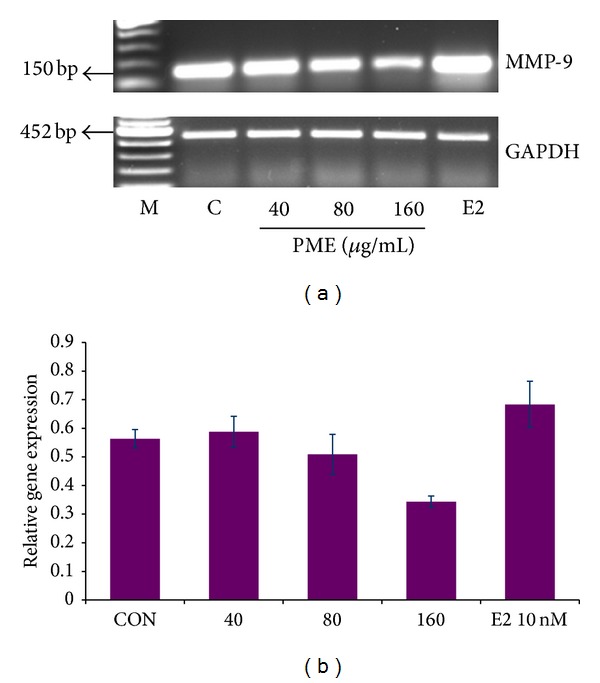
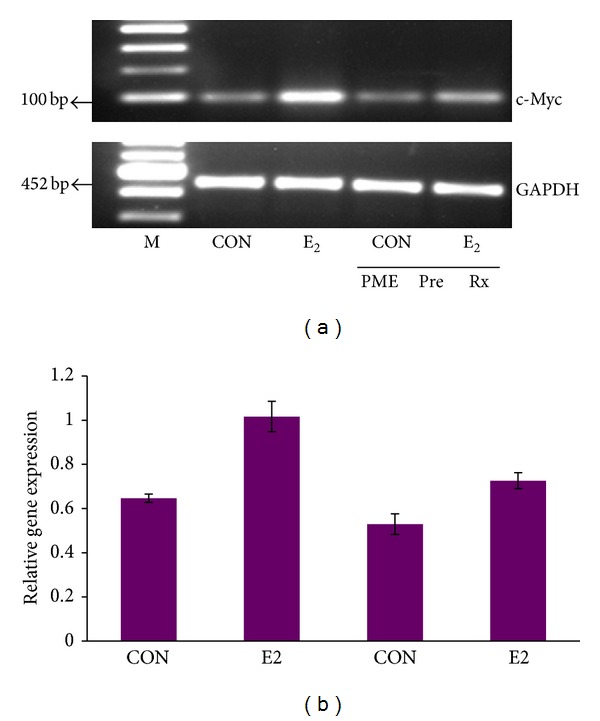
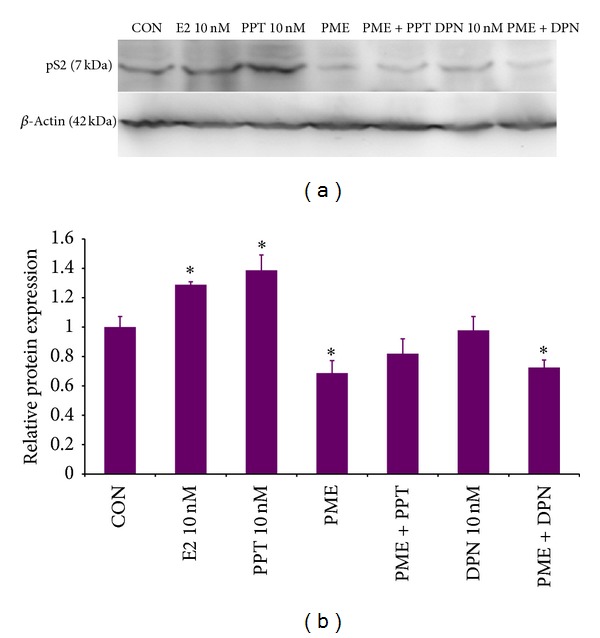
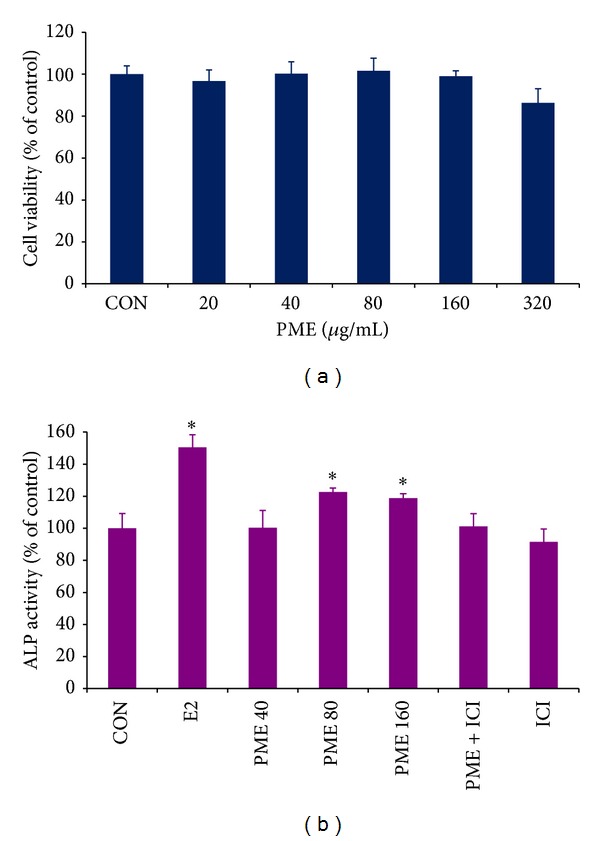
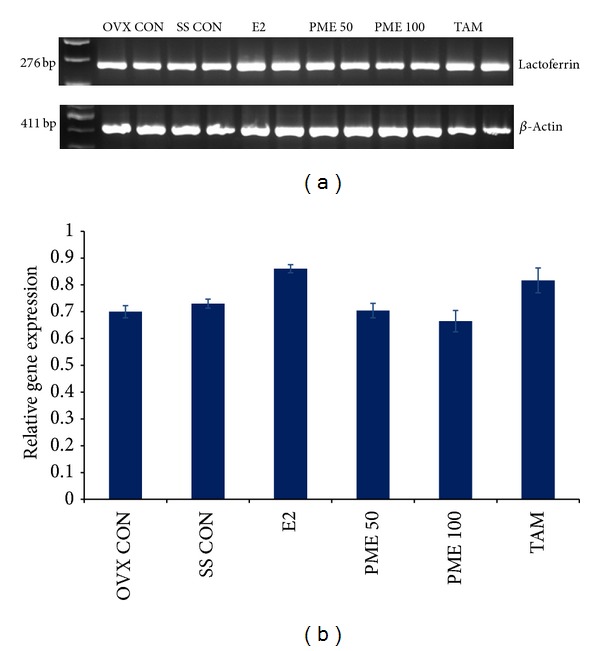
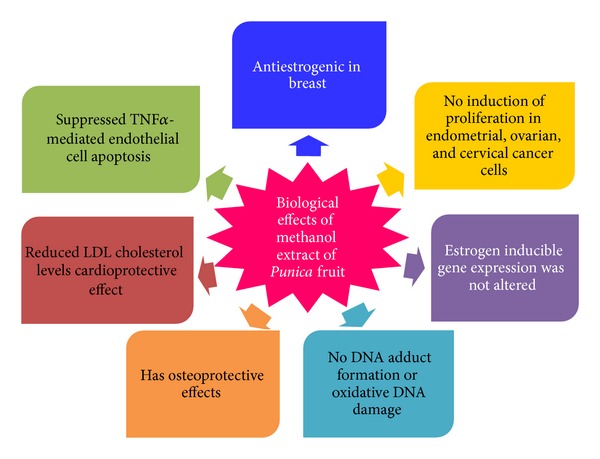
Pomegranate is a widely used plant having medicinal properties. In this review, we have mainly focused on the already published data from our laboratory pertaining to the effect of methanol extract of pericarp of pomegranate (PME) and have compared it with other relevant literatures on Punica . Earlier, we had shown its antiproliferative effect using human breast (MCF-7, MDA MB-231), and endometrial (HEC-1A), cervical (SiHa, HeLa), and ovarian (SKOV3) cancer cell lines, and normal breast fibroblasts (MCF-10A) at concentration of 20–320 μ g/mL. The expressions of selected estrogen responsive genes (PR, pS2, and C-Myc) were downregulated by PME. Unlike estradiol, PME did not increase the uterine weight and proliferation in bilaterally ovariectomized Swiss-Albino mice models and its cardioprotective effects were comparable to that of 17 β -estradiol. We had further assessed the protective role of PME on skeletal system, using MC3T3-E1 cells. The results indicated that PME (80 μ g/mL) significantly increased ALP (Alkaline Phosphatase) activity, supporting its suggested role in modulating osteoblastic cell differentiation. The antiosteoporotic potential of PME was also evaluated in ovariectomized (OVX) rodent model. The results from our studies and from various other studies support the fact that pomegranate fruit is indeed a source of biologically active compounds.
Overview
The claims and statistics of this paper haven’t been checked yet.
Free: it reads the open-access text and checks the first 5 claims that cite a source we can check. Create a free account to check every claim.
Integrity signals
Registry
Cites
Statistics
Figures
Verification
Claims the paper makes
The claims and statistics of this paper haven’t been checked yet.
Free: it reads the open-access text and checks the first 5 claims that cite a source we can check. Create a free account to check every claim.
Claims other papers make about this one
Each is checked against this paper’s own text: does it say what the citing paper says it does?
The cited source says what the claim attributes to it.
In the citing paper
“The pomegranate fruit consists of 50 % of the peel [45]”
From Tangerine, banana and pomegranate peels valorisation for sustainable environment: A review (2021) · cites this paper as [63]
The cited source says what the claim attributes to it.
In the citing paper
“composed of the peel, arils and seeds (Table 1)”
From Tangerine, banana and pomegranate peels valorisation for sustainable environment: A review (2021) · cites this paper as [63]
Self-check
Percentages, sums and reported differences re-computed from the paper’s own numbers.
The self-check needs the paper’s full text.
Citations
Cites
Gil, M. I., Tomás-Barberán, F. A., Hess-Pierce, B., Holcroft, D. M., & Kader, A. A. (2000) · Journal of Agricultural and Food Chemistry · doi:10.1021/jf000404a · Cited by 2,362 · cited 2×
“Anthocyanidins (delphinidin, cyanidin, and pelargonidin) and hydrolysable tannins (such as punicalagin, pedunculagin, punicalin, gallagic, and ellagic acid esters of glucose), account for the major antioxidant activity of whole fruit [22, 95].”
BackgroundLansky, E. P., & Newman, R. A. (2007) · Journal of Ethnopharmacology · doi:10.1016/j.jep.2006.09.006 · Cited by 1,290 · cited 3×
“Constituents of pomegranate minimize tumor cell invasion into normal tissue and metastasis to distant sites and these actions develop due to the inhibition of selected metalloproteinase activity, decreased focal adhesion kinase activity, and reduced VEGF expression [15].”
BackgroundMolecular Determinants for the Tissue Specificity of SERMs
Shang, Y., & Brown, M. (2002) · Science · doi:10.1126/science.1068537 · Cited by 1,146 · cited 1×
“The best move towards the avoidance and handling of estrogen-dependent breast cancer is to selectively hold estrogen activity in the affected tissues without compromising its beneficial effects [87].”
BackgroundPhytoestrogens: the biochemistry, physiology, and implications for human health of soy isoflavones
Kenneth, D. S. (1998) · The American Journal of Clinical Nutrition · doi:10.1093/ajcn/68.6.1333s · Cited by 1,128
Seeram, N. P., Adams, L. S., Henning, S. M., Niu, Y., Zhang, Y., Nair, M. G., & Heber, D. (2005) · The Journal of Nutritional Biochemistry · doi:10.1016/j.jnutbio.2005.01.006 · Cited by 1,112
Li, Y., Guo, C., Yang, J., Wei, J., Xu, J., & Cheng, S. (2006) · Food Chemistry · doi:10.1016/j.foodchem.2005.02.033 · Cited by 1,058 · cited 1×
“The peel, which is also a major part of the fruit, is an imperative source of bioactive compounds such as phenolics, flavonoids, ellagitannins, proanthocyanidin compounds [96], minerals, [97], and complex polysaccharides [98].”
BackgroundTherapeutic applications of pomegranate (Punica granatum L.): a review.
Jurenka, J. S. (2008) · PubMed · Cited by 933
Fisher, B., Dignam, J., Bryant, J., DeCillis, A., Wickerham, D. L., Wolmark, N., Costantino, J., Redmond, C., Fisher, E. R., Bowman, D. M., et al. (1996) · JNCI Journal of the National Cancer Institute · doi:10.1093/jnci/88.21.1529 · Cited by 861 · cited 1×
“Regrettably, at this time, available antiestrogen such as tamoxifen used in the treatment of ER-positive breast cancer has side effects and agonism in the uterine endometrium, leading to an uncertain connection to endometrial carcinoma [88–90].”
BackgroundPomegranate and its many functional components as related to human health: a review
Viuda‐Martos, M., Fernández‐López, J., & Pérez‐Álvarez, J. A. (2010) · Comprehensive Reviews in Food Science and Food Safety · doi:10.1111/j.1541-4337.2010.00131.x · Cited by 768
Seeram, N. P., Aviram, M., Zhang, Y., Henning, S. M., Feng, L., Dreher, M., & Heber, D. (2008) · Journal of Agricultural and Food Chemistry · doi:10.1021/jf073035s · Cited by 686 · cited 1×
“Pomegranate juice had the greatest antioxidant potency composite index among beverages like black cherry juice, cranberry juice, grape juice, apple juice, orange juice, red wines, blueberry juice, and iced tea; and the antioxidant activity was at least 20% superior to any of the other beverages tested [101–103].”
Result
Research works printed but not linked: 6
- Jain S Rai R Upadhyaya AR Malhotra G Punica granatum: a natural and recent approach towards dental problem International Journal of Pharmaceutical Sciences and Research 2014 2 1 1 6
- Artik N Ceremroglu B Murakami H Mori T Determination of phenolic compounds in pomegranate juice by using HPLC Fruit Processing 1998 8 492 499
- Abd El Wahab SM El Fiki NM Mostafa SF Hassan AEB Characterization of certain steroid hormones in Punica granatum L. seeds Bulletin of the Faculty of Pharmacy 1998 36 11 15
- Sreekumar S Selective estrogen receptor modulator (SERM) activity of Pomegranate (Punica granatum L.): implications for estrogen dependant breast cancer [dissertation] 2011 University of Kerala
- Malik A The potentials of nutraceuticals Pharmainfo.net 2008 6
- Jahfar M Vijayan KK Azadi P Studies on a polysaccharide from the fruit rind of Punica granatum Research Journal of Chemistry and Environment 2003 7 1 43 50
Cited by
Items 201–255 of 255
Alizadeh, M. (2025) · Natural Product Research · doi:10.1080/14786419.2025.2481611 · Cited by 2
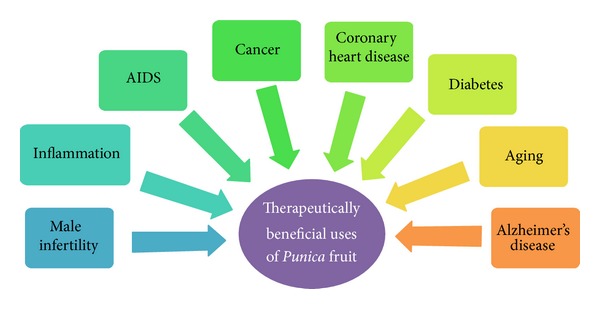
“Extracts from all parts of the pomegranate fruit demonstrate therapeutic properties and are effective against various diseases, including cancer, cardiovascular disorders, diabetes, male infertility, Alzheimer’s disease and ageing (Sreekumar et al. 2014).”
Ergasheva, F., Kushiev, H., Matchanov, A., Ишимов, У. Ж., Shunkor, K. S., & Mamirjon, P. K. (2019) · International Journal of Current Microbiology and Applied Sciences · doi:10.20546/ijcmas.2019.805.086 · Cited by 2
“The results obtained in connection with a wide range of physiologically active substances in the juice of pomegranate, peel’s and seeds (Aviram et al., 2006; Sreekumar et al., 2014; Akhavan and Barzegar, 2017; Qamar Abbas et al., 2018) show that broader and deeper research is still needed.”
BackgroundMiramontes, E. H. V., Carrillo, C. A. V., Moreno, A. G. M., Pineda-Lozano, J. E., & Fonseca-Bustos, V. (2019) · Acta Universitaria · doi:10.15174/au.2019.1997 · Cited by 6
Shahsavari, S., Noormohammadi, Z., Sheidai, M., Farahani, F., & Vazifeshenas, M. (2021) · Nova Biologica Reperta · doi:10.52547/nbr.7.4.442 · Cited by 1
“Extracts of all parts of the pomegranate fruit exhibit therapeutic properties and target a range of diseases including cancer, cardiovascular disorders, diabetes, male infertility, Alzheimer’s disease, aging, and AIDS (Sreekumar et al., 2014).”
BackgroundKhan, N., Siraj, S., & Irshad, M. (2022) · Ethnobotany Research and Applications · doi:10.32859/era.23.30.1-18 · Cited by 2
Pandit, S. L., Yaligar, D., Halemane, M., & Bhat, A. (2022) · International Journal of Medical Sciences · doi:10.7150/ijms.73645 · Cited by 2
“Also, the juice of the fruit and its pericarp are employed to relieve colic, colitis, menorrhagia, headache, and other conditions in traditional medicine, demonstrating a broad spectrum safety of PG [14, 26].”
BackgroundBurhan, E., Thahar, B., Abidin, T., Putra, D. P., & Gani, B. A. (2018) · Asian Journal of Pharmaceutical and Clinical Research · doi:10.22159/ajpcr.2018.v11i12.29683 · Cited by 2
“PG has a number of active components that contribute to bone repair by inducing bone marker proteins [17].”
BackgroundSARS-CoV-2 Pandemic: A Review on Current Evidence and Unani Perspective
Nazli, T. (2020) · JOURNAL OF INTEGRATED COMMUNITY HEALTH · doi:10.24321/2319.9113.202002 · Cited by 2
Hapidin, H., Mazlan, F. M., Abdullah, H., & Soelaiman, I. N. (2021) · Sains Malaysiana · doi:10.17576/jsm-2021-5002-17 · Cited by 1
Abo-Saif, M. A., Al‐Ashmawy, G. M., Ragab, A. E., Al-Madboly, L. A., Mehany, A. B. M., & Afify, S. R. E. (2024) · Cellular Signalling · doi:10.1016/j.cellsig.2024.111465 · Cited by 1
Srivastava, M. K., Singh, G., Kodur, R. R., & Yalamanchi, A. (2024) · International Journal of Medical Sciences · doi:10.7150/ijms.99958 · Cited by 2
“Pomegranate is a rich source of active antioxidant phytochemical compounds like ellagic acid, gallic acid, quercetin, myricetin, and flavonoids such as anthocyanidins, cyanidins, luteolin, and pelargonidins, etc. [16].”
Isolation and characterization of phenolic substances from pomegranate residues
Papageorgiou, C. S., Kyriazis, A., Zentelis, A. D., Ioannidis, V., Lamari, F. N., Sygouni, V., Lianou, A., Paraskeva, C. Α., & Aggelis, G. (2025) · Journal of Chemical Technology & Biotechnology · doi:10.1002/jctb.7830 · Cited by 4
Evidence of nanoCaCO3@PAE internalization in tobacco
Caroli, M. D., Carrozzo, S., Tornese, R., Rampino, P., Baldassarre, F., Ciccarella, G., Semeraro, T., Piro, G., & Lenucci, M. S. (2025) · Plant Physiology and Biochemistry · doi:10.1016/j.plaphy.2025.110136 · Cited by 1
Varietal and Geographic Influences on Fruit Quality Traits of Pomegranate (Punica granatum L.)
Umair, M., Rajwana, I. A., Razzaq, K., Ullah, S., Riaz, U., Iqbal, R., Aghayeva, S., & Lackner, M. K. (2025) · Applied Fruit Science · doi:10.1007/s10341-025-01588-0 · Cited by 1
“…et al. 2009) climate, soil, geographic location (Bermejo et al. 2009), cultivar (Aslam et al. 2020), environmental factors (Ullah et al. 2013), and agronomic practices (Sreekumar et al. 2014), influencing marketability, postharvest performance, and consumer preference (Mashavhathakha et al. 2014).”
Santarsiero, A., Pappalardo, I., Santarsiere, A., Santoro, E., Mecca, M., Evidente, A., Reveglia, P., Lecce, L., Carlo, F. D., Calabrese, C., et al. (2026) · Biomolecules · doi:10.3390/biom16030449 · Cited by 1
“Extracts from different parts of the pomegranate fruit exhibit several biological effects, including antimicrobial, antioxidant, anti-inflammatory, and anticancer activities [27,28].”
Kitić, D., Miladinović, B., Randjelović, M., Szopa, A., Seidel, V., Sharifi‐Rad, J., Setzer, W. N., & Călina, D. C. (2026) · Phytotherapy Research · doi:10.1002/ptr.70382 · Cited by 1
“The arils (sarcotesta) consist mainly of water and sugars, as well as pectin, organic acids (ascorbic acid, citric acid, and malic acid) and phenolic compounds (mainly anthocyanins) (Viuda-Martos et al. 2010; Sreekumar et al. 2014; Elfalleh 2012).”
Vargas-Villanueva, J. R., Gutiérrez‐Gutiérrez, F., Ochoa-Maganda, V. Y., Nery‐Flores, S. D., & Palomo‐Ligas, L. (2026) · Journal of Parasitology Research · doi:10.1155/japr/4715270 · Cited by 1
“For PG, previous studies have shown that juice or crude extracts may exert stronger inhibitory effects than isolated purified compounds, suggesting synergistic and/or additive interactions among phytochemicals such as proanthocyan-idins, anthocyanins, and flavonoid glycosides [168].”
El-Abd, S., & Ibrahim, M. A. (2016) · The Egyptian Journal of Histology · doi:10.1097/01.ehx.0000490003.71440.40 · Cited by 3
Sovia, E., Harjono, R. S., Nurjatin, R. J., Asmara, W. D., & Rohmah, A. S. (2021) · Advances in health sciences research/Advances in Health Sciences Research · doi:10.2991/ahsr.k.210723.013 · Cited by 1
de Lima, A. H. A. (2019) · doi:10.30886/cbe_2019_1 · Cited by 1
Therapeutic Potential of Pomegranate (Punica granatum Linn.) against Breast Cancer
Tashkandi, H. M. (2023) · Indian Journal of Pharmaceutical Sciences · doi:10.36468/pharmaceutical-sciences.spl.626 · Cited by 1
Clement, Y. N., & Shields, M. A. (2023) · Elsevier eBooks · doi:10.1016/b978-0-443-18657-8.00009-8 · Cited by 1
Takkella, B. K., Anusha, N. V., Balaji, D. L., Prabhat, M. V., Gummadapu, S., Polepalle, T., Naffizuddin, M., Ramsunil, C., Sujana, V., & Krishna, T. C. (2023) · Cureus · doi:10.7759/cureus.47557 · Cited by 1
“Sreekumar et al. mentioned that Punica granatum can induce fibroblast proliferation and the formation of collagen and angiogenesis [18].”
BackgroundPromising Antidiabetic Effects of Pomegranate Fruit Parts
More, R. K., Pingale, P. L., & Upasani, C. (2024) · International Journal of Drug Delivery Technology · doi:10.25258/ijddt.14.1.82 · Cited by 1
“40 Heart disease, cancers, diabetes, rheumatoid arthritis, Alzheimer’s, and oral health issues are some of these chronic diseases.”
BackgroundZainuddin, A., Susanto, H., & Rosidi, A. (2019) · Jurnal Gizi dan Pangan · doi:10.25182/jgp.2019.14.2.77-82 · Cited by 3
“Antioxidants have a role as electron donors to neutralize free radicals and molecules that formed by them, also destroying free radicals before it can cause damage (Sreekumar et al. 2014).”
BackgroundAntioxidants in Diets and Food
Smeriglio, A., Cornara, L., & Trombetta, D. (2019) · Springer eBooks · doi:10.1007/978-981-13-1745-3_3-1 · Cited by 1
Wahyuningsih, D., Amilia, A., Amiruddin, M. S., Cahyaningrum, A., & Kurniasari, L. C. (2020) · Journal of Tropical Life Science · doi:10.11594/jtls.10.01.08 · Cited by 1
Production technology development baked carbonade
Gorlov, I. F., Bozhkova, S. E., Gnilomedova, S. A., & Анатольевна, С. С. (2020) · Agrarian-And-Food Innovations · doi:10.31208/2618-7353-2020-11-56-65 · Cited by 1
Im, S., Ku, S., Park, M.-R., & Kim, J.-L. (2021) · Food Supplements and Biomaterials for Health · doi:10.52361/fsbh.2021.1.e29 · Cited by 1
Assessment of Antioxidants, Phytoactives in Extracts of Colocasia esculenta
Jyothi, R., & M, S. M. K. (2018) · International Journal of Trend in Scientific Research and Development · doi:10.31142/ijtsrd15731 · Cited by 1
Light‐emitting diode assisted non‐thermal pasteurization of Punica granatum L. juice
Sharma, K., Modupalli, N., Natarajan, V., Radhakrishnan, M., & Vidyalakshmi, R. (2022) · Journal of Food Processing and Preservation · doi:10.1111/jfpp.16773 · Cited by 1
Chalak, L., Baydoun, S. A., & Tous, J. (2021) · Acta Horticulturae · doi:10.17660/actahortic.2021.1308.19
The Effects and Mechanisms of Phytochemicals on Alzheimer’s Disease Neuropathology
Ross, D. M. (2021) · The Scholars Repository - LLU (Loma Linda University)
Prijono, S. N., Rachmatika, R., & Maharani, S. (2021) · Biodiversitas Journal of Biological Diversity · doi:10.13057/biodiv/d221114
Antioxidants in Diets and Food
Smeriglio, A., Cornara, L., & Trombetta, D. (2021) · Springer eBooks · doi:10.1007/978-981-15-4148-3_3 · Cited by 1
Asmin, P. K., & Fareed, N. (2023) · Journal of Multidisciplinary Dental Research · doi:10.38138/jmdr/v9i1.23.4
G, K. K., & Laddha, K. S. (2022) · International Journal of Drug Delivery Technology · doi:10.25258/ijddt.13.2.07
Ahmed, M. A., & Jasim, J. M. (2023) · Tikrit Journal of Pharmaceutical Sciences · doi:10.25130/tjphs.2019.14.1.2.10.17
“Therefore, scientific thinking tends to return to the treatment of various diseases with plant drugs because of its high efficiency in treating many diseases and the absence of most of the side effects when used, even for a long time, unlike chemically manufactured pharmaceutical compounds laboratory [6,7].”
BackgroundKüçüker, E., Ağlar, E., Çelik, K., Özcengiz, C. K., & Oğurlu, F. (2023) · Türkiye Tarımsal Araştırmalar Dergisi · doi:10.19159/tutad.1292581 · Cited by 2
Compositions based on enrichment of cotton and sunflower oil with pomegranate seed oil
Saminov, X. N., & Nazarov, O. M. (2024) · BIO Web of Conferences · doi:10.1051/bioconf/202410505013
Alam, M. S. (2024) · Trends in Textile Engineering & Fashion Technology · doi:10.31031/tteft.2024.10.000726
Galangal, Caper, Indian Borage, Long Pepper, Pomegranate, and Poppy Seed
Ravindran, P. N., & Babu, K. N. (2023) · Springer eBooks · doi:10.1007/978-981-19-3728-6_52 · Cited by 1
A REVIEW ON THE HYPOLIPIDEMIC EFFECT OF HRIDYA MAHAKSHAYA- A CONCEPTUAL STUDY
Pratapdan*, D. G. P., Kumar, K. R., & Basumatary, K. (2024) · International Ayurvedic Medical Journal · doi:10.46607/iamj3312082024
Oğurlu, F., Oğurlu, H., Özcengiz, C. K., Küçüker, E., & Ağlar, E. (2024) · ANADOLU JOURNAL OF AGRICULTURAL SCIENCES · doi:10.7161/omuanajas.1457061
Ababsa, Z. E. A., Souilah, N., & Bellil, I. (2024) · STUDIES IN ENGINEERING AND EXACT SCIENCES · doi:10.54021/seesv5n2-668
Tutan, N. S., & Toprak, K. (2025) · Journal of Traditional Medical Complementary Therapies · doi:10.5336/jtracom.2024-105641
Health benefits of pomegranate peel
Al‐Moghazy, M. (2025) · Elsevier eBooks · doi:10.1016/b978-0-443-22390-7.00003-x
CYP3A4-mediated Effects of Cranberry and Pomegranate Juices on Alprazolam Pharmacodynamics
Kadiri, S. K., Narasappa, K. K., Srinivasa, D. G. B., Premakumari, K. B., Tiwari, P. K., Ramanagowda, B., & Kumar, M. V. (2025) · Drug Metabolism and Bioanalysis · doi:10.2174/0118723128388875250701100724
Mohsen, S., Bakr, M. M., ElDegwy, M. A., Abouhussein, D. M. N., Fares, A. R., & ElMeshad, A. N. (2024) · Figshare · doi:10.6084/m9.figshare.26729542
An Overview of Biological Activities of a Common Fruit Pomegranate- Punica granatum L.
Kalsi, V., & Kaur, S. (2025) · Research Journal of Pharmacy and Technology · doi:10.52711/0974-360x.2025.00805
Electrochemical evaluation of plant extracts as potential antidotes for acetaminophen poisoning
Babereh, R., Shayani‐Jam, H., Yaftian, M. R., Farajmand, B., Moeini, M. H., & Moeinifar, S. (2026) · The Analyst · doi:10.1039/d5an01322d
Awada, R., Radi, F., Baki, Z. A., Hijazi, A., Joumaa, W. H., Ezzeddine, Z., Martinez, L. O., & Nasser, M. (2026) · bioRxiv (Cold Spring Harbor Laboratory) · doi:10.64898/2026.02.23.707366
Meharunnisa, & Rafique, F. (2026) · Exploration of Foods and Foodomics · doi:10.37349/eff.2026.1010183
Convertini, P., Todisco, S., Marsico, M., Santarsiere, A., Santoro, E., Evidente, A., Reveglia, P., Lecce, L., Superchi, S., Santarsiero, A., et al. (2026) · Biomedicines · doi:10.3390/biomedicines14091948
“These phytochemical compounds exhibit a wide range of biological activities [19], including antioxidant, anti-inflammatory, immunomodulatory [20,21], and anticancer effects [22,23].”
Sagona, S., Margheriti, F., Banti, M., Ricco, F. D., Raffellini, L., Manera, C., Saccomanni, G., Fratini, F., Leo, M. D., & Rapposelli, S. (2026) · Foods · doi:10.3390/foods15203764
“The pomegranate fruit consists of three main parts: the arils, the seeds and the peel, which account for approximately 40%, 10% and 50% of the total fruit weight, respectively [5].”
Metadata
- Authors
- Sreekumar, S., Sithul, H., Muraleedharan, P., Azeez, J. M., & Sreeharshan, S.
- Affiliations
- Rajiv Gandhi Centre for Biotechnology (IN)
- Cancer Research Program, Rajiv Gandhi Centre for Biotechnology, Thycaud P.O, Thiruvananthapuram, Kerala 695 014, India
- Venue
- BioMed Research International
- Publisher
- Wiley
- Published
- 2014
- Volume
- 2014
- Pages
- 1-12
- ISSN
- 1110-7243 (ISSN-L)
- 2314-6133
- 2314-6141
- PMC
- PMC4000966
- OpenAlex
- W2021488853
- Semantic Scholar
- 48fc11cab05dc77a11d7e9f98798cedada676bea
- Cited by
- 258
- References
- 106
- Citations by year
- 2026: 9 · 2025: 16 · 2024: 29 · 2023: 29 · 2022: 32 · 2021: 36 · 2020: 34 · 2019: 20 · 2018: 17 · 2017: 13 · 2016: 16 · 2015: 6 · 2014: 1
- FWCI
- 1.37
- Type
- journal article
- Language
- en
- Open access
- hybrid
- doi.org
- Locations
- BioMed Research International (publishedVersion, cc-by)
- Europe PMC (PubMed Central) (publishedVersion, cc-by)
- PubMed Central (publishedVersion, cc-by)
- PubMed (publishedVersion)
- DOAJ (DOAJ: Directory of Open Access Journals) (submittedVersion)
- Funders
- Indian Council of Medical Research
- Council of Scientific and Industrial Research, India
- Topics
- Health Sciences › Nursing › Nutrition and Dietetics › Pomegranate: compositions and health benefits
- Life Sciences › Agricultural and Biological Sciences › Plant Science › Medicinal Plant Research
- Life Sciences › Agricultural and Biological Sciences › Plant Science › Natural Compound Pharmacology Studies
- Keywords
- Punica granatum, methanol extract, antiproliferative activity, breast cancer, endometrial cancer, cervical cancer, ovarian cancer, estrogen receptor, pS2, c-Myc, estradiol, cardioprotection, osteogenic differentiation, alkaline phosphatase, anti-osteoporotic effect, ovariectomized mice, MC3T3-E1 cells
- MeSH terms
- Animals, Biological Products, Fruit, Trees, Lythraceae, Phytoestrogens
About these checks
Registry, retraction, Cites and statistics results are computed, not judged, with one exception: a printed reference that no index lists is read once by a model before it counts as a citation error. Claims are extracted by a model and kept only when their quote appears verbatim in the text; each cited source is then checked, with a model’s help, for whether it says what the claim relies on. Those verdicts can be wrong — read the claim’s quote and the cited source before relying on one.
Statistics and arithmetic are recomputed, not judged.
Confidence bands are shown only for fields calibrated on our annotated test set. None is calibrated yet, so no band is shown.
What counts as a claim ›How we measure confidence ›How we check this ›
Are you an author, or do you see a problem with this page? Request a review
Data sources
Bibliographic data: Semantic Scholar, OpenAlex, Crossref.
Contains information from the Semantic Scholar Academic Graph Datasets, made available under the ODC Attribution License (ODC-BY 1.0).
Semantic Scholar’s data is described in: Kinney, R., et al. (2023). The Semantic Scholar Open Data Platform. arXiv:2301.10140.
