

Pomegranate Fruit as a Rich Source of Biologically Active Compounds
Open accessThe DOI matches its Crossref record; 105 of the 106 references it cites were found in a registry or an index.
Abstract
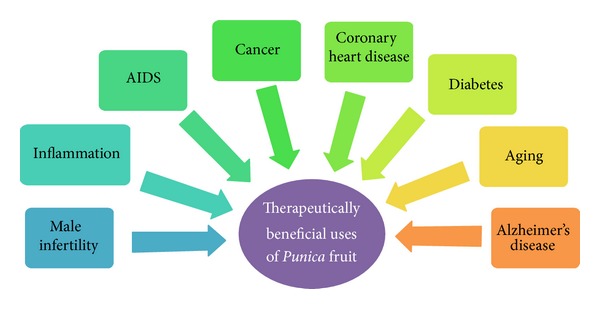
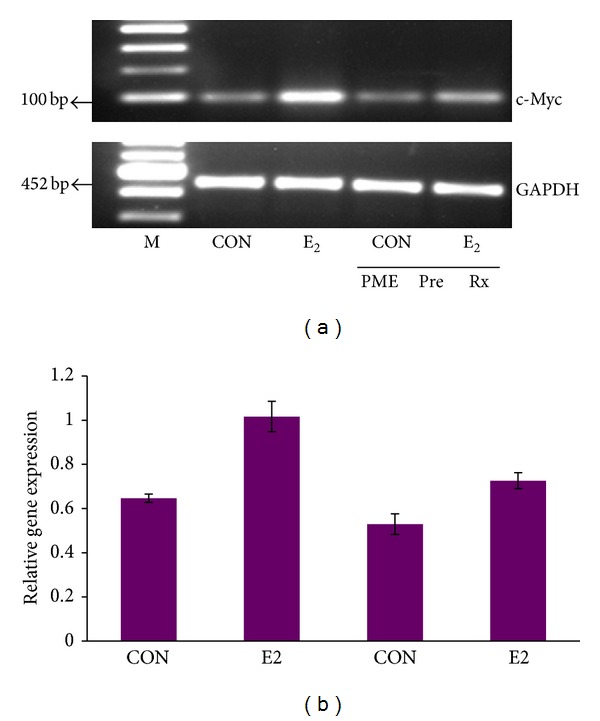
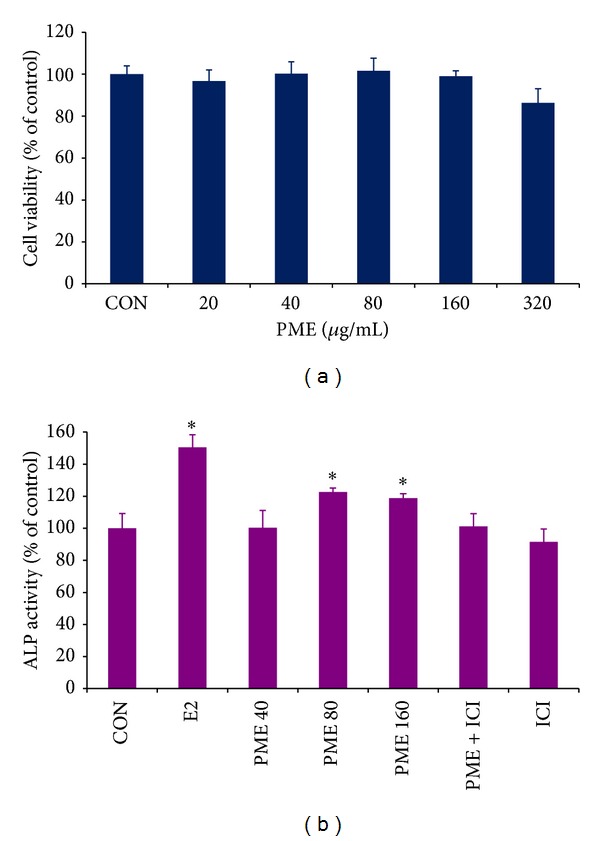
Pomegranate is a widely used plant having medicinal properties. In this review, we have mainly focused on the already published data from our laboratory pertaining to the effect of methanol extract of pericarp of pomegranate (PME) and have compared it with other relevant literatures on Punica . Earlier, we had shown its antiproliferative effect using human breast (MCF-7, MDA MB-231), and endometrial (HEC-1A), cervical (SiHa, HeLa), and ovarian (SKOV3) cancer cell lines, and normal breast fibroblasts (MCF-10A) at concentration of 20–320 μ g/mL. The expressions of selected estrogen responsive genes (PR, pS2, and C-Myc) were downregulated by PME. Unlike estradiol, PME did not increase the uterine weight and proliferation in bilaterally ovariectomized Swiss-Albino mice models and its cardioprotective effects were comparable to that of 17 β -estradiol. We had further assessed the protective role of PME on skeletal system, using MC3T3-E1 cells. The results indicated that PME (80 μ g/mL) significantly increased ALP (Alkaline Phosphatase) activity, supporting its suggested role in modulating osteoblastic cell differentiation. The antiosteoporotic potential of PME was also evaluated in ovariectomized (OVX) rodent model. The results from our studies and from various other studies support the fact that pomegranate fruit is indeed a source of biologically active compounds.
Overview
The claims and statistics of this paper haven’t been checked yet.
Free: it reads the open-access text and checks the first 5 claims that cite a source we can check. Create a free account to check every claim.
Integrity signals
Registry
Cites
Statistics
Figures
Verification
Claims the paper makes
The claims and statistics of this paper haven’t been checked yet.
Free: it reads the open-access text and checks the first 5 claims that cite a source we can check. Create a free account to check every claim.
Claims other papers make about this one
Each is checked against this paper’s own text: does it say what the citing paper says it does?
The cited source says what the claim attributes to it.
In the citing paper
“The pomegranate fruit consists of 50 % of the peel [45]”
From Tangerine, banana and pomegranate peels valorisation for sustainable environment: A review (2021) · cites this paper as [63]
The cited source says what the claim attributes to it.
In the citing paper
“composed of the peel, arils and seeds (Table 1)”
From Tangerine, banana and pomegranate peels valorisation for sustainable environment: A review (2021) · cites this paper as [63]
Self-check
Percentages, sums and reported differences re-computed from the paper’s own numbers.
The self-check needs the paper’s full text.
Citations
Cites
Gil, M. I., Tomás-Barberán, F. A., Hess-Pierce, B., Holcroft, D. M., & Kader, A. A. (2000) · Journal of Agricultural and Food Chemistry · doi:10.1021/jf000404a · Cited by 2,362 · cited 2×
“Anthocyanidins (delphinidin, cyanidin, and pelargonidin) and hydrolysable tannins (such as punicalagin, pedunculagin, punicalin, gallagic, and ellagic acid esters of glucose), account for the major antioxidant activity of whole fruit [22, 95].”
BackgroundLansky, E. P., & Newman, R. A. (2007) · Journal of Ethnopharmacology · doi:10.1016/j.jep.2006.09.006 · Cited by 1,290 · cited 3×
“Constituents of pomegranate minimize tumor cell invasion into normal tissue and metastasis to distant sites and these actions develop due to the inhibition of selected metalloproteinase activity, decreased focal adhesion kinase activity, and reduced VEGF expression [15].”
BackgroundMolecular Determinants for the Tissue Specificity of SERMs
Shang, Y., & Brown, M. (2002) · Science · doi:10.1126/science.1068537 · Cited by 1,146 · cited 1×
“The best move towards the avoidance and handling of estrogen-dependent breast cancer is to selectively hold estrogen activity in the affected tissues without compromising its beneficial effects [87].”
BackgroundPhytoestrogens: the biochemistry, physiology, and implications for human health of soy isoflavones
Kenneth, D. S. (1998) · The American Journal of Clinical Nutrition · doi:10.1093/ajcn/68.6.1333s · Cited by 1,128
Seeram, N. P., Adams, L. S., Henning, S. M., Niu, Y., Zhang, Y., Nair, M. G., & Heber, D. (2005) · The Journal of Nutritional Biochemistry · doi:10.1016/j.jnutbio.2005.01.006 · Cited by 1,112
Li, Y., Guo, C., Yang, J., Wei, J., Xu, J., & Cheng, S. (2006) · Food Chemistry · doi:10.1016/j.foodchem.2005.02.033 · Cited by 1,058 · cited 1×
“The peel, which is also a major part of the fruit, is an imperative source of bioactive compounds such as phenolics, flavonoids, ellagitannins, proanthocyanidin compounds [96], minerals, [97], and complex polysaccharides [98].”
BackgroundTherapeutic applications of pomegranate (Punica granatum L.): a review.
Jurenka, J. S. (2008) · PubMed · Cited by 933
Fisher, B., Dignam, J., Bryant, J., DeCillis, A., Wickerham, D. L., Wolmark, N., Costantino, J., Redmond, C., Fisher, E. R., Bowman, D. M., et al. (1996) · JNCI Journal of the National Cancer Institute · doi:10.1093/jnci/88.21.1529 · Cited by 861 · cited 1×
“Regrettably, at this time, available antiestrogen such as tamoxifen used in the treatment of ER-positive breast cancer has side effects and agonism in the uterine endometrium, leading to an uncertain connection to endometrial carcinoma [88–90].”
BackgroundPomegranate and its many functional components as related to human health: a review
Viuda‐Martos, M., Fernández‐López, J., & Pérez‐Álvarez, J. A. (2010) · Comprehensive Reviews in Food Science and Food Safety · doi:10.1111/j.1541-4337.2010.00131.x · Cited by 768
Seeram, N. P., Aviram, M., Zhang, Y., Henning, S. M., Feng, L., Dreher, M., & Heber, D. (2008) · Journal of Agricultural and Food Chemistry · doi:10.1021/jf073035s · Cited by 686 · cited 1×
“Pomegranate juice had the greatest antioxidant potency composite index among beverages like black cherry juice, cranberry juice, grape juice, apple juice, orange juice, red wines, blueberry juice, and iced tea; and the antioxidant activity was at least 20% superior to any of the other beverages tested [101–103].”
ResultAdlercreutz, H. (2002) · The Lancet Oncology · doi:10.1016/s1470-2045(02)00777-5 · Cited by 661 · cited 1×
“Most of these phytoestrogens present in the diet are inactive compounds, which, on consumption, go through series of enzymatic changes in the gastrointestinal tract, resulting in the formation of compounds having structure similar to that of estrogens [5].”
BackgroundAviram, M., Rosenblat, M., Gaitini, D., Nitecki, S., Hoffman, A., Dornfeld, L., Volkova, N., Presser, D., Attias, J., Liker, H., et al. (2004) · Clinical Nutrition · doi:10.1016/j.clnu.2003.10.002 · Cited by 622 · cited 2×
“Pomegranate juice consumption for 3 years by patients with carotid artery stenosis reduced common blood pressure, LDL oxidation, and carotid intima-media thickness [60].”
BackgroundAdams, L. S., Seeram, N. P., Aggarwal, B. B., Takada, Y., Sand, D., & Heber, D. (2006) · Journal of Agricultural and Food Chemistry · doi:10.1021/jf052005r · Cited by 529 · cited 1×
“Pomegranate juice almost downregulated the TNFα induced Akt (protein kinase B) activation required for NF-κB activity [56].”
BackgroundLarrosa, M., González-Sarrías, A., Yáñez-Gascón, M. J., Selma, M. V., Azorín-Ortuño, M., Toti, S., Tomás-Barberán, F., Dolara, P., & Espín, J. C. (2010) · The Journal of Nutritional Biochemistry · doi:10.1016/j.jnutbio.2009.04.012 · Cited by 504 · cited 1×
“showed that pomegranate extract supplementations led to reduced prostaglandin E2 (PGE2) levels in the colon mucosa by downregulating the overexpressed COX-2 and prostaglandin E synthase (PTGES) levels owing to the action of ellagic acid [78].”
BackgroundKim, N. D., Mehta, R., Yu, W., Neeman, I., Livney, T., Amichay, A., Poirier, D., Nicholls, P., Kirby, A., Jiang, W., et al. (2002) · Breast Cancer Research and Treatment · doi:10.1023/a:1014405730585 · Cited by 445 · cited 1×
“Research on breast cancer cell lines demonstrated that pomegranate constituents efficiently inhibited angiogenesis [44], invasiveness [40], growth [45], and induced apoptosis [46].”
BackgroundSchubert, S. Y., Lansky, E. P., & Neeman, I. (1999) · Journal of Ethnopharmacology · doi:10.1016/s0378-8741(98)00222-0 · Cited by 442 · cited 1×
“In vitro assay showed that fermented pomegranate juice extract is better than red wine and comparable to green tea [37].”
BackgroundDevelopment of antiestrogens and their use in breast cancer: eighth Cain memorial award lecture.
Lerner, L. J., & Jordan, V. C. (1990) · PubMed · Cited by 417
Nutraceuticals: Poised for a healthy slice of the healthcare market?
Brower, V. (1998) · Nature Biotechnology · doi:10.1038/nbt0898-728 · Cited by 405 · cited 1×
“According to De Felice, who coined the term nutraceutical, it can be defined as, “a food (or part of a food) that provides medical or health benefits, including the prevention and/or treatment of a disease” [92].”
BackgroundOrganic Acids and Phenolic Compounds in Pomegranates (Punica granatum L.) Grown in Turkey
Poyrazoğlu, E., Gökmen, V., & Artιk, N. (2002) · Journal of Food Composition and Analysis · doi:10.1006/jfca.2002.1071 · Cited by 404
Studies on Antioxidant Activity of Pomegranate (Punica granatum) Peel Extract Using in Vivo Models
Chidambara Murthy, K. N., Jayaprakasha, G. K., & Singh, R. P. (2002) · Journal of Agricultural and Food Chemistry · doi:10.1021/jf0255735 · Cited by 400
Selective Estrogen Receptor Modulators
Frasor, J., Stossi, F., Danes, J. M., Komm, B., Lyttle, C. R., & Katzenellenbogen, B. S. (2004) · Cancer Research · doi:10.1158/0008-5472.can-03-3326 · Cited by 395
Tezcan, F., Gültekin-Özgüven, M., Diken, T., Özçelik, B., & Erim, F. B. (2009) · Food Chemistry · doi:10.1016/j.foodchem.2008.12.103 · Cited by 376
Glazier, M. G., & Bowman, M. A. (2001) · Archives of Internal Medicine · doi:10.1001/archinte.161.9.1161 · Cited by 359 · cited 4×
“Due to the possible adverse side effects of estrogenic stimulation (such as increase in tumor risk), many women have turned to phytoestrogens as an alternative for HRT [83].”
BackgroundInfluentialTotal phenolic contents and antioxidant activities of pomegranate peel, seed, leaf and flower
Elfalleh, W. (2012) · Journal of Medicinal Plants Research · doi:10.5897/jmpr11.995 · Cited by 346 · cited 1×
“The seed cover of the fruit contains delphinidin-3-glucoside, cyanidin-3-glucoside, delphinidin3,5-diglucoside, cyanidin-3,5-diglucoside, pelargonidin-3,5diglucoside, and pelargonidin-3-glucoside with delphinidin3,5-diglucoside being the main anthocyanin in pomegranate juice [13].”
BackgroundMagee, P. J., & Rowland, I. R. (2004) · British Journal of Nutrition · doi:10.1079/bjn20031075 · Cited by 342 · cited 1×
“Some plants contain distinct families of phytocompounds, which are structurally similar to steroid hormone, 17β-estradiol (E2) and compete with the endogenous hormone for binding to estrogen receptor (ER), thus reducing the hormonal effect of endogenous estrogens [2–4].”
BackgroundEffects of anti-estrogens on bone in castrated and intact female rats
Jordan, V. C., Phelps, E., & Lindgren, J. U. (1987) · Breast Cancer Research and Treatment · doi:10.1007/bf01806132 · Cited by 324
Phytoestrogens and breast cancer
Adlercreutz, H. (2002) · The Journal of Steroid Biochemistry and Molecular Biology · doi:10.1016/s0960-0760(02)00273-x · Cited by 322
Phytoestrogens: the “natural” selective estrogen receptor modulators?
Brzezinski, A., & Debi, A. (1999) · European Journal of Obstetrics & Gynecology and Reproductive Biology · doi:10.1016/s0301-2115(98)00281-4 · Cited by 306
Kohno, H., Suzuki, R., Yasui, Y., Hosokawa, M., Miyashita, K., & Tanaka, T. (2004) · Cancer Science · doi:10.1111/j.1349-7006.2004.tb03236.x · Cited by 284 · cited 1×
“Minor components of the oil include sterols, steroids, and a key component of mammalian myelin sheaths, cerebroside [14, 15].”
BackgroundHUANG, T., PENG, G., KOTA, B., LI, G., YAMAHARA, J., ROUFOGALIS, B., & LI, Y. (2005) · Toxicology and Applied Pharmacology · doi:10.1016/j.taap.2004.12.009 · Cited by 272
Aviram, M., Volkova, N., Coleman, R., Dreher, M., Reddy, M. K., Ferreira, D., & Rosenblat, M. (2008) · Journal of Agricultural and Food Chemistry · doi:10.1021/jf071811q · Cited by 262
Seasonal changes of mineral nutrients and phenolics in pomegranate (Punica granatum L.) fruit
Mirdehghan, S. H., & Rahemi, M. (2007) · Scientia Horticulturae · doi:10.1016/j.scienta.2006.10.001 · Cited by 262
Punica granatum (Pomegranate) Extract Is Active Against Dental Plaque
Menezes, S., Cordeiro, L. N., & Viana, G. S. D. B. (2006) · Journal of Herbal Pharmacotherapy · doi:10.1300/j157v06n02_07 · Cited by 258
Cellular signaling perturbation by natural products
Sarkar, F. H., Li, Y., Wang, Z., & Kong, D. (2009) · Cellular Signalling · doi:10.1016/j.cellsig.2009.03.009 · Cited by 248 · cited 1×
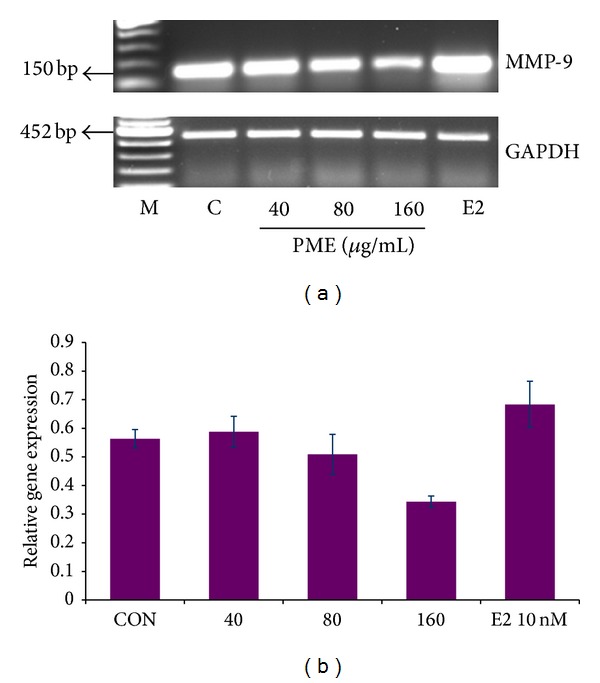
“MMPs in estrogen responsive cancers [52].”
Anti-inflammatory effects of Punica granatum Linne in vitro and in vivo
Lee, C.-J., Chen, L.-G., Liang, W.-L., & Wang, C.-C. (2010) · Food Chemistry · doi:10.1016/j.foodchem.2009.04.123 · Cited by 245
Seeram, N. P., & Nair, M. G. (2002) · Journal of Agricultural and Food Chemistry · doi:10.1021/jf025671q · Cited by 224 · cited 1×
“In a comparative analysis, anthocyanins from pomegranate fruit were found to possess higher antioxidant activity than vitamin-E (α-tocopherol), β-carotene, and ascorbic acid [19].”
BackgroundStudies on the toxicity of Punica granatum L. (Punicaceae) whole fruit extracts
Vidal, A., Fallarero, A., Peña, B. R., Medina, M. E., Gra, B., Rivera, F., Gutierrez, Y., & Vuorela, P. M. (2003) · Journal of Ethnopharmacology · doi:10.1016/j.jep.2003.09.001 · Cited by 217 · cited 2×
“References [20–26] References [15, 20, 26–30] References [21, 23] References [31–33] References [21, 22, 34, 35] References [36–41]”
BackgroundThe Bioactivity of Pomegranate: Impact on Health and Disease
Faria, A., & Calhau, C. (2011) · Critical Reviews in Food Science and Nutrition · doi:10.1080/10408391003748100 · Cited by 196 · cited 1×
“Its anti-invasive, antiproliferative, and antimetastatic effects were attributed to the modulation of Bcl-2 proteins, upregulation of p27 and p21, and downregulation of cyclin-cdk network [47].”
BackgroundElfalleh, W., Tlili, N., Nasri, N., Yahia, Y., Hannachi, H., Chaira, N., Ying, M., & Ferchichi, A. (2011) · Journal of Food Science · doi:10.1111/j.1750-3841.2011.02179.x · Cited by 194 · cited 1×
“Phenolic compounds, together with flavonoids, anthocyanins, and tannins, are the main group of antioxidant phytochemicals that are important due to their biological and free radical scavenging activities [17].”
Backgroundvan Elswijk, D. A., Schobel, U. P., Lansky, E. P., Irth, H., & van der Greef, J. (2004) · Phytochemistry · doi:10.1016/j.phytochem.2003.07.001 · Cited by 189
Shukla, M., Gupta, K., Rasheed, Z., Khan, K. A., & Haqqi, T. M. (2008) · Nutrition · doi:10.1016/j.nut.2008.03.013 · Cited by 185 · cited 1×
“Another study proposed that inhibition of number of signal transduction pathways and the downstream pathogenic cellular response by pomegranate extract or compounds may be a useful approach for the prevention of the onset and severity of inflammatory arthritis [77].”
BackgroundUse of Punica granatum as an antifungal agent against candidosis associated with denture stomatitis
César de Souza Vasconcelos, L., Sampaio, M. C. C., Sampaio, F. C., & Higino, J. S. (2003) · Mycoses · doi:10.1046/j.1439-0507.2003.00884.x · Cited by 183
Possible synergistic prostate cancer suppression by anatomically discrete pomegranate fractions
Lansky, E. P., Jiang, W., Mo, H., Bravo, L., Froom, P., Yu, W., Harris, N. M., Neeman, I., & Campbell, M. J. (2005) · Investigational New Drugs · doi:10.1023/b:drug.0000047101.02178.07 · Cited by 177 · cited 2×
“References [20–26] References [15, 20, 26–30] References [21, 23] References [31–33] References [21, 22, 34, 35] References [36–41]”
BackgroundPreventive and Prophylactic Mechanisms of Action of Pomegranate Bioactive Constituents
Viladomiu, M., Hontecillas, R., Lu, P., & Bassaganya-Riera, J. (2013) · Evidence-Based Complementary and Alternative Medicine · doi:10.1155/2013/789764 · Cited by 174
Rasheed, Z., Akhtar, N., Anbazhagan, A. N., Ramamurthy, S., Shukla, M., & Haqqi, T. M. (2009) · Journal of Inflammation · doi:10.1186/1476-9255-6-1 · Cited by 171
Ignarro, L. J., Byrns, R. E., Sumi, D., de Nigris, F., & Napoli, C. (2006) · Nitric Oxide · doi:10.1016/j.niox.2006.03.001 · Cited by 170 · cited 1×
“There were also reports that pomegranate juice possessed considerably greater antioxidant capacity at much lower concentrations (>1000-fold dilutions) than either grape or blueberry juice [73].”
BackgroundHong, M. Y., Seeram, N. P., & Heber, D. (2008) · The Journal of Nutritional Biochemistry · doi:10.1016/j.jnutbio.2007.11.006 · Cited by 168
Miguel, M. G., Neves, M. A., & Antunes, M. D. C. (2010) · Portuguese National Funding Agency for Science, Research and Technology (RCAAP Project by FCT) · doi:10.5897/jmpr.9001028 · Cited by 165 · cited 1×
“(Punicaceae) is a nutrient dense fruit rich in phytochemical compounds [1].”
BackgroundAfaq, F., Malik, A., Syed, D., Maes, D., Matsui, M. S., & Mukhtar, H. (2005) · Photochemistry and Photobiology · doi:10.1562/2004-08-06-ra-264.1 · Cited by 165
Anticancer Activities of Pomegranate Extracts and Genistein in Human Breast Cancer Cells
Jeune, M. A. L., Kumi-Diaka, J., & Brown, J. (2005) · Journal of Medicinal Food · doi:10.1089/jmf.2005.8.469 · Cited by 163 · cited 1×
“Research on breast cancer cell lines demonstrated that pomegranate constituents efficiently inhibited angiogenesis [44], invasiveness [40], growth [45], and induced apoptosis [46].”
BackgroundKe, H. Z., Paralkar, V. M., GRASSER, W. A., Crawford, D. T., Qi, H., Simmons, H. A., Pirie, C. M., Chidsey-Frink, K. L., Owen, T. A., Smock, S. L., et al. (1998) · Endocrinology · doi:10.1210/endo.139.4.5902 · Cited by 161
Preliminary studies on the anti-angiogenic potential of pomegranate fractions in vitro and in vivo
Toi, M., Bando, H., Ramachandran, C., Melnick, S. J., Imai, A., Fife, R. S., Carr, R. E., Oikawa, T., & Lansky, E. S. (2003) · Angiogenesis · doi:10.1023/b:agen.0000011802.81320.e4 · Cited by 160 · cited 2×
“Pomegranate constituents inhibit angiogenesis via downregulation of vascular endothelial growth factor (VEGF) in human umbilical vein endothelial and MCF-7 breast cancer cell lines [44], thereby hampering the tumor growth.”
BackgroundThe Behavior of Matrix Metalloproteinases and Their Inhibitors in Colorectal Cancer
Herszényi, L., Hritz, I., Lakatos, G., Varga, M., & Tulassay, Z. (2012) · International Journal of Molecular Sciences · doi:10.3390/ijms131013240 · Cited by 158 · cited 1×
“Matrix metalloproteinases (MMPs) are good markers of tumor cell invasion and migration [51].”
BackgroundOXIDATIVE STRESS IN ARTERIOGENIC ERECTILE DYSFUNCTION: PROPHYLACTIC ROLE OF ANTIOXIDANTS
AZADZOI, K. M., SCHULMAN, R. N., AVIRAM, M., & SIROKY, M. B. (2005) · Journal of Urology · doi:10.1097/01.ju.0000161209.39959.67 · Cited by 156 · cited 1×
“demonstrated that 8-week administration of pomegranate juice concentrate daily in a rabbitmodel of arteriogenic erectile dysfunction significantly increased intracavernous blood flow and smooth muscle relaxation, probably via its antioxidant effect on enhanced nitric oxide preservation and bioavailability [61].”
BackgroundNote. Physicochemical composition of ten pomegranate cultivars (punica granatum L.) grown in Iran
Fadavi, A., Barzegar, M., Azizi, M. H., & Bayat, M. (2005) · Food Science and Technology International · doi:10.1177/1082013205052765 · Cited by 155
Effects of phyto-oestrogens on tissues
Anderson, J. J. B., Anthony, M., Messina, M., & Garne, S. C. (1999) · Nutrition Research Reviews · doi:10.1079/095442299108728875 · Cited by 153 · cited 1×
“Both genomic and nongenomic mechanisms have been projected to explain phytoestrogenic effects on human health [86].”
Backgroundde Nigris, F., Williams-Ignarro, S., Lerman, L. O., Crimi, E., Botti, C., Mansueto, G., D'Armiento, F. P., De Rosa, G., Sica, V., Ignarro, L. J., et al. (2005) · Proceedings of the National Academy of Sciences · doi:10.1073/pnas.0500998102 · Cited by 144
Shukla, M., Gupta, K., Rasheed, Z., Khan, K. A., & Haqqi, T. M. (2008) · Journal of Inflammation · doi:10.1186/1476-9255-5-9 · Cited by 140
Determination of phenolic acids in fruit juices by isocratic column liquid chromatography
Amakura, Y., Okada, M., Tsuji, S., & TONOGAI, Y. (2000) · Journal of Chromatography A · doi:10.1016/s0021-9673(00)00625-7 · Cited by 137 · cited 2×
“References [20–26] References [15, 20, 26–30] References [21, 23] References [31–33] References [21, 22, 34, 35] References [36–41]”
BackgroundParmar, H. S., & Kar, A. (2008) · Journal of Medicinal Food · doi:10.1089/jmf.2006.010 · Cited by 132 · cited 1×
“Punica granatum peel extract decreased lipid peroxidation in hepatic, cardiac, and renal tissues and at the same time it had a facilitatory effect on the scavenging capability of superoxide anion and hydrogen peroxide [74].”
BackgroundSierens, J., Hartley, J. A., Campbell, M. J., Leathem, A. J., & Woodside, J. V. (2001) · Mutation Research/DNA Repair · doi:10.1016/s0921-8777(00)00069-0 · Cited by 132
Esmaillzadeh, A., Tahbaz, F., Gaieni, I., Majd, H. A., & Azadbakht, L. (2006) · International Journal for Vitamin and Nutrition Research · doi:10.1024/0300-9831.76.3.147 · Cited by 130 · cited 1×
“A pilot study in type 2 diabetic patients with hyperlipidemia found that concentrated pomegranate juice decreased cholesterol absorption, increased faecal excretion of cholesterol, had a favourable effect on enzymes concerned in cholesterol metabolism, drastically reducedLDL cholesterol, and improvedLDL/HDL cholestero…”
BackgroundMehta, R., & Lansky, E. P. (2004) · European Journal of Cancer Prevention · doi:10.1097/01.cej.0000136571.70998.5a · Cited by 129 · cited 1×
“Research on breast cancer cell lines demonstrated that pomegranate constituents efficiently inhibited angiogenesis [44], invasiveness [40], growth [45], and induced apoptosis [46].”
BackgroundANTHOCYANINS OF POMEGRANATE, Punica granatum
DU, C. T., Wang, P. L., & Francis, F. J. (1975) · Journal of Food Science · doi:10.1111/j.1365-2621.1975.tb02217.x · Cited by 125 · cited 2×
“References [20–26] References [15, 20, 26–30] References [21, 23] References [31–33] References [21, 22, 34, 35] References [36–41]”
BackgroundBioactive Compounds from the Seeds of Punica granatum (Pomegranate)
Wang, R.-F., Xie, W.-D., Zhang, Xing, D.-M., Ding, Y., Wang, W., Ma, C., & Du, L.-J. (2004) · Journal of Natural Products · doi:10.1021/np0498051 · Cited by 121 · cited 2×
“References [20–26] References [15, 20, 26–30] References [21, 23] References [31–33] References [21, 22, 34, 35] References [36–41]”
BackgroundHu, J., & Aizawa, T. (2003) · Water Research · doi:10.1016/s0043-1354(02)00378-0 · Cited by 120
Pomegranate extract mouth rinsing effects on saliva measures relevant to gingivitis risk
DiSilvestro, R. A., DiSilvestro, D. J., & DiSilvestro, D. J. (2009) · Phytotherapy Research · doi:10.1002/ptr.2759 · Cited by 113 · cited 1×
“Pomegranate contains agents, particularly polyphenolic flavonoids, which exert actions that could be well conducive to good oral health, particularly in relation to gingivitis development [100].”
BackgroundSchäfer, A., Chovanová, Z., Muchová, J., Sumegová, K., Liptáková, A., Ďuračková, Z., & Högger, P. (2005) · Biomedicine & Pharmacotherapy · doi:10.1016/j.biopha.2005.08.006 · Cited by 112 · cited 1×
“Pomegranate juice had the greatest antioxidant potency composite index among beverages like black cherry juice, cranberry juice, grape juice, apple juice, orange juice, red wines, blueberry juice, and iced tea; and the antioxidant activity was at least 20% superior to any of the other beverages tested [101–103].”
ResultTANAKA, T., NONAKA, G.-I., & NISHIOKA, I. (1986) · Chemical and Pharmaceutical Bulletin · doi:10.1248/cpb.34.650 · Cited by 111
2Phytoestrogens and breast cancer
Barnes, S. (1998) · Baillière s Clinical Endocrinology and Metabolism · doi:10.1016/s0950-351x(98)80004-9 · Cited by 111
Koyama, S., Cobb, L. J., Mehta, H. H., Seeram, N. P., Heber, D., Pantuck, A. J., & Cohen, P. (2009) · Growth Hormone & IGF Research · doi:10.1016/j.ghir.2009.09.003 · Cited by 108
Pomegranate peel extract prevents liver fibrosis in biliary-obstructed rats
Toklu, H. Z., Şehırlı, Ö., Şener, G., Dumlu, M. U., Ercan, F., Gedik, N., & Gökmen, V. (2007) · Journal of Pharmacy and Pharmacology · doi:10.1211/jpp.59.9.0014 · Cited by 106 · cited 1×
“Formerly, it was shown that pomegranate peel extract supplementation alleviated oxidative damage of the liver and enhanced the hepatic structure and function in rats exposed to bile duct ligation [75].”
BackgroundLeaf phenolics of Punica granatum
Nawwar, M. A. M., Hussein, S. A. M., & Merfort, I. (1994) · Phytochemistry · doi:10.1016/s0031-9422(00)89552-7 · Cited by 104 · cited 1×
“References [20–26] References [15, 20, 26–30] References [21, 23] References [31–33] References [21, 22, 34, 35] References [36–41]”
BackgroundHornung, E., Pernstich, C., & Feussner, I. (2002) · European Journal of Biochemistry · doi:10.1046/j.1432-1033.2002.03184.x · Cited by 98
NEURATH, A. R., STRICK, N., LI, Y., & DEBNATH, A. K. (2005) · Annals of the New York Academy of Sciences · doi:10.1196/annals.1352.015 · Cited by 96
Oral infusion of pomegranate fruit extract inhibits prostate carcinogenesis in the TRAMP model
Adhami, V. M., Siddiqui, I. A., Syed, D. N., Lall, R. K., & Mukhtar, H. (2011) · Carcinogenesis · doi:10.1093/carcin/bgr308 · Cited by 91 · cited 1×
“pomegranate fruit extract inhibited metastasis and increased overall survival [50].”
BackgroundNEURATH, A. R., Strick, N., Li, Y., & Debnath, A. K. (2004) · BMC Infectious Diseases · doi:10.1186/1471-2334-4-41 · Cited by 90
Developments in nutraceuticals
Kaushik, D. K., Dureja, H., & Kumar, V. (2003) · Indian Journal of Pharmacology · Cited by 87
Fuhrman, B., Volkova, N., & Aviram, M. (2009) · Nutrition · doi:10.1016/j.nut.2009.05.003 · Cited by 79 · cited 1×
“In vitro, in vivo and human trials had examined the effects of a range of pomegranate constituents on the prevention and reduction of atherosclerosis and LDL oxidation [58].”
BackgroundWang, L., Alcon, A., Yuan, H., Ho, J., Li, Q.-J., & Martins‐Green, M. M. (2011) · Integrative Biology · doi:10.1039/c0ib00122h · Cited by 77 · cited 1×
“It would possibly affect prostate cancer because of its apoptotic, antioxidant, antiproliferative, and anti-inflammatory properties, suggesting that it may be beneficial in slowing down or preventing cancer cell metastasis [48].”
BackgroundPomegranates ( Punica granatum L .)
Ramezanian, A., & Erkan, M. (2017) · Wiley eBooks · doi:10.1002/9781119158042.ch61 · Cited by 77
Sreeja, S., Kumar, T. R. S., Lakshmi, B. S., & Sreeja, S. (2011) · The Journal of Nutritional Biochemistry · doi:10.1016/j.jnutbio.2011.03.015 · Cited by 76 · cited 7×
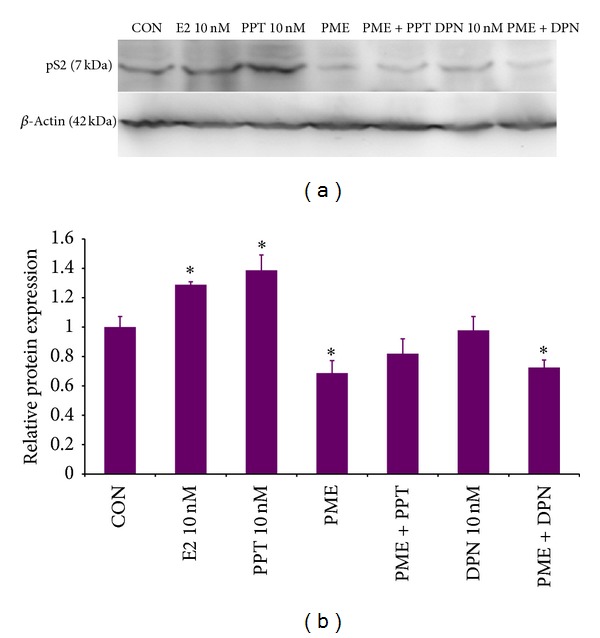
“We had assessed the estrogenicity/antiestrogenicity of PME in a panel of in vitro biological assays and the expression of endogenous estrogen sensitive markers (pS2 and PR) in breast carcinoma cell lines were analyzed [53].”
BackgroundMethodResultInfluentialWang, H., Tranguch, S., Xie, H., Hanley, G., Das, S. K., & Dey, S. K. (2005) · Proceedings of the National Academy of Sciences · doi:10.1073/pnas.0501632102 · Cited by 70 · cited 1×
“Earlier studies had shown that an acute or chronic exposure to xenoestrogens or dietary phytoestrogens alters uterine expression of estrogen sensitive genes in mice [71].”
BackgroundPhytoestrogens in the Management of the Menopause:
Ewies, A. A. A. (2002) · Obstetrical & Gynecological Survey · doi:10.1097/00006254-200205000-00023 · Cited by 61 · cited 3×
“Due to the possible adverse side effects of estrogenic stimulation (such as increase in tumor risk), many women have turned to phytoestrogens as an alternative for HRT [83].”
BackgroundAntioxidant activity of selected foodstuffs
Kelawala, N. S., & Ananthanarayan, L. (2004) · International Journal of Food Sciences and Nutrition · doi:10.1080/09637480400015794 · Cited by 55 · cited 1×
“Pomegranate juice had the greatest antioxidant potency composite index among beverages like black cherry juice, cranberry juice, grape juice, apple juice, orange juice, red wines, blueberry juice, and iced tea; and the antioxidant activity was at least 20% superior to any of the other beverages tested [101–103].”
ResultSelective Estrogen Receptor Modulators and Postmenopausal Women's Health
Hol, T., COX, M. B., Bryant, H. U., & Draper, M. W. (1997) · Journal of Women s Health · doi:10.1089/jwh.1997.6.523 · Cited by 54
Afaq, F., Malik, A., Syed, D. N., Maes, D. H., Matsui, M. S., & Mukhtar, H. (2004) · Photochemistry and Photobiology · doi:10.1562/2004-08-06-ra-264 · Cited by 54
Batta, A. K., & RANGASWAMI, S. (1973) · Phytochemistry · doi:10.1016/s0031-9422(00)84654-3 · Cited by 51
Alkaloids in the bark of Punica granatum L. (pomegranate) from Yugoslavia
Neuhöfer, H., Witte, L., Gorunovic, M. S., & Czygan, F. (1993) · Cited by 46
Selective oestrogen receptor modulators - current and future brain and behaviour applications
Halbreich, U. M., & Kahn, L. S. (2000) · Expert Opinion on Pharmacotherapy · doi:10.1517/14656566.1.7.1385 · Cited by 44
Lactoferrin: A Biologically Active Molecule for Bone Regeneration
Amini, A. A., & Nair, L. S. (2011) · Current Medicinal Chemistry · doi:10.2174/092986711795029744 · Cited by 41 · cited 1×
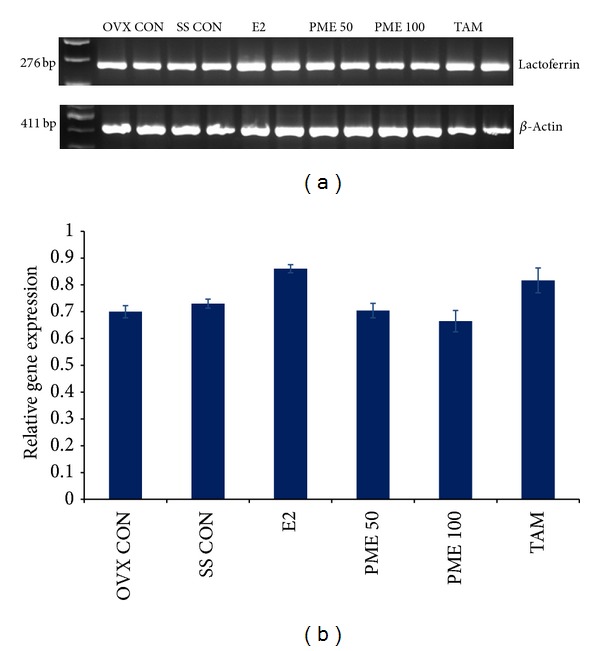
“Lactoferrin is a well-known estrogen target gene and a biologically active molecule for bone regeneration [72].”
BackgroundWaheed, S., Siddique, N., Rahman, A., Zaidi, J. H., & Ahmad, S. (2004) · Journal of Radioanalytical and Nuclear Chemistry · doi:10.1023/b:jrnc.0000028211.23625.99 · Cited by 39 · cited 2×
“References [20–26] References [15, 20, 26–30] References [21, 23] References [31–33] References [21, 22, 34, 35] References [36–41]”
BackgroundChaitra, R. H., Madhuri, M. L., Nishitha, S. T., Arijit, D., & Sourav, B. (2012) · Cited by 37
Etique, N., Grillier‐Vuissoz, I., & Flament, S. (2006) · Oncology Reports · doi:10.3892/or.15.3.603 · Cited by 36
Lan, J., Fan, L., Hua, L., Wang, Y., Xing, D., & Du, L. (2008) · Biomedical Chromatography · doi:10.1002/bmc.1150 · Cited by 34 · cited 2×
“References [20–26] References [15, 20, 26–30] References [21, 23] References [31–33] References [21, 22, 34, 35] References [36–41]”
BackgroundKim, Y.-Y., Kim, S., Oh, S.-R., Sul, O., Lee, H., Kim, H., Kim, S., & Choi, H. (2010) · Molecules and Cells · doi:10.1007/s10059-010-0027-x · Cited by 21
Cortesi, L., Matteis, E. D., Rashid, I., Cirilli, C., Proietto, M., Rivasi, F., & Federico, M. (2009) · International Journal of Gynecological Cancer · doi:10.1111/igc.0b013e3181b9f5d5 · Cited by 19 · cited 1×
“Regrettably, at this time, available antiestrogen such as tamoxifen used in the treatment of ER-positive breast cancer has side effects and agonism in the uterine endometrium, leading to an uncertain connection to endometrial carcinoma [88–90].”
BackgroundQuestions about Tamoxifen and the Future Use of Antiestrogens
Yao, K. A., & Jordan, V. C. (1998) · The Oncologist · doi:10.1634/theoncologist.3-2-104 · Cited by 15 · cited 1×
“Regrettably, at this time, available antiestrogen such as tamoxifen used in the treatment of ER-positive breast cancer has side effects and agonism in the uterine endometrium, leading to an uncertain connection to endometrial carcinoma [88–90].”
BackgroundChemoprevention: eat ginger, rub on pomegranate
Burton, A. (2003) · The Lancet Oncology · doi:10.1016/s1470-2045(03)01295-6 · Cited by 14 · cited 1×
“The application of pomegranate extract to the skin of mice before they were exposed to a carcinogenic agent was shown to inhibit the appearance of erythemas and hyperplasia and the activity of epithelial ornithine decarboxylase [49].”
BackgroundZP2307, a novel, cyclic PTH(1-17) analog that augments bone mass in ovariectomized rats
Neerup, T. S. R., Stahlhut, M., Petersen, J. S., Daugaard, J. R., Jensen, J. B., Peng, Z., Morko, J. P., & Thorkildsen, C. (2011) · Bone · doi:10.1016/j.bone.2011.02.019 · Cited by 12 · cited 1×
“Ovariectomized rodent model is a well-established system for estrogen deficiency induced bone loss and used by researchers previously [69, 70].”
BackgroundCell Structure and Sugar and Acid Contents in the Arils of Developing Pomegranate Fruit
Cui, S.-M., Sasada, Y., Satō, H., & Nii, N. (2004) · Journal of the Japanese Society for Horticultural Science · doi:10.2503/jjshs.73.241 · Cited by 10 · cited 2×
“References [20–26] References [15, 20, 26–30] References [21, 23] References [31–33] References [21, 22, 34, 35] References [36–41]”
BackgroundAn Estrogen-like Activity in Pomegranate Juice.
Maru, I., OHNISHI, J., Yamaguchi, S., Oda, Y., Kakehi, K., & Ohta, Y. (2001) · NIPPON SHOKUHIN KOGYO GAKKAISHI · doi:10.3136/nskkk.48.146 · Cited by 10 · cited 1×
“A competitive radioactive binding study was done to ascertain whether PME interacts with ER and had shown that PME binds to ER and inhibited the binding of labelled estrogen to ER in a dosedependent manner [53, 91].”
BackgroundThe Ovariectomized Mice and Rats
Banu, J. (2011) · Springer eBooks · doi:10.1007/978-0-85729-293-3_9 · Cited by 8 · cited 1×
“Bone loss after ovariectomy is associated with high bone turnover where bone resorption rate exceeds the bone formation rate [67].”
BackgroundBIOLOGICAL ACTIVITY OF PHYTOESTROGENS
Elghamry, M. I., & Shihata, I. (1966) · Planta Medica · doi:10.1055/s-0028-1100061 · Cited by 5 · cited 1×
“Some plants contain distinct families of phytocompounds, which are structurally similar to steroid hormone, 17β-estradiol (E2) and compete with the endogenous hormone for binding to estrogen receptor (ER), thus reducing the hormonal effect of endogenous estrogens [2–4].”
BackgroundBiological Activity of Phytoestrogens
Elghamry, M. I. (1965) · Zeitschrift für Naturforschung B · doi:10.1515/znb-1965-0718 · Cited by 4
Research works printed but not linked: 6
- Jain S Rai R Upadhyaya AR Malhotra G Punica granatum: a natural and recent approach towards dental problem International Journal of Pharmaceutical Sciences and Research 2014 2 1 1 6
- Artik N Ceremroglu B Murakami H Mori T Determination of phenolic compounds in pomegranate juice by using HPLC Fruit Processing 1998 8 492 499
- Abd El Wahab SM El Fiki NM Mostafa SF Hassan AEB Characterization of certain steroid hormones in Punica granatum L. seeds Bulletin of the Faculty of Pharmacy 1998 36 11 15
- Sreekumar S Selective estrogen receptor modulator (SERM) activity of Pomegranate (Punica granatum L.): implications for estrogen dependant breast cancer [dissertation] 2011 University of Kerala
- Malik A The potentials of nutraceuticals Pharmainfo.net 2008 6
- Jahfar M Vijayan KK Azadi P Studies on a polysaccharide from the fruit rind of Punica granatum Research Journal of Chemistry and Environment 2003 7 1 43 50
Cited by
The gut microbiota: a key factor in the therapeutic effects of (poly)phenols
Espín, J. C., González-Sarrías, A., & Tomás-Barberán, F. A. (2017) · Biochemical Pharmacology · doi:10.1016/j.bcp.2017.04.033 · Cited by 603
“In the case of PP-rich foods, pomegranates could be an example as they have many potential healthy attributes [18,19], including anti-diabetic [20], anticancer [21] and hypotensive [22] properties but with an apparent lack of effect on blood lipids and inflammation according to recent meta-analyses [23,24].”
BackgroundHanani, Z. A. N., Yee, F. C., & Nor-Khaizura, M. A. R. (2019) · Food Hydrocolloids · doi:10.1016/j.foodhyd.2018.10.007 · Cited by 341
Food applications and potential health benefits of pomegranate and its derivatives
Kandylis, P., & Kokkinomagoulos, E. (2020) · Foods · doi:10.3390/foods9020122 · Cited by 324
“The exocarp, namely the pomegranate peel, comprises around 50% of the whole fruit, while the edible part consists of 10% seeds and 40% arils [3].”
BackgroundAkram, M., Tahir, I. M., Shah, S. M. A., Mahmood, Z., Altaf, A., Ahmad, K., Munir, N., Daniyal, M., Nasir, S., & Mehboob, H. (2018) · Phytotherapy Research · doi:10.1002/ptr.6024 · Cited by 263
Starch-based antimicrobial films functionalized by pomegranate peel
Ali, A., Chen, Y., Liu, H., Yu, L., Baloch, Z., Khalid, S., Zhu, J., & Chen, L. (2019) · International Journal of Biological Macromolecules · doi:10.1016/j.ijbiomac.2018.09.068 · Cited by 238
Metadata
- Authors
- Sreekumar, S., Sithul, H., Muraleedharan, P., Azeez, J. M., & Sreeharshan, S.
- Affiliations
- Rajiv Gandhi Centre for Biotechnology (IN)
- Cancer Research Program, Rajiv Gandhi Centre for Biotechnology, Thycaud P.O, Thiruvananthapuram, Kerala 695 014, India
- Venue
- BioMed Research International
- Publisher
- Wiley
- Published
- 2014
- Volume
- 2014
- Pages
- 1-12
- ISSN
- 1110-7243 (ISSN-L)
- 2314-6133
- 2314-6141
- PMC
- PMC4000966
- OpenAlex
- W2021488853
- Cited by
- 258
- References
- 106
- Citations by year
- 2026: 9 · 2025: 16 · 2024: 29 · 2023: 29 · 2022: 32 · 2021: 36 · 2020: 34 · 2019: 20 · 2018: 17 · 2017: 13 · 2016: 16 · 2015: 6 · 2014: 1
- FWCI
- 1.37
- Type
- journal article
- Language
- en
- Open access
- hybrid
- doi.org
- Locations
- BioMed Research International (publishedVersion, cc-by)
- Europe PMC (PubMed Central) (publishedVersion, cc-by)
- PubMed Central (publishedVersion, cc-by)
- PubMed (publishedVersion)
- DOAJ (DOAJ: Directory of Open Access Journals) (submittedVersion)
- Funders
- Indian Council of Medical Research
- Council of Scientific and Industrial Research, India
- Topics
- Health Sciences › Nursing › Nutrition and Dietetics › Pomegranate: compositions and health benefits
- Life Sciences › Agricultural and Biological Sciences › Plant Science › Medicinal Plant Research
- Life Sciences › Agricultural and Biological Sciences › Plant Science › Natural Compound Pharmacology Studies
- Keywords
- Punica granatum, methanol extract, antiproliferative activity, breast cancer, endometrial cancer, cervical cancer, ovarian cancer, estrogen receptor, pS2, c-Myc, estradiol, cardioprotection, osteogenic differentiation, alkaline phosphatase, anti-osteoporotic effect, ovariectomized mice, MC3T3-E1 cells
- MeSH terms
- Animals, Biological Products, Fruit, Trees, Lythraceae, Phytoestrogens
About these checks
Registry, retraction, Cites and statistics results are computed, not judged, with one exception: a printed reference that no index lists is read once by a model before it counts as a citation error. Claims are extracted by a model and kept only when their quote appears verbatim in the text; each cited source is then checked, with a model’s help, for whether it says what the claim relies on. Those verdicts can be wrong — read the claim’s quote and the cited source before relying on one.
Statistics and arithmetic are recomputed, not judged.
Confidence bands are shown only for fields calibrated on our annotated test set. None is calibrated yet, so no band is shown.
What counts as a claim ›How we measure confidence ›How we check this ›
Are you an author, or do you see a problem with this page? Request a review
Data sources
Bibliographic data: Semantic Scholar, OpenAlex, Crossref.
Contains information from the Semantic Scholar Academic Graph Datasets, made available under the ODC Attribution License (ODC-BY 1.0).
Semantic Scholar’s data is described in: Kinney, R., et al. (2023). The Semantic Scholar Open Data Platform. arXiv:2301.10140.
