

Pomegranate Fruit as a Rich Source of Biologically Active Compounds
Open accessThe DOI matches its Crossref record; 105 of the 106 references it cites were found in a registry or an index.
Abstract
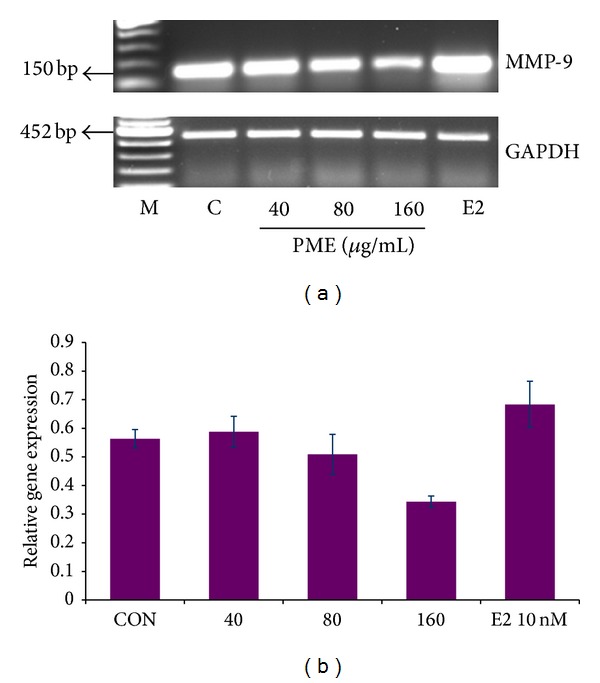
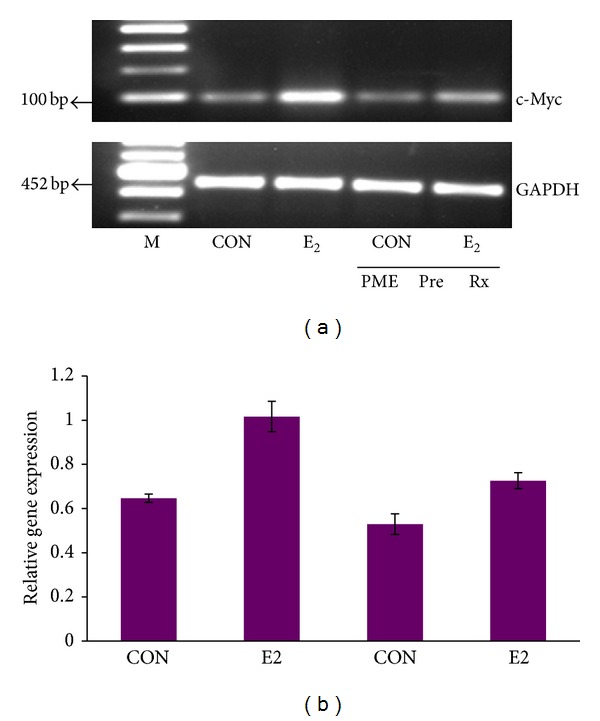
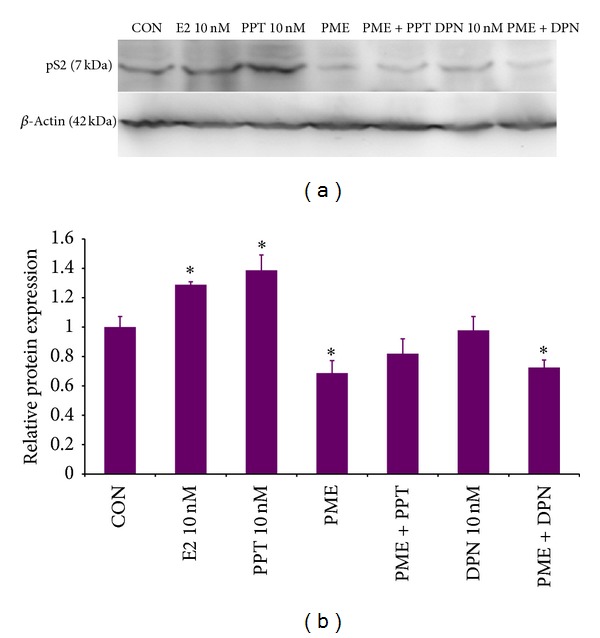
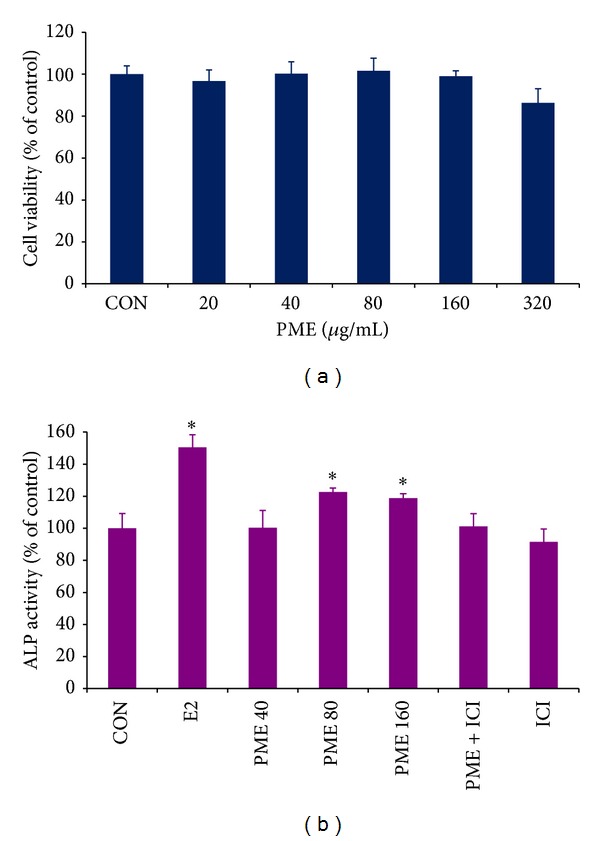
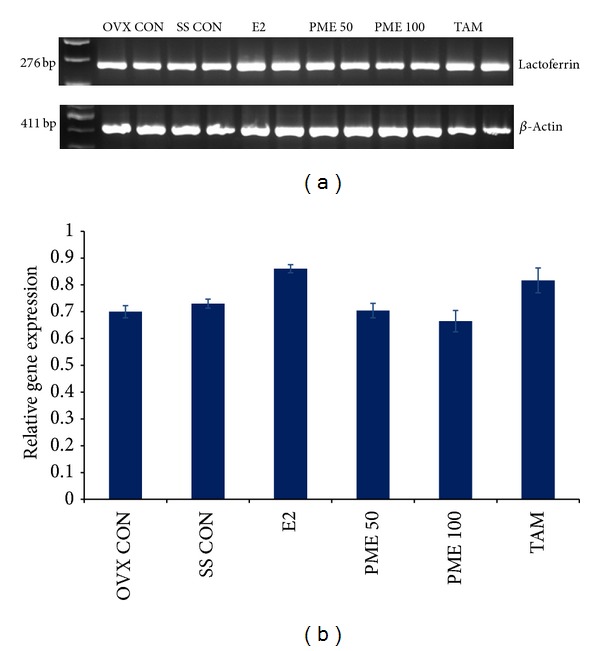
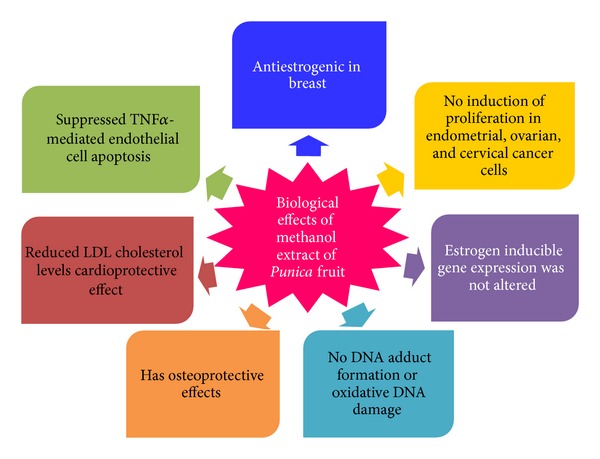
Pomegranate is a widely used plant having medicinal properties. In this review, we have mainly focused on the already published data from our laboratory pertaining to the effect of methanol extract of pericarp of pomegranate (PME) and have compared it with other relevant literatures on Punica . Earlier, we had shown its antiproliferative effect using human breast (MCF-7, MDA MB-231), and endometrial (HEC-1A), cervical (SiHa, HeLa), and ovarian (SKOV3) cancer cell lines, and normal breast fibroblasts (MCF-10A) at concentration of 20–320 μ g/mL. The expressions of selected estrogen responsive genes (PR, pS2, and C-Myc) were downregulated by PME. Unlike estradiol, PME did not increase the uterine weight and proliferation in bilaterally ovariectomized Swiss-Albino mice models and its cardioprotective effects were comparable to that of 17 β -estradiol. We had further assessed the protective role of PME on skeletal system, using MC3T3-E1 cells. The results indicated that PME (80 μ g/mL) significantly increased ALP (Alkaline Phosphatase) activity, supporting its suggested role in modulating osteoblastic cell differentiation. The antiosteoporotic potential of PME was also evaluated in ovariectomized (OVX) rodent model. The results from our studies and from various other studies support the fact that pomegranate fruit is indeed a source of biologically active compounds.
Overview
The claims and statistics of this paper haven’t been checked yet.
Free: it reads the open-access text and checks the first 5 claims that cite a source we can check. Create a free account to check every claim.
Integrity signals
Registry
Cites
Statistics
Figures
Verification
Claims the paper makes
The claims and statistics of this paper haven’t been checked yet.
Free: it reads the open-access text and checks the first 5 claims that cite a source we can check. Create a free account to check every claim.
Claims other papers make about this one
Each is checked against this paper’s own text: does it say what the citing paper says it does?
The cited source says what the claim attributes to it.
In the citing paper
“The pomegranate fruit consists of 50 % of the peel [45]”
From Tangerine, banana and pomegranate peels valorisation for sustainable environment: A review (2021) · cites this paper as [63]
The cited source says what the claim attributes to it.
In the citing paper
“composed of the peel, arils and seeds (Table 1)”
From Tangerine, banana and pomegranate peels valorisation for sustainable environment: A review (2021) · cites this paper as [63]
Self-check
Percentages, sums and reported differences re-computed from the paper’s own numbers.
The self-check needs the paper’s full text.
Citations
Cites
Gil, M. I., Tomás-Barberán, F. A., Hess-Pierce, B., Holcroft, D. M., & Kader, A. A. (2000) · Journal of Agricultural and Food Chemistry · doi:10.1021/jf000404a · Cited by 2,362 · cited 2×
“Anthocyanidins (delphinidin, cyanidin, and pelargonidin) and hydrolysable tannins (such as punicalagin, pedunculagin, punicalin, gallagic, and ellagic acid esters of glucose), account for the major antioxidant activity of whole fruit [22, 95].”
BackgroundLansky, E. P., & Newman, R. A. (2007) · Journal of Ethnopharmacology · doi:10.1016/j.jep.2006.09.006 · Cited by 1,290 · cited 3×
“Constituents of pomegranate minimize tumor cell invasion into normal tissue and metastasis to distant sites and these actions develop due to the inhibition of selected metalloproteinase activity, decreased focal adhesion kinase activity, and reduced VEGF expression [15].”
BackgroundMolecular Determinants for the Tissue Specificity of SERMs
Shang, Y., & Brown, M. (2002) · Science · doi:10.1126/science.1068537 · Cited by 1,146 · cited 1×
“The best move towards the avoidance and handling of estrogen-dependent breast cancer is to selectively hold estrogen activity in the affected tissues without compromising its beneficial effects [87].”
BackgroundPhytoestrogens: the biochemistry, physiology, and implications for human health of soy isoflavones
Kenneth, D. S. (1998) · The American Journal of Clinical Nutrition · doi:10.1093/ajcn/68.6.1333s · Cited by 1,128
Seeram, N. P., Adams, L. S., Henning, S. M., Niu, Y., Zhang, Y., Nair, M. G., & Heber, D. (2005) · The Journal of Nutritional Biochemistry · doi:10.1016/j.jnutbio.2005.01.006 · Cited by 1,112
Li, Y., Guo, C., Yang, J., Wei, J., Xu, J., & Cheng, S. (2006) · Food Chemistry · doi:10.1016/j.foodchem.2005.02.033 · Cited by 1,058 · cited 1×
“The peel, which is also a major part of the fruit, is an imperative source of bioactive compounds such as phenolics, flavonoids, ellagitannins, proanthocyanidin compounds [96], minerals, [97], and complex polysaccharides [98].”
BackgroundTherapeutic applications of pomegranate (Punica granatum L.): a review.
Jurenka, J. S. (2008) · PubMed · Cited by 933
Fisher, B., Dignam, J., Bryant, J., DeCillis, A., Wickerham, D. L., Wolmark, N., Costantino, J., Redmond, C., Fisher, E. R., Bowman, D. M., et al. (1996) · JNCI Journal of the National Cancer Institute · doi:10.1093/jnci/88.21.1529 · Cited by 861 · cited 1×
“Regrettably, at this time, available antiestrogen such as tamoxifen used in the treatment of ER-positive breast cancer has side effects and agonism in the uterine endometrium, leading to an uncertain connection to endometrial carcinoma [88–90].”
BackgroundPomegranate and its many functional components as related to human health: a review
Viuda‐Martos, M., Fernández‐López, J., & Pérez‐Álvarez, J. A. (2010) · Comprehensive Reviews in Food Science and Food Safety · doi:10.1111/j.1541-4337.2010.00131.x · Cited by 768
Seeram, N. P., Aviram, M., Zhang, Y., Henning, S. M., Feng, L., Dreher, M., & Heber, D. (2008) · Journal of Agricultural and Food Chemistry · doi:10.1021/jf073035s · Cited by 686 · cited 1×
“Pomegranate juice had the greatest antioxidant potency composite index among beverages like black cherry juice, cranberry juice, grape juice, apple juice, orange juice, red wines, blueberry juice, and iced tea; and the antioxidant activity was at least 20% superior to any of the other beverages tested [101–103].”
Result
Research works printed but not linked: 6
- Jain S Rai R Upadhyaya AR Malhotra G Punica granatum: a natural and recent approach towards dental problem International Journal of Pharmaceutical Sciences and Research 2014 2 1 1 6
- Artik N Ceremroglu B Murakami H Mori T Determination of phenolic compounds in pomegranate juice by using HPLC Fruit Processing 1998 8 492 499
- Abd El Wahab SM El Fiki NM Mostafa SF Hassan AEB Characterization of certain steroid hormones in Punica granatum L. seeds Bulletin of the Faculty of Pharmacy 1998 36 11 15
- Sreekumar S Selective estrogen receptor modulator (SERM) activity of Pomegranate (Punica granatum L.): implications for estrogen dependant breast cancer [dissertation] 2011 University of Kerala
- Malik A The potentials of nutraceuticals Pharmainfo.net 2008 6
- Jahfar M Vijayan KK Azadi P Studies on a polysaccharide from the fruit rind of Punica granatum Research Journal of Chemistry and Environment 2003 7 1 43 50
Cited by
The gut microbiota: a key factor in the therapeutic effects of (poly)phenols
Espín, J. C., González-Sarrías, A., & Tomás-Barberán, F. A. (2017) · Biochemical Pharmacology · doi:10.1016/j.bcp.2017.04.033 · Cited by 603
“In the case of PP-rich foods, pomegranates could be an example as they have many potential healthy attributes [18,19], including anti-diabetic [20], anticancer [21] and hypotensive [22] properties but with an apparent lack of effect on blood lipids and inflammation according to recent meta-analyses [23,24].”
BackgroundHanani, Z. A. N., Yee, F. C., & Nor-Khaizura, M. A. R. (2019) · Food Hydrocolloids · doi:10.1016/j.foodhyd.2018.10.007 · Cited by 341
Food applications and potential health benefits of pomegranate and its derivatives
Kandylis, P., & Kokkinomagoulos, E. (2020) · Foods · doi:10.3390/foods9020122 · Cited by 324
“The exocarp, namely the pomegranate peel, comprises around 50% of the whole fruit, while the edible part consists of 10% seeds and 40% arils [3].”
BackgroundAkram, M., Tahir, I. M., Shah, S. M. A., Mahmood, Z., Altaf, A., Ahmad, K., Munir, N., Daniyal, M., Nasir, S., & Mehboob, H. (2018) · Phytotherapy Research · doi:10.1002/ptr.6024 · Cited by 263
Starch-based antimicrobial films functionalized by pomegranate peel
Ali, A., Chen, Y., Liu, H., Yu, L., Baloch, Z., Khalid, S., Zhu, J., & Chen, L. (2019) · International Journal of Biological Macromolecules · doi:10.1016/j.ijbiomac.2018.09.068 · Cited by 238
Mphahlele, R. R., Fawole, O. A., Makunga, N. P., & Opara, U. L. (2016) · BMC Complementary and Alternative Medicine · doi:10.1186/s12906-016-1132-y · Cited by 225
“Meanwhile the edible part of pomegranate fruit consists of 40 % arils and 10 % seeds [2].”
BackgroundConidi, C., Cassano, A., Caiazzo, F., & Drioli, E. (2017) · Journal of Food Engineering · doi:10.1016/j.jfoodeng.2016.09.017 · Cited by 217
Tangerine, banana and pomegranate peels valorisation for sustainable environment: A review
El Barnossi, A., Moussaid, F., & Iraqi Housseini, A. (2021) · Biotechnology Reports · doi:10.1016/j.btre.2020.e00574 · Cited by 178
The pomegranate (Punica granatum L.) genome and the genomics of punicalagin biosynthesis
Qin, G., Xu, C., Ming, R., Tang, H., Guyot, R., Kramer, E. M., Hu, Y., Yi, X., Qi, Y., Xu, X., et al. (2017) · The Plant Journal · doi:10.1111/tpj.13625 · Cited by 169
“The potential antioxidant, anticancer and antiatheroscle- rotic properties of the phenolic compounds in pomegra- nate fruit have been extensively investigated (Longtin, 2003; Sreekumar et al., 2014).”
BackgroundComparing the effects of thermal and non-thermal technologies on pomegranate juice quality: A review
Putnik, P., Kresoja, Ž., Bosiljkov, T., Režek Jambrak, A., Barba, F. J., Lorenzo, J. M., Roohinejad, S., Granato, D., Žuntar, I., & Bursać Kovačević, D. (2019) · Food Chemistry · doi:10.1016/j.foodchem.2018.11.131 · Cited by 161
He, Z., Tao, Y., Zeng, M., Zhang, S., Tao, G., Qin, F., & Chen, J. (2016) · Food Chemistry · doi:10.1016/j.foodchem.2016.01.045 · Cited by 155
Anticancer Activity ofPunica granatum(Pomegranate): A Review
Panth, N., Manandhar, B., & Paudel, K. R. (2017) · Phytotherapy Research · doi:10.1002/ptr.5784 · Cited by 142
“Arils consist of 85% water, 10% total sugar (importantly fructose and glucose), 1.5% pectin, organic acids (like ascorbic acid, citric acid and malic acid) and bioactive constituents such as phenolic compounds and flavonoids (mainly anthocyanin) (Sreekumar et al., 2014).”
BackgroundInfluentialMoga, M., Dimienescu, O. G., Bălan, A., Dima, L., Toma, S. I., Bîgiu, N. F., & Blidaru, A. (2021) · Molecules · doi:10.3390/molecules26041054 · Cited by 145
“The most significant therapeutically active polyphenols from pomegranate are ellagic acid, punicic acid, ellagitannins, anthocyanins and anthocyanidins, flavones, flavonoids and estrogenic flavonols [47].”
BackgroundMarventano, S., Mistretta, A., Platania, A., Galvano, F., & Grosso, G. (2016) · International Journal of Food Sciences and Nutrition · doi:10.1080/09637486.2016.1198893 · Cited by 117
“2006), pomegranates (Sreekumar et al. 2014), artichoke (Rondanelli et al.”
BackgroundGiménez‐Bastida, J. A., Ávila‐Gálvez, M. Á., Espín, J. C., & González‐Sarrías, A. (2021) · Trends in Food Science & Technology · doi:10.1016/j.tifs.2021.06.014 · Cited by 107
Ranjha, M. M. A. N., Shafique, B., Wang, L., Irfan, S., Safdar, M. N., Murtaza, M. A., Nadeem, M., Mahmood, S., Mueen‐ud‐Din, G., & Nadeem, H. R. (2021) · Oriental Pharmacy and Experimental Medicine · doi:10.1007/s13596-021-00566-7 · Cited by 115
Ammar, A., Turki, M., Hammouda, O., Chtourou, H., Trabelsi, K., Bouaziz, M., Abdelkarim, O., Hoekelmann, A., Ayadi, F., Souissi, N., et al. (2017) · Nutrients · doi:10.3390/nu9080819 · Cited by 78
“, flavonols, flavanoids, gallicacid, ellagic acid, quercetin, ellagitannins, and nitrate) [12,13], confers several health benefits during stressful situations [14].”
BackgroundThe Mediterranean Diet as source of bioactive compounds with multi-targeting anti-cancer profile
Maruca, A., Catalano, R., Bagetta, D., Mesiti, F., Ambrosio, F. A., Romeo, I., Moraca, F., Rocca, R., Ortuso, F., Artese, A., et al. (2019) · European Journal of Medicinal Chemistry · doi:10.1016/j.ejmech.2019.111579 · Cited by 103
Molecular Mechanisms and Bioavailability of Polyphenols in Prostate Cancer
Costea, T., Nagy, P., Ganea, C., Szöllõsi, J., & Mocanu, M. (2019) · International Journal of Molecular Sciences · doi:10.3390/ijms20051062 · Cited by 81
“Ellagitannins (ellagic acid derivatives) punicalagin Ellagitannins (ellagic acid derivatives) punicalagin berry fruits pomegranate [58,59]”
BackgroundInfluentialWong, T. L., Strandberg, K. R., Croley, C. R., Fraser, S., Venkata, K. C. N., Fimognari, C., Sethi, G., & Bishayee, A. (2021) · Seminars in Cancer Biology · doi:10.1016/j.semcancer.2021.01.006 · Cited by 79
Mandal, A., Bhatia, D., & Bishayee, A. (2017) · Nutrients · doi:10.3390/nu9050436 · Cited by 78
Valorization of Pomegranate Peels: A Biorefinery Approach
Pathak, P. D., Mandavgane, S. A., & Kulkarni, B. D. (2016) · Waste and Biomass Valorization · doi:10.1007/s12649-016-9668-0 · Cited by 81
Spilmont, M., Léotoing, L., Davicco, M.-J., Lebecque, P., Miot-Noirault, É., Pilet, P., Rios, L. Y., Wittrant, Y., & Coxam, V. (2015) · Nutrients · doi:10.3390/nu7115465 · Cited by 77
Saminathan, T., Bodunrin, A., Singh, N. V., Devarajan, R., Nimmakayala, P., Jeff, M., Aradhya, M. K., & Reddy, U. K. (2016) · BMC Plant Biology · doi:10.1186/s12870-016-0807-3 · Cited by 74
“Metabolome analysis revealed that parts of pomegranate including the fruit peel, juice, root and bark, flowers, leaves and seed contain almost 40 biochemical compounds that are beneficial in different therapies [10].”
BackgroundSandhya, S., Khamrui, K., Prasad, W., & Kumar, M. C. T. (2018) · LWT · doi:10.1016/j.lwt.2018.02.057 · Cited by 70
Urolithin B, a Newly Identified Regulator of Skeletal Muscle Mass
Rodriguez, J., Pierre, N., Naslain, D., Bontemps, F., Ferreira, D., Priem, F., Deldicque, L., & Francaux, M. (2017) · Journal of Cachexia Sarcopenia and Muscle · doi:10.1002/jcsm.12190 · Cited by 70
Çandir, E. E., Özdemir, A. E., & Aksoy, M. C. (2018) · Scientia Horticulturae · doi:10.1016/j.scienta.2018.03.017 · Cited by 79
Jing, T., Liao, J.-Z., Shen, K., Chen, X., Xu, Z., Tian, W., Wang, Y., Jin, B., & Pan, H. (2019) · Food and Chemical Toxicology · doi:10.1016/j.fct.2019.04.031 · Cited by 73
EL-BELTAGI, H. S., Eshak, N. S., Mohamed, H. I., Bendary, E. S. A., & Danial, A. W. (2022) · Plants · doi:10.3390/plants11131740 · Cited by 98
Damale, R. D., Dutta, A., Shaikh, N., Pardeshi, A., Shinde, R. C., Babu, K., Gaikwad, N. N., & Banerjee, K. (2022) · Food Chemistry · doi:10.1016/j.foodchem.2022.135179 · Cited by 66
Al-Hindi, R. R., & Ghani, S. A. E. (2020) · Journal of Food Quality · doi:10.1155/2020/4710273 · Cited by 81
“ese compounds have antioxidant, antimicrobial, anti-inammatory, antimutagenic, anticancer, and other benecial eects on health [5].”
BackgroundAkhtar, N., Khan, N. M., Ashruf, O. S., & Haqqi, T. M. (2016) · Nutrition · doi:10.1016/j.nut.2016.08.004 · Cited by 66
“times that of the popular antioxidant-containing be verages such as red wine and green tea, presumably due to the presence of hydrolyzable tann ins i the rind, along with anthocyanins and ellagic acid derivatives [25-27].”
Arun, K. B., Jayamurthy, P., Anusha, C. V., Mahesh, S. K., & Nisha, P. (2017) · Journal of Food Processing and Preservation · doi:10.1111/jfpp.13108 · Cited by 59
Chaves, F. M., Pavan, I. C. B., da Silva, L. G. S., Freitas, L., Rostagno, M. A., Antunes, A. E. C., Bezerra, R. M. N., & Simabuco, F. M. (2019) · Plant Foods for Human Nutrition · doi:10.1007/s11130-019-00776-0 · Cited by 70
“About 40–50% of the total pomegranate fruit weight corresponds to peel, which is a significant source of bioactive compounds such as flavonoids, phenolics, ellagitannins, punicalagin and punicalin [16].”
BackgroundYan, M., Zhao, X., Zhou, J., Huo, Y., Ding, Y., & Yuan, Z. (2019) · International Journal of Molecular Sciences · doi:10.3390/ijms20122886 · Cited by 62
“Pomegranates have showy edible fruit with a high content of anthocyanins and flavonoids [2,3].”
BackgroundAn Overview of the Health Benefits, Extraction Methods and Improving the Properties of Pomegranate
Benedetti, G., Zabini, F., Tagliavento, L., Meneguzzo, F., Calderone, V., & Testai, L. (2023) · Antioxidants · doi:10.3390/antiox12071351 · Cited by 74
“In addition to the primary metabolites, PP has elevated quantities of phytonutrients, such as flavonoids, ellagitannins and hydroxybenzoic acids, which are significantly higher than in the edible fraction [38,52,53].”
BackgroundBioactive Components of Pomegranate Oil and Their Influence on Mycotoxin Secretion
Badr, A. N., Ali, H., Abdel-Razek, A., Shehata, M. G., & Albaridi, N. A. (2020) · Toxins · doi:10.3390/toxins12120748 · Cited by 58
“Food contamination may occur due to its infection by harmful toxigenic fungi or their secondary metabolites [4,5].”
BackgroundInfluentialMontefusco, A., Durante, M., Migoni, D., Caroli, M. D., Ilahy, R., Pék, Z., Helyes, L., Fanizzi, F. P., Mita, G., Piro, G., et al. (2021) · Plants · doi:10.3390/plants10112521 · Cited by 63
“Pomegranate peel is, in fact, a huge source of phenolics, flavonoids, ellagitannins, hydroxybenzoic acids, and many other bioactive molecules, and exhibits higher antioxidant activity than the edible portion [4,15,16].”
BackgroundBalli, D., Cecchi, L., Khatib, M., Bellumori, M., Cairone, F., Carradori, S., Zengin, G., Cesa, S., Innocenti, M., & Mulinacci, N. (2020) · Antioxidants · doi:10.3390/antiox9030238 · Cited by 58
“Pomegranate ( Punica granatum L.) belongs to the Punicaceae family and is classified among the top seven fruits with the highest beneficial properties for human health [1,2].”
Mestry, S. N., Gawali, N. B., Pai, S. A., Gursahani, M., Dhodi, J. B., Munshi, R., & Juvekar, A. R. (2018) · Journal of Ayurveda and Integrative Medicine · doi:10.1016/j.jaim.2017.09.006 · Cited by 52
“It is the oldest tree known for its countless health benefits [14,15].”
BackgroundAdvances in biogenic synthesis of palladium nanoparticles
Qazi, F., Hussain, Z., & Tahir, M. N. (2016) · RSC Advances · doi:10.1039/c6ra11695g · Cited by 52
Fellah, B., Bannour, M., Rocchetti, G., Lucini, L., & Ferchichi, A. (2018) · Journal of Food Science and Technology · doi:10.1007/s13197-018-3286-8 · Cited by 49
“The fruit is rich in phytochemicals, including polyphenols that are mainly involved in mechanisms of defense and in sustaining plant growth under adverse environments (Sreekumar et al. 2014).”
BackgroundThe effect of pomegranate on oxidative stress parameters: A systematic review and meta-analysis
Morvaridzadeh, M., Sepidarkish, M., Daneshzad, E., Akbari, A., Mobini, G. R., & Heshmati, J. (2019) · Complementary Therapies in Medicine · doi:10.1016/j.ctim.2019.102252 · Cited by 55
Laurindo, L. F., Barbalho, S. M., Marquess, A. R., Grecco, A. I. D. S., Goulart, R. D. Á., Tofano, R. J., & Bishayee, A. (2022) · Nutrients · doi:10.3390/nu14081665 · Cited by 53
Cheah, S.-Y., Aminuzzaman, M., Phang, Y.-K., Lim, S. C.-Y., Koh, M.-X., Djearamane, S., Subramaniam, H., Lim, B.-H., Li, F., Wong, L. S., et al. (2025) · Green Processing and Synthesis · doi:10.1515/gps-2024-0246 · Cited by 59
A review on potential therapeutic properties of Pomegranate (Punica granatum L.)
Puneeth, H. R., & Chandra, S. (2020) · Plant Science Today · doi:10.14719/pst.2020.7.1.619 · Cited by 61
Lakshmidevi, J., Vakati, V., Naidu, B. R., Raghavender, M., Rao, K. S. V. K., & Venkateswarlu, K. (2021) · Sustainable Chemistry and Pharmacy · doi:10.1016/j.scp.2020.100371 · Cited by 45
Molla, S. M. H., Rastegar, S., Omran, V. G., & Khademi, O. (2022) · Scientia Horticulturae · doi:10.1016/j.scienta.2022.110889 · Cited by 43
Effects and Mechanisms of Antioxidant-Rich Functional Beverages on Disease Prevention
Islam, J., & Kabir, Y. (2019) · Elsevier eBooks · doi:10.1016/b978-0-12-816397-9.00005-4 · Cited by 54
Hassanen, E. I., Ibrahim, M. A., Hassan, A. M., Mehanna, S., Aljuaydi, S. H., & Issa, M. Y. (2021) · Neurochemical Research · doi:10.1007/s11064-021-03264-7 · Cited by 43
Castagna, F., Piras, C., Palma, E., Musolino, V., Lupia, C., Bosco, A., Rinaldi, L., Cringoli, G., Musella, V., & Britti, D. (2021) · Veterinary Sciences · doi:10.3390/vetsci8100237 · Cited by 45
“The detected components were mainly alkaloids, tannins, flavonoids, glycosides, and phenols, and many of those, like gallic and ellagic acid, were identified in previous studies of pomegranate parts [68].”
BackgroundOancea, A.-M., Turturică, M., Bahrim, G. E., Gabriela Râpeanu, B., & Stănciuc, N. (2017) · LWT · doi:10.1016/j.lwt.2017.04.026 · Cited by 42
Green synthesis of SnO2 NPs for solar light induced photocatalytic applications
Singh, J., Kaur, H., Kukkar, D., Mukamia, V. K., Kumar, S., & Rawat, M. (2019) · Materials Research Express · doi:10.1088/2053-1591/ab4412 · Cited by 43
Hussein, M. A. M., Ulağ, S., Dena, A. S. A., Şahin, A., Grinholc, M., Gündüz, O., El-sherbiny, I. M., & Megahed, M. (2021) · International Journal of Nanomedicine · doi:10.2147/ijn.s306526 · Cited by 41
Correddu, F., Caratzu, M. F., Lunesu, M. F., Carta, S., Pulina, G., & Nudda, A. (2023) · Foods · doi:10.3390/foods12040865 · Cited by 53
Sahebkar, A., Gurban, C., Serban, A., Andrica, F., & Șerban, M.-C. (2015) · Phytomedicine · doi:10.1016/j.phymed.2015.12.008 · Cited by 45
Buhrmann, C., Honarvar, A., Setayeshmehr, M., Karbasi, S., Shakibaei, M., & Valiani, A. (2020) · Molecules · doi:10.3390/molecules25133075 · Cited by 46
“More interestingly, studies have reported that the total anti-oxidant capacity of pomegranate juice is three times higher than that of popular anti-oxidant-containing beverages such as red wine and green tea, probably due to the presence of hydrolysable tannins in the peel together with anthocyanins and ellagic acid d…”
BackgroundWanderley, R. D. O. S., de Figueirêdo, R. M. F., Queiroz, A. J. D. M., dos Santos, F. S., Paiva, Y. F., Ferreira, J. P. D. L., de Lima, A. G. B., Gomes, J. P., Costa, C. C., da Silva, W. P., et al. (2023) · Foods · doi:10.3390/foods12020286 · Cited by 52
“The differences between the results obtained and the works in the literature can be influenced by several factors, such as the characteristics of the cultivation system, the cultivated variety, the region, the climate, soil, in addition to the type of drying process and dryer operating conditions [90,91].”
BackgroundPunica granatum and its therapeutic implications on breast carcinogenesis: A review
Vini, R., & Sreeja, S. (2015) · BioFactors · doi:10.1002/biof.1206 · Cited by 39
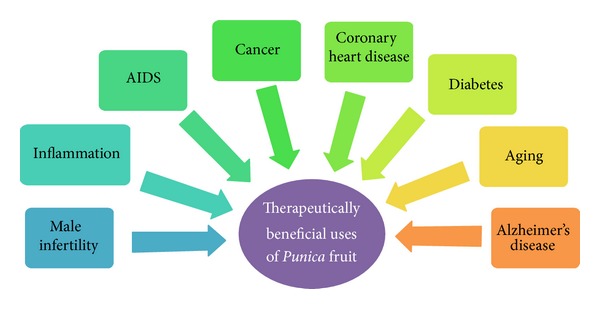
“The different anatomical compartments of the tree, that is, fruit, seed, juice, peel, leaf, flower, bark, and roots, are known to have varied pharmacological activities and extracts of these parts are known to target a wide range of diseases including cardiovascular disorders, diabetes, male infertility, Alzheimer’s d…”
BackgroundYang, X., Niu, Z., Wang, X., Lu, X., Jinyue, S., Carpena, M., Prieto, M. A., Simal‐Gándara, J., Xiao, J., Liu, C., et al. (2022) · Food Reviews International · doi:10.1080/87559129.2022.2110260 · Cited by 42
“The active ingredients of pomegranate are mainly divided into seven categories, namely: flavonoids, phenols, vitamins, alkaloids, triterpenes, sterols, and unsaturated fatty acids.([4,5])”
BackgroundShaban, N. Z., Talaat, I. M., El-Rashidy, F. H., Hegazy, A. Y., & Sultan, A. (2017) · The journal of nutrition health & aging · doi:10.1007/s12603-017-0884-5 · Cited by 39
“Phytoestrogens have gained major attention both in research and clinical fields due to its effectiveness in the prevention and treatment of perimenopausal symptoms, when compared to hormone replacement therapy (HRT) (8 -10).”
InfluentialShields, M. A. (2016) · Elsevier eBooks · doi:10.1016/b978-0-12-802104-0.00014-7 · Cited by 53
García-Pastor, M. E., Giménez, M. J., Valverde, J. M., Guillén, F., Castillo, S., Martínez‐Romero, D., Serrano, M., Valero, D., & Zapata, P. J. (2020) · Agronomy · doi:10.3390/agronomy10101522 · Cited by 34
“Pomegranate is considered as a highly nutritious fruit in which the edible parts of the fruit (arils) contain considerable amount of proteins, carbohydrates, minerals, sugars, vitamins, polysaccharides, and bioactive compounds such as anthocyanins and polyphenols [9].”
BackgroundOżarowski, M., Karpiński, T. M. M., Szulc, M., Wielgus, K., Kujawski, R., Wolski, H., & Seremak‐Mrozikiewicz, A. (2021) · Pharmaceuticals · doi:10.3390/ph14030269 · Cited by 39
“(Lythraceae) contain high levels of phenolic compounds, tannins, and anthocyanins [31,32].”
BackgroundLu, G., Zhang, K., Que, Y., & Li, Y. (2023) · Frontiers in Plant Science · doi:10.3389/fpls.2023.1132551 · Cited by 35
“Pomegranate fruit is rich in punicic acid, quinic acid, flavanoids, phenolics, vitamin C and other characteristic nutrients, and has antioxidant, anticancer, anti-inflammatory and other effects (Sreekumar et al., 2014; Akhtar et al., 2015; Passafiume et al., 2019; Paul and Radhakrishnan, 2020).”
BackgroundRodriguez, J., Caille, O., Ferreira, D., & Francaux, M. (2017) · Molecular Nutrition & Food Research · doi:10.1002/mnfr.201600169 · Cited by 32
Castagna, F., Bava, R., Musolino, V., Piras, C., Cardamone, A., Carresi, C., Lupia, C., Bosco, A., Rinaldi, L., Cringoli, G., et al. (2022) · Animals · doi:10.3390/ani12202883 · Cited by 32
“Among the last ones, the major part is composed of gallic and ellagic acid, as documented in previous studies concerning pomegranate parts [47].”
ResultOverall quality of ready-to-eat pomegranate arils processed from cold stored fruit
Palma, A., Continella, A., Malfa, S. G. L., Gentile, A., & D’Aquino, S. (2015) · Postharvest Biology and Technology · doi:10.1016/j.postharvbio.2015.06.001 · Cited by 32
Márquez, D. B. M., Wong‐Paz, J. E., Aguilar‐Zárate, P., Sepúlveda, L., Buenrostro‐Figueroa, J., Ascacio‐Valdés, J. A., & Aguilar, C. N. (2021) · Environmental Technology & Innovation · doi:10.1016/j.eti.2021.102063 · Cited by 32
Antibacterial activity of polyphenol-rich pomegranate peel extract against Cronobacter sakazakii
Yemiş, G. P., Bach, S., & DELAQUIS, P. J. (2019) · International Journal of Food Properties · doi:10.1080/10942912.2019.1622564 · Cited by 34
“Consumer demand for pomegranate products is increasing in response to the nutritional quality and potential health benefits of the fruit attributed to the abundance of bioactive phytochemicals in the edible aril and seed.([2]) However, processing generates substantial waste in the form of inedible pomegranate peel (Po…”
BackgroundMechanistic approach to herbal formulations used for urolithiasis treatment
Kant, R., Singh, T. G., & Singh, S. (2020) · Obesity Medicine · doi:10.1016/j.obmed.2020.100266 · Cited by 35
The combined effect of pomegranate extract and tangeretin on the DMBA-induced breast cancer model
Gül, H. F., İlhan, N., İlhan, N., Özercan, İ. H., & Kuloğlu, T. (2020) · The Journal of Nutritional Biochemistry · doi:10.1016/j.jnutbio.2020.108566 · Cited by 33
New insights on phenolic compound metabolism in pomegranate fruit during storage
Liu, C., Zhang, Z., Dang, Z., Xu, J., & Ren, X. (2021) · Scientia Horticulturae · doi:10.1016/j.scienta.2021.110138 · Cited by 30
Ashkezari, M. H., & Salehifar, M. (2018) · Journal of Food Measurement & Characterization · doi:10.1007/s11694-018-9986-y · Cited by 30
Ali, M. Y., Zaib, S., Jannat, S., & Khan, I. A. (2022) · Bioorganic Chemistry · doi:10.1016/j.bioorg.2022.106137 · Cited by 31
Bassiri‐Jahromi, S., & Doostkam, A. (2018) · AIMS Agriculture and Food · doi:10.3934/agrfood.2019.1.41 · Cited by 31
“Pomegranate peel is a significant source of bioactive compounds such as flavonoids, polyphenols, ellagitannins, and proanthocyanidin [34]; however, this part of the fruit is inedible.”
Estrogenic Potentials of Traditional Chinese Medicine
Kiyama, R. (2017) · The American Journal of Chinese Medicine · doi:10.1142/s0192415x17500756 · Cited by 28
Valdés-Sustaita, B., Estrada-Camarena, E. M., González-Trujano, M. E., & López‐Rubalcava, C. (2020) · Neurochemistry International · doi:10.1016/j.neuint.2020.104904 · Cited by 30
Sepehr, K. S., Baradaran, B., Mazandarani, M., Yousefi, B., Abdollahpour‐Alitappeh, M., & Khori, V. (2014) · Europe PMC (PubMed Central) · doi:10.5681/apb.2014.086 · Cited by 30
Disease Detection in Pomegranate using Image Processing
Sharath, D. M., Akhilesh, A., Rohan, M. G., Kumar, S. A., & Prathap, C. (2020) · International Conference on Trends in Electronics and Informatics (ICOEI) · doi:10.1109/icoei48184.2020.9142972 · Cited by 25
A Synergistic Combination of DHA, Luteolin, and Urolithin A Against Alzheimer’s Disease
Jayatunga, D. P. W., Hone, E., Fernando, W. M. A. D. B., Garg, M. L., Verdile, G., & Martins, R. N. (2022) · Frontiers in Aging Neuroscience · doi:10.3389/fnagi.2022.780602 · Cited by 28
Abdelrahman, K. N., Ghany, A. G. A. A., Saber, R., Osman, A., Sitohy, B., & Sitohy, M. Z. (2024) · Heliyon · doi:10.1016/j.heliyon.2024.e32222 · Cited by 28
Young, J. E., Pan, Z., Teh, H. E., Menon, V. P., Modereger, B. A., Pesek, J. J., Matyska, M. T., Dao, L., & Takeoka, G. R. (2017) · Journal of Separation Science · doi:10.1002/jssc.201601310 · Cited by 24
Nawaz, M., Pan, J., Liu, H., Umer, M. J., Liu, J., Yang, W., Lv, Z., Zhang, Q., & Jiao, Z. (2025) · Bioresources and Bioprocessing · doi:10.1186/s40643-025-00874-9 · Cited by 29
“The peel of pomegranates is an important part of the fruit, contributes almost 50% of its total weight and is an important source of bioactive compounds (Elkahoui et al. 2024; Salim et al. 2023; Jebahi et al. 2022; Sreekumar et al. 2014; Viuda-Martos et al. 2010).”
Illam, S. P., Hussain, A., Elizabeth, A., Narayanankutty, A., & Raghavamenon, A. C. (2019) · Toxicology Reports · doi:10.1016/j.toxrep.2019.07.005 · Cited by 22
Functional beverages: recent trends and prospects as potential meal replacers
Kaur, R., Shekhar, S., & Prasad, K. (2024) · Food Materials Research · doi:10.48130/fmr-0023-0041 · Cited by 46
Mustafa, S. M., Chua, L. S., Enshasy, H. A. E., Majid, F. A. A., & Hanapi, S. Z. (2020) · Process Biochemistry · doi:10.1016/j.procbio.2020.01.014 · Cited by 22
Choukade, R., Jaiswal, A., & Kango, N. (2020) · 3 Biotech · doi:10.1007/s13205-020-02450-8 · Cited by 22
Analysis of the Coloring and Antibacterial Effects of Natural Dye: Pomegranate Peel
Bouaziz, A., Dridi, D., Gargoubi, S., Chelbi, S., Boudokhane, C., Kénani, A., & Aroui, S. (2021) · Coatings · doi:10.3390/coatings11111277 · Cited by 22
“In addition, pomegranate peel accounts for nearly half of the entire weight of the fruit [14].”
BackgroundKüçüker, E., Ağlar, E., Sakaldaş, M., Şen, F., & Gündoğdu, M. (2023) · Plants · doi:10.3390/plants12061291 · Cited by 21
“Polyphenolics are secondary metabolites that increase the quality and antioxidant properties of fruits nd vegetables, such as firmness, flavor, bitterness, and col r, and contribute to the defense mechanism of the pla t [57].”
BackgroundHusari, A. W., Hashem, Y., Bitar, H., Dbaibo, G. S., Zaatari, G. S., & El-Sabban, M. E. (2016) · International Journal of COPD · doi:10.2147/copd.s97027 · Cited by 23
“4 The combination of polyphenols with other phytochemicals such as ellagic acid synergistically enhances the superior antioxidant properties of PJ. 18 In addition, there is the added benefit of the anti-inflammatory properties of polyphenols due to the inhibition of nuclear factor kappa B (NF-κ B) expression/activatio…”
InfluentialBiałek, A., Białek, M., Lepionka, T., Tober, E., & Czauderna, M. (2020) · Journal of Dietary Supplements · doi:10.1080/19390211.2020.1770394 · Cited by 21
“, diabetes, cancer, and hyperlipidemia (Sreekumar et al. 2014; Białek et al. 2017).”
BackgroundJuice and by‐products from pomegranate to enrich pancake: characterisation and shelf‐life evaluation
Incoronato, A. L., Cedola, A., Conte, A., & Nobile, M. A. D. (2020) · International Journal of Food Science & Technology · doi:10.1111/ijfs.14926 · Cited by 24
Naeem, G. A., Muslim, R. F., Rabeea, M. A., Owaid, M. N., & Abd-Alghafour, N. M. (2020) · Environmental Nanotechnology Monitoring & Management · doi:10.1016/j.enmm.2020.100390 · Cited by 20
Mestry, S. N., & Juvekar, A. R. (2017) · Oriental Pharmacy and Experimental Medicine · doi:10.1007/s13596-017-0274-x · Cited by 19
“2012); flavonols such as luteolin and apigenin (Sharma and Maity 2010); sterols, saponins, flavanoids, tannins, flavones and glycosides (Sreekumar et al. 2014) whereas the major compounds stated to be present are brevifolin, brevifolin carboxylic acid, ethyl brevifolincarboxylate,”
BackgroundUrolithins: The Colon Microbiota Metabolites as Endocrine Modulators: Prospects and Perspectives
Vini, R., Azeez, J. M., Remadevi, V., Susmi, T. R., Ayswarya, R. S., Sujatha, A. S., Parvathy, M., Lathika, L. M., & Sreeja, S. (2022) · Frontiers in Nutrition · doi:10.3389/fnut.2021.800990 · Cited by 26
“Our earlier studies have shown that pomegranate has a protective role in osteoporosis (86) using MC3T3-E1 cells and ovariectomised Swiss–albino mice.”
MethodSelf-citationMachado, J. C. B., Ferreira, M. R. A., & Soares, L. A. L. (2022) · Food Bioscience · doi:10.1016/j.fbio.2022.102220 · Cited by 18
Preventing oxidation of canola and sunflower oils by addition of pomegranate seed oil
Siraj, N., Shabbir, M. A., Khan, M., & Rehman, K. U. (2018) · Acta Alimentaria · doi:10.1556/066.2018.0005 · Cited by 19
Leesombun, A., Sariya, L., Taowan, J., Nakthong, C., Thongjuy, O., & Boonmasawai, S. (2022) · Plants · doi:10.3390/plants11172258 · Cited by 19
“The major constituents of pomegranate bark are ellagitannins, piperidine alkaloids, pyrrolidine alkaloids, and pelletierine alkaloids [21], which have molluscicidal activity against the snail Lymnaea acuminate [22] and anti-candida activities [23].”
BackgroundVini, R., Azeez, J. M., & Sreeja, S. (2016) · IUBMB Life · doi:10.1002/iub.1465 · Cited by 17
“very high antioxidant activity antiproliferative, anti-invasive, antiaromatase and proapoptotic agents in various breast cancer cell lines and animal models (5,6).”
BackgroundSelf-citation
Metadata
- Authors
- Sreekumar, S., Sithul, H., Muraleedharan, P., Azeez, J. M., & Sreeharshan, S.
- Affiliations
- Rajiv Gandhi Centre for Biotechnology (IN)
- Cancer Research Program, Rajiv Gandhi Centre for Biotechnology, Thycaud P.O, Thiruvananthapuram, Kerala 695 014, India
- Venue
- BioMed Research International
- Publisher
- Wiley
- Published
- 2014
- Volume
- 2014
- Pages
- 1-12
- ISSN
- 1110-7243 (ISSN-L)
- 2314-6133
- 2314-6141
- PMC
- PMC4000966
- OpenAlex
- W2021488853
- Cited by
- 258
- References
- 106
- Citations by year
- 2026: 9 · 2025: 16 · 2024: 29 · 2023: 29 · 2022: 32 · 2021: 36 · 2020: 34 · 2019: 20 · 2018: 17 · 2017: 13 · 2016: 16 · 2015: 6 · 2014: 1
- FWCI
- 1.37
- Type
- journal article
- Language
- en
- Open access
- hybrid
- doi.org
- Locations
- BioMed Research International (publishedVersion, cc-by)
- Europe PMC (PubMed Central) (publishedVersion, cc-by)
- PubMed Central (publishedVersion, cc-by)
- PubMed (publishedVersion)
- DOAJ (DOAJ: Directory of Open Access Journals) (submittedVersion)
- Funders
- Indian Council of Medical Research
- Council of Scientific and Industrial Research, India
- Topics
- Health Sciences › Nursing › Nutrition and Dietetics › Pomegranate: compositions and health benefits
- Life Sciences › Agricultural and Biological Sciences › Plant Science › Medicinal Plant Research
- Life Sciences › Agricultural and Biological Sciences › Plant Science › Natural Compound Pharmacology Studies
- Keywords
- Punica granatum, methanol extract, antiproliferative activity, breast cancer, endometrial cancer, cervical cancer, ovarian cancer, estrogen receptor, pS2, c-Myc, estradiol, cardioprotection, osteogenic differentiation, alkaline phosphatase, anti-osteoporotic effect, ovariectomized mice, MC3T3-E1 cells
- MeSH terms
- Animals, Biological Products, Fruit, Trees, Lythraceae, Phytoestrogens
About these checks
Registry, retraction, Cites and statistics results are computed, not judged, with one exception: a printed reference that no index lists is read once by a model before it counts as a citation error. Claims are extracted by a model and kept only when their quote appears verbatim in the text; each cited source is then checked, with a model’s help, for whether it says what the claim relies on. Those verdicts can be wrong — read the claim’s quote and the cited source before relying on one.
Statistics and arithmetic are recomputed, not judged.
Confidence bands are shown only for fields calibrated on our annotated test set. None is calibrated yet, so no band is shown.
What counts as a claim ›How we measure confidence ›How we check this ›
Are you an author, or do you see a problem with this page? Request a review
Data sources
Bibliographic data: Semantic Scholar, OpenAlex, Crossref.
Contains information from the Semantic Scholar Academic Graph Datasets, made available under the ODC Attribution License (ODC-BY 1.0).
Semantic Scholar’s data is described in: Kinney, R., et al. (2023). The Semantic Scholar Open Data Platform. arXiv:2301.10140.
