

Excess glucocorticoids inhibit murine bone turnover via modulating the immunometabolism of the skeletal microenvironment
Open accessThe DOI matches its Crossref record; 64 of the 64 references it cites were found in a registry or an index.
Abstract
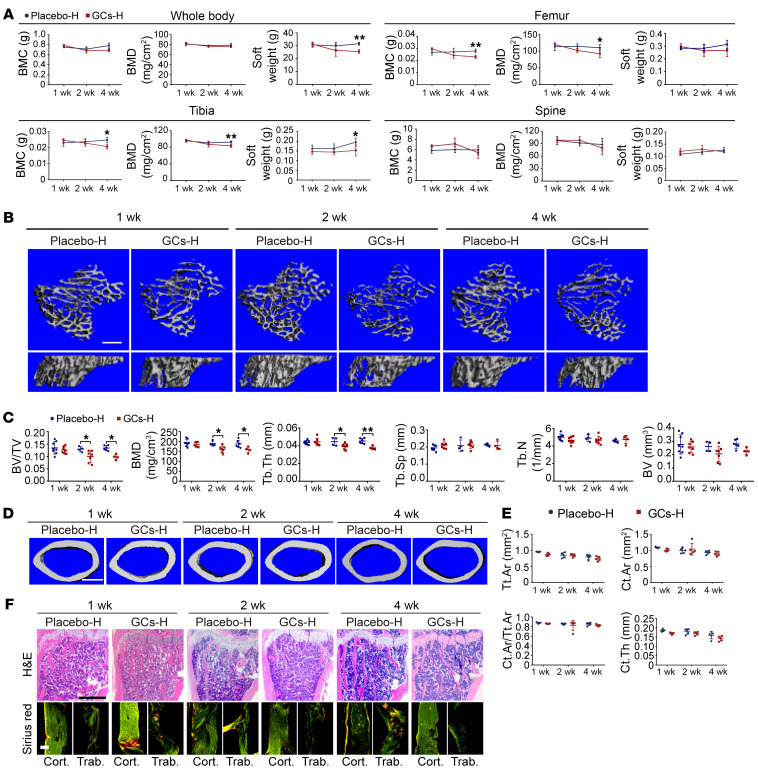
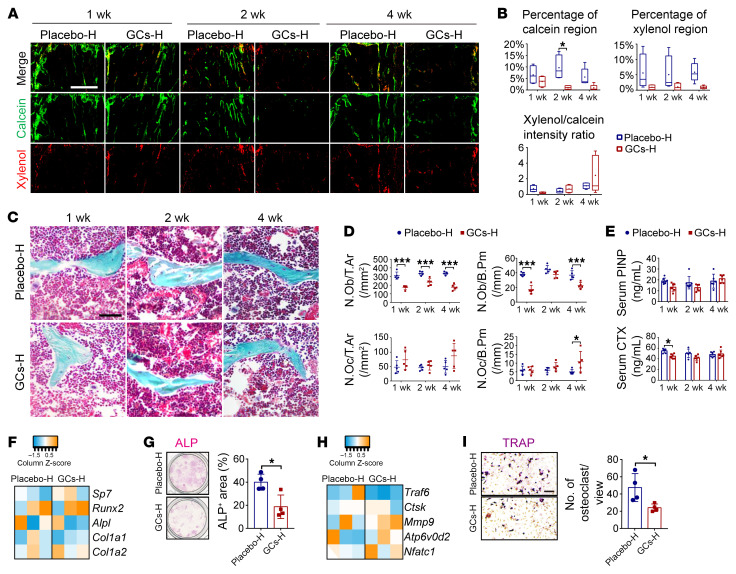
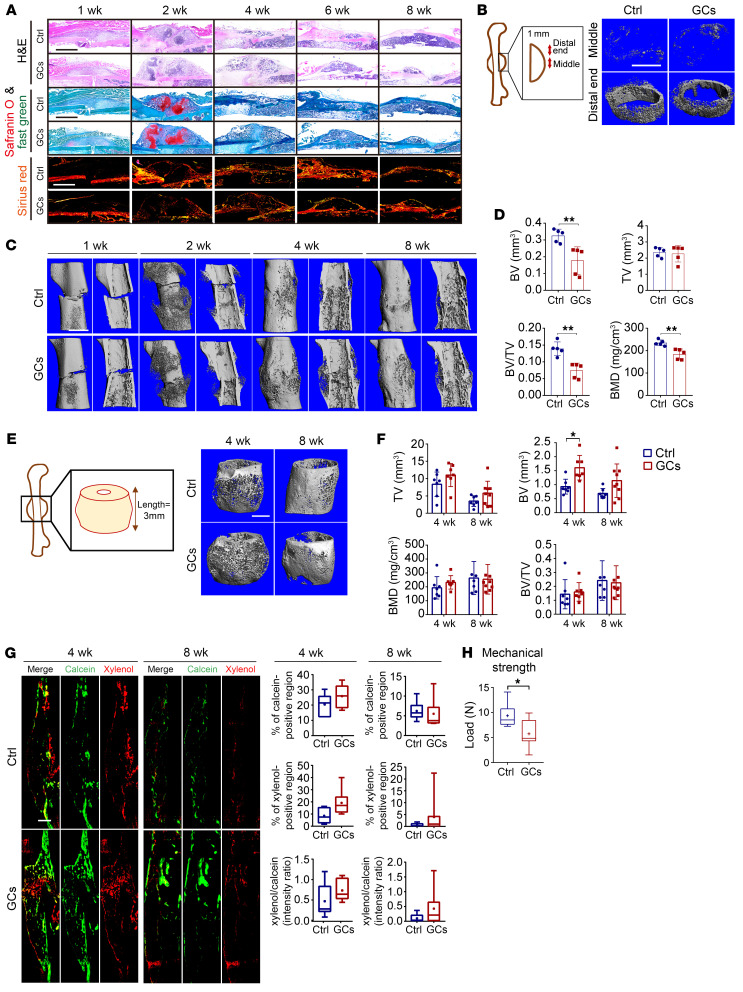
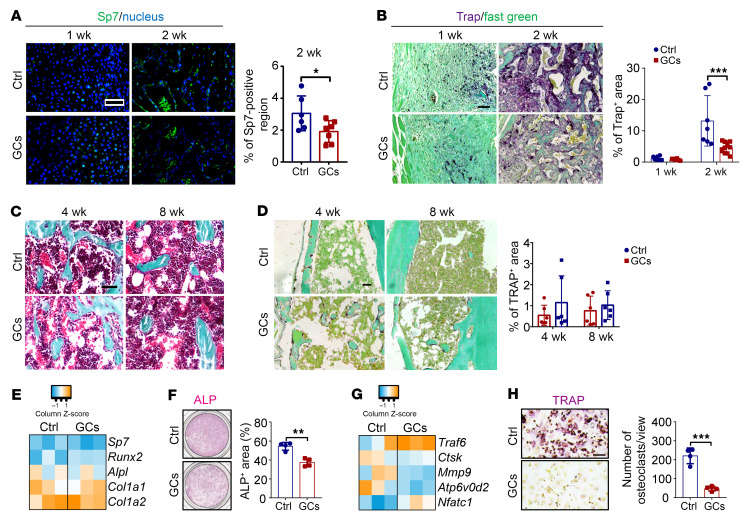
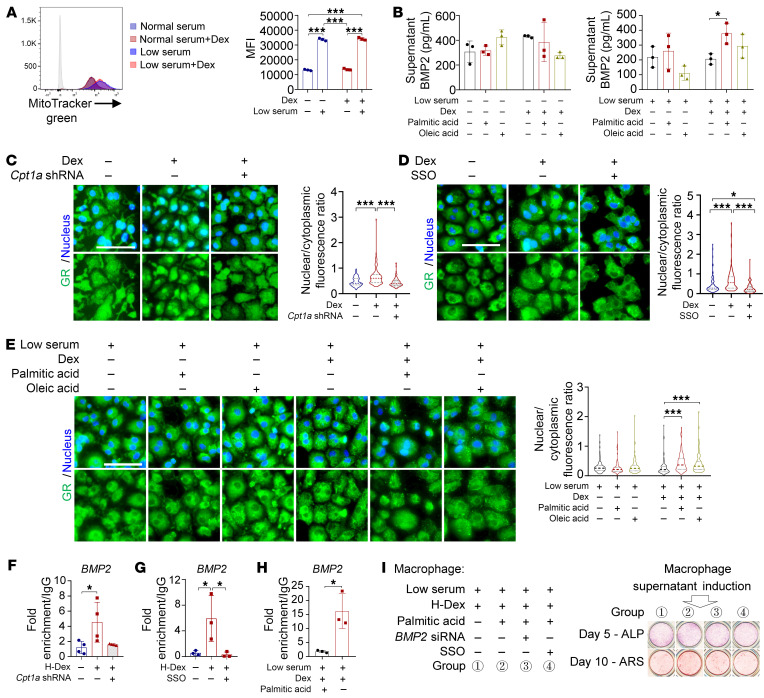
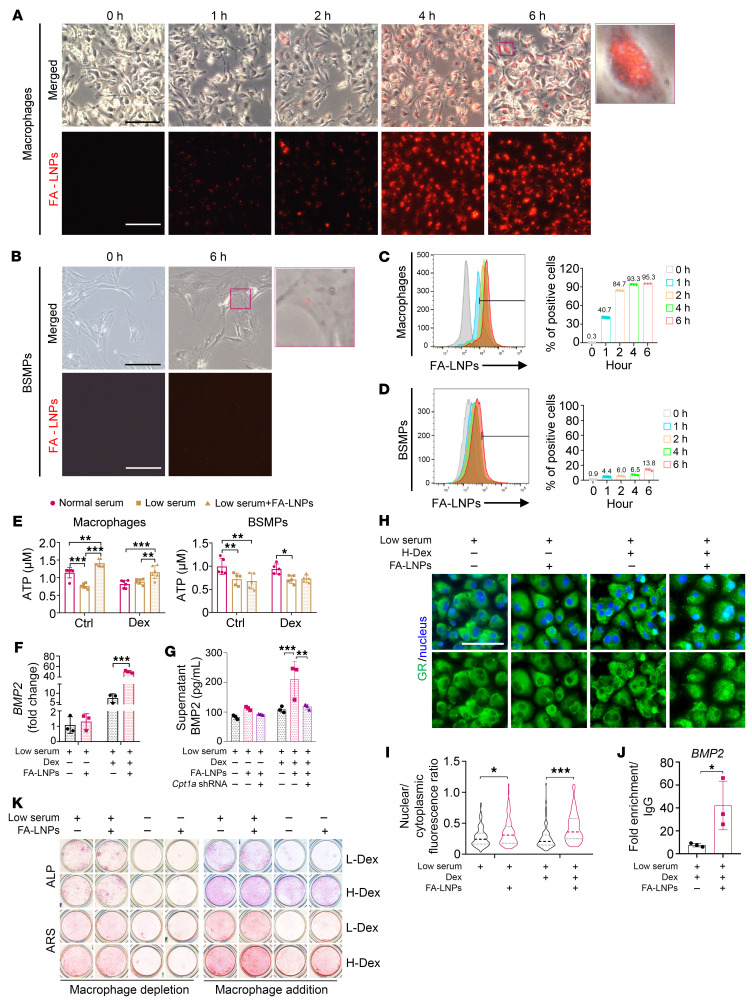
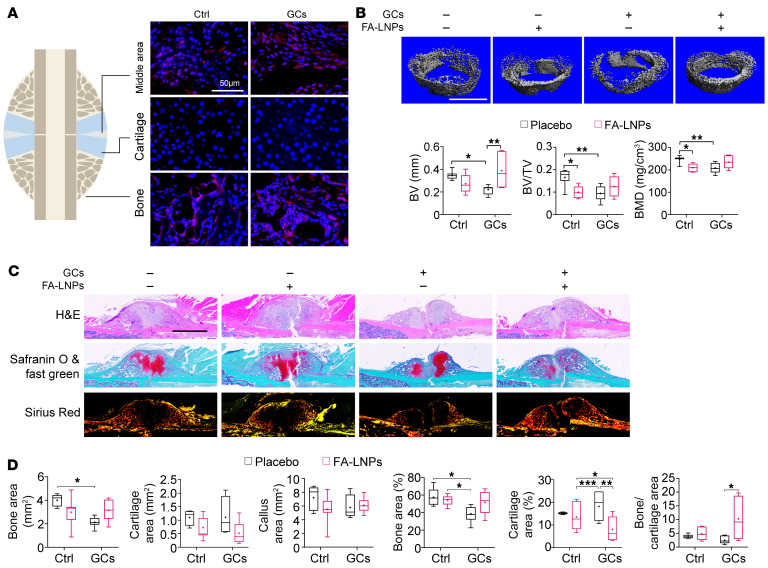
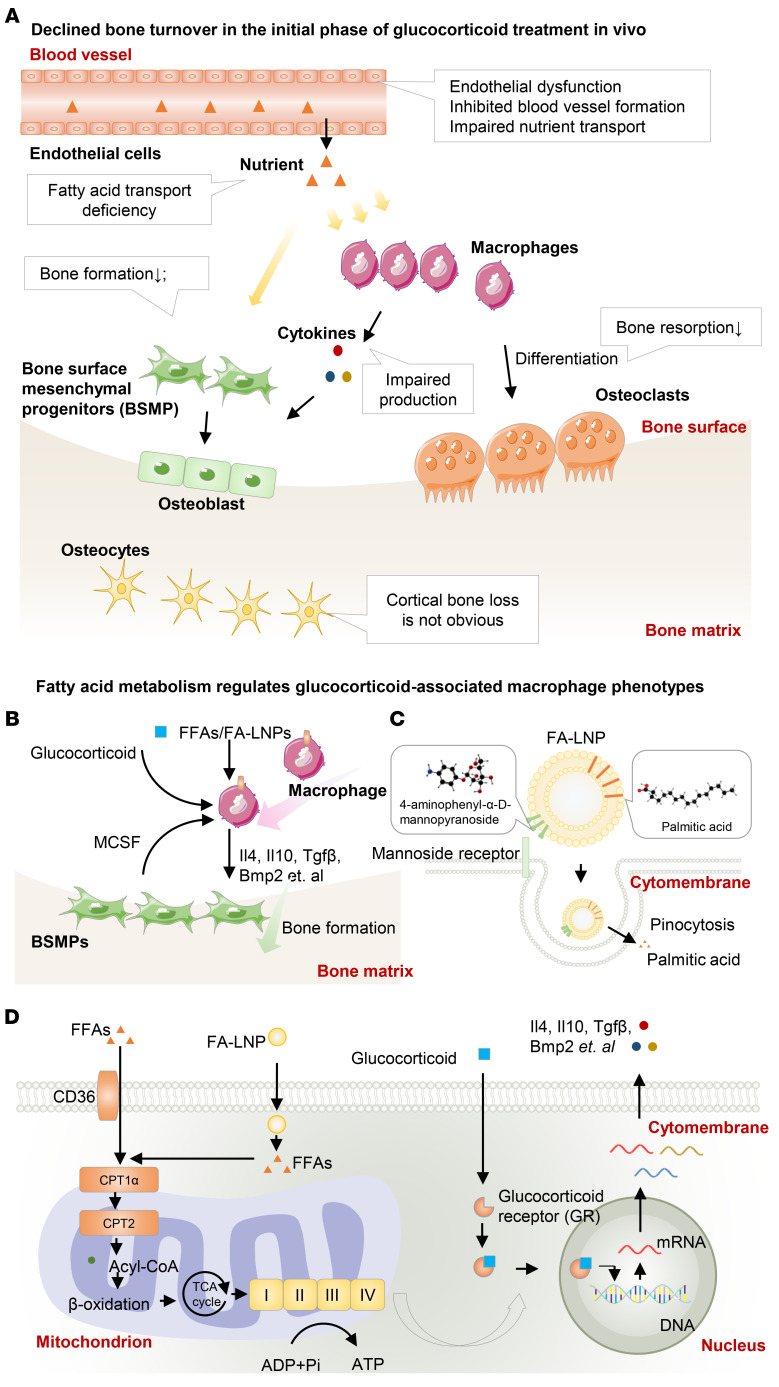
Elevated bone resorption and diminished bone formation have been recognized as the primary features of glucocorticoid-associated skeletal disorders. However, the direct effects of excess glucocorticoids on bone turnover remain unclear. Here, we explored the outcomes of exogenous glucocorticoid treatment on bone loss and delayed fracture healing in mice and found that reduced bone turnover was a dominant feature, resulting in a net loss of bone mass. The primary effect of glucocorticoids on osteogenic differentiation was not inhibitory; instead, they cooperated with macrophages to facilitate osteogenesis. Impaired local nutrient status - notably, obstructed fatty acid transportation - was a key factor contributing to glucocorticoid-induced impairment of bone turnover in vivo. Furthermore, fatty acid oxidation in macrophages fueled the ability of glucocorticoid-liganded receptors to enter the nucleus and then promoted the expression of BMP2, a key cytokine that facilitates osteogenesis. Metabolic reprogramming by localized fatty acid delivery partly rescued glucocorticoid-induced pathology by restoring a healthier immune-metabolic milieu. These data provide insights into the multifactorial metabolic mechanisms by which glucocorticoids generate skeletal disorders, thus suggesting possible therapeutic avenues.
Overview
The claims and statistics of this paper haven’t been checked yet.
Free: it reads the open-access text and checks the first 5 claims that cite a source we can check. Create a free account to check every claim.
Integrity signals
Registry
Cites
Statistics
Figures
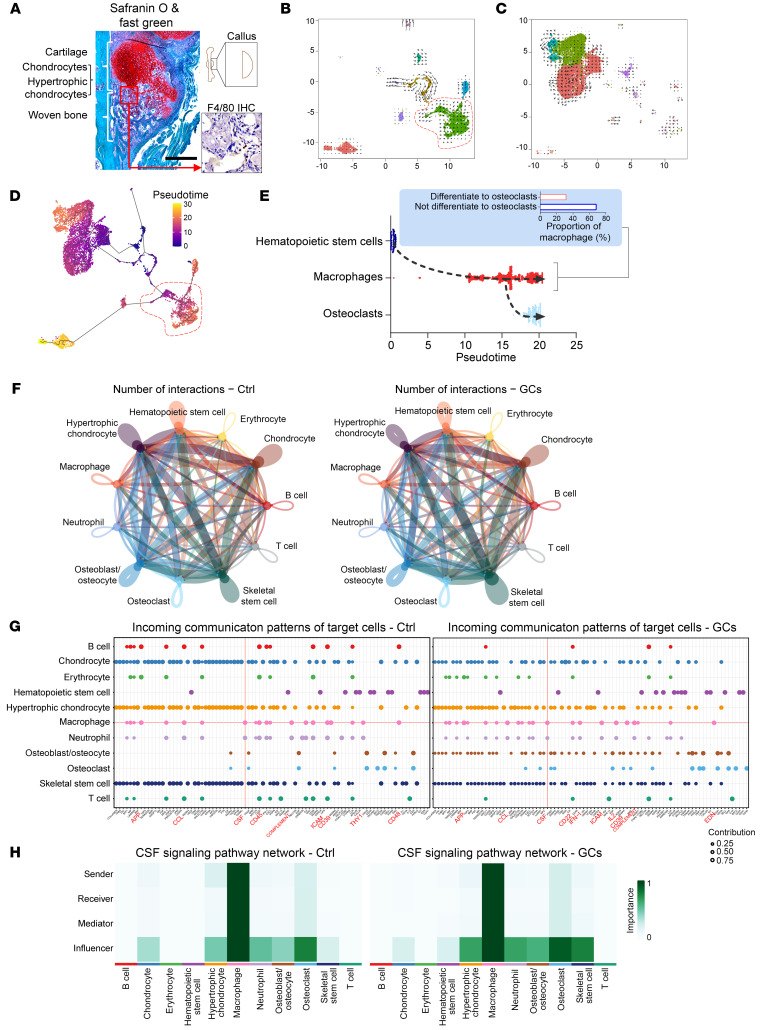
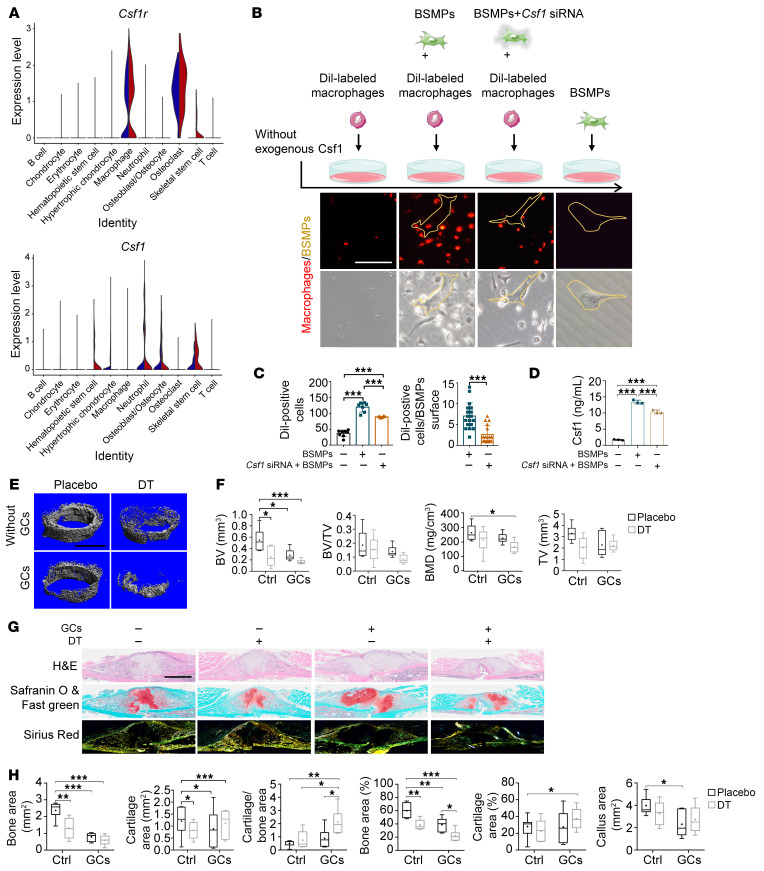
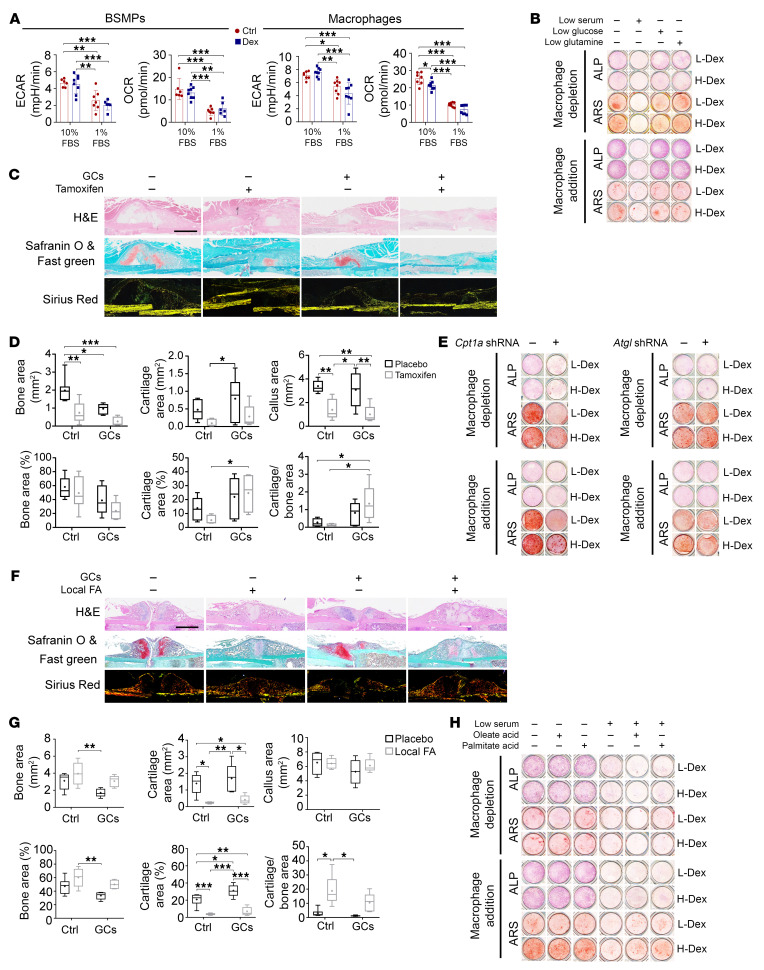
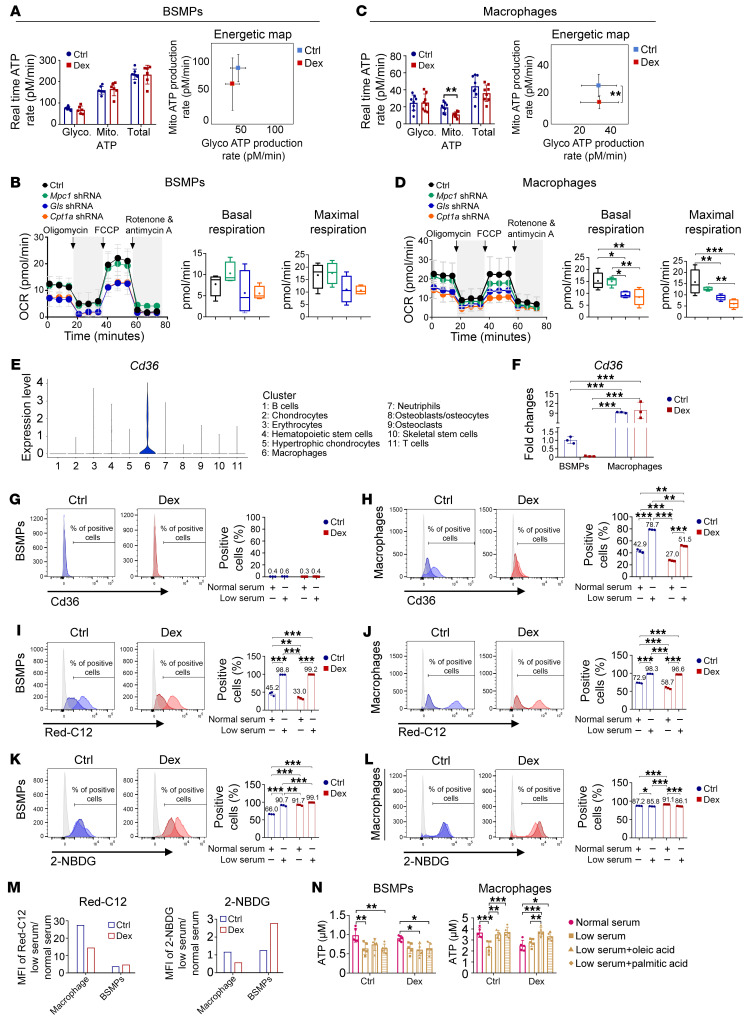
Verification
Claims the paper makes
The claims and statistics of this paper haven’t been checked yet.
Free: it reads the open-access text and checks the first 5 claims that cite a source we can check. Create a free account to check every claim.
Self-check
Percentages, sums and reported differences re-computed from the paper’s own numbers.
The self-check needs the paper’s full text.
Citations
Cites
Dexamethasone in Hospitalized Patients with Covid-19
The RECOVERY Collaborative Group (2021) · New England Journal of Medicine · doi:10.1056/nejmoa2021436 · Cited by 11,477
A Simple Practice Guide for Dose Conversion between Animals and Human
Nair, A., & Jacob, S. (2016) · Journal of Basic and Clinical Pharmacy · doi:10.4103/0976-0105.177703 · Cited by 6,174 · cited 1×
“According to a dose conversion guide (45), the mouse doses of 2.1 mg/kg/d and 6.25 mg/kg/d of prednisolone are approximately equivalent to human doses of 10 mg/d and 30 mg/d, respectively (based on a 60 kg body weight).”
InfluentialMechanisms of fatty acid-induced inhibition of glucose uptake.
Boden, G., Chen, X., Ruiz, J., White, J. V., & Rossetti, L. (1994) · Journal of Clinical Investigation · doi:10.1172/jci117252 · Cited by 3,705
Antiinflammatory Action of Glucocorticoids — New Mechanisms for Old Drugs
Rhen, T., & Cidlowski, J. A. (2005) · New England Journal of Medicine · doi:10.1056/nejmra050541 · Cited by 3,149 · cited 1×
“Upon binding of GCs to the GR in the cytoplasm, GR translocates to the nucleus, where it regulates gene expression by binding to GC response elements within the promoters of various genes (44).”
Immune regulation by glucocorticoids
Cain, D. W., & Cidlowski, J. A. (2017) · Nature Reviews Immunology · doi:10.1038/nri.2017.1 · Cited by 1,846
Weinstein, R. S., Jilka, R. L., Parfitt, A. M., & Manolagas, S. C. (1998) · Journal of Clinical Investigation · doi:10.1172/jci2799 · Cited by 1,753 · cited 1×
“A formidable number of studies have concluded that activated bone resorption and inhibition of bone formation are the primary features of GC-induced bone loss (7–10).”
Cell-intrinsic lysosomal lipolysis is essential for alternative activation of macrophages
Huang, S. C.-C., Everts, B., Ivanova, Y., O'Sullivan, D., Nascimento, M., Smith, A. M., Beatty, W., Love-Gregory, L., Lam, W. Y., O'Neill, C. M., et al. (2014) · Nature Immunology · doi:10.1038/ni.2956 · Cited by 1,214
Free Fatty Acid Receptors in Health and Disease
Kimura, I., Ichimura, A., Ohue-Kitano, R., & Igarashi, M. (2020) · Physiological Reviews · doi:10.1152/physrev.00041.2018 · Cited by 1,018 · cited 2×
“As fatty acids also function as signaling molecules that activate free fatty acid receptors (FFARs) (40), to test the involvement of FFAR signaling, we activated FFAR1 by using GW9508.”
Langenbach, F., & Handschel, J. (2013) · Stem Cell Research & Therapy · doi:10.1186/scrt328 · Cited by 662
Buttgereit, F., Da Silva, J. A. P., Boers, M., Burmester, G.-R., Cutolo, M., Jacobs, J., Kirwan, J., Köhler, L., van Riel, P., Vischer, T., et al. (2002) · Annals of the Rheumatic Diseases · doi:10.1136/ard.61.8.718 · Cited by 544
Cited by
Conductive Hydrogel Inspires Neutrophil Extracellular Traps to Combat Bacterial Infections in Wounds
Ouyang, L., Lin, Z., He, X., Sun, J., Liao, J., Liao, Y., Xie, X., Hu, W., Zeng, R., Tao, R., et al. (2025) · ACS Nano · doi:10.1021/acsnano.4c14487 · Cited by 39
Self-citationTao, D., Wang, H., Chang, S., Cheng, J., Da, N., Zhang, L., Yang, J., Wang, W., Xu, F., & Li, B. (2025) · Advanced Healthcare Materials · doi:10.1002/adhm.202405097 · Cited by 42
Wang, C.-Y., Wu, Q., Zhuang, L., Chen, Y., Zhang, Q., Wu, Y., Jin, M., Miao, J., Wang, X., Xu, J., et al. (2025) · Journal of Advanced Research · doi:10.1016/j.jare.2025.07.046 · Cited by 60
“Consequently, the enhanced fatty acid uptake mediated by CD36 and subsequent oxidation support macroph age polarization toward the M2 phenotype, thereby facilitating bone healing and regeneration [73].”
InfluentialSelf-citationWang, J., Xin, Y., Dong, Z., Li, S., & Yang, G. (2025) · Experimental Gerontology · doi:10.1016/j.exger.2025.112974 · Cited by 22
Advances in the mechanism for steroid-induced osteonecrosis of the femoral head
Zhou, R., Bian, Y., Cai, X., Sun, H., Lv, Z., Xu, Y., Wang, Y., Wang, H., Zhu, W., Feng, B., et al. (2026) · Bone Research · doi:10.1038/s41413-025-00477-2 · Cited by 21
“162,163 Nevertheless, GCs have also been revealed to disrupt the Smad proteins to inhibit the TGF-β /Smad pathway.”
Liang, T., Jin, Z., Lin, Y., Chen, Z., Li, Y., Xu, J., Yang, F., & Qin, L. (2025) · Military Medical Research · doi:10.1186/s40779-025-00600-8 · Cited by 24
“Disruption of this equilibrium underlies pathologies like osteoporosis and fracture healing delay, highlighting the clinical significance of understanding bone metabolism process [4, 5].”
Self-citationChen, Y., Xie, Y., & Yu, X. (2025) · Frontiers of Medicine · doi:10.1007/s11684-025-1129-3 · Cited by 18
Yuan, W., Huang, M., Chen, W., Chen, S., Cai, J., Chen, L., Lin, H., He, K., Chen, H., Jiang, W., et al. (2024) · Journal of Nanobiotechnology · doi:10.1186/s12951-024-02988-2 · Cited by 12
Zhang, Y., Song, Q., Yang, S., Xiao, J., Wang, F., Fu, C., Xing, X., Wu, J., Zhang, S., Zhu, Y., et al. (2025) · Composites Part B Engineering · doi:10.1016/j.compositesb.2025.112305 · Cited by 13
Self-citationXu, S., Shao, H., Jin, Z., Xu, J., Deng, F., Zhang, Y., Zhou, L., Ling, S. K.-K., Ning, C., Tong, W., et al. (2025) · Interdisciplinary materials · doi:10.1002/idm2.70003 · Cited by 21
“According to our previous research, the transwell assay was used to evaluate in vitro cell migration ability [49].”
Self-citationCao, H., Shi, K., Long, J., Liu, Y., Meng, X., Huang, C., Hao, J., Li, L., Zhao, Y., Ye, T., et al. (2025) · Journal of Orthopaedic Translation · doi:10.1016/j.jot.2025.03.010 · Cited by 9
“GCs are known to inhibit osteoblast activity by obstructing cellular metabolism and inducing apoptosis, resulting in a suppression of the bone turnover rate [47].”
Self-citationWang, J., Cao, J., Zhang, S., Chen, H., Yu, X., Wang, X., Wang, T., Cao, W., Dong, W., Lin, X., et al. (2025) · Advanced Science · doi:10.1002/advs.202415667 · Cited by 14
Self-citationAmbrosi, T. H., Morales, D., Chen, K., Hunt, E. J., Weldon, K. C., Maifeld, A. N., Chávez, F. S., Wang, Y., Zhao, L., Wang, L., et al. (2025) · Nature Communications · doi:10.1038/s41467-025-62881-w · Cited by 7
“In line with a recent report on the effect of GCs on fracture healing 16 , we observed reduced bone remodeling dynamics in grafts derived from Basigin-overexpressing cells that were less mineralized and showed low bone resorption activity by host-derived osteoclasts (Fig.”
Pan, T., Dong, Z., Zhang, H., Yang, F., & Chen, Y. (2025) · Frontiers in Physiology · doi:10.3389/fphys.2025.1685955 · Cited by 7
Pro-aging effects of chronic glucocorticoid signaling
Lambertucci, F., Castinetti, F., Martins, I., López-Otín, C., & Kroemer, G. (2026) · Cell Metabolism · doi:10.1016/j.cmet.2026.05.002 · Cited by 10
Shao, Z., Deng, Q., Cheng, L., Wu, J., Sun, W., Liang, W., & Li, H. (2025) · Frontiers in Immunology · doi:10.3389/fimmu.2025.1680305 · Cited by 6
Fan, X., Zhang, Y., Li, X., Ding, J., Huang, J., Lian, K., Duan, P., Hu, C., & Xu, J. (2025) · Scientific Reports · doi:10.1038/s41598-025-15284-2 · Cited by 5
Self-citationThe role of CD8+ T cells in the immunoregulation of osteoporosis
Chen, Z., Hu, H., Hu, D., Du, Q., Yang, H. U. I., Xu, R., Yu, P., Hu, X., & Hu, J. (2026) · Frontiers in Immunology · doi:10.3389/fimmu.2026.1874242 · Cited by 4
Sulfated chitosan mitigates acute lung injury induced bone loss via immunoregulation
Liu, Y., Ji, L., Zhu, F., Yu, J., Huang, D., Cui, J., Wang, X., Wang, J., & Liu, C. (2026) · Bone Research · doi:10.1038/s41413-025-00475-4 · Cited by 4
“32 Therefore, current GC medications can alleviate in fl ammation but pose a threat to bone health.”
Self-citationFTMT-mediated suppression of mitophagy links iron accumulation to osteoporosis
Zhang, R., Wang, Y., Li, L., Li, J., Feng, G., Hu, Y., Liu, G., Wang, X., Zhang, J., Wei, P., et al. (2026) · Redox Biology · doi:10.1016/j.redox.2026.104157 · Cited by 3
“While BMSCs are currently the main-stream and most widely used model for investigating osteogenic differentiation and its molecular regulation, they may not fully reflect the heterogeneity of stem/progenitor cells across distinct skeletal microen-vironments [59].”
Self-citationLuo, H., Zhang, J., Zhang, F., & Peng, W. (2025) · Biochemical and Biophysical Research Communications · doi:10.1016/j.bbrc.2025.152015 · Cited by 2
Wang, Z., Huang, C., Liu, S., Xiao, P., Lu, Z., Xu, Y., & Tian, Y. (2025) · Communications Biology · doi:10.1038/s42003-025-08985-x · Cited by 3
“Furthermore, one study reported that GCs exerted an inhibitory effect on osteoclast differentiation 35 .”
Yan, Y., Zhang, J., Li, N., Li, J., Wen, Y., Wang, Y., & Huang, Y. (2026) · Frontiers in Immunology · doi:10.3389/fimmu.2026.1782149 · Cited by 2
“Existing research indicates that impaired fatty acid b − oxidation in osteoblasts can signi fi cantly weaken bone formation capacity (72, 73).”
Deng, J., Zeng, X., Zhang, K., Zhang, T., Dong, Y., Zou, J., Wu, C.-X., Li, Y., Li, F., & Guan, Z. (2024) · Biological Trace Element Research · doi:10.1007/s12011-024-04327-w · Cited by 3
Self-citationZhang, W., Zhang, S., He, M., Hu, W., Han, W., Zha, K., Feng, Q., Liu, G., Zhao, Y., & Mi, B. (2024) · Advanced Functional Materials · doi:10.1002/adfm.202413913 · Cited by 2
Gan, D., Qin, L., & Xiao, G. (2026) · Research · doi:10.34133/research.1319 · Cited by 1
“Further study showed that excess exogenous glucocorticoids inhibit murine bone turnover by impairing fatty acid transportation in the skeletal microenvironment [ 31 ].”
Self-citationLi, X., Huo, Z., Wang, Z., Deng, H., Shao, H., Li, Y., & Jiang, C. (2026) · Journal of Functional Biomaterials · doi:10.3390/jfb17030119 · Cited by 1
“Glucose uptake was assessed by incubating TSCs with 300 µ M 2-NBDG (Thermo Fisher Scientific, Waltham, MA, USA) for 24 h as previously described [28].”
Self-citationLv, Z., Cai, X., Xu, Y., Yang, X. L., Wang, R., Wang, H., Bian, Y., Xu, J., Lü, J., Liu, L., et al. (2026) · Advanced Science · doi:10.1002/advs.75897 · Cited by 1
“Physiological levels of GC could enhance BMSC osteogenesis, while excessive levels disrupt BMSC homeostasis, diminishing their proliferation and osteogenic differentiation capacity [ 11, 12 ].”
Self-citationWang, J.-L., Huang, S.-M., Rong, N.-K., Zhou, S.-H., Sun, Y., & Sun, J. (2026) · Journal of Molecular Biology · doi:10.1016/j.jmb.2026.169679 · Cited by 1
Fang, Q., Chen, B., Lu, S., Li, G., Chen, D., Song, W., Zhu, Q., Ding, P., Zhu, D., Gao, Y., et al. (2026) · Bone · doi:10.1016/j.bone.2026.117875
Fang, L. (2026) · American Journal of Translational Research · doi:10.62347/hrcu4503
Bone health in asthma: a twofold effect of disease and pharmacotherapy
Yang, S., Wang, Y., Li, X., Niu, Y., Lei, L., & Han, Z. (2026) · Frontiers in Endocrinology · doi:10.3389/fendo.2026.1799396
Self-citationHermsmeyer, I. D. K., Li, Z., & MacDougald, O. A. (2026) · Current Opinion in Endocrine and Metabolic Research · doi:10.1016/j.coemr.2026.100617
“Restoring fatty acid supply to macrophages, including via targeted lipid nanoparticles, reprograms their metabolism and partially rescues bone formation and fracture repair [32].”
Yuan, B., Fu, J., Zhao, Y., Zheng, G., Lin, H., Chen, X., Guo, X., & Shi, J. (2026) · Materials Today Bio · doi:10.1016/j.mtbio.2026.103389 · Cited by 2
“This metabolic shift, coupled with tissue necrosis, generates an acidic milieu that further inhibits mineralization and cell viability [17].”
Li, Q., Zhou, F., Zeng, S., Gao, Y., Shen, Q., Wu, Y., Ma, C., Lin, Y., Xiao, J., & Huang, K. (2026) · Chemical Engineering Journal · doi:10.1016/j.cej.2026.179350
Jiang, G., Buccino, F., & Vergani, L. M. (2026) · Frontiers in Bioengineering and Biotechnology · doi:10.3389/fbioe.2026.1812439
Wang, Z., Li, Y., Zhang, S., Bao, J., Ling, P., Huang, Y., Zhu, S., & Xie, Z. (2026) · In Vitro Cellular & Developmental Biology - Animal · doi:10.1007/s11626-026-01227-2
Self-citationNUDT2 and a proteome-wide causal map of plasma proteins in osteoporosis
Wang, Z., Chen, S., Luo, J., Liu, Z., Wen, J., Feng, B., Wen-hao, Y. E., Ma, J.-C., Chen, Z., Li, Z., et al. (2026) · Journal of Advanced Research · doi:10.1016/j.jare.2026.08.023
Zhu, Y., Wang, Z., Huo, Z., Zhang, D., Zhao, Y., Xie, J., Li, H., Zhao, T., Li, P., Wang, Z., et al. (2026) · Journal of Orthopaedic Translation · doi:10.1016/j.jot.2026.101195 · Cited by 1
“…treated with IL-1 β (10 ng/mL) and/or AD-Mito-NPs (1 μ g/mL) in the presence of either the fluorescent fatty-acid analog BODIPY 558/568 C12 (Red-C12; Thermo Fisher Scientific; 1 μ M) or the fluorescent glucose analog 2-NBDG (Thermo Fisher Scientific; 300 μ M) for 24 h as previously described [35].”
Self-citationCardiovascular and Metabolic Consequences of Inherited and Acquired Adrenal Disorders
Bai, Y., & Chen, X. (2026) · IntechOpen eBooks · doi:10.5772/intechopen.1016747
Zhuang, J., & Yu, W. (2026) · Frontiers in Immunology · doi:10.3389/fimmu.2026.1979955
Metabolic reprogramming in macrophages: the central role of lipid metabolism in bone homeostasis
Li, L., Zhang, Y., Huang, S., Xiao, Y., Liu, G., Wu, Z., Hu, Y., Gong, S., 冒静, Song, K., et al. (2026) · Bone Research · doi:10.1038/s41413-026-00590-w
“For example, glucocorticoids control the activity of osteoblasts by enhancing the expression of bone morphogenetic protein 2 (BMP2); 37 Piezo1 is a calcium channel regulated by mechanical force; When bones are damaged, mechanical stimulation of these macrophages can promote bone formation.”
Self-citation
Metadata
- Authors
- Li, X., Liang, T., Dai, B., Chang, L., Zhang, Y., Hu, S., Guo, J., Xu, S., Zheng, L., Yao, H., Lian, H., Nie, Y., Li, Y., He, X., Yao, Z., Tong, W., Wang, X., Chow, D. H. K., Xu, J., & Qin, L.
- Affiliations
- Chinese University of Hong Kong (HK)
- Chinese Academy of Medical Sciences & Peking Union Medical College (CN)
- Chinese Academy of Sciences (CN)
- Corresponding author
- Qin, Ling
- ORCID
- Venue
- Journal of Clinical Investigation
- Published
- 2024-03-21
- Volume
- 134
- Issue
- 10
- ISSN
- 0021-9738 (ISSN-L)
- 1558-8238
- PMC
- PMC11093612
- OpenAlex
- W4393055919
- Cited by
- 41
- References
- 64
- Citations by year
- 2026: 22 · 2025: 16 · 2024: 3
- FWCI
- 5.58
- Type
- journal article
- Language
- en
- Open access
- gold
- doi.org
- Licence
- Locations
- Journal of Clinical Investigation (publishedVersion, cc-by)
- PubMed Central (publishedVersion, cc-by)
- PubMed (publishedVersion)
- DOAJ (DOAJ: Directory of Open Access Journals) (submittedVersion, cc-by-sa)
- Funders
- Areas of Excellence from the Research Grants Council of Hong Kong (AoE/M-402/20)
- Mainland-Hong Kong Joint Funding Scheme (MHP/030/20)
- Direct grants from the Chinese University of Hong Kong (2020.058,2020.060,2021.040)
- Research Impact Fund from the Research Grants Council of Hong Kong (R4034-23)
- Topics
- Life Sciences › Biochemistry, Genetics and Molecular Biology › Molecular Biology › Bone Metabolism and Diseases
- Health Sciences › Medicine › Orthopedics and Sports Medicine › Bone health and osteoporosis research
- Life Sciences › Biochemistry, Genetics and Molecular Biology › Endocrinology › Estrogen and related hormone effects
- Keywords
- glucocorticoids, bone turnover, glucocorticoid-induced osteoporosis, immunometabolism, macrophages, bone formation, BMP-2, fatty acid oxidation, fatty acid uptake, metabolic reprogramming, fracture healing, glucocorticoid receptor, bone resorption
- MeSH terms
- Animals, Bone and Bones, Fatty Acids, Glucocorticoids, Macrophages, Osteogenesis, Bone Remodeling, Mice, Bone Morphogenetic Protein 2, Cellular Microenvironment
About these checks
Registry, retraction, Cites and statistics results are computed, not judged, with one exception: a printed reference that no index lists is read once by a model before it counts as a citation error. Claims are extracted by a model and kept only when their quote appears verbatim in the text; each cited source is then checked, with a model’s help, for whether it says what the claim relies on. Those verdicts can be wrong — read the claim’s quote and the cited source before relying on one.
Statistics and arithmetic are recomputed, not judged.
Confidence bands are shown only for fields calibrated on our annotated test set. None is calibrated yet, so no band is shown.
What counts as a claim ›How we measure confidence ›How we check this ›
Are you an author, or do you see a problem with this page? Request a review
Data sources
Bibliographic data: Semantic Scholar, OpenAlex, Crossref.
Contains information from the Semantic Scholar Academic Graph Datasets, made available under the ODC Attribution License (ODC-BY 1.0).
Semantic Scholar’s data is described in: Kinney, R., et al. (2023). The Semantic Scholar Open Data Platform. arXiv:2301.10140.
