

Treatment-Resistant Depression in Primary Care across Canada
Open accessThe DOI matches its Crossref record; 66 of the 66 references it cites were found in a registry or an index.
Abstract
Objective: Treatment-resistant depression (TRD) represents a considerable global health concern. The goal of the InSight study was to investigate the prevalence of TRD and to evaluate its clinical characterization and management, compared with nonresistant depression, in primary care centres. Methods: Physicians completed a case report on a consecutive series of patients with major depressive disorder ( n = 1212), which captured patient demographics and comorbidity, as well as current and past medication. Results: Using failure to respond to at least 2 antidepressants (ADs) from different classes as the definition of TRD, the overall prevalence was 21.7%. There were no differences in prevalence between men and women or among ethnicities. Patients with TRD had longer episode duration, were more likely to receive polypharmacy (for example, psychotropic, lipid-lowering, and antiinflammatory agents), and reported more AD related side effects. Higher rates of disability and comorbidity (axes I to III) were associated with treatment resistance. Obesity and being overweight were also associated with treatment resistance. While the selection and sequencing of pharmacotherapy by family physicians in this sample was in line with recommendations from evidence-based treatment guidelines, the wait time to make a change in treatment was 6 to 8 weeks in both groups, which exceeds guideline recommendations. Conclusions: These real-world data demonstrate the high prevalence of TRD in primary care settings, and underscore the substantial burden of illness associated with TRD.
Overview
The claims and statistics of this paper haven’t been checked yet.
Free: it reads the open-access text and checks the first 5 claims that cite a source we can check. Create a free account to check every claim.
Integrity signals
Registry
Cites
Statistics
Figures
Verification
Claims the paper makes
The claims and statistics of this paper haven’t been checked yet.
Free: it reads the open-access text and checks the first 5 claims that cite a source we can check. Create a free account to check every claim.
Claims other papers make about this one
Each is checked against this paper’s own text: does it say what the citing paper says it does?
The source backs part of the claim, not all of it — or backs it for a different population, condition or comparison.
In the citing paper
“Prevalence estimates of TRS, TRD, and treatment resistant OCD vary from 20-60% of the population with the condition. 26, 35–40”
From Treatment resistance in psychiatry: state of the art and new directions (2022) · cites this paper as [40]
Experimental — accuracy not yet measured
Self-check
Percentages, sums and reported differences re-computed from the paper’s own numbers.
The self-check needs the paper’s full text.
Citations
Cites
The PHQ-9: Validity of a brief depression severity measure
Kroenke, K., Spitzer, R. L., & Williams, J. B. W. (2001) · Journal of General Internal Medicine · doi:10.1046/j.1525-1497.2001.016009606.x · Cited by 44,910
A new depression scale designed to be sensitive to change
Montgomery, S. A., & Åsberg, M. (1979) · British Journal of Psychiatry · doi:10.1192/bjp.134.4.382 · Cited by 13,962
Comparison of Beck Depression Inventories -IA and -II in psychiatric outpatients
Beck, A. T., Steer, R. A., Ball, R., & Ranieri, W. F. (1996) · Journal of Personality Assessment · doi:10.1207/s15327752jpa6703_13 · Cited by 5,965
Rush, A. J., Trivedi, M. H., Wisniewski, S. R., Nierenberg, A. A., Stewart, J. W., Warden, D., Niederehe, G., Thase, M. E., Lavori, P. W., Lebowitz, B. D., et al. (2006) · American Journal of Psychiatry · doi:10.1176/ajp.2006.163.11.1905 · Cited by 5,643
Regier, D. A. (1993) · Archives of General Psychiatry · doi:10.1001/archpsyc.1993.01820140007001 · Cited by 1,999
Global burden of depressive disorders in the year 2000
Üstün, T. B., Ayuso-Mateos, J. L., Chatterji, S., Mathers, C., & Murray, C. J. L. (2004) · British Journal of Psychiatry · doi:10.1192/bjp.184.5.386 · Cited by 1,735
Cognitive Effects of Long-Term Benzodiazepine Use: A Meta-Analysis
Barker, M. J., Greenwood, K. M., Jackson, M., & Crowe, S. F. (2004) · CNS Drugs · doi:10.2165/00023210-200418010-00004 · Cited by 552
Kennedy, S. H., Lam, R. W., Parikh, S. V., Patten, S. B., & Ravindran, A. V. (2009) · Journal of Affective Disorders · doi:10.1016/j.jad.2009.06.043 · Cited by 525
Self-citationSouery, D., Oswald, P., Massat, I., Bailer, U., Bollen, J., Demyttenaere, K., Kasper, S., Lecrubier, Y., Montgomery, S., Serretti, A., et al. (2007) · The Journal of Clinical Psychiatry · doi:10.4088/jcp.v68n0713 · Cited by 521
What Does Research Tell Us About Depression, Job Performance, and Work Productivity?
Lerner, D., & Henke, R. M. (2008) · Journal of Occupational & Environmental Medicine · doi:10.1097/jom.0b013e31816bae50 · Cited by 509
Cited by
Treatment resistance in psychiatry: state of the art and new directions
Howes, O. D., Thase, M. E., & Pillinger, T. (2022) · Molecular Psychiatry · doi:10.1038/s41380-021-01200-3 · Cited by 413
Johnston, K. M., Powell, L. C., Anderson, I. M., Szabo, S., & Cline, S. (2019) · Journal of Affective Disorders · doi:10.1016/j.jad.2018.06.045 · Cited by 321
Role of Adiposity-Driven Inflammation in Depressive Morbidity
Capuron, L., Lasselin, J., & Castanon, N. (2017) · Neuropsychopharmacology · doi:10.1038/npp.2016.123 · Cited by 182
“…(de Wit et al, 2010; Kasen et al, 2008; Ma and Xiao, 2010; Simon et al, 2008) and to predict recurrence of depressive episodes as well as antidepressant non-response in depressed patients (Kloiber et al, 2007; Nigatu et al, 2015; Oskooilar et al, 2009; Rizvi et al, 2014; Woo et al, 2016).”
BackgroundKetogenic diet as a metabolic therapy for mood disorders: Evidence and developments
Brietzke, E., Mansur, R. B., Subramaniapillai, M., Balanzá-Martínez, V., Vinberg, M., González-Pinto, A., Rosenblat, J. D., Ho, R., & McIntyre, R. S. (2018) · Neuroscience & Biobehavioral Reviews · doi:10.1016/j.neubiorev.2018.07.020 · Cited by 173
Self-citationFabbri, C., Hagenaars, S. P., John, C., Williams, A. T., Shrine, N., Moles, L., Hanscombe, K. B., Serretti, A., Shepherd, D. J., Free, R. C., et al. (2021) · Molecular Psychiatry · doi:10.1038/s41380-021-01062-9 · Cited by 162
Wang, S., Leri, F., & Rizvi, S. J. (2021) · Progress in Neuro-Psychopharmacology and Biological Psychiatry · doi:10.1016/j.pnpbp.2021.110289 · Cited by 160
Self-citationBrown, S., Rittenbach, K., Cheung, S., McKean, G., MacMaster, F. P., & Clement, F. (2019) · The Canadian Journal of Psychiatry · doi:10.1177/0706743719828965 · Cited by 151
Sockalingam, S., Arena, A., Serhal, E., Mohri, L., Alloo, J., & Crawford, A. (2018) · Academic Psychiatry · doi:10.1007/s40596-017-0735-z · Cited by 136
Molecular Mechanisms of Psilocybin and Implications for the Treatment of Depression
Ling, S., Ceban, F., Lui, L. M. W., Lee, Y., Teopiz, K. M., Rodrigues, N. B., Lipsitz, O., Gill, H., Subramaniapillai, M., Mansur, R. B., et al. (2022) · CNS Drugs · doi:10.1007/s40263-021-00877-y · Cited by 127
“In 2013, TRD was reportedly responsible for a 40–50% increase in direct and indirect medical care costs when compared with treatment-responsive depression [4].”
BackgroundSelf-citationMorriss, R., Briley, P. M., Webster, L., Abdelghani, M., Barber, S., Bates, P., Brookes, C., Hall, B., Ingram, L., Kurkar, M., et al. (2024) · Nature Medicine · doi:10.1038/s41591-023-02764-z · Cited by 122
Depression: Biological markers and treatment
Nedic Erjavec, G., Sagud, M., Nikolac Perkovic, M., Svob Strac, D., Konjevod, M., Tudor, L., Uzun, S., & Pivac, N. (2021) · Progress in Neuro-Psychopharmacology and Biological Psychiatry · doi:10.1016/j.pnpbp.2020.110139 · Cited by 119
Sackeim, H. A., Aaronson, S. T., Bunker, M. T., Conway, C. R., Demitrack, M. A., George, M. S., Prudic, J., Thase, M. E., & Rush, A. J. (2019) · Journal of Psychiatric Research · doi:10.1016/j.jpsychires.2019.03.021 · Cited by 109
The Impact of (the Concept of) Treatment-Resistant Depression: An Opinion Review
Demyttenaere, K., & Van Duppen, Z. (2019) · International Journal of Neuropsychopharmacology · doi:10.1093/ijnp/pyy052 · Cited by 98
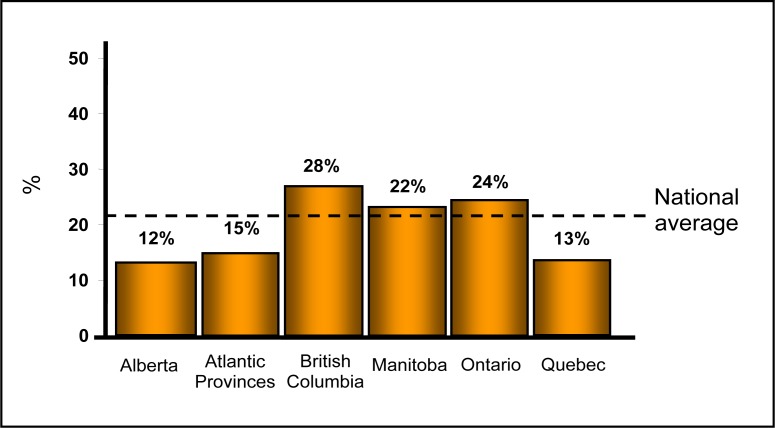
“7% (12% to 28% depending on the geographical region) (Rizvi et al., 2014).”
BackgroundInflammation as a treatment target in mood disorders: review
Jones, B. D. M., Daskalakis, Z. J., Carvalho, A. F., Strawbridge, R., Young, A. H., Mulsant, B. H., & Husain, M. I. (2020) · BJPsych Open · doi:10.1192/bjo.2020.43 · Cited by 106
Roles of the medial and lateral orbitofrontal cortex in major depression and its treatment
Zhang, B., Rolls, E. T., Wang, X., Xie, C., Cheng, W., & Feng, J. (2024) · Molecular Psychiatry · doi:10.1038/s41380-023-02380-w · Cited by 156
“In the context that conventional antidepressant drugs (e.g., SSRIs) are inadequate to treat the anhedonia in MDD [142 – 144], glutamatergic drugs such as ketamine may be a more promising antidepressant to treat anhedonia.”
BackgroundGill, H., Gill, B., Rodrigues, N. B., Lipsitz, O., Rosenblat, J. D., El-Halabi, S., Nasri, F., Mansur, R. B., Lee, Y., & McIntyre, R. S. (2021) · Neuroscience & Biobehavioral Reviews · doi:10.1016/j.neubiorev.2020.11.020 · Cited by 93
Self-citationGruber, J., Hanßen, R., Qubad, M., Bouzouina, A., Schack, V., Sochor, H., Schiweck, C., Aichholzer, M., Matura, S., Slattery, D. A., et al. (2023) · Neuroscience & Biobehavioral Reviews · doi:10.1016/j.neubiorev.2023.105179 · Cited by 100
Frank, P., Jokela, M. M., Batty, G. D., Lassale, C. M., Steptoe, A., & Kivimäki, M. (2022) · Brain Behavior and Immunity · doi:10.1016/j.bbi.2022.07.009 · Cited by 112
“Previous studies have shown that the proportion of patients with treatment resistant depression is higher (Rizvi et al., 2014), and treatment response to selective serotonin reuptake inhibitors (SSRI), such as escitalopram, poorer (Milaneschi et al.”
BackgroundTreating to target in major depressive disorder: response to remission to functional recovery
McIntyre, R. S., Lee, Y., & Mansur, R. B. (2015) · CNS Spectrums · doi:10.1017/s1092852915000826 · Cited by 84
Self-citationLi, G., Fife, D., Wang, G., Sheehan, J. J., Bodén, R., Brandt, L., Brenner, P., Reutfors, J., & DiBernardo, A. (2019) · Annals of General Psychiatry · doi:10.1186/s12991-019-0248-0 · Cited by 83
Depression and employment status in primary and tertiary care settings
Rizvi, S. J., Cyriac, A., Grima, E., Tan, M., Lin, P., Gallaugher, L. A., McIntyre, R. S., & Kennedy, S. H. (2015) · The Canadian Journal of Psychiatry · doi:10.1177/070674371506000105 · Cited by 80
Self-citationBeyond Monoamines-Novel Targets for Treatment-Resistant Depression: A Comprehensive Review
D. Rosenblat, J., S. McIntyre, R., S. Alves, G., N. Fountoulakis, K., & F. Carvalho, A. (2015) · Current Neuropharmacology · doi:10.2174/1570159x13666150630175044 · Cited by 71
“*Address correspondence to this author at the Rua Prof. Costa Mendes, 1608, 4o andar, 60.430-140, Fortaleza, CE, Brazil; Tel/Fax: +55-85-32617227; E-mail: andrefc7@terra.com.br Various definitions and grading systems are reviewed elsewhere [4].”
BackgroundInfluentialSelf-citationTrevizol, A. P., Goldberger, K. W., Mulsant, B. H., Rajji, T. K., Downar, J., Daskalakis, Z. J., & Blumberger, D. M. (2019) · International Journal of Geriatric Psychiatry · doi:10.1002/gps.5091 · Cited by 70
“The burden of depression can be further compounded by the failure of first‐line therapies, as treatment‐resistant depression (TRD) is associated with longer illness duration and higher medication doses.(7) Accordingly, the impact of TRD is more pronounced in older adults.”
BackgroundDepression in primary care: part 2—management
Ramanuj, P., Ferenchick, E. K., & Pincus, H. A. (2019) · BMJ · doi:10.1136/bmj.l835 · Cited by 78
McIntyre, R. S., Millson, B., & Power, G. S. (2020) · Journal of Affective Disorders · doi:10.1016/j.jad.2020.07.045 · Cited by 60
Self-citationWei, Y., Feng, J., Ma, J., Chen, D., & Chen, J. (2022) · Journal of Affective Disorders · doi:10.1016/j.jad.2022.04.092 · Cited by 56
Zebrafish as an Animal Model for Testing Agents with Antidepressant Potential
Lachowicz, J. I., Niedziałek, K., Rostkowska, E., Szopa, A., Świąder, K., Szponar, J., & Serefko, A. (2021) · Life · doi:10.3390/life11080792 · Cited by 64
“Moreover, treatment-resistant depression may affect up to 1/3 of depressive patients [4,5].”
BackgroundHigh-dose antidepressants affect near-infrared spectroscopy signals: A retrospective study
Takamiya, A., Hirano, J., Ebuchi, Y., Ogino, S., Shimegi, K., Emura, H., Yonemori, K., Shimazawa, A., Miura, G., Hyodo, A., et al. (2017) · NeuroImage Clinical · doi:10.1016/j.nicl.2017.02.008 · Cited by 54
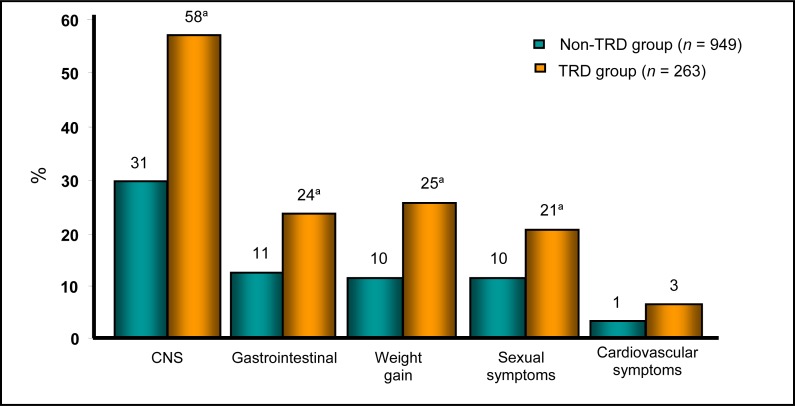
“In fact, Rizvi et al. (2014) reported that treatment-resistant depression patients are more likely to receive polypharmacy and receive higher doses of psychotropic medications than the non-treatment-resistant depression group.”
Mendlowitz, A. B., Shanbour, A., Downar, J., Vila-Rodriguez, F., Daskalakis, Z. J., Isaranuwatchai, W., & Blumberger, D. M. (2019) · PLOS ONE · doi:10.1371/journal.pone.0222546 · Cited by 51
Ross, E. L., & Soeteman, D. I. (2020) · Psychiatric Services · doi:10.1176/appi.ps.201900625 · Cited by 51
“In instances where inadequate data were available from patients with treatmentresistant depression, we have derived model inputs from the overall population with major depressive disorder; this may result in underestimating the degree of occupational impairment and mortality in treatment-resistant individuals (52, 53).”
MethodUnderstanding the effects of chronic benzodiazepine use in depression: a focus on neuropharmacology
Lim, B., Sproule, B. A., Zahra, Z., Sunderji, N., Kennedy, S. H., & Rizvi, S. J. (2020) · International Clinical Psychopharmacology · doi:10.1097/yic.0000000000000316 · Cited by 50
Self-citationOlfson, M., Amos, T. B., Benson, C., McRae, J., & Marcus, S. C. (2018) · Journal of Managed Care & Specialty Pharmacy · doi:10.18553/jmcp.2018.24.3.226 · Cited by 48
“Total health care costs, $ Total 17,997 (34,146) 10,325 (28,224) 6,749 (5,268-8,230) 5,923 (4,409-7,437) Mental health related 4,122 (8,657) 1,869 (6,643) 1,957 (1,586-2,327) 2,015 (1,607-2,423) Depression related 1,969 (4,203) 943 (3,314) 899 (725-1,072) 760 (595-925) Prescription pharmacy costs, $ Total 4,986 (9,529…”
Hersey, M., Woodruff, J. L., Maxwell, N., Sadek, A. T., Bykalo, M. K., Bain, I., Grillo, C. A., Piroli, G. G., Hashemi, P., & Reagan, L. P. (2021) · Brain Behavior and Immunity · doi:10.1016/j.bbi.2021.05.010 · Cited by 48
Fabbri, C., Pain, O., Hagenaars, S. P., Lewis, C. M., & Serretti, A. (2021) · Neuropsychopharmacology · doi:10.1038/s41386-021-01059-6 · Cited by 49
Chen, K.-T., Tsai, M., Wu, C., Jou, M., Wei, I., & Huang, C. (2015) · Frontiers in Behavioral Neuroscience · doi:10.3389/fnbeh.2015.00162 · Cited by 228
“Current antidepressants primarily comprise monoaminetargeting agents and have limited efficacy (Trivedi et al., 2006; Fekadu et al., 2009; Rizvi et al., 2014).”
BackgroundSoares, B. G., KANEVSKY, G. A., Teng, C. T., Pérez‐Esparza, R., Bonetto, G. G., Lacerda, A. L. T., Uribe, E. S., Cordoba, R., Lupo, C., Samora, A. M., et al. (2021) · Psychiatric Quarterly · doi:10.1007/s11126-021-09930-x · Cited by 56
Vascular endothelial growth factor: Potential predictor of treatment response in major depression
Clark-Raymond, A., Meresh, E. S., Hoppensteadt, D., Fareed, J., Sinacore, J. M., Garlenski, B., & Halaris, A. E. (2016) · The World Journal of Biological Psychiatry · doi:10.3109/15622975.2015.1117655 · Cited by 43
“The InSight study investigated the Canada-wide prevalence of TRD in primary care settings, and determined the failure to respond rate to at least two antidepressants from different classes to be 21.7% (Rizvi et al. 2014).”
BackgroundInfluentialWell-being in major depression and social phobia with and without comorbidity
Wersebe, H., Lieb, R., Meyer, A. H., Miche, M., Mikoteit, T., Imboden, C., Hoyer, J., Bader, K., Hatzinger, M., & Gloster, A. T. (2018) · International Journal of Clinical and Health Psychology · doi:10.1016/j.ijchp.2018.06.004 · Cited by 41
“, 2016), and higher risk for treatment resistance (Rizvi et al., 2014).”
BackgroundMcInerney, S. J., McNeely, H. E., Geraci, J., Giacobbe, P., Rizvi, S. J., Ceniti, A. K., Cyriac, A., Mayberg, H. S., Lozano, A. M., & Kennedy, S. H. (2017) · Frontiers in Human Neuroscience · doi:10.3389/fnhum.2017.00074 · Cited by 41
Self-citationPuzhko, S., Aboushawareb, S. A. E., Kudrina, I., Schuster, T., Barnett, T. A., Renoux, C., & Bartlett, G. (2020) · Journal of Affective Disorders · doi:10.1016/j.jad.2020.01.113 · Cited by 38
Fitzgibbon, K. P., Plett, D., Chan, B., Hancock, R., Coyte, P. C., & Blumberger, D. M. (2019) · The Canadian Journal of Psychiatry · doi:10.1177/0706743719890167 · Cited by 43
“Consequences of TRD range from decreased quality of life, decreased labor force participation, and increased medical resource utilization.(1,4,5) TRD represents at least 21% of all Ontario MDD cases,(6) with some estimates as high as 30–60%.”
BackgroundPhysical Exercise for Late‐Life Depression: Customizing an Intervention for Primary Care
Zanetidou, S., Murri, M. B., Menchetti, M., Toni, G., Asioli, F., Bagnoli, L., Zocchi, D., Siena, M., Assirelli, B., Luciano, C., et al. (2016) · Journal of the American Geriatrics Society · doi:10.1111/jgs.14525 · Cited by 41
Drug repositioning for treatment-resistant depression: Hypotheses from a pharmacogenomic study
Fabbri, C., Kasper, S., Zohar, J., Souery, D., Montgomery, S., Albani, D., Forloni, G., Ferentinos, P. P., Rujescu, D., Mendlewicz, J., et al. (2020) · Progress in Neuro-Psychopharmacology and Biological Psychiatry · doi:10.1016/j.pnpbp.2020.110050 · Cited by 39
Treatment-Resistant Depression in Poland—Epidemiology and Treatment
Gałecki, P., Samochowiec, J., Mikułowska, M., & Szulc, A. (2022) · Journal of Clinical Medicine · doi:10.3390/jcm11030480 · Cited by 39
“In one study, 57% of the TRD patients took two ADs as opposed to 43% following an AD monotherapy; however, no information regarding the number of previous therapies was provided, so it is possible that some of the patients were under subsequent treatments, where the probability of being administered combination therap…”
BackgroundMethodResultInfluentialDominiak, M., Antosik-Wójcińska, A. Z., Wojnar, M., & Mierzejewski, P. (2021) · Pharmaceuticals · doi:10.3390/ph14060582 · Cited by 28
“In particular, regarding late-life depression, there is a paucity of data on which evidence-based treatment decisions can be made [3].”
BackgroundZhdanava, M., Kuvadia, H., Joshi, K., Daly, E., Pilon, D., Rossi, C., Morrison, L., Lefèbvre, P., & Nelson, C. J. (2020) · Journal of Managed Care & Specialty Pharmacy · doi:10.18553/jmcp.2020.20017 · Cited by 36
Madsen, K. B., Plana‐Ripoll, O., Musliner, K. L., Debost, J.-C., Petersen, L. V., & Munk‐Olsen, T. (2020) · Journal of Affective Disorders · doi:10.1016/j.jad.2020.11.042 · Cited by 33
Shah, D., Allen, L., Zheng, W., Madhavan, S., Wei, W., LeMasters, T. J., & Sambamoorthi, U. (2021) · PharmacoEconomics · doi:10.1007/s40273-021-01029-2 · Cited by 27
Overview of treatment-resistant depression
Li, C. (2023) · Progress in brain research · doi:10.1016/bs.pbr.2023.03.007 · Cited by 42
Psychedelic therapy in depression and substance use disorders
Korkmaz, N. D., Çıkrıkçılı, U., Akan, M., & Yücesan, E. (2024) · European Journal of Neuroscience · doi:10.1111/ejn.16421 · Cited by 32
“According to a 2013 report, TRD increases medical care costs by 40 – 50% compared with treatment-responsive depression (Rizvi et al., 2014).”
Managing inadequate antidepressant response in depressive illness
Haddad, P. M., Talbot, P. S., Anderson, I. M., & McAllister-Williams, H. (2015) · British Medical Bulletin · doi:10.1093/bmb/ldv034 · Cited by 30
“A UK primary care study found that 55% of patients who had taken antidepressant for ≥6 weeks at an adequate dose fulfilled a broad definition of treatment resistance (≥14 on Beck Depression Inventory, version II).11 Using failure to respond to at least two antidepressants from different classes as the definition of TR…”
BackgroundCorrelates of benzodiazepine use in major depressive disorder: The effect of anhedonia
Rizvi, S. J., Sproule, B. A., Gallaugher, L. A., McIntyre, R. S., & Kennedy, S. H. (2015) · Journal of Affective Disorders · doi:10.1016/j.jad.2015.07.040 · Cited by 30
Self-citationNgen, C. C., Zain, A. M., Hemrungrojn, S., Ung, E. K., Kwansanit, P., Yong, K. C. A., Chong, M. S. W., Inpa, C., Yen, T. H., Yeoh, B. B. D., et al. (2018) · Current Medical Research and Opinion · doi:10.1080/03007995.2018.1477746 · Cited by 25
“Higher CGI-S scores indicate greater severity of illness: normal to mildly ill (1–3), moderately ill (4) and markedly ill to among the most extremely ill (5–7).”
BackgroundSimon, M. S., Burger, B., Weidinger, E., Arteaga-Henríquez, G., Zill, P., Musil, R., Drexhage, H. A., & Müller, N. (2021) · Frontiers in Psychiatry · doi:10.3389/fpsyt.2021.615261 · Cited by 26
“Around 20% up to 50% of depressed patients show non-response to at least two standard antidepressant drug trials (1, 2).”
BackgroundEpidemiology of treatment resistant depression among major depressive disorder patients in Israel
Sharman Moser, S., Chodick, G., Gelerstein, S., Barit Ben David, N., Shalev, V., & Stein-Reisner, O. (2022) · BMC Psychiatry · doi:10.1186/s12888-022-04184-8 · Cited by 23
“A real world study in primary care found a prevalence rate of 22% among 1212 patients with MDD [25].”
BackgroundResultEsketamine combined with SSRI or SNRI for treatment-resistant depression
Del Casale, A., Spirito, S., Arena, J. F., Preissner, S., Borro, M., Gentile, G., Modesti, M. N., Preissner, R., Ferracuti, S., & Simmaco, M. (2025) · JAMA Psychiatry · doi:10.1001/jamapsychiatry.2025.0200 · Cited by 23
Gałecki, P., & Bliźniewska-Kowalska, K. M. (2019) · Psychiatria Polska · doi:10.12740/pp/onlinefirst/115208 · Cited by 30
(2016) · Europe PMC (PubMed Central) · Cited by 26
Feng, M., Crowley, N. A., Patel, A., Guo, Y., Bugni, S. E., & Luscher, B. (2019) · Neuroscience · doi:10.1016/j.neuroscience.2019.03.003 · Cited by 20
“Moreover, obesity is associated with treatment resistance of depression (Dennehy et al., 2015; Kloiber et al., 2007; Oskooilar et al., 2009; Papakostas et al., 2005; Raison et al., 2013; Rizvi et al., 2014), which is consistent with a role of inflammation.”
BackgroundMncube, K., Möller, M., & Harvey, B. H. (2021) · Frontiers in Psychiatry · doi:10.3389/fpsyt.2021.688150 · Cited by 20
Lewis, V., Rodrigue, B., Arsenault, E., Zhang, M., Taghavi‐Abkuh, F., Silva, W. C. C., Myers, M., Matta‐Camacho, E., & Aguilar‐Valles, A. (2022) · Journal of Neurochemistry · doi:10.1111/jnc.15652 · Cited by 21
“Nevertheless, 30%– 40% of individuals diagnosed with MDD are considered treatment- resistant, gaining no benefits from the treatment options mentioned above (Rizvi et al., 2014; Warden et al., 2007).”
BackgroundFabbri, C., & Serretti, A. (2020) · Clinical Psychopharmacology and Neuroscience · doi:10.9758/cpn.2020.18.4.484 · Cited by 19
“Similarly, pramipexole, a dopamine agonist with evidence of efficacy in TRD, has been shown to inhibit the production of interleukin 17 (IL-17) [21].”
BackgroundInfluentialMorriss, R. K., Webster, L., Abdelghani, M., Auer, D. P., Barber, S. R., Bates, P., Blamire, A. M., Briley, P. M., Brookes, C. L., Iwabuchi, S. J., et al. (2020) · BMJ Open · doi:10.1136/bmjopen-2020-038430 · Cited by 19
Han, C., Wang, G., Chan, S. S. M., Kato, T., Ng, C. H., Tan, W., Zhang, L., Feng, Y., & Liu, C.-Y. (2020) · Neuropsychiatric Disease and Treatment · doi:10.2147/ndt.s264799 · Cited by 21
Liu, H., Kerzner, J., Demchenko, I., Wijeysundera, D. N., Kennedy, S. H., Ladha, K. S., & Bhat, V. (2022) · Acta Psychiatrica Scandinavica · doi:10.1111/acps.13432 · Cited by 20
Self-citationMagnetic seizure therapy for treatment-resistant depression
Jiang, J., Zhang, C., Li, C., Chen, Z., Cao, X., Wang, H., Li, W., & Wang, J. (2021) · Cochrane Database of Systematic Reviews · doi:10.1002/14651858.cd013528.pub2 · Cited by 28
Rediscovering Psilocybin as an Antidepressive Treatment Strategy
Zeiss, R., Gahr, M., & Graf, H. (2021) · Pharmaceuticals · doi:10.3390/ph14100985 · Cited by 32
“However, despite the efficacy of several pharmacological and non-pharmacological treatment options for MDD, there is still a high rate of treatment-resistant depression [5,6], supporting the need for further and new treatment options for MDD [7–10].”
BackgroundLeptin resistance elicits depressive-like behaviors in rats
Macht, V. A., Vazquez, M., Petyak, C. E., Grillo, C. A., Kaigler, K., Enos, R. T., McClellan, J. L., Cranford, T. L., Murphy, E. A., Nyland, J. F., et al. (2017) · Brain Behavior and Immunity · doi:10.1016/j.bbi.2016.10.008 · Cited by 16
Lamoureux‐Lamarche, C., Berbiche, D., & Vasiliadis, H. (2021) · Health and Quality of Life Outcomes · doi:10.1186/s12955-021-01851-4 · Cited by 22
“Butler AL, Smith M, Jones W, Adair CE, Vigod SN, Lesage A, Kurdyak P. Multi‑province epidemiological research using linked administrative data: a case study from Canada.”
BackgroundInfluentialAucoin, M., Cooley, K., Anand, L., Furtado, M., Canzonieri, A. M., Fine, A., Fotinos, K., Chandrasena, R. D., Klassen, L. J., Epstein, I., et al. (2017) · Complementary Therapies in Medicine · doi:10.1016/j.ctim.2017.09.011 · Cited by 20
“Treatment-resistant depression is known to have a more complex clinical course than treatment-sensitive depression.(2) Despite reporting ongoing depression, some patients failed to meet the criteria Table 1”
BackgroundInfluentialPszczółkowski, S., Cottam, W. J., Briley, P. M., Iwabuchi, S. J., Kaylor‐Hughes, C., Shalabi, A., Babourina‐Brooks, B., Berrington, A., Barber, S. R., Paola, A. S. D., et al. (2021) · JMIR Research Protocols · doi:10.2196/31925 · Cited by 15
“Although antidepressants and psychotherapy are effective treatments for major depressive disorder, a number of patients do not respond to trials with ≥ 2 antidepressants [3,4].”
Larsen, J. K., & Nielsen, L. B. (2016) · Health Care Current Reviews · doi:10.4172/2375-4273.1000168 · Cited by 13
“It is generally estimated that at least 20% of the depressive patient population is suffering from TRD, thus TRD is one of our major health challenges [6,7].”
BackgroundYrondi, A., Bennabi, D., Haffen, É., Quélard, D., Samalin, L., Maruani, J., Allauze, E., Pierre, D., Bougerol, T., Camus, V., et al. (2020) · Brain Sciences · doi:10.3390/brainsci10120962 · Cited by 17
Di Vincenzo, J. D., Lipsitz, O., Rodrigues, N. B., Lee, Y., Gill, H., Kratiuk, K., Subramaniapillai, M., Mansur, R., McIntyre, R. S., & Rosenblat, J. D. (2021) · Journal of Psychiatric Research · doi:10.1016/j.jpsychires.2021.09.002 · Cited by 12
Self-citationSteinmann, L. A., Dohm, K., Goltermann, J., Richter, M., Enneking, V., Lippitz, M., Repple, J., Mauritz, M., Dannlowski, U., & Opel, N. (2022) · Journal of Psychiatry and Neuroscience · doi:10.1503/jpn.210180 · Cited by 17
Sleep-related breathing disturbances in adolescents with treatment resistant depression
Robillard, R., Chase, T. D., Courtney, D., Ward, M., Koninck, J. D., & Lee, E. K. (2018) · Sleep Medicine · doi:10.1016/j.sleep.2018.12.010 · Cited by 12
Depression in primary care: Strategies for a psychiatry-scarce environment
Alson, A. R., Robinson, D. M., Ivanova, D., Azer, J., Moreno, M., Turk, M. L., Nitturkar, A., & Blackman, K. (2016) · The International Journal of Psychiatry in Medicine · doi:10.1177/0091217416636580 · Cited by 13
“As many as 21% of depressed patients in primary care are labeled treatment-resistant,(39) but many patients are mislabeled treatment-resistant when insufficient treatment was provided.(4,40) True treatment resistance should prompt consultation with a psychiatrist, when possible, through traditional referral, an integr…”
BackgroundTerpstra, A. R., Vila‐Rodriguez, F., LeMoult, J., Chakrabarty, T., Nair, M. A., Humaira, A., Gregory, E., & Todd, R. M. (2022) · Journal of Affective Disorders · doi:10.1016/j.jad.2022.10.041 · Cited by 10
“Furthermore, 20–30 % of individuals with MDD suffer from treatment-resistant depression (TRD), defined as failure to respond to one or more adequate trials of antidepressant medication treatment (Rizvi et al., 2014; Trevino et al., 2014; Zhdanava et al., 2021).”
BackgroundChen, C., Si, T., Xiang, Y., Ungvari, G. S., Wang, C., He, Y.-L., Kua, E. H., Fujii, S., Sim, K., Trivedi, J. K., et al. (2015) · Chinese Medical Journal · doi:10.4103/0366-6999.154272 · Cited by 13
“Because SC is associated with a higher frequency of treatment resistance in depressed patients,[23] according to World Federation of Societies of Biological Psychiatry guidelines,[27] a combination of an SSRI and mirtazapine is an evidence‐based choice in depressed patients for whom monotherapy has failed.”
BackgroundResultExploring depression treatment response by using polygenic risk scoring across diverse populations
Lapinska, S., Pimplaskar, A., Shi, Z., Ding, Y., Frydman-Gani, C., Hou, K., Venkateswaran, V., Boulier, K. M., Loohuis, L. M. O., & Paşaniuc, B. (2025) · The American Journal of Human Genetics · doi:10.1016/j.ajhg.2025.06.003 · Cited by 11
Cell Type‐Specific mTORC1 Signaling and Translational Control in Synaptic Plasticity and Memory
Huang, Z., Mahmood, N., Wiebe, S. A., Khoutorsky, A., Lacaille, J., & Sonenberg, N. (2025) · Journal of Neurochemistry · doi:10.1111/jnc.70281 · Cited by 12
Göke, K., McClintock, S. M., Mah, L., Rajji, T. K., Lee, H. H., Nestor, S. M., Downar, J. H., Noda, Y., Daskalakis, Z. J., Mulsant, B. H., et al. (2024) · Biological Psychiatry Cognitive Neuroscience and Neuroimaging · doi:10.1016/j.bpsc.2024.07.009 · Cited by 17
Noda, Y., Knyahnytska, Y., Zomorrodi, R., Downar, J. H., Rajji, T. K., Daskalakis, Z. J., & Blumberger, D. M. (2020) · Neuromodulation Technology at the Neural Interface · doi:10.1111/ner.13262 · Cited by 9
Shah, D., Zheng, W., Allen, L., Wei, W., LeMasters, T., Madhavan, S., & Sambamoorthi, U. (2021) · Current Medical Research and Opinion · doi:10.1080/03007995.2021.1900088 · Cited by 9
Perugi, G., Calò, P., Filippis, S. D., Rosso, G., Vita, A., Adami, M., Ascione, G., Morrens, J., & Delmonte, D. (2021) · Frontiers in Psychiatry · doi:10.3389/fpsyt.2021.769693 · Cited by 9
Husain, M. I., Foster, J. A., Mason, B. L., Chen, S., Zhao, H., Wang, W., Rotzinger, S., Rizvi, S. J., Ho, K. T., Lam, R. W. M., et al. (2023) · CNS Spectrums · doi:10.1017/s109285292300233x · Cited by 8
Self-citationLadha, K. S., Lee, J., Mattina, G. F., Pazmino‐Canizares, J., Wijeysundera, D. N., Nezhad, F. G., Philip, K., Tassone, V. K., Adamsahib, F., Bhat, V., et al. (2024) · PLoS ONE · doi:10.1371/journal.pone.0297330 · Cited by 7
From vision to action: Canadian leadership in ethics and neurotechnology
Illes, J., Lipsman, N., McDonald, P. J., Hrincu, V. M., Chandler, J. A., Fasano, A. A., Giacobbe, P., Hamani, C., Ibrahim, G. M., Kiss, Z. H. T., et al. (2021) · International review of neurobiology · doi:10.1016/bs.irn.2021.06.012 · Cited by 8
Čolić, L., Woelfer, M., Čolić, M., Leutritz, A. L., Liebe, T., Fensky, L., Şen, Z. D., Li, M., Hoffmann, J., Kretzschmar, M., et al. (2018) · European Neuropsychopharmacology · doi:10.1016/j.euroneuro.2018.03.014 · Cited by 7
Pardo, J. V., Sheikh, S. A., Schwindt, G., Lee, J. T., Adson, D. E., Rittberg, B. R., & Abuzzahab, F. S. (2020) · PLoS ONE · doi:10.1371/journal.pone.0226486 · Cited by 11
“However, most TRD 419 patients do have comorbidity [5-8].”
BackgroundInfluentialPuzhko, S., Schuster, T., Barnett, T. A., Renoux, C., Rosenberg, E., Barber, D., & Bartlett, G. (2020) · Frontiers in Nutrition · doi:10.3389/fnut.2020.00024 · Cited by 7
“2% (4,869) to obesity class II, and 19% (3,663) to obesity class III.”
BackgroundInfluentialDécarie-Spain, L., Hryhorczuk, C., Lau, D., Jacob-Brassard, É., Fisette, A., & Fulton, S. (2021) · Brain Behavior & Immunity - Health · doi:10.1016/j.bbih.2021.100324 · Cited by 12
“High-fat feeding has been shown to affect brain lipid metabolism differently in female rodents (Morselli et al., 2016; Rodriguez-Espinosa and Fernandez-Espejo, 2015) and others have detected no indications of immune activation in the hypothalamus (Dorfman et al., 2017; Morselli et al., 2014).”
BackgroundMethylenetetrahydrofolate Reductase Screening in Treatment-Resistant Depression.
Kandler, C. E., & Lam, S. T. (2019) · PubMed · Cited by 8
Treatment resistant depression
Vaccarino, S. R., & Kennedy, S. H. (2020) · Elsevier eBooks · doi:10.1016/b978-0-12-821033-8.00003-4 · Cited by 8
Self-citationDoes Neuroinflammation Underlie the Cognitive Changes Observed With Dietary Interventions?
Robbins, J. P., & Solito, E. (2022) · Frontiers in Neuroscience · doi:10.3389/fnins.2022.854050 · Cited by 6
Ahmed, N. N., Albishi, F., Khan, S. A., Alsayegh, A., Stip, É., & Makhoul, S. (2023) · Middle East Current Psychiatry · doi:10.1186/s43045-023-00369-3 · Cited by 5
“Globally, ~ 20 ‒ 40% of patients with MDD develop treatment-resistant depression (TRD) [6–10], commonly defined as failure to respond to or achieve remission after ≥ 2 different pharmacological antidepressant courses of adequate dose and duration [7, 8, 10–14].”
BackgroundWebster, L., Boutry, C., Thomson, L., Abdelghani, M., Barber, S. R., Briley, P. M., Kurkar, M., Lankappa, S. T., McAllister-Williams, H., Paola, A. S. D., et al. (2024) · Comprehensive Psychiatry · doi:10.1016/j.comppsych.2024.152544 · Cited by 5
de Nodrest, L. D., Sudres, J., Schmitt, L., & Yrondi, A. (2017) · Annales Médico-psychologiques revue psychiatrique · doi:10.1016/j.amp.2016.10.013 · Cited by 7
“Une forte pression économique et sociale serait liée à cette difficulté, qui est associée à une augmentation de 40 à 50% des coûts des soins médicaux directs et indirects, par rapport à la dépression non-résistante [28].”
Magnetic seizure therapy for treatment-resistant depression
Jiang, J., Li, C., Chen, Z., Cao, X., Wang, H., Li, W., & Wang, J. (2020) · Cochrane Database of Systematic Reviews · doi:10.1002/14651858.cd013528 · Cited by 5
Evaluation, Treatment, and Referral of Treatment-Resistant Depression in Primary Care
Chopra, A., Luccarelli, J., Cohen, J. N., Mischoulon, D., & Stern, T. A. (2023) · The Primary Care Companion For CNS Disorders · doi:10.4088/pcc.22f03438 · Cited by 6
Metadata
- Authors
- Rizvi, S. J., Grima, E., Tan, M., Rotzinger, S., Lin, P., McIntyre, R. S., & Kennedy, S. H.
- Affiliations
- University Health Network (CA)
- Canadian Heart Research Centre (CA)
- Corresponding author
- Kennedy, Sidney H
- Venue
- The Canadian Journal of Psychiatry
- Publisher
- SAGE Publications
- Published
- 2014-07
- Volume
- 59
- Issue
- 7
- Pages
- 349-357
- ISSN
- 0706-7437 (ISSN-L)
- 1497-0015
- PMC
- PMC4086317
- OpenAlex
- W1575113542
- Cited by
- 144
- References
- 66
- Citations by year
- 2026: 4 · 2025: 8 · 2024: 14 · 2023: 12 · 2022: 14 · 2021: 26 · 2020: 20 · 2019: 13 · 2018: 9 · 2017: 7 · 2016: 8 · 2015: 7 · 2014: 2
- FWCI
- 5.83
- Type
- journal article
- Language
- en
- Open access
- green
- www.ncbi.nlm.nih.gov
- Licence
- cc-by
- journals.sagepub.com/page/policies/text-and-data-mining-license (tdm)
- Locations
- The Canadian Journal of Psychiatry (publishedVersion)
- PubMed Central (publishedVersion, cc-by)
- PubMed (publishedVersion)
- Funders
- Eli Lilly and Company
- Sanofi
- St. Jude Medical
- Topics
- Health Sciences › Medicine › Pharmacology (medical) › Treatment of Major Depression
- Health Sciences › Medicine › Psychiatry and Mental health › Mental Health Treatment and Access
- Social Sciences › Psychology › Experimental and Cognitive Psychology › Anxiety, Depression, Psychometrics, Treatment, Cognitive Processes
- Keywords
- treatment-resistant depression, major depressive disorder, primary care, antidepressant non-response, antidepressant side effects, polypharmacy, comorbidities, obesity, treatment wait times, pharmacotherapy, prevalence, general practitioners
- MeSH terms
- Adult, Antidepressive Agents, Canada, Cross-Sectional Studies, Depressive Disorder, Major, Major Depressive Disorder, Drug Therapy, Combination, Female, Health Surveys, Humans, Male, Middle Aged, Primary Health Care, Retrospective Studies, Comorbidity, Guideline Adherence, Drug Substitution, Depressive Disorder, Treatment-Resistant
About these checks
Registry, retraction, Cites and statistics results are computed, not judged, with one exception: a printed reference that no index lists is read once by a model before it counts as a citation error. Claims are extracted by a model and kept only when their quote appears verbatim in the text; each cited source is then checked, with a model’s help, for whether it says what the claim relies on. Those verdicts can be wrong — read the claim’s quote and the cited source before relying on one.
Statistics and arithmetic are recomputed, not judged.
Confidence bands are shown only for fields calibrated on our annotated test set. None is calibrated yet, so no band is shown.
What counts as a claim ›How we measure confidence ›How we check this ›
Are you an author, or do you see a problem with this page? Request a review
Data sources
Bibliographic data: Semantic Scholar, OpenAlex, Crossref.
Contains information from the Semantic Scholar Academic Graph Datasets, made available under the ODC Attribution License (ODC-BY 1.0).
Semantic Scholar’s data is described in: Kinney, R., et al. (2023). The Semantic Scholar Open Data Platform. arXiv:2301.10140.
