

The DOI matches its Crossref record; 75 of the 76 references it cites were found in a registry or an index.
Using multiple genetic variants as instrumental variables for modifiable risk factors
Open accessAbstract
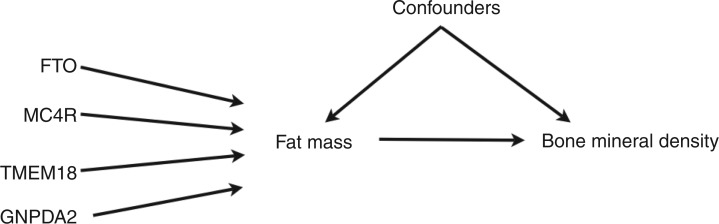
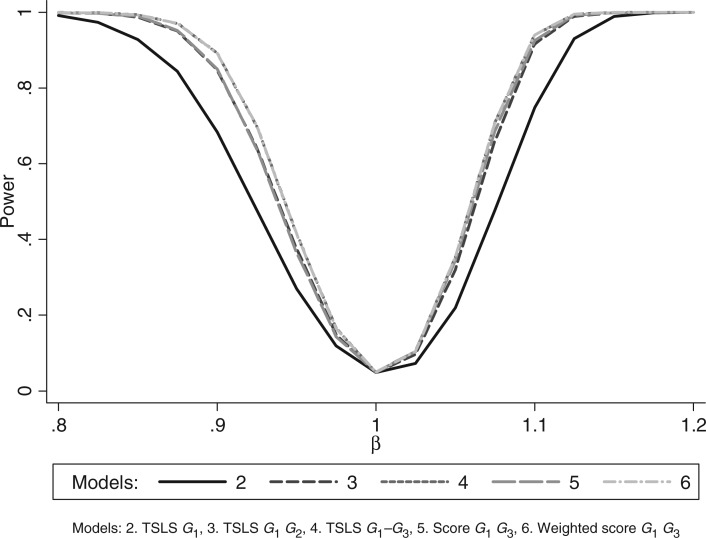
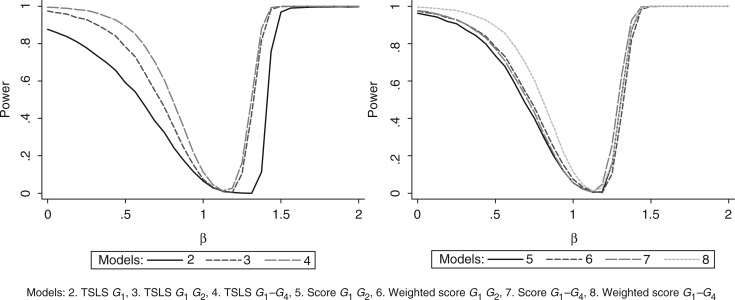
Mendelian randomisation analyses use genetic variants as instrumental variables (IVs) to estimate causal effects of modifiable risk factors on disease outcomes. Genetic variants typically explain a small proportion of the variability in risk factors; hence Mendelian randomisation analyses can require large sample sizes. However, an increasing number of genetic variants have been found to be robustly associated with disease-related outcomes in genome-wide association studies. Use of multiple instruments can improve the precision of IV estimates, and also permit examination of underlying IV assumptions. We discuss the use of multiple genetic variants in Mendelian randomisation analyses with continuous outcome variables where all relationships are assumed to be linear. We describe possible violations of IV assumptions, and how multiple instrument analyses can be used to identify them. We present an example using four adiposity-associated genetic variants as IVs for the causal effect of fat mass on bone density, using data on 5509 children enrolled in the ALSPAC birth cohort study. We also use simulation studies to examine the effect of different sets of IVs on precision and bias. When each instrument independently explains variability in the risk factor, use of multiple instruments increases the precision of IV estimates. However, inclusion of weak instruments could increase finite sample bias. Missing data on multiple genetic variants can diminish the available sample size, compared with single instrument analyses. In simulations with additive genotype-risk factor effects, IV estimates using a weighted allele score had similar properties to estimates using multiple instruments. Under the correct conditions, multiple instrument analyses are a promising approach for Mendelian randomisation studies. Further research is required into multiple imputation methods to address missing data issues in IV estimation.
Overview
The claims and statistics of this paper haven’t been checked yet.
Run the check — free, no account needed. It reads the open-access text and checks the sources it cites.
Integrity signals
Registry
Cites
Statistics
Figures
Verification
Claims the paper makes
The claims and statistics of this paper haven’t been checked yet.
Run the check — free, no account needed. It reads the open-access text and checks the sources it cites.
Claims other papers make about this one
Each is checked against this paper’s own text: does it say what the citing paper says it does?
The cited source doesn’t support the claim as written.
In the citing paper
“All three of these SNPs have previously been shown to be strong instruments for MR analysis as measured by F-statistics > 10 [8,18]”
From Associations of genetically determined iron status across the phenome: A mendelian randomization study (2019) · cites this paper as [18]
Checked by a reasoning model — may be wrong.
Experimental — accuracy not yet measuredIn the citing paper
“Interpretation of results from MR studies relies on four conditions.12,24”
From Mendelian randomization (2022) · cites this paper as [24]
Self-check
Percentages, sums and reported differences re-computed from the paper’s own numbers.
The self-check needs the paper’s full text.
Citations
Cites
(2001) · RePEc: Research Papers in Economics · Cited by 27,577
Specification Tests in Econometrics
Hausman, J. A. (1978) · Econometrica · doi:10.2307/1913827 · Cited by 18,820
Statistical Analysis With Missing Data
Lahiff, M., Little, R. J. A., & Rubin, D. B. (1989) · Journal of the American Statistical Association · doi:10.2307/2289883 · Cited by 17,385
Large Sample Properties of Generalized Method of Moments Estimators
Hansen, L. P. (1982) · Econometrica · doi:10.2307/1912775 · Cited by 13,467
Genome-wide association study of 14,000 cases of seven common diseases and 3,000 shared controls
The Wellcome Trust Case Control Consortium, Management Committee, Burton, P. R., Clayton, D. G., Cardon, L. R., Craddock, N., Deloukas, P., Duncanson, A., Kwiatkowski, D. P., McCarthy, M. I., et al. (2007) · Nature · doi:10.1038/nature05911 · Cited by 9,442
Self-citationStatistical Analysis with Missing Data
Little, R. J. A., & Rubin, D. B. (2002) · Wiley Series in Probability and Statistics · doi:10.1002/9781119013563 · Cited by 8,473
Genetics of Food Intake Self-Regulation in Childhood: Literature Review and Research Opportunities
Faith, M. S., Carnell, S., & Kral, T. V. E. (2013) · Human Heredity · doi:10.1159/000353879 · Cited by 7,633
Instrumental Variables Regression with Weak Instruments
Staiger, D., & Stock, J. H. (1997) · Econometrica · doi:10.2307/2171753 · Cited by 7,081
Lippa, N. C., & Sanderson, S. C. (2013) · Human Heredity · doi:10.1159/000353712 · Cited by 6,095
Davey Smith, G., & Ebrahim, S. (2003) · International Journal of Epidemiology · doi:10.1093/ije/dyg070 · Cited by 5,882
Research works printed but not linked: 3
- Youngman LD, 2000, Circulation, 102, 31
- Pierce BL, 2010, Int J Epidemiol
- Davey Smith G, 2010, Genes Nutr
Cited by
Sorted by citations
Items 901–1,000 of 1,000
Chen, C., Zou, X., Zhang, K., Li, Z., Zheng, X., Lu, X., & Yao, J. (2025) · Nigerian Postgraduate Medical Journal · doi:10.4103/npmj.npmj_187_25 · Cited by 1
Guo, Q., Yang, D., Fahira, A., Zhong, Q., Yang, J., Zhuang, K., Wen, Y., Tang, Z., & Huang, Z. (2025) · Brain and Behavior · doi:10.1002/brb3.70980 · Cited by 1
“Furthermore, to assess the strength of selected SNPs, the following formula (Levin et al. 2020; Palmer et al. 2012) was used to compute the R 2 and F-statistic corresponding to each SNP, and SNPs with an F-statistic less than 10 were excluded to avoid the introduction of a weak instrumental…”
Effects of HDL Structure and Function in Peripheral Artery Disease
Liao, Y., Wu, S., Ko, Y., & Teng, M. (2025) · Biomolecules · doi:10.3390/biom15101419 · Cited by 1
“…HDL-C is the major determinant of RCT, Mendelian randomization studies have shown that HDL-C has no definite causal association with cardiovascular benefits, suggesting that genetic variants associated with increased levels of HDL-C do not have an effect on the risk of myocardial infarction [5,6].”
Xie, T., Ye, G., Chen, Y., Fan, S., Li, G., Wang, X., Xu, C., Chen, Z., & Hong, J. (2025) · Experimental Gerontology · doi:10.1016/j.exger.2025.112945 · Cited by 1
Pan, W., Yu, M., & Chen, Z. (2025) · Medicine · doi:10.1097/md.0000000000045241 · Cited by 1
“[6,7] An F -statistic > 10 is generally considered indicative of sufficiently strong instruments, reducing the risk of weak instrument bias.”
Immune cells and the risk of acne vulgaris: A Mendelian randomization study
Yang, X., Wu, W., & Yang, J. (2025) · Medicine · doi:10.1097/md.0000000000045608 · Cited by 1
“…disequilibrium criterion was set as r 2 0.001 and the window size was 10,000 kb. Highly correlated SNPs were removed to ensure independence between SNPs. [16,17] At last, in order to evaluate if the included SNPs were impacted by the weak instrumental variables, we also computed the F -statistic.”
InfluentialSun, W.-X., Sun, C., Zhang, H., Sun, P., Song, H., Wu, X., Chen, J., Fang, Y., & Zhang, X. (2025) · European Archives of Psychiatry and Clinical Neuroscience · doi:10.1007/s00406-025-02153-2 · Cited by 1
“The F-statistic was calculated for each SNP using the formula where N represents the number of participants, EAF represents the effect allele frequency, and β represents the estimated effect of the SNP, to assess its unique predictive power for the outcome [47].”
Genetic Association of FABP4 with Cardiovascular Events: A Mendelian Randomization Study
Zhang, P., Tian, W., Tian, Y., Yu, N., Liu, X., Liu, C., Ma, S., & Lu, H. (2025) · Clinical and Applied Thrombosis/Hemostasis · doi:10.1177/10760296251401588 · Cited by 1
Ye, C., Lian, G., Wang, T., Wang, H., & Xie, L. (2025) · Medicine · doi:10.1097/md.0000000000046523 · Cited by 1
“[22] Weak instrumental variables were defined as those with an F statistic <10, and all weak instrumental variables were excluded.”
Reevaluating the obesity paradox across diverse disease outcomes: A Mendelian randomization study
Cong, P., & Li, Y. (2025) · Medicine · doi:10.1097/md.0000000000046497 · Cited by 1
“[20] In accordance with the 3 core assumptions of MR analysis, we designed a set of criteria to identify IVs.”
Li, Y., He, B., Li, X., & Qilin, M. (2025) · IBRO Neuroscience Reports · doi:10.1016/j.ibneur.2025.09.009 · Cited by 1
RetractedChen, C., Yang, Z., Guo, J., Liu, Y., Yang, X., Deng, W., Yu, H., & Yang, S. (2025) · Medicine · doi:10.1097/md.0000000000046526 · Cited by 1
“[48,49] The F -statistics for the 196 bacterial traits were ranged from 21.82 to 141.90, all exceeding 10, indicating a reduced likelihood of suffering from weak instrument bias.”
InfluentialZhang, X., Xin, Y., He, F., Liu, Y., Shao, J., Xu, Z., Jiang, Q., Cui, T., Wang, F., & Qiu, J. (2025) · Medicine · doi:10.1097/md.0000000000046693 · Cited by 1
“In the established methodology proposed by Palmer et al in 2012, [14] “MAF” was the minor allele frequency of the SNPs used as instrumental variables, “n” was the sample size, and “k” was the number of instrumental variables utilized. www.md-journal.com”
Causal effects of gut microbiota on oral cavity cancer—a two-sample Mendelian randomization study
Dai, Y., Luo, J., Ruohui, M. A. O., Chen, Y., Ye, X., Wang, C. L., & Zhu, H. (2025) · Holistic Integrative Oncology · doi:10.1007/s44178-025-00215-y · Cited by 1
“2) [23], EAF is the effect allele frequency for each SNP, and β is the effect value of the allele [14].”
Hsu, L., Trần, N. Y., Juang, J. J., Chiang, F., Wu, S., & Ko, Y.-L. (2026) · Journal of Human Genetics · doi:10.1038/s10038-025-01445-8 · Cited by 1
Hong, E., Mao, J., Ke, Z., & Wu, Y. (2026) · International Journal of COPD · doi:10.2147/copd.s553092 · Cited by 1
“22 Linkage disequilibrium (LD) between SNPs was then removed using the following criteria: R 2 < 0.3 and window size = 500kb. 23”
InfluentialZhou, X., Yang, G., Tan, W., Ding, H., Zheng, W., Liu, Y., Zou, L., Su, X., Yu, L., Li, W., et al. (2026) · Phytomedicine · doi:10.1016/j.phymed.2026.157872 · Cited by 1
Chen, M., Huang, H., Liu, Y., Hou, C., & Chen, S. (2026) · European Journal of Psychotraumatology · doi:10.1080/20008066.2025.2605801 · Cited by 1
“An F-statistic less than 10 was considered insufficiently informative for further analysis (Palmer et al., 2012) The Steiger filtering test was implemented to address reverse causality (Hemani et al., 2017).”
Shi, P., Wei, G., Li, Z., Du, B., Zhang, G., Zhang, J., Wang, Y., Chen, Y., Cheng, Z., & Cheng, Z. (2026) · Brain and Behavior · doi:10.1002/brb3.71239 · Cited by 1
“The F-statistic was calculated using the formula , where R 2 represents the proportion of variance explained by the SNP, and N denotes the GWAS sample size (Palmer et al. 2012 ).”
Pan, X., Xu, S., Cheng, M., Wu, J., Zhang, X., Jiang, W., & Hao, J. (2026) · Medicine · doi:10.1097/md.0000000000047627 · Cited by 1
“[23,24] Heterogeneity analysis was conducted using Cochran Q -test, where a significance level of P .05 suggested the presence of heterogeneity.”
Ouyang, C., Zhang, X., Zhang, M., Yan, M., Zhu, Z., Zeng, Y., Ban, H., Wu, Y., Peng, N., Ling, J., et al. (2026) · Journal of Affective Disorders · doi:10.1016/j.jad.2026.121452 · Cited by 1
Li, M., Wang, K., Liu, J., Jia, J., Yuan, H., Kong, D., & Li, W. (2026) · Medicine · doi:10.1097/md.0000000000047516 · Cited by 1
“[20]”
Chen, J., Zhu, L., Liu, J., Chen, J., Liang, C., Liu, C., Wang, F., Zhu, Y., & Yang, X. (2026) · Innate Immunity · doi:10.1177/17534259261426829 · Cited by 1
Duan, L., Liu, L., He, Y., Zhong, S., Wu, W., Yang, X., & Cai, D. (2026) · The Journal of Headache and Pain · doi:10.1186/s10194-026-02311-4 · Cited by 1
“…related with ACEs at genome-wide significance ( P < 5 × 10 − 8 ) were identified; second, these SNPs underwent linkage disequilibrium (LD) clumping (r² < 0.001 within 10,000 kb windows) to make sure independence; finally, instrument strength was verified through F-statistics > 10 [39].”
InfluentialWang, H., Dai, Y., Pan, W., Mao, K., Zhang, Z., Zhang, Y., Chen, Y., & Zhang, Y. (2026) · Medicine Advances · doi:10.1002/med4.70048 · Cited by 2
Zhu, Y., Yuan, R., Lu, Z., Zhang, Y., Kang, Z., Feng, X., Zhao, G., Sun, J., Guo, J., Yu, T., et al. (2026) · Cell Reports Medicine · doi:10.1016/j.xcrm.2026.102653 · Cited by 1
“91,92 To evaluate the strength of these GRSs, we calculated the proportion of variance explained ( R 2 ) by the selected SNPs using the formula: R 2 = Σ β 2 × 2 × MAF × (1 − MAF), where β denotes the effect size.”
Association of depression and gastrointestinal diseases: a three-stage study
Zheng, B., Li, D., Zhu, D., Yang, Y., Yang, H., Gao, Y., Li, S., Wang, Y., & Zhang, X. (2026) · Psychological Medicine · doi:10.1017/s003329172610316x · Cited by 1
“We calculated F -statistics for each exposure in uni-variable MR, with F -statistics >10 considered suggestive of adequate instrument strength (Palmer et al., 2012).”
Huang, H., Chen, M., Lu, X., Huang, X., Ruan, H., Li, H., Li, Z. L., Liu, J. I. N., Liu, Y., Yu, Q., et al. (2026) · European Journal of Preventive Cardiology · doi:10.1093/eurjpc/zwag363 · Cited by 2
Guo, T., Zhou, H., Zhang, L., & Chen, R. (2026) · Exploratory Research and Hypothesis in Medicine · doi:10.14218/erhm.2026.00013 · Cited by 1
The challenges of GxE research: A rejoinder
Pehkonen, J., Viinikainen, J., Böckerman, P., Lehtimäki, T. J., Pitkänen, N., & Raitakari, O. T. (2017) · Social Science & Medicine · doi:10.1016/j.socscimed.2017.07.010 · Cited by 1
“We use the GRS to improve statistical power and to reduce the scope of potential confounders (Palmer et al. 2012; Belsky and Isreal 2014).”
MethodZhang, X., Tong, Y., Gu, Y., Dai, M., Mao, Y., Qu, F., & Fan, Y. (2022) · Clinical and Experimental Obstetrics & Gynecology · doi:10.31083/j.ceog4909199 · Cited by 2
“In addition, the F-statistics for the IVs all satisfied the liminal value of F-statistics > 10, revealing that the analyses were not likely to be influenced by weak instrument bias [34].”
BackgroundZhang, Q., Wu, G., Zhang, X., Zhang, J., Jiang, M., Zhang, Y., Ding, L., & Wang, Y. (2023) · Frontiers in Oncology · doi:10.3389/fonc.2023.991825 · Cited by 1
“Then, we summed the R2 to calculate the overall R2 and F statistics for exposure (F_statistic = R2 × (N-2)/(1-R2)), where N means the number of individuals of the GWAS-exposure (46).”
MethodVasileiadis, G. K., Sayols, S., Zhao, S. S., Fatima, T., & Maglio, C. (2023) · PLoS ONE · doi:10.1371/journal.pone.0286981 · Cited by 3
Major depressive disorder and aneurysm: A genetic study of association and causality
Zhuang, J., Yu, X., Liu, H., Li, J., Tang, P., Zhang, Y., Deng, H., & Xiong, X. (2024) · Journal of Affective Disorders · doi:10.1016/j.jad.2024.01.128 · Cited by 1
Zhang, J., Zhou, P., Hu, S., Cai, S., & He, T. (2024) · Health Science Reports · doi:10.1002/hsr2.1847
Zhu, G., Wang, M., Wang, Y., & Kong, F. (2024) · Frontiers in Neurology · doi:10.3389/fneur.2024.1347831 · Cited by 1
“When the F-statistic was less than 10, we considered that there was a weak instrumental variable and that IV needed to be eliminated, or MR analysis was not recommended (16).”
BackgroundZhang, R.-Y., Li, F.-J., Zhang, Q., Xin, L., Huang, J., & Zhao, J. (2024) · Frontiers in Neurology · doi:10.3389/fneur.2024.1321216 · Cited by 1
“Instrument strength was evaluated using the F-statistic, with an F-statistic >10 designated to mitigate potential bias arising from weak instruments (32, 33).”
MethodZagkos, L., Schwinges, A., Amin, H. A., Dovey, T., & Drenos, F. (2024) · Scientific Reports · doi:10.1038/s41598-024-54259-7 · Cited by 1
“To ensure that the first MR assumption holds, only genetic variants with an F-statistic greater than 10 were included in the analysis 40 .”
BackgroundMethodGao, X., & Chen, Y. (2024) · Physiology International · doi:10.1556/2060.2024.00348 · Cited by 1
Effects of immune cells on ischemic stroke and the mediating roles of metabolites
Hu, H., Zhou, M., Zhao, Y., Mao, J., & Yang, X. (2024) · Frontiers in Neurology · doi:10.3389/fneur.2024.1405108 · Cited by 1
“…strength of the IV, we calculated the F value using the genetic variance (R 2 ), total sample size (N), and number of IVs (k) with the formula F = R 2 (N − k − 1)/k(1 − R 2 ), where the genetic variance is considered weak when the F statistic is less than 10, which may bias the results (51, 52).”
MethodYuan, K., Xie, X., Huang, W., Li, D., Zhao, Y., Yang, H., & Wang, X. (2024) · Frontiers in Genetics · doi:10.3389/fgene.2024.1346367 · Cited by 1
Liu, Z., Zheng, Y., Yuan, M., Zhang, G., & Yang, G. (2024) · Cytokine · doi:10.1016/j.cyto.2024.156680 · Cited by 1
Cheese intake, probiotics and breast cancer: A Mendelian randomization analysis
Jia, Y., Feng, C., Sun, S., Li, C., Li, J., Yao, P., Wei, X., Lv, W., Wang, W., Zhang, Y., et al. (2024) · Journal of Functional Foods · doi:10.1016/j.jff.2024.106352 · Cited by 1
Genetically proxied appendicular lean mass and stroke risk: A two-step mendelian randomization study
Li, Z., Liu, X., Wen, J., Wang, Z., Xie, Y., Zhu, L., Wu, X., Fang, C., Tian, Y., & Li, Q. (2024) · Journal of Stroke and Cerebrovascular Diseases · doi:10.1016/j.jstrokecerebrovasdis.2024.107915 · Cited by 1
Liu, Q., Liu, Y., Feng, H., Zhao, L., & Tao, W. (2024) · Clinical Rheumatology · doi:10.1007/s10067-024-07094-0 · Cited by 1
Liu, J., & Pan, R. (2024) · Frontiers in Nutrition · doi:10.3389/fnut.2024.1458442 · Cited by 1
He, A., Li, H., Ouyang, S., He, J., Gong, Z., Zhou, Q.-Z., Wang, S., & Zhao, X. (2024) · PLoS ONE · doi:10.1371/journal.pone.0307514 · Cited by 1
GENETIC INSIGHTS INTO SEPSIS: MENDELIAN RANDOMIZATION ANALYSIS OF CEREBROSPINAL FLUID METABOLITES
Xuan, X., Huang, Z., Kong, Z., Li, R., Li, J., & Huang, H. (2024) · Shock · doi:10.1097/shk.0000000000002494 · Cited by 1
“…(2) there must be no association between the genetic variation and any potential confounders that could influence both the exposure and the outcome (16); and (3) the genetic variation should influence the outcome exclusively through its impact on the exposure, without any alternate pathways (17).”
Long, Q., Huang, P., Kuang, J., Huang, Y., & Guan, H. (2024) · Endocrine · doi:10.1007/s12020-024-04081-y · Cited by 2
“By utilizing genetic variants as instrumental variables (IVs), MR can establish causal associations between exposures (such as T1D and T2D) and disease outcomes, while avoiding the usual obstacles posed by confounding variables [34].”
Huang, Y., Yi, N., Li, Q., Guo, S., Mo, B., Yin, D., & Li, H. (2024) · Medicine · doi:10.1097/md.0000000000040061 · Cited by 1
Instrumental Variable Model Average With Applications in Nonlinear Causal Inference
Dong, C., Wang, Y., Shi, D., Cao, Y., & Hu, Y. (2024) · Statistics in Medicine · doi:10.1002/sim.10269 · Cited by 1
Dai, T., Jia, Y., & Zhang, Y. (2024) · International Journal of Women s Health · doi:10.2147/ijwh.s482359 · Cited by 1
Fu, C., Liu, B., Chen, W., Qiu, Y., Zheng, C., Mao, Y., Yin, Z., & Ye, D. (2025) · Food & Function · doi:10.1039/d4fo00294f · Cited by 1
Alcohol consumption and allergic diseases: Mendelian randomization evidence from China
Zhu, C., Beatty, T. K. M., Li, Y., Chen, G., Zhao, Q., & Chen, Q. (2024) · Global Health Action · doi:10.1080/16549716.2024.2442788 · Cited by 1
An, Z., Zeng, M., & Wang, X. (2025) · SAGE Open Medicine · doi:10.1177/20503121251316595 · Cited by 1
Li, L., Li, J., Chang, M., Wu, X., Yin, Z., Chen, Z., & Wang, Z. (2025) · Biomedicines · doi:10.3390/biomedicines13030533 · Cited by 1
“It is generally believed that an F statistic greater than 10 meets the requirements for a strong correlation [13].”
Causal inference of inflammatory proteins in infertility: a Mendelian randomization study
Chen, P., Ni, S., & Ouyang, L. (2025) · Frontiers in Endocrinology · doi:10.3389/fendo.2025.1448530 · Cited by 1
“An F-stat of at least 10 variables indicates a relatively lower risk of instrument bias (IB) in MR analysis (27).”
Wang, L., Cui, F., Chen, X., Zhang, Q., Yang, J., & Li, S. (2025) · Acta Oto-Laryngologica · doi:10.1080/00016489.2025.2479015 · Cited by 1
Hsu, L., Teng, M., Duan, D., Yeh, K.-H., Wu, S., & Ko, Y. (2025) · Tzu Chi Medical Journal · doi:10.4103/tcmj.tcmj_247_24 · Cited by 1
“An F statistic >10 confirmed the strength of these IVs [28].”
Mendelian randomization and studies
Lockett, A. (2025) · Medicine · doi:10.1016/j.mpmed.2025.03.009 · Cited by 1
Niu, J., Zhang, P., Liu, W., Sun, S., Zhang, Y., Sang, J., Yang, J., Zhang, Q., & Chai, L. (2025) · Scientific Reports · doi:10.1038/s41598-025-01216-7 · Cited by 1
“Palindromic SNPs, which can cause strand ambiguity, were also excluded to prevent potential errors in the analysis 29 .”
Hu, H., Huang, R., Li, X., Liu, P., Ren, S., & Shen, Y. (2025) · Medicine · doi:10.1097/md.0000000000042487 · Cited by 1
“[29,30] Ultimately, any missing SNPs in the summary results were substituted with proxy SNPs ( r 2 > 0.8), sourced from the LDlink tool, a valuable web-based resource for examining linkage disequilibrium within population groups (LDlink | An Interactive Web Tool for Exploring Linkage Disequilibrium…”
InfluentialYan, Y., Wu, Y., Sun, Y., Wu, T. T., Zhu, H., Xue, F., Yu, Z., Liu, S., & Niu, X. (2025) · International Journal of Molecular Sciences · doi:10.3390/ijms26125686 · Cited by 1
“SNPs with an F statistic ( β 2 / SE 2 10) were excluded to avoid weak instrument bias [58].”
Kuang, X., Wu, B., Hu, D., Matsika, J., Cheng, C., Xiao, J., Cai, Z., Li, M., Chen, J., Zhou, W., et al. (2025) · Discover Oncology · doi:10.1007/s12672-025-03010-3 · Cited by 1
Expanding insights on immune cells and insomnia: A Mendelian randomization study using updated data
Zhang, X., Zhang, S., Tan, S., & Guo, L. (2025) · Chinese Journal of Analytical Chemistry · doi:10.1016/j.cjac.2025.100608
Mediating role of basophils in the triacylglycerol–asthma link: a Mendelian randomization study
Hu, X., Peng, M., Yang, Z., Yi, X., Ouyang, Y., Zhao, W., Ni, B., Deng, X., Huang, X., Li, W., et al. (2025) · 3 Biotech · doi:10.1007/s13205-025-04480-6 · Cited by 1
“The primary analysis in this study focused on the Inverse Variance Weighted (IVW) method, which is widely regarded as the most powerful and statistically efficient approach for MR analysis (Palmer et al. 2012; Hartwig et al. 2017).”
Yi, N., Huang, J., Deng, Z., & Liang, Y. (2025) · Medicine · doi:10.1097/md.0000000000043913 · Cited by 1
Pan, M., Tian, W., Su, M., Zhang, S., & Hai, Y. (2025) · International Journal of Women s Health · doi:10.2147/ijwh.s533897 · Cited by 1
“25 The formula for the F-statistic is as follows: , where R 2 represents the proportion of exposure variation explained by the SNP in the IV, and the F-value is required to be > 10.”
Wang, H., Zhou, W., Huang, Y., Li, Y., & Zhang, K. (2025) · Clinical Proteomics · doi:10.1186/s12014-025-09558-0 · Cited by 1
“Five core MR methods were employed: inverse variance weighted (IVW), MR-Egger, weighted median, simple mode, and weighted mode [17].”
Shared heritability among psychiatric disorders and traits
O’Connell, K. S., Hindley, G., Smeland, O. B., Shadrin, A. A., Wang, Y., Frei, O., & Andreassen, O. A. (2022) · Elsevier eBooks · doi:10.1016/b978-0-12-819602-1.00019-x · Cited by 1
Zhang, C. (2015) · Cited by 1
Mendelian Randomization with Instrumental Variable Synthesis (IVY)Preprint
Kuang, Z., Córdova‐Palomera, A., Sala, F. G., Wu, S., Dunnmon, J., Ré, C., & Priest, J. R. (2019) · bioRxiv (Cold Spring Harbor Laboratory) · doi:10.1101/657775 · Cited by 1
“Mendelian Randomization is among the most popular applications of instrumental variable methodology to real-world problems in biomedical science (Palmer et al., 2012).”
BackgroundChen, L., Peters, J. E., Prins, B. P., Persyn, E., Traylor, M., Surendran, P., Karthikeyan, S., Yonova‐Doing, E., Angelantonio, E. D., Roberts, D. J., et al. (2021) · medRxiv · doi:10.1101/2021.10.22.21265375 · Cited by 1
Hatcher, C., Richenberg, G., Waterson, S., Nguyen, L. H., Joshi, A. D., Carreras‐Torres, R., Moreno, V. R., Chan, A. T., Gunter, M. J., Lin, Y., et al. (2022) · medRxiv · doi:10.1101/2022.10.14.22281077 · Cited by 1
Lu, Q., & Yu, Y. (2023) · doi:10.22541/au.167451366.60265610/v1 · Cited by 1
Yang, Q., Magnus, M. C., Kilpi, F., Santorelli, G., Soares, A. G., West, J., Magnus, P. M., Håberg, S. E., Tilling, K. M., Lawlor, D. A., et al. (2023) · medRxiv · doi:10.1101/2023.06.02.23290898 · Cited by 1
“To explore the strength of IVs, we calculated the proportion of variance of evening-preference and related mean F-statistic of the 105 SNPs.28 We further compared the sex-combined associations from 23andMe with the equivalent associations in UKB women, whose measurement of chronotype was described in eAppendix 1 in Su…”
Tan, S., Kuang, P., Feng, J., Li, Z., Zhao, F., Li, B., Tan, X., Ma, J., & Zhao, L. (2024) · Research Square · doi:10.21203/rs.3.rs-3968832/v1 · Cited by 1
Liu, Q.-P., Du, H.-C., Xie, P.-J., Zhang, L., Gao, H., Luo, J.-H., & Chai, S.-T. (2024) · medRxiv · doi:10.1101/2024.04.14.24305792 · Cited by 1
Fatima, T., Dehlin, M., Burgess, S., Mason, A. M., Nilsson, P. M., Melander, O., Jacobsson, L., & Kapetanovic, M. C. (2024) · Research Square · doi:10.21203/rs.3.rs-5007746/v1 · Cited by 1
Reassessing the link between adiposity and head and neck cancer: a Mendelian randomization studyPreprint
Berstein, F. M., Khouja, J. N., Gormley, M., Ebrahimi, E., Virani, S., McKay, J., Brennan, P., Richardson, T. G., Relton, C. L., Smith, G. D., et al. (2025) · eLife · doi:10.7554/elife.106075.2 · Cited by 1
Lipid-related genes and their associations with coronary heart disease
Song, C. (2014) · Figshare
Convex Combination of Ordinary Least Squares and Two-stage Least Squares EstimatorsPreprint
Ginestet, C. E., Emsley, R., & Landau, S. (2015) · arXiv (Cornell University) · doi:10.48550/arxiv.1504.03381
“More recently, these methods have become especially popular in the study of genetic variants, thereby demonstrating the wide applicability of IV-based methods (Palmer et al., 2012, Pierce and Burgess, 2013).”
MethodLipid-related Genes and Their Associations with Coronary Heart Disease
Ingelsson, E., Pedersen, N. L., Hägg, D. S., Orho‐Melander, M., Lindahl, B., Czene, K., & Orsini, D. N. (2014)
Frayling, T. M., & Tyrrell, J. (2016) · BMJ · doi:10.1136/bmj.i1892
Zhang, H., Liu, J., Dong, Z., Ding, Y., Qian, Q., Zhou, J., Ma, Y., Mei, Z., Chen, X., Li, Y., et al. (2017) · Oncotarget · doi:10.18632/oncotarget.21977
Causal Relationship between Obesity and Vitamin D Status
Vimaleswaran, K. S., Berry, D. J., Lu, C., Tikkanen, E., Pilz, S., Hiraki, L. T., Cooper, J. D., Dastani, Z., Li, R., Houston, D. K., et al. (2016)
Marouli, E., Fabiola, D. G. M., Astley, C. M., Yang, J., Ahmad, S., Berndt, S. I., Caulfield, M. J., Evangelou, E., McKnight, B., Medina‐Gómez, C., et al. (2018) · bioRxiv (Cold Spring Harbor Laboratory) · doi:10.1101/468918
Association of Obesity with Health Care Costs: A Mendelian Randomization studyPreprint
Kurz, C. F., & Laxy, M. (2019) · bioRxiv · doi:10.1101/630178
“However, Palmer et al. (2012) showed that an unweighted score has lower power than adding multiple IVs into the 2SLS, and using an appropriately weighted allele score performs similarly to adding each valid SNP as an instrument.”
Inflammatory biomarkers in ischemic heart disease
Groot, H. E. (2021) · University of Groningen research database (University of Groningen / Centre for Information Technology) · doi:10.33612/diss.156111034
Exploiting genetics to understand paediatric eye disorders
Plotnikov, D. (2020) · ORCA Online Research @Cardiff (Cardiff University)
Hou, C., Hou, Q., Xie, X., Wang, H.-F., Chen, Y., Lu, T., Wu, Q., Liang, Y., Hu, Y., & Mao, Y. (2020) · Research Square · doi:10.21203/rs.3.rs-57485/v1
“In liberal approaches, we used IVW, MR-Egger regression [21], weighted median and simple mode [22] to estimate the effect of iron status on breast cancer risk.”
MethodInfluentialEdwards, C. H., Vie, G. Å., & Edwards, C. H. (2021) · Research Square · doi:10.21203/rs.3.rs-701491/v1
Study on Association between BMI and Vitamin D Levels in South Indian Rural Population
Ponnambalam, A., Arun, D. M., & Prabhu, G. (2021) · International Journal of Medical Research and Review · doi:10.17511/ijmrr.2021.i04.02
Minică, C. C., Neale, M. C., Boomsma, D. I., & van Dongen, J. (2021) · Elsevier eBooks · doi:10.1016/b978-0-12-820951-6.00007-7
Faculty Opinions recommendation of Pleiotropy in complex traits: challenges and strategies.
Tiemeier, H. W. (2013) · Faculty Opinions – Post-Publication Peer Review of the Biomedical Literature · doi:10.3410/f.718019787.793478516
Ni, J., Wang, P., Yin, K.-J., Huang, J.-X., Cen, H., Tian, T., Sui, C., Xu, Z., & Pan, H. (2022) · SSRN Electronic Journal · doi:10.2139/ssrn.4055784
Effects of Genetic Variants in the Nicotine Metabolism Pathway on Smoking Cessation
Li, H., Wang, Q., Li, S., & Jia, C. (2022) · Genetics Research · doi:10.1155/2022/2917881
“where SNPi has a value of 0, 1, or 2 according to the number of minor alleles for SNP;Wk is the weight of SNP calculated using logistic regression, where smoking cessation is the dependent variable, and each variant is the independent variable; K is the number of SNPs in each gene [29, 31].”
MethodClifton, L., Liu, X., Collister, J. A., Littlejohns, T. J., & Hunter, D. J. (2022) · medRxiv · doi:10.1101/2022.11.25.22282712
Metadata
- Authors
- Palmer, T. M., Lawlor, D. A., Harbord, R. M., Sheehan, N. A., Tobias, J. H., Timpson, N. J., Smith, G. D., & Sterne, J. A.
- Affiliations
- University of Bristol (GB)
- University of Leicester (GB)
- School of Clinical Sciences, University of Bristol, Bristol, UK
- Corresponding author
- Palmer, Tom M
- ORCID
- Venue
- Statistical Methods in Medical Research
- Publisher
- SAGE Publications
- Published
- 2011-01-07
- Volume
- 21
- Issue
- 3
- Pages
- 223-242
- ISSN
- 0962-2802 (ISSN-L)
- 1477-0334
- PMC
- PMC3917707
- OpenAlex
- W2151096860
- Cited by
- 1,289
- References
- 76
- Citations by year
- 2026: 92 · 2025: 240 · 2024: 394 · 2023: 164 · 2022: 83 · 2021: 67 · 2020: 44 · 2019: 33 · 2018: 22 · 2017: 20 · 2016: 27 · 2015: 44 · 2014: 20 · 2013: 19 · 2012: 14
- FWCI
- 11.61
- Type
- journal article
- Language
- en
- Open access
- green
- www.ncbi.nlm.nih.gov
- Locations
- Statistical Methods in Medical Research (publishedVersion)
- Europe PMC (PubMed Central) (publishedVersion, cc-by)
- PubMed Central (publishedVersion, cc-by)
- PubMed (publishedVersion)
- Adelaide Research & Scholarship (AR&S) (University of Adelaide) (submittedVersion)
- Lancaster EPrints (Lancaster University) (submittedVersion)
- Figshare (submittedVersion, cc-by)
- Leicester Research Archive (University of Leicester) (submittedVersion, cc-by)
- Bristol Research (University of Bristol) (submittedVersion, cc-by)
- Funders
- Wellcome Trust (G0600705, 092731)
- University of Bristol (G0600705)
- Medical Research Council (G0600705)
- Economic and Social Research Council (ES/E00234X/1)
- Topics
- Life Sciences › Biochemistry, Genetics and Molecular Biology › Genetics › Genetic Associations and Epidemiology
- Physical Sciences › Mathematics › Statistics and Probability › Advanced Causal Inference Techniques
- Life Sciences › Biochemistry, Genetics and Molecular Biology › Genetics › Genetics and Physical Performance
- Keywords
- Mendelian randomization, modifiable risk factors, weak instruments, finite-sample bias, fat mass, bone mineral density, children, causal effect estimation, continuous outcomes
- MeSH terms
- Female, Genotype, Humans, Male, Risk Factors, Genetic Variation, Mendelian Randomization Analysis
About these checks
Registry, retraction, Cites and statistics results are computed, not judged, with one exception: a printed reference that no index lists is read once by a model before it counts as a citation error. Claims are extracted by a model and kept only when their quote appears verbatim in the text; each cited source is then checked, with a model’s help, for whether it says what the claim relies on. Those verdicts can be wrong — read the claim’s quote and the cited source before relying on one.
Statistics and arithmetic are recomputed, not judged.
Confidence bands are shown only for fields calibrated on our annotated test set. None is calibrated yet, so no band is shown.
What counts as a claim ›How we measure confidence ›How we check this ›
Are you an author, or do you see a problem with this page? Request a review
