

Effect of reverse transcriptase inhibitors on LINE-1 and Ty1 reverse transcriptase activities and on LINE-1 retrotransposition
Open accessThe DOI matches its Crossref record; 55 of the 55 references it cites were found in a registry or an index.
Abstract
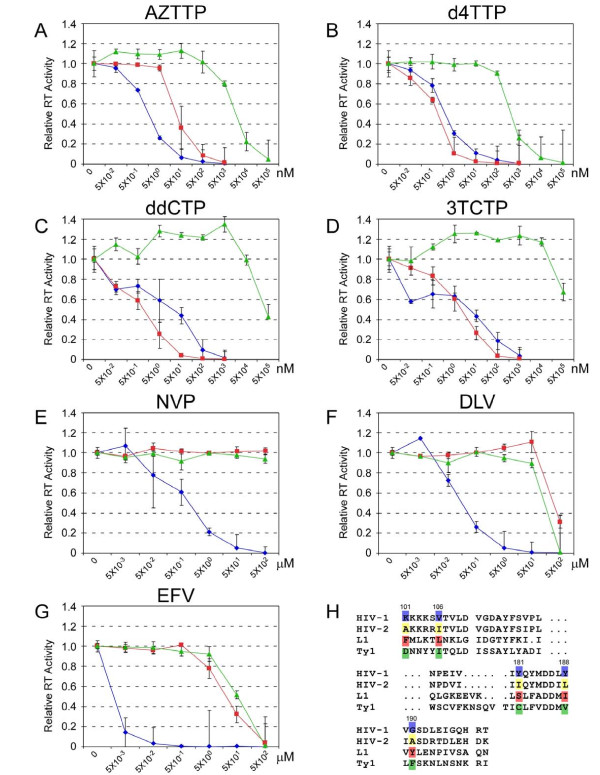
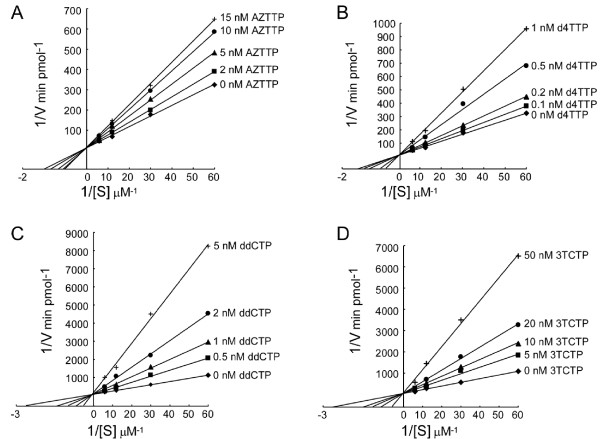
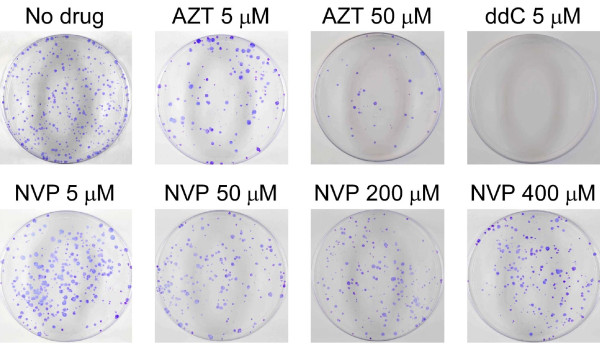
Background: LINE-1s (L1, Long Interspersed Element-1) are the most abundant autonomous non-LTR retrotransposons in the human genome and replicate by reverse transcription of an RNA intermediate. Full-length L1 encodes two open reading frames (ORF1, ORF2) and ORF2 has reverse transcriptase activity. Results: Here we expressed human L1 RT in E. coli and the purified protein displayed the same RT activity as that of ORF2p expressed in insect cells. We tested the effect of different reverse transcriptase inhibitors on L1 RT and found that all four tested nucleoside inhibitors efficiently inhibited L1 RT activity competitively. The K i values of NRTIs were calculated (AZTTP, 16.4 ± 4.21 nM; d4TTP, 0.73 ± 0.22 nM; ddCTP, 0.72 ± 0.16 nM; 3TCTP, 12.9 ± 2.07 nM). L1 RT was less sensitive to non-nucleoside reverse transcriptase inhibitors, among these nevirapine had no effect, even at concentrations up to 500 μM. We also examined the effect of RT inhibitors on L1 retrotransposition efficiency in vivo using a cell-based retrotransposition assay. Similarly, all analog inhibitors decreased L1 retrotransposition frequency with different potencies whereas nevirapine had little or no effect on L1 retrotransposition. For comparison, we also tested the same inhibitors to highly purified RT of an LTR-retrotransposon (Ty1) and found it was less sensitive to NRTIs than L1 RT and has the same inhibition profile as L1 RT to NNRTIs. Conclusions: These data indicate that bacterially expressed L1 RT is an active reverse transcriptase sensitive to nucleoside RT inhibitors but not to non-nucleoside inhibitors.
Overview
The claims and statistics of this paper haven’t been checked yet.
Free: it reads the open-access text and checks the first 5 claims that cite a source we can check. Create a free account to check every claim.
Integrity signals
Registry
Cites
Statistics
Figures
Verification
Claims the paper makes
The claims and statistics of this paper haven’t been checked yet.
Free: it reads the open-access text and checks the first 5 claims that cite a source we can check. Create a free account to check every claim.
Claims other papers make about this one
Each is checked against this paper’s own text: does it say what the citing paper says it does?
The cited source says what the claim attributes to it.
In the citing paper
“Some NRTIs developed against HIV have been found to also inhibit L1 RT activity15.”
From L1 drives IFN in senescent cells and promotes age-associated inflammation (2019) · cites this paper as [15]
In the citing paper
“Consistent with this, another group showed that NRTIs effectively inhibit the reverse transcriptase activity of the L1 protein, ORF2p, consequently reducing retrotransposition (Dai et al., 2011).”
From Cytoplasmic DNA: sources, sensing, and role in aging and disease (2021) · cites this paper as Dai et al., 2011
Self-check
Percentages, sums and reported differences re-computed from the paper’s own numbers.
The self-check needs the paper’s full text.
Citations
Cites
Thompson, J. (1997) · Nucleic Acids Research · doi:10.1093/nar/25.24.4876 · Cited by 38,993
Initial sequencing and analysis of the human genome
International Human Genome Sequencing Consortium, Whitehead Institute for Biomedical Research, C. F. G. R., Lander, E. S., Linton, L. M., Birren, B., Nusbaum, C., Zody, M. C., Baldwin, J., Devon, K., Dewar, K., et al. (2001) · Nature · doi:10.1038/35057062 · Cited by 24,216
Mitsuya, H., Weinhold, K. J., Furman, P. A., St Clair, M. H., Lehrman, S. N., Gallo, R. C., Bolognesi, D., Barry, D. W., & Broder, S. (1985) · Proceedings of the National Academy of Sciences · doi:10.1073/pnas.82.20.7096 · Cited by 1,866
Human L1 retrotransposon encodes a conserved endonuclease required for retrotransposition
Feng, Q., Moran, J. V., Kazazian, H. H., & Boeke, J. D. (1996) · Cell · doi:10.1016/s0092-8674(00)81997-2 · Cited by 1,139 · cited 2×
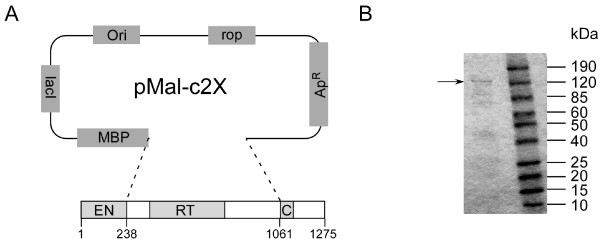
“ORF2 encodes a ~150 kDa multifunctional protein (ORF2p) with endonuclease (EN) [17], reverse transcriptase (RT) activities [18-20] and a cysteine-rich domain of unknown function [21].”
BackgroundSelf-citationHot L1s account for the bulk of retrotransposition in the human population
Brouha, B., Schustak, J., Badge, R. M., Lutz-Prigge, S., Farley, A. H., Moran, J. V., & Kazazian, H. H. (2003) · Proceedings of the National Academy of Sciences · doi:10.1073/pnas.0831042100 · Cited by 1,073 · cited 1×
“Though most L1 copies are functionally inactive, there are ~80-100 retrotransposition-competent L1s in human genome [2].”
BackgroundLINE-mediated retrotransposition of marked Alu sequences
Dewannieux, M., Esnault, C., & Heidmann, T. (2003) · Nature Genetics · doi:10.1038/ng1223 · Cited by 1,023 · cited 1×
“L1s have greatly shaped the human genome by their own retrotransposition and mobilization of non-autonomous elements (Alu, SINEs) in trans [3-6].”
BackgroundHigh frequency retrotransposition in cultured mammalian cells
Moran, J. V., Holmes, S. E., Naas, T. P., DeBerardinis, R. J., Boeke, J. D., & Kazazian, H. H. (1996) · Cell · doi:10.1016/s0092-8674(00)81998-4 · Cited by 1,022 · cited 2×
“The cell-based retrotransposition assay was conducted as described [26].”
BackgroundMethodSelf-citationHuman LINE retrotransposons generate processed pseudogenes
Esnault, C., Maestre, J., & Heidmann, T. (2000) · Nature Genetics · doi:10.1038/74184 · Cited by 830 · cited 1×
“L1s have greatly shaped the human genome by their own retrotransposition and mobilization of non-autonomous elements (Alu, SINEs) in trans [3-6].”
BackgroundReverse Transcriptase Encoded by a Human Transposable Element
Mathias, S. L., Scott, A. F., Kazazian, H. H., Boeke, J. D., & Gabriel, A. (1991) · Science · doi:10.1126/science.1722352 · Cited by 773 · cited 1×
“ORF2 encodes a ~150 kDa multifunctional protein (ORF2p) with endonuclease (EN) [17], reverse transcriptase (RT) activities [18-20] and a cysteine-rich domain of unknown function [21].”
BackgroundSelf-citationLander, E., Linton, L., Birren, B. W., & Nusbaum, C. (2001) · Cited by 772
Cited by
L1 drives IFN in senescent cells and promotes age-associated inflammation
De Cecco, M., Ito, T., Petrashen, A. P., Elias, A. E., Skvir, N. J., Criscione, S. W., Caligiana, A., Brocculi, G., Adney, E. M., Boeke, J. D., et al. (2019) · Nature · doi:10.1038/s41586-018-0784-9 · Cited by 1,255
“Some NRTIs developed against HIV have been found to also inhibit L1 RT activity 15 .”
Self-citationRoles for retrotransposon insertions in human disease
Hancks, D. C., & Kazazian, H. H. (2016) · Mobile DNA · doi:10.1186/s13100-016-0065-9 · Cited by 670
“Interestingly, nucleoside reverse-transcriptase inhibitors known to inhibit LINE-1 activity [230] can block RPE degeneration and inflammasome activation in mice injected sub-retinally with a plasmid expressing Alu [231].”
BackgroundInterventions to slow aging in humans: are we ready?
Longo, V. D., Antebi, A., Bartke, A., Barzilai, N., Brown‐Borg, H. M., Caruso, C., Curiel, T. J., Cabo, R., Franceschi, C., Gems, D., et al. (2015) · Aging Cell · doi:10.1111/acel.12338 · Cited by 592
“Some nucleoside reverse transcriptase inhibitors currently used clinically to treat HIV infection, such as lamivudine or adefovir, block retrotransposition of several endogenous elements, including LINE1, the only known active retrotransposition family in human genomes (Dai et al. , 2011).”
LINE1 Derepression in aged wild-type and SIRT6-deficient mice drives inflammation
Simon, M., Van Meter, M., Ablaeva, J., Ke, Z., Gonzalez, R. S., Taguchi, T., De Cecco, M., Leonova, K. I., Kogan, V., Helfand, S. L., et al. (2019) · Cell Metabolism · doi:10.1016/j.cmet.2019.02.014 · Cited by 498
“Several studies have reported that in addition to impeding the activity of viral polymerases, NRTIs such as 3TC and d4T, are also potent inhibitors of L1 RT (Dai et al., 2011; Jones et al., 2008).”
BackgroundThe quest to slow ageing through drug discovery
Partridge, L., Fuentealba, M., & Kennedy, B. K. (2020) · Nature Reviews Drug Discovery · doi:10.1038/s41573-020-0067-7 · Cited by 468
Cai, Y., Song, W., Li, J., Jing, Y., Liang, C., Zhang, L., Zhang, X., Zhang, W., Liu, B., An, Y., et al. (2022) · Science China Life Sciences · doi:10.1007/s11427-022-2161-3 · Cited by 408
Jachowicz, J. W., Bing, X., Pontabry, J., Bošković, A., Rando, O. J., & Torres-Padilla, M.-E. (2017) · Nature Genetics · doi:10.1038/ng.3945 · Cited by 412
DNA damage and repair in age-related inflammation
Zhao, Y., Simon, M., Seluanov, A., & Gorbunova, V. (2023) · Nature Reviews Immunology · doi:10.1038/s41577-022-00751-y · Cited by 372
Transposable elements become active and mobile in the genomes of aging mammalian somatic tissues
De Cecco, M., Criscione, S. W., Peterson, A. L., Neretti, N., Sedivy, J. M., & Kreiling, J. A. (2013) · Aging · doi:10.18632/aging.100621 · Cited by 365
Thomas, C. A., Tejwani, L., Trujillo, C. A., Negraes, P. D., Herai, R. H., Mesci, P., Macia, A., Crow, Y. J., & Muotri, A. R. (2017) · Cell Stem Cell · doi:10.1016/j.stem.2017.07.009 · Cited by 330
“In addition, as a control, we maintained one TREX1-deficient cell line in the presence of a different anti-HIV-1 drug called Nevirapine (NVP), which has no notable effect on L1 reverse transcription (Dai et al., 2011; Jones et al., 2008).”
Cytoplasmic DNA: sources, sensing, and role in aging and disease
Miller, K. N., Victorelli, S. G., Salmonowicz, H., Dasgupta, N., Liu, T., Passos, J. F., & Adams, P. D. (2021) · Cell · doi:10.1016/j.cell.2021.09.034 · Cited by 288
Guler, G. D., Tindell, C. A., Pitti, R., Wilson, C., Nichols, K., KaiWai Cheung, T., Kim, H.-J., Wongchenko, M., Yan, Y., Haley, B., et al. (2017) · Cancer Cell · doi:10.1016/j.ccell.2017.07.002 · Cited by 277
Loss of Nuclear TDP-43 Is Associated with Decondensation of LINE Retrotransposons
Liu, E. Y., Russ, J., Cali, C. P., Phan, J. M., Amlie-Wolf, A., & Lee, E. B. (2019) · Cell Reports · doi:10.1016/j.celrep.2019.04.003 · Cited by 231
“Lamivudine (3-TC) is a reverse transcriptase inhibitor currently used to treat HIV infection, which has been shown to inhibit LINE1 retrotransposition (Dai et al., 2011; Gulick et al., 1997; Thomas et al., 2017).”
BackgroundA role for retrotransposon LINE-1 in fetal oocyte attrition in mice
Malki, S., van der Heijden, G. W., O’Donnell, K. A., Martin, S. L., & Bortvin, A. (2014) · Developmental Cell · doi:10.1016/j.devcel.2014.04.027 · Cited by 215
“were based on previous reports (Dai et al., 2011; Sharpe et al., 1987, 1988; Toltzis et al., 1991).”
Pericentromeric satellite repeat expansions through RNA-derived DNA intermediates in cancer
Bersani, F., Lee, E., Kharchenko, P. V., Xu, A. W., Liu, M., Xega, K., MacKenzie, O. C., Brannigan, B. W., Wittner, B. S., Jung, H., et al. (2015) · Proceedings of the National Academy of Sciences · doi:10.1073/pnas.1518008112 · Cited by 181
“By analogy, RT of LINE-1 transcripts, followed by their retrotransposition at chromosomal loci has been described in epithelial cancers, including colon carcinoma (24).”
InfluentialLong Interspersed Element–1 (LINE-1): Passenger or Driver in Human Neoplasms?
Rodić, N., & Burns, K. H. (2013) · PLoS Genetics · doi:10.1371/journal.pgen.1003402 · Cited by 164
“Several nucleoside analogues have been shown in biochemical analyses to inhibit the RT activity of ORF2p and, in cell-culturebased retrotransposition assays, to reduce the number of L1 retrotransposition events [38,39].”
SIRT7 antagonizes human stem cell aging as a heterochromatin stabilizer
Bi, S., Liu, Z., Wu, Z., Wang, Z., Liu, X., Wang, S., Ren, J., Yao, Y., Zhang, W., Song, M., et al. (2020) · Protein & Cell · doi:10.1007/s13238-020-00728-4 · Cited by 157
Cell fitness screens reveal a conflict between LINE-1 retrotransposition and DNA replication
Ardeljan, D., Steranka, J. P., Liu, C., Li, Z., Taylor, M. S., Payer, L. M., Gorbounov, M., Sarnecki, J. S., Deshpande, V., Hruban, R. H., et al. (2020) · Nature Structural & Molecular Biology · doi:10.1038/s41594-020-0372-1 · Cited by 135
“In contrast, addition of nucleoside reverse transcriptase inhibitors known to act on LINE-1, zalcitabine (ddC) or didanosine (ddI) 36 , attenuated the IFN response (Extended Data Fig.”
Self-citationStructures, functions and adaptations of the human LINE-1 ORF2 protein
Baldwin, E. T., van Eeuwen, T., Hoyos, D., Zalevsky, A. O., Tchesnokov, E. P., Sánchez, R., Miller, B. D., Stefano, L. H. D., Ruiz, F. X., Hancock, M., et al. (2023) · Nature · doi:10.1038/s41586-023-06947-z · Cited by 152
Gamdzyk, M., Doycheva, D. M., Araujo, C., Ocak, U., Luo, Y., Tang, J., & Zhang, J. H. (2020) · Molecular Neurobiology · doi:10.1007/s12035-020-01904-7 · Cited by 127
“Stavudine is a well-known anti-HIV-1 drug that has been shown to inhibit LINE-1 reverse transcription [36, 56, 57].”
p53 directly represses human LINE1 transposons
Tiwari, B., Jones, A. E., Caillet, C. J., Das, S., Royer, S. K., & Abrams, J. M. (2020) · Genes & Development · doi:10.1101/gad.343186.120 · Cited by 111
“Since 3TC is a potent inhibitor of the L1 reverse transcriptase (Jones et al. 2008; Dai et al. 2011; Banuelos-Sanchez et al. 2019), these results indicate that L1s can drive inflammatory genes when p53 is abolished.”
BackgroundMethodSilencing of LINE-1 retrotransposons is a selective dependency of myeloid leukemia
Gu, Z., Liu, Y., Zhang, Y., Cao, H., Lyu, J., Wang, X., Wylie, A., Newkirk, S. J., Jones, A. E., Lee, M., et al. (2021) · Nature Genetics · doi:10.1038/s41588-021-00829-8 · Cited by 115
L1 retrotransposons, cancer stem cells and oncogenesis
Carreira, P. E., Richardson, S. R., & Faulkner, G. J. (2014) · The FEBS Journal · doi:10.1111/febs.12601 · Cited by 101
Transposon-triggered innate immune response confers cancer resistance to the blind mole rat
Zhao, Y., Oreskovic, E., Zhang, Q., Lu, Q., Gilman, A., Lin, Y. S., He, J., Zheng, Z., Lu, J. Y., Lee, J., et al. (2021) · Nature Immunology · doi:10.1038/s41590-021-01027-8 · Cited by 99
Intact piRNA pathway prevents L1 mobilization in male meiosis
Newkirk, S. J., Lee, S., Grandi, F. C., Gaysinskaya, V., Rosser, J. M., Vanden Berg, N., Hogarth, C. A., Marchetto, M. C. N., Muotri, A. R., Griswold, M. D., et al. (2017) · Proceedings of the National Academy of Sciences · doi:10.1073/pnas.1701069114 · Cited by 96
“To further test the contribution of increased L1 retrotransposition in the meiotic phenotype, we treated Mov10l1 animals with a nucleoside reverse-transcriptase inhibitor, dideoxycytidine (ddC), which is highly effective in blocking L1 retrotransposition in cell-based assays (55) (Fig.”
MethodSelf-citationEpigenetic Regulation of Inflammatory Signaling and Inflammation-Induced Cancer
Tan, S. Y. X., Zhang, J., & Tee, W. (2022) · Frontiers in Cell and Developmental Biology · doi:10.3389/fcell.2022.931493 · Cited by 91
L1 retrotransposition in the soma: a field jumping ahead
Faulkner, G. J., & Billon, V. (2018) · Mobile DNA · doi:10.1186/s13100-018-0128-1 · Cited by 79
LINE‐1 retrotransposons in healthy and diseased human brain
Suarez, N. A., Macia, Á., & Muotri, A. R. (2017) · Developmental Neurobiology · doi:10.1002/dneu.22567 · Cited by 87
“The authors also utilized two reversetranscriptase inhibitors (RTis): Lamivudine (3TC) and Stavudine (d4T) that have been previously shown to inhibit L1 retrotransposition (Dai et al., 2011).”
Onozawa, M., Zhang, Z., Kim, Y. J., Goldberg, L., Varga, T., Bergsagel, P. L., Kuehl, W. M., & Aplan, P. D. (2014) · Proceedings of the National Academy of Sciences · doi:10.1073/pnas.1321889111 · Cited by 88
“One was treated with AZT and 2′, 3′-dideoxyinosine (ddI), which have been shown to inhibit LINE-1 and other endogenous reverse-transcriptase enzymes (30, 31).”
The Specificity and Flexibility of L1 Reverse Transcription Priming at Imperfect T-Tracts
Monot, C., Kuciak, M., Viollet, S., Mir, A. A., Gabus, C., Darlix, J.-L., & Cristofari, G. (2013) · PLoS Genetics · doi:10.1371/journal.pgen.1003499 · Cited by 69
“The DLEA protocol differs from previous approaches [10,33,51,55,67] because it combines native L1 RNP purification from cell extracts, by sucrose cushion ultracentrifugation or immunopurification (Figure 8), with the direct detection of extension products.”
MethodSources of Pathogenic Nucleic Acids in Systemic Lupus Erythematosus
Mustelin, T., Lood, C., & Giltiay, N. V. (2019) · Frontiers in Immunology · doi:10.3389/fimmu.2019.01028 · Cited by 78
Ambati, J., Magagnoli, J., Leung, H., Wang, S.-B., Andrews, C. A., Fu, D., Pandey, A., Sahu, S., Narendran, S., Hirahara, S., et al. (2020) · Nature Communications · doi:10.1038/s41467-020-18528-z · Cited by 66
Sciamanna, I., Luca, C. D., & Spadafora, C. (2016) · Frontiers in Chemistry · doi:10.3389/fchem.2016.00006 · Cited by 71
“Deregulation of these circuits is implicated in a variety of diseases, including cancer (Esteller, 2011).”
BackgroundLINE-1 induces hTERT and ensures telomere maintenance in tumour cell lines
Aschacher, T., Wolf, B., Enzmann, F., Kienzl, P., Meßner, B., Sampl, S., Svoboda, M., Mechtcheriakova, D., Holzmann, K., & Bergmann, M. M. (2015) · Oncogene · doi:10.1038/onc.2015.65 · Cited by 72
Reverse Transcriptase Inhibition Disrupts Repeat Element Life Cycle in Colorectal Cancer.
Rajurkar, M., Parikh, A. R., Solovyov, A., You, E., Kulkarni, A. S., Chu, C., Xu, K. H., Jaicks, C., Taylor, M. S., Wu, C., et al. (2022) · Cancer Discovery · doi:10.1158/2159-8290.cd-21-1117 · Cited by 61
Death by transposition – the enemy within?
Sedivy, J. M., Kreiling, J. A., Neretti, N., Cecco, M. D., Criscione, S. W., Hofmann, J. W., Zhao, X., Ito, T., & Peterson, A. L. (2013) · BioEssays · doi:10.1002/bies.201300097 · Cited by 60
“In human cell culture assays, using engineered L1 reporter elements, lamivudine inhibited retrotransposition by 92–97% [97].”
BackgroundHecht, M., Erber, S., Harrer, T., Klinker, H., Roth, T., Parsch, H., Fiebig, N., Fietkau, R., & Distel, L. V. (2015) · PLOS ONE · doi:10.1371/journal.pone.0130277 · Cited by 60
Maximizing the ovarian reserve in mice by evading LINE-1 genotoxicity
Tharp, M. E., Malki, S., & Bortvin, A. L. (2020) · Nature Communications · doi:10.1038/s41467-019-14055-8 · Cited by 61
Mustelin, T., & Ukadike, K. C. (2020) · Frontiers in Immunology · doi:10.3389/fimmu.2020.593891 · Cited by 60
Patnala, R., Lee, S. C., Dahlstrom, J. E., Ohms, S., Chen, L., Dheen, S. T., & Rangasamy, D. (2013) · Breast Cancer Research and Treatment · doi:10.1007/s10549-013-2812-7 · Cited by 59
“Recent studies show that efavirenz has a higher affinity to L1-encoded RT than nevirapine [21, 22] and is a more effective inhibitor of RT activity.”
BackgroundLINE-1 activation in the cerebellum drives ataxia
Takahashi, T., Stoiljkovic, M., Song, E., Gao, X.-B., Yasumoto, Y., Kudo, E., Carvalho, F., Kong, Y., Park, A., Shanabrough, M., et al. (2022) · Neuron · doi:10.1016/j.neuron.2022.08.011 · Cited by 51
LINE‐1 retrotransposon copies are amplified during murine early embryo development
Vitullo, P., Sciamanna, I., Baiocchi, M., Vallebona, P. S., & Spadafora, C. (2011) · Molecular Reproduction and Development · doi:10.1002/mrd.22003 · Cited by 60
“…RT in vitro, which resulted in developmental arrest (Pittoggi et al., 2003), subsequent studies have demonstrated a higher effectiveness of nucleoside inhibitors on both reverse transcription by the mammalian RT enzymes and on LINE-1 retrotransposition events (Jones et al., 2008; Dai et al., 2011).”
BackgroundThe SAMHD1-mediated block of LINE-1 retroelements is regulated by phosphorylation
Herrmann, A., Wittmann, S., Thomas, D., Shepard, C., Kim, B., Ferreirós, N., & Gramberg, T. (2018) · Mobile DNA · doi:10.1186/s13100-018-0116-5 · Cited by 59
Fukuda, S., Narendran, S., Varshney, A., Nagasaka, Y., Wang, S.-B., Ambati, K., Apicella, I., Pereira, F., Fowler, B. J., Yasuma, T. R., et al. (2021) · Science Advances · doi:10.1126/sciadv.abj3658 · Cited by 57
“Briefly, 2 g of recombinant His-tagged cGAS was incubated with 50 pmol of DIG-labeled cDNA within 100 l of binding buffer [0.2 M tris-HCl (pH 7.4), 0.5 M NaCl, 20 mM MgCl 2 , and 1% Tween 20] on ice for 1 hour, and then the complex was pulled down using anti-DIG magnetic beads (Thermo Fisher Scientific, catalog no.”
InfluentialGe, L., Jin, X., Ma, D., Wang, Z.-Y., Liu, C., Zhou, C., Zhao, S., Yu, T., Liu, X., Di, G. H., et al. (2024) · Cell Research · doi:10.1038/s41422-023-00909-w · Cited by 56
“Finally, the TCGA cohort consisted of 134 patients with multi-omics data and H&E images.”
Retrotransposons as a Source of DNA Damage in Neurodegeneration
Pezé-Heidsieck, E., Bonnifet, T., Znaidi, R., Ravel‐Godreuil, C., Massiani-Beaudoin, O., Joshi, R. L., & Fuchs, J. (2022) · Frontiers in Aging Neuroscience · doi:10.3389/fnagi.2021.786897 · Cited by 60
Sciamanna, I., Gualtieri, A., Cossetti, C., Osimo, E. F., Ferracin, M., Macchia, G., Aricò, E., Prosseda, G., Vitullo, P., Misteli, T., et al. (2013) · Oncotarget · doi:10.18632/oncotarget.1403 · Cited by 47
“Efavirenz (EFV), a non-nucleoside RT inhibitor originally designed to target the HIV-encoded RT, has a demonstrated ability to inhibit the endogenous cellular RT [24]; remarkably, EFV elicits the same cancer reversal phenotypes [22, 23, 25] observed after RNAi silencing of active LINE-1 elements [23, 26].”
BackgroundOno, R., Ishii, M., Fujihara, Y., Kitazawa, M., Usami, T., Kaneko‐Ishino, T., Kanno, J., Ikawa, M., & Ishino, F. (2015) · Scientific Reports · doi:10.1038/srep12281 · Cited by 52
IFN-Aging: Coupling Aging With Interferon Response
Cao, W. (2022) · Frontiers in Aging · doi:10.3389/fragi.2022.870489 · Cited by 53
“Nucleoside reverse-transcriptase inhibitors (NRTi) are a class of FDA-approved drugs that suppress TE by interfering with the reverse transcription step of retroelement replication (Jones et al., 2008; Dai et al., 2011).”
BackgroundTo “Z” or not to “Z”: Z-RNA, self-recognition, and the MDA5 helicase
Herbert, A. G. (2021) · PLoS Genetics · doi:10.1371/journal.pgen.1009513 · Cited by 47
Human endogenous retrovirus K in the respiratory tract is associated with COVID-19 physiopathology
Temerozo, J. R., Rodrigues, N. F., dos Santos, M. C., Hottz, E. D., Sacramento, C. Q., da Silva, A. D. P. D., Mandacaru, S. C., Moraes, E. C. D. S., Trugilho, M. R. O., Gesto, J. S. M., et al. (2022) · Microbiome · doi:10.1186/s40168-022-01260-9 · Cited by 52
Oocyte Quality Control: Causes, Mechanisms, and Consequences
Hunter, N. (2017) · Cold Spring Harbor Symposia on Quantitative Biology · doi:10.1101/sqb.2017.82.035394 · Cited by 46
“…correlate with oocyte survival; (iii) expression of an L1 transgene enhances EOA; and (iv) the nucleoside analog azidothymidine AZT, which presumptively inhibits of L1ORF2 reverse transcriptase activity (Jones et al. 2008; Dai et al. 2011), prevents EOA at normal times (between embryonic day E13.”
BackgroundBanuelos‐Sanchez, G., Sánchez, L., Benitez‐Guijarro, M., Sanchez-Carnerero, V., Salvador‐Palomeque, C., Tristán-Ramos, P., Benkaddour-Boumzaouad, M., Morell, S., García-Puche, J. L., Heras, S. R., et al. (2019) · Cell chemical biology · doi:10.1016/j.chembiol.2019.04.010 · Cited by 50
Lack of Trex1 Causes Systemic Autoimmunity despite the Presence of Antiretroviral Drugs
Achleitner, M., Kleefisch, M., Hennig, A., Peschke, K., Polikarpova, A., Oertel, R., Gabriel, B., Schulze, L., Lindeman, D., Gerbaulet, A., et al. (2017) · The Journal of Immunology · doi:10.4049/jimmunol.1700714 · Cited by 50
Pfaff, A. L., Bubb, V. J., Quinn, J. P., & Kõks, S. (2020) · International Journal of Molecular Sciences · doi:10.3390/ijms21186562 · Cited by 46
“If a mechanism of action can be firmly established for these elements in PD, this represents a potential novel therapeutic target for slowing progression and drugs, such as reverse transcriptase inhibitors, could be used that are known to inhibit L1 mobilization [38,39].”
BackgroundAwakening the dark side: retrotransposon activation in neurodegenerative disorders
Ochoa Thomas, E., Zuniga, G., Sun, W., & Frost, B. (2020) · Current Opinion in Neurobiology · doi:10.1016/j.conb.2020.01.012 · Cited by 35
Barbieri, D., Elvira‐Matelot, E., Pelinski, Y., Genève, L., de Laval, B., Yogarajah, G., Pecquet, C., Constantinescu, S. N., & Porteu, F. (2018) · The Journal of Experimental Medicine · doi:10.1084/jem.20170997 · Cited by 44
“This activity is sensitive to reverse transcription inhibitors (RTIs), including the nucleoside analogue 3′dideoxycytidine (ddC; Dai et al., 2011).”
BackgroundBravo, J. I., Nozownik, S., Danthi, P. S., & Benayoun, B. A. (2020) · Development · doi:10.1242/dev.175786 · Cited by 38
Schwertz, H., Rowley, J. W., Schumann, G. G., Thorack, U., Campbell, R. A., Manne, B. K., Zimmerman, G. A., Weyrich, A. S., & Rondina, M. T. (2018) · Arteriosclerosis Thrombosis and Vascular Biology · doi:10.1161/atvbaha.117.310552 · Cited by 32
Retrotransposition of Long Interspersed Element 1 Induced by Methamphetamine or Cocaine
Okudaira, N., Ishizaka, Y., & Nishio, H. (2014) · Journal of Biological Chemistry · doi:10.1074/jbc.m114.559419 · Cited by 32
“Previous studies reported a suppressive effect of d4T on L1-RTP (53, 54).”
BackgroundLou, C., Goodier, J. L., & Qiang, R. (2020) · Reproductive Biology and Endocrinology · doi:10.1186/s12958-020-0564-x · Cited by 36
Iijima, K., Okudaira, N., Tamura, M., Doi, A., Saito, Y. M., Shimura, M., Goto, M., Matsunaga, A., Kawamura, Y. I., Otsubo, T., et al. (2013) · Retrovirology · doi:10.1186/1742-4690-10-83 · Cited by 27
“inhibitors of reverse transcriptase (RTIs) [39,40].”
In Vitro Screening for Compounds That Enhance Human L1 Mobilization
Terasaki, N., Goodier, J. L., Cheung, L. E., Wang, Y. J., Kajikawa, M., Kazazian, H. H., & Okada, N. (2013) · PLoS ONE · doi:10.1371/journal.pone.0074629 · Cited by 30
“AZT inhibits L1 retrotransposition as measured with a neomycin cassette [49].”
BackgroundMethodBellisai, C., Sciamanna, I., Rovella, P., Giovannini, D., Baranzini, M., Pugliese, G. M., Ansari, M. S. Z., Milite, C., Vallebona, P. S., Cirilli, R., et al. (2020) · Cancer Letters · doi:10.1016/j.canlet.2020.02.029 · Cited by 28
Nakayama, R., Ueno, Y., Ueda, K., & Honda, T. (2019) · Oncogene · doi:10.1038/s41388-019-0726-5 · Cited by 25
Gerdes, P., Lim, S. M., Ewing, A. D., Larcombe, M. R., Chan, D. L.-K., Sanchez-Luque, F. J., Walker, L., Carleton, A. L., James, C., Knaupp, A. S., et al. (2022) · Nature Communications · doi:10.1038/s41467-022-35180-x · Cited by 30
Novel Cell Receptor System of Eukaryotes Formed by Previously Unknown Nucleic Acid-Based Receptors
Tetz, V., & Tetz, G. V. (2022) · Receptors · doi:10.3390/receptors1010003 · Cited by 24
“Recent studies have shown the existence of multiple polymerases of these types in eukaryotic cells, including those with unknown functions [86].”
BackgroundNovototskaya-Vlasova, K. A., Neznanov, N., Molodtsov, I. A., Hall, B. M., Commane, M., Gleiberman, A. S., Murray, J. E., Haber, M., Norris, M. D., Leonova, K. I., et al. (2022) · Proceedings of the National Academy of Sciences · doi:10.1073/pnas.2213146119 · Cited by 24
“In fact, nucleoside reverse transcriptase inhibitor (NRTI) developed to treat HIV and hepatitis B infections (such as stavudine (STV), lamivudine, ten-ofovir, islatravir, etc.) (18) are capable of inhibiting L1 RT (19).”
Inhibition of LINE-1 Retrotransposition by Capsaicin
Nishikawa, Y., Nakayama, R., Obika, S., Ohsaki, E., Ueda, K., & Honda, T. (2018) · International Journal of Molecular Sciences · doi:10.3390/ijms19103243 · Cited by 23
“Third, some nucleoside RT inhibitors of retroviral RT are also known to inhibit L1 RT, which suggests that M-MLV RT and L1 ORF2p share several properties [19].”
BackgroundMethodInfluentialImpact of Cellular Senescence in Aging and Cancer
Provinciali, M., Cardelli, M., Marchegiani, F., & Pierpaoli, E. (2013) · Current Pharmaceutical Design · doi:10.2174/138161213805219739 · Cited by 27
LINEs of evidence: noncanonical DNA replication as an epigenetic determinant
Belan, E. (2013) · Biology Direct · doi:10.1186/1745-6150-8-22 · Cited by 18
“It also was found to be an effective L1 RT inhibitor in in vitro retrotransposition assays when used at similar concentrations [40].”
BackgroundZhang, L., Bisht, P., Flamier, A., Barrasa, M. I., Friesen, M., Richards, A. L., Hughes, S. H., & Jaenisch, R. (2023) · Viruses · doi:10.3390/v15030629 · Cited by 23
“These RT inhibitors have been reported to be able to block LINE1 reverse transcriptase activities and LINE1 retrotranspositions [49].”
Schneider, M. A., Buzdin, A. A., Weber, A., Clavien, P., & Borger, P. (2021) · Viruses · doi:10.3390/v13122396 · Cited by 22
“showed that the EC50 of efavirenz to inhibit LINE1 activity was around 10−5 M, a non-toxic concentration that can be reached by oral administration [6].”
BackgroundSokolowski, M. J., DeFreece, C., Servant, G., Kines, K. J., deHaro, D. L., & Belancio, V. P. (2014) · Mobile DNA · doi:10.1186/s13100-014-0029-x · Cited by 21
“Suppression of L1 retrotransposition by HIV reverse transcriptase inhibitors has been previously reported [53,54], generating an interest in developing L1-specific inhibitors with the potential to suppress L1-associated damage in vivo.”
BackgroundExosomes transmit retroelement RNAs to drive inflammation and immunosuppression in Ewing SarcomaPreprint
Evdokimova, V. E., Ruzanov, P., Gassmann, H., Zaidi, S. H. E., Peltekova, V. D., Heisler, L. E., McPherson, J. D., Orlic-Milacic, M., Specht, K., Steiger, K., et al. (2019) · bioRxiv (Cold Spring Harbor Laboratory) · doi:10.1101/806851 · Cited by 19
p53-mediated regulation of LINE1 retrotransposon-derived R-loops
Paul, P., Kumar, A., De, A. K., Parida, A. S., Bhadke, G., Khatua, S., Pattanayak, F., & Tiwari, B. (2025) · Journal of Biological Chemistry · doi:10.1016/j.jbc.2025.108200 · Cited by 22
LINE-1 retrotransposons: from ‘parasite’ sequences to functional elements
Paço, A., Adega, F., & Chaves, R. (2014) · Journal of Applied Genetics · doi:10.1007/s13353-014-0241-x · Cited by 21
“2010), although presenting a cysteine-rich domain with a still unknown function (Fanning and Singer 1987; Dai et al. 2011).”
InfluentialUkadike, K. C., Najjar, R., Ni, K., Laine, A., Wang, X., Bays, A. M., Taylor, M. S., LaCava, J., & Mustelin, T. (2023) · Mobile DNA · doi:10.1186/s13100-023-00293-7 · Cited by 19
“If translated, this would produce an 870amino acid residue protein with an intact reverse transcriptase domain but lacking the cysteine-rich C-terminal domain; the missing domain is required for retrotransposition, but not for reverse transcriptase activity[50].”
BackgroundYue, Z., Nie, L., Ji, N., Sun, Y., Zhu, K., Zou, H., Song, X., Chen, J., & Wang, Q. (2023) · Journal Of Clinical Periodontology · doi:10.1111/jcpe.13871 · Cited by 20
Aschacher, T., Wolf, B., Aschacher, O., Enzmann, F., László, V., Meßner, B., Türkcan, A., Weis, S., Spiegl‐Kreinecker, S., Holzmann, K., et al. (2019) · Neoplasia · doi:10.1016/j.neo.2019.11.002 · Cited by 18
“Therefore, we performed an L1-RNP-specific in-vitro-RT reaction as described previously [60].”
MethodAdvances in understanding the initiation of HIV-1 reverse transcription
Krupkin, M., Jackson, L. N., Ha, B., & Puglisi, E. V. (2020) · Current Opinion in Structural Biology · doi:10.1016/j.sbi.2020.07.005 · Cited by 20
Ward, J. R., Khan, A., Torres, S., Crawford, B., Nock, S. L., Frisbie, T. J., Moran, J. V., & Longworth, M. S. (2022) · Nucleic Acids Research · doi:10.1093/nar/gkac802 · Cited by 23
“L1 retrotransposition requires L1 ORF2p reverse transcriptase activity (35,70) and the treatment of transfected cells with Nucleoside Reverse Transcriptase Inhibitors (NRTIs) severely inhibits the retrotransposition of engineered L1s in cultured cells (68,71,72).”
BackgroundMethodD’Ordine, A. M., Jogl, G., & Sedivy, J. M. (2024) · Nature Communications · doi:10.1038/s41467-024-48066-x · Cited by 15
“A similar approachwasusedtodiscoverthatsomeHIVRTinhibitors,suchasthe widely-used drug Lamivudine (also known as 3TC), have ef fi cacy againsttheL1RTduetosimilaritiesinsequenceandenzymaticactivity, and can therefore be repurposed for L1 inhibition 34,35 .”
RNA transcripts serve as a template for double-strand break repair in human cells
Jalan, M., Brambati, A., Shah, H., McDermott, N., Patel, J., Zhu, Y., Doymaz, A., Wu, J., Anderson, K. S., Gazzo, A. M., et al. (2025) · Nature Communications · doi:10.1038/s41467-025-59510-x · Cited by 16
“However, inhibiting LINE-1 reverse transcriptase activity using the HIV reverse transcriptase inhibitors azidothymidine (AZT) or lamivudine (3TC) 37 did not impair DSB repairas measured by BFP-to-GFP assay and AAVS1-seq, indicating that LINE-1 reverse transcriptase is dispensable for RT-DSBR (Fig.”
Romero, M. A., Mobley, C. B., Mumford, P. W., Roberson, P. A., Haun, C. T., Kephart, W. C., Healy, J. C., Beck, D. T., Young, K. C., Martin, J. S., et al. (2017) · American Journal of Physiology-Cell Physiology · doi:10.1152/ajpcell.00192.2017 · Cited by 15
“RT activity downregulation was associated with an increase in satellite cell number, we performed an in vitro follow-up study to assess whether 48-h treatments with efavirenz, neviripine, or delavirdine, well-known RT inhibitors (7, 28, 34), affected myoblast proliferation.”
BackgroundMethodTalotta, R., Atzeni, F., & Laska, M. J. (2020) · Autoimmunity · doi:10.1080/08916934.2020.1755962 · Cited by 13
Xiao Hua, S. H. I., Si, X., Zhang, E., Zang, R., Yang, N., He, C., Zhang, Z., Pan, B., & Sun, Y. (2021) · Journal of Biomedical Research · doi:10.7555/jbr.35.20210105 · Cited by 12
“SG proteins like YB1, hnRNPA1 and FUS have been reported to interact with G quadruplexes[45].”
BackgroundWang, F., Chamani, I. J., Luo, D., Chan, K., Navarro, P. A., & Keefe, D. L. (2021) · Journal of Assisted Reproduction and Genetics · doi:10.1007/s10815-021-02331-w · Cited by 13
“NRTIs also inhibit LINE-1 reverse transcriptase activity [35, 36].”
BackgroundAdvances in transposable elements: from mechanisms to applications in mammalian genomics
Han, M., Perkins, M. H., Novaes, L. S., Xu, T., & Chang, H. (2023) · Frontiers in Genetics · doi:10.3389/fgene.2023.1290146 · Cited by 10
HCV Activates Somatic L1 Retrotransposition—A Potential Hepatocarcinogenesis Pathway
Sudhindar, P. D., Wainwright, D., Saha, S. K., Howarth, R., McCain, M. V., Bury, Y. A., Saha, S. S., McPherson, S., Reeves, H. L., Patel, A. H., et al. (2021) · Cancers · doi:10.3390/cancers13205079 · Cited by 8
“In addition, L1 retrotransposition can be inhibited by means of anti-retroviral drugs [48,49].”
BackgroundEpigenetic regulation and role of LINE-1 retrotransposon in embryogenesis
Vasilyev, S. А., Tolmacheva, E. N., & Лебедев, И. Н. (2016) · Russian Journal of Genetics · doi:10.1134/s1022795416120152 · Cited by 7
Contribution of Retrotransposable Elements to Aging
Kreiling, J. A., Jones, B. C., Wood, J. G., Cecco, M. D., Criscione, S. W., Neretti, N., Helfand, S. L., & Sedivy, J. M. (2017) · Springer eBooks · doi:10.1007/978-3-319-48344-3_13 · Cited by 7
Dormant viral pathways underlie space-induced neural senescencePreprint
Martins, A. M. A., Nakashima, H., Macia, Á., Umeyama, T., Miyashita, S., Nascimento, L. L., Coelho, L. B. V., Mesci, P., Viirre, E., Suarez, N., et al. (2025) · bioRxiv (Cold Spring Harbor Laboratory) · doi:10.1101/2025.11.02.686043 · Cited by 6
Mehmood, A., Xue, Y., Yassin, H. M., Zubair, M. A., Rahmat, S. A., & Ahmad, A. (2025) · Współczesna Onkologia · doi:10.5114/wo.2025.152369 · Cited by 16
“To inhibit human L1 reverse transcriptase, the efficacy of NRTIs is consistent with their relative ability [28].”
Nicodemus, J., Liu, C. S., Ransom, L., Tan, V., Romanow, W., Jimenez, N., & Chun, J. (2025) · The Journal of Neuroscience · doi:10.1523/jneurosci.2298-24.2025 · Cited by 5
“…reports on e ffi cacy including the e ff ectiveness of allosteric non-nucleoside RT inhibitors like Efavirenz, developed against the HIV RT heterodimer (Sciamanna et al., 2005; Braz et al., 2010; Dai et al., 2011; Patnala et al., 2013; Banuelos-Sanchez et al., 2019; Baldwin et al., 2024).”
Ahuja, A., Journo, G., Eitan, R., Rubin, E., & Shamay, M. (2020) · Oncogene · doi:10.1038/s41388-020-01549-9 · Cited by 4
“Several antiretroviral RT inhibitors (both nucleoside and non-nucleoside) developed to treat HIV-1 infections, are potent inhibitors of L1 encoded RT [32, 33].”
BackgroundCrawford, B. I., Talley, M. J., Russman, J., Riddle, J., Torres, S., Williams, T., & Longworth, M. S. (2024) · Nature Communications · doi:10.1038/s41467-024-47042-9 · Cited by 6
“…increased cell death in these NSPCs. Interestingly, increased levels of retrotransposition and increased cell death are rescued when condensin-insuf fi cient larvae are allowed to develop on food containing nucleoside reverse transcriptase inhibitors (NRTIs) which inhibit RTE activity 36,37 .”
Navarro, P. A., Wang, F., Pimentel, R. N., Robinson, L. G., Berteli, T. S., & Keefe, D. L. (2021) · Molecular Biology Reports · doi:10.1007/s11033-021-06788-x · Cited by 5
“AZT, a reverse-transcriptase inhibitor (RTi), blocks LINE-1 RT activity in vitro [27, 28] and in cell-based retrotransposition experiments [29, 30].”
BackgroundChalmers, T. J., & Wu, L. E. (2020) · BioEssays · doi:10.1002/bies.201900197 · Cited by 4
Wang, M., Zhang, M., Chen, J., Wang, Y., Zhang, J., Dai, Y., Zhao, C., Gan, Y., Liu, L., & Li, Z. (2026) · Cellular Signalling · doi:10.1016/j.cellsig.2025.112351 · Cited by 3
Metadata
- Authors
- Dai, L., Huang, Q., & Boeke, J. D.
- Affiliations
- Johns Hopkins University (US)
- Corresponding author
- Boeke, Jef D
- Venue
- BMC Biochemistry
- Published
- 2011-05-05
- Volume
- 12
- Issue
- 1
- Pages
- 18-18
- ISSN
- 1471-2091 (ISSN-L)
- PMC
- PMC3103432
- OpenAlex
- W1982644994
- Cited by
- 131
- References
- 55
- Citations by year
- 2026: 6 · 2025: 10 · 2024: 7 · 2023: 7 · 2022: 13 · 2021: 10 · 2020: 18 · 2019: 13 · 2018: 6 · 2017: 12 · 2016: 4 · 2015: 7 · 2014: 5 · 2013: 11 · 2012: 1
- FWCI
- 6.92
- Type
- journal article
- Language
- en
- Open access
- hybrid
- doi.org
- Licence
- cc-by
- Locations
- BMC Biochemistry (publishedVersion, cc-by)
- PubMed Central (publishedVersion, cc-by)
- PubMed (publishedVersion)
- Funders
- National Cancer Institute (P01CA16519, P01CA016519)
- National Institute of General Medical Sciences (R01-GM36481, R01GM036481)
- Topics
- Life Sciences › Biochemistry, Genetics and Molecular Biology › Genetics › Chromosomal and Genetic Variations
- Health Sciences › Medicine › Infectious Diseases › HIV/AIDS drug development and treatment
- Life Sciences › Biochemistry, Genetics and Molecular Biology › Genetics › Virus-based gene therapy research
- Keywords
- LINE-1 retrotransposons, reverse transcriptase inhibitors, retrotransposition, Ty1 retrotransposon, nucleoside reverse transcriptase inhibitors, non-nucleoside reverse transcriptase inhibitors, nevirapine, LTR retrotransposons, competitive inhibition, Ki values, non-LTR retrotransposons
- MeSH terms
- Amino Acid Sequence, Cell-Free System, Escherichia coli, HeLa Cells, Humans, Kinetics, Molecular Sequence Data, RNA-Directed DNA Polymerase, HIV-1, HIV-2, Reverse Transcriptase Inhibitors, Long Interspersed Nucleotide Elements, Enzyme Assays
About these checks
Registry, retraction, Cites and statistics results are computed, not judged, with one exception: a printed reference that no index lists is read once by a model before it counts as a citation error. Claims are extracted by a model and kept only when their quote appears verbatim in the text; each cited source is then checked, with a model’s help, for whether it says what the claim relies on. Those verdicts can be wrong — read the claim’s quote and the cited source before relying on one.
Statistics and arithmetic are recomputed, not judged.
Confidence bands are shown only for fields calibrated on our annotated test set. None is calibrated yet, so no band is shown.
What counts as a claim ›How we measure confidence ›How we check this ›
Are you an author, or do you see a problem with this page? Request a review
Data sources
Bibliographic data: Semantic Scholar, OpenAlex, Crossref.
Contains information from the Semantic Scholar Academic Graph Datasets, made available under the ODC Attribution License (ODC-BY 1.0).
Semantic Scholar’s data is described in: Kinney, R., et al. (2023). The Semantic Scholar Open Data Platform. arXiv:2301.10140.
