

Hierarchical modularity of nested bow-ties in metabolic networks
Open accessThe DOI matches its Crossref record; 40 of the 41 references it cites were found in a registry or an index.
Abstract
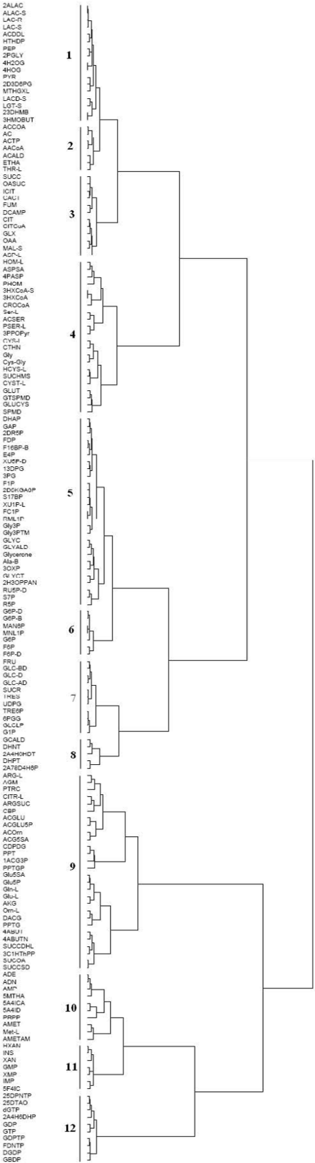
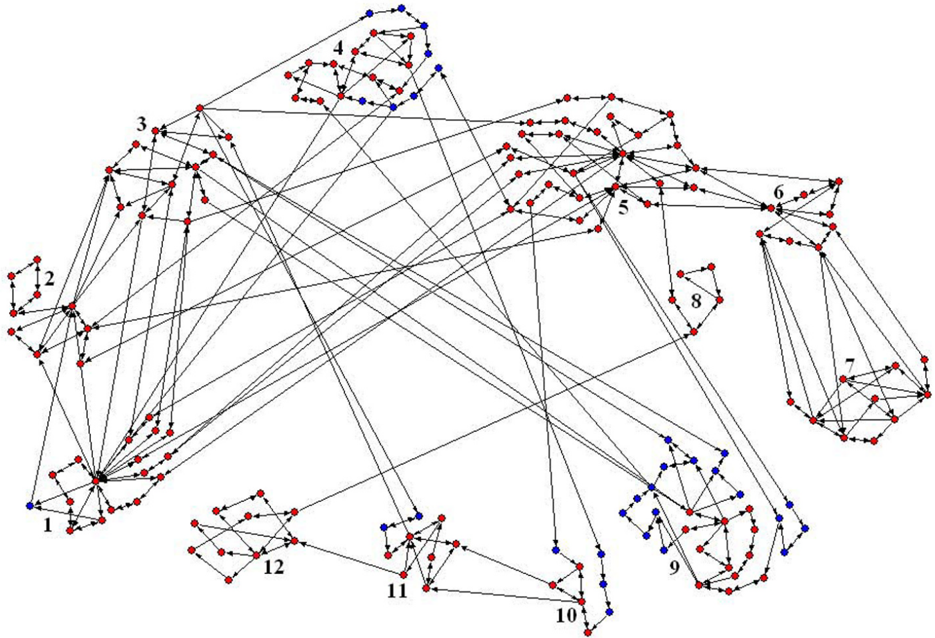
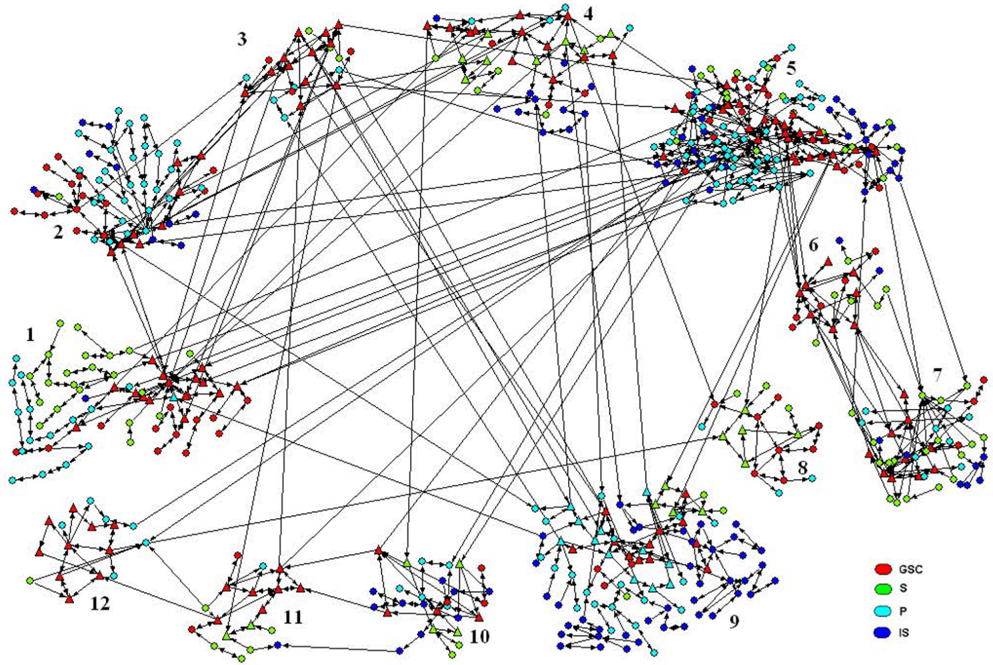
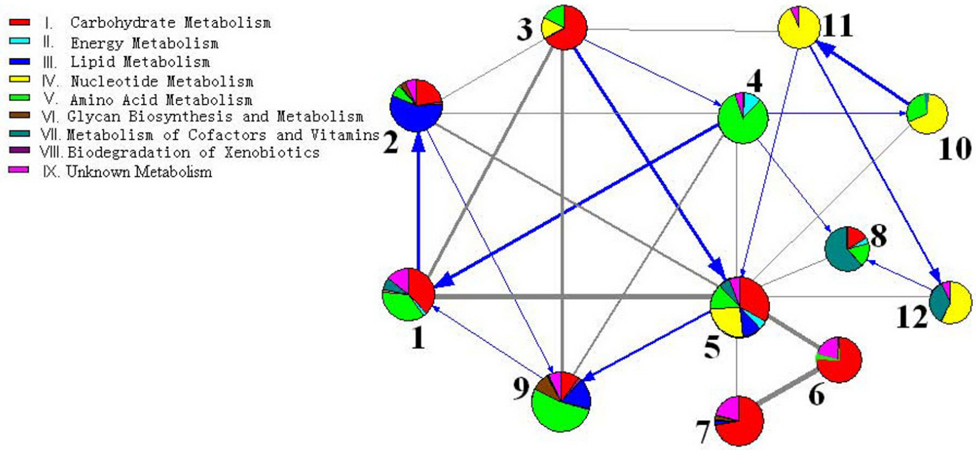
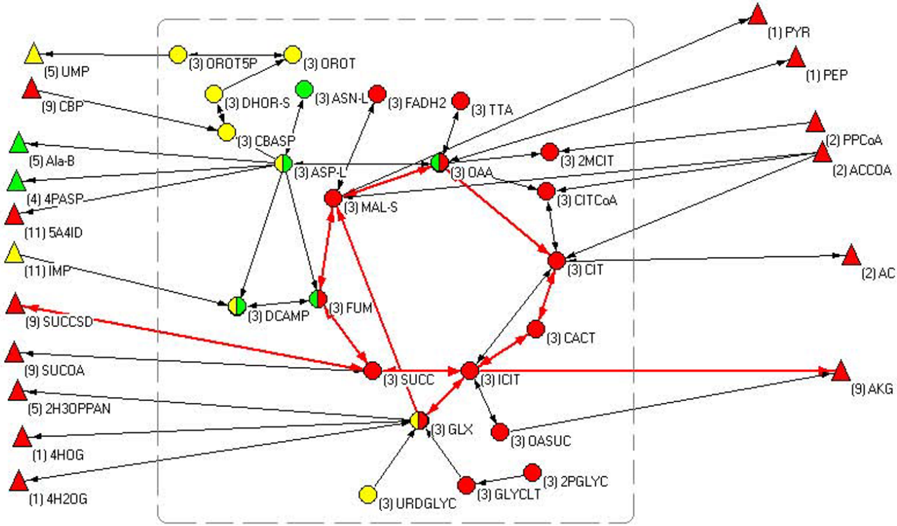
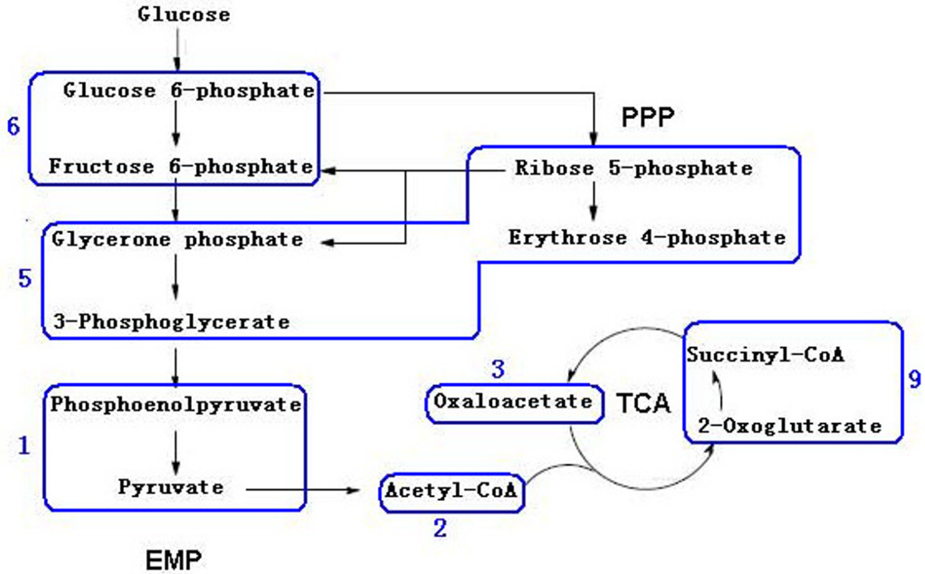
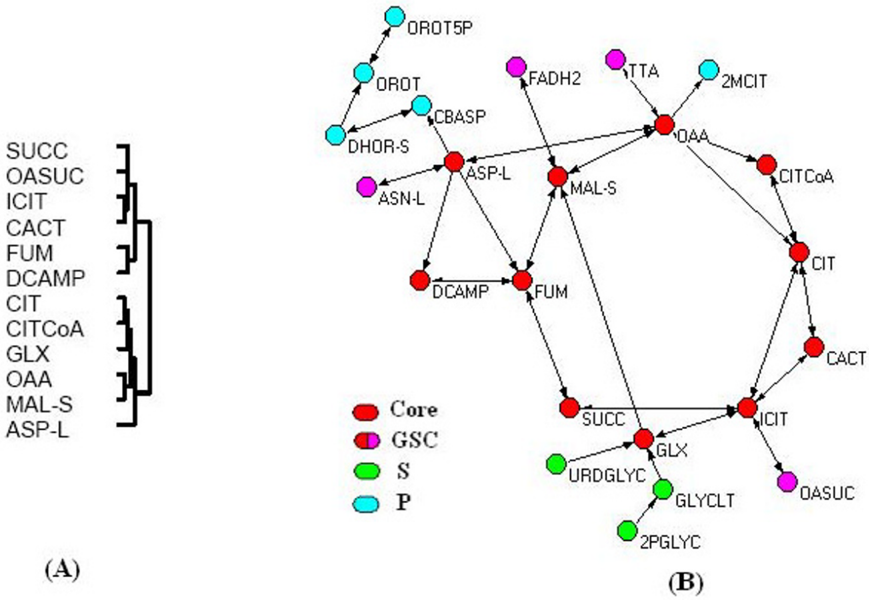
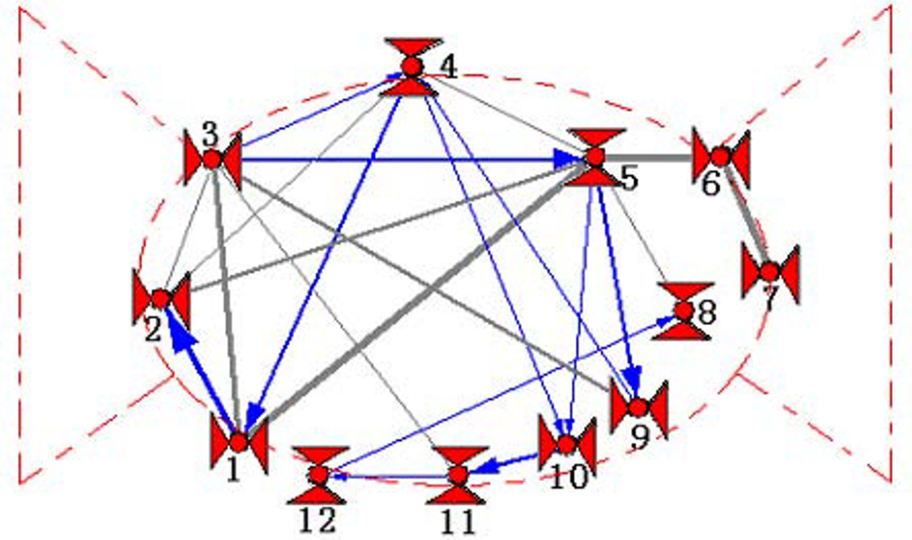
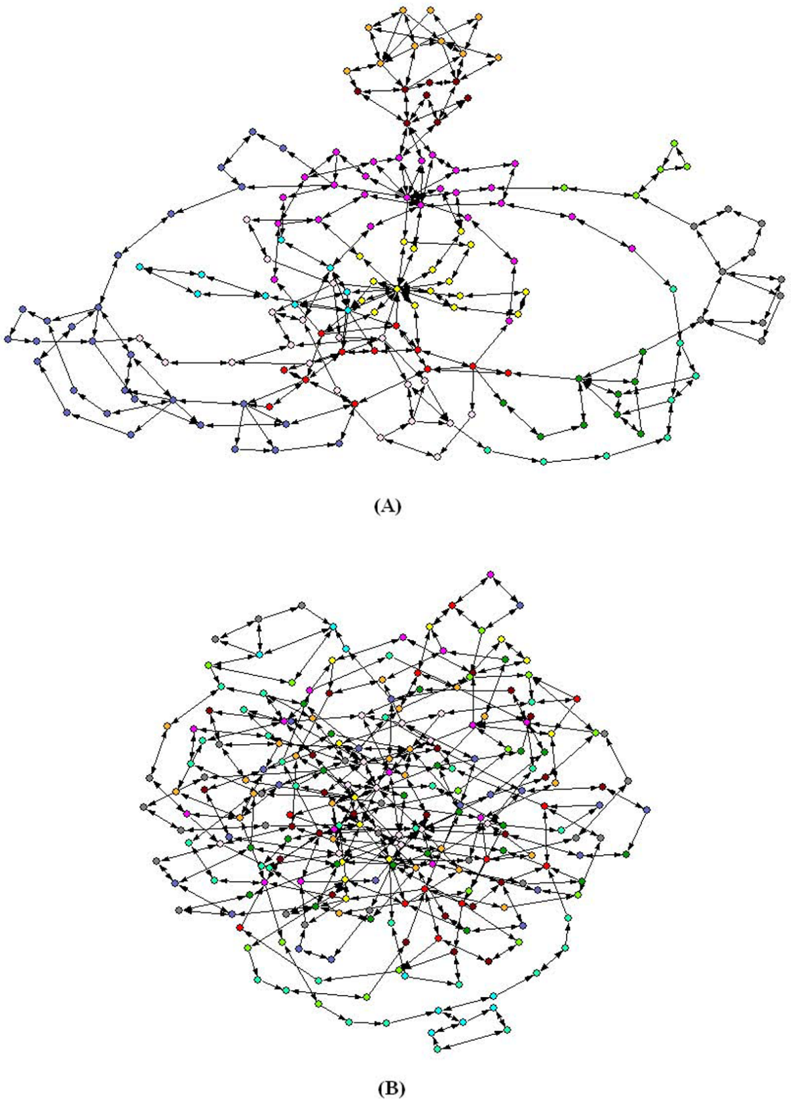
Background: The exploration of the structural topology and the organizing principles of genome-based large-scale metabolic networks is essential for studying possible relations between structure and functionality of metabolic networks. Topological analysis of graph models has often been applied to study the structural characteristics of complex metabolic networks. Results: In this work, metabolic networks of 75 organisms were investigated from a topological point of view. Network decomposition of three microbes (Escherichia coli, Aeropyrum pernix and Saccharomyces cerevisiae) shows that almost all of the sub-networks exhibit a highly modularized bow-tie topological pattern similar to that of the global metabolic networks. Moreover, these small bow-ties are hierarchically nested into larger ones and collectively integrated into a large metabolic network, and important features of this modularity are not observed in the random shuffled network. In addition, such a bow-tie pattern appears to be present in certain chemically isolated functional modules and spatially separated modules including carbohydrate metabolism, cytosol and mitochondrion respectively. Conclusion: The highly modularized bow-tie pattern is present at different levels and scales, and in different chemical and spatial modules of metabolic networks, which is likely the result of the evolutionary process rather than a random accident. Identification and analysis of such a pattern is helpful for understanding the design principles and facilitate the modelling of metabolic networks.
Overview
The claims and statistics of this paper haven’t been checked yet.
Free: it reads the open-access text and checks the first 5 claims that cite a source we can check. Create a free account to check every claim.
Integrity signals
Registry
Cites
Statistics
Figures
Verification
Claims the paper makes
The claims and statistics of this paper haven’t been checked yet.
Free: it reads the open-access text and checks the first 5 claims that cite a source we can check. Create a free account to check every claim.
Claims other papers make about this one
Each is checked against this paper’s own text: does it say what the citing paper says it does?
The cited source says what the claim attributes to it.
In the citing paper
“In this particular structure, a large SCC occupies a central position in a quite symmetrized feedforward structure of inputs and outputs [45].”
From On the origins of hierarchy in complex networks (2013) · cites this paper as [45]
In the citing paper
“Interestingly, when cycles are incorporated to this structure at T = 0, the resulting structure is a bow-tie organization.”
From On the origins of hierarchy in complex networks (2013) · cites this paper as [45]
Self-check
Percentages, sums and reported differences re-computed from the paper’s own numbers.
The self-check needs the paper’s full text.
Citations
Cites
Collective dynamics of ‘small-world’ networks
Watts, D. J., & Strogatz, S. H. (1998) · Nature · doi:10.1038/30918 · Cited by 43,060 · cited 1×
“, the average of CC (v) over all v, could reflect the cliquishness of the network [29].”
BackgroundHierarchical Grouping to Optimize an Objective Function
Ward, J. H. (1963) · Journal of the American Statistical Association · doi:10.1080/01621459.1963.10500845 · Cited by 20,598 · cited 1×
“Having obtained the dissimilarity indexes, Ward's clustering, a hierarchically agglomerative clustering method, is used to decompose the network [38].”
MethodFinding and evaluating community structure in networks
Newman, M. E. J., & Girvan, M. (2004) · Physical Review E · doi:10.1103/physreve.69.026113 · Cited by 13,931 · cited 9×
“For a given decomposition of a network, the modularity metric is defined as the fraction of arcs within clusters minus the expected fraction of edges if the arcs are wired with no structural bias [11]:”
BackgroundMethodInfluentialGraph Theory with Applications
Bondy, J. A., & Murty, U. S. R. (1976) · doi:10.1007/978-1-349-03521-2 · Cited by 9,043
The Large-Scale Organization of Metabolic Networks
Jeong, H., Tombor, B., Albert, R., Oltvai, Z. N., & Barabási, A.-L. (2000) · Nature · doi:10.1038/35036627 · Cited by 4,972 · cited 1×
“Background Cellular metabolism is an essential process for the maintenance of life and metabolic networks have been extensively studied [1-7].”
BackgroundHierarchical Organization of Modularity in Metabolic Networks
Ravasz, E., Somera, A. L., Mongru, D. A., Oltvai, Z. N., & Barabási, A.-L. (2002) · Science · doi:10.1126/science.1073374 · Cited by 4,224 · cited 1×
“Several algorithms have been developed to break up a metabolic network into modules [12-16], while the corresponding modularity metric could be used as a quantitative criterion to evaluate the decomposing quality of a network [11].”
MethodFunctional cartography of complex metabolic networks
Guimerà, R., & Nunes Amaral, L. A. (2005) · Nature · doi:10.1038/nature03288 · Cited by 3,983 · cited 7×
“They also developed a simulated annealing algorithm to compute the largest modularity metric of a network [14,18].”
BackgroundMethodInfluentialFrom molecular to modular cell biology.
Hartwell, L. H., Hopfield, J. J., Leibler, S., & Murray, A. W. (1999) · Nature · doi:10.1038/35011540 · Cited by 3,632 · cited 1×
“Cellular functions are carried out in a modular way [9], while it has been suggested that biological modules correlates with locally dense links in molecular networks [10].”
BackgroundHierarchical Grouping to Optimize an Objective Function
Ward, J. H. (1963) · Journal of the American Statistical Association · doi:10.2307/2282967 · Cited by 3,294
Specificity and Stability in Topology of Protein Networks
Maslov, S., & Sneppen, K. (2002) · Science · doi:10.1126/science.1065103 · Cited by 3,051 · cited 3×
“coli network were then compared with those of the properly randomized counterparts that preserve the linkage degree of each node and the total number of directed and bi-directed arcs [20,21].”
BackgroundMethod
Research works printed but not linked: 2
- Erdos P, Renyi A: On the evolution of random graphs. Publication of the Mathematical Institute of the Hungarian Academy of Science 1960, 5:17-61.
- Batagelj V, Mrvar A, Ferligoj A, Doreian P: Generalized blockmod- eling with Pajek. Metodoloski Zvezki 2004, 1:455-467.
Cited by
TopHat: discovering splice junctions with RNA-Seq
Trapnell, C., Pachter, L., & Salzberg, S. L. (2009) · Bioinformatics · doi:10.1093/bioinformatics/btp120 · Cited by 11,617
Structure and dynamics of molecular networks: A novel paradigm of drug discovery
Csermely, P., Korcsmáros, T., Kiss, H. J. M., London, G., & Nussinov, R. (2013) · Pharmacology & Therapeutics · doi:10.1016/j.pharmthera.2013.01.016 · Cited by 892
“Metabolic networks have a hierarchical modular structure (Jeong et al., 2001; Wagner & Fell, 2001; Ravasz et al., 2002; Ma & Zeng, 2003; Ma et al., 2004; Guimera & Amaral, 2005; Zhao et al., 2006).”
BackgroundUnderstanding network concepts in modules
Dong, J., & Horvath, S. (2007) · BMC Systems Biology · doi:10.1186/1752-0509-1-24 · Cited by 455
Structure and dynamics of core/periphery networks
Csermely, P., London, A., Wu, L.-Y., & Uzzi, B. (2013) · Journal of Complex Networks · doi:10.1093/comnet/cnt016 · Cited by 367
“Similarly to the general core/periphery networks [31], rich-clubs [73], nested [91] and onion networks [33], bow-tie networks may also be modular [26,102].”
BackgroundKell, D. B. (2010) · Archives of Toxicology · doi:10.1007/s00204-010-0577-x · Cited by 361
“…necrosis or apoptosis, Vanden Berghe et al. 2009), equivalent to the ‘bow-tie’ model of cellular networks (see e.g. Csete and Doyle 2004; Ma’ayan 2009; Ma et al. 2004, 2007; Ma and Zeng 2003; Oda and Kitano 2006; Rodrı́guez- Caso et al. 2009; Wang and Chen 2010; Zhao et al. 2006, 2010) and (Fig.”
BackgroundMolecular networks for the study of TCM Pharmacology
Zhao, J., Jiang, P., & Zhang, W. (2010) · Briefings in Bioinformatics · doi:10.1093/bib/bbp063 · Cited by 204
Self-citationEnvironmental variability and modularity of bacterial metabolic networks
Parter, M., Kashtan, N., & Alon, U. (2007) · BMC Evolutionary Biology · doi:10.1186/1471-2148-7-169 · Cited by 201
“Background Biological systems often show modularity, in the sense that they can be separated into nearly-independent structural subsystems, each of which performs a specific function [1-12].”
BackgroundLevin, M. (2022) · Frontiers in Systems Neuroscience · doi:10.3389/fnsys.2022.768201 · Cited by 195
“that the higher-level system doesn’t need to manage all the microstates (a strong kind of hierarchical modularity [155; 156]).”
BackgroundAn Introduction to Metabolic Networks and Their Structural Analysis
Lacroix, V., Cottret, L., Thebault, P., & Sagot, M.-F. (2008) · IEEE/ACM Transactions on Computational Biology and Bioinformatics · doi:10.1109/tcbb.2008.79 · Cited by 153
“Finally, more ad hoc methods with no clearly specified methodology have suggested that metabolic networks are organized in a hierarchical modular [144] or bow-tie nested [206] way.”
MethodJothi, R., Balaji, S., Wuster, A., Grochow, J. A., Gsponer, J., Przytycka, T. M., Aravind, L., & Babu, M. M. (2009) · Molecular Systems Biology · doi:10.1038/msb.2009.52 · Cited by 164
“Genomic analysis reveals a tight link between transcription factor dynamics and regulatory network architecture”
BackgroundOn the origins of hierarchy in complex networks
Corominas-Murtra, B., Goñi, J., Solé, R. V., & Rodríguez-Caso, C. (2013) · Proceedings of the National Academy of Sciences · doi:10.1073/pnas.1300832110 · Cited by 160
Concepts and Mechanisms of Generalized Central Nervous System Arousal
Pfaff, D., Ribeiro, A., Matthews, J., & Kow, L. (2008) · Annals of the New York Academy of Sciences · doi:10.1196/annals.1417.019 · Cited by 129
The Functional Structure of Central Carbon Metabolism in Pseudomonas putida KT2440
Sudarsan, S., Dethlefsen, S., Blank, L. M., Siemann-Herzberg, M., & Schmid, A. (2014) · Applied and Environmental Microbiology · doi:10.1128/aem.01643-14 · Cited by 108
“These results support the classical/theoretical view of a bacterial metabolic network as a bow tie with functional modules (5, 6, 61, 62), where nutrients are catabolized to produce energy, redox cofactors, and the 12 biomass precursor metabolites, which are then synthesized into larger building blocks.”
ResultEvolution of Bow-Tie Architectures in Biology
Friedlander, T., Mayo, A., Tlusty, T., & Alon, U. S. (2015) · PLoS Computational Biology · doi:10.1371/journal.pcbi.1004055 · Cited by 129
“Metabolic network Nutrients 12 precursor metabolites (among them G6P, F6P, PEP, PYR, AKG, ACCOA) Complex macromolecules (proteins, fatty acids, carbohydrates) [1,7]”
BackgroundProtein networking: insights into global functional organization of proteomes
Pieroni, E., van Bentem, S. D. L. F., Mancosu, G., Capobianco, E., Hirt, H., & de la Fuente, A. (2008) · PROTEOMICS · doi:10.1002/pmic.200700767 · Cited by 98
“In the bow-tie representation [12–15] all nodes are assigned to one of the following groups: strongly connected component (SCC) which contains nodes which can all reach each other through directed paths, in-component containing nodes that can reach the SCC through directed paths, but can not be reached from the SCC, a…”
BackgroundTieri, P., Grignolio, A., Zaikin, A., Mishto, M., Remondini, D., Castellani, G. C., & Franceschi, C. (2010) · Theoretical Biology and Medical Modelling · doi:10.1186/1742-4682-7-32 · Cited by 87
“Recent proposals in the direction of this integrative approach envisage the complex architecture of metabolic pathways as a network of modular and nested bow ties [41].”
BackgroundThe evolution of layered protocol stacks leads to an hourglass-shaped architecture
Akhshabi, S., & Dovrolis, C. (2011) · ACM SIGCOMM Conference (SIGCOMM) · doi:10.1145/2018436.2018460 · Cited by 84
“Finally, we note that the presence of hourglass (or bowtie-like) architectures has been also observed in metabolic and gene regulatory networks [5, 20], in the organization of the innate immune system [2], as well as in gene expression during development [15].”
BackgroundModular co-evolution of metabolic networks
Zhao, J., Ding, G., Tao, L., Yu, H. J., Yu, Z., Luo, J., Cao, Z., & Li, Y. (2007) · BMC Bioinformatics · doi:10.1186/1471-2105-8-311 · Cited by 78
“Like previous studies of metabolic networks based on topology [25-30], we only analyze the biggest connected cluster.”
InfluentialSelf-citationFreedman, Z. B., & Zak, D. R. (2015) · Molecular Ecology · doi:10.1111/mec.13224 · Cited by 71
Computational Strategies for a System-Level Understanding of Metabolism
Cazzaniga, P., Damiani, C., Besozzi, D., Colombo, R., Nobile, M. S., Gaglio, D., Pescini, D., Molinari, S., Mauri, G., Alberghina, L., et al. (2014) · Metabolites · doi:10.3390/metabo4041034 · Cited by 67
“Other works expanded topological analyses of metabolic networks, investigating further important properties of large-scale biological networks, such as the bow-tie architecture [118] and modularity [119,120].”
BackgroundWhen metabolism meets topology: Reconciling metabolite and reaction networks
Montañez, R., Medina, M. Á., Solé, R. V., & Rodríguez‐Caso, C. (2010) · BioEssays · doi:10.1002/bies.200900145 · Cited by 66
“In this projection the connections occur only between the substrates and products of a reaction.((31,33,44,45)) This modification can be justified as a way to capture molecular transformations.”
BackgroundNelson, M. D., Zhou, E., Kiontke, K. C., Fradin, H., Maldonado, G., Martin, D., Shah, K., & Fitch, D. H. A. (2011) · PLoS Genetics · doi:10.1371/journal.pgen.1002010 · Cited by 60
“The modules of metabolic networks have bow-tie structure, just like the networks themselves [21]; that is, bow-tie architecture can be nested.”
Multi-Step Community Detection and Hierarchical Time Segmentation in Evolving Networks
Aynaud, T., & Guillaume, J. (2011) · HAL · Cited by 62
Determining modular organization of protein interaction networks by maximizing modularity density
Zhang, S., Ning, X.-M., Ding, C. H. Q., & Zhang, X.-S. (2010) · BMC Systems Biology · doi:10.1186/1752-0509-4-s2-s10 · Cited by 57
“Modularity Q have been extensively employed for dissecting and evaluating the modular organization of biomolecular networks [ 3 ,17-19] as well as clustering the graphic representation of gene expression profile data [31].”
MethodInfluentialMetabolic Robustness and Network Modularity: A Model Study
Holme, P. (2011) · PLoS ONE · doi:10.1371/journal.pone.0016605 · Cited by 54
Relations between mechanisms of CNS arousal and mechanisms of stress
Pfaff, D. W., Martin, E. M., & Ribeiro, A. C. (2007) · Stress · doi:10.1080/10253890701638030 · Cited by 47
MoVE identifies metabolic valves to switch between phenotypic states
Venayak, N., von Kamp, A., Klamt, S., & Mahadevan, R. (2018) · Nature Communications · doi:10.1038/s41467-018-07719-4 · Cited by 48
BowTieBuilder: modeling signal transduction pathways
Supper, J., Spangenberg, L., Planatscher, H., Dräger, A., Schröder, A., & Zell, A. (2009) · BMC Systems Biology · doi:10.1186/1752-0509-3-67 · Cited by 46
“In recent works on the structural organization of cellular regulation, however, it has been reported that many biological networks are structured like bow ties [ 15- 18 ].”
BackgroundWilliams, A. C., Hill, L. J., & Ramsden, D. B. (2012) · Current Gerontology and Geriatrics Research · doi:10.1155/2012/302875 · Cited by 43
Ecoimmunology: is there any room for the neuroendocrine system?
Ottaviani, E., Malagoli, D., Capri, M., & Franceschi, C. (2008) · BioEssays · doi:10.1002/bies.20801 · Cited by 41
Construction of a large scale integrated map of macrophage pathogen recognition and effector systems
Raza, S., McDerment, N. A., Lacaze, P. A., Robertson, K. A., Watterson, S., Chen, Y., Chisholm, M., Eleftheriadis, G., Monk, S. L., O'Sullivan, M., et al. (2010) · BMC Systems Biology · doi:10.1186/1752-0509-4-63 · Cited by 45
Metabolome Based Reaction Graphs of M. tuberculosis and M. leprae: A Comparative Network Analysis
Verkhedkar, K. D., Raman, K., Chandra, N. R., & Vishveshwara, S. (2007) · PLoS ONE · doi:10.1371/journal.pone.0000881 · Cited by 41
“KEGG has also been extensively used by several groups previously for systems analyses [16,17,30,31] and even genome-scale metabolic reconstructions [32].”
MethodNovel two-stage processes for optimal chemical production in microbes
Raj, K., Venayak, N., & Mahadevan, R. (2020) · Metabolic Engineering · doi:10.1016/j.ymben.2020.08.006 · Cited by 37
“The emergence 694 of PEP as a key precursor indicates its importance 695 as a bow-tie metabolite, funneling flux into different 696 pathways[2, 56].”
BackgroundThe evolution of layered protocol stacks leads to an hourglass-shaped architecture
Akhshabi, S., & Dovrolis, C. (2011) · ACM SIGCOMM Computer Communication Review · doi:10.1145/2043164.2018460 · Cited by 37
The exact Laplacian spectrum for the Dyson hierarchical network
Agliari, E., & Tavani, F. (2017) · Scientific Reports · doi:10.1038/srep39962 · Cited by 35
Beckles, D. M., & Roessner, U. (2011) · Elsevier eBooks · doi:10.1016/b978-0-12-381466-1.00005-5 · Cited by 36
Why Do Big Data and Machine Learning Entail the Fractional Dynamics?
Niu, H., Chen, Y., & West, B. J. (2021) · Entropy · doi:10.3390/e23030297 · Cited by 35
Model validation of simple-graph representations of metabolism
Holme, P. (2009) · Journal of The Royal Society Interface · doi:10.1098/rsif.2008.0489 · Cited by 33
“One of the main conclusions from graph-based studies of metabolic networks is that they have a modular structure — they can be divided into subgraphs that are more densely connected within, than between, each other (Huss & Holme 2007, Zhao et al. 2007, Zhao et al. 2006, Goelzer et al. 2008).”
BackgroundGoekoop, R., & de Kleijn, R. (2021) · Neuroscience & Biobehavioral Reviews · doi:10.1016/j.neubiorev.2020.12.021 · Cited by 31
Genome-Scale Metabolic Modeling of Archaea Lends Insight into Diversity of Metabolic Function
Thor, S., Peterson, J. R., & Luthey-Schulten, Z. A. (2017) · Archaea · doi:10.1155/2017/9763848 · Cited by 31
“This is not a surprising observation as it has long been known that metabolic networks have a bowtie topology [93] and are generally scale-free networks [94].”
BackgroundBow-tie topological features of metabolic networks and the functional significance
Zhao, J., Tao, L., Yu, H. J., Luo, J., Cao, Z., & Li, Y. (2007) · Chinese Science Bulletin · doi:10.1007/s11434-007-0143-y · Cited by 29
“It also agrees with earlier observations concerning the modular organization of metabolic networks [ 34 , 36-38] .”
MethodResultSelf-citationDissecting the role of transitivity and intransitivity on coexistence in competing species networks
Alcántara, J. M., Pulgar, M., & Rey, P. J. (2016) · Theoretical Ecology · doi:10.1007/s12080-016-0323-y · Cited by 28
“…food webs (Allesina et al. 2005), networks of plant-plant interactions (Alcántara and Rey 2014), the WWW (Broder et al. 2000), metabolic networks (Zhao et al. 2006), and economic networks (Vitali et al. 2011) have the same macroscopic structure integrated basically by (1) a core formed by the…”
BackgroundThe hourglass organization of the Caenorhabditis elegans connectome
Sabrin, K. M., Wei, Y., van den Heuvel, M. P., & Dovrolis, C. (2020) · PLoS Computational Biology · doi:10.1371/journal.pcbi.1007526 · Cited by 25
“The “hourglass effect” has been observed in systems of embryogenesis [25, 26], metabolism [27, 28], immunology [29, 30], signaling networks [31], vision and cognition [32, 33], deep neural networks [34], computer networking [35], manufacturing [36], as well as in the context of general coreperiphery complex networks […”
BackgroundThe reconstruction and analysis of tissue specific human metabolic networks
Hao, T., Ma, H., Zhao, X., & Goryanin, I. (2011) · Molecular BioSystems · doi:10.1039/c1mb05369h · Cited by 25
The effects of degree correlations on network topologies and robustness
Jing, Z., Lin, T., Yu, H. J., Luo, J., Cao, Z., & Li, Y. (2007) · Chinese Physics · doi:10.1088/1009-1963/16/12/004 · Cited by 23
Self-citationIdentification of Biochemical Network Modules Based on Shortest Retroactive Distances
Sridharan, G. V., Hassoun, S., & Lee, K. (2011) · PLoS Computational Biology · doi:10.1371/journal.pcbi.1002262 · Cited by 19
“While there is general agreement that a biochemical module should represent a group of connected network components, and that the arrangement of modules in the network is hierarchical, there is less consensus on the criteria that should be used to systematically extract biologically meaningful modules [11,12,13,14].”
The hourglass effect in hierarchical dependency networks
Sabrin, K. M., & Dovrolis, C. (2017) · Network Science · doi:10.1017/nws.2017.22 · Cited by 19
“1 This “hourglass effect” has been observed in embryogenesis [12, 50], in metabolism [39, 67, 75], in immunology [5, 47], in signaling networks [65], in vision and cognition [51, 56], in deep neural networks [25], in software architectures [1], in manufacturing [66], as well as in the context of…”
BackgroundMethodDoes Habitat Variability Really Promote Metabolic Network Modularity?
Takemoto, K. (2013) · PLoS ONE · doi:10.1371/journal.pone.0061348 · Cited by 19
“When considering edge direction, for example, we can find an important structural pattern in metabolic networks: bow–tie structure [29,30].”
Substance graphs are optimal simple-graph representations of metabolism
Holme, P., & Huss, M. (2010) · Chinese Science Bulletin · doi:10.1007/s11434-010-4086-3 · Cited by 19
“(4; 5; 7; 11; 15; 21; 23) argue that network modularity is a principle of metabolic organization.”
BackgroundLocal bow-tie structure of the web
Fujita, Y., Kichikawa, Y., Fujiwara, Y., Souma, W., & Iyetomi, H. (2019) · Applied Network Science · doi:10.1007/s41109-019-0127-2 · Cited by 17
An explanatory evo-devo model for the developmental hourglass
Akhshabi, S., Sarda, S., Dovrolis, C., & Yi, S. V. (2014) · F1000Research · doi:10.12688/f1000research.4583.1 · Cited by 17
Modularity of cellular networks shows general center-periphery polarization
Vinogradov, A. E. (2008) · Bioinformatics · doi:10.1093/bioinformatics/btn555 · Cited by 16
Evolution of immune-neuroendocrine integration from an ecological immunology perspective
Ottaviani, E. (2011) · Cell and Tissue Research · doi:10.1007/s00441-011-1147-0 · Cited by 15
Generation of Human-Like Movement from Symbolized Information
Okajima, S., Tournier, M., Alnajjar, F., Hayashibe, M., Hasegawa, Y., & Shimoda, S. (2018) · Frontiers in Neurorobotics · doi:10.3389/fnbot.2018.00043 · Cited by 14
“A bow-tie structure (Csete and Doyle, 2004; Zhao et al., 2006) has been proposed to represent a biological control system whereby information acquired from the environment is gradually symbolized to reduce its dimensions, while control signals are created from this symbolized information to…”
BackgroundInformation Theory as an Experimental Tool for Integrating Disparate Biophysical Signaling Modules
McMillen, P. T., Walker, S. I., & Levin, M. G. (2022) · International Journal of Molecular Sciences · doi:10.3390/ijms23179580 · Cited by 14
Morine, M. J., Gu, H., Myers, R. A., & Bielawski, J. P. (2009) · Journal of Molecular Evolution · doi:10.1007/s00239-009-9226-5 · Cited by 14
“Average node clustering coefficient, which indirectly measures link redundancy, and modularity have also been shown to have a strong positive relation with network robustness (Hartwell et al. 1999; Variano et al. 2004; Zhao et al. 2006; Holmgren 2006).”
BackgroundMinimal Cut Sets and the Use of Failure Modes in Metabolic Networks
Clark, S. T., & Verwoerd, W. S. (2012) · Metabolites · doi:10.3390/metabo2030567 · Cited by 13
“As illustrated in Figure 9 below, bow-ties [7,58–61], show similarity in structure to bottlenecks, except there is a difference in how the nodes are connected: the nodes that make up a bow-tie are “OR” nodes, i.”
BackgroundInfluentialReconstruction and analysis of a genome-scale metabolic model for Eriocheir sinensis eyestalks
Wang, B., Ning, Q., Hao, T., Yu, A., & Sun, J. (2015) · Molecular BioSystems · doi:10.1039/c5mb00571j · Cited by 13
Reconstruction and Analysis of Human Liver-Specific Metabolic Network Based on CNHLPP Data
Zhao, J., Geng, C., Tao, L., Zhang, D., Jiang, Y., Tang, K., Zhu, R., Yu, H. J., Zhang, W., He, F., et al. (2010) · Journal of Proteome Research · doi:10.1021/pr9006188 · Cited by 13
Self-citationModules in the metabolic network of E.coli with regulatory interactions
Géryk, J., & Slanina, F. (2013) · International Journal of Data Mining and Bioinformatics · doi:10.1504/ijdmb.2013.055500 · Cited by 12
“Within the module, there is typically more than one metabolic pathway (Guimera and Amaral, 2005; Zhao et al., 2006).”
BackgroundHilliard, S., Mosoyan, K., Branciamore, S., Gogoshin, G., Zhang, A., Simons, D. L., Rockne, R. C., Lee, P. P., & Rodin, A. S. (2023) · iScience · doi:10.1016/j.isci.2023.106041 · Cited by 11
Suriyalaksh, M., Raimondi, C., Mains, A., Segonds-Pichon, A., Mukhtar, S., Murdoch, S., Aldunate, R., Krueger, F., Guimerà, R., Andrews, S., et al. (2021) · iScience · doi:10.1016/j.isci.2021.103663 · Cited by 11
Network Medicine: From Conceptual Frameworks to Applications and Future Trends
Ayar, E. S., Dadmand, S., & Tunçbağ, N. (2023) · IEEE Transactions on Molecular Biological and Multi-Scale Communications · doi:10.1109/tmbmc.2023.3308689 · Cited by 11
“The structure of metabolic networks is often hierarchical, with smaller sub-networks of interconnected pathways, which can be easily modulated by the cell in response to changes in the environment [32].”
BackgroundAltruistic Stem Cells and Cancer Stem Cells
Das, B. (2014) · Wiley eBooks · doi:10.1002/9781118356203.ch7 · Cited by 11
A quick guide to biomolecular network studies: Construction, analysis, applications, and resources
Tang, H., Zhong, F., & Xie, H. (2012) · Biochemical and Biophysical Research Communications · doi:10.1016/j.bbrc.2012.06.085 · Cited by 10
de la Fuente, A., Fotia, G., Maggio, F., Mancosu, G., & Pieroni, E. (2008) · Journal of Physics A Mathematical and Theoretical · doi:10.1088/1751-8113/41/22/224013 · Cited by 10
The biocognitive spectrum : biological cognition as variations on sensorimotor coordination
van Duijn, M. (2012) · University of Groningen research database (University of Groningen / Centre for Information Technology) · Cited by 10
Wang, B., Yang, J., Gao, C., Hao, T., Li, J., & Sun, J. (2020) · Frontiers in Genetics · doi:10.3389/fgene.2020.532492 · Cited by 9
Coppedè, F., Bosco, P., Fuso, A., & Troen, A. M. (2012) · Current Gerontology and Geriatrics Research · doi:10.1155/2012/926082 · Cited by 9
The evolutionary dynamics of metabolic protocells
Pechuan-Jorge, X., Puzio, R., & Bergman, A. (2018) · PLoS Computational Biology · doi:10.1371/journal.pcbi.1006265 · Cited by 8
Enumeration of Autocatalytic Subsystems in Large Chemical Reaction Networks
Golnik, R., Gatter, T., Stadler, P. F., & Vassena, N. (2026) · Journal of Chemical Theory and Computation · doi:10.1021/acs.jctc.5c01979 · Cited by 7
Flux networks in metabolic graphs
Warren, P. B., Queirós, S. M. D., & Jones, J. L. (2009) · Physical Biology · doi:10.1088/1478-3975/6/4/046006 · Cited by 7
“This reflects the ‘bow-tie’ structure of the metabolic network [33, 34, 35], as substrates are first broken down to a dozen or so common precursors, before being reassembled into the components required for growth.”
BackgroundLong range community detection
Aynaud, T., & Guillaume, J. (2010) · HAL · Cited by 7
The Evolution of Layered Protocol Stacks Leads to an Hourglass-Shaped Architecture
Akhshabi, S., & Dovrolis, C. (2013) · Modeling and simulation in science, engineering & technology · doi:10.1007/978-1-4614-6729-8_4 · Cited by 7
Molecular network of obesity: what does it promise for pharmacotherapy?
Myslobodsky, M. S. (2007) · Obesity Reviews · doi:10.1111/j.1467-789x.2007.00424.x · Cited by 7
Spatiotemporal positioning of multipotent modules in diverse biological networks
Chen, Y., Wang, Z., & Wang, Y. (2014) · Cellular and Molecular Life Sciences · doi:10.1007/s00018-013-1547-2 · Cited by 7
“Metabolic networks exhibit hierarchical modularity in the form of modularized bow-tie units, which are hierarchically nested and reoccur at different scales and levels, and then coupled level-by-level into a larger network [4, 97].”
BackgroundVakulenko, S. A., & Radulescu, O. (2012) · Journal of Bioinformatics and Computational Biology · doi:10.1142/s0219720012410119 · Cited by 7
“Similar ideas, that such a ”bow-tie” connectivity can play a role in robustness, have been proposed by (Zhao et al. 2006).”
BackgroundAlgorithms to Study Large Metabolic Network Dynamics
Grigoriev, D. Y., Samal, S. S., Vakulenko, S., & Weber⋆, A. (2015) · Mathematical Modelling of Natural Phenomena · doi:10.1051/mmnp/201510507 · Cited by 6
“This structure is typical for many biochemical network systems [15,20].”
Revisiting the evolution of bow-tie architecture in signaling networks
Itoh, T., Kondo, Y., Aoki, K., & Saito, N. (2024) · npj Systems Biology and Applications · doi:10.1038/s41540-024-00396-8 · Cited by 6
Punctuated evolution and robustness in morphogenesis
Grigoriev, D. Y., Reinitz, J., Vakulenko, S. A., & Weber⋆, A. (2014) · Biosystems · doi:10.1016/j.biosystems.2014.06.013 · Cited by 6
“In systems level studies of metabolic networks, this architecture has been described as “bow-tie” connectivity Zhao et al. (2006).”
BackgroundThe strength of chemical linkage as a criterion for pruning metabolic graphs
Zhou, W., & Nakhleh, L. K. (2011) · Bioinformatics · doi:10.1093/bioinformatics/btr271 · Cited by 6
The hourglass organization of the Caenorhabditis elegans connectomePreprint
Sabrin, K. M., Wei, Y., van den Heuvel, M. P., & Dovrolis, C. (2019) · bioRxiv (Cold Spring Harbor Laboratory) · doi:10.1101/600999 · Cited by 6
“The “hourglass effect” has been observed in systems of embryogenesis [25, 26], metabolism [27, 28], immunology [29, 30], signaling networks [31], vision and cognition [32, 33], deep neural networks [34], computer networking [35], manufacturing [36], as well as in the context of general core-periphery complex networks…”
BackgroundMetabolic Flux-Based Modularity using Shortest Retroactive distances
Sridharan, G., Yi, M., Hassoun, S., & Lee, K. (2012) · BMC Systems Biology · doi:10.1186/1752-0509-6-155 · Cited by 5
Montanucci, L., Laayouni, H., Dobón, B., Keys, K. L., Bertranpetit, J., & Peretó, J. G. (2018) · PLoS ONE · doi:10.1371/journal.pone.0208782 · Cited by 5
Theoretical approach for designing the rehabilitation robot controller
Okajima, S., Alnajjar, F., Costa, Á., Asín-Prieto, G., Pons, J. L., Moreno, J. C., Hasegawa, Y., & Shimoda, S. (2019) · Advanced Robotics · doi:10.1080/01691864.2019.1633402 · Cited by 5
“A neuro-synergy system [15] is a hierarchical structure based on a bow tie structure [20, 21].”
BackgroundReconstructing signaling pathways using regular language constrained paths
Wagner, M. J., Pratapa, A., & Murali, T. M. (2019) · Bioinformatics · doi:10.1093/bioinformatics/btz360 · Cited by 5
Genetics and diagnostic refinement
van den Oord, E. J. C. G., McClay, J. L., York, T. P., Murrelle, L., & Robles, J. R. (2006) · Behavior Genetics · doi:10.1007/s10519-006-9135-y · Cited by 5
“For example, smaller modules are often hierarchically nested into larger ones and collectively integrated into a large biological network ( Zhao et al. 2006; Ravasz et al. 2002; Papin et al. 2004; Ma et al. 2004).”
BackgroundHao, T., Wang, B., Zhao, L., Feng, X., & Sun, J. (2018) · IEEE Access · doi:10.1109/access.2018.2885005 · Cited by 5
“We found that the crab hepatopancreas metabolic network exhibits bow-tie topology structure, which is consistent with the conclusion that bow-tie pattern is present at different levels and scales, and in different chemical and spatial units of metabolic networks [40].”
Hierarchical Network Structure Promotes Dynamical RobustnessPreprint
Smith, C., Puzio, R., & Bergman, A. (2014) · arXiv (Cornell University) · doi:10.48550/arxiv.1412.0709 · Cited by 5
“In the short term, this prediction may be further evaluated at the levels of both metabolic and transcription factor networks, which have already been shown to display hierarchical structure, but whose dynamics have not been sufficiently well characterized to ascertain their robustness [23, 25, 26].”
BackgroundCorrection: Does Habitat Variability Really Promote Metabolic Network Modularity?
Takemoto, K. (2013) · PLoS ONE · doi:10.1371/annotation/80e66eeb-6dd3-4117-8bbd-7d3c7d692a5c · Cited by 5
Attractor – a new turning point in drug discovery
Hou, X., Li, M., Jia, C. M., Zhang, X.-B., & Wang, Y. (2019) · Drug Design Development and Therapy · doi:10.2147/dddt.s216397 · Cited by 4
Network Pharmacology in the Study of TCM Formulae
Zhao, J., Nagle, D. G., Zhou, Y., & Zhang, W. (2018) · Elsevier eBooks · doi:10.1016/b978-0-12-812744-5.00004-7 · Cited by 4
Self-citationA demokrácia mint a túlélés többmilliárd éves evolúciós eszköze
Csermely, P. (2018) · Magyar Tudomány · doi:10.1556/2065.179.2018.5.3 · Cited by 3
Flux-based hierarchical organization of Escherichia coli’s metabolic network
Robaina‐Estévez, S., & Nikoloski, Z. (2020) · PLoS Computational Biology · doi:10.1371/journal.pcbi.1007832 · Cited by 3
“Further, a nested hierarchy of bow-tie structures, in which a few intermediate metabolites transform a large number of input and output metabolites, has also been identified in metabolic networks [6].”
Circuit design in biology and machine learning. I. Random networks and dimensional reduction
Frank, S. A. (2025) · Evolution · doi:10.1093/evolut/qpaf065 · Cited by 3
“From those 12 intermediates, a cell makes most of its carbohydrates, nucleic acids, proteins, and other diverse biochemical forms (Csete & Doyle, 2004; Zhao et al., 2006).”
Fractal dimension analogous scale-invariant derivative of Hirsch’s index
Fujita, Y., & Usami, N. (2022) · Applied Network Science · doi:10.1007/s41109-021-00443-x · Cited by 3
Wang, Z., Zhu, X.-G., Chang, X., Chen, Y. Z., LI, Y. X., & LIU, L. (2008) · Journal of Evolutionary Biology · doi:10.1111/j.1420-9101.2008.01621.x · Cited by 3
“Enzymes belonging to different functional groups and enzyme classifications are characterized by distinct connectivity We classified enzymes according to the KEGG functional pathways following previous studies (Guimera & Amaral, 2005a, b; Zhao et al., 2006).”
MethodSelf-citationSignatures of Currency Vertices
Holme, P. (2009) · Journal of the Physical Society of Japan · doi:10.1143/jpsj.78.034801 · Cited by 3
Lu, N. (2016) · Journal of the Chinese Institute of Engineers · doi:10.1080/02533839.2016.1225517 · Cited by 3
“For example, Zhao et al. (2006) found nested bowties in metabolic networks.”
BackgroundTwo theories of action - Edelman's Neuronal group Selection and the Poetics of Paul Valéry
Faria, M. (2021) · Biosystems · doi:10.1016/j.biosystems.2021.104549 · Cited by 3
Metadata
- Authors
- Zhao, J., Yu, H., Luo, J.-H., Cao, Z.-W., & Li, Y.-X.
- Affiliations
- Shanghai Jiao Tong University (CN)
- Shanghai Center For Bioinformation Technology (CN)
- Corresponding author
- Cao, Zhi-Wei
- Li, Yi-Xue
- ORCID
- Venue
- BMC Bioinformatics
- Published
- 2006-08-18
- Volume
- 7
- Issue
- 1
- Pages
- 386-386
- ISSN
- 1471-2105 (ISSN-L)
- OpenAlex
- W1668115650
- Cited by
- 128
- References
- 40
- Citations by year
- 2026: 4 · 2025: 1 · 2024: 1 · 2023: 3 · 2022: 4 · 2021: 6 · 2020: 4 · 2019: 5 · 2018: 7 · 2017: 3 · 2016: 3 · 2015: 6 · 2014: 8 · 2013: 11 · 2012: 10
- FWCI
- 4.07
- Type
- journal article
- Language
- en
- Open access
- gold
- doi.org
- Licence
- cc-by
- Locations
- BMC Bioinformatics (publishedVersion, cc-by)
- Europe PMC (PubMed Central) (publishedVersion, cc-by)
- PubMed (publishedVersion)
- DOAJ (DOAJ: Directory of Open Access Journals) (submittedVersion)
- Funders
- National Natural Science Foundation of China (2003CB715900, 30500107)
- Science and Technology Commission of Shanghai Municipality
- Topics
- Life Sciences › Biochemistry, Genetics and Molecular Biology › Molecular Biology › Microbial Metabolic Engineering and Bioproduction
- Life Sciences › Biochemistry, Genetics and Molecular Biology › Molecular Biology › Bioinformatics and Genomic Networks
- Life Sciences › Biochemistry, Genetics and Molecular Biology › Molecular Biology › Gene Regulatory Network Analysis
- Keywords
- metabolic networks, network modularity, network hierarchy, network decomposition, Escherichia coli, Aeropyrum pernix, Saccharomyces cerevisiae, functional modules, carbohydrate metabolism, mitochondria, cytosol, network topology
- MeSH terms
- Algorithms, Cell Physiological Phenomena, Computer Graphics, Computer Simulation, Models, Biological, Software, User-Computer Interface, Signal Transduction, Gene Expression, Proteome
About these checks
Registry, retraction, Cites and statistics results are computed, not judged, with one exception: a printed reference that no index lists is read once by a model before it counts as a citation error. Claims are extracted by a model and kept only when their quote appears verbatim in the text; each cited source is then checked, with a model’s help, for whether it says what the claim relies on. Those verdicts can be wrong — read the claim’s quote and the cited source before relying on one.
Statistics and arithmetic are recomputed, not judged.
Confidence bands are shown only for fields calibrated on our annotated test set. None is calibrated yet, so no band is shown.
What counts as a claim ›How we measure confidence ›How we check this ›
Are you an author, or do you see a problem with this page? Request a review
Data sources
Bibliographic data: Semantic Scholar, OpenAlex, Crossref.
Contains information from the Semantic Scholar Academic Graph Datasets, made available under the ODC Attribution License (ODC-BY 1.0).
Semantic Scholar’s data is described in: Kinney, R., et al. (2023). The Semantic Scholar Open Data Platform. arXiv:2301.10140.
