

Hierarchical modularity of nested bow-ties in metabolic networks
Open accessThe DOI matches its Crossref record; 40 of the 41 references it cites were found in a registry or an index.
Abstract
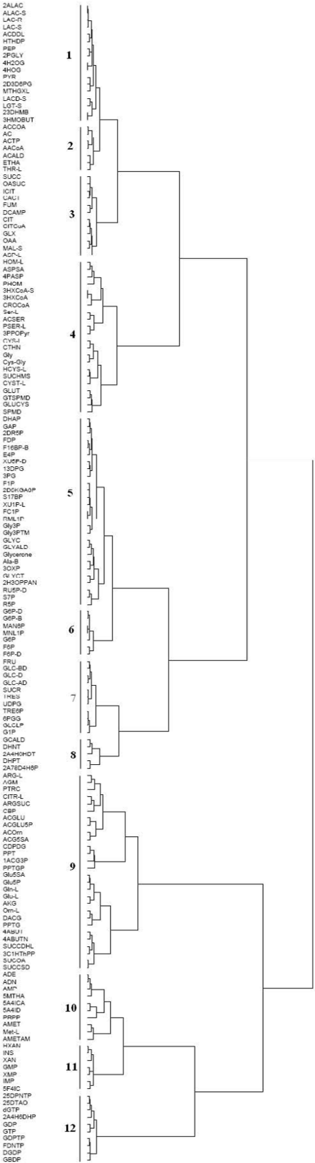
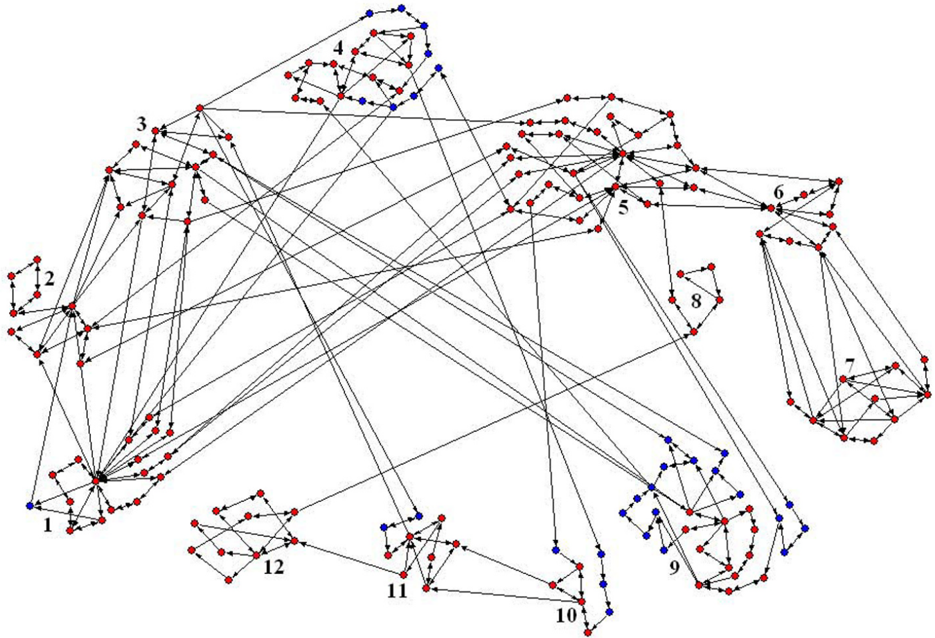
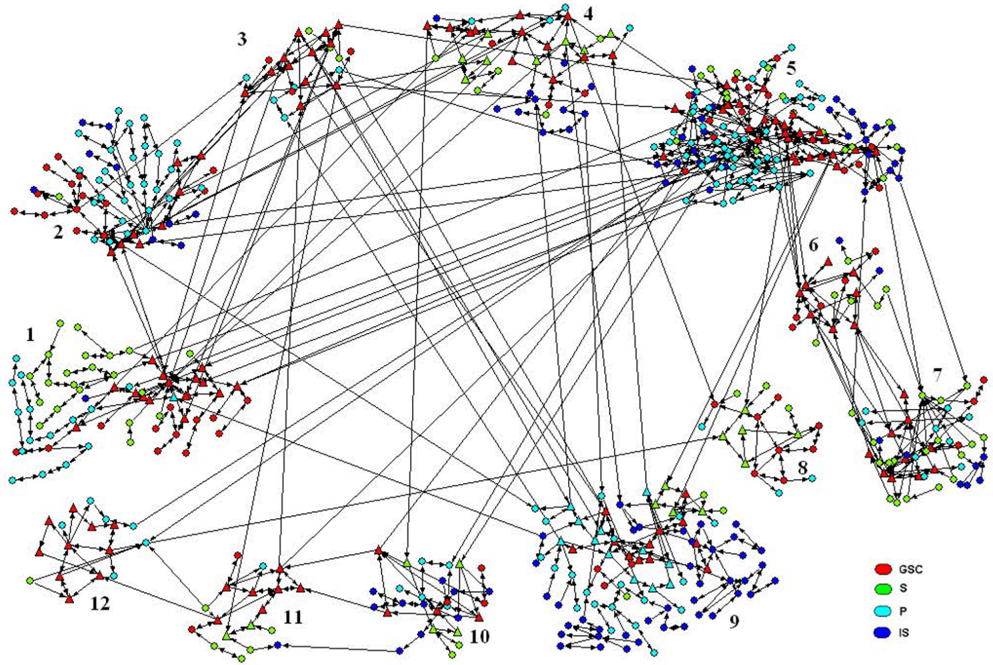
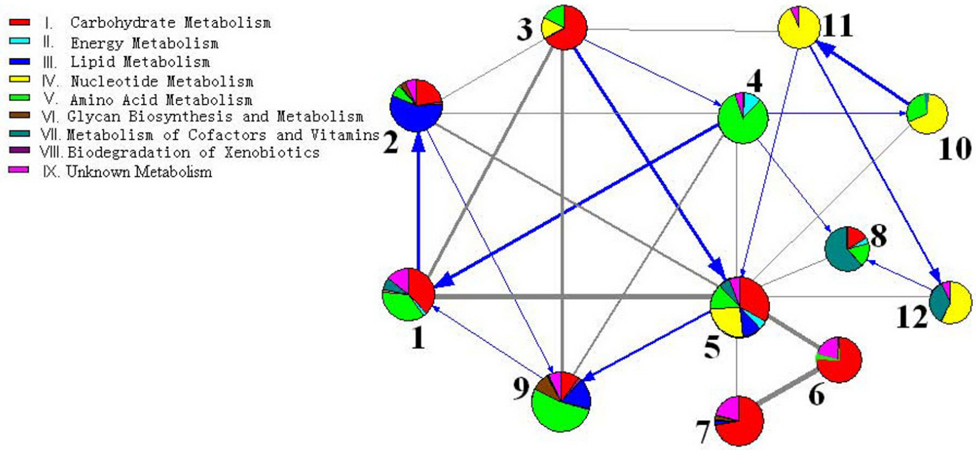
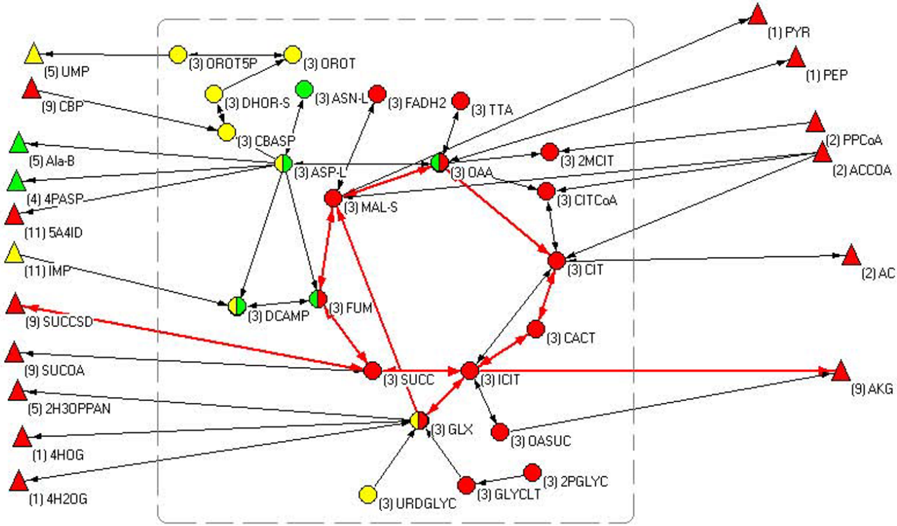
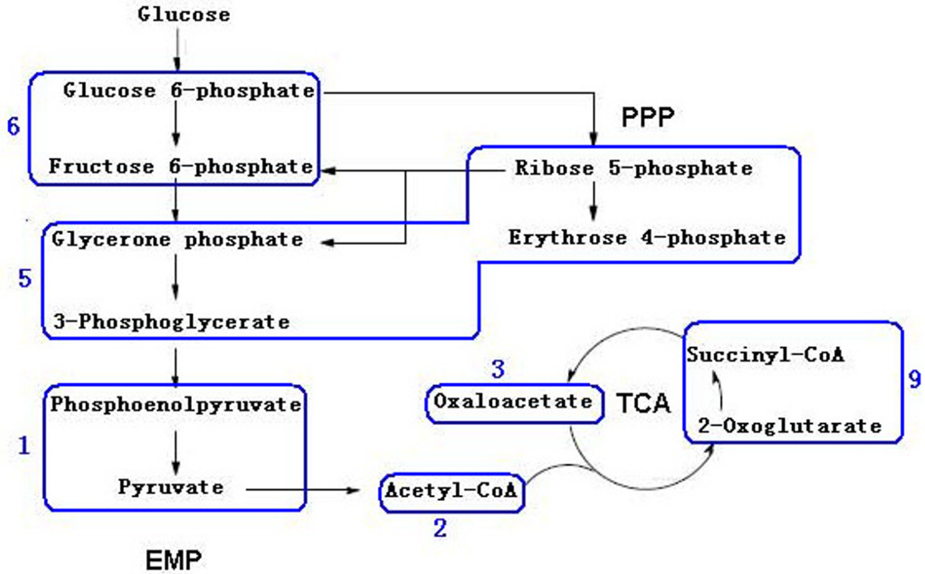
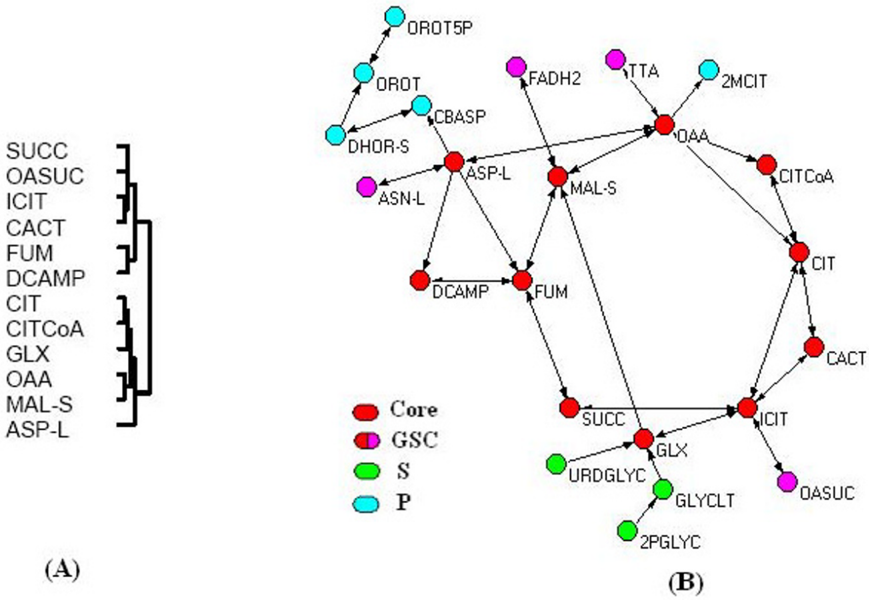
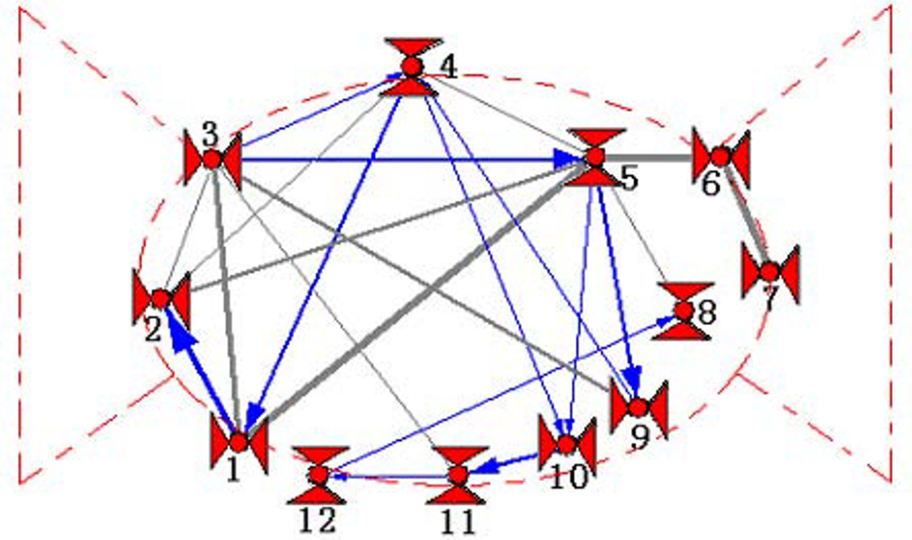
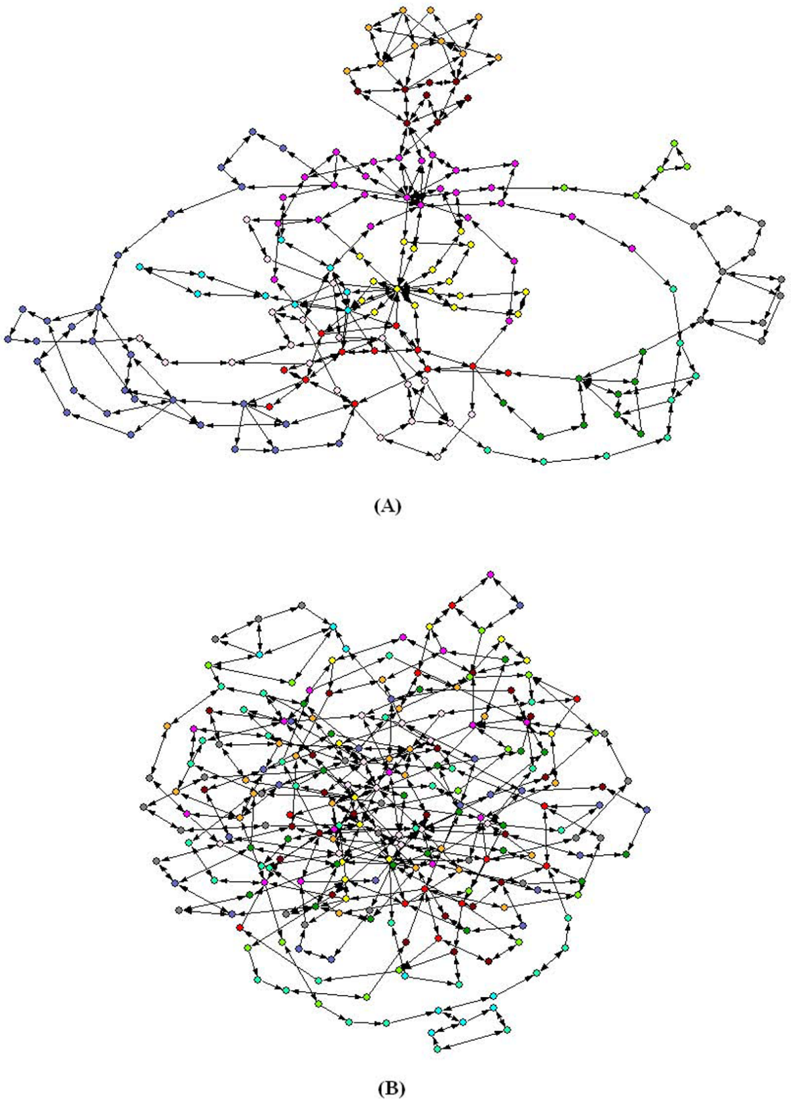
Background: The exploration of the structural topology and the organizing principles of genome-based large-scale metabolic networks is essential for studying possible relations between structure and functionality of metabolic networks. Topological analysis of graph models has often been applied to study the structural characteristics of complex metabolic networks. Results: In this work, metabolic networks of 75 organisms were investigated from a topological point of view. Network decomposition of three microbes (Escherichia coli, Aeropyrum pernix and Saccharomyces cerevisiae) shows that almost all of the sub-networks exhibit a highly modularized bow-tie topological pattern similar to that of the global metabolic networks. Moreover, these small bow-ties are hierarchically nested into larger ones and collectively integrated into a large metabolic network, and important features of this modularity are not observed in the random shuffled network. In addition, such a bow-tie pattern appears to be present in certain chemically isolated functional modules and spatially separated modules including carbohydrate metabolism, cytosol and mitochondrion respectively. Conclusion: The highly modularized bow-tie pattern is present at different levels and scales, and in different chemical and spatial modules of metabolic networks, which is likely the result of the evolutionary process rather than a random accident. Identification and analysis of such a pattern is helpful for understanding the design principles and facilitate the modelling of metabolic networks.
Overview
The claims and statistics of this paper haven’t been checked yet.
Free: it reads the open-access text and checks the first 5 claims that cite a source we can check. Create a free account to check every claim.
Integrity signals
Registry
Cites
Statistics
Figures
Verification
Claims the paper makes
The claims and statistics of this paper haven’t been checked yet.
Free: it reads the open-access text and checks the first 5 claims that cite a source we can check. Create a free account to check every claim.
Claims other papers make about this one
Each is checked against this paper’s own text: does it say what the citing paper says it does?
The cited source says what the claim attributes to it.
In the citing paper
“In this particular structure, a large SCC occupies a central position in a quite symmetrized feedforward structure of inputs and outputs [45].”
From On the origins of hierarchy in complex networks (2013) · cites this paper as [45]
In the citing paper
“Interestingly, when cycles are incorporated to this structure at T = 0, the resulting structure is a bow-tie organization.”
From On the origins of hierarchy in complex networks (2013) · cites this paper as [45]
Self-check
Percentages, sums and reported differences re-computed from the paper’s own numbers.
The self-check needs the paper’s full text.
Citations
Cites
Collective dynamics of ‘small-world’ networks
Watts, D. J., & Strogatz, S. H. (1998) · Nature · doi:10.1038/30918 · Cited by 43,060 · cited 1×
“, the average of CC (v) over all v, could reflect the cliquishness of the network [29].”
BackgroundHierarchical Grouping to Optimize an Objective Function
Ward, J. H. (1963) · Journal of the American Statistical Association · doi:10.1080/01621459.1963.10500845 · Cited by 20,598 · cited 1×
“Having obtained the dissimilarity indexes, Ward's clustering, a hierarchically agglomerative clustering method, is used to decompose the network [38].”
MethodFinding and evaluating community structure in networks
Newman, M. E. J., & Girvan, M. (2004) · Physical Review E · doi:10.1103/physreve.69.026113 · Cited by 13,931 · cited 9×
“For a given decomposition of a network, the modularity metric is defined as the fraction of arcs within clusters minus the expected fraction of edges if the arcs are wired with no structural bias [11]:”
BackgroundMethodInfluentialGraph Theory with Applications
Bondy, J. A., & Murty, U. S. R. (1976) · doi:10.1007/978-1-349-03521-2 · Cited by 9,043
The Large-Scale Organization of Metabolic Networks
Jeong, H., Tombor, B., Albert, R., Oltvai, Z. N., & Barabási, A.-L. (2000) · Nature · doi:10.1038/35036627 · Cited by 4,972 · cited 1×
“Background Cellular metabolism is an essential process for the maintenance of life and metabolic networks have been extensively studied [1-7].”
BackgroundHierarchical Organization of Modularity in Metabolic Networks
Ravasz, E., Somera, A. L., Mongru, D. A., Oltvai, Z. N., & Barabási, A.-L. (2002) · Science · doi:10.1126/science.1073374 · Cited by 4,224 · cited 1×
“Several algorithms have been developed to break up a metabolic network into modules [12-16], while the corresponding modularity metric could be used as a quantitative criterion to evaluate the decomposing quality of a network [11].”
MethodFunctional cartography of complex metabolic networks
Guimerà, R., & Nunes Amaral, L. A. (2005) · Nature · doi:10.1038/nature03288 · Cited by 3,983 · cited 7×
“They also developed a simulated annealing algorithm to compute the largest modularity metric of a network [14,18].”
BackgroundMethodInfluentialFrom molecular to modular cell biology.
Hartwell, L. H., Hopfield, J. J., Leibler, S., & Murray, A. W. (1999) · Nature · doi:10.1038/35011540 · Cited by 3,632 · cited 1×
“Cellular functions are carried out in a modular way [9], while it has been suggested that biological modules correlates with locally dense links in molecular networks [10].”
BackgroundHierarchical Grouping to Optimize an Objective Function
Ward, J. H. (1963) · Journal of the American Statistical Association · doi:10.2307/2282967 · Cited by 3,294
Specificity and Stability in Topology of Protein Networks
Maslov, S., & Sneppen, K. (2002) · Science · doi:10.1126/science.1065103 · Cited by 3,051 · cited 3×
“coli network were then compared with those of the properly randomized counterparts that preserve the linkage degree of each node and the total number of directed and bi-directed arcs [20,21].”
BackgroundMethodKitano, H. (2004) · Nature Reviews Genetics · doi:10.1038/nrg1471 · Cited by 2,278 · cited 2×
“It is argued that the GSC part in the bow-tie of the metabolic network is robust against mutations because there are multiple routes between any pair of nodes within the GSC [19,32].”
BackgroundPajek - Program for Large Network Analysis
Batagelj, V., & Mrvar, A. (1999) · Cited by 1,455
The small world inside large metabolic networks
Wagner, A., & Fell, D. A. (2001) · Proceedings of the Royal Society of London. Series B: Biological Sciences · doi:10.1098/rspb.2001.1711 · Cited by 981 · cited 1×
“Background Cellular metabolism is an essential process for the maintenance of life and metabolic networks have been extensively studied [1-7].”
BackgroundModularity from fluctuations in random graphs and complex networks
Guimerà, R., Sales-Pardo, M., & Amaral, L. A. N. (2004) · Physical Review E · doi:10.1103/physreve.70.025101 · Cited by 894 · cited 4×
“Comparing metabolic network with randomized counterparts could reveal intrinsic difference between them [ 17 , 20, 21].”
BackgroundMethodInfluentialMetabolic network structure determines key aspects of functionality and regulation
Stelling, J., Klamt, S., Bettenbrock, K., Schuster, S., & Gilles, E. D. (2002) · Nature · doi:10.1038/nature01166 · Cited by 802 · cited 1×
“Background Cellular metabolism is an essential process for the maintenance of life and metabolic networks have been extensively studied [1-7].”
BackgroundCartography of complex networks: modules and universal roles
Guimerà, R., & Amaral, L. A. N. (2005) · Journal of Statistical Mechanics: Theory and Experiment · doi:10.1088/1742-5468/2005/02/p02001 · Cited by 749 · cited 3×
“defined the modularity metric of a network as the largest modularity metric of all possible partitions of the network [17], and they also developed a simulated annealing algorithm to compute the modularity metric of a network [14,18].”
MethodDuarte, N. C., Herrgård, M. J., & Palsson, B. Ø. (2004) · Genome Research · doi:10.1101/gr.2250904 · Cited by 639 · cited 1×
“Similar analysis was done to the reactions of the Saccharomyces cerevisiae iND750 [31] according to sub-cellular localisations.”
MethodMa, H., & Zeng, A.-P. (2003) · Bioinformatics · doi:10.1093/bioinformatics/19.2.270 · Cited by 514 · cited 6×
“Reactions of the three basic metabolisms, carbohydrate metabolism, lipid metabolism, and amino acid metabolism, were retrieved from the database of [30] for 75 organisms (Eukaryote: 8; Bacteria: 56; Archaea: 11).”
MethodInfluentialJournal of Statistical Mechanics: Theory and Experiment
(2015) · Journal of Statistical Mechanics Theory and Experiment · doi:10.1088/1742-5468 · Cited by 514
Bow ties, metabolism and disease
Csete, M., & Doyle, J. (2004) · Trends in biotechnology · doi:10.1016/j.tibtech.2004.07.007 · Cited by 468
The connectivity structure, giant strong component and centrality of metabolic networks
Ma, H.-W., & Zeng, A.-P. (2003) · Bioinformatics · doi:10.1093/bioinformatics/btg177 · Cited by 389 · cited 5×
“A network with bow-tie structure consists of four parts: giant strong component (GSC), substrate subset (S), product subset (P) and isolated subset (IS) [19].”
BackgroundMethodInfluentialSubnetwork hierarchies of biochemical pathways
Holme, P., Huss, M., & Jeong, H. (2003) · Bioinformatics · doi:10.1093/bioinformatics/btg033 · Cited by 367 · cited 1×
“Several algorithms have been developed to break up a metabolic network into modules [12-16], while the corresponding modularity metric could be used as a quantitative criterion to evaluate the decomposing quality of a network [11].”
MethodDetection of topological patterns in complex networks: correlation profile of the internet
Maslov, S., Sneppen, K., & Zaliznyak, A. (2004) · Physica A: Statistical Mechanics and its Applications · doi:10.1016/j.physa.2003.06.002 · Cited by 364 · cited 5×
“coli network were then compared with those of the properly randomized counterparts that preserve the linkage degree of each node and the total number of directed and bi-directed arcs [20,21].”
BackgroundMethodInfluentialThe metabolic world of Escherichia coli is not small
Arita, M. (2004) · Proceedings of the National Academy of Sciences · doi:10.1073/pnas.0306458101 · Cited by 315 · cited 1×
“Background Cellular metabolism is an essential process for the maintenance of life and metabolic networks have been extensively studied [1-7].”
BackgroundLIGAND: database of chemical compounds and reactions in biological pathways
Goto, S. (2002) · Nucleic Acids Research · doi:10.1093/nar/30.1.402 · Cited by 295 · cited 1×
“Following Guimerà and Amaral [18], we mapped the modules to KEGG pathway [22,23].”
MethodPathway alignment: application to the comparative analysis of glycolytic enzymes
Dandekar, T., Schuster, S., Snel, ., Huynen, M. A., & Peer Bork, B. (1999) · Biochemical Journal · doi:10.1042/0264-6021:3430115 · Cited by 256 · cited 1×
“This finding agrees with earlier observations concerning the high diversity of the TCA and EMP pathway [25, 26], as well as the clustering results for E.”
ResultHierarchical thinking in network biology: the unbiased modularization of biochemical networks
PAPIN, J., REED, J., & PALSSON, B. (2004) · Trends in Biochemical Sciences · doi:10.1016/j.tibs.2004.10.001 · Cited by 197 · cited 1×
“Cellular functions are carried out in a modular way [9], while it has been suggested that biological modules correlates with locally dense links in molecular networks [10].”
BackgroundVariation and Evolution of the Citric-Acid Cycle: A Genomic Perspective
Huynen, M. A., Dandekar, T., & Bork, P. (1999) · Trends in Microbiology · doi:10.1016/s0966-842x(99)01539-5 · Cited by 188 · cited 1×
“This finding agrees with earlier observations concerning the high diversity of the TCA and EMP pathway [25, 26], as well as the clustering results for E.”
ResultRobustness trade‐offs and host–microbial symbiosis in the immune system
Kitano, H., & Oda, K. (2006) · Molecular Systems Biology · doi:10.1038/msb4100039 · Cited by 162
Ma, H.-W., Zhao, X.-M., Yuan, Y.-J., & Zeng, A.-P. (2004) · Bioinformatics · doi:10.1093/bioinformatics/bth167 · Cited by 152 · cited 11×
“By applying the decomposing method similar to [16], the topological features of various graph models were studied at different levels, sub-cellular localizations, and biochemical pathways in the form of bow-tie.”
BackgroundMethodInfluentialTanaka, R. (2005) · Physical Review Letters · doi:10.1103/physrevlett.94.168101 · Cited by 146 · cited 1×
“Background Cellular metabolism is an essential process for the maintenance of life and metabolic networks have been extensively studied [1-7].”
BackgroundMetabolic Syndrome and Robustness Tradeoffs
Kitano, H., Oda, K., Kimura, T., Matsuoka, Y., Csete, M., Doyle, J., & Muramatsu, M. (2004) · Diabetes · doi:10.2337/diabetes.53.suppl_3.s6 · Cited by 146 · cited 1×
“Such organization pattern has been reported to be present in various biological systems, such as in signal transduction systems, transcription and translation processes, and immune systems [24,32-36].”
BackgroundA metabolic network in the evolutionary context: Multiscale structure and modularity
Spirin, V., Gelfand, M. S., Mironov, A. A., & Mirny, L. A. (2006) · Proceedings of the National Academy of Sciences · doi:10.1073/pnas.0510258103 · Cited by 96 · cited 1×
“coli metabolic network obtained by other algorithms [13,16,27].”
MethodScale-Freeness and Biological Networks
Arita, M. (2005) · The Journal of Biochemistry · doi:10.1093/jb/mvi094 · Cited by 85 · cited 1×
“Background Cellular metabolism is an essential process for the maintenance of life and metabolic networks have been extensively studied [1-7].”
BackgroundComplex networks theory for analyzing metabolic networks
Zhao, J., Yu, H., Luo, J., Cao, Z. W., & Li, Y. (2006) · Chinese Science Bulletin · doi:10.1007/s11434-006-2015-2 · Cited by 74 · cited 2×
“Background Cellular metabolism is an essential process for the maintenance of life and metabolic networks have been extensively studied [1-7].”
BackgroundMethodSelf-citationLIGAND: chemical database of enzyme reactions
Goto, S., Nishioka, T., & Kanehisa, M. (2000) · Nucleic Acids Research · doi:10.1093/nar/28.1.380 · Cited by 71 · cited 1×
“Following Guimerà and Amaral [18], we mapped the modules to KEGG pathway [22,23].”
MethodHierarchical analysis of dependency in metabolic networks
Gagneur, J., Jackson, D. B., & Casari, G. (2003) · Bioinformatics · doi:10.1093/bioinformatics/btg115 · Cited by 59 · cited 2×
“coli metabolic network obtained by other algorithms [13,16,27].”
MethodGeneralized blockmodeling with Pajek
Batagelj, V., Mrvar, A., Ferligoj, A., & Doreian, P. (2004) · Advances in Methodology and Statistics · doi:10.51936/ofaw1880 · Cited by 54 · cited 1×
“Therefore, the dissimilarity index D (i, j) between vertex i and j can be defined as the corrected Euclideanlike dissimilarity [37],”
BackgroundHighly optimised global organisation of metabolic networks
Tanaka, R., Csete, M., & Doyle, J. (2005) · IEE Proceedings - Systems Biology · doi:10.1049/ip-syb:20050042 · Cited by 48 · cited 2×
“point of view, the metabolic system is organized as a bowtie whose knot is made up of a small handful of activated carriers and 12 precursors, with a large "fan-in" of nutrients, and a large "fan-out" of products in biosynthetic pathways[24,33].”
BackgroundComplex networks theory for analyzing metabolic networks
Zhao, Jing, Yu, et al. (2006) · 中国科学通报:英文版 · Cited by 42
Marhl, M., Perc, M., & Schuster, S. (2005) · FEBS Letters · doi:10.1016/j.febslet.2005.09.007 · Cited by 34 · cited 1×
“Such organization pattern has been reported to be present in various biological systems, such as in signal transduction systems, transcription and translation processes, and immune systems [24,32-36].”
Background
Research works printed but not linked: 2
- Erdos P, Renyi A: On the evolution of random graphs. Publication of the Mathematical Institute of the Hungarian Academy of Science 1960, 5:17-61.
- Batagelj V, Mrvar A, Ferligoj A, Doreian P: Generalized blockmod- eling with Pajek. Metodoloski Zvezki 2004, 1:455-467.
Cited by
TopHat: discovering splice junctions with RNA-Seq
Trapnell, C., Pachter, L., & Salzberg, S. L. (2009) · Bioinformatics · doi:10.1093/bioinformatics/btp120 · Cited by 11,617
Structure and dynamics of molecular networks: A novel paradigm of drug discovery
Csermely, P., Korcsmáros, T., Kiss, H. J. M., London, G., & Nussinov, R. (2013) · Pharmacology & Therapeutics · doi:10.1016/j.pharmthera.2013.01.016 · Cited by 892
“Metabolic networks have a hierarchical modular structure (Jeong et al., 2001; Wagner & Fell, 2001; Ravasz et al., 2002; Ma & Zeng, 2003; Ma et al., 2004; Guimera & Amaral, 2005; Zhao et al., 2006).”
BackgroundUnderstanding network concepts in modules
Dong, J., & Horvath, S. (2007) · BMC Systems Biology · doi:10.1186/1752-0509-1-24 · Cited by 455
Structure and dynamics of core/periphery networks
Csermely, P., London, A., Wu, L.-Y., & Uzzi, B. (2013) · Journal of Complex Networks · doi:10.1093/comnet/cnt016 · Cited by 367
“Similarly to the general core/periphery networks [31], rich-clubs [73], nested [91] and onion networks [33], bow-tie networks may also be modular [26,102].”
BackgroundKell, D. B. (2010) · Archives of Toxicology · doi:10.1007/s00204-010-0577-x · Cited by 361
“…necrosis or apoptosis, Vanden Berghe et al. 2009), equivalent to the ‘bow-tie’ model of cellular networks (see e.g. Csete and Doyle 2004; Ma’ayan 2009; Ma et al. 2004, 2007; Ma and Zeng 2003; Oda and Kitano 2006; Rodrı́guez- Caso et al. 2009; Wang and Chen 2010; Zhao et al. 2006, 2010) and (Fig.”
Background
Metadata
- Authors
- Zhao, J., Yu, H., Luo, J.-H., Cao, Z.-W., & Li, Y.-X.
- Affiliations
- Shanghai Jiao Tong University (CN)
- Shanghai Center For Bioinformation Technology (CN)
- Corresponding author
- Cao, Zhi-Wei
- Li, Yi-Xue
- ORCID
- Venue
- BMC Bioinformatics
- Published
- 2006-08-18
- Volume
- 7
- Issue
- 1
- Pages
- 386-386
- ISSN
- 1471-2105 (ISSN-L)
- OpenAlex
- W1668115650
- Cited by
- 128
- References
- 40
- Citations by year
- 2026: 4 · 2025: 1 · 2024: 1 · 2023: 3 · 2022: 4 · 2021: 6 · 2020: 4 · 2019: 5 · 2018: 7 · 2017: 3 · 2016: 3 · 2015: 6 · 2014: 8 · 2013: 11 · 2012: 10
- FWCI
- 4.07
- Type
- journal article
- Language
- en
- Open access
- gold
- doi.org
- Licence
- cc-by
- Locations
- BMC Bioinformatics (publishedVersion, cc-by)
- Europe PMC (PubMed Central) (publishedVersion, cc-by)
- PubMed (publishedVersion)
- DOAJ (DOAJ: Directory of Open Access Journals) (submittedVersion)
- Funders
- National Natural Science Foundation of China (2003CB715900, 30500107)
- Science and Technology Commission of Shanghai Municipality
- Topics
- Life Sciences › Biochemistry, Genetics and Molecular Biology › Molecular Biology › Microbial Metabolic Engineering and Bioproduction
- Life Sciences › Biochemistry, Genetics and Molecular Biology › Molecular Biology › Bioinformatics and Genomic Networks
- Life Sciences › Biochemistry, Genetics and Molecular Biology › Molecular Biology › Gene Regulatory Network Analysis
- Keywords
- metabolic networks, network modularity, network hierarchy, network decomposition, Escherichia coli, Aeropyrum pernix, Saccharomyces cerevisiae, functional modules, carbohydrate metabolism, mitochondria, cytosol, network topology
- MeSH terms
- Algorithms, Cell Physiological Phenomena, Computer Graphics, Computer Simulation, Models, Biological, Software, User-Computer Interface, Signal Transduction, Gene Expression, Proteome
About these checks
Registry, retraction, Cites and statistics results are computed, not judged, with one exception: a printed reference that no index lists is read once by a model before it counts as a citation error. Claims are extracted by a model and kept only when their quote appears verbatim in the text; each cited source is then checked, with a model’s help, for whether it says what the claim relies on. Those verdicts can be wrong — read the claim’s quote and the cited source before relying on one.
Statistics and arithmetic are recomputed, not judged.
Confidence bands are shown only for fields calibrated on our annotated test set. None is calibrated yet, so no band is shown.
What counts as a claim ›How we measure confidence ›How we check this ›
Are you an author, or do you see a problem with this page? Request a review
Data sources
Bibliographic data: Semantic Scholar, OpenAlex, Crossref.
Contains information from the Semantic Scholar Academic Graph Datasets, made available under the ODC Attribution License (ODC-BY 1.0).
Semantic Scholar’s data is described in: Kinney, R., et al. (2023). The Semantic Scholar Open Data Platform. arXiv:2301.10140.
