

The DOI matches its Crossref record; 76 of the 77 references it cites were found in a registry or an index.
Signed weighted gene co-expression network analysis of transcriptional regulation in murine embryonic stem cells
Open accessAbstract
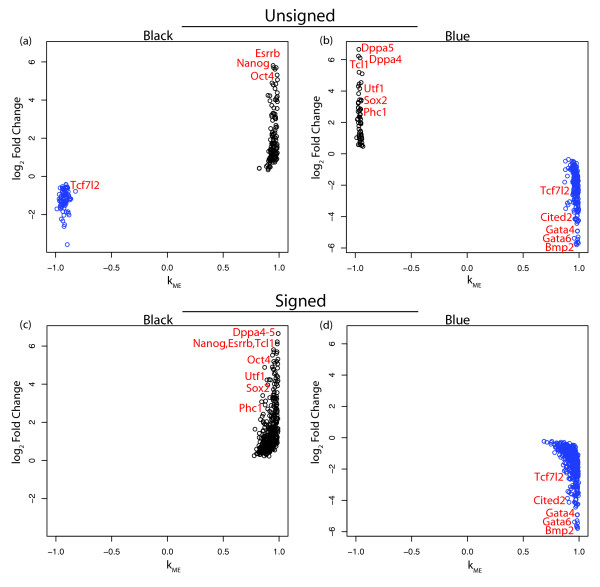
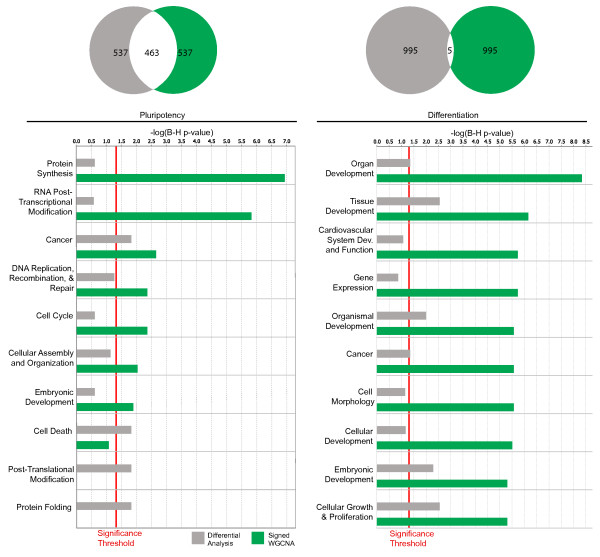
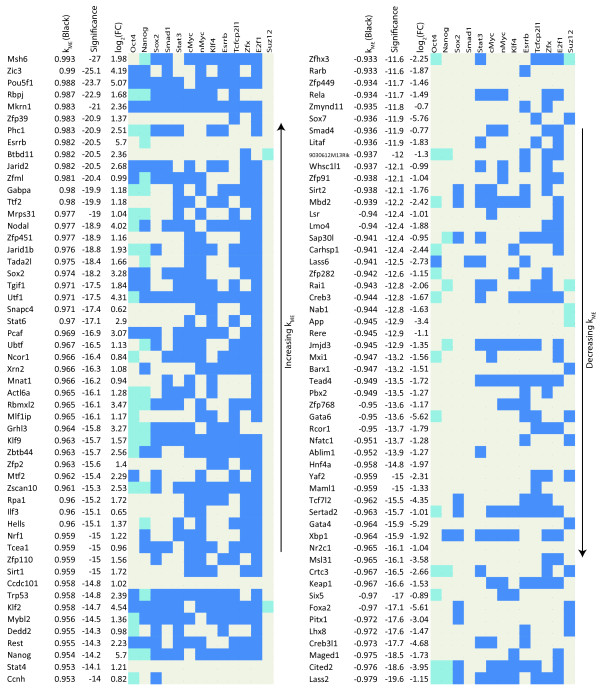
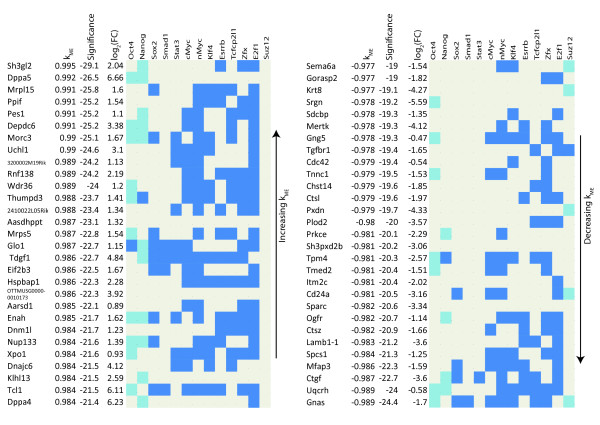
Background: Recent work has revealed that a core group of transcription factors (TFs) regulates the key characteristics of embryonic stem (ES) cells: pluripotency and self-renewal. Current efforts focus on identifying genes that play important roles in maintaining pluripotency and self-renewal in ES cells and aim to understand the interactions among these genes. To that end, we investigated the use of unsigned and signed network analysis to identify pluripotency and differentiation related genes. Results: We show that signed networks provide a better systems level understanding of the regulatory mechanisms of ES cells than unsigned networks, using two independent murine ES cell expression data sets. Specifically, using signed weighted gene co-expression network analysis (WGCNA), we found a pluripotency module and a differentiation module, which are not identified in unsigned networks. We confirmed the importance of these modules by incorporating genome-wide TF binding data for key ES cell regulators. Interestingly, we find that the pluripotency module is enriched with genes related to DNA damage repair and mitochondrial function in addition to transcriptional regulation. Using a connectivity measure of module membership, we not only identify known regulators of ES cells but also show that Mrpl15, Msh6, Nrf1, Nup133, Ppif, Rbpj, Sh3gl2, and Zfp39, among other genes, have important roles in maintaining ES cell pluripotency and self-renewal. We also report highly significant relationships between module membership and epigenetic modifications (histone modifications and promoter CpG methylation status), which are known to play a role in controlling gene expression during ES cell self-renewal and differentiation. Conclusion: Our systems biologic re-analysis of gene expression, transcription factor binding, epigenetic and gene ontology data provides a novel integrative view of ES cell biology.
Overview
The claims and statistics of this paper haven’t been checked yet.
Run the check — free, no account needed. It reads the open-access text and checks the sources it cites.
Integrity signals
Registry
Cites
Statistics
Figures
Verification
Claims the paper makes
The claims and statistics of this paper haven’t been checked yet.
Run the check — free, no account needed. It reads the open-access text and checks the sources it cites.
Claims other papers make about this one
Each is checked against this paper’s own text: does it say what the citing paper says it does?
The cited source says what the claim attributes to it.
In the citing paper
“A signed method creates networks where biologically meaningful modules (such as those representing a specific biological process) are better separated [37].”
From Gene co-expression analysis for functional classification and gene–disease predictions (2017) · cites this paper as [37]
Self-check
Percentages, sums and reported differences re-computed from the paper’s own numbers.
The self-check needs the paper’s full text.
Citations
Cites
WGCNA: an R package for weighted correlation network analysis
Langfelder, P., & Horvath, S. (2008) · BMC Bioinformatics · doi:10.1186/1471-2105-9-559 · Cited by 27,252
Self-citationTakahashi, K., & Yamanaka, S. (2006) · Cell · doi:10.1016/j.cell.2006.07.024 · Cited by 26,673 · cited 2×
“the four TFs that can reprogram differentiated cells into a pluripotency state [3].”
BackgroundInduction of Pluripotent Stem Cells from Adult Human Fibroblasts by Defined Factors
Takahashi, K., Tanabe, K., Ohnuki, M., Narita, M., Ichisaka, T., Tomoda, K., & Yamanaka, S. (2007) · Cell · doi:10.1016/j.cell.2007.11.019 · Cited by 20,221
Induced Pluripotent Stem Cell Lines Derived from Human Somatic Cells
Yu, J., Vodyanik, M. A., Smuga-Otto, K., Antosiewicz-Bourget, J., Frane, J. L., Tian, S., Nie, J., Jonsdottir, G. A., Ruotti, V., Stewart, R., et al. (2007) · Science · doi:10.1126/science.1151526 · Cited by 10,310 · cited 9×
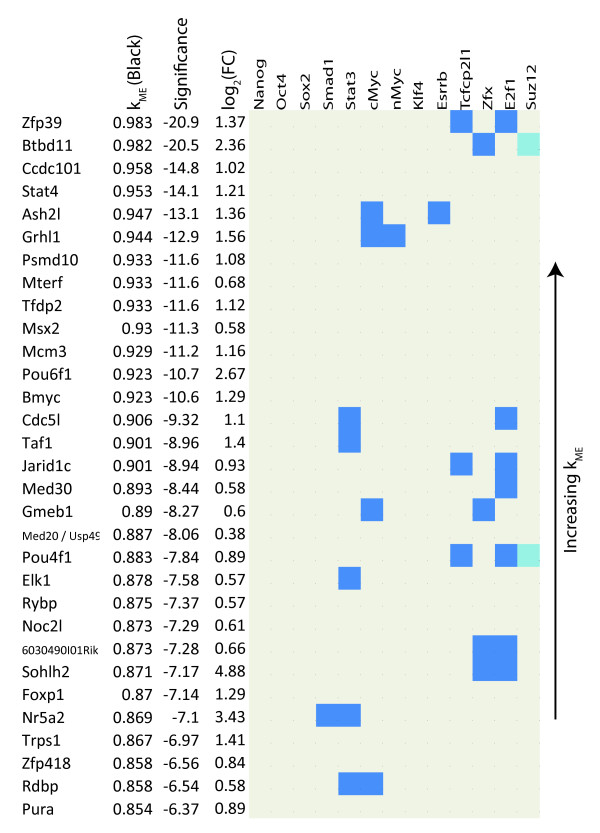
“Figure 9 shows genes with relatively high that lack binding by the TFs Nanog, Oct4, Sox2, and Klf4 [10,11] and have low binding (≤ 2) by other TFs that maintain pluripotency (Smad1, Stat3, cMyc, nMyc, Esrrb, Tcfcp2l1, Zfx, and E2f1).”
BackgroundInfluentialDAVID: Database for Annotation, Visualization, and Integrated Discovery
Dennis, G., Sherman, B. T., Hosack, D. A., Yang, J., Gao, W., Lane, H. C., & Lempicki, R. A. (2003) · Genome Biology · doi:10.1186/gb-2003-4-5-p3 · Cited by 9,327 · cited 3×
“ment using the Database for Annotation Visualization and Integrated Discovery (DAVID) [53].”
MethodInfluentialA General Framework for Weighted Gene Co-Expression Network Analysis
Zhang, B., & Horvath, S. (2005) · Statistical Applications in Genetics and Molecular Biology · doi:10.2202/1544-6115.1128 · Cited by 5,684 · cited 29×
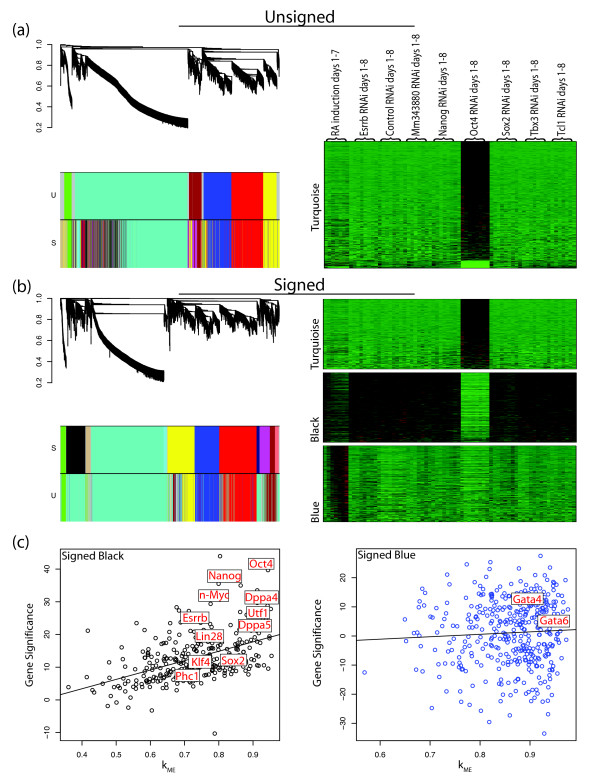
“It is important to reiterate that the pluripotency/self-renewal black module was only found using signed WGCNA.”
BackgroundMethodInfluentialSelf-citationA bivalent chromatin structure marks key developmental genes in embryonic stem cells
Bernstein, B. E., Mikkelsen, T. S., Xie, X., Kamal, M., Huebert, D. J., Cuff, J., Fry, B., Meissner, A., Wernig, M., Plath, K., et al. (2006) · Cell · doi:10.1016/j.cell.2006.02.041 · Cited by 5,361 · cited 1×
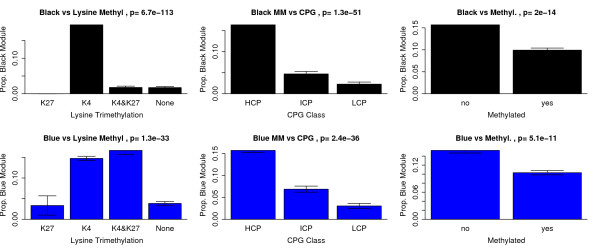
“Recent studies suggest that chromatin structure and epigenetic modifications, like histone modification and DNA methylation, play a role in controlling gene expression during ES cell self-renewal and differentiation [46-51].”
BackgroundSelf-citationHierarchical Organization of Modularity in Metabolic Networks
Ravasz, E., Somera, A. L., Mongru, D. A., Oltvai, Z. N., & Barabási, A.-L. (2002) · Science · doi:10.1126/science.1073374 · Cited by 4,224 · cited 7×
“Specifically, we define the proximity as the topological overlap measure (TOM) [35-37] which can also be defined for weighted networks [19].”
BackgroundInfluentialGenome-wide maps of chromatin state in pluripotent and lineage-committed cells
Mikkelsen, T. S., Ku, M., Jaffe, D. B., Issac, B., Lieberman, E., Giannoukos, G., Alvarez, P., Brockman, W., Kim, T.-K., Koche, R. P., et al. (2007) · Nature · doi:10.1038/nature06008 · Cited by 4,129 · cited 10×
“Recent studies suggest that chromatin structure and epigenetic modifications, like histone modification and DNA methylation, play a role in controlling gene expression during ES cell self-renewal and differentiation [46-51].”
BackgroundMethodInfluentialThe Homeoprotein Nanog Is Required for Maintenance of Pluripotency in Mouse Epiblast and ES Cells
Mitsui, K., Tokuzawa, Y., Itoh, H., Segawa, K., Murakami, M., Takahashi, K., Maruyama, M., Maeda, M., & Yamanaka, S. (2003) · Cell · doi:10.1016/s0092-8674(03)00393-3 · Cited by 3,192 · cited 1×
“Several studies have identified the targets of these TFs and the mechanism by which they regulate them [4,8,17].”
Background
Cited by
Sorted by citations
Transcriptome-wide isoform-level dysregulation in ASD, schizophrenia, and bipolar disorder
Gandal, M. J., Zhang, P., Hadjimichael, E., Walker, R. L., Chen, C., Liu, S., Won, H., van Bakel, H., Varghese, M., Wang, Y., et al. (2018) · Science · doi:10.1126/science.aat8127 · Cited by 1,247
Shared molecular neuropathology across major psychiatric disorders parallels polygenic overlap
Gandal, M. J., Haney, J. R., Parikshak, N. N., Leppa, V., Ramaswami, G., Hartl, C., Schork, A. J., Appadurai, V., Buil, A., Werge, T. M., et al. (2018) · Science · doi:10.1126/science.aad6469 · Cited by 1,095
Self-citationGene co-expression analysis for functional classification and gene–disease predictions
van Dam, S., Võsa, U., van der Graaf, A., Franke, L., & de Magalhães, J. P. (2017) · Briefings in Bioinformatics · doi:10.1093/bib/bbw139 · Cited by 995
“A signed method creates networks where biologically meaningful modules (such as those representing a specific biological process) are better separated [37].”
MethodIs My Network Module Preserved and Reproducible?
Langfelder, P., Luo, R., Oldham, M. C., & Horvath, S. (2011) · PLoS Computational Biology · doi:10.1371/journal.pcbi.1001057 · Cited by 1,012
“application; both signed [56] and unsigned [13,30,33] weighted”
BackgroundSelf-citationCorrelating transcriptional networks to breast cancer survival: a large-scale coexpression analysis
Clarke, C., Madden, S. F., Doolan, P., Aherne, S. T., Joyce, H., O’Driscoll, L., Gallagher, W. M., Hennessy, B. T., Moriarty, M. J., Crown, J. P., et al. (2013) · Carcinogenesis · doi:10.1093/carcin/bgt208 · Cited by 854
Rare coding variants in the phospholipase D3 gene confer risk for Alzheimer’s disease
Cruchaga, C., Karch, C. M., Jin, S. C., Benitez, B. A., Cai, Y., Guerreiro, R., Harari, O., Norton, J., Budde, J., Bertelsen, S., et al. (2014) · Nature · doi:10.1038/nature12825 · Cited by 461
Comparison of co-expression measures: mutual information, correlation, and model based indices
Song, L., Langfelder, P., & Horvath, S. (2012) · BMC Bioinformatics · doi:10.1186/1471-2105-13-328 · Cited by 460
“Signed correlation networks have been found useful in biological applications [22] and our results show that the resulting modules tend to be more significantly enriched with GO terms that those of networks that ignore the sign information.”
BackgroundInfluentialSelf-citationThe nuclear envelope environment and its cancer connections
Chow, K.-H., Factor, R. E., & Ullman, K. S. (2012) · Nature reviews. Cancer · doi:10.1038/nrc3219 · Cited by 361
Tanaka, H., Kono, E. A., Tran, C. P., Miyazaki, H., Yamashiro, J. M., Shimomura, T., Fazli, L., Wada, R., Huang, J., Vessella, R. L., et al. (2010) · Nature Medicine · doi:10.1038/nm.2236 · Cited by 340
Self-citationWhen is hub gene selection better than standard meta-analysis?
Langfelder, P., Mischel, P. S., & Horvath, S. (2013) · PLoS ONE · doi:10.1371/journal.pone.0061505 · Cited by 313
“unsigned networks depends on the application; both signed [27,84] and unsigned [6,22,24] weighted gene networks have been successfully used in gene expression analysis.”
Self-citationMechanisms of Severe Acute Respiratory Syndrome Coronavirus-Induced Acute Lung Injury
Gralinski, L. E., Bankhead, A., Jeng, S., Menachery, V. D., Proll, S. C., Belisle, S. E., Matzke, M. M., Webb‐Robertson, B., Luna, M. L., Shukla, A. K., et al. (2013) · mBio · doi:10.1128/mbio.00271-13 · Cited by 314
“While WGCNA has previously been applied to cancer, mouse, and yeast genetics, we use the approach to enhance systems-based analysis of virus infection (18) (19) (20) .”
MethodThe Biotrophic Development of Ustilago maydis Studied by RNA-Seq Analysis
Lanver, D., Müller, A. N., Happel, P., Schweizer, G., Haas, F. B., Franitza, M., Pellegrin, C., Reißmann, S., Altmüller, J., Rensing, S. A., et al. (2018) · The Plant Cell · doi:10.1105/tpc.17.00764 · Cited by 249
“Such intramodular hub genes are likely the key drivers of a given module (Mason et al., 2009).”
BackgroundYu, Q., Erhardt, E. B., Jing Sui (Beijing Normal University), my correct affiliation is beijing normal university, N. Q. U. O. S. A. T., Du, Y., He, H., Hjelm, D., Cetin, M. S., Rachakonda, S., Miller, R. L., Pearlson, G. D., et al. (2014) · NeuroImage · doi:10.1016/j.neuroimage.2014.12.020 · Cited by 239
“To distinguish between positive and negative correlations, we do not use the absolute value of the correlation, but compute a signed similarity measure defined as (Mason et al., 2009; Mumford et al., 2010; Yu et al., 2011a)”
MethodInsights into TREM2 biology by network analysis of human brain gene expression data
Forabosco, P., Ramasamy, A., Trabzuni, D., Walker, R., Smith, C., Bras, J., Levine, A. P., Hardy, J., Pocock, J. M., Guerreiro, R., et al. (2013) · Neurobiology of Aging · doi:10.1016/j.neurobiolaging.2013.05.001 · Cited by 180
“The network was constructed from the pairwise Pearson correlations between all genes, raising these correlations to a power of 12 while maintaining the information on the correlation signs between genes, thus constructing a “signed” network (Mason et al., 2009).”
Shared Molecular Neuropathology Across Major Psychiatric Disorders Parallels Polygenic Overlap
Gandal, M. J., Haney, J. R., Parikshak, N., Leppä, V., Ramaswami, G., Hartl, C., Schork, A. J., Appadurai, V., Buil, A., Werge, T. M., et al. (2019) · FOCUS The Journal of Lifelong Learning in Psychiatry · doi:10.1176/appi.focus.17103 · Cited by 212
Comparing Statistical Methods for Constructing Large Scale Gene Networks
Allen, J. D., Xie, Y., Chen, M., Girard, L., & Xiao, G. (2012) · PLoS ONE · doi:10.1371/journal.pone.0029348 · Cited by 186
“These co-expression-based methods have been used in several studies and have shown their usefulness in interpreting biological results and identifying important gene modules [6,20,22–24].”
MethodModeling Host Genetic Regulation of Influenza Pathogenesis in the Collaborative Cross
Ferris, M. T., Aylor, D. L., Bottomly, D., Whitmore, A. C., Aicher, L. D., Bell, T. A., Bradel-Tretheway, B., Bryan, J. T., Buus, R. J., Gralinski, L. E., et al. (2013) · PLoS Pathogens · doi:10.1371/journal.ppat.1003196 · Cited by 190
“was signed [95] and was carried out using the dynamicTreeCut R”
Oldham, M. C., Langfelder, P., & Horvath, S. (2012) · BMC Systems Biology · doi:10.1186/1752-0509-6-63 · Cited by 154
“Technically, a ij is a signed weighted adjacency matrix [22,49].”
BackgroundSelf-citationPriming of microglia in a DNA-repair deficient model of accelerated aging
Raj, D. D. A., Jaarsma, D., Holtman, I. R., Olah, M., Ferreira, F. M., Schaafsma, W., Brouwer, N., Meijer, M., de Waard, M. C., van der Pluijm, I., et al. (2014) · Neurobiology of Aging · doi:10.1016/j.neurobiolaging.2014.03.025 · Cited by 148
“Genes in modules often share common regulatory mechanisms or are involved in related cellular functions (Dewey et al., 2011; Langfelder et al., 2013; Mason et al., 2009; Winden et al., 2009).”
Schmidt, F., Gasparoni, N., Gasparoni, G., Gianmoena, K., Cadenas, C., Polansky, J. K., Ebert, P., Nordström, K. J. V., Barann, M., Sinha, A. N., et al. (2016) · Nucleic Acids Research · doi:10.1093/nar/gkw1061 · Cited by 118
“Genome-wide TF binding data, as produced by TF ChIP-seq, is widely used to identify important TFs: ChIP-seq data were incorporated into coexpression analysis (4), was combined with transcriptome data (5,6), used for the construction of Gene Regulatory Networks (7) and used together with Hi-C data (8).”
MethodGeneFriends: a human RNA-seq-based gene and transcript co-expression database
van Dam, S., Craig, T., & de Magalhães, J. P. (2015) · Nucleic Acids Research · doi:10.1093/nar/gku1042 · Cited by 115
“Coexpression analyses have identified novel genes to be involved in diseases such as cancer (8,16), schizophrenia (17) and type 2 diabetes (18), or processes such as stem cell regulation (19) and the cell cycle (20).”
BackgroundIs human blood a good surrogate for brain tissue in transcriptional studies?
Cai, C., Langfelder, P., Fuller, T. F., Oldham, M. C., Luo, R., van den Berg, L. H., Ophoff, R. A., & Horvath, S. (2010) · BMC Genomics · doi:10.1186/1471-2164-11-589 · Cited by 123
“However, we mention that one can also construct signed weighted networks that keep track of the sign of the correlation [ 32 ].”
BackgroundSelf-citationChen, L., Yuan, L., Wang, Y., Wang, G., Zhu, Y., Cao, R., Qian, G., Xie, C., Liu, X., Xiao, Y., et al. (2017) · International Journal of Biological Sciences · doi:10.7150/ijbs.21657 · Cited by 119
“Under the threshold of FDR< 0.05 and |log2FC| > 1, a total of 4042 DEGs (2134 up-regulated and 1908 Int.”
MethodInfluentialLukoseviciute, M., Gavriouchkina, D., Williams, R. M., Hochgreb-Hagele, T., Senanayake, U., Chong-Morrison, V., Thongjuea, S., Repapi, E., Mead, A., & Sauka-Spengler, T. (2018) · Developmental Cell · doi:10.1016/j.devcel.2018.11.009 · Cited by 109
Liu, B., Yu, H., Tu, K., Li, C., Li, Y., & Li, Y. (2010) · Bioinformatics · doi:10.1093/bioinformatics/btq471 · Cited by 112
“Function names are shown in italic texts. coexpression network analysis (WGCNA) weights links with correlation coefficients and compares the sums of the correlation coefficients of a gene (Mason et al., 2009; van Nas et al., 2009).”
Kuegler, P. B. (2010) · ALTEX · doi:10.14573/altex.2010.1.16 · Cited by 110
“Mason et al., 2009; 32.”
Link-based quantitative methods to identify differentially coexpressed genes and gene Pairs
Yu, H., Liu, B., Ye, Z., Li, C., Li, Y., & Li, Y. (2011) · BMC Bioinformatics · doi:10.1186/1471-2105-12-315 · Cited by 104
“After surveying three previously proposed DCEA methods (Figure 1B): ‘Log Ratio of Connections’ (LRC) [15], ‘Average Specific Connection’ (ASC) [12], and ‘weighted gene coexpression network analysis’ (WGCNA) [16-19], we realize that although DCEA methods have been used more and more frequently in transcriptome studies…”
BackgroundMethodInfluentialNewman, A. M., & Cooper, J. B. (2010) · BMC Bioinformatics · doi:10.1186/1471-2105-11-117 · Cited by 101
“Gene ontology enrichment (Database for Annotation Visualization and Integrated Discovery (DAVID[27]) shows that PluriUp genes are significantly enriched for cell cycle, regulation of transcription/translation, and chromatin remodeling functions, consistent with previous studies [26, 28 ] (see Additional file 3, Table…”
ResultLiu, J., Zhou, S., Li, S., Jiang, Y., Wan, Y., Ma, X., & Cheng, W. (2019) · Cancer Cell International · doi:10.1186/s12935-019-0859-1 · Cited by 100
DCGL v2.0: An R Package for Unveiling Differential Regulation from Differential Co-expression
Yang, J., Yu, H., Liu, B., Zhao, Z., Liu, L., Ma, L., Li, Y., & Li, Y. (2013) · PLoS ONE · doi:10.1371/journal.pone.0079729 · Cited by 98
“The ‘‘DCEA’’ module has three algorithms previously proposed by others (LRC [1], ASC [2], and WGCNA [3,4]) and two methods (DCp and DCe PLOS ONE | www.plosone.org 2 November 2013 | Volume 8 | Issue 11 | e79729 [5,6]) we developed to identify differentially co-expressed genes (DCGs) and differentially co-expressed link…”
MethodInfluentialYu, Q., Plis, S., Erhardt, E. B., Allen, E. A., Jing Sui (Beijing Normal University), my correct affiliation is beijing normal university, N. Q. U. O. S. A. T., Kiehl, K. A., Pearlson, G. D., & Calhoun, V. D. (2012) · Frontiers in Systems Neuroscience · doi:10.3389/fnsys.2011.00103 · Cited by 90
“To distinguish between positive and negative correlations, we then computed a signed similarity measure (Mason et al., 2009) defined as Sij = rij + 1 2 · (1) Note that a correlation of −1 has a similarity of 0.”
MethodLiu, J., Jing, L., & Tu, X. (2016) · BMC Cardiovascular Disorders · doi:10.1186/s12872-016-0217-3 · Cited by 90
“org/packages/cran/WGCNA/docs/ bicor) in R, the analysis was performed as described previously [11, 24].”
MethodDetecting network modules in fMRI time series: A weighted network analysis approach
Mumford, J. A., Horvath, S., Oldham, M. C., Langfelder, P., Geschwind, D. H., & Poldrack, R. A. (2010) · NeuroImage · doi:10.1016/j.neuroimage.2010.05.047 · Cited by 80
“Signed networks lead to modules of positively correlated voxels while unsigned correlation networks lead to modules of highly positively or highly negatively correlated voxels (Mason et al., 2009).”
InfluentialSelf-citationBakhtiarizadeh, M. R., Hosseinpour, B., Shahhoseini, M., Korte, A., & Gifani, P. (2018) · Frontiers in Genetics · doi:10.3389/fgene.2018.00453 · Cited by 78
Yuan, L., Zeng, G., Chen, L., Wang, G., Wang, X., Cao, X., Lü, M., Liu, X., Qian, G., Xiao, Y., et al. (2018) · International Journal of Biological Sciences · doi:10.7150/ijbs.23574 · Cited by 76
Clarke, C., Doolan, P., Barron, N., Meleady, P., O’Sullivan, F., Gammell, P., Melville, M. W., Leonard, M. W., & CLYNES, M. M. (2011) · Journal of Biotechnology · doi:10.1016/j.jbiotec.2011.07.011 · Cited by 75
Mamdani, M., Williamson, V., McMichael, G. O., Blevins, T., Aliev, F., Adkins, A., Hack, L., Bigdeli, T., D. van der Vaart, A., Web, B. T., et al. (2015) · PLOS ONE · doi:10.1371/journal.pone.0137671 · Cited by 73
“Studies employing WGCNA have found that modules organized by co-expression patterns are enriched for biologically relevant functions [49–51].”
MethodLevine, A. J., Miller, J. A., Shapshak, P., Gelman, B. B., Singer, E. J., Hinkin, C. H., Commins, D., Morgello, S., Grant, I., & Horvath, S. (2013) · BMC Medical Genomics · doi:10.1186/1755-8794-6-4 · Cited by 72
Self-citationHorvath, S., Nazmul-Hossain, A. N. M., Pollard, R., Kroese, F. G. M., Vissink, A., Kallenberg, C. G. M., Spijkervet, F. K., Bootsma, H., Michie, S. A., Gorr, S., et al. (2012) · Arthritis Research & Therapy · doi:10.1186/ar4081 · Cited by 73
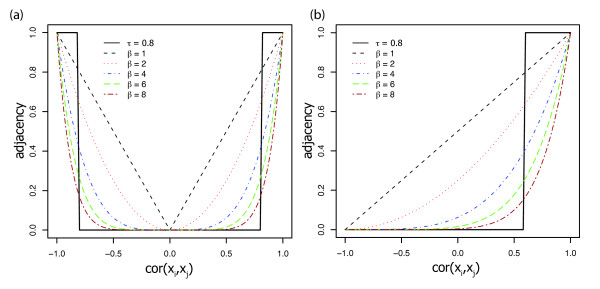
“correlation matrix is transformed into an adjacency matrix [23]:”
BackgroundSelf-citationHistone proteolysis: A proposal for categorization into ‘clipping’ and ‘degradation’
Dhaenens, M., Glibert, P., Meert, P., Vossaert, L., & Deforce, D. L. D. (2014) · BioEssays · doi:10.1002/bies.201400118 · Cited by 70
“While CATL has been classified into the socalled “differentiation module” in an in silico gene coexpression network derived from expression analysis of differentiating ESC [117], mutations in ELA2, the gene encoding NE, cause a neutrophil differentiation disease called cyclic neutropenia [118, 119].”
MethodInfluentialSystems biology of ovine intestinal parasite resistance: disease gene modules and biomarkers
Kadarmideen, H. N., Watson‐Haigh, N. S., & Andronicos, N. M. (2010) · Molecular BioSystems · doi:10.1039/c0mb00190b · Cited by 69
Gene differential coexpression analysis based on biweight correlation and maximum clique
Zheng, C.-H., Yuan, L., Sha, W., & Sun, Z.-L. (2014) · BMC Bioinformatics · doi:10.1186/1471-2105-15-s15-s3 · Cited by 65
“In those gene differential coexpression analysis methods, the most common choice of similarity measurement is Pearson correlation coefficients [5,11,12,22].”
MethodHistone demethylase KDM2A promotes tumor cell growth and migration in gastric cancer
Huang, Y., Liu, Y., Yu, L., Chen, J., Hou, J., Cui, L., Ma, D., & Wang-kun, L. (2014) · Tumor Biology · doi:10.1007/s13277-014-2630-5 · Cited by 63
Gysi, D. M., Voigt, A., Fragoso, T. D. M., Almaas, E., & Nowick, K. (2018) · NORA - Norwegian Open Research Archives · doi:10.17169/refubium-922 · Cited by 62
Hasankhani, A., Bahrami, A., Sheybani, N., Aria, B., Hemati, B., Fatehi, F., Farahani, H. G. M., Javanmard, G., Rezaee, M., Kastelic, J. P., et al. (2021) · Frontiers in Immunology · doi:10.3389/fimmu.2021.789317 · Cited by 62
“In general, signed networks provide a better understanding of molecular regulatory mechanisms at the systemic level, facilitating better separation of modules in terms of biological performance (19, 45).”
Walsh, C. J., Batt, J. A. E., Herridge, M. S., Mathur, S., Bader, G. D., Hu, P., & dos Santos, C. C. (2016) · Scientific Reports · doi:10.1038/srep29334 · Cited by 60
Wu, Z., Wang, L., Wen, Z., & Yao, J. (2021) · Scientific Reports · doi:10.1038/s41598-021-82976-w · Cited by 60
Improved biomarker discovery through a plot twist in transcriptomic data analysis
Sánchez-Baizán, N., Ribas, L., & Piferrer, F. (2022) · BMC Biology · doi:10.1186/s12915-022-01398-w · Cited by 63
“Unsigned networks allow the connection of genes that are both positively and negatively correlated; the absolute value of the Pearson correlation is used as a co-expression similarity measure [106, 107].”
BackgroundMethodMenachery, V. D., & Baric, R. S. (2013) · Immunological Reviews · doi:10.1111/imr.12092 · Cited by 57
Huggett, S. B., & Stallings, M. C. (2019) · Addiction Biology · doi:10.1111/adb.12719 · Cited by 56
“better capture and identify functionally relevant groups of genes at systems level than have unsigned networks.(43) Parallel to Mason et al,(43) we created a weighted signed adjacency matrix, ultimately raising this”
MethodEpigenetic modulation of brain gene networks for cocaine and alcohol abuse
Farris, S. P., Harris, R. A., & Ponomarev, I. (2015) · Frontiers in Neuroscience · doi:10.3389/fnins.2015.00176 · Cited by 57
“Signed WGCNA has multiple advantages over standard methods for differential expression analyses, including helping overcome issues related to multiple testing, for multi-dimensional data that incorporates genome-wide patterns of epigenetic modifications and gene expression (Mason et al., 2009).”
MethodGysi, D. M., Voigt, A., Fragoso, T. D. M., Almaas, E., & Nowick, K. (2018) · BMC Bioinformatics · doi:10.1186/s12859-018-2351-7 · Cited by 71
Shi, K., Bing, Z., Cao, G.-Q., Guo, L., Cao, Y., Jiang, H., & Zhang, M. (2015) · Europe PMC (PubMed Central) · doi:10.3980/j.issn.2222-3959.2015.02.10 · Cited by 59
Zhang, J., & Huang, K. (2014) · Cancer Informatics · doi:10.4137/cin.s14021 · Cited by 60
Rigidity and flexibility of biological networks
Gaspar, M. E., & Csermely, P. (2012) · Briefings in Functional Genomics · doi:10.1093/bfgp/els023 · Cited by 53
“In most cases, edge weights refer to the strength or probability of the interaction [12–14].”
He, Y., Wang, Z., Ge, H., Liu, Y., & Chen, H. (2021) · Plant Science · doi:10.1016/j.plantsci.2021.110935 · Cited by 52
Yu, Q., Du, Y., Chen, J., He, H., Jing Sui (Beijing Normal University), my correct affiliation is beijing normal university, N. Q. U. O. S. A. T., Pearlson, G. D., & Calhoun, V. D. (2017) · Journal of Neuroscience Methods · doi:10.1016/j.jneumeth.2017.08.007 · Cited by 49
“…between positive and negative correlations, we do not use the absolute value of the correlation, but compute a similarity measure defined as (Mason et al., 2009; Mumford et al., 2010; Yu et al., 2015; Yu et al., 2011a) (2) Global level metrics of the weighted graph S including connectivity…”
MethodBai, Y., Xiong, L., Zhu, M., Yang, Z., Zhao, J., & Tang, H. (2019) · Cancer Biomarkers · doi:10.3233/cbm-181512 · Cited by 50
“The co-expression network of DEGs was then constructed us-ing the “WGCNA” R package [17,18].”
MRPL15 is a novel prognostic biomarker and therapeutic target for epithelial ovarian cancer
Xu, H., Zou, R., Li, F., Liu, J., Luan, N., Wang, S., & Zhu, L. (2021) · Cancer Medicine · doi:10.1002/cam4.3907 · Cited by 52
Troy, N. M., Hollams, E. M., Holt, P. G., & Bosco, A. (2016) · BMC Medical Genomics · doi:10.1186/s12920-016-0171-z · Cited by 48
“In this study we used the signed variant of the WGCNA algorithm, which employs a transformation of the correlations that retains positive correlations and pushes negative correlations towards zero [23].”
Huang, Y. H., Xu, Y., Lu, Y., Zhu, S., Guo, Y., Sun, C., Xu, L., Chen, X., Zhao, Y., Yu, B., et al. (2019) · Biomaterials · doi:10.1016/j.biomaterials.2019.119266 · Cited by 43
Wang, T., Zheng, X., Li, R., Liu, X., Wu, J., Zhong, X., Zhang, W., Liu, Y., He, X., Liu, W., et al. (2018) · Journal of Cellular Physiology · doi:10.1002/jcp.27381 · Cited by 44
attract: A Method for Identifying Core Pathways That Define Cellular Phenotypes
Mar, J. C., Matigian, N., Quackenbush, J. F., & Wells, C. A. (2011) · PLoS ONE · doi:10.1371/journal.pone.0025445 · Cited by 40
“This is even true in most approaches focused on identifying co-expression networks from microarray data [14,15,16].”
Meta-analysis of drought-tolerant genotypes in Oryza sativa: A network-based approach
Sircar, S., & Parekh, N. (2019) · PLoS ONE · doi:10.1371/journal.pone.0216068 · Cited by 43
“Transcription profiling of Oryza sativa subtypes Cultivar Nagina-22 (N22) and IR64 subtypes under normal and drought conditions where x i and x j are the expression profiles of genes i and j across the microarray samples [22].”
BackgroundBasnet, R. K., Moreno-Pachon, N. M., Lin, K., Bucher, J., Visser, R. G. F., Maliepaard, C. A., & Bonnema, G. (2013) · BMC Genomics · doi:10.1186/1471-2164-14-840 · Cited by 39
“The details of this method are described in [36,55], and the analysis was performed in R software using the WGCNA package [56].”
MethodZhou, Z., Liu, S., Zhang, M., Zhou, R., Liu, J., Chang, Y., & Zhao, Q. (2017) · Digestive Diseases and Sciences · doi:10.1007/s10620-017-4718-4 · Cited by 39
Protein expression based multimarker analysis of breast cancer samples
Presson, A. P., Yoon, N. K., Bagryanova, L., Mah, V. H., Alavi, M., Maresh, E. L., Rajasekaran, A. K., Goodglick, L., Chia, D., & Horvath, S. (2011) · BMC Cancer · doi:10.1186/1471-2407-11-230 · Cited by 38
Self-citationWang, F., Chang, Y., Li, J., Wang, H., Zhou, R., Qi, J., Liu, J., & Zhao, Q. (2016) · Digestive and Liver Disease · doi:10.1016/j.dld.2016.10.017 · Cited by 38
Xia, M., Yu, R., & Chen, D. (2022) · Frontiers in Immunology · doi:10.3389/fimmu.2021.809325 · Cited by 37
“Systematic mapping of individual biological interaction networks can identify the core molecules associated with prognosis (32, 33).”
BackgroundStochastic block model and exploratory analysis in signed networks
Jiang, J. Q. (2015) · Physical Review E · doi:10.1103/physreve.91.062805 · Cited by 43
Overlapping community detection in networks with positive and negative links
Chen, Y., Wang, X. L., Yuan, B., & Tang, B. Z. (2014) · Journal of Statistical Mechanics Theory and Experiment · doi:10.1088/1742-5468/2014/03/p03021 · Cited by 36
Inferring interaction type in gene regulatory networks using co-expression data
Khosravi, P., Gazestani, V., Pirhaji, L., Law, B., Sadeghi, M., Goliaei, B., & Bader, G. D. (2015) · Algorithms for Molecular Biology · doi:10.1186/s13015-015-0054-4 · Cited by 36
“Knowing the interaction type can be beneficial for a wide range of analyses including module-centric analysis [15] and network simulation [16].”
BackgroundAntigen-stimulated PBMC transcriptional protective signatures for malaria immunization
Moncunill, G., Scholzen, A., Mpina, M., Nhabomba, A. J., Hounkpatin, A. B., Osaba, L., Valls, R., Campo, J. J., Sanz, H., Jairoce, C., et al. (2020) · Science Translational Medicine · doi:10.1126/scitranslmed.aay8924 · Cited by 35
“Summary of GSEA and WGCNA results.”
MethodInfluentialHuang, H., Zhang, Q., Ye, C., Lv, J.-M., Liu, X., Chen, L., Wu, H., Yin, L., Cui, X., Xu, D.-F., et al. (2017) · Journal of Cancer Research and Clinical Oncology · doi:10.1007/s00432-017-2497-0 · Cited by 35
“Thus, we conducted IPA to analyse the genes in selected modules, since this workflow has been widely adopted following WGCNA in previous studies (Mason et al. 2009; Malki et al. 2013).”
MethodJahagirdar, S., & Saccenti, E. (2020) · Metabolites · doi:10.3390/metabo10040171 · Cited by 32
“Although in this study we ignored the directionality of the relationships to build networks and calculate connectivity and perform connectivity analysis, this is a an inherent limitation of MI that cannot capture directionality and changes thereof since it is a strictly semi-positive quantity [78].”
Insights into the Ecology and Evolution of Polyploid Plants through Network Analysis
Gallagher, J. P., Grover, C. E., Hu, G., & Wendel, J. F. (2016) · Molecular Ecology · doi:10.1111/mec.13626 · Cited by 34
SpaceX: gene co-expression network estimation for spatial transcriptomics
Acharyya, S., Zhou, X., & Baladandayuthapani, V. (2022) · Bioinformatics · doi:10.1093/bioinformatics/btac645 · Cited by 31
Protein co-expression network analysis (ProCoNA)
Gibbs, D. L., Baratt, A., Baric, R. S., Kawaoka, Y., Smith, R. D., ORWOLL, E. S., Katze, M. G., & McWeeney, S. K. (2013) · Journal of Clinical Bioinformatics · doi:10.1186/2043-9113-3-11 · Cited by 29
“, resulting in a signed similarity matrix [25].”
BackgroundStochastic Blockmodeling and Variational Bayes Learning for Signed Network Analysis
Yang, B. X., Liu, X., Li, Y., & Zhao, X. (2017) · IEEE Transactions on Knowledge and Data Engineering · doi:10.1109/tkde.2017.2700304 · Cited by 31
“So far, signed network analysis has found many applications in practice [1], [2], e.”
BackgroundFunctional Modules Distinguish Human Induced Pluripotent Stem Cells from Embryonic Stem Cells
Wang, A., Huang, K. Y., Shen, Y., Xue, Z., Cai, C., Horvath, S., & Fan, G. (2011) · Stem Cells and Development · doi:10.1089/scd.2010.0574 · Cited by 30
“The highly connected hub genes may play crucial roles in a network; we searched for such hub genes by ranking the genes based on the network connectivity that considers both the network topology and the eigengene-based connectivity (Materials and Methods section) [26,27].”
Self-citationVoigt, E. A., Grill, D. E., Zimmermann, M. T., Simon, W. L., Ovsyannikova, I. G., Kennedy, R. B., & Poland, G. A. (2018) · Scientific Reports · doi:10.1038/s41598-017-17735-x · Cited by 32
Chen, P., Wang, F., Nie, J.-Y., Feng, J., Liu, J., Zhou, R., Wang, H., & Zhao, Q. (2018) · OncoTargets and Therapy · doi:10.2147/ott.s176511 · Cited by 30
“8,15 First, Pearson’s correlation matrices were calculated between pairwise genes.”
Yuan, L., Chen, L., Qian, K., Wang, G., Lü, M., Qian, G., Cao, X., Jiang, W., Xiao, Y., & Wang, X. (2017) · Oncology Reports · doi:10.3892/or.2017.6132 · Cited by 29
“Under the threshold of FDR <0.05 and |log2FC| >0.585, a total of 3,495 DEGs (1,549 upregulated or 1,946 downregulated) were selected for subsequent analysis.”
MethodInfluentialGómez, J. C. I., & Orgueira, A. M. (2014) · Frontiers in Oncology · doi:10.3389/fonc.2014.00147 · Cited by 30
Xiong, Y., Yuan, L., Chen, L., Zhu, Y., Zhang, S., Liu, X., Xiao, Y., & Wang, X. (2018) · Journal of Cancer · doi:10.7150/jca.25900 · Cited by 28
“Before we utilized the “WGCNA” package to construct the scale-free gene co-expression network [10,11], we first verified the qualification of DEGs.”
MethodKim, A., Yoon, D., Lim, Y., Roh, H., Kim, S., Park, C., Kim, H., Cha, H., Choi, Y. H., & Kim, D. (2020) · International Journal of Molecular Sciences · doi:10.3390/ijms21051707 · Cited by 26
Wang, H., Wang, F., Chen, P., Zhang, M., Yu, M., Wang, H., Zhao, Q., & Liu, J. (2019) · Biomedicine & Pharmacotherapy · doi:10.1016/j.biopha.2018.12.135 · Cited by 28
Yazdi, P. G., Su, H., Ghimbovschi, S. D., Fan, W., Coskun, P. E., Nalbandian, A., Knoblach, S. M., Resnick, J. L., Hoffman, E. P., Wallace, D. C., et al. (2013) · Clinical and Translational Science · doi:10.1111/cts.12083 · Cited by 27
An update on clonality: what smooth muscle cell type makes up the atherosclerotic plaque?
Schwartz, S. M., Virmani, R., & Majesky, M. W. (2018) · F1000Research · doi:10.12688/f1000research.15994.1 · Cited by 27
Chen, P., Long, B., Xu, Y., Wu, W., & Zhang, S. (2018) · Frontiers in Physiology · doi:10.3389/fphys.2018.01778 · Cited by 27
Chen, Y., Bi, F., An, Y., & Yang, Q. F. (2018) · Journal of Cellular Biochemistry · doi:10.1002/jcb.27567 · Cited by 27
“Then, the scale‐free coexpression network was constructed using the WGCNA algorithm.(13,14) First, the correlation matrix between two genes was established by means of the main connecting rod and Pearson correlation matrix.”
MethodHasankhani, A., Bahrami, A., Sheybani, N., Fatehi, F., Abadeh, R., Farahani, H. G. M., Behzadi, M. R. B., Javanmard, G., Isapour, S., Khadem, H., et al. (2021) · Frontiers in Genetics · doi:10.3389/fgene.2021.753839 · Cited by 27
Multi-omic network signatures of disease
Gibbs, D. L., Gralinski, L. E., Baric, R. S., & McWeeney, S. K. (2014) · Frontiers in Genetics · doi:10.3389/fgene.2013.00309 · Cited by 26
“…network signatures of disease by leveraging earlier work on co-expression transcriptome networks (Zhang and Horvath, 2005; Yip and Horvath, 2007; Mason et al., 2009; Langfelder et al., 2008, 2011; Langfelder and Horvath, 2012) and our own work in proteomic co-expression networks (Gibbs et al.,…”
BackgroundGenetic architecture of gene expression in ovine skeletal muscle
Kogelman, L. J. A., Byrne, K. A., Vuocolo, T., Watson‐Haigh, N. S., Kadarmideen, H. N., Kijas, J., Oddy, V. H., Gardner, G. E., Gondro, C., & Tellam, R. L. (2011) · BMC Genomics · doi:10.1186/1471-2164-12-607 · Cited by 25
“This approach has been widely employed to build a weighted gene co-expression network based on gene expression and the absolute Pearson correlation coefficient between gene expression levels to detect clusters of genes correlated with a trait [4,11-13].”
Wang, W., Fu, S., Lin, X., Zheng, J., Pu, J., Gu, Y., Deng, W., Liu, Y., He, Z., Liang, W., et al. (2019) · OncoTargets and Therapy · doi:10.2147/ott.s220823 · Cited by 25
“the “WGCNA” package in R language to construct the mRNA-miRNA co-expression network of these genes.(12,13)”
MethodLevine, A. J., Horvath, S., Miller, E. N., Singer, E. J., Shapshak, P., Baldwin, G. C., Martı́nez-Maza, O., Witt, M. D., & Langfelder, P. (2013) · Journal of Neuroimmunology · doi:10.1016/j.jneuroim.2013.09.016 · Cited by 24
“Recent studies have shown that signed co-expression networks can yield modules with more coherent functional annotation and lead to better identification of small modules (Mason et al., 2009).”
Self-citationAn evolutionary game approach for determination of the structural conflicts in signed networks
Tan, S., & Lü, J. (2016) · Scientific Reports · doi:10.1038/srep22022 · Cited by 24
“In recent years, increasing interests have arisen to infer the dynamical behaviors of a social or biological network through analysis of the corresponding signed network 12–17 .”
BackgroundKnockdown of CENPF inhibits the progression of lung adenocarcinoma mediated by ERβ2/5 pathway
Hexiao, T., Yuquan, B., Xiong, L., Wei, Y., Li, S., Hu, W., Xu, M., Xuefeng, Z., Gaofeng, P., Li, Z., et al. (2021) · Aging · doi:10.18632/aging.202303 · Cited by 25
“Next, a weighted gene co-expression network analysis (WGCNA) package was used to construct a coexpression network [25, 26].”
MethodToward a complete in silico , multi‐layered embryonic stem cell regulatory network
Xu, H., Schaniel, C., Lemischka, I. R., & Ma’ayan, A. (2010) · WIREs Systems Biology and Medicine · doi:10.1002/wsbm.93 · Cited by 25
“118,261,263 For instance, Chavez et al. 264 applied this methodology of integrating Oct4 ChIP-chip experiments and Oct4 RNAi in human ES cells.”
MethodPoLoBag: Polynomial Lasso Bagging for signed gene regulatory network inference from expression data
Roy, G. G., Geard, N. L., Verspoor, K. M., & He, S. (2020) · Bioinformatics · doi:10.1093/bioinformatics/btaa651 · Cited by 22
Metadata
- Authors
- Mason, M. J., Fan, G., Plath, K., Zhou, Q., & Horvath, S.
- Affiliations
- University of California, Los Angeles (US)
- Corresponding author
- Zhou, Qing
- Horvath, Steve
- Venue
- BMC Genomics
- Published
- 2009-07-20
- Volume
- 10
- Issue
- 1
- Pages
- 327-327
- ISSN
- 1471-2164 (ISSN-L)
- PMC
- PMC2727539
- OpenAlex
- W2138720219
- Cited by
- 243
- References
- 77
- Citations by year
- 2026: 8 · 2025: 10 · 2024: 12 · 2023: 12 · 2022: 18 · 2021: 34 · 2020: 18 · 2019: 18 · 2018: 18 · 2017: 12 · 2016: 10 · 2015: 8 · 2014: 14 · 2013: 22 · 2012: 11
- FWCI
- 3.89
- Type
- journal article
- Language
- en
- Open access
- gold
- doi.org
- Licence
- cc-by
- Locations
- BMC Genomics (publishedVersion, cc-by)
- PubMed Central (publishedVersion, cc-by)
- PubMed (publishedVersion)
- DOAJ (DOAJ: Directory of Open Access Journals) (submittedVersion)
- eScholarship (California Digital Library) (submittedVersion)
- The HKU Scholars Hub (University of Hong Kong) (submittedVersion)
- Funders
- National Science Foundation (0805491)
- National Institutes of Health (1dp2od001686-01)
- National Cancer Institute (P50CA092131, P30CA016042)
- National Institute of General Medical Sciences (P01GM081621)
- National Institute of Allergy and Infectious Diseases (U19AI063603)
- National Institute of Diabetes and Digestive and Kidney Diseases (R01DK072206, DK-072206)
- Topics
- Life Sciences › Biochemistry, Genetics and Molecular Biology › Molecular Biology › Pluripotent Stem Cells Research
- Life Sciences › Biochemistry, Genetics and Molecular Biology › Molecular Biology › Bioinformatics and Genomic Networks
- Life Sciences › Biochemistry, Genetics and Molecular Biology › Molecular Biology › Gene Regulatory Network Analysis
- Keywords
- mouse embryonic stem cells, pluripotency, self-renewal, gene co-expression network, transcriptional regulation, transcription factor binding, DNA repair, mitochondrial function, histone modifications, promoter CpG methylation, epigenetic regulation, module membership
- MeSH terms
- Animals, Chromatin, DNA, DNA Damage, DNA Repair, Gene Expression Regulation, Protein Binding, Transcription Factors, Transcription, Genetic, CpG Islands, DNA Methylation, Gene Expression Profiling, Pluripotent Stem Cells, Mice, Gene Regulatory Networks, Embryonic Stem Cells
About these checks
Registry, retraction, Cites and statistics results are computed, not judged, with one exception: a printed reference that no index lists is read once by a model before it counts as a citation error. Claims are extracted by a model and kept only when their quote appears verbatim in the text; each cited source is then checked, with a model’s help, for whether it says what the claim relies on. Those verdicts can be wrong — read the claim’s quote and the cited source before relying on one.
Statistics and arithmetic are recomputed, not judged.
Confidence bands are shown only for fields calibrated on our annotated test set. None is calibrated yet, so no band is shown.
What counts as a claim ›How we measure confidence ›How we check this ›
Are you an author, or do you see a problem with this page? Request a review
