

Control of gene expression during T cell activation: alternate regulation of mRNA transcription and mRNA stability
Open accessThe DOI matches its Crossref record; 27 of the 27 references it cites were found in a registry or an index.
Abstract
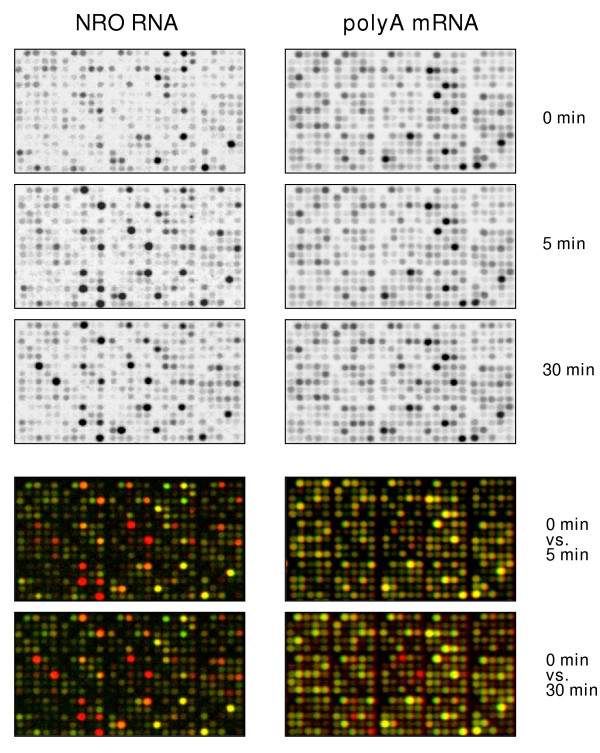
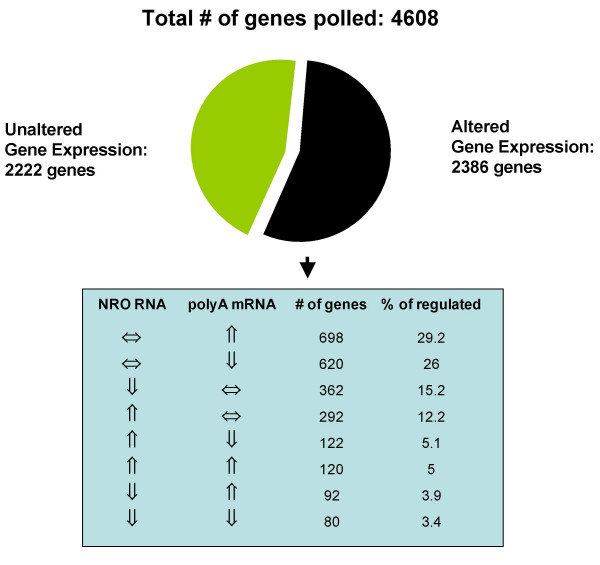
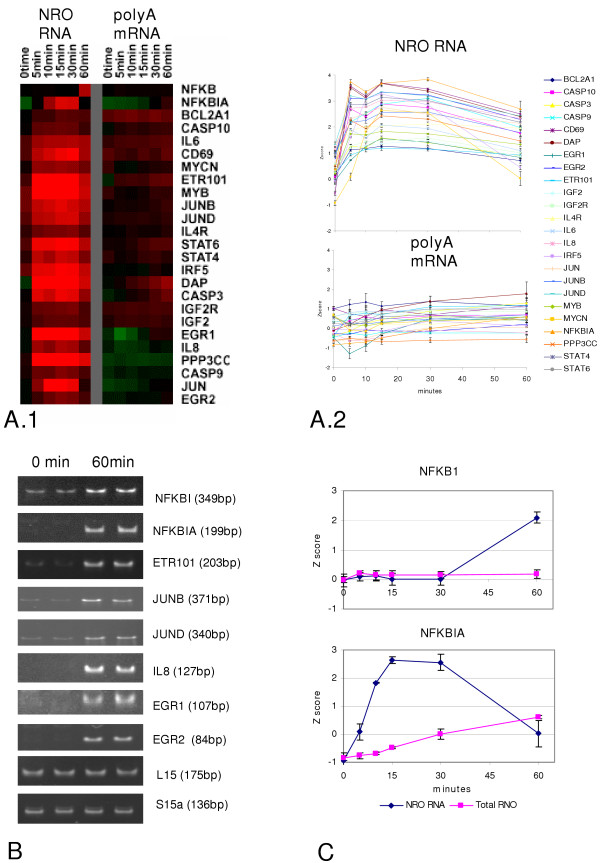
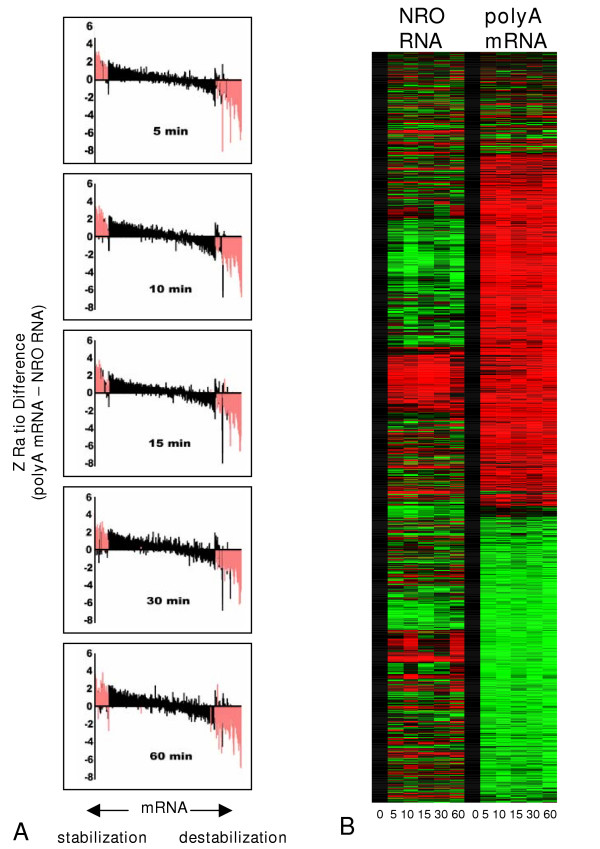
Background: Microarray technology has become highly valuable for identifying complex global changes in gene expression patterns. The effective correlation of observed changes in gene expression with shared transcription regulatory elements remains difficult to demonstrate convincingly. One reason for this difficulty may result from the intricate convergence of both transcriptional and mRNA turnover events which, together, directly influence steady-state mRNA levels. Results: In order to investigate the relative contribution of gene transcription and changes in mRNA stability regulation to standard analyses of gene expression, we used two distinct microarray methods which individually measure nuclear gene transcription and changes in polyA mRNA gene expression. Gene expression profiles were obtained from both polyA mRNA (whole-cell) and nuclear run-on (newly transcribed) RNA across a time course of one hour following the activation of human Jurkat T cells with PMA plus ionomycin. Comparative analysis revealed that regulation of mRNA stability may account for as much as 50% of all measurements of changes in polyA mRNA in this system, as inferred by the absence of any corresponding regulation of nuclear gene transcription activity for these groups of genes. Genes which displayed dramatic elevations in both mRNA and nuclear run-on RNA were shown to be inhibited by Actinomycin D (ActD) pre-treatment of cells while large numbers of genes regulated only through altered mRNA turnover (both up and down) were ActD-resistant. Consistent patterns across the time course were observed for both transcribed and stability-regulated genes. Conclusion: We propose that regulation of mRNA stability contributes significantly to the observed changes in gene expression in response to external stimuli, as measured by high throughput systems.
Overview
The claims and statistics of this paper haven’t been checked yet.
Free: it reads the open-access text and checks the first 5 claims that cite a source we can check. Create a free account to check every claim.
Integrity signals
Registry
Cites
Statistics
Figures
Verification
Claims the paper makes
The claims and statistics of this paper haven’t been checked yet.
Free: it reads the open-access text and checks the first 5 claims that cite a source we can check. Create a free account to check every claim.
Claims other papers make about this one
Each is checked against this paper’s own text: does it say what the citing paper says it does?
The source backs part of the claim, not all of it — or backs it for a different population, condition or comparison.
In the citing paper
“The rates of the other three steps, however, vary significantly between genes as well”
From System wide analyses have underestimated protein abundances and the importance of transcription in mammals (2014) · cites this paper as Cheadle et al., 2005
Experimental — accuracy not yet measuredThe source backs part of the claim, not all of it — or backs it for a different population, condition or comparison.
In the citing paper
“reflecting the enrichment of nascent transcripts in the nucleus3,13–16”
From Massively parallel single-nucleus RNA-seq with DroNc-seq (2017) · cites this paper as [16]
Experimental — accuracy not yet measured
Self-check
Percentages, sums and reported differences re-computed from the paper’s own numbers.
The self-check needs the paper’s full text.
Citations
Cites
Cluster analysis and display of genome-wide expression patterns
Eisen, M. B., Spellman, P. T., Brown, P. O., & Botstein, D. (1998) · Proceedings of the National Academy of Sciences · doi:10.1073/pnas.95.25.14863 · Cited by 16,184 · cited 1×
“Hierarchical clustering was performed using the Cluster and TreeView software programs, developed at Stanford University [26].”
MethodQuantitative Monitoring of Gene Expression Patterns with a Complementary DNA Microarray
Schena, M., Shalon, D., Davis, R. W., & Brown, P. O. (1995) · Science · doi:10.1126/science.270.5235.467 · Cited by 9,609 · cited 1×
“Background Virtually all microarray studies to-date have measured changes in steady-state mRNA levels by harvesting total cellular RNA and using it to generate probes through a variety of strategies including end-labeling of purified mRNA [1], incorporating a label into the first strand cDNA made from mRNA [2], or att…”
BackgroundParallel human genome analysis: microarray-based expression monitoring of 1000 genes.
Schena, M., Shalon, D., Heller, R., Chai, A., Brown, P. O., & Davis, R. W. (1996) · Proceedings of the National Academy of Sciences · doi:10.1073/pnas.93.20.10614 · Cited by 1,599 · cited 1×
“Both NFKB1 and NFKBIA have previously been shown by microarray analysis to be significantly induced in polyA mRNA between 3–4 hrs following phorbol or lectin activation of either Jurkat or human peripheral blood lymphocytes [7,8,11,17].”
BackgroundAnalysis of Microarray Data Using Z Score Transformation
Cheadle, C., Vawter, M. P., Freed, W. J., & Becker, K. G. (2003) · The Journal of Molecular Diagnostics · doi:10.1016/s1525-1578(10)60455-2 · Cited by 1,146 · cited 3×
“PolyA mRNA samples were radiolabeled and hybridized as previously described [22].”
MethodInfluentialSelf-citationContingent Genetic Regulatory Events in T Lymphocyte Activation
Crabtree, G. R. (1989) · Science · doi:10.1126/science.2783497 · Cited by 1,072 · cited 1×
“Initial microarray studies using T cells have focused on gene expression changes occurring several hours after activation [7-13], even though earlier work using more traditional methods had defined the commitment period for T-cell activation, including alteration in gene expression patterns, as occurring between 1–2 h…”
GenMAPP, a new tool for viewing and analyzing microarray data on biological pathways
Dahlquist, K. D., Salomonis, N., Vranizan, K., Lawlor, S. C., & Conklin, B. R. (2002) · Nature Genetics · doi:10.1038/ng0502-19 · Cited by 958 · cited 1×
“0 [27].”
Gene regulation mediated by calcium signals in T lymphocytes
Feske, S., Giltnane, J., Dolmetsch, R., Staudt, L. M., & Rao, A. (2001) · Nature Immunology · doi:10.1038/86318 · Cited by 593 · cited 2×
“Both NFKB1 and NFKBIA have previously been shown by microarray analysis to be significantly induced in polyA mRNA between 3–4 hrs following phorbol or lectin activation of either Jurkat or human peripheral blood lymphocytes [7,8,11,17].”
BackgroundThe transcriptional program of a human B cell line in response to Myc
Schuhmacher, M. (2001) · Nucleic Acids Research · doi:10.1093/nar/29.2.397 · Cited by 310
Garcı́a-Martı́nez, J., Aranda, A., & Pérez-Ortı́n, J. E. (2004) · Molecular Cell · doi:10.1016/j.molcel.2004.06.004 · Cited by 243 · cited 2×
“The presence of highly active and global regulation of polyA mRNA levels by stability-altering mechanisms suggests a new significant level of regulation in the control of gene expression which spans wide phylogenetic distances from yeast [15] to humans, emphasizes a possible parsimonious role for new gene synthesis in…”
BackgroundMethodKizaki, H., Tadakuma, T., Odaka, C., Muramatsu, J., & Ishimura, Y. (1989) · The Journal of Immunology · doi:10.4049/jimmunol.143.6.1790 · Cited by 237 · cited 1×
“One example of this can be seen in the apoptotic pathways, which are comprehensively regulated during the Jurkat activation scenario [16,18,19].”
Background
Cited by
Items 101–200 of 215
The global dynamics of RNA stability orchestrates responses to cellular activation
Keene, J. D. (2010) · BMC Biology · doi:10.1186/1741-7007-8-95 · Cited by 23
“[10] this approach revealed that at least 50% of the changes in accumulated mRNA levels detected by microarray were due to changes in RNA stability [10], and many workers believe that this is an underestimate.”
BackgroundMethodChen, D., Lv, X., Li, J., Liu, Y., Du, G., Ledesma‐Amaro, R., & Liu, L. (2018) · Biotechnology and Bioengineering · doi:10.1002/bit.26841 · Cited by 23
Tian, Y., Zeng, Z., Li, X., Wang, Y., Chen, R., Mattijssen, S., Gaidamakov, S., Wu, Y., Maraia, R. J., Peng, W., et al. (2020) · Nucleic Acids Research · doi:10.1093/nar/gkaa643 · Cited by 21
“Conventional modeling methods treated all transcripts of a given locus as a single RNA pool without considering the contribution of IR transcripts (4,6,21).”
MethodMelanson, B. D., Cabrita, M. A., Bose, R., Hamill, J. D., Pan, E., Brochu, C., Marcellus, K. A., Zhao, T. T., Holčík, M., & McKay, B. C. (2013) · Nucleic Acids Research · doi:10.1093/nar/gkt279 · Cited by 22
“Comparing nascent transcription to RNA abundance suggests that changes in gene expression cannot be explained by changes in transcription rate alone, and that changes in mRNA stability are integral to regulation of gene expression (35,53,54).”
BackgroundNovel DNA Microarray System for Analysis of Nascent mRNAs
Ohtsu, M., Kawate, M., Fukuoka, M., Gunji, W., Hanaoka, F., Utsugi, T., Onoda, F., & Murakami, Y. (2008) · DNA Research · doi:10.1093/dnares/dsn015 · Cited by 21
Posttranscriptional and Translational Control of Gene Regulation in CD4+ T Cell Subsets
Istomine, R., Pavey, N., & Piccirillo, C. A. (2016) · The Journal of Immunology · doi:10.4049/jimmunol.1501337 · Cited by 21
“Several studies suggest that a significant portion of the variation in mRNA levels is attributed to the stability of the mRNAs (7).”
BackgroundPalumbo, M. C., Farina, L., Santis, A. D., Giuliani, A., Colosimo, A., Morelli, G., & Ruberti, I. (2008) · FEBS Journal · doi:10.1111/j.1742-4658.2008.06398.x · Cited by 21
Exploring the RNA world in hematopoietic cells through the lens of RNA ‐binding proteins
Yuan, J., & Muljo, S. A. (2013) · Immunological Reviews · doi:10.1111/imr.12048 · Cited by 20
Regulation of lymphocyte development and function by RNA-binding proteins
Turner, M., & Hodson, D. J. (2012) · Current Opinion in Immunology · doi:10.1016/j.coi.2012.01.011 · Cited by 18
“Indeed, genome-wide approaches that distinguish changes in transcription from changes in RNA stability have shown that up to 50% of altered mRNA abundance in lymphoblasts is due to the regulation of mRNA stability [2,3].”
BackgroundDeLassus, G. S., Cho, H., & Eliceiri, G. L. (2011) · Journal of Cellular Physiology · doi:10.1002/jcp.22694 · Cited by 18
“In the mammalian mRNA populations tested, about half of the cellular mRNA levels are controlled at the mRNA stabilization step and the other half at mRNA biosynthesis (Fan et al., 2002; Cheadle et al., 2005).”
BackgroundSam68 and ERKs regulate leptin-induced expression of OB-Rb mRNA in C2C12 myotubes
Maroni, P., Citterio, L., Piccoletti, R., & Bendinelli, P. (2009) · Molecular and Cellular Endocrinology · doi:10.1016/j.mce.2009.05.021 · Cited by 18
“To evaluate the Ob-Rb steady state, 5g/ml actinomycin D was added 30 min before leptin treatment (Cheadle et al., 2005).”
MethodDétruisez ce message (ARN) après l’avoir lu !
Camier, S., & Séraphin, B. (2007) · médecine/sciences · doi:10.1051/medsci/20072310850 · Cited by 20
“Par exemple, lors de l’activation des lymphocytes T (réponse immunitaire), 50 % des effets observés sur les quantités d’ARNm sont dus à une régulation de leur stabilité [29].”
BackgroundA Rapid Translational Immune Response Program in CD8 Memory T Lymphocytes
Salloum, D., Singh, K., Davidson, N. R., Cao, L., Kuo, D. C., Sanghvi, V. R., Jiang, M., Tello‐Lafoz, M., Viale, A. J., Rätsch, G., et al. (2022) · The Journal of Immunology · doi:10.4049/jimmunol.2100537 · Cited by 16
Vieira, T. C., Oliveira, E. A., dos Santos, B. J., Souza, F. R., Veloso, É. S., Nunes, C. B., Puerto, H. L. D., & Cassali, G. D. (2022) · Frontiers in Veterinary Science · doi:10.3389/fvets.2022.983110 · Cited by 16
MicroRNAs in T Cell-Immunotherapy
Dosil, S. G., Rodríguez‐Galán, A., Sánchez‐Madrid, F., & Fernández‐Messina, L. (2022) · International Journal of Molecular Sciences · doi:10.3390/ijms24010250 · Cited by 16
“While many of these changes imply nuclear gene transcription, as much as 50% depend on the regulation of mRNA stability [16].”
BackgroundGao, J., Wagnon, J. L., Protacio, R. U., Glazko, G. V., Beggs, M. L., Raj, V. R., Davidson, M. K., & Wahls, W. P. (2013) · Molecular and Cellular Biology · doi:10.1128/mcb.00349-13 · Cited by 15
Is Transcription the Dominant Force During Dynamic Changes in Gene Expression?
Turner, M. (2011) · Advances in experimental medicine and biology · doi:10.1007/978-1-4419-5632-3_1 · Cited by 15
“Microarrays have been used to estimate mRNA half-life following activation of primary T cells with anti-CD3, anti-CD3+anti-CD28, or transformed T cells with phorbol ester and calcium ionophore followed by treatment with actinomycin D which intercalates into DNA, causing transcriptional inhibition [5, 6 ]. This reveale…”
MethodPosttranscriptional T cell gene regulation to limit Tfh cells and autoimmunity
Jiang, S., Shen, N., & Vinuesa, C. G. (2015) · Current Opinion in Immunology · doi:10.1016/j.coi.2015.09.003 · Cited by 15
Titus, J., Filfili, C. N., Hilliard, J. K., Ward, J. A., & Perera, A. G. U. (2014) · Applied Physics Letters · doi:10.1063/1.4885081 · Cited by 15
Turner, M., & Hodson, D. J. (2012) · Advances in immunology · doi:10.1016/b978-0-12-394299-9.00006-0 · Cited by 15
“However, the active regulation of mRNA decay may contribute up to 50% of induced changes in gene expression both in lymphoblasts (Cheadle et al., 2005; Dolken et al., 2008; Lam et al., 2001) and in other immune cells (Barenco et al.”
BackgroundStriatal transcriptome changes linked to drug‐induced repetitive behaviors
Crittenden, J. R., Gipson, T. A., Smith, A. C., Bowden, H. A., Yildirim, F., Fischer, K. B., Yim, M., Housman, D. E., & Graybiel, A. M. (2021) · European Journal of Neuroscience · doi:10.1111/ejn.15116 · Cited by 14
Morón‐López, S., Bernal, S., Wong, J. K., Martínez‐Picado, J., & Yukl, S. A. (2021) · Clinical Infectious Diseases · doi:10.1093/cid/ciab733 · Cited by 14
Hsieh, H.-H., Chen, Y.-A., Chang, Y.-J., Wang, H., Yu, Y., Lin, S., Huang, Y.-J., Lin, S., & Chang, C. (2021) · Journal of Inflammation · doi:10.1186/s12950-021-00288-2 · Cited by 14
Menon, B., Sinden, J., & Menon, K. M. J. (2013) · Biochimica et Biophysica Acta (BBA) - Molecular Cell Research · doi:10.1016/j.bbamcr.2013.01.024 · Cited by 13
“Studies employing microarray analyses have revealed that 40–50% of the changes in gene expression pattern in response to cellular signals occur at the level of mRNA stability [24,25].”
BackgroundMou, Z., You, J., Xiao, Q., Wei, Y., Yuan, J., Liu, Y., Brewer, G., & Ma, W. (2012) · FEBS Letters · doi:10.1016/j.febslet.2012.10.040 · Cited by 13
“Notably, more than half of the transcriptome-wide changes that occur within 1 h following T cell activation are due to posttranscriptional regulation of mRNA levels [2].”
BackgroundEn masse nascent transcription analysis to elucidate regulatory transcription factors
Fan, J., Zhan, M., Shen, J., Martindale, J. L., Yang, X., Kawai, T., & Gorospe, M. (2006) · Nucleic Acids Research · doi:10.1093/nar/gkj510 · Cited by 13
“NRO RNA was prepared and analyzed as described elsewhere (3,5) with some modifications.”
MethodSelf-citationUnveiling the Medicinal Potential of Berberis aristata: A Traditional Native Plant of Uttarakhand
Goswami, R., Arya, D., Siddiqui, R., & Chand, P. (2024) · The Journal of Phytopharmacology · doi:10.31254/phyto.2024.13312 · Cited by 12
“It is also hypothesized that berberine can cause modulation of cytokine expression via transcriptional and post-transcriptional regulation in Th1 and Th2 cells [30] .”
BackgroundDeng, S., Qian, L., Liu, L., Liu, H., Xu, Z., Liu, Y., Wang, Y., Chen, L., & Zhou, Y. Y. (2023) · Cancer Science · doi:10.1111/cas.15723 · Cited by 12
Internet Resources for Gene Expression Analysis in Arabidopsis thaliana
Hehl, R., & Bülow, L. (2008) · Current Genomics · doi:10.2174/138920208785699535 · Cited by 12
“It is estimated that, depending on the system analysed, as much as 50% of all genes may be post-transcriptionally regulated [42].”
BackgroundCharacteristics of Transcriptional Activity in Nonlinear Dynamics of Genetic Regulatory Networks
Rosenfeld, S. (2009) · Gene Regulation and Systems Biology · doi:10.4137/grsb.s3119 · Cited by 12
From Sequence to System: Enhancing IVT mRNA Vaccine Effectiveness through Cutting-Edge Technologies
Xu, L., Li, C., Liao, R., Xiao, Q., Wang, X., Zhao, Z., Zhang, W., Ding, X., Cao, Y., Cai, L., et al. (2024) · Molecular Pharmaceutics · doi:10.1021/acs.molpharmaceut.4c00863 · Cited by 11
Stich, N., Model, N., Samstag, A., Gruener, C., Wolf, H. M., & Eibl, M. M. (2014) · Toxins · doi:10.3390/toxins6061724 · Cited by 10
New Trends in Graph Mining: Structural and Node-Colored Network Motifs
Bruno, F., Palopoli, L., & Rombo, S. E. (2010) · International Journal of Knowledge Discovery in Bioinformatics · doi:10.4018/jkdb.2010100206 · Cited by 10
Sequential Logic Model Deciphers Dynamic Transcriptional Control of Gene Expressions
Yeo, Z. X., Wong, S. T., Arjunan, S. N. V., Piras, V., Tomita, M., Selvarajoo, K., Giuliani, A., & Tsuchiya, M. (2007) · PLoS ONE · doi:10.1371/journal.pone.0000776 · Cited by 10
“Moreover it can in principle incorporate other elements of gene regulation different from TF like post-transcriptional regulation by means of differential mRNA stability [14,15].”
Core spliceosomal Sm proteins as constituents of cytoplasmic mRNPs in plants
Hyjek‐Składanowska, M., Bajczyk, M., Gołębiewski, M., Nuc, P., Kołowerzo‐Lubnau, A., Jarmołowski, A., & Smoliński, D. J. (2020) · The Plant Journal · doi:10.1111/tpj.14792 · Cited by 9
Regulation of both transcription and RNA turnover contribute to germline specification
Tan, K., & Wilkinson, M. (2022) · Nucleic Acids Research · doi:10.1093/nar/gkac542 · Cited by 9
A genomic view of mRNA turnover in yeast
Pérez-Ortín, J. E., Jordán‐Pla, A., & Pelechano, V. (2011) · Comptes Rendus Biologies · doi:10.1016/j.crvi.2011.05.013 · Cited by 9
Array-Based Nuclear Run-On Analysis
Fan, J., Chen, Y., Watkins, T., Dang, C. V., Gorospe, M., & Cheadle, C. (2011) · Methods in molecular biology · doi:10.1007/978-1-61779-376-9_33 · Cited by 9
“However, an increasing appreciation for the scope and importance of post-transcriptional regulatory mechanisms such as changes in mRNA stability [1–4] has highlighted the need for a more precise and direct measurement of TF-controlled transcription.”
BackgroundSelf-citationGoutas, D., Goutas, N. D., & Theocharis, S. E. (2021) · Cancers · doi:10.3390/cancers13184634 · Cited by 8
“specifically, RBPs and micro-RNAs (miRNAs) contribute to posttranscriptional gene regulation and can directly influence gene expression by modulating mRNA stability [34,35].”
BackgroundLi, Y., & Zhao, D. (2013) · Advanced topics in science and technology in China · doi:10.1007/978-3-642-34303-2_16 · Cited by 8
“[81] showed that during T-cell activation, 55% of significant changes at the steady-state level had no corresponding changes at the transcriptional level, meaning they were a result of stability regulation alone.”
BackgroundCardoso, F., Tomková, M., Petrovajova, D., Bubanova, M., Ragac, O., & Hornakova, T. (2017) · Journal of Pharmaceutical and Biomedical Analysis · doi:10.1016/j.jpba.2017.01.052 · Cited by 8
Gene expression profiling in experimental models of cardiac load
Rysä, J. (2008) · Cited by 8
Memory Effects in RNA Folding Dynamics Revealed by Single-Molecule Fluorescence
Zhao, R., & Rueda, D. (2012) · Springer eBooks · doi:10.1007/978-1-4614-4954-6_7 · Cited by 7
Chiung, Y.-M., Kao, Y.-Y., Chang, W.-F., Yao, C., & Liu, P. (2010) · The Journal of Toxicological Sciences · doi:10.2131/jts.35.197 · Cited by 7
MicroRNAs of miR-17-92 cluster increase gene expression by targeting mRNA-destabilization pathways
Jung, E., Seong, Y., Jeon, B., Kwon, Y.-S., & Song, H. (2018) · Biochimica et Biophysica Acta (BBA) - Gene Regulatory Mechanisms · doi:10.1016/j.bbagrm.2018.06.003 · Cited by 7
The DCMU Herbicide Shapes T-cell Functions By Modulating Micro-RNA Expression Profiles
Autin, P., Deshayes, S., Lea, J., Boisgerault, N., Dupré, E., Labarrière, N., Guével, R. L., Fonteneau, J., Blanquart, C., & Fradin, D. (2022) · Frontiers in Immunology · doi:10.3389/fimmu.2022.925241 · Cited by 6
Development and Comparison of 4-Thiouridine to Cytidine Base Conversion Reaction
Ohashi, S., Nakamura, M., Acharyya, S., Inagaki, M., Abe, N., Kimura, Y., Hashiya, F., & Abe, H. (2024) · ACS Omega · doi:10.1021/acsomega.3c08516 · Cited by 6
Cheadle, C., Watkins, T., Fan, J., Williams, M. A., Georas, S. N., Hall, J., Rosen, A., & Barnes, K. C. (2007) · Bioinformatics and Biology Insights · doi:10.1177/117793220700100003 · Cited by 6
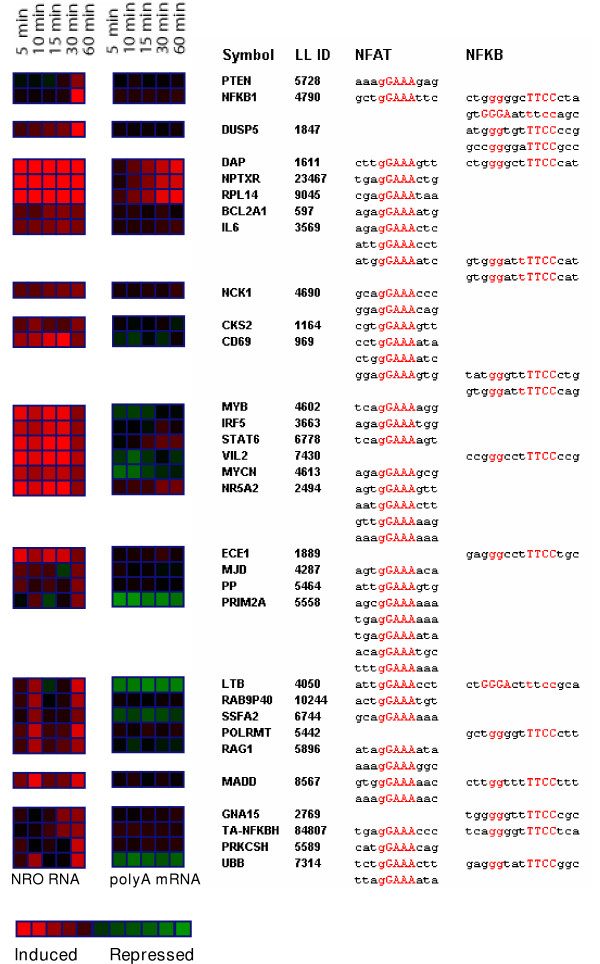
“For example, in our own work, we were able to demonstrate the enrichment of genes containing either the NFKB or NFAT families of transcription factor binding sites during the activation of Jurkat T cells in NRO but not total RNA [30].”
MethodResultSelf-citationCytotoxic T lymphocytes require transcription for infiltration but not target cell lysis
Richard, A. C., Ma, C. Y., Marioni, J. C., & Griffiths, G. M. (2023) · EMBO Reports · doi:10.15252/embr.202357653 · Cited by 5
“These changes likely reflect both new transcription and altered transcript degradation (Cheadle et al , 2005).”
BackgroundResultInsights into DNA‐drug interactions in the era of omics
Portugal, J. (2020) · Biopolymers · doi:10.1002/bip.23385 · Cited by 5
Determining Genome-wide Transcript Decay Rates in Proliferating and Quiescent Human Fibroblasts
Mitra, M., Lee, H. N., & Coller, H. A. (2018) · Journal of Visualized Experiments · doi:10.3791/56423 · Cited by 4
Kohler, M. E., Hallett, W. H. D., Chen, Q., Khan, J. I., Johnson, B. D., & Orentas, R. J. (2010) · Cellular Immunology · doi:10.1016/j.cellimm.2010.07.004 · Cited by 5
Zisman, E., Stern, O., Lewis, R., Tzaban, S., Eisenhaure, T., Henrickson, S. E., Sade-Feldman, M., Silberman-Klein, S., Eisenberg, G., Hacohen, N., et al. (2025) · iScience · doi:10.1016/j.isci.2025.112434 · Cited by 3
“16,17 21 The third group of genes displaying high expression levels between 24 and 72 h included MCM2 and CDC25C , which are involved in cell replication.”
Long, J. M., Bell, C. W., Fagg, W. S., Kushman, M. E., Becker, K. G., McCubrey, J. A., & Farwell, M. A. (2008) · Cell Cycle · doi:10.4161/cc.7.19.6761 · Cited by 3
Self-citationEngineered viral RNA decay intermediates to assess XRN1-mediated decay
Russo, J., Mundell, C. T., Charley, P. A., Wilusz, C. J., & Wilusz, J. (2018) · Methods · doi:10.1016/j.ymeth.2018.11.019 · Cited by 3
“transcription rate and stability of an mRNA contribute to responses to internal/external cellular stimuli and cues [1,2].”
BackgroundThe application of reductive methods to study complex- and complex-adaptive systems in ecology
Hulsman, K., Tularam, G. A., & Willett, G. (2011) · Griffith Research Online · Cited by 3
Nguyen, T. T., & Seoighe, C. (2013) · PLoS ONE · doi:10.1371/journal.pone.0079627 · Cited by 3
“in virtually all organisms, from bacteria to mammals [1,2,3].”
BackgroundVisualization of Gene Regulatory Networks
Kaissi, M. E., Jia, M. Q., Reiners, D., Dickerson, J. A., & Wuertele, E. (2009) · Lecture notes in computer science · doi:10.1007/978-3-642-10520-3_87 · Cited by 3
“The faster the mRNA can be read the more protein will be produced [ 13 ].”
BackgroundPost-transcriptional Regulation of Prostaglandin Biosynthesis
Blanco, F. F., Legrand, N., Sobolewski, C., & Dixon, D. A. (2015) · Springer eBooks · doi:10.1007/978-3-319-25124-0_9 · Cited by 2
[Mechanism of 5'-to-3' degradation of eukaryotic and prokaryotic mRNA].
Xu, T.-S., Li, X.-G., Jiao, D., Xie, Z.-H., & Dai, Z.-M. (2015) · PubMed · doi:10.16288/j.yczz.14-368 · Cited by 2
“[1] Cheadle C, Fan JS, Cho-Chung YS, Werner T, Ray J, Do L, Gorospe M, Becker KG.”
BackgroundModelling and analysis of macrophage activation pathways
Raza, S. (2011) · OpenGrey (Institut de l'Information Scientifique et Technique) · Cited by 1
Biological roles of DExH RNA helicase, RHAU
Iwamoto, F. (2007) · edoc (University of Basel) · doi:10.5451/unibas-004389439 · Cited by 1
Laven, H. (2009) · Electronic Theses of LMU Munich (Ludwig-Maximilians-Universität München) · doi:10.5282/edoc.10394 · Cited by 1
Could rare amino acids regulate enzymes abundance?Preprint
Agoni, V. (2015) · bioRxiv (Cold Spring Harbor Laboratory) · doi:10.1101/021295 · Cited by 1
“Gene expression can be regulated at several different levels, for example (1-17):”
BackgroundΕνζυμα αποικοδόμησης RNA ως νέοι μοριακοί δείκτες καρκίνου
Papanastasi, E. (2012) · University of Thessaly Institutional Repository (University of Thessaly) · doi:10.26253/heal.uth.5367 · Cited by 1
Functional characterization of the candidate colorectal cancer gene CNOT1
Zhao, L. (2013) · University of Minnesota Digital Conservancy (University of Minnesota) · Cited by 1
To Translate or Degrade: Cytoplasmic mRNA Decision Mechanisms
Beisang, D. J., & Bohjanen, P. R. (2014) · Wiley-VCH eBooks · doi:10.1002/3527600906.mcb.201300011
Finding Repetitions in Biological Networks: Challenges, Trends, and Applications
Rombo, S. E. (2013) · Wiley eBooks · doi:10.1002/9781118567869.ch24
Post-transcriptional Regulation Drives Temporal Compartmentalization of the Yeast Metabolic CyclePreprint
Palumbo, M. C., Farina, L., Santis, A. D., Giuliani, A., Colosimo, A., Morelli, G., & Ruberti, I. (2007) · arXiv (Cornell University) · doi:10.48550/arxiv.0707.3716
“general TF, thus the “two arms” (transcriptional and post-transcriptional) seem to be linked in a very complex way. This appears to be consistent, on the one hand, with the results of Cheadle et al. [16] where alternate regulation of 12 mRNA transcription and mRNA stability was observed during human jurkat T cell acti…”
Bioinformatic analysis of cardiac transcription networks
Schüler, M. (2011) · Universitätsbibliothek der FU Berlin Hochschulschriftenstelle u. Dokumentenserver · doi:10.17169/refubium-10411
Regulation and function of the RNA-binding protein CELF1
Beisang, D. J. (2012) · University of Minnesota Digital Conservancy (University of Minnesota)
Lopes, G. J. D. R. (2009) · Digital Library of Theses and Dissertations (Universidade de São Paulo) · doi:10.11606/t.41.2009.tde-09072009-093847
Gierman, H. J. (2010) · UvA-DARE (University of Amsterdam)
INTEGRATIVE PROPOSAL FOR MALABSORPTION AND BAD DIGESTION PREVENTION
Ceccarelli, M. (2010)
Covarrubias, S. (2012) · eScholarship (California Digital Library)
Regulation of mRNA expression through 3’ UTR sequences of IL6 gene in amino acid-deprived HeLa cells
강, 정. (2012) · AJOU Open Repository (Ajou University)
Amaral, B. D. A. S. (2014) · LA Referencia (Red Federada de Repositorios Institucionales de Publicaciones Científicas)
Genomic study of Plasmodium falciparum gene regulation and mechanisms of drug action and resistance
Shock, J. L. (2008) · eScholarship (California Digital Library)
Pathway of histone mRNA degradation: oligouridylation followed by bidirectional decay
Mullen, T. E. (2008) · Carolina Digital Repository (University of North Carolina at Chapel Hill) · doi:10.17615/q83e-sw61
Regulation of gene expression by micrornas : targeting specificity, kinetics and function
Hausser, J. (2011) · edoc (University of Basel) · doi:10.5451/unibas-005708906
Role of post-transcriptional gene regulation by Roquin in T cell activation and differentiation
Jeltsch, K. M. (2015) · Elektronische Hochschulschriften der LMU München (Ludwig-Maximilians-Universität München) · doi:10.5282/edoc.19085
Lee, J. E., Wilusz, C. J., Wilusz, J., Garrity, D. M., & Curthoys, N. P. (2007) · Digital Collections of Colorado (Colorado State University) · doi:10.25675/3.018878
Computational analysis of regulatory networks using genome-scale data
Joshi, A. (2009) · Ghent University Academic Bibliography (Ghent University)
Transient transcriptome sequencing
Michel, M. (2016) · Elektronische Hochschulschriften der LMU München (Ludwig-Maximilians-Universität München) · doi:10.5282/edoc.19932
Infrared Diagnostics on Micro and Nano Scale Structures
Titus, J. (2016) · Digital Archive @ GSU · doi:10.57709/9438271
Predicting RNA Binding Proteins Using Discriminative Methods
Bhandare, S. (2017) · CU Scholar (University of Colorado Boulder)
Post-transcriptional regulation of gene expression by the DExD/H-box protein Dhh1
Carroll, J. S. (2011) · eScholarship (California Digital Library)
Molecular analysis of the Ccr4-Not deadenylase : relevance to human disease
Airhihen, B. (2017) · Nottingham ePrints (University of Nottingham)
Characterization of Arabidopsis thaliana Transcription through an Analysis of Nascent Transcripts
Hetzel, J. (2016) · eScholarship (California Digital Library)
Stability Analysis of Genetic Regulatory Networks with Dual Regulation Strategies
Ling, G., Chen, J., Liu, F., Lai, Q., & Guan, Z. (2018) · Chinese Control Conference (CCC) · doi:10.23919/chicc.2018.8482792
“For example, a recent study showed that 55% of significant changes at steady states during T-cell activation has no obvious changes at the transcriptional level but at the post-transcriptional regulation level [15, 16].”
BackgroundRegulation of Gene Expression by the Mediator Kinase Cdk19
Audetat, K. A. (2016) · CU Scholar (University of Colorado Boulder)
Redundancy and indispensability of NFATc1-isoforms in the adaptive and innate immune system
Busch, R. (2013) · Online Publication Service of Würzburg University (Würzburg University)
Posttranscriptional Gene Regulation: From Global Models to Functional Mechanisms
Thompson, M. A. (2014) · DukeSpace (Duke University)
Hsieh, H.-H., Chen, Y., Chang, Y.-J., Wang, H., Yu, Y., Lin, S., Huang, Y.-J., Lin, S., & Chang, C. (2020) · Research Square · doi:10.21203/rs.3.rs-50794/v1
New Trends in Graph Mining: Structural and Node-Colored Network Motifs
Bruno, F., Palopoli, L., & Rombo, S. E. (2013) · IGI Global eBooks · doi:10.4018/978-1-4666-1785-8.ch015
Metadata
- Authors
- Cheadle, C., Fan, J., Cho-Chung, Y. S., Werner, T., Ray, J., Do, L., Gorospe, M., & Becker, K. G.
- Affiliations
- National Institutes of Health (US)
- Corresponding author
- Cheadle, Chris
- Venue
- BMC Genomics
- Published
- 2005-05-20
- Volume
- 6
- Issue
- 1
- Pages
- 75-75
- ISSN
- 1471-2164 (ISSN-L)
- PMC
- PMC1156890
- OpenAlex
- W2145299132
- Cited by
- 183
- References
- 27
- Citations by year
- 2025: 1 · 2024: 4 · 2023: 2 · 2022: 10 · 2021: 6 · 2020: 5 · 2019: 3 · 2018: 10 · 2017: 11 · 2016: 6 · 2015: 9 · 2014: 13 · 2013: 15 · 2012: 15
- FWCI
- 3.51
- Type
- journal article
- Language
- en
- Open access
- gold
- doi.org
- Licence
- cc-by
- creativecommons.org/licenses/by/2.0 (tdm)
- Locations
- BMC Genomics (publishedVersion, cc-by)
- PubMed Central (publishedVersion, cc-by)
- PubMed (publishedVersion)
- DOAJ (DOAJ: Directory of Open Access Journals) (submittedVersion)
- Funders
- National Institutes of Health
- National Institute on Aging
- Topics
- Life Sciences › Biochemistry, Genetics and Molecular Biology › Molecular Biology › RNA Research and Splicing
- Life Sciences › Biochemistry, Genetics and Molecular Biology › Molecular Biology › Gene expression and cancer classification
- Life Sciences › Biochemistry, Genetics and Molecular Biology › Molecular Biology › Genomics and Chromatin Dynamics
- Keywords
- T cell activation, mRNA stability, transcriptional regulation, gene expression profiling, Jurkat cells, actinomycin D, mRNA turnover
- MeSH terms
- Cell Nucleus, Dactinomycin, Gene Expression Regulation, Humans, Lymphocyte Activation, Poly A, RNA, Messenger, T-Lymphocytes, Tetradecanoylphorbol Acetate, Time Factors, Transcription, Genetic, Ionomycin, Cluster Analysis, Polymerase Chain Reaction, NF-kappa B, Jurkat Cells, Computational Biology, Oligonucleotide Array Sequence Analysis, Gene Expression Profiling, Genomics
About these checks
Registry, retraction, Cites and statistics results are computed, not judged, with one exception: a printed reference that no index lists is read once by a model before it counts as a citation error. Claims are extracted by a model and kept only when their quote appears verbatim in the text; each cited source is then checked, with a model’s help, for whether it says what the claim relies on. Those verdicts can be wrong — read the claim’s quote and the cited source before relying on one.
Statistics and arithmetic are recomputed, not judged.
Confidence bands are shown only for fields calibrated on our annotated test set. None is calibrated yet, so no band is shown.
What counts as a claim ›How we measure confidence ›How we check this ›
Are you an author, or do you see a problem with this page? Request a review
Data sources
Bibliographic data: Semantic Scholar, OpenAlex, Crossref.
Contains information from the Semantic Scholar Academic Graph Datasets, made available under the ODC Attribution License (ODC-BY 1.0).
Semantic Scholar’s data is described in: Kinney, R., et al. (2023). The Semantic Scholar Open Data Platform. arXiv:2301.10140.
