

Control of gene expression during T cell activation: alternate regulation of mRNA transcription and mRNA stability
Open accessThe DOI matches its Crossref record; 27 of the 27 references it cites were found in a registry or an index.
Abstract
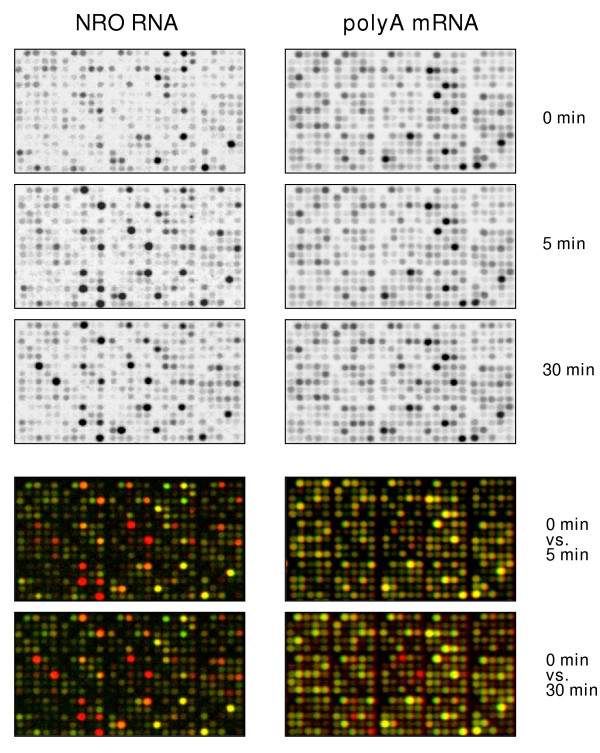
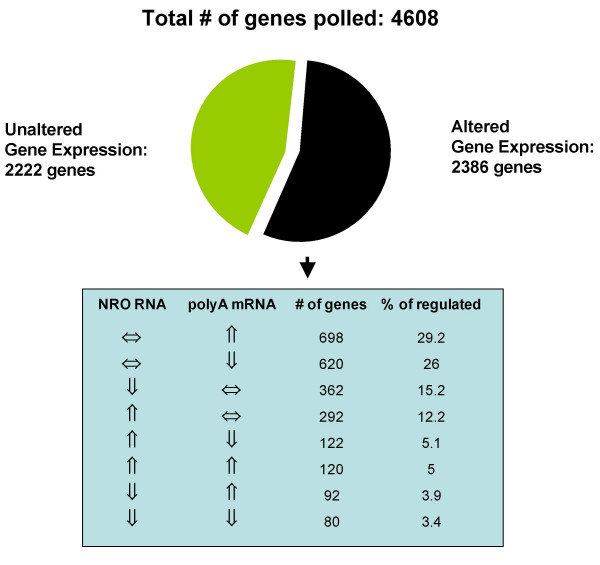
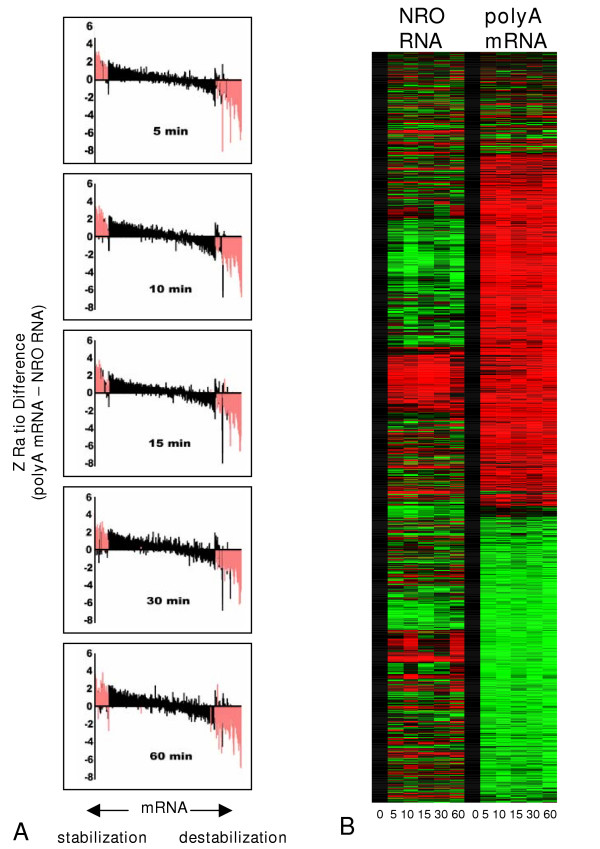
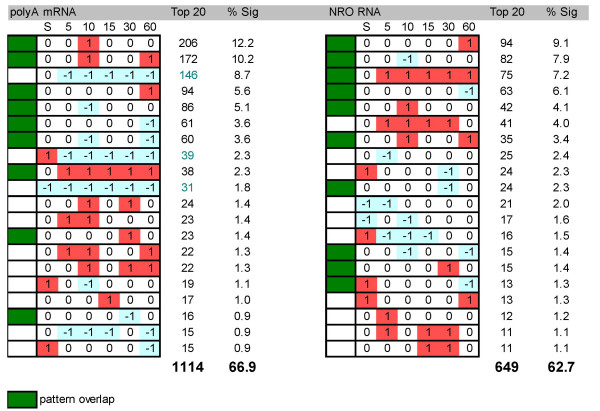
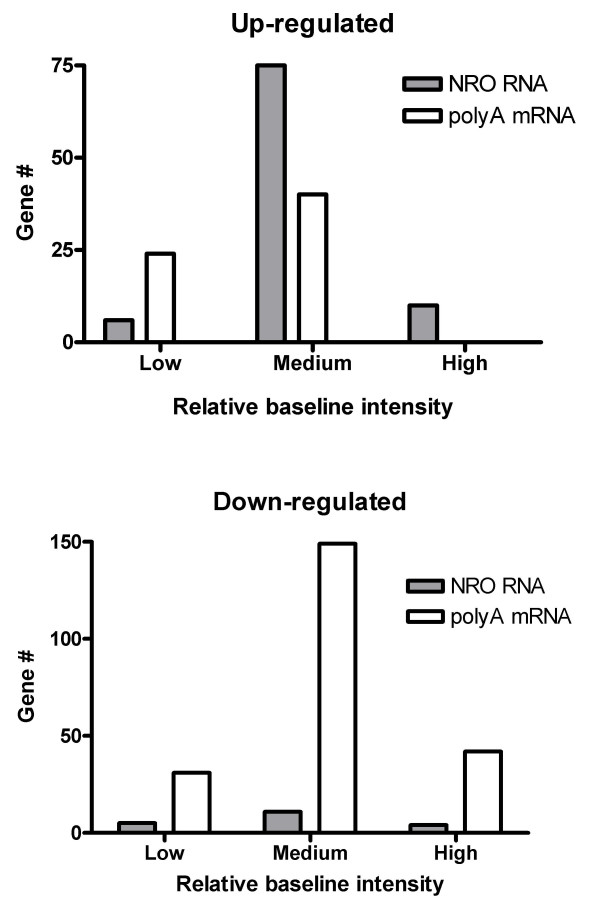
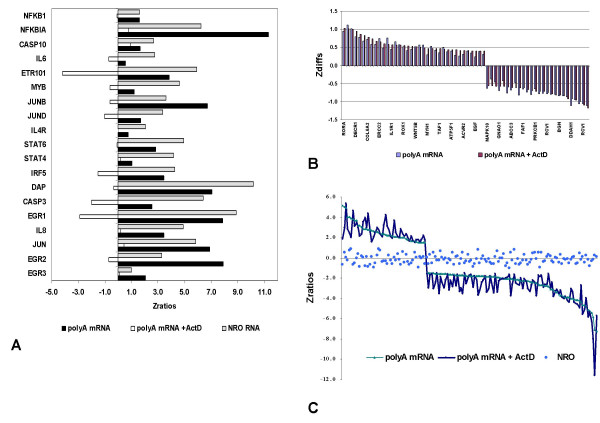
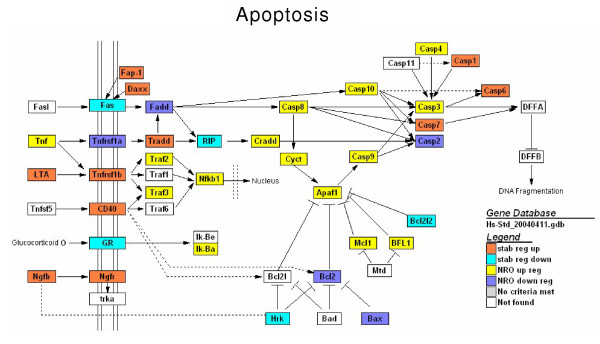
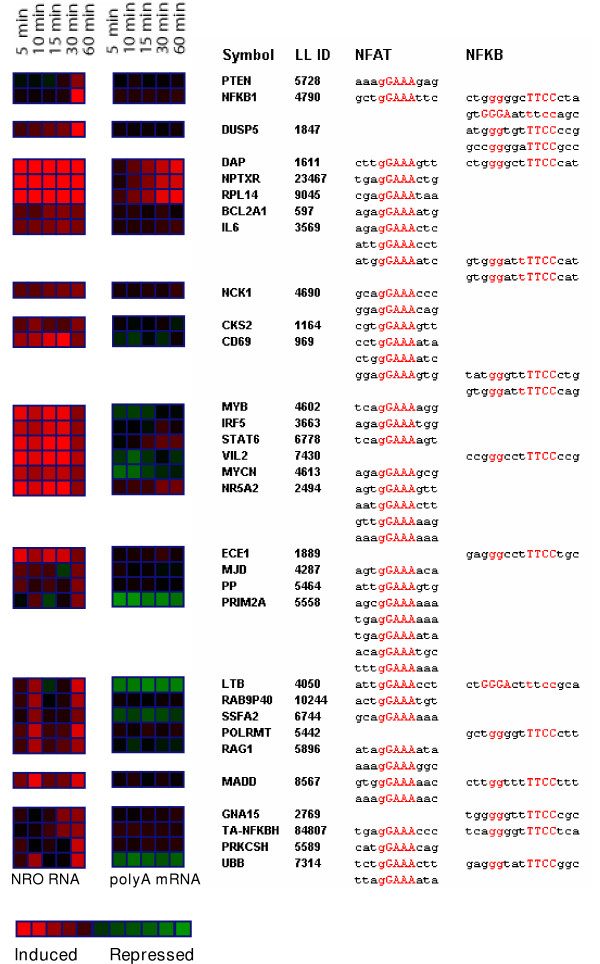
Background: Microarray technology has become highly valuable for identifying complex global changes in gene expression patterns. The effective correlation of observed changes in gene expression with shared transcription regulatory elements remains difficult to demonstrate convincingly. One reason for this difficulty may result from the intricate convergence of both transcriptional and mRNA turnover events which, together, directly influence steady-state mRNA levels. Results: In order to investigate the relative contribution of gene transcription and changes in mRNA stability regulation to standard analyses of gene expression, we used two distinct microarray methods which individually measure nuclear gene transcription and changes in polyA mRNA gene expression. Gene expression profiles were obtained from both polyA mRNA (whole-cell) and nuclear run-on (newly transcribed) RNA across a time course of one hour following the activation of human Jurkat T cells with PMA plus ionomycin. Comparative analysis revealed that regulation of mRNA stability may account for as much as 50% of all measurements of changes in polyA mRNA in this system, as inferred by the absence of any corresponding regulation of nuclear gene transcription activity for these groups of genes. Genes which displayed dramatic elevations in both mRNA and nuclear run-on RNA were shown to be inhibited by Actinomycin D (ActD) pre-treatment of cells while large numbers of genes regulated only through altered mRNA turnover (both up and down) were ActD-resistant. Consistent patterns across the time course were observed for both transcribed and stability-regulated genes. Conclusion: We propose that regulation of mRNA stability contributes significantly to the observed changes in gene expression in response to external stimuli, as measured by high throughput systems.
Overview
The claims and statistics of this paper haven’t been checked yet.
Free: it reads the open-access text and checks the first 5 claims that cite a source we can check. Create a free account to check every claim.
Integrity signals
Registry
Cites
Statistics
Figures
Verification
Claims the paper makes
The claims and statistics of this paper haven’t been checked yet.
Free: it reads the open-access text and checks the first 5 claims that cite a source we can check. Create a free account to check every claim.
Claims other papers make about this one
Each is checked against this paper’s own text: does it say what the citing paper says it does?
The source backs part of the claim, not all of it — or backs it for a different population, condition or comparison.
In the citing paper
“The rates of the other three steps, however, vary significantly between genes as well”
From System wide analyses have underestimated protein abundances and the importance of transcription in mammals (2014) · cites this paper as Cheadle et al., 2005
Experimental — accuracy not yet measuredThe source backs part of the claim, not all of it — or backs it for a different population, condition or comparison.
In the citing paper
“reflecting the enrichment of nascent transcripts in the nucleus3,13–16”
From Massively parallel single-nucleus RNA-seq with DroNc-seq (2017) · cites this paper as [16]
Experimental — accuracy not yet measured
Self-check
Percentages, sums and reported differences re-computed from the paper’s own numbers.
The self-check needs the paper’s full text.
Citations
Cites
Cluster analysis and display of genome-wide expression patterns
Eisen, M. B., Spellman, P. T., Brown, P. O., & Botstein, D. (1998) · Proceedings of the National Academy of Sciences · doi:10.1073/pnas.95.25.14863 · Cited by 16,184 · cited 1×
“Hierarchical clustering was performed using the Cluster and TreeView software programs, developed at Stanford University [26].”
MethodQuantitative Monitoring of Gene Expression Patterns with a Complementary DNA Microarray
Schena, M., Shalon, D., Davis, R. W., & Brown, P. O. (1995) · Science · doi:10.1126/science.270.5235.467 · Cited by 9,609 · cited 1×
“Background Virtually all microarray studies to-date have measured changes in steady-state mRNA levels by harvesting total cellular RNA and using it to generate probes through a variety of strategies including end-labeling of purified mRNA [1], incorporating a label into the first strand cDNA made from mRNA [2], or att…”
BackgroundParallel human genome analysis: microarray-based expression monitoring of 1000 genes.
Schena, M., Shalon, D., Heller, R., Chai, A., Brown, P. O., & Davis, R. W. (1996) · Proceedings of the National Academy of Sciences · doi:10.1073/pnas.93.20.10614 · Cited by 1,599 · cited 1×
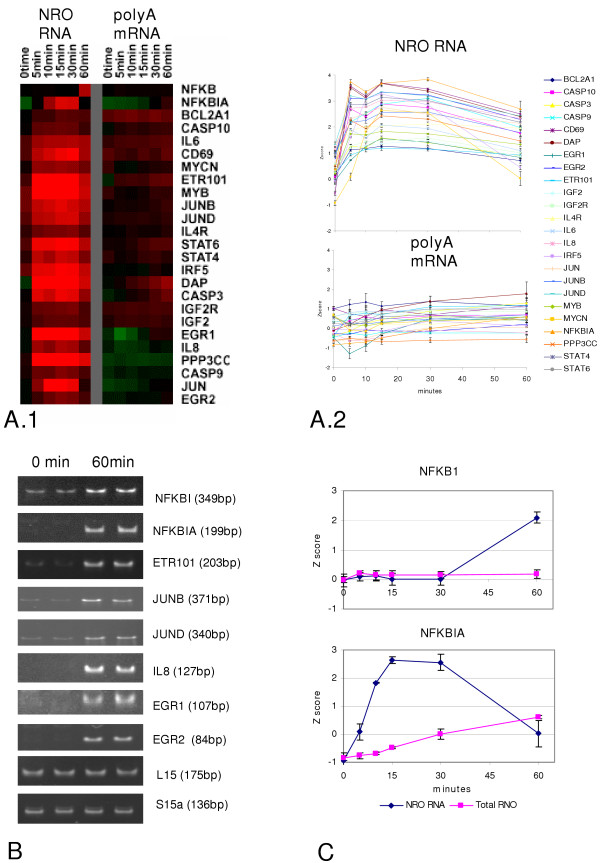
“Both NFKB1 and NFKBIA have previously been shown by microarray analysis to be significantly induced in polyA mRNA between 3–4 hrs following phorbol or lectin activation of either Jurkat or human peripheral blood lymphocytes [7,8,11,17].”
BackgroundAnalysis of Microarray Data Using Z Score Transformation
Cheadle, C., Vawter, M. P., Freed, W. J., & Becker, K. G. (2003) · The Journal of Molecular Diagnostics · doi:10.1016/s1525-1578(10)60455-2 · Cited by 1,146 · cited 3×
“PolyA mRNA samples were radiolabeled and hybridized as previously described [22].”
MethodInfluentialSelf-citationContingent Genetic Regulatory Events in T Lymphocyte Activation
Crabtree, G. R. (1989) · Science · doi:10.1126/science.2783497 · Cited by 1,072 · cited 1×
“Initial microarray studies using T cells have focused on gene expression changes occurring several hours after activation [7-13], even though earlier work using more traditional methods had defined the commitment period for T-cell activation, including alteration in gene expression patterns, as occurring between 1–2 h…”
GenMAPP, a new tool for viewing and analyzing microarray data on biological pathways
Dahlquist, K. D., Salomonis, N., Vranizan, K., Lawlor, S. C., & Conklin, B. R. (2002) · Nature Genetics · doi:10.1038/ng0502-19 · Cited by 958 · cited 1×
“0 [27].”
Gene regulation mediated by calcium signals in T lymphocytes
Feske, S., Giltnane, J., Dolmetsch, R., Staudt, L. M., & Rao, A. (2001) · Nature Immunology · doi:10.1038/86318 · Cited by 593 · cited 2×
“Both NFKB1 and NFKBIA have previously been shown by microarray analysis to be significantly induced in polyA mRNA between 3–4 hrs following phorbol or lectin activation of either Jurkat or human peripheral blood lymphocytes [7,8,11,17].”
BackgroundThe transcriptional program of a human B cell line in response to Myc
Schuhmacher, M. (2001) · Nucleic Acids Research · doi:10.1093/nar/29.2.397 · Cited by 310
Garcı́a-Martı́nez, J., Aranda, A., & Pérez-Ortı́n, J. E. (2004) · Molecular Cell · doi:10.1016/j.molcel.2004.06.004 · Cited by 243 · cited 2×
“The presence of highly active and global regulation of polyA mRNA levels by stability-altering mechanisms suggests a new significant level of regulation in the control of gene expression which spans wide phylogenetic distances from yeast [15] to humans, emphasizes a possible parsimonious role for new gene synthesis in…”
BackgroundMethodKizaki, H., Tadakuma, T., Odaka, C., Muramatsu, J., & Ishimura, Y. (1989) · The Journal of Immunology · doi:10.4049/jimmunol.143.6.1790 · Cited by 237 · cited 1×
“One example of this can be seen in the apoptotic pathways, which are comprehensively regulated during the Jurkat activation scenario [16,18,19].”
Background
Cited by
Single-Cell Map of Diverse Immune Phenotypes in the Breast Tumor Microenvironment
Azizi, E., Carr, A. J., Plitas, G., Cornish, A. E., Konopacki, C., Prabhakaran, S., Nainys, J., Wu, K., Kiseliovas, V., Setty, M., et al. (2018) · Cell · doi:10.1016/j.cell.2018.05.060 · Cited by 1,976
RNA regulons: coordination of post-transcriptional events
Keene, J. D. (2007) · Nature Reviews Genetics · doi:10.1038/nrg2111 · Cited by 1,321
The highways and byways of mRNA decay
Garneau, N. L., Wilusz, J., & Wilusz, C. J. (2007) · Nature Reviews Molecular Cell Biology · doi:10.1038/nrm2104 · Cited by 1,294
Vinuesa, C. G., Linterman, M. A., Yu, D., & MacLennan, I. C. M. (2016) · Annual Review of Immunology · doi:10.1146/annurev-immunol-041015-055605 · Cited by 1,141
“More than 50% of changes in protein expression that occur upon T cell activation are estimated to result from posttranscriptional regulation (93).”
BackgroundMassively parallel single-nucleus RNA-seq with DroNc-seq
Habib, N., Avraham-Davidi, I., Basu, A., Burks, T., Shekhar, K., Hofree, M., Choudhury, S. R., Aguet, F., Gelfand, E., Ardlie, K., et al. (2017) · Nature Methods · doi:10.1038/nmeth.4407 · Cited by 1,069
“2e), reflecting the enrichment of nascent transcripts in the nucleus 3,13–16 .”
Rabani, M., Levin, J. Z., Fan, L., Adiconis, X., Raychowdhury, R., Garber, M., Gnirke, A., Nusbaum, C., Hacohen, N., Friedman, N., et al. (2011) · Nature Biotechnology · doi:10.1038/nbt.1861 · Cited by 583
“First , it will be important to generalize our findings to other systems and responses, and test whether the difference between our conclusions and those achieved in other immune cells 16,17 stem from technology or biological factors.”
BackgroundMethodResultInfluentialNascent-Seq reveals novel features of mouse circadian transcriptional regulation
Menet, J. S., Rodriguez, J., Abruzzi, K. C., & Rosbash, M. (2012) · eLife · doi:10.7554/elife.00011 · Cited by 319
“These different modes of post-transcriptional regulation are not restricted to circadian biology (Keene, 2007) and have been shown in other systems to regulate cellular mRNA levels independent of transcriptional regulation (Giege et al., 2000; Cheadle et al., 2005).”
BackgroundInfluentialLi, J. J., Bickel, P. J., & Biggin, M. D. (2014) · PeerJ · doi:10.7717/peerj.270 · Cited by 279
“The 29 rates of the other three steps, however, vary significantly between genes as well (Boisvert et al. 30 2012; Cambridge et al. 2011; Cheadle et al. 2005; de Sousa Abreu et al. 2009; Eden et al. 31 2011; Guo et al. 2010; Han et al. 2013; Hentze & Kuhn 1996; Hsieh et al. 2012; Ingolia et…”
BackgroundCayrol, F., Praditsuktavorn, P., Fernando, T. M., Kwiatkowski, N., Marullo, R., Calvo-Vidal, M. N., Phillip, J., Pera, B., Yang, S. N., Takpradit, K., et al. (2017) · Nature Communications · doi:10.1038/ncomms14747 · Cited by 220
Moon, S. L., Anderson, J. R., Kumagai, Y., Wilusz, C. J., Akira, S., Khromykh, A. A., & Wilusz, J. (2012) · RNA · doi:10.1261/rna.034330.112 · Cited by 202
“Based on global analyses performed in response to various stimuli, z 17%–50% of changes in mRNA levels are primarily a result of altered mRNA stability (Cheadle et al. 2005; Schwanha¨usser et al. 2011).”
Nonsense-mediated RNA decay: an emerging modulator of malignancy
Tan, K., Stupack, D. G., & Wilkinson, M. (2022) · Nature reviews. Cancer · doi:10.1038/s41568-022-00481-2 · Cited by 166
Signaling pathways mediating cardiac myocyte gene expression in physiological and stress responses
Clerk, A., Cullingford, T. E., Fuller, S. J., Giraldo, A., Markou, T., Pikkarainen, S., & Sugden, P. H. (2007) · Journal of Cellular Physiology · doi:10.1002/jcp.21094 · Cited by 160
“For example, in T cells, as much as 50% of the changes in gene expression result from changes in mRNA stability rather than alterations in transcriptional rates (Cheadle et al., 2005).”
BackgroundDifferential cytokine regulation by NF-κB and AP-1 in Jurkat T-cells
Khalaf, H., Jass, J., & Olsson, P.-E. (2010) · BMC Immunology · doi:10.1186/1471-2172-11-26 · Cited by 122
“Furthermore, IL-6 and CXCL8 gene-expression is associated with an early immune response in Jurkat T-cells [41].”
Genomics and gene transcription kinetics in yeast
Pérez-Ortín, J. E., Alepuz, P. M., & Moreno, J. (2007) · Trends in Genetics · doi:10.1016/j.tig.2007.03.006 · Cited by 141
Tani, H., & Akimitsu, N. (2012) · RNA Biology · doi:10.4161/rna.22036 · Cited by 120
Immunoglobulin switch μ sequence causes RNA polymerase II accumulation and reduces dA hypermutation
Rajagopal, D., Maul, R. W., Ghosh, A., Chakraborty, T., Khamlichi, A. A., Sen, R., & Gearhart, P. J. (2009) · The Journal of Experimental Medicine · doi:10.1084/jem.20082514 · Cited by 133
“performed as previously described (29) with some modifications.”
MethodSokoloski, K. J., Dickson, A. M., Chaskey, E. L., Garneau, N. L., Wilusz, C. J., & Wilusz, J. (2010) · Cell Host & Microbe · doi:10.1016/j.chom.2010.07.003 · Cited by 112
“A significant proportion of cellular gene regulation rests at the level of posttranscriptional control via the selective degradation of mRNAs (Cheadle et al., 2005; Garcı́a-Martı́nez et al., 2004).”
BackgroundmRNA turnover rate limits siRNA and microRNA efficacy
Larsson, E., Sander, C., & Marks, D. (2010) · Molecular Systems Biology · doi:10.1038/msb.2010.89 · Cited by 118
“For instance, metabolic related genes (with low-turnover mRNAs) may be more targetable than apoptosis-related genes (Cheadle et al, 2005) and transcription factors (Yang et al, 2003), which tend to have shorter half-lives.”
Stability Regulation of mRNA and the Control of Gene Expression
CHEADLE, C., FAN, J., CHO‐CHUNG, Y. S., WERNER, T., RAY, J., DO, L., GOROSPE, M., & BECKER, K. G. (2005) · Annals of the New York Academy of Sciences · doi:10.1196/annals.1359.026 · Cited by 105
Self-citationMajor role for mRNA stability in shaping the kinetics of gene induction
Elkon, R., Zlotorynski, E., Zeller, K. I., & Agami, R. (2010) · BMC Genomics · doi:10.1186/1471-2164-11-259 · Cited by 110
Mechanistic Aspects of COX-2 Expression in Colorectal Neoplasia
Dixon, D. A., Blanco, F. F., Bruno, A., & Patrignani, P. (2012) · Recent results in cancer research/Recent Results in Cancer Research · doi:10.1007/978-3-642-30331-9_2 · Cited by 116
“(Cheadle et al. 2005).”
BackgroundHeat Shock Response in Yeast Involves Changes in Both Transcription Rates and mRNA Stabilities
Castells‐Roca, L., García‐Martínez, J., Moreno, J., Herrero, E., Bellí, G., & Pérez-Ortín, J. E. (2011) · PLoS ONE · doi:10.1371/journal.pone.0017272 · Cited by 121
“Our current and previous results [4,6,15], as well as the results from many other laboratories [5,17,18,33], demonstrate that changes in mRNA stability are a strong component of the stress response.”
Coupled Evolution of Transcription and mRNA Degradation
Dori-Bachash, M., Shema, E., & Tirosh, I. (2011) · PLoS Biology · doi:10.1371/journal.pbio.1001106 · Cited by 114
“Work on the regulation of mRNA levels has traditionally focused on transcription, although mRNA levels reflect the balance between transcription and mRNA degradation. Recent studies have shown that regulation of mRNA degradation also has a central role in control of gene expression, and in certain systems might be as…”
BackgroundPhysiological networks and disease functions of RNA ‐binding protein AUF1
Moore, A. E., Chenette, D. M., Larkin, L. C., & Schneider, R. J. (2014) · Wiley Interdisciplinary Reviews - RNA · doi:10.1002/wrna.1230 · Cited by 112
“Importantly, treatment with angiotensin II also upregulates AUF1 through AT(1), NADPH oxidase, and p38 MAP kinase signaling pathways, promoting AUF1-mediated rapid decay of the Kv4.”
BackgroundObesity resistance and increased hepatic expression of catabolism‐related mRNAs in Cnot3+/− mice
Morita, M., Oike, Y., Nagashima, T., Kadomatsu, T., Tabata, M., Suzuki, T., Nakamura, T., Yoshida, N., Okada, M., & Yamamoto, T. S. (2011) · The EMBO Journal · doi:10.1038/emboj.2011.320 · Cited by 110
“Indeed, recent microarray analyses show that nearly half of the changes in gene expression in response to cellular signal- ling occur at the level of mRNA decay (Fan et al, 2002; Cheadle et al, 2005).”
BackgroundCayrol, F., Praditsuktavorn, P., Fernando, T. M., Kwiatkowski, N. P., Marullo, R., Calvo-Vidal, M. N., Phillip, J. M., Pera, B., Yang, S. N., Takpradit, K., et al. (2017) · Nature Communications · doi:10.1038/ncomms14290 · Cited by 107
“Actinomycin causes significant downregulation of actively transcribed genes in malignant T cells 38 , an effect that can also be obtained by using the CDK7 inhibitors 39 .”
Minireview: Global Regulation and Dynamics of Ribonucleic Acid
Keene, J. D. (2010) · Endocrinology · doi:10.1210/en.2009-1250 · Cited by 90
“For example, a study that used nuclear run-on analysis of nascent transcripts globally during T-cell activation and compared the changes in RNA abundance demonstrated that more than one half of thechanges inRNAwereduetoeffectsofRNAstability (61).”
BackgroundControl of Thymic T Cell Maturation, Deletion and Egress by the RNA-Binding Protein HuR
Papadaki, O., Milatos, S., Grammenoudi, S., Mukherjee, N., Keene, J. D., & Kontoyiannis, D. L. (2009) · The Journal of Immunology · doi:10.4049/jimmunol.0900377 · Cited by 94
Small RNAs in development and disease
Sun, B. K., & Tsao, H. (2008) · Journal of the American Academy of Dermatology · doi:10.1016/j.jaad.2008.08.017 · Cited by 101
Coordinated posttranscriptional mRNA population dynamics during T‐cell activation
Mukherjee, N., Lager, P. J., Friedersdorf, M. B., Thompson, M. A., & Keene, J. D. (2009) · Molecular Systems Biology · doi:10.1038/msb.2009.44 · Cited by 86
“Coordinated posttranscriptional mRNA population dynamics during T-cell activation”
BackgroundmiR-15/16 Restrain Memory T Cell Differentiation, Cell Cycle, and Survival
Gagnon, J. D., Kageyama, R., Shehata, H. M., Fassett, M. S., Mar, D. J., Wigton, E. J., Johansson, K., Litterman, A. J., Odorizzi, P. M., Simeonov, D. R., et al. (2018) · Cell Reports · doi:10.1016/j.celrep.2019.07.064 · Cited by 97
“As many as 50% of these changes are mediated post-transcriptionally (Cheadle et al., 2005).”
BackgroundBcl-3, a multifaceted modulator of NF-κB-mediated gene transcription
Palmer, S. M., & Chen, Y. H. (2008) · Immunologic Research · doi:10.1007/s12026-008-8075-4 · Cited by 96
“expression [38]. For these genes, changes in mRNA expression did not correspond with a subsequent change in nuclear gene transcription [ 38 ].”
BackgroundCovarrubias, S., Gaglia, M. M., Kumar, G. R., Wong, W., Jackson, A. O., & Glaunsinger, B. A. (2011) · PLoS Pathogens · doi:10.1371/journal.ppat.1002339 · Cited by 94
“in mRNA stability account for as much as 40% to 60% of the changes in steady-state mRNA levels in basic cellular processes such as signaling pathways [1], stress responses [2] and cell differentiation [3].”
BackgroundRodríguez, P. C., Hernandez, C. P., Morrow, K. D., Sierra, R. A., Zabaleta, J., Wyczechowska, D. D., & Ochoa, A. C. (2010) · The Journal of Immunology · doi:10.4049/jimmunol.1001224 · Cited by 93
“The posttranscriptional regulation of mRNAs in T cells may account as much as 50% of all changes in gene expression (10, 11).”
BackgroundNew Concepts in Phospholipase D Signaling in Inflammation and Cancer
Gómez-Cambronero, J. (2010) · The Scientific World JOURNAL · doi:10.1100/tsw.2010.116 · Cited by 88
Garneau, N. L., Sokoloski, K. J., Opyrchal, M., Neff, C. P., Wilusz, C. J., & Wilusz, J. (2008) · Journal of Virology · doi:10.1128/jvi.01205-07 · Cited by 75
“In some cases, more than 50% of the changes in gene expression when cells are stimulated or forced to adapt to nutrient changes are, in fact, due to this posttranscriptional regulatory process ( 6 , 7, 21, 32).”
BackgroundThe transcriptional inhibitor thiolutin blocks mRNA degradation in yeast
Pelechano, V., & Pérez-Ortín, J. E. (2007) · Yeast · doi:10.1002/yea.1548 · Cited by 79
“The study of mRNA stability in eukaryotic systems is receiving increasing attention because it is becoming evident that it is an important regulatory mechanism for gene expression (Cheadle et al., 2005; Mata et al., 2005; Pérez-Ortı́n et al., 2007; Sunnerhagen, 2007).”
BackgroundMetabolic labeling and recovery of nascent RNA to accurately quantify mRNA stability
Russo, J., Heck, A. M., Wilusz, J., & Wilusz, C. J. (2017) · Methods · doi:10.1016/j.ymeth.2017.02.003 · Cited by 68
“mRNA decay is a highly regulated process influenced by both cis- and trans-acting factors [1, 12, 13].”
BackgroundMallory, M. J., Allon, S. J., Qiu, J., Gazzara, M. R., Tapescu, I., Martinez, N. M., Fu, X.-D., & Lynch, K. W. (2015) · Proceedings of the National Academy of Sciences · doi:10.1073/pnas.1423695112 · Cited by 66
“Previous studies have demonstrated that regulation of mRNA stability is as important to the overall regulation of gene expression upon T-cell activation as is transcription (42).”
BackgroundWays and means of eukaryotic mRNA decay
Balagopal, V., Fluch, L., & Nissan, T. A. (2012) · Biochimica et Biophysica Acta (BBA) - Gene Regulatory Mechanisms · doi:10.1016/j.bbagrm.2012.01.001 · Cited by 76
“T-cells resulted in more than one half of the genes showing changes in mRNA abundances while not having a corresponding change in transcription rate [30].”
BackgroundmRNA stability and cancer: an emerging link?
Benjamin, D., & Moroni, C. (2007) · Expert Opinion on Biological Therapy · doi:10.1517/14712598.7.10.1515 · Cited by 63
Posttranscriptional regulation of IL-13 in T cells: Role of the RNA-binding protein HuR
Casolaro, V., Fang, X., Tancowny, B. P., Fan, J., Wu, F., Srikantan, S., Asaki, S. Y., Fanis, U. D., Huang, S. K., Gorospe, M., et al. (2008) · Journal of Allergy and Clinical Immunology · doi:10.1016/j.jaci.2007.12.1166 · Cited by 71
Self-citationThe p97–UBXD8 complex destabilizes mRNA by promoting release of ubiquitinated HuR from mRNP
Zhou, H.-L., Geng, C., Luo, G., & Lou, H. (2013) · Genes & Development · doi:10.1101/gad.215681.113 · Cited by 63
“It was estimated that 40%–50% of changes in gene expression in response to cellular signals occur at the level of mRNA stability (Fan et al. 2002; Cheadle et al. 2005).”
BackgroundPerspectives on the ARE as it turns 25 years old
Beisang, D. J., & Bohjanen, P. R. (2012) · Wiley Interdisciplinary Reviews - RNA · doi:10.1002/wrna.1125 · Cited by 65
Post-transcriptional gene regulation by MAP kinases via AU-rich elements
Clark, A. (2009) · Frontiers in Bioscience · doi:10.2741/3282 · Cited by 60
“For example changes in steady state cytoplasmic mRNA abundance were compared to changes in newly synthesized nuclear pre-mRNA, the latter providing a crude measure of the transcriptional response (25, 26).”
BackgroundNicolet, B. P., & Wolkers, M. C. (2022) · PLOS ONE · doi:10.1371/journal.pone.0276294 · Cited by 62
Strategies for viral RNA stability: live long and prosper
Dickson, A., & Wilusz, J. (2011) · Trends in Genetics · doi:10.1016/j.tig.2011.04.003 · Cited by 63
Chenette, D. M., Cadwallader, A. B., Antwine, T. L., Larkin, L. C., Wang, J., Olwin, B. B., & Schneider, R. J. (2016) · Cell Reports · doi:10.1016/j.celrep.2016.06.095 · Cited by 60
“In fact, almost half of the changes in physiologically rapid inducible gene expression occur at the level of mRNA stability (Cheadle et al., 2005).”
Fu, K., Sun, X., Zheng, W., Wier, E. M., Hodgson, A., Tran, D. Q., Richard, S., & Wan, F. (2013) · Nature Communications · doi:10.1038/ncomms2916 · Cited by 59
“To assess the impact of Sam68 on the TCR engagement-induced NF-κ B gene transcription, which is critical for lymphocyte activation and proliferation 7, 43, 44 , we examined the effect of Sam68 knockdown on the induction of a subset of NF-κ B genes in Jurkat cells.”
Posttranscriptional Regulation of Cyclooxygenase 2 Expression in Colorectal Cancer
Young, L. E., & Dixon, D. A. (2010) · Current Colorectal Cancer Reports · doi:10.1007/s11888-010-0044-3 · Cited by 58
“The impact of this level of regulation is evident, as microarray analysis has determined that 40% to 50% of the changes in inducible gene expression occur at the level of mRNA stability [5].”
BackgroundWickenheisser, J. K., Biegler, J. M., Nelson-DeGrave, V. L., Legro, R. S., Strauss, J. F., & McAllister, J. M. (2012) · PLoS ONE · doi:10.1371/journal.pone.0048963 · Cited by 58
“Therefore, changes in the regulation of mRNA stability in a disease state can have significant implications on the up- or down- regulation of gene expression [48–50].”
BackgroundAthaMap, integrating transcriptional and post-transcriptional data
Bülow, L., Engelmann, S., Schindler, M., & Hehl, R. (2008) · Nucleic Acids Research · doi:10.1093/nar/gkn709 · Cited by 57
“However, not all differentially expressed genes are transcriptionally regulated (18).”
BackgroundRegulation of CUG-binding Protein 1 (CUGBP1) Binding to Target Transcripts upon T Cell Activation
Beisang, D. J., Rattenbacher, B., Louis, I. V.-S., & Bohjanen, P. R. (2011) · Journal of Biological Chemistry · doi:10.1074/jbc.m111.291658 · Cited by 57
“Indeed, over half of the gene expression changes in early T cell activation are a result of changes in mRNA half-life (7).”
BackgroundPat1 contributes to the RNA binding activity of the Lsm1–7–Pat1 complex
Chowdhury, A., Kalurupalle, S., & Tharun, S. (2014) · RNA · doi:10.1261/rna.045252.114 · Cited by 51
“As a result, mRNA stability turns out to be as significant a determinant of global changes in mRNA abundance as transcription rate (Fan et al. 2002; Garcia-Martinez et al. 2004; Cheadle et al. 2005; Rabani et al. 2011).”
BackgroundCullingford, T. E., Markou, T., Fuller, S. J., Giraldo, A., Pikkarainen, S., Zoumpoulidou, G., Alsafi, A., Ekere, C., Kemp, T. J., Dennis, J. L., et al. (2008) · Genome biology · doi:10.1186/gb-2008-9-2-r32 · Cited by 57
“Although unexplored in cardiomyocytes, a rapid increase in mRNA stabilization increases RNA expression in other systems [43].”
Integrative Analysis of Cancer-Related Signaling Pathways
Keßler, T., Hache, H., & Wierling, C. (2013) · Frontiers in Physiology · doi:10.3389/fphys.2013.00124 · Cited by 57
“…the relation between mRNA transcription and degradation in response to extracellular stimuli but further work is clearly needed to extend such studies to other than the analyzed cell types and signaling events (Cheadle et al., 2005; Hao and Baltimore, 2009; Rabani et al., 2011; Pai et al., 2012).”
BackgroundAcetylation-Dependent Control of Global Poly(A) RNA Degradation by CBP/p300 and HDAC1/2
Sharma, S., Poetz, F., Bruer, M., Ly-Hartig, T. B. N., Schott, J., Séraphin, B., & Stoecklin, G. (2016) · Molecular Cell · doi:10.1016/j.molcel.2016.08.030 · Cited by 54
TT‐seq captures enhancer landscapes immediately after T‐cell stimulation
Michel, M., Demel, C., Zacher, B., Schwalb, B., Krebs, S., Blum, H., Gagneur, J., & Cramer, P. (2017) · Molecular Systems Biology · doi:10.15252/msb.20167507 · Cited by 49
Inflame My Heart (by p38-MAPK)
Clerk, A., & Sugden, P. H. (2006) · Circulation Research · doi:10.1161/01.res.0000241053.89089.c3 · Cited by 53
Contributions of regulated transcription and mRNA decay to the dynamics of gene expression
Yamada, T., & Akimitsu, N. (2019) · WIREs RNA · doi:10.1002/wrna.1508 · Cited by 47
RNA-binding proteins as a point of convergence of the PI3K and p38 MAPK pathways
Venigalla, R. K., & Turner, M. (2012) · Frontiers in Immunology · doi:10.3389/fimmu.2012.00398 · Cited by 51
“…manner (Marderosian et al., 2006), implying interdependent roles for p38 and PKB. Data from phospho-proteomic (Cao et al., 2006, 2007; Navarro et al., 2011) and in vitro (Chrestensen et al., 2004) studies suggest that MK2 and PKB phosphorylate TTP at Ser52/178 and Ser248 respectively (Table 2).”
BackgroundLin, W.-C., & Lin, J. (2011) · International Immunopharmacology · doi:10.1016/j.intimp.2011.08.008 · Cited by 50
Coppin, L., Vincent, A., Frénois, F., Duchêne, B., Lahdaoui, F., Stechly, L., Renaud, F., Villenet, C., SEUNINGEN, I. V., Leteurtre, E., et al. (2017) · Scientific Reports · doi:10.1038/srep43927 · Cited by 48
Coordinate Regulation of GATA-3 and Th2 Cytokine Gene Expression by the RNA-Binding Protein HuR
Stellato, C., Gubin, M. M., Magee, J., Fang, X., Fan, J., Tartar, D. M., Chen, J., Dahm, G. M., Calaluce, R., Mori, F., et al. (2011) · The Journal of Immunology · doi:10.4049/jimmunol.1001881 · Cited by 48
Self-citationGlobal identification of conserved post-transcriptional regulatory programs in trypanosomatids
Najafabadi, H. S., Lu, Z., MacPherson, C. R., Mehta, V., Adoue, V., Pastinen, T., & Salavati, R. (2013) · Nucleic Acids Research · doi:10.1093/nar/gkt647 · Cited by 47
Ferizi, M., Aneja, M. K., Balmayor, E. R., Badieyan, Z. S., Mykhaylyk, O., Rudolph, C., & Plank, C. (2016) · Scientific Reports · doi:10.1038/srep39149 · Cited by 46
Complex HuR function in pancreatic cancer cells
Brody, J. R., & Dixon, D. A. (2018) · Wiley Interdisciplinary Reviews - RNA · doi:10.1002/wrna.1469 · Cited by 43
“…of RNA-binding proteins (RBPs) and microRNAs (miRNAs), posttranscriptional gene regulation can rapidly alter the proteome in response to cellular signals by directly impacting gene expression at the level of mRNA stability (Cheadle et al., 2005; Fan et al., 2002; Garneau, Wilusz, & Wilusz, 2007).”
BackgroundMorón‐López, S., Gómez‐Mora, E., Salgado, M., Ouchi, D., Puertas, M. C., Urrea, V., Navarro, J., Jou, A., Pérez, M., Tural, C., et al. (2015) · The Journal of Infectious Diseases · doi:10.1093/infdis/jiv521 · Cited by 42
“It seems that the decrease in T-cell activation could contribute to a decrease in viral transcription and mRNA translation [13].”
BackgroundFan, J., Zeller, K. I., Chen, Y.-C., Watkins, T., Barnes, K. C., Becker, K. G., Dang, C. V., & Cheadle, C. (2010) · PLoS ONE · doi:10.1371/journal.pone.0009691 · Cited by 42
“Jurkat T cells in both the NRO and total RNA [18].”
BackgroundSelf-citationEndoplasmic Reticulum Calcium Pumps and Tumor Cell Differentiation
Papp, B., Launay, S., Gélébart, P., Arbabian, A., Enyedi, Á., Brouland, J., Carosella, E. D., & Adle‐Biassette, H. (2020) · International Journal of Molecular Sciences · doi:10.3390/ijms21093351 · Cited by 41
't Hoen, P. A. C., Hirsch, M., Meijer, E. J. D., Menezes, R. X. D., van Ommen, G. J., & Dunnen, J. T. D. (2011) · Nucleic Acids Research · doi:10.1093/nar/gkq790 · Cited by 36
Discovering structural cis‐regulatory elements by modeling the behaviors of mRNAs
Foat, B. C., & Stormo, G. D. (2009) · Molecular Systems Biology · doi:10.1038/msb.2009.24 · Cited by 40
“This state exists despite observations that suggest changes in mRNA stability may account for half of the changes in mRNA expression in some cells and conditions (Fan et al , 2002; Cheadle et al , 2005).”
BackgroundGubin, M. M., Techasintana, P., Magee, J., Dahm, G. M., Calaluce, R., Martindale, J. L., Whitney, M. S., Franklin, C. L., Besch‐Williford, C., Hollingsworth, J. W., et al. (2014) · Molecular Medicine · doi:10.2119/molmed.2013.00127 · Cited by 38
“During T-cell activation, the cell undergoes rapid and dynamic changes with up to 50% of the changes in cell-specific gene expression occurring at the posttranscriptional level (3,4).”
BackgroundSelf-citationJones, C. I., Grima, D. P., Waldron, J. A., Jones, S., Parker, H. N., & Newbury, S. F. (2013) · RNA Biology · doi:10.4161/rna.25354 · Cited by 38
“The effect of controlled RNA turnover on gene expression can be extremely significant, for example, some studies have shown that 40–50% of changes in gene expression occur at the level of RNA stability.(1) In multicellular organisms, it is increasingly evident that degradation of specific mRNAs is critical for the reg…”
Nutrients and the Pkh1/2 and Pkc1 Protein Kinases Control mRNA Decay and P-body Assembly in Yeast
Luo, G., Costanzo, M., Boone, C. M., & Dickson, R. C. (2010) · Journal of Biological Chemistry · doi:10.1074/jbc.m110.196030 · Cited by 35
Alternative polyadenylation regulates CELF1/CUGBP1 target transcripts following T cell activation
Beisang, D. J., Reilly, C., & Bohjanen, P. R. (2014) · Gene · doi:10.1016/j.gene.2014.08.021 · Cited by 34
“Global quantification of mRNA decay rates in resting and stimulated T cells revealed that these gene expression changes are accomplished partly through alterations in the half-life of transcripts [2].”
BackgroundPérez-Ortín, J. E. (2008) · Briefings in Functional Genomics and Proteomics · doi:10.1093/bfgp/elm029 · Cited by 34
Charley, P. A., Wilusz, C. J., & Wilusz, J. (2017) · Journal of Biological Chemistry · doi:10.1074/jbc.m117.805796 · Cited by 35
Porta, J. L., Matus‐Nicodemos, R., Valentín-Acevedo, A., & Covey, L. R. (2016) · PLoS ONE · doi:10.1371/journal.pone.0158708 · Cited by 34
“The importance of unraveling the relationship between RNA processes and activation is supported by the recognized significance of microRNA in controlling gene expression [39, 40] as well as the finding that greater than 50% of induced expression changes in T cells occur as a consequence of regulated mRNA decay [41].”
BackgroundWest, S. M., Mecenas, D., Gutwein, M. R., Aristizábal-Corrales, D., Piano, F., & Gunsalus, K. C. (2018) · Genome biology · doi:10.1186/s13059-017-1369-x · Cited by 32
“Post-transcriptional regulation influences messenger RNA (mRNA) processing [1], stability [2], localization [3, 4], and translation [5–8].”
BackgroundLoupasakis, K., Kuo, D. C., Sokhi, U. K., Sohn, C., Syracuse, B., Γιαννοπούλου, Ε., Park, S. H., Kang, H., Rätsch, G., Ivashkiv, L. B., et al. (2017) · PLoS ONE · doi:10.1371/journal.pone.0179762 · Cited by 32
“Next generation sequencing and metabolic labeling of RNA, combined with computational modeling have resolved the debate by providing evidence that favors the varying degradation hypothesis in T-lymphocytes, dendritic cells, and foreskin fibroblasts [31–33].”
Functional coordination and HuR-mediated regulation of mRNA stability during T cell activation
Blackinton, J. G., & Keene, J. D. (2015) · Nucleic Acids Research · doi:10.1093/nar/gkv1066 · Cited by 31
“One previous study utilizing the same Jurkat T cells with chemical activation reported a much broader influence of post-transcriptional regulation than we observe even though a shorter time frame was used (2).”
BackgroundMethodInfluentialKulemzin, S. V., Matvienko, D. A., Халимович, С. А., Sokratyan, A. M., Chernikova, D. S., Николаевна, Б. Т., Chikaev, A. N., Taranin, A. V., & Gorchakov, A. A. (2019) · BMC Medical Genomics · doi:10.1186/s12920-019-0489-4 · Cited by 31
Sequence determinants as key regulators in gene expression of T cells
Nicolet, B. P., Zandhuis, N. D., Lattanzio, V. M., & Wolkers, M. C. (2021) · Immunological Reviews · doi:10.1111/imr.13021 · Cited by 30
Palusa, S. G., Ndaluka, C., Bowen, R. A., Wilusz, C. J., & Wilusz, J. (2012) · PLoS ONE · doi:10.1371/journal.pone.0033561 · Cited by 32
“Differential mRNA stability can, in fact, play a major role in determining transcript levels in cells [1,2].”
BackgroundHurst, L. D., Sachenkova, O., Daub, C. O., Forrest, A. R. R., & Huminiecki, Ł. (2014) · Genome biology · doi:10.1186/preaccept-7285495961101327 · Cited by 31
MicroRNA regulation of CD8+ T cell responses
Gagnon, J. D., & Ansel, K. M. (2019) · Non-coding RNA Investigation · doi:10.21037/ncri.2019.07.02 · Cited by 31
Transcriptome Wide Annotation of Eukaryotic RNase III Reactivity and Degradation Signals
Gagnon, J., Lavoie, M., Catala, M., Malenfant, F., & Elela, S. A. (2015) · PLoS Genetics · doi:10.1371/journal.pgen.1005000 · Cited by 29
“Alterations of mRNA stability are associated with many gene expression programs like T cell activation [2], response to osmotic shock [3] and change in carbon source [4].”
BackgroundMatheson, L. S., Petkau, G., Sáenz‐Narciso, B., D’Angeli, V., McHugh, J., Newman, R., Munford, H., West, J. A., Chakraborty, K., Roberts, J., et al. (2022) · Scientific Reports · doi:10.1038/s41598-022-24132-6 · Cited by 27
Johnson, E. L., Robinson, D. G., & Coller, H. A. (2017) · BMC Genomics · doi:10.1186/s12864-017-3521-0 · Cited by 27
“This information is lost when solely analyzing gene expression data [18].”
BackgroundTabatabaian, F., Dougherty, K. S., Fulvio, M. D., & Gómez-Cambronero, J. (2010) · Journal of Biological Chemistry · doi:10.1074/jbc.m110.111542 · Cited by 27
Kinetics effects and modeling of mRNA turnover
Palumbo, M. C., Farina, L., & Paci, P. (2015) · Wiley Interdisciplinary Reviews - RNA · doi:10.1002/wrna.1277 · Cited by 26
Chen, Y.-H., Liu, S.-J., Gao, M., Zeng, T., Lin, G.-W., Tan, N.-N., Tang, H., Lu, P., Su, T., Sun, W., et al. (2017) · Biochimica et Biophysica Acta (BBA) - Molecular Basis of Disease · doi:10.1016/j.bbadis.2017.04.018 · Cited by 26
“Posttranscriptional regulation is an important process of control gene expression at the RNA level, and RNA binding proteins (RBPs) play an important role in this process by controlling alternative splicing, nuclear export, cytoplasmic distribution, degradation and ultimately translation [7, 8].”
BackgroundNovel roles of the CCR4–NOT complex
Chapat, C., & Corbo, L. (2014) · Wiley Interdisciplinary Reviews - RNA · doi:10.1002/wrna.1254 · Cited by 26
Techasintana, P., Ellis, J. S., Glascock, J., Gubin, M. M., Ridenhour, S. E., Magee, J., Hart, M. L., Yao, P., Zhou, H., Whitney, M. S., et al. (2017) · ImmunoHorizons · doi:10.4049/immunohorizons.1700017 · Cited by 25
“Upon T cell activation, up to 50% of the dynamic changes that T cells experience occur at the posttranscriptional level (17, 18).”
BackgroundSelf-citationDeng, R., Zhu, Y., Hou, J., White, J. C., Gardea-Torresdey, J. L., & Lin, D. (2019) · Carbon · doi:10.1016/j.carbon.2019.01.077 · Cited by 25
MicroRNA and AU-rich element regulation of prostaglandin synthesis
Moore, A. E., Young, L. E., & Dixon, D. A. (2011) · Cancer and Metastasis Reviews · doi:10.1007/s10555-011-9300-5 · Cited by 24
“that 40–50% of the changes in inducible gene expression occur at the level of mRNA stability [7].”
BackgroundChen, M., Xiao, J., Zhang, Z., Liu, J., Wu, J., & Yu, J. M. (2013) · PLoS ONE · doi:10.1371/journal.pone.0054082 · Cited by 23
“ratio value is 0, a gene only turn on in cancer condition; if a ratio value locates at [0, 1], extreme expression value in normal condition is smaller than that in cancer condition, if a ratio value locates at [1, ‘], extreme expression value in normal tissues is larger than that in cancer condition.”
BackgroundLaJevic, M. D., Koduvayur, S. P., Caffrey, V., Cohen, R. L., & Chambers, D. A. (2010) · Brain Behavior and Immunity · doi:10.1016/j.bbi.2010.04.006 · Cited by 23
The global dynamics of RNA stability orchestrates responses to cellular activation
Keene, J. D. (2010) · BMC Biology · doi:10.1186/1741-7007-8-95 · Cited by 23
“[10] this approach revealed that at least 50% of the changes in accumulated mRNA levels detected by microarray were due to changes in RNA stability [10], and many workers believe that this is an underestimate.”
BackgroundMethod
Metadata
- Authors
- Cheadle, C., Fan, J., Cho-Chung, Y. S., Werner, T., Ray, J., Do, L., Gorospe, M., & Becker, K. G.
- Affiliations
- National Institutes of Health (US)
- Corresponding author
- Cheadle, Chris
- Venue
- BMC Genomics
- Published
- 2005-05-20
- Volume
- 6
- Issue
- 1
- Pages
- 75-75
- ISSN
- 1471-2164 (ISSN-L)
- PMC
- PMC1156890
- OpenAlex
- W2145299132
- Cited by
- 183
- References
- 27
- Citations by year
- 2025: 1 · 2024: 4 · 2023: 2 · 2022: 10 · 2021: 6 · 2020: 5 · 2019: 3 · 2018: 10 · 2017: 11 · 2016: 6 · 2015: 9 · 2014: 13 · 2013: 15 · 2012: 15
- FWCI
- 3.51
- Type
- journal article
- Language
- en
- Open access
- gold
- doi.org
- Licence
- cc-by
- creativecommons.org/licenses/by/2.0 (tdm)
- Locations
- BMC Genomics (publishedVersion, cc-by)
- PubMed Central (publishedVersion, cc-by)
- PubMed (publishedVersion)
- DOAJ (DOAJ: Directory of Open Access Journals) (submittedVersion)
- Funders
- National Institutes of Health
- National Institute on Aging
- Topics
- Life Sciences › Biochemistry, Genetics and Molecular Biology › Molecular Biology › RNA Research and Splicing
- Life Sciences › Biochemistry, Genetics and Molecular Biology › Molecular Biology › Gene expression and cancer classification
- Life Sciences › Biochemistry, Genetics and Molecular Biology › Molecular Biology › Genomics and Chromatin Dynamics
- Keywords
- T cell activation, mRNA stability, transcriptional regulation, gene expression profiling, Jurkat cells, actinomycin D, mRNA turnover
- MeSH terms
- Cell Nucleus, Dactinomycin, Gene Expression Regulation, Humans, Lymphocyte Activation, Poly A, RNA, Messenger, T-Lymphocytes, Tetradecanoylphorbol Acetate, Time Factors, Transcription, Genetic, Ionomycin, Cluster Analysis, Polymerase Chain Reaction, NF-kappa B, Jurkat Cells, Computational Biology, Oligonucleotide Array Sequence Analysis, Gene Expression Profiling, Genomics
About these checks
Registry, retraction, Cites and statistics results are computed, not judged, with one exception: a printed reference that no index lists is read once by a model before it counts as a citation error. Claims are extracted by a model and kept only when their quote appears verbatim in the text; each cited source is then checked, with a model’s help, for whether it says what the claim relies on. Those verdicts can be wrong — read the claim’s quote and the cited source before relying on one.
Statistics and arithmetic are recomputed, not judged.
Confidence bands are shown only for fields calibrated on our annotated test set. None is calibrated yet, so no band is shown.
What counts as a claim ›How we measure confidence ›How we check this ›
Are you an author, or do you see a problem with this page? Request a review
Data sources
Bibliographic data: Semantic Scholar, OpenAlex, Crossref.
Contains information from the Semantic Scholar Academic Graph Datasets, made available under the ODC Attribution License (ODC-BY 1.0).
Semantic Scholar’s data is described in: Kinney, R., et al. (2023). The Semantic Scholar Open Data Platform. arXiv:2301.10140.
