

Direct cell-to-cell spread of a pathogenic yeast
Open accessThe DOI matches its Crossref record; 19 of the 19 references it cites were found in a registry or an index.
Abstract
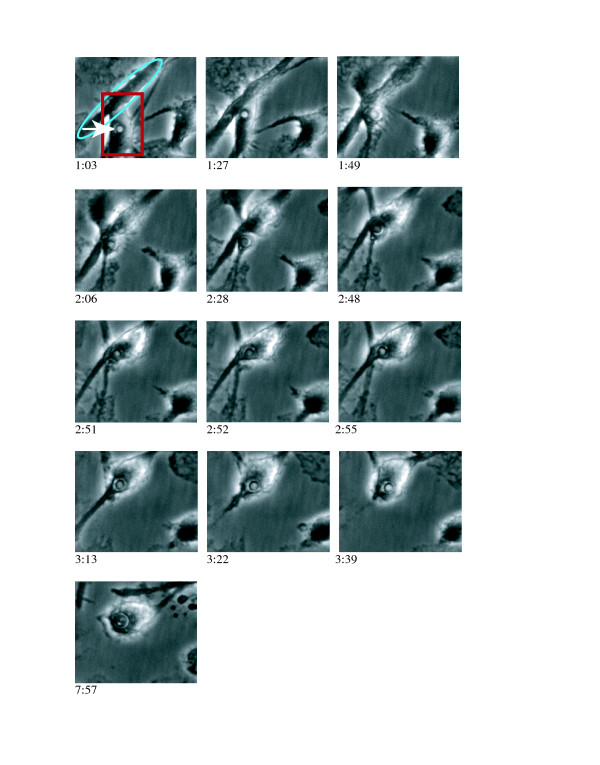
Background: Cryptococcosis, a fatal fungal infection of the central nervous system, is one of the major killers of AIDS patients and other immunocompromised hosts. The causative agent, Cryptococcus neoformans , has a remarkable ability to 'hide' and proliferate within phagocytic cells of the human immune system. This intracellular phase is thought to underlie the ability of the pathogen to remain latent for long periods of time within infected individuals. Results: We now report that Cryptococcus is able to undergo 'lateral transfer' between phagocytes, moving directly from infected to uninfected macrophages. This novel process was observed in both C. neoformans serotypes (A and D) and occurs in both immortalised cell lines and in primary human macrophages. Lateral transfer is independent of the initial route of uptake, since both serum-opsonised and antibody-opsonised C. neoformans are able to undergo direct cell-to-cell transfer. Conclusion: We provide the first evidence for lateral transfer of a human fungal pathogen. This rare event may occur repeatedly during latent cryptococcal infections, thereby allowing the pathogen to remain concealed from the immune system and protecting it from exposure to antifungal agents.
Overview
The claims and statistics of this paper haven’t been checked yet.
Free: it reads the open-access text and checks the first 5 claims that cite a source we can check. Create a free account to check every claim.
Integrity signals
Registry
Cites
Statistics
Figures
Verification
Claims the paper makes
The claims and statistics of this paper haven’t been checked yet.
Free: it reads the open-access text and checks the first 5 claims that cite a source we can check. Create a free account to check every claim.
Claims other papers make about this one
Each is checked against this paper’s own text: does it say what the citing paper says it does?
In the citing paper
“This cell-to-cell spread, known as lateral transfer or dragotcytosis, is an actin-dependent process that requires donor and acceptor cells be in physical contact [124–126].”
From Mechanisms of fungal dissemination (2021) · cites this paper as [124]
Self-check
Percentages, sums and reported differences re-computed from the paper’s own numbers.
The self-check needs the paper’s full text.
Citations
Cites
Tilney, L. G., & Portnoy, D. A. (1989) · The Journal of cell biology · doi:10.1083/jcb.109.4.1597 · Cited by 1,263 · cited 1×
“Most of these organisms undergo direct cell-to-cell spread via polarised actin polymerisation, which generates force to propel them through the cytoplasm of the infected cell and into uninfected neighbouring cells [11-13].”
BackgroundCryptococcus neoformans Is a Facultative Intracellular Pathogen in Murine Pulmonary Infection
Feldmesser, M., Kress, Y., Novikoff, P., & Casadevall, A. (2000) · Infection and Immunity · doi:10.1128/iai.68.7.4225-4237.2000 · Cited by 423 · cited 1×
“neoformans shows a remarkable ability to survive and proliferate within host macrophages in vitro [3,4].”
BackgroundPhagosome Extrusion and Host-Cell Survival after Cryptococcus neoformans Phagocytosis by Macrophages
Alvarez, M., & Casadevall, A. (2006) · Current Biology · doi:10.1016/j.cub.2006.09.061 · Cited by 414 · cited 5×
“neoformans is able to escape from within macrophages by a novel expulsive mechanism [6,7].”
BackgroundInfluentialDeciphering the Model Pathogenic Fungus Cryptococcus Neoformans
Idnurm, A., Bahn, Y.-S., Nielsen, K., Lin, X., Fraser, J. A., & Heitman, J. (2005) · Nature Reviews Microbiology · doi:10.1038/nrmicro1245 · Cited by 337 · cited 1×
“Should an infected individual later become immunocompromised, the fungus can then spread from the lungs to the central nervous system to cause meningoencephalitis, which is uniformly fatal without rapid clinical intervention [2].”
BackgroundEpidemiological Evidence for Dormant Cryptococcus neoformans Infection
Garcia-Hermoso, D., Janbon, G., & Dromer, F. (1999) · Journal of Clinical Microbiology · doi:10.1128/jcm.37.10.3204-3209.1999 · Cited by 323 · cited 1×
“Infection is thought to begin with the inhalation of airborne spores and epidemiological evidence suggests that exposure to Cryptococcus early in life can produce a prolonged, asymptomatic, latent infection [1].”
BackgroundExpulsion of Live Pathogenic Yeast by Macrophages
Ma, H., Croudace, J. E., Lammas, D. A., & May, R. C. (2006) · Current Biology · doi:10.1016/j.cub.2006.09.032 · Cited by 310
Self-citationTucker, S. C., & Casadevall, A. (2002) · Proceedings of the National Academy of Sciences · doi:10.1073/pnas.052702799 · Cited by 306 · cited 2×
“neoformans shows a remarkable ability to survive and proliferate within host macrophages in vitro [3,4].”
BackgroundChang, Y. C., Stins, M. F., McCaffery, M. J., Miller, G. F., Pare, D. R., Dam, T., Paul-Satyasee, M., Kim, K. S., & Kwon-Chung, K. J. (2004) · Infection and Immunity · doi:10.1128/iai.72.9.4985-4995.2004 · Cited by 278 · cited 1×
“neoformans may use such transient contact in order to cross the blood-brain barrier by direct cell-to-cell spread from adherent infected macrophages to microvascular endothelial cells [14].”
BackgroundDirected Egress of Animal Viruses Promotes Cell-to-Cell Spread
Johnson, D. C., & Huber, M. T. (2002) · Journal of Virology · doi:10.1128/jvi.76.1.1-8.2002 · Cited by 257 · cited 2×
“Finally, infected macrophage cells may travel widely throughout the host circulatory and lymphatic systems, where they interact intimately with one another and with other cell types through transient contacts [12].”
BackgroundCryptococcus neoformans Resides in an Acidic Phagolysosome of Human Macrophages
Levitz, S. M., Nong, S.-H., Seetoo, K. F., Harrison, T. S., Speizer, R. A., & Simons, E. R. (1999) · Infection and Immunity · doi:10.1128/iai.67.2.885-890.1999 · Cited by 231 · cited 1×
“Alternatively, it is possible that cryptococci that subsequently undergo lateral transfer are initially internalized into an atypical 'transfer-competent' compartment (rather than a phagosome) although this seems unlikely given that internalized cryptococci have previously been shown to acquire normal phagosome marker…”
Background
Cited by
Interactions of fungal pathogens with phagocytes
Erwig, L. P., & Gow, N. A. R. (2016) · Nature Reviews Microbiology · doi:10.1038/nrmicro.2015.21 · Cited by 626
Cryptococcus: from environmental saprophyte to global pathogen
May, R. C., Stone, N. R. H., Wiesner, D. L., Bicanic, T., & Nielsen, K. (2016) · Nature Reviews Microbiology · doi:10.1038/nrmicro.2015.6 · Cited by 541
Self-citationChapter 4 The Capsule of the Fungal Pathogen Cryptococcus neoformans
Zaragoza, O., Rodrigues, M. L., De Jesus, M., Frases, S., Dadachova, E., & Casadevall, A. (2009) · Advances in Applied Microbiology · doi:10.1016/s0065-2164(09)01204-0 · Cited by 457
“, 2006) or even cell-to-cell spread (Alvarez and Casadevall, 2007; Ma et al., 2007).”
Evidence of a Role for Monocytes in Dissemination and Brain Invasion by Cryptococcus neoformans
Charlier, C., Nielsen, K., Daou, S., Brigitte, M., Chretien, F., & Dromer, F. (2009) · Infection and Immunity · doi:10.1128/iai.01065-08 · Cited by 362
“However, the escaping phenomenon involved 10% of the phagocytes and was more frequent with human macrophages than with murine macrophages and with Clostridium gattii than with C. neoformans ( 35 ).”
BackgroundExpanding fungal pathogenesis: Cryptococcus breaks out of the opportunistic box
Kronstad, J. W., Attarian, R., Cadieux, B., Choi, J., D'Souza, C. A., Griffiths, E. J., Geddes, J. M. H., Hu, G., Jung, W. H., Kretschmer, M., et al. (2011) · Nature Reviews Microbiology · doi:10.1038/nrmicro2522 · Cited by 340
Fungal cell gigantism during mammalian infection
Zaragoza, O., García-Rodas, R., Nosanchuk, J. D., Cuenca-Estrella, M., Rodríguez-Tudela, J. L., & Casadevall, A. (2010) · PLoS Pathogens · doi:10.1371/journal.ppat.1000945 · Cited by 311
“neoformans cells, as described previously [39,40,41,42,43] and shown in supporting”
Extracellular Vesicles from Cryptococcus neoformans Modulate Macrophage Functions
Oliveira, D. L., Freire-de-Lima, C. G., Nosanchuk, J. D., Casadevall, A., Rodrigues, M. L., & Nimrichter, L. (2010) · Infection and Immunity · doi:10.1128/iai.01171-09 · Cited by 257
Zaragoza, O., Chrisman, C. J., Castelli, M. V., Frases, S., Cuenca-Estrella, M., Rodríguez-Tudela, J. L., & Casadevall, A. (2008) · Cellular Microbiology · doi:10.1111/j.1462-5822.2008.01186.x · Cited by 250
“Recently, it has been shown that cellto-cell spread can also occur (Alvarez and Casadevall, 2007; Ma et al., 2007), reinforcing the idea that the intracellular environment is adequate for the survival of the yeast.”
BackgroundBasic principles of the virulence of Cryptococcus
Zaragoza, O. (2019) · Virulence · doi:10.1080/21505594.2019.1614383 · Cited by 249
“Similarly, the cryptococcal cells can be transferred between macrophages [127,128].”
BackgroundTrojan Horse Transit Contributes to Blood-Brain Barrier Crossing of a Eukaryotic Pathogen
Santiago-Tirado, F. H., Onken, M. D., Cooper, J. A., Klein, R. S., & Doering, T. L. (2017) · mBio · doi:10.1128/mbio.02183-16 · Cited by 238
“which has been reported to occur between macrophages (49, 50).”
BackgroundCryptococcal Interactions with the Host Immune System
Voelz, K., & May, R. C. (2010) · Eukaryotic Cell · doi:10.1128/ec.00039-10 · Cited by 202
“In addition to having the ability to extrude from host cells, Cryptococcus can be laterally transferred from one macrophage to another (5, 118), an event which, like expulsion, does not occur with heat-killed cryptococci or latex beads (5) and is independent of the route”
BackgroundSelf-citationMultifaceted Roles of Tunneling Nanotubes in Intercellular Communication
Marzo, L., Gousset, K., & Zurzolo, C. (2012) · Frontiers in Physiology · doi:10.3389/fphys.2012.00072 · Cited by 169
“For example, it has recently been shown that Cryptococcus neoformans is able to laterally transfer from an infected macrophage to an uninfected one allowing a latent persistency in the host for long periods before causing meningoencephalitis in the central nervous system (CNS; Ma et al., 2007).”
BackgroundCryptococcus neoformans: Morphogenesis, infection, and evolution
Lin, X. (2009) · Infection, Genetics and Evolution · doi:10.1016/j.meegid.2009.01.013 · Cited by 165
“Lastly, C. neoformans yeast cells can take advantage of infected host cells and infect other host cells through host cell-to-cell transfer (Alvarez and Casadevall, 2007; Ma et al., 2007).”
BackgroundInteraction of pathogenic yeasts with phagocytes: survival, persistence and escape.
Seider, K., Heyken, A., Lüttich, A., Miramón, P., & Hube, B. (2010) · Current Opinion in Microbiology · doi:10.1016/j.mib.2010.05.001 · Cited by 167
“In addition to exiting to the extracellular milieu, the fungus can also undergo lateral transfer from infected donor cells to uninfected neighbouring cells, which may allow continuous concealment from the immune system [69,70].”
BackgroundVoelz, K., Lammas, D. A., & May, R. C. (2009) · Infection and Immunity · doi:10.1128/iai.00297-09 · Cited by 155
Self-citationJohnston, S. A., & May, R. C. (2013) · Cellular Microbiology · doi:10.1111/cmi.12067 · Cited by 145
“1J) (Alvarez and Casadevall, 2007; Ma et al., 2007).”
Self-citationCryptococcus neoformans: historical curiosity to modern pathogen
Srikanta, D., Santiago-Tirado, F. H., & Doering, T. L. (2014) · Yeast · doi:10.1002/yea.2997 · Cited by 200
“…is fungal death; alternatively, cryptococci may continue to replicate within the host cell or they may exit, either by a lytic process lethal to the host cell or by a non-lytic process that leaves both cells intact (Alvarez and Casadevall, 2006, 2007; Johnston and May, 2013; Ma et al., 2006, 2007).”
BackgroundCompetitive Science: Is Competition Ruining Science?
Fang, F. C., & Casadevall, A. (2015) · Infection and Immunity · doi:10.1128/iai.02939-14 · Cited by 126
Efficient phagocytosis and laccase activity affect the outcome of HIV-associated cryptococcosis
Sabiiti, W., Robertson, E., Beale, M. A., Johnston, S. A., Brouwer, A. E., Loyse, A., Jarvis, J. N., Gilbert, A. S., Fisher, M. C., Harrison, T. S., et al. (2014) · Journal of Clinical Investigation · doi:10.1172/jci72950 · Cited by 137
Self-citationAlvarez, M., & Casadevall, A. (2007) · BMC Immunology · doi:10.1186/1471-2172-8-16 · Cited by 131
“Note added in proof This publication of this article was coordinated with the publication of the article 'Direct Cell-to-Cell Spread of a Pathogenic Yeast' by Ma et al in BMC Immunology [ 19 ].”
BackgroundMechanisms of fungal dissemination
Strickland, A. B., & Shi, M. (2021) · Cellular and Molecular Life Sciences · doi:10.1007/s00018-020-03736-z · Cited by 127
Kronstad, J., Saikia, S., Nielson, E. D., Kretschmer, M., Jung, W., Hu, G., Geddes, J. M. H., Griffiths, E. J., Choi, J., Cadieux, B., et al. (2012) · Eukaryotic Cell · doi:10.1128/ec.05273-11 · Cited by 115
“neoformans can escape from phagocytic cells and move between phagocytes by a nonlytic expulsion process (4, 5, 92, 93).”
BackgroundChapter 5 Virulence in Cryptococcus Species
Ma, H., & May, R. C. (2009) · Advances in applied microbiology · doi:10.1016/s0065-2164(08)01005-8 · Cited by 170
“They are: (1) The yeast is killed by the macrophage (Brummer and Stevens, 1994; Casadevall and Perfect, 1998); (2) the yeast remains latent inside the macrophage (Alvarez and Casadevall, 2007; Del Poeta, 2004; Ma et al., 2007); (3) the yeast grows within the phagosome, eventually causing macrophage lysis (Feldmesser e…”
BackgroundInfluentialSelf-citationCryptococcal pathogenic mechanisms: a dangerous trip from the environment to the brain
Esher, S. K., Zaragoza, Ó., & Alspaugh, J. A. (2018) · Memórias do Instituto Oswaldo Cruz · doi:10.1590/0074-02760180057 · Cited by 126
“This process can occur regardless of serotype or opsonisation type, and in multiple mammalian cell lines (Ma et al. 2007).”
BackgroundDjordjevic, J. T. (2010) · Frontiers in Microbiology · doi:10.3389/fmicb.2010.00125 · Cited by 101
Immunity to Cryptococcus neoformans and C. gattii during cryptococcosis
Gibson, J. F., & Johnston, S. A. (2014) · Fungal Genetics and Biology · doi:10.1016/j.fgb.2014.11.006 · Cited by 128
“C. neoformans is also able to travel from one macrophage to another, whereby the receiving macrophage accepts the cryptococcal cell in an actin dependant manner (Alvarez and Casadevall, 2007; Ma et al., 2007).”
BackgroundQin, Q., Luo, J., Lin, X., Pei, J., Li, L., Ficht, T. A., & de Figueiredo, P. (2011) · PLoS Pathogens · doi:10.1371/journal.ppat.1002078 · Cited by 117
“This extrusion of replicative Cn cells may constitute a mechanism for disseminating Cn among host cells or tissues while limiting detection by host surveillance systems [21,23].”
BackgroundChayakulkeeree, M., Johnston, S. A., Oei, J. B., Lev, S., Williamson, P. R., Wilson, C. F., Zuo, X., Leal, A. L., Vainstein, M. H., Meyer, W., et al. (2011) · Molecular Microbiology · doi:10.1111/j.1365-2958.2011.07632.x · Cited by 100
“…extrusion process called vomocytosis, which does not trigger host cell death (Alvarez and Casadevall, 2006; © Published 2011 This article is a US Government work and is in the public domain in the USA, Molecular Microbiology, 80, 1088–1101 2007; Ma et al., 2006; 2007; Johnston and May, 2010).”
BackgroundSelf-citationChen, Y., Shi, Z. W., Strickland, A. B., & Shi, M. (2022) · Journal of Fungi · doi:10.3390/jof8101069 · Cited by 123
“neoformans can move directly from infected to uninfected macrophages [36,37].”
BackgroundCatch me if you can: phagocytosis and killing avoidance by Cryptococcus neoformans
García-Rodas, R., & Zaragoza, O. (2012) · FEMS Immunology & Medical Microbiology · doi:10.1111/j.1574-695x.2011.00871.x · Cited by 94
“…transfer of C. neoformans by macrophages Cryptococcus neoformans can also be transferred from one macrophage to another (Alvarez & Casadevall, 2007; Ma et al., 2007), an event that, like expulsion, does not occur with heat-killed cryptococci or latex beads (Alvarez & Casadevall, 2007) and that is…”
BackgroundInfluentialPrison Break: Pathogens' Strategies To Egress from Host Cells
Friedrich, N., Hagedorn, M., Soldati‐Favre, D., & Soldati, T. (2012) · Microbiology and Molecular Biology Reviews · doi:10.1128/mmbr.00024-12 · Cited by 106
“In addition, a direct cell-tocell spreading mechanism between macrophages without an exposure of the pathogen to the extracellular milieu was proposed, but its details and significance remain unclear (8, 91).”
BackgroundMechanisms of Infection by the Human Fungal Pathogen Cryptococcus Neoformans
Sabiiti, W., & May, R. C. (2012) · Future Microbiology · doi:10.2217/fmb.12.102 · Cited by 83
“Furthermore, the fungus is able to escape from macrophages through a nonlytic mechanism and spread from cell to cell [73–75], an indication that cryptococci can potentially disseminate to the brain by hitchhiking inside phagocytes.”
BackgroundInfluentialSelf-citationCorrection: Fungal Cell Gigantism during Mammalian Infection
Zaragoza, O., García-Rodas, R., Nosanchuk, J. D., Cuenca-Estrella, M., Rodríguez-Tudela, J. L., & Casadevall, A. (2010) · PLoS Pathogens · doi:10.1371/annotation/0675044c-d80f-456f-bb63-4f85fb1d0c33 · Cited by 83
Mechanisms of microbial escape from phagocyte killing
Smith, L. M., & May, R. C. (2013) · Biochemical Society Transactions · doi:10.1042/bst20130014 · Cited by 78
Self-citationUpadhya, R., Campbell, L. T., Donlin, M. J., Aurora, R., & Lodge, J. K. (2013) · PLoS ONE · doi:10.1371/journal.pone.0055110 · Cited by 69
“macrophage without causing host cell lysis [7,8,9,10,11].”
Intracellular pathogenic bacteria and fungi — a case of convergent evolution?
Bliska, J. B., & Casadevall, A. (2008) · Nature Reviews Microbiology · doi:10.1038/nrmicro2049 · Cited by 73
Automated Analysis of Cryptococcal Macrophage Parasitism Using GFP-Tagged Cryptococci
Voelz, K., Johnston, S. A., Rutherford, J. C., & May, R. C. (2010) · PLoS ONE · doi:10.1371/journal.pone.0015968 · Cited by 69
“The ability to reside within macrophages, together with the phenomenon of lateral yeast cell transfer from one macrophage to another [11,14] have led to the suggestion that cryptococci may disseminate within the host via a ‘Trojan Horse’ mechanism [19,20].”
BackgroundSelf-citationGarcía-Rodas, R., González-Camacho, F., Rodríguez-Tudela, J. L., Cuenca-Estrella, M., & Zaragoza, O. (2011) · Infection and Immunity · doi:10.1128/iai.00044-11 · Cited by 56
“Some of these phenomena (macrophage fusion, yeast extrusion, and transfer between macrophages) have been described in other fungal pathogens (1, 2, 13, 15, 16), which suggests that these processes represent a universal strategy developed by the host cells to control the infection independently of the pathogen engulfed.”
BackgroundKmetzsch, L., Staats, C. C., Simon, E., Fonseca, F. L., Oliveira, D. L., Joffe, L. S., Rodrigues, J., Leal, A. L., Nimrichter, L., Rodrigues, M. L., et al. (2010) · Eukaryotic Cell · doi:10.1128/ec.00114-10 · Cited by 73
“neoformans possesses mechanisms that allow cell-to-cell spread and extrusion from infected macrophages (1, 2, 26, 27, 39, 40).”
BackgroundReid, W. D. K., Close, A. J., Humphrey, S., Chaloner, G. L., Lacharme‐Lora, L., Rothwell, L., Kaiser, P., Williams, N. J., Humphrey, T. J., Wigley, P., et al. (2016) · Royal Society Open Science · doi:10.1098/rsos.150541 · Cited by 57
Hybrids and hybridization in the Cryptococcus neoformans and Cryptococcus gattii species complexes
Samarasinghe, H., & Xu, J. (2018) · Infection Genetics and Evolution · doi:10.1016/j.meegid.2018.10.011 · Cited by 55
Cryptococcus neoformans: Tripping on Acid in the Phagolysosome
DeLeon‐Rodriguez, C. M., & Casadevall, A. (2016) · Frontiers in Microbiology · doi:10.3389/fmicb.2016.00164 · Cited by 54
“In addition, the phenomenon of macrophage to macrophage transfer of Cn cells has been described in vitro (Alvarez and Casadevall, 2007; Ma et al., 2007; Stukes et al., 2014).”
BackgroundThe outcome of Cryptococcus neoformansintracellular pathogenesis in human monocytes
Alvarez, M., Burn, T., Luo, Y., Pirofski, L., & Casadevall, A. (2009) · BMC Microbiology · doi:10.1186/1471-2180-9-51 · Cited by 52
“cryptococcal intracellular pathogenesis have been studied largely with murine cells [2,6-10,20,6].”
BackgroundResultMacrophage Mediated Immunomodulation During Cryptococcus Pulmonary Infection
Wang, Y., Pawar, S., Dutta, O., Wang, K., Rivera, A., & Xue, C. (2022) · Frontiers in Cellular and Infection Microbiology · doi:10.3389/fcimb.2022.859049 · Cited by 52
Jia, L., Rafiq, M., Radosa, L., Hortschansky, P., Cunha, C., Cseresnyés, Z., Krüger, T., Schmidt, F., Heinekamp, T., Straßburger, M., et al. (2022) · Cell Host & Microbe · doi:10.1016/j.chom.2023.02.002 · Cited by 45
Dragotakes, Q., Fu, M. S., & Casadevall, A. (2019) · The Journal of Immunology · doi:10.4049/jimmunol.1801118 · Cited by 39
“36 neoformans is capable of being transferred from an infected to a non-infected macrophage(7, 8).”
BackgroundMacrophages use a bet-hedging strategy for antimicrobial activity in phagolysosomal acidification
Dragotakes, Q., Stouffer, K. M., Fu, M. S., Sella, Y., Youn, C., Yoon, O. I., Leon-Rodriguez, C. M. D., Freij, J. B., Bergman, A., & Casadevall, A. (2020) · Journal of Clinical Investigation · doi:10.1172/jci133938 · Cited by 39
“neoformans can replicate intracellularly, resulting in death and lysis of the host cell, non-lytic 68 exocytosis(10, 11), transfer to another macrophage(12, 13), or phagosomal persistence.”
BackgroundVomocytosis: What we know so far
Seoane, P. I., & May, R. C. (2019) · Cellular Microbiology · doi:10.1111/cmi.13145 · Cited by 39
Self-citationSurfactant Protein D Facilitates Cryptococcus neoformans Infection
Geunes-Boyer, S., Beers, M. F., Perfect, J. R., Heitman, J., & Wright, J. R. (2012) · Infection and Immunity · doi:10.1128/iai.05613-11 · Cited by 35
“neoformans cells can survive intracellularly and then extrude from host immune cells via a process known as vomocytosis (3, 4, 38, 39, 41).”
Background“Under Pressure” – How fungi evade, exploit, and modulate cells of the innate immune system
Lange, T., Kasper, L., Gresnigt, M. S., Brunke, S., & Hube, B. (2023) · Seminars in Immunology · doi:10.1016/j.smim.2023.101738 · Cited by 36
Sun, D., Zhang, M., Sun, P., Liu, G., Strickland, A. B., Chen, Y., Fu, Y., Yosri, M., & Shi, M. (2020) · PLOS Pathogens · doi:10.1371/journal.ppat.1008361 · Cited by 34
“neoformans can survive in monocytes [28, 29], and monocytes containing C.”
BackgroundHaider, M. J. A., Dambuza, I. M., Asamaphan, P., Stappers, M. H. T., Reid, D. M., Yamasaki, S., Brown, G. D., Gow, N. A. R., & Erwig, L. P. (2019) · PLoS ONE · doi:10.1371/journal.pone.0220867 · Cited by 35
Experimental Models of Cryptococcosis
Sabiiti, W., May, R. C., & Pursall, E. R. (2011) · International Journal of Microbiology · doi:10.1155/2012/626745 · Cited by 41
“In the course of infection through airways to lungs and from lungs to brain, Cryptococcus must overcome two major barriers: the innate and adaptive immune mechanisms of the host.”
BackgroundSelf-citationKraibooj, K., Park, H., Dahse, H., Skerka, C., Voigt, K., & Figge, M. T. (2014) · Mycoses · doi:10.1111/myc.12237 · Cited by 35
Dangerous Liaisons: Interactions of Cryptococcus neoformans with Host Phagocytes
Gaylord, E. A., Choy, H. L., & Doering, T. L. (2020) · Pathogens · doi:10.3390/pathogens9110891 · Cited by 33
“During this lateral transfer, the donor and acceptor macrophages must be in contact, with the acceptor cell extending cytoplasmic projections towards the donor macrophage in an actin-dependent manner [84,85].”
BackgroundSrikanta, D., Yang, M., Williams, M., & Doering, T. L. (2011) · PLoS ONE · doi:10.1371/journal.pone.0022773 · Cited by 32
“The fungus may also be killed by the macrophage, or exit the host cell through an intriguing non-lytic mechanism that may also allow direct transfer between host cells [10–13].”
BackgroundHighly Dynamic Host Actin Reorganization around Developing Plasmodium Inside Hepatocytes
Gomes-Santos, C. S. S., Itoe, M. A., Afonso, C., Henriques, R., Gardner, R., Sepúlveda, N., Simões, P. D., Raquel, H., de Almeida, A. P. G., Moita, L. F., et al. (2012) · PLoS ONE · doi:10.1371/journal.pone.0029408 · Cited by 32
“In fact, mechanisms of host cell actindependent extrusion are used, for instance, by Chlamydia to exit the host cell [21] or by Cryptococcus in its ‘‘lateral transfer’’ from an infected to a non infected macrophage [22].”
BackgroundNovel insights into host-fungal pathogen interactions derived from live-cell imaging
Bain, J. M., Gow, N. A. R., & Erwig, L. (2014) · Seminars in Immunopathology · doi:10.1007/s00281-014-0463-3 · Cited by 32
“neoformans from phagocytes, lateral transfer between host cells was reported, adding to the repertoire of infection mechanisms utilised by this fungus [35].”
BackgroundPazhakh, V., Ellett, F. E., Croker, B. A., O’Donnell, J. A., Pase, L. B., Schulze, K. E., Greulich, R. S., Gupta, A., Reyes‐Aldasoro, C. C., Andrianopoulos, A., et al. (2019) · PLoS Biology · doi:10.1371/journal.pbio.3000113 · Cited by 30
Phagocytes as central players in the defence against invasive fungal infection
Hünniger, K., & Kurzai, O. (2018) · Seminars in Cell and Developmental Biology · doi:10.1016/j.semcdb.2018.03.021 · Cited by 28
Immunology of Fungal Infections
Bidula, S. M., & Brown, G. D. (2016) · Elsevier eBooks · doi:10.1016/b978-0-12-374279-7.13001-2 · Cited by 26
Guerra, C. R., Seabra, S. H., de Souza, W., & Rozental, S. (2014) · PLoS ONE · doi:10.1371/journal.pone.0089250 · Cited by 23
“neoformans-macrophage interaction studies to date have focused on intracellular survival and extrusion mechanisms [21,22].”
BackgroundYang, C., Wang, J., & Zou, L. (2017) · Experimental and Therapeutic Medicine · doi:10.3892/etm.2017.5220 · Cited by 31
“This direct cell-to-cell spread potentially explains how crypto-cocci may exploit phagocytes to penetrate the BBB in a Trojan horse manner (89).”
Fungal mechanisms of intracellular survival: what can we learn from bacterial pathogens?
Stuckey, P. V., & Santiago-Tirado, F. H. (2023) · Infection and Immunity · doi:10.1128/iai.00434-22 · Cited by 22
Detection of Circulating Endothelial Cells via a Microfluidic Disk
Chen, K.-C., Lee, T., Pan, Y.-C., Chiang, C., Chen, C., Yang, Y., Chiang, B., Lee, H., & Wo, A. M. (2011) · Clinical Chemistry · doi:10.1373/clinchem.2010.157404 · Cited by 22
Temporal Kinetics and Quantitative Analysis of Cryptococcus neoformans Nonlytic Exocytosis
Stukes, S. A., Cohen, H. W., & Casadevall, A. (2014) · Infection and Immunity · doi:10.1128/iai.01503-14 · Cited by 22
“Previous studies of cell-to-cell transfer suggested that it was, in fact, a relatively rare event (26), but here we report that cell-to-cell transfer of phagosomes containing yeast cells was a relatively common event, with type III FIG 6 Cell-to-cell transfer visualized using fluorescently labeled macrophages.”
BackgroundIron acquisition in the human fungal pathogen Cryptococcus neoformans
Jung, W. H., & Do, E. (2013) · Current Opinion in Microbiology · doi:10.1016/j.mib.2013.07.008 · Cited by 18
Pathogenicity and virulence of Cryptococcus neoformans from an environmental perspective
Casadevall, A. (2025) · Virulence · doi:10.1080/21505594.2025.2547090 · Cited by 19
“Two novel processes associated with CN intra-cellular pathogenesis are the phenomenon of non-lytic exocytosis, whereby yeast cells escape macrophages without lysis of the host cell [171,172] and macro-phage-to-macrophage yeast cell transfer [173,174] (Figure 2).”
Metamorphosis of Galleria mellonella research
Eisenman, H. C. (2015) · Virulence · doi:10.1080/21505594.2014.998541 · Cited by 18
“We've got to get out”—Strategies of human pathogenic fungi to escape from phagocytes
Sonnberger, J., Kasper, L., Lange, T., Brunke, S., & Hube, B. (2023) · Molecular Microbiology · doi:10.1111/mmi.15149 · Cited by 17
“…cryptococcal cells can also be laterally transferred from infected donor cells to uninfected neighboring cells, a process called dragotcytosis, which may allow continuous concealment from the immune system (Alvarez & Casadevall, 2007; Dragotakes et al., 2019; Ma et al., 2007; Pazhakh et al., 2019).”
BackgroundInfluentialAimless mutants of Cryptococcus neoformans: Failure to disseminate
Griffiths, E., Kretschmer, M., & Kronstad, J. W. (2012) · Fungal Biology Reviews · doi:10.1016/j.fbr.2012.02.004 · Cited by 23
“neoformans is a facultative, intracellular pathogen and, remarkably, the fungus can move out of or between phagocytic cells by a process of expulsion (Alvarez and Casadevall, 2006; Alvarez and Casadevall, 2007; Ma et al., 2006; Ma et al., 2007).”
Backgroundvan der Torre, M. H., Andrews, R. A. J., Hooker, E., Rankin, A., & Dodd, S. (2022) · Clinical Infection in Practice · doi:10.1016/j.clinpr.2022.100154 · Cited by 17
Dragotakes, Q., Jacobs, E., Ramirez, L. S., Yoon, O. I., Perez-Stable, C. T., Eden, H. E., Pagnotta, J., Vij, R., Bergman, A., D’Alessio, F. R., et al. (2022) · PLoS Pathogens · doi:10.1371/journal.ppat.1010697 · Cited by 15
“neoformans yeasts within a host macrophage phagolysosome transfer to another, proximal macrophage without lysis of the initial host [6,8,9,13].”
BackgroundCryptococcus neoformans : Latency and Disease
Dromer, F., Casadevall, A., Perfect, J. R., & Sorrell, T. C. (2014) · ASM Press eBooks · doi:10.1128/9781555816858.ch31 · Cited by 19
Cryptococcus magnus Periprosthetic Shoulder Infection: A Case Report
Baptista, M., Sevivas, N., Ferreira, N. V., Fardilha, L., Varanda, P., & Mateus, C. (2020) · JBJS Case Connector · doi:10.2106/jbjs.cc.20.00507 · Cited by 13
Loss of the scavenger receptor MARCO results in uncontrolled vomocytosis of fungi from macrophages
Onyishi, C. U., Jeon, Y., Fejér, G., Mukhopadhyay, S., Gordon, S., & May, R. C. (2024) · European Journal of Immunology · doi:10.1002/eji.202350771 · Cited by 11
“The interaction between C. neoformans and macrophages can lead to a range of outcomes including fungal survival and replication within macrophages [2], lateral transfer of cryptococci between macrophages [3, 4], lysis of macrophages [5], and vomocytosis, also called nonlytic exocytosis [6, 7].”
BackgroundSelf-citationStukes, S. A., & Casadevall, A. (2014) · Journal of Visualized Experiments · doi:10.3791/52084 · Cited by 8
Mudumbi, S. V. (2009) · International Journal of Infectious Diseases · doi:10.1016/j.ijid.2009.04.008 · Cited by 6
Pulmonary Innate and Adaptive Defenses against Cryptococcus
Williams, K. L., Wormley, F. L., Geunes-Boyer, S., Wright, J. R., & Huffnagle, G. B. (2014) · ASM Press eBooks · doi:10.1128/9781555816858.ch33 · Cited by 3
Intracellular Replication and Exit Strategies
Voelz, K., Johnston, S. A., & May, R. C. (2014) · ASM Press eBooks · doi:10.1128/9781555816858.ch32 · Cited by 2
Self-citationInfections by Cryptococcus species
Rossi, S. A., & Zaragoza, Ó. (2020) · Elsevier eBooks · doi:10.1016/b978-0-12-819990-9.00008-1 · Cited by 2
Immunology of Fungal Infections
Middleton, G., & Bidula, S. M. (2024) · Elsevier eBooks · doi:10.1016/b978-0-128-24465-4.00027-2 · Cited by 2
Casadevall, A., & Fang, F. C. (2023) · mBio · doi:10.1128/mbio.02633-23 · Cited by 1
“…other groups who independently discovered the phenomena of fungal cell gigantism (21, 22), non-lytic fungal exocytosis (23, 24) and macrophage-to-macrophage transfer (25, 26), and can attest that friendship, increased trust, and cooperation between research groups can result when everyone wins.”
BackgroundDeveloping novel approaches to treat trauma-associated fungal infections
Trzaska, W. J. (2019) · University of Birmingham Institutional Research Archive (University of Birmingham) · Cited by 2
Wiggins, D. A., Griggs, J. B., England, A., Callison, E. N., Kamel, C. H., Hasan, C. A., Davis, A. T., Chappell, M. E., Conner, K. N., Olive, A. J., et al. (2025) · bioRxiv (Cold Spring Harbor Laboratory) · doi:10.1101/2025.11.28.690224 · Cited by 1
Mechanisms of brain infection by the human fungalpathogen Cryptococcus neoformans
Sabiiti, W. (2012) · University of Birmingham Institutional Research Archive (University of Birmingham)
Interaction of Cryptococcus neoformans and Cryptococcus gattii with the host immune system
Douwel, D. K. (2010) · Utrecht University Repository (Utrecht University)
Infections by Cryptococcus species
Rossi, S. A., & Zaragoza, Ó. (2017) · Elsevier eBooks · doi:10.1016/b978-0-12-809633-8.12057-6
Investigating the molecular mechanisms of vomocytosis
Gilbert, A. S. (2017) · University of Birmingham Institutional Research Archive (University of Birmingham)
Samarasinghe, Y. A. H. (2017) · MacSphere (McMaster University) · doi:10.71548/17168
Anti-Cryptococcal activity of a furanone derivative–antibiofilm and opsonophagocytic potential
Rathore, S. S., Raman, T., Lalitha, C., Ramar, M., Munusamy, A., & Ramakrishnan, J. (2020) · Journal de Mycologie Médicale · doi:10.1016/j.mycmed.2020.100924
Stajich, J. (2011) · Faculty Opinions – Post-Publication Peer Review of the Biomedical Literature · doi:10.3410/f.11606956.12666054
Avaliação da ocorrência de exocitose não-lítica em isolados clínicos de Cryptococcus spp
Frazão, S. D. O. (2018) · RIUnB Institutional Repository (University of Brasília) · doi:10.26512/2018.02.d.41423 · Cited by 1
Interactions Between Intracellular Fungal Pathogens and Host Phagocytes
Case, N. T., Robbins, N., & Cowen, L. E. (2022) · Elsevier eBooks · doi:10.1016/b978-0-12-821618-7.00042-0
The severity of cryptococcus neoformans infection in Fc gamma receptor IIb deficient mice
Surawut, S. (2018) · Chula Digiverse · doi:10.58837/chula.the.2018.350
Túlélési faktor 1 (svf1) gének funkciójának vizsgálata Mucor lusitanicus -ban
Jáger, O. (2025) · SZTE Repository of Dissertations (University of Szeged) · doi:10.14232/phd.12342
Estudo funcional do fator de transcrição Pdr802 na biologia do patógeno Cryptococcus neoformans
Reuwsaat, J. C. V. (2021) · Lume (Universidade Federal do Rio Grande do Sul)
Metadata
- Authors
- Ma, H., Croudace, J. E., Lammas, D. A., & May, R. C.
- Affiliations
- University of Birmingham (GB)
- Corresponding author
- May, Robin C
- Venue
- BMC Immunology
- Published
- 2007-08-16
- Volume
- 8
- Issue
- 1
- Pages
- 15-15
- ISSN
- 1471-2172 (ISSN-L)
- PMC
- PMC1976318
- OpenAlex
- W2143286751
- Cited by
- 96
- References
- 18
- Citations by year
- 2025: 2 · 2024: 2 · 2023: 5 · 2022: 6 · 2021: 1 · 2020: 6 · 2019: 6 · 2018: 5 · 2017: 4 · 2016: 4 · 2015: 3 · 2014: 10 · 2013: 5 · 2012: 8
- FWCI
- 4.37
- Type
- journal article
- Language
- en
- Open access
- gold
- doi.org
- Licence
- cc-by
- Locations
- BMC Immunology (publishedVersion, cc-by)
- PubMed Central (publishedVersion, cc-by)
- PubMed (publishedVersion)
- Worcester Research and Publications (University of Worcester) (acceptedVersion)
- DOAJ (DOAJ: Directory of Open Access Journals) (submittedVersion, cc-by-sa)
- University of Birmingham Research Portal (University of Birmingham) (submittedVersion, cc-by)
- University of Birmingham Research Portal (University of Birmingham) (submittedVersion, other-oa)
- Apollo (University of Cambridge) (submittedVersion, cc-by)
- Apollo (cc-by)
- Topics
- Health Sciences › Medicine › Infectious Diseases › Fungal Infections and Studies
- Health Sciences › Medicine › Infectious Diseases › Antifungal resistance and susceptibility
- Life Sciences › Immunology and Microbiology › Parasitology › Parasitic Infections and Diagnostics
- Keywords
- Cryptococcus neoformans, cryptococcosis, cell-to-cell transmission, lateral transfer, macrophages, phagocytosis, AIDS, opsonization, antifungal resistance
- MeSH terms
- Animals, Cell Line, Cell Movement, Cells, Cultured, Cryptococcosis, Cryptococcus neoformans, Humans, Macrophages, Phagocytosis, Mice
About these checks
Registry, retraction, Cites and statistics results are computed, not judged, with one exception: a printed reference that no index lists is read once by a model before it counts as a citation error. Claims are extracted by a model and kept only when their quote appears verbatim in the text; each cited source is then checked, with a model’s help, for whether it says what the claim relies on. Those verdicts can be wrong — read the claim’s quote and the cited source before relying on one.
Statistics and arithmetic are recomputed, not judged.
Confidence bands are shown only for fields calibrated on our annotated test set. None is calibrated yet, so no band is shown.
What counts as a claim ›How we measure confidence ›How we check this ›
Are you an author, or do you see a problem with this page? Request a review
Data sources
Bibliographic data: Semantic Scholar, OpenAlex, Crossref.
Contains information from the Semantic Scholar Academic Graph Datasets, made available under the ODC Attribution License (ODC-BY 1.0).
Semantic Scholar’s data is described in: Kinney, R., et al. (2023). The Semantic Scholar Open Data Platform. arXiv:2301.10140.
