

Comparison of the transcriptomes of American chestnut (Castanea dentata) and Chinese chestnut (Castanea mollissima) in response to the chestnut blight infection
Open accessThe DOI matches its Crossref record; 58 of the 58 references it cites were found in a registry or an index.
Abstract
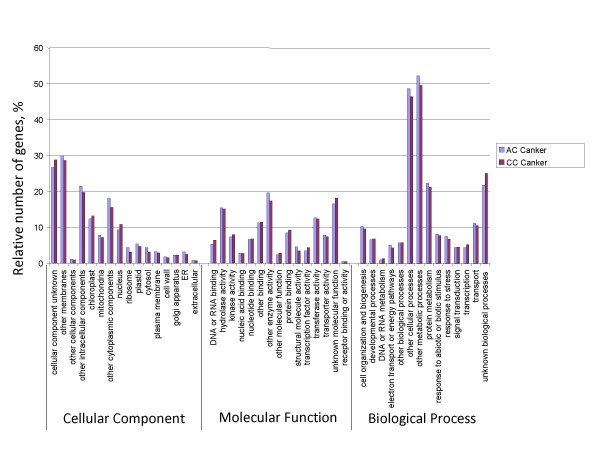
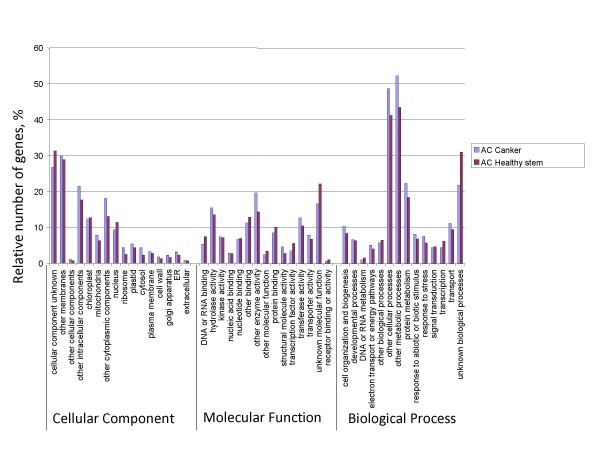
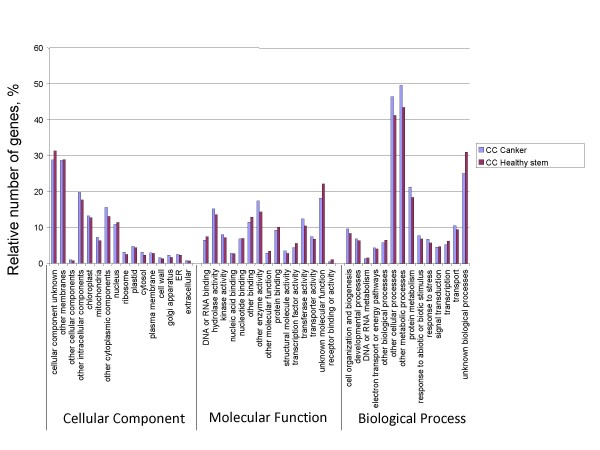
UNLABELLED: BACKGROUND1471-2229-9-51: American chestnut (Castanea dentata) was devastated by an exotic pathogen in the beginning of the twentieth century. This chestnut blight is caused by Cryphonectria parasitica, a fungus that infects stem tissues and kills the trees by girdling them. Because of the great economic and ecological value of this species, significant efforts have been made over the century to combat this disease, but it wasn't until recently that a focused genomics approach was initiated. Prior to the Genomic Tool Development for the Fagaceae project, genomic resources available in public databases for this species were limited to a few hundred ESTs. To identify genes involved in resistance to C. parasitica, we have sequenced the transcriptome from fungal infected and healthy stem tissues collected from blight-sensitive American chestnut and blight-resistant Chinese chestnut (Castanea mollissima) trees using ultra high throughput pyrosequencing. RESULTS: We produced over a million 454 reads, totaling over 250 million bp, from which we generated 40,039 and 28,890 unigenes in total from C. mollissima and C. dentata respectively. The functions of the unigenes, from GO annotation, cover a diverse set of molecular functions and biological processes, among which we identified a large number of genes associated with resistance to stresses and response to biotic stimuli. In silico expression analyses showed that many of the stress response unigenes were expressed more in canker tissues versus healthy stem tissues in both American and Chinese chestnut. Comparative analysis also identified genes belonging to different pathways of plant defense against biotic stresses that are differentially expressed in either American or Chinese chestnut canker tissues. CONCLUSION: Our study resulted in the identification of a large set of cDNA unigenes from American chestnut and Chinese chestnut. The ESTs and unigenes from this study constitute an important resource to the scientific community interested in the discovery of genes involved in various biological processes in Chestnut and other species. The identification of many defense-related genes differentially expressed in canker vs. healthy stem in chestnuts provides many new candidate genes for developing resistance to the chestnut blight and for studying pathways involved in responses of trees to necrotrophic pathogens. We also identified several candidate genes that may underline the difference in resistance to Cryphonectria parasitica between American chestnut and Chinese chestnut.
Overview
The claims and statistics of this paper haven’t been checked yet.
Free: it reads the open-access text and checks the first 5 claims that cite a source we can check. Create a free account to check every claim.
Integrity signals
Registry
Cites
Statistics
Figures
Verification
Claims the paper makes
The claims and statistics of this paper haven’t been checked yet.
Free: it reads the open-access text and checks the first 5 claims that cite a source we can check. Create a free account to check every claim.
Claims other papers make about this one
Each is checked against this paper’s own text: does it say what the citing paper says it does?
The source backs part of the claim, not all of it — or backs it for a different population, condition or comparison.
In the citing paper
“The newly developed high throughput sequencing technology, i.e. Next Generation Sequencing (NGS), including the Roche/454 Genome Sequencer FLX Instrument, the ABI SOLiD System, and the Illumina Genome Analyser, is a powerful and cost-efficient tool for advanced research in many areas, including re-sequencing, microRNA expression profiling, DNA methylation, especially de novo transcriptome”
From De novo assembly and characterization of root transcriptome using Illumina paired-end sequencing and development of cSSR markers in sweetpotato (Ipomoea batatas) (2010) · cites this paper as [19]
Experimental — accuracy not yet measuredThe cited source says what the claim attributes to it.
In the citing paper
“Due to its long read length and appearance ahead of the other two platforms, Roche GS FLX has been the most widely used platform for de novo transcriptome sequencing in many organisms, such as chestnut [19], pine [10], olive [44], ginseng [20], A. thaliana [45,46], maize [47], Artemisia annua [48], fish [18], insects [49,50], and worms [17].”
The cited source says what the claim attributes to it.
In the citing paper
“Like [10,19], if we assumed that the number of genes in sweetpotato was commensurate with that in Arabidopsis (25,000 genes, [62]), our annotated unigenes (20,755 genes with unique protein accession numbers) would likely represent more than 80% of genes in sweetpotato.”
Self-check
Percentages, sums and reported differences re-computed from the paper’s own numbers.
The self-check needs the paper’s full text.
Citations
Cites
Genome sequencing in microfabricated high-density picolitre reactors
Margulies, M., Egholm, M., Altman, W. E., Attiya, S., Bader, J. S., Bemben, L. A., Berka, J., Braverman, M. S., Chen, Y.-J., Chen, Z., et al. (2005) · Nature · doi:10.1038/nature03959 · Cited by 7,693 · cited 2×
“Bead-based pyrosequencing introduced recently [18] constitutes a better alternative for transcriptomics.”
BackgroundMethodA simple and efficient method for isolating RNA from pine trees
Chang, S., Puryear, J., & Cairney, J. (1993) · Plant Molecular Biology Reporter · doi:10.1007/bf02670468 · Cited by 3,580 · cited 1×
“RNA preparation and cDNA library synthesis Total RNA was prepared by the method of Chang and collaborators [56].”
MethodThe Significance of Digital Gene Expression Profiles
Audic, S., & Claverie, J.-M. (1997) · Genome Research · doi:10.1101/gr.7.10.986 · Cited by 2,786 · cited 1×
“Statistical tests as per [27] of the expression data showed that the differential expres-”
BackgroundMolecular Mechanisms of Metabolic Resistance to Synthetic and Natural Xenobiotics
Li, X., Schuler, M. A., & Berenbaum, M. R. (2007) · Annual Review of Entomology · doi:10.1146/annurev.ento.51.110104.151104 · Cited by 2,109 · cited 2×
“Polyphenol oxidases (PPO) catalyzing the oxygendependent oxidation of phenols to quinines, have been demonstrated to increase tomato plant resistance against Pseudomonas syringae [43].”
BackgroundStructures and mechanisms of glycosyl hydrolases
Davies, G., & Henrissat, B. (1995) · Structure · doi:10.1016/s0969-2126(01)00220-9 · Cited by 2,028 · cited 1×
“Glycosyl hydrolases break the bonds between carbohydrates and are involved in expansion and degradation of cell walls [30].”
BackgroundNational Center for Biotechnology Information
(2019) · Springer Reference Medizin · doi:10.1007/978-3-662-48986-4_301184 · Cited by 1,400
GOstat: find statistically overrepresented Gene Ontologies within a group of genes
Beißbarth, T., & Speed, T. P. (2004) · Bioinformatics · doi:10.1093/bioinformatics/bth088 · Cited by 1,257 · cited 2×
“However, statistical analysis using GOstat program showed that none of those differences were statistically significant [ 26 ].”
Applications of next-generation sequencing technologies in functional genomics
Morozova, O., & Marra, M. A. (2008) · Genomics · doi:10.1016/j.ygeno.2008.07.001 · Cited by 1,188 · cited 1×
“A comparison of capillary sequencing and next generation sequencing methods [23] showed that pyrosequencing is well adapted for analyzing the transcriptome of both model and non-model species, with lower cost than conventional methods such as microarrays, SAGE, or EST analysis generated using capillary sequencing.”
MethodChen, W., Provart, N. J., Glazebrook, J., Katagiri, F., Chang, H.-S., Eulgem, T., Mauch, F., Luan, S., Zou, G., Whitham, S. A., et al. (2002) · The Plant Cell · doi:10.1105/tpc.010410 · Cited by 968 · cited 1×
“The infection is also sensed by mitogen kinases, which activate other transcriptions factors such as AP2, Myb, and WRKY, which in turn induce the expression of genes from the phenylpropanoid, jasmonic acid, oligochitosan, and other pathways that are involved in resistance to pathogens [53,54].”
BackgroundThe Gene Ontology project in 2008
The Gene Ontology Consortium (2008) · Nucleic Acids Research · doi:10.1093/nar/gkm883 · Cited by 776
Research works printed but not linked: 1
- [2]Griffin GJ Blight Control and Resoration of the American Chestnut Journal of Forestry 2000 99 22 27
Cited by
Applications of next generation sequencing in molecular ecology of non-model organisms
Ekblom, R., & Galindo, J. (2011) · Heredity · doi:10.1038/hdy.2010.152 · Cited by 1,074
“Several different genes were found to be differentially expressed in infected versus healthy tissues indicating a function in pathogen response (Barakat et al., 2009).”
BackgroundForest tree genomics: growing resources and applications
Neale, D. B., & Kremer, A. (2011) · Nature Reviews Genetics · doi:10.1038/nrg2931 · Cited by 712
Plant traits that predict resistance to herbivores
Carmona, D., Lajeunesse, M. J., & Johnson, M. T. J. (2011) · Functional Ecology · doi:10.1111/j.1365-2435.2010.01794.x · Cited by 574
“In which case, we will require the use of newly developed genomic and metabolomic technologies that are not well suited to conventional ecological genetics approaches (Barakat et al. 2009; Macel, Van Dam& Keurentjes 2010).”
MethodThe Consequence of Tree Pests and Diseases for Ecosystem Services
Boyd, I. L., Freer-Smith, P. H., Gilligan, C. A., & Godfray, H. C. J. (2013) · Science · doi:10.1126/science.1235773 · Cited by 557
Rigling, D., & Prospero, S. (2018) · Molecular Plant Pathology · doi:10.1111/mpp.12542 · Cited by 478
Amberg, J. J., Goforth, R. R., & Sepúlveda, M. S. (2013) · Sexual Development · doi:10.1159/000354280 · Cited by 477
Wang, Z., Fang, B., Chen, J., Zhang, X., Luo, Z., Huang, L., Chen, X., & Li, Y. (2010) · BMC Genomics · doi:10.1186/1471-2164-11-726 · Cited by 433
“Due to its long read length and appearance ahead of the other two platforms, Roche GS FLX has been the most widely used platform for de novo transcriptome sequencing in many organisms, such as chestnut [19], pine [10], olive [44], ginseng [20], A.”
MethodResultInduced resistance to pests and pathogens in trees
Eyles, A., Bonello, P., Ganley, R., & Mohammed, C. (2010) · New Phytologist · doi:10.1111/j.1469-8137.2009.03127.x · Cited by 318
Sun, C., Li, Y., Wu, Q., Luo, H., Sun, Y., Song, J., Lui, E. M., & Chen, S. (2010) · BMC Genomics · doi:10.1186/1471-2164-11-262 · Cited by 286
“Using this technology, a number of EST libraries have been successfully constructed from plants, including maize [40], chestnut [41], olive [42], the model plant A.”
Comparing de novo assemblers for 454 transcriptome data
Kumar, S., & Blaxter, M. L. (2010) · BMC Genomics · doi:10.1186/1471-2164-11-571 · Cited by 255
“Newbler Arabidopsis thaliana [1,2]; Eucalyptus grandis [3]; Castanea dentata and Castanea mollissima [4]; Sarcophaga crassipalpis [5]; Acropora millepora [6]; Palomero toluqueño [7]; Eschscholzia californica and Persea americana [2]; Vitis vinifera [8]; Rhagoletis pomonella [9]; Heliconius spp.”
BackgroundMethodLi, D., Deng, Z., Qin, B., Liu, X., & Men, Z. (2012) · BMC Genomics · doi:10.1186/1471-2164-13-192 · Cited by 247
“With the method reported by previous studies [33,43,57], if the number of genes in rubber tree was assumed to be commensurate with that of Arabidopsis (25,000), the annotated unigenes (13,115 unique protein accessions) would likely represent more than 52% of genes in rubber tree genome.”
MethodDe Wit, P., Pespeni, M. H., Ladner, J. T., Barshis, D. J., Seneca, F., Jaris, H., Therkildsen, N. O., Morikawa, M., & Palumbi, S. R. (2012) · Molecular Ecology Resources · doi:10.1111/1755-0998.12003 · Cited by 244
“Barakat et al. (2009) used 454 sequencing to assemble Chestnut transcriptomes to find genes and functional pathways involved in resistance to a parasitic fungal infection, opening the door for genetic engineering of resistant trees (Barakat et al. 2009).”
MethodHou, R., Bao, Z., Wang, S., Su, H., Li, Y., Du, H., Hu, J., Wang, S., & Hu, X. (2011) · PLoS ONE · doi:10.1371/journal.pone.0021560 · Cited by 230
“These technologies have shown great potential for expanding sequence databases of not only model species [14–18] but also non-model organisms [19–24].”
BackgroundBlanca, J., Cañizares, J., Roig, C., Ziarsolo, P., Nuez, F., & Picó, B. (2011) · BMC Genomics · doi:10.1186/1471-2164-12-104 · Cited by 225
“However, the de novo assembly with the longer reads obtained with the GS FLX Titanium platform render unigenes that average almost two times longer than that reported in these studies performed using 454 GS-20 and GS-FLX platforms [45-47,51,52,55].”
BackgroundResultDesigning a transcriptome next‐generation sequencing project for a nonmodel plant species1
Strickler, S. R., Bombarely, A., & Mueller, L. A. (2012) · American Journal of Botany · doi:10.3732/ajb.1100292 · Cited by 223
Johnson, M. T. J., Carpenter, E. J., Tian, Z., Bruskiewich, R., Burris, J. N., Carrigan, C. T., Chase, M. W., Clarke, N. D., Covshoff, S., dePamphilis, C. W., et al. (2012) · PLoS ONE · doi:10.1371/journal.pone.0050226 · Cited by 221
Self-citationJacobs, D. F., Dalgleish, H. J., & Nelson, C. D. (2013) · New Phytologist · doi:10.1111/nph.12020 · Cited by 183
“…asQTLs for resistance, their presence or absence in suppressive subtraction hybridization (SSH) libraries (Baier, 2009), and their differential expression in inoculated vs noninoculated C. mollissima stems or in noninoculated C. mollissima vs C. dentata stems (Barakat et al., 2009, 2012).”
BackgroundDe Novo Transcriptome Sequence Assembly and Analysis of RNA Silencing Genes of Nicotiana benthamiana
Nakasugi, K., Crowhurst, R. N., Bally, J., Wood, C. C., Hellens, R. P., & Waterhouse, P. M. (2013) · PLoS ONE · doi:10.1371/journal.pone.0059534 · Cited by 179
“Such observations mirror transcriptome assembly studies of other polyploid plants, which also report high percentages of unassigned transcripts [40,46,50,51].”
BackgroundBräutigam, A., & Gowik, U. (2010) · Plant Biology · doi:10.1111/j.1438-8677.2010.00373.x · Cited by 177
Catalyzing plant science research with RNA-seq
Martin, L. B. B., Fei, Z., Giovannoni, J. J., & Rose, J. K. C. (2013) · Frontiers in Plant Science · doi:10.3389/fpls.2013.00066 · Cited by 170
“Keywords: RNA-seq, plant transcriptome, transcriptomics, systems biology, next generation sequencing”
BackgroundFranssen, S. U., Shrestha, R. P., Bräutigam, A., Bornberg‐Bauer, E., & Weber, A. P. M. (2011) · BMC Genomics · doi:10.1186/1471-2164-12-227 · Cited by 158
“Next generation sequencing was employed to create transcriptome databases of species without a sequenced genome such as mangroves [16], eucalyptus [17], olive [18], chestnut [19] and Artemisia annua [20].”
BackgroundMethodInfluentialLogacheva, M. D., Kasianov, A. S., Vinogradov, D. V., Samigullin, T. H., Gelfand, M. S., Makeev, V. J., & Penin, A. A. (2011) · BMC Genomics · doi:10.1186/1471-2164-12-30 · Cited by 159
“These results are highly consistent with previous experimental and simulation-based studies [31-33] and provide further support for the use of combination of cDNA normalization and 454 sequencing for fast transcriptome characterization in non-model species.”
BackgroundResultLiu, M., Qiao, G., Jiang, J., Yang, H., Xie, L., Jinzhong, X., & Zhuo, R. (2012) · PLoS ONE · doi:10.1371/journal.pone.0046766 · Cited by 142
Rowland, L. J., Alkharouf, N. W., Darwish, O., Ogden, E. L., Polashock, J. J., Bassil, N. V., & Main, D. (2012) · BMC Plant Biology · doi:10.1186/1471-2229-12-46 · Cited by 137
“Next generation 454 EST sequencing has been shown to be a very efficient, cost-effective approach for transcriptome analysis of non-model species and for the discovery of rare and novel transcripts [16-21].”
BackgroundCommunity genetics: what have we accomplished and where should we be going?
Hersch‐Green, E. I., Turley, N. E., & Johnson, M. T. J. (2011) · Philosophical Transactions of the Royal Society B Biological Sciences · doi:10.1098/rstb.2010.0331 · Cited by 156
Plomion, C., Aury, J., Amselem, J., Alaeitabar, T., Barbe, V., Belser, C., Bergès, H., Bodénès, C., Boudet, N., Boury, C., et al. (2016) · Molecular Ecology Resources · doi:10.1111/1755-0998.12425 · Cited by 135
“Through molecular approaches, they can now easily study the short-term responses of organisms to their biotic (Barakat et al. 2009; Kersten et al. 2013) and abiotic environments (Dassanayake et al. 2009) and infer the role of the genes involved in adaptation (Hohenlohe et al. 2010).”
BackgroundKremer, A., Abbott, A. G., Carlson, J. E., Manos, P. S., Plomion, C., Sisco, P. H., Staton, M. E., Ueno, S., & Vendramin, G. G. (2012) · Tree Genetics & Genomes · doi:10.1007/s11295-012-0498-3 · Cited by 139
“…the Fagaceae and construction of second-generation linkage maps During the past 2 years, the availability of ESTs for a number of Fagaceae species (Barakat et al. 2009; Ueno et al. 2010) has considerably increased the development of T ab le 2 S um m ar y of ge ne tic m at er ia l an d lin ka ge m…”
BackgroundInfluentialSelf-citationLu, X., Kong, J., Luan, S., Dai, P., Meng, X., Cao, B., & Luo, K. (2016) · PLoS ONE · doi:10.1371/journal.pone.0164396 · Cited by 143
454 EST analysis detects genes putatively involved in ginsenoside biosynthesis in Panax ginseng
Chen, S., Luo, H., Li, Y., Sun, Y., Wu, Q., Niu, Y., Song, J., Ai-ping, L., Zhu, Y., Sun, C., et al. (2011) · Plant Cell Reports · doi:10.1007/s00299-011-1070-6 · Cited by 133
“In particular, GS FLX is widely used for de novo sequencing and EST analyses in non-model plants ( Barakat et al. 2009; Graham et al. 2010; Li et al. 2010; Luo et al. 2010; Wang et al. 2009).”
MethodZeng, D., Chen, X., Xie, D., Zhao, Y., Yang, C., Li, Y., Ma, N., Peng, M., Yang, Q., Liao, Z., et al. (2013) · PLoS ONE · doi:10.1371/journal.pone.0057515 · Cited by 138
“Cell death/apoptosis pathway is known to be related to the cell hypersensitivity response, blocking pathogen progression and systemic resistance[62,63].”
BackgroundIdentification of Mycoparasitism-Related Genes in Trichoderma atroviride
Reithner, B., Ibarra‐Laclette, E., Mach, R. L., & Herrera‐Estrella, A. (2011) · Applied and Environmental Microbiology · doi:10.1128/aem.00129-11 · Cited by 138
“Comparative transcriptome analyses have shown the advantages of high-throughput 454 sequencing (6, 11) over standard array technologies (59).”
BackgroundMaking the most of drought and salinity transcriptomics
Deyholos, M. K. (2010) · Plant Cell & Environment · doi:10.1111/j.1365-3040.2009.02092.x · Cited by 140
“…using next-generation sequencers have appeared, in addition to previous reports of Serial Analysis of Gene Expression-type analyses of various abiotic stresses using more expensive Sanger sequencing techniques (Moon et al. 2007; Molina et al. 2008; Barakat et al. 2009; Byun, Kim & Lee 2009).”
Transcriptome Analysis of Litopenaeus vannamei in Response to White Spot Syndrome Virus Infection
Chen, X., Zeng, D., Chen, X., Xie, D., Zhao, Y., Yang, C., Li, Y., Ma, N., Li, M., Yang, Q., et al. (2013) · PLoS ONE · doi:10.1371/journal.pone.0073218 · Cited by 130
iAssembler: a package for de novo assembly of Roche-454/Sanger transcriptome sequences
Zheng, Y., Zhao, L., Gao, J., & Fei, Z. (2011) · BMC Bioinformatics · doi:10.1186/1471-2105-12-453 · Cited by 120
“One of these technologies, Roche-454 massive parallel pyrosequencing platform [3], has been widely used to sequence transcriptomes of various non-model organisms [4-9] due to its relatively long reads generated (currently ~400 bp) that greatly facilitates de novo assembly.”
BackgroundDe novo characterization of the gametophyte transcriptome in bracken fern, Pteridium aquilinum
Der, J. P., Barker, M. S., Wickett, N. J., dePamphilis, C. W., & Wolf, P. G. (2011) · BMC Genomics · doi:10.1186/1471-2164-12-99 · Cited by 116
Liu, T., Zhu, S., Tang, Q., Chen, P., Yu, Y., & Tang, S. (2013) · BMC Genomics · doi:10.1186/1471-2164-14-125 · Cited by 123
“Sequencer FLX Instrument, the ABI SOLiD System and the Illumina Genome Analyser, was a powerful tool and was untilized in many researching areas, including resequencing, micro-RNA expression profiling, DNA methylation, especially de novo transcriptome sequencing for non-model organisms [5-13].”
BackgroundMethodResultInfluentialChen, S., Huang, X., Yan, X., Liang, Y., Wang, Y., Li, X., Peng, X., Ma, X., Zhang, L., Cai, Y., et al. (2013) · PLoS ONE · doi:10.1371/journal.pone.0067974 · Cited by 117
“The Roche GS FLX NGS platform has proven to be valuable for non-model plant systems, such as olive [34], chestnut [35], Artemisia annua [36], ginseng [37], strawberry [38], bracken fern [39], switchgrass [40,41], and Phragmites australis [42].”
Physiological and Molecular Regulation of Adventitious Root Formation
Guan, L., Murphy, A. S., Peer, W. A., Gan, L., Li, Y., & Cheng, Z. (2015) · Critical Reviews in Plant Sciences · doi:10.1080/07352689.2015.1090831 · Cited by 128
“…(Wu et al., 2013), peach (Prunus persica) (Verde et al., 2013), walnut (Juglans regia L.) (Wu et al., 2012), chestnut (Castanea mollissima) (Barakat et al., 2009), will allow comparative genomics that will likely help to us understand the genetic mechanisms that underpin the recalcitrance.”
BackgroundKÜNSTNER, A., WOLF, J. B. W., BACKSTRÖM, N., WHITNEY, O., BALAKRISHNAN, C. N., DAY, L., EDWARDS, S. V., JANES, D. E., SCHLINGER, B. A., WILSON, R. K., et al. (2010) · Molecular Ecology · doi:10.1111/j.1365-294x.2009.04487.x · Cited by 106
“There has recently been a burst of studies, in a range of species, reporting on transcriptome sequencing efforts using next-generation sequencing technology (Cheung et al. 2006, 2008; Novaes et al. 2008; Vera et al. 2008; Barakat et al. 2009; Hahn et al. 2009; Hale et al. 2009; Meyer et al. 2009).”
Wang, S., Wang, X., He, Q., Liu, X., Xu, W., Li, L., Gao, J., & Wang, F. (2012) · Plant Cell Reports · doi:10.1007/s00299-012-1259-3 · Cited by 112
“Given the deep coverage and single base-pair resolution provided by next-generation sequencing instruments, RNA sequencing (RNA-Seq) has been used as a powerful and cost-efficient tool for advanced research in many areas, including resequencing, microRNA expression profiling, DNA methylation and de novo transcriptome…”
BackgroundMethodPopulus euphratica: the transcriptomic response to drought stress
Tang, S., Liang, H., Yan, D., Zhao, Y., Han, X., Carlson, J. E., Xia, X., & Yin, W. (2013) · Plant Molecular Biology · doi:10.1007/s11103-013-0107-3 · Cited by 106
“The cDNA fragments were then denatured to generate single-stranded DNA which was amplified by emulsion PCR for sequencing (Barakat et al. 2009).”
Self-citationSequencing and characterization of the guppy (Poecilia reticulata) transcriptome
Fraser, B. A., Weadick, C. J., Janowitz, I., Rodd, F. H., & Hughes, K. A. (2011) · BMC Genomics · doi:10.1186/1471-2164-12-202 · Cited by 98
Kubisiak, T. L., Nelson, C. D., Staton, M. E., Zhebentyayeva, T., Smith, C., Olukolu, B. A., Fang, G.-C., Hebard, F. V., Anagnostakis, S., Wheeler, N., et al. (2013) · Tree Genetics & Genomes · doi:10.1007/s11295-012-0579-3 · Cited by 97
“Within this final set of SNPs, 205 were represented among the 337 unigenes that Barakat et al. (2009) were found to produce discrete clusters, but the markers were homozygous in all three mapping parents.”
InfluentialSelf-citationRNA-Seq Assembly – Are We There Yet?
Schliesky, S., Gowik, U., Weber, A. P. M., & Bräutigam, A. (2012) · Frontiers in Plant Science · doi:10.3389/fpls.2012.00220 · Cited by 114
“Adaptations to biotic (Barakat et al., 2009; Sun et al., 2011) and abiotic stress (Dassanayake et al., 2009; Villar et al., 2011) were studied in plants.”
BackgroundChestnut resistance to the blight disease: insights from transcriptome analysis
Barakat, A., Staton, M. E., Cheng, C.-H., Park, J., Yassin, N. B. M., Ficklin, S. P., Yeh, C.-C., Hebard, F., Baier, K. M., Powell, W. A., et al. (2012) · BMC Plant Biology · doi:10.1186/1471-2229-12-38 · Cited by 108
“The number of genes belonging to the category “response to biotic and abiotic stimuli” in American and Chinese chestnut from this is over 14 and 6 times higher than the ones reported previously using a partial dataset [22].”
ResultSelf-citationTian, D., Pan, X., Yu, Y.-M., Wang, W.-Y., Zhang, F., Ge, Y., Shen, X., Shen, F.-Q., & Liu, X. (2013) · BMC Genomics · doi:10.1186/1471-2164-14-827 · Cited by 92
“To date, there are many studies using the Roche 454 GS platform [18,19], which has relative longer reads but at the expense of less sequence data per run.”
MethodBräutigam, A., Mullick, T., Schliesky, S., & Weber, A. P. M. (2011) · Journal of Experimental Botany · doi:10.1093/jxb/err029 · Cited by 90
“In plants, several attempts to reconstruct a plant transcriptome from NGS reads have been published with different assembly programs without any tests of whether one assembler outperformed any other (Novaes et al., 2008; Alagna et al., 2009; Barakat et al., 2009; Dassanayake et al., 2009; Wang et al., 2009).”
BackgroundInfluentialZhu, S., Wang, Y., Xu, X., Liu, T., Wu, D., Zheng, X., Tang, S., & Dai, Q. (2018) · PLoS ONE · doi:10.1371/journal.pone.0197095 · Cited by 96
Applications of next-generation sequencing to the study of biological invasions
Rius, M., Bourne, S., Hornsby, H. G., & Chapman, M. A. (2015) · Current Zoology · doi:10.1093/czoolo/61.3.488 · Cited by 107
“Quantifying variation in gene expression can illuminate a variety of ecological and evolutionary phenomena (Akashi, 2001; Guggisberg et al., 2013), as well as inform more applied research such as disease control / resistance and progression (Barakat et al., 2009).”
BackgroundIntegration of deep transcript and targeted metabolite profiles for eight cultivars of opium poppy
Desgagné‐Penix, I., Farrow, S. C., Cram, D., Nowak, J., & Facchini, P. J. (2012) · Plant Molecular Biology · doi:10.1007/s11103-012-9913-2 · Cited by 93
“2009), chestnut (Barakat et al. 2009), olive (Alagna et al.”
MethodWong, M. M. L., Cannon, C. H., & Ratnam, W. (2011) · BMC Genomics · doi:10.1186/1471-2164-12-342 · Cited by 90
“Most de novo transcriptome studies have used the Roche 454 platforms [9-13] as the longer reads allow more reliable de novo assembly, however, the reactions are relatively expensive, reducing the potential sequencing coverage which plays a major role in the accuracy of de novo assembly.”
MethodRNA-Seq reveals genotype-specific molecular responses to water deficit in eucalyptus
Villar, É., Klopp, C., Noirot, C., Novaes, E., Kirst, M., Plomion, C., & Gion, J. (2011) · BMC Genomics · doi:10.1186/1471-2164-12-538 · Cited by 92
Biotechnologies for the Management of Genetic Resources for Food and Agriculture
Lidder, P., & Sonnino, A. (2012) · Advances in genetics · doi:10.1016/b978-0-12-394394-1.00001-8 · Cited by 94
Nejat, N., Cahill, D. M., Vadamalai, G., Ziemann, M., Rookes, J. E., & Naderali, N. (2015) · Molecular Genetics and Genomics · doi:10.1007/s00438-015-1046-2 · Cited by 85
“To date, 17 families of PR proteins have been identified in numerous plant species (Ebrahim et al. 2011).”
BackgroundLuo, H., Li, Y., Sun, C., Wu, Q., Song, J., Sun, Y., Steinmetz, A. A., & Chen, S. (2010) · BMC Plant Biology · doi:10.1186/1471-2229-10-209 · Cited by 78
Castanea root transcriptome in response to Phytophthora cinnamomi challenge
Serrazina, S., Santos, C., Machado, H., Pesquita, C., Vicentini, R., Pais, M. S., Sebastiana, M., & Costa, R. M. L. (2015) · Tree Genetics & Genomes · doi:10.1007/s11295-014-0829-7 · Cited by 84
“In order to compare gene expression between the two chestnut species after pathogen inoculation, four RNA pools were prepared, based on the experimental design described by Barakat et al. (2009; 2012): Cci, Ccn, Csi, and Csn (i: inoculated; n: non-inoculated ).”
BackgroundMethodInfluentialSherman, A., Rubinstein, M., Eshed, R., Benita, M., Ish-Shalom, M., Sharabi‐Schwager, M., Rozen, A., Saada, D., Cohen, Y., & Ophir, R. (2015) · BMC Plant Biology · doi:10.1186/s12870-015-0663-6 · Cited by 81
“De novo transcriptome sequencing is one solution for marker discovery, gene expression analysis and exposing genetic variability in organisms with no genomic infrastructure such as olives, Chinese chestnut, carrot and pomegranate [27–31].”
BackgroundTanase, K., Nishitani, C., Hirakawa, H., Isobe, S., Tabata, S., Ohmiya, A., & Onozaki, T. (2012) · BMC Genomics · doi:10.1186/1471-2164-13-292 · Cited by 81
“Recently, a number of large-scale EST data sets have been successfully constructed from non-model plants, including maize, chestnut, olive, the medicinal herb Artemisia annua, and Cucurbita pepo, by using high-throughput sequencing with the GS FLX 454 sequencer [23-26].”
BackgroundVerma, P., Shah, N., & Bhatia, S. (2013) · Plant Biotechnology Journal · doi:10.1111/pbi.12082 · Cited by 83
“, 2009) and chestnut (Barakat et al., 2009).”
Antimicrobial Defenses and Resistance in Forest Trees: Challenges and Perspectives in a Genomic Era
Kovalchuk, A., Keriö, S., Oghenekaro, A. O., Jaber, E., Raffaello, T., & Asiegbu, F. O. (2013) · Annual Review of Phytopathology · doi:10.1146/annurev-phyto-082712-102307 · Cited by 90
Transcriptomic Signatures of Ash (Fraxinus spp.) Phloem
Bai, X., Rivera-Vega, L. J., Mamidala, P., Bonello, P., Herms, D. A., & Mittapalli, O. (2011) · PLoS ONE · doi:10.1371/journal.pone.0016368 · Cited by 80
“mollisima [17] and Pinus contorta [18].”
Tsai, C., Wu, K.-M., Chiang, T., Huang, C.-Y., Chou, C.-H., Li, S.-J., & Chiang, Y. (2016) · BMC Genomics · doi:10.1186/s12864-016-2508-6 · Cited by 81
“Using these techniques for de novo transcriptome sequencing, EST databases have been successfully obtained for several medicinal herbs, including American ginseng [48], Salvia miltiorrhiza [61], sweet wormwood [62], Euphorbia fischeriana [63], Taxus [64], and other crops, such as chili pepper [65], maize [66], Curcuma…”
MethodExploring the Switchgrass Transcriptome Using Second-Generation Sequencing Technology
Wang, Y., Zeng, X., Iyer, N. J., Bryant, D. W., Mockler, T. C., & Mahalingam, R. (2012) · PLoS ONE · doi:10.1371/journal.pone.0034225 · Cited by 76
“The Roche GS FLX NGS platform has proven to be valuable for non-model plant systems such as olive [54], chestnut [55], Artemisia annua [20], ginseng [8], strawberry [56], bracken fern [38] and recently, in switchgrass [29].”
BackgroundKaya, H. B., Çetin, Ö., Kaya, H. S., Sahin, M., Sefer, F., Kahraman, A., & Tanyolaç, B. (2013) · PLoS ONE · doi:10.1371/journal.pone.0073674 · Cited by 86
“Nextgeneration transcriptome sequencing has created transcriptome databases in various plants without a sequenced genome, including chickpea [12], wheat [13], Eucalyptus pilularis [14], carrot [15], mangroves [16], strawberry [17] and chestnut [18].”
BackgroundA SNP resource for Douglas-fir: de novo transcriptome assembly and SNP detection and validation
Howe, G. T., Yu, J., Knaus, B. J., Cronn, R., Kolpak, S. E., Dolan, P. C., Lorenz, W. W., & Dean, J. F. D. (2013) · BMC Genomics · doi:10.1186/1471-2164-14-137 · Cited by 66
Sloan, D. B., Keller, S. R., Berardi, A. E., Sanderson, B. J., Karpovich, J. F., & TAYLOR, D. R. (2011) · Molecular Ecology Resources · doi:10.1111/j.1755-0998.2011.03079.x · Cited by 76
“2010), including numerous angiosperms (Novaes et al. 2008; Alagna et al. 2009; Barakat et al. 2009; Bellin et al. 2009; Soltis et al. 2009; Wang et al. 2009; Buggs et al. 2010; Peng et al. 2010; Sun et al. 2010; Zeng et al. 2010, 2011; Angeloni et al. 2011; Bai et al. 2011; Blanca et al. 2011; Dutta et al. 2011; Frans…”
Backgroundde Carvalho, J. F., Poulain, J., Silva, C. D., Wincker, P., Michon-Coudouel, S., Dheilly, A., Naquin, D., Boutte, J., Salmon, A., & Aïnouche, M. L. (2012) · Heredity · doi:10.1038/hdy.2012.76 · Cited by 64
“…be used for various purposes in evolutionary ecology, such as functionally important gene annotation or discovery (for example, Alagna et al., 2009; Barakat et al., 2009; Sun et al., 2010; Logacheva et al., 2011), molecular marker (for example, microsatellite, single-nucleotide polymorphism (SNP))…”
BackgroundMethodInfluentialEuropean and American chestnuts: An overview of the main threats and control efforts
Fernandes, P., Colavolpe, M. B., Serrazina, S., & Costa, R. M. L. (2022) · Frontiers in Plant Science · doi:10.3389/fpls.2022.951844 · Cited by 70
Wang, S., Hou, R., Bao, Z., Du, H., He, Y., Su, H., Zhang, Y., Fu, X., Jiao, W., Li, Y., et al. (2013) · PLoS ONE · doi:10.1371/journal.pone.0063927 · Cited by 59
“yessoensis Many studies have demonstrated the usefulness of nextgeneration sequencing in obtaining transcriptomic resources for comparative analysis in non-model organisms [46,47].”
BackgroundSelf-citationBlanca, J., Cañizares, J., Ziarsolo, P., Esteras, C., Arnau, G. M., Nuez, F., García-Más, J., & Belén Picó, M. (2011) · The Plant Genome · doi:10.3835/plantgenome2011.01.0003 · Cited by 71
“Also, specifi c transcriptomes are being generated in species for which previous genomic resources are lacking (Alagna et al., 2009; Barakat et al., 2009; Wang et al., 2009; Li et al., 2010; Sun et al., 2010).”
BackgroundResultZhang, L., Lin, Q. F., Feng, Y., Fan, X., Zou, F., Yuan, D., Zeng, X., & Cao, H. (2015) · Journal of Agricultural and Food Chemistry · doi:10.1021/jf505247d · Cited by 62
Genome-assisted Breeding For Drought Resistance
Khan, A., Sovero, V., & Gemenet, D. C. (2016) · Current Genomics · doi:10.2174/1389202917999160211101417 · Cited by 68
“It is becoming the technology of choice to study differential expression of genes in both model and non-model plants such as lodgepole pine [124], chestnut [125], sweetpotato [126], chickpea [127], and cassava [128], among others.”
BackgroundPassos, M. A. N., Cruz, V. O., Emediato, F. L., Teixeira, C., Azevedo, V., Brasileiro, A. C. M., Amorim, É. P., Ferreira, C. F., Martins, N. F., Togawa, R. C., et al. (2013) · BMC Genomics · doi:10.1186/1471-2164-14-78 · Cited by 62
Prospects for the Use of Next-Generation Sequencing Methods in Ornithology
Lerner, H. R. L., & Fleischer, R. C. (2010) · The Auk · doi:10.1525/auk.2010.127.1.4 · Cited by 71
Dual RNA-seq of the plant pathogen Phytophthora ramorum and its tanoak host
Hayden, K. J., Garbelotto, M. M., Knaus, B. J., Cronn, R., Rai, H., & Wright, J. W. (2014) · Tree Genetics & Genomes · doi:10.1007/s11295-014-0698-0 · Cited by 72
“This has included the discovery of resistance genes (reviewed by Ersoz et al. 2010), and genomic studies of chestnut (Castanea spp.) including those focused on disease resistance (Barakat et al. 2009; Wheeler and Sederoff 2009).”
BackgroundMethodInfluentialLesur, I., Provost, G. L., Bento, P., Silva, C. D., Leplé, J., Murat, F., Ueno, S., Bartholomé, J., Lalanne, C., Ehrenmann, F., et al. (2015) · BMC Genomics · doi:10.1186/s12864-015-1331-9 · Cited by 63
“of a similar size to those of Pseudotsuga menziesii (170,859 contigs [24]) and Pinus pinaster (210,513 contigs [25]), larger than that of Castanea molissima (40,039 contigs [26]), and smaller than of Pinus contorta (303,450 contigs, [27]).”
ResultGene discovery using next-generation pyrosequencing to develop ESTs for Phalaenopsis orchids
Hsiao, Y., Chen, Y.-W., Huang, S.-C., Pan, Z.-J., Fu, C.-H., Chen, W., Tsai, W., & Chen, H. (2011) · BMC Genomics · doi:10.1186/1471-2164-12-360 · Cited by 59
“In addition, the superior performance of this technology has been demonstrated in several studies [27], including those of mustard weed Arabidopsis thaliana [28,29], the model legume Medicago truncatula [21], maize Zea may [30,31], the tree Eucalyptus grandis [32], chestnut [33], oil crop Olea europaea [34], oilseed r…”
BackgroundZhao, F., Durner, J., Winkler, J. B., Traidl‐Hoffmann, C., Strom, T.-M., Ernst, D., & Frank, U. (2017) · Environmental Pollution · doi:10.1016/j.envpol.2017.02.032 · Cited by 55
Holm Oak Somatic Embryogenesis: Current Status and Future Perspectives
Martínez, M. T., José, M. C. S., Arrillaga, I., Cano, V., Morcillo, M., Cernadas, M. J., & Corredoira, E. (2019) · Frontiers in Plant Science · doi:10.3389/fpls.2019.00239 · Cited by 56
Chen, J., Pei, Z., Dai, L., Wang, B., Liu, L., An, X., & Peng, D. (2014) · BMC Genomics · doi:10.1186/1471-2164-15-919 · Cited by 58
“[7-13].”
The Silvics of Castanea dentata (Marsh.) Borkh., American chestnut, Fagaceae (Beech Family)
Wang, G. G., Knapp, B. O., Clark, S. L., & Mudder, B. T. (2013) · doi:10.2737/srs-gtr-173 · Cited by 53
Kantar, M., Lucas, S. J., & Budak, H. (2011) · Advances in botanical research · doi:10.1016/b978-0-12-387692-8.00013-8 · Cited by 56
Lorenz, W. W., Ayyampalayam, S., Bordeaux, J. M., Howe, G. T., Jermstad, K. D., Neale, D. B., Rogers, D. L., & Dean, J. F. D. (2012) · Tree Genetics & Genomes · doi:10.1007/s11295-012-0547-y · Cited by 50
“2009), American chestnut (Castanea dentata) (Barakat et al. 2009), buckwheat (Fagopyrum sp.”
BackgroundMethodInfluentialLuo, C. H., Zhang, Q., & Luo, Z. (2014) · BMC Genomics · doi:10.1186/1471-2164-15-112 · Cited by 50
“Further, the unigene was longer than that observed in Ziziphus celata (408 bp) [43] and Olea europaea (355 bp) [44] but shorter than that in Castanea mollissima (731 bp) [31] and Pyrus pyrifolia (853 bp) [45].”
BackgroundIdentification of drought stress-responsive transcription factors in ramie (Boehmeria nivea L. Gaud)
Liu, T., Zhu, S., Tang, Q., Yu, Y., & Tang, S. (2013) · BMC Plant Biology · doi:10.1186/1471-2229-13-130 · Cited by 50
“The Illumina sequencing technology is the next generation sequencing (NGS) which is a powerful tool utilized in many researching areas, including re-sequencing, micro-RNA expression profiling, DNA methylation, de novo transcriptome sequencing and whole sequencing [15-21], especially in the analysis of whole-genome exp…”
MethodOpen access to tree genomes: the path to a better forest
Neale, D. B., Langley, C. H., Salzberg, S. L., & Wegrzyn, J. (2013) · Genome biology · doi:10.1186/gb-2013-14-6-120 · Cited by 50
“Castanea mollissima (Chinese chestnut) [50] EST sequencing (454) [92,93]”
BackgroundWang, B., Ekblom, R., Bunikis, I., Siitari, H., & Höglund, J. (2014) · BMC Genomics · doi:10.1186/1471-2164-15-180 · Cited by 48
“; licensee BioMed Central L Commons Attribution License (http://creativec reproduction in any medium, provided the or morphological variation [6,7], disease resistance [8] and selection on life history traits [9,10].”
BackgroundStaton, M. E., Zhebentyayeva, T. N., Olukolu, B. A., Fang, G., Nelson, C. D., Carlson, J. E., & Abbott, A. G. (2015) · BMC Genomics · doi:10.1186/s12864-015-1942-1 · Cited by 51
“To assist the breeding efforts and to enable future genetic research in chestnut, an extensive genomic tool development initiative for Chinese chestnut was undertaken, resulting in an integrated set of resources including transcriptome sequences [7], a dense genetic map [8], BAC libraries and a genetically anchored ph…”
MethodSelf-citationSablok, G., Fu, Y., Bobbio, V., Laura, M., Rotino, G. L., Bagnaresi, P., Allavena, A., Velikova, V., Viola, R., Loreto, F., et al. (2014) · Plant Biotechnology Journal · doi:10.1111/pbi.12159 · Cited by 59
“…functional assignments have been reported in several polyploid species such as Nicotiana benthamiana (Faino et al., 2012; Nakasugi et al., 2013), Nicotiana tabacum (Bombarely et al., 2012), Castanea dentata and C. mollissima (Barakat et al., 2009), and Solanum tuberosum (Massa et al., 2011).”
BackgroundLu, X., Kong, J., Meng, X., Cao, B., Luo, K., Dai, P., & Luan, S. (2017) · Fish & Shellfish Immunology · doi:10.1016/j.fsi.2017.12.005 · Cited by 45
Corredoira, E., José, M. C. S., Viéitez, A. M., Allona, I., Aragoncillo, C., & Ballester, A. (2016) · New Forests · doi:10.1007/s11056-016-9537-5 · Cited by 48
“…chestnut produced in response to chestnut blight infection have been compared in a study that enabled identification of possible pathways involved in chestnut resistance to C. parasitica and of several candidate genes for resistance to necrotrophic fungal pathogens in trees (Barakat et al. 2009).”
BackgroundResultTeixeira, R. T., Fortes, A. M., Pinheiro, C., & Pereira, H. (2014) · Journal of Experimental Botany · doi:10.1093/jxb/eru252 · Cited by 48
“Out of several nextgeneration sequencing methods, Roche 454 pyrosequencing is the best adapted for analysing the transcriptome of both model and non-model species (Morozova and Marra, 2008; Barakat et al., 2009).”
MethodA comprehensive assessment of the transcriptome of cork oak (Quercus suber) through EST sequencing
Pereira‐Leal, J. B., Abreu, I. A., Alabaça, C. S., Almeida, M. H., Almeida, P., Almeida, T., Amorim, I., Araújo, S. D. S., Azevedo, H., Badia, A., et al. (2014) · BMC Genomics · doi:10.1186/1471-2164-15-371 · Cited by 49
Zhang, L., Ming, R., Zhang, J., Tao, A., Fang, P., & Qi, J. (2015) · BMC Genomics · doi:10.1186/s12864-015-2256-z · Cited by 43
Tuan, P. A., Chung, E., Thwe, A. A., Li, X., Kim, Y. B., Mariadhas, V. A., Al-Dhabi, N. A., Lee, J., & Park, S. U. (2015) · Journal of Agricultural and Food Chemistry · doi:10.1021/acs.jafc.5b01822 · Cited by 42
Expression profiling in Pinus radiata infected with Fusarium circinatum
Carrasco, A., Wegrzyn, J., Durán, R., Férnandez, M., Donoso, A., Rodriguez, V. N., Neale, D. B., & Valenzuela, S. (2017) · Tree Genetics & Genomes · doi:10.1007/s11295-017-1125-0 · Cited by 39
Sharma, V., Salwan, R., Sharma, P. N., & Gulati, A. (2017) · Frontiers in Microbiology · doi:10.3389/fmicb.2017.01602 · Cited by 44
“Subsequently, the sequencing of complete genome and highthroughput transcriptome using 454 sequencing (Barakat et al., 2009) has enhanced our understanding on investigation of mechanisms at global cellular level under different conditions in better way (Reithner et al.”
MethodPijut, P. M., Lawson, S. S., & Michler, C. H. (2010) · In Vitro Cellular & Developmental Biology - Plant · doi:10.1007/s11627-010-9332-5 · Cited by 47
“Nearing its completion, this project has already provided critical information for new discoveries in the field of conservation research (Barakat et al. 2009; Sisco et al. 2009).”
BackgroundLacape, J.-M., Claverie, M., Vidal, R. O., Carazzolle, M. F., Pereira, G., Ruíz, M., Pré, M., Llewellyn, D. J., Al-Ghazi, Y., Jacobs, J. J. M. R., et al. (2012) · PLoS ONE · doi:10.1371/journal.pone.0048855 · Cited by 45
“Recent examples of in-silico expression analysis (also called digital gene expression, DGE, analysis) between genotypes and across different biological states or treatments in plants using NGS transcripts sequencing include Siraitia [24], based on Illumina/Solexa sequencing, chestnut [25], olive [26], eucalyptus [27],…”
Method454 Pyrosequencing of Olive (Olea europaea L.) Transcriptome in Response to Salinity
Bazakos, C., Manioudaki, M., Sarropoulou, E., Thodhoraq, S., & Kalaitzis, P. (2015) · PLoS ONE · doi:10.1371/journal.pone.0143000 · Cited by 46
“Comparative deep sequencing studies of plant transcriptomes have identified gene expression alterations in response to tissue, genotype or physiological changes in model or non-model species such as maize [20], chestnut [21], grapevine [22], eucalyptus [23], waterhemp [24] and recently, in olive tree [25, 26, 27].”
Background
Metadata
- Authors
- Barakat, A., DiLoreto, D. S., Zhang, Y., Smith, C., Baier, K., Powell, W. A., Wheeler, N., Sederoff, R., & Carlson, J. E.
- Affiliations
- Pennsylvania State University (US)
- North Carolina State University (US)
- State University of New York (US)
- Corresponding author
- Carlson, John E
- Venue
- BMC Plant Biology
- Published
- 2009
- Volume
- 9
- Issue
- 1
- Pages
- 51
- ISSN
- 1471-2229 (ISSN-L)
- PMC
- PMC2688492
- OpenAlex
- W2138092581
- Cited by
- 243
- References
- 58
- Citations by year
- 2026: 4 · 2025: 4 · 2024: 6 · 2023: 5 · 2022: 5 · 2021: 14 · 2020: 17 · 2019: 8 · 2018: 9 · 2017: 14 · 2016: 10 · 2015: 21 · 2014: 23 · 2013: 26 · 2012: 30
- FWCI
- 11.43
- Type
- journal article
- Language
- en
- Open access
- gold
- doi.org
- Licence
- cc-by
- Locations
- BMC Plant Biology (publishedVersion, cc-by)
- Europe PMC (PubMed Central) (publishedVersion, cc-by)
- PubMed Central (publishedVersion, cc-by)
- PubMed (publishedVersion)
- DOAJ (DOAJ: Directory of Open Access Journals) (submittedVersion)
- Funders
- National Science Foundation (0605135)
- Joint Genome Institute
- Topics
- Life Sciences › Agricultural and Biological Sciences › Plant Science › Plant Pathogens and Fungal Diseases
- Life Sciences › Agricultural and Biological Sciences › Plant Science › Plant Disease Resistance and Genetics
- Life Sciences › Immunology and Microbiology › Virology › Plant and Fungal Interactions Research
- Keywords
- Castanea dentata, Castanea mollissima, chestnut blight, Cryphonectria parasitica, fungal infection, plant defense genes, disease resistance, differentially expressed genes, stem tissue, unigene sequences, necrotrophic pathogens, candidate resistance genes, comparative transcriptomics
- MeSH terms
- Ascomycota, Plant Diseases, Gene Library, Genes, Plant, Sequence Analysis, DNA, DNA, Complementary, Gene Expression Regulation, Plant, RNA, Plant, Expressed Sequence Tags, Gene Expression Profiling, Genomics, Fagaceae
About these checks
Registry, retraction, Cites and statistics results are computed, not judged, with one exception: a printed reference that no index lists is read once by a model before it counts as a citation error. Claims are extracted by a model and kept only when their quote appears verbatim in the text; each cited source is then checked, with a model’s help, for whether it says what the claim relies on. Those verdicts can be wrong — read the claim’s quote and the cited source before relying on one.
Statistics and arithmetic are recomputed, not judged.
Confidence bands are shown only for fields calibrated on our annotated test set. None is calibrated yet, so no band is shown.
What counts as a claim ›How we measure confidence ›How we check this ›
Are you an author, or do you see a problem with this page? Request a review
Data sources
Bibliographic data: Semantic Scholar, OpenAlex, Crossref.
Contains information from the Semantic Scholar Academic Graph Datasets, made available under the ODC Attribution License (ODC-BY 1.0).
Semantic Scholar’s data is described in: Kinney, R., et al. (2023). The Semantic Scholar Open Data Platform. arXiv:2301.10140.
