

Poor glycated haemoglobin control and adverse pregnancy outcomes in type 1 and type 2 diabetes mellitus: Systematic review of observational studies
Open accessThe DOI matches its Crossref record; 40 of the 40 references it cites were found in a registry or an index.
Abstract
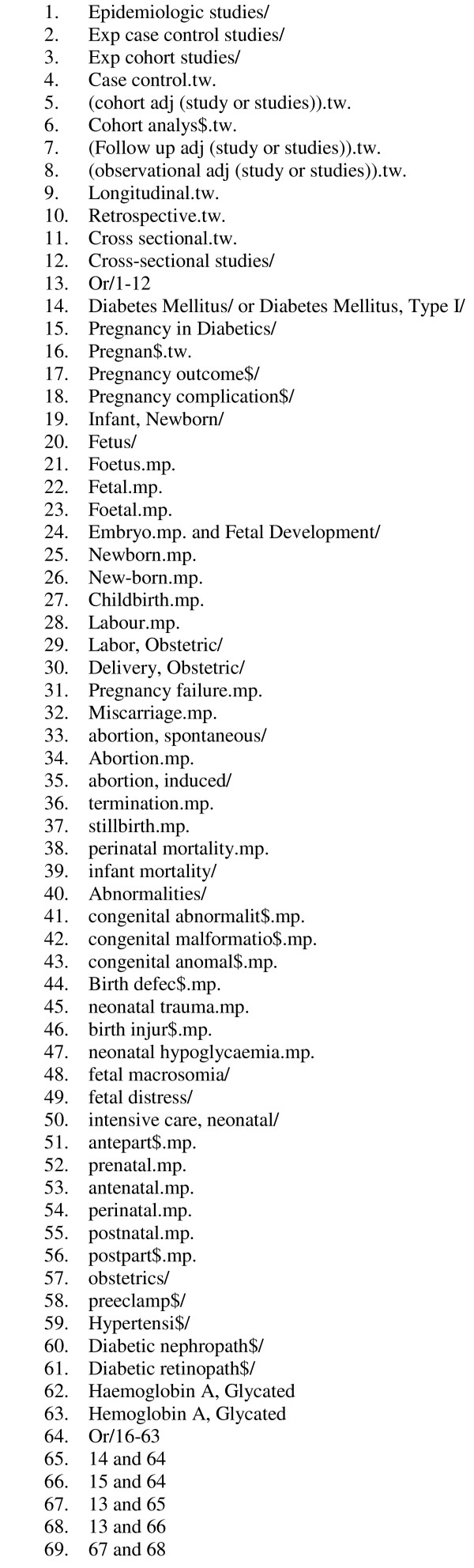
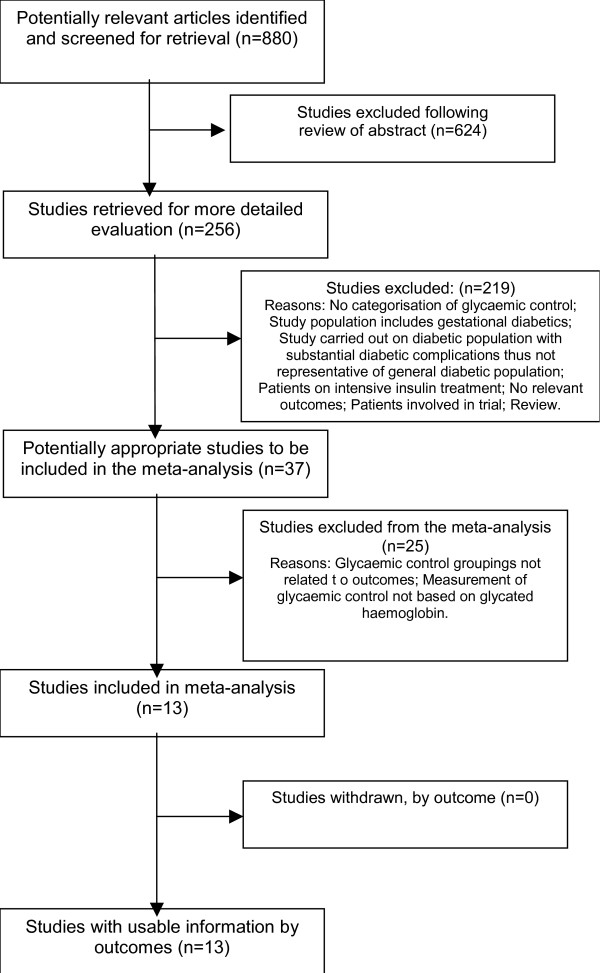
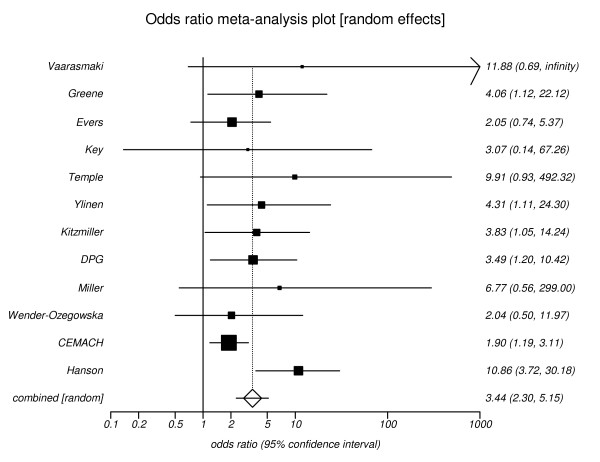
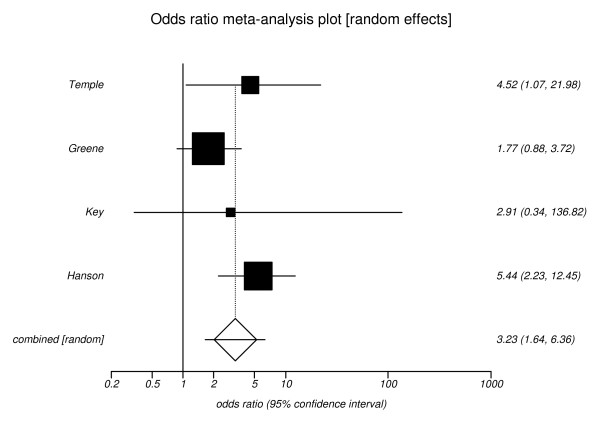
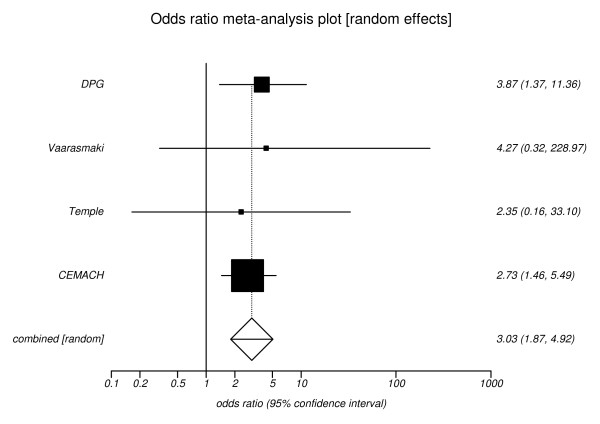
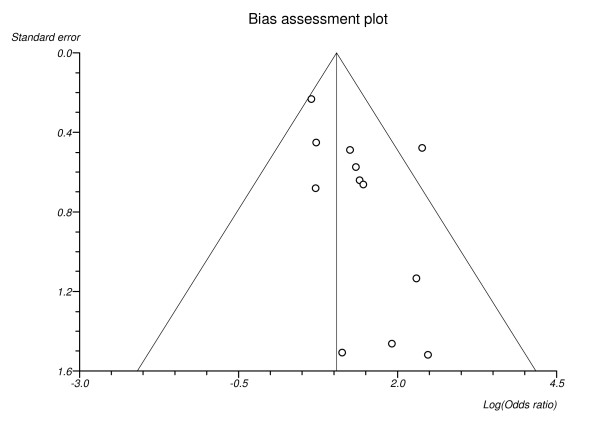
BACKGROUND: Glycaemic control in women with diabetes is critical to satisfactory pregnancy outcome. A systematic review of two randomised trials concluded that there was no clear evidence of benefit from very tight versus tight glycaemic control for pregnant women with diabetes. METHODS: A systematic review of observational studies addressing miscarriage, congenital malformations and perinatal mortality among pregnant women with type 1 and type 2 diabetes was carried out. Literature searches were performed in MEDLINE, EMBASE, CINAHL and Cochrane Library. Observational studies with data on glycated haemoglobin (HbA1c) levels categorised into poor and optimal control (as defined by the study investigators) were selected. Relative risks and odds ratios were calculated for HbA1c and pregnancy outcomes. Adjusted relative risk estimates per 1-percent decrease in HbA1c were calculated for studies which contained information on mean and standard deviations of HbA1c. RESULTS: The review identified thirteen studies which compared poor versus optimal glycaemic control in relation to maternal, fetal and neonatal outcomes. Twelve of these studies reported the outcome of congenital malformations and showed an increased risk with poor glycaemic control, pooled odds ratio 3.44 (95%CI, 2.30 to 5.15). For four of the twelve studies, it was also possible to calculate a relative risk reduction of congenital malformation for each 1-percent decrease in HbA1c, these varied from 0.39 to 0.59. The risk of miscarriage was reported in four studies and was associated with poor glycaemic control, pooled odds ratio 3.23 (95%CI, 1.64 to 6.36). Increased perinatal mortality was also associated with poor glycaemic control, pooled odds ratio 3.03 (95%CI, 1.87 to 4.92) from four studies. CONCLUSION: This analysis quantifies the increase in adverse pregnancy outcomes in women with diabetes who have poor glycaemic control. Relating percentage risk reduction in HbA1c to relative risk of adverse pregnancy events may be useful in motivating women to achieve optimal control prior to conception.
Overview
The claims and statistics of this paper haven’t been checked yet.
Free: it reads the open-access text and checks the first 5 claims that cite a source we can check. Create a free account to check every claim.
Integrity signals
Registry
Cites
Statistics
Figures
Verification
Claims the paper makes
The claims and statistics of this paper haven’t been checked yet.
Free: it reads the open-access text and checks the first 5 claims that cite a source we can check. Create a free account to check every claim.
Claims other papers make about this one
Each is checked against this paper’s own text: does it say what the citing paper says it does?
The cited source says what the claim attributes to it.
In the citing paper
“Maternal hyperglycemia in the first few weeks of pregnancy increases the risk of fetal malformations, spontaneous abortions, and perinatal mortality (14–18).”
From Diabetes and Pregnancy: An Endocrine Society Clinical Practice Guideline (2013) · cites this paper as [14]
In the citing paper
“Maternal hyperglycemia in the first few weeks of pregnancy increases the risk of fetal malformations, spontaneous abortions, and perinatal mortality (14–18).”
From Diabetes and Pregnancy: An Endocrine Society Clinical Practice Guideline (2013) · cites this paper as [14]
In the citing paper
“Maternal hyperglycemia in the first few weeks of pregnancy increases the risk of fetal malformations, spontaneous abortions, and perinatal mortality (14–18).”
From Diabetes and Pregnancy: An Endocrine Society Clinical Practice Guideline (2013) · cites this paper as [14]
Self-check
Percentages, sums and reported differences re-computed from the paper’s own numbers.
The self-check needs the paper’s full text.
Citations
Cites
2 retracted
Outcome of pregnancy in diabetic women in northeast England and in Norway, 1994-7
Hawthorne, G. (2000) · BMJ · doi:10.1136/bmj.321.7263.730 · Cited by 37 · cited 1×
“The presence of diabetes is said to increase the risk of congenital malformation (by ten-fold), the risk of stillbirth (by five-fold), and the risk of neonatal death (by three-fold) [2-7] These disappointing data are in contrast to the optimism of the 1989 St Vincent's Declaration that proposed as a five year target t…”
RetractedVery tight versus tight control for diabetes in pregnancy
Walkinshaw, S. (1996) · Cochrane Database of Systematic Reviews · doi:10.1002/14651858.cd000226 · Cited by 16
RetractedBias in meta-analysis detected by a simple, graphical test
Egger, M., Smith, G. D., Schneider, M., & Minder, C. (1997) · BMJ · doi:10.1136/bmj.315.7109.629 · Cited by 56,722
(1993) · New England Journal of Medicine · doi:10.1056/nejm199309303291401 · Cited by 24,667
Pharmacological interventions for somatoform disorders in adults
Kleinstäuber, M., Witthöft, M., Steffanowski, A., van Marwijk, H., Hiller, W., & Lambert, M. J. (2014) · Cochrane Database of Systematic Reviews · doi:10.1002/14651858.cd010628.pub2 · Cited by 11,335
QUANTITATIVE METHODS IN THE REVIEW OF EPIDEMIOLOGIC LITERATURE1
GREENLAND, S. (1987) · Epidemiologic Reviews · doi:10.1093/oxfordjournals.epirev.a036298 · Cited by 1,644 · cited 1×
“We calculated the 25th and 75th percentiles and divided the log relative risk by the difference of these 2 values to give an estimate of the effect of a 1-percent change in HbA1c [12].”
American Diabetes Association (2003) · Diabetes Care · doi:10.2337/diacare.26.2007.s106 · Cited by 988
Evers, I. M., de Valk, H. W., & Visser, G. H. A. (2004) · BMJ · doi:10.1136/bmj.38043.583160.ee · Cited by 775 · cited 5×
“Definitions for several of the outcomes varied across the studies, for example, the outcome of congenital malformations included both major and minor malformations in some studies [16,26] while in others only included major malformations [7,18].”
InfluentialMiller, E., Hare, J. W., Cloherty, J. P., Dunn, P. J., Gleason, R. E., Soeldner, J. S., & Kitzmiller, J. L. (1981) · New England Journal of Medicine · doi:10.1056/nejm198105283042204 · Cited by 665
Goldstein, D. E., Little, R. R., Lorenz, R. A., Malone, J. I., Nathan, D., Peterson, C. M., & Sacks, D. B. (2004) · Diabetes Care · doi:10.2337/diacare.27.7.1761 · Cited by 625 · cited 1×
“Glycated haemoglobin (HbA1c) reflects long-term glycaemic control and is a more accurate and stable measure than fasting blood glucose levels [ 9 ].”
Research works printed but not linked: 1
- CEMACH Confidential Enquiry into Maternal and Child Health: Pregnancy in Women with Type 1 and Type 2 Diabetes in 2002–03, England, Wales and Northern Ireland London 2005
Cited by
Items 101–200 of 233
Negrato, C. A., Marques, P. R., Leite, H. B., Torigoe, C. N., Silva, B. F., Costa, K., Kamei, J. M., Zampa, C. L., Toni, A. C. R. G., Pereira, I. C. G. S., et al. (2022) · Archives of Endocrinology and Metabolism · doi:10.20945/2359-3997000000521 · Cited by 23
Maternal and Neonatal Outcomes in Korean Women with Type 1 and Type 2 Diabetes
Kim, H., Jang, H.-J., Park, J.-E., Kim, M. Y., Ko, S.-Y., & Kim, S. (2015) · Diabetes & Metabolism Journal · doi:10.4093/dmj.2015.39.4.316 · Cited by 10
“The association of glycemic control with congenital malformations has been consistently documented [16].”
BackgroundXodo, S., Londero, A. P., D’Agostin, M., Novak, A., Galasso, S., Pittini, C., Baccarini, G., Grimaldi, F., & Driul, L. (2021) · Medicina · doi:10.3390/medicina57050461 · Cited by 12
“5%, women with diabetes have the lowest rates of adverse perinatal outcomes [4,5,17].”
BackgroundSemertzidou, A., Grout-Smith, H., Kalliala, I. E. J., Garg, A., Terzidou, V., Marchesi, J. R., MacIntyre, D. A., Bennett, P. R., Tsilidis, K. K., & Kyrgiou, M. (2023) · BMC Medicine · doi:10.1186/s12916-023-02758-1 · Cited by 16
Hendrieckx, C., Morrison, M., Audehm, R. G., Barry, A., Farrell, K., Houvardas, E., Nankervis, A. J., Porter, C., Scibilia, R., & Ross, G. P. (2021) · Diabetic Medicine · doi:10.1111/dme.14521 · Cited by 9
Marchincin, S. L., Howley, M. M., Zutphen, A. R. V., Fisher, S. C., Nestoridi, E., Tinker, S. C., Browne, M. L., & Study, N. B. D. P. (2022) · Birth Defects Research · doi:10.1002/bdr2.2050 · Cited by 17
“In addition, previous studies, including a systematic review, found that poor glycemic control was associated with a greater than threefold risk for birth defects compared to optimal glycemic control among pregnant women with pregestational diabetes (Inkster et al., 2006).”
BackgroundGestational Diabetes and Type 2 Diabetes During Pregnancy
Mukerji, G., Bacon, S., & Feig, D. S. (2019) · Elsevier eBooks · doi:10.1016/b978-0-12-814823-5.00022-2 · Cited by 13
Exercise for pregnant women with pre-existing diabetes for improving maternal and fetal outcomes
Brown, J., Ceysens, G., Boulvain, M., & West, H. (2017) · Cochrane Database of Systematic Reviews · doi:10.1002/14651858.cd012696 · Cited by 9
Gebe Okulu Eğitimlerinin Doğum Korkusu Üzerine Etkisi
Yazıcıoğlu, B., & Yavuz, E. (2022) · Turkish Journal of Family Practice · doi:10.54308/tahd.2022.98608 · Cited by 16
Skajaa, T., Kampmann, U., Fuglsang, J., & Ovesen, P. (2020) · Journal of Diabetes · doi:10.1111/1753-0407.13070 · Cited by 9
“Diabetes duration (years) 11 (4-19) 17 (9-23) 14 (8-22) 14 (10-17)”
Toft, J. H., Dalen, I., Skadberg, Ø., Gøransson, L. G., Økland, I., & Bleskestad, I. H. (2022) · Endocrinology Diabetes & Metabolism · doi:10.1002/edm2.376 · Cited by 8
“TBR2, % 7 (4, 10) 5 (3, 7) 6 (3, 9) 5 (3, 7) 4 (1, 7) 4 (2, 6)”
Long-term health consequences of poor nutrition during pregnancy
Miese-Looy, G., Rollings-Scattergood, J., & Yeung, A. (2008) · SURG Journal · doi:10.21083/surg.v1i2.421 · Cited by 12
Different intensities of glycaemic control for pregnant women with pre-existing diabetes
Middleton, P., Crowther, C. A., Simmonds, L., & Müller, P. (2010) · Cochrane Database of Systematic Reviews · doi:10.1002/14651858.cd008540.pub2 · Cited by 13
Rotem, R. S., Weisskopf, M. G., Bateman, B. T., Huybrechts, K. F., & Hernández–Díaz, S. (2024) · Human Reproduction · doi:10.1093/humrep/deae233 · Cited by 9
Therapeutic management of type 1 diabetes before and during pregnancy
Mathiesen, E. R., Ringholm, L., & Damm, P. (2011) · Expert Opinion on Pharmacotherapy · doi:10.1517/14656566.2011.540388 · Cited by 8
“Overall, the risk of an adverse outcome is halved with each percentage point HbA1C reduction achieved before pregnancy [15].”
BackgroundContraception use and knowledge related to pregnancy in diabetic women
Feutry, L., Barbe, C., Marquet-Dupont, A., Fèvre, A., Lukas-Croisier, C., Vitellius, G., Delemer, B., & Barraud, S. (2022) · Annales d Endocrinologie · doi:10.1016/j.ando.2022.01.007 · Cited by 7
Freimane, K. Z., Kerrigan, L., Eastwood, K., & Watson, C. J. (2022) · Frontiers in Bioengineering and Biotechnology · doi:10.3389/fbioe.2022.809528 · Cited by 7
Finnegan, C. L., Dicker, P., Asandei, D. R., Higgins, M., O’Gorman, N., Riordan, M. O., Dunne, F., Gaffney, G., Newman, C., McAuliffe, F. M., et al. (2024) · American Journal of Obstetrics & Gynecology MFM · doi:10.1016/j.ajogmf.2024.101297 · Cited by 10
Carlsson, I., Berg, M., Adolfsson, A., & Sparud‐Lundin, C. (2017) · International Journal of Qualitative Studies on Health and Well-Being · doi:10.1080/17482631.2017.1394147 · Cited by 13
“This is related to the increased risks for the expected child, including malformations, accelerated gestational weight, and adverse outcomes during childbirth and the neonatal period (Inkster et al., 2006; Kinsley, 2007; Persson, Norman, & Hanson, 2009).”
BackgroundSushko, K., Menezes, H. T., Butt, M. L., Nerenberg, K. A., Strachan, P. H., Usman, M. A., & Sherifali, D. (2022) · Diabetes Spectrum · doi:10.2337/ds22-0046 · Cited by 7
Obezite Hastalarında Sağlık Okuryazarlığı ile Sağlıklı Beslenme Tutumu İlişkisinin Değerlendirilmesi
Çın, A., Akkan, T., Dağdeviren, M., Şengezer, T., & Altay, M. (2022) · Turkish Journal of Family Practice · doi:10.54308/tahd.2022.42104 · Cited by 13
Azemi, M. E., Namjoyan, F., Khodayar, M. J., Ahmadpour, F., Padok, A. D., & Panahi, M. (2012) · Jundishapur Journal of Natural Pharmaceutical Products · doi:10.5812/jjnpp.6755 · Cited by 6
Nosova, E. V., O’Malley, G., Dassau, E., & Levy, C. J. (2020) · Journal of Diabetes · doi:10.1111/1753-0407.13030 · Cited by 8
“Consistent with Jovanovic's landmark outcome data from four decades ago, contemporary studies continue to demonstrate that tight glycemic control in pregnancies complicated by T1D is associated with improvement in maternal and fetal outcomes.(8,14,15,42,44,45) 3.”
ResultMcCance, D. R., & Cassidy, L. (2024) · Wiley eBooks · doi:10.1002/9781119697473.ch71 · Cited by 9
Bailey, S. C., Pack, A. P., Wismer, G. A., Calderon, N., Velazquez, E., Batio, S., Ekong, A., Eggleston, A., Wallia, A., Wolf, M. S., et al. (2023) · BMJ Open · doi:10.1136/bmjopen-2023-078282 · Cited by 5
Botto, L. D. (2020) · American Journal of Medical Genetics Part C Seminars in Medical Genetics · doi:10.1002/ajmg.c.31775 · Cited by 7
“Maternal diabetes is an established and strong risk factor for congenital heart defects (Lisowski et al., 2010), as well as for many other fetal and maternal adverse effects (Inkster et al., 2006; Wahabi, Alzeidan, Bawazeer, Alansari, & Esmaeil, 2010; Wahabi, Alzeidan, & Esmaeil, 2012).”
BackgroundSushko, K., Sherifali, D., Nerenberg, K. A., Strachan, P. H., & Butt, M. L. (2022) · BMJ Open · doi:10.1136/bmjopen-2022-062777 · Cited by 7
Anaokulu Çocuklarının Teknolojik Alet Kullanımı, Ebeveynlerinin Tutum ve Davranışları
Yıldız, H., Öztora, S., & Dağdeviren, H. N. (2022) · Turkish Journal of Family Practice · doi:10.54308/tahd.2022.32448 · Cited by 12
Koefoed, A. S., Knorr, S., Fuglsang, J., Leth‐Møller, M., Hulmán, Á., Jensen, D. M., Andersen, L. L. T., Rosbach, A. E., Damm, P., Mathiesen, E. R., et al. (2024) · Diabetes Care · doi:10.2337/dc23-2304 · Cited by 7
Use of Insulin Lispro Protamine Suspension in Pregnancy
Lapolla, A., Dalfrà, M. G., Romoli, E., Bonomo, M. A., & Moghetti, P. (2015) · Advances in Therapy · doi:10.1007/s12325-015-0244-y · Cited by 8
“Women with pre-existing type 1 diabetes (T1D) or type 2 diabetes (T2D) have increased risk of several maternal and fetal adverse outcomes during pregnancy [5–13].”
BackgroundGravidität bei vorbestehendem Diabetes (Update 2019)
Kautzky‐Willer, A., Harreiter, J., Winhofer-Stöckl, Y., Weitgasser, R., & Lechleitner, M. (2019) · Wiener klinische Wochenschrift · doi:10.1007/s00508-019-1456-y · Cited by 6
Finnegan, C. L., Smyth, S., Smith, O., Dicker, P., & Breathnach, F. (2022) · European Journal of Obstetrics & Gynecology and Reproductive Biology · doi:10.1016/j.ejogrb.2022.12.007 · Cited by 4
Sletten, J., Lund, A., Ebbing, C., Cornélissen, G., Aßmus, J., Kiserud, T., Albrechtsen, S., & Kessler, J. (2019) · Chronobiology International · doi:10.1080/07420528.2018.1561460 · Cited by 4
“The risk of complications in diabetic pregnancies is proportional to the elevation in the blood glucose concentration (HAPO Study Cooperative Research Group 2008, Inkster et al. 2006).”
BackgroundAile Hekimlerinin İletişim Becerileriyle Hastaya Yaklaşımları Arasındaki İlişkinin Değerlendirilmesi
Hakverdi, Ö. A. (2022) · Turkish Journal of Family Practice · doi:10.54308/tahd.2022.58561 · Cited by 5
Kautzky‐Willer, A., Harreiter, J., Weitgasser, R., & Lechleitner, M. (2016) · Wiener klinische Wochenschrift · doi:10.1007/s00508-015-0943-z · Cited by 6
Tıp Fakültesi Dönem 5 ve 6 Öğrencilerinin Melanom Hakkında Farkındalığı: Tanımlayıcı Bir Çalışma
Aksoy, H., Uyan, D. D., Dağcıoğlu, K., Durmuş, M., Sarı, E., Fidancı, İ., Başer, D. A., & Cankurtaran, M. (2022) · Turkish Journal of Family Practice · doi:10.54308/tahd.2022.29392 · Cited by 3
Gravidität bei vorbestehendem Diabetes (Update 2023)
Kautzky‐Willer, A., Winhofer, Y., Weitgasser, R., Lechleitner, M., & Harreiter, J. (2023) · Wiener klinische Wochenschrift · doi:10.1007/s00508-023-02188-2 · Cited by 4
Pregnancy and Childbirth Outcomes of Gestational Diabetes Mellitus: A Retrospective Cohort Study
Shirzadfardjahromi, M., Shekari, M., Ranjbar, A., Mehrnoush, V., Darsareh, F., & Roozbeh, N. (2024) · Disease and Diagnosis · doi:10.34172/ddj.1608 · Cited by 3
New Technologies for the Management of Pregestational Diabetes Mellitus
Lee-Parritz, A. (2012) · Obstetrical & Gynecological Survey · doi:10.1097/ogx.0b013e31824bb538 · Cited by 3
“trol during pregnancy with adverse outcomes, such as congenital anomalies and perinatal loss.(18) It would”
BackgroundRecommended Resources on Maternal Diabetes
Rajendram, R., Patel, V. B., & Preedy, V. R. (2017) · Springer eBooks · doi:10.1007/978-3-319-56440-1_37 · Cited by 3
Sushko, K., Wang, Q. R., Menezes, H. T., Fitzpatrick‐Lewis, D., & Sherifali, D. (2021) · JMIR Research Protocols · doi:10.2196/29727 · Cited by 4
“For women with both gestational and pre-existing diabetes, there is a strong inverse relationship between maternal glycemic control and adverse pregnancy outcomes [5,6].”
BackgroundKaya, A., & Gamsızkan, Z. (2022) · Turkish Journal of Family Practice · doi:10.54308/tahd.2022.22932 · Cited by 10
Geleneksel ve Tamamlayıcı Tıp Sağlık İnanış Ölçeğinin Türkçe Geçerlik ve Güvenirlik Çalışması
Görpelioğlu, S., Uslu, F., Emiroğlu, C., & Aypak, C. (2022) · Turkish Journal of Family Practice · doi:10.54308/tahd.2022.83007 · Cited by 4
Altmış Yaş ve Üzeri Hastaların İlaç Uyuncu Konulu Bir Eğitim Çalışması
Güner, M. Y., Kara, M., Kavukcu, N., Çevik, M., Gören, Y., Kocaarslan, D., Şengezer, T., & Aslan, D. (2022) · Turkish Journal of Family Practice · doi:10.54308/tahd.2022.81300 · Cited by 4
Dietary interventions in pregnancy for the prevention of gestational diabetes: a literature review
Michalopoulou, M., Jebb, S. A., & Astbury, N. M. (2023) · Proceedings of The Nutrition Society · doi:10.1017/s0029665123004822 · Cited by 4
Smart Insulin Pen in Pregnant Women with Type 1 Diabetes: An Encouraging Case Series
Resi, V., Gaglio, A., Pigotskaya, Y., Caretto, A., Orsi, E., & Grancini, V. (2024) · Healthcare · doi:10.3390/healthcare13010038 · Cited by 3
“Glycaemic control is the most important variable associated with good or poor pregnancy outcomes [1].”
Insulin Aspart in Diabetic Pregnancy: State of the Art
Mathiesen, E. R. (2008) · Women s Health · doi:10.2217/17455057.4.2.119 · Cited by 4
“Conversely, the risk of adverse outcome is halved with each percentage of HbA1c reduction prior to pregnancy [15].”
BackgroundAnti HCV seropozitif kişilerde moleküler HCV RNA test sonuçlarının değerlendirilmesi
Çelik, C., Gözel, M. G., Dayı, F., Kaygusuz, R., & Bakıcı, M. Z. (2013) · Turkish Journal of Family Practice · doi:10.2399/tahd.13.66376 · Cited by 4
Relação entre ganho de peso gestacional e composição corporal do concepto
Teles, L. D. F. D. S. (2021) · Digital Library of Theses and Dissertations (Universidade de São Paulo) · doi:10.11606/t.6.2021.tde-05042021-161019 · Cited by 8
Arshadi, M., Lotfi, M. H., Madadizadeh, F., Javaheri, A., & Soodejani, M. T. (2025) · Reproductive Health · doi:10.1186/s12978-025-02180-1 · Cited by 4
“Studies have shown that high β-hCG levels are associated with adverse pregnancy outcomes [261, 262].”
Contraception for Women with Medical Conditions
Russo, J. A., & Nelson, A. L. (2015) · Springer eBooks · doi:10.1007/978-3-319-20185-6_3 · Cited by 1
Contraception for Women with Medical Conditions
Nelson, A. L. (2020) · Current clinical practice · doi:10.1007/978-3-030-46391-5_15 · Cited by 3
Absence of sex differences in diabetes-induced suppression of KNDy neurons in rats
Otsuka, M., Iwata, K., Otsuka, Y., Uenoyama, Y., Ozawa, H., & Ishii, H. (2024) · Journal of Endocrinology · doi:10.1530/joe-23-0293 · Cited by 2
Dorney, E., & Black, K. I. (2024) · Australian Journal of General Practice · doi:10.31128/ajgp-08-23-6927 · Cited by 6
Mosaad, M. N., Awaad, M. H., El-hodairy, F. E.-H., El-Zayat, S. R., Ibrahim, S., Salama, S. F., & El-Azma, M. H. (2014) · International Journal of Pharmacy and Pharmaceutical Sciences · Cited by 2
Callec, R., Perdriolle-Galet, E., Séry, G. A., Lamy, C., Floriot, M., Fresson, J., & Morel, O. (2013) · Journal de gynécologie, obstétrique et biologie de la reproduction. Supplément/Journal de gynécologie obstétrique et biologie de la reproduction · doi:10.1016/j.jgyn.2013.10.012 · Cited by 7
Preconception Care for Women with Type 1 and Type 2 Diabetes—The Same But Different
Keely, E. (2012) · Canadian Journal of Diabetes · doi:10.1016/j.jcjd.2012.03.001 · Cited by 3
Pre-conception care for women with diabetes: A public health issue
Hughes, C., Spence, D., Alderdice, F. A., & Gormley, K. J. (2016) · British Journal of Midwifery · doi:10.12968/bjom.2016.24.6.422 · Cited by 3
Sangtani, A., Owens, L. E., Broome, D. T., Gogineni, P., Herman, W. H., Harris, L. H., & Oshman, L. D. (2023) · Current Diabetes Reports · doi:10.1007/s11892-023-01512-4 · Cited by 2
Kautzky‐Willer, A., Weitgasser, R., & Lechleitner, M. (2012) · Wiener klinische Wochenschrift · doi:10.1007/s00508-012-0285-z · Cited by 2
Thompson, D. M., Berger, H. M., Feig, D. S., Gagnon, R. J., Kader, T., Keely, E., Kozak, S. E., Ryan, E. A., Sermer, M., & Vinokuroff, C. (2013) · Canadian Journal of Diabetes · doi:10.1016/j.jcjd.2013.07.040 · Cited by 8
Никонова, Л. В., Tishkovskiy, S. V., Hadomskaya, V. I., Davydchyk, E. V., & Gulinskaya, O. V. (2017) · Journal of the Grodno State Medical University · doi:10.25298/2221-8785-2017-15-3-255-260 · Cited by 2
Middleton, P., Crowther, C. A., Simmonds, L., & Müller, P. (2010) · Cochrane Database of Systematic Reviews · doi:10.1002/14651858.cd008540 · Cited by 2
Aubry, E. M., Oelhafen, S., Fankhauser, N., Raio, L., & Cignacco, E. L. (2019) · bioRxiv (Cold Spring Harbor Laboratory) · doi:10.1101/559856 · Cited by 2
Schiller, T., Gassner, T., Shafran, Y. W., Knobler, H., Schiller, O., & Kirzhner, A. (2024) · Healthcare · doi:10.3390/healthcare12030406 · Cited by 2
“…diabetes mellitus increases the risk of maternal and fetal complications (congenital malformations, small for gestational age, large for gestational age, macrosomia, prematurity, respiratory distress, and jaundice) and labor complications (cesarean delivery, shoulder dystocia) [11–13].”
BackgroundObesity, Prediabetes and Diabetes in Adolescents and Women: Evidence-Based Interventions
Lassi, Z. S., & Bhutta, Z. A. (2014) · Nestlé Nutrition Institute Workshop series · doi:10.1159/000360350 · Cited by 3
Devido, J. (2014) · D-Scholarship@Pitt (University of Pittsburgh) · Cited by 3
Diabète, grossesse, contraception et ménopause
Lorenzini-Grandmottet, F., Parant, O., Coustols-Valat, M., Rimareix, F., Guyard-Boileau, B., Grandmottet, M., & Gourdy, P. (2016) · Cited by 1
(2013) · Canadian Journal of Diabetes · doi:10.1016/j.jcjd.2013.02.036 · Cited by 6
ŞAHİN, F., & Çakmak, M. (2022) · Turkish Journal of Family Practice · doi:10.54308/tahd.2022.83803 · Cited by 1
Bir Gebeliğe Hazırlanmak: Prekonsepsiyonel-interkonsepsiyonel Bakım ve Danışmanlık
Gönenç, İ., & Vural, Z. T. (2022) · Turkish Journal of Family Practice · doi:10.54308/tahd.2022.08379 · Cited by 3
Hastanede Yatan COVID-19 Tanılı Hastalarda Yoğun Bakım Gereksinimini Etkileyen Faktörler
Akpınar, F. B., Tuncer, M., Yazıcı, E., & Dayan, A. (2022) · Turkish Journal of Family Practice · doi:10.54308/tahd.2022.29484 · Cited by 1
İhmal Edilen Önemli Bir Konu, “Kötü Haber Verme”: Hekimler Ne Biliyorlar?
Akbayram, H. T., Keten, H. S., & Nariçi, B. (2022) · Turkish Journal of Family Practice · doi:10.54308/tahd.2022.36035 · Cited by 2
Tıp Fakültesi Öğrencilerinin Kanıta Dayalı Tıp Farkındalık Düzeyleri
Arslan, M., Arslan, E. K., Küçükerdem, H. S., Çakır, M., Koç, E. M., Sözmen, M. K., Pamuk, G., & Kaplan, Y. C. (2022) · Turkish Journal of Family Practice · doi:10.54308/tahd.2022.24008 · Cited by 1
Mit automatischer Insulindosierung durch die Schwangerschaft
Thomas, A. (2024) · Info Diabetologie · doi:10.1007/s15034-023-4910-x · Cited by 1
Evaluation of Maternal Risk Factors for Neonatal Hypernatremic Dehydration: A Systematic Review.
Zakerihamidi, M., Rakhshanizadeh, F., Ali, M., Ramezani, A., & Hassan, B. (2024) · PubMed Central · doi:10.34763/jmotherandchild.20232701.d-24-00007 · Cited by 1
“Breastfeeding initiation is a challenge for diabetic mothers due to the increased incidence of pregnancy and delivery complications, caesarean sections, instrumental labour, as well as increased neonatal complications, such as prematurity, respiratory distress, and poor sucking (31, 32).”
Neonatal outcomes following planned preterm delivery in diabetic mothers
Cope, E. V., Sultana, N., Masson, E. A., Allen, B., Oboh, A., Wilkinson, L., Wood, C. M., & Lindow, S. W. (2017) · Journal of Neonatal-Perinatal Medicine · doi:10.3233/npm-915148 · Cited by 1
Pregravid preparation of diabetic women
Grigoryan, O. R., Волеводз, Н. Н., & En, A. (2016) · Terapevticheskii arkhiv · doi:10.17116/terarkh2016887114-119 · Cited by 1
“Снижение уровня HbA1с на 1% приводит к уменьшению относительного риска развития ВПР на 0,4—0,6% [4].”
Le diabète gestationnel : diagnostic et prise en charge
Meykiechel, T., Bourcigaux, N., & Christin‐Maître, S. (2023) · Anesthésie & Réanimation · doi:10.1016/j.anrea.2023.05.002 · Cited by 8
Prepregnancy Care for Type 1 and Type 2 Diabetes
Temple, R. (2010) · Wiley eBooks · doi:10.1002/9781444315196.ch8 · Cited by 2
Diabetes Mellitus in Pregnancy
Greene, M. F., Solomon, C. G., Lee, S. L., & Peterfreund, R. A. (2010) · Wiley eBooks · doi:10.1002/9781444323016.ch11 · Cited by 1
Renin Angiotensin System Polymorphisms and Pregnancy Complications
Zhou, A. (2012) · Adelaide Research & Scholarship (AR&S) (University of Adelaide) · Cited by 1
Cundy, T. (2016) · Wiley eBooks · doi:10.1002/9781118924853.ch61 · Cited by 2
Pregestational Diabetes Mellitus
Norwitz, E. R., Saade, G. R., Miller, H. S., & Davidson, C. M. (2016) · Wiley eBooks · doi:10.1002/9781118849897.ch13 · Cited by 1
Salt, Diet, and Metabolic Factors Affecting Breastfeeding
Verd, S. (2012) · Humana Press eBooks · doi:10.1007/978-1-62703-224-7_18
“This is due to increased occurrence of complicated pregnancy and labor [ 34 ] , and neonatal morbidity [ 35, 36 ] .”
BackgroundInternetvanor hos barnafödande kvinnor med typ 1 diabetes
Flood, A., & Gamberg, K. (2011) · Gothenburg University Publications Electronic Archive (Gothenburg University)
Fetal Surveillance in Diabetes in Pregnancy
Girling, J., & Dixit, A. (2010) · Wiley eBooks · doi:10.1002/9781444315196.ch12
Khan, M. A., Potdar, N., & Konje, J. C. (2021) · Wiley eBooks · doi:10.1002/9781119622215.ch12
Malformations and Miscarriages in Diabetes in Pregnancy
Mathiesen, E. R., & Damm, P. (2010) · Wiley eBooks · doi:10.1002/9781444315196.ch14 · Cited by 1
Type 1 diabetes in pregnancy-Perinatal outcome with special reference to fetal macrosomia
Persson, M. (2012) · Figshare
Albai, A., Șerban, V., Timar, R. Z., Vlad, A., Timar, B., Cristina, I., & Sdic, O. (2012) · Romanian Journal of Diabetes Nutrition and Metabolic Diseases · doi:10.2478/v10255-012-0028-y
“There are evidence that a poor metabolic control during the first period of pregnancy correlates with severe pregnancy outcomes [13].”
BackgroundHypoglycemia-Induced Hemiparesis in a Diabetic Woman after Childbirth
Kukaj, V., Jashari, F., Boshnjaku, D., Istrefi, E., & Ibrahimi, P. (2015) · Case Reports in Neurological Medicine · doi:10.1155/2015/210613
“Since there is a physiological need for more insulin than usual during pregnancy (up to 2-3 times more), pregnant woman needs to control the successively increased insulin need through frequent blood glucosemeasures and continuous insulin dose increase combined with a structured diet and activity plan [11].”
BackgroundEVIDENCE‐BASED PRACTICE: Current Resources for Evidence‐Based Practice, July/August 2007
Sakala, C. (2007) · Journal of Midwifery & Women s Health · doi:10.1016/j.jmwh.2007.05.001
RATES AND DETERMINANTS OF PRETERM BIRTH IN PREGNANCIES COMPLICATED BY DIABETES MELLITUS
Jones, D. (2014) · DalSpace (Dalhousie University)
Exploration of predictive factors
Sparud‐Lundin, C., Wennergren, M., & Berg, M. (2011)
Verier‐Mine, O., Dorey, F. J., Bacri, J.-L., & Quiquempois, H. (2012) · EMC - Endocrinologie - Nutrition · doi:10.1016/s1155-1941(12)40976-3 · Cited by 1
Early pregnancy loss and perinatal mortality
Tenenbaum-Gavish, K., Oron, G., & Chen, R. (2008) · Series in maternal-fetal medicine · doi:10.3109/9781439802007.064
Stupin, J. H. (2012) · Info Diabetologie · doi:10.1007/s15034-012-0117-2
Diabetes, embarazo, anticoncepción y menopausia
Lorenzini-Grandmottet, F., Parant, O., Coustols-Valat, M., Rimareix, F., Guyard-Boileau, B., Grandmottet, M., & Gourdy, P. (2016) · EMC - Tratado de Medicina · doi:10.1016/s1636-5410(16)80655-8 · Cited by 1
Psychosocial aspects of diabetes in pregnancy
Sharma, J. B., & Zangmo, R. (2016) · Journal of Social Health and Diabetes · doi:10.4103/2321-0656.193993
“Poor glycemic control of diabetes in itself is associated with increased incidence of miscarriage in the first trimester.([6]) Due to a failed pregnancy, spontaneous miscarriage, or induced abortion in view of malformations, the woman is left in a profound grief.”
Background
Metadata
- Authors
- Inkster, M. E., Fahey, T. P., Donnan, P. T., Leese, G. P., Mires, G. J., & Murphy, D. J.
- Affiliations
- University of Dundee (GB)
- Royal College of Surgeons in Ireland (IE)
- Ninewells Hospital (GB)
- Trinity College Dublin (IE)
- Corresponding author
- Inkster, Melanie E
- Venue
- BMC Pregnancy and Childbirth
- Published
- 2006-10-30
- Volume
- 6
- Issue
- 1
- Pages
- 30-30
- ISSN
- 1471-2393 (ISSN-L)
- PMC
- PMC1635059
- OpenAlex
- W2133189589
- Cited by
- 233
- References
- 40
- Citations by year
- 2026: 3 · 2025: 5 · 2024: 15 · 2023: 23 · 2022: 27 · 2021: 11 · 2020: 11 · 2019: 12 · 2018: 9 · 2017: 13 · 2016: 15 · 2015: 9 · 2014: 16 · 2013: 15 · 2012: 15
- FWCI
- 0.83
- Type
- journal article
- Language
- en
- Open access
- gold
- doi.org
- Licence
- cc-by
- creativecommons.org/licenses/by/2.0 (tdm)
- Locations
- BMC Pregnancy and Childbirth (publishedVersion, cc-by)
- PubMed (publishedVersion)
- Aberdeen University Research Archive (Aberdeen University) (submittedVersion)
- Discovery Research Portal (University of Dundee) (submittedVersion, cc-by)
- DOAJ (DOAJ: Directory of Open Access Journals) (submittedVersion, cc-by-sa)
- Figshare (submittedVersion, cc-by-nc-nd)
- Topics
- Health Sciences › Medicine › Obstetrics and Gynecology › Gestational Diabetes Research and Management
- Health Sciences › Medicine › Public Health, Environmental and Occupational Health › Pregnancy and Medication Impact
- Health Sciences › Medicine › Endocrinology, Diabetes and Metabolism › Diabetes Management and Research
- Keywords
- HbA1c, glycemic control, pregnancy outcomes, type 1 diabetes, type 2 diabetes, congenital malformations, miscarriage, perinatal mortality, maternal outcomes, neonatal outcomes, preconception care
About these checks
Registry, retraction, Cites and statistics results are computed, not judged, with one exception: a printed reference that no index lists is read once by a model before it counts as a citation error. Claims are extracted by a model and kept only when their quote appears verbatim in the text; each cited source is then checked, with a model’s help, for whether it says what the claim relies on. Those verdicts can be wrong — read the claim’s quote and the cited source before relying on one.
Statistics and arithmetic are recomputed, not judged.
Confidence bands are shown only for fields calibrated on our annotated test set. None is calibrated yet, so no band is shown.
What counts as a claim ›How we measure confidence ›How we check this ›
Are you an author, or do you see a problem with this page? Request a review
Data sources
Bibliographic data: Semantic Scholar, OpenAlex, Crossref.
Contains information from the Semantic Scholar Academic Graph Datasets, made available under the ODC Attribution License (ODC-BY 1.0).
Semantic Scholar’s data is described in: Kinney, R., et al. (2023). The Semantic Scholar Open Data Platform. arXiv:2301.10140.
