

Breastfeeding promotion interventions and breastfeeding practices: a systematic review
Open accessThe DOI matches its Crossref record; 123 of the 123 references it cites were found in a registry or an index.
Abstract
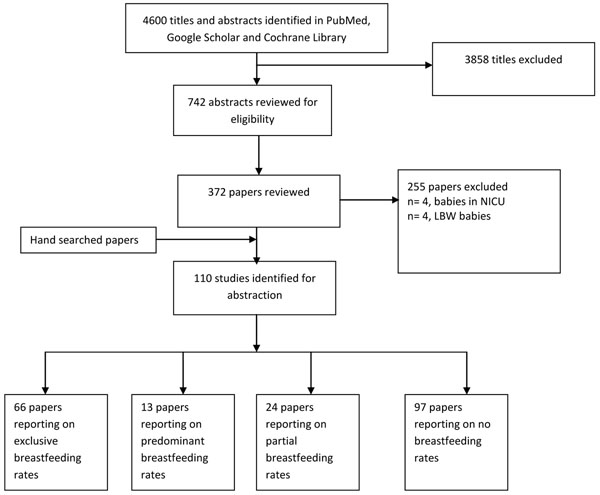
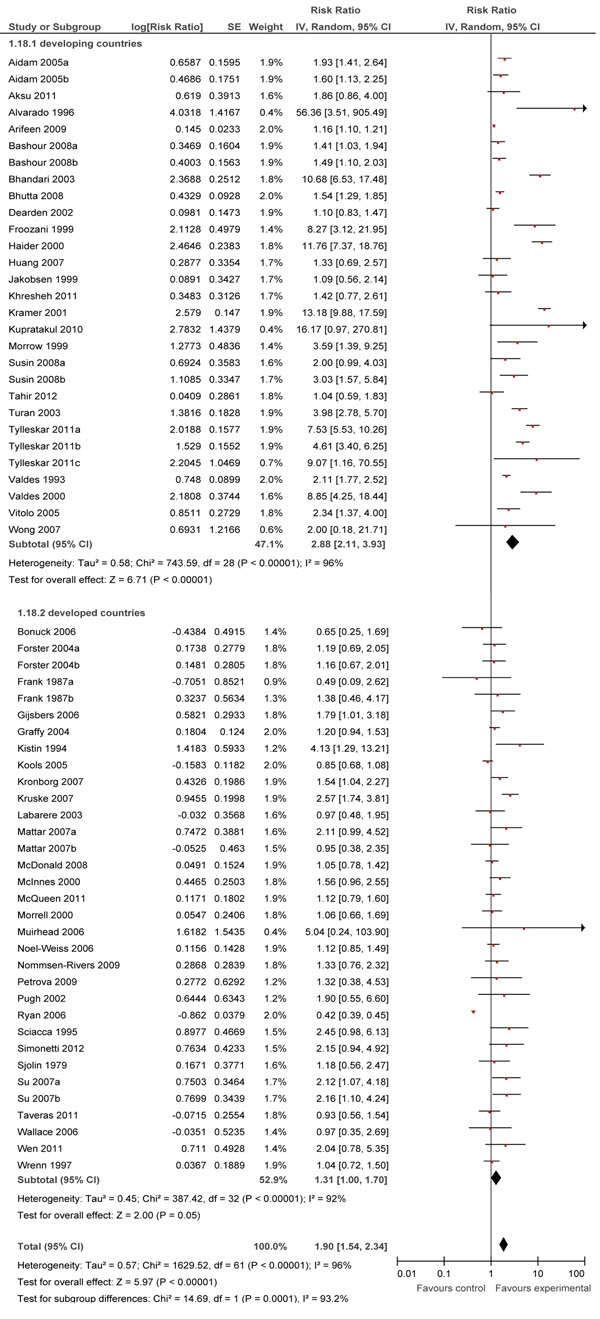
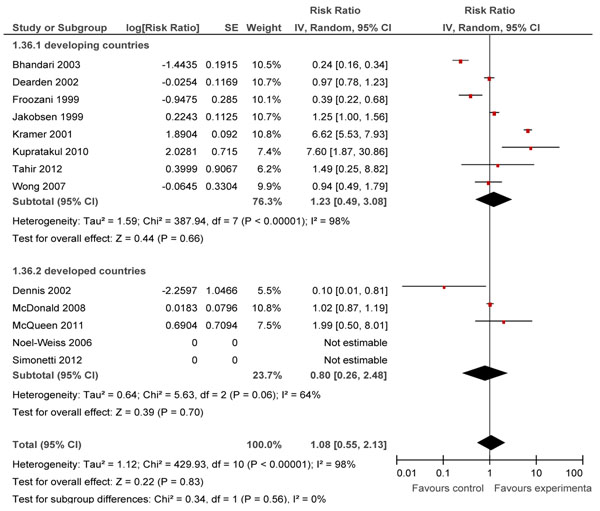
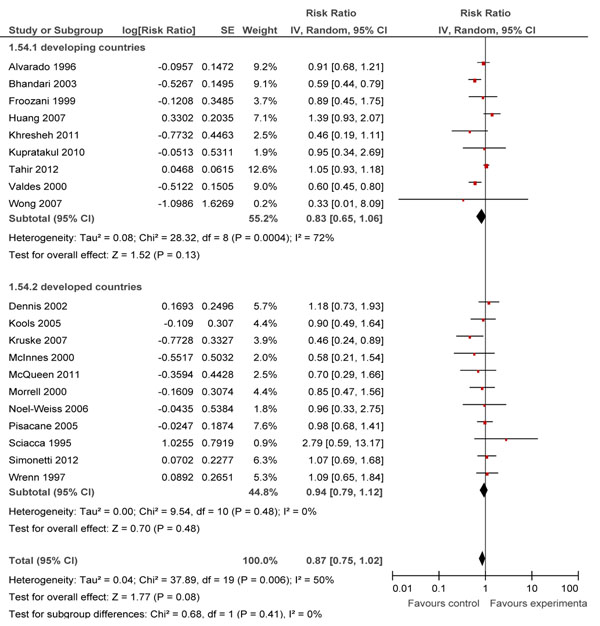
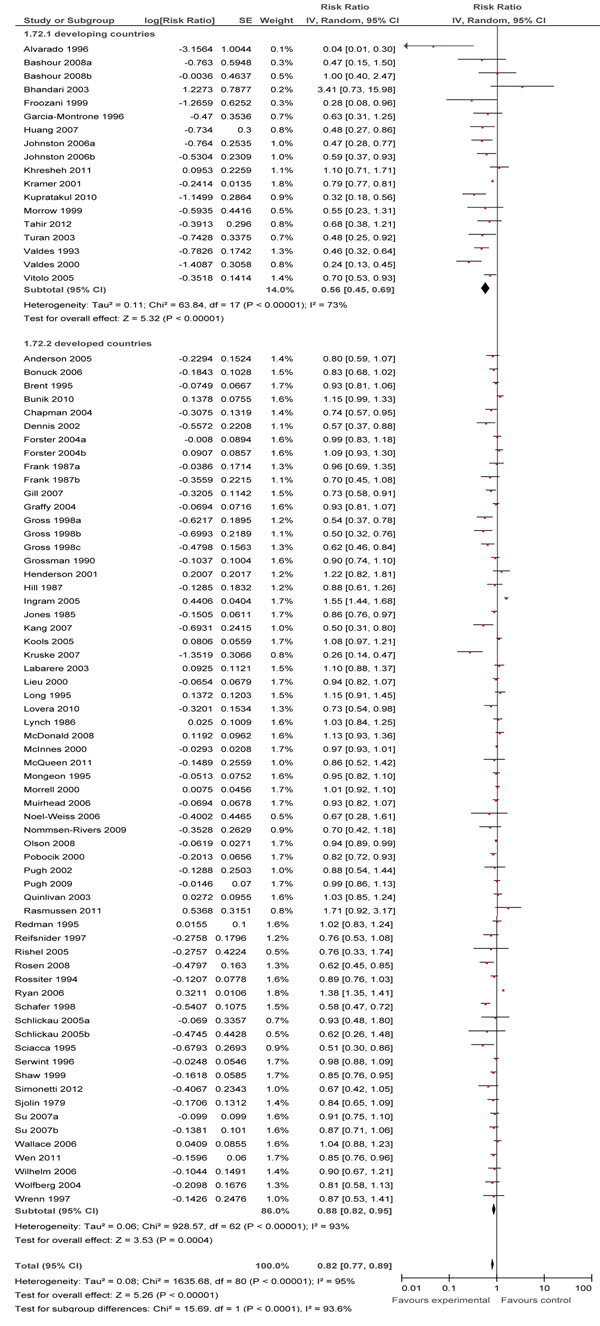
INTRODUCTION: Exclusive Breastfeeding (EBF) rates remain low in both low-income and high-income countries despite World Health Organization recommendations for EBF till 6 months. Breastfeeding has been shown to have a protective effect against gastrointestinal infections, among other benefits. Large-scale interventions focusing on educating mothers about breastfeeding have the potential to increase breastfeeding prevalence, especially EBF, up to recommended standards and also to decrease infant morbidity. METHODS: A systematic literature search was conducted for RCTs and quasi-experimental studies comparing breastfeeding education or support to routine care. The effect of interventions was observed for exclusive, predominant, partial and no breastfeeding rates. The time intervals of interest were day 1, <1 month, and 1 to 5 months. Outcome-specific evidence was graded according to the Child Health Epidemiology Reference Group (CHERG) rules using the adapted Grading of Recommendations, Assessment, Development and Evaluation (GRADE) criteria and recommendations were made from studies in developing countries for inclusion into the Lives Saved Tool (LiST) model. RESULTS: After reviewing 4600 abstracts, 372 studies were selected for full text screening and 110 of these studies were finally included. Statistically significant increases in EBF rates as a result of breastfeeding promotion interventions were observed: 43% at day 1, 30% at <1 month, and 90% at 1-5 months. Rates of 'no breastfeeding' reduced by 32% at 1 day, 30% at <1 month, and 18% at 1-5 months. The effect of interventions on the rates of predominant and partial breastfeeding were non-significant. CONCLUSION: Breastfeeding education and/or support increased EBF rates and decreased no breastfeeding rates at birth, <1 month and 1-5 months. Combined individual and group counseling appeared to be superior to individual or group counseling alone. Interventions in developing countries had a greater impact than those in developed countries.
Overview
The claims and statistics of this paper haven’t been checked yet.
Free: it reads the open-access text and checks the first 5 claims that cite a source we can check. Create a free account to check every claim.
Integrity signals
Registry
Cites
Statistics
Figures
Verification
Claims the paper makes
The claims and statistics of this paper haven’t been checked yet.
Free: it reads the open-access text and checks the first 5 claims that cite a source we can check. Create a free account to check every claim.
Claims other papers make about this one
Each is checked against this paper’s own text: does it say what the citing paper says it does?
The source backs part of the claim, not all of it — or backs it for a different population, condition or comparison.
In the citing paper
“According to systematic reviews and meta-analyses, breastfeeding support interventions that focus on prenatal/antenatal education and continuous long-term care reinforce the intention of women to breastfeed antenatally; such interventions are supportive of the duration and exclusivity of breastfeeding, and are characterized as effective [9,10,11,12,13,14,15,16,17].”
From Association between Breastfeeding Duration and Long-Term Midwifery-Led Support and Psychosocial Support: Outcomes from a Greek Non-Randomized Controlled Perinatal Health Intervention (2021) · cites this paper as [16]
Experimental — accuracy not yet measured
Self-check
Percentages, sums and reported differences re-computed from the paper’s own numbers.
The self-check needs the paper’s full text.
Citations
Cites
Grading quality of evidence and strength of recommendations
(2004) · BMJ · doi:10.1136/bmj.328.7454.1490 · Cited by 8,477 · cited 1×
“according to the CHERG adaptation of the GRADE technique [27].”
MethodKramer, M. S., Chalmers, B., Hodnett, E. D., Sevkovskaya, Z., Dzikovich, I., Shapiro, S., Collet, J.-P., Vanilovich, I., Mezen, I., Ducruet, T., et al. (2001) · JAMA · doi:10.1001/jama.285.4.413 · Cited by 1,534
Breastfeeding and the risk for diarrhea morbidity and mortality
Lamberti, L. M., Fischer Walker, C. L., Noiman, A., Victora, C., & Black, R. E. (2011) · BMC Public Health · doi:10.1186/1471-2458-11-s3-s15 · Cited by 657
Variables Associated With Breastfeeding Duration
Thulier, D., & Mercer, J. (2009) · Journal of Obstetric, Gynecologic & Neonatal Nursing · doi:10.1111/j.1552-6909.2009.01021.x · Cited by 606
Kumar, V., Mohanty, S., Kumar, A., Misra, R. P., Santosham, M., Awasthi, S., Baqui, A. H., Singh, P., Singh, V., Ahuja, R. C., et al. (2008) · The Lancet · doi:10.1016/s0140-6736(08)61483-x · Cited by 498
Morrow, A. L., Guerrero, M. L., Shults, J., Calva, J. J., Lutter, C., Bravo, J., Ruiz-Palacios, G., Morrow, R. C., & Butterfoss, F. D. (1999) · The Lancet · doi:10.1016/s0140-6736(98)08037-4 · Cited by 414
Haider, R., Ashworth, A., Kabir, I., & Huttly, S. R. (2000) · The Lancet · doi:10.1016/s0140-6736(00)03159-7 · Cited by 396
Dennis, C., HODNETT, E. D., Gallop, R., & CHALMERS, B. E. (2002) · PubMed Central · Cited by 383
Bhandari, N., Bahl, R., Mazumdar, S., Martines, J., Black, R. E., & Bhan, M. K. (2003) · The Lancet · doi:10.1016/s0140-6736(03)13134-0 · Cited by 376
Global trends in exclusive breastfeeding
Cai, X., Wardlaw, T., & Brown, D. W. (2012) · International Breastfeeding Journal · doi:10.1186/1746-4358-7-12 · Cited by 362
Research works printed but not linked: 7
- UNICEF A Report Card on Nutrition: Number 4 2006
- WHO UNICEF Integrated management of childhood illness: chartbook and training course 1995 Geneva: World Health Organization PMC2557738 10593034
- RevMan The Cochrane Colloboration. Review Manager (RevMan) 5 for Windows 2003 Oxford, England
- WHO Indicators for assessing breastfeeding practices 1991 91 WHO Geneva, Switzerland: WHO Document WHO/CDD/SER 14
- WHO Indicators for Assessing Infant and Young Child Feeding Practices: Conclusions of a Consensus Meeting Held 6-8 November 2007 in Washington DC, USA 2008 World Health Organization (WHO)
- Langer A Intrapartum Social Support and Exclusive Breastfeeding in Mexico. Wellstart International, Expanded Promotion of Breastfeeding Program Exclusive Breastfeeding Promotion: A Summary of Findings from EPB's Applied Research Program (1992-1996) 1996
- Wrenn SE Effects of a model-based intervention on breastfeeding attrition [dissertation] 1997 San Antonio: University of Texas
Cited by
Items 201–300 of 458
Dagla, M., Mrvoljak-Theodoropoulou, I., Vogiatzoglou, M., Giamalidou, A., Tsolaridou, E., Mavrou, M., Dagla, C., & Antoniou, E. (2021) · International Journal of Environmental Research and Public Health · doi:10.3390/ijerph18041988 · Cited by 15
Persistent inequities in maternal mortality in Latin America and the Caribbean, 1990–2019
Sáenz, R., Nígenda, G., Gómez‐Duarte, I., Rojas, K., Castro, A., & Servan-Mori, E. E. (2024) · International Journal for Equity in Health · doi:10.1186/s12939-024-02100-y · Cited by 24
“…stimulate the use of services by delivering cash [61] and non-monetary transfers [62, 63] aimed at women, the deployment of community strategies [64–67] on the importance of maternal health (e.g. through educational campaigns) and improving the quality of care with a rights perspective and…”
BackgroundAmarante, V., Figueroa, N., & Ullman, H. (2018) · Oxford Development Studies · doi:10.1080/13600818.2018.1461821 · Cited by 18
Reaching the Global Target for Breastfeeding
Walters, D., Eberwein, J. D., Sullivan, L., & Shekar, M. (2017) · World Bank, Washington, DC eBooks · doi:10.1596/978-1-4648-1010-7_ch5 · Cited by 16
Hackman, N. M., Sznajder, K. K., & Kjerulff, K. H. (2022) · Breastfeeding Medicine · doi:10.1089/bfm.2021.0338 · Cited by 15
“26 While we do not know how often the fathers in our study attended breastfeeding classes with their partners, there is evidence that father-focused breastfeeding classes help fathers to understand the value and importance of breastfeeding their child.”
Darboe, M. L., Jeyakumar, A., Mansour, S. M. A., & Valawalkar, S. (2023) · International Breastfeeding Journal · doi:10.1186/s13006-023-00570-4 · Cited by 16
Xu, J., Wang, Y., & Tang, W. (2018) · Community Mental Health Journal · doi:10.1007/s10597-018-0256-6 · Cited by 15
The Maternal Ecology of Breastfeeding: A Life Course Developmental Perspective
Whipps, M. D. M., Yoshikawa, H., & Godfrey, E. B. (2018) · Human Development · doi:10.1159/000487977 · Cited by 15
Amadhila, J. N., & Rensburg, G. H. V. (2020) · International Breastfeeding Journal · doi:10.1186/s13006-020-00336-2 · Cited by 15
Albelbeisi, A., Shariff, Z. M., Mun, C. Y., Rahman, H. A., & Abed, Y. A. (2020) · Nutrition Journal · doi:10.1186/s12937-020-00652-7 · Cited by 18
Locks, L. M., Dahal, P., Pokharel, R., Joshi, N., Paudyal, N., Whitehead, R. D., Chitekwe, S., Mei, Z., Lamichhane, B., Garg, A., et al. (2018) · Maternal and Child Nutrition · doi:10.1111/mcn.12693 · Cited by 15
Park, J., Siden, E. G., Harari, O., Dron, L., Mazoub, R., Jeziorska, V., Zannat, N.-E., Gadalla, H., Thorlund, K., & Mills, E. J. (2020) · Gates Open Research · doi:10.12688/gatesopenres.13082.2 · Cited by 13
CSR signals: exploring their use in controversial industries
Sardanelli, D., Conte, F., Vollero, A., & Siano, A. (2021) · Italian Journal of Marketing · doi:10.1007/s43039-021-00030-z · Cited by 22
The acceptability of dietary tools to improve maternal and child nutrition in Western Kenya
Kram, N., Melgen, S., Kedera, E., Collison, D. K., Colton, J. S., Blount, W., Grant, F. K. E., & Girard, A. W. (2015) · Public Health Nutrition · doi:10.1017/s1368980015003213 · Cited by 15
Eluri, S., Baliga, B. S., Rao, S., Vinayagamoorthy, V., & Kamath, N. (2022) · Maternal and Child Health Journal · doi:10.1007/s10995-022-03409-2 · Cited by 24
“concluded that maternal education, either in groups or individually, is an effective means of increasing EBF practice (Haroon et al., 2013).”
BackgroundEngelhart, A., Mason, S., Nwaozuru, U., Obiezu‐Umeh, C., Carter, V., Shato, T., Gbaja-Biamila, T. A., Oladele, D. A., & Iwelunmor, J. (2022) · Frontiers in Health Services · doi:10.3389/frhs.2022.889390 · Cited by 24
Employee lactation: A review and recommendations for research, practice, and policy
Thomas, C. L., Murphy, L. D., Mills, M. J., Zhang, J., Fisher, G. G., & Clancy, R. L. (2021) · Human Resource Management Review · doi:10.1016/j.hrmr.2021.100848 · Cited by 22
Smith, J., Borg, B., Iellamo, A. D., Nguyen, T. T., & Mathisen, R. (2023) · Frontiers in Sustainable Food Systems · doi:10.3389/fsufs.2023.1155279 · Cited by 15
Bazzano, A. N., Oberhelman, R. A., Potts, K. S., Taub, L. D., & Var, C. (2015) · International Journal of Women s Health · doi:10.2147/ijwh.s76343 · Cited by 13
“The same review also concluded that combined individual and group counseling appeared to be superior to either alone.(15) Another review that focused on low-income countries with subgroup analyses indicated that breastfeeding promotion interventions led to a 1.”
Martínez, J. V. B., Valcarce-Pérez, I., Ojeda, J. N. E., Hernández-Gil, A., Jiménez, M. D. P. M., & Albareda, M. B. (2018) · Anales de Pediatría · doi:10.1016/j.anpedi.2018.02.007 · Cited by 21
Chipojola, R., Khwepeya, M., Gondwe, K. W., Rias, Y. A., & Huda, M. H. (2022) · Journal of Human Lactation · doi:10.1177/08903344221097689 · Cited by 16
“Based on a prior study (Haroon et al., 2013), we included studies with time intervals of 1 month (end of early postpartum to 30 days), and 1–5 months (2nd month to the end of 6 months).”
MethodResultInfluentialSherman, G. D., Vallen, B., Finkelstein, S. R., Connell, P. M., Boland, W. A., & Feemster, K. A. (2021) · Journal of Consumer Affairs · doi:10.1111/joca.12401 · Cited by 13
Tobacco price and use following California Proposition 56 tobacco tax increase
Gunadi, C., Benmarhnia, T., White, M. M., Pierce, J. P., McMenamin, S. B., Leas, E. C., & Shi, Y. (2021) · PLoS ONE · doi:10.1371/journal.pone.0257553 · Cited by 14
Mavranezouli, I., Varley‐Campbell, J., Stockton, S., Francis, J., Macdonald, C., Sharma, S., Fleming, P., Punter, E., Barry, C., Kallioinen, M., et al. (2022) · BMC Public Health · doi:10.1186/s12889-021-12446-5 · Cited by 14
Behavioral Change Strategies for Improving Complementary Feeding and Breastfeeding
Osendarp, S. J. M., & ROCHE, M. L. (2016) · World review of nutrition and dietetics · doi:10.1159/000442104 · Cited by 14
Rasoli, H., Masoudy, G., Ansari, H., & Bagheri, H. (2020) · Health Scope · doi:10.5812/jhealthscope.100277 · Cited by 12
“24 million deaths that occur during the first 6 months of life are associated with non-exclusive breastfeeding (1-7).”
BackgroundBabakazo, P., Donnen, P., Mapatano, M. A., Lulebo, A., & Okitolonda, E. W. (2015) · Revue d Épidémiologie et de Santé Publique · doi:10.1016/j.respe.2015.07.043 · Cited by 13
Evolution of acute hepatitis C virus infection in a large European city: Trends and new patterns
Garriga, C., Manzanares-Laya, S., de Olalla, P. G., Gorrindo, P., Lens, S., Sola, R. L., Martínez‐Rebollar, M., Laguno, M., Navarro, J., Torras, X., et al. (2017) · PLoS ONE · doi:10.1371/journal.pone.0187893 · Cited by 15
Ouyang, Y., Guo, J., Zhou, J., Zhouchen, Y.-B., Huang, C.-R., Huang, Y., Wang, R., & Redding, S. R. (2024) · Midwifery · doi:10.1016/j.midw.2024.103988 · Cited by 19
Yeşil, Y., Ekşioğlu, A., & Turfan, E. Ç. (2022) · Journal of Neonatal Nursing · doi:10.1016/j.jnn.2022.02.013 · Cited by 23
Posição canguru em recém-nascidos pré-termo de muito baixo peso: estudo descritivo
Farias, S. R., Dias, F. D. S. B., da Silva, J. B., Cellere, A. L. D. L. R., BERALDO, L., & Carmona, E. V. (2017) · Revista Eletrônica de Enfermagem · doi:10.5216/ree.v19.38433 · Cited by 26
“fundamentais no que se refere a manutenção da lactação enquanto o bebê não está apto a alimentar-se por via oral, assim como o oferecimento de orientações, incentivo e o manejo clínico da amamentação((17)).”
Zunza, M., Esser, M., Slogrove, A. L., Bettinger, J. A., Machekano, R. N., & Cotton, M. F. (2018) · AIDS and Behavior · doi:10.1007/s10461-018-2208-0 · Cited by 11
Thepha, T., Marais, D., Bell, J. S., & Muangpin, S. (2019) · Maternal and Child Nutrition · doi:10.1111/mcn.12823 · Cited by 11
Rodríguez-Gallego, I., León-Larios, F., Ruiz-Ferrón, C., & Campos, M. D. L. M. L. (2020) · BMC Public Health · doi:10.1186/s12889-020-09244-w · Cited by 13
Frith, A., Ziaei, S., Naved, R. T., Khan, A. I., Kabir, I., & Ekström, E.-C. (2017) · Public Health Nutrition · doi:10.1017/s1368980017001136 · Cited by 12
“The assistance that was available at home during breast-feeding initiation may have supported optimal feeding practices such as proper latch and positioning, avoidance of pre-lacteal feeds and assistance with early breast-feeding challenges that then may have extended EBF duration (18,40) .”
Wu, Y. H., Liu, W., Liu, X., Li, Y., Wang, Y., Chu, Y., Pi, Q., Zhao, X., Lu, J., & Wang, A. (2023) · Scientific Reports · doi:10.1038/s41598-023-28477-4 · Cited by 12
Fekadu, S. A., Assem, A. S., & Belsti, Y. (2020) · Clinical ophthalmology · doi:10.2147/opth.s278262 · Cited by 11
Lonardo, A., & Suzuki, A. (2023) · Metabolism and Target Organ Damage · doi:10.20517/mtod.2023.17 · Cited by 10
Remembering Political Messages in Dynamic Information Environments: Insights from Eye Movements
Coronel, J. C., & Sweitzer, M. D. (2018) · Human Communication Research · doi:10.1093/hcr/hqy006 · Cited by 12
Bizon, A. M. B. L., Giugliani, C., Lago, J., de Senna, A. F. K., Martins, A. C. M., Castro, S. M. D. J., & Giugliani, E. R. J. (2019) · Maternal and Child Nutrition · doi:10.1111/mcn.12822 · Cited by 14
Impact of lactation support program on Initiation of Breastfeeding in Term Infants
Ninan, B., Balakrishnan, U., Mohamed, A., Manjula, M., Abiramalatha, T., Chandrasekaran, A., & Amboiram, P. (2019) · Asian/Pacific Island Nursing Journal · doi:10.31372/20190403.1059 · Cited by 10
“, combined individual and group counseling had a greater effect of BF especially in developing countries (Haroon et al., 2013).”
BackgroundMartín, M. J. S., Martín‐Iglesias, S., Schwarz, C., Rico‐Blázquez, M., Portocarrero-Nuñez, J. A., Díez-Izquierdo, L., Llamosas‐Falcón, L., Rodríguez-Barrientos, R., Del-Cura-González, I., PROLACT, G., et al. (2022) · BMC Pregnancy and Childbirth · doi:10.1186/s12884-022-04394-8 · Cited by 20
Comparing mothers’ postpartum concerns in two clinical trials 18 years apart
Hannan, J., Brooten, D. A., Youngblut, J. M., & Galindo, A. M. (2016) · Journal of the American Association of Nurse Practitioners · doi:10.1002/2327-6924.12384 · Cited by 12
Remote provision of breastfeeding support and education: Systematic review and meta‐analysis
Gavine, A., Marshall, J., Buchanan, P., Cameron, J., Leger, A., Ross, S., Murad, A., & McFadden, A. (2022) · Maternal & Child Nutrition · doi:10.1111/mcn.13296 · Cited by 71
“Overall, this review found less evidence of positive intervention effects than existing reviews which considered on support more generally (Haroon et al., 2013; McFadden et al., 2017; McFadden et al., 2019; Olufunlayo et al., 2018; Shakya et al., 2017).”
BackgroundBeyond Public Health and Private Choice: Breastfeeding, Embodiment and Public Health Ethics
Subramani, S. (2023) · Asian Bioethics Review · doi:10.1007/s41649-023-00259-0 · Cited by 12
“Recently, studies emphasize the importance of combining educational interventions and community-based interventions in promoting breastfeeding and child nutrition (Haroon et al. 2013; Khatib et al. 2023; Sinha et al. 2015).”
BackgroundBaker, R., Evans, E. A., Fielden, A. L., & Arnott, B. (2021) · BMJ Paediatrics Open · doi:10.1136/bmjpo-2021-001247 · Cited by 13
Nambiar, D., Mathew, B., Dubey, S., & Moola, S. (2023) · BMC Public Health · doi:10.1186/s12889-023-15410-7 · Cited by 17
“Evidence from less developed countries showed that handwashing reduced diarrhea illness [85], another SR conducted in HICs and LMICs found that handwashing promotion resulted in higher reduction of diarrhea than broader hygiene education [86].”
BackgroundInfluentialRozga, M., Benton, P. A., Kerver, J. M., & Olson, B. H. (2016) · Maternal and Child Health Journal · doi:10.1007/s10995-016-2086-x · Cited by 9
“Prenatal group education has been identified as an effective intervention for improving breastfeeding outcomes (Haroon et al. 2013; Wong et al. 2015), but in this trial, participants who attended PCs’ group education classes had significantly higher hazard of discontinuing any and exclusive…”
ResultEffect of lactation counselling on breast feeding: randomized control trial
Choudhary, R., Meena, C., Gothwal, S., Sitaraman, S., Sharma, S., & Verma, D. R. (2017) · International Journal of Contemporary Pediatrics · doi:10.18203/2349-3291.ijcp20173187 · Cited by 9
“counseling markedly increases exclusive breast-feeding rates.(19) A meta-analysis of 53 studies, has demonstrated that prenatal and postnatal counseling increased EBF rates manifold.”
Backgroundde Oliveira, M. M., & Camelo, J. S. (2017) · International Breastfeeding Journal · doi:10.1186/s13006-017-0132-y · Cited by 17
“addition, a systematic review showed improvement in EBF rates following individual and group interventions that supported BF [59].”
BackgroundMasters Program in Public Health, U. S. M., Handajani, D. O., Pamungkasari, E. P., & Budihastuti, U. R. (2018) · Journal of Health Promotion and Behavior · doi:10.26911/thejhpb.2018.03.01.01 · Cited by 9
“Increased exclusive breastfeeding also increased due to exclusive breastfeeding promotion interventions (Haroon et al., 2013).”
InfluentialLocks, L. M., Dahal, P., Pokharel, R., Joshi, N., Paudyal, N., Whitehead, R. D., Chitekwe, S., Mei, Z., Lamichhane, B., Garg, A., et al. (2019) · Maternal and Child Nutrition · doi:10.1111/mcn.12712 · Cited by 20
Acompanhamento dos atendimentos de puérperas e recém-nascidos em um Banco de Leite Humano
dos Passos, L. S., Kroll, C., Borges, L., Rocha, É. D. D. M., & Schultz, L. F. (2020) · Escola Anna Nery · doi:10.1590/2177-9465-ean-2019-0086 · Cited by 10
Flax, V. L., Fagbemi, M., Schnefke, C., Kawu, A., Edwards, S. L., Unangst, J., & Bose, S. (2022) · PLoS ONE · doi:10.1371/journal.pone.0277137 · Cited by 14
Nelson, A., Martin, I. G., & Getz, K. A. (2015) · Therapeutic Innovation & Regulatory Science · doi:10.1177/2168479015583727 · Cited by 9
Malnutrition: A Global Problem
Das, J. K., Salam, R. A., & Bhutta, Z. A. (2015) · Springer eBooks · doi:10.1007/978-3-319-17169-2_44 · Cited by 12
Self-citationSavitri, A. I., Idris, N. S., Indawati, W., Saldi, S. R. F., Amelia, D., Baharuddin, M., Sastroasmoro, S., Grobbee, D. E., & Uiterwaal, C. S. P. M. (2016) · Trials · doi:10.1186/s13063-016-1397-y · Cited by 10
“Generally, breastfeeding-promotion programs are probably more successful in achieving exclusive breastfeeding in lower income countries like Indonesia than in economically more affluent societies [50].”
BackgroundUllah, B., Mridha, M. K., Arnold, C. D., Matias, S. L., Khan, M. S. A., Siddiqui, Z., Hossain, M., & Dewey, K. G. (2019) · Journal of Nutrition · doi:10.1093/jn/nxz059 · Cited by 9
Mothers' and health workers' exposure to breastmilk substitutes promotions in Abidjan, Côte d'Ivoire
Emerson, J. A., Kouassi, K. F., Kouamé, R. O., Damey, F. N., Cissé, A. S., & Tharaney, M. (2021) · Maternal and Child Nutrition · doi:10.1111/mcn.13230 · Cited by 9
Park, J., Siden, E. G., Harari, O., Dron, L., Mazoub, R., Jeziorska, V., Zannat, N.-E., Gadalla, H., Thorlund, K., & Mills, E. J. (2019) · Gates Open Research · doi:10.12688/gatesopenres.13082.1 · Cited by 8
Fermino, T. Z. (2019) · Digital Library of Theses and Dissertations (Universidade de São Paulo) · doi:10.11606/t.22.2019.tde-28012019-105025 · Cited by 10
Wazni, A. B. A., Chapman, M. V., Ansong, D., & Tawfik, L. (2023) · Journal of Prevention · doi:10.1007/s10935-023-00732-4 · Cited by 10
Godana, W., Pauwels, N., Otayto, K., Henauw, S. D., & Abbeddou, S. (2024) · Nutrition Reviews · doi:10.1093/nutrit/nuae004 · Cited by 17
Lubis, P. N., Saputra, M., & Rabbani, M. W. (2024) · Journal of Mental Health · doi:10.1080/09638237.2024.2361232 · Cited by 16
Nurse and midwife interventions to protect, promote and support breastfeeding: An umbrella review
Couto, C., Prata, A. P., do Souto, S. P. A., Machado, J., & Roquette-Viana, M. C. (2025) · Midwifery · doi:10.1016/j.midw.2025.104337 · Cited by 14
Public Health Interventions to Reduce Stunting in Toddlers: A Systematic Review
Rahmadiyah, D. C., Sahar, J., & Widyatuti, W. (2022) · Open Access Macedonian Journal of Medical Sciences · doi:10.3889/oamjms.2022.8610 · Cited by 17
“Additional nutritional information is valuable, as breastfeeding promotion must be combined with information on suitable complementary foods to prevent malnutrition [23].”
BackgroundKim, S. S., Ashok, S., Avula, R., Mahapatra, T., Gokhale, P., Walton, S. M., Heidkamp, R. A., & Munos, M. K. (2023) · Journal of Nutrition · doi:10.1016/j.tjnut.2023.02.010 · Cited by 13
Rojas‐García, A., Lingeman, S., & Kassianos, A. P. (2023) · British Journal of Health Psychology · doi:10.1111/bjhp.12663 · Cited by 10
Mortazavi, F., Mousavi, S. A., Chaman, R., Khosravi, A., & JANKE, J. R. (2015) · Iranian Red Crescent Medical Journal · doi:10.5812/ircmj.26354 · Cited by 10
“On the other hand, results of a systematic review showed that antepartum breastfeeding education and counseling were associated with increased EBF duration (14, 15).”
BackgroundTelephone support for breastfeeding by primary care: A randomised multicentre trial
Martínez, J. V. B., Valcarce-Pérez, I., Ojeda, J. N. E., Hernández-Gil, A., Jiménez, M. D. P. M., & Albareda, M. B. (2018) · Anales de Pediatría (English Edition) · doi:10.1016/j.anpede.2018.02.005 · Cited by 10
“The combined use of several of these interventions enhances their effects and leads to better outcomes.(12,26) Few studies on the promotion of EBF have been conducted in Spain.”
BackgroundPreventive Health Application to Increase Breastfeeding
Francis, J., & Dickton, D. (2019) · Journal of Women s Health · doi:10.1089/jwh.2018.7477 · Cited by 9
Akın, B., Demir, E., GÜRDAL, A., & Yılmaz, S. (2021) · Acibadem Universitesi Saglik Bilimleri Dergisi · doi:10.31067/acusaglik.849205 · Cited by 11
Examining patterns of postnatal feeding in relation to infant's weight during the first year
Rybak, T. M., Goetz, A. R., & Stark, L. J. (2021) · Appetite · doi:10.1016/j.appet.2021.105473 · Cited by 10
Cancer Screening Perception Scale: Development and Construct Validation
Mahmood, M. I., Shah, S. A., Ahmad, N., & Rosli, N. M. (2016) · Journal of Cancer Education · doi:10.1007/s13187-016-1081-7 · Cited by 8
García‐Prado, A. (2019) · The World Bank Research Observer · doi:10.1093/wbro/lky008 · Cited by 9
“Breastfeeding increases by 43 percent the first day, and30 percent in the firstmonth (36 percent on average) (Haroon et al. 2013).”
BackgroundRothstein, J. D., Klemm, R., Niyeha, D., Smith, E., & Nordhagen, S. (2021) · Public Health Nutrition · doi:10.1017/s1368980020003742 · Cited by 7
Breastfeeding interventions for preventing postpartum depression
Lenells, M., Uphoff, E., Marshall, D. C., Wilson, E., Gustafsson, A., Wells, M. B., Andersson, E. P., & Dennis, C. (2025) · Cochrane Database of Systematic Reviews · doi:10.1002/14651858.cd014833.pub2 · Cited by 15
Improving breastfeeding duration through creation of a breastfeeding-friendly pediatric practice
Imboden, A., & Lawson, R. M. (2021) · Journal of the American Association of Nurse Practitioners · doi:10.1097/jxx.0000000000000521 · Cited by 8
“Haroon et al. (2013) conducted a systematic review that included a total of 110 studies.”
BackgroundBengough, T., von Elm, E. B., Heyvaert, M., & Hannes, K. (2018) · Cochrane Database of Systematic Reviews · doi:10.1002/14651858.cd013115 · Cited by 7
True and Falses Known by The Mothers About Mother Milk and Breastfeeding
Öztürk, Ö., Sarıkaya, P., Özdemir, Ş., Çikendin, Z., & Zünbül, N. (2018) · Güncel Pediatri · doi:10.4274/jcp.2018.0020 · Cited by 7
“Yapılan diğer çalışmalarda da, annelerin anne sütü ve emzirme ile ilgili bilgilendirilme durumlarının anne sütüyle beslenmeyi (23), ilk altı ay sadece anne sütü alımını (4,24),”
de Rome, L., Brown, J. K., Baldock, M., & Fitzharris, M. (2018) · Traffic Injury Prevention · doi:10.1080/15389588.2018.1536822 · Cited by 6
Chesnel, M. J., Healy, M., & McNeill, J. A. (2021) · PLoS ONE · doi:10.1371/journal.pone.0254445 · Cited by 10
Keleş, N. Ç. (2021) · Journal of Nursing and Midwifery Sciences · doi:10.4103/jnms.jnms_175_20 · Cited by 11
Truva, T., Valasoulis, G., Pouliakis, A., Gkorezi-Ntavela, I., Pappa, D. A., Bargiota, Α., Garas, A., Grivea, I. N., & Daponte, A. I. (2021) · International Journal of Environmental Research and Public Health · doi:10.3390/ijerph182111359 · Cited by 11
“It must be emphasized that studies demonstrated that individualized training, as in our protocol, seemed to be more effective compared to group intervention or telephone support exclusively [70,71].”
BackgroundSaniatan, K. L., Neupane, S., Cross, C. L., & Buccini, G. (2023) · PLoS ONE · doi:10.1371/journal.pone.0285097 · Cited by 11
“Some evidence-based initiatives that could embed culturally appropriate messages to promote breastfeeding and reduce pacifier use may include (i) providing education programs for parents and caregivers through various channels such as prenatal classes, postnatal support groups, and online resources [60], (ii) increasi…”
MEISS, R. (2016) · Journal of Cancer Epidemiology & Treatment · doi:10.24218/jcet.2016.10 · Cited by 6
“This length of time would be insufficient to exert the debatable protective effect attributable to breastfeeding duration [28,29] and it is within the shortest time recommended by medical organizations [30].”
BackgroundOkanda, J., Otieno, G., Kinuthia, J., Kohler, P., & John-Stewart, G. C. (2018) · International Breastfeeding Journal · doi:10.1186/s13006-018-0190-9 · Cited by 8
Mapesa, J. O., Meme, J., & Muthamia, O. G. (2020) · African Health Sciences · doi:10.4314/ahs.v20i2.24 · Cited by 13
de Hoop, T., Fallon, S., Yunus, F. M., Munrat, S., Jolly, S. P., Sehrin, F., Aktar, B., Ghani, R. B. A., & Sennett, J. (2020) · Journal of Development Effectiveness · doi:10.1080/19439342.2020.1828998 · Cited by 8
Wang, S., Zhang, C., Li, C., Li, D., He, P., Su, Z., Li, Y., Ding, Y., & Lü, A. (2018) · BMC Complementary and Alternative Medicine · doi:10.1186/s12906-018-2121-0 · Cited by 8
“To relieve postpartum hypogalactia, increasing baby’s initiating early breastfeeding is important [6].”
BackgroundEthical Issues in Breastfeeding and Lactation Interventions: A Scoping Review
Subramani, S., Vinay, R., März, J. W., Hefti, M., & Biller‐Andorno, N. (2023) · Journal of Human Lactation · doi:10.1177/08903344231215073 · Cited by 12
“Most breastfeeding policies and programs have employed various interventions to increase the awareness of breastfeeding and increase breastfeeding rates (Haroon et al., 2013; Kim et al., 2018).”
BackgroundNamale-Matovu, J., Owora, A. H., Onyango‐Makumbi, C., Mubiru, M., Namuli, P., Motevalli-Oliner, M., Musoke, P., Nolan, M. L., & Fowler, M. G. (2018) · International Health · doi:10.1093/inthealth/ihy041 · Cited by 8
Lassi, Z. S., Irfan, O., Hadi, R., Das, J. K., & Bhutta, Z. A. (2018) · Campbell Systematic Reviews · doi:10.1002/cl2.189 · Cited by 9
Self-citationCommunity engagement strategy for healthy diet in urban community: A phenomenological study
Fitrina, K., Baiquni, F., & Supriyati, S. (2020) · BIO Web of Conferences · doi:10.1051/bioconf/20202805001 · Cited by 6
Adams, L., Pell, J. P., Mackay, D., Clark, D., King, A., & Fleming, M. (2023) · PLoS Medicine · doi:10.1371/journal.pmed.1004191 · Cited by 9
“Several meta-analyses have been conducted examining the effectiveness of breastfeeding education and support programmes, and these all concluded that the programmes were beneficial as regards increasing the initiation and duration of breastfeeding [75,76].”
MethodThe Role of Breastfeeding Protection, Promotion and Support in a Developing World
TAREN, D. L., & Lutter, C. K. (2017) · Springer eBooks · doi:10.1007/978-3-319-43739-2_16 · Cited by 10
Servan-Mori, E. E., Mendoza, M. Á., Chivardi, C., Pineda‐Antúnez, C., Rodríguez‐Franco, R., & Nígenda, G. (2019) · The International Journal of Health Planning and Management · doi:10.1002/hpm.2785 · Cited by 6
Lweno, O., Hertzmark, E., Darling, A. M., Noor, R. A., Bakari, L., Sudfeld, C. R., Manji, K. P., & Fawzi, W. W. (2021) · Food and Nutrition Bulletin · doi:10.1177/03795721211007009 · Cited by 7
Breastfeeding Status and Effective Factors in 21 - 27 Months Iranian Infants
Nayeri, F., Shariat, M., Dalili, H., Raji, F., & Karimi, A. (2015) · Open Journal of Pediatrics · doi:10.4236/ojped.2015.52024 · Cited by 6
“Physicians’ supportive and educational program, guidance on breast-feeding techniques and ways to resolve problems bedside increasing the rate of exclusive breastfeeding, decrease cessation of breastfeeding at birth time, first month and 1 to 5 months of life [27].”
BackgroundThe Association Between Prepregnancy Body Mass Index and Breastfeeding Duration in Iranian Women
Tehranian, A., Hosseini, L., Nariman, S., Eslami, B., Rastad, H., & Aghajani, F. (2017) · Journal of Comprehensive Pediatrics · doi:10.5812/compreped.12361 · Cited by 6
Metadata
- Authors
- Haroon, S., Das, J. K., Salam, R. A., Imdad, A., & Bhutta, Z. A.
- Affiliations
- Aga Khan University (PK)
- Corresponding author
- Bhutta, Zulfiqar A
- Venue
- BMC Public Health
- Published
- 2013-09
- Volume
- 13
- Issue
- S3
- Pages
- S20-S20
- ISSN
- 1471-2458 (ISSN-L)
- PMC
- PMC3847366
- OpenAlex
- W2095348857
- Semantic Scholar
- 77fc4446053efe8f97f6782255f6ff7fe255bba7
- Cited by
- 460
- References
- 123
- Citations by year
- 2026: 8 · 2025: 16 · 2024: 25 · 2023: 27 · 2022: 30 · 2021: 59 · 2020: 44 · 2019: 45 · 2018: 62 · 2017: 45 · 2016: 44 · 2015: 36 · 2014: 14 · 2013: 5
- FWCI
- 3.91
- Type
- journal article
- Language
- en
- Open access
- gold
- doi.org
- Licence
- cc-by
- Locations
- BMC Public Health (publishedVersion, cc-by)
- Europe PMC (PubMed Central) (publishedVersion, cc-by)
- PubMed Central (publishedVersion, cc-by)
- PubMed (publishedVersion)
- Funders
- Bill and Melinda Gates Foundation
- Topics
- Health Sciences › Medicine › Epidemiology › Breastfeeding Practices and Influences
- Health Sciences › Nursing › Nutrition and Dietetics › Infant Nutrition and Health
- Health Sciences › Medicine › Pediatrics, Perinatology and Child Health › Global Maternal and Child Health
- Keywords
- breastfeeding promotion, exclusive breastfeeding, breastfeeding education, breastfeeding support, infant feeding practices, breastfeeding counseling, Lives Saved Tool, infant morbidity, developing countries, low-income countries
- MeSH terms
- Breast Feeding, Developing Countries, Female, Health Promotion, Humans, Infant, Infant Nutritional Physiological Phenomena, Maternal Behavior, Mothers, World Health Organization, Randomized Controlled Trials as Topic, Developed Countries
About these checks
Registry, retraction, Cites and statistics results are computed, not judged, with one exception: a printed reference that no index lists is read once by a model before it counts as a citation error. Claims are extracted by a model and kept only when their quote appears verbatim in the text; each cited source is then checked, with a model’s help, for whether it says what the claim relies on. Those verdicts can be wrong — read the claim’s quote and the cited source before relying on one.
Statistics and arithmetic are recomputed, not judged.
Confidence bands are shown only for fields calibrated on our annotated test set. None is calibrated yet, so no band is shown.
What counts as a claim ›How we measure confidence ›How we check this ›
Are you an author, or do you see a problem with this page? Request a review
Data sources
Bibliographic data: Semantic Scholar, OpenAlex, Crossref.
Contains information from the Semantic Scholar Academic Graph Datasets, made available under the ODC Attribution License (ODC-BY 1.0).
Semantic Scholar’s data is described in: Kinney, R., et al. (2023). The Semantic Scholar Open Data Platform. arXiv:2301.10140.
