

Acute effect of Ceylon cinnamon extract on postprandial glycemia: alpha-amylase inhibition, starch tolerance test in rats, and randomized crossover clinical trial in healthy volunteers
Open accessThe DOI matches its Crossref record; 33 of the 33 references it cites were found in a registry or an index; 11 of the 34 sources its claims cite were checked for support.
Abstract
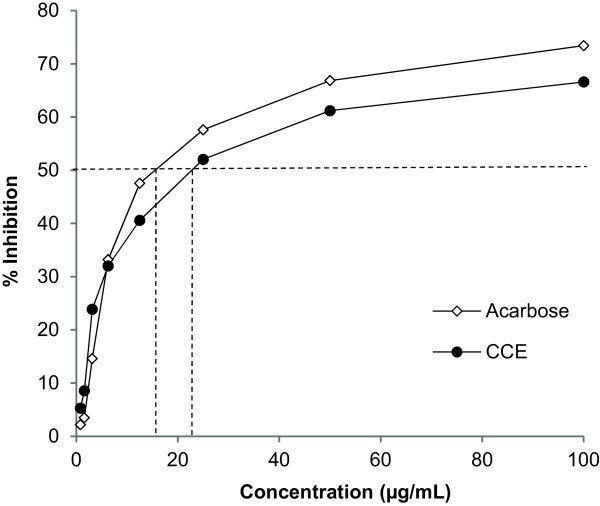
BACKGROUND: Postprandial hyperglycemia is a known risk factor for the development of several health disorders including type 2 diabetes, obesity, oxidative stress, and cardiovascular diseases. One encouraging approach for a better control of postprandial glycemia is to reduce carbohydrate digestion. Cinnamon extracts have been known for managing blood glucose. However, their effects on inhibiting digestion of carbohydrate have been poorly analyzed to date. The aim of this study was to investigate the acute effect of a specific Ceylon cinnamon hydro-alcoholic extract (CCE) on carbohydrate digestion and post-meal blood glucose reduction. METHODS: In vitro enzymatic assays and in vivo starch tolerance tests in rats were designed as preclinical assays. Then, a randomized, double-blind, placebo-controlled, cross-over clinical trial was conducted in 18 healthy female and male volunteers. Following the intake of 1 g of CCE, the subjects ate a standardized meal. Blood samples were collected during the 2 hours following the meal to measure glucose and insulin concentrations. Areas under the curves were calculated and statistical differences between the CCE and placebo groups were analyzed using the Mann Whitney-Wilcoxon test. RESULTS: CCE has demonstrated in the in vitro study that it inhibited pancreatic alpha-amylase activity with an IC50 of 25 μg/mL. In the in vivo study, CCE was shown to acutely reduce the glycemic response to starch in a dose-dependent manner in rats. This effect was significant from the dose of 12.5 mg/kg of body weight. In both, the in vitro and in vivo studies, the hydro-alcoholic extract has shown to be more efficacious than the aqueous extract. In the human clinical trial, 1 g of CCE lowered the area under the curve of glycemia between 0 and 120 min by 14.8% (P = 0.15) and between 0 and 60 min by 21.2% (P < 0.05) compared to the placebo. This effect occurred without stimulating insulin secretion. No adverse effects were reported. CONCLUSION: These results suggest that Ceylon cinnamon hydro-alcoholic extract (CCE) may provide a natural and safe solution for the reduction of postprandial hyperglycemia and therefore help to reduce the risks of developing metabolic disorders. TRIAL REGISTRATION: ClinicalTrials.gov NCT02074423 (26/02/2014).
Overview
CoChat Summary
TL;DR
This study tested a hydro-alcoholic Ceylon cinnamon extract (CCE) for acute postprandial glycemia using α-amylase inhibition, rat starch tolerance tests, and a randomized crossover trial in healthy volunteers. CCE inhibited pancreatic α-amylase and reduced starch glycemic responses in rats and humans, with a 21.2% reduction in 0–60 min glucose AUC in humans without stimulating insulin.
Key findings
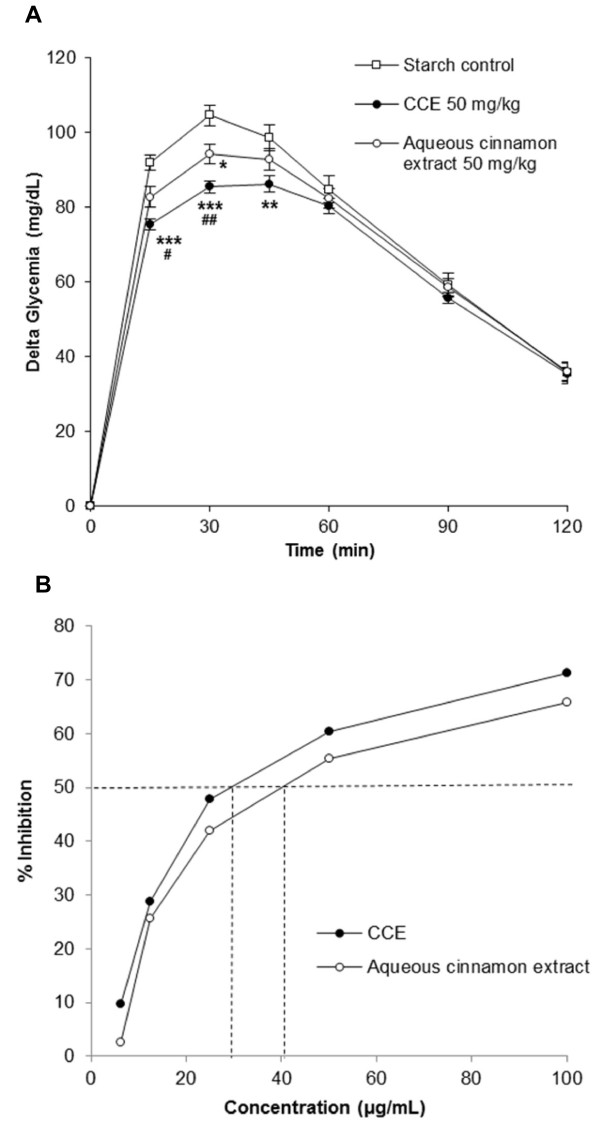
- In vitro, CCE inhibited porcine pancreatic α-amylase with an IC50 of 25 μg/mL; acarbose had an IC50 of 18 μg/mL. The hydro-alcoholic extract was stronger than an aqueous extract (IC50 30 vs 40 μg/mL).
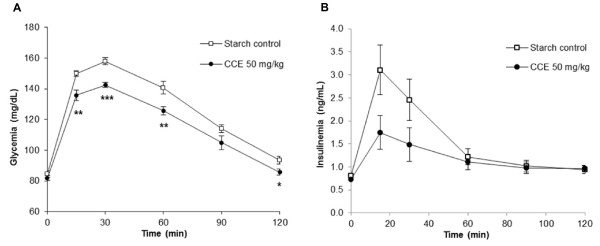
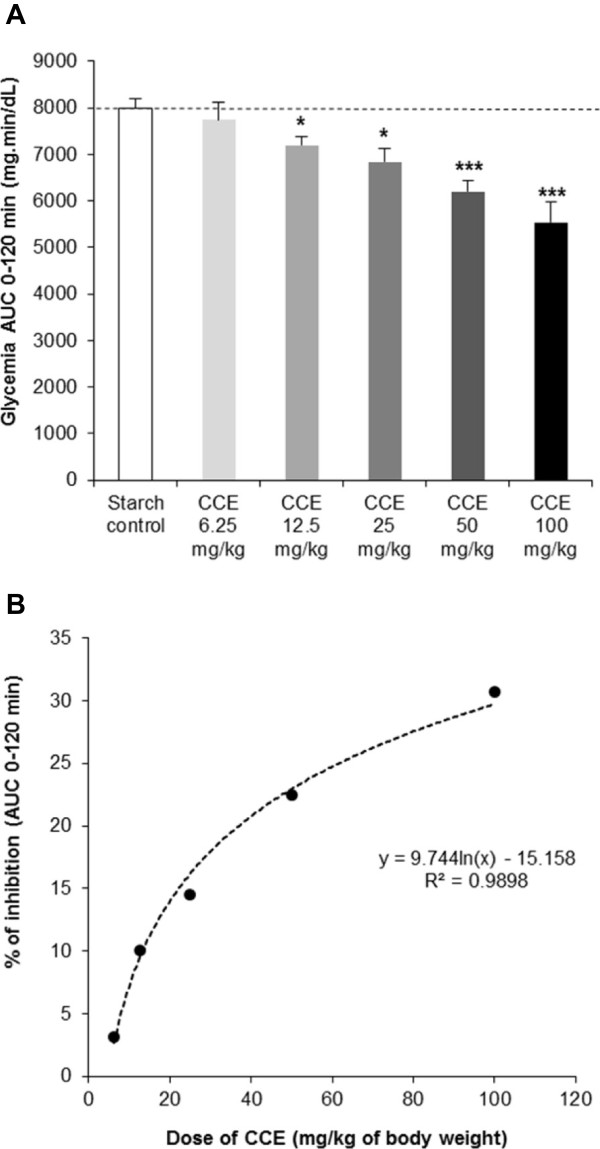
- In rats, CCE reduced the glycemic response to starch dose-dependently: AUC 0–120 min reductions were 3.2%, 10.1%, 14.5%, 22.5%, and 30.7% at 6.25, 12.5, 25, 50, and 100 mg/kg, respectively, significant from 12.5 mg/kg. At 50 mg/kg, CCE reduced the glycemic response by 20.4% (P < 0.05) and blunted the insulin peak by 40.6% (AUC 0–60 min P < 0.05; AUC 0–120 min P = 0.13).
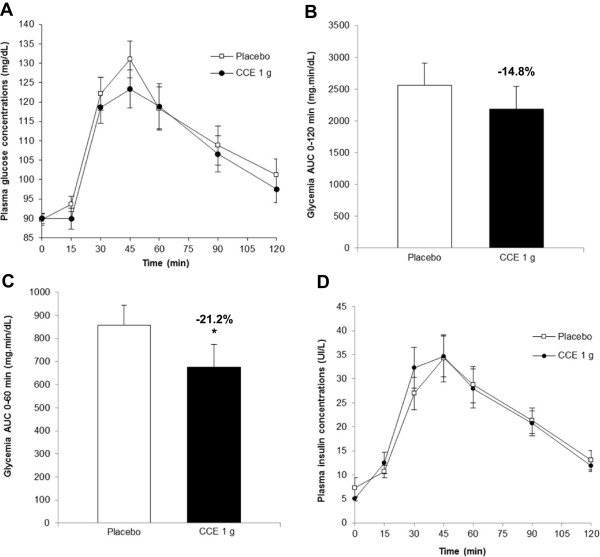
- In the human trial, 1 g CCE before a standard meal reduced glycemia AUC 0–120 min by 14.8% (P = 0.15) and AUC 0–60 min by 21.2% (P < 0.05) versus placebo. No significant difference in insulin response was observed, and no adverse effects were reported.
Methods
- Preclinical assays included an in vitro pancreatic α-amylase inhibition assay using porcine pancreatic α-amylase and gelatinized potato starch, with acarbose as positive control, and acute starch tolerance tests in overnight-fasted male Wistar Han IGS rats given oral gavage of 1.5 g/kg wheat starch, with blood glucose and insulin measured over 120 min.
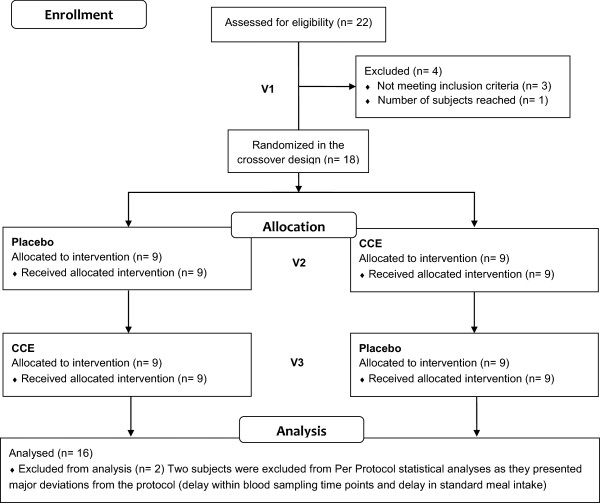
- The clinical study was a monocentric, randomized, double-blind, placebo-controlled crossover trial in 18 healthy volunteers (11 male/7 female; age 29.9 ± 1.8 years; BMI 21.4 ± 0.4 kg/m²). Participants received 1 g CCE (two 500 mg capsules) or placebo 30 min before a standardized white bread meal; capillary glucose and venous insulin were measured over 120 min.
- The primary endpoint was glycemia AUC 0–120 min. Analyses used ITT and per-protocol populations, ANOVA, paired Student’s t-test or Koch method, and Mann Whitney-Wilcoxon test, with significance at P < 0.05.
Limitations
- The paper states that the 0–120 min human glycemic reduction was not statistically significant (P = 0.15), and suggests that increasing subject numbers might have made it significant or that selecting subjects with impaired glucose tolerance could be an alternative. It also states that other human clinical trials are required to confirm results and assess other health benefits.
- The trial enrolled healthy volunteers with normal glucose tolerance and excluded IGT subjects, so findings may not generalize to impaired glucose tolerance or diabetic populations; this is evident from the inclusion/exclusion criteria and discussion.
- The study was acute and single-dose, with a small sample (18 randomized; 16 per-protocol for some analyses), and no long-term outcomes were assessed; these limitations are evident from the design and reported sample size.
Model-written summary. Check it against the paper before relying on it.
Integrity signals
Registry
Cites
Statistics
Figures
Verification
Claims the paper makes
5 Valid · 2 Not valid · 17 Not checked · 67 Own results and interpretations
The cited sources support only part of this claim — read each source’s verdict below.
In the paper
“As illustrated by all of the above, some published clinical studies have assessed the acute effect of raw cinnamon powder from different cinnamon species on postprandial glycemia.”
§ Acute effect of Ceylon cinnamon extract on postprandial glycemia: alpha-amylase inhibition, starch tolerance test in rats, and randomized crossover clinical trial in healthy volunteers > Background
What the sources say
- Supportedcites [28] Wickenberg J Lindstedt S Berntorp K Nilsson J Hlebowicz J Ceylon cinnamon does not affect postprandial plasma glucose or insulin in subjects with impaired glucose tolerance Br J Nutr 2012 107 12 1845 1849 10.1017/S0007114511005113 21929834 source
The cited paper is itself such a study: Experimental methods (p. 1-2) describe a crossover OGTT in ten subjects with impaired glucose tolerance given C. zeylanicum (Ceylon cinnamon) powder versus placebo capsules, and Results report postprandial plasma glucose and insulin AUC and glycaemic index (Table 1). Its Abstract (p. 1) additionally surveys acute postprandial studies of raw powder of another species, C. cassia (refs 5-8: Hlebowicz 2007, Hlebowicz 2009, Solomon & Blannin 2007), i.e. cinnamon from different species. The claim is a neutral background statement that such studies exist, which our copy clearly supports; the paper's own null finding does not conflict with merely having 'assessed' the effect. (LLM, conf=0.85)
- Partly supportedcites [29] Markey O McClean CM Medlow P Davison GW Trinick TR Duly E Shafat A Effect of cinnamon on gastric emptying, arterial stiffness, postprandial lipemia, glycemia, and appetite responses to high-fat breakfast Cardiovasc Diabetol 2011 10 78 10.1186/1475-2840-10-78 21899741 PMC3180260 sourceExperimental — accuracy not yet measured
Our copy is itself such a clinical study and reviews others: the Test meal section (Methods) gives '3 g Cinnamon powdered spice (Cinnamomum zeylanicum; Schwartz, UK)' with postprandial glucose measured over 360 min (Plasma glucose, Results), and the Discussion (Gastric Emptying, Metabolic Variables and Appetite) cites further acute powder studies on postprandial glycemia in healthy subjects ([35] 1–3 g, [13] 6 g, [9] 5 g bolus with OGTT; Background). So the 'acute effect of raw cinnamon powder on postprandial glycemia' part is supported. However, the qualifier 'from different cinnamon species' is not: the only species our copy names anywhere is Cinnamomum zeylanicum, and the cited acute studies are described simply as 'cinnamon' without species identification, so the multi-species element rests on nothing in this paper. (LLM, conf=0.72)
- Partly supportedcites [30] Hlebowicz J Darwiche G Bjorgell O Almer LO Effect of cinnamon on postprandial blood glucose, gastric emptying, and satiety in healthy subjects Am J Clin Nutr 2007 85 6 1552 1556 17556692 sourceExperimental — accuracy not yet measured
Our copy confirms the core: Hlebowicz et al. is an acute human crossover trial (14 healthy subjects) in which 6 g of commercial ground cinnamon powder (Santa Maria AB, Mölndal, Sweden) mixed into 300 g rice pudding significantly lowered the postprandial blood glucose response (SUBJECTS AND METHODS; Abstract; Postprandial blood glucose response). What it does not support is the qualifier 'from different cinnamon species': the paper identifies only one unspecified commercial cinnamon product, never names a Cinnamomum species, and compares cinnamon versus no cinnamon rather than species against species (searched: 'Cinnamomum zeylanicum cassia species', 'raw cinnamon powder'); likewise 'raw' powder as such is not stated. So the citation exemplifies one acute postprandial-glycemia study of cinnamon powder, but the multi-species element is not this source's. (LLM, conf=0.72)
plain- Asserted: passes — The authors put it forward as true.
- Checkable: passes — It can be checked against evidence.
- Load-bearing: passes — The paper’s conclusions depend on it.
- Based: passes — The paper gives a reason why it holds.
- Supported
Every source the paper cites for this claim was checked and supports it.
In the paper
“No effect was observed with Ceylon cinnamon [28, 29]”
§ Acute effect of Ceylon cinnamon extract on postprandial glycemia: alpha-amylase inhibition, starch tolerance test in rats, and randomized crossover clinical trial in healthy volunteers > Discussion
What the sources say
- Supportedcites [28] Wickenberg J Lindstedt S Berntorp K Nilsson J Hlebowicz J Ceylon cinnamon does not affect postprandial plasma glucose or insulin in subjects with impaired glucose tolerance Br J Nutr 2012 107 12 1845 1849 10.1017/S0007114511005113 21929834 source
The Results report no significant differences in postprandial glucose or insulin responses between tests with and without Ceylon cinnamon (C. zeylanicum). This supports the cited claim about glycemic response in the study’s subjects with impaired glucose tolerance; it does not establish an absence of every possible effect. (LLM, conf=0.92)
- Supportedcites [29] Markey O McClean CM Medlow P Davison GW Trinick TR Duly E Shafat A Effect of cinnamon on gastric emptying, arterial stiffness, postprandial lipemia, glycemia, and appetite responses to high-fat breakfast Cardiovasc Diabetol 2011 10 78 10.1186/1475-2840-10-78 21899741 PMC3180260 source
The Abstract identifies the supplement as 3 g of Cinnamomum zeylanicum (Ceylon cinnamon) and reports no change in postprandial glucose concentrations in nine healthy young participants. The Gastric Emptying, Metabolic Variables and Appetite section likewise reports similar glycemic responses with cinnamon and placebo after a high-fat meal. The finding is specific to that dose, meal, and study population. (LLM, conf=0.91)
plain- Asserted: passes — The authors put it forward as true.
- Checkable: passes — It can be checked against evidence.
- Load-bearing: passes — The paper’s conclusions depend on it.
- Based: passes — The paper gives a reason why it holds.
- Supported
Every source the paper cites for this claim was checked and supports it.
In the paper
“We could not reproduce these results with CCE at the dose of 50 mg/kg of body weight”
§ Acute effect of Ceylon cinnamon extract on postprandial glycemia: alpha-amylase inhibition, starch tolerance test in rats, and randomized crossover clinical trial in healthy volunteers > Discussion
What the sources say
- Supportedcites [27] Mohamed Sham Shihabudeen H Hansi Priscilla D Thirumurugan K Cinnamon extract inhibits alpha-glucosidase activity and dampens postprandial glucose excursion in diabetic rats Nutr Metab 2011 8 1 46 10.1186/1743-7075-8-46 PMC3155477 21711570 source
The Results (Sucrose loading in normal rats; Maltose loading in normal rats) report that cinnamon extract suppressed postprandial glucose elevation. The cited study used 300 mg/kg; the citing sentence’s 50 mg/kg describes the citing authors’ own attempt to reproduce those results, not the dose attributed to this source. The cited paper cannot establish whether that attempt succeeded. (LLM, conf=0.88)
plain- Asserted: passes — The authors put it forward as true.
- Checkable: passes — It can be checked against evidence.
- Load-bearing: unclear — It is unclear whether the paper’s conclusions depend on it.
- Based: passes — The paper gives a reason why it holds.
- Supported
A result the paper reports from its own data — it cites no other source for it, so there is none to check. The quote shows it is in the paper.
In the paper
“In both, the in vitro and in vivo studies, the hydro-alcoholic extract has shown to be more efficacious than the aqueous extract.”
§ Acute effect of Ceylon cinnamon extract on postprandial glycemia: alpha-amylase inhibition, starch tolerance test in rats, and randomized crossover clinical trial in healthy volunteers > Abstract > Results
plainstates a cause- Asserted: passes — The authors put it forward as true.
- Checkable: passes — It can be checked against evidence.
- Load-bearing: unclear — It is unclear whether the paper’s conclusions depend on it.
- Based: passes — The paper gives a reason why it holds.
A result the paper reports from its own data — it cites no other source for it, so there is none to check. The quote shows it is in the paper.
In the paper
“This effect is significant from 12.5 mg/kg of body weight (Student’s t-test P < 0.05).”
- Also stated in: § Discussion · plain
“The effect increased gradually with the dose and is significant from 12.5 mg/kg of body weight.”
§ Acute effect of Ceylon cinnamon extract on postprandial glycemia: alpha-amylase inhibition, starch tolerance test in rats, and randomized crossover clinical trial in healthy volunteers > Results > Dose-effect of CCE on blood glucose response to starch in the rat
plainstates a causen = 8 ·- Asserted: passes — The authors put it forward as true.
- Checkable: passes — It can be checked against evidence.
- Load-bearing: passes — The paper’s conclusions depend on it.
- Based: passes — The paper gives a reason why it holds.
- Also stated in: § Discussion · plain
41 more claims
Create a free account to see all 91 claims and to verify the 23 references still open.
- Probably not a substantial claim. 27
- It may state two separate claims as one. 20
Claims other papers make about this one
Each is checked against this paper’s own text: does it say what the citing paper says it does?
The check wasn’t confident either way, so it gives no verdict — never disputed.
In the citing paper
“Additionally, its anti-inflammatory and antioxidant properties may alleviate obesity-related inflammation, potentially amplifying the pro-insulinotropic and β-cell protective effects of GLP-1 [204,324,325].”
From Nutritional Approaches to Enhance GLP-1 Analogue Therapy in Obesity: A Narrative Review (2025) · cites this paper as [324]
Experimental — accuracy not yet measuredIn the citing paper
“Most of the studies have reported a generally favorable effect of cinnamon on postprandial/fasting hyperglycemia and diurnal glucose fluctuations [368,369,370,371,372,373,374,375].”
From Effects of diet, lifestyle, Chrononutrition and alternative dietary interventions on postprandial Glycemia and insulin resistance (2022) · cites this paper as [371]
Citations
Cites
Monnier, L., Lapinski, H., & Colette, C. (2003) · Diabetes Care · doi:10.2337/diacare.26.3.881 · Cited by 1,461 · cited 1×
“Firstly, postprandial hyperglycemia has been shown to begin prior to type 2 diabetes occurring [3-5] and its control is essential for achieving recommended glycosylated hemoglobin levels (representing mean glycemia over a prolonged period of time) since control of fasting hyperglycemia only is necessary but usually in…”
BackgroundGlycemic index, glycemic load, and chronic disease risk—a meta-analysis of observational studies
Barclay, A. W., Petocz, P., McMillan-Price, J., Flood, V. M., Prvan, T., Mitchell, P., & Brand-Miller, J. C. (2008) · The American Journal of Clinical Nutrition · doi:10.1093/ajcn/87.3.627 · Cited by 1,061 · cited 1×
“Background A large and growing body of evidence indicates that postprandial hyperglycemia is a contributing factor for the development of several health related disorders [1,2].”
BackgroundCinnamon improves glucose and lipids of people with type 2 diabetes
Khan, A., Safdar, M., Ali Khan, M. M., Khattak, K. N., & Anderson, R. A. (2003) · Diabetes Care · doi:10.2337/diacare.26.12.3215 · Cited by 981 · cited 1×
“Several clinical trials have evaluated the chronic effects of cinnamon [20,21] or cinnamon extracts [22,23] on subjects suffering from type 2 diabetes.”
BackgroundHanefeld, M. (2004) · European Heart Journal · doi:10.1016/s0195-668x(03)00468-8 · Cited by 641 · cited 1×
“Thirdly, a causal relationship has been demonstrated between postprandial hyperglycemia and oxidative stress [10], carotid intima-media thickness and endothelial dysfunction [11], and increased the risk of cardiovascular diseases occurring [12,13].”
BackgroundO’Keefe, J. H., Gheewala, N. M., & O’Keefe, J. O. (2008) · Journal of the American College of Cardiology · doi:10.1016/j.jacc.2007.10.016 · Cited by 497 · cited 1×
“Consequently, several scientists are researching and developing nutritional strategies to finely regulate postprandial glycemia, without inducing adverse events in the gastric tract [17].”
BackgroundMonnier, L., Colette, C., Dunseath, G. J., & Owens, D. R. (2007) · Diabetes Care · doi:10.2337/dc06-1612 · Cited by 490
Koch, G. G. (1972) · Biometrics · doi:10.2307/2556170 · Cited by 465
Ceriello, A., Quagliaro, L., Piconi, L., Assaloni, R., Da Ros, R., Maier, A., Esposito, K., & Giugliano, D. (2004) · Diabetes · doi:10.2337/diabetes.53.3.701 · Cited by 362 · cited 1×
“Thirdly, a causal relationship has been demonstrated between postprandial hyperglycemia and oxidative stress [10], carotid intima-media thickness and endothelial dysfunction [11], and increased the risk of cardiovascular diseases occurring [12,13].”
BackgroundEffects of a cinnamon extract on plasma glucose, HbA1c, and serum lipids in diabetes mellitus type 2
Mang, B., Wolters, M., Schmitt, B., Kelb, K., Lichtinghagen, R., Stichtenoth, D. O., & Hahn, A. (2006) · European Journal of Clinical Investigation · doi:10.1111/j.1365-2362.2006.01629.x · Cited by 354 · cited 1×
“Several clinical trials have evaluated the chronic effects of cinnamon [20,21] or cinnamon extracts [22,23] on subjects suffering from type 2 diabetes.”
BackgroundMcMillan-Price, J., Petocz, P., Atkinson, F., O’Neill, K., Samman, S., Steinbeck, K., Caterson, I., & Brand-Miller, J. (2006) · Archives of Internal Medicine · doi:10.1001/archinte.166.14.1466 · Cited by 335 · cited 2×
“Secondly, several studies suggest that low glycemic index diets, inducing lower postprandial glycemic responses, improve lipid profiles and body weight gain patterns [6-9].”
Background
Cited by
Alam, S., Sarker, M. M. R., Sultana, T. N., Chowdhury, M. N. R., Rashid, M. A., Chaity, N. I., Zhao, C., Xiao, J., Hafez, E. E., Khan, S. A., et al. (2022) · Frontiers in Endocrinology · doi:10.3389/fendo.2022.800714 · Cited by 349
“In another research, it was revealed that hydro-alcoholic extract of Cinnamon can ameliorate postprandial glycemia more than its aqueous extract (58).”
BackgroundSingh, N., Rao, A. S., Nandal, A., Kumar, S., Yadav, S. S., Ganaie, S. A., & Narasimhan, B. (2021) · Food Chemistry · doi:10.1016/j.foodchem.2020.127773 · Cited by 214
Domínguez-Avila, J. A., Wall-Medrano, A., Velderrain-Rodríguez, G. R., Chen, C.-Y. O., Salazar-López, N. J., Robles-Sánchez, M., & González-Aguilar, G. A. (2017) · Food & Function · doi:10.1039/c6fo01475e · Cited by 202
Papakonstantinou, E., Oikonomou, C., Nychas, G., & Dimitriadis, G. D. (2022) · Nutrients · doi:10.3390/nu14040823 · Cited by 199
Natural Products to Counteract the Epidemic of Cardiovascular and Metabolic Disorders
Waltenberger, B., Mocan, A., Šmejkal, K., Heiss, E., & Atanasov, A. (2016) · Molecules · doi:10.3390/molecules21060807 · Cited by 175
Cinnamon effects on metabolic syndrome: a review based on its mechanisms.
Mollazadeh, H., & Hosseinzadeh, H. (2016) · PubMed · doi:10.22038/ijbms.2016.7906 · Cited by 135
“This effect was occured without stimulating of insulin secretion (45).”
BackgroundTuzcu, Z., Orhan, C., Şahin, N., Juturu, V., & Şahin, K. (2017) · Oxidative Medicine and Cellular Longevity · doi:10.1155/2017/1583098 · Cited by 161
Cinnamon: A systematic review of adverse events
Hajimonfarednejad, M., Ostovar, M., Raee, M. J., Hashempur, M. H., Mayer, J. G., & Heydari, M. (2018) · Clinical Nutrition · doi:10.1016/j.clnu.2018.03.013 · Cited by 185
“Three studies reported single dose of cinnamon [7,32,33].”
BackgroundNatural Bioactive Compounds Useful in Clinical Management of Metabolic Syndrome
Noce, A., Lauro, M. D., Daniele, F. D., Zaitseva, A. P., Marrone, G., Borboni, P., & Daniele, N. D. (2021) · Nutrients · doi:10.3390/nu13020630 · Cited by 126
“A clinical study conducted on healthy subjects evaluated the effect of a specific hydroalcoholic extract of Ceylon cinnamon on the reduction in post-prandial BG, showing a significant reduction in this parameter in the area under the curve (AUC) 0-60 min [108].”
BackgroundDo Cinnamon Supplements Have a Role in Glycemic Control in Type 2 Diabetes? A Narrative Review
Costello, R. B., Dwyer, J. T., Saldanha, L. G., Bailey, R. L., Merkel, J. M., & Wambogo, E. A. (2016) · Journal of the Academy of Nutrition and Dietetics · doi:10.1016/j.jand.2016.07.015 · Cited by 131
Deyno, S., Eneyew, K., Seyfe, S., Tuyiringire, N., Peter, E. L., Muluye, R. A., Tolo, C. U., & Ogwang, P. E. (2019) · Diabetes Research and Clinical Practice · doi:10.1016/j.diabres.2019.107815 · Cited by 107
Ranasinghe, P. D., Jayawardena, R., Pigera, S., Wathurapatha, W. S., Weeratunge, H. D., Premakumara, G. A. S., Katulanda, P., Constantine, G. R., & Galappaththy, P. (2017) · BMC Complementary and Alternative Medicine · doi:10.1186/s12906-017-2067-7 · Cited by 83
“This was observed in the absence of a simultaneous stimulation of insulin secretion [21].”
BackgroundInfluentialCeylon cinnamon: a versatile ingredient for futuristic diabetes management
Senevirathne, B. S., Jayasinghe, M. A., Pavalakumar, D., & Siriwardhana, C. G. (2022) · Journal of Future Foods · doi:10.1016/j.jfutfo.2022.03.010 · Cited by 71
Cardiovascular protective effect of cinnamon and its major bioactive constituents: An update
Das, G., Gonçalves, S., Heredia, J. B., Romano, A., Jiménez‐Ortega, L. A., Gutiérrez‐Grijalva, E. P., Shin, H. S., & Patra, J. K. (2022) · Journal of Functional Foods · doi:10.1016/j.jff.2022.105045 · Cited by 68
Qusti, S. Y., Rabey, H. A. E., & Balashram, S. A. (2016) · Evidence-based Complementary and Alternative Medicine · doi:10.1155/2016/5614564 · Cited by 47
Cortez-Navarrete, M., Pérez-Rubio, K. G., & Escobedo-Gutiérrez, M. D. J. (2023) · Pharmaceuticals · doi:10.3390/ph16040515 · Cited by 53
“The spice has a fragrant aroma and a sweet flavor and is made up of the inner dried bark of the tree [57,58].”
BackgroundMohsin, S. N., Saleem, F., Humayun, A., Tanweer, A., & Muddassir, A. (2023) · Dose-Response · doi:10.1177/15593258231200527 · Cited by 46
Xie, L., Mo, J., Ni, J., Xu, Y., Su, H., Xie, J., & Chen, W. (2020) · Food & Function · doi:10.1039/c9fo02885d · Cited by 39
Wu, Z., Weng, S., Yan, D., Xie, Z.-J., Zhou, Q., Li, H., Bai, B.-L., Boodhun, V., Shen, Z., Tang, J., et al. (2018) · Journal of Pharmacological Sciences · doi:10.1016/j.jphs.2018.09.002 · Cited by 35
Zanzer, Y. C., Plaza, M., Dougkas, A., Turner, C., Björck, I., & Östman, E. M. (2017) · Journal of Functional Foods · doi:10.1016/j.jff.2017.06.016 · Cited by 33
Shinjyo, N., Waddell, G., & Green, J. (2020) · Journal of Herbal Medicine · doi:10.1016/j.hermed.2020.100342 · Cited by 35
“cassia studies were 1g per day (Blevins et al., 2007; Hasanzade et al., 2013), and 1.”
BackgroundMethodInfluentialPremakumara, G. A. S., Abeysekera, W. P. K. M., & Ratnasooriya, W. D. (2017) · Evidence-based Complementary and Alternative Medicine · doi:10.1155/2017/5076029 · Cited by 34
“[19]were usedwater and hydroalcoholic extracts of bark and porcine pancreatic α-amylase as the source of amylase.”
BackgroundLe, D. T., Kumar, G., Williamson, G., Devkota, L., & Dhital, S. (2024) · Food Hydrocolloids · doi:10.1016/j.foodhyd.2024.110350 · Cited by 35
Cinnamon and Cassia Nomenclature Confusion: A Challenge to the Applicability of Clinical Data
Oketch‐Rabah, H. A., Marles, R. J., & Brinckmann, J. A. (2018) · Clinical Pharmacology & Therapeutics · doi:10.1002/cpt.1162 · Cited by 29
“This study demonstrated a significant hypoglycemic effect of the hydroalcoholic extracts compared to aqueous extracts that contained less coumarin.(66) Wickenberg et al.”
ResultThe effect of cinnamon extract on isolated rat uterine strips
Alotaibi, M. (2015) · Reproductive Biology · doi:10.1016/j.repbio.2015.12.001 · Cited by 31
“Cinnamon possesses anti-diabetic properties in rats and humans [26], and CA increases the activity of antioxidant enzymes in kidneys [27].”
BackgroundCinnamon: Update of Potential Health Benefits
Singletary, K. W. (2019) · Nutrition Today · doi:10.1097/nt.0000000000000319 · Cited by 32
Sotoudeh, E., & Esmaeili, N. (2022) · Aquaculture Reports · doi:10.1016/j.aqrep.2022.101152 · Cited by 25
Benrahou, K., Mrabti, H. N., Bouyahya, A., Daoudi, N. E., Bnouham, M., Mezzour, H., Mahmud, S., Alshahrani, M. M., Obaidullah, A. J., Cherrah, Y., et al. (2022) · Evidence-based Complementary and Alternative Medicine · doi:10.1155/2022/5868682 · Cited by 21
Gutiérrez‐Cuevas, J., López-Cifuentes, D., Sandoval-Rodriguez, A. S., Garcia-Bañuelos, J. J., & Armendáriz‐Borunda, J. (2024) · Pharmaceuticals · doi:10.3390/ph17070967 · Cited by 23
Wang, J., Wang, S., Yang, J., Henning, S. M., Ezzat‐Zadeh, Z., Woo, S., Qin, T., Pan, Y., Tseng, C., Heber, D., et al. (2021) · Frontiers in Nutrition · doi:10.3389/fnut.2020.619782 · Cited by 26
Pandey, D. K., Chaudhary, R., Dey, A., Nandy, S., Banik, R. M., Malik, T., & Dwivedi, P. (2020) · Springer eBooks · doi:10.1007/978-981-15-1394-7_3 · Cited by 31
Phenolic content and anti-hyperglycemic activity of pecan cultivars from Egypt
El‐Hawary, S. S., Saad, S., Halawany, A. M. E., Ali, Z. Y., & Bishbishy, M. H. E. (2015) · Pharmaceutical Biology · doi:10.3109/13880209.2015.1080732 · Cited by 25
“…extract (CCE) reduces the glycemic response to starch in normal rats and healthy male and female subjects by inhibiting pancreatic a-amylase starch digestion, and suggested that CCE may provide a natural and safe solution for the reduction of postprandial hyperglycemia (Beejmohun et al., 2014).”
BackgroundResultAraújo, M. C., Soczek, S. H. S., Pontes, J. P., Marques, L. A. D. C., Santos, G. D. S., Simão, G., Bueno, L. R., Ferreira, D. M., Muscará, M. N., & Fernandes, E. S. (2022) · Cells · doi:10.3390/cells11081292 · Cited by 22
Gupta, K., Testa, H., Greenwood, T., Kostek, M., Haushalter, K., Kris‐Etherton, P. M., & Petersen, K. S. (2021) · Nutrition Reviews · doi:10.1093/nutrit/nuab034 · Cited by 20
dos Santos, U. P., Tolentino, G. S., Morais, J. S., Souza, K. D. P., Estevinho, L. M., & dos Santos, E. L. (2018) · Oxidative Medicine and Cellular Longevity · doi:10.1155/2018/2976985 · Cited by 26
Nutraceuticals and Supplements in Management of Prediabetes and Diabetes
Derosa, G., D’Angelo, A., Angelini, F., Belli, L., Cicero, A. F. G., ROS, R. D., Pergola, G. D., Gaudio, G. V., Lupi, A., Sartore, G., et al. (2024) · Nutrients · doi:10.3390/nu17010014 · Cited by 20
Li, B., Li, J., & Hu, S. (2022) · Journal of Food Biochemistry · doi:10.1111/jfbc.14077 · Cited by 20
Li, H., Zhou, J., Liu, S., Chen, X., Qin, T., Huang, G., Luo, P., Hu, Y., & Xia, X. (2022) · Journal of Functional Foods · doi:10.1016/j.jff.2022.105374 · Cited by 15
Hawash, M., Jaradat, N. A., Salhi, N. A., Shatreet, B., Asbah, A. A., & Hawash, Y. H. (2024) · Scientific Reports · doi:10.1038/s41598-024-52172-7 · Cited by 19
“For example, cinnamon extract has been reported to inhibit α-amylase, an enzyme involved in carbohydrate digestion, and reduce the postprandial glucose response 64 .”
BackgroundKania, N., Widowati, W., Dewi, F. R. P., Christianto, A., Setiawan, B., Budhiparama, N. C., & Noor, Z. (2017) · Journal of Ayurveda and Integrative Medicine · doi:10.1016/j.jaim.2017.01.005 · Cited by 14
“The EECB dose was determined based on previous research with some modification [14].”
MethodSharma, V., Gupta, P., & Sharma, P. (2023) · International Journal of Peptide Research and Therapeutics · doi:10.1007/s10989-023-10565-8 · Cited by 15
“Firstly, they can slow down the rate of starch digestion, leading to a more gradual release of glucose into the bloodstream (Beejmohun et al. 2014).”
BackgroundWu, Z., Yan, D., Xie, Z.-J., Weng, S., Zhou, Q., Li, H., Bai, B.-L., Boodhun, V., Shen, Z., Tang, J., et al. (2018) · Biochemical and Biophysical Research Communications · doi:10.1016/j.bbrc.2018.10.039 · Cited by 13
Bioactive Foods as Dietary Intervention for Diabetes From the Perspective of Persian Medicine
Heydari, M., Hashempur, M. H., Daneshfard, B., & Mosavat, S. H. (2019) · Elsevier eBooks · doi:10.1016/b978-0-12-813822-9.00004-7 · Cited by 15
Biju, A. K., Lakshmikumar, R. R. C., & Rengasamy, K. R. R. (2024) · Natural Resources for Human Health · doi:10.53365/nrfhh/189500 · Cited by 11
“Cinnamon is one of the oldest spices that have medicinal properties and shows antioxidant, antihyperlipi-demic, anti-obesity and anti-inflammatory effects (Beejmohun et al., 2014; Gunawardena et al., 2014; Tuzcu et al., 2017).”
BackgroundMuthukuda, D. T., de Silva, C. K., Ajanthan, S., Wijesinghe, N., Dahanayaka, A., & Pathmeswaran, A. (2025) · PLoS ONE · doi:10.1371/journal.pone.0317904 · Cited by 14
Benrahou, K., Doudach, L., MRABTİ, H. N., Guourrami, O. E., Zengin, G., Bouyahya, A., Cherrah, Y., & Faouzi, M. E. A. (2022) · International Journal of Secondary Metabolite · doi:10.21448/ijsm.1031208 · Cited by 12
Nutritional and therapeutic potentials of Carica papaya Linn. seed: A comprehensive review
Adeoye, R. I., Olopade, E. T., Olayemi, I. O., Okaiyeto, K., & Akiibinu, M. O. (2024) · Plant Science Today · doi:10.14719/pst.2843 · Cited by 11
Mnge, U. L., Ngnameko, C. R., Salau, V. F., Olofinsan, K. A., Mishra, A. P., & Matsabisa, M. G. (2025) · Scientific African · doi:10.1016/j.sciaf.2025.e02539 · Cited by 15
Nasef, A. Z., & Khateib, B. R. M. (2021) · Alexandria Science Exchange Journal · doi:10.21608/asejaiqjsae.2021.165932 · Cited by 15
“Also, This result is in consistence with that Beejmohun et al., (2014) who found that the total body weight (g) in negative group showed a significant decrease as a result of induction of diabetes, whereas it increased with treating with cinnamon and cress seed methanol extract.”
ResultLin, G., Hsu, C., & Chang, S. (2018) · Journal of the Science of Food and Agriculture · doi:10.1002/jsfa.9286 · Cited by 10
Mohammed, I., & Kakey, E. (2020) · Al-mağallaẗ al-ʻirāqiyyaẗ li-l-ʻulūm al-bayṭariyyaẗ/Iraqi journal of veterinary sciences · doi:10.33899/ijvs.2019.125574.1089 · Cited by 10
“Natural products have good roles in the prevention of obesity and associated metabolic diseases (6).”
BackgroundSarker, P., Sani, D. H., Miah, M. F., & Alam, M. J. (2023) · Letters in Drug Design & Discovery · doi:10.2174/1570180820666230518100900 · Cited by 9
Moreira, F. D., Reis, C. E. G., Gallassi, A. D., Moreira, D. C., & Welker, A. F. (2024) · PLoS ONE · doi:10.1371/journal.pone.0311501 · Cited by 12
HPLC method for measurement of human salivary α-amylase inhibition by aqueous plant extracts
Takács, I., Takács, Á., Pósa, A., & Gyémánt, G. (2017) · Acta Biologica Hungarica · doi:10.1556/018.68.2017.2.1 · Cited by 9
Li, Y., Zhang, X., Wang, R., Han, L., Huang, W., Shi, H., Wang, B., Li, Z., & Zou, S. (2020) · BMC Complementary Medicine and Therapies · doi:10.1186/s12906-020-03156-3 · Cited by 9
Nutritional Approaches to Enhance GLP-1 Analogue Therapy in Obesity: A Narrative Review
Dias, D. D., Vasconcelos, A. R., Souza, A. C. R., Menezes, C. D., Silva, I. S. T. E., & Name, J. J. (2025) · Obesities · doi:10.3390/obesities5040088 · Cited by 8
“Continued use after GLP-1RA discontinuation might help maintain glycemic control and mitigate rebound hyperglycemia or weight regain [110,202–204, 321, 3.5.3.”
InfluentialInvestigation of Antioxidant, Hypoglycemic and Anti-Obesity Effects of Euphorbia Resinifera L.
Benrahou, K., Guourrami, O. E., Mrabti, H. N., Cherrah, Y., & Faouzi, M. E. A. (2022) · Journal of pharmacopuncture · doi:10.3831/kpi.2022.25.3.242 · Cited by 11
Beheshti, A. S., Qazvini, M. M., Abeq, M., Abedi, E., Fadaei, M. S., Fadaei, M. R., Rahimi, V. B., & Askari, V. R. (2024) · Naunyn-Schmiedeberg s Archives of Pharmacology · doi:10.1007/s00210-024-03644-0 · Cited by 9
“These findings propose that the extract from C. zeylanicum may offer a natural and safe solution for reducing post-prandial hyperglycemia and, as a result, lowering the risks associated with the development of metabolic disorders (Beejmohun et al. 2014).”
Medicinal Plants for a Healthy Gut Microbiome: Scientific Insights into Modern Herbal Applications
Pacyga, K., Tabiś, A., & Pacyga, P. (2025) · International Journal of Molecular Sciences · doi:10.3390/ijms262210875 · Cited by 12
Nutraceuticals in Glucose Balance and Diabetes
Garg, R. C. (2016) · Elsevier eBooks · doi:10.1016/b978-0-12-802147-7.00012-7 · Cited by 9
Habtemariam, S. (2019) · Elsevier eBooks · doi:10.1016/b978-0-08-102922-0.00015-8 · Cited by 10
Spices and Odorants as TRP Channel Activators
Friedland, K., & Harteneck, C. (2017) · Springer eBooks · doi:10.1007/978-3-319-26932-0_34 · Cited by 7
Adarthaiya, S., & Arivarasan, V. K. (2025) · Journal of Chinese Integrative Medicine · doi:10.1016/j.joim.2025.04.005 · Cited by 7
Bakhach, H., Nuffer, M., Bull, S. T., & Nuffer, W. A. (2024) · Journal of Medicinal Food · doi:10.1089/jmf.2023.0277 · Cited by 7
Inhibition studies on α-amylase using isothermal titration calorimetry
Gyémánt, G., Lehoczki, G., Szabó, K. E., & Kandra, L. (2018) · Amylase · doi:10.1515/amylase-2018-0002 · Cited by 4
Riyaphan, J., Jhong, C., Tsai, M., Lee, D.-N., Leong, M. K., & Weng, C. (2017) · Preprints.org · doi:10.20944/preprints201703.0116.v1 · Cited by 4
“Oral starch tolerance test (OSTT) were proceeded in fasting condition for overnight in whichwas quick administration by oral gavage of a 90% corn starch solution[32]and mixed the 2.”
MethodRanasinghe, P. D., Galappatthy, P., Constantine, G. R., Jayawardena, R., Weeratunge, H. D., Premakumara, S., & Katulanda, P. (2025) · Diabetes & Metabolic Syndrome Clinical Research & Reviews · doi:10.1016/j.dsx.2025.103357 · Cited by 3
Núñez-Tuesta, L., Aranda-Ventura, J., Villacrés-Vallejo, J., & González-Aspajo, G. (2022) · Revista Peruana de Medicina Integrativa · doi:10.26722/rpmi.2022.v7n4.1 · Cited by 3
Bernardo, A., Amaral, C., Moncada, M., Silva, M. L., & Mesquita, M. (2017) · International Journal of Clinical Research & Trials · doi:10.15344/2456-8007/2017/113 · Cited by 4
Ranasinghe, P. D. (2017) · MOJ Bioequivalence & Bioavailability · doi:10.15406/mojbb.2017.03.00028 · Cited by 4
Medicinal Plants for the Treatment of Diabetes
(2024) · International Journal of Veterinary Science · doi:10.47278/book.cam/2024.097 · Cited by 3
Ismail, H., Wijekoon, N., Gonawala, L., Perera, S., Wasala, S., Imran, Y., Kodithuwakku, L., Kodithuwakku, N., & Silva, R. D. (2020) · Springer eBooks · doi:10.1007/978-3-030-54426-3_11 · Cited by 3
McQueen, C. E., & Orr, K. K. (2017) · The American Pharmacists Association eBooks · doi:10.21019/9781582122656.ch51 · Cited by 2
حتحوت, ر. ع. ا. م., & حافظ, ا. ع. ا. (2022) · المجلة المصرية للدراسات المتخصصة · doi:10.21608/ejos.2022.267381 · Cited by 2
Nutraceuticals for diabetes and glucose balance
Gupta, R. C., Doss, R. B., Garg, R. C., Lall, R., Srivastava, A., & Sinha, A. (2021) · Elsevier eBooks · doi:10.1016/b978-0-12-821038-3.00006-9 · Cited by 5
Cinnamomum verum J. Presl. (Lauraceae)
Akbar, S. (2020) · Springer eBooks · doi:10.1007/978-3-030-16807-0_68 · Cited by 4
McMullen, M. K. (2022) · Medical Research Archives · doi:10.18103/mra.v10i12.3418 · Cited by 2
Sandaruwan, C., Kusal, T., Siriwardhana, A., Lankathilake, W., purasinhala, K., Gunarathne, S., Rodrigo, S. K., Gunawardene, M., Karunaratne, V., & Amaratunga, G. A. J. (2024) · Current Nutraceuticals · doi:10.2174/0126659786277971240508050021 · Cited by 2
Polo, A. C., Uber, T. M., de Souza, G. H. B., Corrêa, R. C. G., Filho, J. R. D. S., de Sá‐Nakanishi, A. B., Seixas, F. A. V., Bracht, A., & Peralta, R. M. (2025) · Plants · doi:10.3390/plants14071133 · Cited by 1
Traditional Methods of Diabetes Mellitus Treatment
Mohammed, K. A. (2023) · World Journal of Experimental Biosciences · doi:10.65329/wjeb.v11.01.001 · Cited by 1
McQueen, C. E., & Orr, K. K. (2015) · The American Pharmacists Association eBooks · doi:10.21019/9781582122250.ch51 · Cited by 1
Basu, A., Basu, P., Morris, S., & Lyons, T. J. (2016) · Springer eBooks · doi:10.1007/978-94-007-7678-4_49 · Cited by 1
Khorsand, M., Arabsolghar, R., Ranjbaran, R., Sarvestani, M. S., Okhovat, M. A., Kholari, F. S., & Derakhshanfar, A. (2024) · Shiraz E-Medical Journal · doi:10.5812/semj-142296 · Cited by 1
Beneficial effects of cinnamon on cardiovascular risk factors and type 2 diabetes
Moncada, M., Bernardo, M. A., Silva, M. L., Brito, J., Singh, J., & de Mesquita, M. F. (2021) · Elsevier eBooks · doi:10.1016/b978-0-12-819815-5.00007-0 · Cited by 4
McQueen, C. E., & Orr, K. K. (2020) · The American Pharmacists Association eBooks · doi:10.21019/9781582123172.ch51 · Cited by 1
YAZIT, S. M., Boussaid, M., Abderrahim, L. A., BOUAKKAZ, K. K., Achir, M., Souana, K., Tadj, A., & Taïbi, K. (2023) · International Journal of Ecosystems and Ecology Science (IJEES) · doi:10.31407/ijees13.140 · Cited by 2
Andersson, E., Månsson, L., Gidlund, C., Kat, R., Goncharova, K., Prykhodko, O., & Pierzynowski, S. G. (2015) · Postępy Nauk Medycznych
Basu, A., Basu, P., Morris, S., & Lyons, T. J. (2015) · Springer eBooks · doi:10.1007/978-94-007-7741-5_49-1 · Cited by 1
Mennini, T. (2014) · Nutrafoods · doi:10.1007/s13749-014-0054-x
Andersson, E., Månsson, L., Gidlund, C., Kat, R., Goncharova, K., Prykhodko, O., Pierzynowski, S. G., Skibo, G. G., & Rzeski, W. (2015)
Szénhidrátbontó enzimek gátlásának vizsgálata STZ indukált diabetes mellitus egérmodellben
Takács, I. (2018) · SZTE Repository of Dissertations (University of Szeged) · doi:10.14232/phd.9724
Islam, Z., Basharat, S., Tufail, T., Sharmeen, Z., Ali, M., Shahid, R., Gull, H., Butt, M. M., Khalil, P., & Kausar, H. N. (2021) · Pakistan BioMedical Journal · doi:10.54393/pbmj.v4i2.241
Zimt als Inhibitor der Speichelamylase
Beranek, D., Vogel, J., Hellwig, A., & Henle, T. (2022) · Lebensmittelchemie · doi:10.1002/lemi.202259034
Zimt als Inhibitor der Speichelamylase
Beranek, D., Vogel, J., Hellwig, A., & Henle, T. (2022) · Lebensmittelchemie · doi:10.1002/lemi.202259189
Thaipitakwong, T. (2020) · Chula Digiverse · doi:10.58837/chula.the.2020.367 · Cited by 3
McMullen, M. K. (2024) · Japanese Journal of Gastroenterology and Hepatology · doi:10.47829/jjgh.2024.10801 · Cited by 1
Bati, K., Baeti, P. B., Gaobotse, G., & Kwape, T. E. (2024) · Plant Science Today · doi:10.14719/pst.2845
Orr, K. K., Casper, K. A., & Mehta, B. H. (2024) · The American Pharmacists Association eBooks · doi:10.21019/aphaotc-comp.natural-products
Herb-Drug Interactions from A to Z: A Guide for Health Care Professionals and the Public Volume 1
Demirezer, L. Ö., Ersöz, T., Şener, B., & Kuruüzüm‐Uz, A. (2026) · CRC Press eBooks · doi:10.1201/9781003599777
Mazur, Z., Tkaczenko, H., Buyun, L., & Kurhaluk, N. (2025) · Agrobiodiversity for Improving Nutrition Health and Life Quality · doi:10.15414/ainhlq.2025.0026 · Cited by 3
Metadata
- Authors
- Beejmohun, V., Peytavy-Izard, M., Mignon, C., Muscente-Paque, D., Deplanque, X., Ripoll, C., & Chapal, N.
- Affiliations
- Eurasanté (FR)
- Corresponding author
- Chapal, Nicolas
- ORCID
- Ripoll, Christophe
- Venue
- BMC Complementary and Alternative Medicine
- Published
- 2014-09-23
- Volume
- 14
- Issue
- 1
- Pages
- 351-351
- ISSN
- 1472-6882 (ISSN-L)
- PMC
- PMC4246455
- OpenAlex
- W2172032394
- Cited by
- 97
- References
- 33
- Citations by year
- 2025: 7 · 2024: 15 · 2023: 5 · 2022: 16 · 2021: 7 · 2020: 10 · 2019: 4 · 2018: 8 · 2017: 12 · 2016: 6 · 2015: 6 · 2014: 1
- FWCI
- 6.71
- Type
- journal article
- Language
- en
- Open access
- gold
- doi.org
- Licence
- Locations
- BMC Complementary and Alternative Medicine (publishedVersion, cc-by)
- Europe PMC (PubMed Central) (publishedVersion, cc-by)
- PubMed Central (publishedVersion, cc-by)
- PubMed (publishedVersion)
- Funders
- Bpifrance
- Topics
- Health Sciences › Medicine › Endocrinology, Diabetes and Metabolism › Natural Antidiabetic Agents Studies
- Health Sciences › Nursing › Nutrition and Dietetics › Food composition and properties
- Life Sciences › Agricultural and Biological Sciences › Plant Science › Medicinal Plant Research
- Keywords
- Cinnamomum zeylanicum, postprandial hyperglycemia, α-amylase inhibition, starch hydrolysis, hydroalcoholic extract, blood glucose, insulin, type 2 diabetes prevention, carbohydrate digestion, healthy volunteers, rats, dose-dependent effects, natural food supplements, oxidative stress, cardiovascular risk, obesity risk, aqueous extract
- MeSH terms
- Adult, alpha-Amylases, Animals, Blood Glucose, Cinnamomum zeylanicum, Dose-Response Relationship, Drug, Double-Blind Method, Humans, Male, Plant Extracts, Starch, Rats, Wistar, Cross-Over Studies, Postprandial Period, Rats
About these checks
Registry, retraction, Cites and statistics results are computed, not judged, with one exception: a printed reference that no index lists is read once by a model before it counts as a citation error. Claims are extracted by a model and kept only when their quote appears verbatim in the text; each cited source is then checked, with a model’s help, for whether it says what the claim relies on. Those verdicts can be wrong — read the claim’s quote and the cited source before relying on one.
The claim verdicts this report counts are experimental: their accuracy is not yet measured.
A language model drew the claims from the paper on 2026-10-05, under version 3 of the claim definition (model deepseek-v4.1-flash, prompt extract-v3).
A second model labelled each claim on 2026-10-05 (model jev-1.13-20260917, definition revision gold-guideline-v0.2).
Cited sources are checked with a language model’s help (qwen3.8-omni-flash and gpt-6-sol).
Statistics and arithmetic are recomputed, not judged.
Confidence bands are shown only for fields calibrated on our annotated test set. None is calibrated yet, so no band is shown.
What counts as a claim ›How we measure confidence ›How we check this ›
Are you an author, or do you see a problem with this page? Request a review
Data sources
Bibliographic data: Semantic Scholar, OpenAlex, Crossref.
Contains information from the Semantic Scholar Academic Graph Datasets, made available under the ODC Attribution License (ODC-BY 1.0).
Semantic Scholar’s data is described in: Kinney, R., et al. (2023). The Semantic Scholar Open Data Platform. arXiv:2301.10140.
