

Regulation of MCP-1 chemokine transcription by p53
Open accessThe DOI matches its Crossref record; 61 of the 61 references it cites were found in a registry or an index.
Abstract
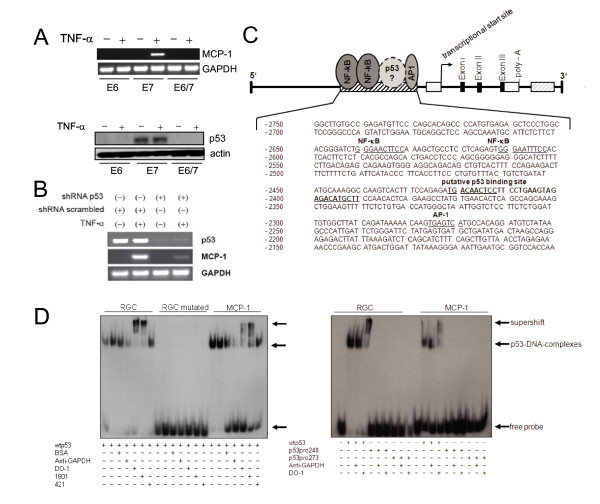
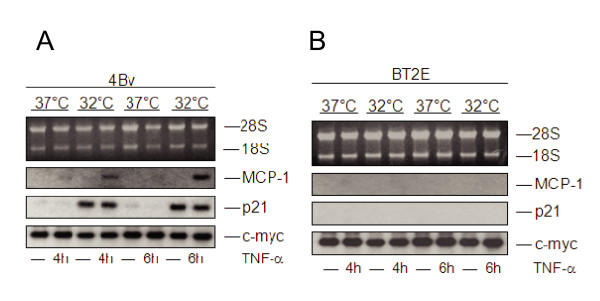
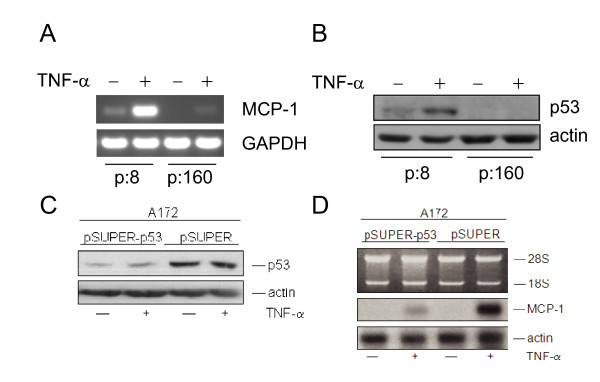
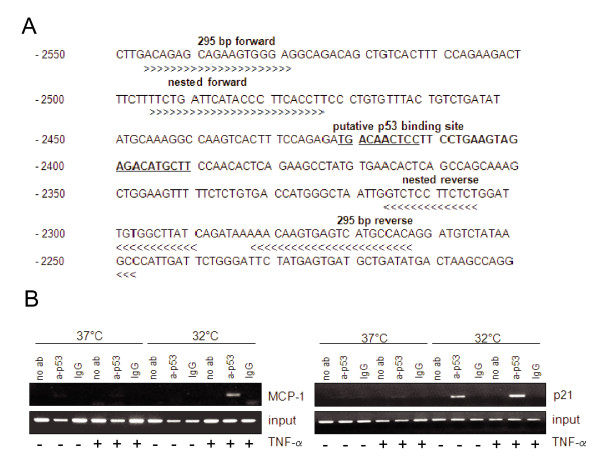
Background: Our previous studies showed that the expression of the monocyte-chemoattractant protein (MCP)-1, a chemokine, which triggers the infiltration and activation of cells of the monocyte-macrophage lineage, is abrogated in human papillomavirus (HPV)-positive premalignant and malignant cells.In silico analysis of the MCP-1 upstream region proposed a putative p53 binding side about 2.5 kb upstream of the transcriptional start. The aim of this study is to monitor a physiological role of p53 in this process. Results: The proposed p53 binding side could be confirmed in vitro by electrophoretic-mobility-shift assays and in vivo by chromatin immunoprecipitation. Moreover, the availability of p53 is apparently important for chemokine regulation, since TNF-α can induce MCP-1 only in human keratinocytes expressing the viral oncoprotein E7, but not in HPV16 E6 positive cells, where p53 becomes degraded. A general physiological role of p53 in MCP-1 regulation was further substantiated in HPV-negative cells harboring a temperature-sensitive mutant of p53 and in Li-Fraumeni cells, carrying a germ-line mutation of p53. In both cases, non-functional p53 leads to diminished MCP-1 transcription upon TNF-α treatment. In addition, siRNA directed against p53 decreased MCP-1 transcription after TNF-α addition, directly confirming a crosstalk between p53 and MCP-1. Conclusion: These data support the concept that p53 inactivation during carcinogenesis also affects immune surveillance by interfering with chemokine expression and in turn communication with cells of the immunological compartment.
Overview
The claims and statistics of this paper haven’t been checked yet.
Free: it reads the open-access text and checks the first 5 claims that cite a source we can check. Create a free account to check every claim.
Integrity signals
Registry
Cites
Statistics
Figures
Verification
Claims the paper makes
The claims and statistics of this paper haven’t been checked yet.
Free: it reads the open-access text and checks the first 5 claims that cite a source we can check. Create a free account to check every claim.
Claims other papers make about this one
Each is checked against this paper’s own text: does it say what the citing paper says it does?
The cited source says what the claim attributes to it.
In the citing paper
“Published chromatin immunoprecipitation experiments show a direct association of p53 with the Ccl2 gene regulatory sequences (Hacke et al., 2010; Tang et al., 2012)”
From p53-dependent chemokine production by senescent tumor cells supports NKG2D-dependent tumor elimination by natural killer cells (2013) · cites this paper as Hacke et al., 2010
In the citing paper
“The Ccl2 gene, which may be directly transactivated by p53 (Hacke et al., 2010; Tang et al., 2012)”
From p53-dependent chemokine production by senescent tumor cells supports NKG2D-dependent tumor elimination by natural killer cells (2013) · cites this paper as Hacke et al., 2010
Self-check
Percentages, sums and reported differences re-computed from the paper’s own numbers.
The self-check needs the paper’s full text.
Citations
Cites
WAF1, a potential mediator of p53 tumor suppression
El-Deiry, W. S., Tokino, T., Velculescu, V. E., Levy, D. B., Parsons, R., Trent, J. M., Lin, D., Mercer, W. E., Kinzler, K. W., & Vogelstein, B. (1993) · Cell · doi:10.1016/0092-8674(93)90500-p · Cited by 8,321 · cited 1×
“The cDNA for p21 [40] was kindly provided by B.”
MethodDeath Receptors: Signaling and Modulation
Ashkenazi, A., & Dixit, V. M. (1998) · Science · doi:10.1126/science.281.5381.1305 · Cited by 5,866 · cited 11×
“Transcription factors such as NFκB or AP-1 can recruit and interact with coactivators such as CBP/ p300, known to possess intrinsic histone acetyltransferase (HAT) activity [57].”
BackgroundInfluentialA System for Stable Expression of Short Interfering RNAs in Mammalian Cells
Brummelkamp, T. R., Bernards, R., & Agami, R. (2002) · Science · doi:10.1126/science.1068999 · Cited by 4,291 · cited 2×
“A172 cells (1 × 10⁵) were transfected with Effectene Transfection Reagent (Qiagen) according to the manufacturer's instructions using 1 μg pSUPER-p53 for the formation of siRNA targeting p53 transcripts or the respective empty vector [38] as described in the figure legend.”
MethodPapillomaviruses and cancer: from basic studies to clinical application
zur Hausen, H. (2002) · Nature Reviews Cancer · doi:10.1038/nrc798 · Cited by 4,024 · cited 2×
“Both oncoproteins exert pleiotropic functions on their host cells, such as inactivation of the major tumour suppressors, p53 and retinoblastoma protein (pRB), respectively [10].”
BackgroundThe TNF and TNF Receptor Superfamilies
Locksley, R. M., Killeen, N., & Lenardo, M. J. (2001) · Cell · doi:10.1016/s0092-8674(01)00237-9 · Cited by 3,650
Activation of p53 Sequence-Specific DNA Binding by Acetylation of the p53 C-Terminal Domain
Gu, W., & Roeder, R. G. (1997) · Cell · doi:10.1016/s0092-8674(00)80521-8 · Cited by 2,559 · cited 1×
“CBP/p300 can also interact and acetylate p53, thereby increasing its DNA binding affinity and biological activity [59].”
BackgroundTumor necrosis factor signaling
Wajant, H., Pfizenmaier, K., & Scheurich, P. (2003) · Cell Death & Differentiation · doi:10.1038/sj.cdd.4401189 · Cited by 2,359 · cited 1×
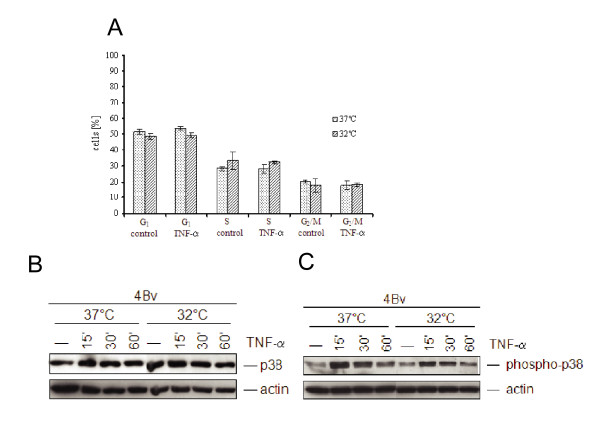
“Moreover, to rule out that temperature-shifts may affect TNF-α signaling, activation of p38 MAP kinase was examined [50].”
BackgroundThe HPV-16 E6 and E6-AP complex functions as a ubiquitin-protein ligase in the ubiquitination of p53
Scheffner, M., Huibregtse, J. M., Vierstra, R. D., & Howley, P. M. (1993) · Cell · doi:10.1016/0092-8674(93)90384-3 · Cited by 2,054 · cited 3×
“Since high-risk HPVs are known to degrade p53 via the proteasomal pathway [ 31 ] and p53 is the most frequently mutated tumor suppressor gene in human cancer [32], we anticipated a potential role of p53 in MCP-1 regulation.”
BackgroundInfluentialDefinition of a consensus binding site for p53
El-Deiry, W. S., Kern, S. E., Pietenpol, J. A., Kinzler, K. W., & Vogelstein, B. (1992) · Nature Genetics · doi:10.1038/ng0492-45 · Cited by 1,985 · cited 1×
“This sequence shows high homology (18 out of 20 bp) with the p53 consensus site (5'-(PuPuPuC(A/T)(T/ A)GPyPyPypY)n-3') and comprises two half-sites separated by a spacer of 12 bp, which is within the normal range between 0-13 bp [46].”
BackgroundCancer as an evolutionary and ecological process
Merlo, L. M. F., Pepper, J. W., Reid, B. J., & Maley, C. C. (2006) · Nature Reviews Cancer · doi:10.1038/nrc2013 · Cited by 1,699 · cited 1×
“Hence, considering cancer as a micro-evolutionary process [12], "high risk" HPVs have developed several evasion or subversion strategies to escape immunological surveillance [13].”
Background
Cited by
Unravelling mechanisms of p53-mediated tumour suppression
Bieging, K. T., Mello, S. S., & Attardi, L. D. (2014) · Nature Reviews Cancer · doi:10.1038/nrc3711 · Cited by 1,387
Iannello, A., Thompson, T. W., Ardolino, M., Lowe, S. W., & Raulet, D. H. (2013) · Journal of Experimental Medicine · doi:10.1084/jem.20130783 · Cited by 414
“Published chromatin immunoprecipitation experiments show a direct association of p53 with the Ccl2 gene regula tory sequences (Hacke et al., 2010; Tang et al., 2012), which is consistent with the possibility that p53 directly transacti vates Ccl2.”
InfluentialSasagawa, T., Takagi, H., & Makinoda, S. (2012) · Journal of Infection and Chemotherapy · doi:10.1007/s10156-012-0485-5 · Cited by 200
“Normal keratinocytes release MCP-1 in the presence of TNF-a, whereas such secretion is downregulated by the HPV16 E6 protein [22].”
BackgroundCCL2: An Important Mediator Between Tumor Cells and Host Cells in Tumor Microenvironment
Jin, J., Lin, J., Xu, A., Lou, J., Qian, C., Li, X., Wang, Y., Yu, W., & Tao, H. (2021) · Frontiers in Oncology · doi:10.3389/fonc.2021.722916 · Cited by 190
“This finding was confirmed in vitro by electrophoretic mobility shift assay and in vivo by ChIP assay (19).”
BackgroundMinocycline targets multiple secondary injury mechanisms in traumatic spinal cord injury
Zhong, Y., & Shultz, R. (2017) · Neural Regeneration Research · doi:10.4103/1673-5374.206633 · Cited by 160
“…regulate synthesis of leukocyte-recruiting chemo-kines and pro-inflammatory cytokines, including mono-cyte-chemoattractant protein-1 (MCP-1) (Hacke et al., 2010), tumor necrosis factor α (TNFα), interleukin-1β (IL-1β) and interleukin-6 (IL-6) (Olson et al., 2007; Pang et al., 2012; Yu et…”
Niebler, M., Qian, X., Höfler, D., Kogosov, V., Kaewprag, J., Kaufmann, A. M., Ly, R., Böhmer, G., Zawatzky, R., Rösl, F., et al. (2013) · PLoS Pathogens · doi:10.1371/journal.ppat.1003536 · Cited by 152
“S4B) is obviously advantageous, since it also interrupts the well-known regulatory circuit in stimulating the expression of MCP-1 [71,72], a chemokine, attracting cells of the monocyte/ macrophage lineage and activating them to release growthinhibitory cytokines [73,74].”
BackgroundInfluentialSelf-citationInteractions between the tumor suppressor p53 and immune responses
Menendez, D., Shatz, M., & Resnick, M. A. (2013) · Current Opinion in Oncology · doi:10.1097/cco.0b013e32835b6386 · Cited by 114
P53: A Guardian of Immunity Becomes Its Saboteur through Mutation
Agupitan, A. D., Neeson, P., Williams, S., Howitt, J., Haupt, S., & Haupt, Y. (2020) · International Journal of Molecular Sciences · doi:10.3390/ijms21103452 · Cited by 99
Ntuli, L., Mtshali, A., Mzobe, G. F., Liebenberg, L. J. P., & Ngcapu, S. (2022) · Frontiers in Cellular and Infection Microbiology · doi:10.3389/fcimb.2022.927131 · Cited by 118
“(TNF-a and MIP-3a) responsible for activation of these multifunctional cells (Hacke et al., 2010; Bashaw et al., 2017).”
BackgroundThe role of interleukin 10 in human papilloma virus infection and progression to cervical carcinoma
Berti, F. C. B., Pereira, A. P. L., Cebinelli, G. C. M., Trugilo, K. P., & de Oliveira, K. B. (2017) · Cytokine & Growth Factor Reviews · doi:10.1016/j.cytogfr.2017.03.002 · Cited by 119
HPV Infection: Immunological Aspects and Their Utility in Future Therapy
Deligeoroglou, E., Giannouli, A., Athanasopoulos, N., Karountzos, V., Vatopoulou, A., Dimopoulos, K., & Creatsas, G. (2013) · Infectious Diseases in Obstetrics and Gynecology · doi:10.1155/2013/540850 · Cited by 109
“appear downregulated directly or indirectly by HPV [43, 44].”
BackgroundThe P72R Polymorphism of p53 Predisposes to Obesity and Metabolic Dysfunction
Kung, C.-P., Leu, J. I.-J., Basu, S., Khaku, S., Anokye-Danso, F., Liu, Q., George, D. L., Ahima, R. S., & Murphy, M. E. (2016) · Cell Reports · doi:10.1016/j.celrep.2016.02.037 · Cited by 106
Cytokine Regulation of Metastasis and Tumorigenicity
Yao, M., Brummer, G., Acevedo, D. S., & Cheng, N. (2016) · Advances in cancer research · doi:10.1016/bs.acr.2016.05.005 · Cited by 106
The role of p53 in anti-tumor immunity and response to immunotherapy
Carlsen, L., Zhang, S., Tian, X., De La Cruz, A., George, A., Arnoff, T. E., & El-Deiry, W. S. (2023) · Frontiers in Molecular Biosciences · doi:10.3389/fmolb.2023.1148389 · Cited by 100
“p53 is an important regulator of CCL2, though there is conflicting evidence pointing to both p53-dependent induction (Hacke et al., 2010) and suppression (Tang et al.”
BackgroundMuñoz‐Fontela, C., Pazos, M. A., Delgado, I., Murk, W. K., Mungamuri, S. K., Lee, S. W., García‐Sastre, A., Moran, T. M., & Aaronson, S. A. (2011) · The Journal of Immunology · doi:10.4049/jimmunol.1101459 · Cited by 96
Genome guardian p53 and viral infections
Sato, Y., & Tsurumi, T. (2012) · Reviews in Medical Virology · doi:10.1002/rmv.1738 · Cited by 97
Jain, M., Yadav, D., Jarouliya, U., Chavda, V. K., Yadav, A. K., Chaurasia, B. K., & Song, M. (2023) · Pathogens · doi:10.3390/pathogens12121380 · Cited by 101
“Monocyte chemotactic protein-1 (MCP-1) chemokine is secreted by keratinocytes (KCs) under the influence of TNF-α , which can attract macrophages at the site of infection, however, its secretion is reduced by the E6 protein of HPV 16 [131].”
BackgroundThe Host-Microbe Interplay in Human Papillomavirus-Induced Carcinogenesis
Wakabayashi, R., Nakahama, Y., Việt, N. H., & Espinoza, J. L. (2019) · Microorganisms · doi:10.3390/microorganisms7070199 · Cited by 87
“In particular, oncoproteins E6 of HPV inhibit the release of monocyte chemotactic protein MCP-1 from infected keratinocytes [45].”
BackgroundChiu, H.-Y., Sun, K., Chen, S., Wang, H.-H., Lee, M.-Y., Tsou, Y.-C., Jwo, S., Sun, G.-H., & Tang, S. (2012) · Cytokine · doi:10.1016/j.cyto.2012.04.017 · Cited by 76
“found that non-functional p53 leads to diminished CCL2 transcription upon TNF-a treatment [38].”
BackgroundMacrophages, Inflammation, and Tumor Suppressors: ARF, a New Player in the Game
Través, P. G., Luque, A., & Hortelano, S. (2012) · Mediators of Inflammation · doi:10.1155/2012/568783 · Cited by 68
“Finally, important proinflammatory chemokines such as monocyte-chemoattractant protein (MCP)-1 have also been reported to be transcriptionally regulated by p53 [110].”
BackgroundKúdela, E., Líšková, A., Samec, M., Koklesová, L., Holubeková, V., Rokos, T., Kozubík, E., Pribulová, T., Zhai, K., Büsselberg, D., et al. (2021) · The EPMA Journal · doi:10.1007/s13167-021-00244-3 · Cited by 66
Nahta, R., Al‐Mulla, F., Al-Temaimi, R. A., Amedei, A., Andrade-Vieira, R., Bay, S., Brown, D. G., Calaf, G. M., Castellino, R. C., Cohen-Solal, K., et al. (2015) · Carcinogenesis · doi:10.1093/carcin/bgv028 · Cited by 70
Immune Surveillance of Unhealthy Cells by Natural Killer Cells
Iannello, A., & Raulet, D. H. (2013) · Cold Spring Harbor Symposia on Quantitative Biology · doi:10.1101/sqb.2013.78.020255 · Cited by 54
“In contrast, H-RasV12 transduction induced much less Ccl2 mRNA in p53-deficient MEFs, suggesting that p53 plays a critical role in inducing Ccl2 gene expression in senescent MEFs.”
Hu, Z., Brooks, S. A., Dormoy, V., Hsu, C.-W., Hsu, H.-Y., Lin, L., Massfelder, T., Rathmell, W. K., Xia, M., Al‐Mulla, F., et al. (2015) · Carcinogenesis · doi:10.1093/carcin/bgv036 · Cited by 57
HPV and the Risk of HIV Acquisition in Women
Zayats, R., Murooka, T. T., & McKinnon, L. R. (2022) · Frontiers in Cellular and Infection Microbiology · doi:10.3389/fcimb.2022.814948 · Cited by 56
“The oncogene E6 prevents the release of monocyte chemotactic protein-1 (MCP-1) by normal keratinocytes in response to TNF, impairing local macrophage recruitment during HPV infection (Hacke et al., 2010).”
BackgroundOjha, P. S., Maste, M. M., Tubachi, S. S., & Patil, V. S. (2022) · VirusDisease · doi:10.1007/s13337-022-00768-w · Cited by 60
Chemokine Network and Overall Survival inTP53Wild-Type and Mutant Ovarian Cancer
Ignacio, R. M. C., Lee, E.-S., Wilson, A. J., Beeghly-Fadiel, A. C., Whalen, M. M., & Son, D. (2018) · Immune Network · doi:10.4110/in.2018.18.e29 · Cited by 50
“In addition, TP53 inactivation during carcinogenesis affects immune surveillance by interfering with chemokine expression (19).”
BackgroundWang, W., Liu, H., Dai, X., Fang, S., Wang, X., Zhang, Y., Yao, H., Zhang, X., & Chao, J. (2015) · Scientific Reports · doi:10.1038/srep16900 · Cited by 47
Dying to Survive—The p53 Paradox
Lees, A., Sessler, T., & McDade, S. S. (2021) · Cancers · doi:10.3390/cancers13133257 · Cited by 41
Montoya‐Rodríguez, A., Milán‐Carrillo, J., Día, V. P., Reyes‐Moreno, C., & de Mejía, E. G. (2014) · Proteome Science · doi:10.1186/1477-5956-12-30 · Cited by 40
“MCP-1 Monocyte-chemo attractant protein-1 It has been linked with chronic inflammatory diseases and atherosclerosis [4,47] 35 42”
BackgroundAdvances in the interrelated nature of vaginal microecology, HPV infection, and cervical lesions
Cui, M., Wu, Y., Liu, Z., Liu, Y., & Fan, L. (2025) · Frontiers in Cellular and Infection Microbiology · doi:10.3389/fcimb.2025.1608195 · Cited by 35
Montoya‐Rodríguez, A., & de Mejía, E. G. (2015) · Food Research International · doi:10.1016/j.foodres.2015.06.032 · Cited by 37
Higareda‐Almaraz, J. C., Ruiz-Moreno, J. S., Klimentová, J., Barbieri, D., Salvador-Gallego, R., Ly, R., Valtierra-Gutiérrez, I. A., Dinsart, C., Rabinovich, G. A., Stulík, J., et al. (2016) · BMC Cancer · doi:10.1186/s12885-016-2700-8 · Cited by 32
Self-citationp53 is an important regulator of CCL2 gene expression
Tang, X., Asano, M., O’Reilly, A., Farquhar, A., Yang, Y., & Amar, S. (2012) · Current Molecular Medicine · doi:10.2174/156652412802480844 · Cited by 30
“Additionally, a recent study has indicated that the knockdown of human p53 leads to a strong negative regulation of CCL2 induction [33].”
BackgroundGupta, S., Kumar, P., Kaur, H., Sharma, N., Gupta, S., Saluja, D., Bharti, A. C., & Das, B. C. (2018) · Oncotarget · doi:10.18632/oncotarget.26041 · Cited by 28
“Furthermore, since cytokines or chemokines such as monocyte chemoattractant protein-1 (MCP-1) is differentially regulated in HPV16 positive cervical cancer, it would be highly interesting to look for expression of these chemokines being affected by altered NF-κB composition between HPV+ve and HPV−ve TSCCs [39, 40].”
Chemokine ligand 2: beyond chemotaxis—a multifaceted role in tumor progression
Jin, Y., Wang, Y., & Yang, R. (2025) · Frontiers in Immunology · doi:10.3389/fimmu.2025.1685474 · Cited by 26
Takahashi, E., Indalao, I. L., Sawabuchi, T., Mizuno, K., Sakai, S., Kimoto, T., Kim, H., & Kido, H. (2017) · Comparative Immunology Microbiology and Infectious Diseases · doi:10.1016/j.cimid.2017.11.002 · Cited by 25
“2), which is one of the key chemokines known to stimulate the migration and infiltration of monocytes/macrophages [35].”
BackgroundInfluentialMaciel, R. A. P., Rempel, L. C. T., Bosquetti, B., Becker-Finco, A., Pecoits‐Filho, R., de Souza, W. M., & Stinghen, A. E. M. (2016) · Brazilian Journal of Nephrology · doi:10.5935/0101-2800.20160024 · Cited by 23
Poly(ADP-ribose) polymerase 1 activation links ischemic acute kidney injury to interstitial fibrosis
Yoon, S. P., & Kim, J. (2014) · The Journal of Physiological Sciences · doi:10.1007/s12576-014-0346-3 · Cited by 22
Karthikeyan, S., Lantvit, D. D., Chae, D. H., & Burdette, J. E. (2016) · Oncotarget · doi:10.18632/oncotarget.11499 · Cited by 21
“Ccl2 expression was repressed by mutant p53 [26] and this was confirmed as a positive control (Figure 1A).”
Ryu, S., Jung, M., Kim, C., Kang, H., Han, S., Cha, S., Jeong, S. M., & Lee, E. K. (2022) · Cell Death and Disease · doi:10.1038/s41419-022-04792-y · Cited by 21
Leibovich-Rivkin, T., Liubomirski, Y., Meshel, T., Abashidze, A., Brisker, D., Solomon, H., Rotter, V., Weil, M., & Ben‐Baruch, A. (2014) · BMC Cancer · doi:10.1186/1471-2407-14-158 · Cited by 22
“These findings agree with those of recent studies showing that p53 was bound to CCL2 5′UTR and that the knockdown of human p53 has led to strong negative regulation of CCL2 in macrophages [67,68].”
ResultPlatelet-activating factor induces proliferation in differentiated keratinocytes
Feuerherm, A. J., Jørgensen, K. M., Sommerfelt, R. M., Eidem, L. E., Lægreid, A., & Johansen, B. (2013) · Molecular and Cellular Biochemistry · doi:10.1007/s11010-013-1784-6 · Cited by 17
“The PAF-responsiveness of the genes FOSL1, PTHLH and CCL2 was validated by RTQPCR as their up- or downregulation was confirmed (Fig.”
BackgroundInfluentialEndothelial cell tumor growth is Ape/ref-1 dependent
Biswas, A., Khanna, S., Roy, S., Pan, X. J., Sen, C. K., & Gordillo, G. M. (2015) · American Journal of Physiology-Cell Physiology · doi:10.1152/ajpcell.00022.2015 · Cited by 17
The p53 Codon 72 Polymorphism Modifies the Cellular Response to Inflammatory Challenge in the Liver
Leu, J. I.-J., Murphy, M. E., & George, D. L. (2013) · Journal of Liver · doi:10.4172/2167-0889.1000117 · Cited by 16
“Both HNF4α and MCP1 are known p53 target genes [20-22].”
BackgroundZhang, H., Yu, H., Wang, J., Zhang, M., Wang, X., Ahmad, W., Duan, M., & Guan, Z. (2015) · Molecular and Cellular Biochemistry · doi:10.1007/s11010-015-2349-7 · Cited by 11
Triggering Degradation of Host Cellular Proteins for Robust Propagation of Influenza Viruses
Xia, C., Wang, T., & Hahm, B. (2024) · International Journal of Molecular Sciences · doi:10.3390/ijms25094677 · Cited by 8
“Other genes encoding proteins involved in innate immunity, such as TLR3 [100], IRF5 [101], PKR [102,103], and MCP-1 [104], are also p53’s direct transcriptional targets. p53 is also involved in pulmonary monocyte infiltration, as well as T cell and dendritic cell responses to influenza virus…”
BackgroundAghbash, P. S., Shirvaliloo, M., Kasho, A. K. A., Alinezhad, F., Nauwynck, H., & Baghi, H. B. (2022) · International Immunopharmacology · doi:10.1016/j.intimp.2022.108896 · Cited by 10
p53 suppresses CCL2-induced subcutaneous tumor xenograft
Tang, X., & Amar, S. (2014) · Tumor Biology · doi:10.1007/s13277-014-2906-9 · Cited by 9
Dai, R., Tao, R., Li, X., Shang, T., Zhao, S., & Ren, Q. (2022) · Frontiers in Microbiology · doi:10.3389/fmicb.2022.979087 · Cited by 8
“CCL2 (Nakamura et al., 1995; Kunstfeld et al., 1998; Hacke et al., 2010) is a key chemokine that attracts cells, including T lymphocytes, eosinophil granulocytes, macrophages, mast cells, and monocytes, to inflammatory sites.”
BackgroundInfluentialDu, J., Li, G., Jiang, L., Zhang, X., Xu, Z., Yan, H., Zhou, Z., He, Q., Yang, X., & Luo, P. (2020) · Toxicology Letters · doi:10.1016/j.toxlet.2020.11.011 · Cited by 6
McLeod, J. J. A., Caslin, H. L., Spence, A. J., Kolawole, E. M., Qayum, A. A., Paranjape, A. R., Taruselli, M. T., Haque, T. T., Kiwanuka, K. N., Elford, H. L., et al. (2017) · Cellular Immunology · doi:10.1016/j.cellimm.2017.09.008 · Cited by 5
Liu, Y., Niu, M., Luo, Y., Pan, M., & Hong, S. (2024) · Journal of Medical Virology · doi:10.1002/jmv.29815 · Cited by 3
“105 Another study reported that HPV E7 induces CCL2/5, which attracts mast cells to create local immune suppression.”
Human Papillomavirus Cervical Infection: Many Ways to a Single Destination
Gardella, B., Pasquali, M. F., & Dominoni, M. (2022) · Vaccines · doi:10.3390/vaccines11010022 · Cited by 2
“HPV proteins interfere with macrophage translocation and the clearance of viral infected cells through the inhibition of macrophage chemotaxis and monocyte chemotactic protein MCP-1 [16,17].”
BackgroundTerapia gênica do câncer associando reparo da via p53 à imunoestimulação por IFNbeta
Catani, J. P. P. (2014) · Digital Library of Theses and Dissertations (Universidade de São Paulo) · doi:10.11606/t.5.2014.tde-26112014-100519 · Cited by 2
Cytokine response against human papillomavirus infection
Kumar, A., & Lata, S. (2025) · Elsevier eBooks · doi:10.1016/b978-0-443-15283-2.00005-1 · Cited by 3
CellsSurveillance of Unhealthy Cells by Natural Killer
Iannello, A., & Raulet, D. H. (2013)
Rimpilä, V. (2011) · Tampere University Institutional Repository (Tampere University)
HPV and cervical cancer: An immunological aspect
Agarwal, V., Singh, S. K., Tripathy, S., Rai, M., & Misra, D. P. (2021) · Journal of Current Oncology · doi:10.4103/jco.jco_18_21
Utami, M. S., & Bela, B. (2024) · Indonesian Journal of Health Science · doi:10.54957/ijhs.v4i5.1088
“Kedua protein ini muncul diregulasi secara langsung atau tidak langsung oleh HPV (Hacke et al., 2010).”
BackgroundHamou, M. O., Masset, M., Weber, C., Scifo, L., Libert, S., Bryla, A., Grégoire, F., Delforge, V., Bolaky, N., Datlibagi, A., et al. (2025) · Molecular vision · doi:10.63500/mv_v31_380
“In addition, p53 can transactivate MCP-1 and be phosphorylated by p38 or JNK [74].”
Dai, R., Tao, R., Li, X., Shang, T., Zhao, S., & Ren, Q. (2022) · doi:10.3389/fmicb.2022.979087.s003
Metadata
- Authors
- Hacke, K., Rincon-Orozco, B., Buchwalter, G., Siehler, S. Y., Wasylyk, B., Wiesmüller, L., & Rösl, F.
- Affiliations
- German Cancer Research Center (DE)
- Institut de génétique et de biologie moléculaire et cellulaire (FR)
- Universität Ulm (DE)
- Corresponding author
- Rösl, Frank
- Venue
- Molecular Cancer
- Published
- 2010-04-20
- Volume
- 9
- Issue
- 1
- Pages
- 82-82
- ISSN
- 1476-4598 (ISSN-L)
- PMC
- PMC2864217
- OpenAlex
- W2145414107
- Cited by
- 63
- References
- 61
- Citations by year
- 2025: 4 · 2024: 3 · 2023: 2 · 2022: 7 · 2021: 4 · 2020: 2 · 2019: 2 · 2018: 2 · 2017: 4 · 2016: 5 · 2015: 6 · 2014: 6 · 2013: 8 · 2012: 6
- FWCI
- 2.53
- Type
- journal article
- Language
- en
- Open access
- gold
- doi.org
- Licence
- cc-by
- Locations
- Molecular Cancer (publishedVersion, cc-by)
- PubMed Central (publishedVersion, cc-by)
- PubMed (publishedVersion)
- HAL (submittedVersion)
- DOAJ (DOAJ: Directory of Open Access Journals) (submittedVersion, cc-by-sa)
- eScholarship (California Digital Library) (submittedVersion)
- Funders
- Wayne State University
- Deutsches Krebsforschungszentrum
- Deutsche Forschungsgemeinschaft
- Institut National de la Santé et de la Recherche Médicale
- Weizmann Institute of Science
- Centre National de la Recherche Scientifique
- Deutsche Krebshilfe
- Institut National Du Cancer
- Topics
- Health Sciences › Medicine › Oncology › Cancer-related Molecular Pathways
- Health Sciences › Medicine › Oncology › Chemokine receptors and signaling
- Health Sciences › Medicine › Epidemiology › Cervical Cancer and HPV Research
- Keywords
- MCP-1, p53, chemokine transcription, human papillomavirus, E6 oncoprotein, E7 oncoprotein, TNF-α, keratinocytes, p53 binding sites, temperature-sensitive p53 mutant, Li-Fraumeni syndrome, immune surveillance, carcinogenesis, monocyte/macrophage infiltration
- MeSH terms
- Cell Line, Cell Transformation, Neoplastic, Electrophoresis, Polyacrylamide Gel, Enhancer Elements, Genetic, Gene Expression Regulation, Humans, Tumor Necrosis Factor-alpha, Blotting, Northern, Blotting, Western, Keratinocytes, Tumor Suppressor Protein p53, Chemokine CCL2, Reverse Transcriptase Polymerase Chain Reaction, Electrophoretic Mobility Shift Assay, Chromatin Immunoprecipitation
About these checks
Registry, retraction, Cites and statistics results are computed, not judged, with one exception: a printed reference that no index lists is read once by a model before it counts as a citation error. Claims are extracted by a model and kept only when their quote appears verbatim in the text; each cited source is then checked, with a model’s help, for whether it says what the claim relies on. Those verdicts can be wrong — read the claim’s quote and the cited source before relying on one.
Statistics and arithmetic are recomputed, not judged.
Confidence bands are shown only for fields calibrated on our annotated test set. None is calibrated yet, so no band is shown.
What counts as a claim ›How we measure confidence ›How we check this ›
Are you an author, or do you see a problem with this page? Request a review
Data sources
Bibliographic data: Semantic Scholar, OpenAlex, Crossref.
Contains information from the Semantic Scholar Academic Graph Datasets, made available under the ODC Attribution License (ODC-BY 1.0).
Semantic Scholar’s data is described in: Kinney, R., et al. (2023). The Semantic Scholar Open Data Platform. arXiv:2301.10140.
