

The effect of protein timing on muscle strength and hypertrophy: a meta-analysis
Open accessThe DOI matches its Crossref record; 70 of the 71 references it cites were found in a registry or an index; 2 of the 44 sources its claims cite were checked for support.
Abstract
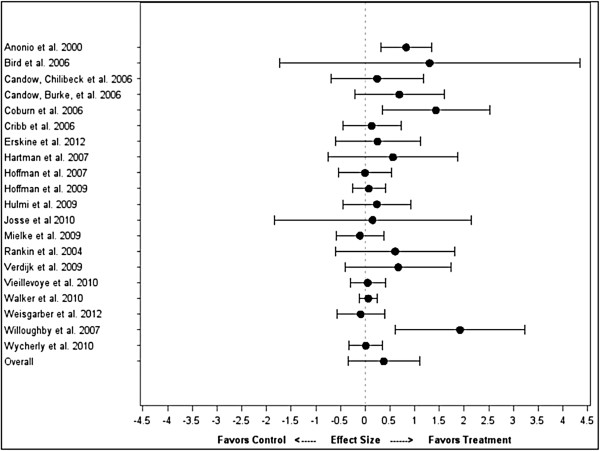
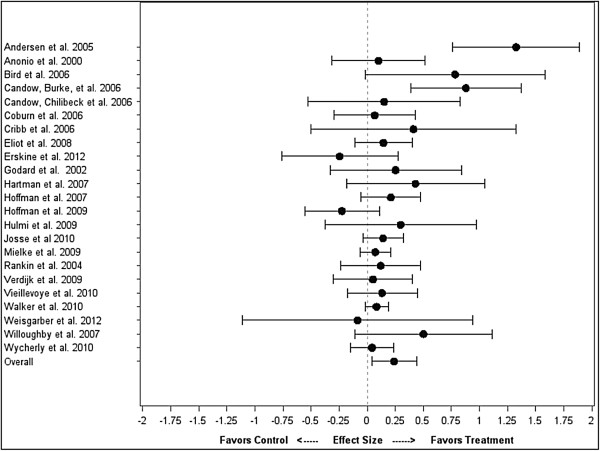
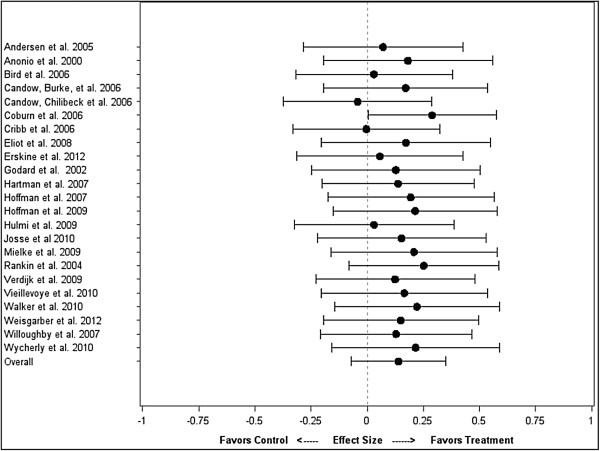
Protein timing is a popular dietary strategy designed to optimize the adaptive response to exercise. The strategy involves consuming protein in and around a training session in an effort to facilitate muscular repair and remodeling, and thereby enhance post-exercise strength- and hypertrophy-related adaptations. Despite the apparent biological plausibility of the strategy, however, the effectiveness of protein timing in chronic training studies has been decidedly mixed. The purpose of this paper therefore was to conduct a multi-level meta-regression of randomized controlled trials to determine whether protein timing is a viable strategy for enhancing post-exercise muscular adaptations. The strength analysis comprised 478 subjects and 96 ESs, nested within 41 treatment or control groups and 20 studies. The hypertrophy analysis comprised 525 subjects and 132 ESs, nested with 47 treatment or control groups and 23 studies. A simple pooled analysis of protein timing without controlling for covariates showed a small to moderate effect on muscle hypertrophy with no significant effect found on muscle strength. In the full meta-regression model controlling for all covariates, however, no significant differences were found between treatment and control for strength or hypertrophy. The reduced model was not significantly different from the full model for either strength or hypertrophy. With respect to hypertrophy, total protein intake was the strongest predictor of ES magnitude. These results refute the commonly held belief that the timing of protein intake in and around a training session is critical to muscular adaptations and indicate that consuming adequate protein in combination with resistance exercise is the key factor for maximizing muscle protein accretion.
Overview
CoChat Summary
TL;DR
This meta-analysis of randomized trials found that protein timing around resistance training did not significantly improve strength or hypertrophy after controlling for covariates. Total protein intake, not timing, was the strongest predictor of hypertrophy effect size.
Key findings
- Strength analysis included 478 subjects, 96 effect sizes, 41 treatment/control groups, and 20 studies. Treatment vs control was not significant in the basic model (difference = 0.38 ± 0.36; CI: -0.34, 1.10; P = 0.30), full model (difference = 0.28 ± 0.40; CI: -0.52, 1.07; P = 0.49), or reduced model (difference = 0.39 ± 0.36; CI: -0.34, 1.11; P = 0.29).
- Hypertrophy analysis included 525 subjects, 132 effect sizes, 47 treatment/control groups, and 23 studies. A simple pooled analysis showed a significant treatment advantage (difference = 0.24 ± 0.10; CI: 0.04, 0.44; P = 0.02), but this disappeared in the full model (difference = 0.16 ± 0.11; CI: -0.07, 0.38; P = 0.18) and reduced model (difference = 0.14 ± 0.11; CI: -0.07, 0.35; P = 0.20).
- Total protein intake was the strongest predictor of hypertrophy effect size (estimate = 0.41 ± 0.14; CI: 0.14, 0.69; P = 0.004), with about a 0.2 increase in effect size per 0.5 g/kg increase in protein ingestion. In unmatched studies, average intake was 1.33 g/kg/day for controls vs 1.66 g/kg/day for treatment; in matched studies, 1.91 vs 1.81 g/kg/day.
- Sub-analyses did not materially change outcomes: for fat-free mass, treatment vs control was not significant (difference = 0.08 ± 0.07; CI: -0.07, 0.24; P = 0.27) while protein intake remained a predictor (estimate = 0.39 ± 0.07; P < 0.001); for cross-sectional area, treatment vs control was not significant (difference = 0.14 ± 0.16; CI: -0.17, 0.46; P = 0.37) while protein intake remained a predictor (estimate = 0.55 ± 0.24; P = 0.02).
Methods
- Systematic searches of PubMed and Google Scholar up to March 2013 identified randomized controlled or crossover trials involving protein timing, defined as ≥6 g essential amino acids ≤1 hour pre- and/or post-resistance exercise vs a control not consuming protein <2 hours pre/post; training had to last ≥6 weeks and measure dynamic strength and/or hypertrophy. Studies scoring ≥5 on the PEDro scale were included; 23 studies were analyzed, with an average PEDro score of 8.7.
- Effect sizes were calculated as pretest-posttest change divided by pretest SD. Hierarchical linear mixed models modeled variation between studies and between treatment/control groups nested within studies, with group-level fixed predictors; separate analyses were run for strength and hypertrophy.
- The full model controlled for group class, protein matching, training status, blinding, gender, age, body mass, and study duration; model reduction used AICC and likelihood ratio tests. Interaction models examined treatment by protein matching and treatment by training status, and hypertrophy sub-analyses separated cross-sectional area and fat-free mass.
Limitations
- The paper states that control-group meal timing varied widely, from 2 hours post-workout to many hours later, making it difficult to determine whether a clear anabolic window exists. It also states that most subjects were inexperienced with resistance training, only 4 studies used trained subjects, and statistical power for training-status interactions was low.
- The paper states that cross-sectional area and fat-free mass data were pooled for the main hypertrophy analysis, though sub-analyses did not materially change results, and that there was a paucity of timing studies matching protein intake.
- The paper acknowledges that causality cannot be directly drawn, so it remains possible that protein timing produced a positive effect and the associated increase in protein intake was coincidental; only 3 matched-protein studies met inclusion criteria, limiting firm conclusions.
Model-written summary. Check it against the paper before relying on it.
Integrity signals
Registry
Cites
Statistics
Figures
Verification
Claims the paper makes
0 Valid · 1 Not valid · 27 Not checked · 80 Own results and interpretations
Some cited sources support this claim and some don’t — read each source’s verdict below.
In the paper
“Despite the apparent biological plausibility of the strategy, however, the effectiveness of protein timing in chronic training studies has been decidedly mixed.”
§ The effect of protein timing on muscle strength and hypertrophy: a meta-analysis > Abstract
What the sources say
- Disputedcites [16] Cribb PJ Hayes A Effects of supplement timing and resistance exercise on skeletal muscle hypertrophy Med Sci Sports Exerc 2006 Nov 10 11 1918 1925 17095924 sourceExperimental — accuracy not yet measured
Our copy takes the opposite position to the claim: in the Discussion (Paragraph 22) Cribb and Hayes state that 'the majority of data from longitudinal studies generally support the theory that supplementation (with protein) before and/or after RE will enhance the chronic adaptations desired from training,' and the Abstract likewise frames prior chronic work as reporting greater hypertrophy from supplement-timing. The limitation they attribute to that earlier literature is not equivocal or mixed outcomes but methodological relevance — participants had to abstain from food for up to 3 h around each session (Introduction, Paragraph 1; Paragraph 23) — and the absence of any comparison against the same supplement taken at other times of day (Abstract). Their Conclusion (Paragraph 28) presents their trial as the first to 'clearly demonstrate' a benefit of timing, i.e. the chronic evidence was incomplete rather than mixed, so the citing sentence overstates/mischaracterises this source's position. (LLM, conf=0.72)
Checked by a reasoning model — may be wrong.
- Not checked yetcites [17] Willoughby DS Stout JR Wilborn CD Effects of resistance training and protein plus amino acid supplementation on muscle anabolism, mass, and strength Amino Acids 2007 10 4 467 477 16988909 source
Checked before — its earlier verdict is held back until a new check runs.
- Not checked yetcites [18] Hulmi JJ Kovanen V Selanne H Kraemer WJ Hakkinen K Mero AA Acute and long-term effects of resistance exercise with or without protein ingestion on muscle hypertrophy and gene expression Amino Acids 2009 Jul 10 2 297 308 18661258 source
Checked before — its earlier verdict is held back until a new check runs.
- Not checked — no full text of the sourcecites [19] Burk A Timpmann S Medijainen L Vahi M Oopik V Time-divided ingestion pattern of casein-based protein supplement stimulates an increase in fat-free body mass during resistance training in young untrained men Nutr Res 2009 Jun 10 6 405 413 19628107 source
- Not checked yetcites [20] Hoffman JR Ratamess NA Tranchina CP Rashti SL Kang J Faigenbaum AD Effect of protein-supplement timing on strength, power, and body-composition changes in resistance-trained men Int J Sport Nutr Exerc Metab 2009 Apr 10 2 172 185 19478342 source
Checked before — its earlier verdict is held back until a new check runs.
- Supportedcites [21] Verdijk LB Jonkers RA Gleeson BG Beelen M Meijer K Savelberg HH Protein supplementation before and after exercise does not further augment skeletal muscle hypertrophy after resistance training in elderly men Am J Clin Nutr 2009 Feb 10 2 608 616 19106243 source
The Abstract (Background) opens with 'Considerable discrepancy exists in the literature on the proposed benefits of protein supplementation on the adaptive response of skeletal muscle to resistance-type exercise training in the elderly,' i.e. chronic rather than acute work. The Introduction then lays out the conflicting chronic-training evidence on timing specifically — Esmarck et al (34) reporting timing essential for hypertrophy over 12 wk, against Campbell and Leidy (31) and studies (32,33) showing no benefit of nutritional co-intervention during long-term training — while the Discussion (p. 1-3) contrasts the present null result on timed pre/post protein with Esmarck's positive finding. This directly supports the characterization of protein-timing effectiveness in chronic training studies as mixed. (LLM, conf=0.82)
- Not checked yetcites [22] Wycherley TP Noakes M Clifton PM Cleanthous X Keogh JB Brinkworth GD Timing of protein ingestion relative to resistance exercise training does not influence body composition, energy expenditure, glycaemic control or cardiometabolic risk factors in a hypocaloric, high protein diet in patients with type 2 diabetes Diab Obes Metab 2010 Dec 10 12 1097 1105 20977582 source
Checked before — its earlier verdict is held back until a new check runs.
plain- Asserted: passes — The authors put it forward as true.
- Checkable: passes — It can be checked against evidence.
- Load-bearing: passes — The paper’s conclusions depend on it.
- Based: passes — The paper gives a reason why it holds.
- Disputed
A result the paper reports from its own data — it cites no other source for it, so there is none to check. The quote shows it is in the paper.
In the paper
“Total protein intake (in g/kg) was the strongest predictor of ES magnitude (estimate = 0.41 ± 0.14; CI: 0.14, 0.69; P = 0.004).”
§ The effect of protein timing on muscle strength and hypertrophy: a meta-analysis > Results > Reduced model: hypertrophy
plainstates an association- Asserted: passes — The authors put it forward as true.
- Checkable: passes — It can be checked against evidence.
- Load-bearing: passes — The paper’s conclusions depend on it.
- Based: passes — The paper gives a reason why it holds.
A result the paper reports from its own data — it cites no other source for it, so there is none to check. The quote shows it is in the paper.
In the paper
“The weighted mean strength ES across all studies and groups was 1.39 ± 0.24 (CI: 0.88, 1.90).”
§ The effect of protein timing on muscle strength and hypertrophy: a meta-analysis > Results > Study characteristics
plainn = 478- Asserted: passes — The authors put it forward as true.
- Checkable: passes — It can be checked against evidence.
- Load-bearing: passes — The paper’s conclusions depend on it.
- Based: passes — The paper gives a reason why it holds.
A result the paper reports from its own data — it cites no other source for it, so there is none to check. The quote shows it is in the paper.
In the paper
“For hypertrophy, the mean ES was significantly greater in the treatment compared to the control (difference = 0.24 ± 0.10; CI: 0.04, 0.44; P = 0.02).”
§ The effect of protein timing on muscle strength and hypertrophy: a meta-analysis > Results > Basic model
plainstates a cause- Asserted: passes — The authors put it forward as true.
- Checkable: passes — It can be checked against evidence.
- Load-bearing: passes — The paper’s conclusions depend on it.
- Based: passes — The paper gives a reason why it holds.
- Rests on 2 assumptions not shown here.
A result the paper reports from its own data — it cites no other source for it, so there is none to check. The quote shows it is in the paper.
In the paper
“After the model reduction procedure, only training status and blinding remained as significant covariates.”
§ The effect of protein timing on muscle strength and hypertrophy: a meta-analysis > Results > Reduced model: strength
plainstates an association- Asserted: passes — The authors put it forward as true.
- Checkable: passes — It can be checked against evidence.
- Load-bearing: unclear — It is unclear whether the paper’s conclusions depend on it.
- Based: passes — The paper gives a reason why it holds.
62 more claims
Create a free account to see all 108 claims and to verify the 41 references still open.
- Probably not a substantial claim. 24
- It may state two separate claims as one. 21
- The quote only partly states this claim. 1
Claims other papers make about this one
Each is checked against this paper’s own text: does it say what the citing paper says it does?
The source backs part of the claim, not all of it — or backs it for a different population, condition or comparison.
In the citing paper
“This lack of agreement on the efficacy of protein supplementation6–12 is likely due to the use of divergent study inclusion criteria and inclusion of subjects with differing: ages, training statuses, total protein intakes, protein sources and protein doses.”
From A systematic review, meta-analysis and meta-regression of the effect of protein supplementation on resistance training-induced gains in muscle mass and strength in healthy adults (2018) · cites this paper as [6]
Experimental — accuracy not yet measuredThe source backs part of the claim, not all of it — or backs it for a different population, condition or comparison.
In the citing paper
“Despite a large volume of work in this area, narrative reviews1–5 and even meta-analyses6–12 yield conflicting results as to the actual effectiveness of protein supplementation to enhance RET-mediated gains in muscle mass and strength.”
From A systematic review, meta-analysis and meta-regression of the effect of protein supplementation on resistance training-induced gains in muscle mass and strength in healthy adults (2018) · cites this paper as [6]
Experimental — accuracy not yet measuredThe source backs part of the claim, not all of it — or backs it for a different population, condition or comparison.
In the citing paper
“Our analysis, and those from others,6 leads us to conclude that the specifics of protein supplementation (eg, timing, postexercise protein dose or protein source) play a minor, if any, role in determining RET-induced gains in FFM and strength over a period of weeks.”
From A systematic review, meta-analysis and meta-regression of the effect of protein supplementation on resistance training-induced gains in muscle mass and strength in healthy adults (2018) · cites this paper as [6]
Experimental — accuracy not yet measuredThe source backs part of the claim, not all of it — or backs it for a different population, condition or comparison.
In the citing paper
“To the best of our knowledge, this is the first study synthesizing this data from RCTs, as previous meta-analysis pooled data from studies that were not designed to compare protein supplementation before and after training [14,15].”
From Does Protein Ingestion Timing Affect Exercise-Induced Adaptations? A Systematic Review with Meta-Analysis (2025) · cites this paper as [14]
Experimental — accuracy not yet measured
4 more claims about this paper
Create a free account to see every claim other papers make about this one.
Self-check
Percentages, sums and reported differences re-computed from the paper’s own numbers.
Each contradiction between two passages listed here was confirmed by an independent check.
Rated major: it would touch a result — a value a result rests on, reported and recomputed p-values on opposite sides of the significance level, two passages that conflict with no sign which is right, or a cited work retracted before this paper was published.
In the paper
§ The effect of protein timing on muscle strength and hypertrophy: a meta-analysis > Results > Reduced model: hypertrophy
“After the model reduction procedure, total protein intake, study duration, and blinding remained as significant covariates.”
§ The effect of protein timing on muscle strength and hypertrophy: a meta-analysis > Methodology > Statistical analyses
“A full model was then created with the following predictors: the class of the group (treatment or control), whether or not the groups were protein matched, training status (experienced or novice), blinding (double, single, or none), gender (male, female, or mixed), age (young or old), body mass in kg, and the duration of the study in weeks.”
Rated minor: it would not touch a result — a value no result rests on, a p-value that stays on the same side of the significance level, or a conflict that is clerical, resolved elsewhere in the paper, or outside its own findings.
In the paper
§ The effect of protein timing on muscle strength and hypertrophy: a meta-analysis > Discussion
“For FFM, the difference between treatment and control was not significant (P = 0.27), with a ES difference of -0.08.”
§ The effect of protein timing on muscle strength and hypertrophy: a meta-analysis > Results > Hypertrophy sub-analyses
“For FFM, there was no significant difference between treatment and control (difference = 0.08 ± 0.07; CI: -0.07, 0.24; P = 0.27).”
Rated minor: it would not touch a result — a value no result rests on, a p-value that stays on the same side of the significance level, or a conflict that is clerical, resolved elsewhere in the paper, or outside its own findings.
In the paper
§ The effect of protein timing on muscle strength and hypertrophy: a meta-analysis > Discussion
“For CSA, the difference between treatment and control was not significant (P = 0.37), with a ES difference of -0.14.”
§ The effect of protein timing on muscle strength and hypertrophy: a meta-analysis > Results > Hypertrophy sub-analyses
“For CSA, there was no significant difference between treatment and control (difference = 0.14 ± 0.16; CI: -0.17, 0.46; P = 0.37).”
Citations
Cites
Model selection and multimodel inference: a practical information-theoretic approach.
Guthery, F. S., Burnham, K. P., & Anderson, D. R. (2003) · The Journal of Wildlife Management · doi:10.2307/3802723 · Cited by 41,495
Regression and time series model selection in small samples
HURVICH, C. M., & TSAI, C.-L. (1989) · Biometrika · doi:10.1093/biomet/76.2.297 · Cited by 6,586 · cited 2×
“The final model represented the reduced model with the lowest Akaike’s Information Corrected Criterion (AICC) [55] and that was not significantly different (P > 0.05) from the full model when compared using a likelihood ratio test (LRT).”
MethodInfluentialThe Handbook of Research Synthesis and Meta-Analysis
(2019) · doi:10.7758/9781610448864 · Cited by 4,553
Model Selection and Inference: A Practical Information-Theoretic Approach
Strawderman, R. L., Burnham, K. P., & Anderson, D. R. (2000) · Journal of the American Statistical Association · doi:10.2307/2669574 · Cited by 4,194
Morris, S. B., & DeShon, R. P. (2002) · Psychological Methods · doi:10.1037/1082-989x.7.1.105 · Cited by 2,502 · cited 5×
“The sampling variance for each ES was estimated according to Morris and DeShon [51].”
BackgroundMethodInfluentialModel Selection and Inference: A Practical Information-Theoretic Approach
Beier, P., Burnham, K. P., & Anderson, D. R. (2001) · The Journal of Wildlife Management · doi:10.2307/3803117 · Cited by 2,440
Greenhalgh, T., & Peacock, R. (2005) · BMJ · doi:10.1136/bmj.38636.593461.68 · Cited by 2,045 · cited 2×
“methods outlined by Greenhalgh and Peacock [25], the reference lists of articles retrieved in the search were”
MethodAdvanced methods in meta‐analysis: multivariate approach and meta‐regression
van Houwelingen, H. C., Arends, L. R., & Stijnen, T. (2002) · Statistics in Medicine · doi:10.1002/sim.1040 · Cited by 1,580
Evidence for physiotherapy practice: A survey of the Physiotherapy Evidence Database (PEDro)
Moseley, A. M., Herbert, R. D., Sherrington, C., & Maher, C. G. (2002) · Australian Journal of Physiotherapy · doi:10.1016/s0004-9514(14)60281-6 · Cited by 911 · cited 2×
“Only those studies scoring ≥5 on the PEDro scale–a value considered to be of moderate to high quality [27]were accepted for analysis.”
BackgroundMethodA random‐effects regression model for meta‐analysis
Berkey, C. S., Hoaglin, D. C., Mosteller, F., & Colditz, G. A. (1995) · Statistics in Medicine · doi:10.1002/sim.4780140406 · Cited by 879 · cited 1×
“[57].”
Cited by
Items 101–200 of 221
Noh, K.-W., & Park, S. (2023) · Physical Activity and Nutrition · doi:10.20463/pan.2023.0033 · Cited by 10
Lak, M., Bagheri, R., Ghobadi, H., Campbell, B. I., Wong, A., Shahrbaf, A., Shariatzadeh, M., & Dutheil, F. (2024) · Frontiers in Nutrition · doi:10.3389/fnut.2024.1397090 · Cited by 12
“There have also been two systematic reviews and meta-analyses on protein timing, with both reporting no beneficial effect of a specific timing of protein intake on muscle hypertrophy (16, 17).”
BackgroundKlentrou, P., McKee, K. T., McKinlay, B. J., Kurgan, N., Roy, B. D., & Falk, B. (2021) · Children · doi:10.3390/children8110961 · Cited by 10
“Statistical analyses were performed using SPSS version 25.0 for Windows.”
InfluentialKnowledge of gym goers on myths and truths in resistance training
Unger, A., Mosgan, C., Wolte, C., Pettauer, S., & Wilke, J. (2025) · Scientific Reports · doi:10.1038/s41598-025-87485-8 · Cited by 10
Cheng, G., Zhang, Z., Shi, Z., & Qiu, Y. (2025) · Frontiers in Nutrition · doi:10.3389/fnut.2025.1567438 · Cited by 10
“All literature was independently assessed by two researchers based on inclusion and exclusion criteria, and data extraction in this study followed highly established processes to ensure the reliability and comparability of the results (50).”
Dietary Manipulations Concurrent to Endurance Training
Rothschild, J. A., & Earnest, C. P. (2018) · Journal of Functional Morphology and Kinesiology · doi:10.3390/jfmk3030041 · Cited by 10
“chronic HIIT [79], and the findings of a meta-analysis that total daily protein intake, rather than timing, was the strongest predictor of exercise-induced muscle hypertrophy [80].”
ResultAntónio, J., Ellerbroek, A., & Carson, C. (2018) · Journal of Functional Morphology and Kinesiology · doi:10.3390/jfmk3040062 · Cited by 10
Vieira, I. P., de Paula, A. G., Gentil, P., Pichard, C., Candow, D. G., & Pimentel, G. D. (2020) · Sports · doi:10.3390/sports8020012 · Cited by 8
“Although we did not measure the timing of protein intake, no significant effect on muscle strength is found during the resistance training [25].”
BackgroundMhamed, M. B., Zarrouk, F., Mrad, M., Methnani, J., Bahlous, A., Zaouali, M., Lindinger, M., Bigard, X., & Bouhlel, E. (2024) · Science & Sports · doi:10.1016/j.scispo.2024.02.001 · Cited by 7
Murray, M., Vlietstra, L., Best, A., Sims, S. T., Loehr, J. A., & Rehrer, N. J. (2025) · Nutrients · doi:10.3390/nu17122033 · Cited by 7
Yoshii, N., Sato, K., Ogasawara, R., Kurihara, T., Hamaoka, T., & Fujita, S. (2017) · Journal of Nutritional Science and Vitaminology · doi:10.3177/jnsv.63.379 · Cited by 7
Martini, G. L., Pinto, R. S., Brusco, C. M., Franceschetto, B. F., Oliveira, M. L., Neske, R., Cadore, F. L., Teodoro, J. L., Wilhelm, E. N., & de Souza, C. G. (2023) · Applied Physiology, Nutrition, and Metabolism · doi:10.1139/apnm-2022-0258 · Cited by 8
Nutritional Guidelines for Football Players
Mendes, A. P., Carvalho, P., & Teixeira, V. H. (2017) · Springer eBooks · doi:10.1007/978-3-662-53924-8_52 · Cited by 10
Insect protein: the next frontier in bodybuilding nutrition
Kamalakannan, M., & Komala, G. (2025) · Journal of the Science of Food and Agriculture · doi:10.1002/jsfa.70040 · Cited by 6
Acute Effect of the Timing of Resistance Exercise and Nutrient Intake on Muscle Protein Breakdown
Kume, W., Yasuda, J., & Hashimoto, T. (2020) · Nutrients · doi:10.3390/nu12041177 · Cited by 6
Evidence-based nutritional approaches to enhance exercise adaptations
Roberts, M. D., Moulding, B. D., Forbes, S. C., & Candow, D. G. (2023) · Current Opinion in Clinical Nutrition & Metabolic Care · doi:10.1097/mco.0000000000000975 · Cited by 8
“[18] indicates that the timing of protein supplementation is not as important as ensuring adequate daily intakes.”
BackgroundWang, W., Hsieh, P., Farrar, R. P., & Ivy, J. L. (2020) · Current Research in Physiology · doi:10.1016/j.crphys.2020.02.001 · Cited by 8
Triathlon: Ergo Nutrition for Training, Competing, and Recovering
Miguel‐Ortega, Á., Rodríguez-Rodrigo, M.-A., Mielgo‐Ayuso, J., & Calleja-González, J. (2025) · Nutrients · doi:10.3390/nu17111846 · Cited by 8
“Consuming a combination of CHO and protein (in a ratio of approximately 3:1) also promotes muscle repair [99] (Figure 5).”
Karpouzi, C., Kosmidis, I., Petridou, A., Voulgaridou, G., Papadopoulou, S. Κ., Bogdanis, G. C., & Mougios, V. (2025) · Nutrients · doi:10.3390/nu17091441 · Cited by 5
“The timing of supplementation relative to the training sessions was not controlled, since it has been shown not to play a significant role in the long-term adaptations to resistance training [16], and no such information is available regarding HIFT.”
Casuso, R. A., & Goossens, L. (2025) · Nutrients · doi:10.3390/nu17132070 · Cited by 5
“Moreover, previous meta-analyses have compared the effect size of studies differing in supplementation timing [14,16,17].”
Teljigović, S., Søgaard, K., Sandal, L. F., Dalager, T., Nielsen, N. O., Sjøgaard, G., & Holm, L. (2020) · BMJ Open · doi:10.1136/bmjopen-2020-041605 · Cited by 5
Avula, B., Parveen, I., Zhao, J., Wang, M., Techen, N., Wang, Y., Riaz, M., Bae, J., Shami, A. A., Chittiboyina, A. G., et al. (2021) · Journal of Dietary Supplements · doi:10.1080/19390211.2021.1897724 · Cited by 5
“…on protein supplementation efficacy have yielded somewhat conflicting results (Hulmi et al. 2010; Cermak et al. 2012; Dideriksen et al. 2013; Schoenfeld et al. 2013; Miller et al. 2014; Finger et al. 2015; Morton et al. 2015; Naclerio and Larumbe-Zabala 2016; Phillips et al. 2016; Reidy and…”
ResultEscobar, K. A., McLain, T. A., & Kerksick, C. M. (2015) · Strength and conditioning journal · doi:10.1519/ssc.0000000000000138 · Cited by 6
“In this respect, 2 recently published well-constructed reviews by Aragon and Schoenfeld (4,52) are available to the interested reader that highlight the impact of postexercise timing of protein.”
BackgroundInfluentialMuthuramalingam, K., Kim, J. H., Jeon, Y. J., Rho, S., Kim, Y. M., & Cho, M. (2017) · Journal of Applied Biological Chemistry · doi:10.3839/jabc.2017.058 · Cited by 7
“Dietary supplementation of protein along with exercise has been expected to impose positive impact on muscle remodeling by promoting muscle hypertrophy (Schoenfeld et al. 2013).”
BackgroundDobson, N. L. (2021) · Journal of Sport Rehabilitation · doi:10.1123/jsr.2020-0504 · Cited by 6
Hannaian, S. J., Orlando, M. N., Abou Sawan, S., Mazzulla, M., West, D. W. D., & Moore, D. R. (2020) · Frontiers in Sports and Active Living · doi:10.3389/fspor.2020.568740 · Cited by 4
“up to 24 h could have rendered the issue of protein timing as being less relevant for this outcome (Burd et al., 2011; Schoenfeld et al., 2013).”
BackgroundPlant-Based Nutrition and Supplements for Optimal Athletic Performance
Rosenfeld, R. M., Zinman, S., & Bonnet, J. P. (2025) · American Journal of Lifestyle Medicine · doi:10.1177/15598276251393663 · Cited by 5
“Another systematic review 84 found no impact of protein given before vs after a resistance training session on improvements in muscle strength or hypertrophy.”
Maliza, R., Syaidah, R., Rosdianto, A. M., Tofrizal, A., Santoso, P., Lesmana, R., Arya, B., & Rafi, M. (2024) · Food Production Processing and Nutrition · doi:10.1186/s43014-024-00269-x · Cited by 6
“Proteins, which are essential for the growth, repair, and maintenance of body tissues, can lead to protein-energy malnutrition if deficient, a critical health concern, particularly in developing nations (Schoenfeld et al., 2013; Young & Pellett, 1994).”
Benavides, A., Isaza, J. P., Niño‐García, J. P., Álzate, J. F., & Cabarcas, F. (2018) · BMC Genomics · doi:10.1186/s12864-018-5191-y · Cited by 4
“Although several thermostable enzymes have been recently described and characterized (e.g. [2 – 4]), thermophiles are still highly unexplored [5], especially because the majority of prokaryotic diversity cannot be cultured [6].”
BackgroundFröhlich, M., & KEMMLER, W. K. (2023) · Springer eBooks · doi:10.1007/978-3-662-53410-6_46 · Cited by 5
Pasiakos, S. M., & Howard, E. E. (2021) · Journal of Nutrition · doi:10.1093/jn/nxab099 · Cited by 4
Diretrizes de Prática Clínica para Nutrição Esportiva: Associação Brasileira de Nutrição Esportiva
Quaresma, M. V. L. D. S., Trindade, M. C. D. C., de Oliveira, E. P., Dátilo, M., Pimentel, G. D., de Barros, A. R. Z., Barrella, A. B., Mendes, R. R., Campanholi, R. A., Alvarenga, M. L., et al. (2025) · journal of physical education · doi:10.4025/jphyseduc.v36i1.3605 · Cited by 8
Fröhlich, M., & KEMMLER, W. K. (2019) · Springer eBooks · doi:10.1007/978-3-662-53386-4_46-1 · Cited by 8
Malnourished cirrhotic patient: what should we do?
Sciarrone, S. S., Zanetto, A., Russo, F. P., Germani, G., Gambato, M., Battistella, S., Pellone, M., Shalaby, S., Burra, P., & Senzolo, M. (2021) · Minerva Gastroenterology · doi:10.23736/s2724-5985.20.02776-2 · Cited by 4
Evidence inconclusive-comment on article by Schoenfeld et al
Beale, D. J. (2016) · Journal of the International Society of Sports Nutrition · doi:10.1186/s12970-016-0148-5 · Cited by 3
“Recently, Journal of the International Society of Sports Nutrition published a meta-analysis to determine whether consuming protein in and around a workout enhanced strength and muscular development [1].”
Rutherford, J. A. G., Elliott, R. M., Knott, G. P., Thatcher, R., & MANDERS, R. J. F. (2025) · Nutrition Reviews · doi:10.1093/nutrit/nuae218 · Cited by 2
Drummond, M. D. M., da Silva, R. Â. D., Carvas, N., de Melo, M. S., & Ferreira, M. H. L. (2026) · Translational Sports Medicine · doi:10.1155/tsm2/5557511 · Cited by 4
“Supplementation alone may not be sufcient, nor may it even be necessary, to stimulate positive physiological adaptations for these analyzed outcomes [116].”
Correlation between Mid Upper Arm Muscle Area/Size and Muscle Strength
Bin, T. Y., Vitriana, & Nurhayati, T. (2016) · Althea Medical Journal · doi:10.15850/amj.v3n4.944 · Cited by 3
Vlahoyiannis, A., Andreou, E. P., Aphamis, G., Felekkis, K. N., Pieri, M., Sakkas, G. K., & Giannaki, C. D. (2024) · European Journal of Nutrition · doi:10.1007/s00394-024-03540-6 · Cited by 3
“Beyond this, the present results support that—as with protein intake [29]—the overall amount of daily consumption of carbohydrates is more important than timing when it comes to body composition for physically active individuals; without this to overlook the importance of carbohydrate timing for…”
The Relationship Between Strength, Power, and Sprint Acceleration in Division I Men’s Soccer Players
Bellon, C. R. (2016) · Digital Commons - East Tennessee State University (East Tennessee State University) · Cited by 5
Nutrition Supplements in Sports
Moura, F., Duarte, F. G., de Oliveira, R. S., Zagury, R., & Galeno, Y. (2022) · Springer eBooks · doi:10.1007/978-3-030-90684-9_46 · Cited by 2
Celso, R. (2024) · Sportis Scientific Journal of School Sport Physical Education and Psychomotricity · doi:10.17979/sportis.2025.11.1.11220 · Cited by 1
Viola, M., Cirrone, M., Mekala, K., & Guccione, A. (2025) · Springer eBooks · doi:10.1007/978-3-031-92079-0_8 · Cited by 1
Tavares, H., Roschel, H., Souto, V. F., NOBREGA, Á., Hevia-Larraín, V., Gonçalves, L. D. S., BARROS, T. A. R., COSTA, A. S., & do Nascimento, E. (2025) · The Journal of Sports Medicine and Physical Fitness · doi:10.23736/s0022-4707.25.16698-x · Cited by 1
Forbes, S. C. (2025) · Journal of Fitness Wellness and Human Performance · doi:10.70834/jfwhp-25-0008 · Cited by 1
From Anecdote to Evidence: Dispelling Myths in Bodybuilding and Physique Sports
Roberts, B. M., Buckner, S. L., Colenso‐Semple, L. M., Conlin, L., Church, D. D., Campbell, B. I., Souza, E. O. D., Gonzalez, A. M., Helms, E. R., Newmire, D. E., et al. (2026) · Strength and conditioning journal · doi:10.1519/ssc.0000000000000937 · Cited by 1
Kosmidis, I., Karpouzi, C., Petridou, A., Voulgaridou, G., Bogdanis, G. C., & Mougios, V. (2026) · European Journal of Nutrition · doi:10.1007/s00394-026-03983-z · Cited by 1
Dharmansyah, D., Rahayuwati, L., Pramukti, I., & Mutyara, K. (2026) · The journal of nutrition health & aging · doi:10.1016/j.jnha.2026.100862 · Cited by 2
“Notably, reviews focusing specifically on whey protein reported larger effect sizes for muscle mass outcomes compared to reviews examining mixed protein sources, potentially reflecting the superior leucine content and faster absorption kinetics of whey protein [30,64,91].”
Kerksick, C. M., & Cole, N. H. (2015) · Springer eBooks · doi:10.1007/978-3-319-18230-8_13 · Cited by 2
Willems, M. E. T., Naderi, A., Sunoo, S., & Ziegenfuss, T. N. (2016) · Physical Activity and Nutrition · doi:10.20463/jenb.2016.12.20.4.3 · Cited by 1
Schubert, M. M., & Broom, D. R. (2020) · Springer eBooks · doi:10.1007/978-3-030-14504-0_121 · Cited by 1
INNOVATIONS IN EDUCATION: PROBLEMS, PROSPECTS AND ANSWERS TO TODAY’S CHALLENGES
International Science Group, & Vladlenov, D. (2024) · doi:10.46299/isg.p.2024.1.16 · Cited by 1
Post Exercise Ingestion of Plant vs Animal Protein Enhances Exercise Performance Outcomes Similarly
Upshaw, A. N. (2014) · Scholarship@Western (Western University)
Nutritional Profile of Triathletes in a Week before a National Competition
da Cunha, N. B., Silva, J. F., & da Costa, T. N. F. (2015) · International Journal of Sports Science · doi:10.5923/j.sports.20150506.02
“Given that the rate of protein synthesis in several studies lasts some hours (0-6horas) [33] after the endurance exercise, it is essential that athletes have not only adequate protein intake immediately after exercise, but also a satisfactory total intake of protein distributed throughout the day, as has been recently…”
BackgroundNeuromuscular and morphological adaptations to short-term squat and deadlift training in women
Olinghouse, K. D. (2015) · ThinkTech (Texas Tech University)
Katajavuori, M. (2014) · Jyväskylä University Digital Archive (University of Jyväskylä)
The Timing of Postexercise Protein Ingestion Is/Is Not Important
Ivy, J. L., & Schoenfeld, B. J. (2014) · Strength and conditioning journal · doi:10.1519/ssc.0000000000000108 · Cited by 1
“A recent meta-analysis from the author’s laboratory sought to quantify the effect of protein timing on muscular adaptations by pooling data from longitudinal studies on the topic (17).”
Self-citationPrieto, J. H., & Yanci, J. (2016) · MHSALUD Revista en Ciencias del Movimiento Humano y Salud · doi:10.15359/mhs.13-1.1 · Cited by 1
Cortobius, D., & Westblad, N. (2016) · DiVA (Digitala Vetenskapliga Arkivet) · doi:10.13140/rg.2.2.30262.19526 · Cited by 1
Handegard, V. (2016) · NVA (Nasjonalt vitenarkiv) · Cited by 1
15: Dietary Protein and Physical Training Effects on Body Composition and Performance
Devries, M. C., Oikawa, S. Y., & Phillips, S. M. (2017) · CRC Press eBooks · doi:10.1201/9781351260008-15
Exercise, Protein and Vitamin D for Type 2 Diabetes Mellitus
Miller, E. G. (2017) · Figshare
Williams, J., Vieira, K. H., & Williams, S. (2018) · Journal of Food Processing & Technology · doi:10.4172/2157-7110.1000715
“To date, two meta-analyses have been conducted to understand the impact of protein supplement use on direct measures of muscle mass and strength [3,4].”
Optimisation des apports protéiques en récupération de séances d'entraînement en musculation
Fabre, M. (2017) · theses.fr (ABES) · doi:10.70675/51a8c9aczb677z435bza562z339984c2ff7a · Cited by 1
Proteína para síntese proteica e hipertrofia muscular de adultos: quanto, quando e como consumir?
Quaresma, M. V. L. D. S., & de Oliveira, E. P. (2017) · Arquivos de Ciências do Esporte · Cited by 12
Nutritional Considerations for Concurrent Training
Etheridge, T., & Atherton, P. J. (2018) · Springer eBooks · doi:10.1007/978-3-319-75547-2_16
Cardon, D. K. (2018) · University of Birmingham Institutional Research Archive (University of Birmingham) · Cited by 1
LA LEUCINA EN EL DESEMPEÑO DEPORTIVO: EJERCICIOS AERÓBICOS Y ANAERÓBICOS
Alexandra, G. Á. Y., & Peña, Y. N. M. (2018) · Revista digital Actividad Física y Deporte · doi:10.31910/rdafd.v3.n2.2017.369
Schubert, M. M., & Broom, D. R. (2019) · Springer eBooks · doi:10.1007/978-3-319-75388-1_121-1
Calleja, M. (2019) · Brock University Digital Repository (Brock University)
Dagher, B. C. (2019) · CEUB (University Center of Brasília)
Nutritional strategies of young, physically active residents of Wrocław
Ptak, J., Krupka, D., Wilk, M., Turek, K., & Jarocki, M. (2022) · Central European Journal of Sport Sciences and Medicine · doi:10.18276/cej.2022.4-05 · Cited by 1
Körperunzufriedenheit bei männlichen Fitnessstudiobesuchern: Eine qualitative Studie
Kiep, P. (2023) · eDiss (Georg-August-Universität Göttingen) · doi:10.53846/goediss-9866
Sarkopenik Obezite ile Mücadelede Egzersiz ve Beslenme Stratejileri
ŞİMŞEK, A., Güneş, M., & Demirer, B. (2023) · İstanbul Gelişim Üniversitesi Sağlık Bilimleri Dergisi · doi:10.38079/igusabder.1272892
Aspekte der Ernährung bei kombiniertem Ausdauer- und Krafttraining
Etheridge, T., & Atherton, P. J. (2023) · Springer eBooks · doi:10.1007/978-3-031-36310-8_16
Importância do consumo de diferentes fontes de proteína na recuperação muscular após o exercício
Nogueira, F. C., Moreira, E. V. F., Lopes, V. L. B., Cavicchioli, A. C. M., & Puiatti, M. A. (2024) · Brazilian Journal of Health Review · doi:10.34119/bjhrv7n1-546 · Cited by 2
Kravets, K. K., & Drozdovska, S. (2024) · Актуальні проблеми сучасної медицини Вісник Української медичної стоматологічної академії · doi:10.31718/2077-1096.24.3.209
Dietary Protein for Human Health
Hendriks, W., Moughan, P., Hodgkinson, S., Mensink, M., Chungchunlam, S., van der Wielen, N., Lim, W. X. J., & Stroebinger, N. (2025) · Frontiers research topics · doi:10.3389/978-2-8325-5949-9
Individualized Nutrient Timing Assessment
Dasgupta, P., Maqsood, S., & Mohammadian, F. (2025) · Methods and protocols in food science · doi:10.1007/978-1-0716-4370-9_8
Food and Nutrition for Athletics: Redefining the Role and Application
(2025) · Frontiers research topics · doi:10.3389/978-2-8325-6264-2
Davis, B. E. (2025) · The Research Repository @ WVU (West Virginia University) · doi:10.33915/etd.12848
Klemp, A., Ormsbee, M. J., Yeh, M., Sokolowski, C. M., Kim, D., Panton, L. B., & Kim, J. (2025) · Journal of the International Society of Sports Nutrition · doi:10.1080/15502783.2025.2519511 · Cited by 1
“Total 1-RM strength exhibited a significant main effect of time (F [2 54] = 61.04, p 0.001), with pairwise comparisons indicating increases from Week 0 to Week 6 (EMM = 24.3 kg, 95% CI [13.3, 35.3], p 0.001), Week 6 to Week 12 (EMM = 25.0 kg, 95% CI [14.0, 36.0], p 0.001), and Week 0 to Week…”
InfluentialTop 5 Dietary Supplements for Bodybuilders
Haubenstricker, J. E., & Roberts, B. M. (2025) · Strength and conditioning journal · doi:10.1519/ssc.0000000000000925
An excellent source of protein: Health, hype and hard truths
McKendry, J. (2025) · The Conversation · doi:10.64628/aam.rhhmw6rk4
Shirkoohi, N. M., Chegol, A., Mohammadi, H., Shab‐Bidar, S., Choobineh, S., & Djafarian, K. (2025) · Research Square · doi:10.21203/rs.3.rs-7147381/v1
Portuguez-Molina, P., Mosquera, J. C. G., & Vargas, A. (2025) · Nutrients · doi:10.3390/nu17223540
“Although the exact intake timing remains a subject of debate, current evidence indicates that total daily protein intake is a stronger predictor than the timing of consumption [5].”
Prosser, S. P. (2024) · University of Birmingham Institutional Research Archive (University of Birmingham)
Effectiveness of Whole Egg Versus Whey Protein Powder During Resistance Training
Onwukwe, V. M. (2024) · HARVEST (University of Saskatchewan)
Grydeland, S. (2019) · NVA (Nasjonalt vitenarkiv)
Metadata
- Authors
- Schoenfeld, B. J., Aragon, A. A., & Krieger, J. W.
- Affiliations
- Lehman College (US)
- California State University, Northridge (US)
- Weightology, LLC Issaquah WA USA
- Corresponding author
- Schoenfeld, Brad Jon
- Venue
- Journal of the International Society of Sports Nutrition
- Publisher
- Informa UK Limited
- Published
- 2013-01-03
- Volume
- 10
- Issue
- 1
- Pages
- 53-53
- ISSN
- 1550-2783 (ISSN-L)
- PMC
- PMC3879660
- OpenAlex
- W2111942374
- Cited by
- 201
- References
- 71
- Citations by year
- 2026: 14 · 2025: 21 · 2024: 15 · 2023: 12 · 2022: 6 · 2021: 11 · 2020: 21 · 2019: 16 · 2018: 22 · 2017: 28 · 2016: 17 · 2015: 11 · 2014: 7
- FWCI
- 1.34
- Type
- journal article
- Language
- en
- Open access
- gold
- doi.org
- Licence
- Locations
- Journal of the International Society of Sports Nutrition (publishedVersion, cc-by)
- Europe PMC (PubMed Central) (publishedVersion, cc-by)
- PubMed Central (publishedVersion, cc-by)
- PubMed (publishedVersion)
- CUNY Academic Works (City University of New York) (submittedVersion)
- Topics
- Health Sciences › Nursing › Nutrition and Dietetics › Muscle metabolism and nutrition
- Health Sciences › Medicine › Orthopedics and Sports Medicine › Sports Performance and Training
- Life Sciences › Biochemistry, Genetics and Molecular Biology › Molecular Biology › Muscle Physiology and Disorders
- Keywords
- protein timing, muscle strength, muscle hypertrophy, resistance training, protein intake, muscle protein accretion, exercise adaptation
About these checks
Registry, retraction, Cites and statistics results are computed, not judged, with one exception: a printed reference that no index lists is read once by a model before it counts as a citation error. Claims are extracted by a model and kept only when their quote appears verbatim in the text; each cited source is then checked, with a model’s help, for whether it says what the claim relies on. Those verdicts can be wrong — read the claim’s quote and the cited source before relying on one.
The claim verdicts this report counts are experimental: their accuracy is not yet measured.
A language model drew the claims from the paper on 2026-11-23, under version 3 of the claim definition (model deepseek-v4.1-flash, prompt extract-v3).
A second model labelled each claim on 2026-11-23 (model jev-1.13-20260917, definition revision gold-guideline-v0.2).
Cited sources are checked with a language model’s help (qwen3.8-omni-flash).
Statistics and arithmetic are recomputed, not judged.
Confidence bands are shown only for fields calibrated on our annotated test set. None is calibrated yet, so no band is shown.
What counts as a claim ›How we measure confidence ›How we check this ›
Are you an author, or do you see a problem with this page? Request a review
Data sources
Bibliographic data: Semantic Scholar, OpenAlex, Crossref.
Contains information from the Semantic Scholar Academic Graph Datasets, made available under the ODC Attribution License (ODC-BY 1.0).
Semantic Scholar’s data is described in: Kinney, R., et al. (2023). The Semantic Scholar Open Data Platform. arXiv:2301.10140.
