

The effect of protein timing on muscle strength and hypertrophy: a meta-analysis
Open accessThe DOI matches its Crossref record; 70 of the 71 references it cites were found in a registry or an index; 2 of the 44 sources its claims cite were checked for support.
Abstract
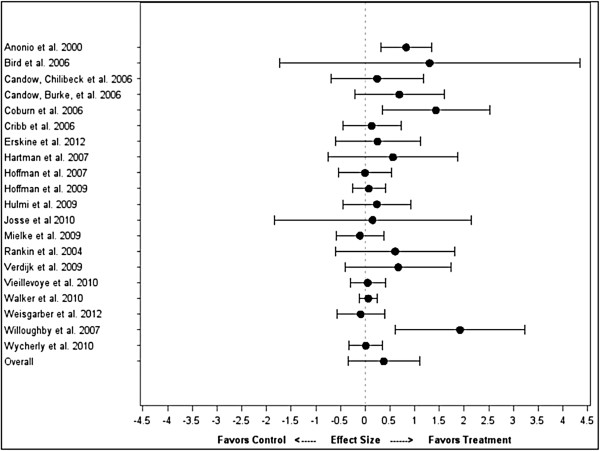
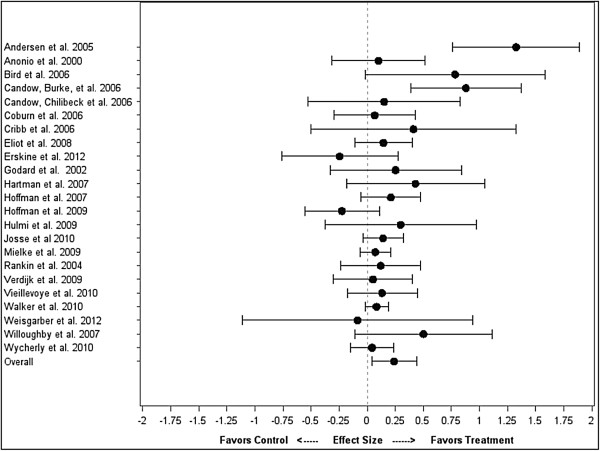
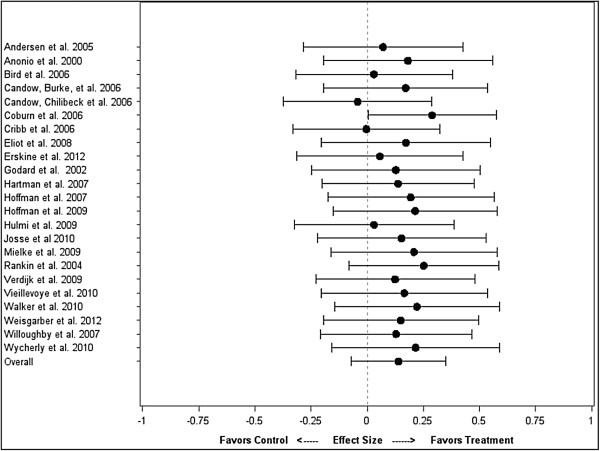
Protein timing is a popular dietary strategy designed to optimize the adaptive response to exercise. The strategy involves consuming protein in and around a training session in an effort to facilitate muscular repair and remodeling, and thereby enhance post-exercise strength- and hypertrophy-related adaptations. Despite the apparent biological plausibility of the strategy, however, the effectiveness of protein timing in chronic training studies has been decidedly mixed. The purpose of this paper therefore was to conduct a multi-level meta-regression of randomized controlled trials to determine whether protein timing is a viable strategy for enhancing post-exercise muscular adaptations. The strength analysis comprised 478 subjects and 96 ESs, nested within 41 treatment or control groups and 20 studies. The hypertrophy analysis comprised 525 subjects and 132 ESs, nested with 47 treatment or control groups and 23 studies. A simple pooled analysis of protein timing without controlling for covariates showed a small to moderate effect on muscle hypertrophy with no significant effect found on muscle strength. In the full meta-regression model controlling for all covariates, however, no significant differences were found between treatment and control for strength or hypertrophy. The reduced model was not significantly different from the full model for either strength or hypertrophy. With respect to hypertrophy, total protein intake was the strongest predictor of ES magnitude. These results refute the commonly held belief that the timing of protein intake in and around a training session is critical to muscular adaptations and indicate that consuming adequate protein in combination with resistance exercise is the key factor for maximizing muscle protein accretion.
Overview
CoChat Summary
TL;DR
This meta-analysis of randomized trials found that protein timing around resistance training did not significantly improve strength or hypertrophy after controlling for covariates. Total protein intake, not timing, was the strongest predictor of hypertrophy effect size.
Key findings
- Strength analysis included 478 subjects, 96 effect sizes, 41 treatment/control groups, and 20 studies. Treatment vs control was not significant in the basic model (difference = 0.38 ± 0.36; CI: -0.34, 1.10; P = 0.30), full model (difference = 0.28 ± 0.40; CI: -0.52, 1.07; P = 0.49), or reduced model (difference = 0.39 ± 0.36; CI: -0.34, 1.11; P = 0.29).
- Hypertrophy analysis included 525 subjects, 132 effect sizes, 47 treatment/control groups, and 23 studies. A simple pooled analysis showed a significant treatment advantage (difference = 0.24 ± 0.10; CI: 0.04, 0.44; P = 0.02), but this disappeared in the full model (difference = 0.16 ± 0.11; CI: -0.07, 0.38; P = 0.18) and reduced model (difference = 0.14 ± 0.11; CI: -0.07, 0.35; P = 0.20).
- Total protein intake was the strongest predictor of hypertrophy effect size (estimate = 0.41 ± 0.14; CI: 0.14, 0.69; P = 0.004), with about a 0.2 increase in effect size per 0.5 g/kg increase in protein ingestion. In unmatched studies, average intake was 1.33 g/kg/day for controls vs 1.66 g/kg/day for treatment; in matched studies, 1.91 vs 1.81 g/kg/day.
- Sub-analyses did not materially change outcomes: for fat-free mass, treatment vs control was not significant (difference = 0.08 ± 0.07; CI: -0.07, 0.24; P = 0.27) while protein intake remained a predictor (estimate = 0.39 ± 0.07; P < 0.001); for cross-sectional area, treatment vs control was not significant (difference = 0.14 ± 0.16; CI: -0.17, 0.46; P = 0.37) while protein intake remained a predictor (estimate = 0.55 ± 0.24; P = 0.02).
Methods
- Systematic searches of PubMed and Google Scholar up to March 2013 identified randomized controlled or crossover trials involving protein timing, defined as ≥6 g essential amino acids ≤1 hour pre- and/or post-resistance exercise vs a control not consuming protein <2 hours pre/post; training had to last ≥6 weeks and measure dynamic strength and/or hypertrophy. Studies scoring ≥5 on the PEDro scale were included; 23 studies were analyzed, with an average PEDro score of 8.7.
- Effect sizes were calculated as pretest-posttest change divided by pretest SD. Hierarchical linear mixed models modeled variation between studies and between treatment/control groups nested within studies, with group-level fixed predictors; separate analyses were run for strength and hypertrophy.
- The full model controlled for group class, protein matching, training status, blinding, gender, age, body mass, and study duration; model reduction used AICC and likelihood ratio tests. Interaction models examined treatment by protein matching and treatment by training status, and hypertrophy sub-analyses separated cross-sectional area and fat-free mass.
Limitations
- The paper states that control-group meal timing varied widely, from 2 hours post-workout to many hours later, making it difficult to determine whether a clear anabolic window exists. It also states that most subjects were inexperienced with resistance training, only 4 studies used trained subjects, and statistical power for training-status interactions was low.
- The paper states that cross-sectional area and fat-free mass data were pooled for the main hypertrophy analysis, though sub-analyses did not materially change results, and that there was a paucity of timing studies matching protein intake.
- The paper acknowledges that causality cannot be directly drawn, so it remains possible that protein timing produced a positive effect and the associated increase in protein intake was coincidental; only 3 matched-protein studies met inclusion criteria, limiting firm conclusions.
Model-written summary. Check it against the paper before relying on it.
Integrity signals
Registry
Cites
Statistics
Figures
Verification
Claims the paper makes
0 Valid · 1 Not valid · 27 Not checked · 80 Own results and interpretations
Some cited sources support this claim and some don’t — read each source’s verdict below.
In the paper
“Despite the apparent biological plausibility of the strategy, however, the effectiveness of protein timing in chronic training studies has been decidedly mixed.”
§ The effect of protein timing on muscle strength and hypertrophy: a meta-analysis > Abstract
What the sources say
- Disputedcites [16] Cribb PJ Hayes A Effects of supplement timing and resistance exercise on skeletal muscle hypertrophy Med Sci Sports Exerc 2006 Nov 10 11 1918 1925 17095924 sourceExperimental — accuracy not yet measured
Our copy takes the opposite position to the claim: in the Discussion (Paragraph 22) Cribb and Hayes state that 'the majority of data from longitudinal studies generally support the theory that supplementation (with protein) before and/or after RE will enhance the chronic adaptations desired from training,' and the Abstract likewise frames prior chronic work as reporting greater hypertrophy from supplement-timing. The limitation they attribute to that earlier literature is not equivocal or mixed outcomes but methodological relevance — participants had to abstain from food for up to 3 h around each session (Introduction, Paragraph 1; Paragraph 23) — and the absence of any comparison against the same supplement taken at other times of day (Abstract). Their Conclusion (Paragraph 28) presents their trial as the first to 'clearly demonstrate' a benefit of timing, i.e. the chronic evidence was incomplete rather than mixed, so the citing sentence overstates/mischaracterises this source's position. (LLM, conf=0.72)
Checked by a reasoning model — may be wrong.
- Not checked yetcites [17] Willoughby DS Stout JR Wilborn CD Effects of resistance training and protein plus amino acid supplementation on muscle anabolism, mass, and strength Amino Acids 2007 10 4 467 477 16988909 source
Checked before — its earlier verdict is held back until a new check runs.
- Not checked yetcites [18] Hulmi JJ Kovanen V Selanne H Kraemer WJ Hakkinen K Mero AA Acute and long-term effects of resistance exercise with or without protein ingestion on muscle hypertrophy and gene expression Amino Acids 2009 Jul 10 2 297 308 18661258 source
Checked before — its earlier verdict is held back until a new check runs.
- Not checked — no full text of the sourcecites [19] Burk A Timpmann S Medijainen L Vahi M Oopik V Time-divided ingestion pattern of casein-based protein supplement stimulates an increase in fat-free body mass during resistance training in young untrained men Nutr Res 2009 Jun 10 6 405 413 19628107 source
- Not checked yetcites [20] Hoffman JR Ratamess NA Tranchina CP Rashti SL Kang J Faigenbaum AD Effect of protein-supplement timing on strength, power, and body-composition changes in resistance-trained men Int J Sport Nutr Exerc Metab 2009 Apr 10 2 172 185 19478342 source
Checked before — its earlier verdict is held back until a new check runs.
- Supportedcites [21] Verdijk LB Jonkers RA Gleeson BG Beelen M Meijer K Savelberg HH Protein supplementation before and after exercise does not further augment skeletal muscle hypertrophy after resistance training in elderly men Am J Clin Nutr 2009 Feb 10 2 608 616 19106243 source
The Abstract (Background) opens with 'Considerable discrepancy exists in the literature on the proposed benefits of protein supplementation on the adaptive response of skeletal muscle to resistance-type exercise training in the elderly,' i.e. chronic rather than acute work. The Introduction then lays out the conflicting chronic-training evidence on timing specifically — Esmarck et al (34) reporting timing essential for hypertrophy over 12 wk, against Campbell and Leidy (31) and studies (32,33) showing no benefit of nutritional co-intervention during long-term training — while the Discussion (p. 1-3) contrasts the present null result on timed pre/post protein with Esmarck's positive finding. This directly supports the characterization of protein-timing effectiveness in chronic training studies as mixed. (LLM, conf=0.82)
- Not checked yetcites [22] Wycherley TP Noakes M Clifton PM Cleanthous X Keogh JB Brinkworth GD Timing of protein ingestion relative to resistance exercise training does not influence body composition, energy expenditure, glycaemic control or cardiometabolic risk factors in a hypocaloric, high protein diet in patients with type 2 diabetes Diab Obes Metab 2010 Dec 10 12 1097 1105 20977582 source
Checked before — its earlier verdict is held back until a new check runs.
plain- Asserted: passes — The authors put it forward as true.
- Checkable: passes — It can be checked against evidence.
- Load-bearing: passes — The paper’s conclusions depend on it.
- Based: passes — The paper gives a reason why it holds.
- Disputed
A result the paper reports from its own data — it cites no other source for it, so there is none to check. The quote shows it is in the paper.
In the paper
“Total protein intake (in g/kg) was the strongest predictor of ES magnitude (estimate = 0.41 ± 0.14; CI: 0.14, 0.69; P = 0.004).”
§ The effect of protein timing on muscle strength and hypertrophy: a meta-analysis > Results > Reduced model: hypertrophy
plainstates an association- Asserted: passes — The authors put it forward as true.
- Checkable: passes — It can be checked against evidence.
- Load-bearing: passes — The paper’s conclusions depend on it.
- Based: passes — The paper gives a reason why it holds.
A result the paper reports from its own data — it cites no other source for it, so there is none to check. The quote shows it is in the paper.
In the paper
“The weighted mean strength ES across all studies and groups was 1.39 ± 0.24 (CI: 0.88, 1.90).”
§ The effect of protein timing on muscle strength and hypertrophy: a meta-analysis > Results > Study characteristics
plainn = 478- Asserted: passes — The authors put it forward as true.
- Checkable: passes — It can be checked against evidence.
- Load-bearing: passes — The paper’s conclusions depend on it.
- Based: passes — The paper gives a reason why it holds.
A result the paper reports from its own data — it cites no other source for it, so there is none to check. The quote shows it is in the paper.
In the paper
“For hypertrophy, the mean ES was significantly greater in the treatment compared to the control (difference = 0.24 ± 0.10; CI: 0.04, 0.44; P = 0.02).”
§ The effect of protein timing on muscle strength and hypertrophy: a meta-analysis > Results > Basic model
plainstates a cause- Asserted: passes — The authors put it forward as true.
- Checkable: passes — It can be checked against evidence.
- Load-bearing: passes — The paper’s conclusions depend on it.
- Based: passes — The paper gives a reason why it holds.
- Rests on 2 assumptions not shown here.
A result the paper reports from its own data — it cites no other source for it, so there is none to check. The quote shows it is in the paper.
In the paper
“After the model reduction procedure, only training status and blinding remained as significant covariates.”
§ The effect of protein timing on muscle strength and hypertrophy: a meta-analysis > Results > Reduced model: strength
plainstates an association- Asserted: passes — The authors put it forward as true.
- Checkable: passes — It can be checked against evidence.
- Load-bearing: unclear — It is unclear whether the paper’s conclusions depend on it.
- Based: passes — The paper gives a reason why it holds.
62 more claims
Create a free account to see all 108 claims and to verify the 41 references still open.
- Probably not a substantial claim. 24
- It may state two separate claims as one. 21
- The quote only partly states this claim. 1
Claims other papers make about this one
Each is checked against this paper’s own text: does it say what the citing paper says it does?
The source backs part of the claim, not all of it — or backs it for a different population, condition or comparison.
In the citing paper
“This lack of agreement on the efficacy of protein supplementation6–12 is likely due to the use of divergent study inclusion criteria and inclusion of subjects with differing: ages, training statuses, total protein intakes, protein sources and protein doses.”
From A systematic review, meta-analysis and meta-regression of the effect of protein supplementation on resistance training-induced gains in muscle mass and strength in healthy adults (2018) · cites this paper as [6]
Experimental — accuracy not yet measuredThe source backs part of the claim, not all of it — or backs it for a different population, condition or comparison.
In the citing paper
“Despite a large volume of work in this area, narrative reviews1–5 and even meta-analyses6–12 yield conflicting results as to the actual effectiveness of protein supplementation to enhance RET-mediated gains in muscle mass and strength.”
From A systematic review, meta-analysis and meta-regression of the effect of protein supplementation on resistance training-induced gains in muscle mass and strength in healthy adults (2018) · cites this paper as [6]
Experimental — accuracy not yet measuredThe source backs part of the claim, not all of it — or backs it for a different population, condition or comparison.
In the citing paper
“Our analysis, and those from others,6 leads us to conclude that the specifics of protein supplementation (eg, timing, postexercise protein dose or protein source) play a minor, if any, role in determining RET-induced gains in FFM and strength over a period of weeks.”
From A systematic review, meta-analysis and meta-regression of the effect of protein supplementation on resistance training-induced gains in muscle mass and strength in healthy adults (2018) · cites this paper as [6]
Experimental — accuracy not yet measuredThe source backs part of the claim, not all of it — or backs it for a different population, condition or comparison.
In the citing paper
“To the best of our knowledge, this is the first study synthesizing this data from RCTs, as previous meta-analysis pooled data from studies that were not designed to compare protein supplementation before and after training [14,15].”
From Does Protein Ingestion Timing Affect Exercise-Induced Adaptations? A Systematic Review with Meta-Analysis (2025) · cites this paper as [14]
Experimental — accuracy not yet measured
4 more claims about this paper
Create a free account to see every claim other papers make about this one.
Self-check
Percentages, sums and reported differences re-computed from the paper’s own numbers.
Each contradiction between two passages listed here was confirmed by an independent check.
Rated major: it would touch a result — a value a result rests on, reported and recomputed p-values on opposite sides of the significance level, two passages that conflict with no sign which is right, or a cited work retracted before this paper was published.
In the paper
§ The effect of protein timing on muscle strength and hypertrophy: a meta-analysis > Results > Reduced model: hypertrophy
“After the model reduction procedure, total protein intake, study duration, and blinding remained as significant covariates.”
§ The effect of protein timing on muscle strength and hypertrophy: a meta-analysis > Methodology > Statistical analyses
“A full model was then created with the following predictors: the class of the group (treatment or control), whether or not the groups were protein matched, training status (experienced or novice), blinding (double, single, or none), gender (male, female, or mixed), age (young or old), body mass in kg, and the duration of the study in weeks.”
Rated minor: it would not touch a result — a value no result rests on, a p-value that stays on the same side of the significance level, or a conflict that is clerical, resolved elsewhere in the paper, or outside its own findings.
In the paper
§ The effect of protein timing on muscle strength and hypertrophy: a meta-analysis > Discussion
“For FFM, the difference between treatment and control was not significant (P = 0.27), with a ES difference of -0.08.”
§ The effect of protein timing on muscle strength and hypertrophy: a meta-analysis > Results > Hypertrophy sub-analyses
“For FFM, there was no significant difference between treatment and control (difference = 0.08 ± 0.07; CI: -0.07, 0.24; P = 0.27).”
Rated minor: it would not touch a result — a value no result rests on, a p-value that stays on the same side of the significance level, or a conflict that is clerical, resolved elsewhere in the paper, or outside its own findings.
In the paper
§ The effect of protein timing on muscle strength and hypertrophy: a meta-analysis > Discussion
“For CSA, the difference between treatment and control was not significant (P = 0.37), with a ES difference of -0.14.”
§ The effect of protein timing on muscle strength and hypertrophy: a meta-analysis > Results > Hypertrophy sub-analyses
“For CSA, there was no significant difference between treatment and control (difference = 0.14 ± 0.16; CI: -0.17, 0.46; P = 0.37).”
Citations
Cites
Model selection and multimodel inference: a practical information-theoretic approach.
Guthery, F. S., Burnham, K. P., & Anderson, D. R. (2003) · The Journal of Wildlife Management · doi:10.2307/3802723 · Cited by 41,495
Regression and time series model selection in small samples
HURVICH, C. M., & TSAI, C.-L. (1989) · Biometrika · doi:10.1093/biomet/76.2.297 · Cited by 6,586 · cited 2×
“The final model represented the reduced model with the lowest Akaike’s Information Corrected Criterion (AICC) [55] and that was not significantly different (P > 0.05) from the full model when compared using a likelihood ratio test (LRT).”
MethodInfluentialThe Handbook of Research Synthesis and Meta-Analysis
(2019) · doi:10.7758/9781610448864 · Cited by 4,553
Model Selection and Inference: A Practical Information-Theoretic Approach
Strawderman, R. L., Burnham, K. P., & Anderson, D. R. (2000) · Journal of the American Statistical Association · doi:10.2307/2669574 · Cited by 4,194
Morris, S. B., & DeShon, R. P. (2002) · Psychological Methods · doi:10.1037/1082-989x.7.1.105 · Cited by 2,502 · cited 5×
“The sampling variance for each ES was estimated according to Morris and DeShon [51].”
BackgroundMethodInfluentialModel Selection and Inference: A Practical Information-Theoretic Approach
Beier, P., Burnham, K. P., & Anderson, D. R. (2001) · The Journal of Wildlife Management · doi:10.2307/3803117 · Cited by 2,440
Greenhalgh, T., & Peacock, R. (2005) · BMJ · doi:10.1136/bmj.38636.593461.68 · Cited by 2,045 · cited 2×
“methods outlined by Greenhalgh and Peacock [25], the reference lists of articles retrieved in the search were”
MethodAdvanced methods in meta‐analysis: multivariate approach and meta‐regression
van Houwelingen, H. C., Arends, L. R., & Stijnen, T. (2002) · Statistics in Medicine · doi:10.1002/sim.1040 · Cited by 1,580
Evidence for physiotherapy practice: A survey of the Physiotherapy Evidence Database (PEDro)
Moseley, A. M., Herbert, R. D., Sherrington, C., & Maher, C. G. (2002) · Australian Journal of Physiotherapy · doi:10.1016/s0004-9514(14)60281-6 · Cited by 911 · cited 2×
“Only those studies scoring ≥5 on the PEDro scale–a value considered to be of moderate to high quality [27]were accepted for analysis.”
BackgroundMethodA random‐effects regression model for meta‐analysis
Berkey, C. S., Hoaglin, D. C., Mosteller, F., & Colditz, G. A. (1995) · Statistics in Medicine · doi:10.1002/sim.4780140406 · Cited by 879 · cited 1×
“[57].”
Cited by
Sarcopenic obesity in older adults: aetiology, epidemiology and treatment strategies
Batsis, J. A., & Villareal, D. T. (2018) · Nature Reviews Endocrinology · doi:10.1038/s41574-018-0062-9 · Cited by 1,382
Morton, R. W., Murphy, K. T., McKellar, S. R., Schoenfeld, B. J., Henselmans, M., Helms, E., Aragon, A. A., Devries, M. C., Banfield, L., Krieger, J. W., et al. (2018) · British Journal of Sports Medicine · doi:10.1136/bjsports-2017-097608 · Cited by 1,269
“This lack of agreement on the efficacy of protein supplementation 6–12 is likely due to the use of divergent study inclusion criteria and inclusion of subjects with differing: ages, training statuses, total protein intakes, protein sources and protein doses.”
BackgroundMethodInfluentialSelf-citationEASL Clinical Practice Guidelines on nutrition in chronic liver disease
Merli, M., Berzigotti, A., Zelber-Sagi, S., Dasarathy, S., Montagnese, S., Genton, L., Plauth, M., & Parés, A. (2019) · Journal of Hepatology · doi:10.1016/j.jhep.2018.06.024 · Cited by 1,130
“Nutrient supplementation following physical activity is beneficial in physiological states, but whether such an intervention is beneficial in cirrhosis is currently unknown.(119,120) Continued impaired functional capacity and reduced peak oxygen consumption are associated with decreased survival and poor post-transpla…”
International Society of Sports Nutrition Position Stand: protein and exercise
Jäger, R., Kerksick, C. M., Campbell, B. I., Cribb, P. J., Wells, S. D., Skwiat, T. M., Purpura, M., Ziegenfuss, T. N., Ferrando, A. A., Arent, S. M., et al. (2017) · Journal of the International Society of Sports Nutrition · doi:10.1186/s12970-017-0177-8 · Cited by 873
“However, others have advocated that the total daily intake of protein might be as important or more important [32].”
BackgroundInternational society of sports nutrition position stand: nutrient timing
Kerksick, C. M., Arent, S., Schoenfeld, B. J., Stout, J. R., Campbell, B., Wilborn, C. D., Taylor, L., Kalman, D., Smith-Ryan, A. E., Kreider, R. B., et al. (2017) · Journal of the International Society of Sports Nutrition · doi:10.1186/s12970-017-0189-4 · Cited by 622
“[126] critically examined the efficacy surrounding post-exercise protein administration.”
BackgroundSelf-citationDoes nutrition play a role in the prevention and management of sarcopenia?
Robinson, S. M., Reginster, J. Y., Rizzoli, R., Shaw, S. C., Kanis, J. A., Bautmans, I., Bischoff-Ferrari, H., Bruyère, O., Cesari, M., Dawson-Hughes, B., et al. (2018) · Clinical Nutrition · doi:10.1016/j.clnu.2017.08.016 · Cited by 491
“A possible explanation of these disparate findings is that the timing of milk consumption after exercise is key to its benefits, which was not closely controlled in this study; although a recent meta-analysis suggests that timing of protein intake may not be critical to muscular adaptations to exercise training [136].”
ResultSupplemental Protein in Support of Muscle Mass and Health: Advantage Whey
Devries, M. C., & Phillips, S. M. (2015) · Journal of Food Science · doi:10.1111/1750-3841.12802 · Cited by 330
Role of nutrition in performance enhancement and postexercise recovery
Beck, K., Thomson, J. S., Swift, R. J., & von Hurst, P. R. (2015) · Open Access Journal of Sports Medicine · doi:10.2147/oajsm.s33605 · Cited by 223
Nutritional interventions to augment resistance training-induced skeletal muscle hypertrophy
Morton, R. W., McGlory, C., & Phillips, S. M. (2015) · Frontiers in Physiology · doi:10.3389/fphys.2015.00245 · Cited by 234
“It appears optimal to ingest protein in the post-exercise period though the purported “anabolic window” for protein ingestion lasts at least 24 h (Burd et al., 2011) and does not have as drastic an effect on outcomes as has been believed (Schoenfeld et al., 2013).”
BackgroundPasiakos, S. M., McLellan, T. M., & Lieberman, H. R. (2015) · Sports Medicine · doi:10.1007/s40279-014-0242-2 · Cited by 202
“However, the evidence that performance changes are associated with these mechanisms has not been systematically evaluated [18–23], and only two recent meta-analyses to date evaluate evidence regarding the effects of protein supplements on actual measures of muscle mass and strength [24, 25].”
BackgroundFernández-Castilla, B., Jamshidi, L., Declercq, L., Beretvas, S. N., Onghena, P., & Van den Noortgate, W. (2020) · Behavior Research Methods · doi:10.3758/s13428-020-01373-9 · Cited by 181
Sarcopenic Obesity: Epidemiologic Evidence, Pathophysiology, and Therapeutic Perspectives
Koliaki, C., Liatis, S., Dalamaga, M., & Kokkinos, A. (2019) · Current Obesity Reports · doi:10.1007/s13679-019-00359-9 · Cited by 176
The impact of protein quality on the promotion of resistance exercise-induced changes in muscle mass
Phillips, S. M. (2016) · Nutrition & Metabolism · doi:10.1186/s12986-016-0124-8 · Cited by 168
Sleep Hygiene and Recovery Strategies in Elite Soccer Players
Nédélec, M., Halson, S. L., Delecroix, B., Abaïdia, A., Ahmaidi, S., & Dupont, G. (2015) · Sports Medicine · doi:10.1007/s40279-015-0377-9 · Cited by 182
“refute the commonly held belief that the timing of protein intake in and around (B1 h) a training session is critical to strength- or hypertrophic-related adaptations to resistance exercise [92].”
Hector, A. J., & Phillips, S. M. (2018) · International Journal of Sport Nutrition and Exercise Metabolism · doi:10.1123/ijsnem.2017-0273 · Cited by 137
“In a meta-analysis, total protein intake, rather than postexercise protein ingestion, was related to enhanced strength and hypertrophy (Schoenfeld et al., 2013).”
BackgroundReidy, P. T., & Rasmussen, B. B. (2016) · The Journal of Nutrition · doi:10.3945/jn.114.203208 · Cited by 128
“In fact, only a small handful of investigations suggested a benefit from protein timing (206), whereas a host of both acute and chronic investigations clearly indicated that timing may be an inconsequential argument (170, 171), because exercise sensitizes”
BackgroundMethodInfluentialPre-Sleep Protein Ingestion to Improve the Skeletal Muscle Adaptive Response to Exercise Training
Trommelen, J., & Van Loon, L. (2016) · Nutrients · doi:10.3390/nu8120763 · Cited by 116
“However, it has been suggested that protein supplementation increases muscle mass gains mainly as a function of increased total protein intake, rather than the specific timing of a protein supplement [27,28].”
BackgroundNaclerio, F., & Larumbe-Zabala, E. (2016) · Sports Medicine · doi:10.1007/s40279-015-0403-y · Cited by 106
“6 g/kg in the contrast groups) further influenced the observed trends [39].”
BackgroundNutritional Considerations and Strategies to Facilitate Injury Recovery and Rehabilitation
Smith-Ryan, A. E., Hirsch, K. R., Saylor, H. E., Gould, L. M., & Blue, M. N. M. (2020) · Journal of Athletic Training · doi:10.4085/1062-6050-550-19 · Cited by 101
Molecular Regulation of Exercise-Induced Muscle Fiber Hypertrophy
Bamman, M. M., Roberts, B. M., & Adams, G. R. (2018) · Cold Spring Harbor Perspectives in Medicine · doi:10.1101/cshperspect.a029751 · Cited by 99
“…muscle and myofibrillar protein synthesis after a bout of resistance exercise has been documented numerous times, with elevations seen within an hour postexercise and persisting for as many as 48 h (Phillips et al. 1997; Wolfe 2006; Mayhew et al. 2009; Burd et al. 2011; Schoenfeld et al. 2013).”
Psilander, N., Eftestøl, E., Cumming, K. T., Juvkam, I., Ekblom, M. M., Sunding, K., Wernbom, M., Holmberg, H.-C., Ekblom, B., Bruusgaard, J. C., et al. (2019) · Journal of Applied Physiology · doi:10.1152/japplphysiol.00917.2018 · Cited by 95
“To ensure optimal protein intake and stimulate muscle growth, 113 participants consumed 25 g of whey protein (One Whey, Fitnessguru Sweden AB, Stockholm, 114 Sweden) immediately after each training session in both training periods (39).”
MethodAge-related muscle anabolic resistance: inevitable or preventable?
Aragon, A. A., Tipton, K. D., & Schoenfeld, B. J. (2023) · Nutrition Reviews · doi:10.1093/nutrit/nuac062 · Cited by 93
Self-citationNaderi, A., de Oliveira, E. P., Ziegenfuss, T. N., & Willems, M. E. T. (2016) · Journal of Exercise Nutrition & Biochemistry · doi:10.20463/jenb.2016.0031 · Cited by 82
“A recent meta-analysis showed that the total protein intake during the day is more important than the timing [132].”
BackgroundEffects of Protein Supplementation on Performance and Recovery in Resistance and Endurance Training
Cintineo, H. P., Arent, M. A., Antonio, J., & Arent, S. M. (2018) · Frontiers in Nutrition · doi:10.3389/fnut.2018.00083 · Cited by 88
“While recent critical or meta-analytic reviews have argued that protein timing is inconsequential after accounting for total protein intake (6, 27), there are two factors that must be taken into account when considering these conclusions.”
BackgroundKemmler, W., Kohl, M., Jakob, F., Engelke, K., & von Stengel, S. (2020) · Nutrients · doi:10.3390/nu12082341 · Cited by 81
“A specific time of the day to consume the protein was not specified [23].”
BackgroundWirth, J., Hillesheim, E., & Brennan, L. (2020) · The Journal of Nutrition · doi:10.1093/jn/nxaa049 · Cited by 87
“The impact of protein supplementation on strength for younger subjects assessed by 1-repetition maximum (1-RM) has been controversial across several reviews (3, 80, 81).”
BackgroundSupplements with purported effects on muscle mass and strength
Valenzuela, P. L., Morales, J. S., Emanuele, E., Pareja-Galeano, H., & Lucia, A. (2019) · European Journal of Nutrition · doi:10.1007/s00394-018-1882-z · Cited by 92
Zanella, P. B., & Macedo, R. C. O. (2020) · Critical Reviews in Food Science and Nutrition · doi:10.1080/10408398.2020.1756216 · Cited by 89
“Although total daily protein intake seems to be the most important factor in maximizing muscle adaptation along with resistance training (Schoenfeld, Aragon, and Krieger 2013), some studies do not support it.”
BackgroundVangsoe, M. T., Thøgersen, R., Bertram, H. C., Heckmann, L., & Hansen, M. (2018) · Nutrients · doi:10.3390/nu10101357 · Cited by 89
“6 g/kg/d [1,3] is sufficient to maintain a positive net protein balance and avoid loss of muscle mass, which is of great relevance for the majority of the population, but especially the elderly with low daily energy intake.”
BackgroundNutritional Recommendations for Physique Athletes
Roberts, B. M., Helms, E. R., Trexler, E. T., & Fitschen, P. J. (2020) · Journal of Human Kinetics · doi:10.2478/hukin-2019-0096 · Cited by 64
“…consistent short-term findings of enhanced MPS when protein is consumed in the post-training period, authors of a 2013 metaanalysis reported no significant effect on hypertrophy when controlling for total daily protein intake in longitudinal studies, regardless of timing (Schoenfeld et al., 2013).”
BackgroundBenito, P. J., Cupeiro, R., Ramos-Campo, D. J., Alcaraz, P. E., & Rubio-Arias, J. Á. (2020) · International Journal of Environmental Research and Public Health · doi:10.3390/ijerph17041285 · Cited by 71
Reidy, P. T., Borack, M. S., Markofski, M. M., Dickinson, J. M., Deer, R. R., Husaini, S. H., Walker, D. K., Igbinigie, S., Robertson, S. M., Cope, M. B., et al. (2016) · The Journal of Nutrition · doi:10.3945/jn.116.231803 · Cited by 67
“Although meta-analysis has determined the existence of an additive effect of protein supplements for independently enhancing muscle size and strength (8), this effect is not universal (9, 10).”
BackgroundNutrition recommendations for bodybuilders in the off-season: a narrative review
Iraki, J., Fitschen, P., Espinar, S., & Helms, E. (2019) · Sports · doi:10.3390/sports7070154 · Cited by 67
“Interestingly, authors of a 2013 meta-analysis noted that despite short term tracer studies showing greater MPS responses when protein was consumed in the “window of opportunity” post-training, in longitudinal training studies no significant effect on hypertrophy was found when controlling for total daily protein inta…”
BackgroundNutritional strategies to support concurrent training
Perez‐Schindler, J., Hamilton, D. L., Moore, D. R., Baar, K., & Philp, A. (2015) · European Journal of Sport Science · doi:10.1080/17461391.2014.950345 · Cited by 57
The effects of whey protein with or without carbohydrates on resistance training adaptations
Hulmi, J. J., Laakso, M., Mero, A. A., Häkkinen, K., Ahtiainen, J. P., & Peltonen, H. (2015) · Journal of the International Society of Sports Nutrition · doi:10.1186/s12970-015-0109-4 · Cited by 61
“However, not all studies have found positive effects of protein ingestion and the importance of timing of the protein intake and the post-exercise intake of protein per se has been questioned lately [10].”
BackgroundTiming of physical activity within the 24-hour day and its influence on health: a systematic review
Janssen, I., Campbell, J. E., Zahran, S., Saunders, T. J., Tomasone, J. R., & Chaput, J. (2022) · Health Promotion and Chronic Disease Prevention in Canada · doi:10.24095/hpcdp.42.4.02 · Cited by 69
Revisiting the roles of protein synthesis during skeletal muscle hypertrophy induced by exercise
Figueiredo, V. C. (2019) · American Journal of Physiology-Regulatory, Integrative and Comparative Physiology · doi:10.1152/ajpregu.00162.2019 · Cited by 59
“More recently, it has been argued that rather than a short window of opportunity, a broad time frame of protein supplementation would result in a similar hypertrophic response and that the total amount of protein consumed throughout the day is more relevant for hypertrophy (57, 67).”
BackgroundMartin-Cantero, A., Reijnierse, E. M., Gill, B. M. T., & Maier, A. B. (2021) · Nutrition Reviews · doi:10.1093/nutrit/nuaa064 · Cited by 58
Morgan, P. T., Harris, D. O., Marshall, R. N., Quinlan, J. I., Edwards, S. J., Allen, S. L., & Breen, L. (2021) · The Journal of Nutrition · doi:10.1093/jn/nxab055 · Cited by 53
Campbell, B. I., Aguilar, D., Conlin, L., Vargas, A., Schoenfeld, B. J., Corson, A., Gai, C., Best, S., Galvan, E., & Couvillion, K. (2018) · International Journal of Sport Nutrition and Exercise Metabolism · doi:10.1123/ijsnem.2017-0389 · Cited by 52
Self-citationEffects of a Modified German Volume Training Program on Muscular Hypertrophy and Strength
Amirthalingam, T., Mavros, Y., Wilson, G. C., Clarke, J. L., Mitchell, L., & Hackett, D. A. (2017) · Journal of Strength and Conditioning Research · doi:10.1519/jsc.0000000000001747 · Cited by 49
“However, the time-course improvements for muscular hypertrophy collected on previously untrained populations should be used as a guide, with improvements in resistance-trained individuals likely to vary as they approach their genetic hypertrophic potential (31).”
BackgroundThomson, R. L., Brinkworth, G. D., Noakes, M., & Buckley, J. D. (2016) · Clinical Nutrition · doi:10.1016/j.clnu.2015.01.018 · Cited by 50
Nutrient Timing: A Garage Door of Opportunity?
Arent, S. M., Cintineo, H. P., McFadden, B. A., Chandler, A. J., & Arent, M. A. (2020) · Nutrients · doi:10.3390/nu12071948 · Cited by 60
“A 2013 meta-analysis assessing the role of protein timing on strength and hypertrophy was conducted in an attempt to synthesize the current research [19].”
BackgroundMethodVangsoe, M., Joergensen, M., Heckmann, L.-H., & Hansen, M. (2018) · Nutrients · doi:10.3390/nu10030335 · Cited by 44
“6 g/kg/day depending on physical activity level, gender, and age [43,44].”
BackgroundProtein Supplementation Does Not Affect Myogenic Adaptations to Resistance Training
REIDY, P. T., FRY, C. S., IGBINIGIE, S., DEER, R. R., JENNINGS, K., COPE, M. B., MUKHERJEA, R., VOLPI, E., & RASMUSSEN, B. B. (2017) · Medicine & Science in Sports & Exercise · doi:10.1249/mss.0000000000001224 · Cited by 39
“A meta-analysis determined that protein supplementation during RET in young adults will produce greater increases in vastus lateralis CSA, ~250 Km(2), yet that analysis only included data from four studies and is in conflict with results from another meta-analysis (41).”
Naderi, A., Rothschild, J. A., Santos, H. O., Hamidvand, A., Koozehchian, M. S., Ghazzagh, A., Berjisian, E., & Podlogar, T. (2025) · Sports Medicine · doi:10.1007/s40279-025-02213-6 · Cited by 77
SANTOS, C. D. S., & Nascimento, F. E. L. (2019) · Einstein (São Paulo) · doi:10.31744/einstein_journal/2019rb4898 · Cited by 52
“Incremental induction of an anabolic state by repeated resistance physical exercise and diet is what boosts skeletal muscle remodeling and hypertrophy.(29,30) For this reason, both organizations support recommendations of combined resistance physical exercise and daily consumption of 1.”
BackgroundHudson, J. L., Wang, Y., Bergia III, R. E., & Campbell, W. W. (2020) · Advances in Nutrition · doi:10.1093/advances/nmz106 · Cited by 41
Yasuda, J., Tomita, T., Arimitsu, T., & Fujita, S. (2020) · The Journal of Nutrition · doi:10.1093/jn/nxaa101 · Cited by 41
“However, systematic reviews with meta-analysis revealed that there were no further benefits of PI timing (36) or RT timing (37) on training-induced muscle hypertrophy.”
BackgroundJoanisse, S., McKendry, J., Lim, C., Nunes, E. A., Stokes, T., Mcleod, J. C., & Phillips, S. M. (2021) · Clinical Nutrition Open Science · doi:10.1016/j.nutos.2021.01.005 · Cited by 46
“appeared to positively influence accretion of lean mass, however, no effect of protein timing on muscle hypertrophywas observedwhen the confounding influence of total protein intakewas considered [56].”
BackgroundResultMorales, F. E., Tinsley, G. M., & Gordon, P. M. (2017) · Journal of the American College of Nutrition · doi:10.1080/07315724.2016.1274691 · Cited by 38
“Although protein consumption around the workout might be helpful, total protein consumption throughout the day seems to be the most important factor controlling human muscle growth [74].”
BackgroundThe Effect of a Moderately-low and High Carbohydrate Intake on Crossfit Performance
Escobar, K. A., Morales, J. O., & VanDusseldorp, T. A. (2016) · International journal of exercise science · doi:10.70252/izlo1608 · Cited by 61
Roberts, J., Zinchenko, A., Suckling, C. A., Smith, L., Johnstone, J., & Henselmans, M. (2017) · Journal of the International Society of Sports Nutrition · doi:10.1186/s12970-017-0201-z · Cited by 45
“This critical question emerges from the findings of a multi-level meta-analysis which concluded that the total daily protein intake is the most important dietary variable for adaptations to resistance training and not protein timing around workouts [11].”
BackgroundDietary Fuels in Athletic Performance
Fritzen, A. M., Lundsgaard, A.-M., & Kiens, B. (2019) · Annual Review of Nutrition · doi:10.1146/annurev-nutr-082018-124337 · Cited by 35
Chatterjee, A., Roy, D., Patnaik, E., & Nongthomba, U. (2016) · Disease Models & Mechanisms · doi:10.1242/dmm.022665 · Cited by 39
“Exercise (strength and anaerobic training) leads to both sarcoplasmic as well as myofibrillar hypertrophy, thereby increasing muscle mass and strength (Rasch and Morehouse, 1957; Schoenfeld et al., 2013; Rai and Nongthomba, 2013).”
BackgroundJoy, J. M., Vogel, R. M., Shane Broughton, K., Kudla, U., Kerr, N. Y., Davison, J. M., Wildman, R. E. C., & DiMarco, N. M. (2018) · Journal of the International Society of Sports Nutrition · doi:10.1186/s12970-018-0228-9 · Cited by 32
“Total daily intake of protein appears to be the most potent factor in maximizing muscle adaptation in conjunction with resistance training [4].”
BackgroundCritical variables regulating age-related anabolic responses to protein nutrition in skeletal muscle
Deane, C. S., Cox, J., & Atherton, P. J. (2024) · Frontiers in Nutrition · doi:10.3389/fnut.2024.1419229 · Cited by 41
“…anabolic stimuli that is paramount to increasing muscle mass. Research points to the timing of protein intake in relation to exercise not being the most important factor in hypertrophy or strength gains, with most hypertrophic differences likely explained by the quantity of protein intake (89).”
BackgroundCastro, L. H. A., de Araújo, F. H. S., Olimpio, M. Y. M., Primo, R. B. D. B., Pereira, T. T., Lopes, L. A. F., Trindade, E. B. S. D. M., Fernandes, R., & Oesterreich, S. A. (2019) · Nutrients · doi:10.3390/nu11092047 · Cited by 37
“[61], in a sample of 525 individuals in 23 studies, analyzed the influence of the daily protein intake distribution, with or without supplementation, comparing to controls with or without protein in their composition.”
BackgroundPre- versus post-exercise protein intake has similar effects on muscular adaptations
Schoenfeld, B. J., Aragon, A., Wilborn, C., Urbina, S. L., Hayward, S. E., & Krieger, J. (2017) · PeerJ · doi:10.7717/peerj.2825 · Cited by 33
Self-citationProtein Requirements for Master Athletes: Just Older Versions of Their Younger Selves
Moore, D. R. (2021) · Sports Medicine · doi:10.1007/s40279-021-01510-0 · Cited by 33
Effects of Post-Exercise Whey Protein Consumption on Recovery Indices in Adolescent Swimmers
McKinlay, B. J., Theocharidis, A., Adebero, T., Kurgan, N., Fajardo, V. A., Roy, B. D., Josse, A. R., Logan-Sprenger, H. M., Falk, B., & Klentrou, P. (2020) · International Journal of Environmental Research and Public Health · doi:10.3390/ijerph17217761 · Cited by 37
“[29] observed that adults who consumed greater amounts of protein throughout the day, did not receive any added benefit (strength or hypertrophic response) from protein supplementation following intense exercise.”
BackgroundGrosicki, G. J., Dhurandhar, N. V., Unick, J. L., Arent, S. M., Thomas, J. G., Lofton, H., Shepherd, M. C., Kiel, J., Coleman, C., & Jonnalagadda, S. S. (2024) · Current Developments in Nutrition · doi:10.1016/j.cdnut.2024.104486 · Cited by 31
Kim, C.-B., Park, J.-H., Park, H. S., Kim, H., & Park, J.-J. (2023) · Nutrients · doi:10.3390/nu15041003 · Cited by 36
Lam, F.-C., Bukhsh, A., Rehman, H., Waqas, M. K., Shahid, N., Khaliel, A. M., Elhanish, A. A. S., Karoud, M., Telb, A., & Khan, T. M. (2019) · Frontiers in Pharmacology · doi:10.3389/fphar.2019.00317 · Cited by 36
“Various systematic review and meta-analysis published that summaries the effect of whey protein (WP) as a dietary supplement (Nissen and Sharp, 2003; Schoenfeld et al., 2013; Miller et al., 2014).”
BackgroundBaranauskas, M., Kupčiūnaitė, I., & Stukas, R. (2023) · Nutrients · doi:10.3390/nu15184003 · Cited by 33
“This scientific theory is supported by meta-analysis, which explains that the total protein consumption, with the modern Western diet, is a more important factor than the daily distribution of protein intake in triggering muscle hypertrophy during physical training [15].”
MethodSaracino, P. G., Cabre, H. E., Hanna, B. R., Hickner, R. C., Kim, J., & Ormsbee, M. J. (2020) · Nutrients · doi:10.3390/nu12072049 · Cited by 30
“It has been suggested that total daily protein consumption rather than protein timing may be the primary contributor to e ff ects of protein on both muscle size and recovery [39,40].”
BackgroundZhou, H.-H., Liao, Y., Zhou, X., Peng, Z., Xu, S., Shi, S., Liu, L., Hao, L., & Yang, W. (2024) · International Journal of Sport Nutrition and Exercise Metabolism · doi:10.1123/ijsnem.2023-0118 · Cited by 28
Yasuda, J., Asako, M., Arimitsu, T., & Fujita, S. (2019) · Nutrients · doi:10.3390/nu11030612 · Cited by 30
“Until now, total protein intake has been well discussed as the main contributor to muscle mass in healthy adults [8,9,11,12,43].”
BackgroundHigh protein consumption in trained women: bad to the bone?
Antonio, J., Ellerbroek, A., Evans, C., Silver, T., & Peacock, C. A. (2018) · Journal of the International Society of Sports Nutrition · doi:10.1186/s12970-018-0210-6 · Cited by 26
Schoenfeld, B. J., & Aragon, A. A. (2018) · Journal of Orthopaedic & Sports Physical Therapy · doi:10.2519/jospt.2018.0615 · Cited by 22
Self-citationThe effect of protein intake on athletic performance: a systematic review and meta-analysis
Zhao, S., Zhang, H., Xu, Y., Liu, J., Du, S., & Ning, Z. (2024) · Frontiers in Nutrition · doi:10.3389/fnut.2024.1455728 · Cited by 31
de Branco, F. M. S., Carneiro, M. A. S., Rossato, L. T., Nahas, P. C., Teixeira, K. R., Júnior, G. N. D. O., Orsatti, F. L., & de Oliveira, E. P. (2019) · Clinical Nutrition · doi:10.1016/j.clnu.2019.01.008 · Cited by 24
Cogan, K. E., Evans, M., Iuliano, E., Melvin, A., Susta, D., Neff, K., VITO, G. D., & Egan, B. (2017) · European Journal of Applied Physiology · doi:10.1007/s00421-017-3775-x · Cited by 25
Negro, M., Vandoni, M., Ottobrini, S., Codrons, E., Correale, L., Buonocore, D., & Marzatico, F. (2014) · Nutrients · doi:10.3390/nu6083040 · Cited by 21
“A number of studies support the superiority of protein timing to stimulate an acute increase in muscle protein synthesis after resistance training [2,3], but literature has shown mixed results and a recent meta-analysis [4] does not support this theory.”
ResultRabassa-Blanco, J., & Linares, I. P. (2017) · Revista Española de Nutrición Humana y Dietética · doi:10.14306/renhyd.21.1.220 · Cited by 34
KEMMLER, W. K., Kohl, M., Fröhlich, M., Schoene, D., & von Stengel, S. (2020) · Bone · doi:10.1016/j.bone.2020.115772 · Cited by 26
Park, Y., Park, H., Kim, J., Hwang, H., Jung, Y. P., Kreider, R. B., & Lim, K. (2019) · Physical Activity and Nutrition · doi:10.20463/jenb.2019.0015 · Cited by 26
Protein Requirements of Pre-Menopausal Female Athletes: Systematic Literature Review
Mercer, D., Convit, L., Condo, D., Carr, A. J., Hamilton, D. L., Slater, G., & Snipe, R. M. J. (2020) · Nutrients · doi:10.3390/nu12113527 · Cited by 20
“Protein timing, however, may not be as important as the amount of protein consumed, which has shown to contribute to muscle hypertrophy to a greater extent than timing in male and female athletes [88,89].”
BackgroundEnright, K. J., Morton, J. P., Iga, J., & Drust, B. (2016) · Science and Medicine in Football · doi:10.1080/24733938.2016.1263394 · Cited by 26
“A recent meta-analysis examining protein timing and hypertrophy concluded that total protein intake was a robust predictor of muscular hypertrophy (Schoenfeld et al. 2013).”
BackgroundVolterman, K. A., Moore, D. R., Breithaupt, P., Grathwohl, D., Offord, E. A., Karagounis, L. G., & Timmons, B. W. (2017) · Applied Physiology, Nutrition, and Metabolism · doi:10.1139/apnm-2017-0185 · Cited by 16
“adult “growth”) with resistance training is not consistently greater with protein ingestion immediately before/after exercise as compared to at other times throughout the day (Schoenfeld et al. 2013).”
BackgroundMargolis, L. M., & Rivas, D. A. (2014) · Calcified Tissue International · doi:10.1007/s00223-014-9921-0 · Cited by 21
“It has recently been reported that acute elevations in MPS with exercise and protein intake do not correlate with longterm adaptations to training [99, 100].”
BackgroundWilk, M., Michalczyk, M. M., Gołaś, A., Krzysztofik, M., Maszczyk, A., & Zając, A. (2018) · Biology of Sport · doi:10.5114/biolsport.2018.75754 · Cited by 20
“Substrates consumed in both the circadian cycle and the period before and up to 90 minutes after the completion of resistance training have a significant impact on this process [7, 13, 17, 20, 21, 23].”
BackgroundInfluentialChapman, S., Chung, H. C., Rawcliffe, A. J., Izard, R., Smith, L., & Roberts, J. D. (2021) · Nutrients · doi:10.3390/nu13051416 · Cited by 17
“Four studies failed to report the total daily protein intake during the intervention [56,58,59,61], making the comparisons between studies even more challenging, given that this is considered more important than the timing of protein intake [71,83].”
BackgroundThe effects of nutrient timing on training adaptations in resistance-trained females
Pihoker, A. A., Peterjohn, A. M., Trexler, E. T., Hirsch, K. R., Blue, M. N. M., Anderson, K. C., Ryan, E. D., & Smith-Ryan, A. E. (2019) · Journal of Science and Medicine in Sport · doi:10.1016/j.jsams.2018.09.236 · Cited by 17
Gade, J., Pedersen, R. J., & Beck, A. M. (2018) · Rehabilitation Process and Outcome · doi:10.1177/1179572718765760 · Cited by 16
“In the 11 studies that provided a daily supplementation, the median intake was 27 (10-45) g/d.”
BackgroundProtein metabolism and physical training: any need for amino acid supplementation?
POORTMANS, J. R., & Carpentier, A. (2016) · Nutrire · doi:10.1186/s41110-016-0022-x · Cited by 18
“Thus, supplementation of EAA, and more specifically leucine, is mandatory to muscle protein synthesis specifically by liquid disposal [31, 124, 135, 136].”
Roth, C., Rettenmaier, L., & Behringer, M. (2021) · Frontiers in Sports and Active Living · doi:10.3389/fspor.2021.683327 · Cited by 16
“, 2016), protein timing (Schoenfeld et al., 2013), and protein source (Gilbert et al.”
BackgroundNutritional aspects of prehabilitation in adults with cirrhosis awaiting liver transplant
Cruz, C., Prado, C. M. M., Gillis, C., Martindale, R. G., Bémeur, C., Lai, J. C., & Tandon, P. (2024) · Hepatology · doi:10.1097/hep.0000000000000818 · Cited by 15
Lourida, I., Boer, J. M. A., Teh, R., Kerse, N. M., Mendonça, N., Rolleston, A. K., Sette, S., Tapanainen, H., Turrini, A., Virtanen, S. M., et al. (2021) · Nutrients · doi:10.3390/nu13082574 · Cited by 14
“Some studies, mainly in healthy younger adults, have shown that protein intake just before and/or immediately after training sessions or an even distribution of high-quality protein for 12 h post-exercise (compared to pulse intake) are associated with enhanced stimulation of muscle protein synthesis [16,17], whereas o…”
BackgroundValenzuela, P. L., Alejo, L. B., Montalvo‐Pérez, A., Ojanguren, D., Górriz, M., Aldazabal, I. P., Ozcoidi, L. M., Lucía, A., & Barranco‐Gil, D. (2023) · Journal of the International Society of Sports Nutrition · doi:10.1080/15502783.2023.2166366 · Cited by 13
Acosta, R. G., & Plotnikow, G. A. (2024) · Rehabilitation and Sports Medicine · doi:10.56294/ri202492 · Cited by 17
Artioli, G. G., Solis, M. Y., Tritto, A. C., & Franchini, É. (2018) · Elsevier eBooks · doi:10.1016/b978-0-12-813922-6.00009-6 · Cited by 17
Anabolic signals and muscle hypertrophy – Significance for strength training in sports medicine
Behringer, M., Heinrich, C., & Franz, A. (2025) · Sports Orthopaedics and Traumatology · doi:10.1016/j.orthtr.2025.01.002 · Cited by 19
Cabre, H. E., Gordon, A. N., Patterson, N. D., & Smith‐Ryan, A. E. (2022) · Frontiers in Nutrition · doi:10.3389/fnut.2022.1016310 · Cited by 11
“There is conflicting information on the actual timing of nutrients, whether preor post-exercise is more advantageous (7, 15–18), and what time frame is required for nutrient consumption to support exercise adaptations (14, 18, 29).”
BackgroundAragon, A. A., & Schoenfeld, B. J. (2020) · Strength & Conditioning Journal · doi:10.1519/ssc.0000000000000539 · Cited by 10
Self-citationEffects of non-pharmacological interventions on patients with sarcopenic obesity: A meta-analysis
Xu, J., Hu, Q., Li, J., Zhou, Y., & Chu, T. (2023) · PLoS ONE · doi:10.1371/journal.pone.0290085 · Cited by 13
“6g/kg/ day during highintensity resistance training [50].”
Smith, M., Hoffman, N. J., Jose, A. T. S., Burke, L. M., & Opar, D. A. (2025) · Sports Medicine · doi:10.1007/s40279-025-02174-w · Cited by 14
“Such studies underpin recommendations about the optimal timing, type, spread and dose of protein intake [150].”
King, A., Kwan, K., Jukic, I., Zinn, C., & Helms, E. (2024) · Nutrition · doi:10.1016/j.nut.2024.112389 · Cited by 10
de Moura, S. C. S. R., & Vialta, A. (2022) · Food Science and Technology · doi:10.1590/fst.66421 · Cited by 14
Sports and Exercise Supplements
Ali, A., Lee, S. J., & Rutherfurd-Markwick, K. J. (2018) · Elsevier eBooks · doi:10.1016/b978-0-12-812124-5.00017-5 · Cited by 14
Metadata
- Authors
- Schoenfeld, B. J., Aragon, A. A., & Krieger, J. W.
- Affiliations
- Lehman College (US)
- California State University, Northridge (US)
- Weightology, LLC Issaquah WA USA
- Corresponding author
- Schoenfeld, Brad Jon
- Venue
- Journal of the International Society of Sports Nutrition
- Publisher
- Informa UK Limited
- Published
- 2013-01-03
- Volume
- 10
- Issue
- 1
- Pages
- 53-53
- ISSN
- 1550-2783 (ISSN-L)
- PMC
- PMC3879660
- OpenAlex
- W2111942374
- Cited by
- 201
- References
- 71
- Citations by year
- 2026: 14 · 2025: 21 · 2024: 15 · 2023: 12 · 2022: 6 · 2021: 11 · 2020: 21 · 2019: 16 · 2018: 22 · 2017: 28 · 2016: 17 · 2015: 11 · 2014: 7
- FWCI
- 1.34
- Type
- journal article
- Language
- en
- Open access
- gold
- doi.org
- Licence
- Locations
- Journal of the International Society of Sports Nutrition (publishedVersion, cc-by)
- Europe PMC (PubMed Central) (publishedVersion, cc-by)
- PubMed Central (publishedVersion, cc-by)
- PubMed (publishedVersion)
- CUNY Academic Works (City University of New York) (submittedVersion)
- Topics
- Health Sciences › Nursing › Nutrition and Dietetics › Muscle metabolism and nutrition
- Health Sciences › Medicine › Orthopedics and Sports Medicine › Sports Performance and Training
- Life Sciences › Biochemistry, Genetics and Molecular Biology › Molecular Biology › Muscle Physiology and Disorders
- Keywords
- protein timing, muscle strength, muscle hypertrophy, resistance training, protein intake, muscle protein accretion, exercise adaptation
About these checks
Registry, retraction, Cites and statistics results are computed, not judged, with one exception: a printed reference that no index lists is read once by a model before it counts as a citation error. Claims are extracted by a model and kept only when their quote appears verbatim in the text; each cited source is then checked, with a model’s help, for whether it says what the claim relies on. Those verdicts can be wrong — read the claim’s quote and the cited source before relying on one.
The claim verdicts this report counts are experimental: their accuracy is not yet measured.
A language model drew the claims from the paper on 2026-11-23, under version 3 of the claim definition (model deepseek-v4.1-flash, prompt extract-v3).
A second model labelled each claim on 2026-11-23 (model jev-1.13-20260917, definition revision gold-guideline-v0.2).
Cited sources are checked with a language model’s help (qwen3.8-omni-flash).
Statistics and arithmetic are recomputed, not judged.
Confidence bands are shown only for fields calibrated on our annotated test set. None is calibrated yet, so no band is shown.
What counts as a claim ›How we measure confidence ›How we check this ›
Are you an author, or do you see a problem with this page? Request a review
Data sources
Bibliographic data: Semantic Scholar, OpenAlex, Crossref.
Contains information from the Semantic Scholar Academic Graph Datasets, made available under the ODC Attribution License (ODC-BY 1.0).
Semantic Scholar’s data is described in: Kinney, R., et al. (2023). The Semantic Scholar Open Data Platform. arXiv:2301.10140.
