

Examination of the efficacy of acute L-alanyl-L-glutamine ingestion during hydration stress in endurance exercise
Open accessThe DOI matches its Crossref record; 62 of the 62 references it cites were found in a registry or an index.
Abstract
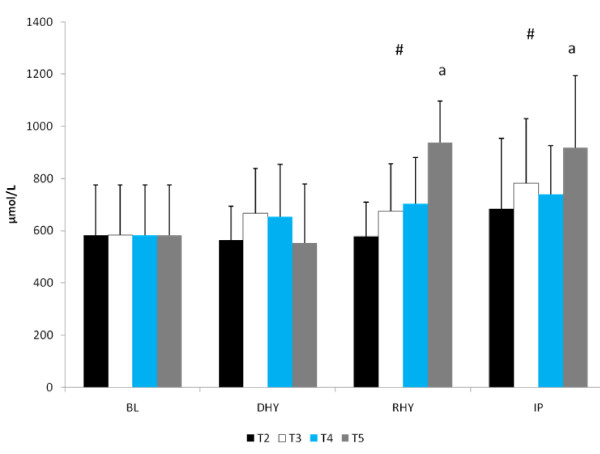
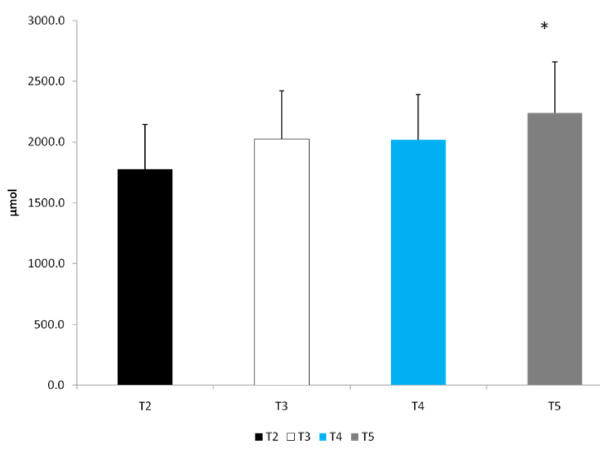
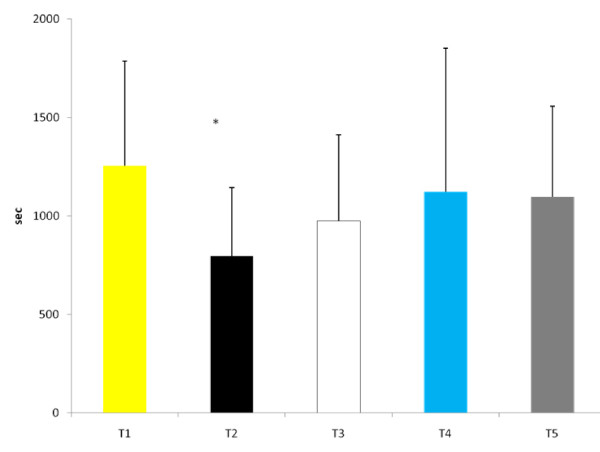
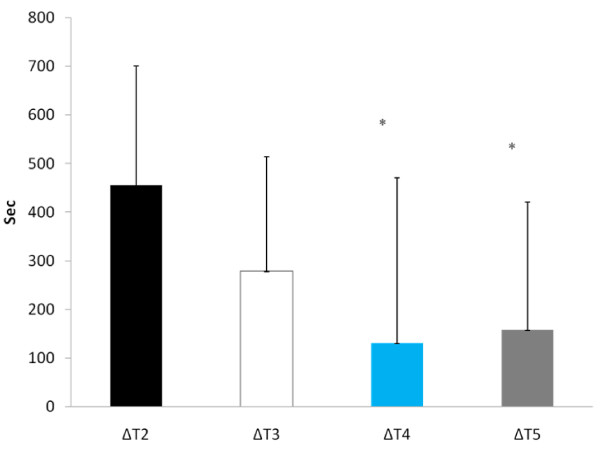
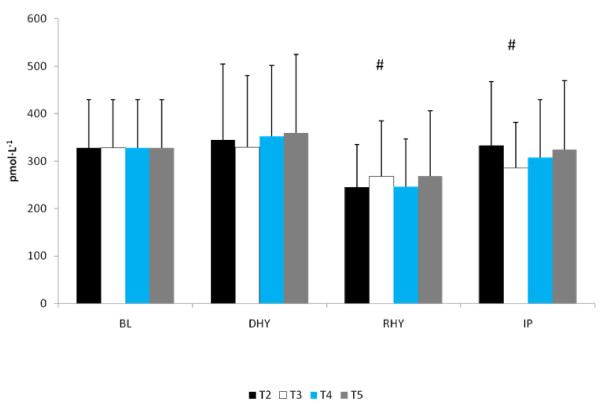
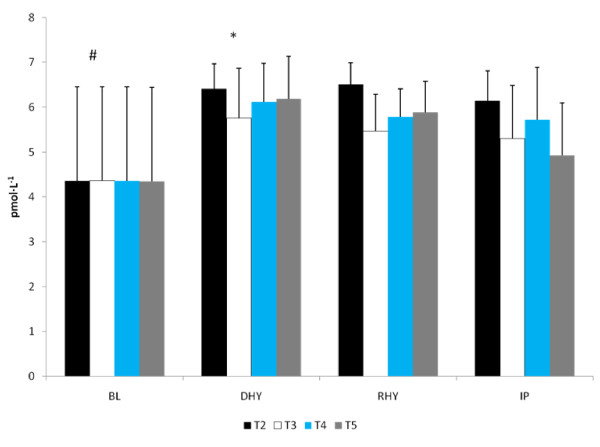
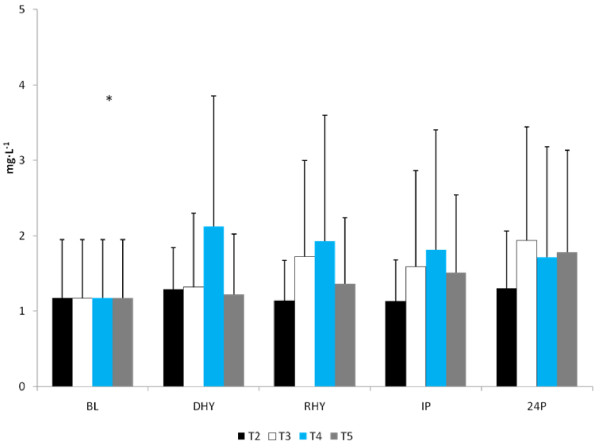
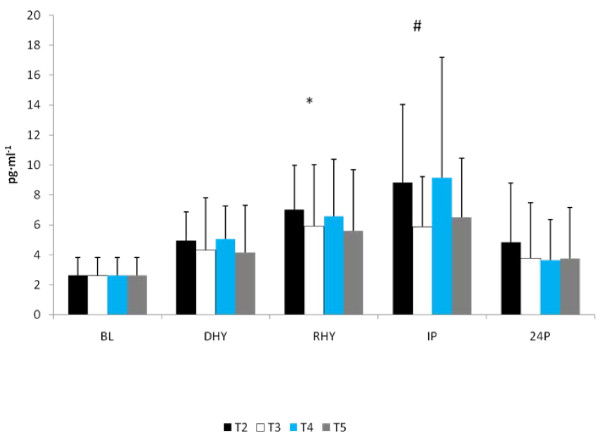
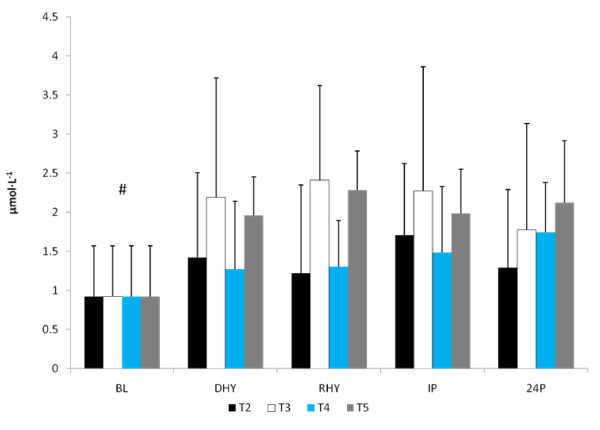
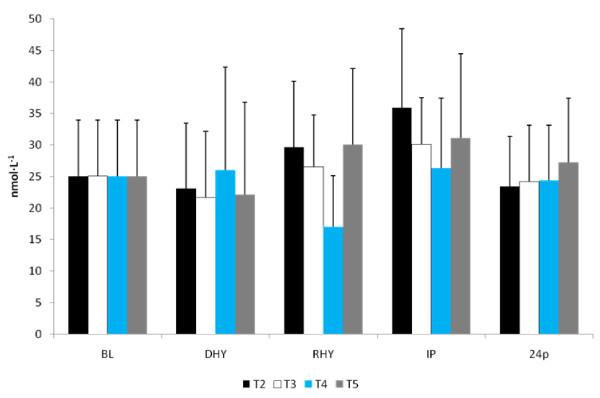
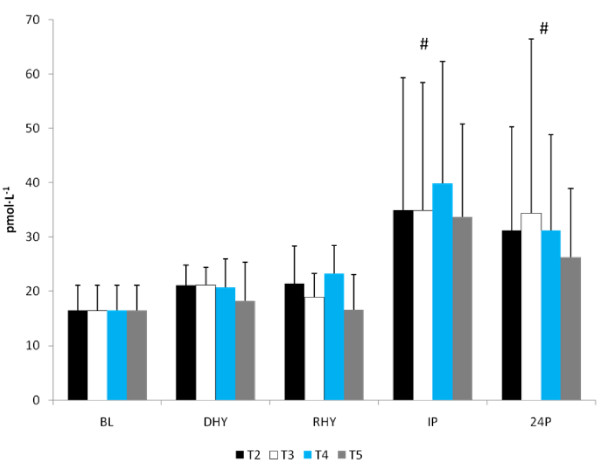
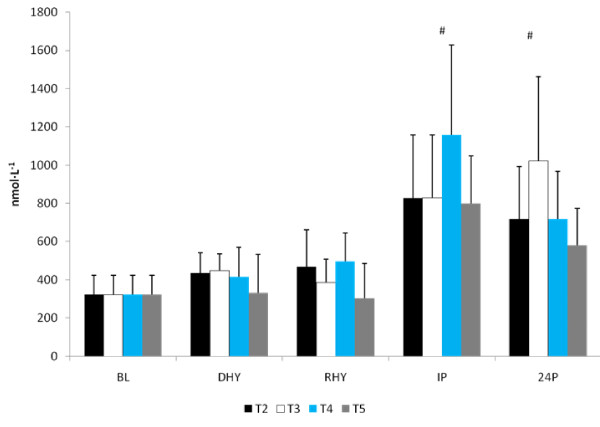
BACKGROUND: The effect of acute L-alanyl-L-glutamine (AG; Sustamine) ingestion on performance changes and markers of fluid regulation, immune, inflammatory, oxidative stress, and recovery was examined in response to exhaustive endurance exercise, during and in the absence of dehydration. METHODS: Ten physically active males (20.8 +/- 0.6 y; 176.8 +/- 7.2 cm; 77.4 +/- 10.5 kg; 12.3 +/- 4.6% body fat) volunteered to participate in this study. During the first visit (T1) subjects reported to the laboratory in a euhydrated state to provide a baseline (BL) blood draw and perform a maximal exercise test. In the four subsequent randomly ordered trials, subjects dehydrated to -2.5% of their baseline body mass. For T2, subjects achieved their goal weight and were not rehydrated. During T3 - T5, subjects reached their goal weight and then rehydrated to 1.5% of their baseline body mass by drinking either water (T3) or two different doses (T4 and T5) of the AG supplement (0.05 g.kg-1 and 0.2 g.kg-1, respectively). Subjects then exercised at a workload that elicited 75% of their VO2 max on a cycle ergometer. During T2 - T5 blood draws occurred once goal body mass was achieved (DHY), immediately prior to the exercise stress (RHY), and immediately following the exercise protocol (IP). Resting 24 hour (24P) blood samples were also obtained. Blood samples were analyzed for glutamine, potassium, sodium, aldosterone, arginine vasopressin (AVP), C-reactive protein (CRP), interleukin-6 (IL-6), malondialdehyde (MDA), testosterone, cortisol, ACTH, growth hormone and creatine kinase. Statistical evaluation of performance, hormonal and biochemical changes was accomplished using a repeated measures analysis of variance. RESULTS: Glutamine concentrations for T5 were significantly higher at RHY and IP than T2 - T4. When examining performance changes (difference between T2 - T5 and T1), significantly greater times to exhaustion occurred during T4 (130.2 +/- 340.2 sec) and T5 (157.4 +/- 263.1 sec) compared to T2 (455.6 +/- 245.0 sec). Plasma sodium concentrations were greater (p < 0.05) at RHY and IP for T2 than all other trials. Aldosterone concentrations at RHY and IP were significantly lower than that at BL and DHY. AVP was significantly elevated at DHY, RHY and IP compared to BL measures. No significant differences were observed between trials in CRP, IL-6, MDA, or in any of the other hormonal or biochemical measures. CONCLUSION: Results demonstrate that AG supplementation provided a significant ergogenic benefit by increasing time to exhaustion during a mild hydration stress. This ergogenic effect was likely mediated by an enhanced fluid and electrolyte uptake.
Overview
The claims and statistics of this paper haven’t been checked yet.
Free: it reads the open-access text and checks the first 5 claims that cite a source we can check. Create a free account to check every claim.
Integrity signals
Registry
Cites
Statistics
Figures
Verification
Claims the paper makes
The claims and statistics of this paper haven’t been checked yet.
Free: it reads the open-access text and checks the first 5 claims that cite a source we can check. Create a free account to check every claim.
Claims other papers make about this one
Each is checked against this paper’s own text: does it say what the citing paper says it does?
The source backs part of the claim, not all of it — or backs it for a different population, condition or comparison.
In the citing paper
“Collectively this research indicates that L-alanyl-L-glutamine at dosages ranging 300–1000 mg per 500 mL of fluid can favorably influence hydration status and performance when compared to no fluid ingestion or water only ingestion.”
From ISSN exercise & sports nutrition review update: research & recommendations (2018) · cites this paper as [524]
Experimental — accuracy not yet measured
Self-check
Percentages, sums and reported differences re-computed from the paper’s own numbers.
The self-check needs the paper’s full text.
Citations
Cites
Inflammation, aspirin, and the risk of cardiovascular disease in apparently healthy men
Ridker, P. M., Cushman, M., Stampfer, M. J., Tracy, R. P., & Hennekens, C. H. (1997) · New England Journal of Medicine · doi:10.1056/nejm199704033361401 · Cited by 5,504
Calculation of percentage changes in volumes of blood, plasma, and red cells in dehydration.
Dill, D. B., & Costill, D. L. (1974) · Journal of Applied Physiology · doi:10.1152/jappl.1974.37.2.247 · Cited by 3,384
Urinary Indices of Hydration Status
Armstrong, L. E., Maresh, C. M., Castellani, J. W., Bergeron, M. F., Kenefick, R. W., LaGasse, K. E., & Riebe, D. (1994) · International Journal of Sport Nutrition · doi:10.1123/ijsn.4.3.265 · Cited by 548 · cited 1×
“020 was defined as euhydration [18].”
Self-citationExercise-induced oxidative stress
ALESSIO, H. M. (1993) · Medicine & Science in Sports & Exercise · doi:10.1249/00005768-199302000-00010 · Cited by 514
The role of IL-6 in mediating the anti-inflammatory effects of exercise.
Petersen, A. M. W., & Pedersen, B. K. (2006) · PubMed · Cited by 436
Glutamine, arginine, and leucine signaling in the intestine
Marc Rhoads, J., & Wu, G. (2009) · Amino Acids · doi:10.1007/s00726-008-0225-4 · Cited by 362 · cited 1×
“AG appears to increase electrolyte and fluid uptake across the intestines by increasing ion transport through an enhanced signaling pathway within the intestinal mucosal cells [6,22].”
BackgroundDéchelotte, P., Hasselmann, M., Cynober, L., Allaouchiche, B., Coëffier, M., Hecketsweiler, B., Merle, V., Mazerolles, M., Samba, D., Guillou, Y. M., et al. (2006) · Critical Care Medicine · doi:10.1097/01.ccm.0000201004.30750.d1 · Cited by 326 · cited 1×
“Both glutamine and alanine/glutamine in combination have been shown to be effective for antioxidant defense during situations of severe illness [ 12-14 ].”
BackgroundMalm, C., Sjödin, B., Sjöberg, B., Lenkei, R., Renström, P., Lundberg, I. E., & Ekblom, B. (2004) · The Journal of Physiology · doi:10.1113/jphysiol.2003.056598 · Cited by 306 · cited 1×
“Previous studies have shown that CRP will increase in response to prolonged physical activity such as triathlons [35] and marathons [33] but not during shorter duration exercise [34, 36 ].”
BackgroundExercise and cytokines with particular focus on muscle-derived IL-6.
Pedersen, B. K., Steensberg, A., Fischer, C. P., Keller, C., Ostrowski, K., & Schjerling, P. (2001) · PubMed · Cited by 301
Muscle K+, Na+, and Cl− disturbances and Na+-K+ pump inactivation: implications for fatigue
McKenna, M. J., Bangsbo, J., & Renaud, J.-M. (2008) · Journal of Applied Physiology · doi:10.1152/japplphysiol.01037.2007 · Cited by 272
Muscle contractions induce interleukin‐6 mRNA production in rat skeletal muscles
Jonsdottir, I. H., Schjerling, P., Ostrowski, K., Asp, S., Richter, E. A., & Pedersen, B. K. (2000) · The Journal of Physiology · doi:10.1111/j.1469-7793.2000.00157.x · Cited by 251 · cited 1×
“IL-6 is produced in active skeletal tissue [39] and in the central nervous system [40].”
BackgroundCastell, L. M., Poortmans, J. R., Leclercq, R., Brasseur, M., Duchateau, J., & Newsholme, E. A. (1996) · European Journal of Applied Physiology · doi:10.1007/s004210050125 · Cited by 240 · cited 3×
“Previous studies have shown that CRP will increase in response to prolonged physical activity such as triathlons [35] and marathons [33] but not during shorter duration exercise [34,36].”
BackgroundMethodResultSafety and Metabolic Effects of L‐Glutamine Administration in Humans
Ziegler, T. R., Benfell, K., Smith, R. J., Young, L. S., Brown, E., Ferrari‐Baliviera, E., Lowe, D. K., & Wilmore, D. W. (1990) · Journal of Parenteral and Enteral Nutrition · doi:10.1177/0148607190014004201 · Cited by 239 · cited 1×
“1 g·kg·BM can increase plasma glutamine concentration by approximately 50% [21], the ability to increase plasma glutamine concentrations with doses lower than 0.”
BackgroundInterleukin‐6 release from the human brain during prolonged exercise
Nybo, L., Nielsen, B., Klarlund Pedersen, B., Møller, K., & Secher, N. H. (2002) · The Journal of Physiology · doi:10.1113/jphysiol.2002.022285 · Cited by 194 · cited 1×
“IL-6 is produced in active skeletal tissue [39] and in the central nervous system [40].”
BackgroundKoshimizu, T.-A., Nasa, Y., Tanoue, A., Oikawa, R., Kawahara, Y., Kiyono, Y., Adachi, T., Tanaka, T., Kuwaki, T., Mori, T., et al. (2006) · Proceedings of the National Academy of Sciences · doi:10.1073/pnas.0600875103 · Cited by 178 · cited 1×
“In addition, ALD is also stimulated by changes in BP [30].”
BackgroundDosing and Efficacy of Glutamine Supplementation in Human Exercise and Sport Training
Gleeson, M. (2008) · The Journal of Nutrition · doi:10.1093/jn/138.10.2045s · Cited by 171 · cited 1×
“However, there is considerable debate in this area [17], which justifies further investigation.”
BackgroundRecovery after an Ironman triathlon: sustained inflammatory responses and muscular stress
Neubauer, O., König, D., & Wagner, K.-H. (2008) · European Journal of Applied Physiology · doi:10.1007/s00421-008-0787-6 · Cited by 157 · cited 3×
“Previous studies have shown that CRP will increase in response to prolonged physical activity such as triathlons [35] and marathons [33] but not during shorter duration exercise [34,36].”
BackgroundMethodResultA Dietary Supplement Attenuates IL-6 and CRP after Eccentric Exercise in Untrained Males
PHILLIPS, T., CHILDS, A. C., DREON, D. M., PHINNEY, S., & LEEUWENBURGH, C. (2003) · Medicine & Science in Sports & Exercise · doi:10.1249/01.mss.0000099112.32342.10 · Cited by 157 · cited 2×
“Several investigations have examined the ability of nutritional intervention to attenuate the post-exercise inflammatory response [43,44].”
BackgroundEffect of acid-base balance on the growth hormone response to acute high-intensity cycle exercise
Gordon, S. E., Kraemer, W. J., Vos, N. H., Lynch, J. M., & Knuttgen, H. G. (1994) · Journal of Applied Physiology · doi:10.1152/jappl.1994.76.2.821 · Cited by 146
Plasma volume, renin, and vasopressin responses to graded exercise after training
Convertino, V. A., Keil, L. C., & Greenleaf, J. E. (1983) · Journal of Applied Physiology · doi:10.1152/jappl.1983.54.2.508 · Cited by 140 · cited 1×
“Changes in AVP concentrations are dependent upon exercise intensity and changes in Posm and blood volume [31,32]; thus it is not surprising to see no significant differences between the trials in the AVP response considering that no between trial differences were noted in Posm or plasma volume changes.”
ResultThyroid and testicular hormone responses to graded and prolonged exercise in man
Galbo, H., Hummer, L., Petersen, I. B., Christensen, N. J., & Bie, N. (1977) · European Journal of Applied Physiology · doi:10.1007/bf00423117 · Cited by 121 · cited 1×
“10-20 minutes) does not appear to increase [TEST] [50, 51 ], even with a mild hydration perturbation in fit individuals [52].”
BackgroundJudelson, D. A., Maresh, C. M., Yamamoto, L. M., Farrell, M. J., Armstrong, L. E., Kraemer, W. J., Volek, J. S., Spiering, B. A., Casa, D. J., & Anderson, J. M. (2008) · Journal of Applied Physiology · doi:10.1152/japplphysiol.01010.2007 · Cited by 115 · cited 2×
“, [55] but, contrast with Peyreigne and colleagues [57].”
BackgroundResultSelf-citationMiles, M. P., Andring, J. M., Pearson, S. D., Gordon, L. K., Kasper, C., Depner, C. M., & Kidd, J. R. (2008) · Journal of Applied Physiology · doi:10.1152/japplphysiol.00572.2007 · Cited by 110 · cited 3×
“Previous studies have shown that CRP will increase in response to prolonged physical activity such as triathlons [35] and marathons [33] but not during shorter duration exercise [34,36].”
BackgroundMethodResultSuminski, R. R., Robertson, R. J., Goss, F. L., Arslanian, S., Kang, J., DaSilva, S., Utter, A. C., & Metz, K. F. (1997) · International Journal of Sport Nutrition · doi:10.1123/ijsn.7.1.48 · Cited by 106 · cited 1×
“Previous investigations have suggested that glutamine concentrations can elevate the GH response at rest [58,59], but not exercise [58].”
BackgroundSelf-citationHaematological and acute-phase responses associated with delayed-onset muscle soreness in humans
Gleeson, M., Almey, J., Brooks, S., Cave, R., Lewis, A., & GRIFFITHS, H. B. A. (1995) · European Journal of Applied Physiology · doi:10.1007/bf00854970 · Cited by 103 · cited 1×
“Many studies use CK as a marker for muscle damage and have suggested that a rapid acute phase inflammatory response (reflected by an increase in CRP within 24 hours postexercise during eccentric exercise in untrained individuals) can initiate delayed onset of muscle soreness and additional tissue necrosis occurring fo…”
BackgroundIncreased plasma bicarbonate and growth hormone after an oral glutamine load
Welbourne, T. (1995) · American Journal of Clinical Nutrition · doi:10.1093/ajcn/61.5.1058 · Cited by 102
Rogero, M. M., Tirapegui, J., Pedrosa, R. G., de Castro, I. A., & Pires, I. S. D. O. (2006) · Nutrition · doi:10.1016/j.nut.2005.11.002 · Cited by 93 · cited 1×
“Further, AG supplementation has also been demonstrated to enhance muscle glutamine uptake [23].”
BackgroundNew Developments in Glutamine Delivery
Fürst, P. (2001) · Journal of Nutrition · doi:10.1093/jn/131.9.2562s · Cited by 90 · cited 1×
“Fürst [11] suggested that glutamine derivatives such as alanyl-glutamine may be more stable than glutamine by itself, especially at low pH.”
BackgroundIncreased plasma bicarbonate and growth hormone after an oral glutamine load.
Welbourne, T. C. (1995) · PubMed · doi:10.1093/ajcn/61.4.1058 · Cited by 79 · cited 1×
“Previous investigations have suggested that glutamine concentrations can elevate the GH response at rest [58,59], but not exercise [58].”
BackgroundHoffman, J. R., Maresh, C. M., Armstrong, L. E., Gabaree, C. L. V., Bergeron, M. F., Kenefick, R. W., Castellani, J. W., Ahlquist, L., & Ward, A. (1994) · European Journal of Applied Physiology · doi:10.1007/bf00392033 · Cited by 79 · cited 2×
“The CORT response was consistent with previous studies that have shown that hydration levels do not influence [CORT] [52,53].”
BackgroundResultSelf-citationAldosterone and vasopressin responses in the heat: hydration level and exercise intensity effects
MONTAIN, S. J., LAIRD, J. E., LATZKA, W. A., & SAWKA, M. N. (1997) · Medicine & Science in Sports & Exercise · doi:10.1097/00005768-199705000-00012 · Cited by 77 · cited 3×
“Although ALD is reported to respond in a graded manner to levels of hypohydration [27,28], the magnitude of hypohydration in this study was likely not sufficient to stimulate increased ALD production, and rehydration likely resulted in the significant decline of ALD across trials at RHY and IP.”
BackgroundResultGlutamine and the effects of exhaustive exercise upon the immune response
Castell, L. M., & Newsholme, E. A. (1998) · Canadian Journal of Physiology and Pharmacology · doi:10.1139/cjpp-76-5-524 · Cited by 76 · cited 1×
“In addition, glutamine has been shown to be an effective modulator of the immune response to exercise [15] and possibly improve athletic performance [16].”
BackgroundHoffman, J. R., Ratamess, N. A., Tranchina, C. P., Rashti, S. L., Kang, J., & Faigenbaum, A. D. (2009) · Amino Acids · doi:10.1007/s00726-009-0283-2 · Cited by 75
Self-citationFluid replacement following dehydration reduces oxidative stress during recovery
Paik, I., Jeong, M.-H., Jin, H.-E., Kim, Y., Suh, A.-R., Cho, S.-Y., Roh, H., Jin, C.-H., & Suh, S. (2009) · Biochemical and Biophysical Research Communications · doi:10.1016/j.bbrc.2009.03.135 · Cited by 73 · cited 3×
“The results of this study are also consistent with previous research demonstrating elevated oxidative stress following a mild dehydration and exercise to exhaustion protocol [48].”
MethodResultInfluentialNOSE, H., MORIMOTO, T., & OGURA, K. (1983) · The Japanese Journal of Physiology · doi:10.2170/jjphysiol.33.1019 · Cited by 72 · cited 2×
“Pressure changes involving hydrostatic, oncotic and osmotic forces control the dynamics of fluid movement [1].”
BackgroundBanned Drugs in Sport: Does the International Olympic Committee (IOC) List Need Updating?
Mottram, D. R. (1999) · Sports Medicine · doi:10.2165/00007256-199927010-00001 · Cited by 69
Vascular fluid shifts and endocrine responses to exercise in the heat
BRANDENBERGER, G., Candas, V., FOLLENIUS, M., Libert, J., & Kahn, J.-M. (1986) · European Journal of Applied Physiology · doi:10.1007/bf00714993 · Cited by 66
Senay, L. C., & Pivarnik, J. M. (1985) · Exercise and Sport Sciences Reviews · doi:10.1249/00003677-198500130-00012 · Cited by 64 · cited 1×
“Background During dehydration fluid moves from the plasma to both intracellular and extracellular spaces and then eventually back to the circulation [1,2].”
BackgroundThe Effect of Water Restriction on Anaerobic Power and Vertical Jumping Height in Basketball Players
Hoffman, J., Stavsky, H., & Folk, B. (1995) · International Journal of Sports Medicine · doi:10.1055/s-2007-972994 · Cited by 63 · cited 1×
“Significant performance decrements have been shown with hypohydration levels of only 2% [3].”
BackgroundSelf-citationGlutamine supplementation further enhances exercise-induced plasma IL-6
Hiscock, N., Petersen, E. W., Krzywkowski, K., Boza, J., Halkjaer-Kristensen, J., & Pedersen, B. K. (2003) · Journal of Applied Physiology · doi:10.1152/japplphysiol.00471.2002 · Cited by 61
Maresh, C., Whittlesey, M., Armstrong, L., Yamamoto, L., Judelson, D., Fish, K., Casa, D., Kavouras, S., & Castracane, V. (2006) · International Journal of Sports Medicine · doi:10.1055/s-2005-872932 · Cited by 59 · cited 2×
“The post-exercise elevation in CORT was also consistent with the metabolic stress associated with moderate exercise and hypohydration [53,54].”
BackgroundResultSelf-citationMourtzakis, M., Saltin, B., Graham, T., & Pilegaard, H. (2006) · Journal of Applied Physiology · doi:10.1152/japplphysiol.00571.2005 · Cited by 56 · cited 1×
“In addition, although plasma glucose concentrations were not different between trials, alanine is a gluconeogenic substrate and may have contributed to the delay in fatigue by sparing muscle glycogen [25,26].”
BackgroundLima, A. Â. M., Carvalho, G. H. P., Figueiredo, A. A., Gifoni, Â. R., Soares, A. M., Silva, E. A. T., & Guerrant, R. L. (2002) · Nutrition · doi:10.1016/s0899-9007(02)00775-x · Cited by 53 · cited 3×
“Lima and colleagues [6] reported that alanine and glutamine together is more stable than glutamine alone in increasing electrolyte and water absorption, likely via an improvement in ion transporters within intestinal epithelia.”
BackgroundThe influence of the initial state of hydration on endocrine responses to exercise in the heat
BRANDENBERGER, G., Candas, V., FOLLENIUS, M., & Kahn, J.-M. (1989) · European Journal of Applied Physiology · doi:10.1007/bf00418516 · Cited by 52 · cited 2×
“The CORT response was consistent with previous studies that have shown that hydration levels do not influence [CORT] [52, 53 ].”
ResultFluid replacement during and after exercise in the heat
CARTER, J. E., & GISOLFI, C. V. (1989) · Medicine & Science in Sports & Exercise · doi:10.1249/00005768-198910000-00007 · Cited by 49 · cited 1×
“Water appears as effective as any sports drink during exercise in maintaining performance and thermoregulation [4].”
BackgroundInfluence of Betaine Consumption on Strenuous Running and Sprinting in a Hot Environment
Armstrong, L. E., Casa, D. J., Roti, M. W., Lee, E. C., Craig, S. A. S., Sutherland, J. W., Fiala, K. A., & Maresh, C. M. (2008) · The Journal of Strength and Conditioning Research · doi:10.1519/jsc.0b013e31816a6efb · Cited by 45 · cited 1×
“Interestingly, recent advances in sport supplements suggest the use of certain organic osmolytes such as glycine betaine may provide some protection of intracellular fluid volume [5]; however, its ability to affect performance is not clear.”
BackgroundSelf-citationPlasma hormonal responses at graded hypohydration levels during exercise-heat stress
Francesconi, R. P., Sawka, M. N., Pandolf, K. B., Hubbard, R. W., Young, A. J., & Muza, S. (1985) · Journal of Applied Physiology · doi:10.1152/jappl.1985.59.6.1855 · Cited by 45
Silva, A. C., Santos‐Neto, M. S., Soares, A. M., Fonteles, M. C., Guerrant, R. L., & Lima, A. A. M. (1998) · Journal of Pediatric Gastroenterology and Nutrition · doi:10.1002/j.1536-4801.1998.tb00832.x · Cited by 44
Peptide Glutamine Supplementation for Tolerance of Intermittent Exercise in Soccer Players
Favano, A., Silva, P. R. S., Nakano, E. Y., Pedrinelli, A., Hernandez, A. J., & Greve, J. M. D. (2008) · Clinics · doi:10.1590/s1807-59322008000100006 · Cited by 41 · cited 1×
“In addition, glutamine has been shown to be an effective modulator of the immune response to exercise [15] and possibly improve athletic performance [16].”
BackgroundKenefick, R. W., Maresh, C. M., Armstrong, L. E., Riebe, D., Echegaray, M. E., & Castellani, J. W. (2007) · Journal of Applied Physiology · doi:10.1152/japplphysiol.00920.2006 · Cited by 41 · cited 3×
“Previous studies examining the effect of hypohydration levels have typically examined body water deficits of greater magnitudes (~5%) and greater differentials than that used in this present study [28,29].”
BackgroundResultSelf-citationAndreasen, A., Pedersen-Skovsgaard, T., Mortensen, O., van Hall, G., Moseley, P., & Pedersen, B. (2009) · Critical Care · doi:10.1186/cc7696 · Cited by 39
Kumar, S. H. S., & Anandan, R. (2007) · Journal of Clinical Biochemistry and Nutrition · doi:10.3164/jcbn.40.49 · Cited by 38 · cited 1×
“Both glutamine and alanine/glutamine in combination have been shown to be effective for antioxidant defense during situations of severe illness [ 12-14 ].”
BackgroundKlassen, P., Mazariegos, M., Solomons, N. W., & Fürst, P. (2000) · Journal of Nutrition · doi:10.1093/jn/130.2.177 · Cited by 36 · cited 1×
“The time course of glutamine appearance in plasma is similar to that reported by Klassen and colleagues [20].”
ResultThe Effect of Carbohydrate Ingestion on the Interleukin-6 Response to a 90-Minute Run Time Trial
Robson-Ansley, P. J., Barwood, M. J., Eglin, C., & Ansley, L. (2009) · International Journal of Sports Physiology and Performance · doi:10.1123/ijspp.4.2.186 · Cited by 32 · cited 2×
“Several investigations have examined the ability of nutritional intervention to attenuate the post-exercise inflammatory response [43,44].”
Background[15N]- and [14C]glutamine fluxes across rabbit ileum in experimental bacterial diarrhea
Nath, S., Déchelotte, P., Darmaun, D., Gotteland, M., Rongier, M., & Desjeux, J. F. (1992) · American Journal of Physiology-Gastrointestinal and Liver Physiology · doi:10.1152/ajpgi.1992.262.2.g312 · Cited by 30
Fp, V. L., -, A. B., Nath, S., Patra, F. C., Wahed, M. A., Darmaun, D., Desjeux, J. F., & Mahalanabis, D. (1996) · PubMed · Cited by 29
Enhanced hepatic gluconeogenic capacity for selected precursors after endurance training
Sumida, K. D., & Donovan, C. M. (1995) · Journal of Applied Physiology · doi:10.1152/jappl.1995.79.6.1883 · Cited by 27 · cited 1×
“In addition, although plasma glucose concentrations were not different between trials, alanine is a gluconeogenic substrate and may have contributed to the delay in fatigue by sparing muscle glycogen [25,26].”
BackgroundAbilés, J., Moreno‐Torres, R., Moratalla, G., Castaño, J., Abúd, R. P., Mudarra, A., Machado, M., Planells, E., & de la Cruz, A. P. (2008) · PubMed · Cited by 25
Duška, F., Fric, M., Pažout, J., Waldauf, P., Tůma, P., & Pachl, J. (2007) · Growth Hormone & IGF Research · doi:10.1016/j.ghir.2007.07.003 · Cited by 20 · cited 1×
“It appears that the most compelling stimulus for glutamine’s role in stimulating GH release is during prolonged critical illness when plasma glutamine concentrations are below normal levels [ 60 ].”
BackgroundEffect of hydration on exercise-induced growth hormone response
Peyreigne, C., Bouix, D., Fédou, C., & Mercier, J. G. (2001) · European Journal of Endocrinology · doi:10.1530/eje.0.1450445 · Cited by 18
Li, Y., Xu, B., Liu, F., Tan, L., & Li, J. (2006) · Pediatric Surgery International · doi:10.1007/s00383-006-1693-9 · Cited by 9 · cited 1×
“Glutamine has been reported to increase electrolyte and water absorption in both animal and human subjects suffering from intestinal infections [7-9], but not in others [10].”
BackgroundBottecchia, D., Bordin, D., & Martino, R. (1987) · PubMed · Cited by 3
Cited by
ISSN exercise & sports nutrition review update: research & recommendations
Kerksick, C. M., Wilborn, C. D., Roberts, M. D., Smith-Ryan, A., Kleiner, S. M., Jäger, R., Collins, R., Cooke, M., Davis, J. N., Galvan, E., et al. (2018) · Journal of the International Society of Sports Nutrition · doi:10.1186/s12970-018-0242-y · Cited by 945
Glutamine as an Anti-Fatigue Amino Acid in Sports Nutrition
Coqueiro, A. Y., Rogero, M. M., & Tirapegui, J. (2019) · Nutrients · doi:10.3390/nu11040863 · Cited by 150
“[51] administered L-alanyl-L-glutamine, in two doses (0.”
Bond, P. (2016) · Journal of the International Society of Sports Nutrition · doi:10.1186/s12970-016-0118-y · Cited by 121
Amino Acids in Human and Animal Nutrition
Karau, A., & Grayson, I. (2014) · Advances in biochemical engineering, biotechnology · doi:10.1007/10_2014_269 · Cited by 102
The effect of diet components on the level of cortisol
Stachowicz, M., & Lebiedzińska, A. (2016) · European Food Research and Technology · doi:10.1007/s00217-016-2772-3 · Cited by 91
Metadata
- Authors
- Hoffman, J. R., Ratamess, N. A., Kang, J., Rashti, S. L., Kelly, N., Gonzalez, A. M., Stec, M., Anderson, S., Bailey, B. L., Yamamoto, L. M., Hom, L. L., Kupchak, B. R., Faigenbaum, A. D., & Maresh, C. M.
- Affiliations
- The College of New Jersey (US)
- University of Connecticut (US)
- Corresponding author
- Hoffman, Jay R
- Venue
- Journal of the International Society of Sports Nutrition
- Publisher
- Informa UK Limited
- Published
- 2010-01-05
- Volume
- 7
- Issue
- 1
- Pages
- 8-8
- ISSN
- 1550-2783 (ISSN-L)
- PMC
- PMC2851582
- OpenAlex
- W2122327011
- Cited by
- 41
- References
- 61
- Citations by year
- 2026: 2 · 2024: 1 · 2023: 2 · 2021: 1 · 2020: 3 · 2019: 2 · 2018: 5 · 2016: 5 · 2015: 7 · 2014: 4 · 2013: 1 · 2012: 4
- FWCI
- 2.99
- Type
- journal article
- Language
- en
- Open access
- gold
- doi.org
- Licence
- Locations
- Journal of the International Society of Sports Nutrition (publishedVersion, cc-by)
- PubMed Central (publishedVersion, cc-by)
- PubMed (publishedVersion)
- DOAJ (DOAJ: Directory of Open Access Journals) (submittedVersion, cc-by-sa)
- Funders
- State of New Jersey Department of Health
- Topics
- Health Sciences › Medicine › Physiology (medical) › Exercise and Physiological Responses
- Health Sciences › Nursing › Nutrition and Dietetics › Muscle metabolism and nutrition
- Health Sciences › Medicine › Physiology (medical) › Thermoregulation and physiological responses
- Keywords
- L-alanyl-L-glutamine, glutamine supplementation, dehydration, rehydration, endurance exercise, exercise performance, time to exhaustion, fluid regulation, vasopressin, aldosterone, C-reactive protein, interleukin-6, oxidative stress, malondialdehyde, cortisol, creatine kinase, immune response, electrolytes, growth hormone, ACTH
About these checks
Registry, retraction, Cites and statistics results are computed, not judged, with one exception: a printed reference that no index lists is read once by a model before it counts as a citation error. Claims are extracted by a model and kept only when their quote appears verbatim in the text; each cited source is then checked, with a model’s help, for whether it says what the claim relies on. Those verdicts can be wrong — read the claim’s quote and the cited source before relying on one.
Statistics and arithmetic are recomputed, not judged.
Confidence bands are shown only for fields calibrated on our annotated test set. None is calibrated yet, so no band is shown.
What counts as a claim ›How we measure confidence ›How we check this ›
Are you an author, or do you see a problem with this page? Request a review
Data sources
Bibliographic data: Semantic Scholar, OpenAlex, Crossref.
Contains information from the Semantic Scholar Academic Graph Datasets, made available under the ODC Attribution License (ODC-BY 1.0).
Semantic Scholar’s data is described in: Kinney, R., et al. (2023). The Semantic Scholar Open Data Platform. arXiv:2301.10140.
