

Maternal caffeine intake during pregnancy is associated with birth weight but not with gestational length: results from a large prospective observational cohort study
Open accessThe DOI matches its Crossref record; 66 of the 67 references it cites were found in a registry or an index.
Abstract
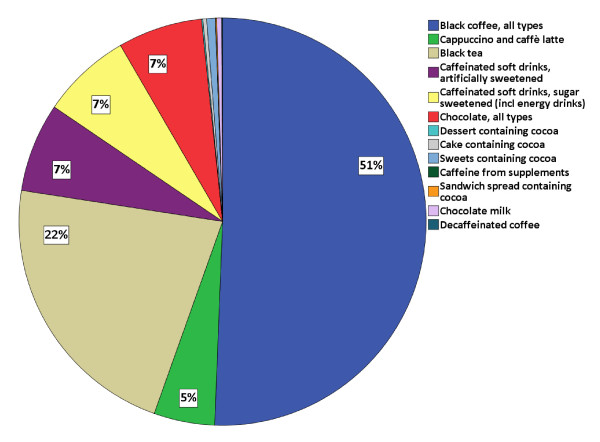
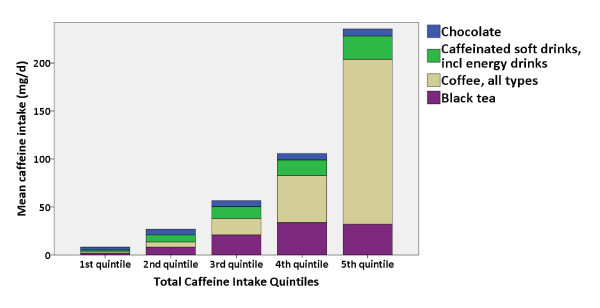
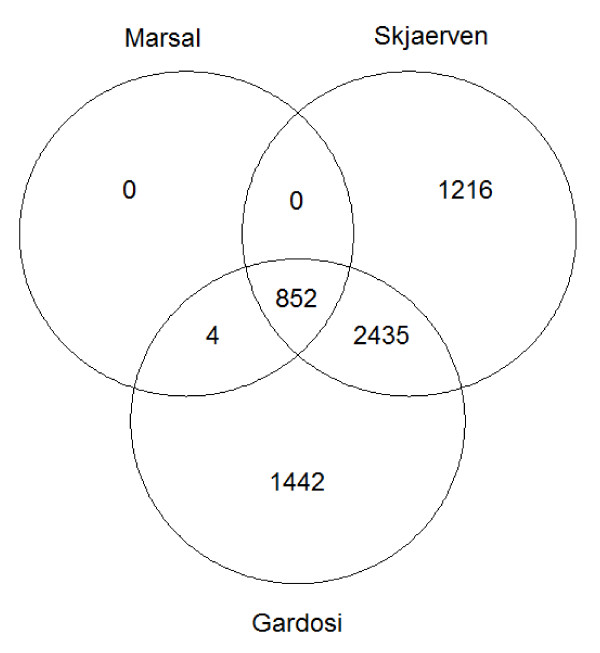
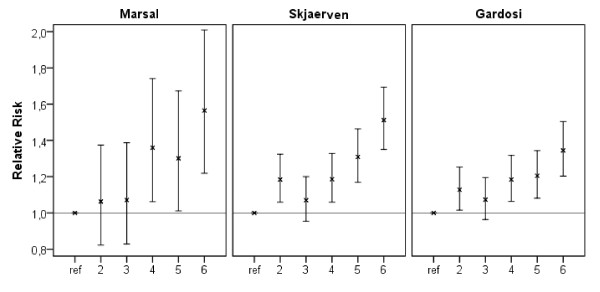
BACKGROUND: Pregnant women consume caffeine daily. The aim of this study was to examine the association between maternal caffeine intake from different sources and (a) gestational length, particularly the risk for spontaneous preterm delivery (PTD), and (b) birth weight (BW) and the baby being small for gestational age (SGA). METHODS: This study is based on the Norwegian Mother and Child Cohort Study conducted by the Norwegian Institute of Public Health. A total of 59,123 women with uncomplicated pregnancies giving birth to a live singleton were identified. Caffeine intake from different sources was self-reported at gestational weeks 17, 22 and 30. Spontaneous PTD was defined as spontaneous onset of delivery between 22+0 and 36+6 weeks (n = 1,451). As there is no consensus, SGA was defined according to ultrasound-based (Marsal, n = 856), population-based (Skjaerven, n = 4,503) and customized (Gardosi, n = 4,733) growth curves. RESULTS: The main caffeine source was coffee, but tea and chocolate were the main sources in women with low caffeine intake. Median pre-pregnancy caffeine intake was 126 mg/day (IQR 40 to 254), 44 mg/day (13 to 104) at gestational week 17 and 62 mg/day (21 to 130) at gestational week 30. Coffee caffeine, but not caffeine from other sources, was associated with prolonged gestation (8 h/100 mg/day, P <10-7). Neither total nor coffee caffeine was associated with spontaneous PTD risk. Caffeine intake from different sources, measured repeatedly during pregnancy, was associated with lower BW (Marsal-28 g, Skjaerven-25 g, Gardosi-21 g per 100 mg/day additional total caffeine for a baby with expected BW 3,600 g, P <10-25). Caffeine intake of 200 to 300 mg/day increased the odds for SGA (OR Marsal 1.62, Skjaerven 1.44, Gardosi 1.27, P <0.05), compared to 0 to 50 mg/day. CONCLUSIONS: Coffee, but not caffeine, consumption was associated with marginally increased gestational length but not with spontaneous PTD risk. Caffeine intake was consistently associated with decreased BW and increased odds of SGA. The association was strengthened by concordant results for caffeine sources, time of survey and different SGA definitions. This might have clinical implications as even caffeine consumption below the recommended maximum (200 mg/day in the Nordic countries and USA, 300 mg/day according to the World Health Organization (WHO)) was associated with increased risk for SGA.
Overview
The claims and statistics of this paper haven’t been checked yet.
Free: it reads the open-access text and checks the first 5 claims that cite a source we can check. Create a free account to check every claim.
Integrity signals
Registry
Cites
Statistics
Figures
Verification
Claims the paper makes
The claims and statistics of this paper haven’t been checked yet.
Free: it reads the open-access text and checks the first 5 claims that cite a source we can check. Create a free account to check every claim.
Claims other papers make about this one
Each is checked against this paper’s own text: does it say what the citing paper says it does?
The source backs part of the claim, not all of it — or backs it for a different population, condition or comparison.
In the citing paper
“This conclusion is based on two prospective cohort studies (CARE Study Group, 2008;Sengpiel et al., 2013) showing a dose-dependent positive association between caffeine intakes during pregnancy and the risk of adverse birth weight-related outcomes (i.e.FGR, SGA).”
From Scientific Opinion on the safety of caffeine (2015) · cites this paper as Sengpiel et al., 2013
Experimental — accuracy not yet measuredThe cited source says what the claim attributes to it.
In the citing paper
“total caffeine and coffee caffeine were significantly associated with increased gestational length.”
From Scientific Opinion on the safety of caffeine (2015) · cites this paper as Sengpiel et al., 2013
In the citing paper
“Total and coffee caffeine intakes were significantly associated with higher odds for SGA in all three SGA models, and with soft drink and black tea caffeine in two SGA models.”
From Scientific Opinion on the safety of caffeine (2015) · cites this paper as Sengpiel et al., 2013
In the citing paper
“black tea caffeine was associated with increased risk of early spontaneous pre-term delivery (OR 1.61, 95 % CI = 1.10-2.35,p = 0.01).”
From Scientific Opinion on the safety of caffeine (2015) · cites this paper as Sengpiel et al., 2013
In the citing paper
“An additional 100 mg total caffeine per day was associated with a 21-to 28-g birth weight decrease, depending on the growth curve.”
From Scientific Opinion on the safety of caffeine (2015) · cites this paper as Sengpiel et al., 2013
3 more claims about this paper
Create a free account to see every claim other papers make about this one.
Self-check
Percentages, sums and reported differences re-computed from the paper’s own numbers.
The self-check needs the paper’s full text.
Citations
Cites
The World Health Report 2002 - Reducing Risks, Promoting Healthy Life
Not Available, N. A. (2003) · Education for Health: Change in Learning & Practice · doi:10.1080/1357628031000116808 · Cited by 6,046
An overview of mortality and sequelae of preterm birth from infancy to adulthood
Saigal, S., & Doyle, L. W. (2008) · The Lancet · doi:10.1016/s0140-6736(08)60136-1 · Cited by 2,818 · cited 1×
“PTD and small for gestational age (SGA) at birth are the pregnancy outcomes accounting for most of all neonatal mortality, as well as short-term and long-term morbidity [24-27].”
BackgroundThe fetal and infant origins of adult disease.
Barker, D. J. (1990) · BMJ · doi:10.1136/bmj.301.6761.1111 · Cited by 2,768
Intrauterine growth curves based on ultrasonically estimated foetal weights
Maršál, K., Persson, P., Larsen, T., Lilja, H., Selbing, A., & Sultan, B. (1996) · Acta Paediatrica · doi:10.1111/j.1651-2227.1996.tb14164.x · Cited by 1,865 · cited 10×
“As there is still no consensus on standard growth curves, data were analyzed according to three standards based on Northern European populations: ultrasound-based growth curves according to Marsal [36], population-based growth curves according to Skjaerven [37] and customized growth curves according to Gardosi [38].”
MethodInfluentialLong-Term Medical and Social Consequences of Preterm Birth
Moster, D., Lie, R. T., & Markestad, T. (2008) · New England Journal of Medicine · doi:10.1056/nejmoa0706475 · Cited by 1,402
Effects of caffeine on human health
Nawrot, P., Jordan, S., Eastwood, J., Rotstein, J., Hugenholtz, A., & Feeley, M. (2003) · Food Additives and Contaminants · doi:10.1080/0265203021000007840 · Cited by 1,199 · cited 1×
“Human studies on adverse effects of caffeine have investigated spontaneous abortion, preterm delivery (PTD), fetal death, congenital malformations and fetal growth restriction, with conflicting results for all outcomes [12-23].”
Cohort profile: The Norwegian Mother and Child Cohort Study (MoBa)
Magnus, P., Irgens, L. M., Haug, K., Nystad, W., Skjærven, R., & Stoltenberg, C. (2006) · International Journal of Epidemiology · doi:10.1093/ije/dyl170 · Cited by 1,027 · cited 3×
“7% in the MBRN), the differences are minor and the subgroup composition is similar to that in the total population, with spontaneous PTD accounting for 42% of all PTD [28].”
InfluentialBirth Weight and Risk of Type 2 Diabetes: A Systematic Review
(2008) · JAMA · doi:10.1001/jama.2008.886 · Cited by 941 · cited 1×
“There is increasing epidemiological evidence that maternal nutrition influences the course of pregnancy as well as fetal growth and development and the risk of disease later in life [1-3].”
BackgroundThe Medical Birth Registry of Norway. Epidemiological research and surveillance throughout 30 years
IRGENS, L. M. (2000) · Acta Obstetricia et Gynecologica Scandinavica · doi:10.1034/j.1600-0412.2000.079006435.x · Cited by 855 · cited 1×
“Pregnancy and birth records from the Medical Birth Registry of Norway (MBRN) are linked to the MoBa database [34].”
MethodCustomised antenatal growth charts
Gardosi, J., Chang, A., Kalyan, B., Sahota, D., & Symonds, E. M. (1992) · The Lancet · doi:10.1016/0140-6736(92)91342-6 · Cited by 843 · cited 12×
“When studied exclusively in non-smokers (n = 54,136), these associations remained significant, again with the exception of chocolate caffeine in the Gardosi model.”
MethodInfluentialSelf‐selection and bias in a large prospective pregnancy cohort in Norway
Nilsen, R. M., Vollset, S. E., Gjessing, H. K., Skjærven, R., Melve, K. K., Schreuder, P., Alsaker, E. R., Haug, K., Daltveit, A. K., & Magnus, P. (2009) · Paediatric and Perinatal Epidemiology · doi:10.1111/j.1365-3016.2009.01062.x · Cited by 835 · cited 1×
“Additionally, a recent study found no bias in eight selected exposure-outcome associations [65].”
BackgroundNordic Nutrition Recommendations2004 - integrating nutrition and physical activity
Becker, W., Lyhne, N., Pedersen, A. N., Aro, A., Fogelholm, M., Phórsdottir, P., Alexander, J., Anderssen, S. A., Meltzer, H. M., & Pedersen, J. I. (2004) · Food & Nutrition Research · doi:10.3402/fnr.v48i4.1633 · Cited by 566
Self-citationBirthweight by gestational age in Norway
SKJÆRVEN, R., GJESSING, H. K., & BAKKETEIG, L. S. (2000) · Acta Obstetricia et Gynecologica Scandinavica · doi:10.1034/j.1600-0412.2000.079006440.x · Cited by 552 · cited 13×
“Magnus P, Irgens LM, Haug K, Nystad W, Skjaerven R, Stoltenberg C: Cohort profile: the Norwegian Mother and Child Cohort Study (MoBa).”
MethodInfluentialHungry in the womb: What are the consequences? Lessons from the Dutch famine
Roseboom, T. J., Painter, R. C., van Abeelen, A. F. M., Veenendaal, M. V. E., & de Rooij, S. R. (2011) · Maturitas · doi:10.1016/j.maturitas.2011.06.017 · Cited by 488 · cited 1×
“There is increasing epidemiological evidence that maternal nutrition influences the course of pregnancy as well as fetal growth and development and the risk of disease later in life [1-3].”
BackgroundPerinatal outcome and later implications of intrauterine growth restriction
Pallotto, E. K., & Kilbride, H. W. (2006) · Clinical Obstetrics and Gynecology · doi:10.1097/00003081-200606000-00008 · Cited by 427 · cited 1×
“PTD and small for gestational age (SGA) at birth are the pregnancy outcomes accounting for most of all neonatal mortality, as well as short-term and long-term morbidity [24-27].”
BackgroundThe Birth Weight "Paradox" Uncovered?
Hernandez-Diaz, S., Schisterman, E. F., & Hernan, M. A. (2006) · American Journal of Epidemiology · doi:10.1093/aje/kwj275 · Cited by 356
Sakhi, A. K., Andersen, L. F., Jacobs, D. R., Blomhoff, R., Svilaas, A., Svilaas, T., Ström, E. C., & Ose, L. (2004) · The Journal of Nutrition · doi:10.1093/jn/134.3.562 · Cited by 349 · cited 2×
“Coffee intake according to both the FFQ and the food diary correlated with serum b-carotene (0.31 and 0.36, respectively), which can be explained by interplay between antioxidants in coffee with b-carotene, as also reported by Svilaas et al.[66].”
BackgroundInfluentialCoffee Melanoidins: Structures, Mechanisms of Formation and Potential Health Impacts
Moreira, A. S. P., Nunes, F. M., Domingues, M. R., & Coimbra, M. A. (2012) · Food & Function · doi:10.1039/c2fo30048f · Cited by 346 · cited 1×
“Melanoidins that are generated from coffee bean components during the roasting process are, for example, known to have antimicrobial and anti-inflammatory effects [47] and thus might”
BackgroundBrantsæter, A. L., Haugen, M., Alexander, J., & Meltzer, H. M. (2008) · Maternal & Child Nutrition · doi:10.1111/j.1740-8709.2007.00103.x · Cited by 287 · cited 2×
“The FFQ has been extensively validated in a MoBa subpopulation (n = 119) using a four-day weighed food diary and biological markers in blood and urine as reference measures [42,43].”
MethodSelf-citationMeltzer, H. M., Brantsæter, A. L., Ydersbond, T. A., Alexander, J., Haugen, M., & The MoBa Dietary Support Group (2008) · Maternal & Child Nutrition · doi:10.1111/j.1740-8709.2007.00104.x · Cited by 273 · cited 1×
“5 MJ or >20 MJ, were excluded [35], leaving 69,045 pregnancies.”
BackgroundSelf-citationCaffeine Intake and the Risk of First-Trimester Spontaneous Abortion
Cnattingius, S., Signorello, L. B., Annerén, G., Clausson, B., Ekbom, A., Ljunger, E., Blot, W. J., McLaughlin, J. K., Petersson, G., Rane, A., et al. (2000) · New England Journal of Medicine · doi:10.1056/nejm200012213432503 · Cited by 264 · cited 1×
“Human studies on adverse effects of caffeine have investigated spontaneous abortion, preterm delivery (PTD), fetal death, congenital malformations and fetal growth restriction, with conflicting results for all outcomes [12-23].”
Cigarette, alcohol, and caffeine consumption: risk factors for spontaneous abortion
Rasch, V. (2003) · Acta Obstetricia et Gynecologica Scandinavica · doi:10.1034/j.1600-0412.2003.00078.x · Cited by 261 · cited 1×
“Human studies on adverse effects of caffeine have investigated spontaneous abortion, preterm delivery (PTD), fetal death, congenital malformations and fetal growth restriction, with conflicting results for all outcomes [12-23].”
CARE Study Group (2008) · BMJ · doi:10.1136/bmj.a2332 · Cited by 228 · cited 6×
“Many, but not all, women decreased their caffeine consumption considerably during the first trimester but increased it again during the second trimester, a motive for repeated caffeine intake measurements during pregnancy in studies examining exposure in relation to pregnancy outcome [20,45].”
BackgroundMethodResultInfluentialCoffee and fetal death: a cohort study with prospective data
Bech, B. H., Nohr, E. A., Vaeth, M., Henriksen, T. B., & Olsen, J. (2005) · American Journal of Epidemiology · doi:10.1093/aje/kwi317 · Cited by 202 · cited 1×
“Human studies on adverse effects of caffeine have investigated spontaneous abortion, preterm delivery (PTD), fetal death, congenital malformations and fetal growth restriction, with conflicting results for all outcomes [12-23].”
Long-Term Medical and Social Consequences of Preterm Birth
Moster, D., Lie, R. T., & Markestad, T. (2009) · Obstetric Anesthesia Digest · doi:10.1097/01.aoa.0000350603.68744.9e · Cited by 192 · cited 1×
“PTD and small for gestational age (SGA) at birth are the pregnancy outcomes accounting for most of all neonatal mortality, as well as short-term and long-term morbidity [24-27].”
BackgroundThe disposition of caffeine during and after pregnancy.
Aldridge, A., Bailey, J. R., & Neims, A. H. (1981) · PubMed · Cited by 181
Epidemiologic Measures of the Course and Outcome of Pregnancy
Savitz, D. A. (2002) · Epidemiologic Reviews · doi:10.1093/epirev/mxf006 · Cited by 179 · cited 3×
“Estimation of gestational length by secondtrimester ultrasound and clear definition of a spontaneous PTD phenotype are additional strengths of this study [20,24,32].”
BackgroundThe influence of a CYP1A2 polymorphism on the ergogenic effects of caffeine
Womack, C. J., Saunders, M. J., Bechtel, M. K., Bolton, D. J., Martin, M., Luden, N. D., Dunham, W., & Hancock, M. (2012) · Journal of the International Society of Sports Nutrition · doi:10.1186/1550-2783-9-7 · Cited by 178 · cited 1×
“Caffeine intake was entered into the analysis in mg/day, adjusted to a woman’s pre-pregnancy weight and recalculated as if every woman weighed 65 kg (median pre-pregnancy weight in the study population): 65 kg × caffeine intake/ pre-pregnancy weight [44].”
MethodThe effect of caffeine on placental and fetal blood flow in human pregnancy
Kirkinen, P., Jouppila, P., Koivula, A., Vuori, J., & Puukka, M. (1983) · American Journal of Obstetrics and Gynecology · doi:10.1016/0002-9378(83)90250-8 · Cited by 176 · cited 1×
“Caffeine is metabolized more slowly during pregnancy, crosses the placental barrier [7] and increases maternal levels of 3’5’-cyclic monophosphate and epinephrine [56], causing uteroplacental vasoconstriction and decreased intervillous placental blood flow, which could restrict fetal growth [48,54].”
BackgroundGenetic epidemiologic studies of preterm birth: guidelines for research
Pennell, C. E., Jacobsson, B., Williams, S. M., Buus, R. M., Muglia, L. J., Dolan, S. M., Morken, N.-H., Ozcelik, H., Lye, S. J., & Relton, C. (2007) · American Journal of Obstetrics and Gynecology · doi:10.1016/j.ajog.2006.03.109 · Cited by 166 · cited 3×
“Estimation of gestational length by secondtrimester ultrasound and clear definition of a spontaneous PTD phenotype are additional strengths of this study [20,24,32].”
BackgroundSelf-citationAssociation of Maternal Caffeine Consumption with Decrements in Fetal Growth
Bracken, M. B. (2003) · American Journal of Epidemiology · doi:10.1093/aje/kwf220 · Cited by 157 · cited 4×
“We used self-reported caffeine intake instead of measuring caffeine metabolites [49,50].”
BackgroundMethodResultInfluentialNordic Nutrition Recommendations: integrating nutrition and physical activity
Wahlqvist, M. L. (2005) · Scandinavian Journal of Nutrition · doi:10.1080/11026480500286407 · Cited by 141
Caffeine: its direct and indirect influence on reproduction.
Weathersbee, P. S., & Lodge, J. R. (1977) · PubMed · Cited by 135
Caffeine consumption during pregnancy and fetal growth.
Fenster, L., Eskenazi, B., Windham, G. C., & Swan, S. H. (1991) · American Journal of Public Health · doi:10.2105/ajph.81.4.458 · Cited by 135 · cited 1×
“Human studies on adverse effects of caffeine have investigated spontaneous abortion, preterm delivery (PTD), fetal death, congenital malformations and fetal growth restriction, with conflicting results for all outcomes [12-23].”
Bech, B. H., Obel, C., Henriksen, T. B., & Olsen, J. (2007) · BMJ · doi:10.1136/bmj.39062.520648.be · Cited by 135 · cited 3×
“Caffeine is metabolized more slowly during pregnancy, crosses the placental barrier [7] and increases maternal levels of 3’5’-cyclic monophosphate and epinephrine [56], causing uteroplacental vasoconstriction and decreased intervillous placental blood flow, which could restrict fetal growth [48,54].”
BackgroundResultModerate Caffeine Use and the Risk of Spontaneous Abortion and Intrauterine Growth Retardation
Mills, J. L. (1993) · JAMA: The Journal of the American Medical Association · doi:10.1001/jama.1993.03500050071028 · Cited by 134
Committee Opinion No. 462: Moderate Caffeine Consumption During Pregnancy
(2010) · Obstetrics & Gynecology · doi:10.1097/aog.0b013e3181eeb2a1 · Cited by 134 · cited 1×
“The current World Health Organization (WHO) guidelines recommend a caffeine intake below 300 mg/day during pregnancy [8], while the American College of Obstetricians and Gynecologists and the Norwegian Food Safety Authority concur with the Nordic Nutrition Recommendations (NNR), recommending a maximum caffeine intake…”
Background(2009) · Obstetrical & Gynecological Survey · doi:10.1097/01.ogx.0000345709.26015.c0 · Cited by 132
Maternal characteristics and lifestyle factors and the risk of delivering high birth weight infants
Ørskou, J. (2003) · Obstetrics & Gynecology · doi:10.1016/s0029-7844(03)00402-2 · Cited by 120 · cited 1×
“While some earlier studies found no significant association between caffeine consumption and BW [48,53,54,59], most publications are consistent with our findings in MoBa [49,50,60-63].”
ResultMIKKELSEN, T. B., LOUISE ØSTERDAL, M., KNUDSEN, V. K., HAUGEN, M., MELTZER, H. M., BAKKETEIG, L., & OLSEN, S. F. (2008) · Acta Obstetricia et Gynecologica Scandinavica · doi:10.1080/00016340801899347 · Cited by 114 · cited 3×
“Caffeine from several sources was assessed, rather than caffeine intake from a single source, usually coffee, as in many studies [30,53-55].”
BackgroundResultSelf-citationKvalvik, L. G., Nilsen, R. M., Skjærven, R., Vollset, S. E., Midttun, Ø., Ueland, P. M., & Haug, K. (2012) · Pediatric Research · doi:10.1038/pr.2012.36 · Cited by 114 · cited 1×
“Our smoking variable has been shown to be a valid marker for tobacco use when tested against plasma cotinine concentration [67].”
MethodPeck, J. D., Leviton, A., & Cowan, L. D. (2010) · Food and Chemical Toxicology · doi:10.1016/j.fct.2010.06.019 · Cited by 111
Klonoff-Cohen, H., Bleha, J., & Lam-Kruglick, P. (2002) · Human Reproduction · doi:10.1093/humrep/17.7.1746 · Cited by 108
Fetal Loss Associated With Caffeine Intake Before and During Pregnancy
Infante-Rivard, C. (1993) · JAMA: The Journal of the American Medical Association · doi:10.1001/jama.1993.03510240052031 · Cited by 106
Brantsæter, A. L., Haugen, M., Rasmussen, S. E., Alexander, J., Samuelsen, S. O., & Meltzer, H. M. (2007) · Public Health Nutrition · doi:10.1017/s1368980007339037 · Cited by 101 · cited 3×
“The FFQ has been extensively validated in a MoBa subpopulation (n = 119) using a four-day weighed food diary and biological markers in blood and urine as reference measures [42,43].”
BackgroundMethodSelf-citationEffect of Caffeine Exposure during Pregnancy on Birth Weight and Gestational Age
Clausson, B. (2002) · American Journal of Epidemiology · doi:10.1093/aje/155.5.429 · Cited by 99 · cited 3×
“Caffeine is metabolized more slowly during pregnancy, crosses the placental barrier [7] and increases maternal levels of 3’5’-cyclic monophosphate and epinephrine [56], causing uteroplacental vasoconstriction and decreased intervillous placental blood flow, which could restrict fetal growth [48,54].”
BackgroundResultVik, T., Bakketeig, L. S., Trygg, K. U., Lund‐Larsen, K., & Jacobsen, G. (2003) · Paediatric and Perinatal Epidemiology · doi:10.1046/j.1365-3016.2003.00507.x · Cited by 94 · cited 1×
“While some earlier studies found no significant association between caffeine consumption and BW [48,53,54,59], most publications are consistent with our findings in MoBa [49,50,60-63].”
ResultCaffeine consumption during pregnancy and risk of preterm birth: a meta-analysis
Maslova, E., Bhattacharya, S., Lin, S., & Michels, K. B. (2010) · American Journal of Clinical Nutrition · doi:10.3945/ajcn.2010.29789 · Cited by 91
The Associations of Maternal Caffeine Consumption and Nausea with Spontaneous Abortion
Wen, W., Shu, X. O., Jacobs, D. R., & Brown, J. E. (2001) · Epidemiology · doi:10.1097/00001648-200101000-00008 · Cited by 90 · cited 1×
“Human studies on adverse effects of caffeine have investigated spontaneous abortion, preterm delivery (PTD), fetal death, congenital malformations and fetal growth restriction, with conflicting results for all outcomes [12-23].”
A Review of Developmental Aspects of Cytochrome P450
Oesterheld, J. R. (1998) · Journal of Child and Adolescent Psychopharmacology · doi:10.1089/cap.1998.8.161 · Cited by 90 · cited 1×
“Caffeine passes the placental barrier freely; the fetus does not express the main enzymes that inactivate it [4,5], and caffeine metabolites have been found to accumulate in the fetal brain [6,7].”
BackgroundDoes caffeine and alcohol intake before pregnancy predict the occurrence of spontaneous abortion?
Tolstrup, J. S. (2003) · Human Reproduction · doi:10.1093/humrep/deg480 · Cited by 87 · cited 1×
“Human studies on adverse effects of caffeine have investigated spontaneous abortion, preterm delivery (PTD), fetal death, congenital malformations and fetal growth restriction, with conflicting results for all outcomes [12-23].”
HAUGEN, M., MARGRETE MELTZER, H., LISE BRANTSÆTER, A., MIKKELSEN, T., LOUISE ØSTERDAL, M., ALEXANDER, J., OLSEN, S. F., & BAKKETEIG, L. (2008) · Acta Obstetricia et Gynecologica Scandinavica · doi:10.1080/00016340801899123 · Cited by 86 · cited 2×
“Caffeine from several sources was assessed, rather than caffeine intake from a single source, usually coffee, as in many studies [30,53-55].”
BackgroundResultSelf-citationThe effect of caffeine consumption and nausea on the risk of miscarriage
Giannelli, M., Doyle, P., Roman, E., Pelerin, M., & Hermon, C. (2003) · Paediatric and Perinatal Epidemiology · doi:10.1046/j.1365-3016.2003.00523.x · Cited by 83 · cited 1×
“Human studies on adverse effects of caffeine have investigated spontaneous abortion, preterm delivery (PTD), fetal death, congenital malformations and fetal growth restriction, with conflicting results for all outcomes [12-23].”
Grosso, L. M., Triche, E. W., Belanger, K., Benowitz, N. L., Holford, T. R., & Bracken, M. B. (2006) · American Journal of Epidemiology · doi:10.1093/aje/kwj125 · Cited by 74 · cited 1×
“While some earlier studies found no significant association between caffeine consumption and BW [48,53,54,59], most publications are consistent with our findings in MoBa [49,50,60-63].”
ResultMaternal Caffeine Intake and Intrauterine Growth Retardation
Grosso, L. M., Rosenberg, K. D., Belanger, K., Saftlas, A. F., Leaderer, B., & Bracken, M. B. (2001) · Epidemiology · doi:10.1097/00001648-200107000-00015 · Cited by 69 · cited 1×
“While some earlier studies found no significant association between caffeine consumption and BW [48,53,54,59], most publications are consistent with our findings in MoBa [49,50,60-63].”
ResultMaternal Serum Caffeine Metabolites and Small-for-Gestational Age Birth
Klebanoff, M. A. (2002) · American Journal of Epidemiology · doi:10.1093/aje/155.1.32 · Cited by 66 · cited 3×
“We used self-reported caffeine intake instead of measuring caffeine metabolites [49,50].”
BackgroundMethodResultKonje, J. C. (2010) · BMJ · doi:10.1136/bmj.c2331 · Cited by 59
Potential Biochemical Events Associated with Initiation of Labor
Ramin, S. M., & Vidaeff, A. C. (2008) · Current Medicinal Chemistry · doi:10.2174/092986708783769786 · Cited by 41 · cited 1×
“Human parturition is depending on a physiological inflammatory reaction leading to cervical ripening and increased uterus tonus [46].”
BackgroundWilkinson, J., & Pollard, I. (1993) · Developmental Brain Research · doi:10.1016/0165-3806(93)90023-4 · Cited by 40 · cited 1×
“Caffeine passes the placental barrier freely; the fetus does not express the main enzymes that inactivate it [4,5], and caffeine metabolites have been found to accumulate in the fetal brain [6,7].”
BackgroundConsequences of smoking and caffeine consumption during pregnancy in women with type 1 diabetes
Khoury, J. C., Miodovnik, M., Buncher, C. R., Kalkwarf, H., McElvy, S., Khoury, R. R., & Sibai, B. (2004) · The Journal of Maternal-Fetal & Neonatal Medicine · doi:10.1080/14767050310001650716 · Cited by 38 · cited 1×
“In comparison, most observational studies have not found any associations between caffeine or coffee and gestational length [48-53] and Maslova et al.”
BackgroundPregnancy Hormone Metabolite Patterns, Pregnancy Symptoms, and Coffee Consumption
Lawson, C. C. (2002) · American Journal of Epidemiology · doi:10.1093/aje/kwf035 · Cited by 32 · cited 1×
“This could be explained by reverse causality, according to Lawson’s hypothesis, that is, the placenta is comparatively smaller in pregnancies complicated by SGA than in healthy pregnancies, thus producing less hormones and evoking fewer pregnancy symptoms so that these women might maintain a higher caffeine intake [20…”
(2005) · TemaNord · doi:10.6027/tn2004-565 · Cited by 31 · cited 4×
“Information about caffeine concentrations in coffee, tea and cocoa was obtained from published reports [5,41].”
BackgroundMethodInfluentialInfante‐Rivard, C. (2007) · Paediatric and Perinatal Epidemiology · doi:10.1111/j.1365-3016.2007.00825.x · Cited by 28 · cited 1×
“While some earlier studies found no significant association between caffeine consumption and BW [48,53,54,59], most publications are consistent with our findings in MoBa [49,50,60-63].”
ResultMaternal coffee drinking in pregnancy and risk of small for gestational age birth
Parazzini, F., Chiaffarino, F., Chatenoud, L., Tozzi, L., Cipriani, S., Chiàntera, V., & Fedele, L. (2004) · European Journal of Clinical Nutrition · doi:10.1038/sj.ejcn.1602052 · Cited by 23 · cited 1×
“Human studies on adverse effects of caffeine have investigated spontaneous abortion, preterm delivery (PTD), fetal death, congenital malformations and fetal growth restriction, with conflicting results for all outcomes [12-23].”
Tough, S., Newburn‐Cook, C. V., White, D., Fraser-Lee, N. J., Faber, A. J., Frick, C., Svenson, L. W., & SAUVE, R. S. (2003) · Journal of Obstetrics and Gynaecology Canada · doi:10.1016/s1701-2163(16)30124-4 · Cited by 20
Maté Drinking during Pregnancy and Risk of Preterm and Small for Gestational Age Birth
Santos, I. S., Matijasevich, A., & Valle, N. C. J. (2005) · Journal of Nutrition · doi:10.1093/jn/135.5.1120 · Cited by 19 · cited 3×
“In comparison, most observational studies have not found any associations between caffeine or coffee and gestational length [48-53] and Maslova et al.”
BackgroundResult
Cited by
Scientific Opinion on the safety of caffeine
EFSA Panel on Dietetic Products, N. A. A. (. (2015) · EFSA Journal · doi:10.2903/j.efsa.2015.4102 · Cited by 613
“This conclusion is based on two prospective cohort studies (CARE Study Group, 2008; Sengpiel et al., 2013) showing a dose-dependent positive association between caffeine intakes during pregnancy and the risk of adverse birth weight-related outcomes (i.”
BackgroundInfluentialThe Safety of Ingested Caffeine: A Comprehensive Review
Temple, J. L., Bernard, C., Lipshultz, S. E., Czachor, J. D., Westphal, J. A., & Mestre, M. A. (2017) · Frontiers in Psychiatry · doi:10.3389/fpsyt.2017.00080 · Cited by 557
Coffee: Biochemistry and Potential Impact on Health
Ludwig, I. A., Clifford, M. N., Lean, M. E. J., Ashihara, H., & Crozier, A. (2014) · Food Funct. · doi:10.1039/c4fo00042k · Cited by 537
Wikoff, D., Welsh, B. T., Henderson, R., Brorby, G. P., Britt, J., Myers, E., Goldberger, J., Lieberman, H. R., O'Brien, C., Peck, J., et al. (2017) · Food and Chemical Toxicology · doi:10.1016/j.fct.2017.04.002 · Cited by 439
Peacock, A., Hutchinson, D., Wilson, J., McCormack, C., Bruno, R., Olsson, C., Allsop, S., Elliott, E., Burns, L., & Mattick, R. (2018) · Nutrients · doi:10.3390/nu10030319 · Cited by 270
“The magnitude of this effect (143 g) was greater than evident when looking at the association between caffeine use within each trimester and birth weight outcomes in previous research (~60–80 g) [2,3,43].”
Background
Metadata
- Authors
- Sengpiel, V., Elind, E., Bacelis, J., Nilsson, S., Grove, J., Myhre, R., Haugen, M., Meltzer, H. M., Alexander, J., Jacobsson, B., & Brantsæter, A.-L.
- Affiliations
- Sahlgrenska University Hospital (SE)
- Norwegian Institute of Public Health (NO)
- Chalmers University of Technology (SE)
- Aarhus University (DK)
- Corresponding author
- Sengpiel, Verena
- ORCID
- Venue
- BMC Medicine
- Published
- 2013-02-19
- Volume
- 11
- Issue
- 1
- Pages
- 42-42
- ISSN
- 1741-7015 (ISSN-L)
- PMC
- PMC3606471
- OpenAlex
- W2096726007
- Cited by
- 190
- References
- 67
- Citations by year
- 2026: 3 · 2025: 10 · 2024: 11 · 2023: 9 · 2022: 11 · 2021: 16 · 2020: 21 · 2019: 15 · 2018: 17 · 2017: 14 · 2016: 15 · 2015: 16 · 2014: 21 · 2013: 11
- FWCI
- 15.42
- Type
- journal article
- Language
- en
- Open access
- gold
- doi.org
- Licence
- Locations
- BMC Medicine (publishedVersion, cc-by)
- Europe PMC (PubMed Central) (publishedVersion, cc-by)
- PubMed Central (publishedVersion, cc-by)
- PubMed (publishedVersion)
- Chalmers Publication Library (Chalmers University of Technology) (submittedVersion)
- Chalmers Research (Chalmers University of Technology) (submittedVersion)
- Funders
- European Commission
- Norges Forskningsråd (151918/S10)
- Svenska Läkaresällskapet (SLS 2008-21198)
- Utdannings- og forskningsdepartementet
- National Institutes of Health (n01es75558-11-0-1, N01-ES-75558)
- National Institute of Neurological Disorders and Stroke (UO1-NS-047537, 047537-01, UO1 NS 047537–01, U01NS047537, 047537-06A1, 1 UO1 NS 047537‐01, 2 UOI NS 047537-06A1)
- National Institute of Environmental Health Sciences (N01-ES, UO1 NS 047537-01, N01ES75558, 1 UO1 NS 047537-01)
- Topics
- Health Sciences › Medicine › Pharmacology (medical) › Coffee research and impacts
- Health Sciences › Medicine › Pediatrics, Perinatology and Child Health › Prenatal Substance Exposure Effects
- Health Sciences › Medicine › Pediatrics, Perinatology and Child Health › Maternal and Neonatal Healthcare
- Keywords
- maternal caffeine intake, pregnancy, birth weight, gestation length, preterm birth, small for gestational age, coffee consumption, caffeine sources, gestational age at delivery, fetal growth, Norwegian Mother and Child Cohort Study
- MeSH terms
- Adult, Birth Weight, Caffeine, Diet, Female, Humans, Norway, Pregnancy, Cohort Studies, Premature Birth, Young Adult
About these checks
Registry, retraction, Cites and statistics results are computed, not judged, with one exception: a printed reference that no index lists is read once by a model before it counts as a citation error. Claims are extracted by a model and kept only when their quote appears verbatim in the text; each cited source is then checked, with a model’s help, for whether it says what the claim relies on. Those verdicts can be wrong — read the claim’s quote and the cited source before relying on one.
Statistics and arithmetic are recomputed, not judged.
Confidence bands are shown only for fields calibrated on our annotated test set. None is calibrated yet, so no band is shown.
What counts as a claim ›How we measure confidence ›How we check this ›
Are you an author, or do you see a problem with this page? Request a review
Data sources
Bibliographic data: Semantic Scholar, OpenAlex, Crossref.
Contains information from the Semantic Scholar Academic Graph Datasets, made available under the ODC Attribution License (ODC-BY 1.0).
Semantic Scholar’s data is described in: Kinney, R., et al. (2023). The Semantic Scholar Open Data Platform. arXiv:2301.10140.
