

Maternal caffeine intake during pregnancy is associated with birth weight but not with gestational length: results from a large prospective observational cohort study
Open accessThe DOI matches its Crossref record; 66 of the 67 references it cites were found in a registry or an index.
Abstract
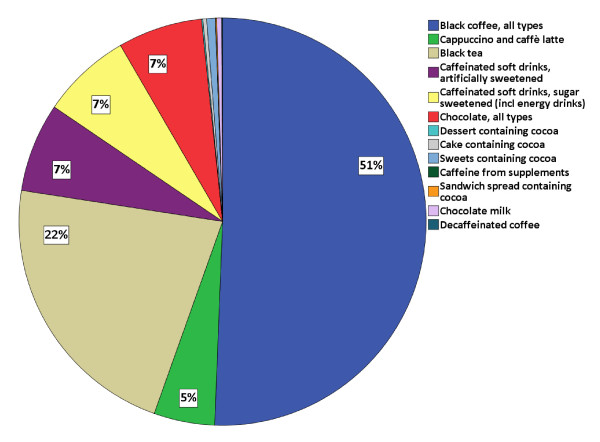
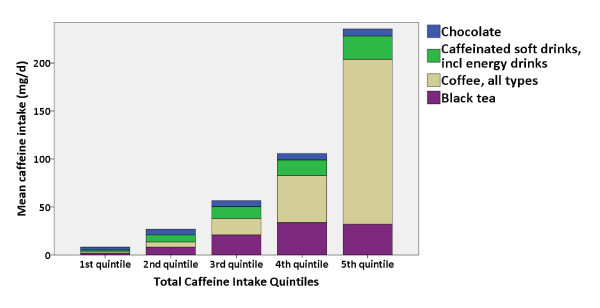
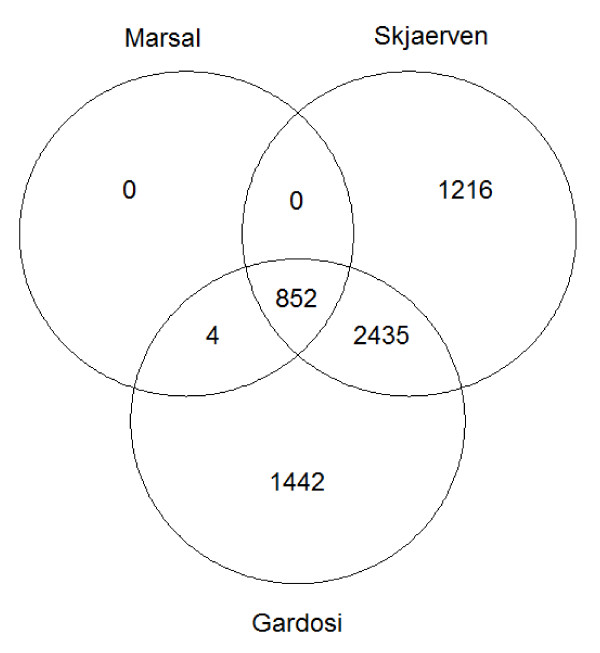
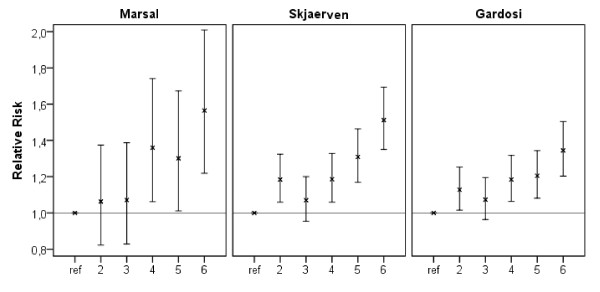
BACKGROUND: Pregnant women consume caffeine daily. The aim of this study was to examine the association between maternal caffeine intake from different sources and (a) gestational length, particularly the risk for spontaneous preterm delivery (PTD), and (b) birth weight (BW) and the baby being small for gestational age (SGA). METHODS: This study is based on the Norwegian Mother and Child Cohort Study conducted by the Norwegian Institute of Public Health. A total of 59,123 women with uncomplicated pregnancies giving birth to a live singleton were identified. Caffeine intake from different sources was self-reported at gestational weeks 17, 22 and 30. Spontaneous PTD was defined as spontaneous onset of delivery between 22+0 and 36+6 weeks (n = 1,451). As there is no consensus, SGA was defined according to ultrasound-based (Marsal, n = 856), population-based (Skjaerven, n = 4,503) and customized (Gardosi, n = 4,733) growth curves. RESULTS: The main caffeine source was coffee, but tea and chocolate were the main sources in women with low caffeine intake. Median pre-pregnancy caffeine intake was 126 mg/day (IQR 40 to 254), 44 mg/day (13 to 104) at gestational week 17 and 62 mg/day (21 to 130) at gestational week 30. Coffee caffeine, but not caffeine from other sources, was associated with prolonged gestation (8 h/100 mg/day, P <10-7). Neither total nor coffee caffeine was associated with spontaneous PTD risk. Caffeine intake from different sources, measured repeatedly during pregnancy, was associated with lower BW (Marsal-28 g, Skjaerven-25 g, Gardosi-21 g per 100 mg/day additional total caffeine for a baby with expected BW 3,600 g, P <10-25). Caffeine intake of 200 to 300 mg/day increased the odds for SGA (OR Marsal 1.62, Skjaerven 1.44, Gardosi 1.27, P <0.05), compared to 0 to 50 mg/day. CONCLUSIONS: Coffee, but not caffeine, consumption was associated with marginally increased gestational length but not with spontaneous PTD risk. Caffeine intake was consistently associated with decreased BW and increased odds of SGA. The association was strengthened by concordant results for caffeine sources, time of survey and different SGA definitions. This might have clinical implications as even caffeine consumption below the recommended maximum (200 mg/day in the Nordic countries and USA, 300 mg/day according to the World Health Organization (WHO)) was associated with increased risk for SGA.
Overview
The claims and statistics of this paper haven’t been checked yet.
Free: it reads the open-access text and checks the first 5 claims that cite a source we can check. Create a free account to check every claim.
Integrity signals
Registry
Cites
Statistics
Figures
Verification
Claims the paper makes
The claims and statistics of this paper haven’t been checked yet.
Free: it reads the open-access text and checks the first 5 claims that cite a source we can check. Create a free account to check every claim.
Claims other papers make about this one
Each is checked against this paper’s own text: does it say what the citing paper says it does?
The source backs part of the claim, not all of it — or backs it for a different population, condition or comparison.
In the citing paper
“This conclusion is based on two prospective cohort studies (CARE Study Group, 2008;Sengpiel et al., 2013) showing a dose-dependent positive association between caffeine intakes during pregnancy and the risk of adverse birth weight-related outcomes (i.e.FGR, SGA).”
From Scientific Opinion on the safety of caffeine (2015) · cites this paper as Sengpiel et al., 2013
Experimental — accuracy not yet measuredThe cited source says what the claim attributes to it.
In the citing paper
“total caffeine and coffee caffeine were significantly associated with increased gestational length.”
From Scientific Opinion on the safety of caffeine (2015) · cites this paper as Sengpiel et al., 2013
In the citing paper
“Total and coffee caffeine intakes were significantly associated with higher odds for SGA in all three SGA models, and with soft drink and black tea caffeine in two SGA models.”
From Scientific Opinion on the safety of caffeine (2015) · cites this paper as Sengpiel et al., 2013
In the citing paper
“black tea caffeine was associated with increased risk of early spontaneous pre-term delivery (OR 1.61, 95 % CI = 1.10-2.35,p = 0.01).”
From Scientific Opinion on the safety of caffeine (2015) · cites this paper as Sengpiel et al., 2013
In the citing paper
“An additional 100 mg total caffeine per day was associated with a 21-to 28-g birth weight decrease, depending on the growth curve.”
From Scientific Opinion on the safety of caffeine (2015) · cites this paper as Sengpiel et al., 2013
3 more claims about this paper
Create a free account to see every claim other papers make about this one.
Self-check
Percentages, sums and reported differences re-computed from the paper’s own numbers.
The self-check needs the paper’s full text.
Citations
Cites
The World Health Report 2002 - Reducing Risks, Promoting Healthy Life
Not Available, N. A. (2003) · Education for Health: Change in Learning & Practice · doi:10.1080/1357628031000116808 · Cited by 6,046
An overview of mortality and sequelae of preterm birth from infancy to adulthood
Saigal, S., & Doyle, L. W. (2008) · The Lancet · doi:10.1016/s0140-6736(08)60136-1 · Cited by 2,818 · cited 1×
“PTD and small for gestational age (SGA) at birth are the pregnancy outcomes accounting for most of all neonatal mortality, as well as short-term and long-term morbidity [24-27].”
BackgroundThe fetal and infant origins of adult disease.
Barker, D. J. (1990) · BMJ · doi:10.1136/bmj.301.6761.1111 · Cited by 2,768
Intrauterine growth curves based on ultrasonically estimated foetal weights
Maršál, K., Persson, P., Larsen, T., Lilja, H., Selbing, A., & Sultan, B. (1996) · Acta Paediatrica · doi:10.1111/j.1651-2227.1996.tb14164.x · Cited by 1,865 · cited 10×
“As there is still no consensus on standard growth curves, data were analyzed according to three standards based on Northern European populations: ultrasound-based growth curves according to Marsal [36], population-based growth curves according to Skjaerven [37] and customized growth curves according to Gardosi [38].”
MethodInfluentialLong-Term Medical and Social Consequences of Preterm Birth
Moster, D., Lie, R. T., & Markestad, T. (2008) · New England Journal of Medicine · doi:10.1056/nejmoa0706475 · Cited by 1,402
Effects of caffeine on human health
Nawrot, P., Jordan, S., Eastwood, J., Rotstein, J., Hugenholtz, A., & Feeley, M. (2003) · Food Additives and Contaminants · doi:10.1080/0265203021000007840 · Cited by 1,199 · cited 1×
“Human studies on adverse effects of caffeine have investigated spontaneous abortion, preterm delivery (PTD), fetal death, congenital malformations and fetal growth restriction, with conflicting results for all outcomes [12-23].”
Cohort profile: The Norwegian Mother and Child Cohort Study (MoBa)
Magnus, P., Irgens, L. M., Haug, K., Nystad, W., Skjærven, R., & Stoltenberg, C. (2006) · International Journal of Epidemiology · doi:10.1093/ije/dyl170 · Cited by 1,027 · cited 3×
“7% in the MBRN), the differences are minor and the subgroup composition is similar to that in the total population, with spontaneous PTD accounting for 42% of all PTD [28].”
InfluentialBirth Weight and Risk of Type 2 Diabetes: A Systematic Review
(2008) · JAMA · doi:10.1001/jama.2008.886 · Cited by 941 · cited 1×
“There is increasing epidemiological evidence that maternal nutrition influences the course of pregnancy as well as fetal growth and development and the risk of disease later in life [1-3].”
BackgroundThe Medical Birth Registry of Norway. Epidemiological research and surveillance throughout 30 years
IRGENS, L. M. (2000) · Acta Obstetricia et Gynecologica Scandinavica · doi:10.1034/j.1600-0412.2000.079006435.x · Cited by 855 · cited 1×
“Pregnancy and birth records from the Medical Birth Registry of Norway (MBRN) are linked to the MoBa database [34].”
MethodCustomised antenatal growth charts
Gardosi, J., Chang, A., Kalyan, B., Sahota, D., & Symonds, E. M. (1992) · The Lancet · doi:10.1016/0140-6736(92)91342-6 · Cited by 843 · cited 12×
“When studied exclusively in non-smokers (n = 54,136), these associations remained significant, again with the exception of chocolate caffeine in the Gardosi model.”
MethodInfluential
Cited by
Scientific Opinion on the safety of caffeine
EFSA Panel on Dietetic Products, N. A. A. (. (2015) · EFSA Journal · doi:10.2903/j.efsa.2015.4102 · Cited by 613
“This conclusion is based on two prospective cohort studies (CARE Study Group, 2008; Sengpiel et al., 2013) showing a dose-dependent positive association between caffeine intakes during pregnancy and the risk of adverse birth weight-related outcomes (i.”
BackgroundInfluentialThe Safety of Ingested Caffeine: A Comprehensive Review
Temple, J. L., Bernard, C., Lipshultz, S. E., Czachor, J. D., Westphal, J. A., & Mestre, M. A. (2017) · Frontiers in Psychiatry · doi:10.3389/fpsyt.2017.00080 · Cited by 557
Coffee: Biochemistry and Potential Impact on Health
Ludwig, I. A., Clifford, M. N., Lean, M. E. J., Ashihara, H., & Crozier, A. (2014) · Food Funct. · doi:10.1039/c4fo00042k · Cited by 537
Wikoff, D., Welsh, B. T., Henderson, R., Brorby, G. P., Britt, J., Myers, E., Goldberger, J., Lieberman, H. R., O'Brien, C., Peck, J., et al. (2017) · Food and Chemical Toxicology · doi:10.1016/j.fct.2017.04.002 · Cited by 439
Peacock, A., Hutchinson, D., Wilson, J., McCormack, C., Bruno, R., Olsson, C., Allsop, S., Elliott, E., Burns, L., & Mattick, R. (2018) · Nutrients · doi:10.3390/nu10030319 · Cited by 270
“The magnitude of this effect (143 g) was greater than evident when looking at the association between caffeine use within each trimester and birth weight outcomes in previous research (~60–80 g) [2,3,43].”
BackgroundTrends in intake and sources of caffeine in the diets of US adults: 2001–2010
Fulgoni, V. L., Keast, D. R., & Lieberman, H. R. (2015) · The American Journal of Clinical Nutrition · doi:10.3945/ajcn.113.080077 · Cited by 266
“However, it was suggested that women planning to become pregnant, as well as pregnant and lactating women, limit caffeine ingestion to #300 mg/d because of some evidence that caffeine consumption may adversely affect fertility and fetal growth (2, 6, 10, 11).”
BackgroundCaffeine Consumption through Coffee: Content in the Beverage, Metabolism, Health Benefits and Risks
dePaula, J., & Farah, A. (2019) · Beverages · doi:10.3390/beverages5020037 · Cited by 222
Targeting obesity with plant-derived pancreatic lipase inhibitors: A comprehensive review
Rajan, L., Palaniswamy, D., & Mohankumar, S. K. (2020) · Pharmacological Research · doi:10.1016/j.phrs.2020.104681 · Cited by 195
Adenosine receptor antagonists including caffeine alter fetal brain development in mice
Silva, C. G., Métin, C., Fazeli, W., Machado, N. J., Darmopil, S., Launay, P.-S., Ghestem, A., Nesa, M.-P., Bassot, E., Szabó, E., et al. (2013) · Science Translational Medicine · doi:10.1126/scitranslmed.3006258 · Cited by 177
The Impact of Kidney Development on the Life Course: A Consensus Document for Action
The Low Birth Weight and Nephron Number Working Group (2017) · Nephron · doi:10.1159/000457967 · Cited by 164
Greenwood, D. C., Thatcher, N. J., Ye, J., Garrard, L., Keogh, G., King, L. G., & Cade, J. E. (2014) · European Journal of Epidemiology · doi:10.1007/s10654-014-9944-x · Cited by 156
“…1.47) 1.5 2 3 RR per 100 mg/day of caffeine a Pooled estimate Bakker et al, 2010 Vik et al, 2003 Boylan et al, 2009 McDonald, 1992 Mills et al, 1993 Sengpiel et al, 2013 Study Parazzini et al, 2005 Bracken et al, 2003 Xue et al, 2007 van den Berg et al, 2013 Fenster et al, 1991 Bicalho et al,…”
ResultInfluentialChen, L.-W., Wu, Y., Neelakantan, N., Chong, M. F.-F., Pan, A., & van Dam, R. M. (2014) · BMC Medicine · doi:10.1186/s12916-014-0174-6 · Cited by 147
“The median caffeine levels for the reference category were 0 mg/day in five studies [24,30-33] and up to 50 mg/day in another four studies [6,9,28,34]; three studies have higher median caffeine levels for the reference category due to broad categorization [25,27,35].”
BackgroundMethodInfluentialInfant microbes and metabolites point to childhood neurodevelopmental disorders
Ahrens, A. P., Hyötyläinen, T., Petrone, J. R., Igelström, K. M., George, C. D., Garrett, T. J., Orešič, M., Triplett, E. W., & Ludvigsson, J. (2024) · Cell · doi:10.1016/j.cell.2024.02.035 · Cited by 173
Morris, R. K., Johnstone, E., Lees, C. C., Morton, V. H., & Smith, G. C. S. (2024) · BJOG An International Journal of Obstetrics & Gynaecology · doi:10.1111/1471-0528.17814 · Cited by 212
Koletzko, B. V., Cremer, M., Flothkötter, M., Gräf, C., Hauner, H., Hellmers, C., Kersting, M., Krawinkel, M. B., Przyrembel, H., Röbl-Mathieu, M., et al. (2018) · Geburtshilfe und Frauenheilkunde · doi:10.1055/a-0713-1058 · Cited by 191
“A dose-dependent association between caffeine consumption in pregnancy and the risk of fetal growth retardation and negative effects on birth weight has been observed in studies [222,223].”
Pemathilaka, R. L., Caplin, J. D., Aykar, S. S., Montazami, R., & Hashemi, N. N. (2019) · Global Challenges · doi:10.1002/gch2.201800112 · Cited by 143
Pharmacology of caffeine and its effects on the human body
Reddy, V. S., Shiva, S. M., Manikantan, S., & Ramakrishna, S. (2024) · European Journal of Medicinal Chemistry Reports · doi:10.1016/j.ejmcr.2024.100138 · Cited by 243
The Medicinal Chemistry of Caffeine
Faudone, G., Arifi, S., & Merk, D. (2021) · Journal of Medicinal Chemistry · doi:10.1021/acs.jmedchem.1c00261 · Cited by 150
Rhee, J., Kim, R., Kim, Y., Tam, M., Lai, Y., Keum, N., & Oldenburg, C. E. (2015) · PLoS ONE · doi:10.1371/journal.pone.0132334 · Cited by 111
Chen, L.-W., Wu, Y., Neelakantan, N., Chong, M. F.-F., Pan, A., & van Dam, R. M. (2016) · Public Health Nutrition · doi:10.1017/s1368980015002463 · Cited by 100
“Smoking tends to correlate with caffeine intake((9,40)) and is a known risk factor for pregnancy loss((62,63)).”
BackgroundImpacts of Caffeine during Pregnancy
Qian, J., Chen, Q., Ward, S. M., Duan, E., & Zhang, Y. (2019) · Trends in Endocrinology and Metabolism · doi:10.1016/j.tem.2019.11.004 · Cited by 115
“of caffeine consumption during pregnancy [5,21,22,27,28].”
James, J. E. (2020) · BMJ Evidence-Based Medicine · doi:10.1136/bmjebm-2020-111432 · Cited by 279
Doepker, C., Lieberman, H. R., Smith, A. P., Peck, J. D., El-Sohemy, A., & Welsh, B. T. (2016) · Annual Review of Food Science and Technology · doi:10.1146/annurev-food-041715-033243 · Cited by 87
“Studies by Sengpiel et al. (2013) and the CARE Study Group (2008) both incorporated comprehensive exposure assessments, attempted to adjust associations for confounding by nausea during pregnancy, and examined the use of customized growth curves to define SGA.”
BackgroundMethodInfluentialDevelopmental toxicity assay using high content screening of zebrafish embryos
Burks, S. M., Guo, X., Cuevas, E., Dumas, M., Newport, G. D., Ali, S. F., Paule, M. G., & Kanungo, J. (2014) · Journal of Applied Toxicology · doi:10.1002/jat.3029 · Cited by 95
“Maternal caffeine intake during pregnancy is associated with a lower birth weight but not with a shortened gestation (Sengpiel et al., 2013).”
BackgroundWang, L., Shen, L., Ping, J., Zhang, L. R., Liu, Z., Wu, Y., Liu, Y., Huang, H., Chen, L., & Wang, H. (2013) · Toxicology Letters · doi:10.1016/j.toxlet.2013.11.006 · Cited by 86
Papadopoulou, E., Botton, J., Brantsæter, A. L., Haugen, M. A., Alexander, J., Meltzer, H. M., Bačelis, J., Elfvin, A., Jacobsson, B., & Sengpiel, V. (2018) · BMJ Open · doi:10.1136/bmjopen-2017-018895 · Cited by 86
Self-citationPing, J., Wang, J., Liu, L., Yan, Y., Liu, F., Lei, Y.-Y., & Wang, H. (2014) · Toxicology · doi:10.1016/j.tox.2014.03.011 · Cited by 68
“These esearchers concluded that caffeine intake is consistently associted with decreased birth weight and increased odds of small for estational age (SGA) (Sengpiel et al., 2013).”
BackgroundOkubo, H., Miyake, Y., Tanaka, K., Sasaki, S., & Hirota, Y. (2015) · Nutrition Research · doi:10.1016/j.nutres.2015.02.009 · Cited by 82
“[14] Sengpiel V, Elind E, Bacelis J, Nilsson S, Grove J, Myhre R, et al.”
BackgroundResultInfluentialLi, D.-K., Ferber, J. R., & Odouli, R. (2015) · International Journal of Obesity · doi:10.1038/ijo.2014.196 · Cited by 61
Saunders, C. M., Rehbinder, E. M., Carlsen, K. C. L., Gudbrandsgard, M., Carlsen, K., Haugen, G. N., Hedlin, G., Jonassen, C. M., Sjøborg, K., Landrø, L., et al. (2019) · Food & Nutrition Research · doi:10.29219/fnr.v63.3676 · Cited by 69
“Maternal caffeine intake in pregnancy has been associated with reduced birthweight in relation to gestational weight in the Norwegian MoBa study, a large prospective observational cohort study (58), in line with other studies (59–61).”
ResultStudy, T. N. B. D. P., Hoyt, A. T., Browne, M., Richardson, S., Romitti, P., & Druschel, C. (2014) · Maternal and Child Health Journal · doi:10.1007/s10995-013-1397-4 · Cited by 58
“Although some studies have not found an association between maternal consumption of high levels of caffeine and delivering a small for gestational age and/or low birth weight infant [9–20], other studies have noted an association [21–32], and when further risk factors are taken into account such as maternal tobacco sm…”
Prenatal caffeine exposure and child IQ at age 5.5 years: the EDEN mother-child cohort
Galéra, C., Bernard, J. Y., van der Waerden, J., Bouvard, M.-P., Lioret, S., Forhan, A., De Agostini, M., Melchior, M., & Heude, B. (2016) · Biological Psychiatry · doi:10.1016/j.biopsych.2015.08.034 · Cited by 56
Effects of Antioxidant Intake on Fetal Development and Maternal/Neonatal Health during Pregnancy
Sebastiani, G., Navarro‐Tapia, E., Almeida-Toledano, L., Serra-Delgado, M., Paltrinieri, A. L., García‐Algar, Ó., & Andreu-Férnández, V. (2022) · Antioxidants · doi:10.3390/antiox11040648 · Cited by 75
“Green tea drinking in the second and third trimester of pregnancy is not associated with an increased risk of PTB. Low ++/++++ Sengpiel et al. (2013) [110]/Norway To investigate the association between maternal caffeine consumption and birth results.”
BackgroundWu, Y., Luo, H.-W., Kou, H., Wen, Y., Shen, L., Pei, L.-G., Zhou, J., Zhang, Y., & Wang, H. (2015) · Toxicology and Applied Pharmacology · doi:10.1016/j.taap.2015.09.007 · Cited by 55
Berti, C., Agostoni, C. V., Davanzo, R., Hyppönen, E., Isolauri, E., Meltzer, H. M., Steegers‐Theunissen, R. P. M., & Cetin, I. (2017) · Nutrition Reviews · doi:10.1093/nutrit/nuw056 · Cited by 72
“for-gestational-age infants even at very low intakes of caffeine.(61) In contrast to sugar-sweetened beverages, foods that naturally contain sugar, such as fresh and”
Self-citationHu, S., Xia, L., Luo, H., Xu, Y., Yu, H., Xu, D., & Wang, H. (2019) · Toxicology · doi:10.1016/j.tox.2019.02.008 · Cited by 60
Chen, L., Fitzgerald, R., Murrin, C. M., Mehegan, J., Kelleher, C. C., & Phillips, C. M. (2018) · American Journal of Clinical Nutrition · doi:10.1093/ajcn/nqy219 · Cited by 63
Lévy, S., Santini, L., Capucci, A., Oto, A., Santomauro, M., Riganti, C., Raviele, A., & Cappato, R. (2019) · Journal of Interventional Cardiac Electrophysiology · doi:10.1007/s10840-019-00610-2 · Cited by 58
Roomruangwong, C., Withayavanitchai, S., & Maes, M. (2016) · Sexual & Reproductive Healthcare · doi:10.1016/j.srhc.2016.03.001 · Cited by 47
Caffeine Intake During Pregnancy and Neonatal Anthropometric Parameters
Wierzejska, R. E., Jarosz, M. J., & Wojda, B. K. (2019) · Nutrients · doi:10.3390/nu11040806 · Cited by 49
“In contrast, coffee remains the main caffeine source in the Scandinavian countries, the US, and Canada [1,3,28,36].”
BackgroundInfluentialAn electrochemical sensor for caffeine at a carbon nanofiber modified glassy carbon electrode
Sebokolodi, T. I., Sipuka, D. S., Tsekeli, T. R., Nkosi, D., & Arotiba, O. A. (2022) · Journal of Food Measurement & Characterization · doi:10.1007/s11694-022-01365-7 · Cited by 44
van der Hoeven, T., Browne, J. L., Uiterwaal, C. S. P. M., van der Ent, C. K., Grobbee, D. E., & Dalmeijer, G. W. (2017) · PLoS ONE · doi:10.1371/journal.pone.0177619 · Cited by 49
Modzelewska, D., Bellocco, R., Elfvin, A., Brantsæter, A. L., Meltzer, H. M., Jacobsson, B., & Sengpiel, V. (2019) · BMC Pregnancy and Childbirth · doi:10.1186/s12884-019-2215-9 · Cited by 56
Self-citationAssociation of prenatal exposure to acetaminophen and coffee with childhood asthma
Liu, X., Liew, Z., Olsen, J., Pedersen, L. H., Bech, B. H., Agerbo, E., Yuan, W., & Li, J. (2015) · Pharmacoepidemiology and Drug Safety · doi:10.1002/pds.3940 · Cited by 42
Maternal caffeine intake during pregnancy, early growth, and body fat distribution at school age
Voerman, E., Jaddoe, V. W. V., Gishti, O., Hofman, A., Franco, O. H., & Gaillard, R. (2016) · Obesity · doi:10.1002/oby.21466 · Cited by 50
“Ours and other previous studies have reported associations of high levels of maternal caffeine intake during pregnancy with higher risks of low birth weight (4-7).”
ResultFalcão, M. A. P., de Souza, L. S., Dolabella, S. S., Guimarães, A. G., & Walker, C. I. B. (2018) · Environmental Science and Pollution Research · doi:10.1007/s11356-018-3399-7 · Cited by 43
Caffeine, alcohol, khat, and tobacco use during pregnancy in Butajira, South Central Ethiopia
Alamneh, A. A., Endris, B. S., & Gebreyesus, S. H. (2020) · PLoS ONE · doi:10.1371/journal.pone.0232712 · Cited by 41
Jin, F., & Qiao, C. (2020) · International Journal of Obesity · doi:10.1038/s41366-020-0617-4 · Cited by 39
Yamashita, H., Uchida, T., Tanaka, Y., Katai, H., Nagano, A. J., Morita, A., & Ikka, T. (2020) · Scientific Reports · doi:10.1038/s41598-020-74623-7 · Cited by 50
Luo, H., Deng, Z., Liu, L., Shen, L., Kou, H., He, Z., Ping, J., Xu, D., Ma, L., Chen, L., et al. (2013) · Toxicology and Applied Pharmacology · doi:10.1016/j.taap.2013.11.020 · Cited by 39
Souza, A. C. M. L., de Souza, A., Medeiros, L. F., de Oliveira, C., Scarabelot, V. L., da Silva, R. S., Bogo, M. R., Capiotti, K. M., Kist, L. W., Bonan, C. D., et al. (2014) · Brain Research · doi:10.1016/j.brainres.2014.10.039 · Cited by 41
He, Z., Zhang, J., Chen, G., Cao, J., Chen, Y., Ai, C., & Wang, H. (2021) · The Science of The Total Environment · doi:10.1016/j.scitotenv.2021.148440 · Cited by 34
Cardiovascular complications from consumption of high energy drinks: recent evidence
Chrysant, S. G., & Chrysant, G. S. (2014) · Journal of Human Hypertension · doi:10.1038/jhh.2014.47 · Cited by 41
Early-life exposure to caffeine affects the construction and activity of cortical networks in mice
Fazeli, W., Zappettini, S., Marguet, S. L., Grendel, J., Esclapez, M., Bernard, C., & Isbrandt, D. (2017) · Experimental Neurology · doi:10.1016/j.expneurol.2017.05.013 · Cited by 37
Coffee Extends Yeast Chronological Lifespan through Antioxidant Properties
Czachor, J., Miłek, M., Galiniak, S., Stępień, K., Dżugan, M., & Mołoń, M. (2020) · International Journal of Molecular Sciences · doi:10.3390/ijms21249510 · Cited by 32
“It was demonstrated that caffeine is easily passed to breast milk; hence nursing mothers are advised to control their caffeine intake [22].”
BackgroundPereira‐Figueiredo, D., Nascimento, A., Cunha-Rodrigues, M. C., Brito, R., & Calaza, K. D. C. (2021) · Cellular and Molecular Neurobiology · doi:10.1007/s10571-021-01077-4 · Cited by 41
Skreden, M., Bere, E. T., Sagedal, L. R., Vistad, I., & Øverby, N. C. (2014) · Public Health Nutrition · doi:10.1017/s136898001400189x · Cited by 37
“Furthermore, it is important to identify particular groups Public Health Nutrition: 18(7), 1187–1196 doi:10.”
BackgroundSoltani, S., Salari-Moghaddam, A., Saneei, P., Askari, M., Larijani, B. A., Azadbakht, L., & Esmaillzadeh, A. (2021) · Critical Reviews in Food Science and Nutrition · doi:10.1080/10408398.2021.1945532 · Cited by 38
Long-term consequences of disrupting adenosine signaling during embryonic development
Rivkees, S. A., & Wendler, C. C. (2017) · Molecular Aspects of Medicine · doi:10.1016/j.mam.2017.02.001 · Cited by 35
Kumar, V., Kaur, J., Panghal, A., Kaur, S., & Handa, V. (2018) · Nutrition & Food Science · doi:10.1108/nfs-05-2017-0100 · Cited by 40
“…et al. (1980), Harland (2000), McCusker et al. (2003), Komes et al. (2009), Higgins et al. (2010), Heckman et al. (2010), Ogah and Obebe (2012), Sengpiel et al. (2013), Rosenbloom (2014), Baribeau (2014) Drug as a source of caffeine The typical caffeine-containing drugs contain generally…”
Chen, L., Murrin, C. M., Mehegan, J., Kelleher, C. C., & Phillips, C. M. (2019) · American Journal of Clinical Nutrition · doi:10.1093/ajcn/nqz019 · Cited by 35
“Although many studies have established associations between maternal caffeine intake and adverse birth outcomes (13, 14), the potential long-term influence of perinatal caffeine consumption on offspring outcomes, such as childhood obesity, is less known.”
BackgroundThe FINNPEC Core Investigator Group, Jääskeläinen, T. J., Kärkkäinen, O. K., Jokkala, J., Klåvus, A., Heinonen, S. T., Auriola, S. O. K., Lehtonen, M., Hanhineva, K., & Laivuori, H. M. (2021) · Metabolomics · doi:10.1007/s11306-020-01752-5 · Cited by 33
“Furthermore, maternal caffeine intake has been reported to be associated with a reduction in birth weight, however, the precise level of intake above which the risk is increased remains unknown (Sengpiel et al. 2013).”
BackgroundSantana, J. D. M., Queiroz, V. A. D. O., Brito, S. M., dos Santos, D. B., & Assis, A. M. O. (2015) · PubMed · doi:10.3305/nh.2015.32.1.8970 · Cited by 28
Leviton, A. (2018) · Nutrients · doi:10.3390/nu10091152 · Cited by 27
“For example, never-smokers consumed 54 mg of caffeine daily, while occasional smokers consumed 109 mg daily, and daily smokers consumed on average 143 mg each day [8].”
BackgroundCalado, A. M., & Pires, M. A. (2018) · Methods in molecular biology · doi:10.1007/978-1-4939-7883-0_1 · Cited by 58
Caffeine exposure alters cardiac gene expression in embryonic cardiomyocytes
Fang, X., Mei, W., Barbazuk, W. B., Rivkees, S. A., & Wendler, C. C. (2014) · American Journal of Physiology-Regulatory, Integrative and Comparative Physiology · doi:10.1152/ajpregu.00307.2014 · Cited by 30
Wierzejska, R. E., & Gielecińska, I. (2024) · Nutrients · doi:10.3390/nu16152385 · Cited by 31
“Also, in Norway, caff è latte and cappuccino are considered to contain the same amount of caffeine, but at a much lower level—21 mg/100 mL [48], which would mean 50 mg in a 240 mL serving.”
BackgroundBrantsæter, A. L., Haugen, M. A., Myhre, R., Sengpiel, V., Englund‐Ögge, L., Nilsen, R. M., Borgen, I., Duarte‐Salles, T., Papadopoulou, E., Vejrup, K., et al. (2014) · Norsk Epidemiologi · doi:10.5324/nje.v24i1-2.1805 · Cited by 29
“A consistent dose-response association was found for caffeine intake, lower birth weight and increased risk of SGA (16).”
BackgroundMethodInfluentialSelf-citationNunes, C. B., Huang, P., Wang, G., Lundberg, M., D’Urso, S., Wootton, R. E., Borges, M. C., Lawlor, D. A., Warrington, N. M., Evans, D. M., et al. (2022) · International Journal of Epidemiology · doi:10.1093/ije/dyac121 · Cited by 24
“However, they emphasized the lack of clear evidence of an association between coffee consumption and adverse outcomes, such as low birthweight, stillbirths(14) and miscarriages, as many of the prior observational studies failed to address the potential confounding effects of smoking and alcohol intake during pregnancy…”
ResultSolé-Navais, P., Brantsæter, A. L., Caspersen, I. H., Lundh, T., Muglia, L. J., Meltzer, H. M., Zhang, G., Jacobsson, B., Sengpiel, V., & Barman, M. (2020) · Nutrients · doi:10.3390/nu13010023 · Cited by 22
“In addition, a number of dietary factors have been associated with SGA, such as diet quality/unhealthy dietary patterns [11–13], high sugar consumption in pregnancy [14], low consumption of seafood [15,16], low iodine intake [17], and caffeine consumption [18,19].”
BackgroundSelf-citationBerglundh, S., Vollrath, M. E., Brantsæter, A. L., Brandlistuen, R. E., Solé-Navais, P., Jacobsson, B., & Sengpiel, V. (2020) · European Journal of Nutrition · doi:10.1007/s00394-020-02280-7 · Cited by 28
Self-citationMiyake, Y., Tanaka, K., Okubo, H., Sasaki, S., & Arakawa, M. (2018) · Nutritional Neuroscience · doi:10.1080/1028415x.2018.1450089 · Cited by 28
Kawanishi, Y., Kakigano, A., Kimura, T., Ikehara, S., Sato, T., Tomimatsu, T., Kimura, T., Iso, H., & on behalf of the Japan Environment and Children’s Study Group (2021) · Nutrients · doi:10.3390/nu13020343 · Cited by 21
Voerman, E., Jaddoe, V. W. V., Hulst, M. E., Oei, E. H. G., & Gaillard, R. (2019) · Pediatric Obesity · doi:10.1111/ijpo.12607 · Cited by 22
Caffeine intake in pregnancy: relationship between internal intake and effect on birth weight
Partosch, F., Mielke, H., Stahlmann, R., & Gundert-Remy, U. (2015) · Food and Chemical Toxicology · doi:10.1016/j.fct.2015.11.005 · Cited by 19
Shiraishi, M., Haruna, M., Matsuzaki, M., Ota, E., Murayama, R., Sasaki, S., Yeo, S., & Murashima, S. (2013) · Nursing and Health Sciences · doi:10.1111/nhs.12080 · Cited by 20
Vitti, F. P., Grandi, C., Cavalli, R. D. C., Simões, V. M. F., Batista, R. F. L., & Cardoso, V. C. (2018) · Revista Brasileira Ginecologia e Obstetrícia · doi:10.1055/s-0038-1675806 · Cited by 28
“35 Therefore, studies investigating the effect of caffeine tend to overlook the fact that other components in coffee and tea may be contributing factors.”
BackgroundCaffeine content in newborn hair correlates with maternal dietary intake
Lehtonen, A., Uusitalo, L., Auriola, S. O. K., Backman, K., Heinonen, S. T., Keski‐Nisula, L., Pasanen, M., Pekkanen, J., Tuomainen, T., Voutilainen, R., et al. (2020) · European Journal of Nutrition · doi:10.1007/s00394-020-02231-2 · Cited by 18
Colapinto, C. K., Arbuckle, T. E., Dubois, L., & Fraser, W. D. (2015) · Environmental Research · doi:10.1016/j.envres.2015.06.020 · Cited by 18
Caffeine intake during pregnancy and adverse outcomes: An integrative review
Rohweder, R., Schmalfuss, T. D. O., Borniger, D. D. S., Ferreira, C. Z., Zanardini, M. K., Lopes, G. P. T. F., Barbosa, C. P., Moreira, T. D., Schüler‐Faccini, L., Sanseverino, M. T. V., et al. (2023) · Reproductive Toxicology · doi:10.1016/j.reprotox.2023.108518 · Cited by 26
Maternal tea consumption and the risk of preterm delivery in urban China: a birth cohort study
Huang, L., Lerro, C. C., Yang, T., Li, J., Qiu, J., Qiu, W., He, X., Cui, H., Lv, L., Xu, R., et al. (2016) · BMC Public Health · doi:10.1186/s12889-016-3100-3 · Cited by 23
“Several studies have investigated the association between tea drinking and preterm birth, however, the results were inconsistent [6, 14–19].”
ResultInfluentialLamy, S., Houivet, E., Bénichou, J., Marret, S., Thibaut, F., & for the Perinatal network of Upper-Normandy (2020) · European Archives of Psychiatry and Clinical Neuroscience · doi:10.1007/s00406-020-01105-2 · Cited by 20
Verhelst, S., Puyvelde, B. V., Willems, S., Daled, S., Cornelis, S., Corveleyn, L., Willems, E., Deforce, D. L. D., Clerck, L. D., & Dhaenens, M. (2022) · Scientific Reports · doi:10.1038/s41598-022-05268-x · Cited by 17
Peraita‐Costa, I., González, A. L., Perales, A., Diago, V., Soriano, J. M., Llopis-Morales, A., & Morales‐Suárez‐Varela, M. (2020) · Public Health Nutrition · doi:10.1017/s1368980019004993 · Cited by 20
Caffeine exposure alters adenosine system and neurochemical markers during retinal development
Brito, R., Pereira‐Figueiredo, D., Socodato, R., Paes‐de‐Carvalho, R., & Calaza, K. D. C. (2016) · Journal of Neurochemistry · doi:10.1111/jnc.13683 · Cited by 18
“2010) and reduced weight (Momoi et al. 2008; Sengpiel et al. 2013) when compared to women who did not consume caffeine.”
BackgroundRao, W., Li, Y., Li, N., Yao, Q. Y., & Li, Y. (2022) · Acta Obstetricia Et Gynecologica Scandinavica · doi:10.1111/aogs.14464 · Cited by 20
Human Wellbeing—Sociability, Performance, and Health
Folmer, B. M., Farah, A., Jones, L., & Fogliano, V. (2017) · Elsevier eBooks · doi:10.1016/b978-0-12-803520-7.00020-7 · Cited by 19
Peraita‐Costa, I., González, A. L., Perales, A., Sanz, F., Morales, A. L., & Morales‐Suárez‐Varela, M. (2018) · International Journal of Environmental Research and Public Health · doi:10.3390/ijerph15071530 · Cited by 20
Kukkonen, A., Hantunen, S., Voutilainen, A., Ruusunen, A. A., Backman, K., Kirjavainen, P. V., Ylilauri, M. P., Voutilainen, R., Pasanen, M., & Keski‐Nisula, L. (2024) · Archives of Gynecology and Obstetrics · doi:10.1007/s00404-024-07538-7 · Cited by 19
“The EFSA recommendation is based on the prospective cohort studies, which have shown a dose-dependent association between maternal caffeine intake and weight-related pregnancy outcomes, such as low birth weight, small for gestational age (SGA) and fetal growth restriction (FGR) [1, 6].”
BackgroundMethodIn Utero Caffeine Exposure Induces Transgenerational Effects on the Adult Heart
Fang, X., Poulsen, R. R., Rivkees, S. A., & Wendler, C. C. (2016) · Scientific Reports · doi:10.1038/srep34106 · Cited by 18
Does tea consumption during early pregnancy have an adverse effect on birth outcomes?
Lu, J., He, J., Shen, S., Wei, X., Chen, N., Yuan, M., Qiu, L., Li, W., Chen, Q., Hu, C., et al. (2017) · Birth · doi:10.1111/birt.12285 · Cited by 21
Zhang, B., Shang, S., Li, S., Mi, B., Li, M., Shi, G., Ma, M., Wang, Q., Yan, H., & Dang, S. (2020) · Public Health Nutrition · doi:10.1017/s1368980019004580 · Cited by 14
Beverage Intake and the Risk of Gestational Diabetes Mellitus: The SECOST
Yong, H. Y., Shariff, Z. M., Yusof, B. N. M., Rejali, Z., Tee, Y. Y. S., BINDELS, J. G., & van der Beek, E. M. (2021) · Nutrients · doi:10.3390/nu13072208 · Cited by 17
The Fetal Effect of Maternal Caffeine Consumption During Pregnancy—A Review
Dube, R., Kar, S. S., Bahutair, S. N., Goud, M., Shafi, S., Zaidi, H., Garg, H. C., Almas, Y. M., Kidwai, A., Zalat, R. A. F., et al. (2025) · Biomedicines · doi:10.3390/biomedicines13020390 · Cited by 16
Liu, H., Yan, H.-Y., Qu, W., Wen, X., Hou, L., Zhao, W., & Ping, J. (2019) · Archives of Toxicology · doi:10.1007/s00204-019-02418-5 · Cited by 12
Mannucci, C., Attard, E., Calapai, F., Facchinetti, F., D’Anna, R., Vannacci, A., Santamaria, A., Lenti, M. C., Righi, M., Perone, M., et al. (2020) · The Journal of Maternal-Fetal & Neonatal Medicine · doi:10.1080/14767058.2020.1849120 · Cited by 13
“Caffeine is contained in tea, chocolate, energy drinks and some soft drinks, but coffee remains the main source of caffeine, even in pregnant women’s diet [1,2].”
BackgroundCaffeine: A potential strategy to improve survival of neonatal pigs and sheep
Swinbourne, A. M., Kind, K. L., Flinn, T., Kleemann, D. O., & Wettere, W. H. E. J. V. (2021) · Animal Reproduction Science · doi:10.1016/j.anireprosci.2021.106700 · Cited by 13
Román‐Gálvez, M. R., Martín‐Peláez, S., Hernández-Martínez, L., Ibáñez, N. C., Olmedo‐Requena, R., Martínez‐Galiano, J. M., Bueno‐Cavanillas, A., & Amezcua‐Prieto, C. (2022) · Nutrients · doi:10.3390/nu14245384 · Cited by 16
“Data from different studies reveal a caffeine intake lower than the recommendations in pregnant women; for example, 44 mg/day at 17th GW in Norwegian women [30] or a median value of 58 mg at 22nd GW, also in Norwegian women [37].”
BackgroundResultDearlove, B. A., Kind, K. L., Gatford, K. L., & Wettere, W. H. E. J. V. (2018) · Animal Reproduction Science · doi:10.1016/j.anireprosci.2018.09.015 · Cited by 12
Potential role of tea extract in oocyte development
Zhao, L., Sun, Q., & Ge, Z. (2021) · Food & Function · doi:10.1039/d1fo01725j · Cited by 12
Metadata
- Authors
- Sengpiel, V., Elind, E., Bacelis, J., Nilsson, S., Grove, J., Myhre, R., Haugen, M., Meltzer, H. M., Alexander, J., Jacobsson, B., & Brantsæter, A.-L.
- Affiliations
- Sahlgrenska University Hospital (SE)
- Norwegian Institute of Public Health (NO)
- Chalmers University of Technology (SE)
- Aarhus University (DK)
- Corresponding author
- Sengpiel, Verena
- ORCID
- Venue
- BMC Medicine
- Published
- 2013-02-19
- Volume
- 11
- Issue
- 1
- Pages
- 42-42
- ISSN
- 1741-7015 (ISSN-L)
- PMC
- PMC3606471
- OpenAlex
- W2096726007
- Cited by
- 190
- References
- 67
- Citations by year
- 2026: 3 · 2025: 10 · 2024: 11 · 2023: 9 · 2022: 11 · 2021: 16 · 2020: 21 · 2019: 15 · 2018: 17 · 2017: 14 · 2016: 15 · 2015: 16 · 2014: 21 · 2013: 11
- FWCI
- 15.42
- Type
- journal article
- Language
- en
- Open access
- gold
- doi.org
- Licence
- Locations
- BMC Medicine (publishedVersion, cc-by)
- Europe PMC (PubMed Central) (publishedVersion, cc-by)
- PubMed Central (publishedVersion, cc-by)
- PubMed (publishedVersion)
- Chalmers Publication Library (Chalmers University of Technology) (submittedVersion)
- Chalmers Research (Chalmers University of Technology) (submittedVersion)
- Funders
- European Commission
- Norges Forskningsråd (151918/S10)
- Svenska Läkaresällskapet (SLS 2008-21198)
- Utdannings- og forskningsdepartementet
- National Institutes of Health (n01es75558-11-0-1, N01-ES-75558)
- National Institute of Neurological Disorders and Stroke (UO1-NS-047537, 047537-01, UO1 NS 047537–01, U01NS047537, 047537-06A1, 1 UO1 NS 047537‐01, 2 UOI NS 047537-06A1)
- National Institute of Environmental Health Sciences (N01-ES, UO1 NS 047537-01, N01ES75558, 1 UO1 NS 047537-01)
- Topics
- Health Sciences › Medicine › Pharmacology (medical) › Coffee research and impacts
- Health Sciences › Medicine › Pediatrics, Perinatology and Child Health › Prenatal Substance Exposure Effects
- Health Sciences › Medicine › Pediatrics, Perinatology and Child Health › Maternal and Neonatal Healthcare
- Keywords
- maternal caffeine intake, pregnancy, birth weight, gestation length, preterm birth, small for gestational age, coffee consumption, caffeine sources, gestational age at delivery, fetal growth, Norwegian Mother and Child Cohort Study
- MeSH terms
- Adult, Birth Weight, Caffeine, Diet, Female, Humans, Norway, Pregnancy, Cohort Studies, Premature Birth, Young Adult
About these checks
Registry, retraction, Cites and statistics results are computed, not judged, with one exception: a printed reference that no index lists is read once by a model before it counts as a citation error. Claims are extracted by a model and kept only when their quote appears verbatim in the text; each cited source is then checked, with a model’s help, for whether it says what the claim relies on. Those verdicts can be wrong — read the claim’s quote and the cited source before relying on one.
Statistics and arithmetic are recomputed, not judged.
Confidence bands are shown only for fields calibrated on our annotated test set. None is calibrated yet, so no band is shown.
What counts as a claim ›How we measure confidence ›How we check this ›
Are you an author, or do you see a problem with this page? Request a review
Data sources
Bibliographic data: Semantic Scholar, OpenAlex, Crossref.
Contains information from the Semantic Scholar Academic Graph Datasets, made available under the ODC Attribution License (ODC-BY 1.0).
Semantic Scholar’s data is described in: Kinney, R., et al. (2023). The Semantic Scholar Open Data Platform. arXiv:2301.10140.
