

Metabolic syndrome: definitions and controversies
Open accessThe DOI matches its Crossref record; 157 of the 159 references it cites were found in a registry or an index.
Abstract
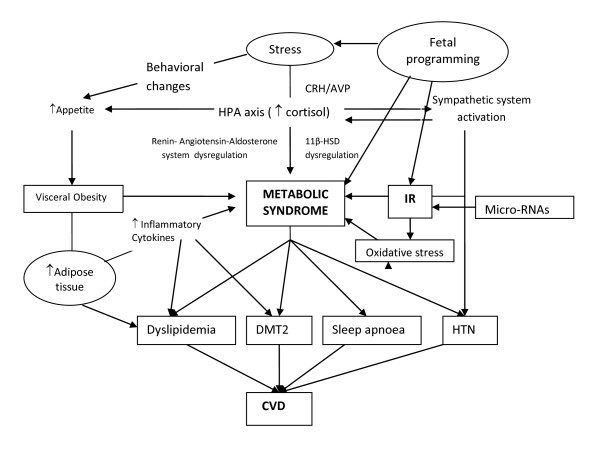
Metabolic syndrome (MetS) is a complex disorder defined by a cluster of interconnected factors that increase the risk of cardiovascular atherosclerotic diseases and diabetes mellitus type 2. Currently, several different definitions of MetS exist, causing substantial confusion as to whether they identify the same individuals or represent a surrogate of risk factors. Recently, a number of other factors besides those traditionally used to define MetS that are also linked to the syndrome have been identified. In this review, we critically consider existing definitions and evolving information, and conclude that there is still a need to develop uniform criteria to define MetS, so as to enable comparisons between different studies and to better identify patients at risk. As the application of the MetS model has not been fully validated in children and adolescents as yet, and because of its alarmingly increasing prevalence in this population, we suggest that diagnosis, prevention and treatment in this age group should better focus on established risk factors rather than the diagnosis of MetS.
Overview
The claims and statistics of this paper haven’t been checked yet.
Free: it reads the open-access text and checks the first 5 claims that cite a source we can check. Create a free account to check every claim.
Integrity signals
Registry
Cites
Statistics
Figures
Verification
Claims the paper makes
The claims and statistics of this paper haven’t been checked yet.
Free: it reads the open-access text and checks the first 5 claims that cite a source we can check. Create a free account to check every claim.
Self-check
Percentages, sums and reported differences re-computed from the paper’s own numbers.
The self-check needs the paper’s full text.
Citations
Cites
Toprak, O., Kurt, H., Sarı, Y., Şarkış, C., Us, H., & Kırık, A. (2017) · Kidney and Blood Pressure Research · doi:10.1159/000468530 · Cited by 29,627
Grundy, S. M., Bilheimer, D. W., Chait, A., Clark, L. T., Denke, M. A., Havel, R. J., Hazzard, W. R., Hulley, S. B., Hunninghake, D. B., Kreisberg, R. A., et al. (1993) · JAMA · doi:10.1001/jama.269.23.3015 · Cited by 27,947
Expert Panel on Detection, E. (2001) · JAMA: The Journal of the American Medical Association · doi:10.1001/jama.285.19.2486 · Cited by 26,011
Alberti, K. G. M. M., Eckel, R. H., Grundy, S. M., Zimmet, P. Z., Cleeman, J. I., Donato, K. A., Fruchart, J.-C., James, W. P. T., Loria, C. M., & Smith, S. C. (2009) · Circulation · doi:10.1161/circulationaha.109.192644 · Cited by 14,860
Role of Insulin Resistance in Human Disease
Reaven, G. M. (1988) · Diabetes · doi:10.2337/diab.37.12.1595 · Cited by 12,154
Grundy, S. M., Cleeman, J. I., Daniels, S. R., Donato, K. A., Eckel, R. H., Franklin, B. A., Gordon, D. J., Krauss, R. M., Savage, P. J., Smith, S. C., et al. (2005) · Circulation · doi:10.1161/circulationaha.105.169404 · Cited by 11,961
The metabolic syndrome—a new worldwide definition
Alberti, K. G. M., Zimmet, P., & Shaw, J. (2005) · The Lancet · doi:10.1016/s0140-6736(05)67402-8 · Cited by 9,352 · cited 2×
“International Diabetes Federation (IDF) criteria (2005) [5]”
Ford, E. S., Giles, W. H., & Dietz, W. H. (2002) · JAMA · doi:10.1001/jama.287.3.356 · Cited by 6,698 · cited 1×
“NHANES 1988-1994 [143] 8,814 23.”
Eckel, R. H., Alberti, K., Grundy, S. M., & Zimmet, P. Z. (2010) · The Lancet · doi:10.1016/s0140-6736(09)61794-3 · Cited by 6,295
Grundy, S. M., Brewer, H. B., Cleeman, J. I., Smith, S. C., & Lenfant, C. (2004) · Circulation · doi:10.1161/01.cir.0000111245.75752.c6 · Cited by 5,982
Research works printed but not linked: 1
- 140. Pervanidou P Kanaka-Gantenbein C Lazopoulou N Karamouzis I Bastaki D Julius A Chrousos GP Inconsistency of Metabolic Syndrome Diagnosis and Correlation of Morning Serum Cortisol Concentrations with Stability of Metabolic Abnormalities in Obese Children and Adolescents Hormone Research 2009 72 Suppl 3 283
Cited by
Synaptic plasticity and depression: new insights from stress and rapid-acting antidepressants
Duman, R. S., Aghajanian, G. K., Sanacora, G., & Krystal, J. H. (2016) · Nature Medicine · doi:10.1038/nm.4050 · Cited by 1,750
The Definition and Prevalence of Obesity and Metabolic Syndrome
Engin, A. (2017) · Advances in Experimental Medicine and Biology · doi:10.1007/978-3-319-48382-5_1 · Cited by 1,180
Psoriasis and comorbid diseases
Takeshita, J., Grewal, S., Langan, S. M., Mehta, N. N., Ogdie, A., Van Voorhees, A. S., & Gelfand, J. M. (2017) · Journal of the American Academy of Dermatology · doi:10.1016/j.jaad.2016.07.064 · Cited by 1,145
“Metabolic syndrome Metabolic syndrome is generally defined by the presence of a combination of central obesity, hypertension, insulin resistance, and dyslipidemia.(88) Studies have found metabolic syndrome and its individual components tobemoreprevalent amongpatientswith than without psoriasis in both adult and pediat…”
Ranasinghe, P., Mathangasinghe, Y., Jayawardena, R., Hills, A. P., & Misra, A. (2017) · BMC Public Health · doi:10.1186/s12889-017-4041-1 · Cited by 746
“However, it is generally accepted that no matter which criteria are used, the prevalence of MetS is high and rising in most counties as a result of the obesity epidemic [41].”
BackgroundSantana-Gálvez, J., Cisneros-Zevallos, L., & Jacobo-Velázquez, D. (2017) · Molecules · doi:10.3390/molecules22030358 · Cited by 721
“Its components include dyslipidemia (elevated plasma total cholesterol, low-density lipoproteins (LDL), and triglycerides, and low levels of high-density lipoproteins (HDL)), high blood pressure, high fasting blood glucose levels, insulin resistance, chronic proinflammatory and prothrombotic states, non-alcoholic fatt…”
BackgroundInfluentialNoubiap, J. J., Nansseu, J. R., Lontchi-Yimagou, E., Nkeck, J. R., Nyaga, U. F., Ngouo, A. T., Tounouga, D. N., Tianyi, F.-L., Foka, A. J., Ndoadoumgue, A. L., et al. (2022) · Diabetes Research and Clinical Practice · doi:10.1016/j.diabres.2022.109924 · Cited by 602
Gayoso-Diz, P., Otero-González, A., Rodriguez-Alvarez, M. X., Gude, F., García, F., De Francisco, A., & Quintela, A. G. (2013) · BMC Endocrine Disorders · doi:10.1186/1472-6823-13-47 · Cited by 548
Diabetes, obesity and gut microbiota
Everard, A., & Cani, P. D. (2013) · Best Practice & Research Clinical Gastroenterology · doi:10.1016/j.bpg.2013.03.007 · Cited by 543
The Treatment of Cushing's Disease
Pivonello, R., De Leo, M., Cozzolino, A., & Colao, A. (2015) · Endocrine Reviews · doi:10.1210/er.2013-1048 · Cited by 465
Brain metabolic dysfunction at the core of Alzheimer's disease
de la Monte, S. M., & Tong, M. (2014) · Biochemical Pharmacology · doi:10.1016/j.bcp.2013.12.012 · Cited by 461
Effects of dietary polyphenols on metabolic syndrome features in humans: a systematic review
Amiot, M. J., Riva, C., & Vinet, A. (2016) · Obesity Reviews · doi:10.1111/obr.12409 · Cited by 446
“(16), a number of definitions of MetS have been published by different organizations.”
BackgroundThe Correlation Between Metabolic Syndrome and Prostatic Diseases
De Nunzio, C., Aronson, W., Freedland, S. J., Giovannucci, E., & Parsons, J. K. (2012) · European Urology · doi:10.1016/j.eururo.2011.11.013 · Cited by 368
Epigallocatechin Gallate: A Review of Its Beneficial Properties to Prevent Metabolic Syndrome
Legeay, S., Rodier, M., Fillon, L., Faure, S., & Clere, N. (2015) · Nutrients · doi:10.3390/nu7075230 · Cited by 351
High-fat diet promotes renal injury by inducing oxidative stress and mitochondrial dysfunction
Sun, Y., Ge, X., Li, X., He, J., Wei, X., Du, J., Sun, J., Li, X., Xun, Z., Liu, W., et al. (2020) · Cell Death & Disease · doi:10.1038/s41419-020-03122-4 · Cited by 328
Metabolic consequences of stress during childhood and adolescence
Pervanidou, P., & Chrousos, G. P. (2012) · Metabolism · doi:10.1016/j.metabol.2011.10.005 · Cited by 316
“Fewer evidence exists on relations between stress, behavior, and the adipose tissue–derived protein, adiponectin, whereas these associations are, in most cases, mediated by obesity or obesity-related metabolic complications [30,35].”
BackgroundSelf-citationArnold, S. E., Lucki, I., Brookshire, B. R., Carlson, G. C., Browne, C. A., Kazi, H., Bang, S., Choi, B.-R., Chen, Y., McMullen, M. F., et al. (2014) · Neurobiology of Disease · doi:10.1016/j.nbd.2014.03.011 · Cited by 314
Systemic Inflammation and Cardiovascular Comorbidity in Psoriasis Patients: Causes and Consequences
Boehncke, W.-H. (2018) · Frontiers in Immunology · doi:10.3389/fimmu.2018.00579 · Cited by 307
“recently summarized the evidence for obesity, hypertension, diabetes mellitus, dyslipidemia, and the metabolic syndrome as comorbid diseases in psoriasis (8), with the metabolic syndrome essentially representing the combined appearance of obesity, hypertension, insulin resistance, and dyslipidemia (32).”
BackgroundProduction of Bioactive Peptides by Lactobacillus Species: From Gene to Application
Raveschot, C., Cudennec, B., Coutte, F., Flahaut, C., Fremont, M., Drider, D., & Dhulster, P. (2018) · Frontiers in Microbiology · doi:10.3389/fmicb.2018.02354 · Cited by 307
Pal, K., Mukadam, N., Petersen, I., & Cooper, C. (2018) · Social Psychiatry and Psychiatric Epidemiology · doi:10.1007/s00127-018-1581-3 · Cited by 276
Wang, Y., Zhao, M., Liu, S., Guo, J., Lu, Y., Cheng, J., & Liu, J. (2020) · Cell Death & Disease · doi:10.1038/s41419-020-03127-z · Cited by 267
Xi, B., He, D., Hu, Y., & Zhou, D. (2013) · Preventive Medicine · doi:10.1016/j.ypmed.2013.09.023 · Cited by 258
Sobrino Crespo, C., Perianes Cachero, A., Puebla Jiménez, L., Barrios, V., & Arilla Ferreiro, E. (2014) · Frontiers in Endocrinology · doi:10.3389/fendo.2014.00058 · Cited by 256
Capasso, L., De Masi, L., Sirignano, C., Maresca, V., Basile, A., Nebbioso, A., Rigano, D., & Bontempo, P. (2025) · Molecules · doi:10.3390/molecules30030654 · Cited by 243
Psoriasis and comorbid diseases
Takeshita, J., Grewal, S., Langan, S. M., Mehta, N. N., Ogdie, A., Van Voorhees, A. S., & Gelfand, J. M. (2017) · Journal of the American Academy of Dermatology · doi:10.1016/j.jaad.2016.07.065 · Cited by 226
Therapeutic effects of EGCG: a patent review
Chakrawarti, L., Agrawal, R., Dang, S., Gupta, S., & Gabrani, R. (2016) · Expert Opinion on Therapeutic Patents · doi:10.1080/13543776.2016.1203419 · Cited by 221
“Health-promoting actions of green tea are mainly due to EGCG which is the most abundant polyphenol in green tea [57,58].”
BackgroundMetabolic syndrome: an update on diagnostic criteria, pathogenesis, and genetic links
Zafar, U., Khaliq, S., Ahmad, H. U., Manzoor, S., & Lone, K. P. (2018) · Hormones · doi:10.1007/s42000-018-0051-3 · Cited by 221
New Advances in Metabolic Syndrome, from Prevention to Treatment: The Role of Diet and Food
Ambroselli, D., Masciulli, F., Romano, E., Catanzaro, G., Besharat, Z. M., Massari, M. C., Ferretti, E., Migliaccio, S., Izzo, L., Ritieni, A., et al. (2023) · Nutrients · doi:10.3390/nu15030640 · Cited by 214
“Due to the apparent difficulties in establishing clear and universal MetS criteria and the absence of clear evidence for the definition of its exact pathogenesis, the Joint Interim Statement decided to approve a consensus definition by which any patient can be diagnosed with MetS when any three of the following criter…”
BackgroundNayak, S. S., Kuriyakose, D., Polisetty, L. D., Patil, A. A., Ameen, D., Bonu, R., Shetty, S. P., Biswas, P., Ulrich, M. T., Letafatkar, N., et al. (2024) · Cardiovascular Diabetology · doi:10.1186/s12933-024-02392-y · Cited by 212
“Elevated fasting plasma glucose and triglyceride levels are two components of the metabolic syndrome linked to IR and the development of chronic diseases [72].”
BackgroundPhenotypic sexual dimorphism in response to dietary fat manipulation in C57BL/6J mice
Casimiro, I., Stull, N. D., Tersey, S. A., & Mirmira, R. G. (2021) · Journal of Diabetes and its Complications · doi:10.1016/j.jdiacomp.2020.107795 · Cited by 212
Reisinger, C., Nkeh-Chungag, B. N., Fredriksen, P. M., & Goswami, N. (2021) · International Journal of Obesity · doi:10.1038/s41366-020-00713-1 · Cited by 210
“Taken together, cardio-metabolic risk assessment in children and adolescents requires age- and sex-specific percentiles that also consider pubertal development and ethnicity [12, 14, 23, 54, 69, 70, 72].”
BackgroundMethodInfluentialEffects of Polyphenol Intake on Metabolic Syndrome: Current Evidences from Human Trials
Chiva-Blanch, G., & Badimon, L. (2017) · Oxidative Medicine and Cellular Longevity · doi:10.1155/2017/5812401 · Cited by 211
“Many international organizations and expert groups, such as the World Health Organization (WHO), the European Group for the Study of Insulin Resistance (EGIR), the National Cholesterol Education Program Adult Treatment Panel III (NCEP-ATPIII), the American Association of Clinical Endocrinology (AACE), the Internationa…”
BackgroundSandsdal, R. M., Juhl, C. R., Jensen, S. B. K., Lundgren, J. R., Janus, C., Blond, M. B., Rosenkilde, M., Bogh, A. F., Gliemann, L., Jensen, J.-E. B., et al. (2023) · Cardiovascular Diabetology · doi:10.1186/s12933-023-01765-z · Cited by 195
Sharma, V., Coleman, S., Nixon, J., Sharples, L., Hamilton‐Shield, J., Rutter, H., & Bryant, M. (2019) · Obesity Reviews · doi:10.1111/obr.12904 · Cited by 194
“Currently, there is no consensus on the definition of metabolic syndrome, and different definitions resulted in heterogeneous population prevalence, limiting the ability to obtain a single estimate.(53) There was also considerable variation in study sample sizes, which can influence the reported prevalence (smaller gr…”
BackgroundDietary Fiber and Metabolic Syndrome: A Meta-Analysis and Review of Related Mechanisms
Chen, J.-P., Chen, G.-C., Wang, X.-P., Qin, L., & Bai, Y. (2017) · Nutrients · doi:10.3390/nu10010024 · Cited by 187
“Dietary Fiber and Insulin Resistance Consumption of dietary fiber is shown to lower the risk of T2DM in observation studies [80] and meta-analyses [52].”
BackgroundInfluentialAre there outcome differences between NAFLD and metabolic‐associated fatty liver disease?
Younossi, Z. M., Paik, J. M., Al Shabeeb, R., Golabi, P., Younossi, I., & Henry, L. (2022) · Hepatology · doi:10.1002/hep.32499 · Cited by 182
“”[33] Nevertheless, a few investigators have suggested that MAFLD but not NAFLD is associated with increased fibrosis and mortality.”
BackgroundThe Prevalence of Metabolic Syndrome In Chronic Obstructive Pulmonary Disease: A Systematic Review
Cebron Lipovec, N., Beijers, R. J. H. C. G., van den Borst, B., Doehner, W., Lainscak, M., & Schols, A. M. W. J. (2016) · COPD: Journal of Chronic Obstructive Pulmonary Disease · doi:10.3109/15412555.2016.1140732 · Cited by 177
The interplay of factors in metabolic syndrome: understanding its roots and complexity
Islam, M. S., Wei, P., Suzauddula, M., Nime, I., Feroz, F., Acharjee, M., & Pan, F. (2024) · Molecular Medicine · doi:10.1186/s10020-024-01019-y · Cited by 169
A review on the effects of Allium sativum (Garlic) in metabolic syndrome
Hosseini, A., & Hosseinzadeh, H. (2015) · Journal of Endocrinological Investigation · doi:10.1007/s40618-015-0313-8 · Cited by 169
What about non-alcoholic fatty liver disease as a new criterion to define metabolic syndrome?
Tarantino, G. (2013) · World Journal of Gastroenterology · doi:10.3748/wjg.v19.i22.3375 · Cited by 166
Metabolic Syndrome and Endocrine Disrupting Chemicals: An Overview of Exposure and Health Effects
Haverinen, E., Fernández, M. F., Mustieles, V., & Tolonen, H. K. (2021) · International Journal of Environmental Research and Public Health · doi:10.3390/ijerph182413047 · Cited by 190
“In clinical practice and research, several definitions of MetS with different cut-off points are still used, which may change classifications, analysis, results, and interpretation of the findings [3,4].”
BackgroundObesity and metabolic syndrome as related to cardiovascular disease
Nikolopoulou, A., & Kadoglou, N. P. (2012) · Expert Review of Cardiovascular Therapy · doi:10.1586/erc.12.74 · Cited by 157
Wang, O., Liu, J., Cheng, Q., Guo, X., Wang, Y., Zhao, L., Zhou, F. L., & Ji, B. (2015) · PLoS ONE · doi:10.1371/journal.pone.0118135 · Cited by 183
Labitigan, M., Bahče‐Altuntas, A., Kremer, J. M., Reed, G. W., Greenberg, J., Jordan, N., Putterman, C., & Broder, A. R. (2013) · Arthritis Care & Research · doi:10.1002/acr.22185 · Cited by 162
Metabolic risk score and cancer risk: pooled analysis of seven cohorts
Stocks, T., Bjørge, T., Ulmer, H., Manjer, J., Häggström, C., Nagel, G., Engeland, A., Johansen, D., Hallmans, G., Selmer, R., et al. (2015) · International Journal of Epidemiology · doi:10.1093/ije/dyv001 · Cited by 146
Väistö, J., Eloranta, A.-M., Viitasalo, A., Tompuri, T., Lintu, N., Karjalainen, P., Lampinen, E.-K., Ågren, J., Laaksonen, D. E., Lakka, H.-M., et al. (2014) · International Journal of Behavioral Nutrition and Physical Activity · doi:10.1186/1479-5868-11-55 · Cited by 141
Salivary uric acid as a noninvasive biomarker of metabolic syndrome
Soukup, M., Biesiada, I., Henderson, A., Idowu, B., Rodeback, D., Ridpath, L., Bridges, E. G., Nazar, A. M., & Bridges, K. G. (2012) · Diabetology & Metabolic Syndrome · doi:10.1186/1758-5996-4-14 · Cited by 140
Natural approaches in metabolic syndrome management
Patti, A. M., Al-Rasadi, K., Giglio, R. V., Nikolic, D., Mannina, C., Castellino, G., Chianetta, R., Banach, M., Cicero, A. F., Lippi, G., et al. (2018) · Archives of Medical Science · doi:10.5114/aoms.2017.68717 · Cited by 139
“Arch Med Sci 2, March / 2018 423 cerebrovascular disease [4]; (2) insulin resistance contributes to higher levels of serum insulin and glucose, precursors to the development of diabetes mellitus [5]; (3) hyperinsulinemia results in excessive renal sodium retention and elevations in blood pressure [6]; (4) alteration o…”
BackgroundBennasar‐Veny, M., López‐González, Á. A., Tauler, P., Cespedes, M. L., Vicente-Herrero, T., Yáñez, A. M., Salvá, M. T., & Aguiló, A. (2013) · PLoS ONE · doi:10.1371/journal.pone.0063999 · Cited by 156
Metabolic obesity phenotypes and risk of breast cancer in postmenopausal women
Kabat, G. C., Kim, M. Y., Lee, J. S., Ho, G. Y., Going, S. B., Beebe-Dimmer, J., Manson, J. E., Chlebowski, R. T., & Rohan, T. E. (2017) · Cancer Epidemiology, Biomarkers & Prevention · doi:10.1158/1055-9965.epi-17-0495 · Cited by 136
“The utility of the MetS is subject to controversy (5), and definitions of the syndrome vary widely and, depending on the definition used and the population studied, the prevalence of the MetS ranges from 10% to 34% (6).”
BackgroundVascular disease and dementias: Paradigm shifts to drive research in new directions
Kling, M. A., Trojanowski, J. Q., Wolk, D. A., Lee, V. M. Y., & Arnold, S. E. (2013) · Alzheimer's & Dementia · doi:10.1016/j.jalz.2012.02.007 · Cited by 133
Metabolic syndrome and breast cancer prognosis
Berrino, F., Villarini, A., Traina, A., Bonanni, B., Panico, S., Mano, M. P., Mercandino, A., Galasso, R., Barbero, M., Simeoni, M., et al. (2014) · Breast Cancer Research and Treatment · doi:10.1007/s10549-014-3076-6 · Cited by 152
Petermann-Rocha, F. E., Gray, S. R., Forrest, E. H., Welsh, P. I., Sattar, N. A., Celis-Morales, C. A., Ho, F. K. W., & Pell, J. P. (2022) · Journal of Hepatology · doi:10.1016/j.jhep.2022.01.010 · Cited by 145
“High triglycerides were defined as ≥ 1.7 mmol/l and low HDL-cholesterol as 1.3 mmol/l in women and 1.0 mmol/l in men [24-26].”
BackgroundInfluentialSooriyaarachchi, P., Jayawardena, R., Pavey, T., & King, N. A. (2022) · Obesity Reviews · doi:10.1111/obr.13489 · Cited by 182
“The key components of MetS are dyslipidemia, raised arterial blood pressure, and dysglycemia, with abdominal obesity becoming more prominent as one of the syndrome's key characteristics.(9) MetS is related to an elevated risk for type 2 diabetes mellitus (T2DM) and CVD.”
BackgroundCaffeic Acid on Metabolic Syndrome: A Review
Kadar, N. N. M. A., Ahmad, F., Teoh, S. L., & Yahaya, M. F. (2021) · Molecules · doi:10.3390/molecules26185490 · Cited by 146
“Although obesity and insulin resistance remain at the root of MetS pathogenesis, other factors such as chronic stress and dysregulation of the hypothalamic–pituitary–adrenal axis and autonomic nervous system, increased cellular oxidative stress, renin–angiotensin– aldosterone activity, and intrinsic tissue glucocortic…”
BackgroundThe Therapeutic Potential of Plant Polysaccharides in Metabolic Diseases
Wang, X., Chen, X., Tang, Y., Wu, J., Qin, D., Yu, L., Yu, C., Zhou, X., & Wu, A. (2022) · Pharmaceuticals · doi:10.3390/ph15111329 · Cited by 138
“In addition, phenotypic features, such as chronic kidney disease (CKD) and NAFLD, polycystic ovary syndrome (PCOS), and obstructive sleep apnea (OSA) are highlighted [83].”
BackgroundClinical problems caused by obesity
Kyrou, I., Randeva, H., Barber, T., Tsigos, C., Kaltsas, G. A., & Weickert, M. O. (2022) · Warwick Research Archive Portal (University of Warwick) · doi:10.82444/warw.33841351 · Cited by 127
Self-citationLiu, Z., Que, S., Zhou, L., & Zheng, S. (2015) · Scientific Reports · doi:10.1038/srep14325 · Cited by 132
Belete, R., Ataro, Z., Abdu, A., & Sheleme, M. (2021) · Diabetology & Metabolic Syndrome · doi:10.1186/s13098-021-00641-8 · Cited by 154
Morrow, G. B., Whyte, C. S., & Mutch, N. J. (2021) · Frontiers in Cardiovascular Medicine · doi:10.3389/fcvm.2021.653655 · Cited by 128
“Whether the clustering of these conditions elevates an individual’s risk over that of a single disorder is a matter of ongoing debate (83, 84).”
BackgroundMicroparticles: targets and tools in cardiovascular disease
Martínez, M. C., Tual‐Chalot, S., Leonetti, D., & Andriantsitohaina, R. (2011) · Trends in Pharmacological Sciences · doi:10.1016/j.tips.2011.06.005 · Cited by 131
Melatonin improves metabolic syndrome induced by high fructose intake in rats
Kitagawa, A., Ohta, Y., & Ohashi, K. (2012) · Journal of Pineal Research · doi:10.1111/j.1600-079x.2011.00955.x · Cited by 116
“Hypertension is one symptom of MS [1, 2].”
BackgroundBroyles, S. T., Staiano, A. E., Drazba, K. T., Gupta, A. K., Sothern, M., & Katzmarzyk, P. T. (2012) · PLoS ONE · doi:10.1371/journal.pone.0045419 · Cited by 114
Saffron (Crocus sativus) petal as a new pharmacological target: a review.
Hosseini, A., Razavi, B. M., & Hosseinzadeh, H. (2018) · PubMed Central · doi:10.22038/ijbms.2018.31243.7529 · Cited by 119
“Metabolic syndrome The metabolic syndrome is complex of problems including diabetes, cardiovascular problems, obesity, nonalcoholic fatty liver disease and kidney dysfunction (62).”
BackgroundMercury and metabolic syndrome: a review of experimental and clinical observations
Tinkov, A. A., Ajsuvakova, O. P., Геннадиевна, С. М., Popova, E. V., Синицкий, А. И., Немерешина, О. Н., Gatiatulina, E. R., Nikonorov, A. А., & Skalny, A. V. (2015) · BioMetals · doi:10.1007/s10534-015-9823-2 · Cited by 114
Viitasalo, A., Lakka, T. A., Laaksonen, D. E., Savonen, K. P., Lakka, H., Hassinen, M., Komulainen, P., Tompuri, T., Kurl, S., Laukkanen, J. A., et al. (2014) · Diabetologia · doi:10.1007/s00125-014-3172-5 · Cited by 126
Parvaresh, A., Razavi, R., Abbasi, B., Yaghoobloo, K., Hassanzadeh, A., Mohammadifard, N., Safavi, S. M., Hadi, A., & Clark, C. C. T. (2019) · Complementary Therapies in Medicine · doi:10.1016/j.ctim.2019.08.021 · Cited by 105
Petermann-Rocha, F. E., Wirth, M. D., Boonpor, J., Parra-Soto, S. L., Zhou, Z., Mathers, J. C., Livingstone, K. M., Forrest, E. H., Pell, J. P., Ho, F. K. W., et al. (2023) · BMC Medicine · doi:10.1186/s12916-023-02793-y · Cited by 127
Prevalence of Metabolic Syndrome in Mexico: A Systematic Review and Meta-Analysis
Solis, A. L. G., Banik, S. D., & Méndez-González, R. M. (2018) · Metabolic Syndrome and Related Disorders · doi:10.1089/met.2017.0157 · Cited by 118
Manzano-Salgado, C. B., Casas, M., Lopez-Espinosa, M.-J., Ballester, F., Iñiguez, C., Martinez, D., Romaguera, D., Fernández-Barrés, S., Santa-Marina, L., Basterretxea, M., et al. (2017) · Environmental Health Perspectives · doi:10.1289/ehp1330 · Cited by 101
“In addition to overweight and adiposity, cardiometabolic risk factors include elevated blood pressure (BP), lipid abnormalities, and abnormal glucose homeostasis, all of which are considered components of metabolic syndrome (Kassi et al. 2011).”
BackgroundYang, Z., Liu, H., Xie, X., Tan, Z., Qin, T., & Kang, P. (2014) · The Bone & Joint Journal · doi:10.1302/0301-620x.96b12.34378 · Cited by 101
Flavonoids and Insulin-Resistance: From Molecular Evidences to Clinical Trials
Russo, B., Picconi, F., Malandrucco, I., & Frontoni, S. (2019) · International Journal of Molecular Sciences · doi:10.3390/ijms20092061 · Cited by 134
“Its presence has been associated with an increased risk of type 2 diabetes mellitus (T2DM) [2] and cardiovascular disease (CVD) [3].”
InfluentialProgression of Cardio-Metabolic Risk Factors in Subjects Born Small and Large for Gestational Age
Chiavaroli, V., Marcovecchio, M. L., de Giorgis, T., Diesse, L., Chiarelli, F., & Mohn, A. (2014) · PLoS ONE · doi:10.1371/journal.pone.0104278 · Cited by 115
Zhu, Y., Gui, W., Lin, X., & Li, H. (2019) · Experimental Cell Research · doi:10.1016/j.yexcr.2019.111753 · Cited by 106
Pathology of alcoholic liver disease, can it be differentiated from nonalcoholic steatohepatitis?
Sakhuja, P. (2014) · World Journal of Gastroenterology · doi:10.3748/wjg.v20.i44.16474 · Cited by 96
Preguiça, I., Alves, A., Nunes, S., Fernandes, R., Gomes, P., Viana, S., & Reis, F. (2020) · Obesity Reviews · doi:10.1111/obr.13081 · Cited by 134
“dict the risk of individuals to develop CVD, T2DM and NAFLD, as well as kidney and pancreatic disorders.(87,88) In fact, the International Diabetes Federation (IDF) for Global Consensus Definition, in coop-”
BackgroundGender Differences and Cardiometabolic Risk: The Importance of the Risk Factors
Meloni, A., Dessalvi, C. C., Cugusi, L., Donataccio, M. P., Deidda, M., Sciomer, S., Gallina, S., Vassalle, C., Moscucci, F., Mercuro, G., et al. (2023) · International Journal of Molecular Sciences · doi:10.3390/ijms24021588 · Cited by 122
“Recently, other abnormalities such as chronic proinflammatory and prothrombotic states (characterized by high levels of circulating inflammatory markers such as C-reactive protein and fibrinogen), non-alcoholic fatty liver disease (NAFLD), and sleep apnea have been added as factors of the syndrome, making its definiti…”
BackgroundLuo, Z., Xu, W., Zhang, Y., Di, L., & Shan, J. (2020) · Pharmacological Research · doi:10.1016/j.phrs.2020.105088 · Cited by 104
Scaglione, S., Di Chiara, T., Daidone, M., & Tuttolomondo, A. (2025) · Nutrients · doi:10.3390/nu17020358 · Cited by 92
“According to this definition, a diagnosis of MetS can be made if a patient exhibits at least three of the following criteria [21]: Elevated waist circumference (WC), with thresholds determined by population and country-specific guidelines ( ≥ 102 cm for European men and ≥ 88 cm for European women)…”
Bakaloudi, D. R., Chrysoula, L., Kotzakioulafi, E., Theodoridis, X., & Chourdakis, M. (2021) · Nutrients · doi:10.3390/nu13051514 · Cited by 92
“Metabolic syndrome has been characterized by health professionals and scientists as a cluster of predefined metabolic conditions, namely, hyperglycemia, dyslipidemia, hypertension and central obesity [5].”
BackgroundDas, D., Shruthi, N. R., Banerjee, A., Jothimani, G., Duttaroy, A. K., & Pathak, S. (2023) · Frontiers in Nutrition · doi:10.3389/fnut.2023.1221438 · Cited by 90
“The emerging aspect of the disease is significant because it will have future consequences for the global health burden (26).”
BackgroundRecent advances in managing/understanding the metabolic syndrome
Aguilar-Salinas, C. A., & Viveros-Ruiz, T. L. (2019) · F1000Research · doi:10.12688/f1000research.17122.1 · Cited by 97
Andica, C., Kamagata, K., Takabayashi, K., Kikuta, J., Kaga, H., Someya, Y., Tamura, Y., Kawamori, R., Watada, H., Taoka, T., et al. (2023) · Neurobiology of Disease · doi:10.1016/j.nbd.2023.105990 · Cited by 99
The Link between NAFLD and Metabolic Syndrome
Radu, F., Potcovaru, C.-G., Salmen, T., Filip, P. V., Pop, C. S., & Fierbinteanu-Braticevici, C. G. (2023) · Diagnostics · doi:10.3390/diagnostics13040614 · Cited by 124
“IDF, in comparison with WHO’s definition, assert abdominal obesity as mandatory (waist > 94 cm in males or > 80 cm in females) along with the presence of two or more of the following: blood glucose > 5.6 mmol/L (100 mg/dL) or diagnosed DM, HDL cholesterol 1.0 mmol/L ( 40 mg/dL) in males, 1.3 mmol/L ( 50 mg/dL) in fema…”
InfluentialTreviño, S., Aguilar‐Alonso, P., Hernández, J. A. F., Brambila, E., Guevara, J., Flores, G., López‐López, G., Muñoz‐Arenas, G., Morales‐Medina, J. C., Toxqui, V., et al. (2015) · Synapse · doi:10.1002/syn.21832 · Cited by 93
Dearborn, J. L., Schneider, A. L. C., Sharrett, A. R., Mosley, T. H., Bezerra, D. C., Knopman, D. S., Selvin, E., Jack, C. R., Coker, L. H., Alonso, Á., et al. (2015) · Stroke · doi:10.1161/strokeaha.115.010060 · Cited by 96
Prevalence of metabolic syndrome in China: An up-dated cross-sectional study
Yu, L., Mai, Z., Zhou, S., Liu, Y., Li, S., Zhao, Z., Duan, X., Cai, C., Deng, T., Zhu, W. P., et al. (2018) · PLoS ONE · doi:10.1371/journal.pone.0196012 · Cited by 95
Protocatechuic acid activates key components of insulin signaling pathway mimicking insulin activity
Scazzocchio, B., Varí, R., Filesi, C., Gaudio, I. D., D’Archivio, M., Santangelo, C., Iacovelli, A., Galvano, F., Pluchinotta, F. R., Giovannini, C., et al. (2015) · Molecular Nutrition & Food Research · doi:10.1002/mnfr.201400816 · Cited by 89
Agudelo, G. M., Bedoya, G., Estrada, A., Villada, F. A. P., Contreras, A. M. M., & Velásquez, C. (2014) · Metabolic Syndrome and Related Disorders · doi:10.1089/met.2013.0127 · Cited by 102
Ofotokun, I., Na, L. H., Landovitz, R. J., Ribaudo, H. J., McComsey, G. A., Godfrey, C. C., Aweeka, F. T., Cohn, S. E., Sagar, M., Kuritzkes, D. R., et al. (2015) · Clinical Infectious Diseases · doi:10.1093/cid/civ193 · Cited by 83
Metabolic syndrome: epidemiology, mechanisms, and current therapeutic approaches
Hamooya, B. M., Siame, L., Muchaili, L., Masenga, S. K., & Kirabo, A. (2025) · Frontiers in Nutrition · doi:10.3389/fnut.2025.1661603 · Cited by 137
Riazi, K., Raman, M., Taylor, L., Swain, M. G., & Shaheen, A. A. (2019) · Nutrients · doi:10.3390/nu11122878 · Cited by 94
“MetS is a cluster of metabolic abnormalities that result from insulin resistance and are often identified in obese and sedentary patients [13,14].”
BackgroundRedox-inflammatory synergy in the metabolic syndrome
Bryan, S., Baregzay, B., Spicer, D., Singal, P. K., & Khaper, N. (2013) · Canadian Journal of Physiology and Pharmacology · doi:10.1139/cjpp-2012-0295 · Cited by 80
Vitamin D Deficiency and Cardiometabolic Risks: A Juxtaposition of Arab Adolescents and Adults
Al‐Daghri, N. M., Al‐Saleh, Y., Aljohani, N., Alokail, M. S., Al-Attas, O. S., Alnaami, A. M., Sabico, S., Alsulaimani, M., Alharbi, M., Alfawaz, H., et al. (2015) · PLoS ONE · doi:10.1371/journal.pone.0131315 · Cited by 89
Self-citationBlanc-Lapierre, A., Spence, A. R., Karakiewicz, P. I., Aprikian, A. G., Saad, F., & Parent, M. (2015) · BMC Public Health · doi:10.1186/s12889-015-2260-x · Cited by 106
Yang, H., Xin, Z., Feng, J., & Yang, J. (2017) · Medicine · doi:10.1097/md.0000000000008192 · Cited by 90
Psoriatic arthritis and the association with cardiometabolic disease: a narrative review
Karmacharya, P., Ogdie, A., & Eder, L. (2021) · Therapeutic Advances in Musculoskeletal Disease · doi:10.1177/1759720x21998279 · Cited by 91
Azami, M., Baradaran, H. R., Dehghanbanadaki, H., Kohnepoushi, P., Saed, L., Moradkhani, A., Moradpour, F., & Moradi, Y. (2021) · Diabetology & Metabolic Syndrome · doi:10.1186/s13098-021-00765-x · Cited by 89
Erectile dysfunction and lower urinary tract symptoms: a consensus on the importance of co‐diagnosis
Kirby, M. G., Chapple, C. R., Jackson, G., Ian Eardley, C., Edwards, D., Hackett, G. I., Ralph, D., Rees, J., Speakman, M. J., Spinks, J., et al. (2013) · International Journal of Clinical Practice · doi:10.1111/ijcp.12176 · Cited by 83
Association between metabolic syndrome and periodontitis: a systematic review and meta-analysis
Daudt, L. D., Musskopf, M. L., Mendez, M., Remonti, L. R., Leitão, C. B., Gross, J. L., Weidlich, P., & Oppermann, R. V. (2018) · Brazilian Oral Research · doi:10.1590/1807-3107bor-2018.vol32.0035 · Cited by 94
Subclassification of obesity for precision prediction of cardiometabolic diseases
Coral, D., Smit, F., Farzaneh, A., Gieswinkel, A., Tajes, J. F., Sparsø, T., Delfin, C., Bauvin, P., Wang, K., Temprosa, M. G., et al. (2024) · Nature Medicine · doi:10.1038/s41591-024-03299-7 · Cited by 98
“We calculated incidences of MACE and diabetes progression at 5 and 10 years after recruitment (definitions in Supplementary Table 26 and description of follow-up data provided in Supplementary Table 15).”
Metadata
- Authors
- Kassi, E., Pervanidou, P., Kaltsas, G., & Chrousos, G.
- Affiliations
- National and Kapodistrian University of Athens (GR)
- Corresponding author
- Chrousos, George
- Venue
- BMC Medicine
- Published
- 2011-05-05
- Volume
- 9
- Issue
- 1
- Pages
- 48-48
- ISSN
- 1741-7015 (ISSN-L)
- PMC
- PMC3115896
- OpenAlex
- W2120336033
- Cited by
- 1,565
- References
- 159
- Citations by year
- 2026: 61 · 2025: 138 · 2024: 185 · 2023: 150 · 2022: 139 · 2021: 157 · 2020: 103 · 2019: 80 · 2018: 76 · 2017: 84 · 2016: 80 · 2015: 91 · 2014: 88 · 2013: 76 · 2012: 43
- FWCI
- 9.73
- Type
- journal article
- Language
- en
- Open access
- gold
- doi.org
- Licence
- Locations
- BMC Medicine (publishedVersion, cc-by)
- PubMed Central (publishedVersion, cc-by)
- PubMed (publishedVersion)
- DOAJ (DOAJ: Directory of Open Access Journals) (submittedVersion)
- Topics
- Health Sciences › Medicine › Endocrinology, Diabetes and Metabolism › Diabetes, Cardiovascular Risks, and Lipoproteins
- Health Sciences › Medicine › Endocrinology, Diabetes and Metabolism › Diet, Metabolism, and Disease
- Health Sciences › Medicine › Endocrinology, Diabetes and Metabolism › Adipokines, Inflammation, and Metabolic Diseases
- Keywords
- metabolic syndrome, diagnostic criteria, metabolic syndrome definitions, cardiovascular risk, type 2 diabetes, atherosclerosis, children and adolescents, risk factors, prevention and treatment
- MeSH terms
- Coronary Artery Disease, Diabetes Mellitus, Type 2, Humans, Prevalence, Metabolic Syndrome
About these checks
Registry, retraction, Cites and statistics results are computed, not judged, with one exception: a printed reference that no index lists is read once by a model before it counts as a citation error. Claims are extracted by a model and kept only when their quote appears verbatim in the text; each cited source is then checked, with a model’s help, for whether it says what the claim relies on. Those verdicts can be wrong — read the claim’s quote and the cited source before relying on one.
Statistics and arithmetic are recomputed, not judged.
Confidence bands are shown only for fields calibrated on our annotated test set. None is calibrated yet, so no band is shown.
What counts as a claim ›How we measure confidence ›How we check this ›
Are you an author, or do you see a problem with this page? Request a review
Data sources
Bibliographic data: Semantic Scholar, OpenAlex, Crossref.
Contains information from the Semantic Scholar Academic Graph Datasets, made available under the ODC Attribution License (ODC-BY 1.0).
Semantic Scholar’s data is described in: Kinney, R., et al. (2023). The Semantic Scholar Open Data Platform. arXiv:2301.10140.
