

CAR/FoxP3-engineered T regulatory cells target the CNS and suppress EAE upon intranasal delivery
Open accessThe DOI matches its Crossref record; 41 of the 42 references it cites were found in a registry or an index.
Abstract
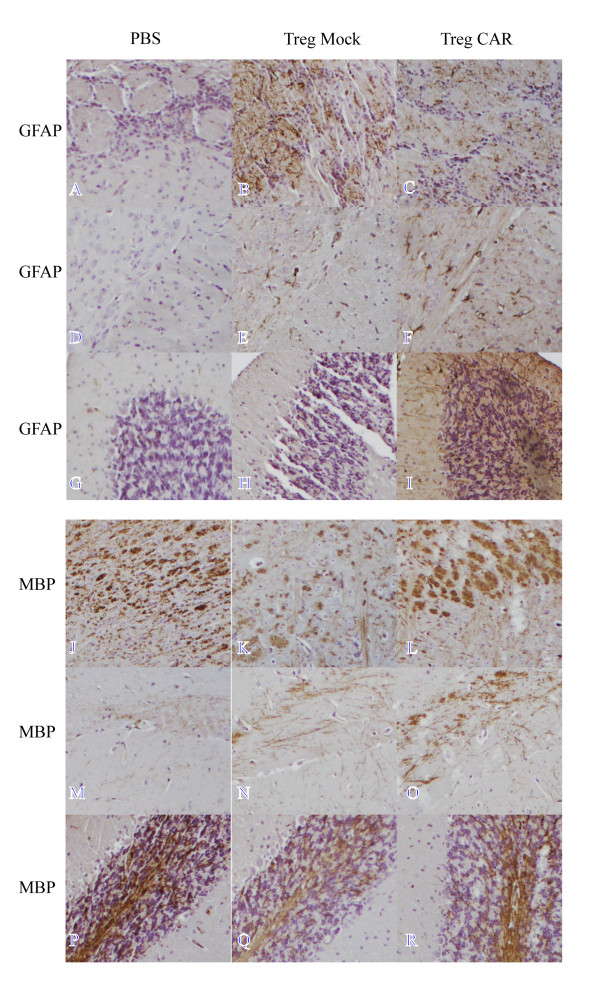
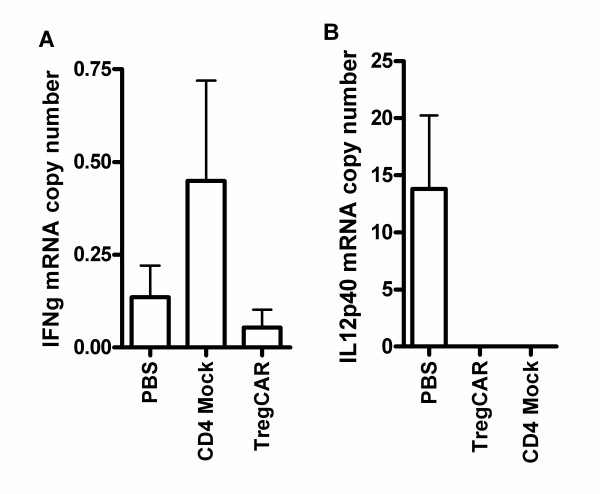
BACKGROUND: Multiple sclerosis (MS) is an autoimmune disease of the central nervous system (CNS). In the murine experimental autoimmune encephalomyelitis (EAE) model of MS, T regulatory (Treg) cell therapy has proved to be beneficial, but generation of stable CNS-targeting Tregs needs further development. Here, we propose gene engineering to achieve CNS-targeting Tregs from naïve CD4 cells and demonstrate their efficacy in the EAE model. METHODS: CD4+ T cells were modified utilizing a lentiviral vector system to express a chimeric antigen receptor (CAR) targeting myelin oligodendrocyte glycoprotein (MOG) in trans with the murine FoxP3 gene that drives Treg differentiation. The cells were evaluated in vitro for suppressive capacity and in C57BL/6 mice to treat EAE. Cells were administered by intranasal (i.n.) cell delivery. RESULTS: The engineered Tregs demonstrated suppressive capacity in vitro and could efficiently access various regions in the brain via i.n cell delivery. Clinical score 3 EAE mice were treated and the engineered Tregs suppressed ongoing encephalomyelitis as demonstrated by reduced disease symptoms as well as decreased IL-12 and IFNgamma mRNAs in brain tissue. Immunohistochemical markers for myelination (MBP) and reactive astrogliosis (GFAP) confirmed recovery in mice treated with engineered Tregs compared to controls. Symptom-free mice were rechallenged with a second EAE-inducing inoculum but remained healthy, demonstrating the sustained effect of engineered Tregs. CONCLUSION: CNS-targeting Tregs delivered i.n. localized to the CNS and efficiently suppressed ongoing inflammation leading to diminished disease symptoms.
Overview
The claims and statistics of this paper haven’t been checked yet.
Free: it reads the open-access text and checks the first 5 claims that cite a source we can check. Create a free account to check every claim.
Integrity signals
Registry
Cites
Statistics
Figures
Verification
Claims the paper makes
The claims and statistics of this paper haven’t been checked yet.
Free: it reads the open-access text and checks the first 5 claims that cite a source we can check. Create a free account to check every claim.
Claims other papers make about this one
Each is checked against this paper’s own text: does it say what the citing paper says it does?
In the citing paper
“studies have shown that transfection of T cells with FoxP3 induces regulatory activity.”
From Modulating immune responses to AAV by expanded polyclonal T-regs and capsid specific chimeric antigen receptor T-regulatory cells (2021) · cites this paper as [17]
Self-check
Percentages, sums and reported differences re-computed from the paper’s own numbers.
The self-check needs the paper’s full text.
Citations
Cites
Control of Regulatory T Cell Development by the Transcription Factor Foxp3
Hori, S., Nomura, T., & Sakaguchi, S. (2003) · Science · doi:10.1126/science.1079490 · Cited by 8,187
The Role of Tumoral FOXP3 on Cell Proliferation, Migration, and Invasion in Gastric Cancer
Zhang, L., Xu, J., Zhang, X., Zhang, Y., Wang, L., Huang, X., & Xu, Z. (2017) · Cellular Physiology and Biochemistry · doi:10.1159/000479442 · Cited by 4,088
In Vitro–expanded Antigen-specific Regulatory T Cells Suppress Autoimmune Diabetes
Tang, Q., Henriksen, K. J., Bi, M., Finger, E. B., Szot, G., Ye, J., Masteller, E. L., McDevitt, H., Bonyhadi, M., & Bluestone, J. A. (2004) · The Journal of Experimental Medicine · doi:10.1084/jem.20040139 · Cited by 1,221 · cited 1×
“Genetically engineered and cultured Tregs have been evaluated for treatment efficacy in a wide variety of adoptive transfer models of autoimmune diseases [9,23,25-27].”
BackgroundRegulatory T cells in the control of immune pathology
Maloy, K. J., & Powrie, F. (2001) · Nature Immunology · doi:10.1038/ni0901-816 · Cited by 1,175 · cited 2×
“; licensee BioMed Centr Commons Attribution License (http://creativec reproduction in any medium, provided the or regulate ongoing immune reactions and are important in the control of autoimmunity [2,3].”
BackgroundHori, S., Nomura, T., & Sakaguchi, S. (2017) · The Journal of Immunology · doi:10.1093/jimmunol/198.3.981 · Cited by 1,066
Szymczak, A. L., Workman, C. J., Wang, Y., Vignali, K. M., Dilioglou, S., Vanin, E. F., & Vignali, D. A. A. (2004) · Nature Biotechnology · doi:10.1038/nbt957 · Cited by 1,059 · cited 1×
“gene transfer of murine FoxP3 into CD4CD25 T cells, Chai and coworkers generated Tregs and used them in an animal model for transplantation with promising results [23], and this was later confirmed using a lentiviral vector system [24].”
BackgroundZiegler, S. F. (2006) · Annual Review of Immunology · doi:10.1146/annurev.immunol.24.021605.090547 · Cited by 922 · cited 1×
“Furthermore, Tregs block T cell activation indirectly via their interaction with antigen-presenting cells (APCs), preventing APC maturation and consequently downregulate their expression of costimulatory molecules and cytokine secretion [4,5].”
BackgroundTransport of drugs from the nasal cavity to the central nervous system
Illum, L. (2000) · European Journal of Pharmaceutical Sciences · doi:10.1016/s0928-0987(00)00087-7 · Cited by 907 · cited 1×
“The olfactory pathways have been extensively investigated as potential entry for pharmaceutical drugs into the brain [35,36].”
BackgroundMyelin-specific regulatory T cells accumulate in the CNS but fail to control autoimmune inflammation
Korn, T., Reddy, J., Gao, W., Bettelli, E., Awasthi, A., Petersen, T. R., Bäckström, B. T., Sobel, R. A., Wucherpfennig, K. W., Strom, T. B., et al. (2007) · Nature Medicine · doi:10.1038/nm1564 · Cited by 811 · cited 1×
“Hence the effector cell resistance to Treg suppression demonstrated by Korn and coworkers [34] may not occur using engineered Tregs.”
BackgroundKohm, A. P., Carpentier, P. A., Anger, H. A., & Miller, S. D. (2002) · The Journal of Immunology · doi:10.4049/jimmunol.169.9.4712 · Cited by 782
Cited by
Items 301–372 of 372
Chen, Z., Hu, Y., & Mei, H. (2024) · Pharmaceuticals · doi:10.3390/ph17010139 · Cited by 2
“…encompassing refractory systemic lupus erythematosus (SLE) [74–76], rheumatoid arthritis (RA) [77,78], type 1 diabetes mellitus (T1DM) [79–81], pemphigus vulgaris [82], muscle-specific tyrosine kinase myasthenia gravis (MuSK MG) [83], as well as colitis [84,85] and multiple sclerosis (MS) [86].”
BackgroundAmir, M. A., Huang, H., Tang, R., Zhang, Y., Xiao, Y., Yuan, Q., & Xiao, X. (2025) · Clinical Kidney Journal · doi:10.1093/ckj/sfaf248 · Cited by 2
Dong, S., Zhang, T., Zhai, Y., Naatz, L. C., Carlson, N. G., ROSE, J. W., Evavold, B. D., & Chen, M. (2025) · iScience · doi:10.1016/j.isci.2025.113677 · Cited by 3
Regulatory T cell α(1,3)-exofucosylation for treatment of neurodegenerative diseases
Gendelman, H. E., Hu, G., Yeapuri, P., Srivastava, S., Mosley, R. L., Mamilla, S., Intrator, W., Are, M. S., & Sackstein, R. (2025) · Journal of Leukocyte Biology · doi:10.1093/jleuko/qiaf154 · Cited by 2
Tay, E. S. V., Ting, Y. T., Gan, P., & Ooi, J. D. (2025) · Frontiers in Immunology · doi:10.3389/fimmu.2025.1675251 · Cited by 2
Modulating Autoimmune Diseases with CAR-Tregs: A Cutting-edge Therapeutic Strategy
Mishra, A. P., Meena, V. S., Ukey, P., Kumar, M., & Gosipatala, S. B. (2025) · Nature Cell and Science · doi:10.61474/ncs.2025.00022 · Cited by 2
CAR T cell therapy in autoantibody-mediated neurological disorders: a promising strategy
Wen, M., Zheng, R., Zhang, H., Goldberg, S. Y., Jian, Z., Gao, Y., Cheng, R., Wen, L., Zhao, Y. Y., Kenderian, S. S., et al. (2026) · Journal of Neuroinflammation · doi:10.1186/s12974-025-03662-6 · Cited by 3
“CAR Tregs have expanded application to animal models of T1D, MS, and vitiligo, based on preclinical and clinical results [118, 125, 128, 129].”
Kalkowski, L., Walczak, P., Mycko, M. P., & Małysz‐Cymborska, I. (2023) · Medicinal Research Reviews · doi:10.1002/med.21973 · Cited by 2
“126 136 Indeed, cells can migrate in to the CNS after being administered by intranasal delivery.”
BackgroundModulating regulatory T cell migration in the treatment of autoimmunity and autoinflammation
Martin, J. F., Hollowood, Z., Chorlton, J., Dyer, C., & Marelli‐Berg, F. M. (2024) · Current Opinion in Pharmacology · doi:10.1016/j.coph.2024.102466 · Cited by 2
Haass‐Koffler, C. L., Kashyap, B., Gully, B. J., Nambiar, S. S., Hornbacher, R., Foster, S. L., Silberman, Y., Swift, R. M., Hanson, L. R., & Frey, W. H. (2025) · Contemporary Clinical Trials Communications · doi:10.1016/j.conctc.2025.101509 · Cited by 4
“Peptides [20,21], charged small molecules [22], adeno-associated virus gene therapy [23], therapeutic cells including stem cells [24,25], and T cells [26] have all been delivered from the nose to the brain to treat CNS disorders.”
Therapeutic potentials of adoptive cell therapy in immune-mediated neuropathy
Shang, S., Zhao, C., & Lin, J. (2024) · Journal of Autoimmunity · doi:10.1016/j.jaut.2024.103305 · Cited by 2
Nucleic Acid-Based Therapeutics Relevant to Neuroimmune Conditions
Greenfield, A. L., & Hauser, S. L. (2019) · Neurotherapeutics · doi:10.1007/s13311-019-00740-5 · Cited by 2
Immune Response in the Human Central Nervous System in Multiple Sclerosis and Stroke
Lassmann, H. (2015) · Wiley eBooks · doi:10.1002/9781118732748.ch1 · Cited by 4
WITHDRAWN: T cell receptor revision and immune repertoire changes in autoimmune diseases
Jia, X., Wang, B., Zhai, T., Yao, Q., Li, Q., & Zhang, J. (2018) · Clinical Immunology · doi:10.1016/j.clim.2018.12.014 · Cited by 3
RetractedOptimizing protocols for human regulatory T isolation, expansion, and characterization
Sánchez-Moreno, I., Martín-Otal, C., Lasarte, J. J., & Teresa, L. (2024) · Methods in cell biology · doi:10.1016/bs.mcb.2024.10.005 · Cited by 1
Cui, Z., Ooi, J. D., & Ting, Y. T. (2026) · Journal of Autoimmunity · doi:10.1016/j.jaut.2026.103549 · Cited by 2
Li, X., Lin, H., Liang, J., Jin, X., Shen, T., Hu, Y., & Huang, H. (2026) · Nature Reviews Bioengineering · doi:10.1038/s44222-026-00430-w · Cited by 2
Jin, S., Zaiken, M. C., McDonald-Hyman, C. S., Hartigan, C. R., Bolivar-Wagers, S., Larson, J. H., Peng, Y., Hani, S., Riddle, M., Saha, A., et al. (2026) · JCI Insight · doi:10.1172/jci.insight.196197 · Cited by 1
“Several studies demonstrate that CAR Treg–mediated suppression typically predominates over cyto-lytic activity, particularly in established autoimmune and inflammatory settings (32, 34, 42, 43).”
Chen, Y., Shi, Y., & You, J. (2026) · Signal Transduction and Targeted Therapy · doi:10.1038/s41392-026-02910-2 · Cited by 2
“275,276 While this strategy partially overcomes the limitation of insuf fi cient peripheral blood Treg levels, it requires the coordinated expression of multiple genes, placing greater demands on vector design and production processes.”
Treatment of pemphigus beyond rituximab: chimeric autoantibody receptor T cell (CAAR-T cell) therapy
Akkuş, H. E. (2023) · Mucosa · doi:10.33204/mucosa.1235968 · Cited by 1
Cellular Immunotherapies for Multiple Sclerosis: Mechanistic Insights and Clinical Advances
Васильевич, К. В., Fisher, M. S., Облеухова, И. А., & Sennikov, S. V. (2026) · International Journal of Molecular Sciences · doi:10.3390/ijms27020585 · Cited by 3
“Their key features are antigen specificity (targeting autoreactive T cells in the CNS) [105,106], enhanced suppressive activity (preservation of FoxP3-dependent immune response suppression), and tissue tropism (ability to migrate to inflammation sites) [107].”
CAR-T cell therapy: A new dawn in the treatment of autoimmune disease
Yan, S., Zhu, X., & Xiao, Y. (2026) · Cell Transplantation · doi:10.1177/09636897251414211 · Cited by 1
“In vivo , MOG-CAR Treg reduced symptoms in mice with EAE and reduced pro-inflammatory cytokine mRNA levels in brain tissue 93 .”
Odiba, A. S., Ottah, V., & Iroha, O. K. (2017) · Egyptian Journal of Medical Human Genetics · doi:10.1016/j.ejmhg.2017.09.004 · Cited by 1
After Moving of Regulatory T-Cell Therapy to the Clinic: Will We Need a New Tregs Source?
Elbadry, M. I. (2017) · Hematology & Transfusion International Journal · doi:10.15406/htij.2017.05.00117 · Cited by 1
“Submit Manuscript | http://medcraveonline.com Abbreviations: AMP: Adenosine Monophosphate; ATP: Adenosine Triphosphate; cAMP: Cyclic Adenosine Monophosphate; CD: Cluster of Differentiation; CTLA-4: Cytotoxic T-LymphocyteAssociated Protein 4; IDO: Indoleamine 2,3-dioxygenase; IFN: Interferon; IL: Interleukin; LAG3: Lym…”
BackgroundIntranasal Delivery of Drugs to the Central Nervous System
Crowe, T. P., & Hsu, W. H. (2024) · AAPS introductions in the pharmaceutical sciences · doi:10.1007/978-3-031-62604-3_6 · Cited by 2
Frey, W. H. (2015) · Journal of nature and science · Cited by 1
Therapeutic potential of T regulatory cell manipulation: advantages and limitations
Neagu, A. I., Mambet, C., Necula, L. G., Matei, L., Dragu, D., Ataman, M., Petrică-Matei, G. G., Alexiu, I., Nedeianu, S., Bleoţu, C., et al. (2020) · ROMANIAN BIOTECHNOLOGICAL LETTERS · doi:10.25083/rbl/25.2/1501.1510 · Cited by 1
“In EAE, engineered Tregs suppressed ongoing encephalomyelitis reducing disease symptoms [34].”
BackgroundKaur, K. K. (2020) · Open Access Journal of Endocrinology · doi:10.23880/oaje-16000149 · Cited by 1
“An intriguing method regarding utilization of CAR-Treg in the EAE, mouse model was suggested by Fransson et al. [93].”
Synthetic Biology in Immunotherapy and Stem Cell Therapy Engineering
Ho, P., & Chen, Y. Y. (2018) · Wiley eBooks · doi:10.1002/9783527688104.ch17 · Cited by 1
Regulatory T Cell Therapy in Transplantation
McEwen, S. T., & Tang, Q. (2017) · Elsevier eBooks · doi:10.1016/b978-0-12-801734-0.00023-0 · Cited by 2
Kang, K., Chung, J., Yang, J., & Kim, H. (2017) · Korean Journal of Transplantation · doi:10.4285/jkstn.2017.31.4.157
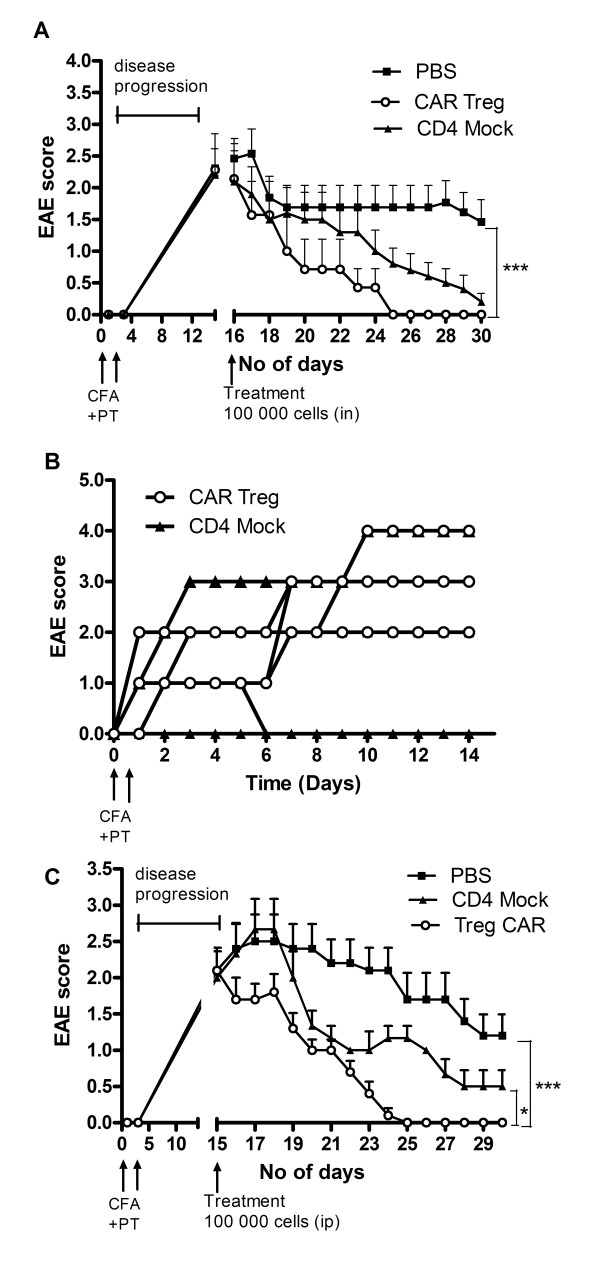
“CARMOG가 형질 도입 되 어있는 Treg세포와 모의 형질이 도입된 일반 CD4+T 세포 를 비교하였을 때 투여 후 7일 이후부터 CARMOG Treg 세포를 투여한 실험군 마우스에서만 유의한 증상 호전이 관찰되었고 실험 25일째에는 CARMOG Treg 세포를 투 여한 실험군 마우스에서 증상이 완벽히 호전되었다(67).”
InfluentialHardtke‐Wolenski, M. (2019) · Gastroenterology Medicine & Research · doi:10.31031/gmr.2019.03.000555
Effects of Engineered Costimulation on the Function of T Cell Subsets
Boroughs, A. C. (2019) · Digital Access to Scholarship at Harvard (DASH) (Harvard University)
Wijanarko, K. J., Wang, M., & Chow, K. T. (2020) · Royal Society of Chemistry eBooks · doi:10.1039/9781788019958-00303
Cellules CAR-T : extension aux maladies auto-immunes en rhumatologie
Avouac, J. (2021) · Revue du Rhumatisme · doi:10.1016/j.rhum.2021.09.001
Персональный прибор для профилактики варикоза и хронической сердечной недостаточности
Николаевич, К. Д., Нечаева, Г. И., & Викторовна, Д. И. (2012) · Omsk Scientific Bulletin
“A novel feasible cure for demyelinating diseases?”: not yet but here is the conceptPreprint
Sedaghat, N., & Etemadifar, M. (2021) · doi:10.22541/au.162912527.75500056/v4
“A novel feasible cure for demyelinating disorders?”: not yet but here is the conceptPreprint
Sedaghat, N., & Etemadifar, M. (2021) · doi:10.22541/au.162912527.75500056/v2
“A novel feasible cure for demyelinating disorders?”: not yet but here is the conceptPreprint
Sedaghat, N., & Etemadifar, M. (2021) · doi:10.22541/au.162912527.75500056/v1
Isobe, N. (2022) · Nihon Naika Gakkai Zasshi · doi:10.2169/naika.111.1555
T regulatory Function and Modification for Future Application
Yang, Y. (2023) · SHS Web of Conferences · doi:10.1051/shsconf/202317403006
Management of Multiple Sclerosis: Clinical Review
Naser, M., Nasr, M., & Shehata, L. H. (2023) · International Journal of Progressive Sciences and Technologies · doi:10.52155/ijpsat.v39.2.5462 · Cited by 2
CAR-T CELL THERAPY FOR CHRONIC LYMPHOCYTIC LEUKEMIA: A PROMISING IMMUNOTHERAPY APPROACH
Rehman, R. (2024) · Journal of Population Therapeutics and Clinical Pharmacology · doi:10.53555/jptcp.v31i8.7501
CAR-T CELL THERAPY FOR CHRONIC LYMPHOCYTIC LEUKEMIA: A PROMISING IMMUNOTHERAPY APPROACH
KHAN, Z., ABAID, T., KHAN, J., AHMAD, W., USMAN, M., BABAR, A., & NAEEM, M. (2024) · Biological and Clinical Sciences Research Journal · doi:10.54112/bcsrj.v2024i1.1378
Beruat, A. E., Soeroso, N. N., Tarigan, S. P., & Eyanoer, P. C. (2025) · Jurnal Sehat Indonesia (JUSINDO) · doi:10.59141/.v7i2.375
“…kebiasaan merokok, yang lebih sering ditemui pada laki-laki, sehingga menjadi salah satu penyebab utama kejadian kanker paru pada kelompok ini (Fransson et al., 2012) Berdasarkan status kebiasaan merokok, sebagian besar penderita kanker paru tipe karsinoma bukan sel kecil adalah perokok…”
Liu, X., Gao, H., & Yu, J. (2026) · Precision Clinical Medicine · doi:10.1093/pcmedi/pbag007 · Cited by 1
“Studies by Fransson et al. and Martin et al. demonstrated that FOXP3 overexpression in conventional CD4 + T cells reliably confers a regulatory T cell phenotype, enabling these cells to effec tively suppress autoimmune disease progression [ 171 , 172 ].”
Chimeric Antigen Receptor T-Cell Revolution Remodeling Immunity to Conquer Autoimmune Disease
Shao, W., Liu, J., Sun, M., & Yu, D. (2026) · Research · doi:10.34133/research.1239 · Cited by 1
“In animal models, they effectively mitigate inflammation and prevent relapse [ 16 , 17 ].”
Gonzalez, M. M., Kim, G. B., Maharlooei, M. K., Nikhat, S., Hamdan, F. H., Gustafson, M. P., & Faubion, W. A. (2026) · Human Immunology · doi:10.1016/j.humimm.2026.111723
Loschi, M. L. (2018) · theses.fr (ABES) · doi:10.70675/17e135c8z9669z4080z9651z611bcbd8df0a
Analyse protéomique et interactomique de l'activation des lymphocytes T humains primaires
Nicolas, P. (2021) · theses.fr (ABES) · doi:10.70675/defcbd86z76d7z43bfz9103zb8a743a479f5
Regulation of the T cell response in Multiple Sclerosis
Benallegue, N. (2021) · theses.fr (ABES) · doi:10.70675/1139fcb3z40a7z4b84zbd80z1d8a0860fb29
γδ T cell-based immunotherapy against cytomegalovirus infection and glioblastoma : proof-of-concept
Marsères, G. (2022) · theses.fr (ABES) · doi:10.70675/0c3d3fbfzdda5z42cez801fzc60a0cccc3b9
Álvarez‐Luquín, D. D., González-Fernández, R. R., Ichikawa-Escamilla, E., Torres-Velasco, M. E., Martínez-Martínez, E. J., Arce-Sillas, A., Juárez-Vaquera, V. H., Miranda-Narváez, C. L., Hernández, M., & Adalid-Peralta, L. V. (2026) · Experimental Neurology · doi:10.1016/j.expneurol.2026.115764
Targeted cellular micropharmacies deliver therapeutic agents to the brain
Malviya, M., Baniya, S., Wong, E., Jain, T., Manoranjan, B., Vogt, K. C., Kehs, Z., Silberman, P. C., Dao, T., Li, Y., et al. (2026) · EMBO Molecular Medicine · doi:10.1038/s44321-026-00421-9
“Previous studies with CAR or TCR-engineered regulatory T-cells have shown positive outcomes in GvHD, autoimmunity, and chronic in fl ammation (Fransson et al, 2012; Skuljec et al, 2017; Malviya et al, 2020; Bolivar-Wagers et al, 2022; Qiao et al, 2023).”
Reprogramming immunity: the promise and challenges of CAR T cell therapy in multiple sclerosis
Kumawat, N., Sharma, A., & Upadhayay, S. (2026) · Inflammopharmacology · doi:10.1007/s10787-026-02295-2 · Cited by 1
The three-dimensional perspective of CAR-T cell therapy in autoimmune diseases
Shen, J., Mao, J., & Ye, Q. (2026) · EBioMedicine · doi:10.1016/j.ebiom.2026.106341
Harnessing Regulatory T Cells to Modulate Acute Brain Injury: From Mechanisms to Therapy
Ansari, J., Sasannia, S., Matsyuk, M., Jackson, C., & Nyquist, P. (2026) · Molecular Neurobiology · doi:10.1007/s12035-026-06011-7 · Cited by 1
“Novel delivery routes, such as intranasal administration [217, 218] or biomaterial scaffolds implanted at the injury site [219], may offer solutions to increase CNS bioavailability while limiting systemic exposure.”
Immune tolerance platforms to mitigate unwanted immune responses
Chak, V., & Balu‐Iyer, S. V. (2026) · Journal of Pharmaceutical Sciences · doi:10.1016/j.xphs.2026.104404
Engineering CAR‐Tregs with Phage‐Selected scFv Enables a New Paradigm for Immune Regulation
Noyan, F., & Hardtke‐Wolenski, M. (2026) · BioEssays · doi:10.1002/bies.70164
Sanoyeva, M., Насирдинова, Н. А., Афзаловна, Г. М., Ортикова, Н., Yumashev, A. V., Tolmasov, R., Kholdarov, T., & Gardanova, Z. R. (2026) · Current Research in Translational Medicine · doi:10.1016/j.retram.2026.103603
Li, J., Pang, J., Wu, P., Wang, E., Zheng, S. J., 阮庆国, & Liu, R. (2026) · Frontiers in Immunology · doi:10.3389/fimmu.2026.1881360
“Mouse naive CD4 + T cells were then infected with the lentiviral vector to generate MOG CAR-Tregs (85).”
Maal, A. B., Arki, M. K., Nabavi, S. M., Rezaei–Tavirani, M., Rismani, E., Vosough, M., Azizi, G., & Hossein‐Khannazer, N. (2026) · Neurological Sciences · doi:10.1007/s10072-026-09328-2
Chaudhary, R., Singh, A., Gupta, A., Kumar, A., & Agarwal, V. (2026) · Disease-a-Month · doi:10.1016/j.disamonth.2026.102210
Phage-display engineering of cross-reactive CARs for neurofilament light chainPreprint
Saetzler, V., Hendriks, C. M., Riët, T., Pieper, T., Hust, M., Buitrago‐Molina, L. E., Noyan, F., Jaeckel, E., & Hardtke‐Wolenski, M. (2026) · Research Square · doi:10.21203/rs.3.rs-10817261/v1
Marei, H. E. S., Pozzoli, G., Caratelli, S., & Cenciarelli, C. (2026) · Stem Cell Research & Therapy · doi:10.1186/s13287-026-05266-0
Zaher, K. A., & Alrahimi, J. (2026) · Pathophysiology · doi:10.3390/pathophysiology33030070
“…therapy has been associated in early reports with profound B cell depletion, reductions in autoantibodies, improvements in complement levels, steroid withdrawal, and drug-free remission in selected patients with severe, refractory SLE and related systemic autoimmune diseases [11,13,16,36,37,43].”
InfluentialMalepati, R. N., Patel, V., Kayastha, A., Velammal, P. N. K. P., Bahekar, R., Raj, A., Kagzi, Y., Ganapathy, M. K., & Sriwastava, S. (2026) · Clinical and Experimental Neuroimmunology · doi:10.1111/cen3.70081
Chimeric antigen receptor T (CAR-T) cell therapy in non-oncological diseases
Fan, Z., Zheng, X., Jin, C., Zhang, J., Gong, N., & Li, X. (2026) · Signal Transduction and Targeted Therapy · doi:10.1038/s41392-026-02783-5
“116,300 Despite these advances, signi fi cant challenges remain in Treg-based therapies for MS: Limited cell migration to target sites: Adoptively transferred Tregs often diminish in number during migration, with potential off-target accumulation in other organs.”
Magercu, M., Ristoiu, V., Amuzescu, B. P., & Dulămea, A. O. (2026) · Biomolecules · doi:10.3390/biom16101454
“…regulatory T (Treg) cells were shown to bind to oligodendrocytes and protect them against immune attack in both pre-induced and secondary challenged EAE [99], further human studies with larger MS patient cohorts are needed for CAR T cell therapy to be critically validated in progressive MS [100].”
Biomaterial-Based Activation Enables Scalable Expansion of Stable Human Regulatory T-cells
Graf, J., Ruiz, A. L., Slaughter, E. D., Kloxin, A. M., & Fromen, C. A. (2026) · ACS Biomaterials Science & Engineering · doi:10.1021/acsbiomaterials.6c01422
Metadata
- Authors
- Fransson, M., Piras, E., Burman, J., Nilsson, B., Essand, M., Lu, B., Harris, R. A., Magnusson, P. U., Brittebo, E., & Loskog, A. S.
- Affiliations
- Uppsala University (SE)
- University of Pittsburgh (US)
- Karolinska Institutet (SE)
- Corresponding author
- Fransson, Moa
- Piras, Elena
- Loskog, Angelica SI
- ORCID
- Venue
- Journal of Neuroinflammation
- Published
- 2012-05-30
- Volume
- 9
- Issue
- 1
- Pages
- 112-112
- ISSN
- 1742-2094 (ISSN-L)
- PMC
- PMC3403996
- OpenAlex
- W2149184543
- Semantic Scholar
- 18bee0cf8a5a2439df63b51185e4704ca9f003c0
- Cited by
- 372
- References
- 42
- Citations by year
- 2026: 36 · 2025: 41 · 2024: 46 · 2023: 39 · 2022: 40 · 2021: 34 · 2020: 29 · 2019: 29 · 2018: 18 · 2017: 25 · 2016: 11 · 2015: 9 · 2014: 8 · 2013: 5 · 2012: 2
- FWCI
- 5.24
- Type
- journal article
- Language
- en
- Open access
- gold
- doi.org
- Locations
- Journal of Neuroinflammation (publishedVersion, cc-by)
- Europe PMC (PubMed Central) (publishedVersion, cc-by)
- PubMed Central (publishedVersion, cc-by)
- PubMed (publishedVersion)
- D-Scholarship@Pitt (University of Pittsburgh) (acceptedVersion)
- Uppsala University Publications (Uppsala University) (submittedVersion, other-oa)
- DOAJ (DOAJ: Directory of Open Access Journals) (submittedVersion)
- Funders
- Vetenskapsrådet
- Uppsala Universitet
- Topics
- Health Sciences › Medicine › Clinical Neurology › Multiple Sclerosis Research Studies
- Life Sciences › Immunology and Microbiology › Immunology › T-cell and B-cell Immunology
- Health Sciences › Medicine › Oncology › CAR-T cell therapy research
- Keywords
- regulatory T cells, chimeric antigen receptor, Foxp3, myelin oligodendrocyte glycoprotein, experimental autoimmune encephalomyelitis, multiple sclerosis, lentiviral transduction, adoptive immunotherapy, immunosuppression, myelination, reactive astrogliosis, IL-12, interferon-gamma
- MeSH terms
- Administration, Intranasal, Animals, Cell Line, Central Nervous System, Encephalomyelitis, Autoimmune, Experimental, Female, Genetic Vectors, Mice, Inbred C57BL, Receptors, Antigen, T-Cell, Genetic Therapy, Lentivirus, Gene Transfer Techniques, T-Lymphocytes, Regulatory, Mice, Forkhead Transcription Factors, Cell Engineering
About these checks
Registry, retraction, Cites and statistics results are computed, not judged, with one exception: a printed reference that no index lists is read once by a model before it counts as a citation error. Claims are extracted by a model and kept only when their quote appears verbatim in the text; each cited source is then checked, with a model’s help, for whether it says what the claim relies on. Those verdicts can be wrong — read the claim’s quote and the cited source before relying on one.
Statistics and arithmetic are recomputed, not judged.
Confidence bands are shown only for fields calibrated on our annotated test set. None is calibrated yet, so no band is shown.
What counts as a claim ›How we measure confidence ›How we check this ›
Are you an author, or do you see a problem with this page? Request a review
Data sources
Bibliographic data: Semantic Scholar, OpenAlex, Crossref.
Contains information from the Semantic Scholar Academic Graph Datasets, made available under the ODC Attribution License (ODC-BY 1.0).
Semantic Scholar’s data is described in: Kinney, R., et al. (2023). The Semantic Scholar Open Data Platform. arXiv:2301.10140.
